The world’s nightlife scene in 2026 looks nothing like it did a decade ago. Forget the old image of one giant club district and a single famous DJ headlining every weekend.
From rooftop samba parties in São Paulo to hutong techno raves in Beijing, cities everywhere are rewriting the rules of a great night out. Time Out surveyed more than 24,000 residents across 150 cities and combined those results with expert assessments covering affordability, safety, inclusiveness, community, bars, clubs, and street life to find the cities that truly own the night.
Bangkok, Thailand
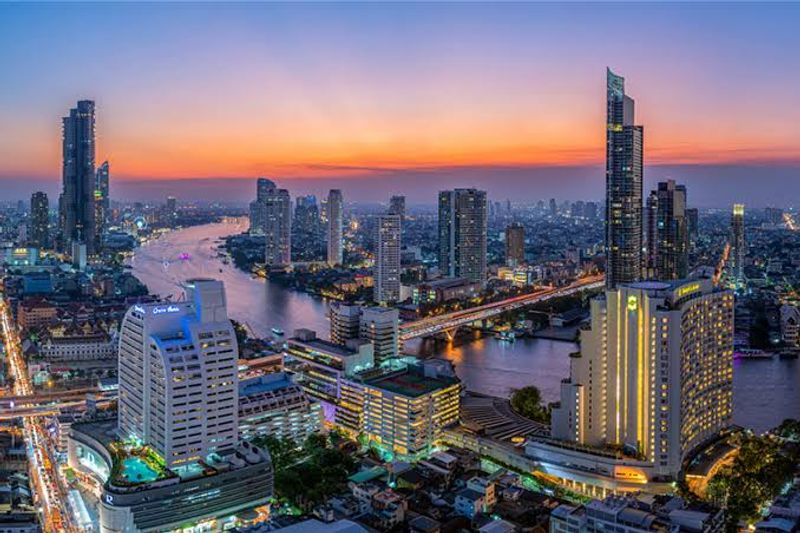
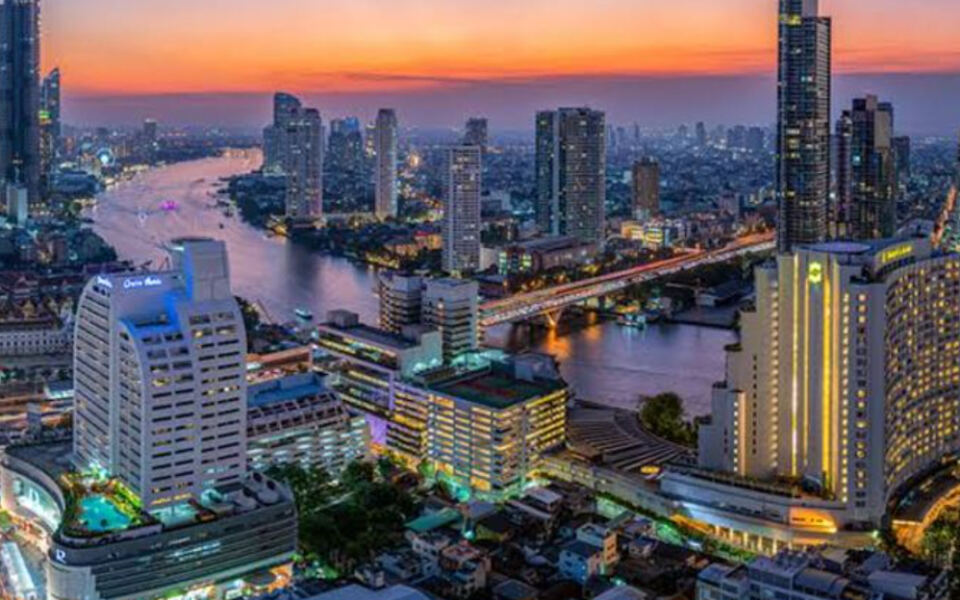
Bangkok did not just top the 2026 ranking, it made every other city look like it was trying to catch up. Variety is the city’s secret weapon.
A single night can move from street-side cocktail bars in Chinatown’s Soi Nana to massive clubs in Thonglor to LGBTQ+ venues in Silom without ever feeling forced or repetitive.
Time Out’s expert panel gave Bangkok a stunning 95% approval score, the highest of any city in the survey. Among locals, 73% rated the nightlife good or amazing, and the same share said it was easy to find community.
That combination of quality and social warmth is rare.
Whether you are chasing skyline rooftop views, late-night noodles at 3 a.m., or a dance floor that goes until sunrise, Bangkok delivers without demanding a huge budget. Street-level energy and world-class venues coexist here in a way that feels completely natural, making the No. 1 ranking feel less like a surprise and more like an overdue acknowledgment.
Berlin, Germany
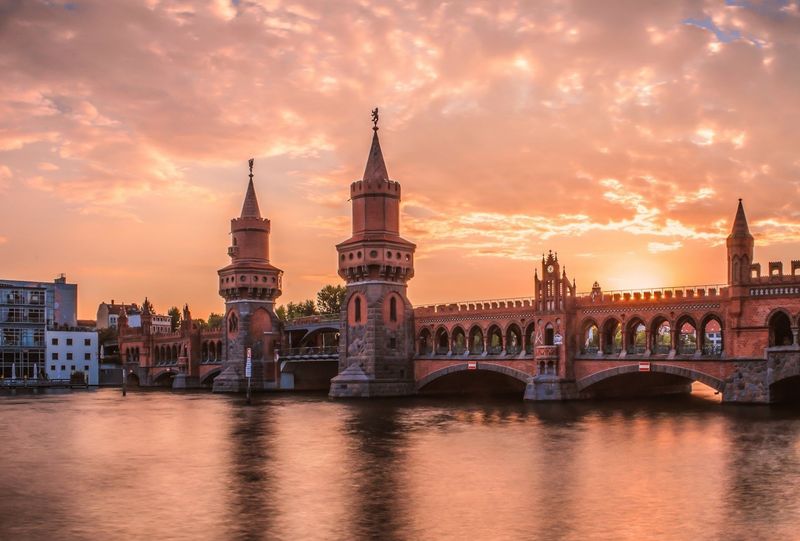
Berlin’s nightlife has survived reunification, gentrification, and a global pandemic, so a few redevelopment scares are not going to slow it down. The city’s techno culture received formal recognition in 2024 when it was added to Germany’s national inventory of intangible cultural heritage.
That is not just a fun fact. It means Berlin’s clubs are officially considered cultural institutions worth protecting.
Berghain and Tresor continue operating as global landmarks, but smaller collectives are quietly reshaping the scene with temporary events, open-air parties, and location-changing nights that keep things unpredictable. Eighty-two percent of Time Out’s expert panel backed Berlin’s after-dark credentials without hesitation.
Locals also value the simpler side of things. Sixty-two percent of surveyed residents pointed to casual bars and pubs as one of the city’s strongest nightlife assets, a reminder that Berlin’s appeal is not limited to famously difficult door policies.
Overall, 78% of Berliners rated their nightlife positively, confirming that the city’s reputation is built on something much deeper than hype.
New York City, United States
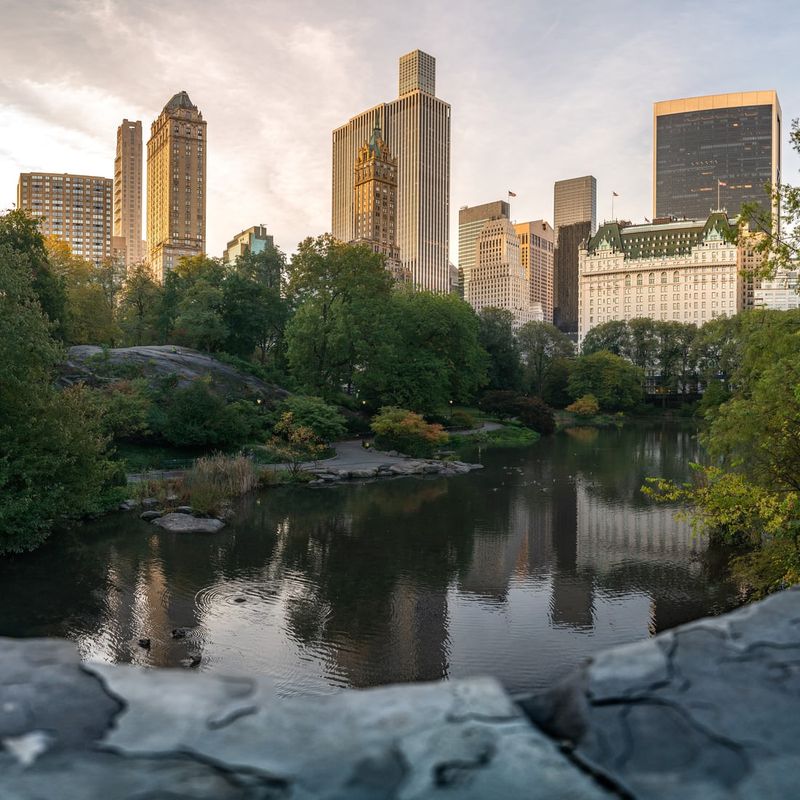
Asking what New York’s nightlife is “about” is like asking what the city itself is about. The honest answer is everything.
Underground raves in Brooklyn warehouses, wine clubs in the West Village, community dance parties in Queens, LGBTQ+ events in Hell’s Kitchen, and live jazz in Harlem all operate simultaneously on any given Friday night.
That sheer range helped New York finish third globally and claim the top spot in the United States. Time Out found that 82% of New Yorkers rated their nightlife good or amazing, one of the strongest local approval scores in the entire survey.
The diversity of options is genuinely unmatched.
The one honest weakness is the price. Only 40% of residents considered a night out affordable, the lowest affordability score among all ranked cities.
New York rewards creativity though. Free events, neighborhood bars, and community-run parties mean a great night does not have to cost a fortune if you know where to look.
The city’s nightlife is less about spending big and more about finding your crowd.
Melbourne, Australia
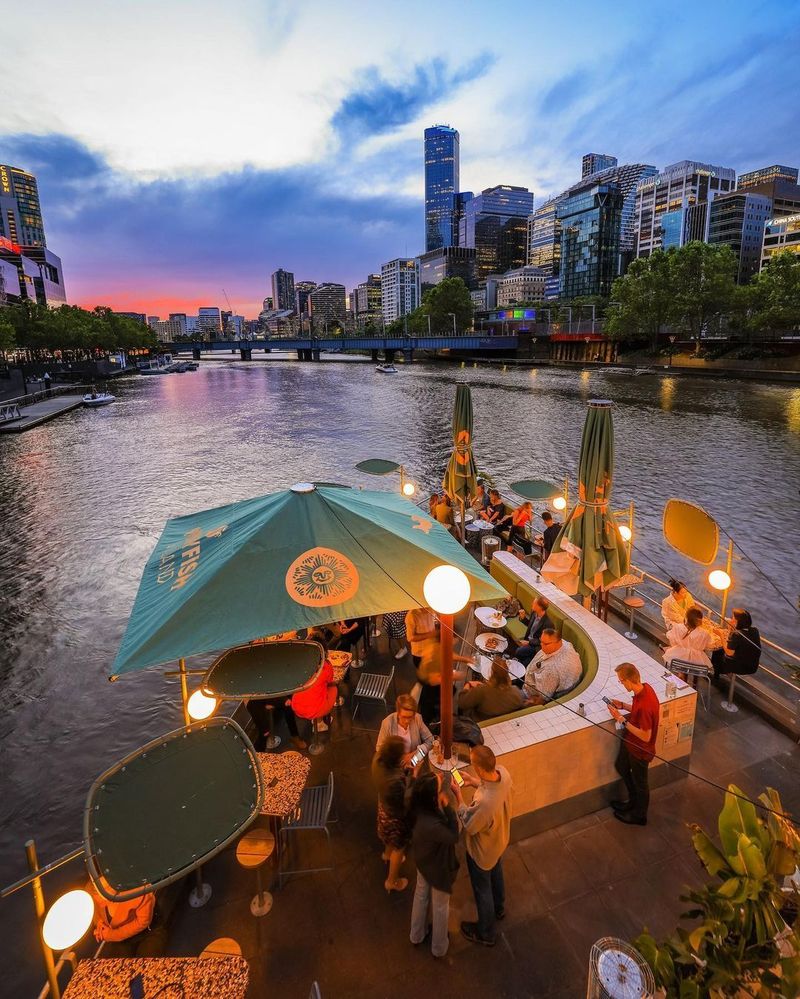
Melbourne has a nightlife scene that genuinely refuses to be defined by one category. On any given weekend, the city simultaneously runs electronic club nights, drag performances, comedy shows, live bands in sticky-floored pubs, and cocktail bars tucked inside Victorian-era laneways.
That spread is not accidental. It reflects a city that has actively protected its live music and independent venue culture for decades.
Time Out highlighted venues such as Coil and Pride of Our Footscray as standout examples of Melbourne’s range. In the 2026 survey, 77% of locals described the nightlife as good or amazing, while 59% gave strong marks specifically for the city’s sense of community.
Those are numbers that speak to something beyond just having good bars.
Traditional pubs received especially enthusiastic support from residents, reinforcing a truth about Melbourne that visitors often discover quickly. A great night here can be just as satisfying at a neighborhood pub with a cold beer and a band playing in the corner as it is at a polished rooftop club.
Both experiences feel equally Melbourne, and that flexibility is the city’s real strength.
São Paulo, Brazil
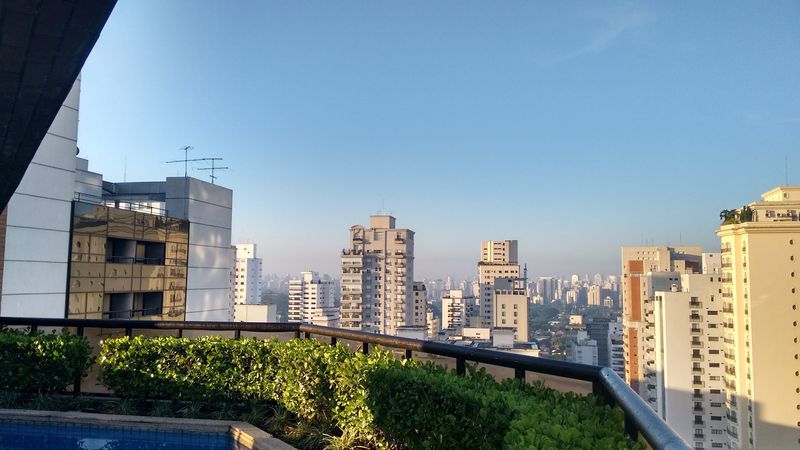
São Paulo’s nightlife is heading upward, quite literally. Rooftop clubs and listening bars have taken over historic buildings across Brazil’s largest city, turning old architecture into dance floors with jaw-dropping panoramic views.
The Edifício Martinelli, one of the city’s most famous historic towers, has hosted rooftop parties ranging from samba sessions to full electronic music events.
Time Out highlighted venues including Matiz and Ephigenia as part of a growing scene that blends high-quality cocktails, curated music, and a genuine sense of occasion. Karaoke spots and smaller listening bars add a more intimate layer for nights when the rooftop vibe feels like too much.
São Paulo covers every mood.
The numbers from Time Out’s survey back up the buzz. Seventy-four percent of locals rated the city’s nightlife highly, while 71% considered going out for drinks genuinely affordable, a strong result for a city of this size and ambition.
Another 72% said São Paulo made it easy to find community and social connection. For a megacity, those are warm, personal numbers that suggest São Paulo’s nightlife is as much about people as parties.
Medellín, Colombia
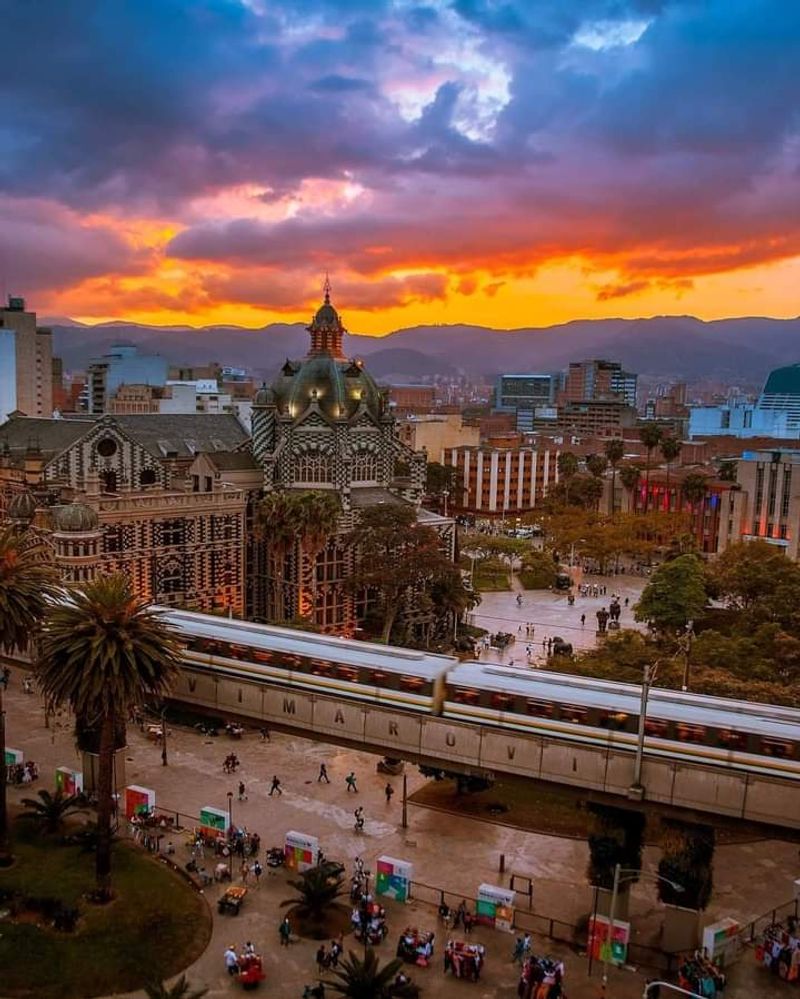
Medellín earned the highest nightlife-quality score from locals in Time Out’s entire 2026 survey, with 87% of residents calling going out good or amazing. That is not a typo.
Eighty-seven percent. No other city in the ranking came close to that level of local enthusiasm, which says a lot about how Medellín’s residents feel about their own city after dark.
Reggaeton is the city’s dominant soundtrack, which makes sense given that J Balvin, Maluma, and Karol G all call Medellín home. Clubs in Poblado keep the genre front and center, but speakeasies, listening bars, and smaller music-focused venues have diversified the scene considerably.
The action has gradually shifted from Parque Lleras toward Provenza and Manila, giving the nightlife a slightly fresher, less touristy feel.
Cost is another reason Medellín stands out. It ranked among the most affordable nightlife cities in the survey, earning a 67% affordability score.
Combining the highest quality rating with strong affordability marks is an unusual achievement. Most cities have to choose one or the other, but Medellín manages to deliver both without obvious compromise.
Johannesburg, South Africa
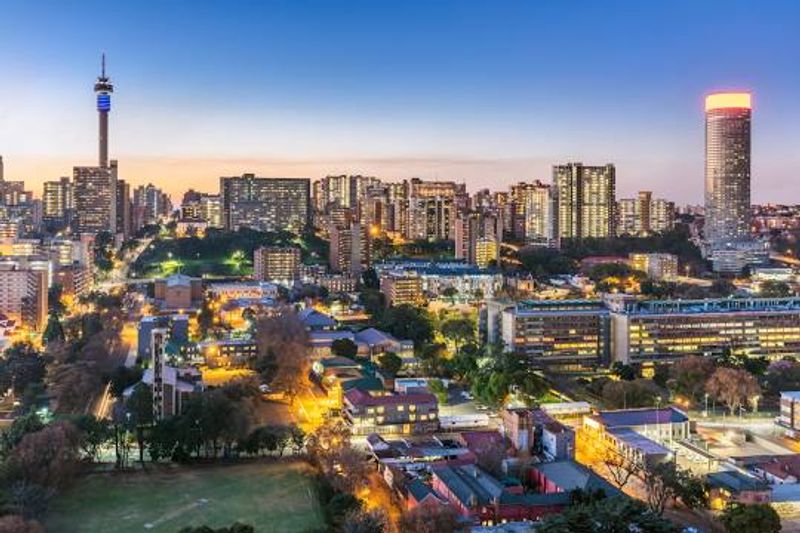
South Africa has one of the richest music traditions on earth, and Johannesburg is where much of it comes alive after dark. Deep house, afro-house, gqom, jazz, and electronic music all have dedicated venues and loyal crowds in a city that treats its nightlife as a genuine cultural export rather than just entertainment.
The stretch around Gwigwi Mrwebi Street remains one of the strongest concentrations of clubs in the city, with venues including Club A.M., AND Club, Bad Manors, and Carfax operating close together. Melville and Rosebank offer a different flavor, leaning more toward cocktail bars and live performances for those who prefer a slightly slower pace.
Community pushed Johannesburg into seventh place globally. Time Out found that 80% of surveyed residents said it was easy to connect with people in the city, a score that reflects something real about how Johannesburg’s nightlife functions.
Affordability scored 66%, and clubbing, casual pubs, and cocktail bars all received meaningful support from locals. The city is not competing with Berlin for techno credibility.
It is doing something more distinctive and arguably more interesting.
Brighton, United Kingdom
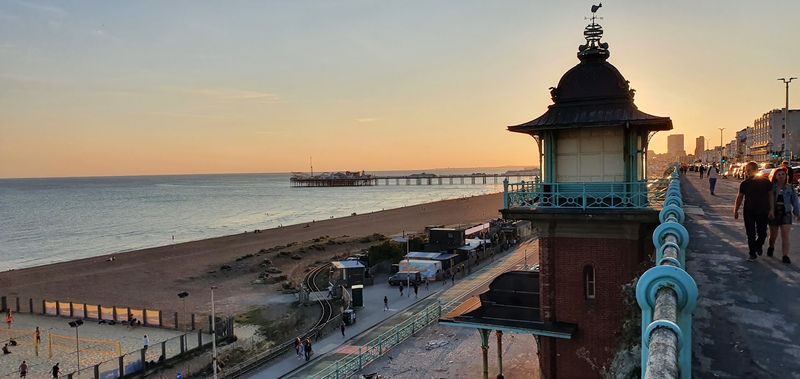
Brighton punched well above its size in Time Out’s 2026 ranking, outperforming every other UK city including London. That result might surprise people who have never visited, but anyone who has spent a Friday night in Brighton will find it completely believable.
The city has a talent for making every kind of person feel like they belong.
Its LGBTQ+ scene remains the backbone of Brighton’s nightlife identity. Venues such as Revenge, The Queen’s Arms, and Bar Broadway continue providing essential queer spaces, while newer additions like Crossbar, a women-focused sports bar, show the scene is still evolving rather than resting on its reputation.
Brighton achieved the highest community score of any city in the entire ranking, with 84% of locals saying it was easy to make connections. That is a remarkable number for any city, let alone one competing against global metropolises.
It also tied with Seoul for the second-highest nightlife-quality rating, with 83% of residents describing nights out as good or amazing. Brighton’s success is a reminder that great nightlife is not about size or budget.
Sometimes it is simply about building a scene where everyone feels genuinely welcome.
Beijing, China
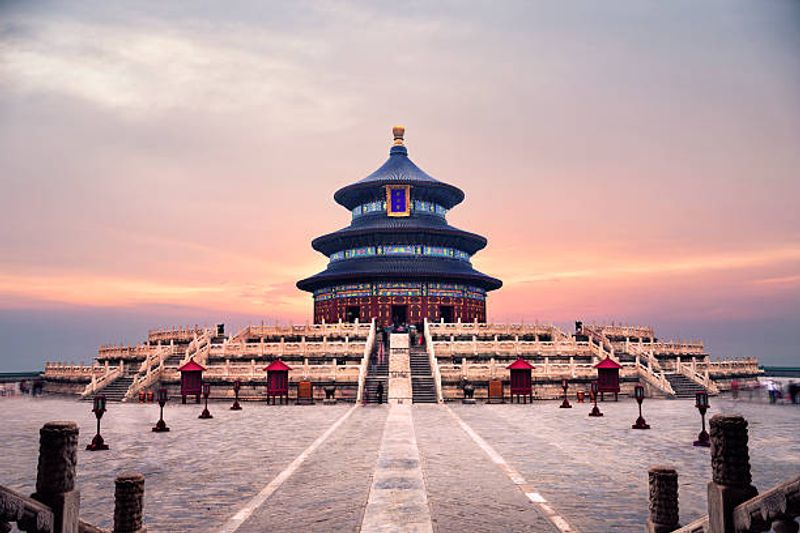
Beijing’s most exciting nightlife in 2026 is not happening in the obvious places. Sanlitun still works as a starting point for cocktails and dancing, but the real momentum belongs to hutong breweries, indie-music venues, underground techno clubs, and temporary pop-ups that shift locations and formats constantly.
The city rewards curiosity more than any fixed nightlife map can capture.
Venues like Modernista have been hosting live music for years, while underground electronic collectives organize everything from conventional club nights to daytime coffee raves. The variety is quietly impressive for a city that does not always get the international nightlife recognition it deserves.
Beijing stood out in Time Out’s 2026 survey for one particularly compelling reason: value. It ranked as the most affordable nightlife city in the entire list, earning a 77% affordability score.
Seventy-two percent of residents rated nightlife quality highly, while 80% praised the city’s sense of community. Affordability plus quality plus community is a combination that most cities can only achieve one or two parts of at once.
Beijing somehow manages all three, making it one of the ranking’s most quietly impressive entries.
Amsterdam, Netherlands
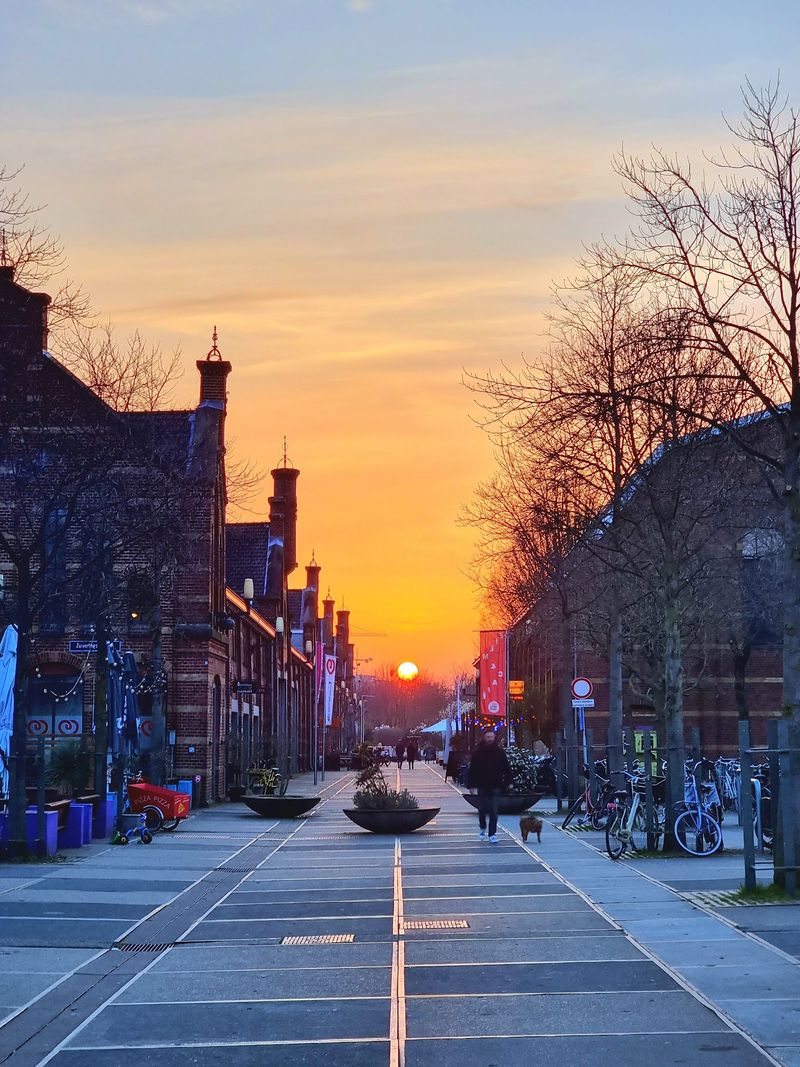
Amsterdam’s nightlife has always had a certain reputation, but the 2026 version of the city after dark is more interesting and more layered than any single cliche can cover. The famous central entertainment districts are still there, but the real story is what has grown up around them in neighborhoods that were barely on the nightlife map a few years ago.
Noord has become a genuine after-dark hub, mixing warehouse clubs, waterfront venues, arts spaces, and live music in a setting that feels both industrial and inviting. Oost and De Pijp have also developed, with listening bars and cocktail venues reflecting a broader shift toward smaller, more specialized nights out across the city.
Amsterdam received significant international attention in 2026 as the host of WorldPride, reinforcing its longstanding LGBTQ+ identity on a global stage. In Time Out’s survey, 67% of locals rated nightlife quality positively and 77% said it was easy to find community.
Clubs and casual pubs received equal support as the city’s strongest nightlife categories. Amsterdam is not trying to be Berlin or New York.
It is busy being a more interesting version of itself, and that strategy is clearly working.
Porto, Portugal
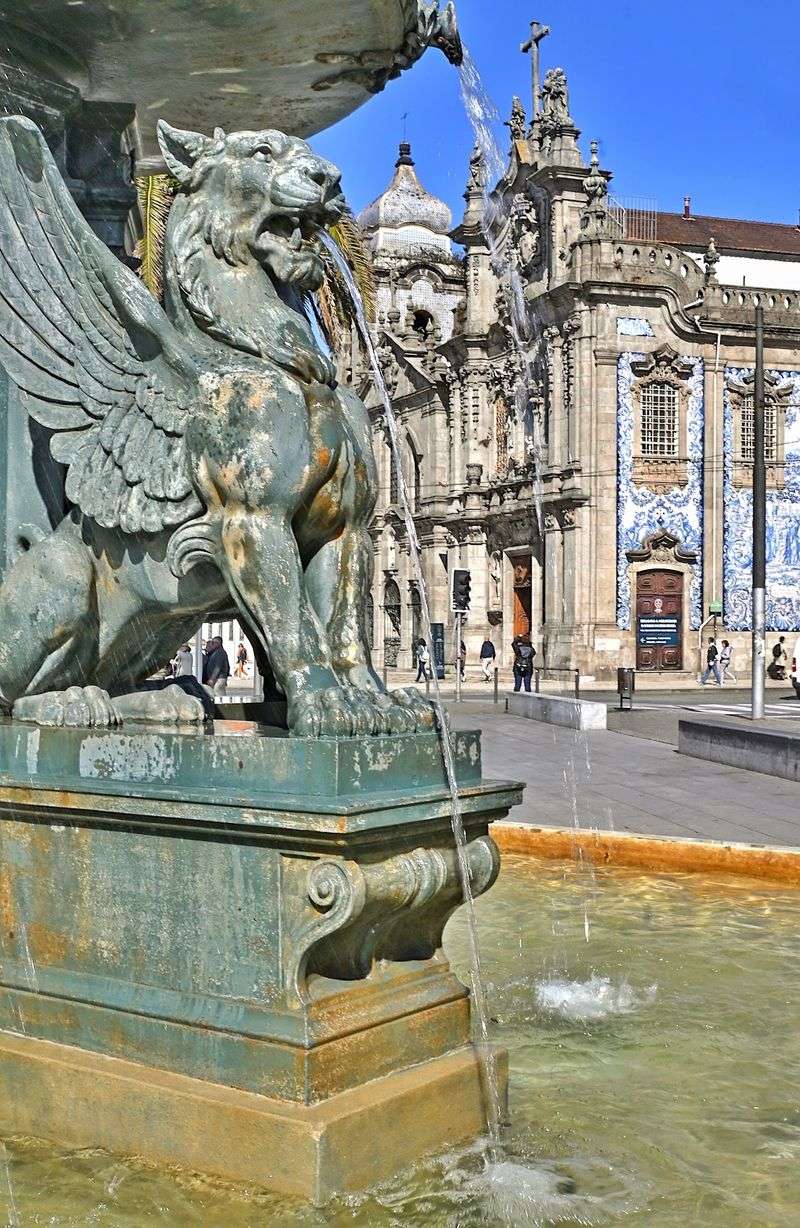
Porto used to be known primarily as the city you visited before Lisbon. In 2026, that framing feels completely outdated.
The city has built a nightlife scene confident enough to stand on its own, with speakeasies, cocktail bars, jam sessions, DJs, and cultural venues all gaining ground alongside a neighborhood drinking culture that has been quietly excellent for years.
Places like Maus Habitos operate somewhere between club, arts venue, and cultural center, defying easy categorization in the best possible way. Plano B remains a major destination for anyone who wants to dance.
The city’s street life and casual bar scene also remain strong for travelers who prefer relaxed evenings over packed dance floors.
Porto scored particularly well in two areas that often get overlooked in nightlife rankings: affordability and warmth. It tied Johannesburg with a 66% affordability score, while 80% of locals described the city as welcoming and friendly, the strongest such result among all cities surveyed.
Eighty percent of people in any city agreeing that their home feels genuinely welcoming is a remarkable achievement. Porto’s nightlife earns its ranking through character, not scale.
Hong Kong
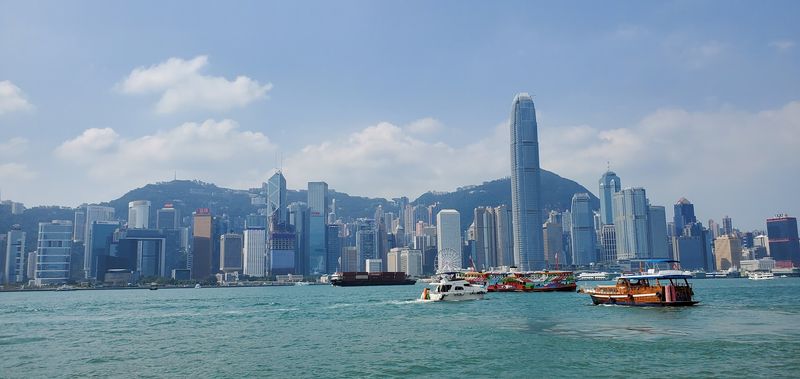
Hong Kong’s nightlife story in 2026 is really a cocktail story. The city has quietly become one of Asia’s most respected destinations for serious bar culture, with venues including Bar Leone, Coa, Quinary, and Penicillin earning international recognition that goes well beyond regional rankings.
These are bars that compete with the best in the world and regularly win.
Traditional nightlife areas like Lan Kwai Fong and SoHo remain busy and relevant, while signs of a renewed club scene are emerging as established venues reopen and new operators enter the market. Hong Kong is not abandoning its past.
It is building something more sophisticated on top of it.
Time Out’s 2026 survey gave Hong Kong a 63% score for nightlife quality and strong marks for safety, a factor that matters significantly to both residents and visitors. Locals particularly favored casual pubs and cocktail bars, reflecting the city’s clear shift toward smaller, high-quality drinking experiences rather than the megaclub culture of earlier decades.
For anyone who appreciates a perfectly made cocktail in a beautifully designed room, Hong Kong in 2026 belongs near the top of the travel list.
Athens, Greece
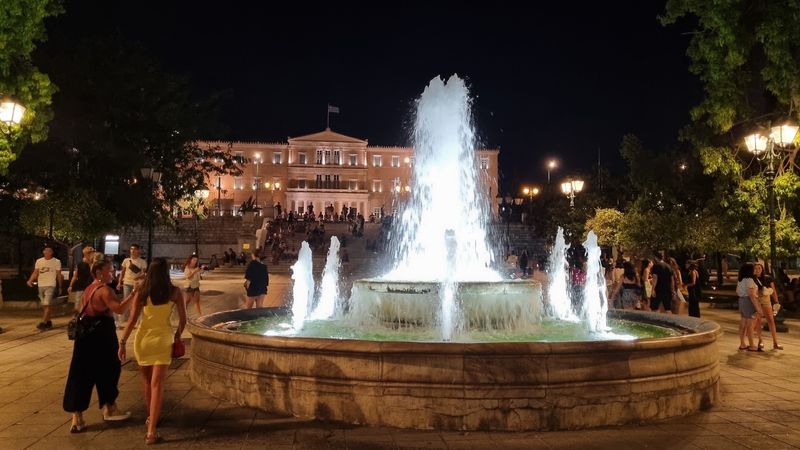
Athens has a nightlife secret that visitors discover fast: the city genuinely does not care what time it is. Dinner starts late, bars fill up later, clubs get going around the time most European cities are calling last orders, and summer rooftop parties stretch until the sun starts making its return.
The Athenian approach to nighttime is less a schedule and more a philosophy.
Venues like Romantso and Oddity regularly host local and international DJs, while open-air parties have appeared in unconventional spaces around greater Athens that would be difficult to license anywhere else. Cocktail culture has grown significantly, with long-running bars now joined by newer internationally recognized venues that have raised the overall standard considerably.
Summer also shifts a portion of the nightlife toward the Athenian Riviera, adding a coastal dimension that few other ranked cities can offer. Time Out found that 75% of locals approved of Athens’ nightlife, while 52% identified street life as one of its strongest after-dark features.
Cocktail bars and clubbing tied closely behind, showing how comfortably Athens distributes its energy across very different kinds of nights out rather than concentrating everything in one scene.
Madrid, Spain
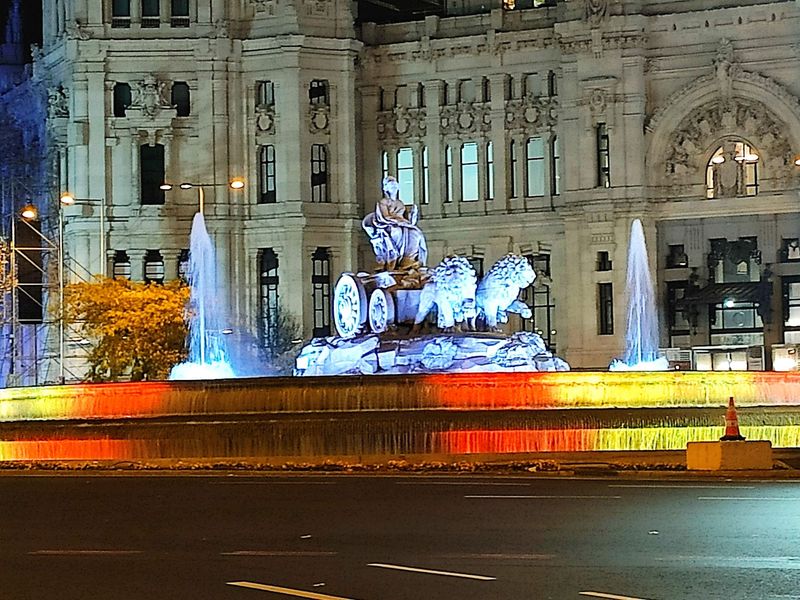
Madrid operates on a timeline that baffles visitors from almost everywhere else. Dinner at 10 p.m. is normal.
Bars peak around midnight. Clubs genuinely get started around 2 a.m. and roll comfortably into early morning.
Far from being exhausting, this schedule gives Madrid’s nightlife a relaxed momentum that never feels rushed, because nobody is rushing anywhere.
Major clubs like Teatro Kapital and Fabrik continue drawing large crowds, but the 2026 scene has expanded well beyond those landmarks. Listening bars, speakeasies, themed cocktail spaces, drag venues, Japanese-inspired hi-fi bars, and smaller music-focused rooms have added layers that make Madrid’s after-dark options genuinely varied rather than just large.
Time Out found that 79% of Madrid residents rated their nightlife highly, while 68% specifically praised casual bars and pubs as a core strength. Overall affordability received only a 48% rating, reflecting the city’s rising costs.
However, 78% of locals still considered simply going out for a drink relatively affordable, which suggests the issue is more about big nights than neighborhood bars. Madrid rewards those who pace themselves and follow the local schedule rather than trying to rush the experience.
Hanoi, Vietnam
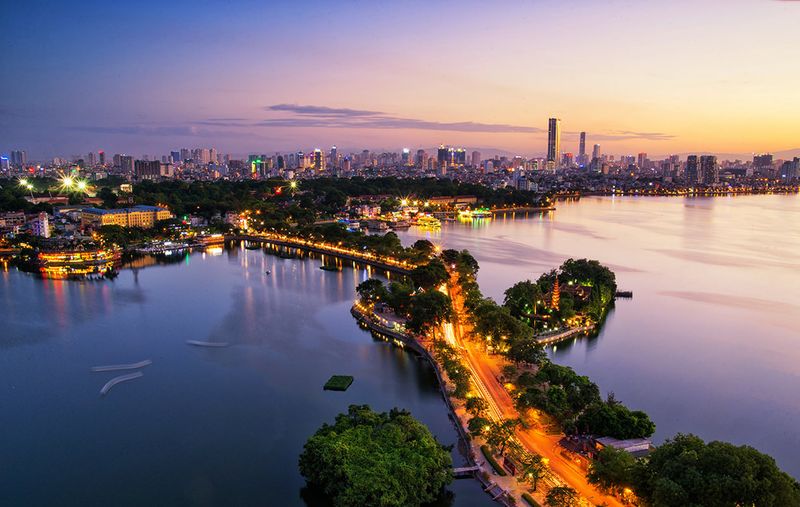
Hanoi operates on two completely different nightlife frequencies at the same time, and both are worth experiencing. At street level, cheap bia hoi beer, plastic stools, and late-night food stalls create an accessible, social atmosphere that costs almost nothing and feels entirely genuine.
This is neighborhood nightlife at its most unpretentious, and it has been working perfectly for generations.
Look behind less obvious doors, however, and a different Hanoi emerges. Workshop14 reached No. 34 on Asia’s 50 Best Bars, the highest position ever achieved by a Vietnamese bar.
Unmute, located near the Red River, has developed into a serious electronic music destination with a dedicated following and a sound system to match its ambitions.
Time Out gave Hanoi a 67% nightlife-quality score and strong marks for affordability, reflecting a city where a great night out is genuinely accessible across different budgets and preferences. The gap between bia hoi corner and internationally ranked cocktail bar is unusually wide here, but that contrast is exactly what makes Hanoi so compelling.
Few cities in the world offer such genuinely different nightlife experiences within walking distance of each other, and Hanoi makes both feel completely authentic.
Share this story