Some cities don’t just get hot in the summer. They get dangerously, relentlessly, stay-inside-and-don’t-move hot.
From the scorching deserts of the Middle East to the sprawling urban jungles of South Asia, certain cities push heat to levels that strain the human body, overload power grids, and test the limits of everyday life. Based on the 2026 Summer Heat Risk Index by StatRanker, which weighs factors like extreme temperatures, humidity, hot nights, and a city’s ability to cope, here are the 15 cities where summer heat hits hardest.
Kuwait City, Kuwait
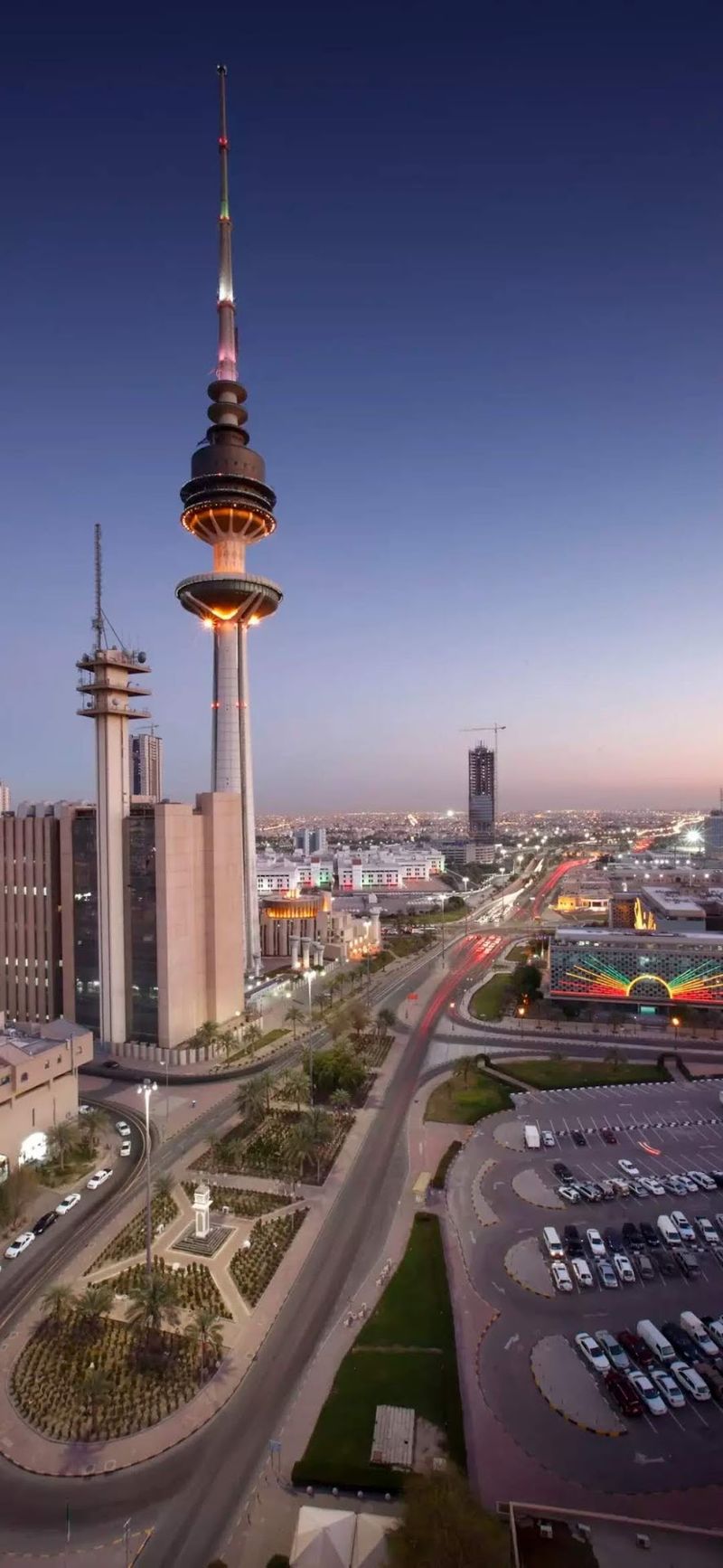
Step outside in Kuwait City during July and the air itself feels like it is pushing back against you. The city sits deep in one of the hottest desert regions on the planet, where the sun beats down with almost no mercy and shade is a luxury.
StatRanker gives Kuwait City the highest Summer Heat Risk Index score of 98.6, placing it firmly at the top of this list.
Daytime temperatures can reach staggering levels, but what makes Kuwait City especially grueling is what happens after the sun goes down. The heat does not leave.
Warm nights prevent the body from recovering from the stress it absorbs during the day, which health researchers increasingly flag as a serious risk factor. The World Health Organization warns that prolonged high temperatures across both day and night place cumulative strain on the body.
For residents, air conditioning is not a comfort. It is a survival tool.
Outdoor activity during peak hours is widely avoided, and the summer months reshape daily routines around staying cool. Kuwait City is proof that some places on Earth were simply not built for human comfort in summer without serious technological intervention.
Basra, Iraq
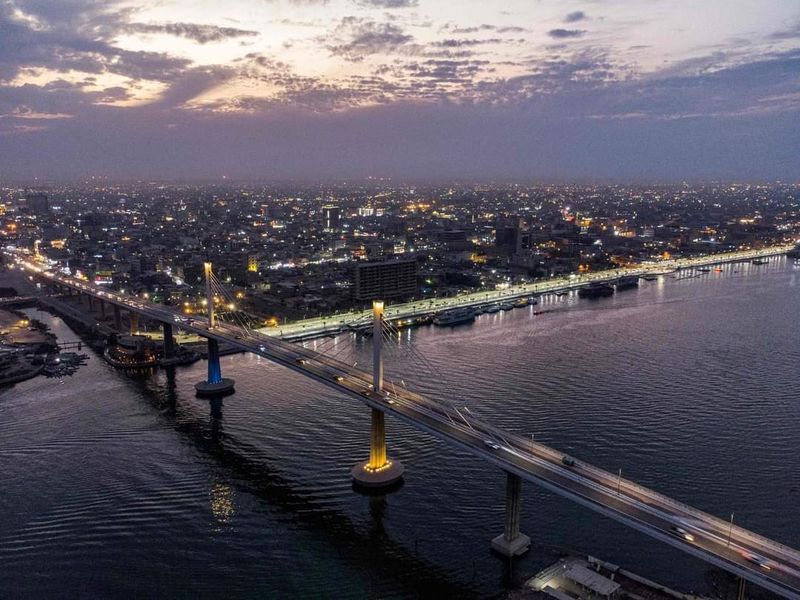
Basra carries a distinction that goes beyond any single ranking. A 2026 University of Oxford study analyzing 205 major cities worldwide identified Basra as the city with the highest overall heat risk on the planet.
That finding accounts not just for temperature, but for how vulnerable the population is and how limited the city’s capacity to cope truly is.
Located in southern Iraq near waterways that feed toward the Persian Gulf, Basra bakes under a combination of scorching heat and rising humidity. That mix is particularly nasty for the human body.
When humidity climbs, sweating becomes less effective, which means the body struggles to cool itself even when people feel like they are doing everything right.
StatRanker gives Basra a Summer Heat Risk Index score of 97.8, placing it second on this list. The city also experiences what researchers call compounding heat stress, where extreme conditions persist over multiple days without meaningful nighttime relief.
For a city that already faces infrastructure challenges and resource constraints, prolonged heat waves are not just uncomfortable. They are genuinely life-threatening events that demand serious attention every single summer.
Doha, Qatar
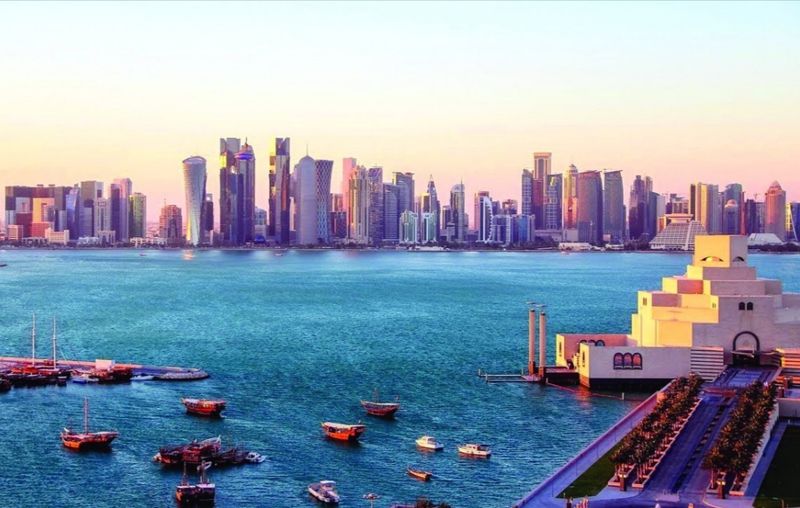
Doha has a sneaky kind of heat. Yes, the desert sun is brutal.
But what catches people off guard is the humidity rolling in from the Persian Gulf, turning what might feel like a dry bake into something far more suffocating. The combination dramatically reduces how well sweating works, which is the body’s main strategy for staying cool.
StatRanker scores Doha at 96.9, placing it third on the Summer Heat Risk Index. The ranking specifically calls out Gulf humidity, extremely warm nights, and prolonged outdoor heat exposure as the main drivers.
Anyone who has walked across an outdoor plaza in Doha in August knows exactly what those words mean in practice.
Air conditioning has essentially restructured life in Qatar. Malls, offices, hotels, and even some outdoor spaces use powerful cooling systems to make daily life manageable.
But outdoor workers, athletes, and anyone who spends extended time outside during the hottest months face a very different reality. Qatar’s investment in climate-controlled environments is impressive, yet the underlying climate itself remains one of the most heat-intense on Earth.
Doha earns its spot near the top of this list without any argument.
Dubai, United Arab Emirates
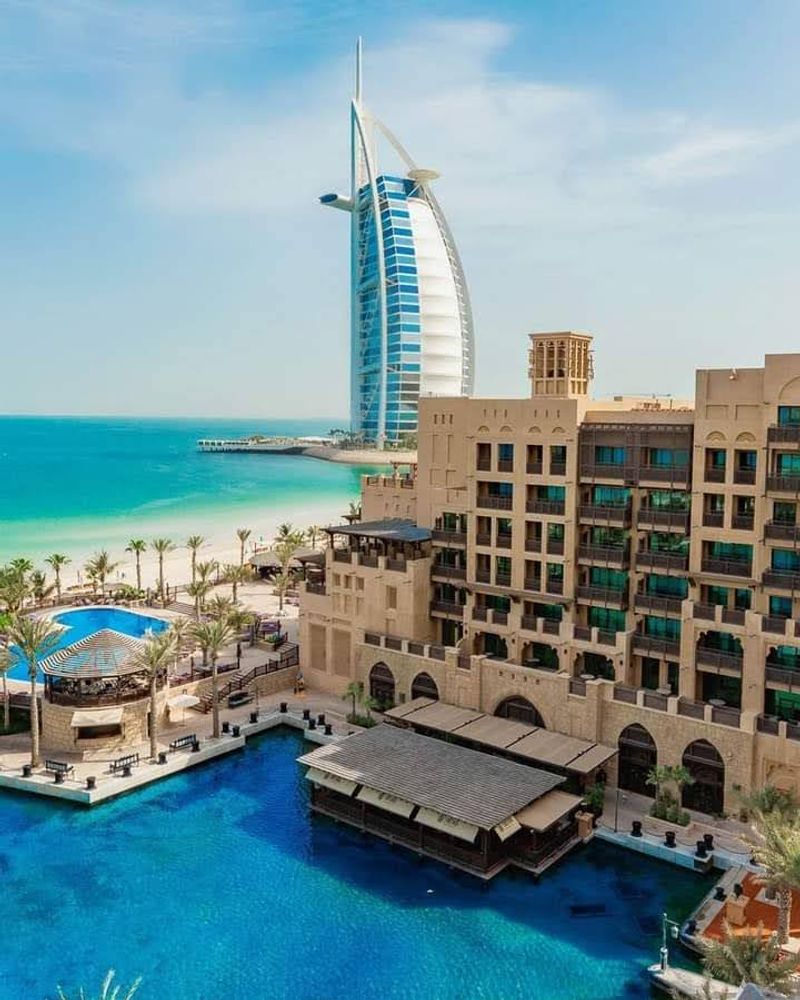
Dubai is one of the most engineered cities on Earth, with indoor ski slopes, climate-controlled shopping malls, and some of the world’s most advanced buildings. None of that changes the fact that stepping outside in July feels like opening a preheated oven.
The city scores 96.1 on the Summer Heat Risk Index, landing it fourth on this list.
High temperatures combine with Persian Gulf humidity to create conditions that are both extremely hot and surprisingly sticky. Concrete, asphalt, and glass surfaces absorb heat all day and release it slowly at night, meaning the city barely cools down between sunrise and sunset.
StatRanker notes that Dubai’s strong adaptation capacity helps residents manage, but the raw heat exposure remains exceptionally high regardless of how many air conditioners are running.
This distinction matters more than it might seem. A city can be both extremely dangerous in terms of heat exposure and well-equipped to handle it.
Dubai leans heavily on infrastructure to protect its population. Outdoor workers, however, still face serious risks during summer months, and authorities have historically implemented midday outdoor work bans during the hottest period of the year to reduce those risks.
Riyadh, Saudi Arabia
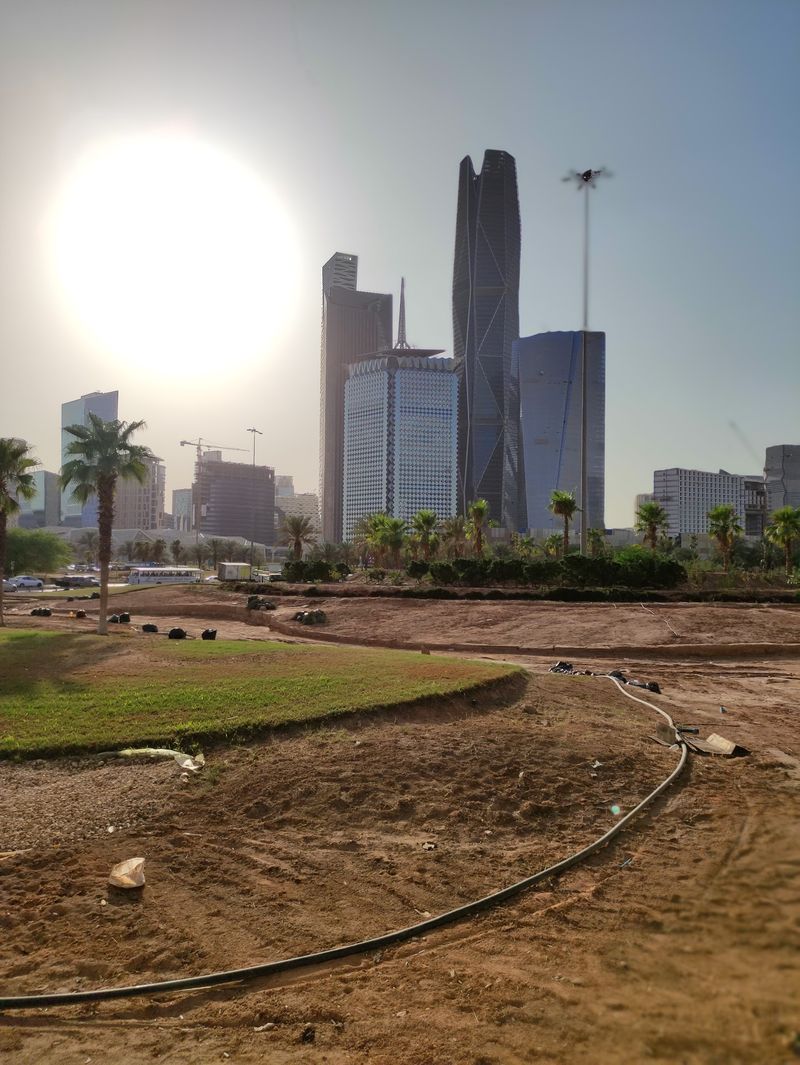
Forget the humidity for a moment. Riyadh operates on pure, unfiltered desert heat.
As the inland capital of Saudi Arabia, it does not get the Gulf breeze or coastal moisture that cities like Doha or Jeddah deal with. What it gets instead is a long, relentless summer of scorching dry air and extreme daytime temperatures that climb high and stay there.
StatRanker places Riyadh fifth with a Summer Heat Risk Index score of 95.4. The ranking highlights the duration and intensity of the city’s inland desert heat as the primary factors.
It is not just one or two days of extreme weather. It is weeks and months of conditions that test every system the city depends on, from power grids to transportation to public health infrastructure.
Some people assume dry heat is easier to handle than humid heat, and in moderate amounts, that can be true. But when temperatures push past extreme thresholds, dry heat brings its own serious dangers, especially dehydration, which can sneak up on people before they realize how much water they have lost.
Riyadh’s summer is a masterclass in what prolonged desert heat actually looks and feels like at a city-wide scale.
Muscat, Oman
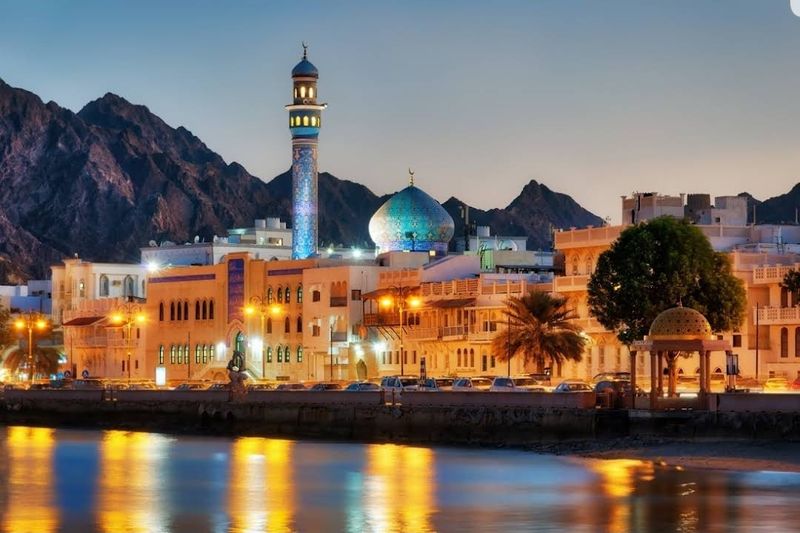
Muscat is one of those cities that looks almost impossibly beautiful, with rugged mountains meeting the Arabian Sea and traditional architecture scattered across a modern skyline. But beauty does not make summer any cooler.
The Omani capital scores 94.7 on the Summer Heat Risk Index, placing it sixth, and the combination of factors driving that score is genuinely formidable.
Mountains, desert, and coastline work together to trap heat and introduce humidity in ways that make Muscat’s summer particularly draining. Temperatures climb to extreme levels during the day, and the coast does not provide the relief you might expect.
Warm seawater and humid air push nighttime temperatures higher than they would otherwise be, which is a serious problem for recovery.
The World Health Organization specifically flags the danger of extended periods of high daytime and nighttime heat, noting the cumulative physiological stress it places on the body. Older adults and people with existing health conditions are especially at risk.
Muscat’s residents have adapted over generations to this climate, but adaptation has limits. The city’s summer remains one of the most physically demanding in the world, and the 2026 index confirms that ranking with hard numbers to back it up.
Delhi, India
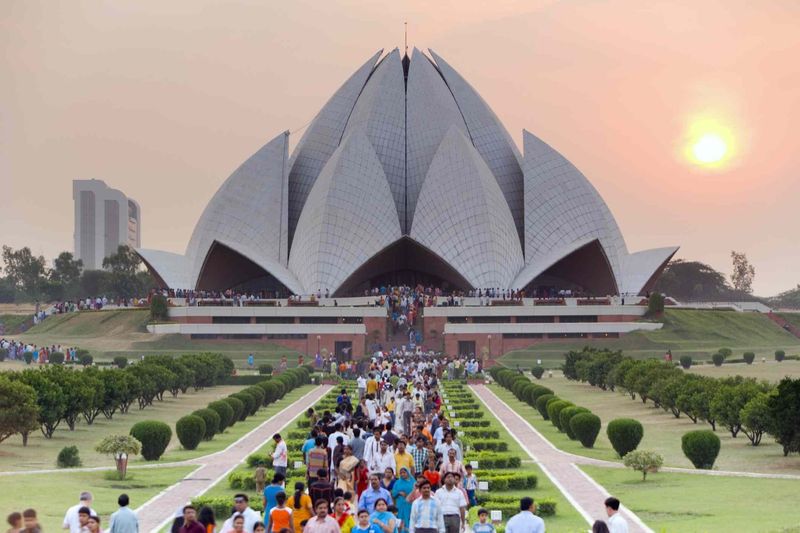
Before the monsoon arrives and offers any relief, Delhi goes through something locals call the “loo” season, named after the hot, dry wind that sweeps across northern India. Temperatures can spike to extraordinary levels, and with a metropolitan population of tens of millions of people, the consequences of extreme heat scale up dramatically compared to smaller cities.
StatRanker scores Delhi at 94.1, placing it seventh. The index highlights severe heat waves alongside the sheer number of people exposed to them.
Dense urban development, heavy traffic, limited shade in many neighborhoods, and vast stretches of paved surfaces all contribute to the urban heat island effect, which the World Meteorological Organization says can make built-up areas significantly hotter than surrounding non-urban zones.
Delhi’s heat challenge is also a social one. Not everyone has equal access to air conditioning, fans, or cool water.
Workers in construction, transportation, and street commerce often have no choice but to stay outside during the hottest hours. Heat relief centers and public awareness campaigns have grown in recent years, but the gap between those with cooling access and those without it remains wide.
Delhi’s position on this list reflects both its climate and its complexity as one of the world’s largest cities.
Lahore, Pakistan
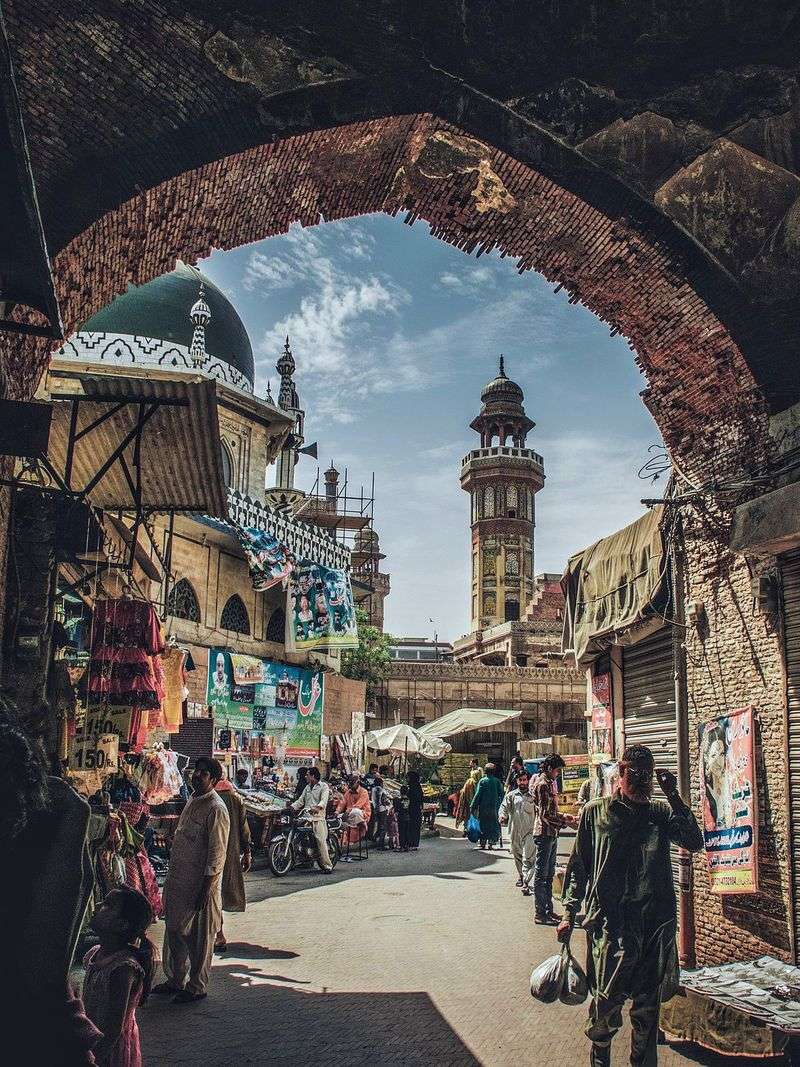
Lahore hits a different kind of heat panic in the weeks before the South Asian monsoon arrives. Temperatures climb sharply, humidity builds, and millions of people across the broader region find themselves caught in conditions that are hard to describe without experiencing them firsthand.
The city ranks eighth on the Summer Heat Risk Index with a score of 93.6.
The danger in Lahore is not just the thermometer reading. Dense urban development, heavy vehicle traffic, air pollution, and uneven access to cooling all shape how a heat event plays out across the city.
Wealthy neighborhoods with reliable electricity and air conditioning experience a very different summer from lower-income areas where power outages are more common and outdoor exposure is unavoidable.
StatRanker points to severe heat-wave exposure and rapid urban development as key contributors to Lahore’s elevated score. Oxford’s 2026 research reinforces the concern, identifying Pakistan as one of the countries with the greatest concentration of high-heat-risk cities.
Lahore is not just hot. It is hot in a way that intersects with population density, economic inequality, and infrastructure strain, creating a heat challenge that goes well beyond what a simple temperature reading could capture on its own.
Karachi, Pakistan
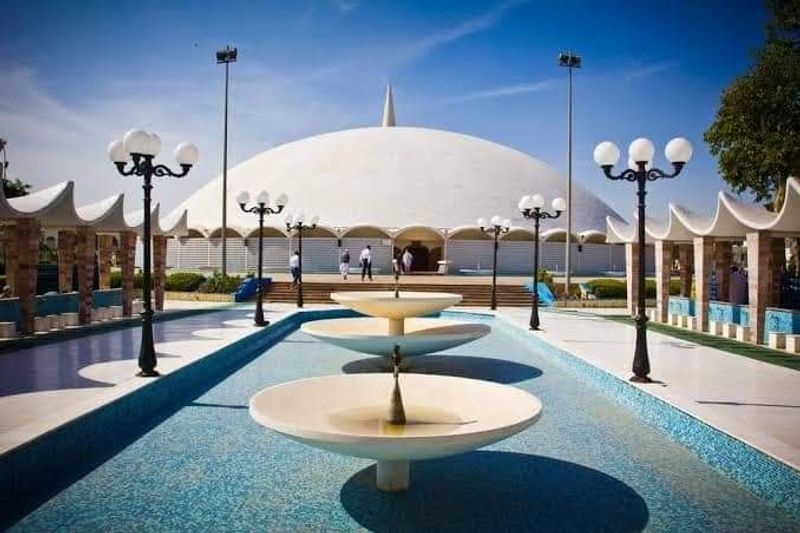
Karachi sits on the Arabian Sea coast, which sounds like it should help. And in some ways, it does moderate the absolute peak temperatures that inland cities reach.
But the sea brings something else along with it: humidity. When warm, moisture-laden air rolls in from the water, sweating becomes far less efficient, and the body struggles to cool down even when the air temperature seems manageable on paper.
With one of the largest metropolitan populations in the world, Karachi’s heat exposure operates at a massive scale. Outdoor workers, street vendors, rickshaw drivers, and millions of others spend their working hours in conditions that would send most weather apps into red alert territory.
Dense development, heavy traffic, and limited green space amplify what the surrounding climate already delivers.
StatRanker gives Karachi a score of 92.8, placing it ninth. The index specifically identifies coastal humidity and widespread population exposure as the city’s primary risk factors.
Karachi has also experienced deadly heat waves in recent memory, most notably in 2015, when a brutal heat event caused thousands of deaths across the city. That history is a reminder that extreme heat is not an abstract statistic.
For Karachi, it is a recurring public health emergency that demands ongoing preparation and response.
Phoenix, Arizona

Phoenix broke records in 2024 that made meteorologists raise their eyebrows. The National Weather Service confirmed it was the city’s warmest year on record, with an annual average temperature of 78.4 degrees Fahrenheit.
June 2024 averaged 97 degrees, also a record for that month. The entire regional summer of 2024 ranked as the hottest ever recorded.
Phoenix is not trending in a comfortable direction.
StatRanker places Phoenix tenth on the Summer Heat Risk Index with a score of 91.9, making it the highest-ranked U.S. city on this list. The desert climate delivers brutal afternoon highs, but the growing concern centers on nighttime temperatures.
Roads, buildings, parking lots, and other hard surfaces absorb heat throughout the day and release it slowly overnight, keeping the city warmer than it would otherwise be long after sunset.
That reduced overnight cooling period is increasingly seen as a critical health factor. When nights stay warm, the body never fully recovers from daytime heat stress, raising the risk of heat-related illness with each passing day of a heat wave.
Phoenix has expanded cooling centers and heat response programs, but the city’s rapid growth and desert location mean the underlying challenge is not going away anytime soon.
Baghdad, Iraq
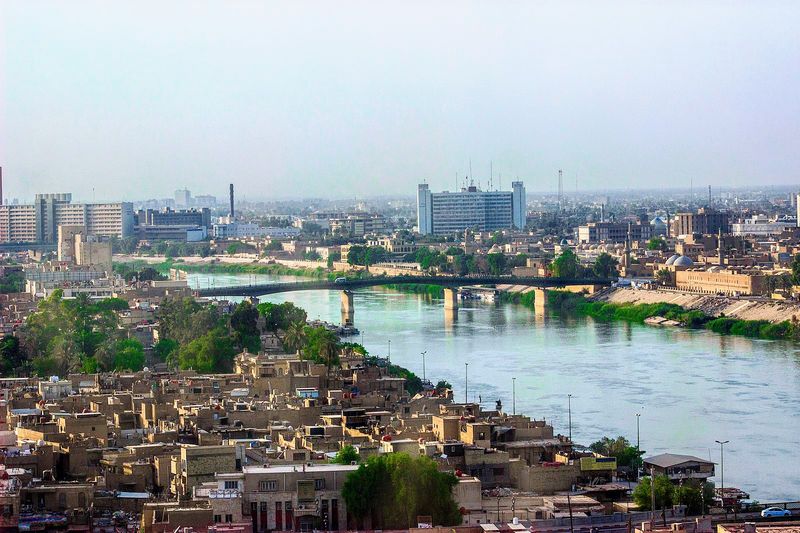
Baghdad and Basra share a country and a climate system, but they are not identical. Baghdad sits further inland, which shifts the heat profile slightly away from Gulf humidity and more toward intense dry desert conditions.
The result is still extraordinarily dangerous summer heat, just delivered in a somewhat different flavor than what Basra experiences to the south.
StatRanker scores Baghdad at 91.4, placing it 11th on the Summer Heat Risk Index. Long periods of extreme summer temperatures combine with dense urban development and enormous demand for electricity and cooling.
When power grids strain under that demand, outages can cut off air conditioning for residents who depend on it to survive the hottest days.
Oxford’s 2026 global heat risk analysis, which goes beyond temperature to factor in population vulnerability and coping capacity, independently ranked Baghdad among the world’s 10 cities facing the greatest overall heat risk. That dual recognition from two separate methodologies underscores just how serious Baghdad’s situation is.
The city has faced significant infrastructure challenges in recent decades, and the combination of extreme heat with limited reliable cooling access creates conditions where a single prolonged heat wave can have severe consequences for a large number of people very quickly.
Abu Dhabi, United Arab Emirates
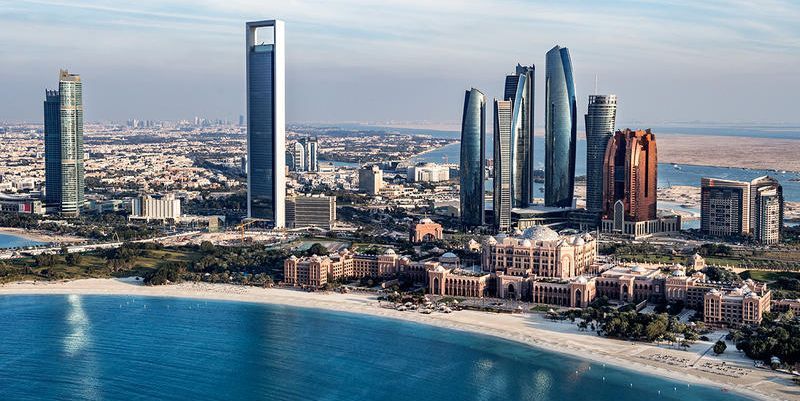
Abu Dhabi and Dubai share a coastline, a country, and a summer problem. The UAE’s capital city combines the extreme temperatures of the Arabian Peninsula with the sticky humidity that drifts in from the Persian Gulf, creating a heat environment that is both scorching and suffocating.
StatRanker gives Abu Dhabi a score of 90.8, placing it 12th on the list.
Even after the sun sets, conditions do not improve as much as you might hope. Warm seawater, accumulated daytime heat stored in urban surfaces, and persistent humidity conspire to keep nighttime temperatures elevated.
This matters because the body relies on cooler nights to recover from the physiological stress of a hot day. When that recovery window shrinks or disappears, cumulative heat strain builds quickly.
The UAE has made significant investments in cooling infrastructure, climate-controlled public spaces, and shaded walkways to help residents manage the summer. But outdoor workers, particularly those in construction and maintenance, still face serious daily exposure to conditions that would qualify as dangerous in most other parts of the world.
Abu Dhabi’s high score reflects the raw intensity of its underlying climate, which no amount of engineering can fully neutralize, especially across the long summer months that stretch well beyond what most people would consider reasonable.
Jeddah, Saudi Arabia
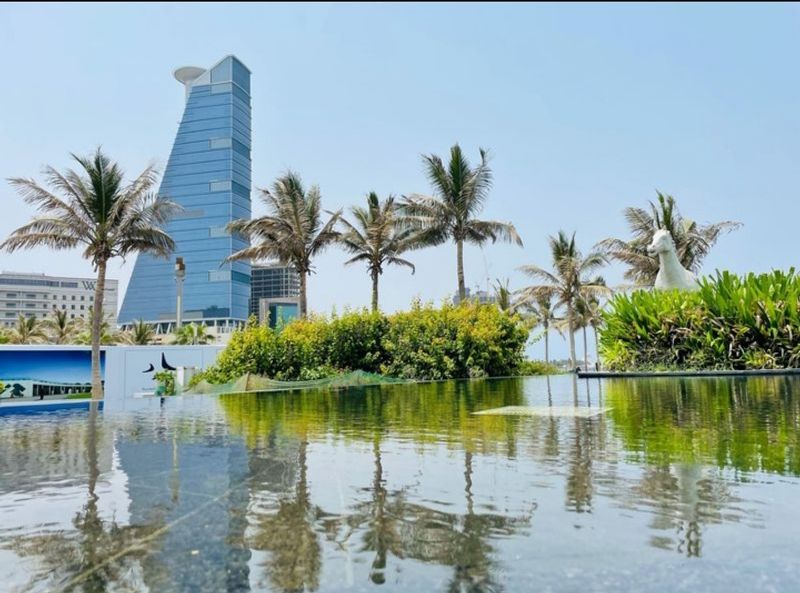
Riyadh and Jeddah are both in Saudi Arabia, both brutally hot in summer, and yet they feel completely different to experience. Riyadh bakes in dry inland desert air.
Jeddah sits along the Red Sea and soaks in humidity that clings to everything and makes the already intense heat feel heavier and harder to escape. StatRanker places Jeddah 13th with a score of 90.2.
The Red Sea does not cool things down the way you might expect a large body of water to do. Instead, warm water temperatures contribute moisture to the air, and that moisture sticks around through the evening hours.
When humidity persists after dark, nighttime temperatures stay elevated and the body gets less recovery time between hot days.
Jeddah is also a city that receives millions of visitors annually, including pilgrims traveling to and from Mecca. Managing heat safety for a large transient population that may not be acclimatized to these conditions adds another layer of complexity to the city’s summer challenge.
The Summer Heat Risk Index specifically calls out Red Sea humidity as an important contributor to Jeddah’s heat burden, distinguishing it from the dry-heat profile of the country’s inland capital just a few hundred kilometers away.
Ahvaz, Iran
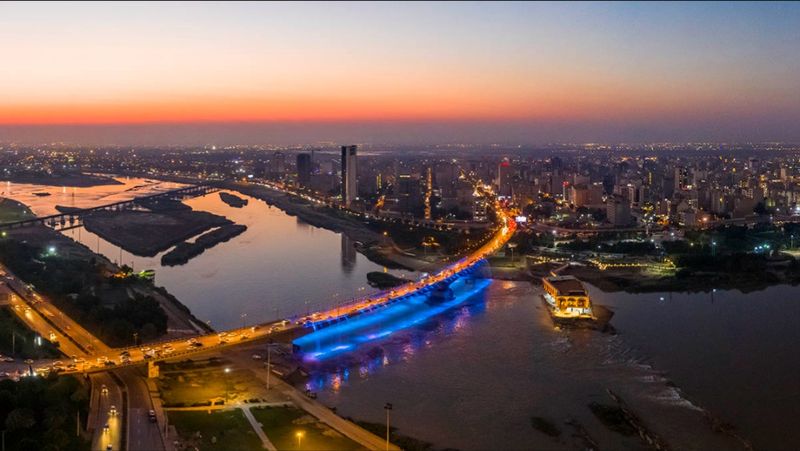
Ahvaz has been quietly earning a reputation among climate researchers for years. Located in southwestern Iran, the city sits in a low-lying basin that traps heat and holds it with impressive stubbornness.
It has recorded some of the highest temperatures ever measured in the country and regularly appears on global lists of the hottest cities on Earth.
StatRanker scores Ahvaz at 89.8, placing it 14th on the Summer Heat Risk Index. The ranking points to exceptionally high summer maximum temperatures as the main driver.
Ahvaz does not make this list because of humidity or population density alone. It earns its spot through sheer, unrelenting heat that pushes well past what most humans can comfortably tolerate outdoors for any meaningful length of time.
The broader consequences of that heat extend past personal discomfort. Extreme temperatures over prolonged periods increase demand on electrical grids, stress transportation infrastructure, strain workplace safety conditions, and push health services to their limits.
Ahvaz has experienced power shortages during peak summer heat in recent years, a pattern familiar to many cities on this list. When heat becomes extreme enough and lasts long enough, it stops being a weather event and starts being an infrastructure crisis that affects every part of daily life.
Cairo, Egypt
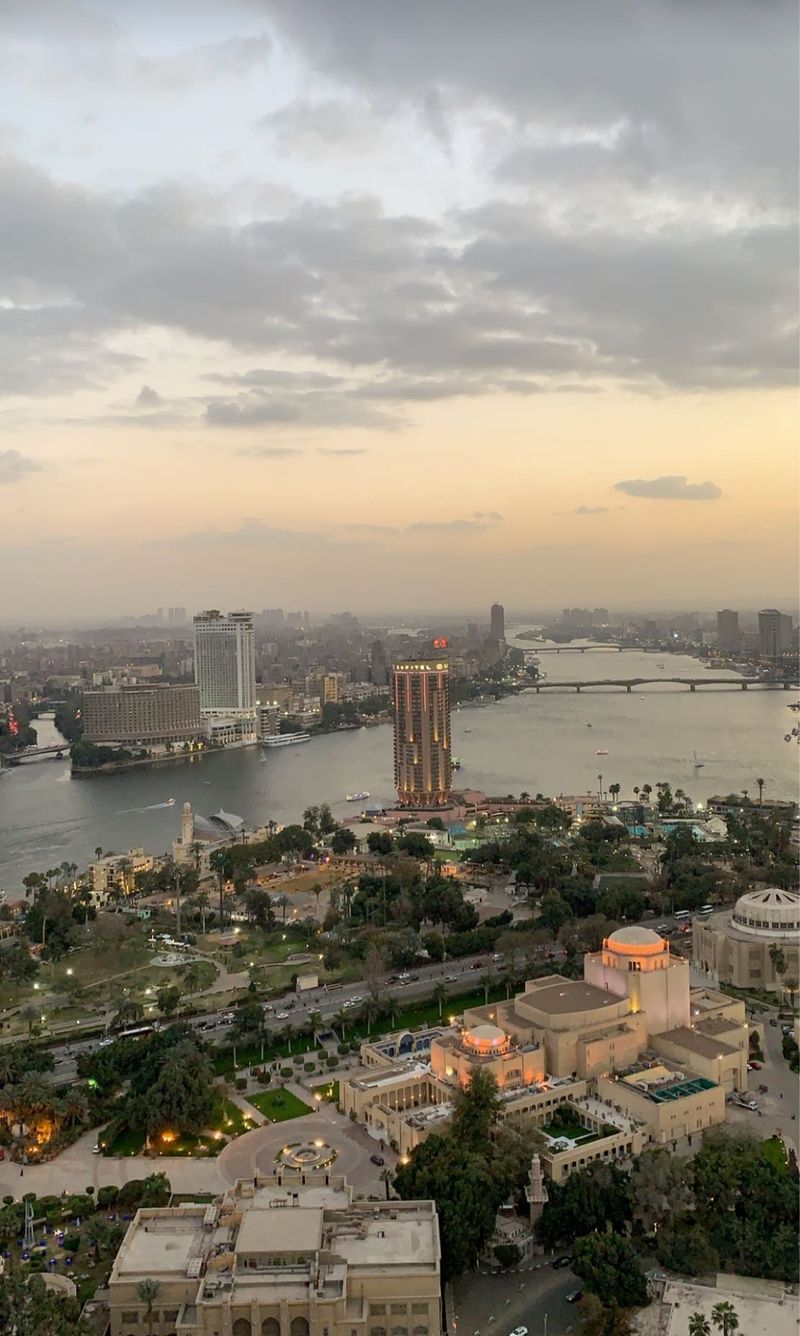
Cairo closes out this list, but finishing 15th on a ranking of the world’s most heat-stressed cities is no small thing. Egypt’s massive capital already sits in a hot desert climate, but the sheer scale of its urban development piles on additional heat through what the World Meteorological Organization calls the urban heat island effect.
Buildings, pavement, traffic, and limited vegetation in many districts absorb and retain heat, making the city noticeably hotter than the surrounding desert in some cases.
StatRanker scores Cairo at 89.1, highlighting both the city’s hot climate and its enormous metropolitan exposure as the key factors. With tens of millions of people living and working across the greater Cairo area, the number of people affected during a summer heat event is staggering.
That scale matters when thinking about public health, cooling access, and the strain placed on infrastructure.
Oxford’s 2026 global heat risk study independently placed Cairo among the world’s top 50 cities for overall extreme heat risk, factoring in vulnerability and coping capacity alongside raw temperature data. Cairo’s position on two separate major assessments confirms what residents already know every summer.
When the heat arrives in this city, it arrives hard, it stays long, and it affects nearly everyone.
Share this story