Europe’s best-dressed cities are not just the ones with the biggest fashion weeks or the most expensive boutiques. From the polished boulevards of Paris to the experimental backstreets of Tbilisi, fashion across Europe is something you feel on every corner, in every cafe, and on every commuter platform.
The way people dress in these cities tells a story about culture, history, creativity, and identity. These 15 cities stand out because fashion, design, and street style do not just coexist here, they genuinely feed each other.
Paris, France
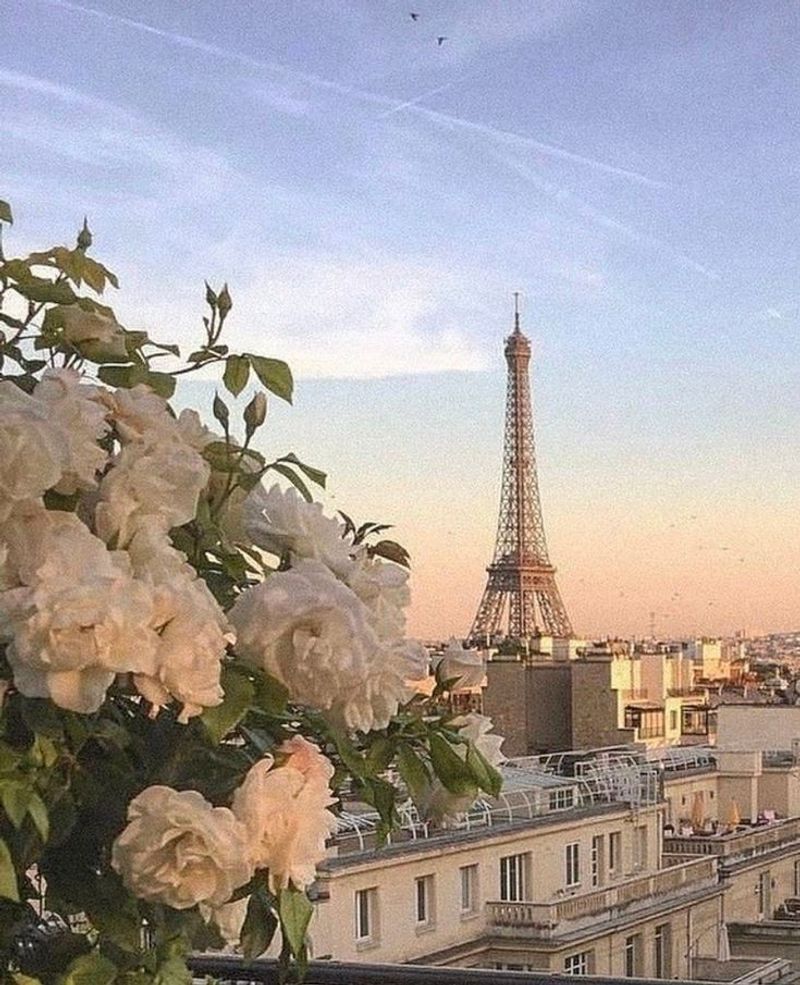
Nobody invented the idea of looking effortlessly put together, but Paris certainly perfected it. The city runs four major fashion weeks per year, covering menswear, womenswear, and Haute Couture, drawing every major house from Dior and Balenciaga to newer experimental labels that push the calendar into genuinely surprising territory.
Street level is where Paris really earns its reputation. Le Marais packs designer boutiques, vintage stores, concept shops, and contemporary galleries into one walkable neighborhood that feels like a living mood board.
Rue Saint-Honore handles luxury. The flea markets at Clignancourt handle everything else.
What makes Paris special is its range. Couture and thrift stores, minimalism and maximalism, impossibly expensive accessories and beautifully worn-in leather jackets all belong here.
The city does not ask you to choose a lane. It simply expects you to look like you meant whatever you chose, which is both liberating and slightly terrifying for first-time visitors.
Milan, Italy
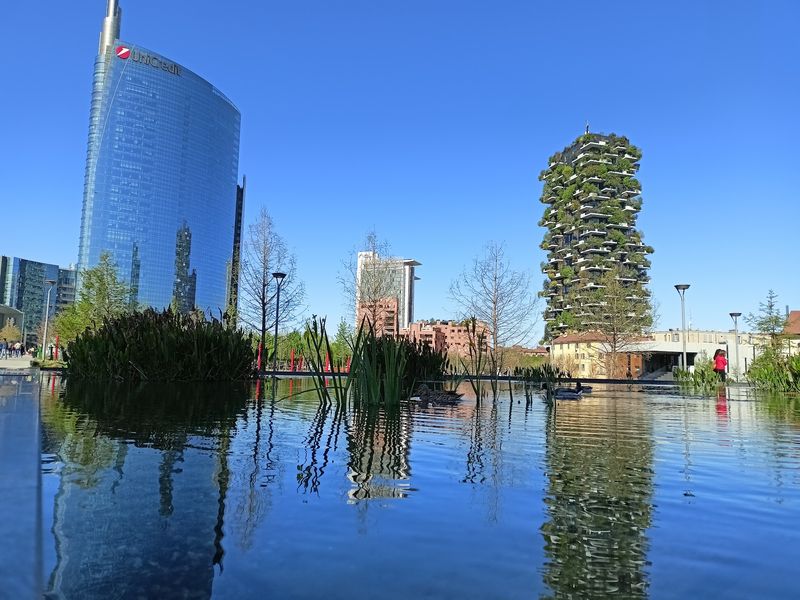
Milan is the city where fashion and furniture design shake hands at breakfast. The overlap between clothing and industrial design is more visible here than almost anywhere else in Europe, and that relationship shapes the way the entire city looks and presents itself to the world.
The Quadrilatero della Moda delivers the polished luxury end of the spectrum. Brera mixes galleries, interiors, and fashion in a quieter, more residential setting.
Tortona tilts younger and more experimental, while Corso Como helped define the global concept-store format before concept stores were even a common phrase.
Milanese street style has a quality that is hard to fake. Even casual outfits tend to look considered rather than accidental, as though every choice passed a quick internal review before leaving the apartment.
Milano Moda Design deliberately links fashion brands with furniture and interior design during Milan Design Week, celebrating what the organizers call the union between two pillars of Made in Italy. That union is not just marketing.
You can see it walking down almost any street in the city.
London, United Kingdom
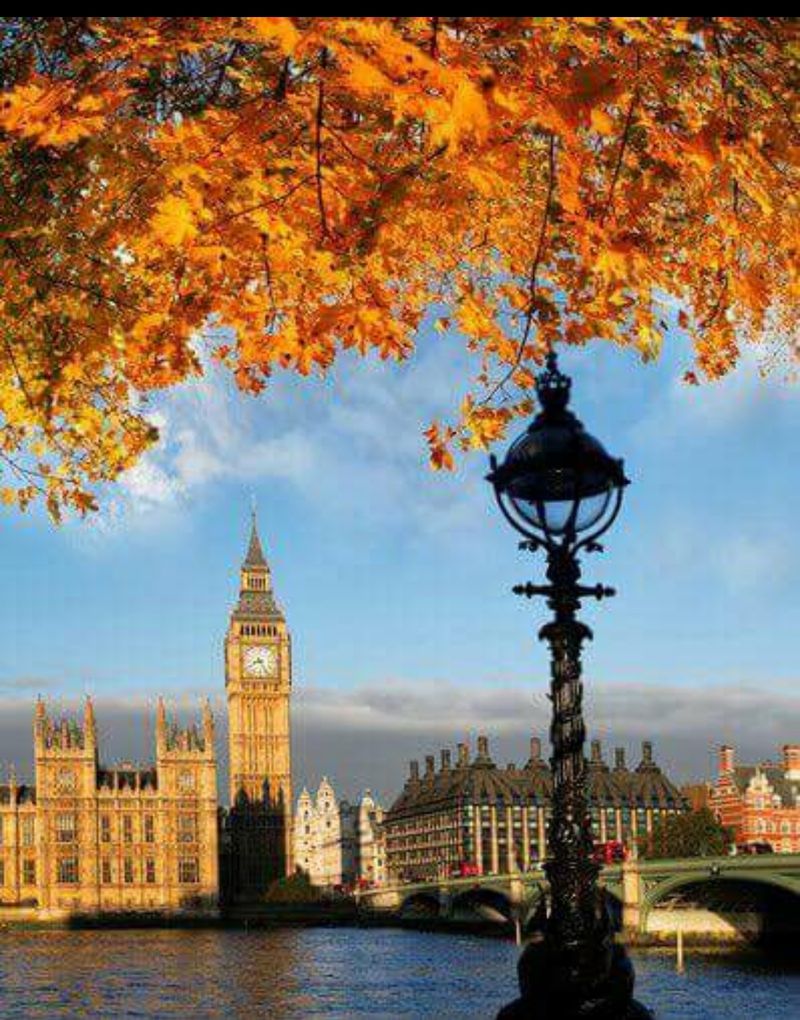
London’s greatest fashion achievement is making total contradiction look completely intentional. Savile Row bespoke tailoring, punk leather, football shirts, deconstructed knitwear, and designer sneakers all belong to the same city, and on the right person, sometimes to the same outfit.
London Fashion Week returns each September, bringing together an official calendar that spans heritage British houses and newer designers who are actively reshaping what British fashion means. Names like Grace Wales Bonner, Burberry, Stella McCartney, and Ozwald Boateng share a city with hundreds of independent designers working out of studios in Peckham, Hackney, and beyond.
Shoreditch and Soho supply the subcultural fuel that keeps London’s fashion identity from calcifying into pure heritage. Vintage markets, club-wear boutiques, art school energy, and neighborhoods that reinvent themselves every decade give the city a restless creative quality that more polished fashion capitals sometimes lack.
London works because it never fully agreed on what London style is supposed to look like, and that ongoing argument produces some of the most interesting dressing on the continent.
Copenhagen, Denmark
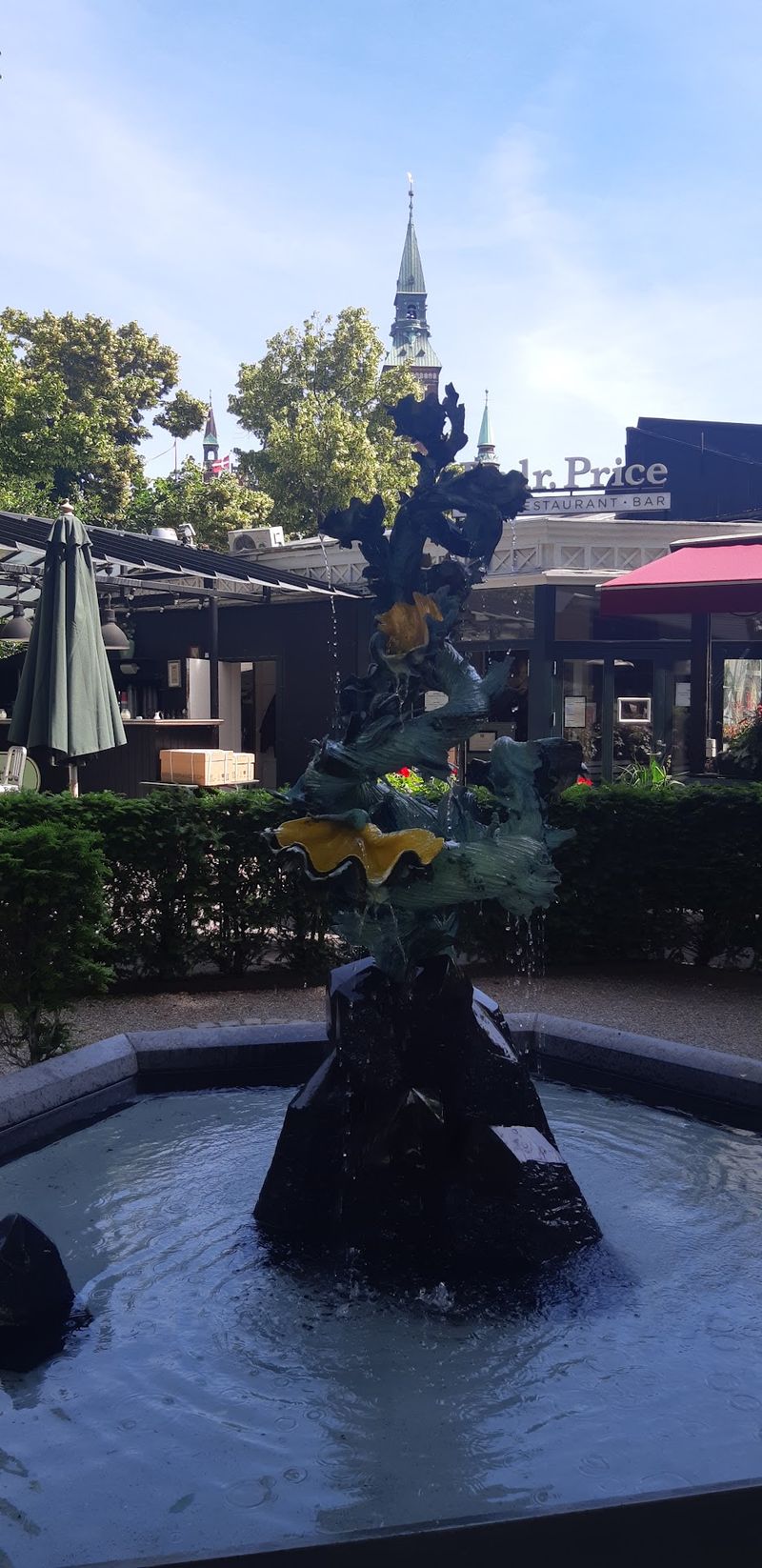
Copenhagen has become the city the global fashion industry watches when it wants to understand what people will actually wear next season. That is a different kind of influence than Paris or Milan, and arguably a more useful one for anyone trying to get dressed in the real world.
Copenhagen Fashion Week, Northern Europe’s largest, has embedded sustainability requirements directly into the application process for participating brands, making environmental accountability part of the official selection criteria rather than an optional add-on. Its shows include established Nordic names alongside emerging designers and international guests who specifically travel to Copenhagen because the energy feels different from other fashion weeks.
Street style here combines practicality with genuine personality. Oversized jackets, technical outerwear, unusual layering, wide trousers, and sneakers appear alongside tailoring and color in combinations that look relaxed without looking careless.
Bikes are a significant factor. Clothing in Copenhagen has to work while actually moving through a city, and that functional requirement has quietly shaped an aesthetic that the rest of the world has spent several years trying to borrow.
Copenhagen rarely looks overdressed. It just looks unusually well assembled.
Antwerp, Belgium
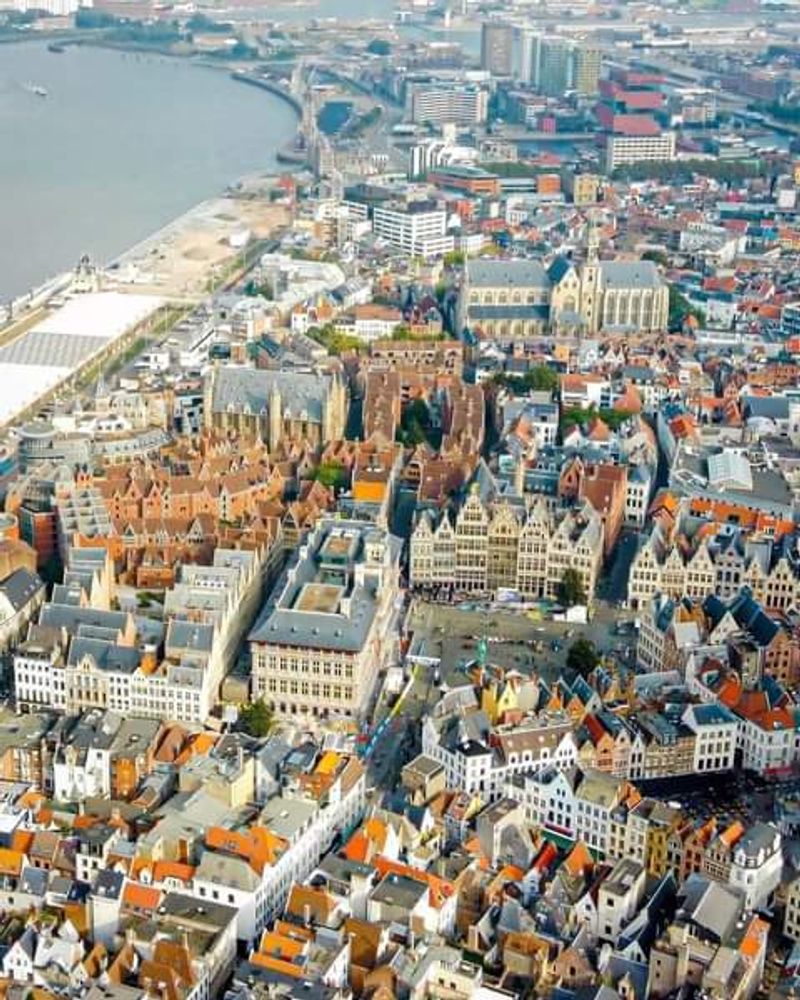
Possibly no city on this list punches harder above its size than Antwerp. A mid-sized Belgian port city with a diamond trade and a Baroque cathedral should not logically be one of the world’s most influential fashion destinations, and yet here we are.
The Royal Academy of Fine Arts and the legacy of the Antwerp Six transformed the city’s reputation in the 1980s, establishing Belgian fashion as a globally recognized avant-garde force. That reputation did not fade.
Fashion students, independent boutiques, conceptual retail, the ModeMuseum, and an ecosystem of galleries and design studios continue to treat clothing as a design discipline rather than simply a consumer category.
Antwerp street style tends toward darker palettes, stranger proportions, and details that reward close attention. It is less aggressively performative than London or Berlin, and less polished than Milan.
You might not immediately understand why an outfit works here, and that slight uncertainty is often exactly the point. Visiting Antwerp for fashion means training your eye to notice construction, fabric weight, and silhouette in ways that other cities do not require.
That is either a feature or a warning, depending on your personality.
Berlin, Germany
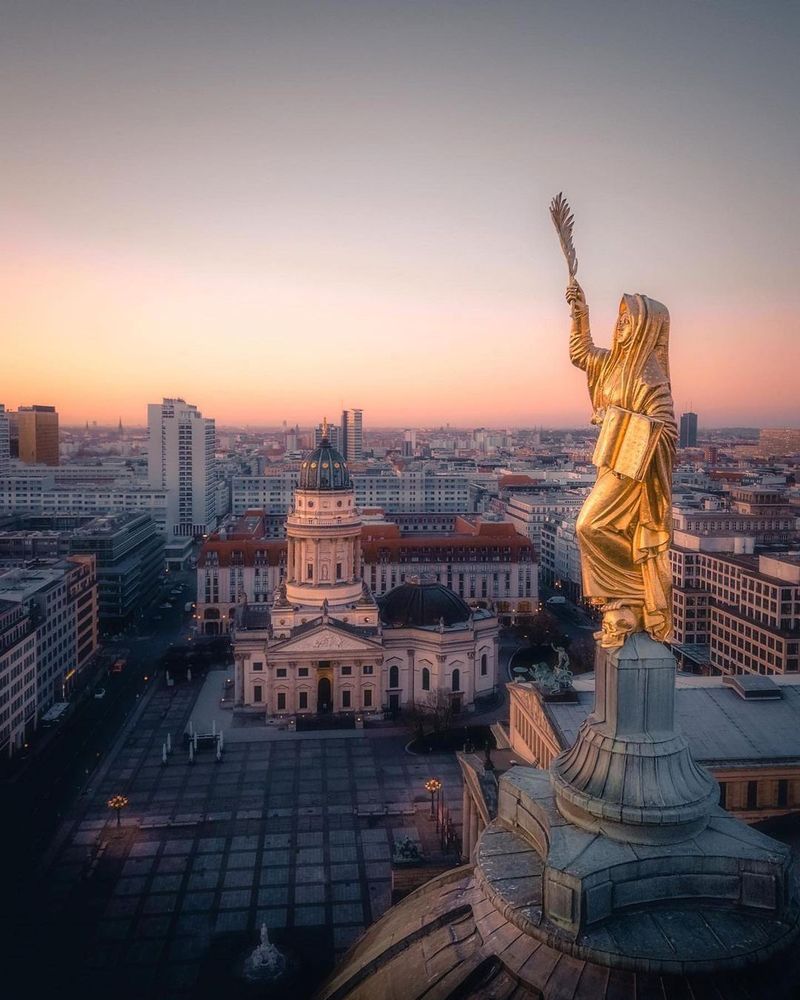
Berlin has never been particularly interested in asking fashion for permission. The city’s style scene grew out of club culture, post-reunification creative chaos, cheap rents that allowed artists and designers to experiment freely, and a general attitude that looking expensive is far less interesting than looking like yourself.
Berlin Fashion Week runs twice a year and deliberately emphasizes emerging designers, circular fashion programming, graduate collections, and public-facing events alongside more traditional runway formats. The winter edition featured 42 shows and presentations, including winners of the Berlin Contemporary initiative, which actively supports newer creative voices rather than simply celebrating established names.
Street style here absorbs everything the official calendar produces and then goes further. Distressed leather, vintage sportswear, techno minimalism, exaggerated silhouettes, gender-fluid styling, workwear, and items sourced from flea markets at unlikely hours all feed into a visual language that resists easy categorization.
Berlin outfits often look slightly unfinished, as though one more decision was deliberately left unmade. That is usually a choice rather than an oversight.
The city has a long history of treating incompleteness as its own kind of aesthetic position.
Stockholm, Sweden
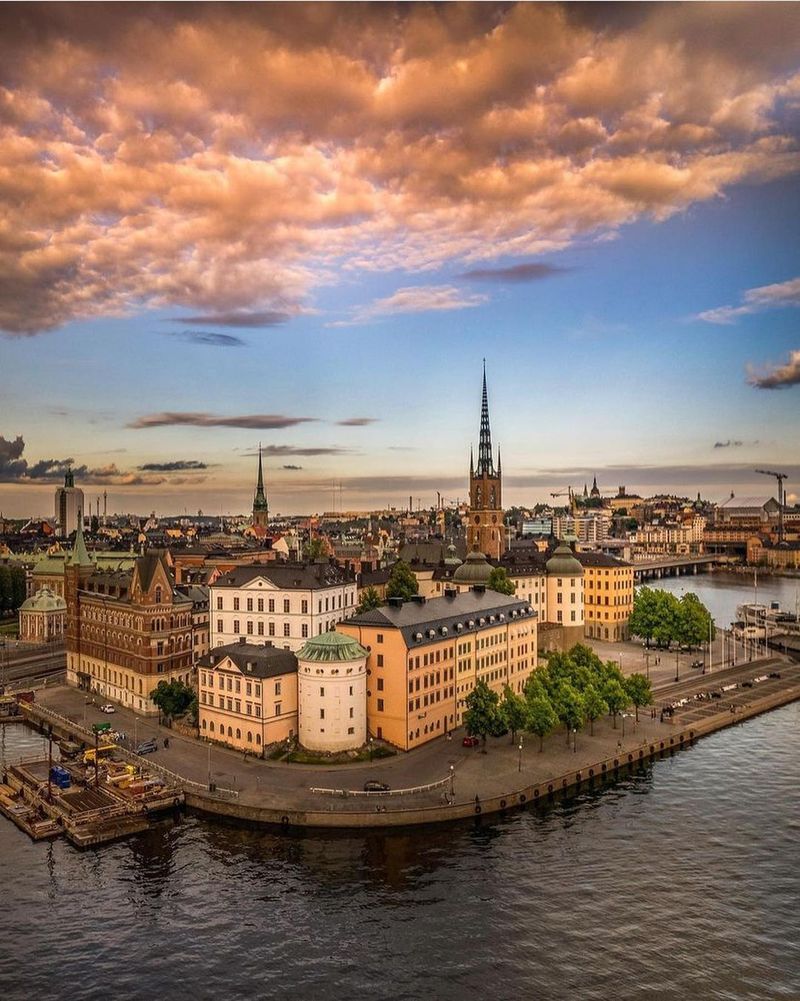
Stockholm has mastered the art of looking simple in ways that turn out to be extremely complicated to replicate. The city’s fashion identity appears straightforward until you try to reproduce it, at which point you realize how much considered decision-making is hiding behind that apparently relaxed surface.
Brands like Acne Studios, Toteme, and Rodebjer have carried Stockholm’s aesthetic internationally, but the city’s style culture runs much deeper than a handful of exportable labels. SoFo, the neighborhood south of Folkungagatan on Sodermalm, packs fashion boutiques, vintage stores, jewelry designers, interior shops, and record stores into a relaxed residential area that manages to feel genuinely local rather than tourist-optimized.
Stockholm outfits typically rely on strong coats, excellent knitwear, wide trousers, quality denim, boots, and neutral palettes built for longevity rather than trend cycles. The pieces tend to look like they were chosen to last several years rather than one season, which gives the overall aesthetic a quiet confidence that flashier cities sometimes struggle to achieve.
Then someone adds one completely unexpected accessory and cheerfully dismantles the entire minimalist stereotype in the best possible way.
Amsterdam, Netherlands
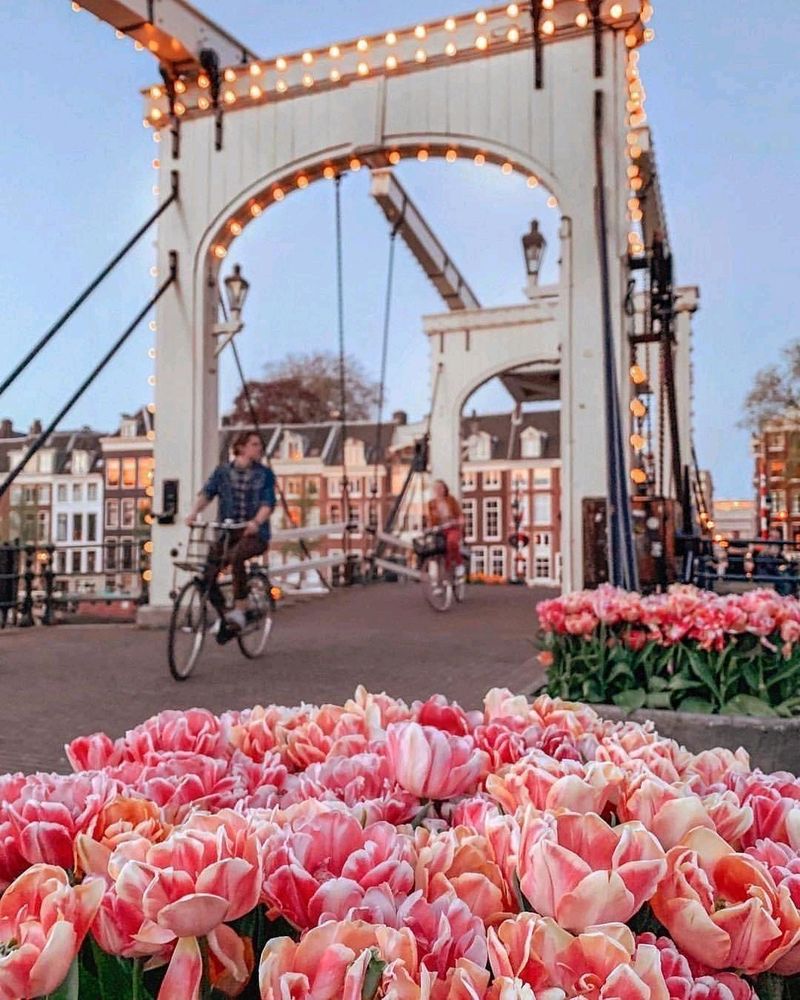
Amsterdam’s fashion scene is easy to underestimate precisely because it refuses to perform for outside observers. The city does not organize itself around impressing the international fashion press, and that relaxed confidence has produced a street style culture that feels genuinely lived-in rather than curated for photographs.
The Nine Streets, tucked inside the historic canal district, concentrate independent boutiques, vintage stores, jewelry designers, galleries, and locally made products into one of the most enjoyable fashion neighborhoods in Europe. P.C.
Hooftstraat handles the luxury end of the market, while Dutch brands and smaller independent stores spread organically through neighborhoods that were not designed with retail in mind but work beautifully anyway.
Amsterdam’s design culture prizes usefulness alongside aesthetics, and that priority shows in how people dress. Rainwear, cycling-compatible clothing, adaptable layering, and durable materials matter because residents are actually moving through a city in what they wear rather than stepping between cars and air-conditioned lobbies.
Amsterdam street style is fashionable, genuinely creative, and usually still looks capable of surviving a bicycle commute through a light drizzle without drama. That combination is harder to achieve than it sounds.
Madrid, Spain
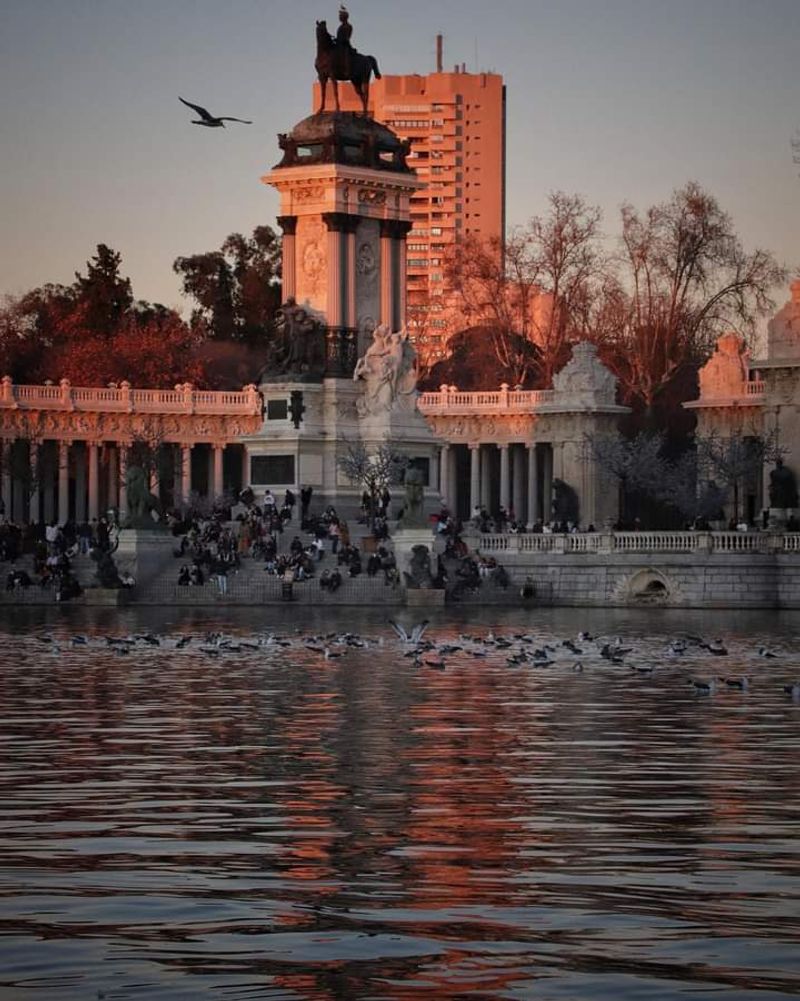
Madrid has been quietly building one of Europe’s more interesting fashion ecosystems by moving the action out of conventional trade-show spaces and into the city itself. Mercedes-Benz Fashion Week Madrid uses architectural landmarks including the Palacio de Cibeles as venues, which means the fashion event and the city’s visual identity reinforce each other rather than operating in separate bubbles.
Away from the official calendar, Madrid offers several distinct fashion personalities packed into one city. Salamanca handles luxury retail with the kind of polished confidence that neighborhood does everything.
Las Salesas mixes contemporary boutiques and independent Spanish brands in a more relaxed setting. Malasana and Chueca supply vintage stores, younger labels, nightlife, and street style that leans more experimental and expressive than the city’s more traditional areas.
Madrid fashion tends to feel less restrained than northern European minimalism, which is largely a compliment. Color is not just permitted here, it is expected.
Drama is welcome. The city’s style draws energy from its nightlife culture, its art institutions, and a social life that begins later and runs longer than most European equivalents.
Madrid dresses like it knows the night is just getting started.
Barcelona, Spain
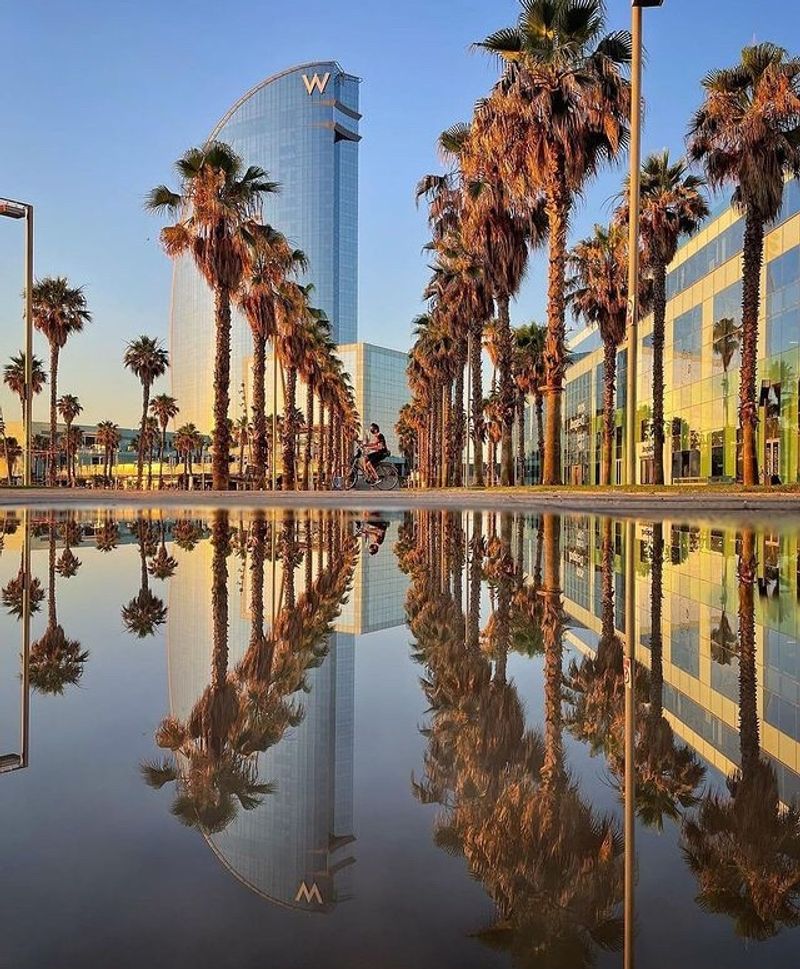
Barcelona has always been a design city first and a fashion city second, and that ordering is actually a strength. Architecture, furniture, graphics, art, and clothing overlap naturally here in ways that give the city’s fashion culture a broader creative vocabulary than places where fashion developed in relative isolation from other design disciplines.
The 080 Barcelona Fashion platform held its 37th edition in April 2026 with 26 runway shows, emphasizing designer fashion and emerging local talent. The event reflects a fashion scene that has developed its own distinct identity rather than simply mirroring Madrid or trying to replicate northern European aesthetics.
Barcelona’s fashion geography rewards exploration on foot. El Born combines independent boutiques, jewelry studios, and design stores in a neighborhood of narrow historic streets that make shopping feel like discovery.
Gracia tilts younger and more locally focused. Passeig de Gracia handles luxury.
Street style here tends toward looser tailoring, lighter fabrics, sneakers, vintage pieces, and color combinations that make sense in Mediterranean light. The overall effect is fashion with warmth built into it, relaxed without being careless, and stylish without requiring anyone to sacrifice comfort for the sake of an aesthetic.
Vienna, Austria
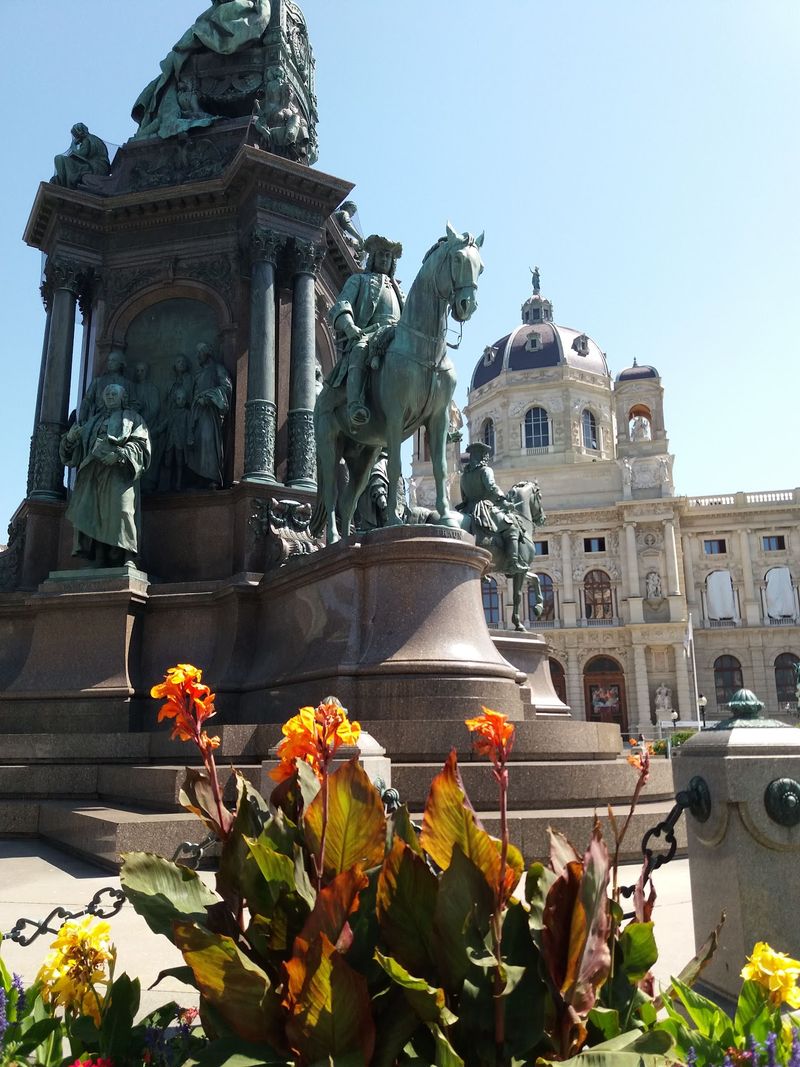
Vienna’s fashion reputation spends most of its time hiding behind the city’s imperial architecture, and that might be the best thing that ever happened to it. Because Vienna is not constantly performing for the international fashion press, its street style has developed in a more personal and genuinely local direction than cities that feel permanent pressure to broadcast their relevance.
The historic center handles luxury retail with the gravity that historic centers usually do. Neubau offers a completely different experience: independent designers, boutiques, vintage stores, galleries, and creative studios packed into a neighborhood that feels more like a working creative district than a shopping destination designed for visitors.
Vienna’s broader design culture spans architecture, applied arts, furniture, graphics, and fashion in ways that give clothing a strong visual context. Street style here can shift between perfectly tailored coats, vintage Austrian pieces, contemporary minimalism, and slightly eccentric art-school looks within a single afternoon.
The city is unlikely to challenge Paris or Milan for fashion-week dominance, and it shows absolutely no signs of wanting to. That comfortable confidence in its own identity is precisely what makes spending time here so rewarding for anyone paying attention to how people actually dress.
Lisbon, Portugal
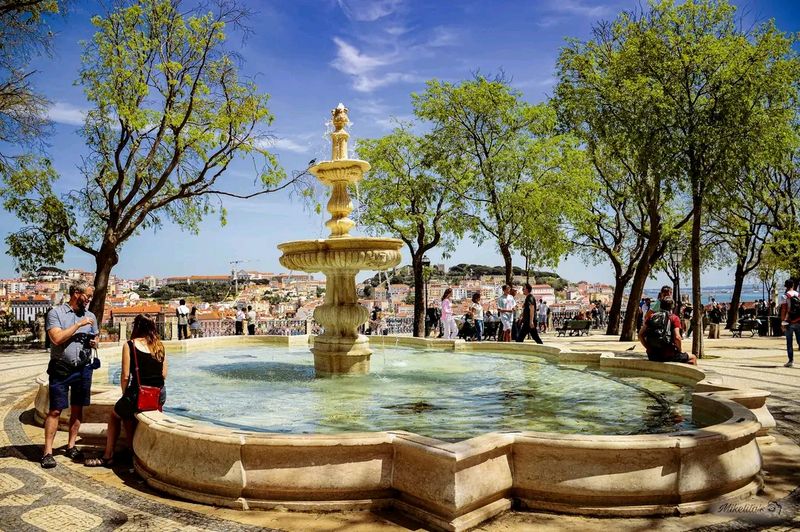
Lisbon arrived at its current fashion moment somewhat unexpectedly, which is part of what makes the city so enjoyable to explore right now. Portuguese textile and leather manufacturing traditions give local designers a strong practical foundation, while a relatively affordable and relaxed creative scene allows small brands and studios to experiment without the commercial pressure that shapes larger fashion capitals.
Principe Real is the neighborhood that fashion-conscious visitors tend to gravitate toward first, combining local designer studios, concept stores, and independent boutiques in a hilly residential area with excellent cafes and one of the city’s best markets. Chiado handles a broader mix of established retail alongside newer arrivals.
Lisbon street style reflects its environment in the most honest way. There is less rigid tailoring than Milan, less minimalist uniformity than Stockholm, and less subcultural theater than Berlin.
Instead, vintage pieces, Portuguese labels, sneakers, natural fabrics, bold jewelry, and color appear against tiled facades on steep streets in combinations that look genuinely worn rather than assembled. The city is still small enough that fashion here feels like something you discover rather than something that has already been packaged for export.
That quality has a limited shelf life, so visiting sooner makes more sense than waiting.
Brussels, Belgium
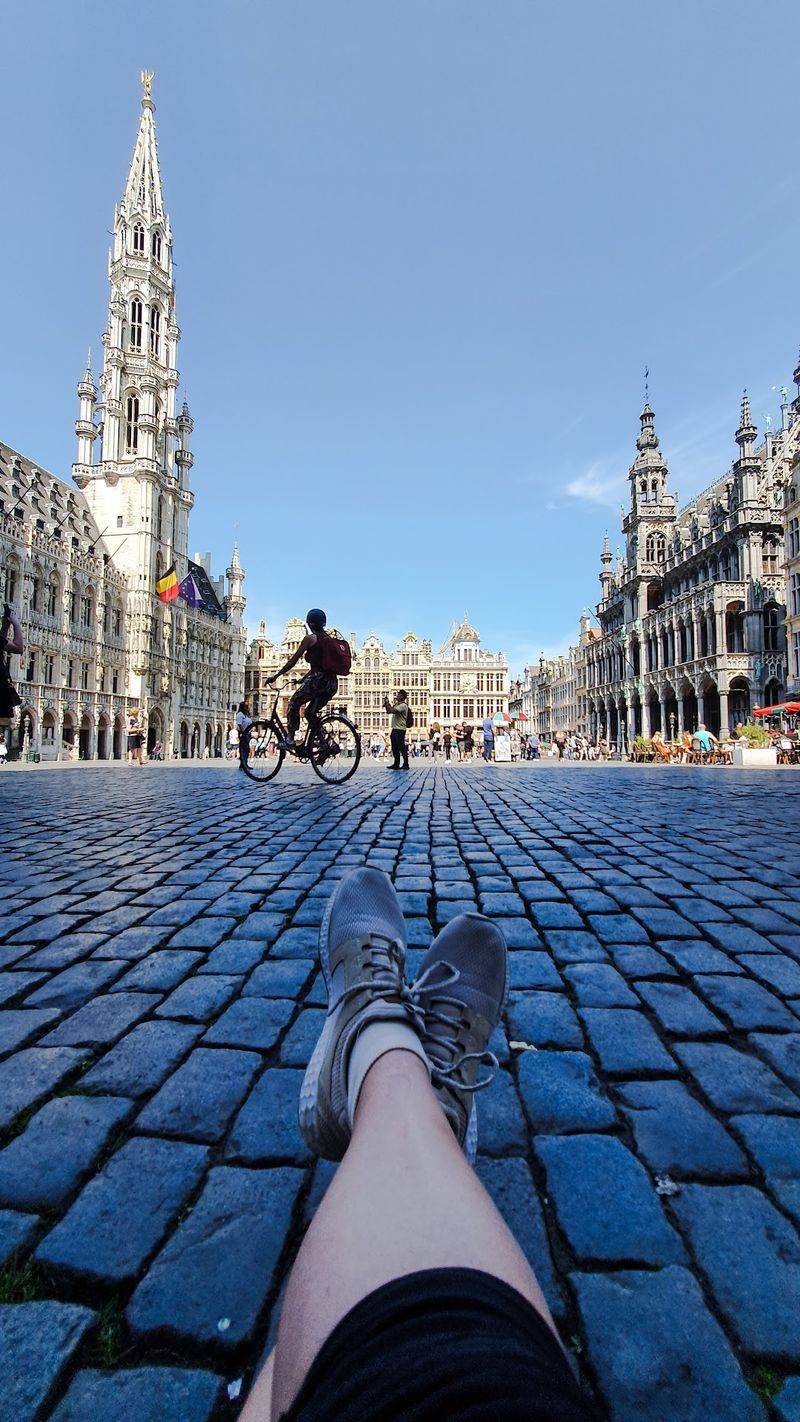
Brussels has spent years living in Antwerp’s considerable fashion shadow, but the two Belgian cities offer experiences that are different enough to justify visiting both rather than choosing between them. Where Antwerp is tightly focused on designer education and conceptual fashion, Brussels layers fashion over contemporary art, architecture, comics culture, politics, immigrant communities, and multilingual street life in ways that produce something genuinely harder to categorize.
The Dansaert district became Brussels’ most recognized design and fashion area, with independent Belgian labels, boutiques, interior design studios, and creative businesses occupying streets that feel active rather than purely commercial. The neighborhood has maintained a working creative energy that some better-known fashion districts lose once they become destinations in their own right.
Brussels street style resists easy summary because the city itself resists a single identity. Conservative EU-quarter tailoring can appear on the same block as experimental Belgian design and vintage pieces from the city’s many flea markets.
That friction between registers and influences is not a problem to solve but a feature to appreciate. Brussels is a city where fashion absorbs the full complexity of its surroundings rather than filtering it into a single clean aesthetic, which makes it one of the more honest fashion cities on this list.
Helsinki, Finland
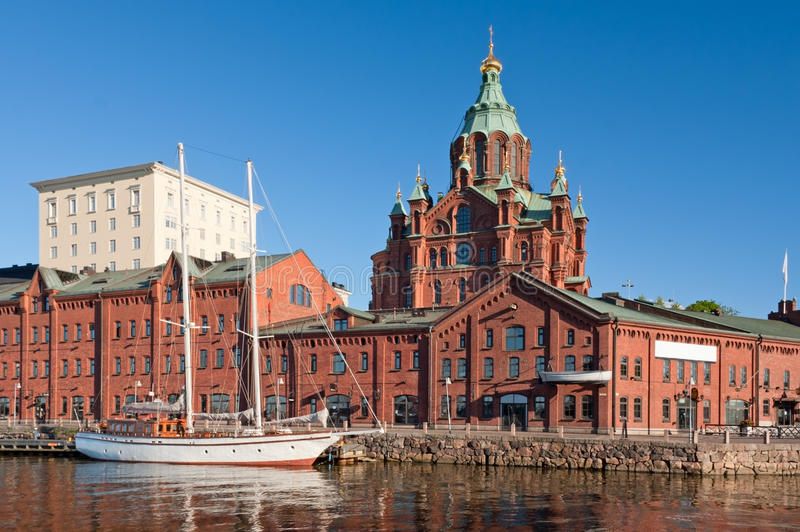
Helsinki treats clothing with the same seriousness that Finnish culture applies to furniture, ceramics, and graphic design, which is to say: function comes first, but that does not mean beauty gets ignored. The city approaches fashion almost as a branch of product design, where practicality, materials, construction, and weather resistance are real criteria rather than afterthoughts.
Marimekko remains the most internationally recognized Finnish fashion name, famous for its bold patterns and graphic confidence, but the city’s design culture extends well beyond that single reference point. Independent shops in districts like Punavuori mix clothing with furniture, ceramics, accessories, and graphic design in a way that reflects how naturally these disciplines connect in Finnish creative culture.
Street style in Helsinki tends toward excellent outerwear, strong footwear, layered neutrals, and very good knitwear, with occasional bursts of color or pattern that arrive with the force of a pleasant surprise. The city’s long winters and bright summers create a genuine range of dressing challenges that local designers have spent decades solving in interesting ways.
Helsinki fashion is rarely about flash. It tends to be designed first and decorated second, which produces clothing that ages well and people who wear it with a quiet, unhurried confidence.
Tbilisi, Georgia
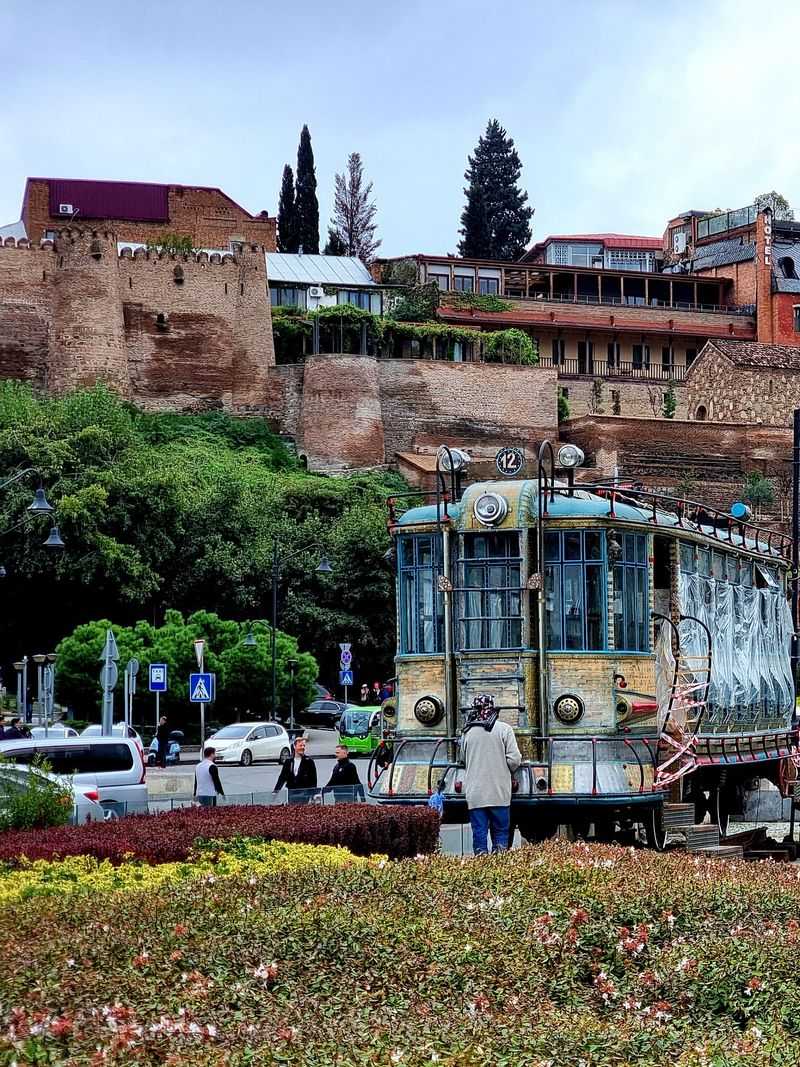
Tbilisi is the genuine wildcard on this list, and arguably the most exciting city here for anyone interested in where new visual languages actually come from before they get absorbed into mainstream fashion. Georgia’s capital built its creative reputation without the infrastructure advantages of Western European cities, which produced a fashion culture that feels more urgent and less managed than most.
The aesthetic that emerged from Tbilisi draws on post-Soviet architecture, underground club culture, oversized tailoring, black clothing, sportswear, and theatrical silhouettes in combinations that are immediately recognizable once you have encountered them. Designers and stylists who developed their work here created something genuinely distinct rather than adapting existing European templates.
The city’s creative reputation grew alongside its photography scene, contemporary art community, independent design culture, and a nightlife that has attracted international attention for over a decade. Tbilisi does not offer Paris’s luxury infrastructure or Milan’s enormous fashion industry.
What it offers instead is a scene where experimentation still feels genuinely underground rather than branded and scheduled. For travelers curious about where the next wave of visual ideas is forming before those ideas become global trends and festival looks, Tbilisi offers something that no amount of concept-store browsing in more established cities can replicate.
Share this story