Italy is packed with famous stops, but the real magic often hides in smaller cities where daily life still sets the pace. Here you can sip coffee beside locals, wander quiet lanes, and eat food that tastes like home cooking.
Each city on this list offers history, flavor, and a slower rhythm. Pack comfy shoes and an open mind, because these places reward curious travelers.
Matera
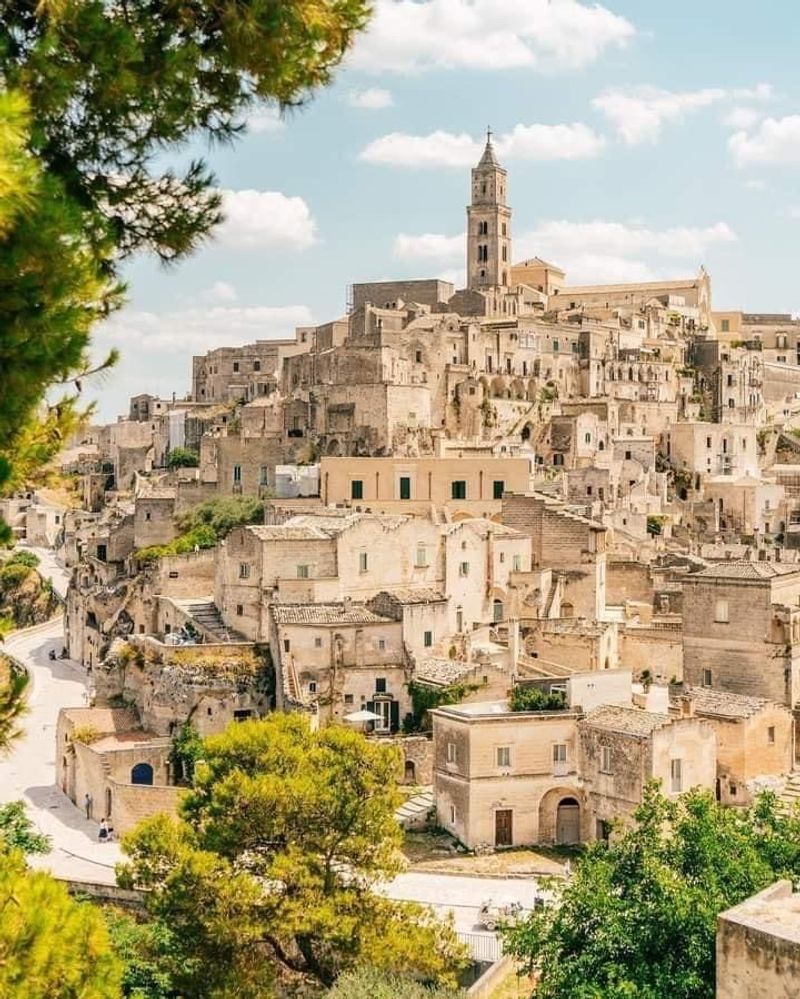
Stone houses stacked like honeycomb cliffs make Matera look unlike anywhere else in Italy. The famous Sassi districts are neighborhoods of homes carved into the rock, and people lived in them for thousands of years.
Start your visit early, when the light turns the stone the color of warm bread. Narrow stairways twist between old cave homes, churches, and viewpoints, so wear shoes with good grip.
The paths are steep, but every corner gives you a new photo.
Some cave dwellings have become small hotels, restaurants, and museums, which lets you step inside the past. Sitting in a cool stone room with a plate of local food is an experience you will remember for years.
Walk across to the far side of the ravine if you can. From there, the whole town spreads out in front of you, and the quiet feels almost ancient.
Evening is best, when lamps flicker on and the crowds thin out.
Matera sits in the southern region of Basilicata, so plan extra time to get there. The trip is part of the adventure, and the reward is a place that feels truly one of a kind.
Lucca
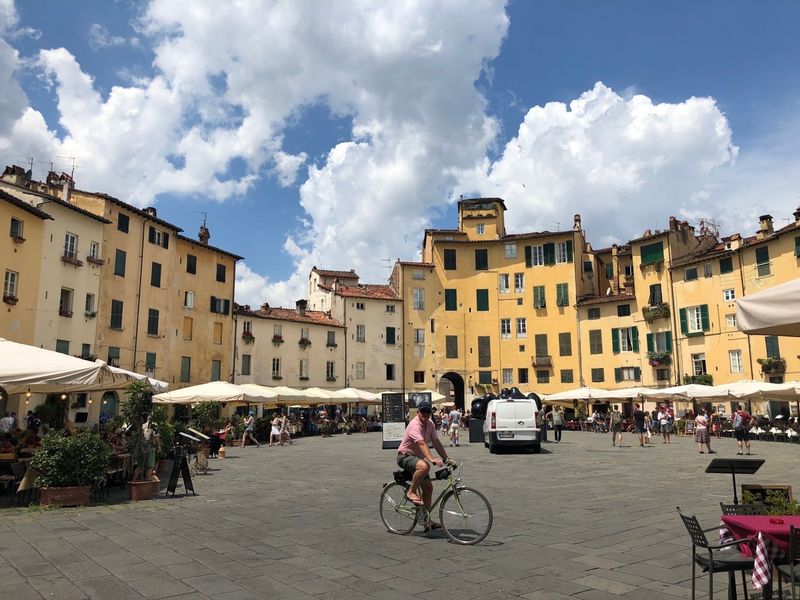
Rent a bike and pedal along the treetop path that circles the entire old town. That is Lucca’s signature move, and locals do it daily.
The Renaissance walls are wide enough for strollers, joggers, and picnickers, all sharing the shade.
Inside the walls, the streets feel calm and lived in. You will find small squares, old churches, and shops where neighbors stop to chat.
Piazza dell’Anfiteatro follows the oval shape of an old Roman arena, and cafes now fill the space where crowds once cheered.
Tuscany has plenty of busy hot spots, yet Lucca keeps a relaxed pace. There is less rushing and more lingering, which makes it easy to slow down too.
Try a simple lunch of Tuscan classics at a small trattoria, then wander without a plan. Climbing one of the city’s towers gives you a rooftop view over the tiled roofs and green hills beyond.
Lucca works well as a day trip, but staying overnight lets you enjoy the quiet evenings when the day visitors have gone home.
Bergamo
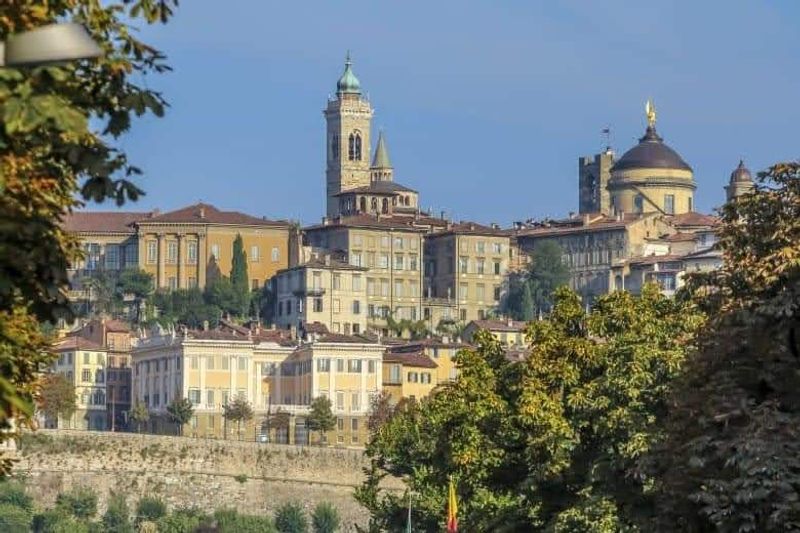
Two towns share one name here, and both are worth your time. Bergamo’s lower city is modern and busy, while the upper city, Città Alta, sits on a hill behind grand Venetian walls.
A funicular railway carries you up the slope in just a few minutes. At the top, cobbled lanes lead to a lovely central square, old palaces, and bakeries that smell wonderful.
Keep an eye out for polenta dishes and other hearty foods of Lombardy.
Walking the top of the walls is a great way to see the city and the plains stretching out below. The views on a clear day feel endless, and the pace up there is slow and friendly.
Unlike the big northern cities nearby, Bergamo feels personal. Shopkeepers know their regulars, and evening strolls are a community habit.
Plan at least a full day so you can explore both parts of the city without hurrying. Comfortable shoes are a must, because the stones are old and uneven, and the hills keep your legs busy.
Ferrara
Bicycles rule the streets of Ferrara, and nobody seems to mind. Locals ride everywhere, from the market to the office, so joining in is the easiest way to feel like a resident.
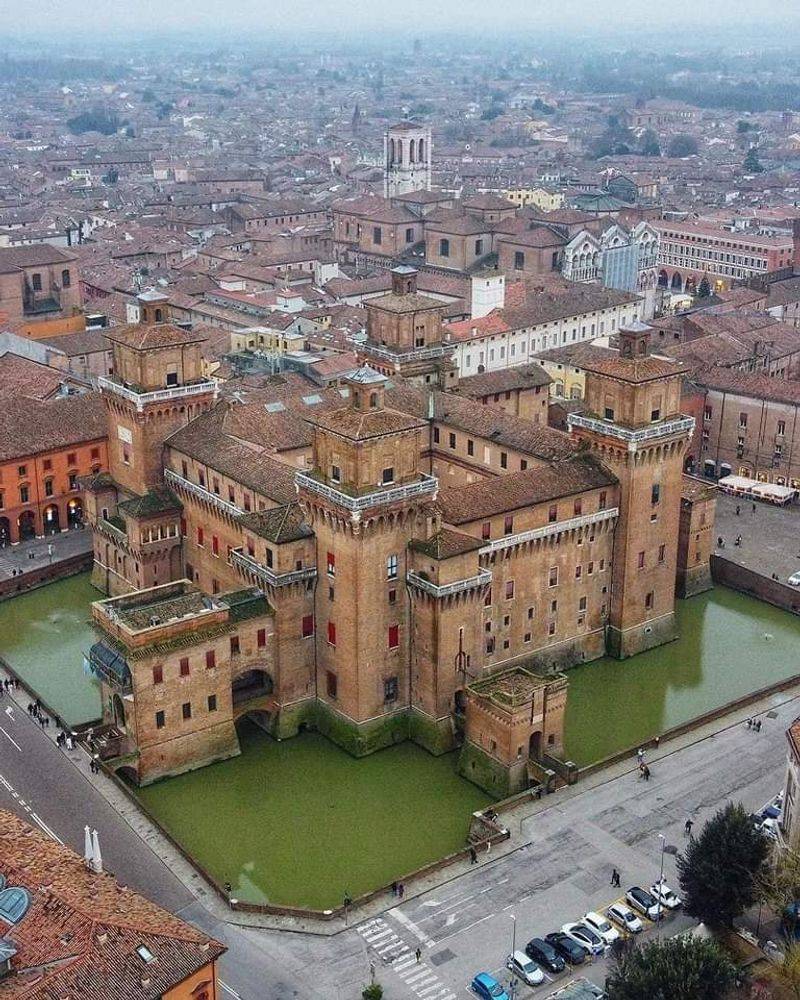
The city was a Renaissance powerhouse, and you can still see it in the wide avenues and grand buildings. The moated Estense Castle sits right in the middle of town, looking ready for a storyteller.
Nearby, the cathedral and its busy square make a great spot to watch daily life.
Ferrara’s medieval walls stretch for miles and make a peaceful cycling route. You can pedal along the top with trees on both sides and hardly hear traffic.
Food here belongs to Emilia-Romagna, a region famous for rich, filling dishes. Look for local pasta and bakery treats in small shops around the historic center.
The city is flat and compact, so you do not need much planning. Rent a bike, pick a direction, and let the old streets guide you through a calm and proud corner of Italy.
Mantua
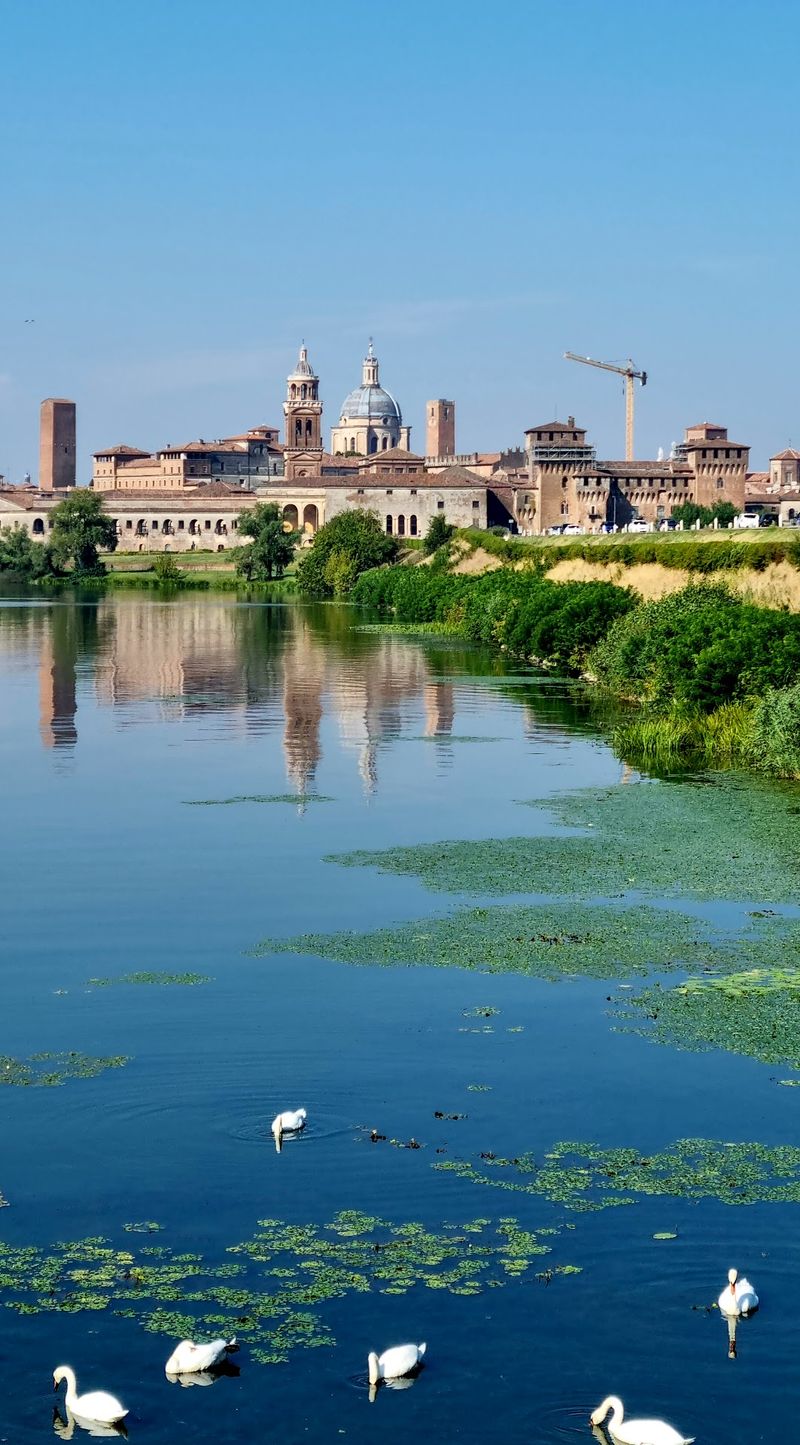
Water hugs three sides of Mantua, and that gives the city a hushed, dreamy feel. Lakes formed by the Mincio River frame the old center, and sunset turns them into mirrors.
The Gonzaga family ruled here for centuries, and they left behind grand palaces packed with art. The Ducal Palace is a maze of rooms, courtyards, and painted ceilings that could fill an entire morning.
Give yourself time, because it is bigger than it looks.
Outside, arcaded streets lead to handsome squares where locals meet for an evening drink. Food leans hearty, with pumpkin-filled pasta being a regional favorite.
You can also take a boat trip on the lakes, where birds and lotus flowers fill the shoreline in summer. It is a peaceful way to see the city from a fresh angle.
Mantua is small enough to explore on foot, and it rarely feels crowded. That makes it a fine choice when you want culture without the rush of Italy’s bigger art cities.
Urbino
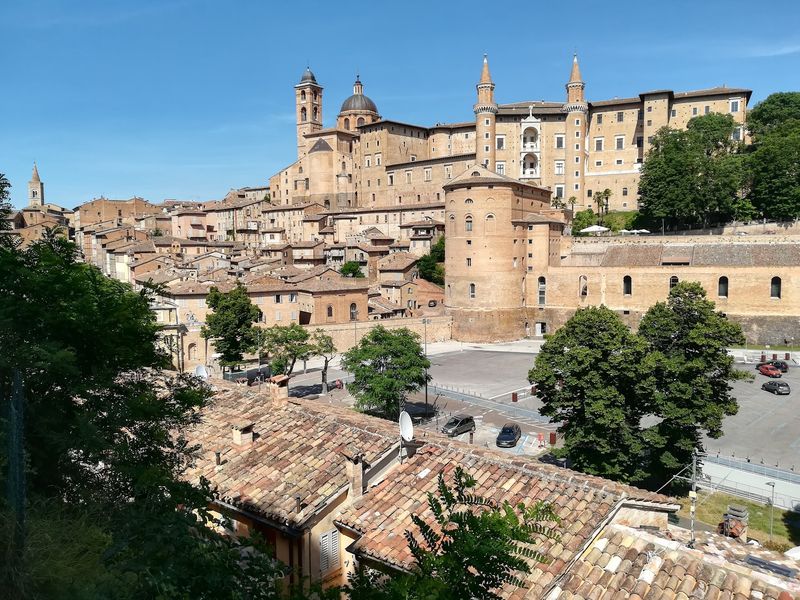
Picture a whole town built on a pair of hills, topped by a palace with twin towers. That is Urbino, a Renaissance gem in the Marche region that feels wonderfully far from the tour bus routes.
The Ducal Palace is the star, and it now houses a fine collection of art. Inside, elegant halls and staircases show how a small court once shaped Italian culture.
Painter Raphael was born here, and his home can be visited.
Urbino is also a university town, so the streets hum with students. Steep lanes climb past cafes and bookshops, and the energy feels youthful and warm.
Bring sturdy shoes, because almost every path tilts up or down. The effort pays off at viewpoints where the rolling countryside spreads out in soft shades of green and gold.
Stay for dinner if you can. Marche cooking is honest and tasty, and evenings in the old center have a friendly, unhurried glow that fits the town perfectly.
Lecce
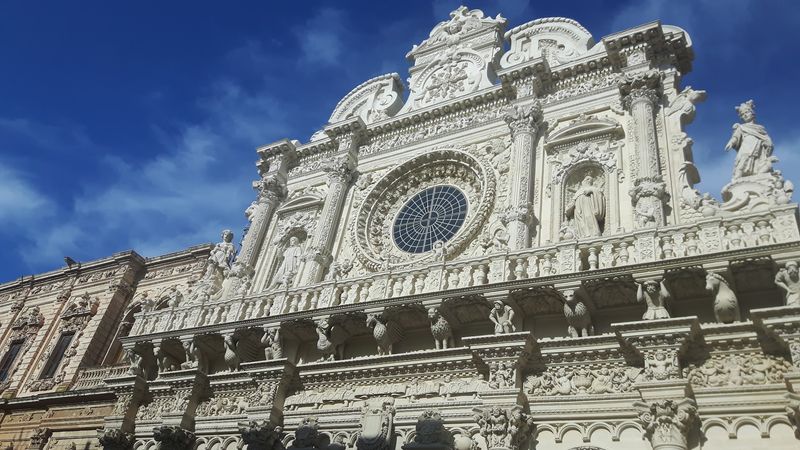
Golden stone, carved like lace, glows on nearly every corner of Lecce. Locals call their home the Florence of the South, and the fancy baroque buildings make the nickname easy to understand.
The soft local limestone let artists carve wild details into church fronts and palace balconies. Look up often, because faces, flowers, and mythical creatures peek out from above.
The Basilica di Santa Croce is a great place to start.
Beyond the showy facades, Lecce is a friendly working city. Small workshops still make papier-mache figures, and markets and pastry shops fill the lanes with sweet smells.
Try a local coffee served over ice with almond milk, a Salento habit on hot days.
You will also spot Roman ruins, including a theater tucked between buildings. Old and older layers sit side by side here.
Lecce makes a handy base for exploring the sunny heel of Italy. Give the city itself at least a day, though, since evenings in its glowing piazzas are the real highlight.
Orvieto
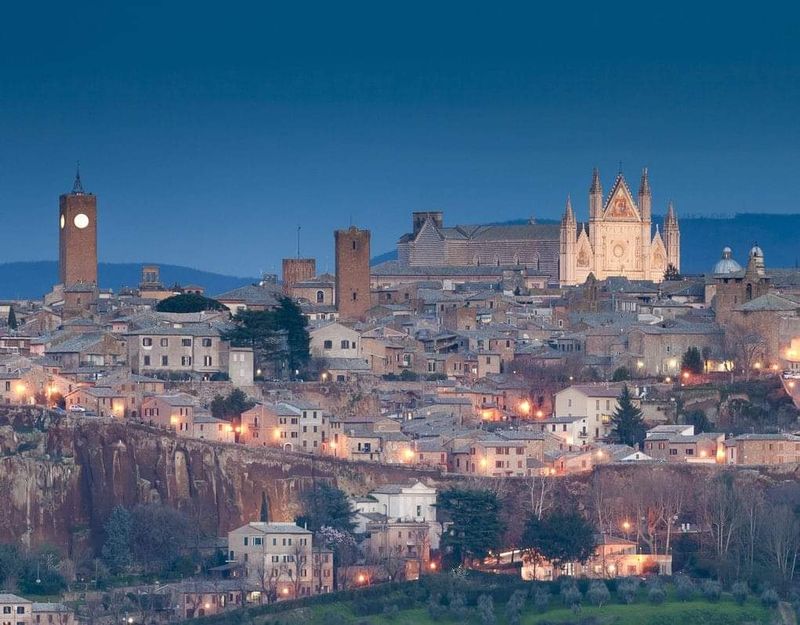
Orvieto sits on a cliff of volcanic rock like a town on a giant pedestal. Arrive by funicular from the train station and you are soon standing in a place that seems to float above the valley.
The Gothic cathedral is the showstopper, with a shimmering front covered in mosaics and sculpture. Inside, painted frescoes add even more drama.
Give it plenty of time, and step back in the square to take in the whole design.
Beneath the streets lies a secret world of caves and tunnels dug over many centuries. Guided tours take you down to see old wells and cellars, a fun break on a hot day.
Orvieto is also known for its white wine, and many small shops and restaurants pour it with pride. Pair a glass with a plate of Umbrian food and enjoy the slow pace.
The town is small and easy to walk. Stay overnight to feel it after the day visitors leave, when the lanes turn quiet and lamplight warms the stone.
Perugia
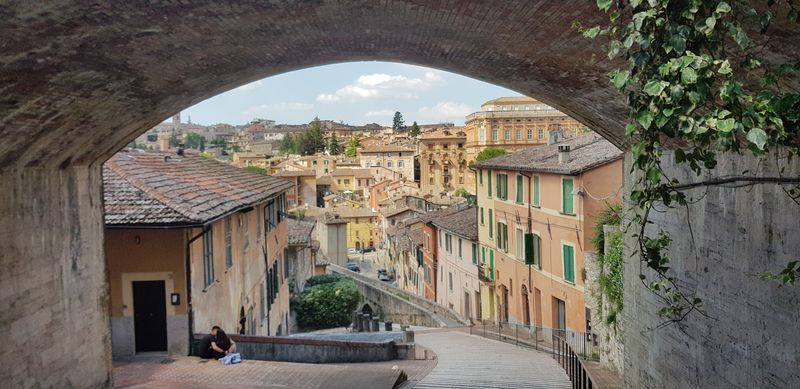
Chocolate lovers, listen up: Perugia hosts a famous chocolate festival and is home to a well-known confectionery tradition. Even without the festival, sweet shops here tempt you at every turn.
The city crowns a hill in Umbria, and its medieval heart is full of steep alleys, stone arches, and grand squares. Piazza IV Novembre is the social center, where the Fontana Maggiore bubbles and people gather on the cathedral steps.
Thanks to its large university, Perugia buzzes with young voices, live music, and cheap, tasty food. It feels like a real city rather than a museum.
Underground, the Rocca Paolina reveals old streets buried beneath the modern town. Escalators carry you through the ruins, which makes it a surprising and easy sightseeing stop.
Plan for lots of walking uphill. Your reward is sweeping views over Umbria’s countryside and a city that keeps its traditions alive without making a fuss.
Treviso
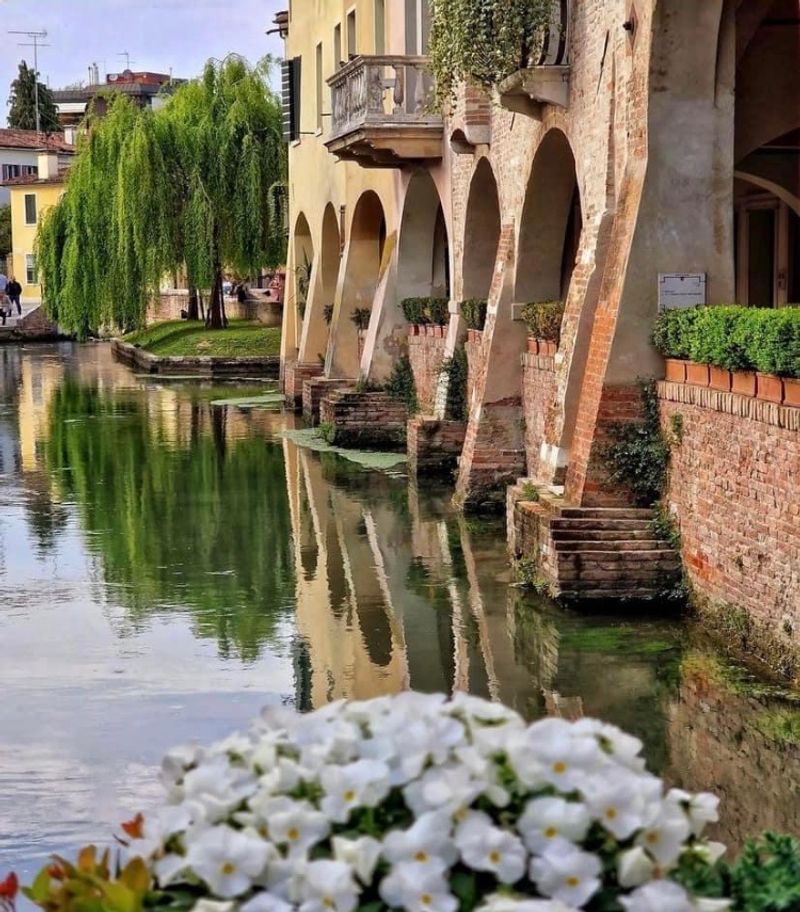
Think of Venice without the elbow-to-elbow crowds, and you are close to Treviso. Little canals wind through the old center, and willow trees dip their branches into the water.
The city sits in the Veneto region, a short trip from the lagoon, yet it keeps a local, everyday mood. Painted houses line quiet lanes, and arcades shelter shoppers on rainy days.
The fish market on a small island in the middle of the river is a lively scene worth seeing.
Food fans will feel right at home. Treviso is linked with radicchio, a red, slightly bitter leaf that shows up in risotto, pasta, and grilled dishes.
The region is also famous for tiramisu, and many local cafes proudly serve it.
Stroll along the old city walls and stop at a wine bar for a local sparkling glass. Locals gather there before dinner, and visitors are welcome to join.
Treviso is easy to explore in a day, though you may want longer.
Parma
Ham and cheese walk into a city and become legends. In Parma, the famous cured ham and the nutty hard cheese named after the area are treated like national treasures.
Food tours and tastings let you see how these products are made and why they taste so good. Many delis in the center sell thin slices with fresh bread, and a picnic lunch is an easy win.
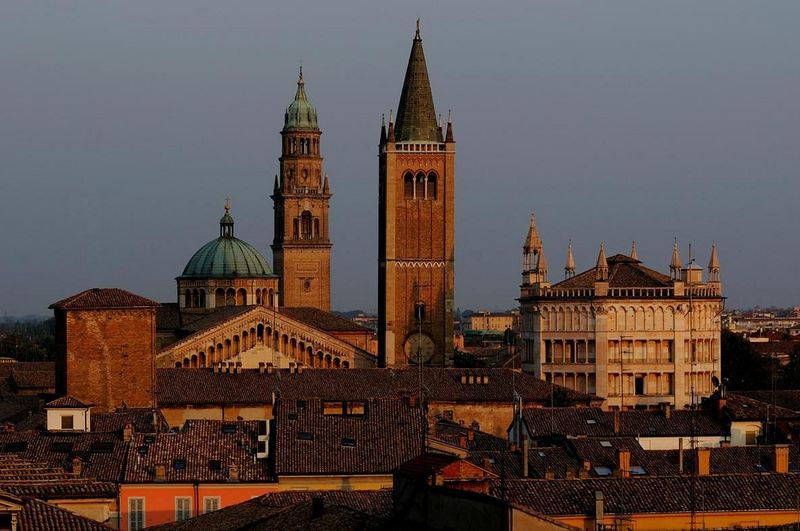
Beyond the plate, Parma is elegant and calm. The cathedral and its pink marble Baptistery share a grand square, and the frescoed interiors are stunning.
Broad parks and leafy streets make walking a pleasure.
The city has a strong musical heritage, and opera is a big part of local pride. The Teatro Regio hosts performances that draw fans from across the country.
Like Ferrara, Parma is a bike-friendly place, so rent wheels if you like. Save an evening for aperitivo in the center, where locals swap gossip over small plates and a chilled drink.
Cremona
Listen closely and you might catch the faint sound of a violin drifting from an open window. Cremona is the birthplace of the great violin makers, and the craft is still alive here.
Workshops around the old center let you peek at artisans shaping wood by hand. A museum dedicated to violins shows treasured instruments and explains how they are built.
Concerts and lessons add a musical touch to the town’s calm daily rhythm.
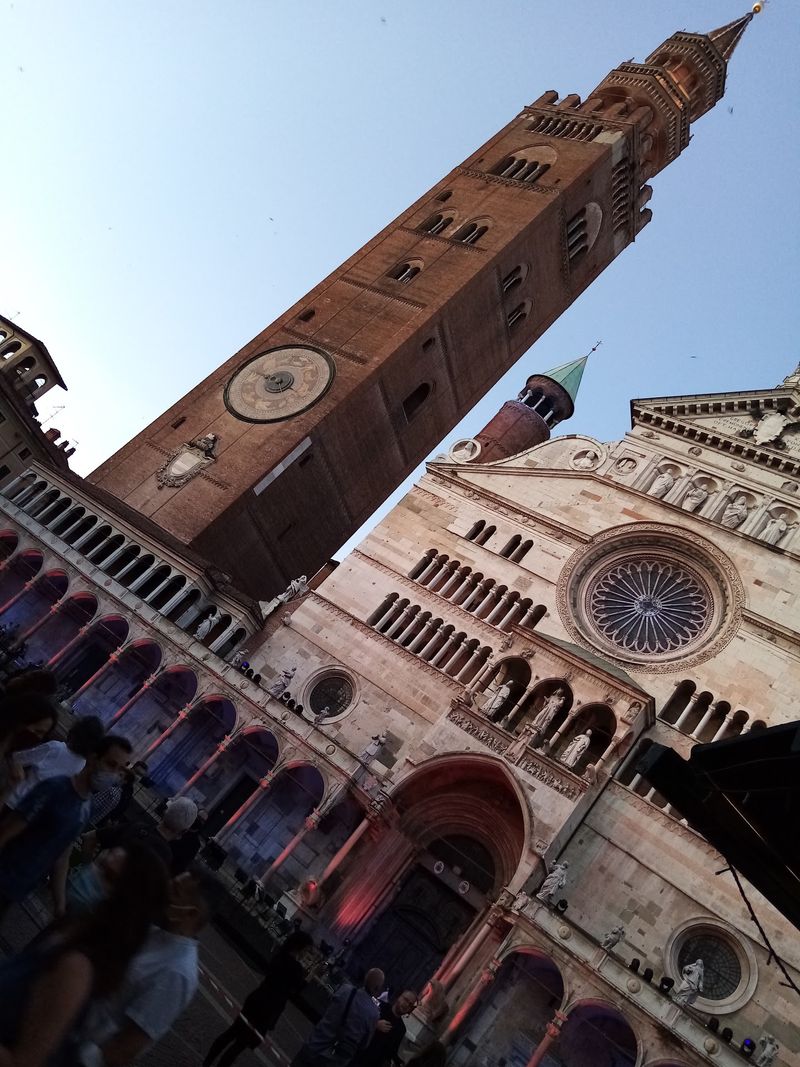
The main square is a highlight, with the cathedral and the towering Torrazzo bell tower side by side. Climb the tower’s many steps and you are rewarded with a wide view over the Lombard plain.
Cremona is also known for torrone, a sweet nougat, and for sturdy local dishes that suit a chilly day. Shops sell it in all sizes, so it makes a tasty souvenir.
The city is small and walkable, and it rarely feels rushed. A day here can be a gentle, musical break from bigger northern destinations.
Ragusa
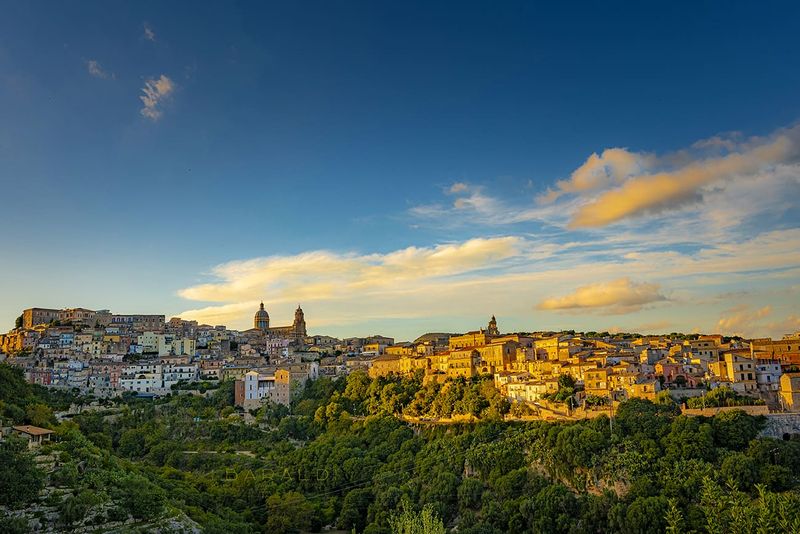
Sicily’s southeast hides a town split into two personalities. Ragusa Superiore is the modern upper part, while Ragusa Ibla, down the hill, is a maze of baroque churches and old stone lanes.
Head down to Ibla and wander with no plan. Steps and alleys open onto sudden squares, and the cathedral of San Giorgio commands the scene with its grand front.
Gardens and balconies offer views across the valley.
Ragusa belongs to a region of late baroque towns rebuilt after an earthquake long ago. That gives the buildings a graceful, unified look, all in warm stone.
Local food is a treat. Look for fresh ricotta, hearty pasta, and sweets made with chocolate that follows an old regional style.
Small family restaurants do them well.
Walk between the two halves using the old staircases if you have the energy, or take a bus if you prefer. Either way, Ragusa rewards a slow visit with charm and calm that feels wonderfully genuine.
Ascoli Piceno
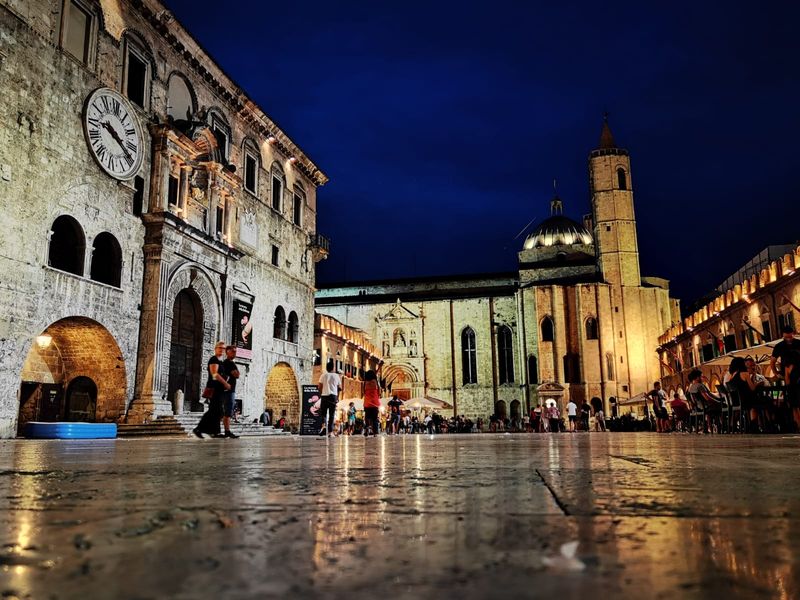
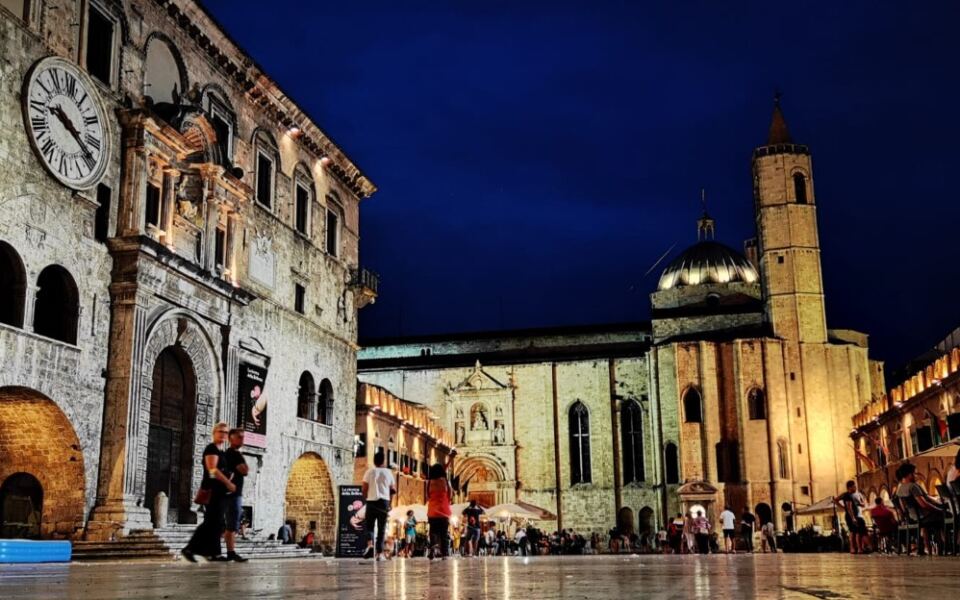
Everything in Ascoli Piceno seems to be carved from creamy travertine stone. The result is a city that glows softly at sunset, especially around Piazza del Popolo, one of Italy’s most graceful squares.
Cafes ring the piazza, and locals settle in for long talks over coffee or an evening drink. Nobody hurries, and visitors are pulled into the easy rhythm.
The city has kept its medieval layout, with towers, narrow lanes, and old churches tucked into the corners. Tall stone towers dot the skyline, a reminder of its proud past.
Here you can also try the local snack olive all’ascolana, a large green olive stuffed with meat, breaded, and fried. Bakeries and restaurants serve them warm in paper cones, and they are hard to stop eating.
Ascoli lies in the southern Marche, away from the busy routes, so it stays peaceful. Come for a weekend, wander the stone streets, and enjoy a city that feels proud, warm, and refreshingly unpolished.
Ravenna
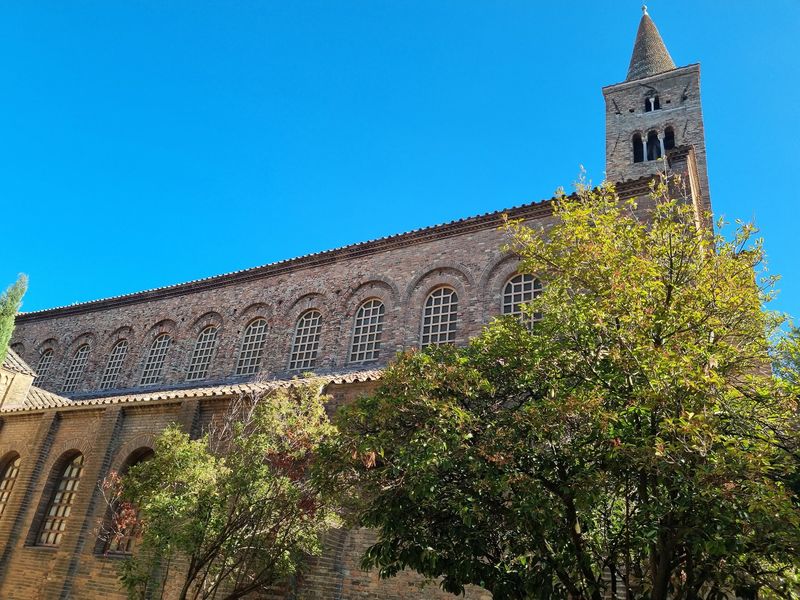
Gold sparkles from the walls and ceilings of Ravenna’s ancient churches. This quiet city was once a capital of the Roman Empire, and its early Christian buildings hold some of the finest mosaics in the world.
Step inside the Basilica of San Vitale and look up. Tiny colored tiles form saints, animals, and emperors that seem to shimmer as the light shifts.
The tomb of Galla Placidia is small, but its deep blue ceiling glows like a night sky.
Outside the churches, Ravenna is calm and easy. Bikes glide through the pedestrian center, and piazzas fill with locals at aperitivo time.
Poet Dante is buried here, and his simple tomb draws quiet visitors.
Modern mosaic studios continue the tradition, and some offer workshops where you can try setting tiles yourself. It is a fun, hands-on souvenir.
Buy a combined ticket for the main monuments and spread your visits over a day or two. The pace is gentle, and the art leaves a lasting impression.
Share this story