Some cities go quiet after dark, but others are just getting started. From neon-lit streets packed with food stalls to rooftop bars with jaw-dropping skyline views, the world’s best nightlife cities offer something for every kind of night owl.
Whether you love live music, late-night eats, dancing until sunrise, or simply soaking up a city’s electric energy after hours, these 15 destinations know how to keep the party going. Get ready to stay up way past your bedtime.
Bangkok, Thailand
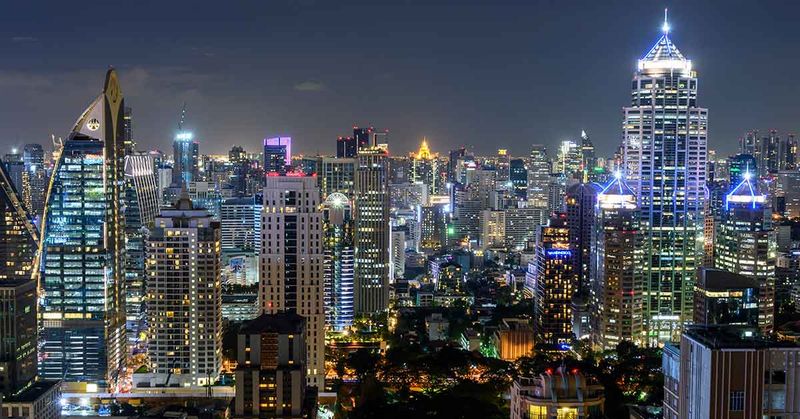
The moment the Bangkok sun goes down, the city basically reinvents itself from scratch. Yaowarat Road in Chinatown transforms into one of the most visually exciting food streets on the planet, with vendors grilling seafood, ladling noodles, and frying desserts under strings of glowing lanterns.
The smells alone are enough to pull you off the sidewalk.
Beyond Chinatown, rooftop bars offer dramatic views over the sprawling city while riverside restaurants fill with both locals and tourists. Night markets scattered across different districts keep shopping alive well past midnight, and live music venues add yet another layer to the mix.
Bangkok does not follow a single nightlife script. One neighborhood might feel like a street food paradise while another pulses with club music.
That variety is exactly what makes a Bangkok night so hard to wrap up early. Visitors often find themselves saying “just one more hour” until the sun is almost back up.
Berlin, Germany
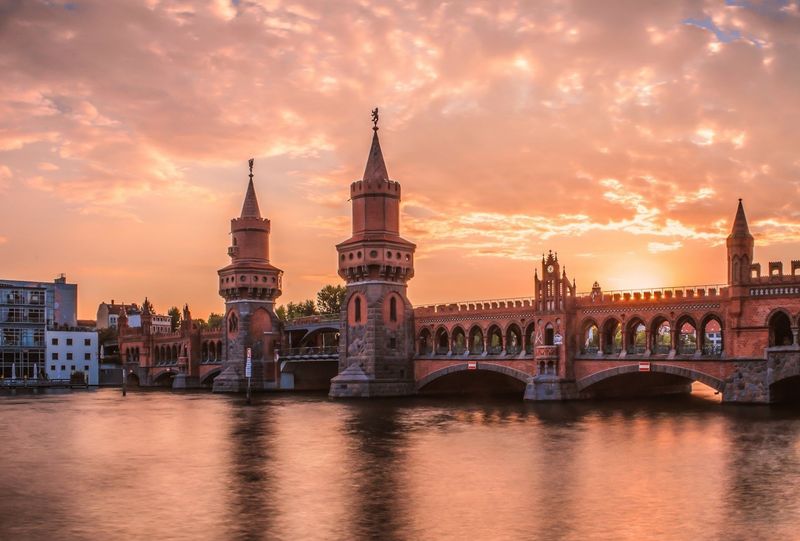
Berlin’s nightlife has a reputation so legendary that people fly in specifically for a weekend of it. The city hosts roughly 58,000 club events per year, and that number barely scratches the surface of what is actually happening on any given Friday night.
Electronic and techno music are the heartbeat of the scene, but the city offers far more than a single sound.
Neighborhoods like Friedrichshain, Kreuzberg, and Neukölln each carry their own personality after dark. You might find a jazz set in one bar, experimental electronic music in a converted power station nearby, and karaoke somewhere else entirely.
Weekend nights here sometimes stretch straight through to Sunday afternoon without anyone raising an eyebrow.
Berlin was ranked Europe’s top nightlife city in a major international survey in 2026, a title most locals would say was long overdue. What sets it apart is not just the music but the attitude.
Venues here function as genuine cultural spaces, not just dance floors. Berlin after dark feels more like a movement than a night out.
Tokyo, Japan
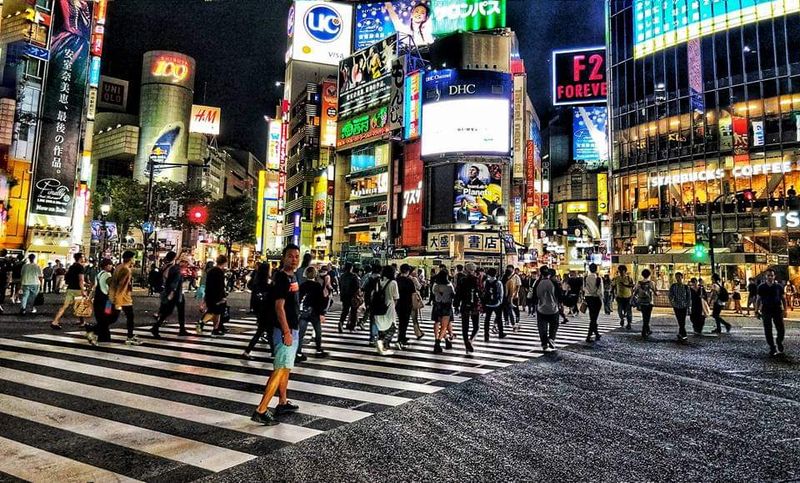
Trying to describe Tokyo’s nightlife in a single sentence is like trying to fold an ocean into a napkin. Shinjuku alone contains Golden Gai, a maze of tiny bars each seating fewer than a dozen people, and Kabukicho, a neon-soaked entertainment district that hums with energy until the trains start running again.
These two areas sit minutes apart yet feel like completely different cities.
Shibuya draws massive crowds around its famous crossing and sends them spilling into clubs, music venues, and late-night bars. Roppongi keeps its internationally oriented nightlife scene running through the small hours.
Meanwhile, izakaya tucked into railway arches and narrow back alleys offer a quieter but equally authentic version of a Tokyo night.
The city’s observation decks deserve a special mention. Watching Tokyo’s seemingly endless grid of lights from above is genuinely one of the most striking nighttime experiences anywhere in the world.
Trains stop around midnight, but the neighborhoods keep going. Tokyo proves that great nightlife does not need a single center.
It just needs a whole lot of options.
Buenos Aires, Argentina
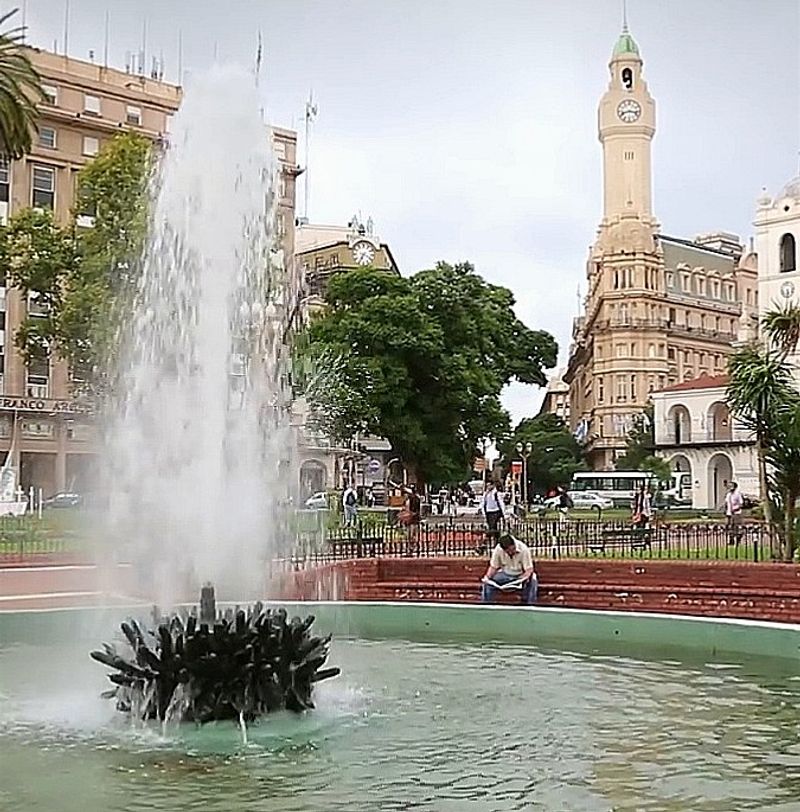
Buenos Aires runs on a schedule that would leave most early risers completely bewildered. Dinner rarely starts before 9 p.m., bars fill up around 10, and many nightclubs do not hit their stride until 2 a.m. or later.
First-time visitors who show up to a club at midnight often find themselves practically alone, which is a very different kind of culture shock.
Palermo holds the densest concentration of bars and clubs, but the night extends far beyond one neighborhood. Avenida Corrientes is lined with theaters, late-opening bookshops, pizza restaurants, and cafes that stay busy well past midnight.
It has a creative, slightly bohemian energy that feels unique to this city.
Tango is where Buenos Aires nightlife connects most directly to its own history. Milongas, the social tango dances held in venues across the city, continue deep into the early hours and are open to dancers of all skill levels.
San Telmo and Almagro are particularly well known for authentic milonga culture. Buenos Aires makes clear that staying out late is not just a habit here.
It is practically a cultural value.
Seoul, South Korea
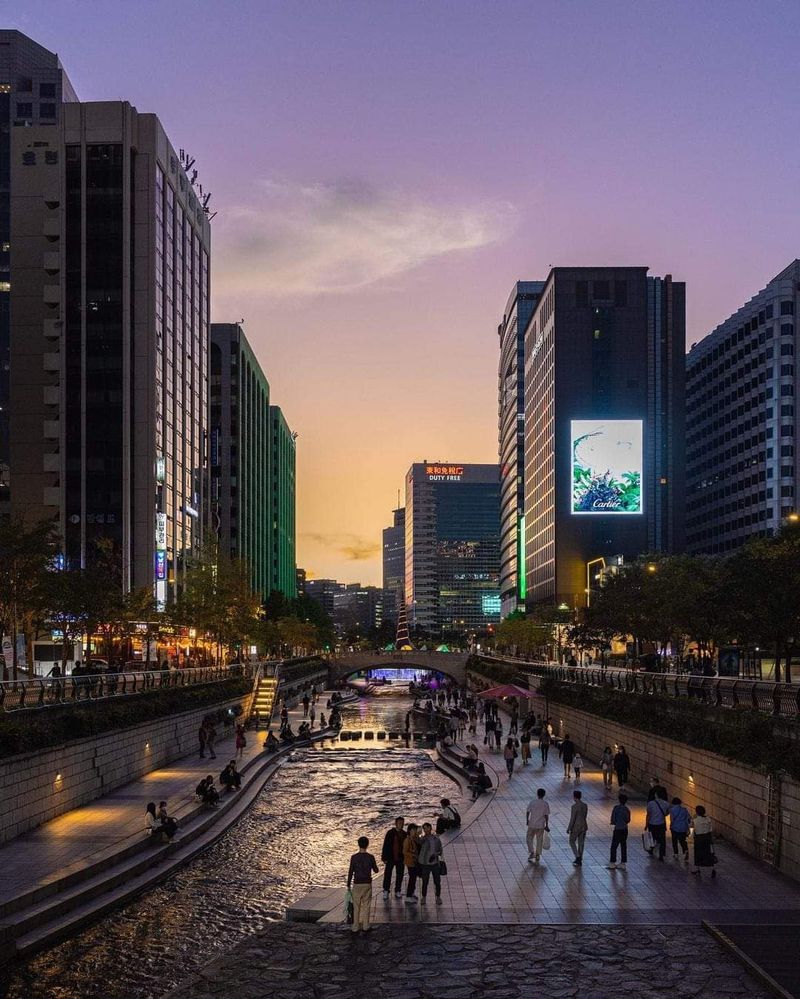
Hongdae is the kind of neighborhood that makes you feel like the night has its own gravitational pull. Built around a major university, this Seoul district is famous for indie music, live street performances, youth culture, and clubs that keep going long after most people would have called it a night.
The energy here is raw, creative, and genuinely infectious.
Itaewon offers a completely different atmosphere shaped by international residents and a wildly diverse restaurant scene. Pubs, wine bars, cocktail lounges, and clubs coexist alongside restaurants serving food from dozens of countries.
It is a neighborhood where a night out can feel like a miniature world tour without anyone needing a passport.
Korean barbecue is arguably the most social dining experience on earth, and Seoul has it available late into the night at restaurants across the city. Add karaoke rooms, convenience store hangouts, and cafe culture that runs past midnight, and you have a nightlife scene that does not require a single club visit to be completely satisfying.
Seoul proves that staying out late can be a team sport.
Madrid, Spain

Madrid operates on a social clock that seems to run about three hours behind the rest of Europe. Dinner at 10 p.m. is completely normal, and nobody thinks twice about heading out for drinks at midnight.
The result is a city where streets stay busy and bars stay loud at hours when other capitals have gone dark and quiet.
Each neighborhood brings a distinct personality to the evening. Malasaña carries the legacy of the countercultural Movida Madrileña movement of the 1980s, mixing grungy bars with creative energy.
Chueca is one of Madrid’s most celebrated LGBTQ+ nightlife areas, known for its welcoming atmosphere and lively bars. Huertas keeps a steady crowd going through the week without needing a special occasion.
Flamenco shows add a cultural dimension that sets Madrid apart from cities where nightlife means only clubs and cocktails. Watching a live flamenco performance in a small, intimate venue is an experience that hits differently at 11 p.m. than it ever could at noon.
Madrid’s nightlife works because it is built into daily life rather than treated as something separate from it.
New Orleans, Louisiana
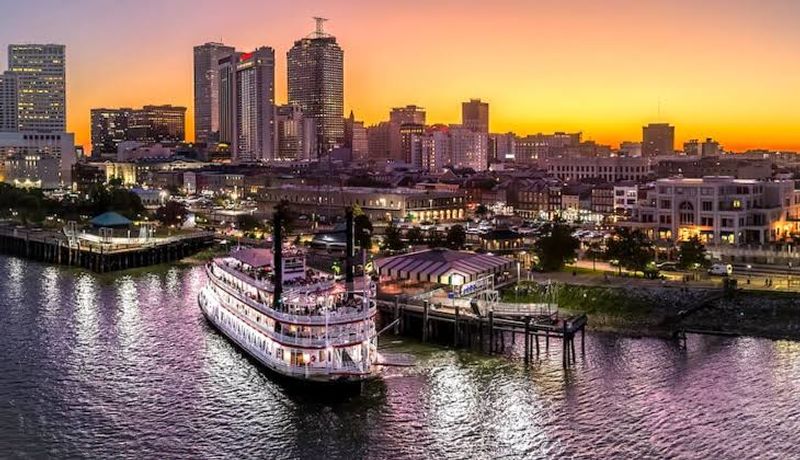
You can hear New Orleans before you can see most of it. On Frenchmen Street in the Marigny neighborhood, jazz, blues, and brass band music spill out of clubs and onto the sidewalk simultaneously from multiple venues, creating a layered sound that is impossible to replicate artificially.
This is live music as a community experience, not a ticketed event.
Bourbon Street offers a louder and more chaotic alternative, lined with neon signs, balconies, and bars that never seem to close. The city’s legendary go-cup tradition allows drinks to travel with you from venue to venue, which keeps the night flowing without anyone needing to commit to a single spot.
It is a very New Orleans solution to a very human problem.
What makes New Orleans genuinely special is how nightlife connects to the city’s food, history, and culture. A single evening can include Creole cooking, cocktails with century-old recipes, second-line brass band parades, and jazz that traces its roots back to the early 20th century.
Few cities make you feel like the night itself carries this much history inside it.
Hong Kong
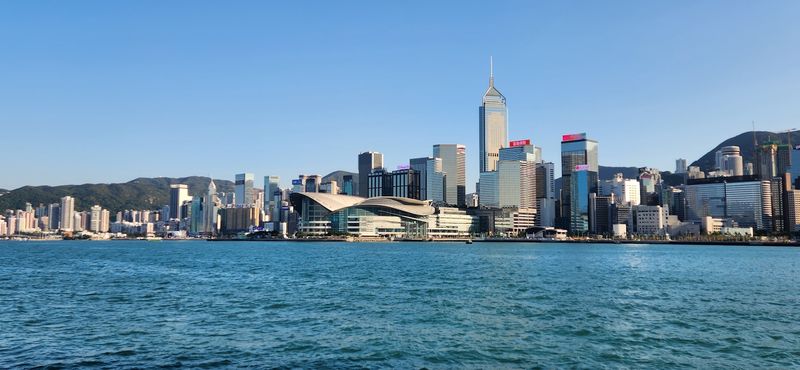
Hong Kong’s night market scene is the kind of thing travel writers run out of adjectives trying to describe. Temple Street in Kowloon fills with food vendors, fortune tellers, shoppers, and the occasional burst of Cantonese opera after sunset, turning an ordinary street into something that feels more like a festival than a shopping trip.
Cross Victoria Harbour and the mood shifts completely. Lan Kwai Fong in Central packs more than 100 dining and nightlife venues into a relatively compact area, making it one of the densest concentrations of bars and restaurants in Asia.
Surrounding neighborhoods add cocktail bars, live music, and late-night restaurants that keep the district buzzing.
Hong Kong’s skyline is one of the most photographed in the world, and it looks best after dark. Ferries crossing the harbor at night, illuminated skyscrapers reflecting on the water, and rooftop viewpoints give visitors ways to experience the city that have nothing to do with alcohol.
Late-night dim sum and noodle shops keep local food culture part of the evening right alongside the more conventional nightlife options. Hong Kong delivers on every front.
Las Vegas, Nevada
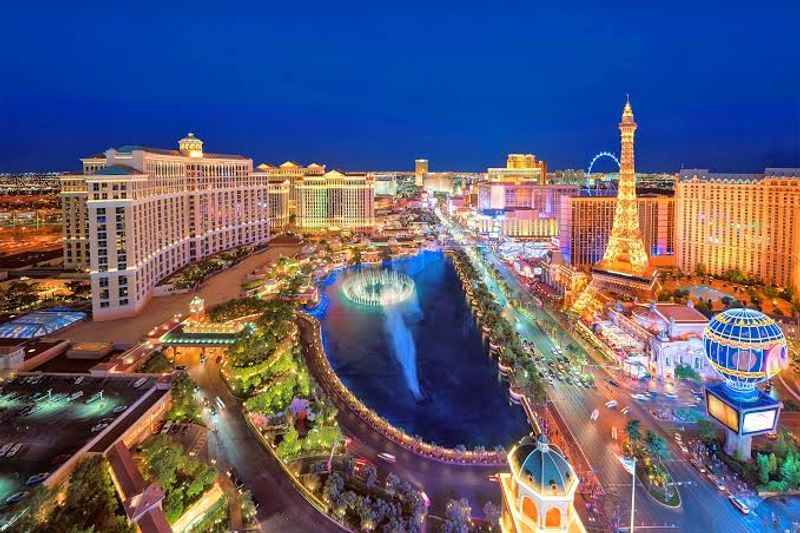
Las Vegas was not just built for nighttime. It was built to make daytime feel unnecessary.
The Strip lights up after sunset with an intensity that can be seen from miles away, and the entertainment options inside those glowing towers range from world-class magic shows to residency concerts by globally famous artists to nightclubs spanning multiple floors of a single resort.
The genius of Las Vegas is that you can have an entire evening without leaving one building. Dinner at a celebrity chef restaurant, a major production show, a rooftop lounge, and a nightclub can all happen under one roof.
That kind of concentrated entertainment is something no other city has quite managed to replicate at this scale.
Downtown Fremont Street adds a different flavor, with its famous overhead light canopy, street performers, and a slightly more local-feeling crowd. Las Vegas may not have the centuries-old nightlife traditions of Madrid or the cultural depth of Tokyo, but it has something equally powerful: an entire city economy built around making sure nobody goes to bed feeling like they missed out on something.
That is a hard promise to break.
Mexico City, Mexico
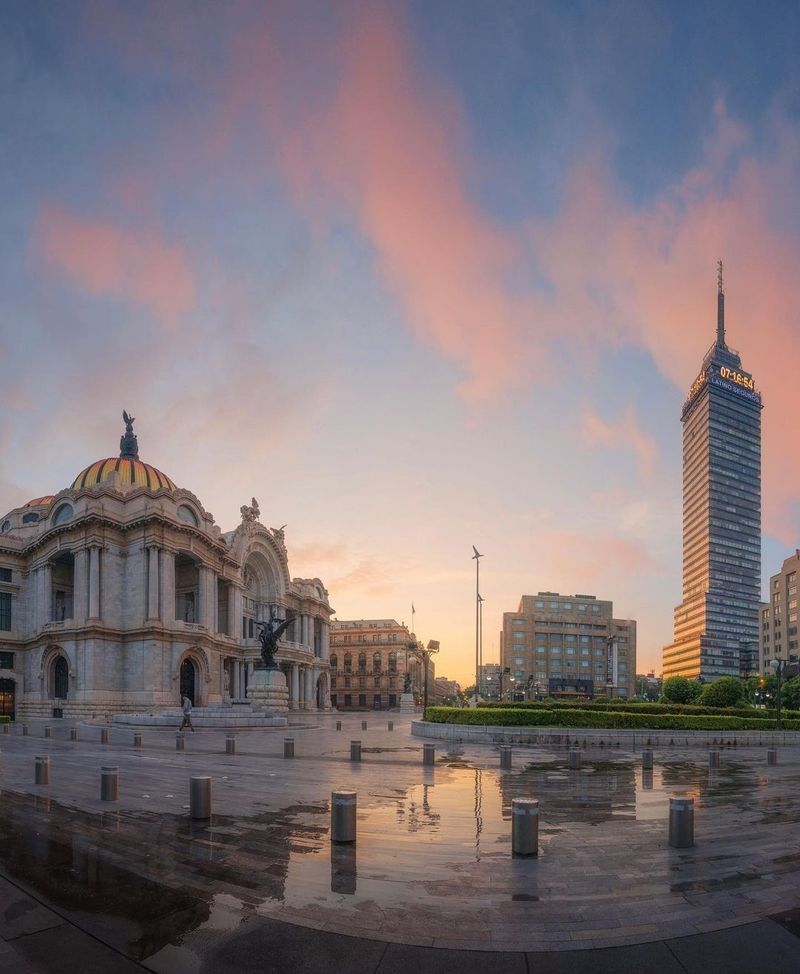
Plaza Garibaldi has been Mexico City’s mariachi heartbeat for roughly a century, and it still delivers every single night. Bands in full charro suits fill the square with trumpets, violins, and vocals that carry across the whole plaza.
Visitors can request songs, hire a band for a private serenade, or simply stand and absorb one of the most uniquely Mexican experiences the city has to offer.
The Roma and Condesa neighborhoods provide a contrasting but equally compelling evening scene. Mezcalerias, cocktail bars, and clubs draw a creative crowd to tree-lined streets where the architecture is as much a part of the atmosphere as the music.
These neighborhoods feel like they were designed for long, unhurried evenings.
Mercado San Camilito near Plaza Garibaldi stays open around the clock and serves food associated particularly with Jalisco, making it a natural late-night stop after a night of mariachi. Theater, lucha libre events, and neighborhood cantinas round out a nightlife scene that stretches across the entire city without being defined by any single style.
Mexico City after dark is layered, loud in the best possible way, and deeply rooted in its own culture.
New York City, New York
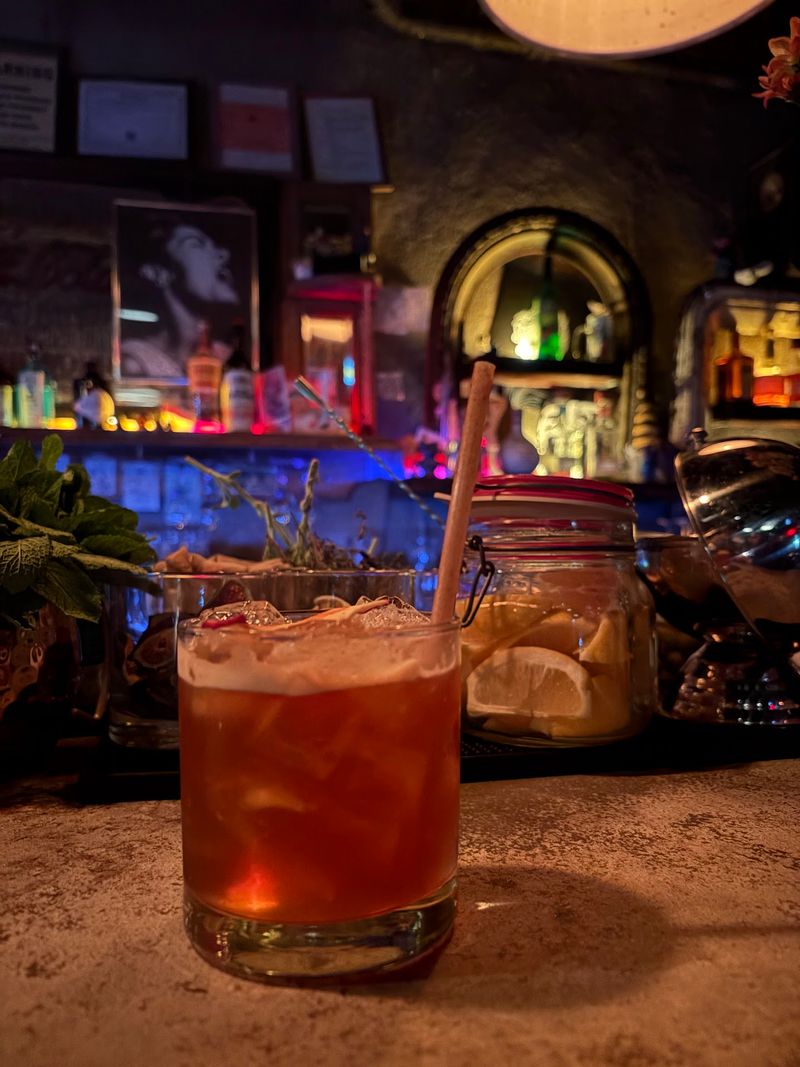
Calling New York the city that never sleeps might be a cliche, but cliches usually earn their reputation. Broadway shows empty into packed restaurants at 10:30 p.m.
Jazz clubs in the Village run sets until 2 a.m. Comedy venues, rooftop bars, underground dance parties, and late-night diners fill the gaps between everything else.
The sheer volume of options is genuinely staggering.
Brooklyn has grown into one of the most interesting nightlife boroughs in the country. Williamsburg, Bushwick, Greenpoint, and Park Slope each carry their own distinct scene, mixing indie rock venues, underground electronic clubs, jazz bars, and international music spaces that attract serious music fans from across the city and beyond.
Manhattan still delivers the classics. Greenwich Village has jazz history soaked into its walls.
Hell’s Kitchen packs bars and restaurants onto blocks that stay loud well past midnight. After-hours dining is practically a New York institution, with diners and 24-hour spots feeding everyone from night-shift workers to theatergoers to people who simply cannot decide when to stop having fun.
New York earns its reputation every single night of the week.
Istanbul, Turkey
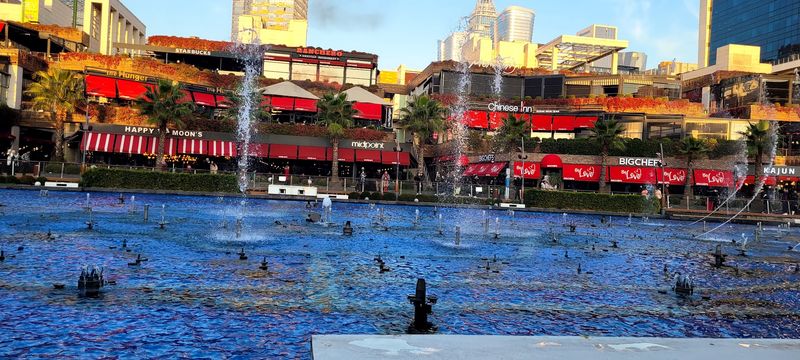
Arriving in Istanbul by ferry at dusk, with illuminated mosques and Ottoman palaces lined up along the Bosphorus, is the kind of scene that makes you want to cancel your return flight immediately. The city’s geography turns every evening into something cinematic before you have even ordered your first drink.
Few places on earth open their nightlife with such a dramatic setting.
Beyoglu becomes the center of Istanbul’s after-dark activity as the evening deepens. Bars, clubs, cafes, meyhane taverns, and restaurants fill the district’s streets and historic passages.
Cicek Pasaji is a particular highlight, an ornate 19th-century arcade where restaurants are accompanied by live musicians playing folk and classical pieces inside beautifully preserved architecture.
Kadikoy on the Asian side adds another full nightlife neighborhood to the mix, giving Istanbul a genuinely cross-continental evening scene that reflects the city’s unique position between two worlds. Istiklal Avenue stays one of the busiest pedestrian streets in Europe well into the night.
Istanbul manages to be historic and lively at the same time, which is not an easy balance to strike, but this city makes it look effortless.
Singapore
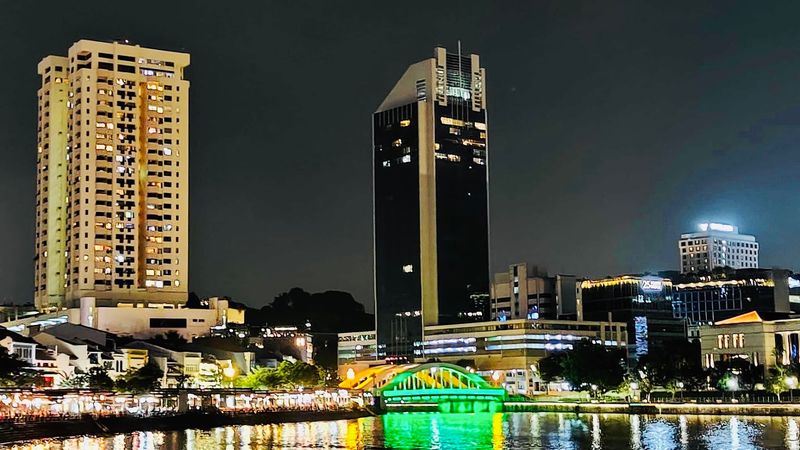
Singapore at night pulls off a visual trick that most cities can only dream about. The Marina Bay skyline, with its illuminated supertrees and towering glass skyscrapers reflecting across the water, looks like someone turned the city’s contrast dial all the way up.
Standing on the waterfront promenade after dark is one of those experiences that genuinely earns the word spectacular.
Clarke Quay and the Singapore River have long anchored the city’s bar and entertainment scene, with a stretch of converted riverside warehouses now housing cocktail bars, clubs, and restaurants. The area draws a mixed crowd of locals and visitors, and the open-air setting along the water keeps things feeling relaxed even when the music is loud.
Singapore’s hawker centers deserve a special mention in any nightlife conversation. These open-air food courts serve inexpensive local dishes late into the evening, making world-class food accessible at any budget and any hour.
Illuminated gardens, night safari experiences, and skyline viewpoints at spots like the Marina Bay Sands observation deck round out an after-dark menu that does not require a single club visit to be completely memorable. Singapore does nightlife with a precision all its own.
Barcelona, Spain
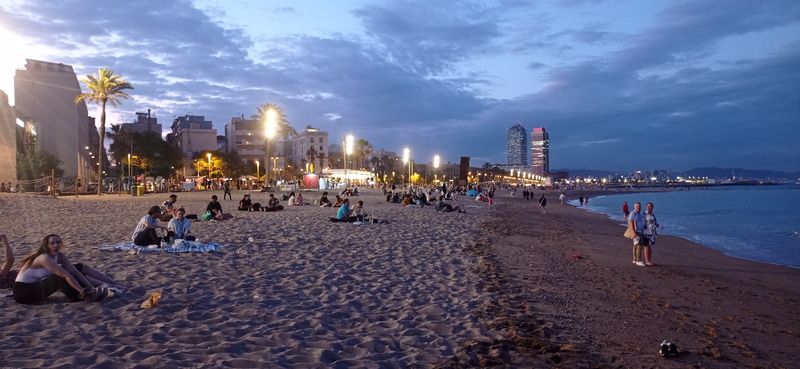
Barcelona has a nightlife schedule that would make a morning person genuinely nervous. Tapas dinners on outdoor terraces stretch comfortably into the late evening, especially during the warmer months when the Mediterranean air makes sitting outside feel like a reward in itself.
The city seems almost allergic to the idea of calling it a night before the clock has done something interesting.
The Gothic Quarter’s ancient lanes fill with bar-hoppers navigating centuries-old alleyways by the glow of string lights and open doorways. El Born adds a slightly more polished cocktail bar scene while Eixample and the waterfront areas offer clubs and music venues that gear up properly only after midnight.
Barcelona even sells a NightCard specifically for club entry, with the suggested arrival time set before 2 a.m., which tells you everything you need to know about how late the real action starts. The city’s genuine strength is variety.
A single Barcelona evening can move from a centuries-old tapas bar to a live flamenco show to a rooftop cocktail to a beachside club without ever feeling rushed or disconnected. Barcelona does not just have nightlife.
It has a whole philosophy about how evenings should be spent.
Dubai, United Arab Emirates
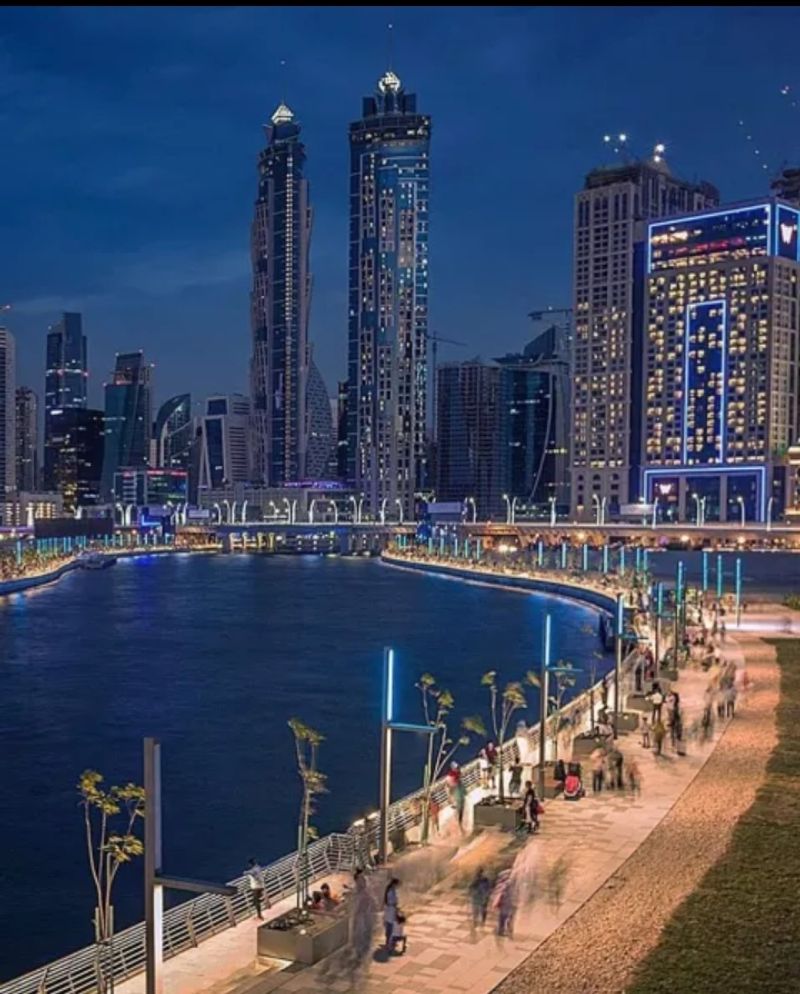
Dubai after sunset is a completely different city from Dubai at noon, and that contrast is not accidental. Once the intense heat of the day fades, the city opens up.
Rooftop terraces that would have been unbearable at 3 p.m. become some of the most sought-after seats in the world by 9 p.m., with views over the Marina, Downtown, and the Arabian Gulf that are genuinely hard to stop staring at.
The rooftop culture here is taken seriously. Many venues transition from dinner settings into DJ-driven social spaces as the evening progresses, blending fine dining and nightlife into a single experience.
Dubai Marina and Downtown are particularly stunning after dark, with illuminated skyscrapers reflected in the water below and crowds filling the waterfront promenades.
Desert dining under the stars, beach clubs, late-night shopping at malls that stay open until midnight or beyond, and live entertainment add more dimensions to a Dubai night than most visitors expect. Alcohol service is concentrated in licensed venues, which gives the city a different structure from Bangkok or Berlin, but the after-dark energy is just as real.
Dubai has built a nightlife scene as ambitious as everything else about it, and that ambition shows every evening.
Share this story