Some cities around the world have gained a tough reputation not for their food or festivals, but for dangerously high crime rates. From cartel-controlled streets to gang-run neighborhoods, these places face serious safety challenges that affect everyday life for millions of residents.
Understanding where and why crime spikes can help travelers plan smarter and encourage better global conversations about safety and justice. Here is a look at 15 cities that continue to make headlines for all the wrong reasons.
Colima, Mexico
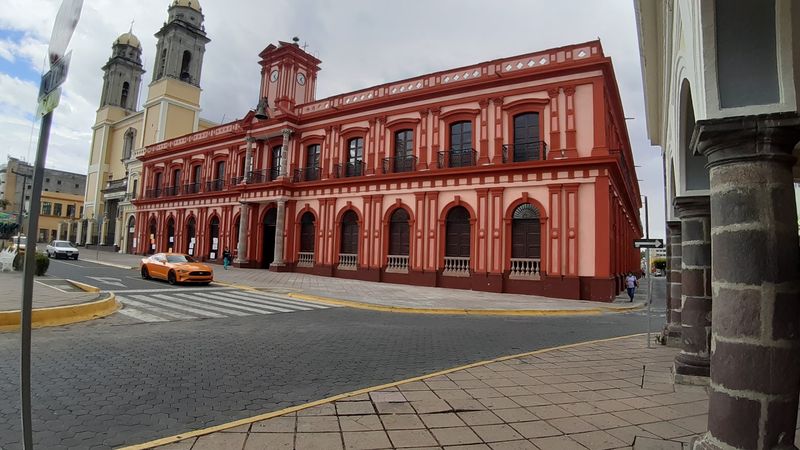
Small but notorious, Colima punches way above its weight when it comes to violent crime statistics. Despite having a population that fits comfortably inside a mid-sized stadium, this Mexican state capital has repeatedly topped global homicide rankings.
Rival drug-trafficking organizations have turned its streets into a battleground for territorial control.
The violence here is largely driven by organized crime groups competing over lucrative smuggling routes. Residents often describe living with a constant undercurrent of tension, even in quiet-looking neighborhoods.
Local businesses have been affected, and many families have relocated to escape the ongoing instability.
Tourists rarely put Colima on their itineraries, and travel advisories from multiple governments strongly discourage non-essential visits. The Mexican federal government has deployed additional security forces to the region, but progress has been slow and uneven.
Colima serves as a stark reminder that city size has absolutely nothing to do with the scale of violence a community can experience.
Tijuana, Mexico
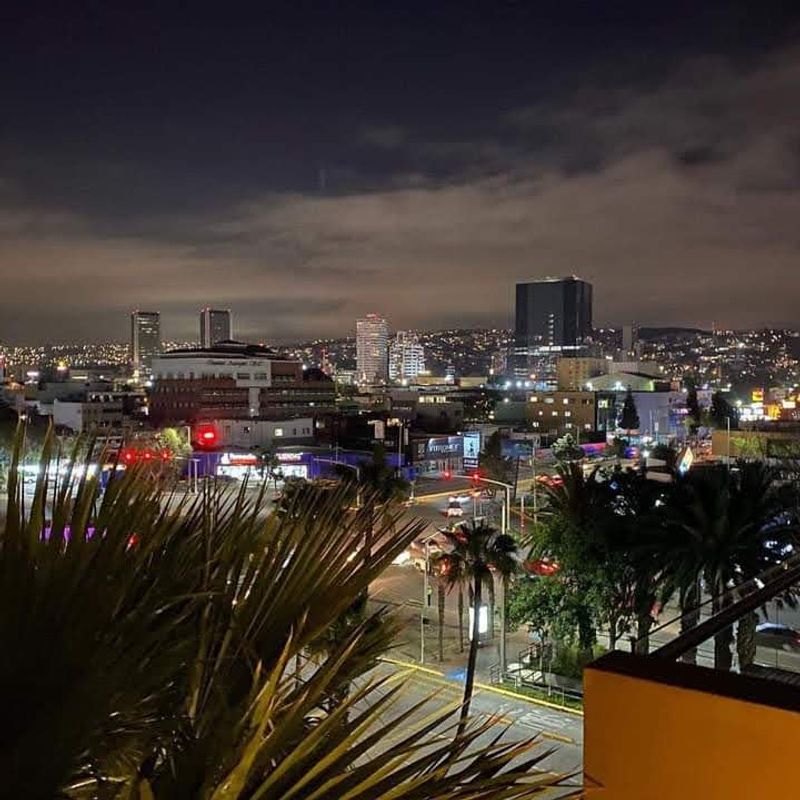
Millions of people cross through Tijuana every single year, making it one of the most trafficked border crossings on the planet. Yet behind the bustling commerce and colorful street food scene, certain districts carry a heavy weight of cartel-related violence.
The city sits at a strategic crossroads for drug smuggling into the United States, and that geography comes with brutal consequences.
Homicide rates in Tijuana have remained stubbornly high despite periodic crackdowns by federal and local authorities. Shootings between rival criminal organizations frequently occur in residential zones, putting ordinary families in the crossfire.
The violence tends to cluster in specific neighborhoods rather than spreading uniformly across the entire city.
Many visitors to Tijuana stick to well-known tourist zones and report perfectly fine experiences. However, straying off the beaten path without local knowledge carries real risks.
Travel experts consistently advise registering with your embassy, avoiding nighttime travel in unfamiliar areas, and staying updated on current security conditions before crossing the border.
Ciudad Obregon, Mexico
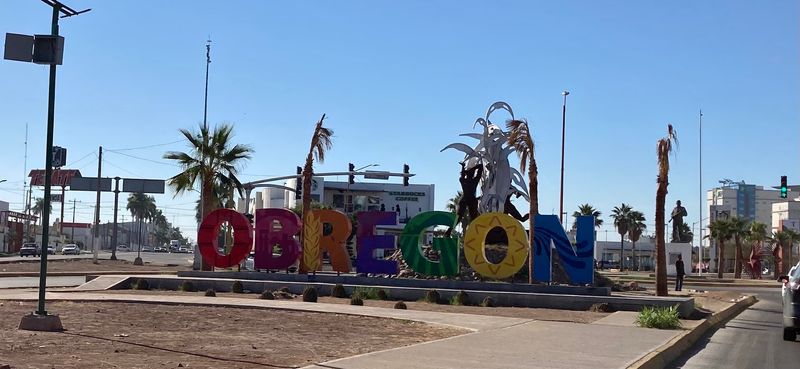
Tucked into the agricultural heartland of Sonora, Ciudad Obregon might look like a hardworking farming town on the surface. Underneath that impression, however, lies a deeply troubling security situation driven by competing criminal organizations.
The city has consistently ranked among Mexico’s most dangerous urban centers, a title its residents desperately wish they could shed.
Conflicts between organized crime groups have led to frequent violent incidents, including targeted assassinations and armed confrontations in public spaces. The local population has developed a grim familiarity with news reports of overnight violence.
Community leaders and business owners often speak about the economic damage caused by persistent insecurity.
Agriculture remains a major industry in the region, and many workers and merchants simply navigate their daily routines while staying hyper-aware of their surroundings. Mexican authorities have increased military presence in Sonora, but critics argue the results have been inconsistent at best.
Ciudad Obregon is a city of hardworking people caught in a conflict they did not choose, hoping for a safer tomorrow that keeps getting delayed.
Zamora, Mexico
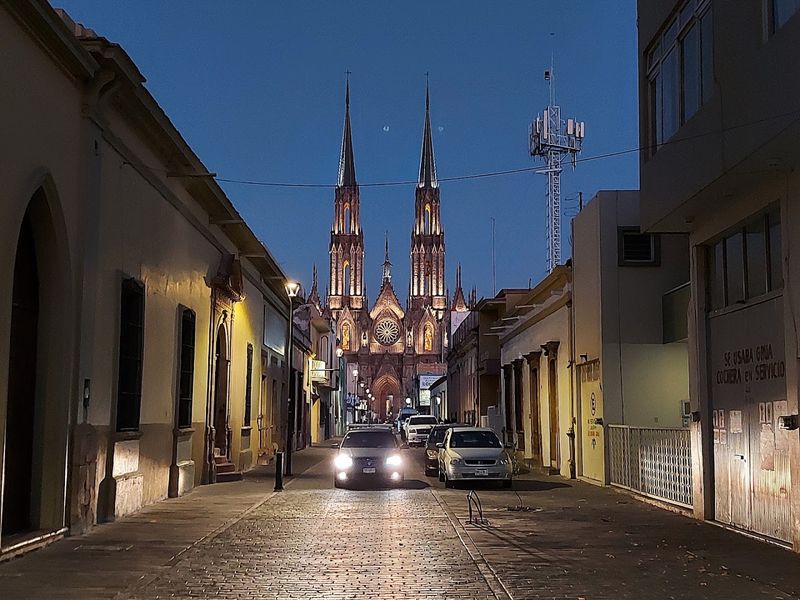
Zamora sounds like the kind of city you might find in a romance novel, but the reality on its streets is anything but peaceful. Located in the state of Michoacan, this city has recorded some of Mexico’s most alarming homicide rates in recent years.
Territorial disputes between criminal groups have turned neighborhoods into contested zones where violence erupts with little warning.
The Jalisco New Generation Cartel and other organizations have clashed repeatedly in and around Zamora, leaving residents caught in the middle. Extortion of local businesses has become widespread, pushing many entrepreneurs to either close up shop or pay up.
Schools and community centers operate under a shadow of fear that no city should have to accept as normal.
Despite all of this, Zamora has a rich cultural history and a population that remains deeply proud of its roots. Local residents continue to push for government intervention and better policing.
International human rights organizations have highlighted Zamora as a case study in how organized crime can devastate a mid-sized city when institutions fail to respond effectively and decisively.
Celaya, Mexico
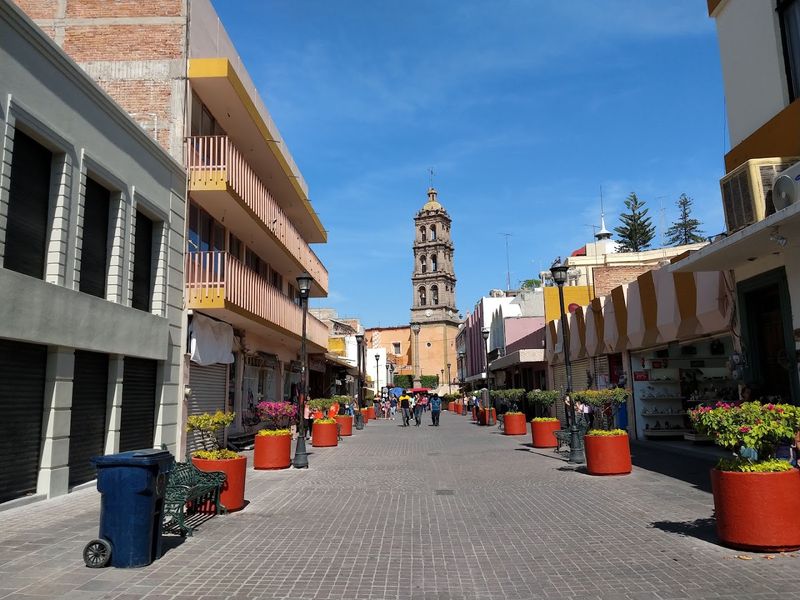
Celaya sits in the Bajio region of Mexico, an area better known for its booming manufacturing sector and automotive industry than for violence. That industrial reputation, however, has been overshadowed in recent years by extraordinarily high murder rates that have shocked even seasoned crime analysts.
Cartel warfare has transformed parts of this economic hub into some of the most dangerous urban territory in the entire country.
The Cartel Santa Rosa de Lima and the Jalisco New Generation Cartel have been at the center of prolonged conflicts in and around Celaya. Fuel theft, extortion, and drug trafficking have all contributed to a climate of fear that affects workers, families, and local officials alike.
The violence has spilled into markets, highways, and even hospitals.
Foreign companies operating in the region have had to invest heavily in private security measures to protect their employees and facilities. Despite this grim backdrop, Celaya’s residents show remarkable resilience, organizing community groups and pressuring authorities for accountability.
The city stands as a complicated example of economic progress and extreme violence existing uncomfortably side by side in modern Mexico.
Port-au-Prince, Haiti
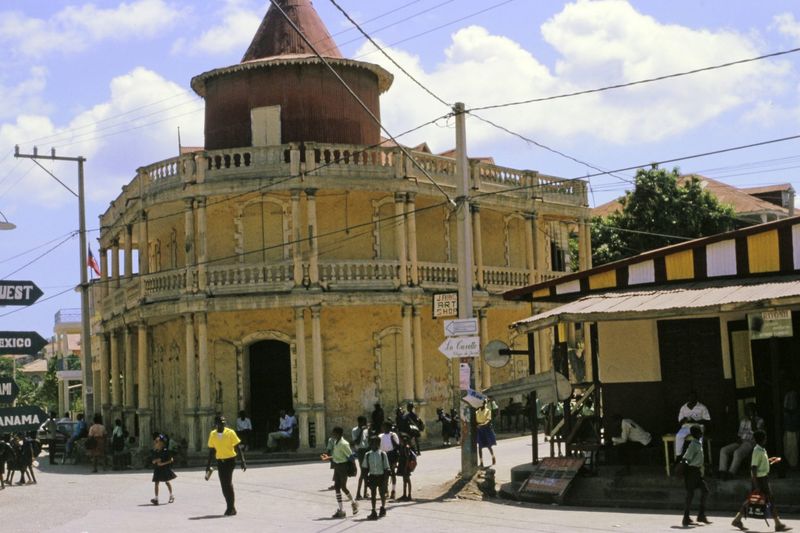
Walking through certain parts of Port-au-Prince feels like navigating a city that has been abandoned by stability. Heavily armed gangs now control large portions of the Haitian capital, blocking roads, extorting residents, and carrying out kidnappings with alarming regularity.
International governments have issued some of the strongest travel warnings in the world for this city.
Haiti’s political collapse following the assassination of President Jovenel Moise in 2021 accelerated the gang takeover dramatically. Groups like G9 and Viv Ansanm have effectively carved up territory, leaving police forces overwhelmed and underfunded.
Humanitarian organizations trying to deliver food and medicine have reported being blocked or attacked during their operations.
Ordinary Haitians bear the heaviest burden of this crisis. Many families have been displaced multiple times, fleeing from one neighborhood only to find danger waiting in the next.
A multinational security support mission has been deployed to assist Haitian police, but the scale of the challenge remains enormous. Port-au-Prince is a city of resilient, creative people trapped inside a humanitarian emergency that the world has been slow to address with the urgency it clearly demands.
Guayaquil, Ecuador
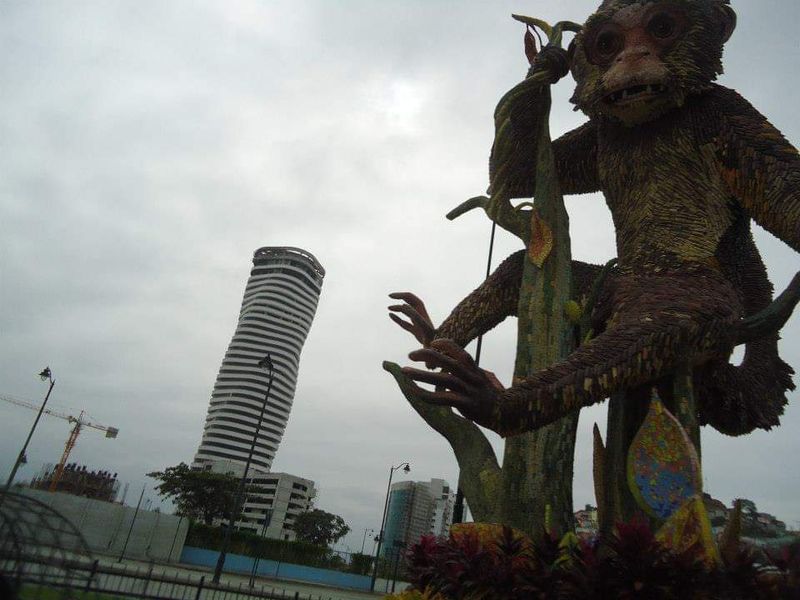
Not long ago, Guayaquil was Ecuador’s economic engine and a city that proudly showed off its riverfront Malecon to tourists. The dramatic surge in violent crime over the past several years has changed that image significantly.
Ecuador, once considered one of South America’s safer nations, has been caught in the crossfire of international drug trafficking networks passing through its ports.
Criminal organizations linked to Colombian and Mexican cartels have established a strong foothold in Guayaquil, using the city’s major port as a key cocaine export hub. The competition for control has produced a wave of murders, kidnappings, and brazen attacks that have even targeted prisons, courtrooms, and television studios.
Homicide rates have skyrocketed to levels previously unimaginable for Ecuador.
The Ecuadorian government declared a state of emergency and deployed military forces to combat the crisis, but security analysts warn that the structural causes run deep. Poverty, inequality, and institutional weakness all feed the problem.
Guayaquil’s residents, many of whom remember far safer times, are living through a painful transformation they hope is temporary rather than a permanent new reality for their beloved coastal city.
Caracas, Venezuela
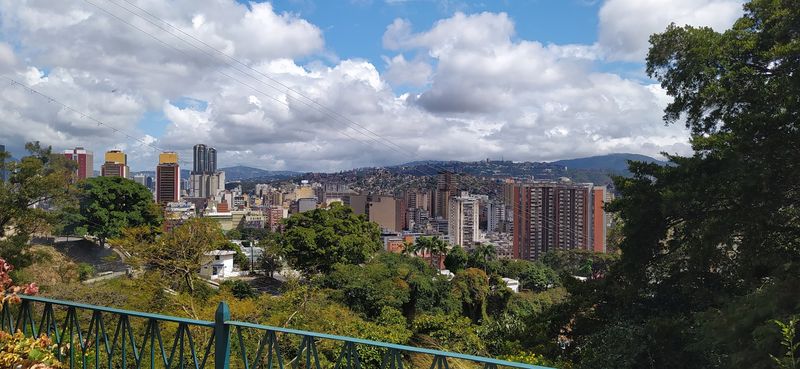
Caracas has a drama to it that goes far beyond its stunning mountain backdrop. For years, Venezuela’s capital has carried one of the most fearsome reputations for violent crime anywhere in the Western Hemisphere.
Armed robbery, express kidnapping, and homicide have all been deeply embedded in the city’s security landscape, shaped by decades of political and economic collapse.
Official crime statistics from Venezuela have become increasingly unreliable as the government restricts data transparency. Independent researchers and NGOs, however, continue to document homicide rates that place Caracas among the world’s most dangerous capitals.
Economic desperation has pushed many residents into situations where crime feels like the only available option for survival.
Wealthy neighborhoods in Caracas often sit just minutes away from areas where violent crime is a daily reality, separated by little more than a hillside. Many middle-class Venezuelans who could afford to leave have emigrated, creating a significant brain drain.
Those who remain navigate the city with a calculated caution that outsiders often find startling. Caracas is a city of extraordinary contrasts, where breathtaking natural beauty and deeply entrenched urban danger coexist in an uneasy and exhausting balance.
San Pedro Sula, Honduras
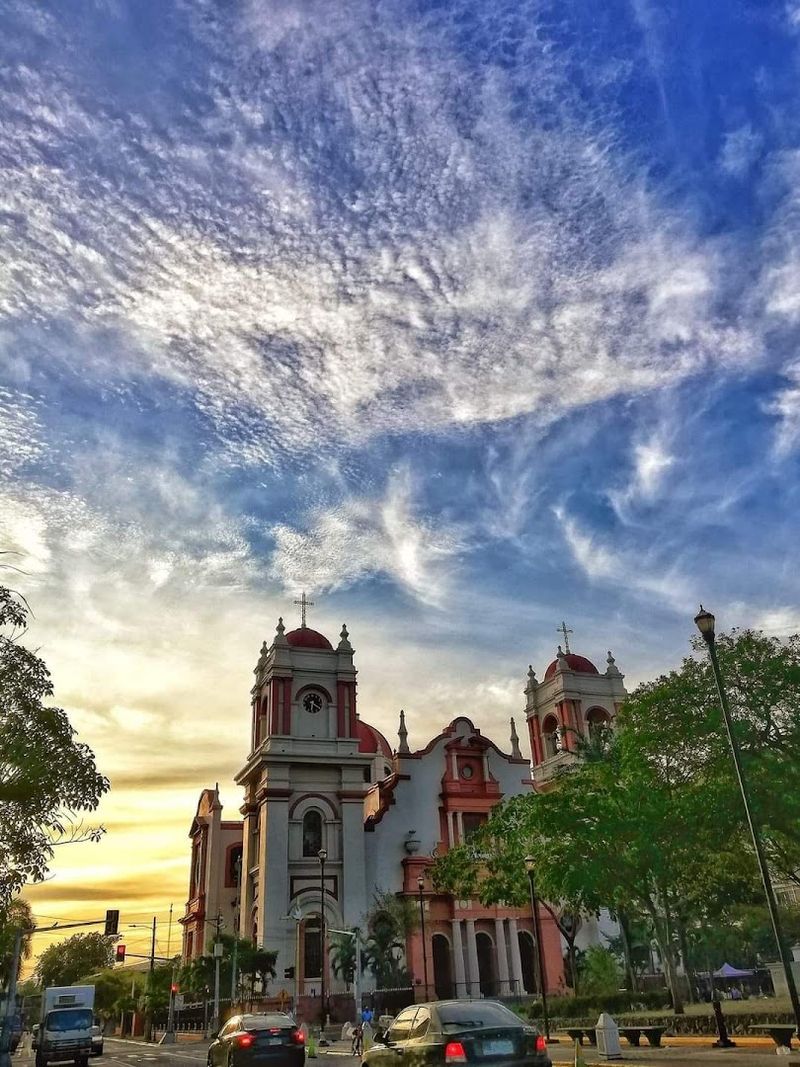
There was a time when San Pedro Sula wore the grim title of murder capital of the world, a distinction that brought international attention and enormous pressure on Honduran authorities to act. The city has made measurable progress since those peak years, but calling it safe would be a serious stretch.
Gang activity, particularly from MS-13 and Barrio 18, continues to shape daily life in ways that outsiders find hard to fully grasp.
Extortion of businesses remains rampant, with shop owners and transport operators paying protection fees simply to keep operating. Young people growing up in high-risk neighborhoods face enormous pressure to join gangs, often with violent consequences for those who refuse.
Community organizations working to provide alternatives deserve enormous credit for the improvements that have been achieved.
Honduras has invested in police reform and worked with international partners on anti-gang initiatives, with some documented success in reducing homicide numbers. Still, San Pedro Sula ranks well above most global cities in terms of violent crime rates.
For visitors, sticking to well-established commercial zones and using vetted transportation services is the standard advice from those who know the city’s geography of risk intimately.
Johannesburg, South Africa
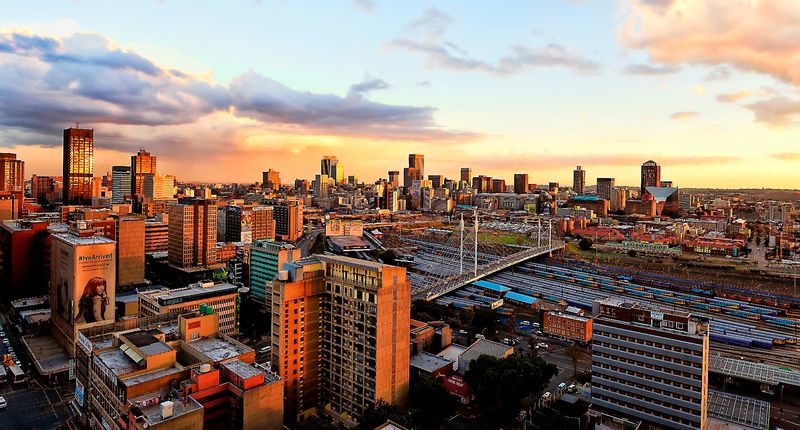
Johannesburg moves fast, talks loud, and never really sleeps, but beneath the energy of Africa’s wealthiest city runs a persistent current of violent crime that has shaped how residents live, work, and travel. Armed robbery, carjacking, and home invasions are documented at rates that consistently place Joburg among the continent’s most challenging urban safety environments.
Inequality on a massive scale feeds much of the problem.
Certain neighborhoods, particularly in the inner city and surrounding townships, experience concentrated violent crime that skews the overall statistics dramatically. Meanwhile, wealthier suburbs operate behind high walls, electric fences, and private security patrols that create a parallel world of relative safety.
This sharp division between protected and exposed communities reflects South Africa’s broader social fractures.
Visitors to Johannesburg generally follow a strict set of precautions: avoid walking alone at night, keep car doors locked, and stay alert in parking areas and ATM queues. Many tourists pass through Joburg without incident, especially when staying in well-managed hotels and using reputable transport services.
The city also has world-class restaurants, museums, and entertainment, making it a place where reward and risk sit uncomfortably close together at all times.
Durban, South Africa
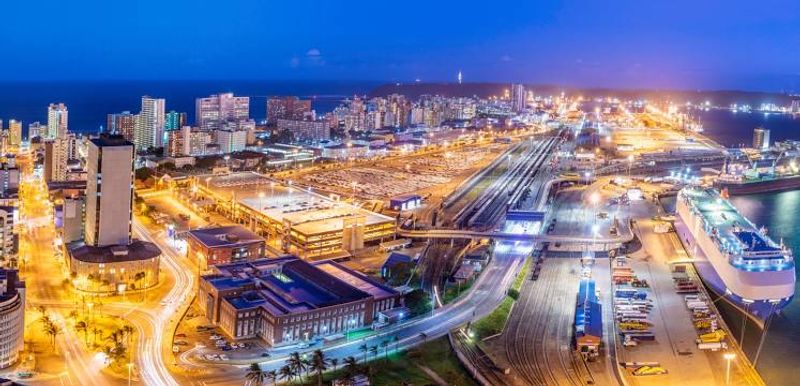
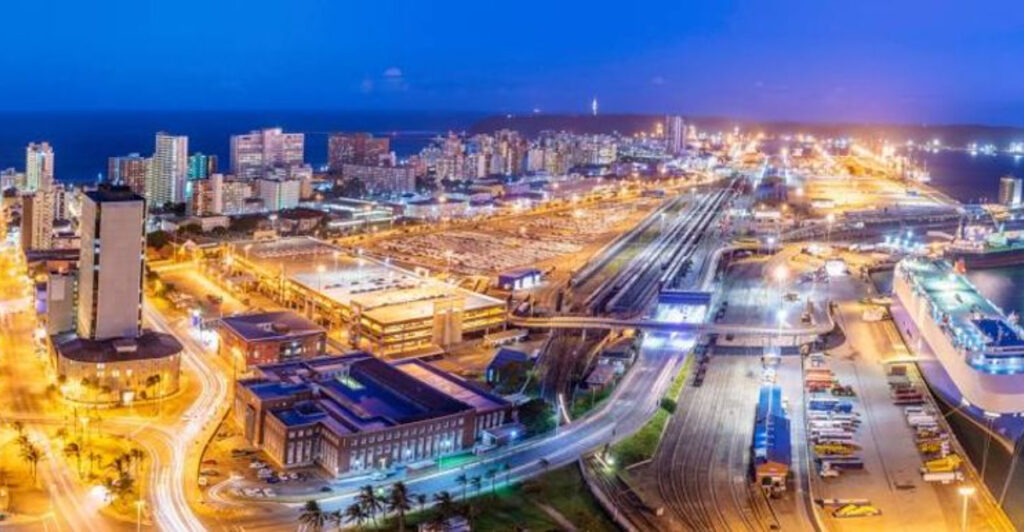
Durban’s warm Indian Ocean waters and buzzing beachfront give it a resort-town energy that can feel genuinely relaxing. Step away from the Golden Mile, however, and the city’s complex security picture comes into sharp focus.
Violent crime, including armed robbery and gang-related activity, affects large parts of Durban beyond the tourist corridors, making neighborhood awareness absolutely essential for anyone spending time here.
The city’s port, one of Africa’s busiest, has also become a transit point for drug trafficking, which fuels competition between criminal networks operating in residential areas. KwaZulu-Natal province, where Durban sits, has historically had elevated crime rates compared to other South African regions.
Political tensions within the province have occasionally spilled into public violence as well.
Despite these challenges, Durban has a loyal fan base among travelers who appreciate its multicultural food scene, surf culture, and access to nearby game reserves and the Drakensberg mountains. Smart visitors research which areas to avoid, travel with registered tour operators, and keep a low profile with valuables.
Durban rewards those who approach it with both enthusiasm and a healthy dose of situational awareness rather than either blind trust or blanket fear.
Port Moresby, Papua New Guinea
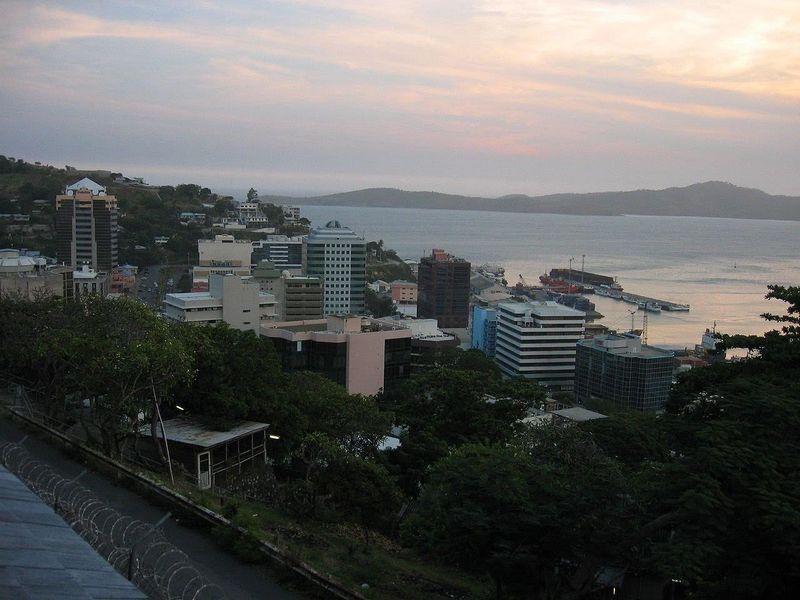
Papua New Guinea’s capital sits on one of the most biodiverse islands on Earth, yet Port Moresby has long struggled to translate that natural richness into urban safety or opportunity. Armed robberies, violent assaults, and what locals call “raskol” gang activity have made the city one of the most challenging capitals in the Pacific region for residents and visitors alike.
Limited policing resources in some districts leave communities largely on their own.
Unemployment and extreme inequality drive much of the crime, with a large youth population facing bleak economic prospects in a city where formal jobs are scarce. Settlements surrounding the city center experience concentrated poverty and violence that rarely make international headlines but define daily life for thousands of families.
Women in particular face disproportionate risks, including high rates of gender-based violence.
Diplomatic staff and international workers in Port Moresby typically live in secured compounds and use vetted transport services exclusively. Tourists are rare, and those who do visit usually stay within hotel complexes and join organized excursions.
Papua New Guinea has extraordinary cultural and ecological wonders to offer the world, but Port Moresby’s security challenges remain a significant barrier to unlocking the country’s considerable tourism potential.
Kingston, Jamaica
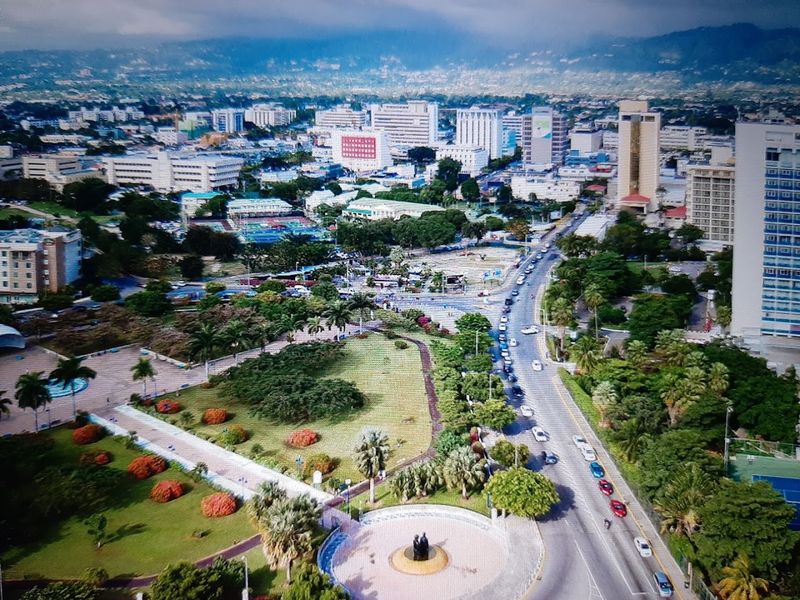
Kingston has given the world reggae, dancehall, and some of the most influential music culture of the 20th century, but the city’s inner-city communities have also produced homicide statistics that remain among the highest in the Caribbean. Violence tends to concentrate heavily in specific garrison communities, where political patronage networks and gang structures have intertwined over decades in deeply complicated ways.
Neighborhoods like Arnett Gardens and Tivoli Gardens have historically experienced intense gang activity linked to political affiliations going back to the 1960s and 1970s. Residents of these areas often show extraordinary community solidarity in the face of hardship, but outsiders should approach with extreme caution and ideally with a trusted local guide.
The contrast between these zones and Kingston’s uptown neighborhoods is stark and immediate.
Tourist areas, including New Kingston’s business district, Devon House, and the Bob Marley Museum, are considerably safer and attract visitors without major incident on a regular basis. Jamaica’s government has implemented various community intervention programs with mixed results over the years.
Kingston remains a city of genuine cultural magnetism, and many visitors leave deeply moved by its creativity and spirit, provided they plan their movements thoughtfully and stay informed about current conditions.
Fortaleza, Brazil
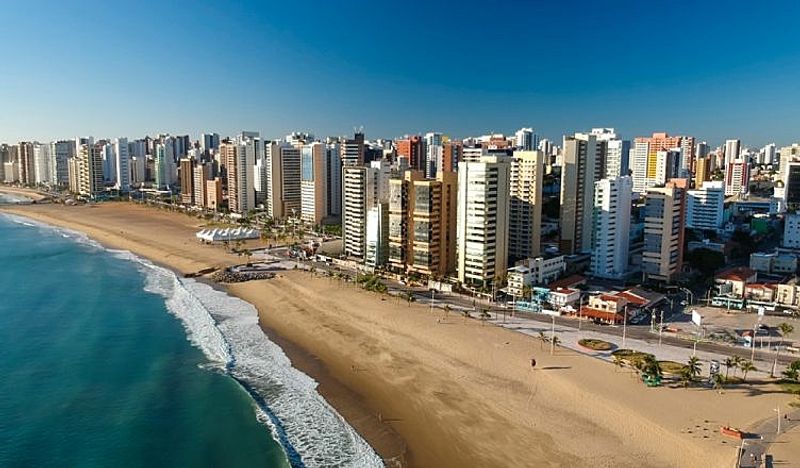
Brazil has no shortage of coastal cities, but Fortaleza stands out for reasons beyond its beautiful beaches and lively forró music scene. Periodic rankings have placed this northeastern metropolis among Brazil’s most violent cities, with organized crime and gang warfare driving homicide numbers that alarm public health experts and city planners alike.
The roots of the problem run through poverty, inequality, and a booming drug trade moving product through the city’s port.
Gangs with names like Comando Vermelho and Guardioes do Estado have engaged in brutal territorial conflicts that have claimed hundreds of lives in peak years. Favela communities in Fortaleza face the brunt of this violence, with residents often trapped between armed factions and a police force that critics accuse of using excessive force as a primary response strategy.
The beaches of Fortaleza, including Iracema and Meireles, draw domestic and international tourists who generally have positive experiences when sticking to well-patrolled zones during daylight hours. Street crime targeting tourists, including bag snatching and phone theft, remains a concern even in busier areas.
Fortaleza is a city with enormous cultural vitality and economic potential, struggling to reconcile those strengths with a security crisis that demands far more than short-term policing fixes.
Cape Town, South Africa
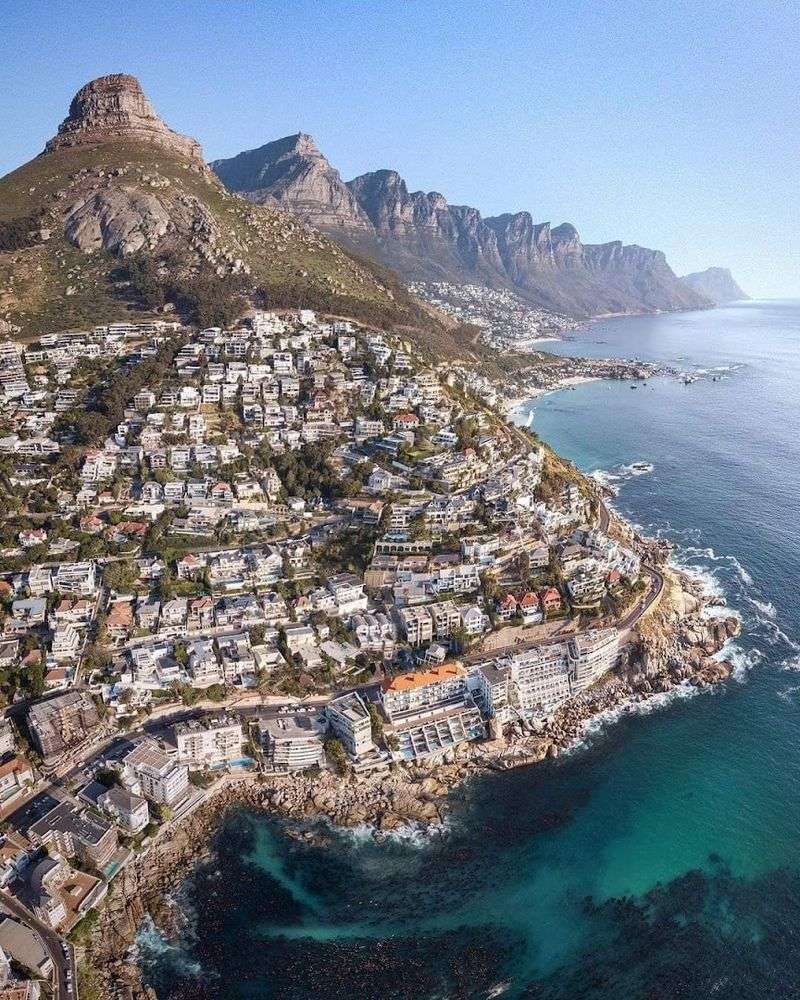
Few cities on Earth can match Cape Town’s visual drama, with Table Mountain looming over a sparkling coastline that has graced a thousand travel magazine covers. But Cape Town also carries a painful distinction as one of the world’s cities with extremely high violent crime rates, concentrated in townships and gang-controlled suburbs that sit just kilometers from luxury hotels and world-famous vineyards.
The inequality is breathtaking in the worst possible way.
Gangs operating in areas like the Cape Flats, including notorious groups such as the Americans and Fancy Boys, have fueled decades of shootings, drug dealing, and territorial bloodshed. Residents of these communities live with a level of chronic violence that most tourists never see or fully appreciate.
The city’s homicide rate has at times exceeded that of active conflict zones when measured per capita.
Visitors to Cape Town who stay near the Waterfront, the City Bowl, and the Atlantic Seaboard generally experience a well-policed and genuinely beautiful city. Venturing into high-risk suburbs without a knowledgeable local guide is strongly discouraged.
Cape Town’s challenge is ultimately a challenge of inequality, and until the city addresses the deep structural gaps between its wealthiest and poorest residents, the crime statistics are unlikely to shift in any meaningful or lasting direction.
Share this story