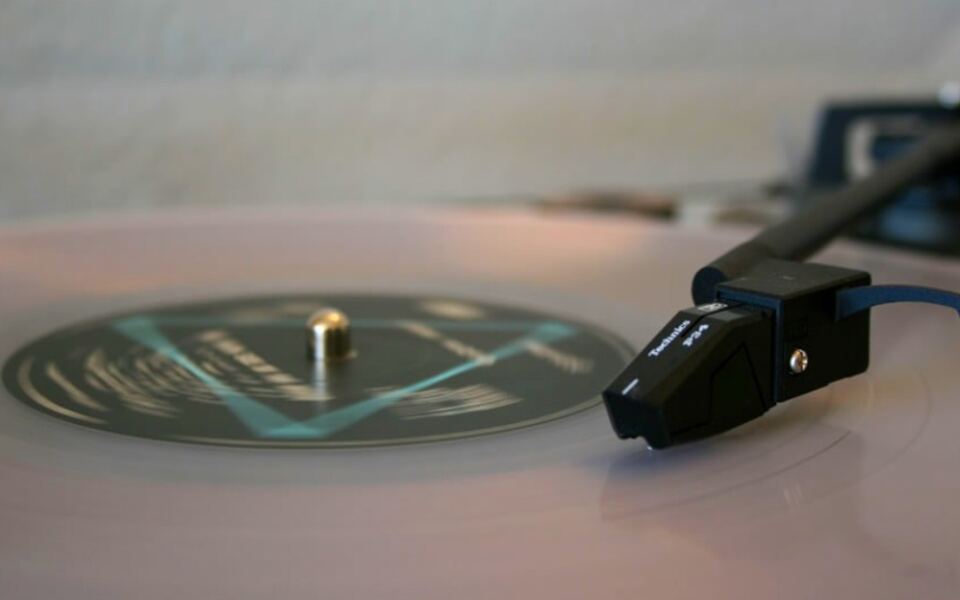
Two copies of the same album can share a cover and a catalog number, yet play back very differently. Since the 1950s, records have been cut by different mastering engineers, made at different plants, and reissued from new sources again and again.
Those choices left tiny clues in the smooth ring near the label, called the deadwax, and collectors learned to read them.
Here is the sharp part: the most famous copy is not always the best one to own. Some early pressings earned legends for bold mastering, while others carry quirks, errors, or wear that change the story.
A clean reissue can beat a tired original, and a modern remix can differ from the sound people first heard.
This list walks through fifteen well-loved albums and explains what collectors look for, from matrix numbers to label designs to pitch problems. By the end, you will know which details matter, which ones are hype, and how to shop with sharper eyes.
Bring your curiosity and maybe a flashlight for reading runout grooves.
1. Aja by Steely Dan
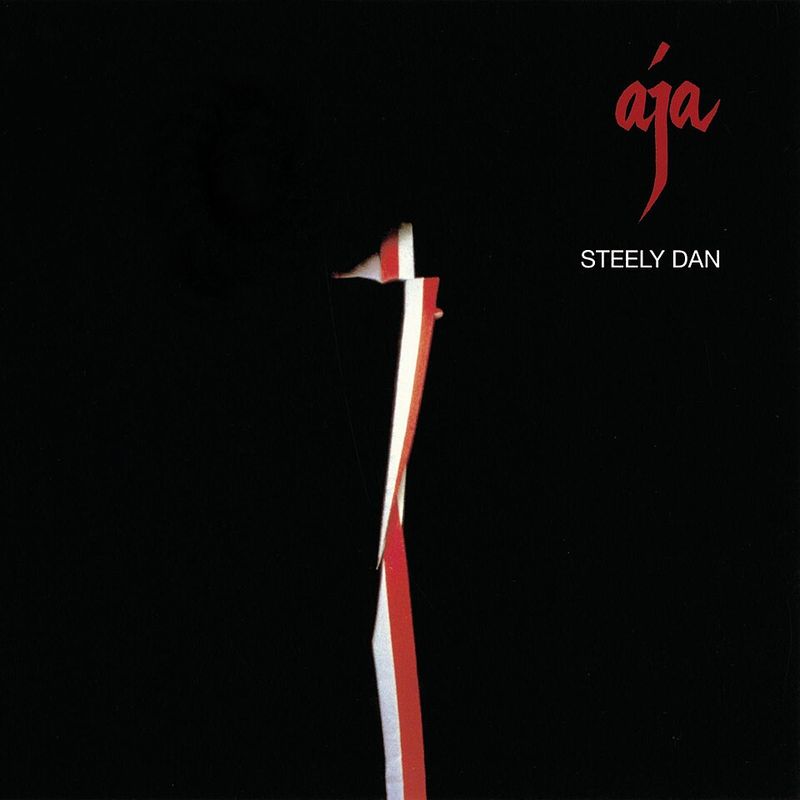
Recorded with extreme care, this 1977 album practically begs for pressing comparisons. Original American copies came out on ABC Records as AB-1006.
Soon after, ABC changed the prefix to AA-1006 because of a pricing-code change. That made early AB copies a favorite target, since they come from the first production runs.
Here is the twist. Some labels reading AA-1006 still carry AB-derived markings in the runout, sometimes with the B crossed out and an A added to make AA.
Judging by the label alone can mislead you.
The deadwax tells the more exact story, which is why the album suits a runout-hunting hobby so well.
Tracks like “Black Cow,” “Deacon Blues,” and “Peg” give a good system plenty to reveal in cymbals, bass, keyboards, and horns. A clean early AB-derived copy can show that detail without sounding sterile.
2. Led Zeppelin II by Led Zeppelin

Few albums show the pressing obsession better than this 1969 release. Collectors chase early American copies mastered by Robert Ludwig, marked by small RL initials etched into the runout, often on both sides.
Ludwig cut the lacquer with an aggressive approach. Songs like “Whole Lotta Love” and “Heartbreaker” gained heavy bass and plenty of punch, which earned the cut a “Hot Mix” nickname.
The story goes that the powerful cut caused tracking trouble on some consumer turntables. Atlantic then swapped in less aggressive versions, so the double-RL copies had a short production window.
That is why two vintage copies can play so differently. The cover will not tell you which one you have.
The prize is an early U.S. Atlantic copy with RL on both sides, sometimes joined by SS for Sterling Sound.
Check the deadwax before you pay.
3. Abbey Road by The Beatles
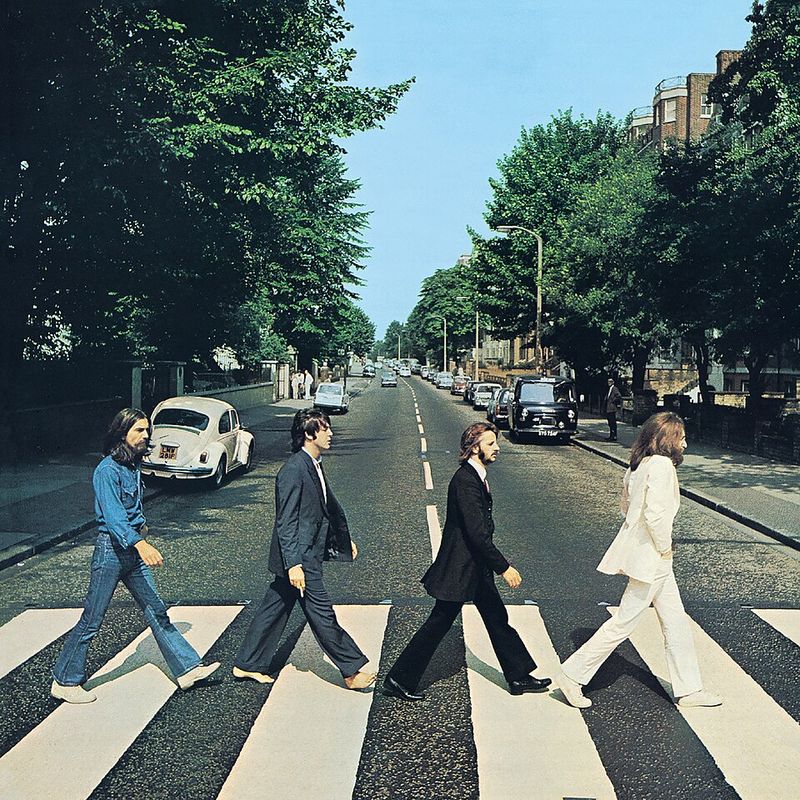
Buying an old copy of this 1969 record tells you very little, because it has appeared in so many forms. The sleeve cannot sort them out, so collectors turn to the runout instead.
Among fans of the original stereo mix, early UK pressings with YEX 749-2 on side one and YEX 750-1 on side two carry a strong reputation. Early copies also tend to show a misaligned Apple logo on the back and leave “Her Majesty” off the label.
Later choices include analogue UK editions, Japanese audiophile releases, a Mobile Fidelity version, and digitally sourced reissues. The 2019 anniversary edition adds a new mix by Giles Martin and Sam Okell, built from the eight-track session tapes.
So the real choice is often between mixes, not old versus new. For the classic presentation, the -2/-1 UK cut remains a favorite.
4. Kind of Blue by Miles Davis

Here is a rare case where the pressing can change the pitch you hear. Original 1959 American copies came on Columbia’s six-eye labels in mono (CL 1355) and stereo (CS 8163).
Early copies are very collectible. Spotting the six-eye design is not enough, because matrix combinations, label details, and even cover misspellings all matter.
The wrinkle comes from the first session. The three-track tape behind side one ran at a slightly slow speed, which put “So What,” “Freddie Freeloader,” and “Blue in Green” slightly off pitch.
The issue was not widely discovered until a 1992 remastering fixed it.
That leaves collectors with a real decision. An early Columbia copy offers the vintage experience, flaw included, while later careful editions correct the speed issue inherited from the tapes.
5. The Dark Side of the Moon by Pink Floyd
Hardly any record has inspired more pressing comparisons than this 1973 landmark. Part of the reason is volume, since the album has been reissued across many countries, decades, and formats.
Discogs data has repeatedly placed it among the most collected records, with thousands of versions listed. Early UK Harvest copies are especially coveted, and the solid-blue triangle label marks true first pressings.
Many also came with two posters and two stickers inside the gatefold.
Later editions have fans too, from Japanese pressings to Mobile Fidelity releases and the 30th and 50th anniversary remasters. Some use new mixes or different mastering approaches.
The production leaves lots of space, so small differences are easy to catch. The clocks in “Time,” the cash-register loop in “Money,” and the deep bass all reveal noise and tonal balance.
A mediocre copy still holds a masterpiece, but a great one makes it feel enormous.
6. Rumours by Fleetwood Mac
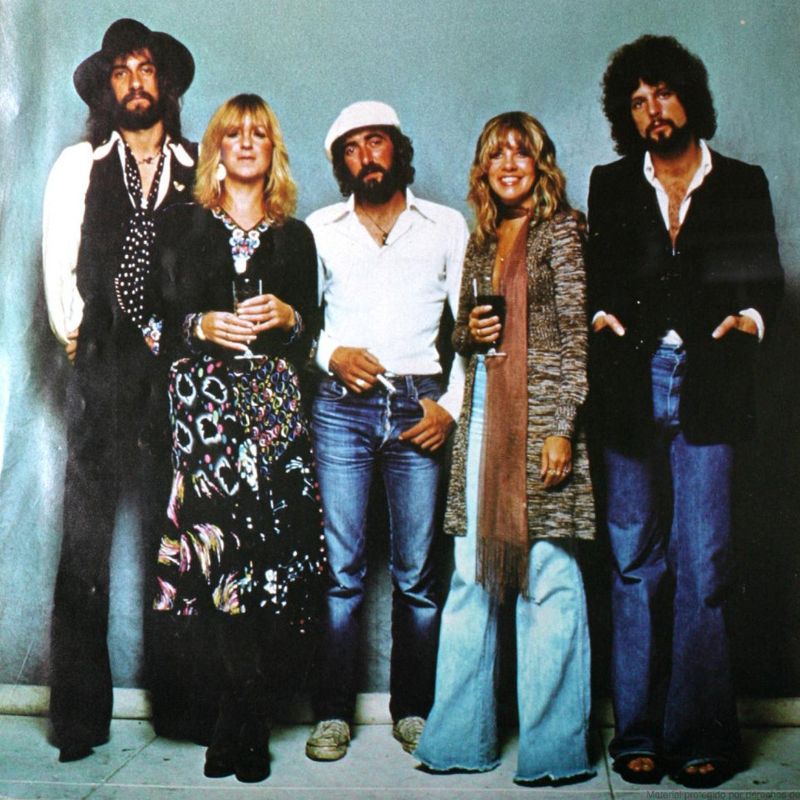
Millions of copies were pressed, so finding one is easy. The album has sold over 40 million copies worldwide.
Finding the version you prefer is another job. Early American copies are often checked for deadwax markings such as KENDUN, tied to Kendun Recorders, or KPG for Ken Perry with “Mastered by Capitol.”
Some 1977 Warner Bros. copies (MSK 3010) carry RL etchings, showing Robert Ludwig mastered them at Sterling Sound. Those are prized for dynamic range and clarity.
The detail matters because the album leans on texture. “Dreams” can sound spacious or flat, and “The Chain” needs delicacy and low-end weight.
Later audiophile versions include 45 RPM releases mastered from the analog tapes by Steve Hoffman and Kevin Gray.
Huge sales do not make every copy the same. More copies simply mean more variations to investigate.
7. Who’s Next by The Who
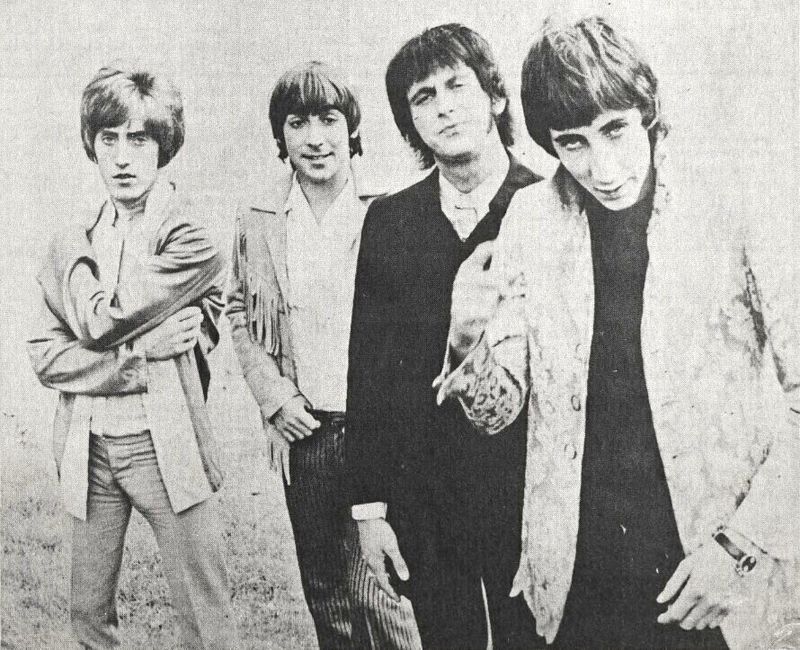
Collectors learned to read the runout groove on this 1971 album, since copies came from several countries and cuts. The UK editions came from Track Records and the American ones from Decca.
Early US Decca pressings cut by Doug Sax, marked W1, W2, or W3 in the matrix, are particularly prized. Some early UK Track copies also have strong reputations.
The mastering shows right away on “Baba O’Riley.” The synthesizer pattern, built from Pete Townshend’s Lowrey Deluxe organ, needs clarity before the band arrives.
“Behind Blue Eyes” needs subtlety in its quiet opening. “Won’t Get Fooled Again” must handle big drums, synthesizers, bass, guitar, and Roger Daltrey’s famous scream without turning congested.
A weak cut crowds those parts together, while a strong one gives each room. The label is only the start, and the matrix code tells the more useful story.
8. Sticky Fingers by The Rolling Stones
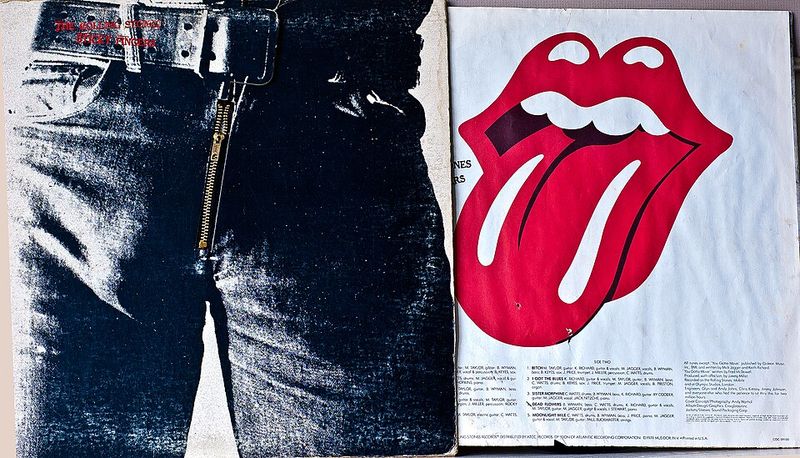
The zipper gets most of the attention, and for good reason. The 1971 cover, designed by Andy Warhol, featured a real working zipper on a pair of jeans.
Collectors know to look deeper. The Stones were making richly textured music then, and “Brown Sugar” and “Bitch” need punch, while “Wild Horses” and “Moonlight Mile” depend on detail.
Different vintage cuts emphasize those qualities differently. The clever zipper also caused trouble, since it could press on the vinyl during shipping and mark tracks on side two.
That makes condition a big deal. A striking early package may be a fine collectible, yet groove wear or zipper damage can erase the reason to play it.
The rarest package is not always the best listening copy. A clean, well-mastered vintage pressing can be the smarter buy than an expensive one chosen for its sleeve details.
9. Hotel California by Eagles

Sales were so large that used copies are everywhere. The album has sold over 32 million copies worldwide, with over 28 million certified in the U.S.
That can hide the differences between them. The production by Bill Szymczyk is polished but revealing, and the title track alone was assembled from 33 tape edits.
The opening guitars, the bass under “New Kid in Town,” and the layered vocals all make mastering choices easy to hear.
Collectors check early American copies for deadwax marks such as STERLING LH, for mastering engineer Lee Hulko, instead of assuming every 1970s Asylum pressing sounds alike. Some even hide messages in the runout.
Condition varies widely too. A copy played on a cheap turntable in the late 1970s may look fine, yet budget players often used heavy tracking force and poor styli that wore grooves early.
With millions around, patience pays. There is no reason to settle for a worn copy.
10. Brothers in Arms by Dire Straits
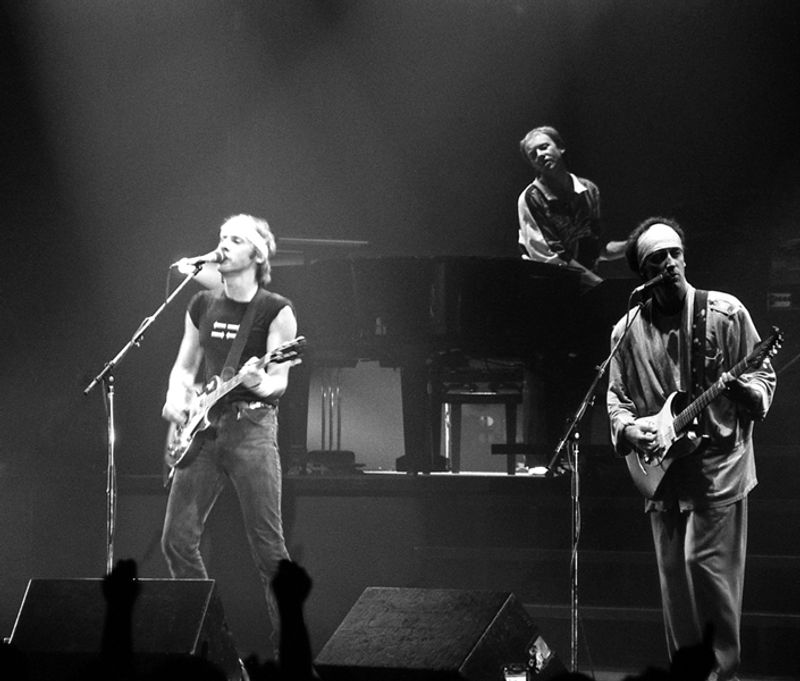
Analogue purists face a funny contradiction here. The 1985 album became a favorite demonstration record, yet it was one of the first recorded fully digitally, on a Sony 24-track machine.
That did not stop it from selling over 30 million copies. It also became the first album to sell over a million copies on CD, which helped push the format forward.
Its spacious production makes pressing quality easy to hear. “Money for Nothing” can turn harsh if the balance slips, while “Your Latest Trick” benefits from quiet surfaces.
The full program runs over 55 minutes, so original LPs had to fit it on two sides and some tracks were shortened.
Later audiophile editions spread the music over extra discs, such as 2LP 45 RPM sets with full-length tracks and half-speed mastering. Changing the pressing here changes the physical format too.
11. Harvest by Neil Young

Neil Young records often reward listeners who find a good analogue copy, and this 1972 album is a clear case. It moves from small acoustic moments to big orchestral ones.
“Out on the Weekend” and “Heart of Gold” need warmth and presence. “A Man Needs a Maid” and “There’s a World” feature the London Symphony Orchestra, while “Alabama” and “Words” add electric weight.
A pressing that suits the quiet songs must also handle the loud ones without turning muddy.
Vintage copies vary by cutting and plant. Early US pressings often show Sterling and LH, for Lee Hulko, in the deadwax.
Later reissues, including the Neil Young Archives series, give choices to listeners who care more about sound than owning an original.
The goal is not the oldest copy. It is the one that keeps the natural character, so the band seems to play a few feet away.
12. The Doors by The Doors
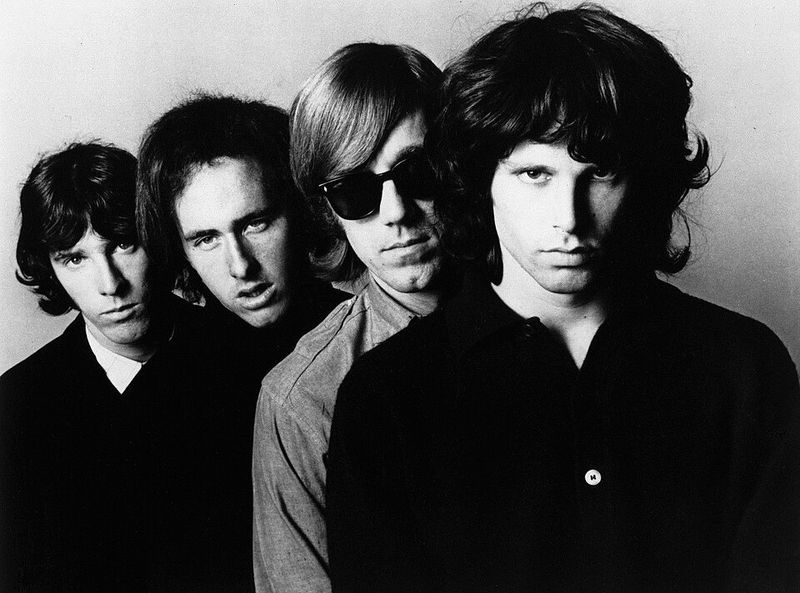
So many editions of this 1967 debut exist that collectors can get lost in them. Early US Elektra copies with the gold and tan “big E” label are the obvious historical prizes.
Later editions took different mastering approaches and sometimes used different sources or mix choices.
The album has a distinct sound that exposes those decisions. Ray Manzarek’s organ on “Light My Fire” needs room, and John Densmore’s drums in “Break on Through” must stay crisp without turning thin.
Jim Morrison’s voice has to sit forward without swamping the band.
Then comes “The End,” nearly 12 minutes long and recorded live in the studio without overdubs. Its quiet start and slow growth make surface noise and compression easy to spot.
A great pressing lets it build naturally, while a weaker one shrinks the mood. For a record this famous, the edition matters more than newcomers expect.
13. Paranoid by Black Sabbath
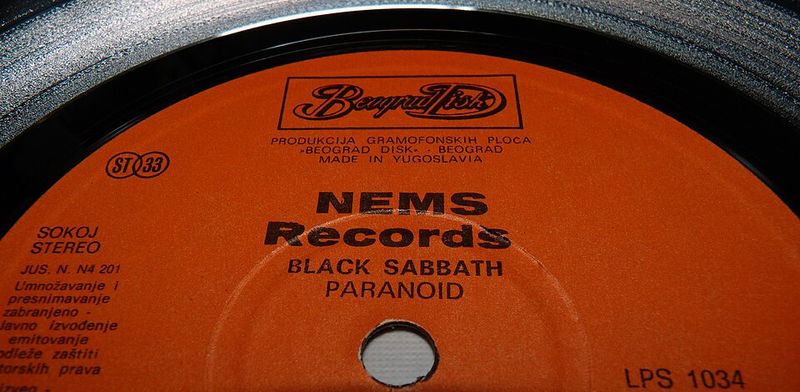
Heavy music can expose a poor pressing as fast as quiet acoustic songs can. This 1970 album proves it.
“War Pigs,” “Iron Man,” and the title track depend on Tony Iommi’s thick guitar tone, Geezer Butler’s driving bass, and Bill Ward’s drums sharing space without blurring into a wall of noise.
Early UK Vertigo copies are very collectible, especially those with the swirl label design, which was used for a short time. Collectors prize them for rarity and history.
Collectibility and sound quality, though, are separate questions. Different international pressings and later reissues have different tonal balances.
A clean later copy, such as the 2004 Rhino reissue cut by Kevin Gray, may beat a badly worn original by a wide margin.
That makes this album a good lesson in buying sound instead of labels. The right copy should be heavy, not murky.
14. The Rise and Fall of Ziggy Stardust and the Spiders From Mars by David Bowie

Released in June 1972, this album has lived through countless reissues, remasters, and international pressings, including 40th and 50th anniversary editions.
Early UK RCA copies attract collectors. Clues include matrix numbers like -1E/-2E and no MainMan credit on the back cover.
The differences are interesting because this is not an audiophile recording in the usual sense. Its power comes from character, and it was recorded quickly at Trident Studios.
Mick Ronson’s guitar should bite in “Suffragette City” and “Moonage Daydream.” “Five Years” must build from a simple drum opening, and “Starman” should keep its pop brightness. “Rock ‘n’ Roll Suicide” needs dynamic room for its finale.
An overly polite mastering drains the excitement, and an overly bright one makes the guitars tiring.
The best version is not always the cleanest sounding. It is the one that keeps the glam-rock grit and theatrical energy.
15. Wish You Were Here by Pink Floyd
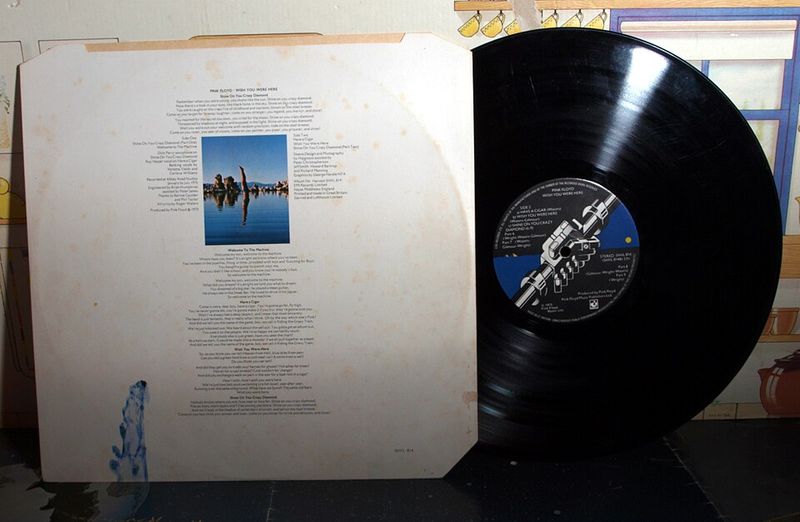
Like its famous predecessor, this 1975 album rewards a quiet pressing. The need shows up before it has properly started.
“Shine On You Crazy Diamond” rises slowly from near silence, so surface noise that a louder rock record would hide has nowhere to go.
Then the music grows. Keyboards, including Minimoog and ARP String Ensemble, join David Gilmour’s guitar, Roger Waters’ bass, Nick Mason’s drums, and studio effects in a huge soundstage. “Welcome to the Machine” goes the other way, with dense synthesizers.
Early UK Harvest copies, such as SHVL 814, are major targets. Later audiophile and remastered editions, including the 2011 and 2016 remasters and the 50th anniversary reissues, offer plenty of alternatives.
No single version wins for every listener. Still, when the vinyl is quiet and the mastering keeps the dynamics, the long spaces between notes become part of the music.
Share this story