The 1980s gave us some of the most unforgettable television characters ever to grace the small screen. From smooth-talking detectives in Hawaiian shirts to sharp-tongued housewives in Miami, these characters became part of everyday conversation.
People planned their evenings around their favorite shows, and the characters felt like people you actually knew. Whether you grew up watching these shows or discovered them later, this list is a reminder of just how good television was during that decade.
Thomas Magnum – Magnum, P.I.
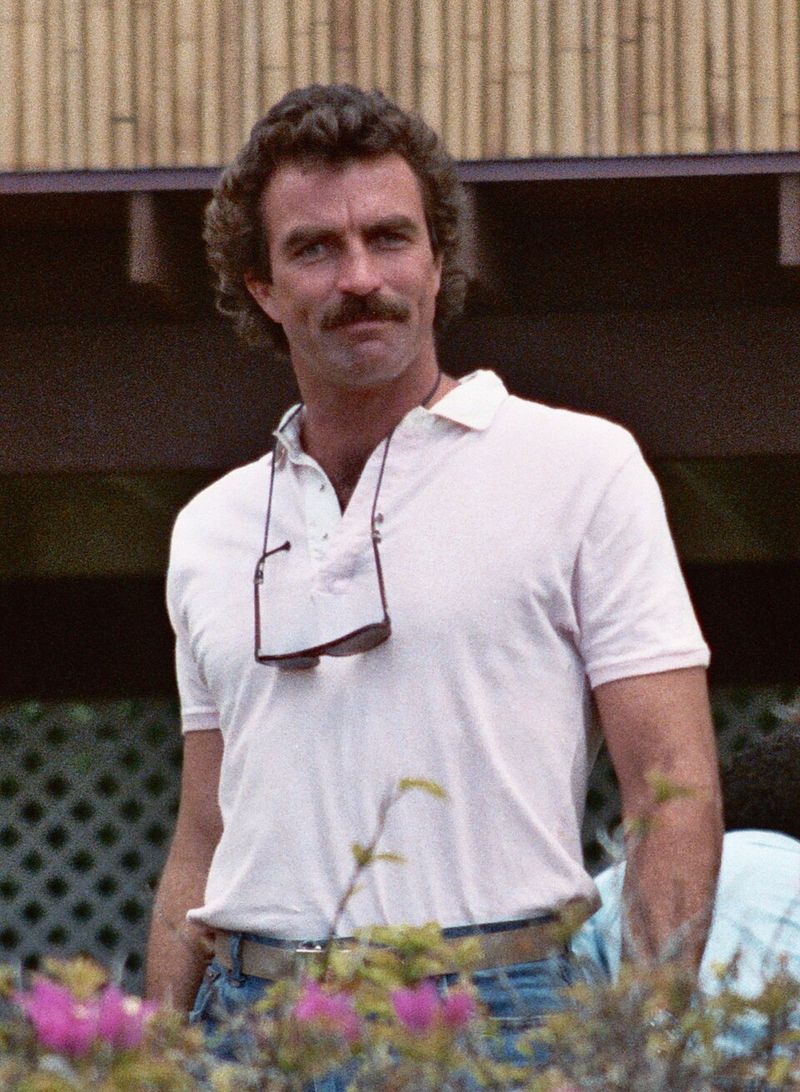
Living on a Hawaiian estate, driving a Ferrari, and solving crimes in a tropical setting sounds like the setup for a fantasy, but Thomas Magnum made it feel completely believable. Tom Selleck brought such natural charm to the role that audiences never questioned why a private investigator had it so good.
Magnum, P.I. aired on CBS from 1980 through 1988 and ranked among the top 20 programs during each of its first five seasons.
What separated Magnum from other TV detectives was the emotional depth Selleck brought to the character. Magnum was a former Naval Intelligence officer, and his military background added weight to stories that could have stayed purely lighthearted.
Selleck earned the 1984 Emmy for Outstanding Lead Actor in a Drama Series for the role.
The Hawaiian shirts and the mustache became iconic, but it was the personality underneath that kept viewers coming back for eight full seasons.
J.R. Ewing – Dallas
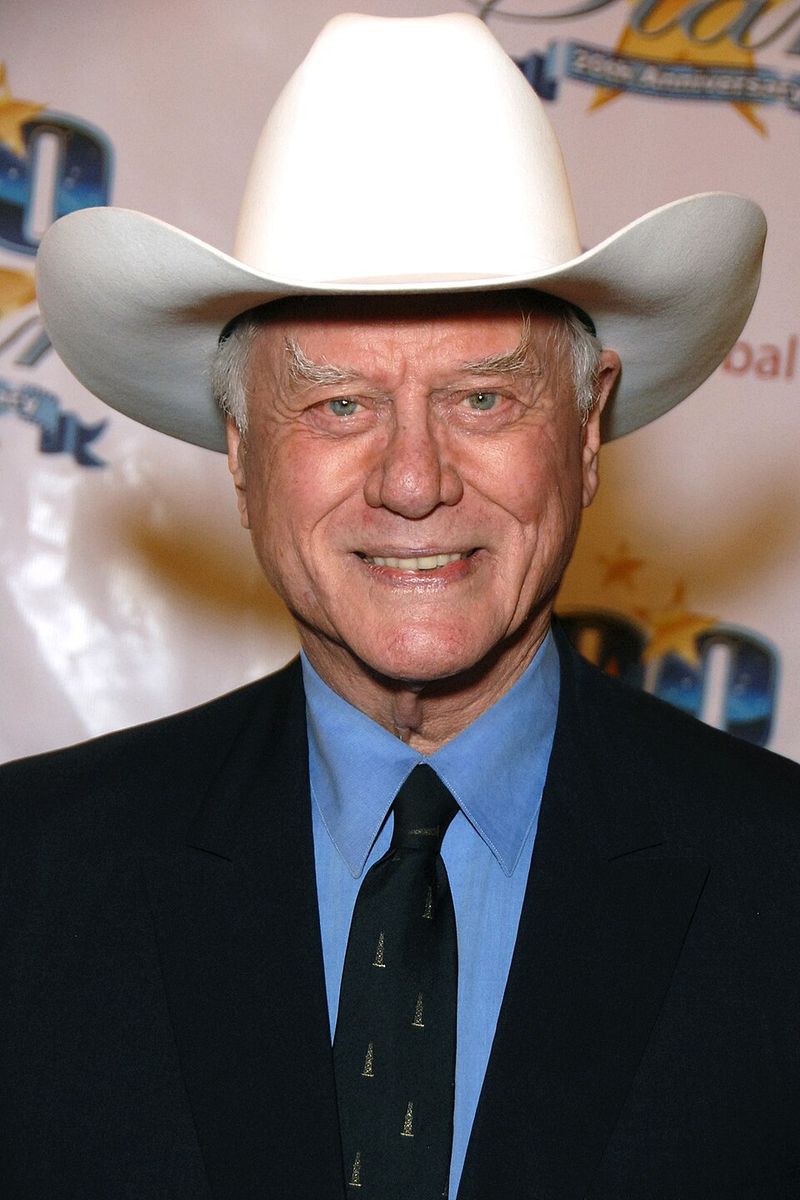
The question “Who Shot J.R.?” became one of the biggest cultural moments in television history, and it all centered on a character viewers genuinely loved to despise. Larry Hagman’s portrayal of J.R.
Ewing on Dallas was so convincing that the manipulative Texas oil executive felt like a real person audiences needed to keep an eye on. The storyline generated international attention when it aired in 1980.
J.R. operated with a simple philosophy: win at all costs, and never apologize for it. His obsession with wealth and power made him a symbol of 1980s excess, a label PBS has used to describe the character’s lasting cultural significance.
Dallas had premiered in 1978, but J.R.’s defining moment firmly planted the show in the new decade.
Hagman played the role with a grin that suggested J.R. was always three steps ahead of everyone around him, which made him endlessly watchable.
Alexis Carrington – Dynasty
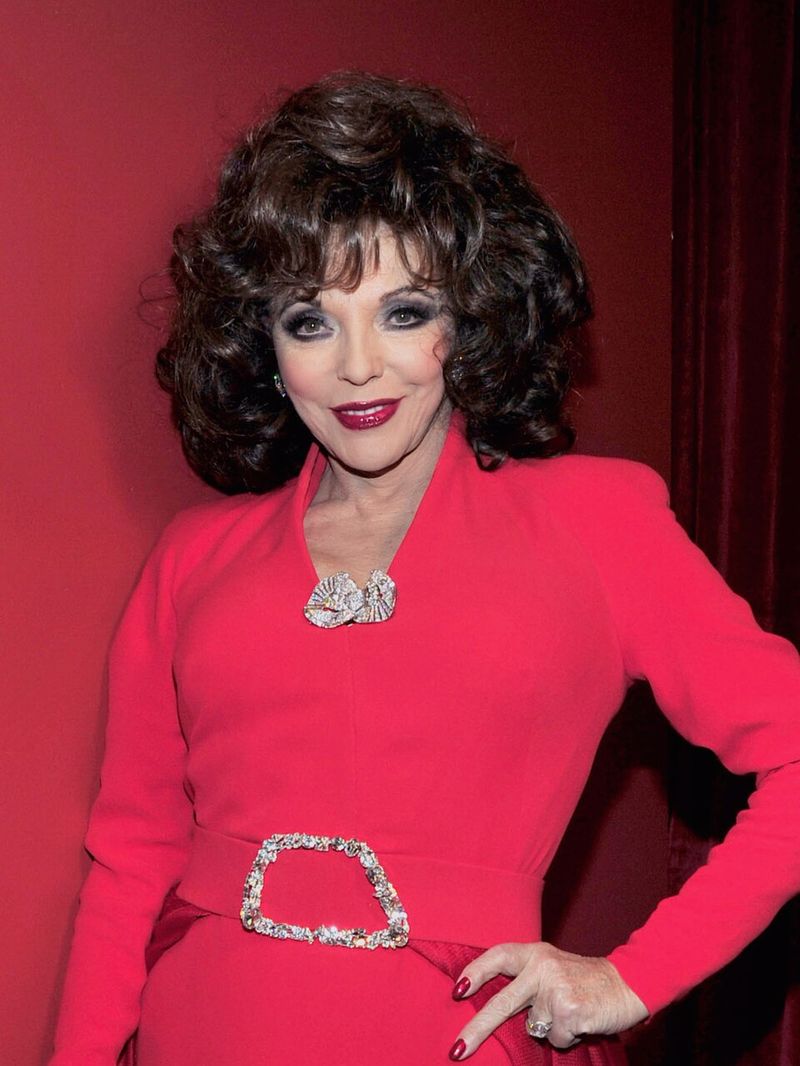
Dynasty was already on the air when Joan Collins arrived as Alexis Carrington at the start of the second season, but the show’s ratings climbed noticeably after she joined. Collins brought a level of theatrical elegance to the role that made every scene she appeared in feel like a confrontation waiting to happen.
Alexis was calculating, stylish and completely comfortable using both qualities as weapons.
Her ongoing rivalry with Krystle Carrington produced some of the most memorable moments in prime-time soap history, including the extravagant physical confrontations that became part of the show’s identity. Designer clothing, enormous jewelry and elaborate scheming were all part of the package.
Alexis embodied the glamour and excess that defined so much of 1980s television culture.
Collins gave the character a sharp wit and an unapologetic attitude that made Alexis genuinely fun to watch, even when her schemes were at their most outrageous.
Alex P. Keaton – Family Ties
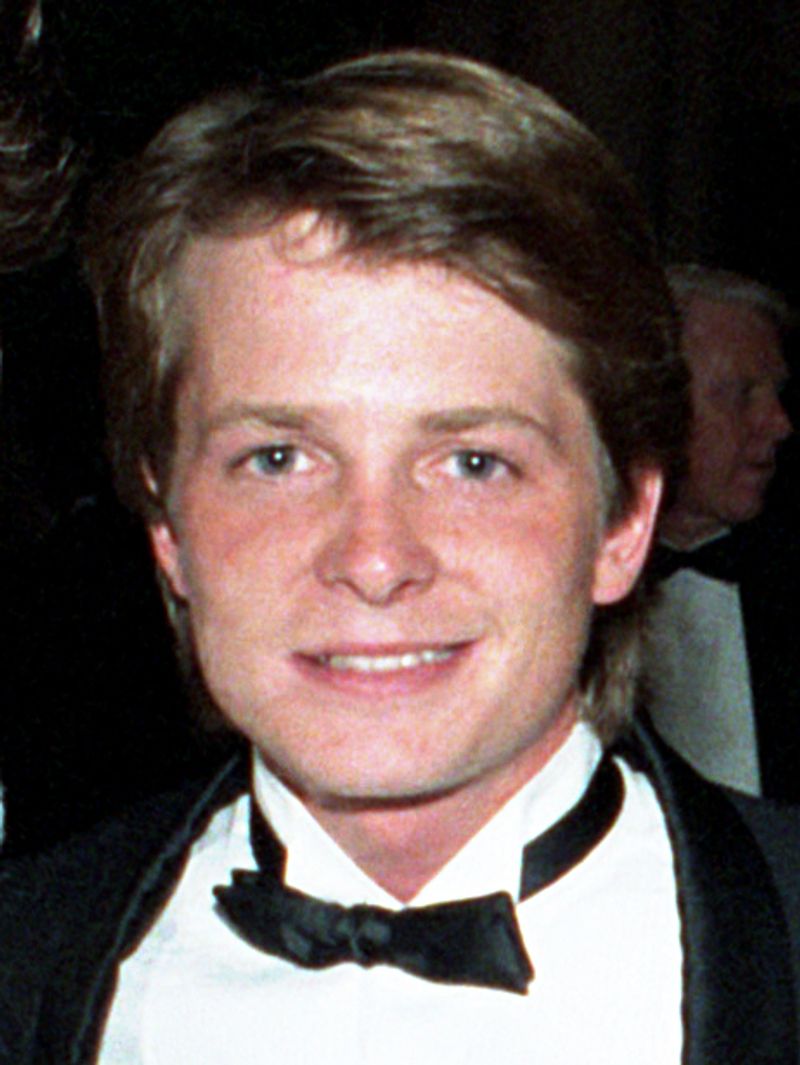
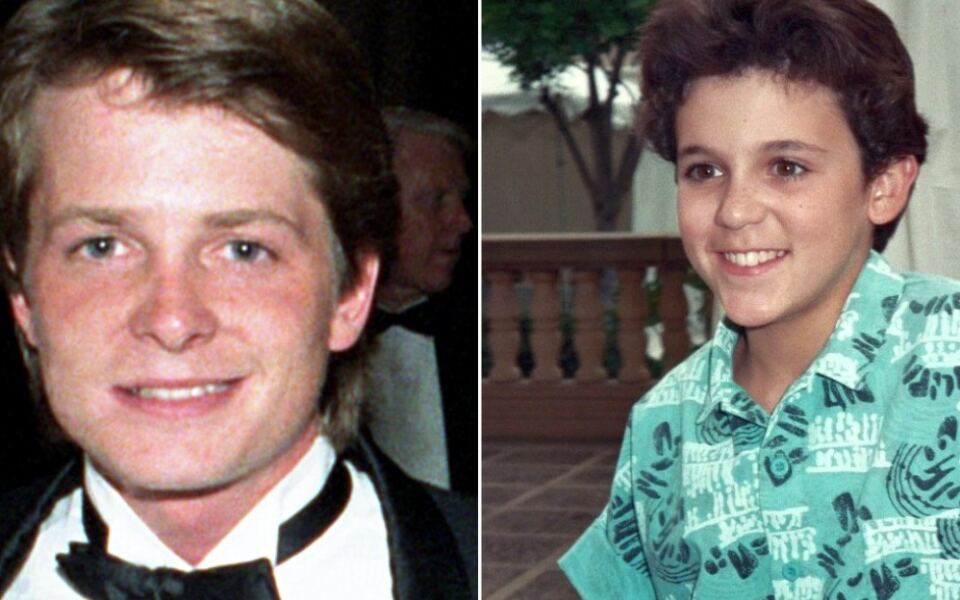
Nobody expected the teenage son to steal a sitcom from the adults, but that is exactly what happened on Family Ties. Michael J.
Fox’s Alex P. Keaton was originally a supporting character, but audience reaction was strong enough that producers shifted more attention toward him after the show premiered in 1982, according to the Television Academy.
Alex’s conservative, business-minded personality put him at constant odds with his liberal parents.
He wore suits, admired money and approached high school with the seriousness of someone preparing for a corporate boardroom. That combination made him unlike any other teenage sitcom character of the era.
The comedy worked because Fox played Alex with genuine conviction rather than as a simple joke.
The show’s popularity also helped Fox launch his movie career during the decade. He balanced Family Ties with Back to the Future while Alex P.
Keaton remained one of the most distinctive characters on network television.
Sam Malone – Cheers
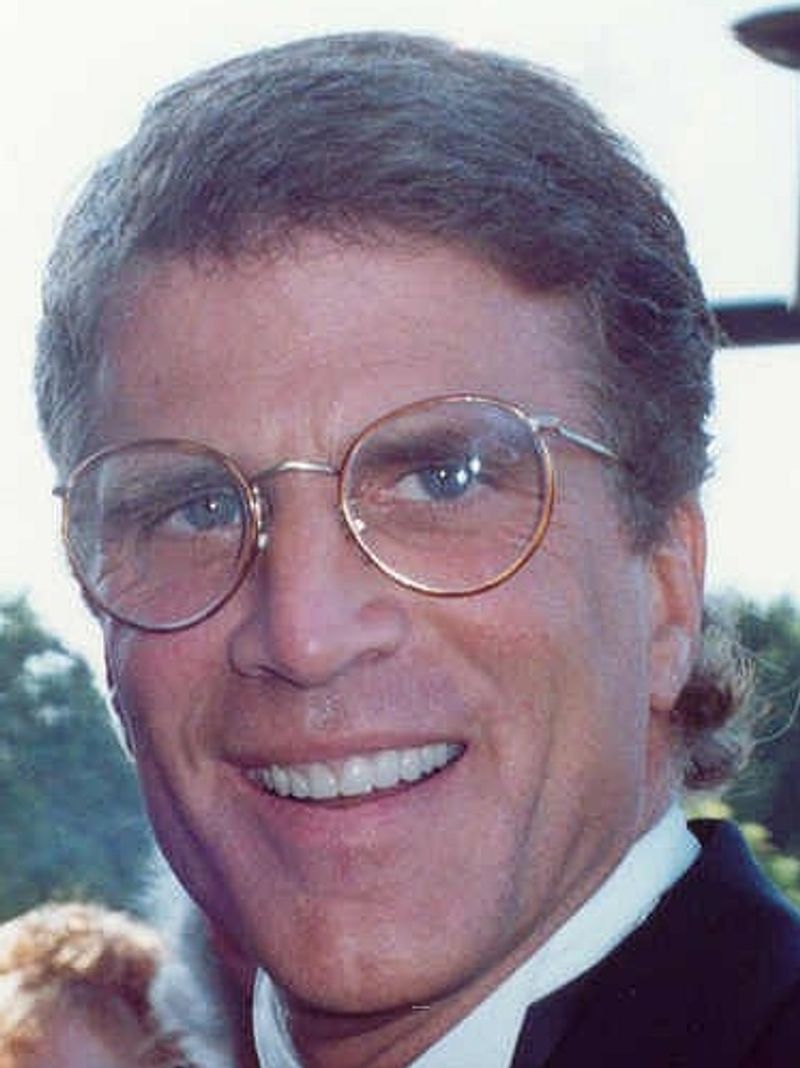
Cheers had a rough start when it debuted on NBC in 1982, finishing last in the ratings during its first week. Nobody watching those early numbers would have predicted that the Boston bar at the center of the show would become one of the decade’s most beloved settings.
Ted Danson’s Sam Malone was a big reason the series found its footing and eventually became a top-rated program by 1985.
Sam was a former baseball player turned bar owner with a reputation for being charming and not particularly deep, at least on the surface. His complicated romantic relationship with Diane Chambers gave the show emotional stakes that kept viewers invested beyond the weekly laughs.
Danson made Sam likable even when the character was being self-absorbed.
He would go on to win two Emmy Awards for the role, including one in 1990, but the character’s cultural peak happened right in the middle of the 1980s.
Sonny Crockett – Miami Vice
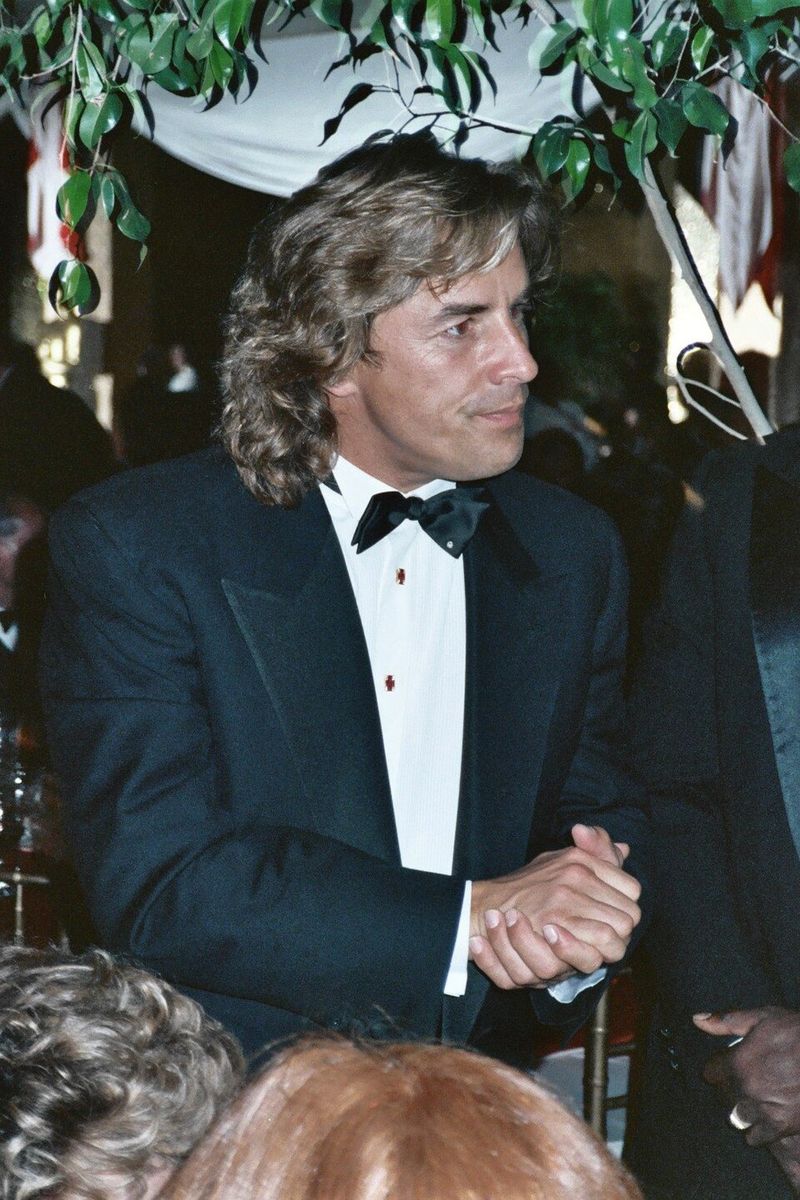
Miami Vice changed what a television crime drama could look like, and Sonny Crockett was the face of that transformation. Don Johnson played the undercover detective with a cool detachment that matched the show’s visual style perfectly.
Pastel jackets, T-shirts, designer stubble and expensive cars were all part of Crockett’s daily uniform, and audiences paid attention to every detail.
NBC’s Miami Vice ran from 1984 to 1989 and became known for incorporating contemporary music and cinematic production techniques that were unusual for network television at the time. The Television Academy has noted that Crockett stood at the center of the show and attracted much of the media attention surrounding it.
Fashion magazines and clothing companies took notice of the character’s influence almost immediately.
Beyond the style, Johnson brought enough vulnerability to Crockett to make the character feel like more than just a walking fashion statement. The combination of cool exterior and complicated interior kept the show relevant for five full seasons.
Jessica Fletcher – Murder, She Wrote
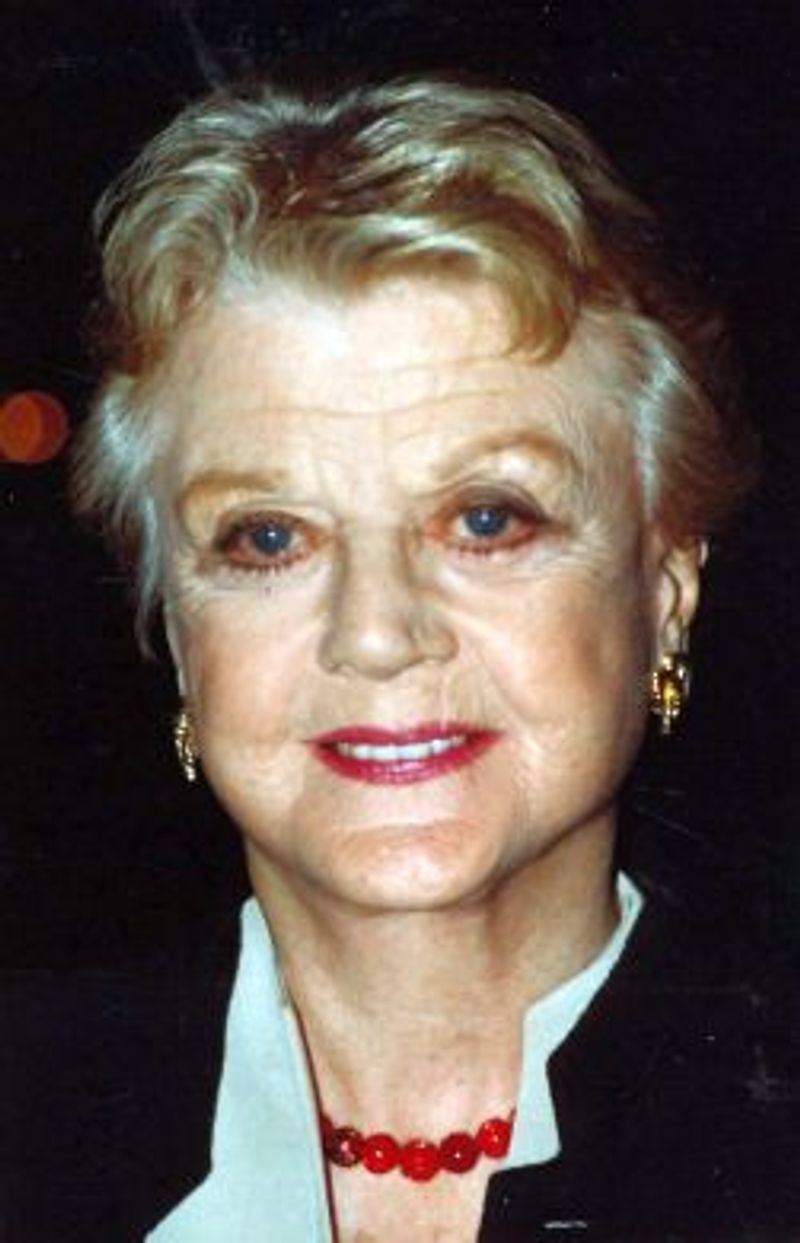
Angela Lansbury’s Jessica Fletcher was not the kind of television hero audiences were used to seeing in a starring role. A widowed former teacher from the fictional Maine town of Cabot Cove, Jessica had become a successful mystery novelist, which somehow kept putting her in the middle of real investigations.
Murder, She Wrote debuted on CBS in September 1984 and became one of the network’s strongest programs almost immediately.
The show frequently ranked among CBS’s best Sunday-night performers, and Lansbury became so closely identified with the character that it became difficult to separate the two. Jessica was observant, calm and methodical in a way that made her feel genuinely competent rather than accidentally lucky.
That was not always the case for amateur sleuths on television.
The role also gave an older woman a prominent leading position in a major network drama at a time when that was far from common. Jessica Fletcher proved the formula worked extremely well.
MacGyver – MacGyver
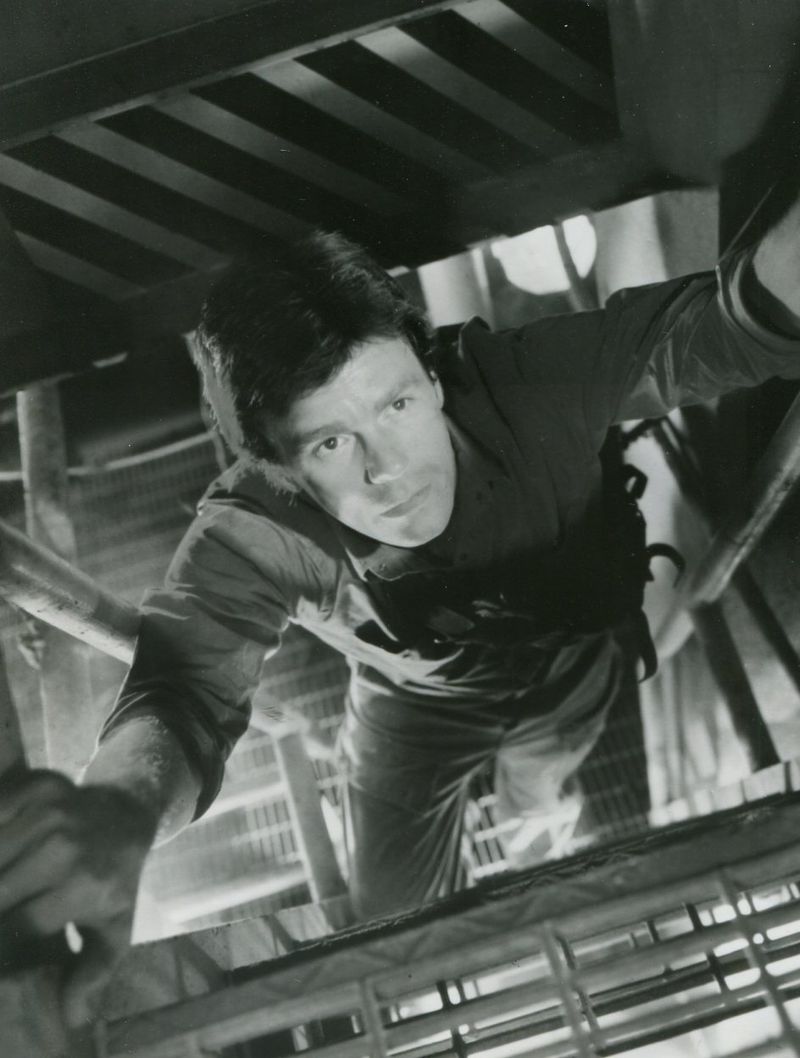
Richard Dean Anderson’s MacGyver became so associated with creative problem-solving that his name turned into a verb. If someone figures out an improvised fix using whatever is nearby, people still call it “MacGyvering” something.
That kind of cultural impact is rare for any fictional character, let alone one from a network adventure series.
The ABC show premiered in September 1985 and followed MacGyver through dangerous situations where scientific knowledge and ingenuity mattered far more than weapons. A paper clip, a rubber band and a piece of duct tape could become something genuinely useful in the right hands.
The series ran seven seasons, though MacGyver’s reputation was firmly built during the second half of the 1980s.
What made the character stand out was the emphasis on thinking rather than fighting. MacGyver offered a different kind of action hero, one who relied on his brain first.
That approach gave the show an identity that no other program on television was offering at the time.
Michael Knight – Knight Rider
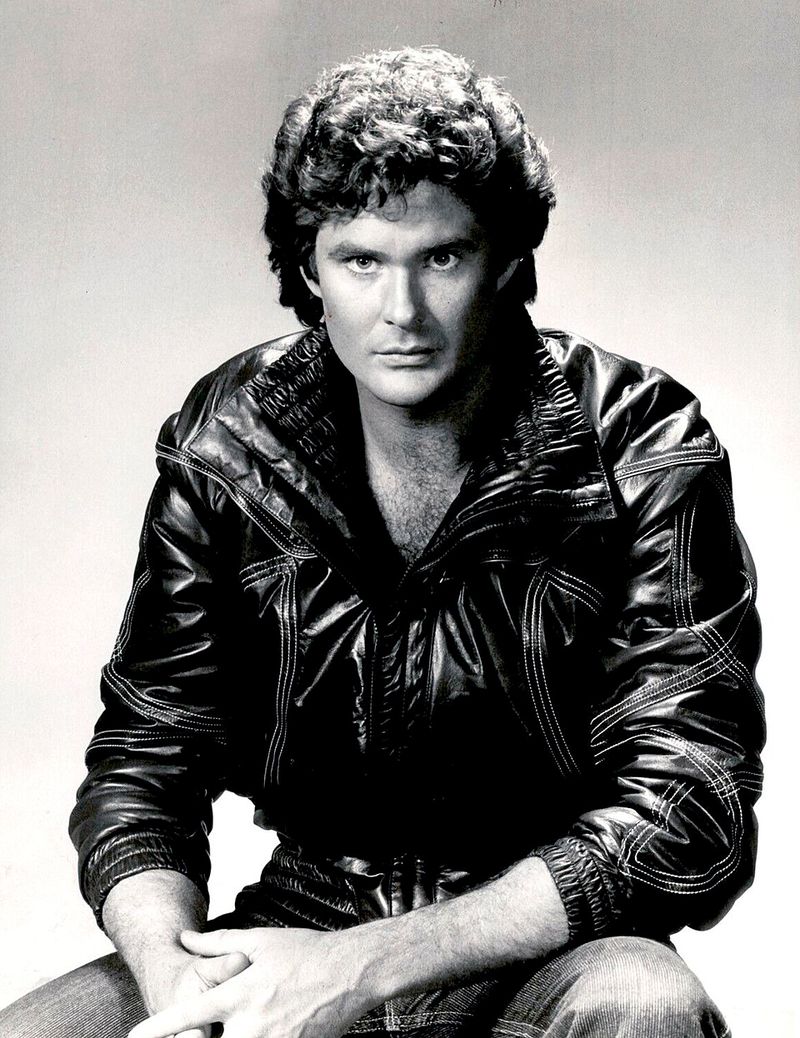
Most television heroes have a partner, but Michael Knight’s was a black Pontiac Trans Am with artificial intelligence and the ability to hold a conversation. KITT, the car at the center of Knight Rider, could analyze situations, perform futuristic tricks and talk back with a dry wit that made the partnership genuinely entertaining.
David Hasselhoff played Michael on the NBC series from 1982 to 1986.
The show worked because the dynamic between the human and the vehicle felt surprisingly natural. Michael handled the action and the investigations while KITT provided analysis and occasional sarcasm.
Their exchanges became one of the most recognizable elements of the series and helped fuel merchandise, toys and pop culture references that lasted well beyond the show’s run.
Futuristic automotive technology was a compelling hook for 1980s audiences, and Knight Rider delivered it weekly. Michael and KITT became an instantly recognizable television duo whose popularity extended far beyond the show’s four-season run.
B.A. Baracus – The A-Team
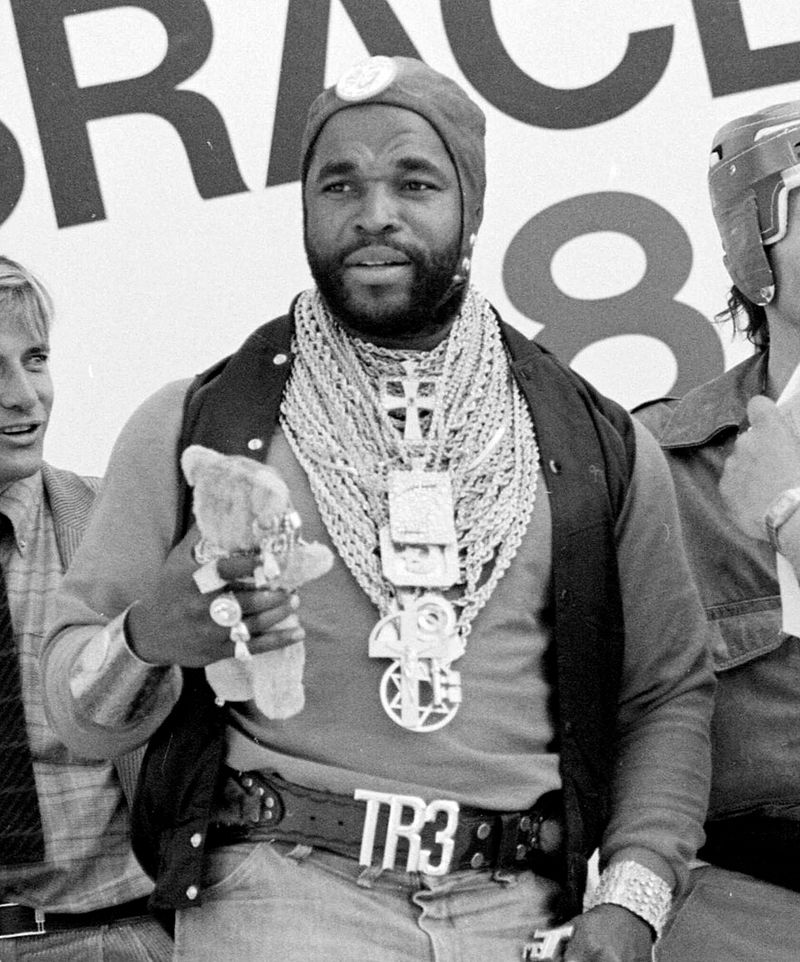
Before joining The A-Team, Mr. T had already made a strong impression as a bodyguard and boxer. When he brought that same energy to Sergeant Bosco “B.A.” Baracus on NBC’s action series, the character became one of the most visually distinctive figures on 1980s television.
The mohawk, the gold jewelry and the intensity were all unmistakably his.
The A-Team ran from 1983 to 1987 and followed former Special Forces soldiers who worked as soldiers of fortune after escaping military prison. B.A. served as the team’s mechanic and the muscle behind their operations.
His ongoing frustration with teammate H.M. Murdock and his well-known reluctance to board any aircraft became reliable running jokes throughout the series.
The show had several memorable personalities, but B.A. was the one audiences could spot from across the room. Mr. T played the character with enough humor and genuine personality to keep B.A. from becoming a one-dimensional tough guy.
Dorothy Zbornak – The Golden Girls
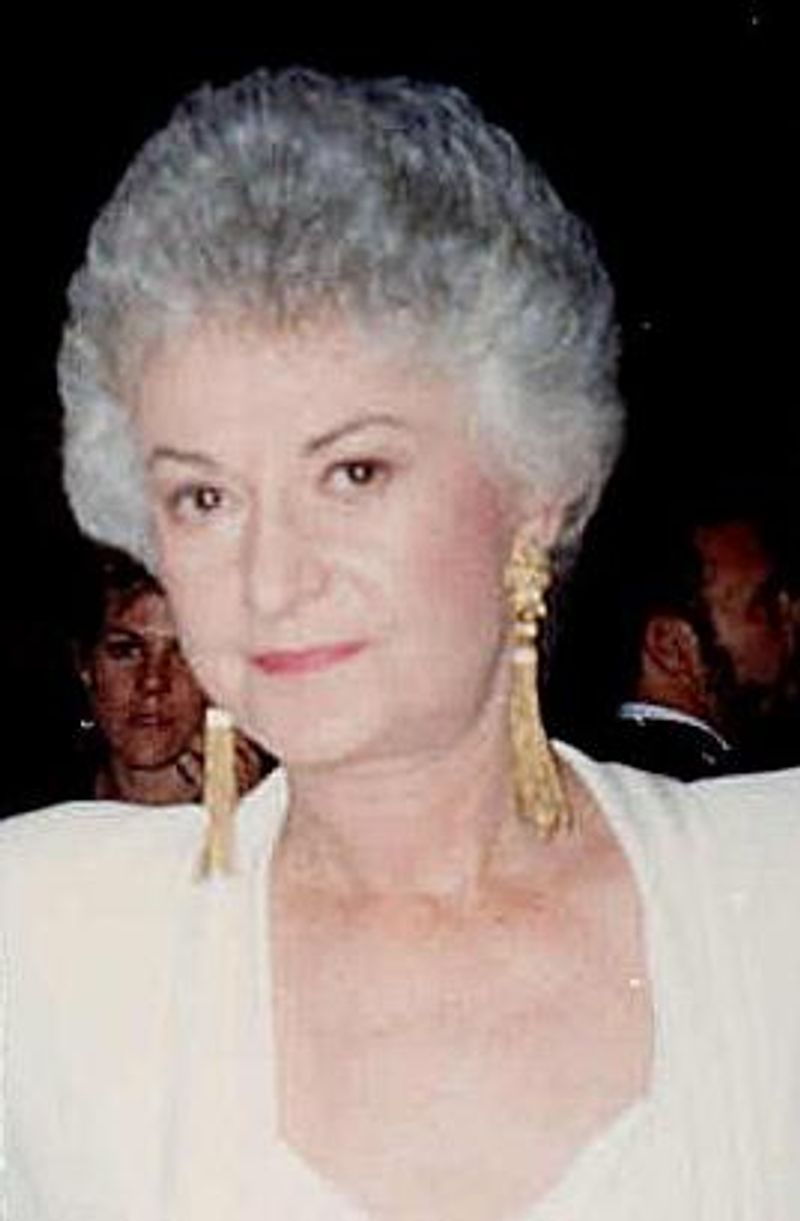
Bea Arthur had already proven herself as a sharp comedic presence before The Golden Girls premiered on NBC in 1985, but Dorothy Zbornak gave her one of the best roles of her career. Dorothy was a substitute teacher sharing a Miami home with three other women, and her dry sarcasm served as the show’s reliable anchor.
No matter how absurd the situation became, Dorothy’s reaction usually grounded it.
The chemistry among the four main cast members was genuinely unusual for a network sitcom. Dorothy’s practical, no-nonsense personality provided the perfect contrast to Rose’s cheerful naivety, Blanche’s romantic confidence and Sophia’s blunt, unfiltered observations.
Arthur’s deadpan delivery made even simple lines land with considerable weight.
The Golden Girls became one of the decade’s most enduring comedies, and Dorothy’s quick comebacks were a central reason why. Arthur brought a level of intelligence and timing to the character that elevated the entire ensemble and helped the show connect with audiences across multiple generations.
ALF – ALF

A crash-landing alien hiding from the government while living with a suburban family sounds like a strange premise for a family sitcom, but ALF made it work for four seasons on NBC starting in 1986. The character’s real name was Gordon Shumway, though the Tanner family quickly nicknamed him ALF, short for Alien Life Form.
The name stuck, and so did the character’s popularity.
ALF was performed and voiced primarily by co-creator Paul Fusco, who operated the puppet during filming in ways that required significant logistical effort from the entire production crew. The character was sarcastic, frequently impulsive and consistently creating new problems for the family trying to keep his presence a secret from neighbors and authorities.
The sitcom ran through 1990, but ALF’s cultural identity belongs firmly to the late 1980s. Few television characters from that era were as visually unusual or as instantly recognizable, which made the show a genuine oddity in the best possible way.
David Addison – Moonlighting
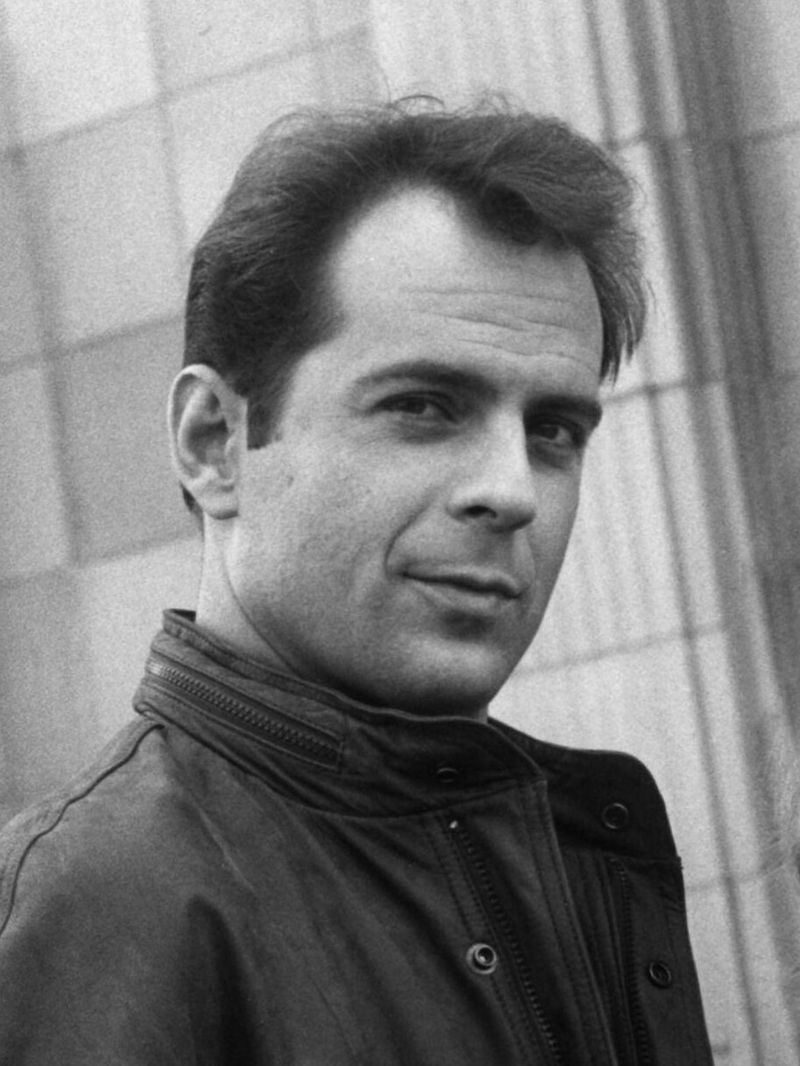
Bruce Willis was not yet a movie star when Moonlighting premiered on ABC in 1985, but David Addison changed that quickly. Willis played the fast-talking, quick-witted private detective with an energy that was almost impossible to look away from.
His character ran the Blue Moon Detective Agency alongside former model Maddie Hayes, played by Cybill Shepherd, and their dynamic was unlike anything else on network television.
The show blended comedy, romance and mystery in proportions that shifted from episode to episode. David and Maddie argued constantly, and the romantic tension between them kept viewers guessing for multiple seasons.
The series also experimented with unusual storytelling formats, including a black-and-white episode and a musical episode, which added to its reputation for unpredictability.
Willis’s performance on Moonlighting established the screen personality that would carry directly into his Hollywood career. David Addison was charming, irreverent and genuinely funny, and audiences responded to all three qualities immediately.
Al Bundy – Married… with Children
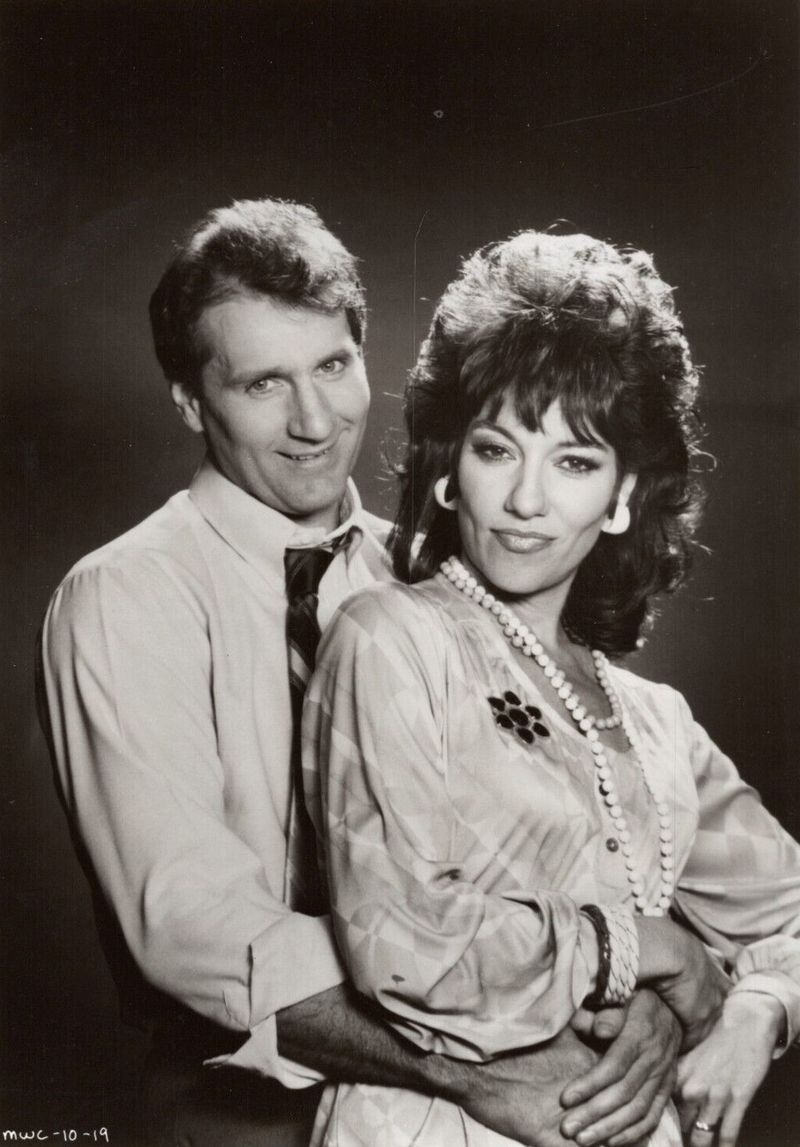
When Married… with Children premiered on the Fox network in April 1987, Al Bundy introduced television audiences to a very different kind of television father. Ed O’Neill played a women’s shoe salesman who was openly unhappy with his job, his finances and most aspects of his daily life.
Al constantly referenced his high-school football career as the one period when things had actually gone his way.
The character was deliberately cynical and unsuccessful in ways that prime-time sitcom fathers almost never were. Most TV dads of the era were polished, competent and warmly supportive.
Al was none of those things, and that contrast gave the show a sharp, distinctive identity during a competitive period for network television.
Married… with Children became an important early program for Fox as the network worked to establish itself. Al Bundy’s grumpy, self-aware misery resonated with audiences who appreciated a sitcom willing to present a less flattering version of suburban American life.
Kevin Arnold – The Wonder Years
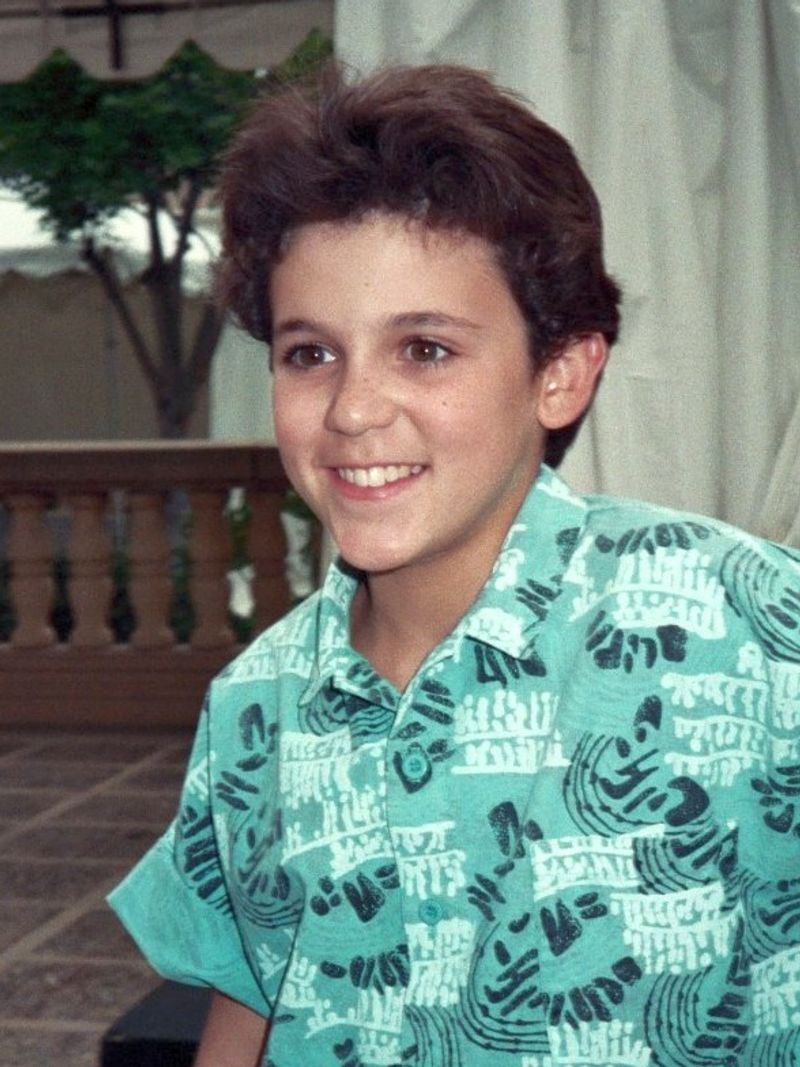
The Wonder Years did something unusual when it premiered on ABC in January 1988: it used the 1980s as a launching point to look backward. Fred Savage played Kevin Arnold, a boy navigating childhood and early adolescence in suburban America during the late 1960s and early 1970s.
The show was technically a period piece, but it connected deeply with contemporary audiences through its focus on universal experiences.
Daniel Stern voiced an adult Kevin narrating his own memories, which gave the series a reflective, nostalgic quality that separated it from typical network sitcoms. The tone was warmer and more emotionally honest than most comedies of the era, and viewers responded strongly to that quality.
The series won the Emmy for Outstanding Comedy Series in 1988 after only a small number of episodes had aired, which was a remarkable achievement for a new show. Kevin Arnold proved that 1980s television had room for quieter, more thoughtful storytelling alongside its flashier counterparts.
Share this story