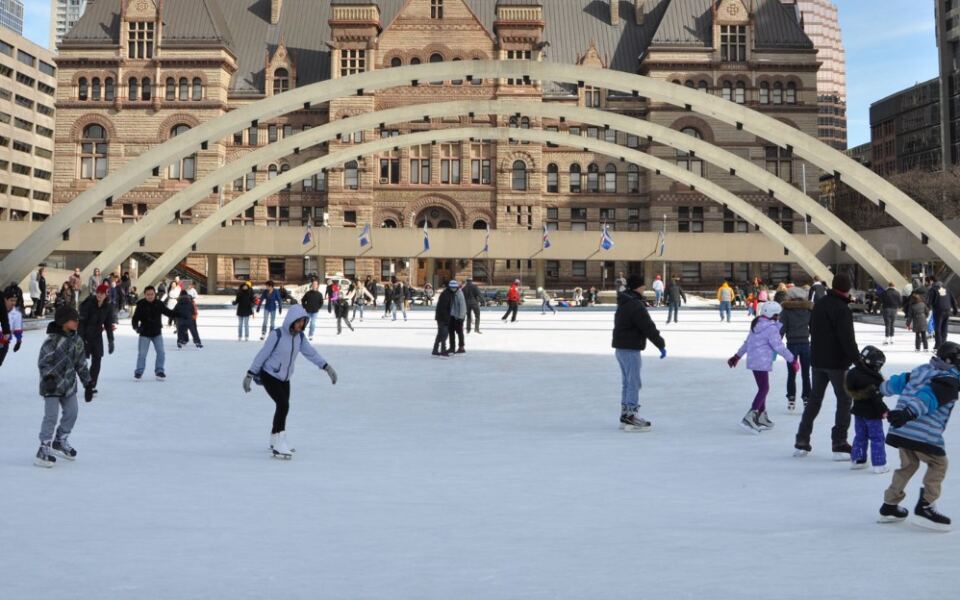
The 1980s were a special time to be a kid. Children played outside until dusk, watched cartoons on Saturday mornings, and traded stickers at school.
Some countries stood out for their safe streets, strong schools, and free time to play. Here is a look at 15 places that gave kids a memorable start in life.
1. Sweden
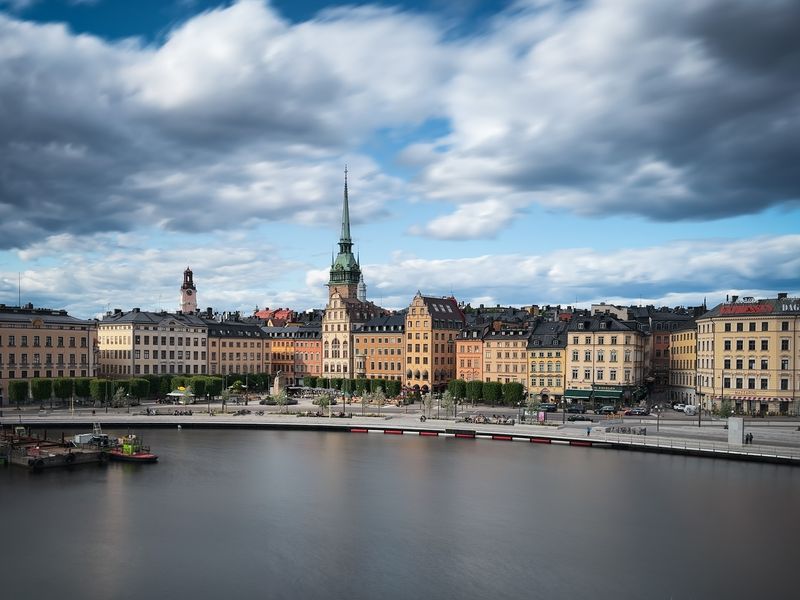
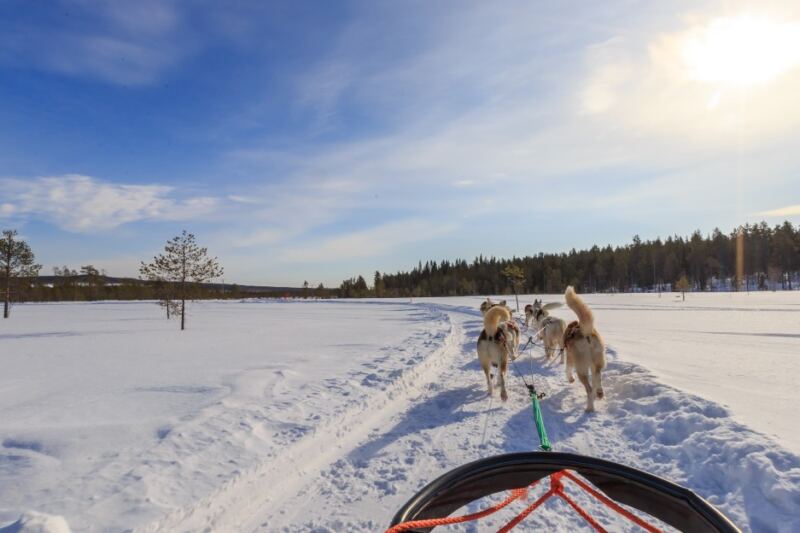
Picture a seven-year-old in 1985 pulling a sled through a snowy Stockholm park while a parent waves from a window. Sweden gave kids that kind of freedom, and it did so with strong support behind the scenes.
The country had generous parental leave, which let many parents stay home with babies. Public daycare was widely available, and schools focused on play and learning together instead of constant testing.
Sweden also led the way in protecting children. In 1979 it became the first country to ban spanking by law, a big step for kid safety.
Books mattered, too. Astrid Lindgren, the author of Pippi Longstocking, was a national treasure, and her stories shaped how children thought about adventure.
Kids grew up with fresh air, library cards, and plenty of time to just be kids.
2. Norway
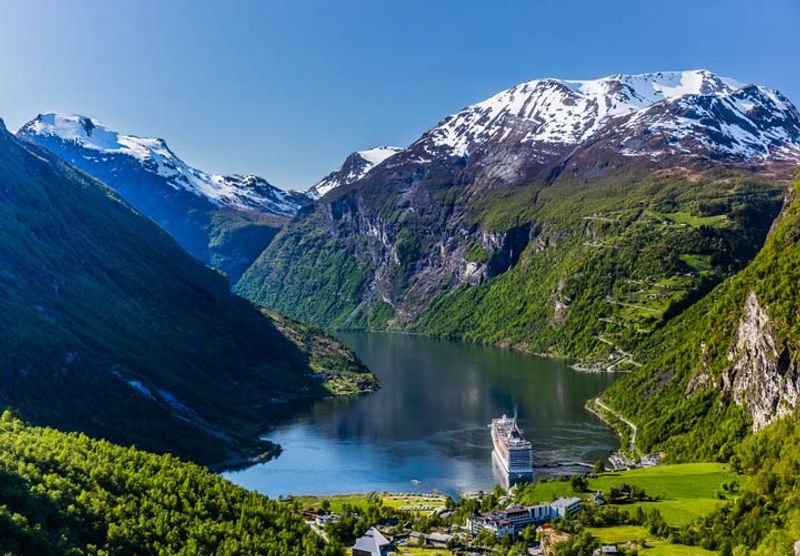
Ask a Norwegian adult about growing up in the 1980s and you may hear about skis. Many children learned to glide across snow almost as soon as they could walk.
Outdoor life was part of the school week. Families spent weekends at mountain cabins, grilling sausages and building snow caves.
The saying that there is no bad weather, only bad clothes, was a way of life.
Norway also grew wealthier thanks to North Sea oil, which helped pay for schools, health care, and family support. Parents had decent leave after a birth, and communities felt close and safe.
Kids walked to school on their own, joined local sports clubs, and celebrated Constitution Day on May 17 with parades, flags, and ice cream. It was a simple, healthy, and cheerful way to grow up.
3. Denmark
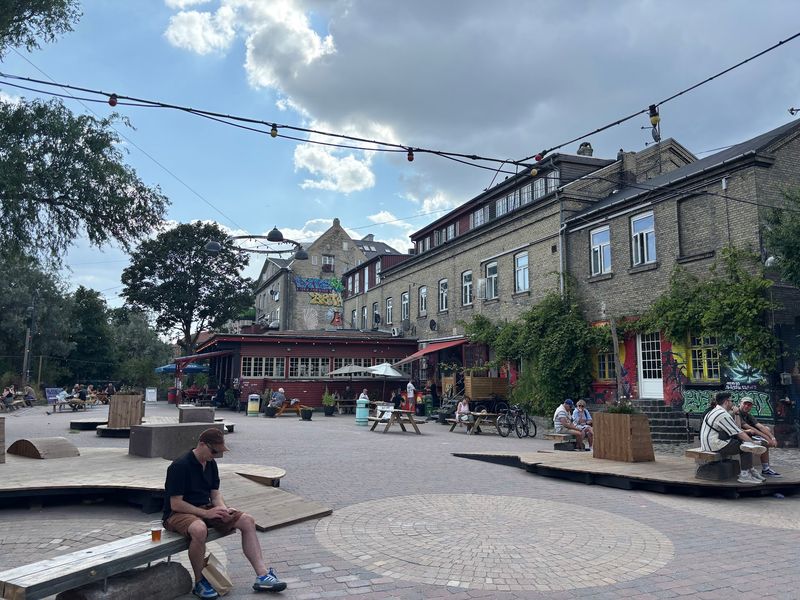
Here is a fun fact: the world’s first adventure playground opened near Copenhagen in 1943. By the 1980s, Danish kids were still building huts, hammering nails, and climbing homemade towers.
Danish childhood leaned heavily on play. Children often started formal reading later than in many countries, and kindergartens focused on friendship, creativity, and outdoor time.
Bicycles were everywhere. Kids rode to school and to friends’ homes, and cities had safe bike lanes that made this easy.
Family time mattered as well. Many households enjoyed cozy evenings with candles, board games, and shared dinners.
Public health care and affordable childcare gave parents peace of mind, so children grew up feeling secure, trusted, and free to explore.
4. Finland
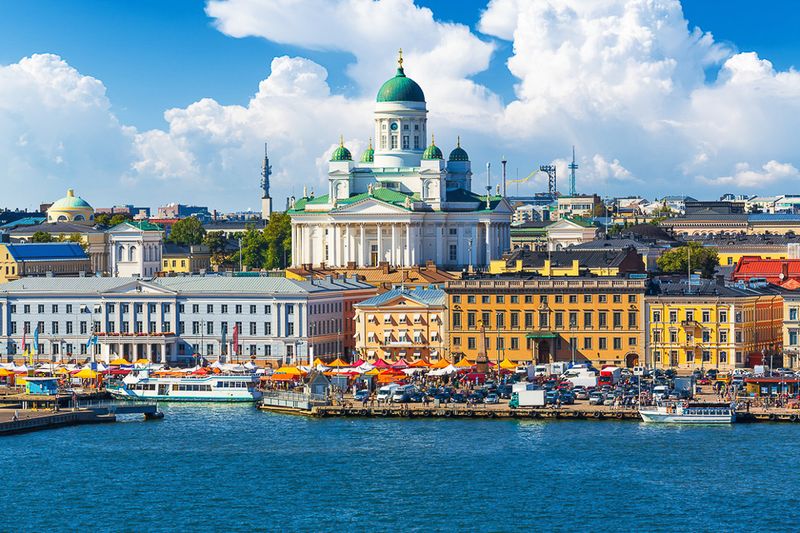
Finland’s schools in the 1980s were quietly becoming some of the best on Earth. Reforms in the 1970s meant every child, no matter where they lived, attended a similar comprehensive school.
Teachers were highly trained and trusted. Homework was light, school days were short, and children got regular breaks to run outside, even in freezing weather.
Home life had its own charm. Many families had a sauna, and weekends meant lake cottages, berry picking, and swimming in summer.
Kids also grew up with the Moomins, the gentle troll characters created by Tove Jansson, whose books and TV shows were beloved. Free school meals and strong health clinics for mothers and babies helped make Finland a steady, caring place to be young.
5. Iceland
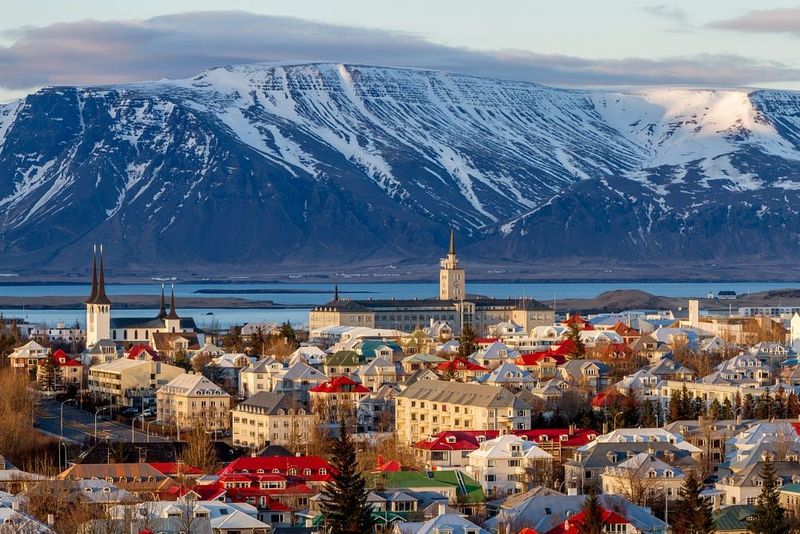
In Iceland, summer nights barely get dark, so children in the 1980s often played outside long past what other kids would call bedtime. Small towns and close neighbors made this feel safe.
With a tiny population, everybody seemed to know everybody. Kids wandered between friends’ houses, swam in warm outdoor pools year-round, and helped out on family farms or at fishing docks.
Education and reading were highly valued. Iceland has long been known for its love of books, and giving books as gifts became a holiday tradition.
Children also grew up with sagas, folklore, and stories about elves and hidden people. Combined with strong health care and low crime, Iceland offered a close-knit childhood with plenty of fresh air and imagination.
6. Netherlands
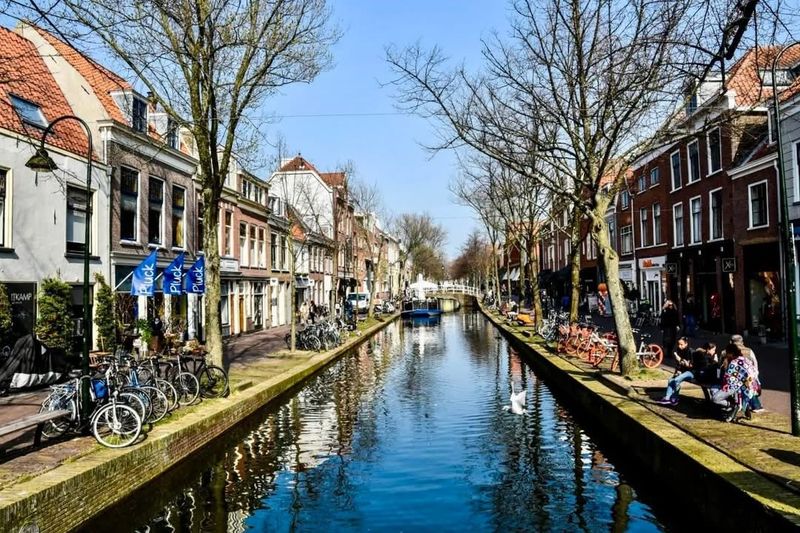
Few places say childhood on two wheels quite like the Netherlands. In the 1980s, kids pedaled to school, swimming lessons, and friends’ homes on their own.
Dutch cities had been redesigned in the 1970s after a push for safer streets, which meant more bike paths and fewer traffic dangers for children.
Family routines were calm and regular. Many families shared dinner at the same time each evening, and sprinkles on bread, called hagelslag, were a breakfast favorite.
Children also enjoyed Sinterklaas celebrations in December, with shoes by the fireplace and small gifts. Surveys decades later have often ranked Dutch kids among the happiest in the world, and their relaxed upbringing in the 1980s helped lay the groundwork.
7. Switzerland
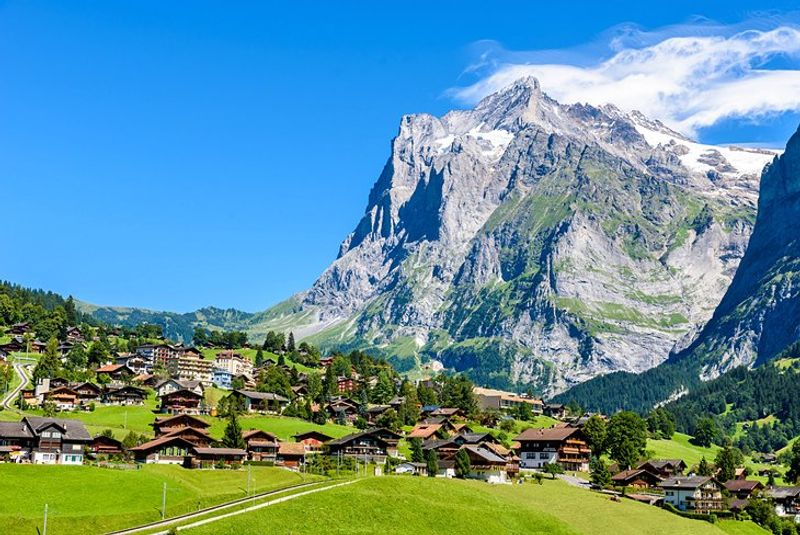
Walking to kindergarten alone at age five may sound surprising, but in 1980s Switzerland it was normal. Neighborhoods were tidy and calm, and drivers watched for children.
The country’s mix of mountains, lakes, and meadows made a natural playground. Families hiked on weekends, skied in winter, and swam in clear lakes during summer.
Schools were well funded, and apprenticeships gave teenagers a clear path to work. Younger kids benefited from small class sizes and a respect for routine.
Children also loved local traditions such as cowbell parades, lantern processions, and chocolate treats. With low unemployment and a stable economy, many parents felt secure, and that steadiness passed on to their kids.
8. Canada
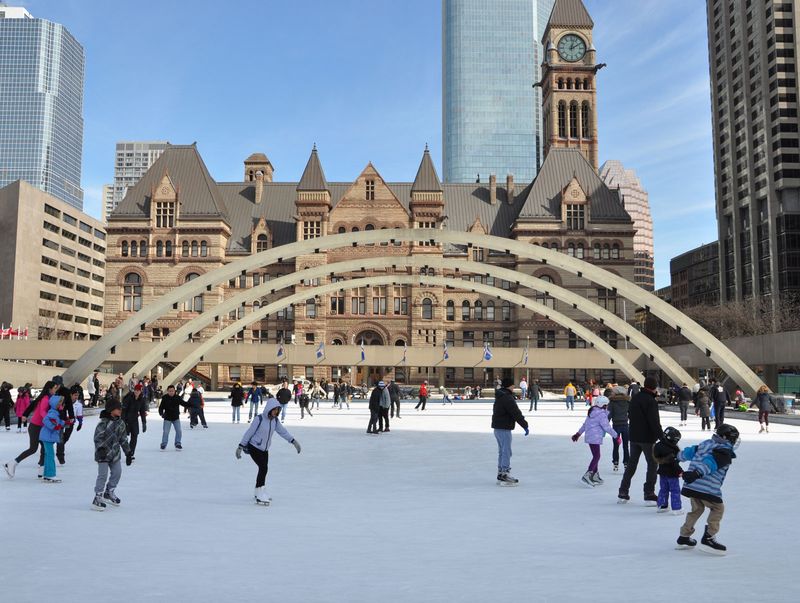
When the streetlights flicked on, Canadian kids in the 1980s knew it was time to head home. Until then, the street belonged to them, usually with a hockey net in the middle.
Neighborhood games, bike rides, and backyard rinks filled spare hours. Many towns flooded a patch of ground each winter so children could skate for free.
Saturday morning cartoons, school book fairs, and Canadian shows like The Elephant Show and Today’s Special kept entertainment fun and wholesome.
Public schools and universal health care gave families a safety net. Summer camps, cottages by the lake, and road trips in station wagons rounded out a childhood built on friendly communities and wide-open space.
9. Australia

Sand between the toes was part of daily life for many Australian kids in the 1980s. Beaches, backyard pools, and sprinklers made summers feel endless.
Children spent most afternoons outdoors. They rode bikes to the corner shop for lollies, built cubbies in the yard, and played cricket on quiet streets.
School sports carnivals, swimming lessons, and Nippers programs at surf clubs taught confidence and water safety. Many families owned a house with a yard, which gave room to roam.
Television added to the fun. Shows like Play School, Skippy reruns, and Saturday morning cartoons were common.
A strong sense of community, warm weather, and an easygoing lifestyle made the decade memorable.
10. New Zealand

Going barefoot to school was no big deal for many kiwi kids in the 1980s. Wide-open spaces and a laid-back culture gave them plenty of freedom.
Children climbed trees, swam in rivers, and rode bikes down gravel roads. Many lived near farmland or beaches, so adventure was never far away.
Schools were small and friendly, and families often knew the teachers personally. Free milk in schools had ended by 1967, but kids still looked forward to pies at the tuck shop and summer camping trips.
Rugby on the school field, family barbecues, and holidays at the bach, a simple seaside cottage, shaped lasting memories. It was a gentle, outdoorsy childhood in a safe, close community.
11. Japan
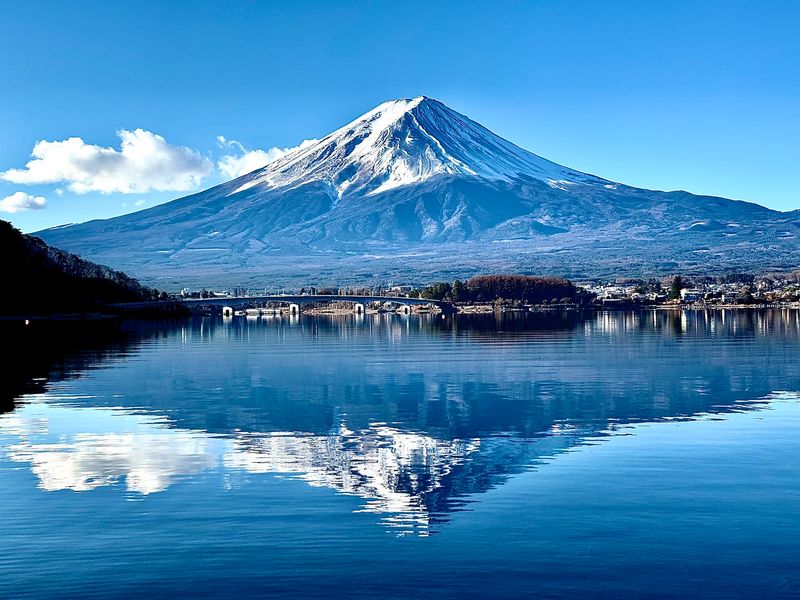
In 1983, a red and white console called the Famicom arrived in Japanese homes, and childhood changed forever. Soon kids everywhere were swapping tips about Super Mario Bros.
Yet video games were only part of the story. Children also walked to school in neighborhood groups, wearing bright hats and sturdy backpacks called randoseru.
Cities were remarkably safe.
Anime and manga flourished. Dragon Ball, Doraemon, and Sazae-san filled TV screens and bookstore shelves, while candy shops, called dagashiya, sold cheap treats.
School lunches were served in the classroom, and students helped clean up, which taught teamwork and responsibility. With a strong economy and low crime, Japan gave kids a creative, orderly, and exciting upbringing.
12. Austria
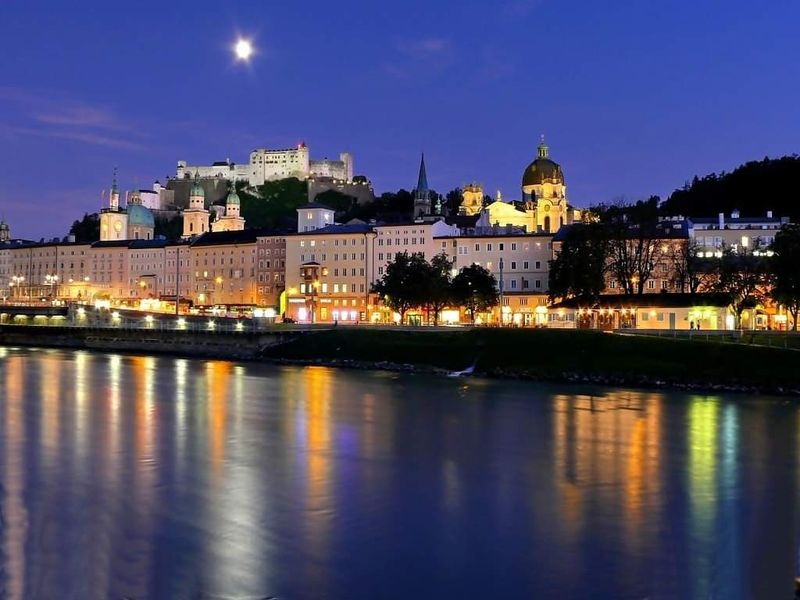
Winter in Austria meant one thing for many kids in the 1980s: sledding after school. Hills near villages filled with laughter as soon as the snow settled.
Skiing was almost a school subject. Many students joined ski weeks, learning on the slopes with classmates, and most children could ski well by their early teens.
Music was another gift. Vienna’s legacy of classical music inspired choirs, recorder lessons, and family concerts.
The Vienna Boys’ Choir remained world famous.
Family life centered on rural traditions, such as Christmas markets, Krampus parades, and hearty meals. Strong social programs, safe towns, and breathtaking scenery created a childhood filled with culture and fresh mountain air.
13. West Germany
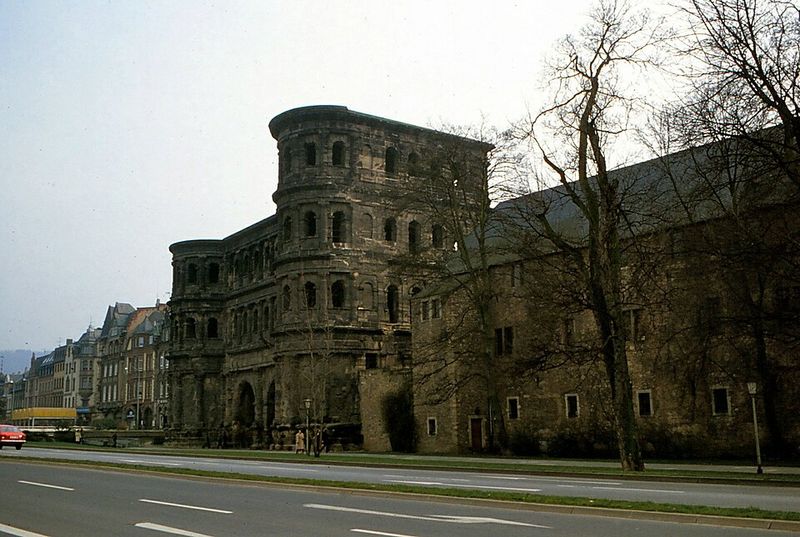
On the first day of school, German children in the 1980s carried a giant cardboard cone filled with sweets and small gifts. This tradition, called the Schultüte, made a big day feel magical.
West Germany was prosperous, and many families enjoyed stable jobs and good public services. Kids played in neighborhood playgrounds, rode bikes, and collected football stickers during the 1982 World Cup, which West Germany finished as runner-up.
Saturday mornings brought cartoons and radio plays on cassette tapes, such as Die drei ???. Families took holidays in the Alps or by the Baltic Sea.
Schools had a reputation for strong academics, and youth clubs offered sports and music. It was a childhood shaped by routine, creativity, and comfort.
14. France
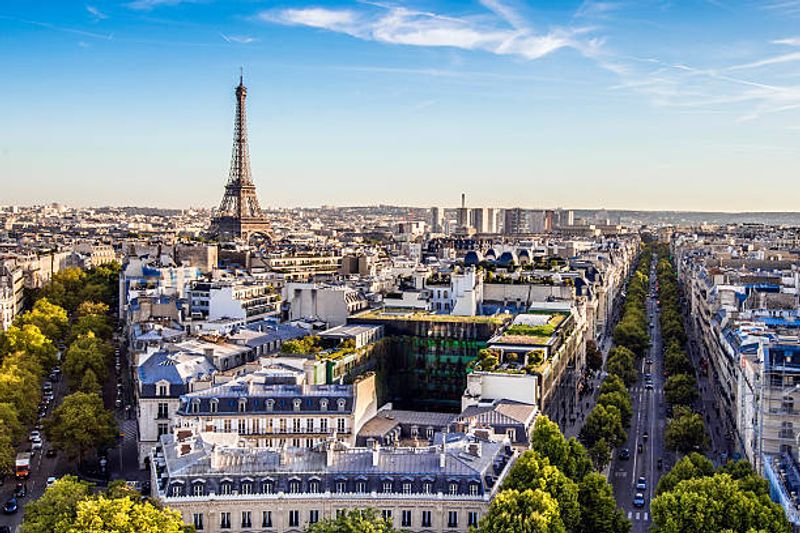
Few childhood errands sound sweeter than being sent to the bakery for a warm baguette. French kids in the 1980s often nibbled the end on the walk home.
Food was a daily pleasure. School lunches had several courses, and children learned early to taste cheeses, fruit, and fresh bread at the table.
Comics, called bandes dessinées, were everywhere. Asterix and Tintin were classics, and the TV show Les Schtroumpfs, the Smurfs, was a hit across Europe.
Families took long summer vacations, often at the seaside or in the countryside. Wednesday afternoons were free from school for many children, giving time for sports and hobbies.
Culture, good food, and relaxed holidays defined the era.
15. Belgium
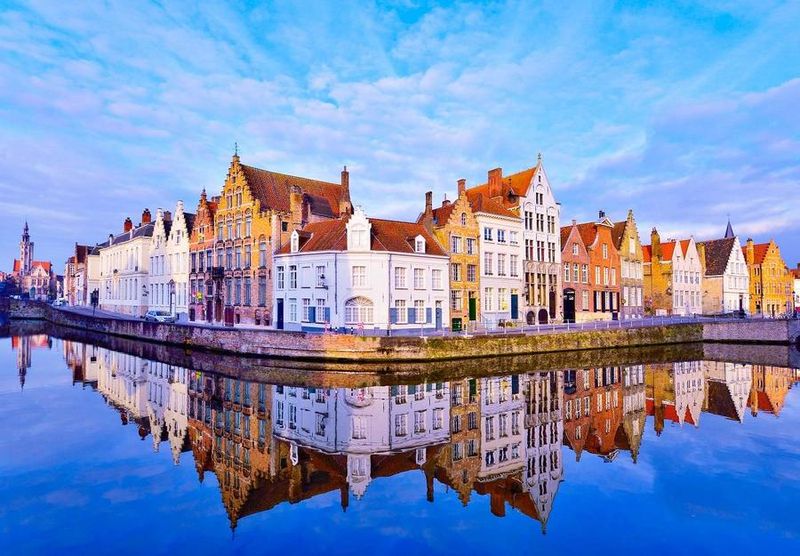
Belgium is the birthplace of both Tintin and the Smurfs, so comics were a big part of growing up there in the 1980s. Kids read them at home, in libraries, and under the covers with a flashlight.
The country is small, which meant grandparents, cousins, and friends often lived close by. Sunday family meals were common, and children grew up around lively conversation in several languages.
Sweet treats were everywhere. Waffles from street stands, chocolate pralines, and fries with mayonnaise made snack time special.
Schools were solid, and cities had plenty of parks and cycling paths. With a strong welfare system and a culture that loved storytelling and art, Belgium gave children a cozy and creative start in life.
Share this story