In many parts of the world, prayer is not just a Sunday ritual or a quiet moment before bed. For hundreds of millions of people, it shapes the rhythm of every single day, from the first light of morning to the last moments of night.
These countries show us how faith can be woven into daily routines, community life, and even national identity. Whether you are religious or simply curious about other cultures, learning about these places offers a meaningful window into how people find purpose and connection through prayer.
1. Afghanistan
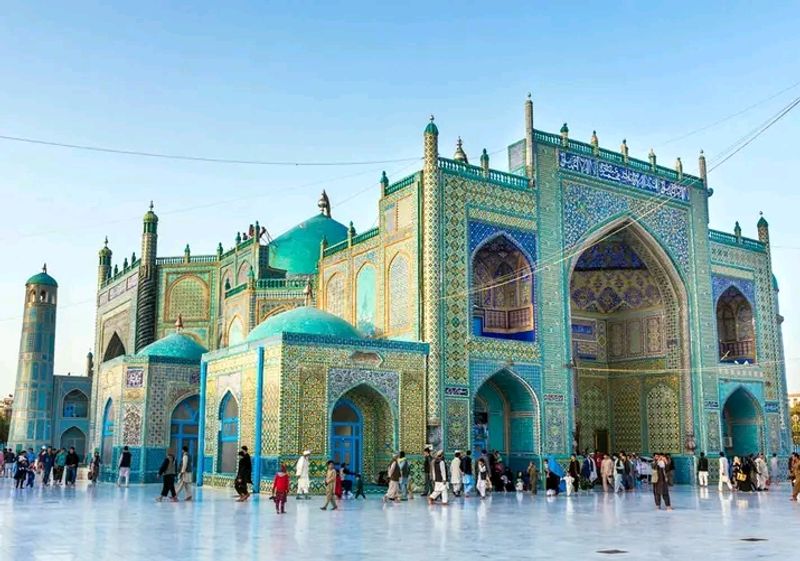
Few places on Earth hold prayer as central to daily existence as Afghanistan. Across the country, the call to prayer rings out five times a day, echoing through mountain villages and dusty city streets alike.
For Afghan Muslims, these five daily prayers, known as Salah, are not optional pauses but essential anchors to their faith.
Even amid decades of conflict and hardship, mosques have remained the social and spiritual heart of Afghan communities. Men gather in rows on prayer rugs, bowing in unison toward Mecca.
Women pray at home or in designated mosque sections.
Prayer is also tied to hospitality here. Guests are often invited to join before meals or conversations begin.
For Afghans, faith is not separate from daily life, it is the foundation underneath everything else.
2. Somalia
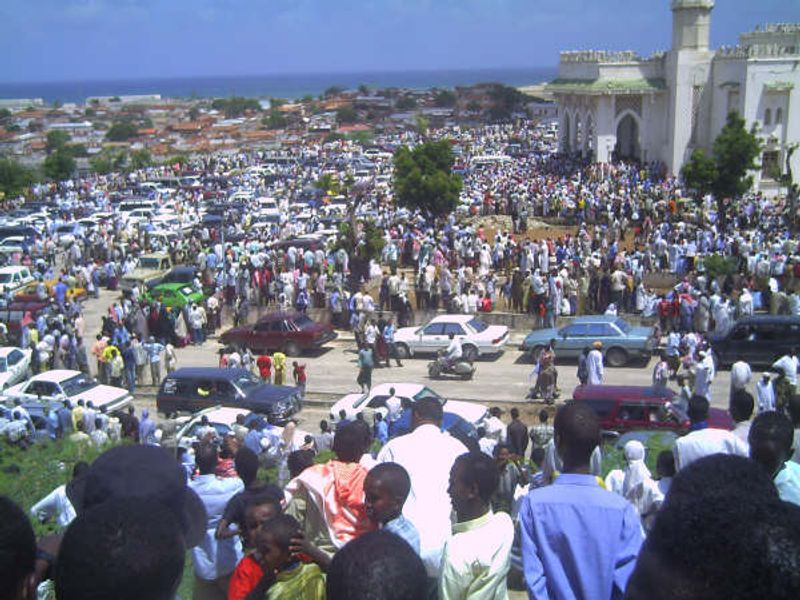
Somalia has one of the highest rates of daily prayer observance in the world. Nearly the entire population identifies as Muslim, and the five daily prayers are treated as non-negotiable commitments, not background traditions.
In Mogadishu and in remote fishing villages alike, the call to prayer brings activity to a brief but meaningful halt.
Businesses pause, schoolchildren stop, and neighbors gather side by side on mats or bare ground. Prayer serves as a shared language here, connecting people across clan lines and economic differences.
It is one of the few constants in a country that has faced enormous instability.
Ramadan intensifies this devotion even further, with night prayers extending long past midnight. For Somalis, daily prayer is not performed out of obligation alone.
It is a genuine source of comfort and community identity.
3. Yemen
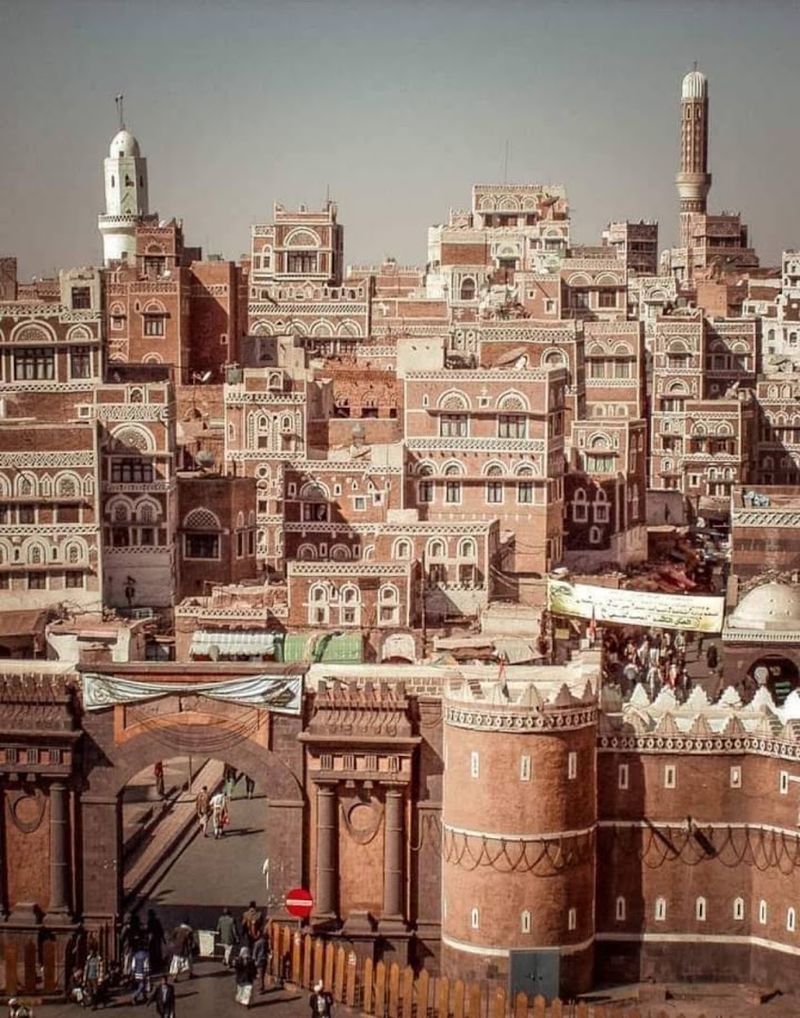
Sanaa, one of the oldest continuously inhabited cities in the world, has heard the call to prayer for over a thousand years. Yemen carries a deep Islamic heritage, and daily prayer remains one of the most visible expressions of that tradition.
Even during the ongoing humanitarian crisis, mosques continue to call the faithful five times each day.
For many Yemenis, prayer provides emotional and spiritual grounding in an otherwise uncertain world. Communities gather not just to worship but to check on one another, share news, and offer support.
The mosque functions as more than a religious space here.
Yemen’s unique architectural landscape, with its tall mud-brick tower houses and ancient minarets, gives the prayer call a haunting, beautiful quality. Hearing the Adhan echo through those ancient streets is an experience that stays with visitors long after they leave.
4. Indonesia
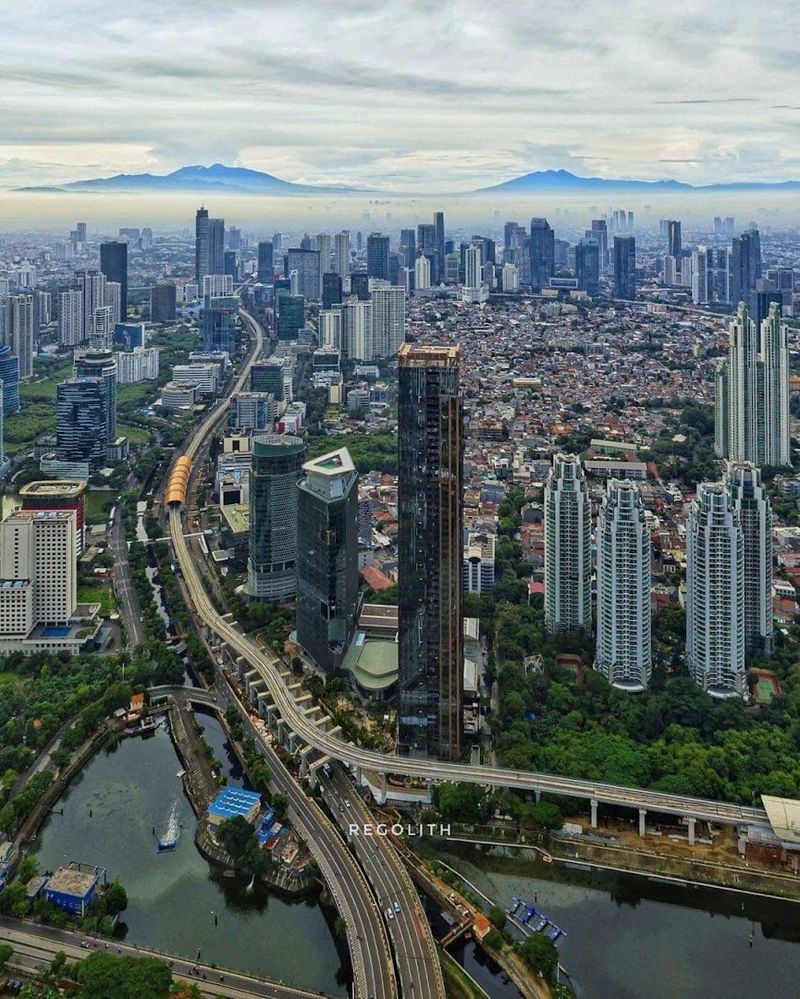
Home to more Muslims than any other country on Earth, Indonesia takes daily prayer seriously while maintaining its famously warm and pluralistic culture. With roughly 230 million Muslim citizens, the five daily prayers are practiced widely across the archipelago, from Aceh in the west to the eastern islands.
What makes Indonesia stand out is how prayer coexists with a rich tapestry of local traditions. In many communities, the call to prayer blends with the sounds of gamelan music and village life.
Prayer here feels organic, woven naturally into the fabric of everyday routines.
Indonesian mosques are often architectural marvels, blending local styles with classic Islamic design. The Istiqlal Mosque in Jakarta is Southeast Asia’s largest and draws thousands of worshippers daily.
For Indonesians, prayer is both a personal act of faith and a shared communal experience that strengthens social bonds.
5. Pakistan
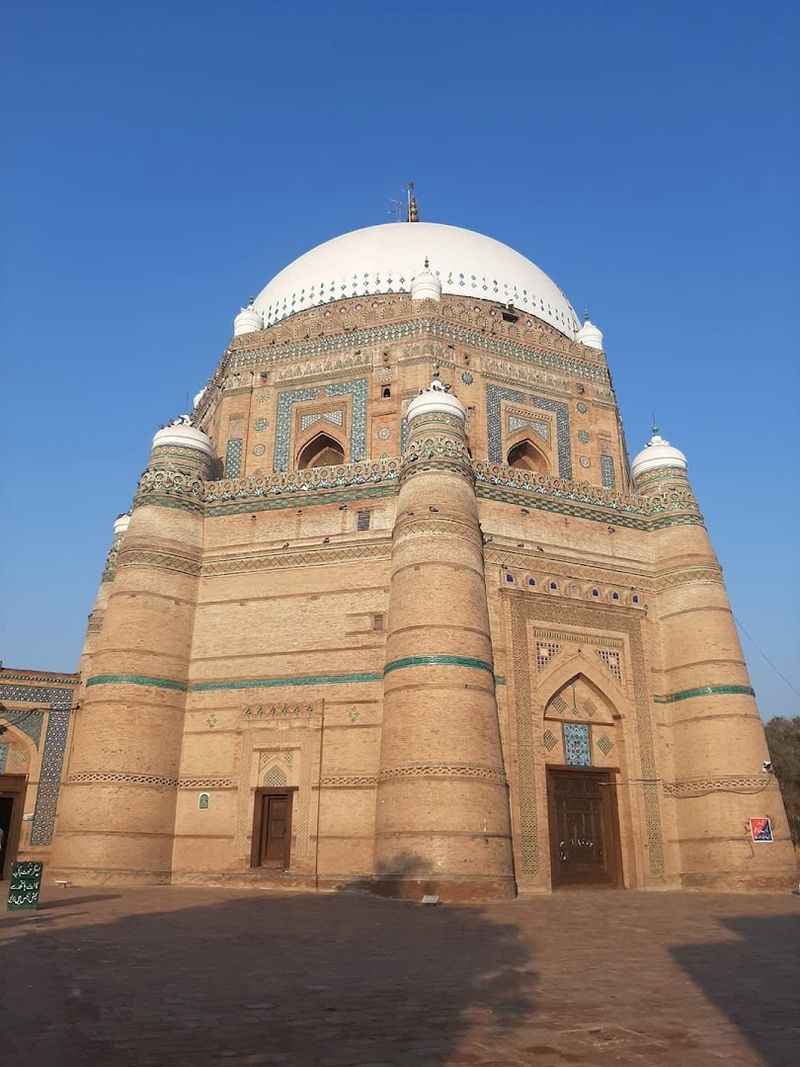
Pakistan was founded on the idea of a homeland for South Asian Muslims, and that spiritual identity remains deeply alive today. Daily prayer is practiced widely across urban centers like Karachi and Lahore, as well as in rural towns and mountain communities near the Afghan border.
The five daily prayers, called Namaz in Urdu, structure the day for tens of millions of Pakistanis.
Mosques are everywhere here, from grand marble structures to simple neighborhood prayer rooms. The loudspeakers on minarets ensure the Adhan reaches every corner of a neighborhood.
Many Pakistanis also carry prayer beads, known as Tasbih, as a constant reminder of their faith throughout the day.
School schedules, workplaces, and even cricket matches often pause for prayer time. This kind of social accommodation shows how deeply embedded daily worship is in Pakistani public life.
6. Bangladesh
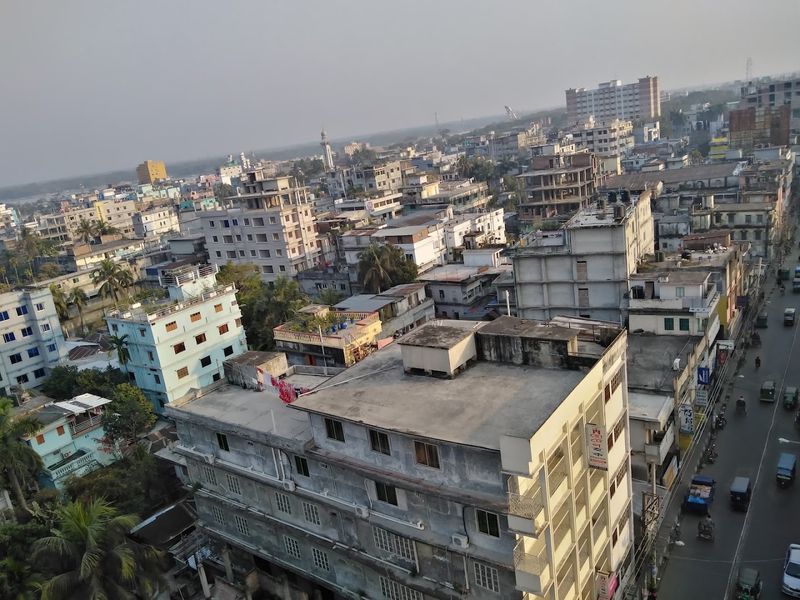
Bangladesh is one of the most densely populated Muslim-majority countries in the world, and daily prayer is a cornerstone of life here. Dhaka alone has thousands of mosques, and the sound of the Adhan is a constant feature of city soundscapes, five times from dawn to night.
Even in the countryside, local mosques serve as gathering points for prayer and community discussion.
Bangladeshi Muslims tend to blend orthodox Islamic practice with Bengali cultural traditions, creating a faith expression that feels distinctly local. Prayer times shape when markets open, when meals are served, and when social visits are planned.
The rhythm of daily life bends gently around worship.
During Friday prayers, called Jummah, thousands of men spill out of mosques onto sidewalks and streets, praying in long outdoor rows. This weekly spectacle is one of the most striking sights in any Bangladeshi city.
7. Nigeria
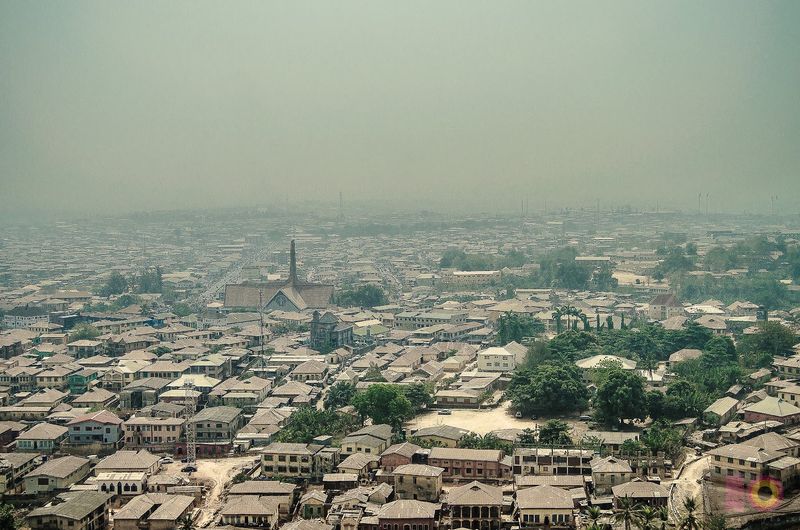
Nigeria is home to one of the largest Muslim populations in sub-Saharan Africa, concentrated mainly in the northern states. In cities like Kano, Kaduna, and Sokoto, daily prayer is as natural as breathing.
The Adhan drifts through markets, schools, and homes five times every day, and people respond with genuine eagerness.
Northern Nigerian Muslims often combine Arabic Islamic practice with Hausa cultural customs, making prayer here a richly layered experience. Many men wear embroidered robes called Babban Riga and kneel on woven prayer mats passed down through generations.
Prayer is not just personal devotion, it is a public, communal act.
Friday Jummah prayers in Kano can draw tens of thousands of worshippers, filling mosque courtyards and overflowing onto nearby streets. The energy is electric and deeply moving.
Nigeria’s Muslim communities demonstrate that faith can thrive even in a diverse, multi-religious nation.
8. Iraq
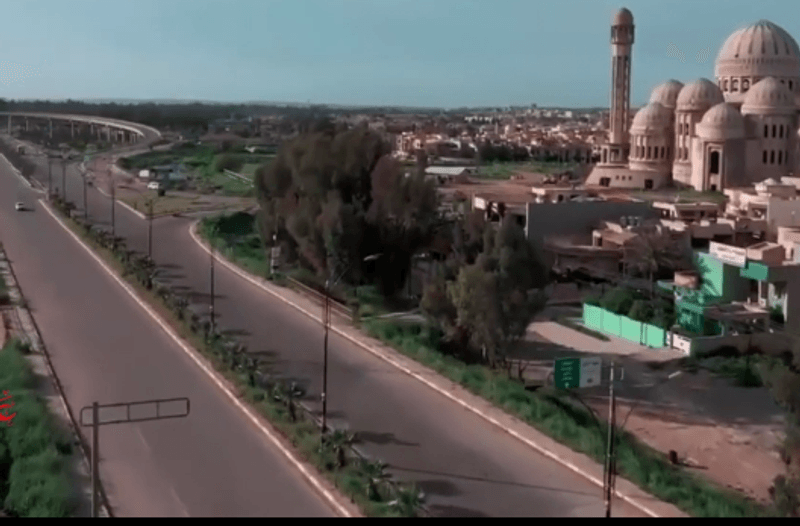
Iraq sits at the crossroads of Islamic history, home to some of the holiest sites in both Sunni and Shia Islam. Cities like Najaf, Karbala, and Samarra draw millions of pilgrims each year, and daily prayer in these places carries a weight that is almost tangible.
For Iraqi Muslims, praying near these ancient shrines feels like a direct connection to the earliest days of their faith.
Even in Baghdad, a bustling modern capital, mosques are never far away. Prayer times are respected across workplaces, schools, and government offices.
Many Iraqis keep a small prayer rug at work or in their car so they never miss a prayer.
Iraq’s religious landscape is complex, with Sunni and Shia communities each maintaining their own traditions. But the five daily prayers remain a shared practice that crosses those internal boundaries, reminding Iraqis of their common faith.
9. Egypt
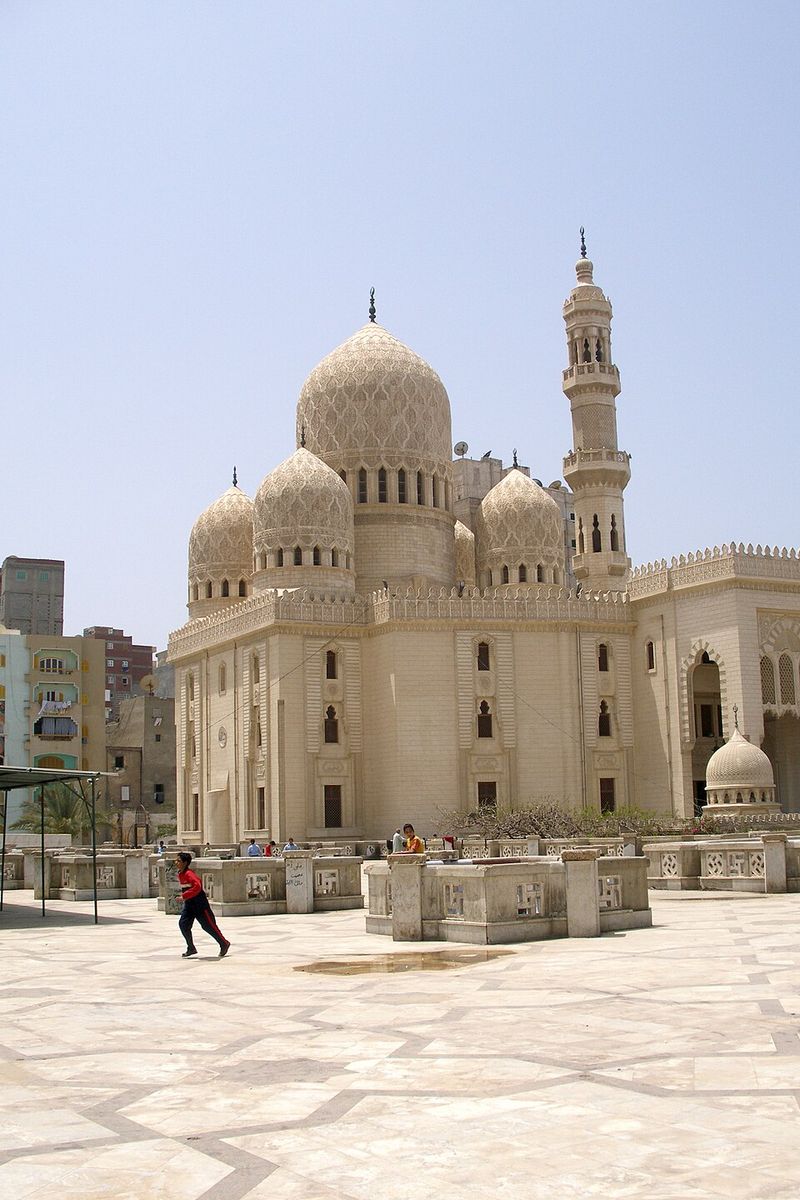
Al-Azhar Mosque in Cairo is over a thousand years old and remains one of the most influential centers of Islamic learning in the world. Egypt’s relationship with daily prayer is inseparable from this deep scholarly and spiritual tradition.
Across Cairo, Alexandria, and the Nile Delta villages, the Adhan rings out from tens of thousands of minarets every day.
Egyptian Muslims are known for their warm, expressive faith. You will often hear people say Inshallah and Alhamdulillah throughout ordinary conversations, reflecting how prayer and gratitude are woven into everyday speech.
Taxi drivers hang prayer beads from their mirrors. Shop owners pause sales to face Mecca.
Egypt also produces some of the most celebrated Quran reciters in the world, and their voices are broadcast on radio and television during prayer times. Daily worship here is both a private devotion and a beloved national soundtrack.
10. Saudi Arabia
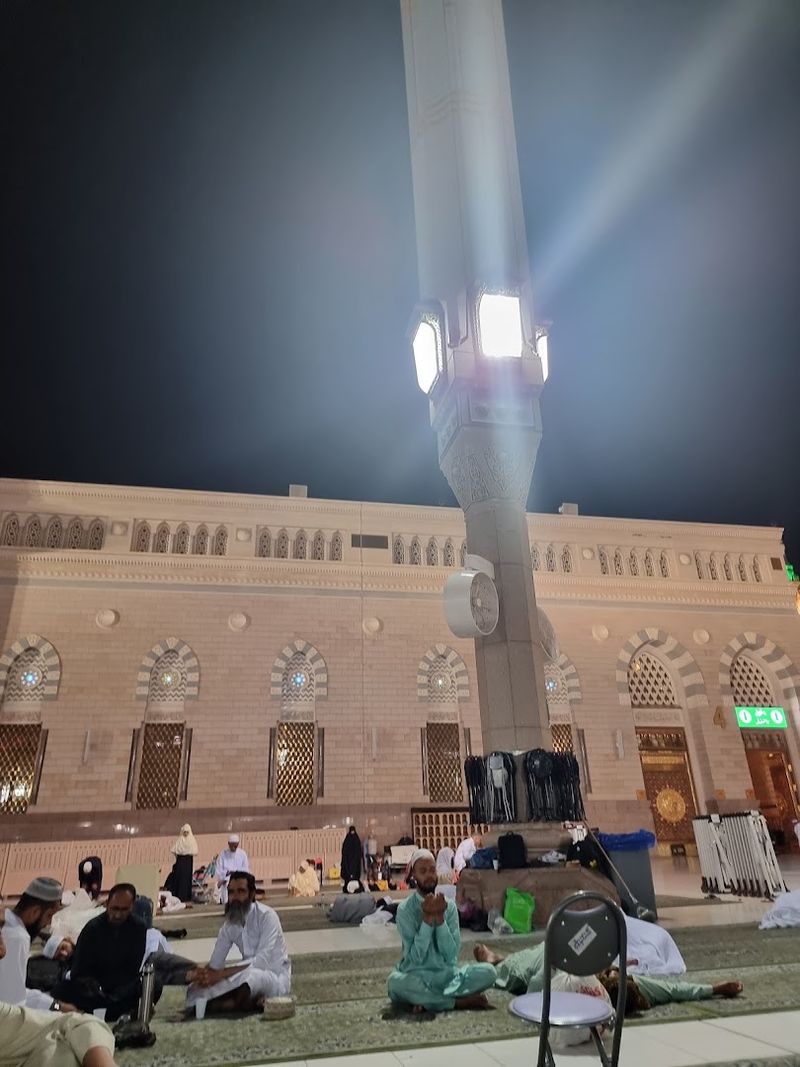
Saudi Arabia is the birthplace of Islam and home to its two holiest sites: Mecca and Medina. Prayer here is not just a personal practice, it is embedded in law and public life.
Shops are required to close during prayer times, and the call to prayer from the Grand Mosque in Mecca is broadcast worldwide. No country takes the five daily prayers more publicly seriously.
Masjid al-Haram in Mecca is the largest mosque in the world and can hold over two million worshippers. During Hajj season, the sight of millions praying in unison is one of the most awe-inspiring spectacles on the planet.
Even outside of Hajj, the mosque is packed around the clock.
For Saudi citizens, daily prayer is both a religious duty and a cultural identity marker. The rhythm of business, family life, and social events all revolve around the five prayer times.
11. Jordan
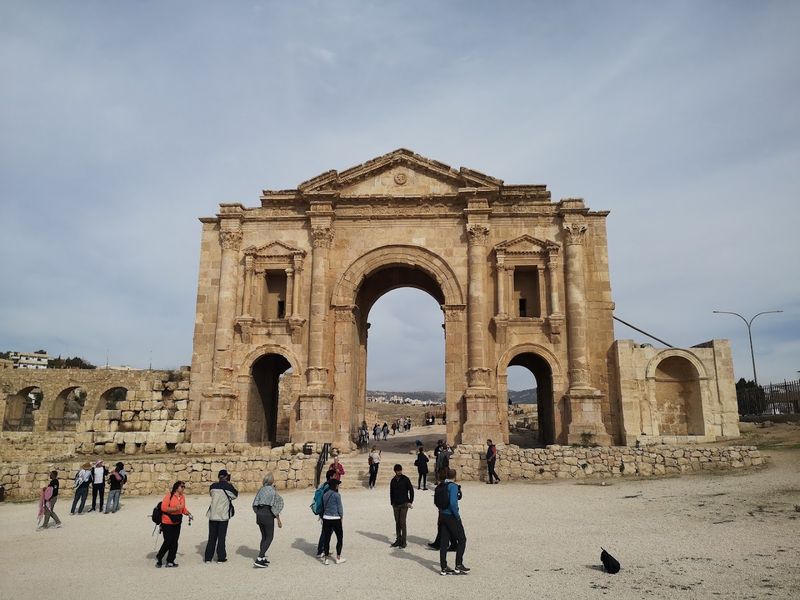
Jordan is a moderate Muslim-majority country where daily prayer is practiced widely and openly, yet without the legal enforcement found in some neighboring states. In Amman, the capital, mosques dot every neighborhood, and the Adhan can be heard echoing off the city’s famous hills five times each day.
Prayer is simply part of the daily flow here.
Jordan has a reputation for religious tolerance, with Christian and Muslim communities living side by side for centuries. Yet Islamic prayer practices remain strong and consistent across the population.
Many Jordanians pray at home, at work, or in small neighborhood mosques rather than grand structures.
The country also hosts some remarkable Islamic heritage sites, including the Umayyad Palace in Jerash and numerous early Islamic mosques. These places remind Jordanians daily of the long history of faith that underpins their national identity and community life.
12. Palestinian Territories
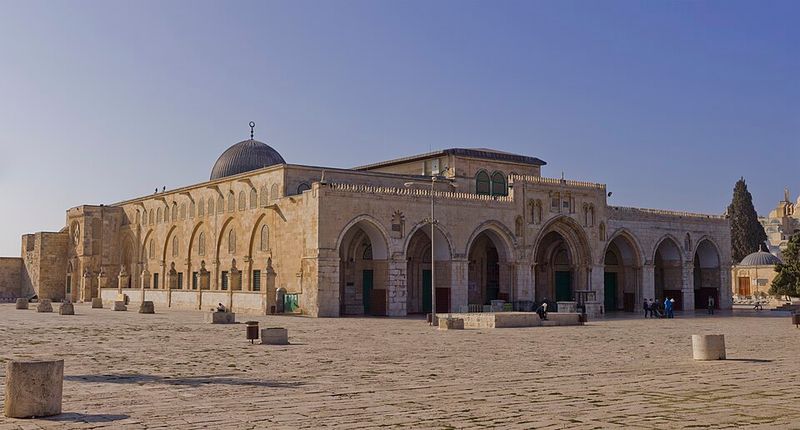
Al-Aqsa Mosque in Jerusalem is the third holiest site in Islam, and for Palestinians, it carries enormous spiritual and political significance. Daily prayer at Al-Aqsa is an act of devotion and, for many, an act of cultural resilience.
Thousands of worshippers gather there each day, especially on Fridays, when the mosque and its courtyard fill completely.
In Gaza and the West Bank, mosques are central to neighborhood life. The Adhan rings out across crowded refugee camps, quiet villages, and busy city centers.
Prayer provides a sense of continuity and stability amid difficult living conditions that many Palestinians face every day.
Palestinian Muslim traditions are also deeply influenced by centuries of living in one of the world’s most historically layered regions. The faith here carries the weight of history, family memory, and community hope all at once.
Daily prayer is how many Palestinians stay grounded.
13. Morocco
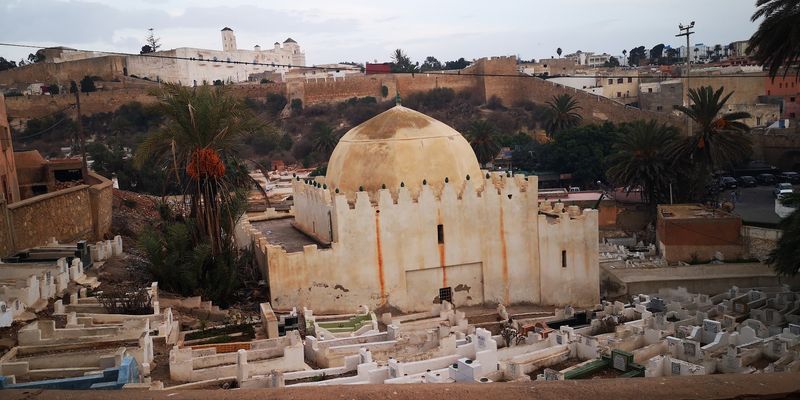
Morocco blends North African culture with deep Islamic tradition in a way that makes daily prayer feel both ancient and alive. The Hassan II Mosque in Casablanca sits dramatically on the Atlantic Ocean and is the largest mosque in Africa, welcoming tens of thousands of worshippers daily.
Its minaret, the world’s tallest, sends the call to prayer across the entire city.
In Moroccan medinas, the old walled city centers, life pauses gracefully at prayer time. Shopkeepers pull down shutters, street vendors step aside, and the winding alleyways grow quiet for a few minutes.
Then life picks up again, refreshed and unhurried.
Morocco also has a strong tradition of Sufi Islam, which adds a mystical, devotional layer to daily worship. Evening dhikr gatherings, where groups chant the names of God, are common in many towns.
Prayer in Morocco is both structure and poetry.
14. Algeria
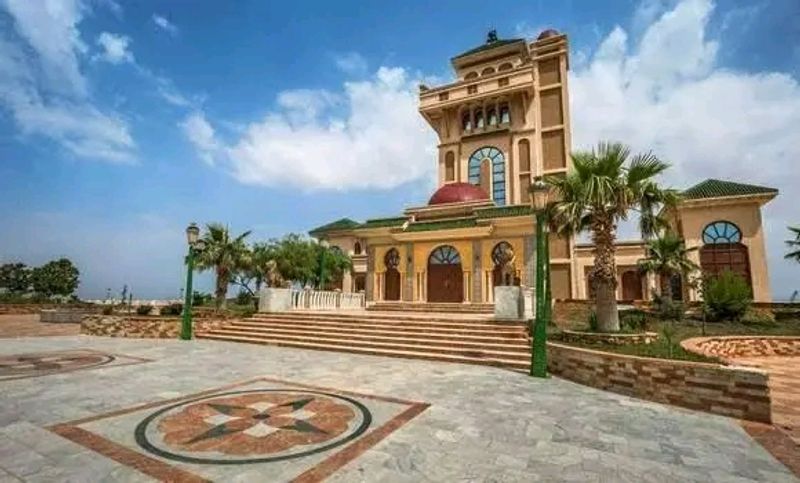
Algeria has one of the most deeply rooted Islamic traditions in the Arab world, shaped by over a thousand years of Islamic scholarship and culture. The Grand Mosque of Algiers, inaugurated in 2019, is now the third largest mosque in the world and a powerful symbol of Algeria’s commitment to its faith.
Daily prayer here is both a personal discipline and a national expression.
Across Algerian cities and Saharan villages alike, the five daily prayers structure the day. Morning prayers are taken seriously even in busy urban areas, with many Algerians rising before sunrise to complete Fajr.
The quiet dedication of early morning worshippers is one of the country’s most striking daily sights.
Algeria’s history of resistance and independence is also tied to its Islamic identity. Prayer, for many Algerians, is not just worship, it is a statement of who they are and where they come from.
15. Senegal
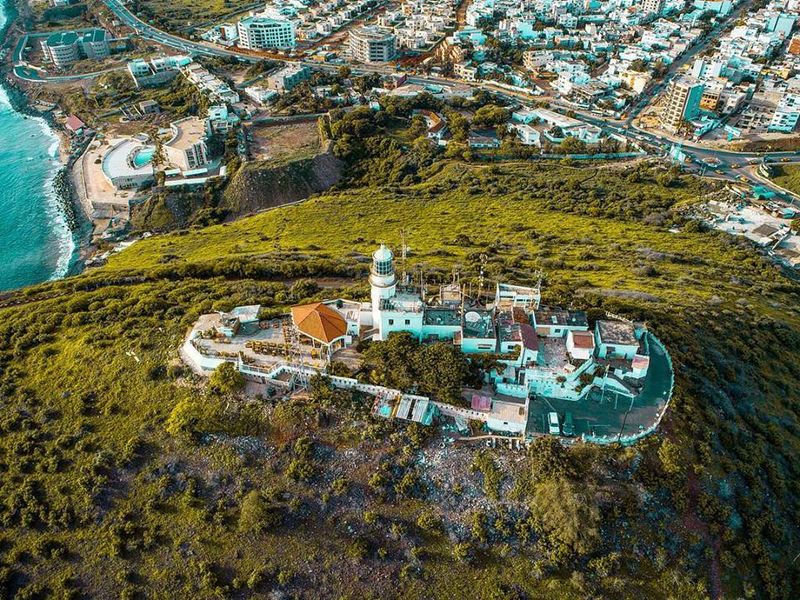
Senegal stands out as one of West Africa’s most peacefully devout Muslim nations, where over 95 percent of the population identifies as Muslim. Daily prayer is a cornerstone of Senegalese life, but what makes this country especially fascinating is its Sufi brotherhoods, particularly the Mourides and Tijaniyya.
These brotherhoods shape how millions of Senegalese approach daily worship and community.
The city of Touba is the spiritual capital of the Mouride brotherhood and hosts the Grand Magal pilgrimage annually, drawing millions. Year-round, Touba buzzes with prayer, study, and devotion.
Even in Dakar, the modern capital, prayer rugs appear on sidewalks at midday.
Senegalese Islam is known for its warmth, music, and emphasis on communal bonds. Prayer here is rarely a solitary act.
It is shared with neighbors, family, and strangers alike, reflecting the Wolof concept of Teranga, which means generous hospitality.
Share this story