
Getting a driver’s licence sounds simple until you meet the rules in some countries. Many places ask for long courses, tricky exams, and years of careful practice.
Knowing what learners face can make you thankful for your own test, or ready for a new one. Here are fifteen places where the road to a licence takes real effort.
Norway

Picture a learner in Norway still studying traffic awareness long before touching the gas pedal. Drivers under 25 begin with a 17-hour Basic Traffic Course covering human factors, first aid, and night driving.
The training does not stop there. Later stages add supervised driving, formal progress checks, and a four-hour safety course held on a special practice track.
Then comes a 13-hour road-safety course with country-road driving and overtaking. It teaches learners how to handle the kinds of moments that cause real crashes.
Norway’s road authority suggests candidates log several thousand kilometers of experience before they even think about testing. That is a lot of time behind the wheel with an adult nearby.
Only after all required training is recorded and the theory test is passed can a learner book the practical exam. Patience is the real entry ticket here, and the process rewards those who treat it seriously from day one.
Finland
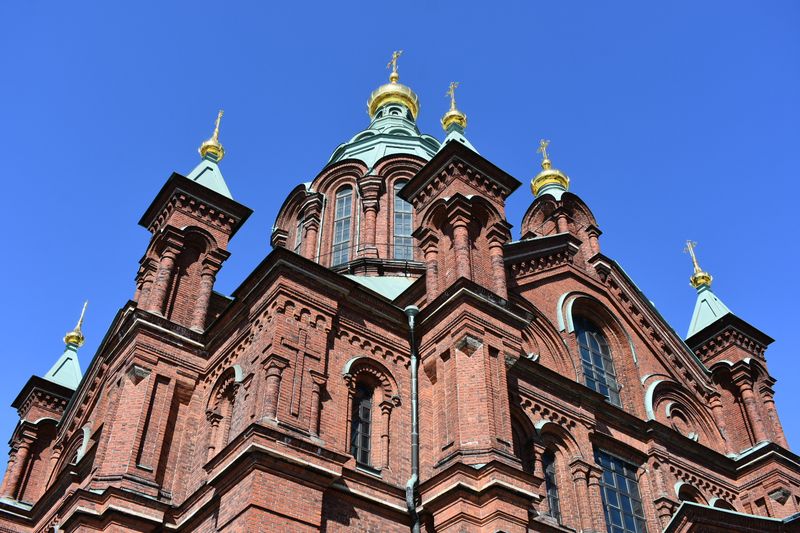
Spotting danger early is the name of the game in Finland. Rules tightened again in October 2026, so new drivers now complete introductory theory, at least 10 driving lessons, and risk-recognition training.
That risk training now totals 12 hours, and at least five of those hours are spent on actual driving instruction. It is less about memorizing signs and more about reading the road like a detective.
The theory exam has three parts: multiple-choice questions, traffic-scene images, and risk-identification questions. Learners must reach the minimum score in each section, so a great result in one part cannot rescue a weak result in another.
The practical exam comes only after training and theory are finished. By then, candidates have practiced noticing slippery patches, hidden pedestrians, and tricky junctions.
The result is a licence process that feels thorough from start to finish. Finland wants drivers who can think ahead, not just follow arrows.
Sweden
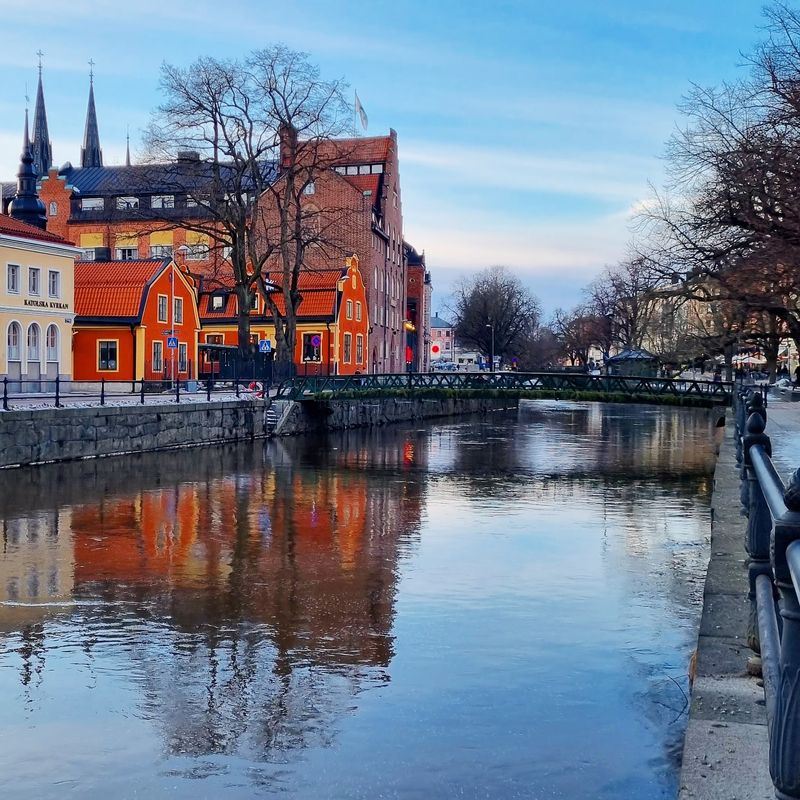
Before a Swedish learner can even sit the exams, there is homework about what goes wrong on the road. Risk education is compulsory for category B candidates, and it has two separate stages.
The first stage looks at alcohol, drugs, fatigue, and other risky behavior. It asks learners to think honestly about how people make bad choices behind the wheel.
The second stage covers speed, vehicle control, safety, and difficult driving conditions. Think icy roads, low light, and sudden surprises.
Candidates also need a learner’s permit and must pass both a theory test and a practical test. Private practice is allowed, but supervisors need official approval first.
This approach tests more than steering skills. Sweden wants to know that a new driver understands how human behavior and bad conditions can turn an ordinary trip into a dangerous one.
Denmark

Slippery surfaces are part of the school day in Denmark. Learners train in classrooms, on public roads, on a closed maneuvering course, and at a separate driving-technical facility where cars skid on purpose.
That skid practice teaches vehicle control when grip disappears. It is a lesson most people hope never to need but are glad to have learned.
First-time applicants also complete a traffic-related first-aid course. Health requirements must be met, and separate theory and practical exams must be passed.
In July 2026, Denmark modernized the training curriculum. It now puts more weight on realistic traffic situations, risk awareness, ongoing feedback, and driver self-evaluation.
The whole system is built around formal preparation. Practicing until you simply feel ready is not the Danish way, and the structure leaves little room for shortcuts.
Germany

Few learners forget their first Autobahn lesson in Germany. It is one of the special drives required before a candidate can take the practical exam.
The special sessions include five 45-minute drives on rural or federal roads, four on the Autobahn, and three at dusk or in darkness. On top of those, ordinary lessons continue until the instructor believes the learner is ready.
Compulsory theory classes come first. Candidates must then pass both the theory and the practical exams.
All of this makes a German licence lengthy and often expensive. Systems that lean on informal lessons from family members tend to cost much less.
Reforms aimed partly at lowering costs are being prepared. Major changes are not expected until 2027, so for now learners still face the full course.
Austria
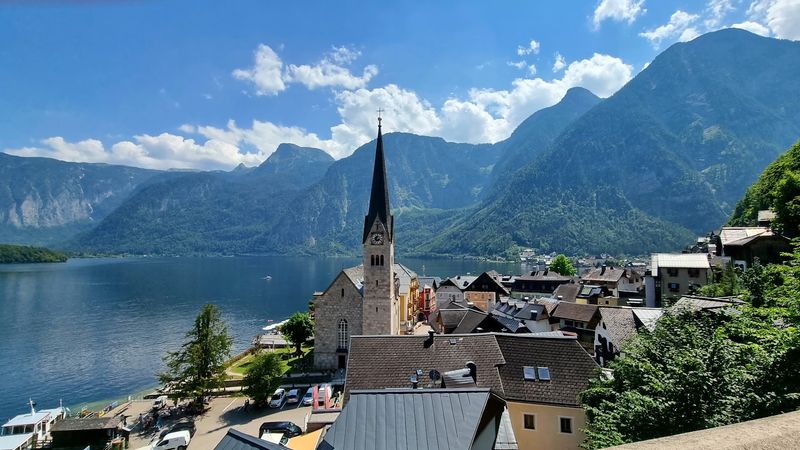
Saving a life is on the Austrian checklist before anyone gets behind the wheel for the exam. Candidates must show proof of at least a six-hour course in lifesaving emergency measures.
That is only one filter in a layered system. Learners also need formal driving-school instruction, medical fitness, and passing marks on theory and practical exams.
Young drivers can use the L17 system, which lets them start training earlier. They collect plenty of accompanied driving experience before they hold a licence.
Even those who follow other routes must complete formal theoretical and practical basic training. Medical certification is part of the process too.
Health, theory, supervised practice, emergency knowledge, and driving skill all get checked. Only after passing every one does independent driving open up.
United Kingdom

Britain counts everything, even the ways drivers slip up. The Driver and Vehicle Standards Agency publishes data on test volumes, first-attempt results, zero-fault drives, common mistakes, and pass rates by test center, age, and gender.
The latest tables were updated in September 2026. Reading them makes it clear that failing and booking again is routine for many learners.
The practical test checks independent driving, observation, junctions, positioning, speed control, and maneuvers. An emergency stop may also be asked for.
Candidates must pass a separate theory test first. That means two hurdles, each with its own fees and waiting lists.
Serious or dangerous faults can end a test on the spot. A single missed check at a junction can be enough to send you home without a pass.
Ireland

Waiting is a big part of the Irish licence story. After passing the theory test and getting a learner permit, candidates normally must hold that permit for at least six months before taking the driving test.
First-time car learners must also complete 12 Essential Driver Training lessons with an approved instructor. Those lessons are not optional extras.
Rules are tightening on learners who keep renewing permits forever. From November 2026, long-term learners will eventually have to sit a practical test rather than stay on learner status.
Those who stay learners for seven years can be told to start again. That includes the theory test and the compulsory training.
The message is clear. Ireland wants learners to move toward a full licence, not hover on the edge of one for a decade.
Spain

Roundabouts in Spanish cities can make a learner’s palms sweat. Candidates for a new passenger-car licence must show theoretical knowledge, practical competence, and psychophysical fitness.
The Dirección General de Tráfico runs both exams. It also offers official practice tests that mirror the format and number of questions on the real theory exam.
A passed theory test stays valid for two years. That gives learners time to finish the practical stage, but the clock is always ticking.
Driving schools usually handle the preparation. Learners must get comfortable with dense urban traffic, parking, lane positioning, and Spain’s road rules before the on-road assessment.
Passing the final exam brings a provisional licence first. The permanent card follows once it has been processed.
Italy

Italy gives you only so many tries. For a category B licence, applicants currently get two attempts at the theory exam within six months.
Passing earns the learner authorization known as the foglio rosa. After that, candidates have three practical-test attempts within an 11-month period.
Before the practical test can be booked, learners must document at least six hours of instructor-led driving. That time covers night conditions, motorways, and major roads outside towns.
A medical assessment of psychophysical fitness is also part of the application. Health checks come before the road does.
Limited attempts combined with required real-world experience make the system demanding. Inexperienced drivers often find those exact settings the most nerve-racking.
Singapore

Simulators join the party in Singapore. Car learners work through the Basic Theory Test, Final Theory Test, simulator training, and the practical driving test.
The simulator program has three modules. Eligible learners must finish them before they can attempt the practical test.
Traffic Police statistics add a twist. First-time practical pass rates differ a lot by driving center and training route, so finishing coursework does not guarantee a pass.
Those numbers are published on purpose. Learners can compare schools and private-instructor routes before choosing.
The layered sequence is far more involved than a system with one written test and one short road exam. Each step needs its own study, practice, and booking.
South Korea
One test is never enough in South Korea. Applicants clear a sequence of hurdles, starting with mandatory traffic-safety education and a physical examination.
Next comes the written test. After that, candidates take a practical skills test on a closed course.
Passing that stage earns a learner’s permit, yet the process is not done. A separate on-road exam must be passed before the full licence is issued.
For ordinary licences, the skills test generally requires at least 80 points. The final on-road test requires 70.
Timing matters too. If the learner permit expires before the road test is passed, both the written and practical stages may have to be repeated.
Japan
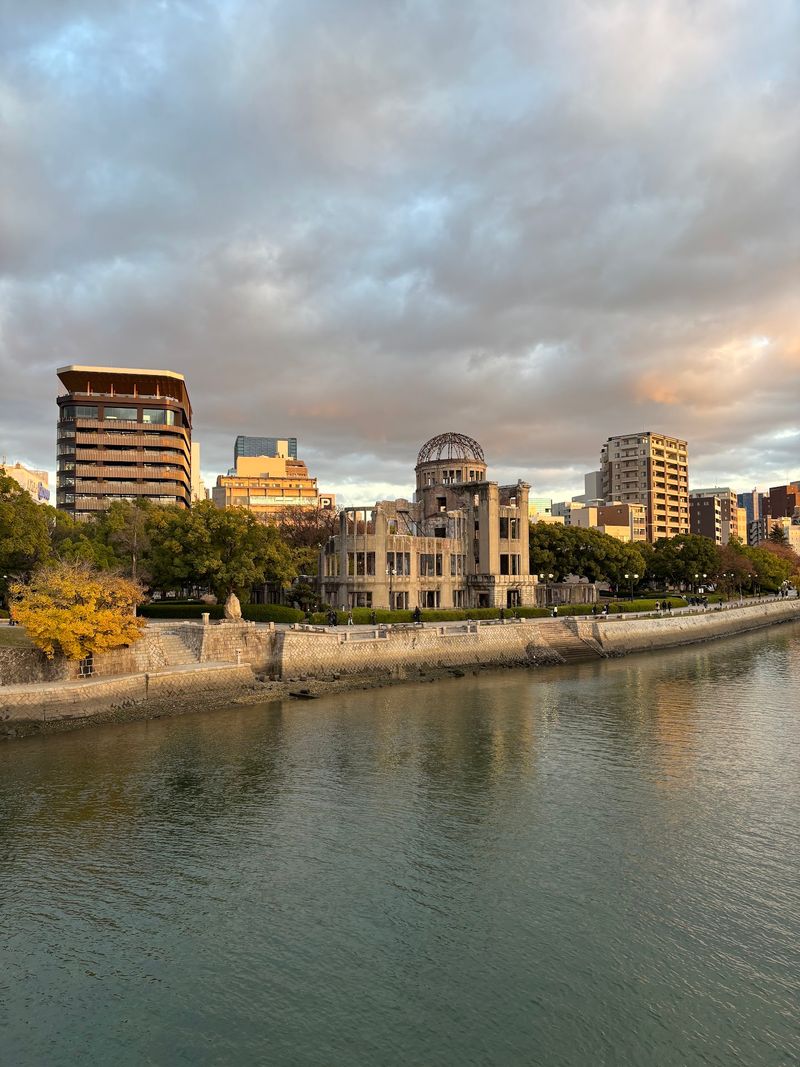
Precision is practically a national habit in Japan, and the driving exam shows it. Official tests cover both knowledge and driving proficiency.
Applicants without another qualifying licence must pass the ordinary driver-licence exam. Police licensing centers administer the system.
Many candidates attend designated driving schools. There they move through structured classroom lessons and behind-the-wheel instruction before graduating.
Those who go straight to a licensing center face a formal skills assessment. Showing proof of informal practice does not replace it.
The safety focus continues after the licence arrives. Renewals include training based on driving history, and older drivers face extra education and, from age 75, cognitive assessments.
Australia

Logbooks rule the road in New South Wales. Learners under 25 must hold their learner licence for at least 12 months before taking the practical test.
They must also record 120 hours of supervised driving, including 20 hours at night. A separate Hazard Perception Test must be passed too.
Australia has no single national test, since states run their own systems. New South Wales offers a strong example of a graduated approach.
Passing the test does not mean an unrestricted licence. Drivers move to a P1 provisional licence, then P2, with special restrictions for years.
The idea is to build experience gradually. One successful road test is not treated as proof of full readiness.
New Zealand

Three licence stages stand between a Kiwi learner and full freedom: learner, restricted, and full. A theory test comes first, followed by two separate practical tests.
The restricted practical test is a big one. It takes about an hour overall, with roughly 45 minutes of actual driving.
Examiners look at intersections, lane changes, higher-speed roads, observation, blind-spot checks, and hazard recognition. These are real-world skills, not parking-lot tricks.
NZ Transport Agency recommends around 120 hours of practice before attempting it. That equals a lot of weekend drives.
A second practical test is currently needed to reach a full licence. New Zealand has announced that this final stage will change in January 2027.
Share this story