Imagine fitting the entire population of a country into a space smaller than your city. Population density measures exactly that, showing how many people share each square kilometer of land.
Some countries are so packed that personal space is practically a luxury, while others squeeze millions into tiny islands or microstates. From the glittering towers of Monaco to the bustling streets of Dhaka, these 15 countries top the global charts for the most people per square kilometer in 2025.
Monaco – 25,732 People per Square Kilometer
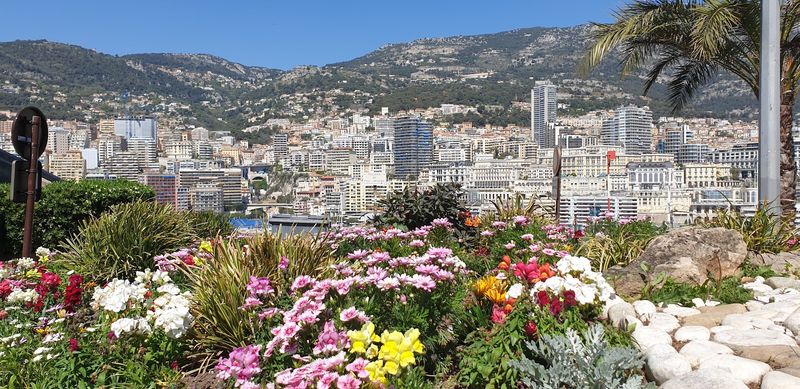
Squeezing an entire country into roughly two square kilometers sounds impossible, yet Monaco pulls it off with remarkable style. The UN estimates about 38,000 residents live here in 2025, producing a jaw-dropping density of 25,732 people per square kilometer.
No other sovereign nation even comes close to that number.
Wedged between France and the Mediterranean Sea, Monaco has nowhere to expand on land. High-rise apartment towers dominate the skyline, and major development projects have repeatedly reclaimed land straight from the sea.
Real estate here is famously among the priciest anywhere on the planet.
Monaco proves that population density and population size tell very different stories. It has fewer residents than many small towns, yet it holds the title of the world’s most densely populated sovereign state by a massive margin.
Wealth, ambition, and a very small map have made Monaco unlike any other place on Earth.
Singapore – 8,596 People per Square Kilometer
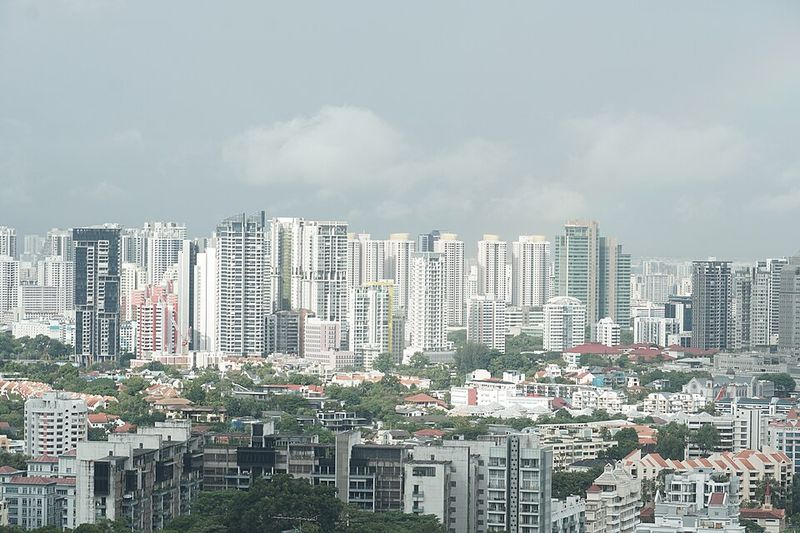
Singapore is the rare place where an entire country and a mega-city are the exact same thing. The UN estimates 5.87 million residents in 2025, packed into a density of roughly 8,596 people per square kilometer.
That is a full nation with airports, military bases, nature reserves, and a world-class economy all sharing one compact island.
High-rise public housing blocks accommodate most of the population, and the city-state has expanded its physical footprint through aggressive land reclamation over the decades. Rail lines, expressways, industrial zones, and reservoirs all compete fiercely for every available patch of ground.
What makes Singapore genuinely fascinating is how smoothly it functions despite the crowding. Public transport runs with clockwork reliability, green spaces are woven into urban planning, and the port remains one of the busiest on Earth.
Singapore shows that density, when managed carefully, does not have to mean chaos. It can actually mean one of Asia’s most efficient and livable cities.
Bahrain – 2,099 People per Square Kilometer
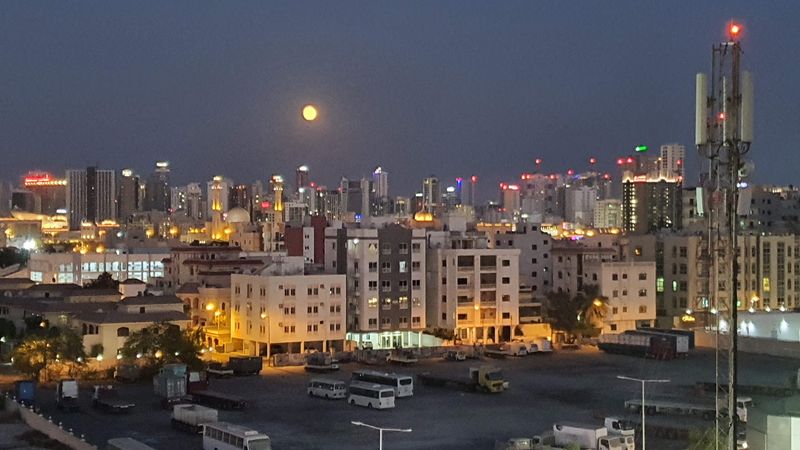
Sitting in the Persian Gulf like a handful of scattered puzzle pieces, Bahrain packs about 1.64 million people into less than 800 square kilometers of island territory. UN data for 2025 put its density at approximately 2,099 people per square kilometer.
That puts this Gulf island nation comfortably in the top three worldwide.
Most of the population clusters around Manama and the connected northern urban corridor, while the southern parts of the main island remain far less developed. Bahrain has steadily grown its usable territory by reclaiming coastal land, creating residential districts, artificial islands, and commercial zones where sea once existed.
A large expatriate workforce drawn by finance, petroleum, construction, and services has significantly shaped Bahrain’s demographics over recent decades. The country functions as a regional hub in the Gulf economy, attracting workers from South Asia, Southeast Asia, and beyond.
That influx has kept population numbers climbing even as the physical size of the country stays essentially fixed.
Maldives – 1,766 People per Square Kilometer
On a world map, the Maldives looks like a vast blue playground scattered with tiny green dots. The reality is that almost all of that territory is ocean.
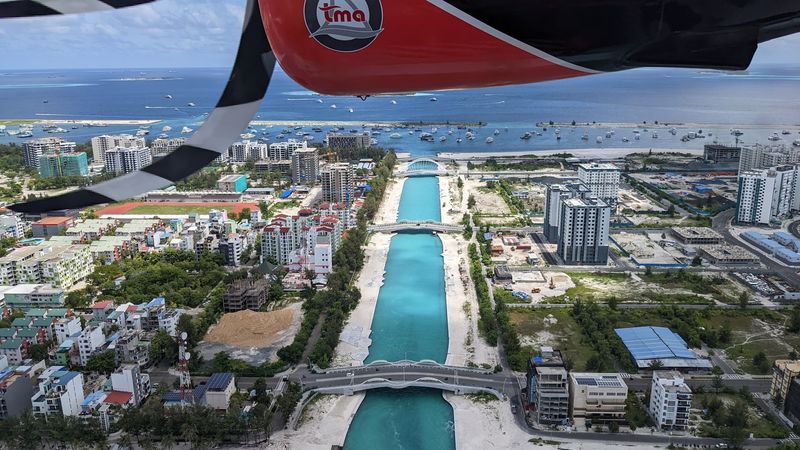
The actual dry land totals only around 300 square kilometers, and roughly 530,000 people have to share it, producing a 2025 density of about 1,766 per square kilometer.
The capital island of Male is one of the most visually striking examples of urban crowding anywhere on Earth. Apartment buildings fill virtually every available block, leaving almost no open ground.
Satellite islands used for resorts are intentionally kept low-density to preserve the tourism experience, which makes the contrast with Male even sharper.
Climate change adds a layer of urgency to this density story that most other countries on this list do not face. Rising sea levels threaten the very land that Maldivians live on, making the question of space not just a planning challenge but a genuine matter of national survival.
The Maldives packs a lot of complicated problems into a very small amount of land.
Malta – 1,731 People per Square Kilometer
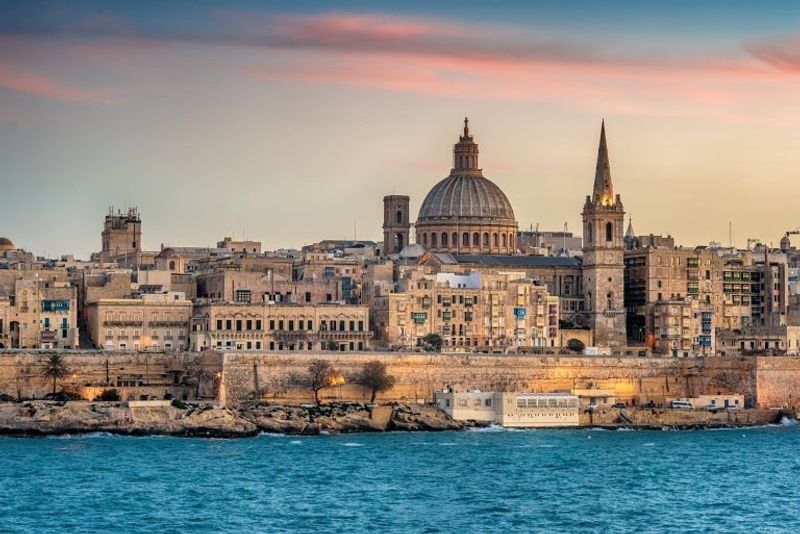
Malta holds a record that surprises many people: it is the most densely populated member of the European Union. The entire national territory covers only about 315 square kilometers, yet around 545,000 people call it home in 2025, generating a density of roughly 1,731 per square kilometer.
For a country with ancient temples and a history stretching back thousands of years, that is quite a crowd.
Towns around Valletta, Sliema, St. Julian’s, and Birkirkara have gradually merged into one continuous urban landscape that stretches across much of the main island. Tourism growth, immigration, and economic expansion have all added pressure on housing and infrastructure in recent years.
Finding a quiet corner can take some effort.
The smaller island of Gozo offers a noticeably calmer pace of life, but it is far too small to change the national density picture by much. Malta demonstrates how quickly numbers climb when a modern, growing economy is confined to a small Mediterranean island group.
History and density coexist here in a way that is uniquely Maltese.
Bangladesh – 1,350 People per Square Kilometer
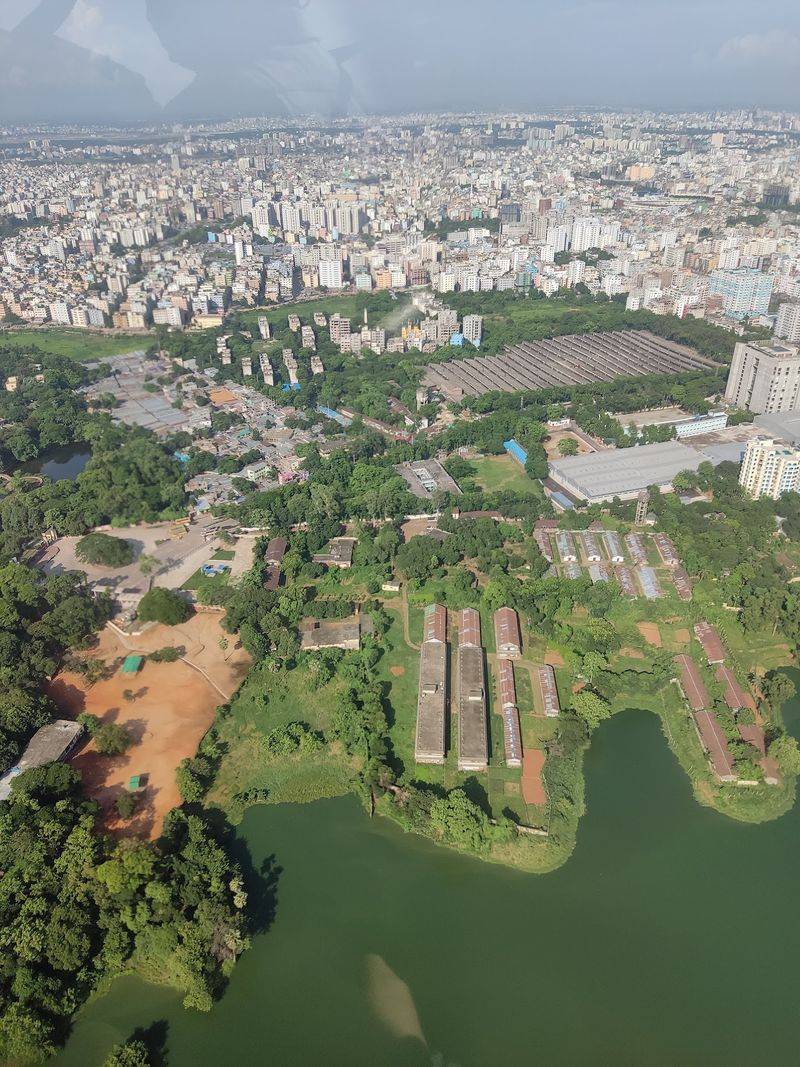
Bangladesh is the entry on this list that genuinely stops people in their tracks. This is not a microstate or a tiny island.
The UN estimates approximately 175.7 million people living here in 2025, packed into a country smaller than many U.S. states, producing a density of about 1,350 per square kilometer. That is a larger population than Russia occupying a fraction of Russia’s space.
The fertile lowlands of the Ganges-Brahmaputra-Meghna river system have supported dense settlement for centuries, feeding millions through intensive agriculture. Dhaka has exploded into one of the world’s largest and fastest-growing urban areas, but the countryside is heavily populated too.
Rural Bangladesh is not empty by any stretch of the imagination.
Flooding, cyclones, and the effects of climate change regularly threaten communities across the low-lying delta. Despite these pressures, Bangladesh has made remarkable progress in reducing poverty and improving health outcomes over recent decades.
The sheer scale of human life concentrated in this river delta makes Bangladesh a genuinely extraordinary case in global population geography.
Vatican City – 1,140 People per Square Kilometer
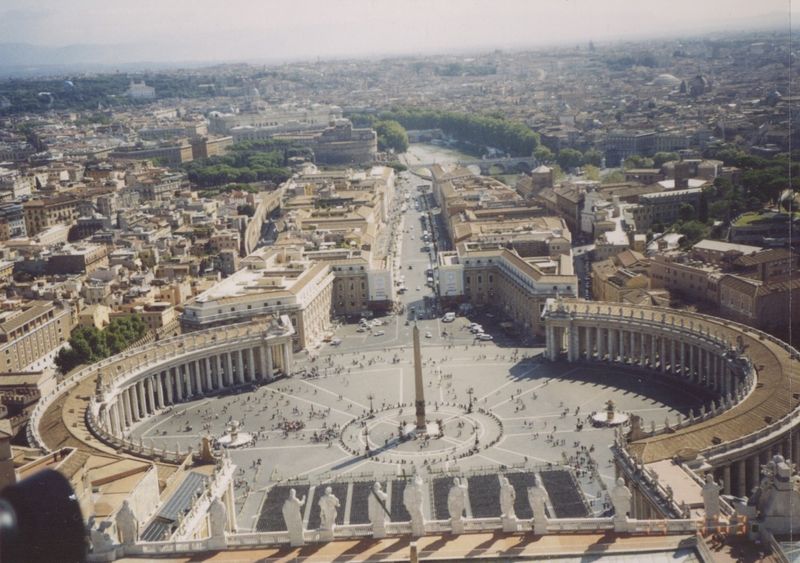
Vatican City holds a very strange place on this list. The world’s smallest sovereign state covers only about 0.44 square kilometers inside the city of Rome, and only a few hundred people actually live within its walls.
Yet that tiny denominator is enough to push its 2025 density to roughly 1,140 per square kilometer, landing it firmly among the world’s most crowded nations by the numbers.
Citizenship here works nothing like anywhere else. It is generally tied to active service to the Holy See rather than birth or long-term family residence.
Most of the territory consists of St. Peter’s Basilica, the famous square, museums, gardens, and administrative buildings rather than conventional apartments or neighborhoods.
Millions of tourists and pilgrims pass through Vatican City every year, which temporarily swells its population far beyond the official resident count. The density figure says more about the microscopic size of the territory than about everyday crowding in a residential sense.
Vatican City is proof that statistics can be technically accurate while still painting a wonderfully misleading picture of daily life.
State of Palestine – 929 People per Square Kilometer
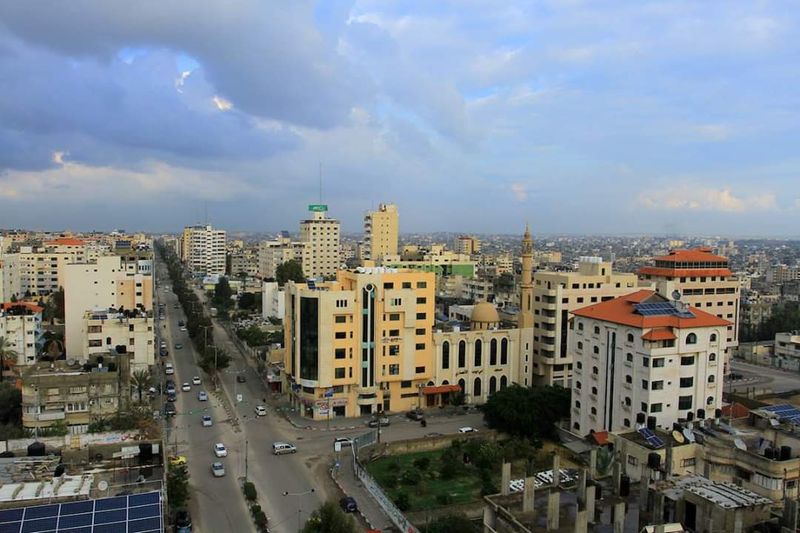
UN figures estimate approximately 5.59 million people living in the State of Palestine in 2025, spread across about 6,025 square kilometers of the West Bank and Gaza Strip. That produces an average density of around 929 per square kilometer, placing Palestine among the most densely populated territories on Earth.
But averages here can be particularly misleading.
Gaza’s population density is dramatically higher than the overall figure suggests, while portions of the West Bank are considerably more open. The ongoing Israeli-Palestinian conflict, displacement, destruction, and access restrictions create demographic realities that no single number can fully capture.
Population estimates for the territory carry significant uncertainty as a result.
Despite the complexity of the situation, the raw numbers tell a clear story: millions of people are living in a very limited amount of space under extraordinarily difficult conditions. The density figure is not just a geographic statistic here.
It reflects political history, restricted movement, and the daily reality of communities navigating one of the world’s most complicated and contested landscapes.
Mauritius – 625 People per Square Kilometer
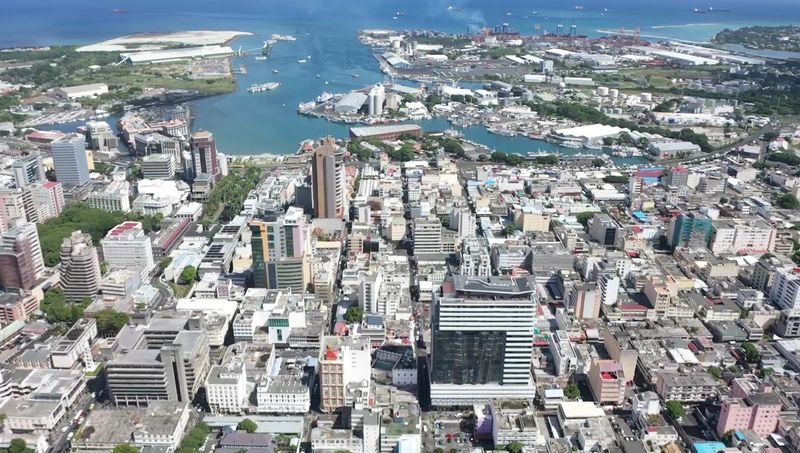
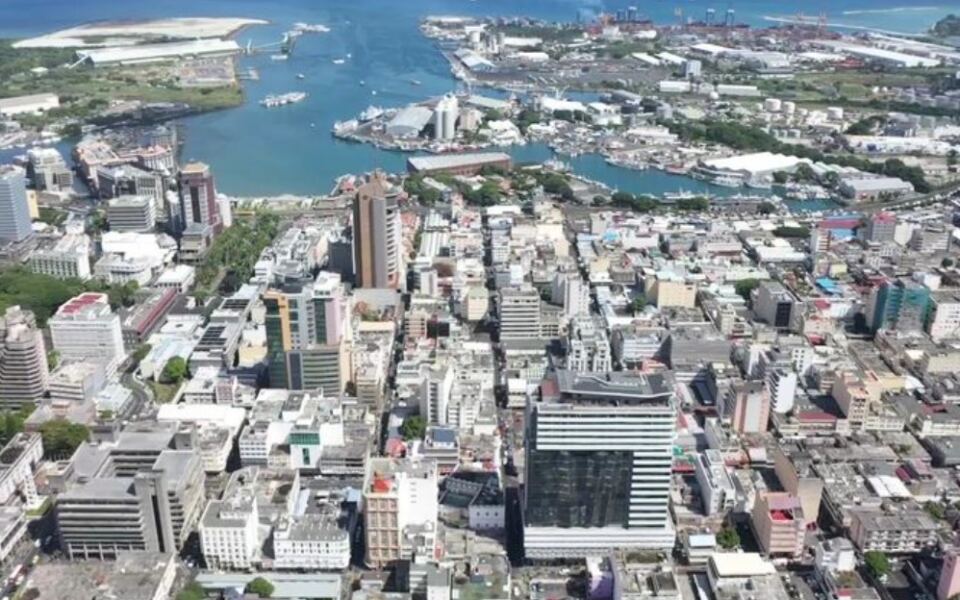
Most people picture Mauritius as a postcard of turquoise lagoons and swaying palm trees, which makes its population density of roughly 625 per square kilometer in 2025 genuinely surprising. About 1.27 million residents share less than 2,000 square kilometers of land, making it one of Africa’s most densely populated countries.
The beach resorts are real, but so is the crowding.
The urban corridor linking Port Louis, Beau Bassin-Rose Hill, Quatre Bornes, Vacoas-Phoenix, and Curepipe forms the densest stretch of settlement on the main island. These towns blend together along the central plateau, creating a continuous belt of activity.
Yet sugarcane fields, forested mountains, and quiet coastal areas still exist, showing how dramatically national averages can differ from local experience.
Mauritius also demonstrates that high density does not automatically translate to poverty or poor quality of life. The country has one of the highest per capita incomes in Africa and a relatively strong public health system.
It balances tourism, manufacturing, and financial services within a compact island, managing the pressure of limited land with reasonable success by regional standards.
Rwanda – 602 People per Square Kilometer
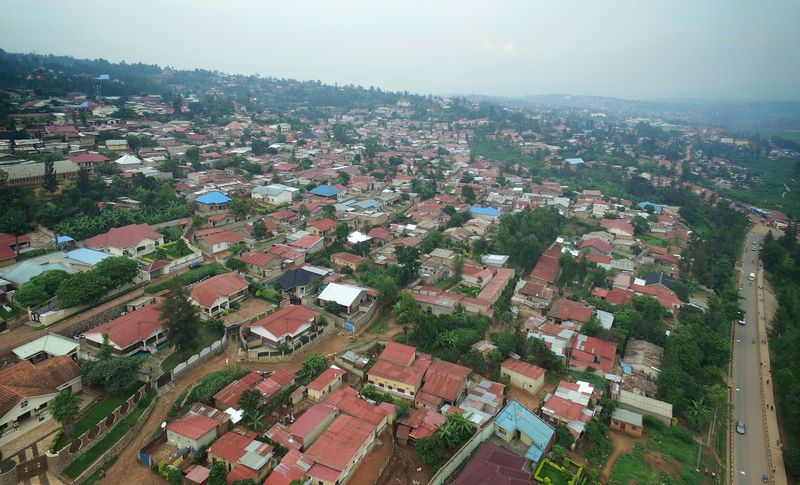
Called the Land of a Thousand Hills, Rwanda wears its geography like a badge of honor, but those hills also make its population density of about 602 per square kilometer in 2025 even more impressive. The UN estimates 14.57 million people living here, and not all of the terrain is easy to farm or settle.
Steep slopes and valleys define much of the landscape.
Farms climb the hillsides throughout the countryside, a visual reminder that Rwanda’s density is not just an urban story. Rural communities have been densely settled for generations, long before Kigali began its rapid modern expansion.
The capital has grown quickly as Rwanda’s economic and administrative engine, but the rest of the country is far from empty.
Rwanda’s high density in a landlocked, mountainous country with limited flat land makes it stand out from every other entry on this list. The country has invested heavily in infrastructure and urban planning to manage growth.
Kigali is frequently cited as one of Africa’s cleanest and most organized cities, suggesting that density and quality of life can coexist with the right approach to governance.
Lebanon – 572 People per Square Kilometer
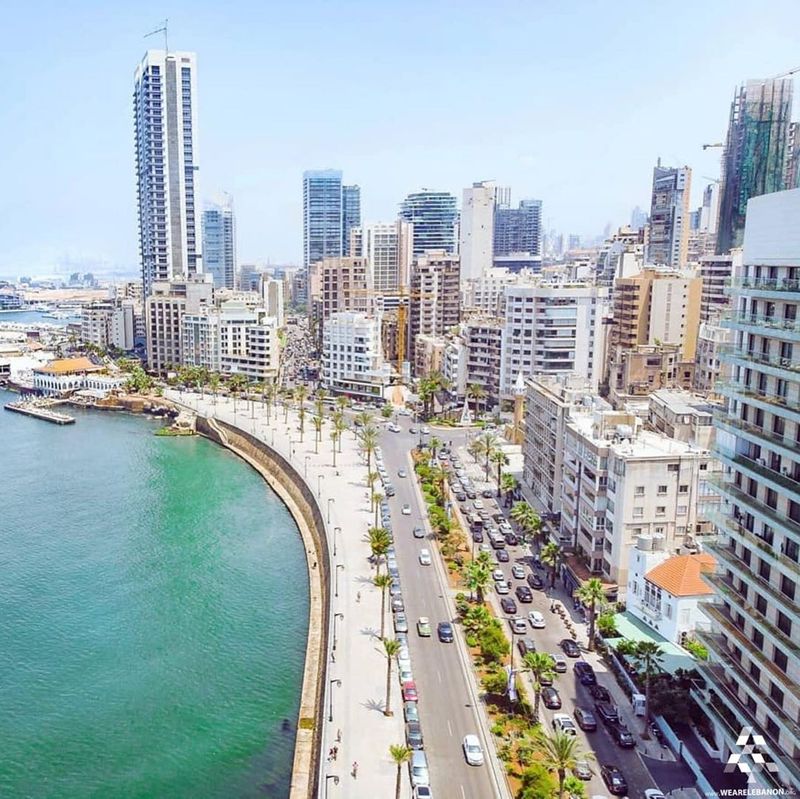
Lebanon is a country that feels much larger than its numbers suggest, partly because its landscape shifts so dramatically from coast to mountain within a very short distance. The UN estimates about 5.85 million people living here in 2025, squeezed into just over 10,000 square kilometers of Mediterranean coastline and rugged terrain.
The resulting density of roughly 572 per square kilometer reflects how little flat, buildable land actually exists.
Beirut and its sprawling metropolitan area account for a huge share of the population, while coastal towns stretching toward Tripoli and Sidon add further concentration along a narrow strip of land. Mountainous terrain limits urban expansion in many directions, pushing development toward an already crowded shoreline.
The city and the sea often feel like the only options.
Population estimates for Lebanon are complicated by one of the world’s largest refugee populations relative to national size, significant emigration, and ongoing economic and political instability. These factors make any single density figure less straightforward than it might appear.
Even so, Lebanon’s combination of small territory, rugged geography, and heavy coastal urbanization firmly earns its place among the world’s most densely populated countries.
Burundi – 555 People per Square Kilometer
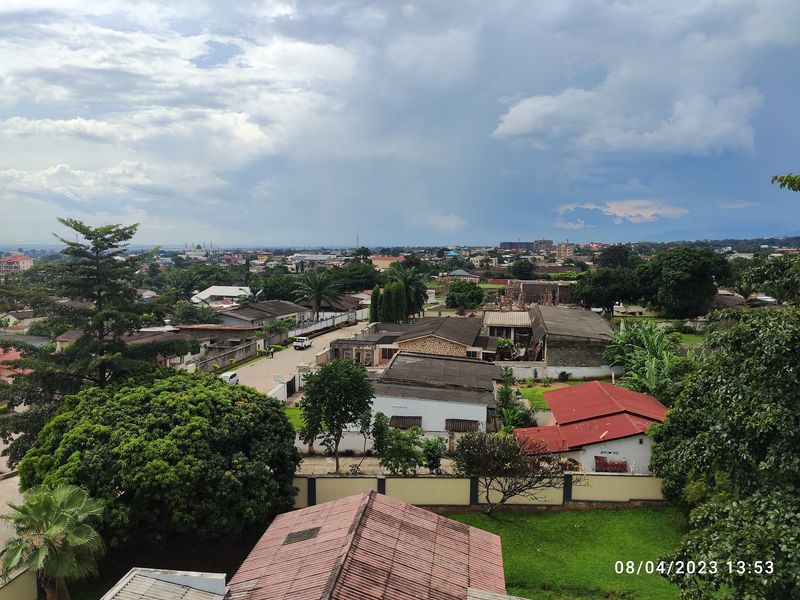
Burundi does not have gleaming skyscrapers or a famous city skyline, yet it packs an estimated 14.39 million people into a relatively small landlocked territory in 2025, producing a density of about 555 per square kilometer. The crowding here looks completely different from Singapore or Malta.
It is rural, green, and deeply tied to the land.
Most residents depend on agriculture for their livelihoods, living in dispersed settlements across the central and northern highlands rather than in dense urban apartments. Hillsides are cultivated intensively, and closely spaced homesteads dot the landscape throughout much of the country.
Bujumbura, the main economic hub, is growing, but the national density story is mostly written in the countryside.
Rapid population growth has put serious pressure on farmland, forests, and natural resources in recent years. Competition for land has been a source of social tension in parts of the country.
Burundi’s density is a reminder that population pressure does not only affect wealthy cities or island states. It shapes daily life in ways that are deeply practical, immediate, and tied to soil, rainfall, and harvest.
San Marino – 550 People per Square Kilometer
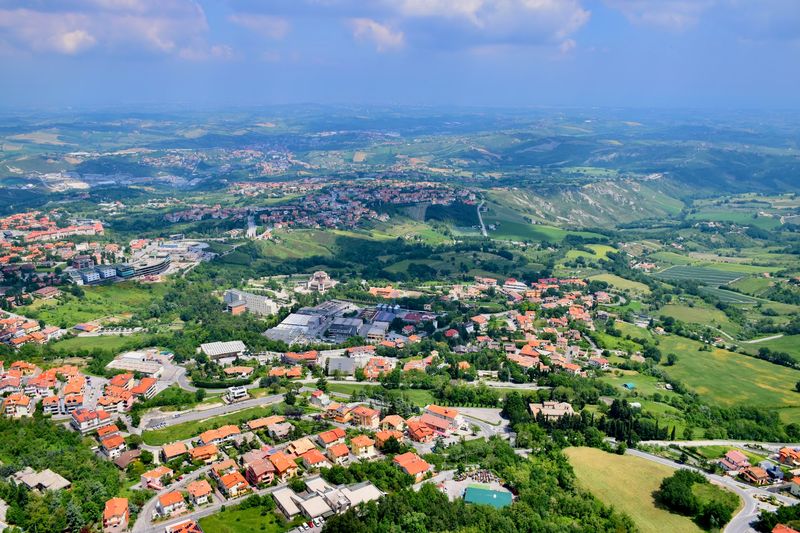
San Marino holds the curious distinction of being one of the world’s oldest republics and one of its most statistically dense countries at the same time. Only about 34,000 people live here, but the territory measures just 61 square kilometers, pushing the 2025 UN density to roughly 550 per square kilometer.
On paper, that sounds intensely crowded. In person, it feels nothing of the sort.
Settlements are spread across Mount Titano and the surrounding hills rather than concentrated in one massive urban center. The historic capital has only a few thousand residents, while larger shares of the population live in towns like Serravalle and Borgo Maggiore scattered across the compact countryside.
The landscape is hilly, green, and noticeably quiet.
San Marino is a perfect illustration of why density statistics deserve a skeptical second look. A country-level figure averages across mountains, valleys, historic centers, and residential streets in ways that can be technically accurate but experientially misleading.
Walking through San Marino feels more like wandering a peaceful hilltop village than navigating a densely packed urban zone. Statistics and lived experience do not always agree.
Netherlands – 545 People per Square Kilometer
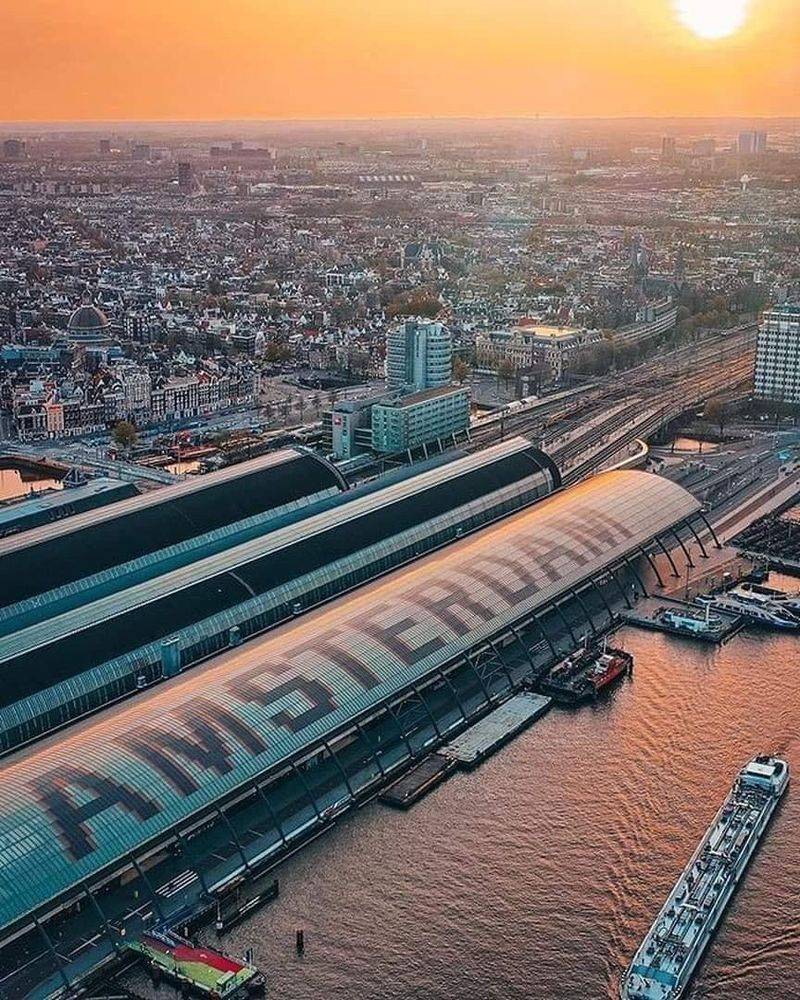
The Netherlands earns its spot on this list not through tiny territory but through sheer, well-organized intensity. Its 2025 population of roughly 18.35 million people produces a density of about 545 per square kilometer, making it one of the most densely populated large countries in the world.
What makes the Dutch case remarkable is how deliberately and thoughtfully that density has been managed over centuries.
The western Randstad region links Amsterdam, Rotterdam, The Hague, and Utrecht into one of Europe’s most powerful economic zones. Rail networks and cycling infrastructure move millions of people efficiently through this crowded corridor every single day.
Compact urban planning has been a national priority for generations, and it shows in the way cities feel organized rather than overwhelmed.
Farmland remains clearly visible between Dutch cities, a reminder that agriculture and urbanization genuinely coexist here. The country has also spent centuries engineering its way out of a geographic problem, reclaiming and protecting land from the sea through an extraordinary system of dikes, pumps, and water management.
The Netherlands is dense because it has worked very hard to make its limited land count for as much as possible.
South Korea – 522 People per Square Kilometer
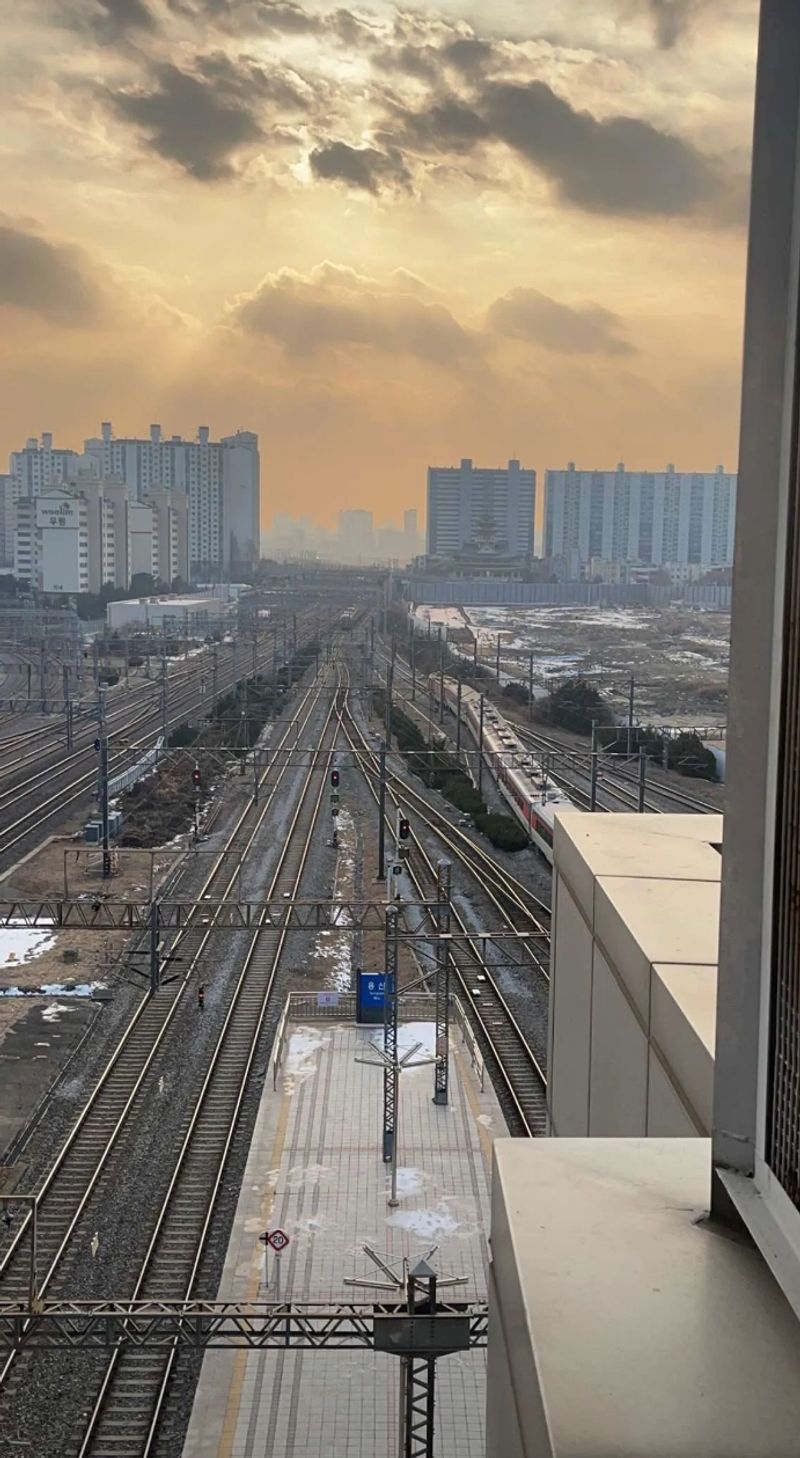
South Korea closes out this list with a density of 522 per square kilometer in 2025, backed by a population of about 51.67 million people. The number sounds manageable until you factor in the terrain.
A substantial portion of the Korean Peninsula is covered by forested mountains, which pushes settlement tightly into valleys, coastal plains, and river basins. The livable land is far more crowded than the national average suggests.
Seoul and its surrounding metropolitan region form one of the world’s largest urban concentrations, home to roughly half the country’s entire population. Cities like Busan, Incheon, Daegu, and Daejeon add further major centers of density.
Towering apartment complexes have become the defining image of Korean urban life, housing millions in vertically stacked communities connected by extensive subway and rail systems.
Perhaps the most striking thing about South Korea’s density is what sits just beyond the city limits. Forested peaks rise sharply at the edge of many urban areas, creating a visual contrast between intense human activity and wild, undeveloped nature.
That juxtaposition feels very Korean, a country that has packed an enormous amount of modern life into a relatively small and rugged slice of the planet.
Share this story