Some destinations are remembered not just for their landscapes or landmarks, but for the warmth of the people who call them home. Whether it’s a stranger offering directions, a family inviting visitors to share a meal, or locals going out of their way to help, genuine hospitality can define an entire trip.
While friendliness is subjective, expat surveys, traveler reviews, and global travel rankings consistently highlight the destinations below for making visitors feel welcome.
Portugal
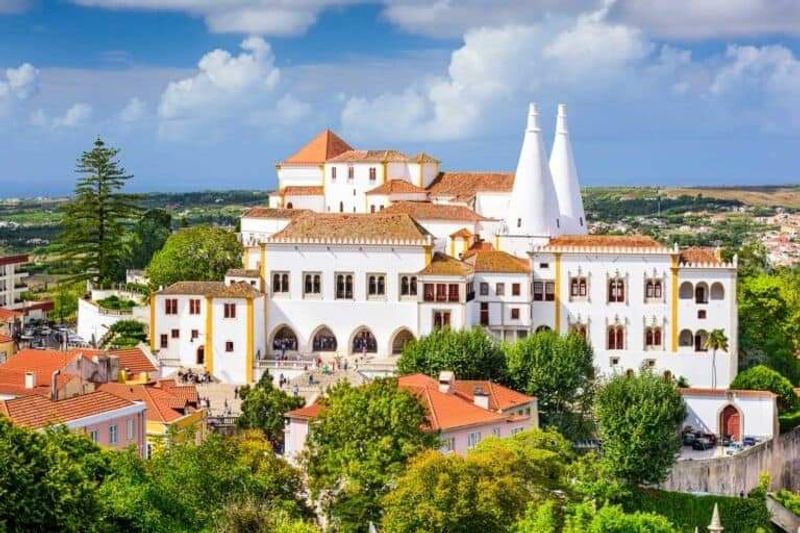
Ask almost anyone who has visited Portugal and they will tell you the same thing: the people make the place. Locals in Lisbon are known for stopping mid-stride to help a confused tourist, no request too small.
Portugal scores remarkably well in expat surveys year after year, particularly for ease of settling in and social acceptance. Cities like Porto have tight-knit communities where neighbors still know each other by name, a rarity in modern Europe.
The Algarve coast draws retirees and long-term travelers who often say they stayed far longer than planned, pulled in by the unhurried pace and genuine warmth of local interactions. Portuguese hospitality is not performed for tourists; it is simply how life is lived here.
Cafes are social hubs where conversations flow freely between strangers. Even with a language barrier, locals will use hand gestures, smiles, and patience to make sure you feel understood.
Portugal is proof that friendliness does not need a translator.
Mexico
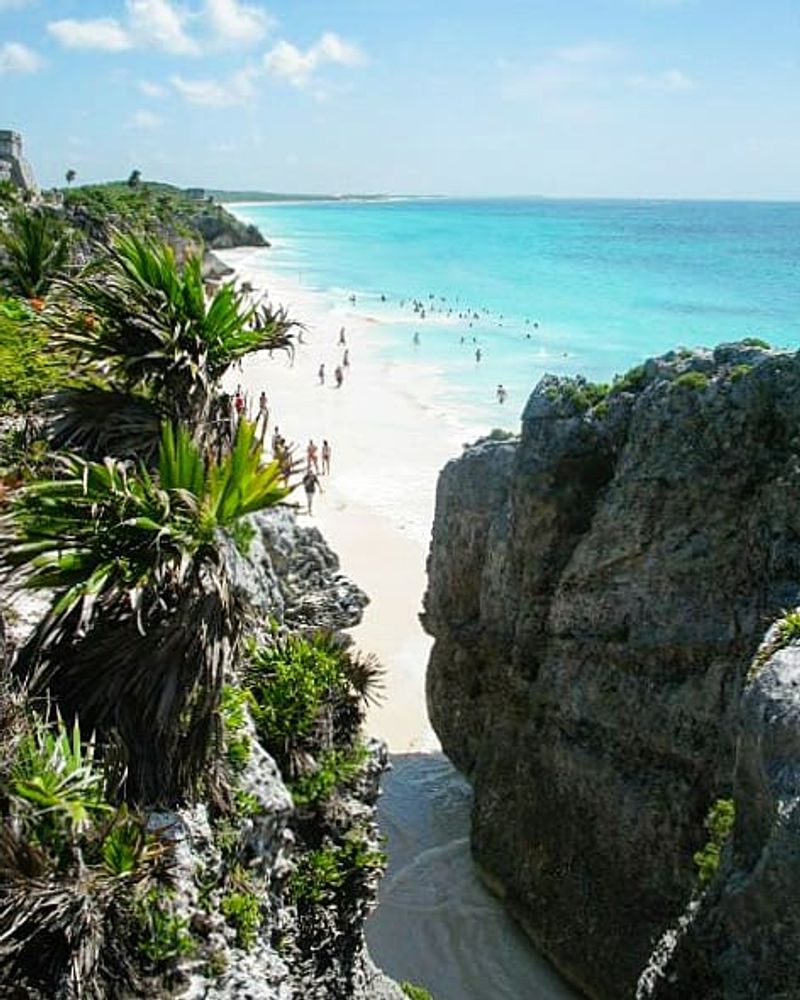
Mexico has a word for the feeling of home-like comfort it gives visitors: “confianza,” or trust. Locals extend it freely, often before you have even asked for help.
From the buzzing markets of Oaxaca to the quiet colonial streets of San Cristobal de las Casas, strangers greet each other like old friends. Travelers consistently describe being invited to join family celebrations, offered homemade food, or guided personally to a destination when directions seemed complicated.
Mexican culture places enormous value on community and connection. The concept of “mi casa es su casa” is not just a saying here; it is a lived daily practice that visitors notice almost immediately upon arrival.
Street food vendors will happily explain every ingredient in their dish with obvious pride. Tour guides go far beyond their job descriptions, sharing personal stories and local secrets that no guidebook covers.
Mexico’s friendliness is loud, colorful, and completely contagious. Travelers who arrive as strangers often leave feeling like they have made lifelong friends, which explains why so many come back again and again.
Indonesia
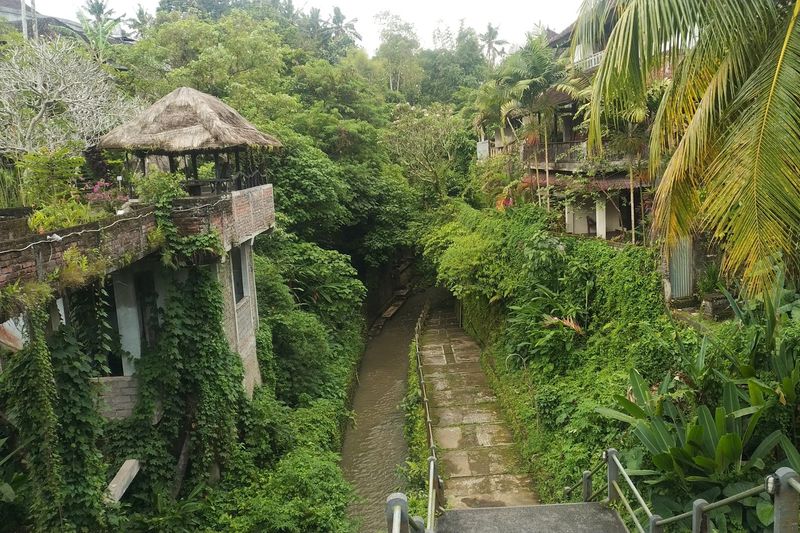
Indonesia holds a remarkable record: it has topped multiple international friendliness indexes, and travelers who have visited know exactly why. The warmth here feels effortless, woven into daily life rather than switched on for visitors.
Bali gets most of the international attention, but venture to Yogyakarta, Lombok, or the Toraja highlands of Sulawesi and you will find the same open-hearted spirit. Locals wave from doorways, children practice English phrases with huge grins, and shopkeepers share tea before discussing prices.
Community is everything in Indonesian culture. The concept of “gotong royong,” or mutual cooperation, means people naturally look out for one another, and that instinct extends warmly to foreign visitors.
Religious festivals are shared generously with anyone curious enough to show up. Villagers in rural areas often invite travelers to observe ceremonies, share meals, or simply sit and talk.
Indonesia is an archipelago of over 17,000 islands, each with its own culture, yet the common thread running through all of them is an extraordinary openness toward strangers that makes every visit feel genuinely special.
Ireland
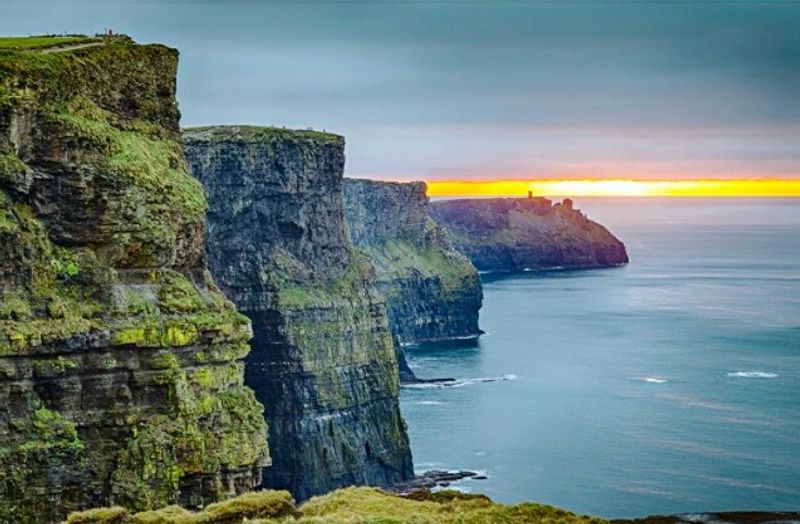
Walk into almost any pub in Ireland and within ten minutes, a stranger will know your name and have you laughing. That is not an exaggeration; it is practically a national sport.
Ireland’s reputation for friendliness is ancient and well-earned. The Irish have a gift for conversation called “craic,” a word that loosely means fun, good talk, and great company all rolled into one.
Locals share it freely with anyone willing to pull up a stool.
Beyond the pubs, Irish friendliness shows up in small, meaningful ways. Farmers wave from tractors on country roads.
Shop owners chat about the weather like old friends. Even in busy Dublin, people will walk you to your destination rather than just pointing vaguely down the street.
The countryside amplifies it further. Villages in County Clare or Connemara feel like communities where everyone genuinely looks out for each other, and visitors are folded in without ceremony.
Many travelers arrive expecting stunning green landscapes and leave talking mostly about the people. Ireland has a rare talent for making the world feel smaller and considerably warmer than it actually is.
Canada

Canadians apologize when you bump into them. That famous politeness is real, and it runs deeper than manners; it reflects a national culture built on respect, inclusion, and genuine care for others.
Canada consistently ranks among the most welcoming countries in the world for immigrants and travelers alike. Cities like Vancouver, Montreal, and Toronto are celebrated for their multicultural energy, where diversity is not just tolerated but actively celebrated as a point of national pride.
Small-town Canada deserves equal credit. In places like Prince Edward Island or the Yukon, communities are tight and welcoming in a way that feels almost old-fashioned in the best possible sense.
Neighbors help neighbors, and strangers are treated as future friends.
Outdoor culture plays a big role too. Hikers on Canadian trails share trail mix, tips, and conversation freely.
Ski resort towns have a camaraderie that pulls everyone together regardless of where they came from. Canada is a massive country with enormous geographic variety, but the one constant from coast to coast is a quiet, steady friendliness that makes visitors feel genuinely at ease from the moment they arrive.
Thailand
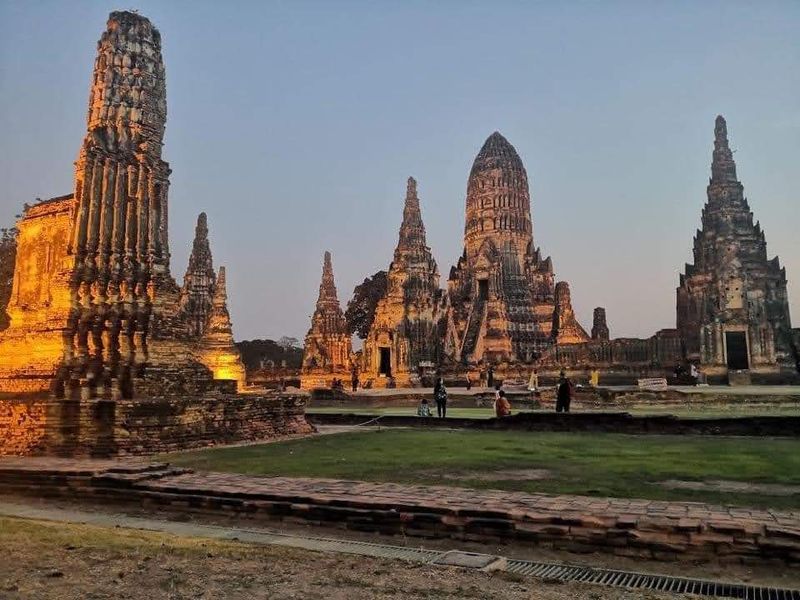
Thailand earned its nickname “Land of Smiles” honestly, and every traveler who has visited can confirm it is not just a tourism slogan. Smiles here are currency, communication, and culture all at once.
Thai hospitality is rooted in Buddhist values of compassion and mindfulness. Service workers, tuk-tuk drivers, street food vendors, and monks alike carry a calm warmth that sets the tone for an entire visit.
Nobody seems rushed, and nobody seems bothered by your questions.
Chiang Mai is particularly celebrated for the depth of its community spirit. Night markets feel like neighborhood gatherings rather than tourist traps, and locals genuinely enjoy explaining the story behind each dish or handmade craft.
Even in the busiest parts of Bangkok, kindness breaks through the chaos. Strangers will stop to help you read a transit map, wave you toward the correct bus, or recommend their favorite noodle stall with the enthusiasm of someone sharing a family secret.
Thailand also has a remarkable ability to make solo travelers feel completely at ease, which is why so many backpackers who planned a two-week trip end up staying for months, happily absorbed into the warmth around them.
Colombia
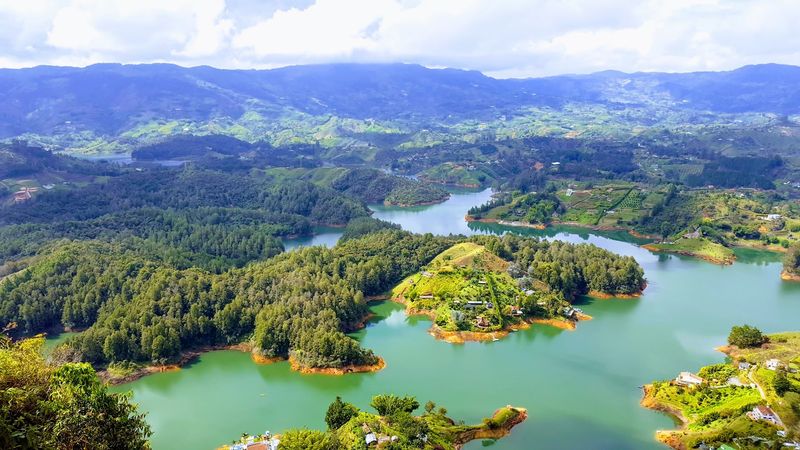
Colombia’s reputation has undergone one of the most dramatic transformations in modern travel history, and the people are largely responsible for it. Visitors who arrive with old assumptions leave completely converted.
Colombians are famously warm, expressive, and proud of their country in a way that becomes contagious. In Medellin, locals are known for striking up conversations with strangers on metro platforms and offering restaurant recommendations with the passion of a food critic.
Cartagena’s old walled city buzzes with energy, color, and a hospitality that feels deeply personal. Vendors remember your face, cafe owners ask about your day, and families in plazas welcome curious visitors into their circle without hesitation.
Coffee region towns like Salento add another layer of charm. Farmers invite visitors to tour their fincas and share a freshly brewed cup with obvious pride.
The Colombian concept of “rumba” goes beyond dancing; it is an entire philosophy of celebrating life with others, strangers included. Travelers who visit Colombia consistently rank it among their most memorable experiences, not because of any single landmark, but because of how genuinely welcome the people make you feel every single day.
Vietnam
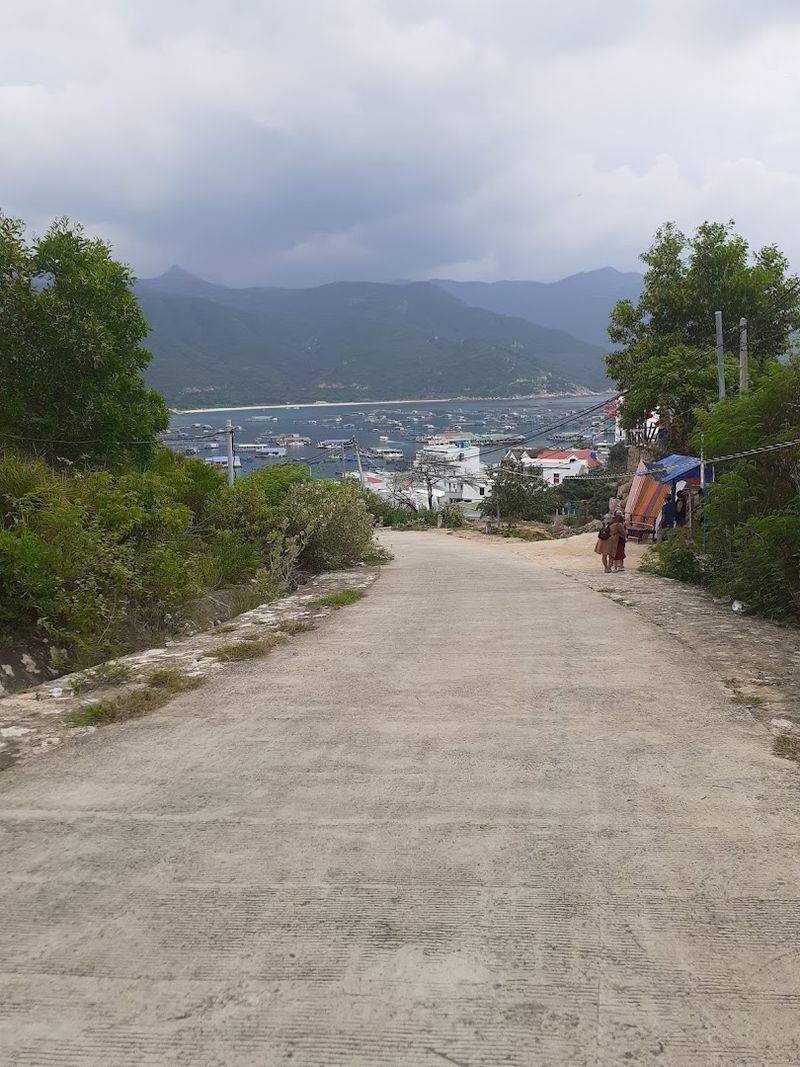
Vietnam moves fast. Motorbikes weave through narrow streets, vendors call out from every corner, and yet somehow, amid all that energy, there is a remarkable generosity of spirit that travelers notice almost immediately.
Locals in Hanoi and Ho Chi Minh City are famously curious about foreign visitors. Questions about your home country, your family, and your impressions of Vietnam come quickly and sincerely.
It can feel overwhelming at first, but it is genuine interest, not small talk.
Hoi An slows things down and reveals a quieter side of Vietnamese hospitality. Guesthouse owners here are known for going far beyond their roles, arranging day trips, recommending hidden beaches, and even lending bicycles without being asked.
Rural areas offer the most profound experiences. Homestays in the northern highlands of Sapa or the Mekong Delta put travelers directly inside family life, sharing meals, helping with small chores, and communicating through laughter when words fail.
Vietnam’s value for money is extraordinary, but budget travelers consistently say it is the human connections, not the low prices, that make Vietnam so hard to leave. The country has a way of getting under your skin in the very best way.
Costa Rica
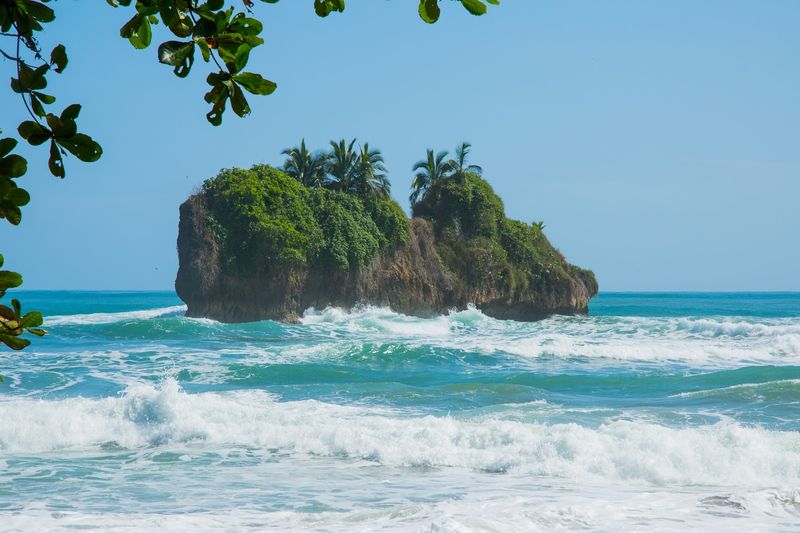
“Pura Vida” is technically a phrase, but in Costa Rica it functions more like a lifestyle, a greeting, a farewell, and a philosophy about how to treat other people. Visitors pick it up within hours of arriving.
Costa Ricans, affectionately called “Ticos,” have a reputation for being unhurried, cheerful, and remarkably helpful. Ask for directions and a local might walk you halfway to your destination just to make sure you get there safely.
The country’s emphasis on environmental conservation creates a culture of mindfulness that extends naturally to human relationships. Communities near national parks and wildlife corridors are tight-knit and welcoming, often organizing community tours that put money directly back into local families.
Smaller towns like La Fortuna near Arenal Volcano or the surf villages of the Nicoya Peninsula have a laid-back friendliness that makes it easy to linger far longer than planned. Expats who moved to Costa Rica frequently cite the warmth of local communities as the deciding factor in their choice.
The country offers extraordinary biodiversity and adventure, but it is the Ticos themselves, always smiling, always patient, always genuinely glad you came, who make Costa Rica truly unforgettable.
Kenya
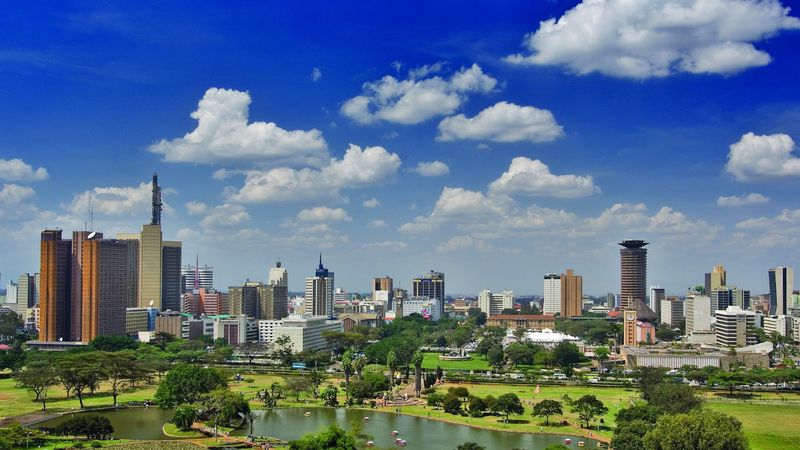
Kenya ranked first in Lonely Planet’s friendliest countries list not long ago, and anyone who has traveled there will nod knowingly at that distinction. The warmth here is immediate and unmistakable.
Nairobi surprises first-time visitors most. Locals in the capital are helpful, funny, and genuinely interested in where you are from and what brought you to Kenya.
The city has a creative, entrepreneurial energy that feels infectious, and people share it generously.
Outside the capital, community-based tourism has created extraordinary opportunities for genuine cultural exchange. Maasai villages near the Masai Mara welcome visitors not as paying customers but as guests, sharing stories, music, and food with real pride and openness.
Safari guides deserve a special mention. Kenyan guides are widely considered among the best in Africa, not just for their wildlife knowledge but for their storytelling, humor, and ability to make every guest feel like the trip was designed specifically for them.
Kenya also benefits from a strong tradition of “Harambee,” a Swahili concept of community self-help and pulling together. That spirit of collective warmth is visible everywhere, from small roadside towns to the shores of Lake Victoria, making every corner of Kenya feel genuinely welcoming.
Oman
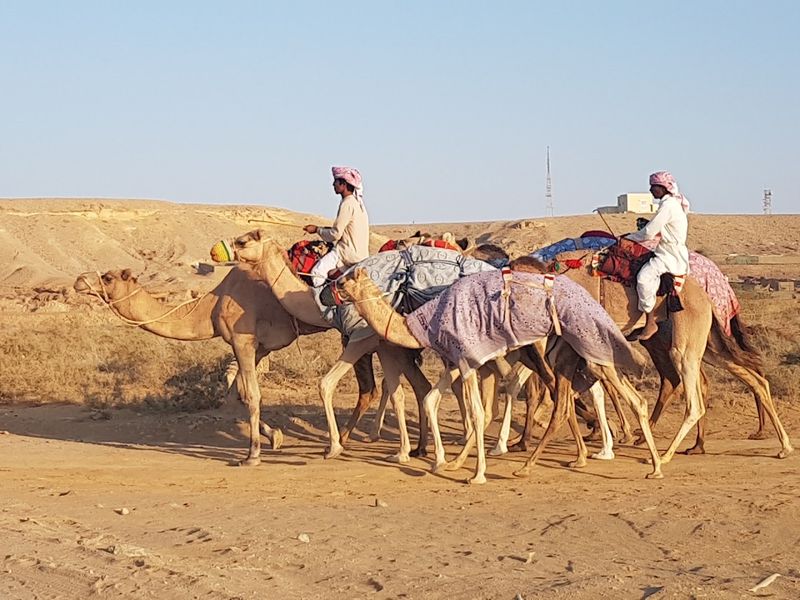
Oman is the kind of place that makes you recalibrate what hospitality actually means. Here, offering a guest coffee and dates is not a courtesy; it is a sacred social obligation that locals take seriously and joyfully.
Omani culture is built on the concept of “diyafa,” or generous hosting of guests. Travelers report being invited into homes within minutes of meeting someone, offered full meals, and sent off with gifts, all without any expectation of something in return.
Muscat feels remarkably calm and ordered compared to other Middle Eastern capitals. Locals go out of their way to help confused tourists, and interactions are marked by a courteous patience that feels almost old-world in its grace.
Nobody is in a hurry to end a conversation.
The interior regions of Oman, particularly the Hajar Mountains and the Wahiba Sands desert, offer even more intimate encounters with local communities. Bedouin families in remote areas welcome travelers with the same warmth as a long-lost relative.
Oman is also one of the safest countries in the world for solo travelers, and that sense of security comes largely from the character of its people, respectful, curious, and genuinely glad to share their remarkable country with the world.
Cambodia
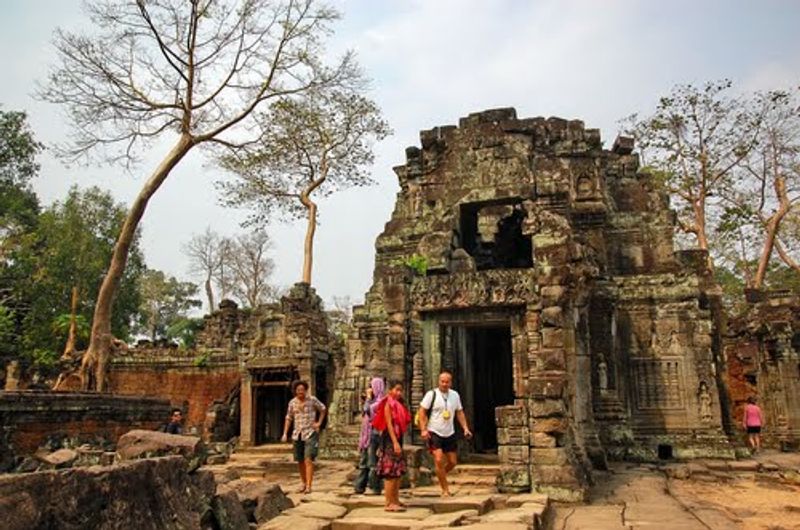
Cambodia carries a history that could have hardened its people, yet visitors consistently describe a resilience and warmth that is nothing short of extraordinary. Smiles here feel hard-won and deeply meaningful.
Siem Reap, the gateway to Angkor Wat, has developed a vibrant hospitality culture where tuk-tuk drivers double as tour guides and storytellers. Many speak multiple languages learned entirely through conversations with curious visitors, a remarkable feat that reflects both intelligence and genuine interest in connection.
Phnom Penh surprises travelers who expect only sobering history. The capital has a young, energetic population that is enthusiastic about sharing Cambodian food, music, and contemporary culture with anyone willing to explore beyond the main tourist sites.
Rural Cambodia is where the warmth becomes almost overwhelming. Village communities near the Tonle Sap lake or in the Cardamom Mountains welcome visitors with handmade crafts, shared meals, and an openness that requires no common language.
Children run out to wave at passing travelers with pure, uncomplicated joy. Cambodia proves that a country’s greatest treasure is not always its temples or landscapes.
Sometimes it is simply the people who greet you at every turn with a smile that costs nothing and means everything.
Philippines
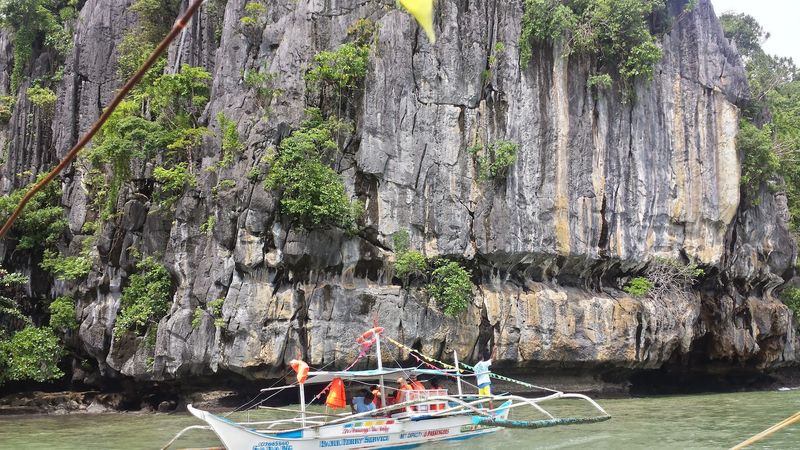
The Philippines has over 7,000 islands, and somehow every single one of them seems to have gotten the same memo: make visitors feel like family. Filipino hospitality is legendary, and it lives up to every word of the reputation.
English proficiency is remarkably high across the archipelago, which removes one of the biggest barriers to genuine connection. Locals do not just answer your questions; they ask their own, remember your name, and check in on you the next day like a concerned relative.
Cebu and the Visayas region are particularly celebrated for their festival culture. Events like Sinulog draw millions of participants who welcome strangers into the dancing, the food, and the celebration with zero hesitation.
The energy is electric and completely inclusive.
Remote island communities in Palawan or the Batanes archipelago offer a quieter, equally profound version of Filipino warmth. Fishermen share their catch, families offer hammock space, and children teach visitors basic Tagalog phrases with fits of laughter at every mispronunciation.
The Filipino concept of “bayanihan,” community helping community, is not a historical footnote here; it is alive in daily life and extended naturally to every visitor fortunate enough to experience it firsthand.
New Zealand
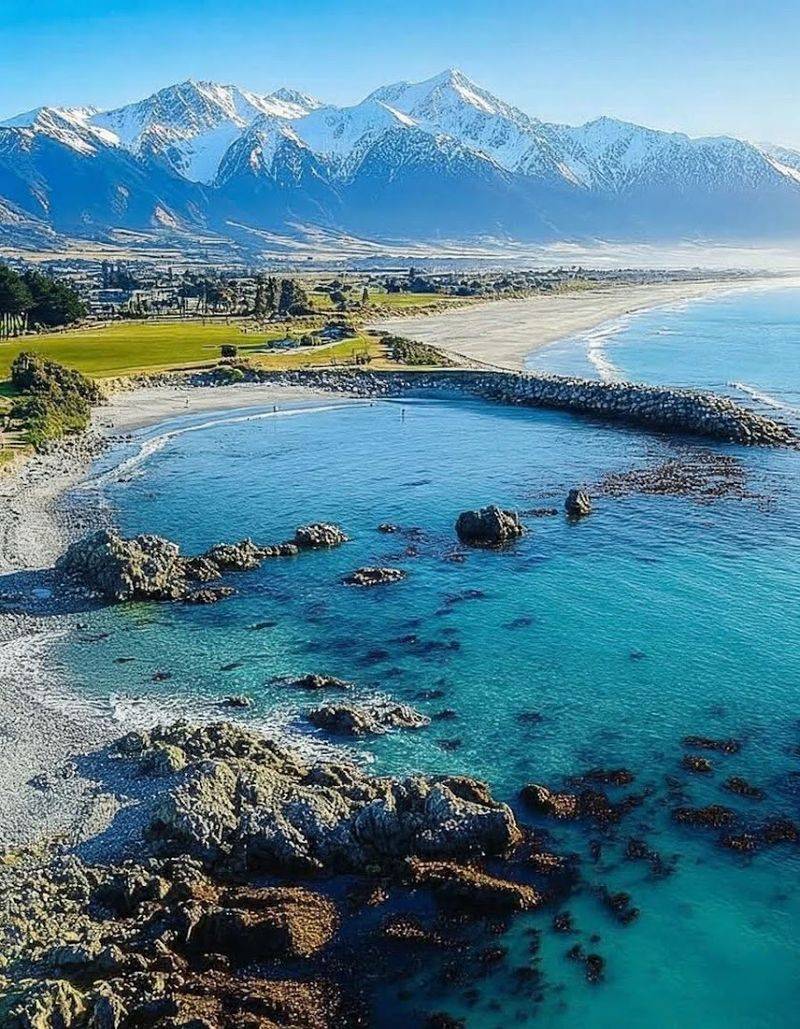
New Zealanders, or Kiwis as they proudly call themselves, have a self-deprecating humor and an easy approachability that makes travelers feel comfortable almost instantly. There is no pretension here, just genuine warmth.
The country’s outdoor culture creates natural spaces for connection. On the famous Milford Track or the Tongariro Alpine Crossing, strangers share trail snacks, swap travel tips, and cheer each other up muddy hills with the camaraderie of old friends.
Nobody hikes alone in New Zealand, at least not socially.
Maori culture adds a profound layer of welcome to the experience. The traditional “powhiri” greeting ceremony is not a performance for tourists; it is a genuine cultural ritual of welcome that acknowledges visitors as people worth honoring.
That philosophy shapes the broader New Zealand attitude toward hospitality.
Small towns throughout the South Island have a particular charm. Places like Wanaka or Hokitika are communities where locals genuinely want to know your story and are happy to share their own.
Farmers wave from fields, cafe owners remember your order, and everyone seems to have a hiking recommendation that turns out to be exactly right. New Zealand’s friendliness is as reliable as its stunning scenery, and that is saying a great deal.
Bhutan
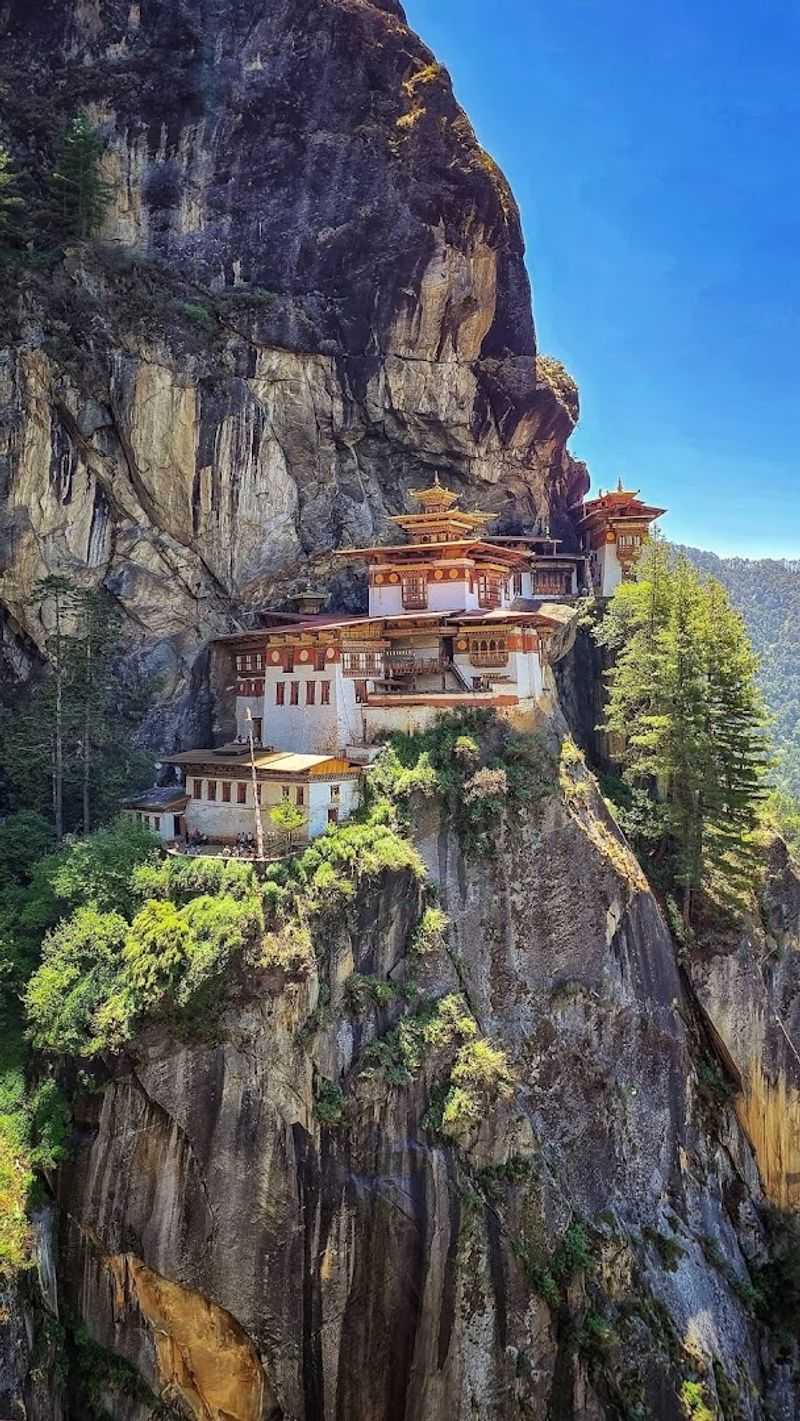
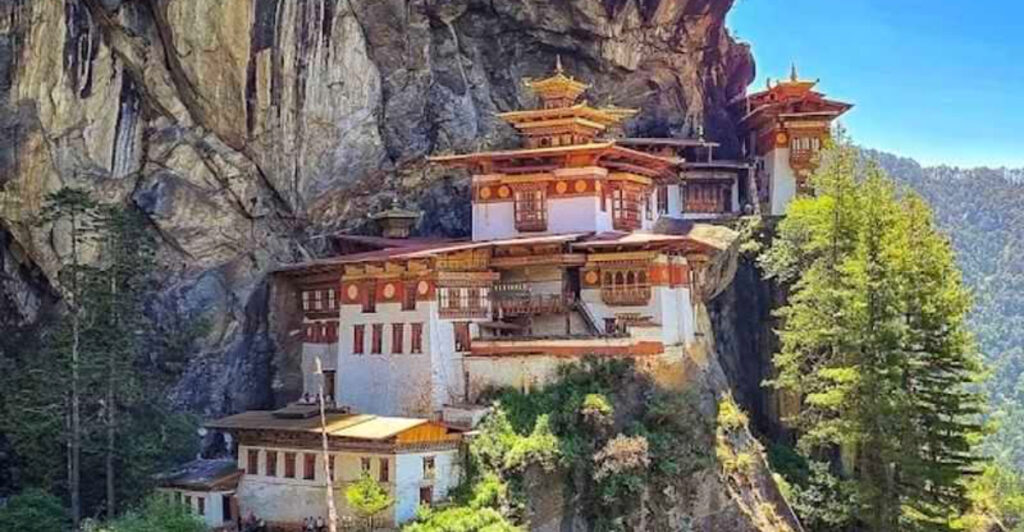
Bhutan measures its national success not in GDP but in Gross National Happiness, and that philosophical choice shapes everything about how people here treat each other and their guests. It is a remarkably refreshing place to visit.
The country limits tourist numbers deliberately, which means every visitor who arrives is genuinely welcomed rather than processed. Guides assigned to travelers are not just professionals; they become companions, sharing personal stories, family traditions, and cultural insights that feel like rare privileges.
Bhutanese communities have a relationship with time that feels completely different from the rest of the world. Festivals like Tsechu draw entire villages together in celebration, and visitors are invited to watch, photograph, and participate in ways that feel genuinely generous rather than commercially motivated.
Monks at dzong monasteries greet curious visitors with patience and warmth, answering questions about Buddhism and daily life with obvious pleasure. Farmers in the Paro Valley wave from terraced fields without stopping their work, a small gesture that somehow communicates enormous welcome.
Bhutan’s approach to tourism is intentional and careful, preserving both its culture and its people’s quality of life. The result is a destination where hospitality feels unhurried, sincere, and quietly extraordinary in a world that rarely slows down long enough to notice.
Share this story