Every year, millions of Americans pack their bags and head somewhere new. But not every destination is safe to visit, and the U.S.
Department of State keeps a close eye on conditions around the world. When a place becomes truly dangerous, it earns the highest warning possible: Level 4, Do Not Travel.
The destinations on this list all carry that serious label right now, and here is what you need to know about each one.
Afghanistan
Few countries have accumulated as many simultaneous red flags in the State Department system as Afghanistan. The current advisory lists civil unrest, crime, terrorism, wrongful detention, kidnapping, natural disasters, and limited health facilities all at once.
That is not a short list.
The U.S. Embassy in Kabul shut down in 2021, which means there is no functioning American diplomatic post to help citizens who run into trouble.
If you are arrested, injured, or caught in a violent situation, the U.S. government simply cannot step in the way it normally would.
Medical facilities across the country remain severely limited, so even a health emergency unrelated to violence can become life-threatening quickly. The State Department does not mince words here: Americans should not travel to Afghanistan for any reason, full stop.
This advisory covers the entire country without exception.
Belarus

Belarus might not make the headlines as often as conflict zones in the Middle East or Africa, but the State Department has kept it firmly at Level 4. The advisory points to civil unrest and serious security concerns that have persisted for several years now.
What makes Belarus especially tricky for Americans is the dramatically reduced U.S. diplomatic presence in the country. Fewer diplomats on the ground means fewer resources available if something goes wrong.
Getting emergency consular help is not a guarantee here.
Belarus also maintains a very close relationship with Russia, and the broader regional security environment has grown increasingly tense since 2022. The combination of internal repression, limited U.S. government reach, and regional instability creates a risk profile that the State Department considers unacceptable for American travelers.
The practical takeaway is simple: Belarus is not open for business as a tourist destination right now, regardless of how curious you might be about its Soviet-era architecture or historic old towns.
Burkina Faso
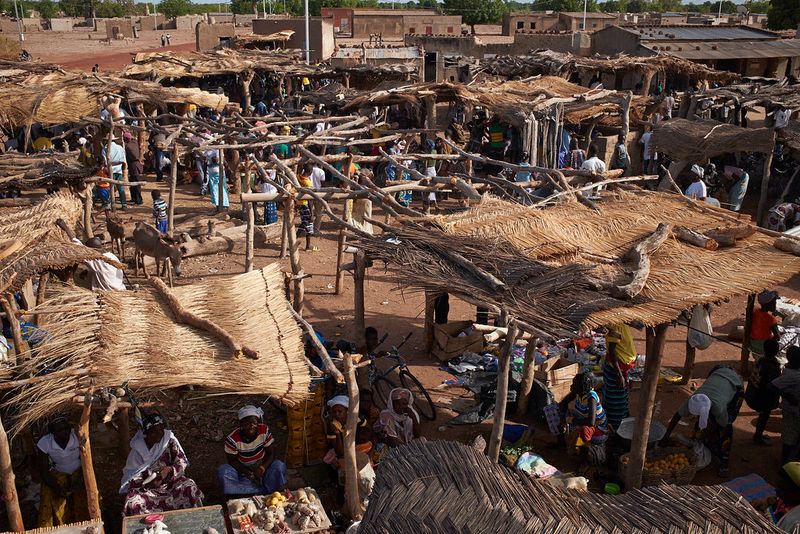
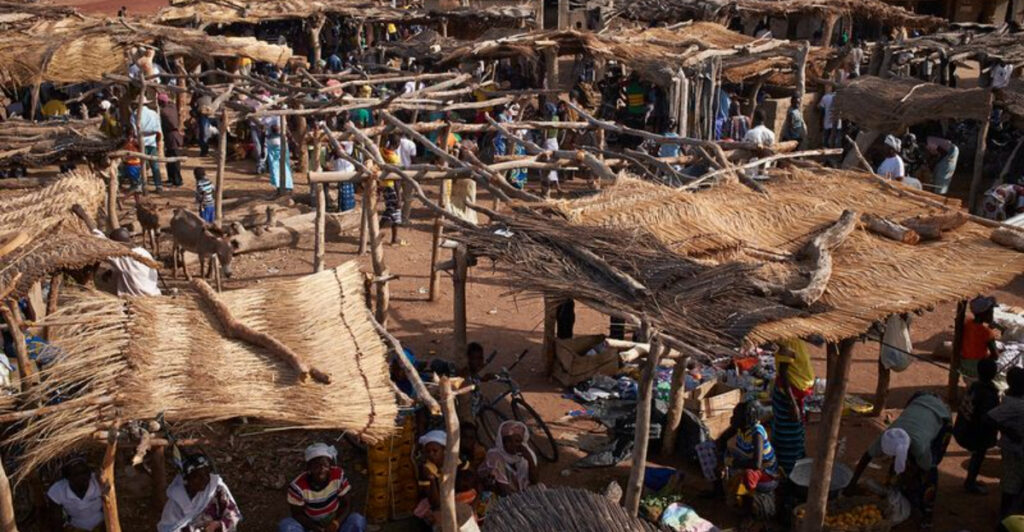
Burkina Faso was once a genuine hidden gem for travelers drawn to West African culture, vibrant markets, and traditional music festivals. That reputation feels like a distant memory now.
The State Department issued its most recent Level 4 advisory in May 2026, citing crime, kidnapping, terrorism, and health risks.
Militant violence has spread across large portions of the country, particularly in rural areas and regions near the borders with Mali and Niger. Foreigners have been specifically targeted in kidnapping operations, making the risk personal rather than just theoretical.
Security conditions can shift with almost no warning, turning a route that seemed passable in the morning into a genuinely dangerous corridor by afternoon. Overland travel is especially unpredictable.
Even travelers who stick to major urban centers cannot fully insulate themselves from the broader instability. The State Department’s message is unambiguous: the risks in Burkina Faso currently outweigh any travel benefit, and Americans should stay away until conditions change substantially.
Myanmar (Burma)

Myanmar carries some of Southeast Asia’s most breathtaking temples, ancient cities, and natural scenery, but the country has been in a state of serious armed conflict since the military takeover in February 2021. The State Department lists it under its official name, Burma, and keeps it at Level 4 for civil unrest, crime, and health concerns.
Fighting between the military and dozens of armed resistance groups has spread across multiple regions, including areas that were once considered safe for tourists. Checkpoints appear and disappear unpredictably, transportation can be disrupted without warning, and outbreaks of localized violence can occur in places that seemed calm just days before.
One common mistake travelers make is assuming that famous landmarks like Bagan or Inle Lake exist in a bubble, somehow separate from the country’s political chaos. They do not.
The instability affects the whole country, including tourism infrastructure, medical access, and the ability to leave quickly if things deteriorate. Myanmar is a case study in why a beautiful destination can still be genuinely off-limits.
Central African Republic
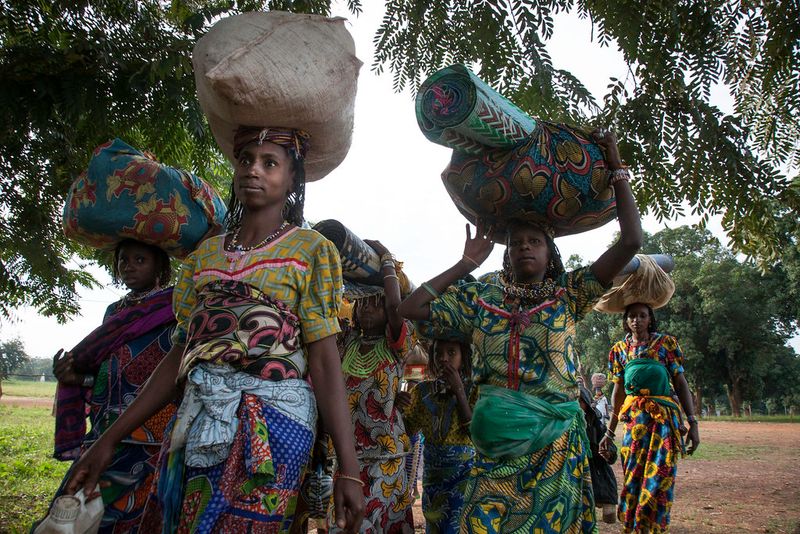
The Central African Republic earns its Level 4 status through an almost overwhelming combination of risk factors: unrest, crime, health threats, kidnapping, and terrorism all appear in the current advisory. That breadth of danger is what separates it from countries with more localized problems.
Outside the capital, Bangui, infrastructure is extremely limited. Roads are poor, medical facilities are scarce, and communication can be unreliable across large stretches of the country.
If something goes wrong far from the capital, help is not coming quickly.
The U.S. government’s ability to assist American citizens during an emergency is significantly restricted here. That is not a minor detail.
It means that travelers who get into serious trouble cannot count on the kind of consular support they might expect elsewhere. For independent travelers especially, the combination of environmental remoteness and active security threats creates a danger level that goes far beyond the typical risks of adventurous travel.
The State Department is clear: this destination is not appropriate for American visitors under current conditions.
Chad
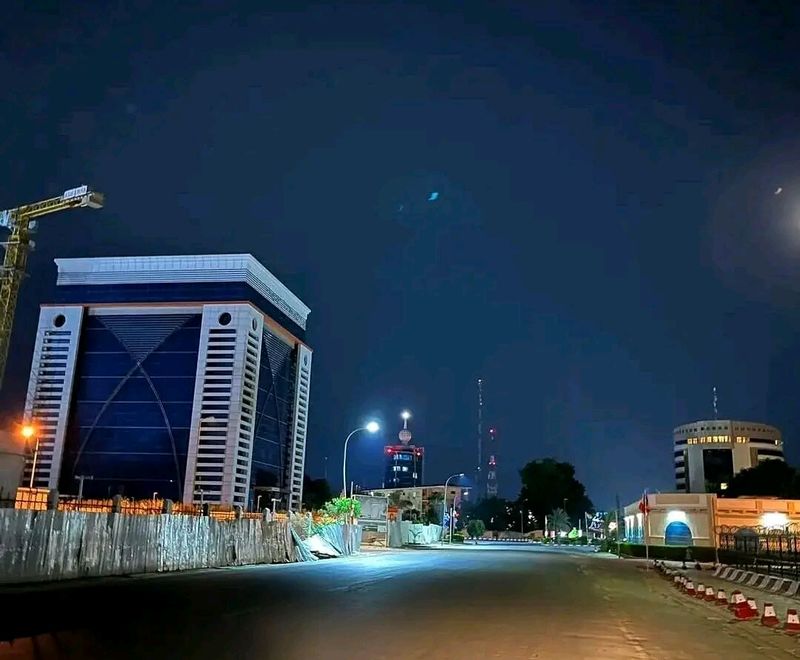
Chad sits at a geographic crossroads of some of the world’s most unstable regions, and that location comes with serious consequences for travelers. The State Department elevated Chad to Level 4 in April 2026, citing unrest, crime, kidnapping, terrorism, health concerns, and additional security threats.
The Sahel region has become one of the most active zones for militant groups in the entire world, and Chad sits squarely within that belt. Border zones are particularly dangerous, with armed groups crossing between Chad, Sudan, Niger, and Libya with relative ease.
The sheer size of the country compounds every risk. Distances between towns are enormous, emergency services are thin, and the U.S. government’s ability to respond quickly to a crisis is limited by both geography and diplomatic constraints.
A traveler who encounters trouble in a remote area of Chad faces a very different situation than someone who runs into difficulty in a country with a robust U.S. Embassy presence.
The math here is not favorable for Americans considering a visit.
Democratic Republic of the Congo
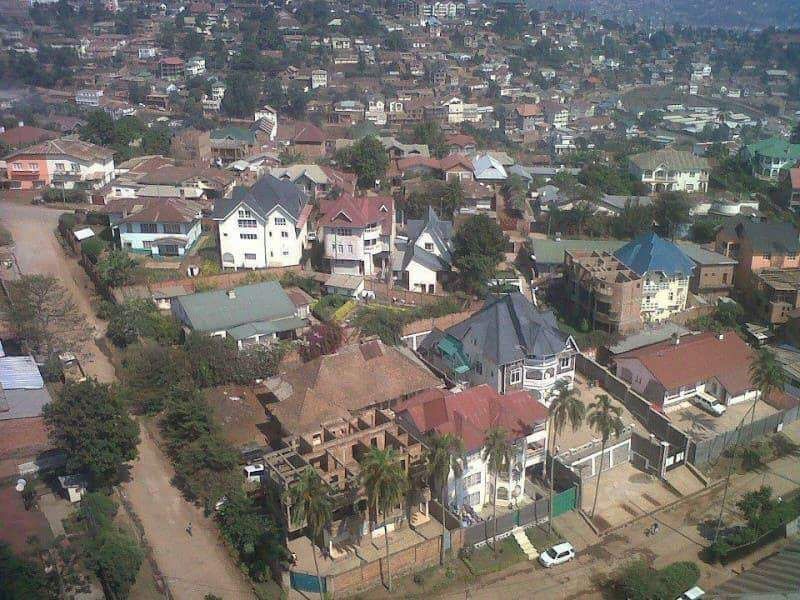
The Democratic Republic of the Congo is roughly the size of Western Europe, which matters a great deal when trying to understand its Level 4 advisory. The risks are real and severe, but they are not identical in every corner of a country that spans five time zones.
The State Department’s July 2026 advisory identifies unrest, violent crime, kidnapping, terrorism, and health risks as the primary concerns. Eastern DRC in particular has experienced prolonged armed conflict involving dozens of competing militias and, at times, neighboring country forces crossing the border.
Health risks add another layer of complexity. The DRC has experienced multiple Ebola outbreaks in recent years, and medical infrastructure outside major cities is limited.
Even if a traveler manages to avoid security incidents entirely, a medical emergency in a remote province can be genuinely life-threatening. The national Level 4 designation reflects how serious and widespread the dangers are across this massive, complex country.
Americans are advised to stay away regardless of which region they were considering visiting.
Haiti
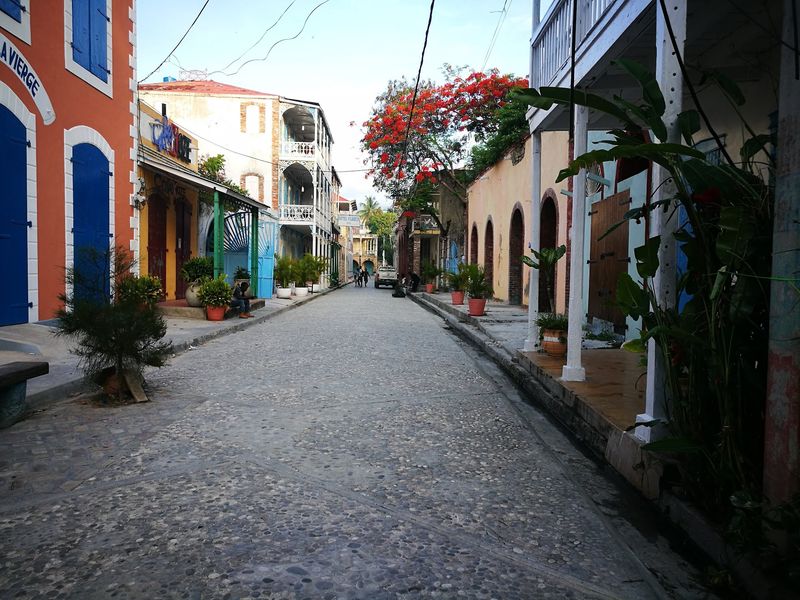
Haiti has one of the most remarkable histories in the Western Hemisphere, as the site of the only successful slave revolution in history and the first Black republic in the world. Right now, though, that extraordinary legacy is being overshadowed by a security crisis that the State Department describes in very serious terms.
The July 2026 Level 4 advisory lists civil unrest, crime, health concerns, kidnapping, and terrorism. Haiti has been operating under a national state of emergency since 2024, and armed groups have taken control of significant portions of Port-au-Prince and surrounding areas.
What makes Haiti’s situation especially alarming for travelers is how many basic systems have broken down. Road access, airport operations, and medical care can all be disrupted suddenly by gang activity or security incidents.
Getting out of the country when you want to is not guaranteed. Travelers should understand that the danger here is not just about being in the wrong neighborhood.
The entire environment, including transportation and healthcare, has been fundamentally destabilized.
Iran
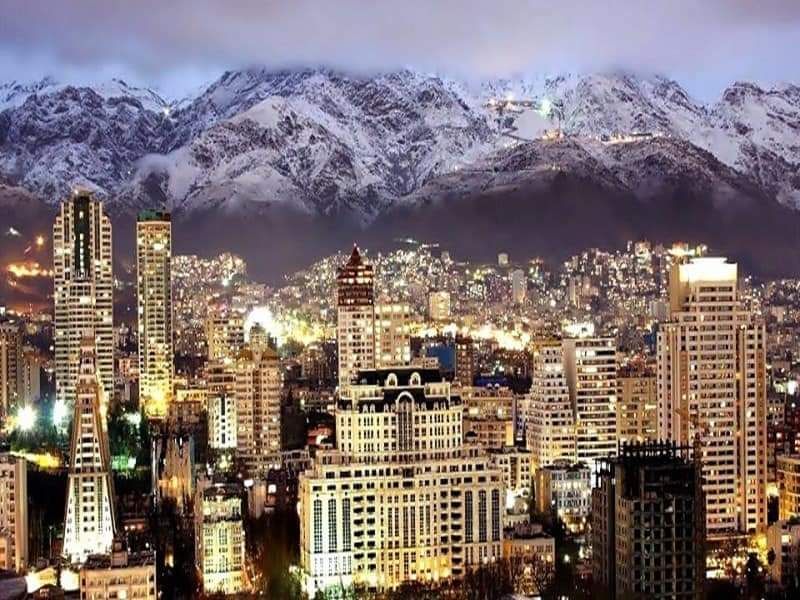
Iran holds some of the most jaw-dropping historical sites on the planet, including the ruins of Persepolis, the domed mosques of Isfahan, and the ancient bazaars of Shiraz. Under different circumstances, it would be a top-tier cultural destination.
Under current circumstances, the State Department says Americans should not go there for any reason.
The advisory covers terrorism, civil unrest, kidnapping, arbitrary arrest, and wrongful detention. That last category deserves special attention.
American citizens have been detained in Iran on grounds that U.S. authorities consider entirely arbitrary, and consular access for detained Americans is severely restricted.
The State Department explicitly tells Americans already in Iran to leave as soon as it is safe to do so. The broader Middle East security environment has remained volatile through 2026, adding regional instability on top of the country-specific risks.
Ordinary assumptions about your rights as a traveler do not apply in Iran the way they might elsewhere. The risk of being detained without legitimate cause is real, documented, and serious enough to keep this destination firmly at Level 4.
Iraq
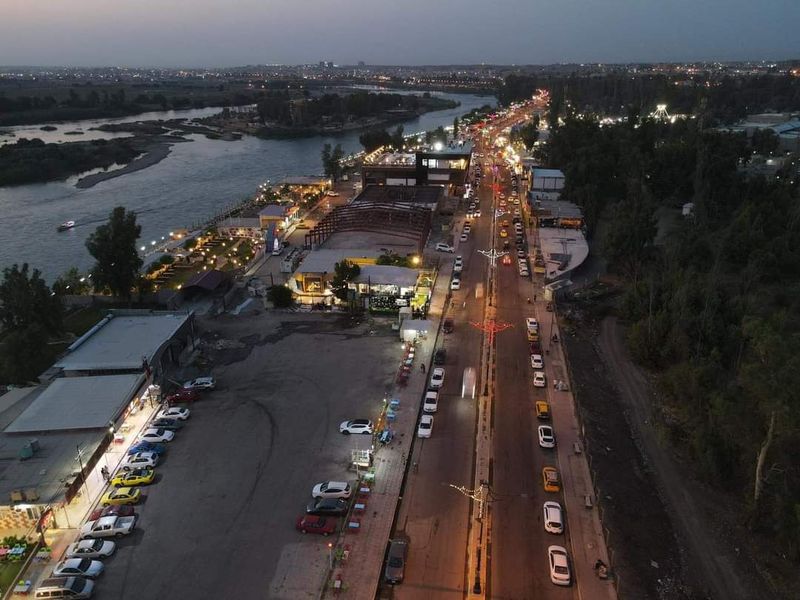
Iraq is home to some of the oldest civilizations in human history, including the ancient cities of Babylon and Ur, and the storied rivers of Mesopotamia. That heritage is extraordinary.
The current security situation is the opposite of welcoming.
The State Department’s March 2026 advisory tells Americans not to travel to Iraq because of terrorism, kidnapping, armed conflict, civil unrest, and the limited capacity of the U.S. government to assist in emergencies. Non-emergency U.S. government employees were ordered to leave the country in March 2026 due to security concerns, which is a strong signal about conditions on the ground.
Travel near conflict zones and certain border regions carries specific risks from armed groups, aerial attacks, and rapidly shifting military activity that can engulf civilian areas with little warning. Even relatively stable urban areas can experience sudden, violent incidents.
The advisory does not carve out exceptions for tourists visiting historical sites or pilgrimage destinations. The Level 4 designation covers the entire country, and the State Department advises Americans already in Iraq to depart.
Lebanon
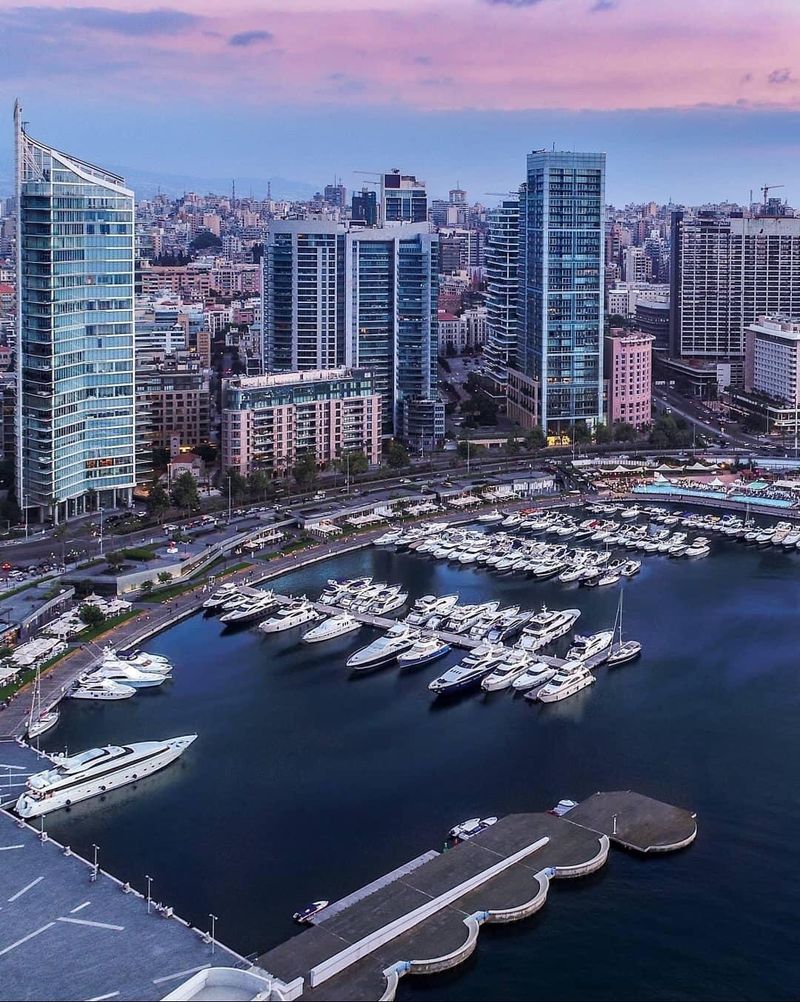
Beirut was once nicknamed the Paris of the Middle East, and Lebanon’s combination of ancient ruins, Mediterranean coastline, mountain villages, and world-class food made it genuinely beloved by travelers. That reputation makes the current Level 4 advisory all the more striking.
The State Department’s May 2026 advisory tells Americans not to travel to Lebanon because of crime, terrorism, unrest, kidnapping, landmines, and armed conflict. Earlier in 2026, non-emergency U.S. government employees and their family members were ordered to leave the country, which signals that conditions had deteriorated to a serious degree.
Landmines and unexploded ordnance are listed as a specific hazard, particularly in areas that experienced recent conflict. That is a danger that does not disappear when fighting pauses.
Security conditions can vary significantly between regions, but the national Level 4 designation means the State Department does not consider any part of Lebanon safe enough to recommend for American travel. The cultural appeal remains real, but the current risks are not compatible with recreational tourism.
Libya
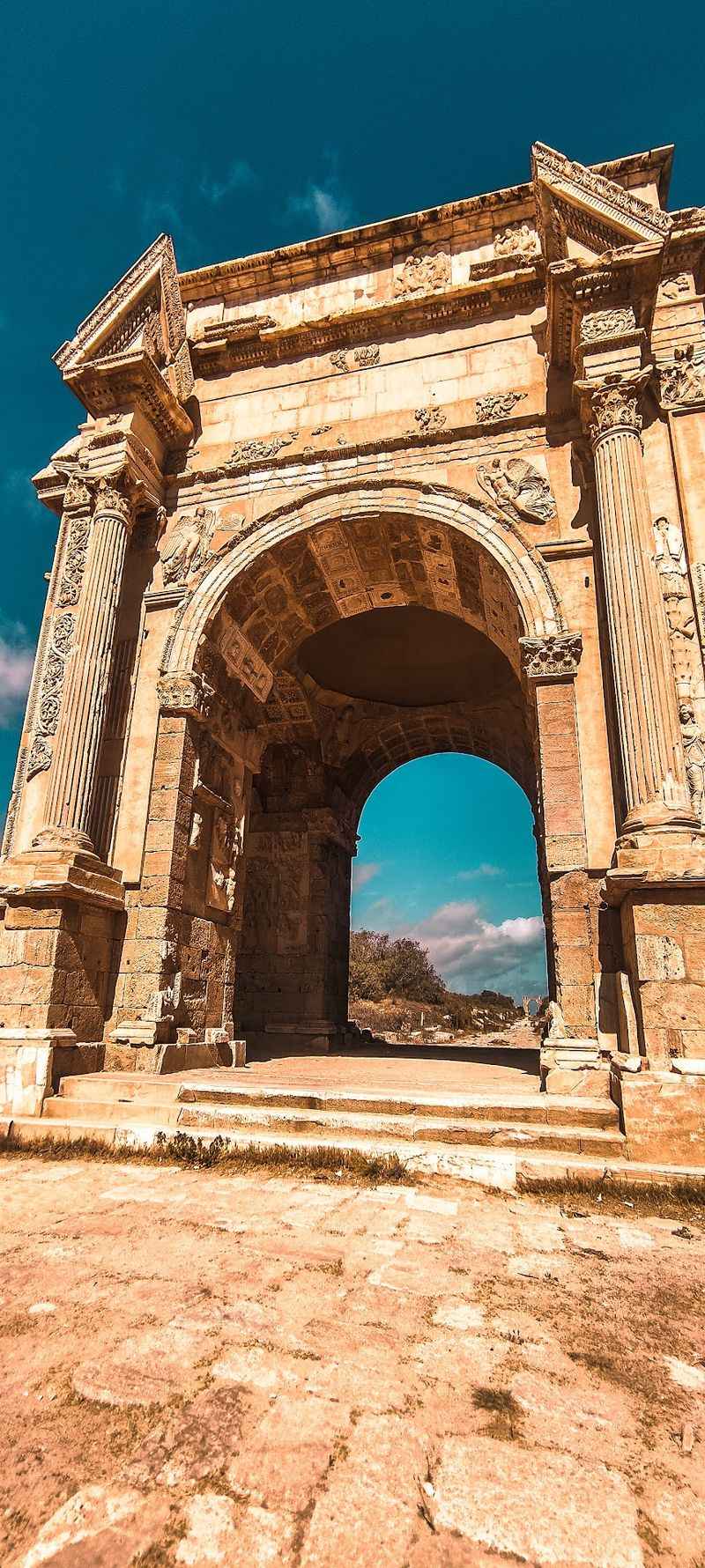
Libya has Roman ruins that rank among the finest in the entire Mediterranean world, including the remarkably preserved city of Leptis Magna. Under stable conditions, it would be a bucket-list destination for history lovers.
Stable is not a word that applies to Libya right now.
The State Department warns Americans against travel because of unrest, crime, kidnapping, terrorism, and other serious threats. Political fragmentation has divided the country between competing governments and armed factions for years, with no clear resolution in sight.
Outside major cities, large stretches of territory operate with minimal or no government control. Aviation conditions can change without warning, border crossings are unpredictable, and the risk of encountering armed groups is real regardless of which region you are traveling through.
Ordinary tourism planning, including booking reputable hotels and hiring local guides, cannot adequately offset the underlying dangers when the basic security environment is this fractured. Libya is a place where the gap between its incredible heritage and its current reality is as wide as it has ever been.
Mali
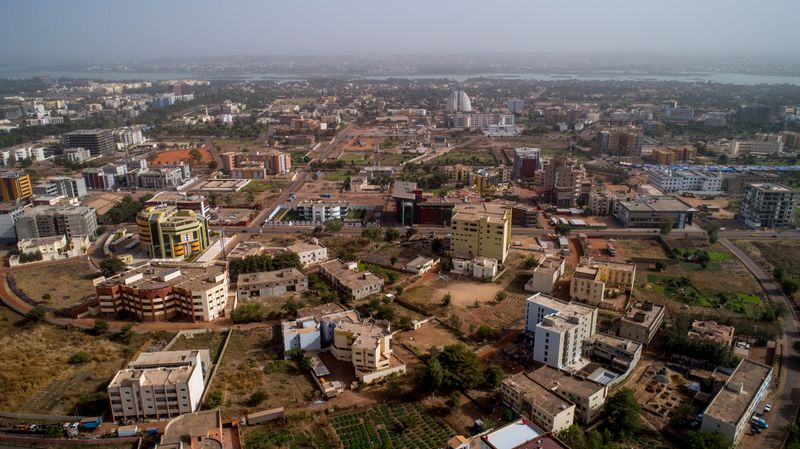
Timbuktu and Djenne are not just names on a map. They are UNESCO World Heritage Sites and living symbols of a West African intellectual and architectural tradition that stretches back centuries.
Mali is genuinely significant. It is also genuinely dangerous for American travelers right now.
The State Department’s June 2026 advisory places Mali at Level 4 because of crime, kidnapping, terrorism, unrest, and health concerns. Kidnapping of foreigners has been a documented threat in the Sahel for years, and militant organizations operate across national borders in this region with considerable freedom of movement.
Infrastructure outside major cities is limited, distances between population centers are vast, and emergency response times are long under the best circumstances. The U.S. government’s ability to assist Americans in trouble is restricted by both geography and diplomatic constraints.
Travelers who assume that sticking to Bamako or a few well-known sites insulates them from risk are underestimating how broadly the security situation has spread across the country. Mali is a place where the cultural rewards are real but completely overshadowed by the current dangers.
North Korea
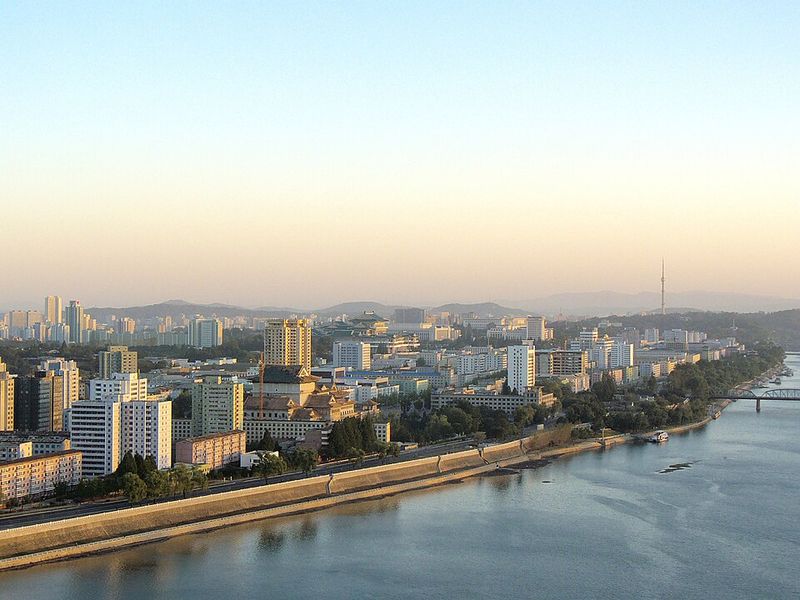
North Korea is unlike any other destination on this list because the danger is not primarily armed conflict or street crime. The risk here is the government itself.
American passport holders face special travel restrictions for North Korea, making a visit fundamentally different from going anywhere else on earth.
The State Department’s advisory focuses heavily on wrongful detention, arbitrary enforcement of local laws, and the severe legal consequences that can follow from actions that would seem completely harmless in any other country. Taking a photo of the wrong building, making an offhand comment, or possessing certain reading materials can all trigger serious legal consequences.
The U.S. government has extremely limited ability to help Americans detained in North Korea. There is no U.S.
Embassy there, and diplomatic contact happens through third-party countries, which slows everything down enormously. Several Americans have been held for years under conditions that drew international condemnation.
The quirky appeal of visiting one of the world’s most isolated countries does not come close to outweighing the very real risk of not being able to leave on your own terms.
Syria
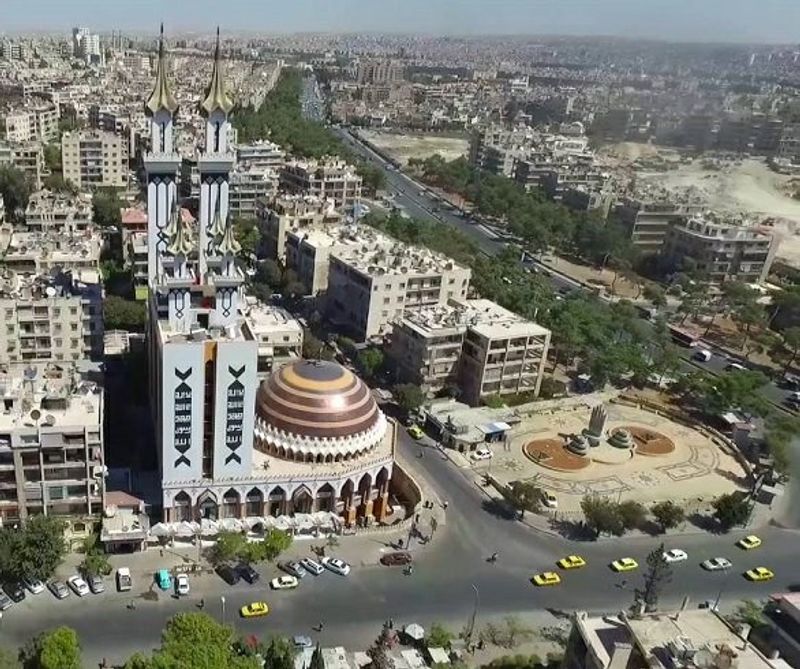
Syria’s Level 4 advisory was updated as recently as August 7, 2026, making it one of the freshest warnings on the State Department’s entire list. That recent update is a reminder that conditions in Syria remain active and serious, not frozen in the past.
Americans are told not to travel there for any reason because of terrorism, civil unrest, kidnapping, hostage taking, crime, and armed conflict. The U.S.
Embassy in Damascus has been closed since 2012, with the Czech Republic serving as the protecting power for American interests in the country. That means there is no functioning U.S. diplomatic post available to help citizens in an emergency.
Landmines and unexploded ordnance represent a specific, ongoing danger across large parts of the country, particularly outside established urban centers. These hazards do not disappear when fighting pauses.
Even as Syria’s political and military landscape has shifted in recent years, the State Department’s assessment has not changed its fundamental conclusion: Syria remains a Level 4 destination, and Americans should not be there under any circumstances.
Share this story