Some islands just stop you in your tracks. Whether it is a cove so blue it looks fake, a village clinging to a cliff like it defied gravity, or a reef close enough to swim to from shore, certain islands deliver all of that at once.
This list covers 15 real destinations across the Mediterranean, Caribbean, Pacific, and beyond that genuinely earn their place on any travel bucket list. From volcanic Greek islands to a Hawaiian coastline that looks carved by a giant, each stop here offers something worth planning around.
If you have ever scrolled past a photo of turquoise water and thought it could not possibly look that good in person, a few of these islands will change your mind fast.
Milos, Greece
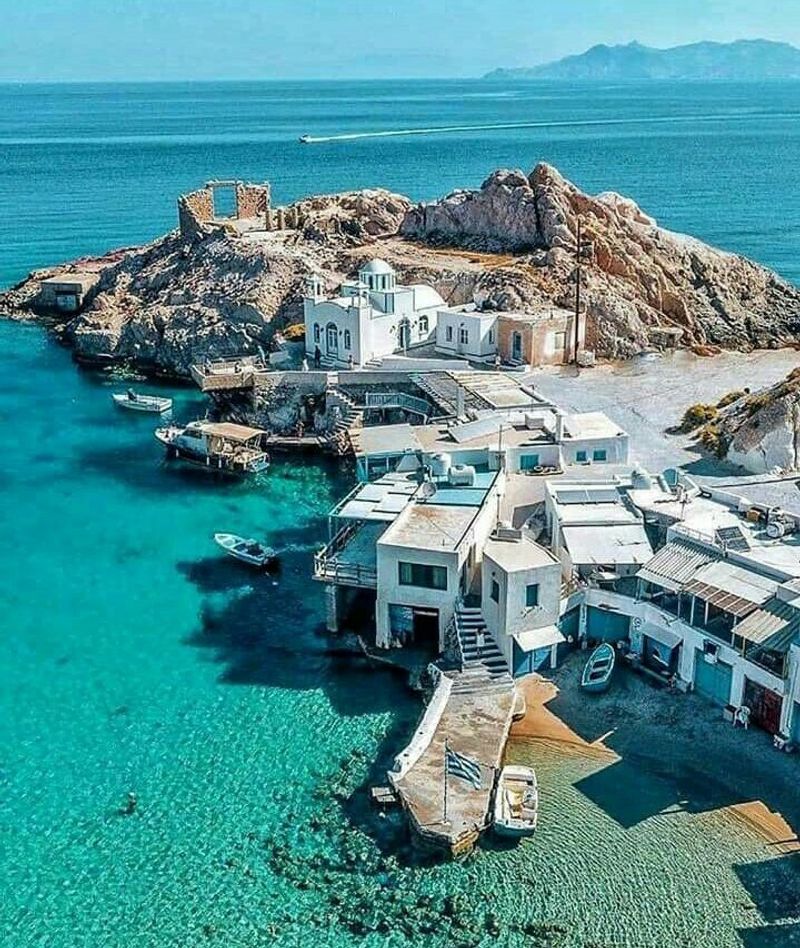
Milos might be the most underrated island in the entire Aegean. While Santorini and Mykonos pull the crowds, Milos quietly offers one of the most geologically wild coastlines in Greece, with beaches that look nothing like each other and sea caves that require a boat to reach.
Sarakiniko is the island’s most photographed spot, a stretch of white volcanic rock that looks more like the surface of the moon than a beach. Kleftiko, accessible only by boat, delivers bright turquoise water, cave swimming, and snorkeling stops in one trip.
The fishing villages of Klima and Mandrakia add a completely different layer, with colorful syrmata boat houses built directly into the rock face along the water’s edge.
Plaka, the hilltop capital, gives visitors narrow Cycladic lanes, tavernas, and some of the best sunset views on the island. Milos is reachable by ferry or short flight from Athens, and 2026 travel resources continue to list it as a fully accessible destination.
Santorini, Greece
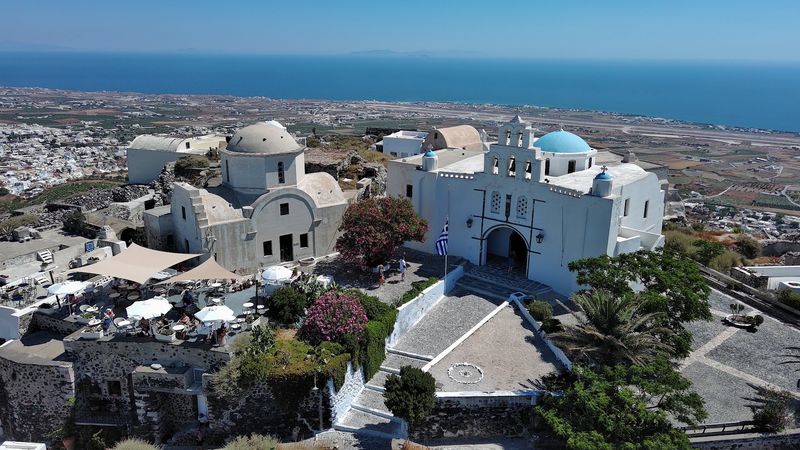
Santorini earns its spot on this list not for snorkeling but for cliff villages and volcanic coastal scenery that genuinely live up to the photos. The island’s caldera edge is lined with the whitewashed villages of Oia, Fira, Imerovigli, and Firostefani, each one offering a slightly different angle on the same dramatic view.
For water lovers, the experience here is less about reef snorkeling and more about caldera boat cruises, volcanic beach swims, and swimming stops with striking geological backdrops. The black-sand beaches of Perissa and Perivolos and the red beach near Akrotiri are distinct enough to feel like they belong on a different planet.
One practical note worth knowing: Santorini deals with significant overtourism pressure during peak cruise season. Visiting in May, June, or September, or exploring early in the morning before the cruise ships arrive, makes the experience noticeably more enjoyable.
The official Santorini tourism site continues to support 2026 travel planning.
Capri, Italy
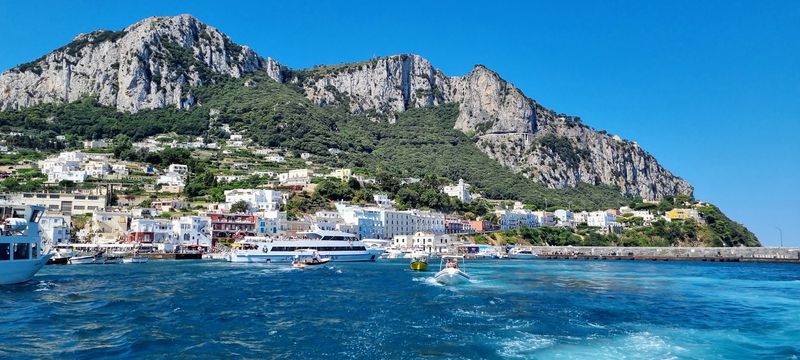
Capri has been drawing visitors to its cliffs and coves for centuries, and the island still delivers on its reputation for dramatic coastal beauty. The most famous water attraction is the Blue Grotto, a sea cave where sunlight enters through an underwater opening and turns the interior water an intense, glowing blue.
Access to the grotto depends on sea conditions, so checking the same morning before planning your visit is genuinely useful advice. On calmer days, small rowboats take visitors inside for a short but memorable experience.
Beyond the grotto, the island offers boat tours around the Faraglioni sea stacks, cliffside walking routes, and swimming areas with clear water framed by rocky walls.
Capri town and Anacapri each bring their own village character, with open-air restaurants, hilltop views, and the kind of elevated coastal atmosphere that makes the island feel like a reward just for showing up. High season is busy, but the scenery earns every bit of it.
Sardinia, Italy
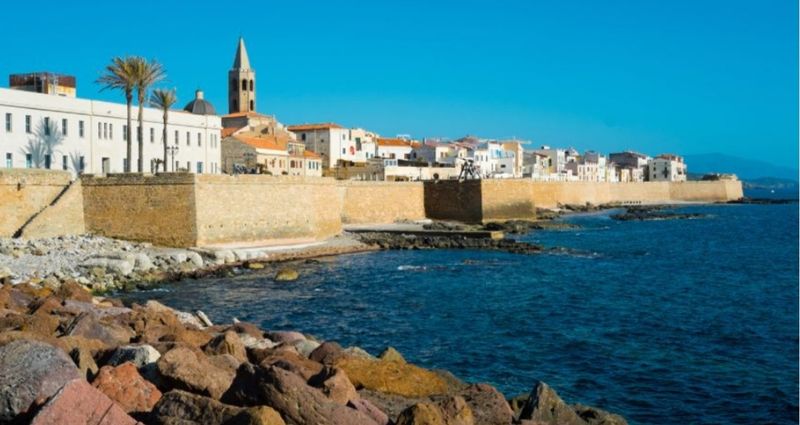
Sardinia is one of those rare Mediterranean islands where the scale actually works in your favor. Because the island is so large, it holds multiple distinct coastal personalities: the emerald-water glamour of Costa Smeralda, the raw limestone drama of the Gulf of Orosei, the protected marine environment around La Maddalena, and the stunning sea-level views at Cala Goloritzé.
The official Sardinia tourism site highlights beaches, nature reserves, historic nuraghi towers, coastal villages, and mining heritage that gives the island a cultural depth most beach destinations simply do not have. For travelers focused on turquoise water, the Gulf of Orosei remains one of the most spectacular stretches of coastline in all of Europe.
One practical detail that matters for 2026 planning: several of Sardinia’s most famous beaches now use reservation systems or daily visitor caps to protect fragile coastal environments. Checking ahead before you arrive at any specific cove is no longer optional.
It is just smart travel.
Hvar And The Pakleni Islands, Croatia
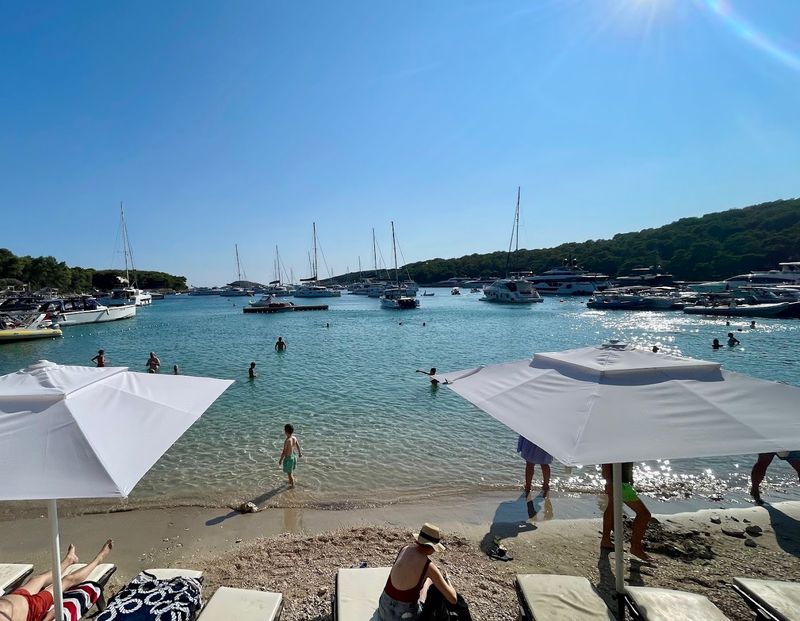
Hvar is one of those Croatian islands that manages to be several things at once without feeling scattered. The old town brings Venetian stone architecture, a hilltop fortress with harbor views, and a lively waterfront scene.
The beaches and coves just offshore bring the kind of clear Adriatic water that makes it hard to leave.
The Pakleni Islands, a short taxi boat ride from Hvar Town, are the real snorkeling and swimming prize. Current 2026 travel guides describe the archipelago as a collection of pine-fringed islands with hidden coves, calm clear water, small restaurants, and swimming spots that feel far removed from the mainland crowds.
Some coves are shallow enough for casual snorkeling without any gear beyond a mask.
For travelers who want a European island that covers history, swimming, boat days, and a lively harbor atmosphere all in one trip, Hvar and the Pakleni Islands together deliver that combination more completely than most. The ferry connections from Split make logistics straightforward.
Mallorca, Spain
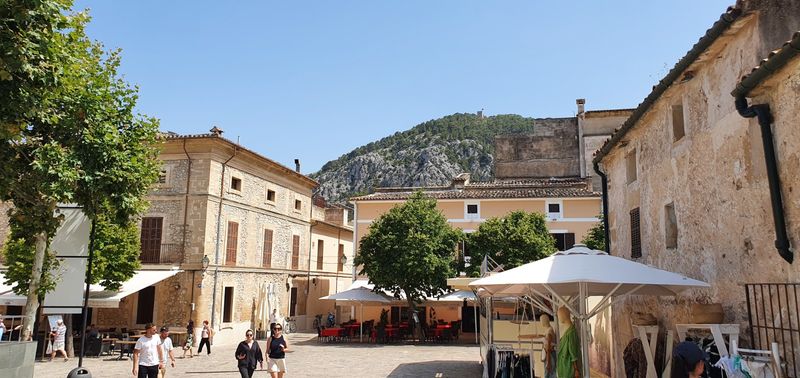
Mallorca is one of those islands that surprises travelers who only expect a resort destination. Yes, there are large beach towns and busy harbors, but the island also has mountain villages, dramatic limestone coves, and coastal scenery that holds up against anything in the Mediterranean.
The small calas along the southeast and northeast coasts are where the turquoise-water magic happens. Rocky cliffs and pine-covered slopes frame these coves, and the water clarity in many of them is genuinely excellent for snorkeling.
Es Trenc on the south coast offers a different mood entirely, with shallow, pale-blue water and a more open beach feel. Current snorkeling guides continue to highlight transparent water, calm conditions, and accessible entry points at various coves around the island.
The village side of Mallorca comes through strongly in places like Deia, Valldemossa, and Soller, where stone streets, mountain backdrops, and slower paces offer a sharp contrast to the coast. Both versions of the island are worth experiencing in the same trip.
Curacao
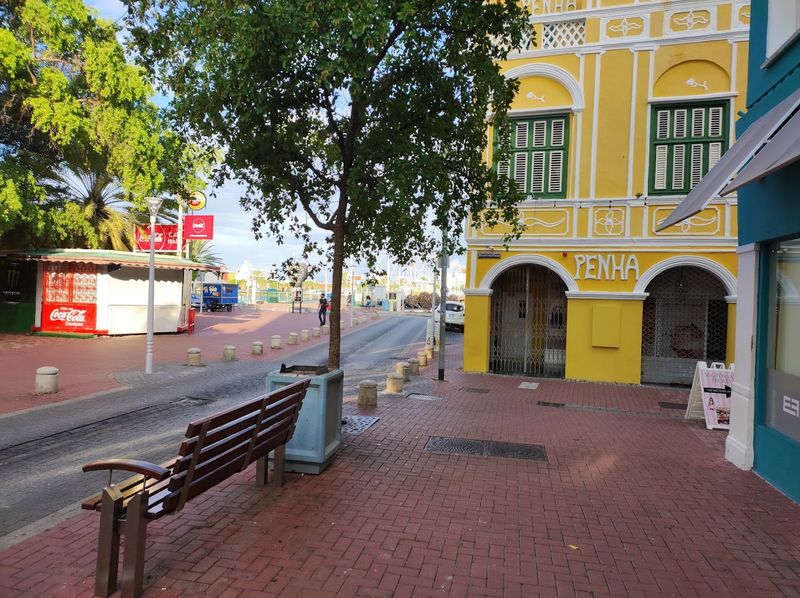
Curacao stands out in the Caribbean because you do not always need a boat to reach the good snorkeling. Many of the island’s beaches and coves have shore access, with rocky edges and reefs close enough to reach by swimming from the sand.
That makes casual snorkeling genuinely accessible for travelers who are not interested in organized tours.
The Curacao Tourist Board remains active, and current island guides cover beaches, snorkeling, marine life, cultural sites, and travel planning for 2026. Beyond the water, the island has a strong visual identity through Willemstad, the capital, where Dutch-Caribbean colonial architecture in vivid colors lines the waterfront in a way that feels completely unique in the region.
Smaller beach coves along the coastline offer different water conditions, depths, and reef access, so the island rewards a bit of exploration rather than settling for the first beach you find. For travelers who want bright Caribbean water, cultural character, and multiple snorkeling spots, Curacao delivers a well-rounded experience.
Bonaire
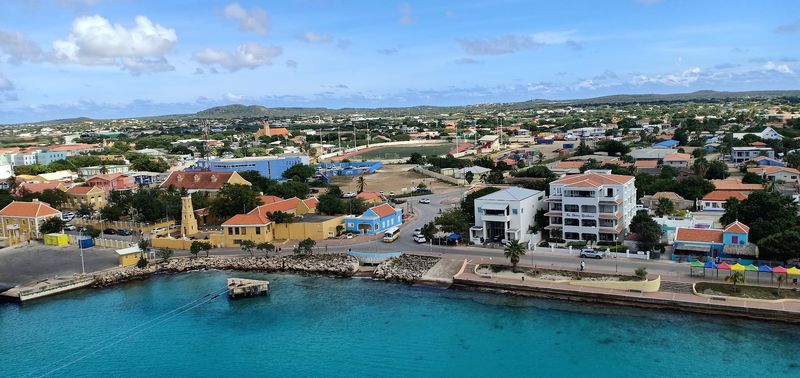
Bonaire has built its entire travel reputation around one thing: the reef. And the reef genuinely delivers.
Unlike many Caribbean destinations where the best snorkeling requires a boat, Bonaire is famous for shore-entry sites where travelers walk or wade directly into calm, clear water and find thriving coral within minutes.
Well-known spots like Bari Reef are regularly featured in current snorkeling guides, which also note the importance of reef-respectful behavior, wind-aware planning, and choosing entry points carefully based on conditions. The island collects a tourist entry fee, with funds directed toward sustainability, infrastructure, and conservation efforts that help keep the marine environment healthy.
Bonaire does not have the cliffside drama of Santorini or the glamorous village atmosphere of Capri. What it has instead is consistent, accessible, genuinely excellent snorkeling in a low-key island setting.
For travelers who want the underwater experience to be the entire point of the trip, few Caribbean islands compete at this level.
Moorea, French Polynesia
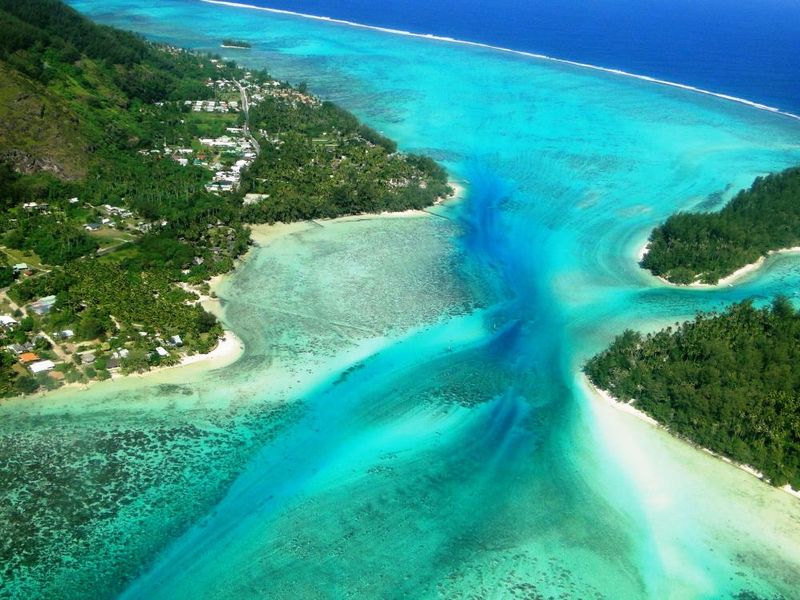
Moorea is the kind of island that looks too dramatic to be real from the air. Jagged green volcanic peaks rise sharply behind the coastline, turquoise lagoon water stretches out toward a coral reef barrier, and the whole scene sits in the middle of the South Pacific like something assembled specifically to make people stop scrolling.
The official Moorea Tourism Office is active and presents the island as a full travel destination for lagoon experiences, snorkeling, hiking, and adventure activities. Lagoon tours frequently include snorkeling stops in calm, clear, shallow areas where marine life is visible without much effort.
The combination of mountain scenery and reef-protected lagoon water makes Moorea feel complete in a way that purely flat islands simply cannot match.
For travelers who love the idea of French Polynesia but find Bora Bora’s price point hard to justify, Moorea offers a genuinely comparable landscape with a more approachable, nature-forward feel. The ferry from Tahiti takes about 30 minutes, making it an easy addition to any French Polynesia trip.
La Digue, Seychelles
La Digue moves at a pace that feels almost out of step with the modern world, and that is exactly the appeal. Bicycles are the primary way visitors get around, cars are limited, and the beaches feel more like private discoveries than managed tourist sites.
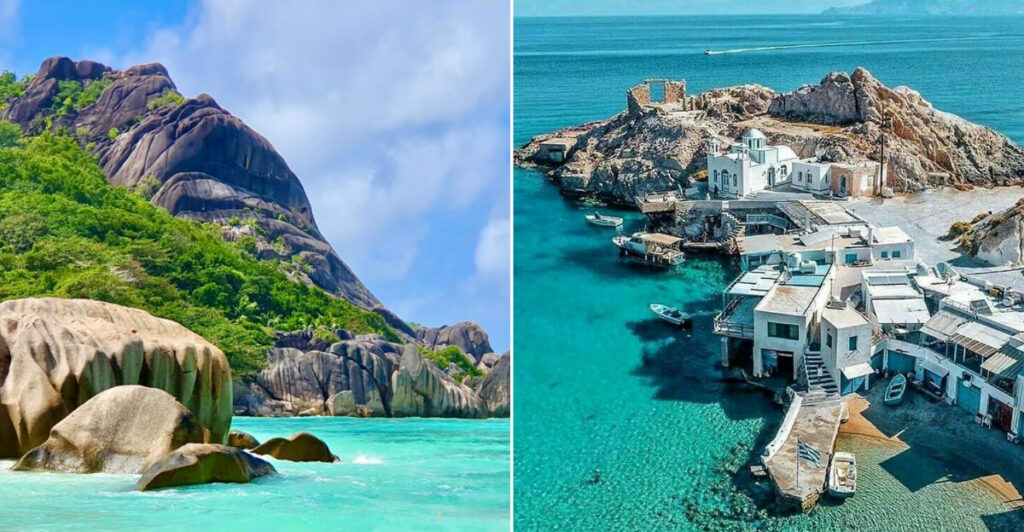
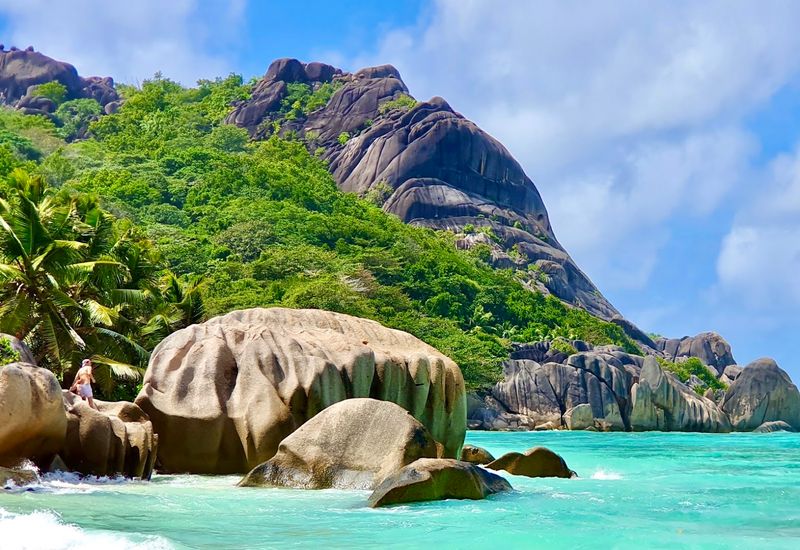
Anse Source d’Argent, with its giant rounded granite boulders and shallow turquoise water, is one of the most photographed beaches on Earth, and it earns that status completely.
The official Seychelles tourism department remains active, and the island is described as a year-round destination, though conditions at specific beaches can vary by season. For snorkeling, guided boat trips are often recommended because currents and surf conditions differ significantly from beach to beach and time of year.
La Passe, the main arrival point, functions as a small village hub with restaurants, shops, and accommodation options close to the ferry dock. The granite boulder coastline gives La Digue a visual identity unlike anywhere else on this list, which is saying quite a lot given the competition.
Koh Phi Phi, Thailand
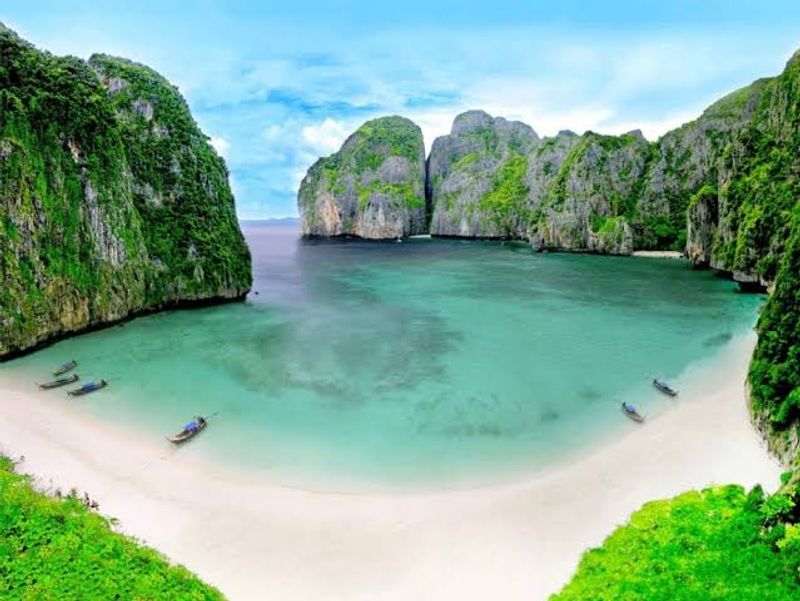
Few island images in Southeast Asia are more instantly recognizable than the limestone cliffs of Koh Phi Phi rising straight out of bright turquoise water. The visual drama here is real, and the boat trips that move between the islands, coves, and swim stops are among the most popular in the region for good reason.
Maya Bay on Ko Phi Phi Leh is the most famous spot, and current 2026 guides confirm it is open but tightly managed. Visitor quotas, time limits, national park fees, restricted swimming zones, and no snorkeling in the main bay are all current rules.
That structure exists to protect a bay that was seriously damaged by overcrowding, and the recovery is visible.
For travelers focused on turquoise water and limestone cliff scenery, Phi Phi still delivers that experience through early-morning boat tours and small-group trips that reach quieter coves away from the main crowds. Choosing a reputable tour operator that respects the park rules makes a real difference in the quality of the trip.
Gozo, Malta
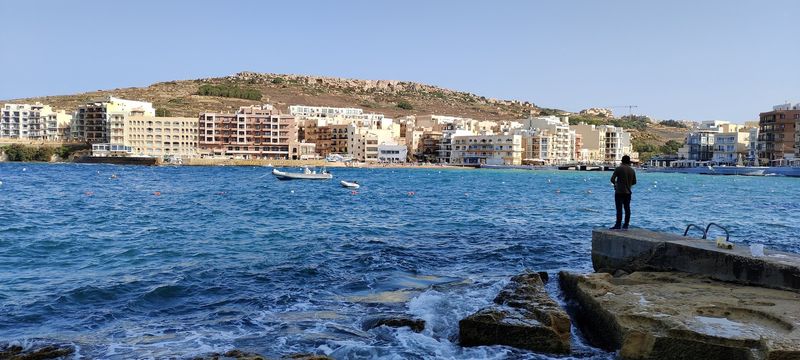
Gozo tends to get overlooked because Malta itself draws most of the attention, but the smaller island has a rugged coastal character and a village pace that Malta’s busier areas simply cannot replicate. Ancient stone walls, hilltop settlements, and limestone sea cliffs give Gozo a texture that feels genuinely old in the best possible way.
The Blue Hole at Dwejra is one of the island’s most celebrated water features, a natural limestone plunge pool that current 2026 guides describe as a favorite for swimmers, snorkelers, and divers. The site connects to open water through a natural arch, creating an entry point that makes it especially popular with scuba divers exploring the surrounding underwater terrain.
Victoria, Xlendi, Marsalforn, and smaller hilltop villages each add a different layer to the island’s character. The official Visit Malta site continues to provide current trip planning information for both Malta and Gozo.
For travelers who want ancient village streets, sea caves, and accessible snorkeling without a tropical backdrop, Gozo is a strong and underappreciated choice.
Crete, Greece
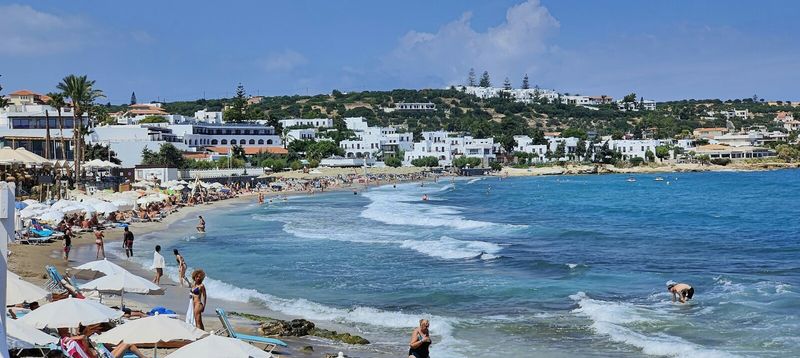
Crete is the kind of island that rewards travelers who stay longer than expected. As Greece’s largest island, it holds mountains, ancient ruins, gorges, south-coast villages, and a coastline varied enough to keep a two-week itinerary genuinely interesting from start to finish.
The turquoise-water highlights are well established: Balos lagoon, with its shallow pink-tinted water and sandbar, is one of the most stunning coastal spots in all of Greece. Elafonissi offers pink-sand shallow water on the southwest corner.
Preveli combines a freshwater river with a palm-lined beach and a sea exit that feels like a reward for the hike in. For quieter options, the south-coast settlements of Loutro, Sougia, and Hora Sfakion offer small-village calm with boat access and clear water.
Chania and Rethymno bring the cliff-and-village feel through their old Venetian harbors and narrow stone lanes. The White Mountains rising behind the coast add a dramatic backdrop that most island destinations simply cannot offer.
Snorkeling is not the island’s defining feature, but the complete package is hard to beat.
Madeira, Portugal
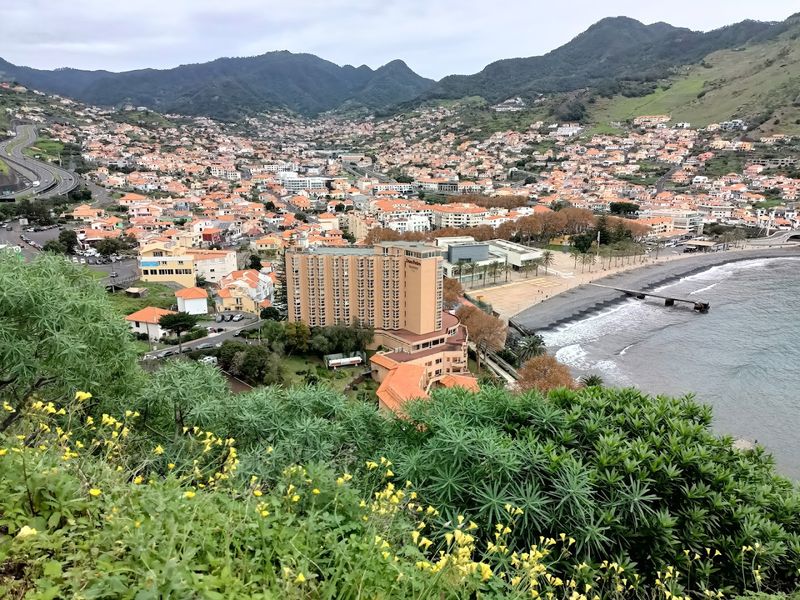
Madeira is not a tropical beach island, and that is precisely what makes it interesting. The coastline is volcanic, the cliffs are dramatic, and the swimming happens in natural lava rock pools rather than sandy shallow bays.
Porto Moniz on the rugged north coast is the island’s most famous natural pool area, described by current Visit Madeira content as a large, organized swimming destination where Atlantic water fills the pools through natural openings in the rock.
The official Visit Madeira site promotes the island for crystal-clear waters, breathtaking coastal scenery, age-old traditions, and levada walks that wind through the mountains above the sea. The levada trail network is one of Madeira’s most distinctive features, offering hikers access to viewpoints and valleys that most visitors never see from the road.
For travelers who want water plus dramatic scenery rather than just beach time, Madeira offers a completely different kind of island experience. The combination of cliff roads, mountain villages, natural pools, and Atlantic ocean views makes it one of Europe’s most original island destinations.
Kauai, Hawaii
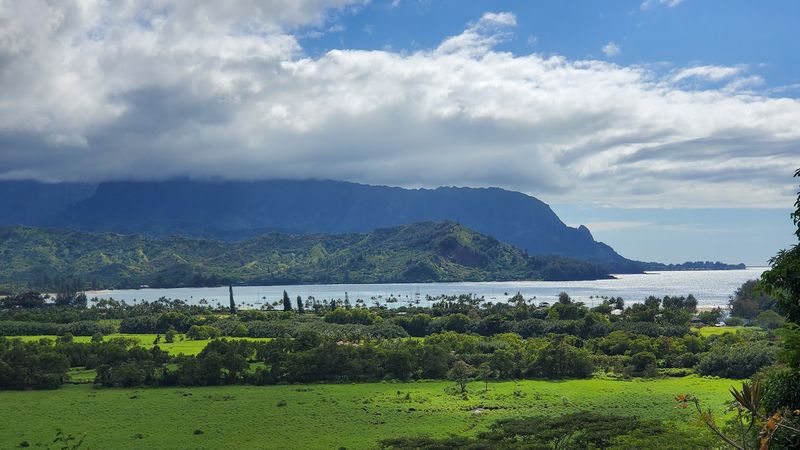
The Na Pali Coast on Kauai is the kind of coastline that makes people go quiet. Towering emerald cliffs rise hundreds of feet straight out of the Pacific, sea caves sit at their base, and the only way to see most of it is by boat, raft, or helicopter.
There are no roads along this stretch of coast, which means the scenery stays genuinely wild.
Current 2026 tour guides continue to list boat tours, raft trips, snorkeling cruises, and sea cave visits along the Na Pali Coast, with operators noting that summer conditions are generally calmer and more suitable for snorkeling stops. Winter seas can be rough enough to limit or cancel trips, so flexibility in scheduling matters here more than at most destinations on this list.
Kauai’s small towns, green valleys, and overall low-key atmosphere give the island a grounded feel that contrasts nicely with the dramatic coastal scenery. For travelers who want towering cliffs, blue water, sea caves, and a strong adventure element, Kauai delivers that combination better than almost any other island in the United States.
Share this story