America’s coastline hides some of the most charming, jaw-dropping towns you’ll ever stumble across. From rugged Maine bluffs to sun-soaked Florida keys and misty Oregon shores, every region has its own coastal personality waiting to be discovered.
Whether you’re chasing seafood, sunsets, history, or just a reason to kick off your shoes, these fifteen seaside gems deliver the real deal. Pack a bag, grab your sunscreen, and get ready to fall hard for America’s most lovable waterfront towns.
Bar Harbor, Maine
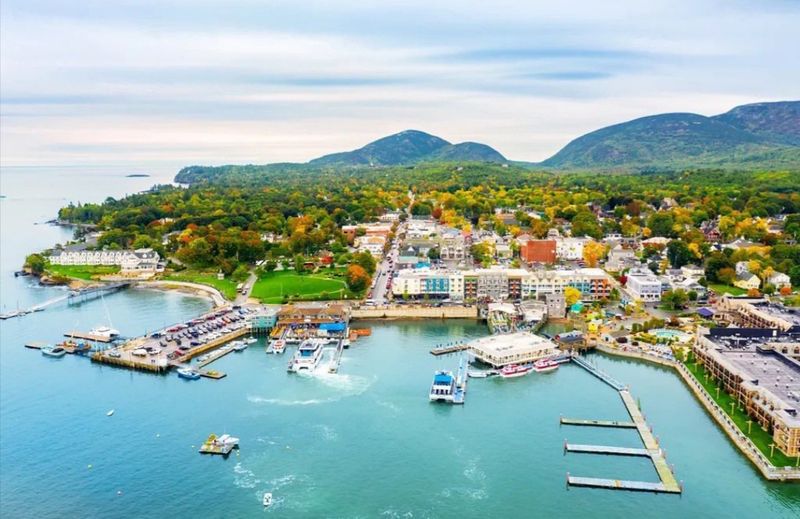
Sunrise hunters, take note: Bar Harbor is the only place in the country where you can watch the day’s first light hit the Eastern Seaboard from the summit of Cadillac Mountain. That alone earns it a spot on any coastal bucket list.
The town sits snugly at the edge of Acadia National Park, meaning epic scenery is basically your next-door neighbor.
Main Street buzzes with lobster shacks, boutique shops, and ice cream joints that locals genuinely love. Harbor cruises let you spot seals and seabirds while the salty breeze does its thing.
The rocky shoreline feels ancient and alive at the same time, which is a combination you rarely find anywhere else.
Visiting in September means smaller crowds, cooler air, and foliage that turns the surrounding hillsides into something out of a painting. Bar Harbor rewards slow walkers and curious minds equally well.
Come hungry, leave completely obsessed.
Nantucket, Massachusetts
Stepping onto Nantucket feels like the rest of the modern world politely agreed to wait outside. Gray-shingled cottages draped in hydrangeas line streets that haven’t changed much in a century, and the island’s unhurried pace is practically contagious.
The ferry ride over from Hyannis is half the fun, with ocean air replacing every bit of daily stress before you even arrive.
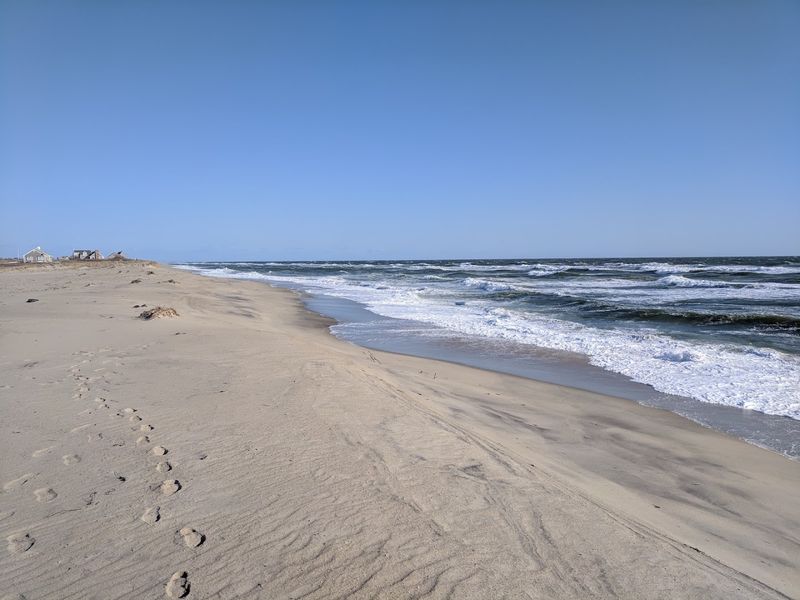
Bicycles are the smartest way to explore. Pedal past historic lighthouses, through quiet neighborhoods, and straight onto beaches where the Atlantic stretches endlessly ahead.
The island has more miles of dedicated bike paths than most people expect, making it genuinely easy to go car-free for the entire trip.
Nantucket’s restaurants punch well above their weight, with fresh seafood menus that change daily based on what the boats bring in. The town’s whaling history adds fascinating depth to every museum visit and harbor stroll.
Boutique shops and art galleries fill the gaps between meals perfectly. This island earns every bit of its beloved reputation.
Newport, Rhode Island
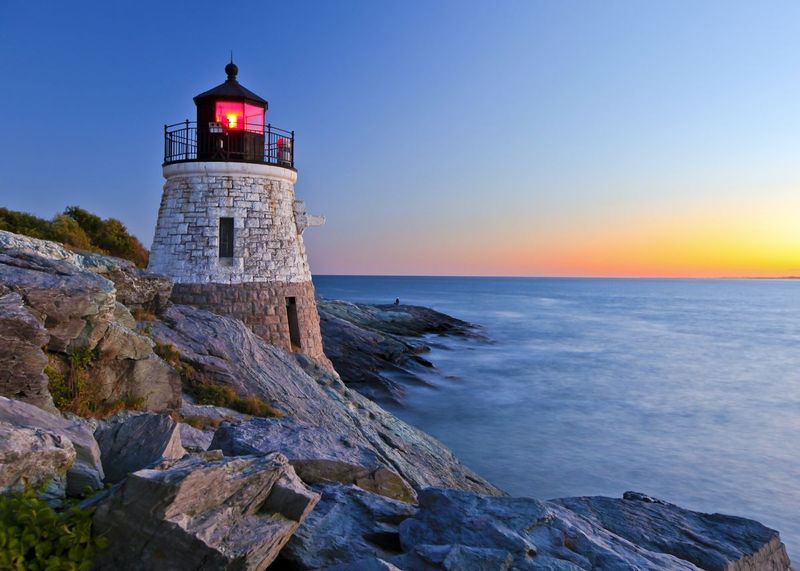
Newport has a split personality, and both sides are absolutely worth your time. By day, the famous Cliff Walk delivers three and a half miles of dramatic Atlantic views wedged between crashing surf and the backyards of some of America’s most outrageous Gilded Age mansions.
The contrast between wild ocean and manicured grandeur is genuinely striking.
The waterfront district tells a completely different story, one filled with working sailboats, fish tacos, and sun-faded nautical flags. Newport hosts major sailing events that attract competitors from around the world, and the harbor energy during race season is electric.
Even on quieter days, watching tall ships maneuver through the bay never gets old.
Historic Thames Street connects the harbor to a maze of cobblestone lanes lined with colonial-era buildings, independent restaurants, and cozy bars. The Breakers mansion tour alone justifies a visit, offering a peek into a level of excess that almost defies belief.
Newport’s surrounding coastal communities add even more classic New England texture to an already rich experience. Bring comfortable walking shoes and a serious appetite.
Cape May, New Jersey
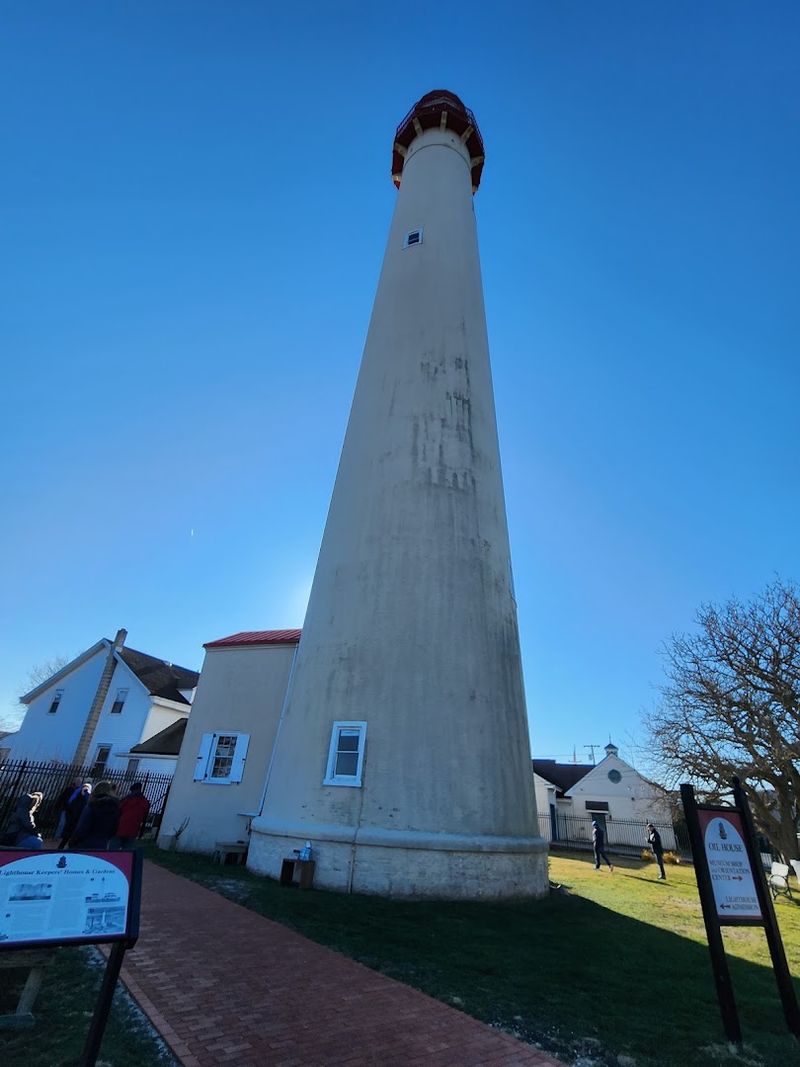
Cape May looks like someone turned a Victorian postcard into an actual town, and honestly, nobody is complaining. More than six hundred preserved Victorian buildings paint the streets in shades of lavender, sage, and coral, creating a backdrop that makes every photo look professionally staged.
The entire downtown is a National Historic Landmark, which tells you just how serious this place is about its architectural legacy.
Beyond the eye candy, Cape May delivers a genuinely relaxing beach experience. Wide, clean shores stretch along both the Atlantic and Delaware Bay sides of the peninsula, giving visitors options depending on their preferred wave situation.
The surf is calm enough for families and energetic enough to keep things interesting.
Horse-drawn carriage rides through the gaslit streets feel charmingly old-fashioned in the best possible way. Local birders go absolutely wild for Cape May every fall, when millions of migrating birds funnel through the peninsula on their southward journey.
The combination of history, beaches, wildlife, and excellent seafood restaurants makes this New Jersey gem genuinely hard to leave. Plan for at least two nights minimum.
Beaufort, North Carolina
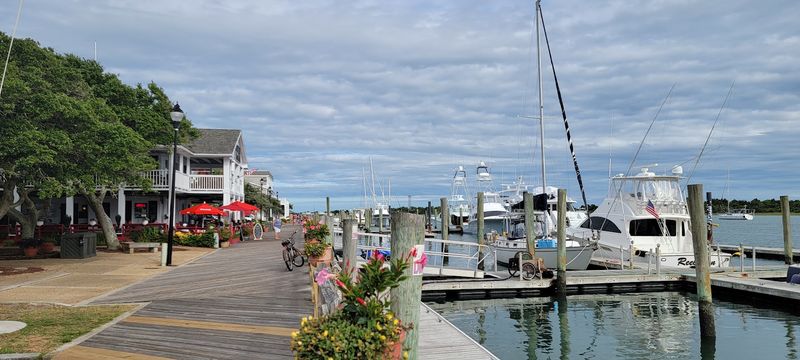
Beaufort, North Carolina, pronounced BOH-fort by locals who will gently correct you if needed, sits along the Crystal Coast with the kind of quiet confidence that only comes from four centuries of coastal living. The waterfront boardwalk faces a calm harbor where wild horses on Carrot Island are sometimes visible with binoculars, which is an absurdly wonderful thing to experience before lunch.
The town’s maritime museum is one of the most underrated stops on the entire East Coast, housing artifacts from Blackbeard’s flagship Queen Anne’s Revenge, which was discovered in the nearby inlet. History literally washed ashore here.
The Old Burying Ground, dating to 1731, adds another layer of fascinating coastal heritage worth exploring on foot.
Sunset cruises leave from the waterfront regularly, and the views of Cape Lookout National Seashore across the water make every departure feel worthwhile. Local seafood restaurants serve fresh shrimp, oysters, and flounder caught that same morning.
Beaufort moves at its own unhurried pace, and after about twenty minutes in town, you’ll find yourself slowing down to match it naturally.
St. Marys, Georgia
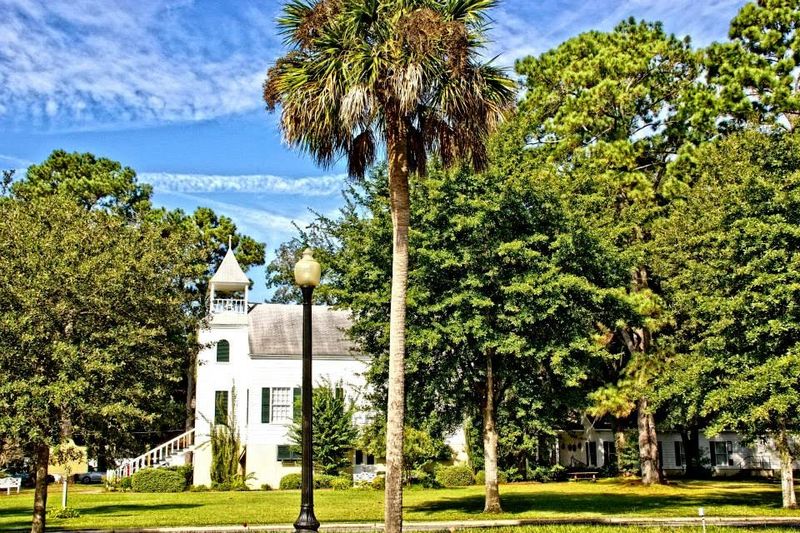
Spanish moss hangs from century-old oaks like nature’s own curtains in St. Marys, Georgia, and the effect is completely cinematic. This quiet town near the Florida border sits along the St. Marys River with a waterfront park that practically begs you to sit down, do nothing, and stay awhile.
The pace here is Southern slow, and that is absolutely a compliment.
The real magic happens when you board the ferry to Cumberland Island National Seashore, just a short ride from the downtown dock. Wild horses roam freely across the island’s beaches and marshes, sharing space with ancient ruins, towering dunes, and maritime forests.
It is one of the most untouched natural experiences available anywhere on the East Coast.
Back in town, locally owned restaurants serve shrimp straight from Georgia waters alongside sweet tea cold enough to fog your glasses. The historic district is compact and walkable, with a lovely old church, a small museum, and a Carnegie library that dates back to 1902.
St. Marys doesn’t try to impress anyone, which somehow makes it more impressive than towns that do. Bring cash for the ferry and curiosity for everything else.
Seaside, Florida
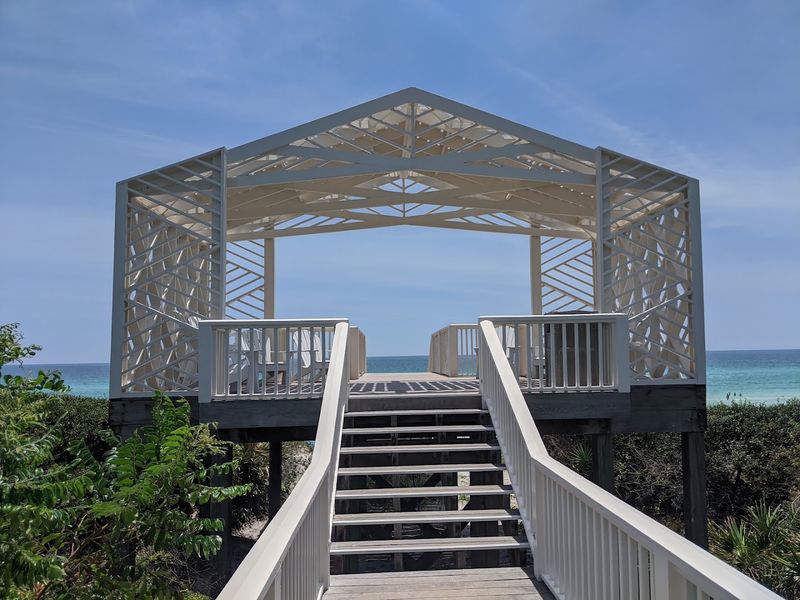
Seaside, Florida, was literally designed to be the perfect town, and the results are almost suspiciously charming. Pastel-colored cottages with white picket fences line pedestrian-friendly streets that all funnel down toward sugar-white sand and water so green it looks digitally enhanced.
Fun fact: this planned community became famous as the filming location for The Truman Show, which makes sense because it genuinely looks like a movie set.
The town sits along scenic Highway 30A in the Florida Panhandle, surrounded by neighboring communities that share the same gorgeous Gulf scenery. Rosemary Beach, Watercolor, and Alys Beach are all within easy biking distance, giving visitors a full day’s worth of wandering without ever touching a car.
The entire corridor feels thoughtfully designed for human enjoyment rather than vehicle traffic.
Airstream food trucks parked in the town center serve everything from crepes to fresh-squeezed juices, turning lunch into a festive outdoor event. The beach here is consistently ranked among Florida’s best, with calm, clear water ideal for swimming and paddleboarding.
Seaside is small, walkable, and almost aggressively photogenic. Even skeptics tend to fall for it within the first hour.
Key West, Florida
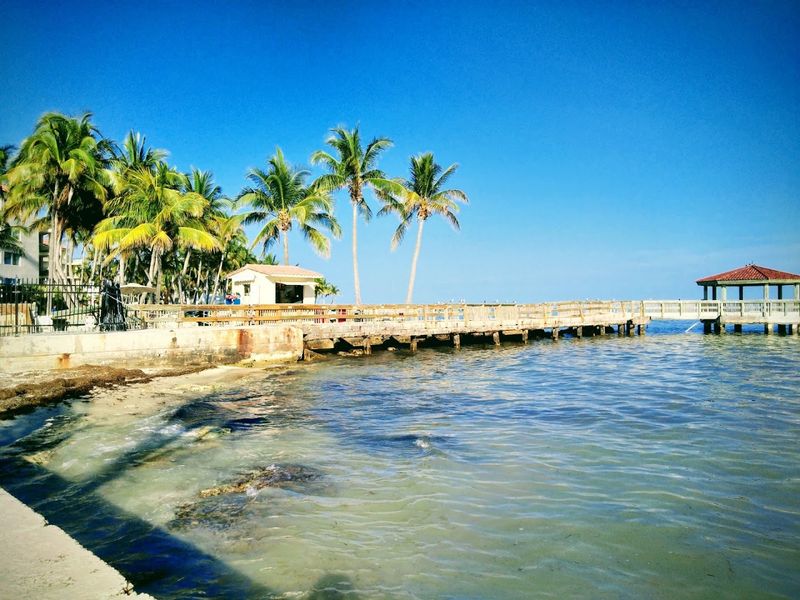
Key West operates by its own rules, and that’s precisely why people keep coming back. Sitting ninety miles from Cuba at the end of a 113-mile chain of islands, this subtropical city packs tropical gardens, wooden Conch houses, Ernest Hemingway’s former home, and the country’s most celebrated sunset ritual into a remarkably small footprint.
Mallory Square at dusk is part performance, part party, and entirely unforgettable.
Old Town rewards aimless wandering more than almost any other American city. Bougainvillea spills over picket fences, roosters strut down sidewalks like they own the place, and hidden courtyards reveal bars and gardens you’d never find without poking around.
The six-toed cats at the Hemingway Home have their own legendary following and genuinely do not care about your visit.
Snorkeling and glass-bottom boat tours access one of North America’s only living coral reef systems, just offshore. The food scene ranges from conch fritters at a picnic table to refined waterfront dining with serious wine lists.
Key West’s energy is tropical, loose, and joyful in a way that coastal towns twice its size rarely manage to achieve. One visit rarely feels like enough.
St. Augustine, Florida
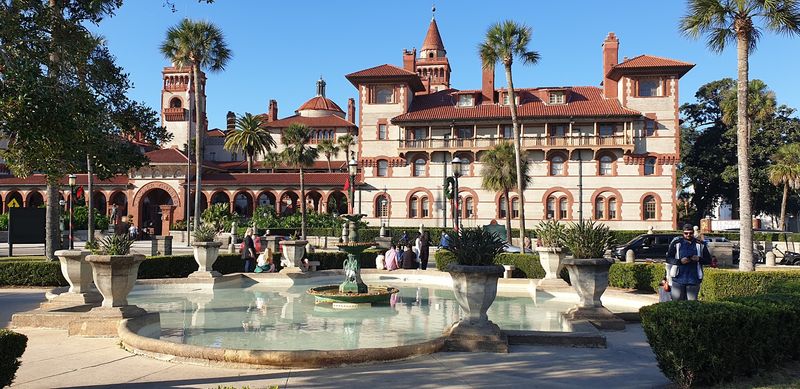
Founded in 1565, St. Augustine has been greeting visitors longer than the United States has existed as a country, and it wears that history with remarkable style. The Castillo de San Marcos, a coquina stone fort overlooking Matanzas Bay, is the oldest masonry fort in the continental United States and somehow manages to be both historically significant and genuinely beautiful at the same time.
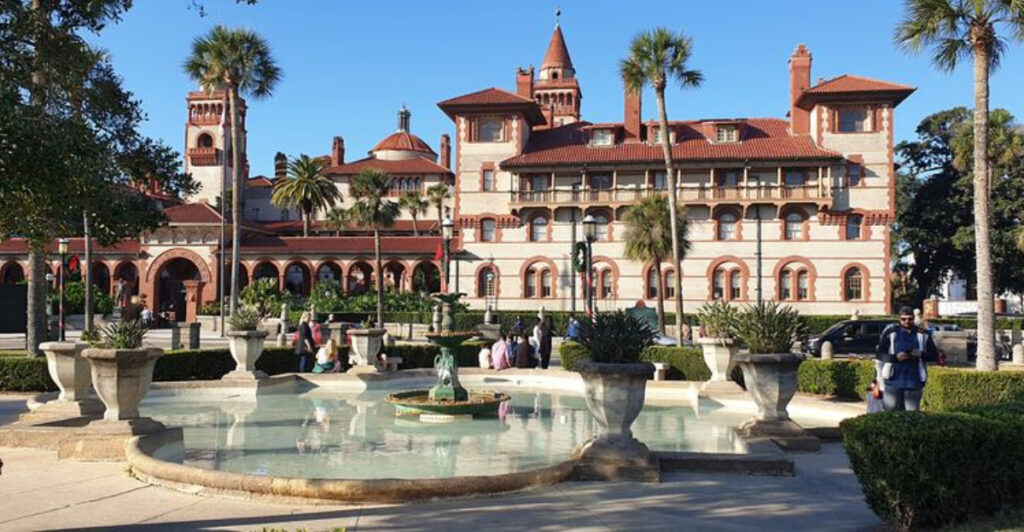
The Spanish colonial historic district is a walker’s paradise, with narrow streets, iron balconies, and centuries-old buildings housing everything from tapas restaurants to independent bookshops. The Flagler College campus, housed in a former Gilded Age hotel, looks so architecturally stunning that visitors regularly mistake it for a palace.
It is hard to argue with that assessment while standing in front of it.
Anastasia State Park delivers over four miles of pristine Atlantic beach just minutes from downtown, offering a quieter alternative to the busier tourist areas. Kayaking the salt marshes at sunrise is a local favorite activity that feels a world away from the cobblestone streets nearby.
St. Augustine’s combination of deep history, excellent beaches, and warm Florida sunshine creates a coastal experience that genuinely has no direct competition.
Carmel-by-the-Sea, California
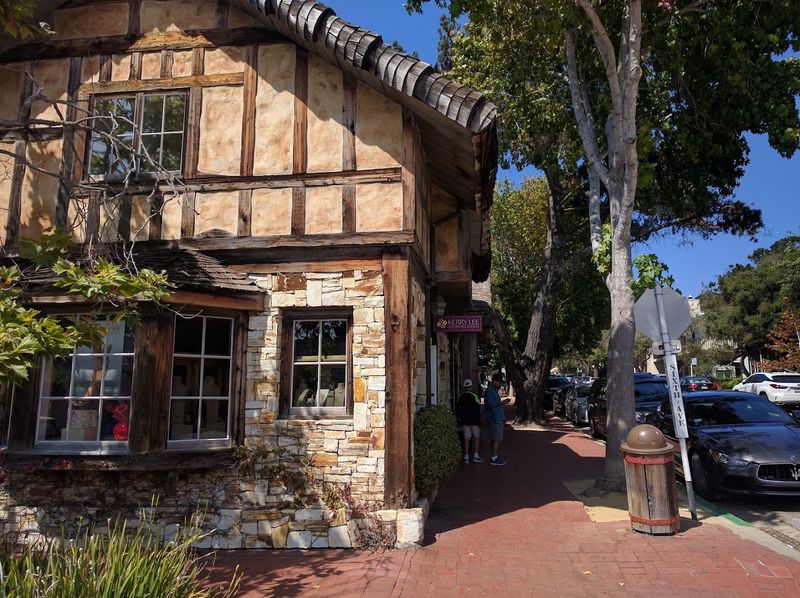
Carmel-by-the-Sea has no street addresses, no parking meters, no chain restaurants, and no traffic lights, which sounds like a riddle but is actually just the town being magnificently itself. Tucked into the Monterey Peninsula, this tiny village of storybook cottages and hidden garden courtyards operates on its own quietly eccentric terms.
Clint Eastwood served as mayor here in the 1980s, which somehow feels completely on brand.
Art galleries outnumber almost every other type of business in town, giving Carmel a creative energy that feels earned rather than performed. The main street winds downhill through boutiques and wine-tasting rooms before delivering you directly onto one of California’s most beautiful beaches, a broad sweep of white sand backed by twisted Monterey cypress trees.
Carmel Beach faces west, meaning sunset views are spectacular on clear evenings when the Pacific turns shades of gold and pink that no filter can replicate. The 17-Mile Drive through nearby Pebble Beach and the rugged coastline of Point Lobos State Reserve are both within easy reach.
Carmel rewards slow exploration and spontaneous detours. Bring a good appetite, because the restaurant scene consistently outperforms what you’d expect from such a small town.
Mendocino, California
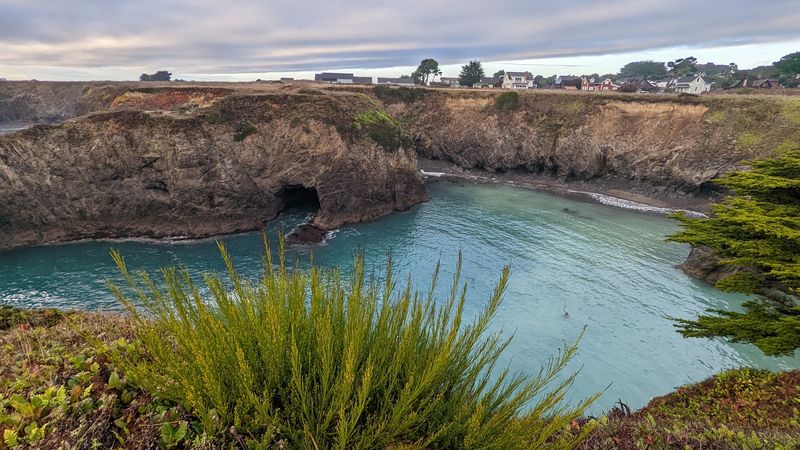
Perched on a headland above the crashing Pacific like something out of a gothic novel, Mendocino is the kind of coastal town that makes artists move there permanently and visitors immediately start pricing real estate. The village’s Victorian water towers and historic wooden buildings are surrounded on three sides by ocean, creating a dramatic geography that no photograph fully captures on the first attempt.
The Mendocino Headlands State Park wraps around the village with trails that follow clifftops above sea caves, blowholes, and rocky arches carved by centuries of Pacific surf. Gray whale migration passes directly offshore between December and May, and watching spouts appear against the horizon from a bluff trail is a genuinely moving experience.
Galleries and studios fill the storefronts with local artwork that reflects the landscape surrounding them, which is moody, wild, and deeply atmospheric. The food scene leans toward farm-to-table done with real conviction, drawing on Mendocino County’s exceptional local produce and coastal seafood.
Fog rolls in most summer mornings, burning off by noon and returning by evening, giving the town a rhythm all its own. Travelers who prefer rugged beauty over polished beach resort energy will find Mendocino completely irresistible.
Laguna Beach, California
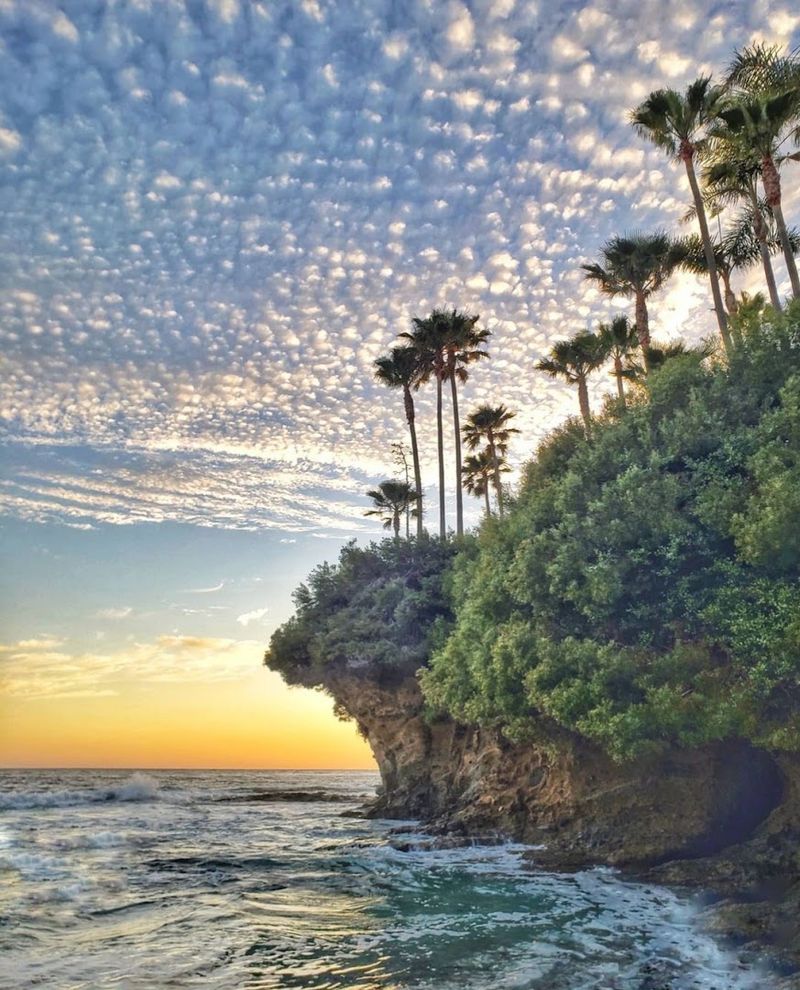
Laguna Beach has been attracting artists since the 1920s, and the creative DNA is still very much present in every gallery, mural, and public sculpture scattered throughout town. This Southern California coastal city sits among a series of dramatic coves and sandy beaches that feel genuinely intimate compared to the massive, crowded shores found elsewhere in the region.
The ocean here is clear, cold, and strikingly beautiful.
Heisler Park runs along the bluffs above the water, connecting viewpoints, tidal pools, and palm-lined pathways in one continuous coastal walk that locals treat as a daily ritual. Divers love the kelp forests and rocky reefs just offshore, where garibaldi fish and sea lions share the same underwater neighborhood.
The tidal pools alone could keep a curious visitor occupied for an entire afternoon.
Downtown Laguna Beach fills its blocks with independent restaurants, juice bars, surf shops, and galleries that rotate exhibitions regularly enough to reward repeat visits. The Festival of Arts, held every summer since 1932, brings the community’s creative identity into full public display.
Laguna Beach manages to be relaxed and sophisticated simultaneously, which is a harder balance to strike than it looks. The views from Pacific Coast Highway heading into town set the tone immediately.
La Jolla, California
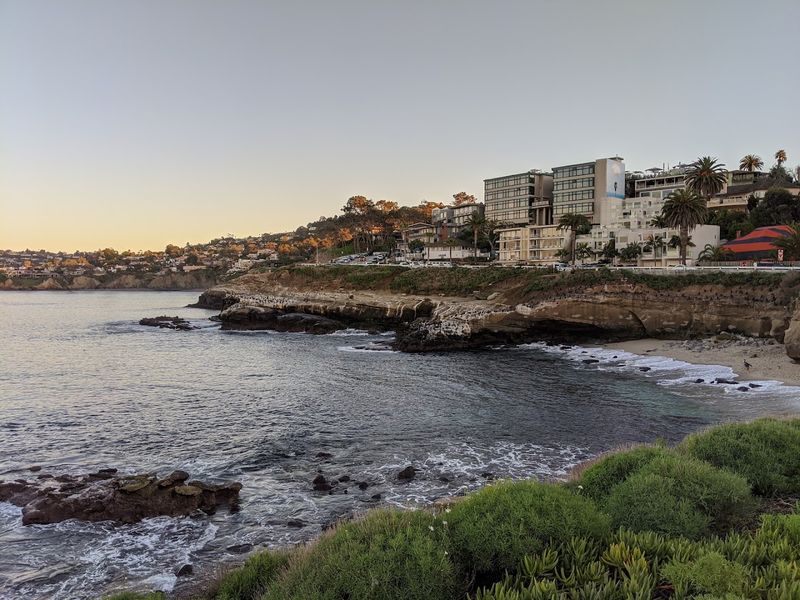
Harbor seals have claimed the cove at La Jolla Children’s Pool as their own year-round hangout, and honestly, their real estate instincts are impeccable. This upscale coastal village within San Diego offers a concentration of natural beauty, marine life encounters, and refined waterfront living that few places in California can match.
The name means “the jewel” in Spanish, and the coastline absolutely earns it.
Kayaking through the La Jolla sea caves is a highlight that surprises first-time visitors with how dramatic and accessible it is. Seven sea caves carved into golden sandstone cliffs line the coast, with one accessible by a wooden staircase from a local shop.
The snorkeling in the La Jolla Cove Ecological Reserve is some of the best in Southern California, with visibility that regularly exceeds twenty feet.
The village above the water holds its own appeal, with streets lined by upscale restaurants, independent boutiques, and cafes where outdoor seating is basically mandatory. The Birch Aquarium at Scripps Institution of Oceanography offers excellent context for everything you’ll see in the water nearby.
Sunset from the cliffs above the cove is a nightly event that draws crowds who never seem to tire of the view. La Jolla delivers a polished coastal escape without requiring a passport.
Cannon Beach, Oregon
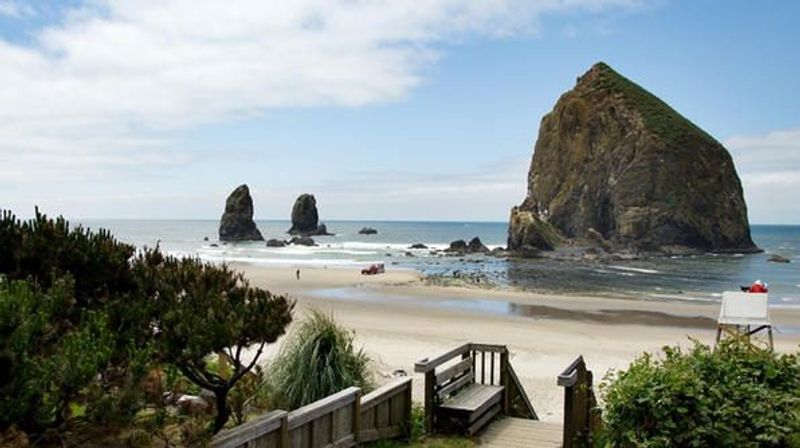
Haystack Rock rises 235 feet from the sand at Cannon Beach like a natural monument that someone placed there specifically for dramatic effect. Tufted puffins nest in its upper crevices every spring, and tidal pools at its base teem with sea stars, anemones, and hermit crabs that fascinate visitors of every age.
The rock is visible from almost everywhere in town, serving as a constant, magnificent landmark.
The beach itself stretches wide and flat for miles in both directions, making it ideal for long walks regardless of weather. Oregonians have a healthy relationship with coastal fog and drizzle, and the town’s galleries, bookshops, and cozy restaurants make rainy afternoons feel like a feature rather than an inconvenience.
Oceanfront inns with fireplaces book up months in advance for good reason.
Hug Point State Recreation Site, just south of town, hides waterfall-fed tide pools and a carved-out cliff road that horse-drawn carriages once used at low tide. The Cannon Beach Arts Association has maintained a gallery presence here since 1963, keeping the creative community active and visible.
Storm watching season brings a completely different kind of beauty, with waves powerful enough to remind you exactly how big the Pacific actually is. Cannon Beach rewards visitors in every season.
Sitka, Alaska
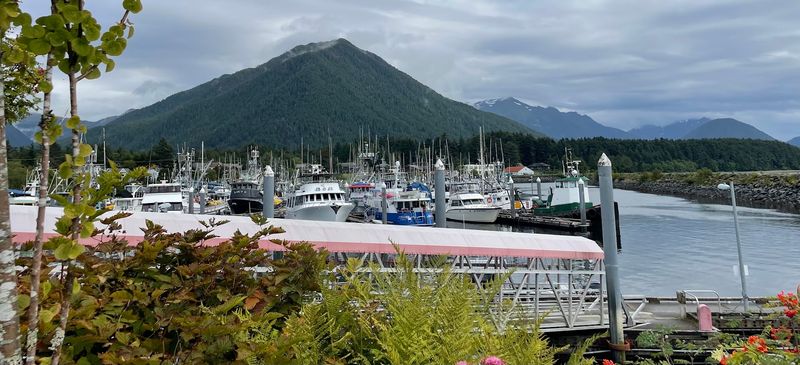
Sitka sits on the western edge of Baranof Island facing the open Pacific, surrounded by a thousand forested islands and backed by snow-capped peaks that make every harbor view look like a wilderness painting. This is not your typical beach town, and that is entirely the point.
Sitka offers a coastal experience so raw and spectacular that it reframes what the word “seaside” can actually mean.
The town carries extraordinary cultural layering. Tlingit people have called this region home for thousands of years, and their artistic and spiritual traditions remain deeply present in the community today.
Sitka National Historical Park preserves the site of the 1804 battle between Tlingit warriors and Russian colonizers, with a totem pole trail through old-growth forest that is quietly breathtaking.
Humpback whales feed in Sitka Sound regularly enough that whale watching trips rarely disappoint. Sea otters float on their backs in the harbor, cracking shellfish with cheerful indifference to onlookers.
Kayaking between forested islands, fishing for halibut and salmon, and visiting the Alaska Raptor Center round out an adventure-packed itinerary. Sitka receives more annual rainfall than Seattle, so pack layers and embrace the mist.
The payoff in scenery and wildlife is extraordinary by any measure.
Share this story