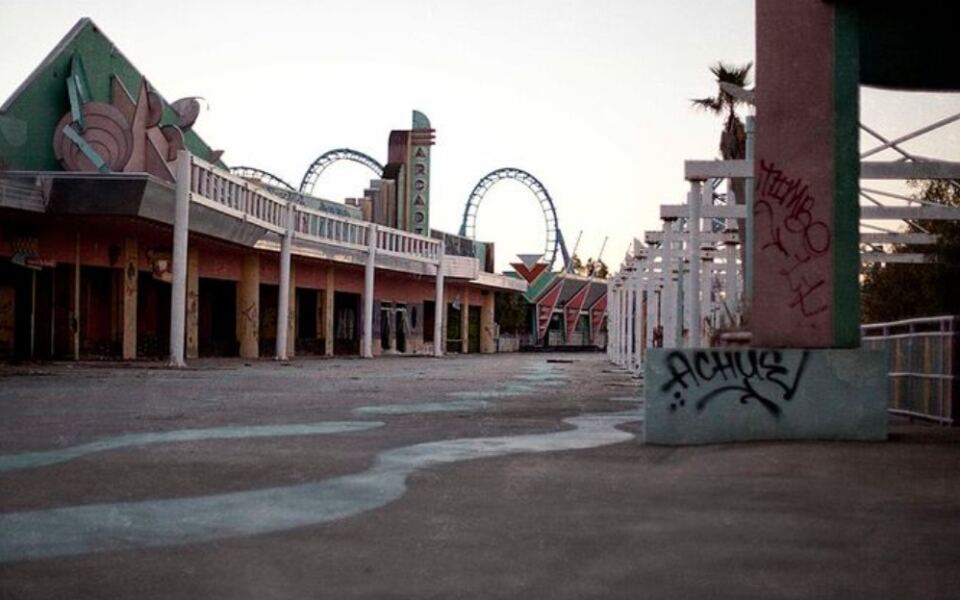
Some of the world’s most popular theme parks did not fade out slowly. They shut their gates, left the rides standing, and let nature move in.
Roller coasters rusted, weeds swallowed pathways, and ticket booths collected dust while the world kept spinning outside the fences. These fifteen parks each had their own story of rise and collapse, and the images they left behind are equal parts fascinating and unsettling.
Spreepark, Berlin, Germany
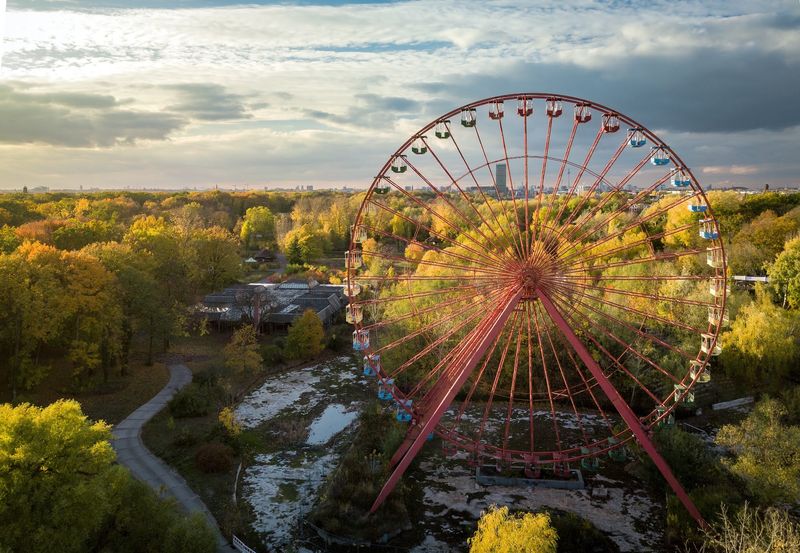
There is something almost poetic about a Ferris wheel slowly being consumed by Berlin’s forest. Spreepark opened in 1969 as Kulturpark Planterwald, the only permanent amusement park in all of East Germany.
After reunification it kept running under the Spreepark name until financial troubles finally shut it down in 2001.
What followed was a slow and beautiful kind of chaos. Vegetation wrapped itself around roller coasters, artificial dinosaurs peeked through overgrown bushes, and the Ferris wheel became one of Europe’s most recognizable abandoned landmarks.
Urban explorers from across the continent made pilgrimages to the 23-hectare riverside property.
Berlin eventually decided the site was too valuable to leave rotting. Rather than bulldozing everything, city planners chose to transform Spreepark into a public park blending art, culture, and nature while deliberately preserving selected amusement remnants.
Some rusty relics were kept as features rather than erased, which makes this redevelopment story one of the more thoughtful outcomes on this entire list.
Nara Dreamland, Nara, Japan
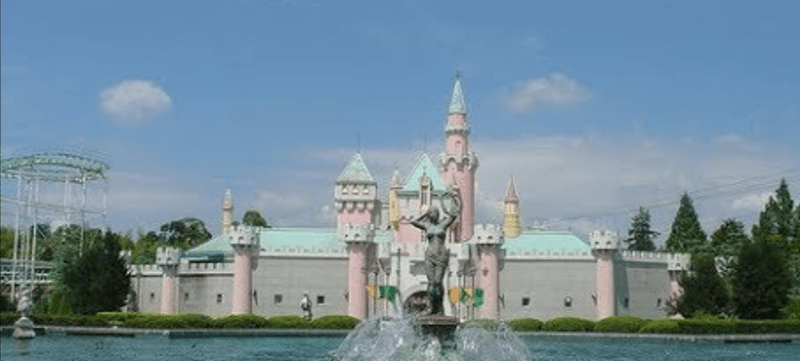
Nara Dreamland wore its Disneyland inspiration like a badge of honor. Opened in 1961, it featured a castle entrance, themed streets, and family rides that drew crowds for decades.
For a while, it genuinely competed as one of Japan’s beloved amusement destinations.
Then Tokyo Disneyland opened in 1983, and everything changed. Universal Studios Japan and Tokyo DisneySea followed later, squeezing Nara Dreamland from all sides.
Attendance fell year after year until the park closed permanently in August 2006, leaving its roller coasters and castle standing in total silence.
What came next made Nara Dreamland internationally famous. Weeds crept across pathways, the wooden coaster rusted impressively, and the castle took on a genuinely haunted quality.
Urban explorers posted photographs that circulated worldwide, building a second life for a park that had failed commercially. Demolition began in 2016 and wrapped up in December 2017, removing every trace of the Disneyland copycat that time had finally caught up with.
Pripyat Amusement Park, Ukraine
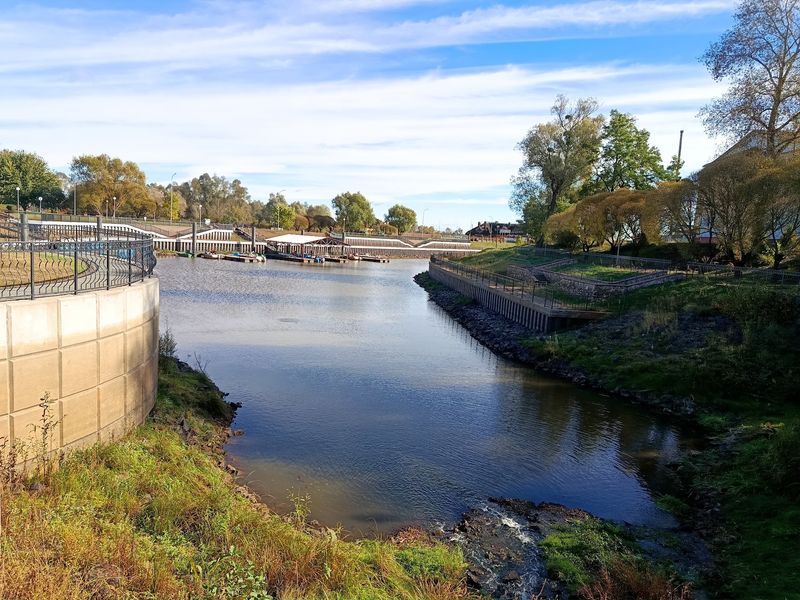
Most parks on this list failed because visitors stopped coming. Pripyat’s amusement park never got the chance to find out if anyone would show up at all.
Its Ferris wheel and bumper cars had been prepared for the city’s May Day celebrations when reactor four at the Chernobyl Nuclear Power Plant exploded on April 26, 1986.
The roughly 49,000 residents of Pripyat were evacuated the following day. Nobody came back.
The rides sat untouched as an entire city was abandoned around them, making the yellow Ferris-wheel cabins one of the most haunting images associated with nuclear disaster anywhere in the world.
Cracked pavement spread beneath the wheel while trees slowly reclaimed the surrounding streets. Unlike every other park on this list, the closure had nothing to do with finances, competition, or maintenance.
An invisible, deadly force made the decision instead. Pripyat now draws tourists to the exclusion zone, and the amusement park remains one of the first stops on every guided tour through the ghost city.
Wonderland Eurasia, Ankara, Turkiye
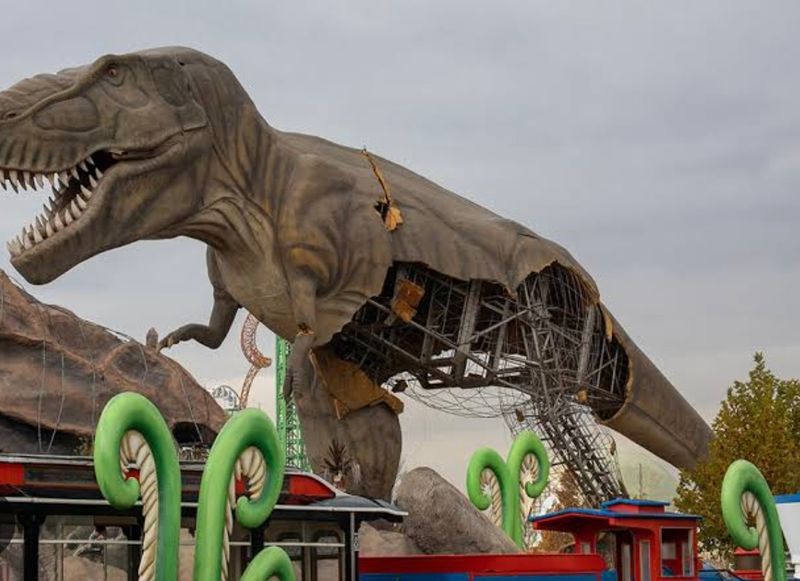
Seventeen roller coasters. That was the opening lineup at Wonderland Eurasia, also known as Ankapark, when it launched in Ankara in March 2019.
The sheer scale of the project was staggering, and for a brief moment it looked like Turkey had built something genuinely extraordinary.
Less than a year later, it was over. The park stopped operating in February 2020, leaving behind a landscape of enormous rides, giant dinosaur figures, and themed buildings that had barely seen a full season of crowds.
The speed of the collapse made the aftermath feel especially surreal. Walking through the property afterward would have felt like stumbling into a party that ended before it started.
No decades of nostalgia softened this story. No generations of families looked back fondly on childhood memories from Wonderland Eurasia.
The park simply failed to build an audience before the money ran out, turning a colossal investment into one of the most dramatic abandoned-park cautionary tales of the modern era. Size, it turns out, is no substitute for a sustainable plan.
Six Flags New Orleans, Louisiana, United States
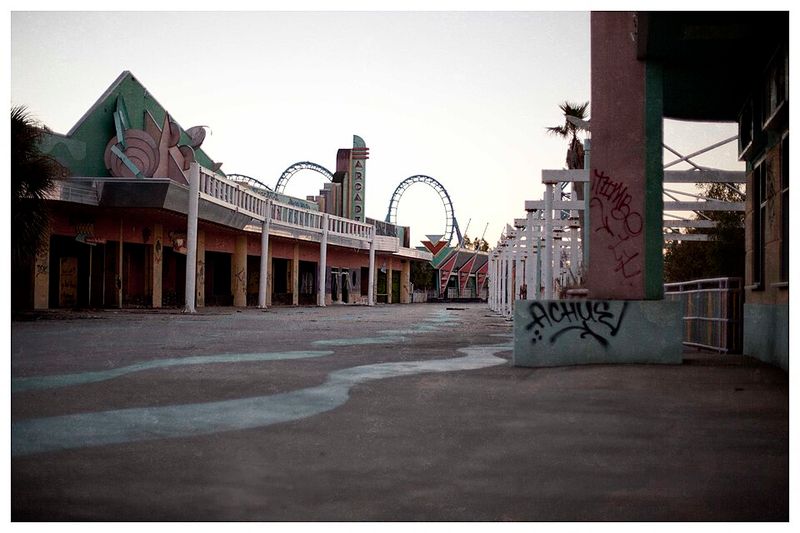
When Hurricane Katrina hit in August 2005, Six Flags New Orleans did not just close for a season. It closed forever.
Floodwaters up to seven feet deep sat across the property for about a month, soaking every structure, corroding every ride, and making any realistic reopening impossible.
The park had started life as Jazzland in 2000 before Six Flags took over and expanded it. After Katrina, what remained was a sprawling ghost town of faded paint and leaning roller coasters that photographers and filmmakers could not resist.
Movies and music videos used the ruins regularly, turning the site into an accidental Hollywood backdrop.
For nearly two decades, the abandoned park sat largely untouched, becoming one of the most photographed ruins in the United States. That chapter finally closed when demolition began in 2024.
By March 2026, the structures had been cleared away, ending one of the most visually striking abandoned-park stories in American history.
Dogpatch USA, Arkansas, United States
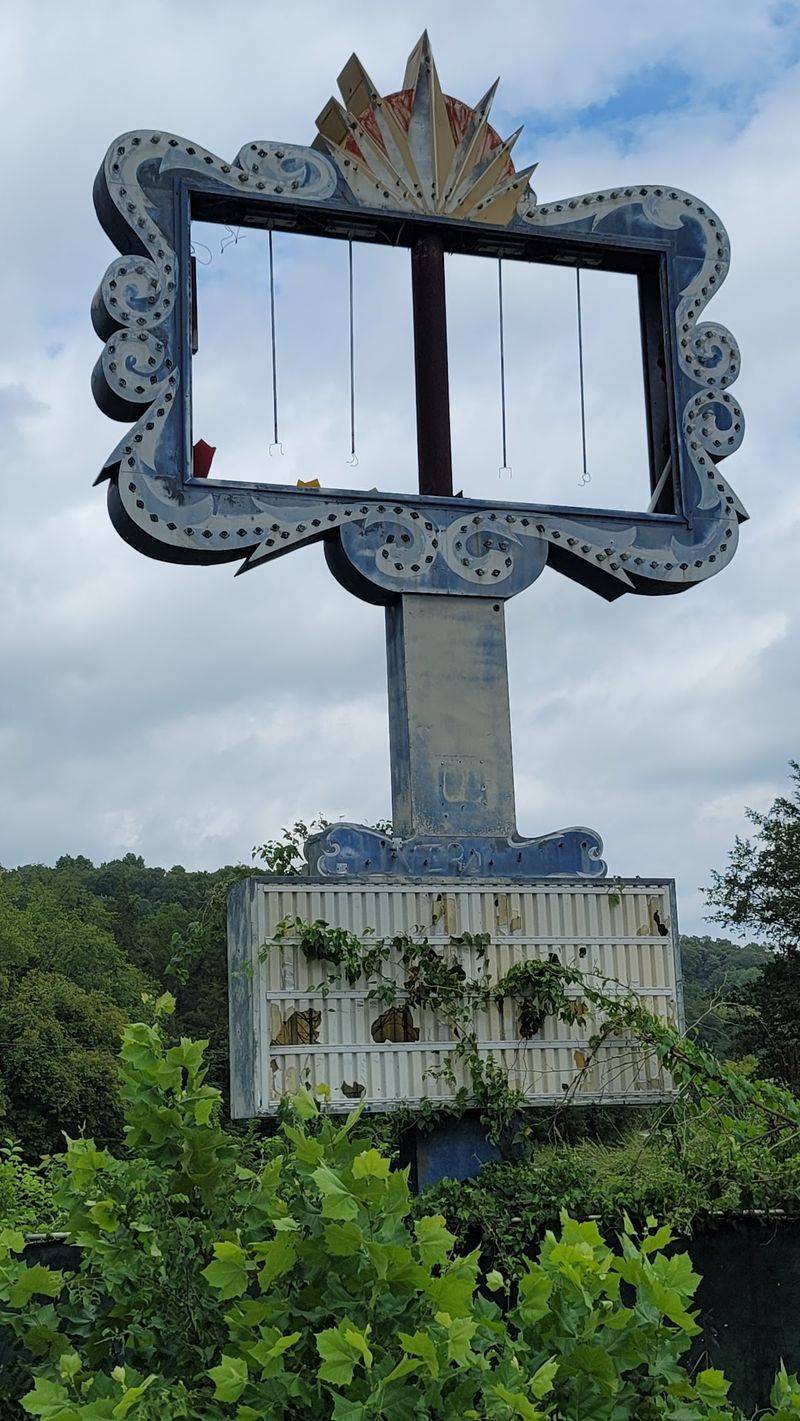
Somewhere in the wooded Ozark hills of Arkansas, a fictional hillbilly town once came to life. Dogpatch USA opened in 1968, inspired by Al Capp’s Li’l Abner comic strip, and offered visitors a railroad, buggy rides, craft demonstrations, a trout farm, and live entertainment built around the strip’s characters.
Early crowds were solid, but the park faced a problem that no amount of charm could fix: younger visitors had no idea who Li’l Abner was. As the comic strip’s cultural relevance faded, so did Dogpatch’s appeal.
Competition from better-funded attractions like Silver Dollar City made things worse, and a string of bankruptcies eventually ended operations permanently in 1993.
What followed was a long, quiet deterioration. Buildings sagged, signage faded, and rides rusted among the trees as ownership disputes delayed any clear plan for the property.
The decay itself became almost as well-known as the park’s operating years, turning a once-quirky roadside attraction into a legendary piece of American roadside history that people drove out of their way to photograph.
Joyland, Wichita, Kansas
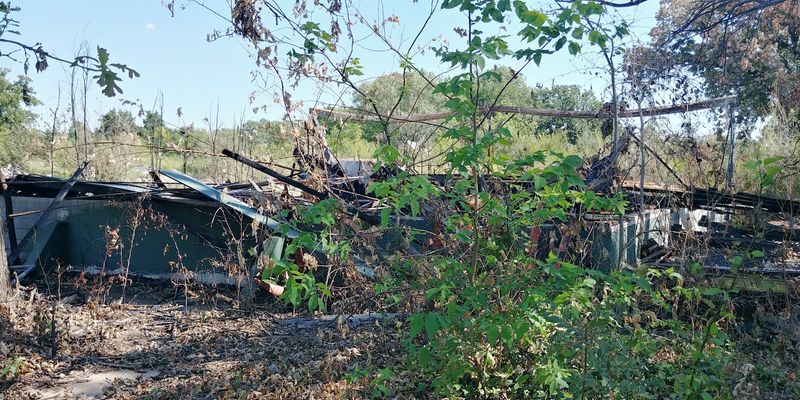
Ask anyone who grew up in Wichita about Joyland and watch their face change. The amusement park ran for decades as a genuine local institution, offering a wooden roller coaster, a carousel, a miniature train, and Louie, an animatronic clown playing an organ that somehow managed to be both charming and deeply unsettling.
Financial problems and aging infrastructure led to closure in 2004, followed by a brief and ultimately unsuccessful reopening in 2006. After that second closure, the site suffered badly.
Vandals broke in repeatedly, fires caused serious damage, and the beloved wooden coaster deteriorated faster than anyone hoped to stop.
A major fire in 2018 destroyed much of what remained, and redevelopment eventually cleared most of the ruins. One meaningful piece survived with dignity, though.
The historic carousel was donated to Wichita’s Botanica gardens, where it still operates today. For a park that ended so badly, it is quietly satisfying that at least one spinning, music-playing piece of Joyland’s happier years managed to escape the wreckage.
Camelot Theme Park, Lancashire, England
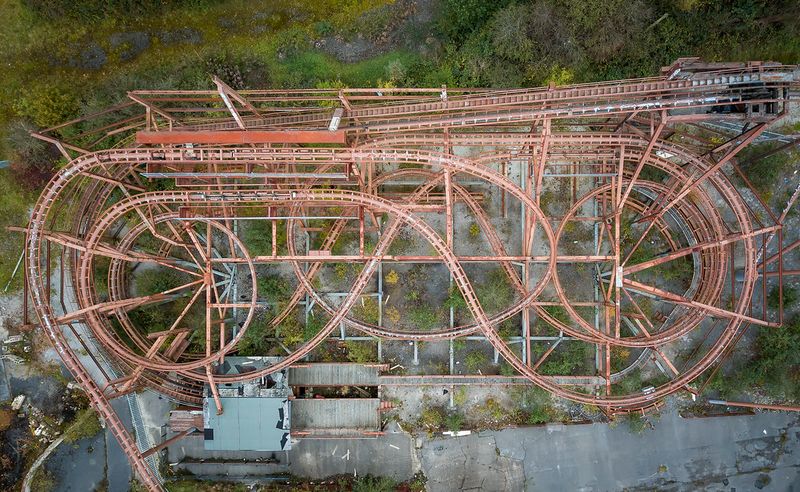
Knights, castles, and a roller coaster called Knightmare. Camelot Theme Park leaned hard into its Arthurian identity across 140 acres of Lancashire countryside from 1983 until 2012.
Families came for the medieval atmosphere and stayed for the thrill rides, making it a reliable summer destination for a generation of northern English kids.
When the owners announced it would not reopen for the 2013 season, the closure felt abrupt. Castle-like buildings and abandoned coasters then sat exposed to Lancashire’s reliably damp weather, drawing urban explorers who posted photographs of the slow deterioration.
Repeated fires and vandalism accelerated the damage considerably.
The ruins even found an unexpected second act in 2022 when a temporary zombie horror experience set up inside what remained, using the decaying buildings as ready-made scenery. By that point, though, much of the original park had already been demolished or stripped, including the iconic castle entrance that had greeted visitors for nearly three decades.
Camelot’s legend outlasted its structures by quite a margin.
Lake Shawnee Amusement Park, West Virginia, United States
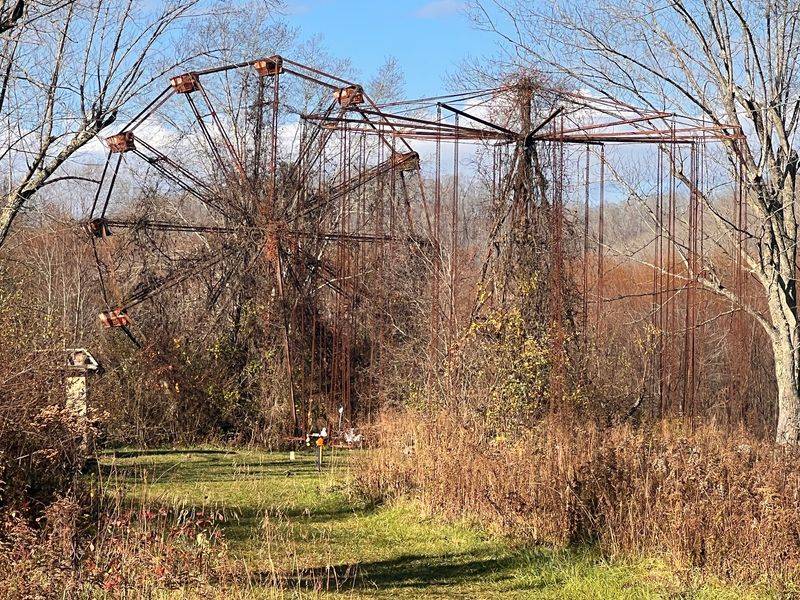
Lake Shawnee carries more history than most amusement parks on this list, and not all of it is cheerful. The park opened in 1926, serving families from West Virginia’s coal country with rides, a swimming area, a dance hall, and cabins.
It was a genuinely well-loved local destination for its era.
Two separate accidents left permanent shadows over the property. A girl was killed in an accident involving the swing ride, and a boy drowned in the swimming area.
A failed health inspection closed the park in 1967. It returned briefly in the late 1980s before shutting again, this time for good.
What makes Lake Shawnee different from most defunct parks is that the owners chose not to clear the property. Rusted ride structures remained in place, weathering season after season, which helped transform the site into a destination for paranormal investigators and Halloween events.
Whether or not the ghost stories hold up, the visual atmosphere of an overgrown 1920s amusement park is genuinely hard to manufacture. Lake Shawnee managed it entirely by accident.
Dadipark, Dadizele, Belgium
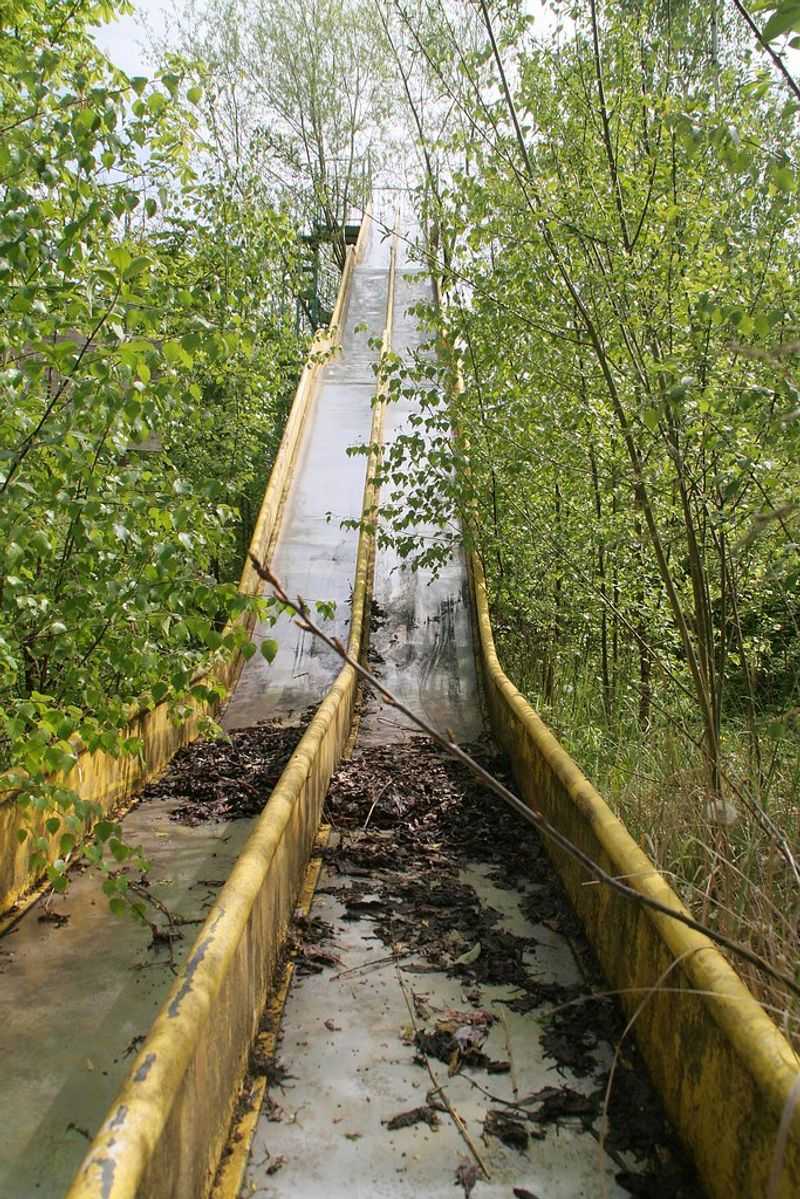
Dadipark was never trying to compete with major European theme parks. It started as a modest family attraction connected to the pilgrimage town of Dadizele, gradually growing into a children’s amusement park with playground equipment and small rides sized for young visitors.
Simple, cheerful, and completely local in character.
Safety concerns and aging equipment forced a closure in 2002, officially described as temporary while renovations were planned. Renovations never happened.
Investors never materialized. Year after year, the playground equipment rusted and the buildings deteriorated while the town watched and waited for something to change.
The contrast between what Dadipark had been and what it became was particularly striking because it had been designed specifically around children. Tiny rusted rides and crumbling structures intended for small kids carry a different kind of sadness than a full-scale roller coaster falling apart.
Demolition was finally approved in 2011, ending nearly a decade in which a once-busy family park stood empty and decaying right in the middle of the community it used to serve.
Ho Thuy Tien Water Park, Hue, Vietnam
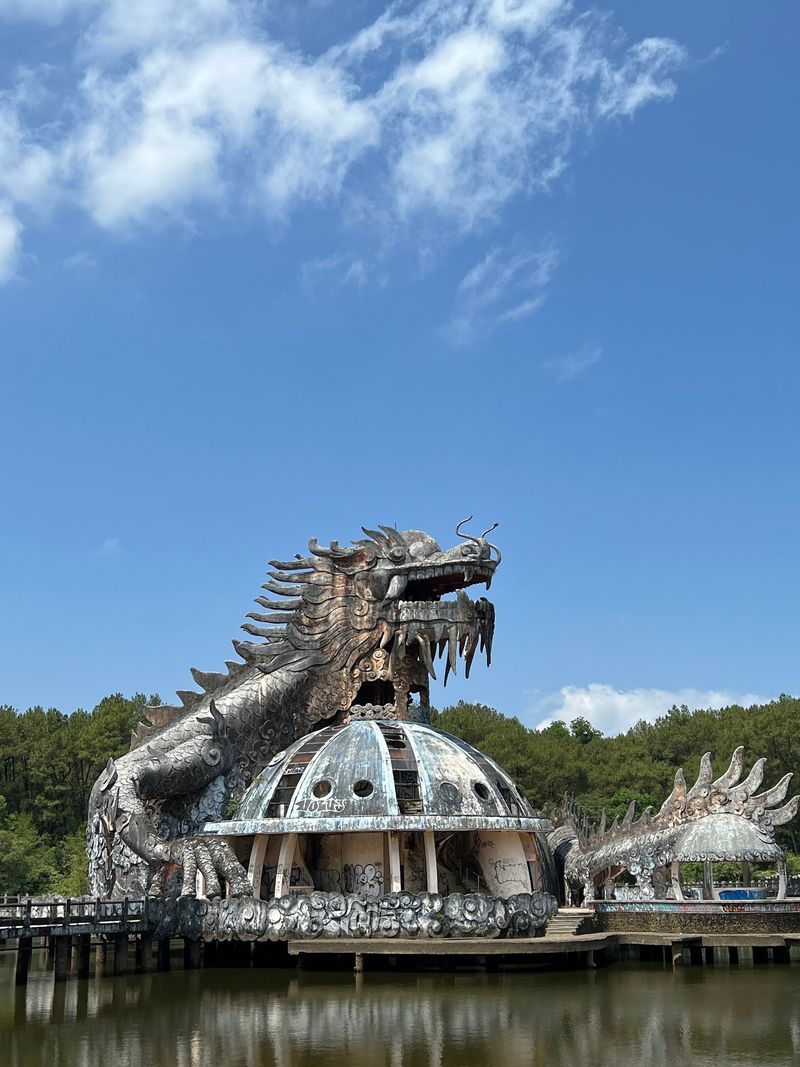
A giant concrete dragon sitting beside a lake outside Hue is not something you expect to encounter. Ho Thuy Tien’s most famous feature was exactly that: a massive dragon-shaped aquarium building that became the defining image of one of Southeast Asia’s most photographed abandoned attractions.
The water park opened while still incomplete in 2004 and never found the audience it needed.
Empty slides, an overgrown amphitheater, and the dragon structure made the property irresistible to backpackers and urban explorers passing through central Vietnam. Word spread quickly, and Ho Thuy Tien developed a genuine tourism reputation based entirely on its abandoned state.
Ownership changes and redevelopment proposals came and went without producing results for years.
The story eventually reached a more hopeful conclusion. Municipal authorities cleaned and renovated the property, reopening it as a community park in 2025 while preserving some recognizable elements from its abandoned period.
The dragon, presumably, survived. Ho Thuy Tien’s arc from incomplete water park to famous ruin to renovated community space is one of the more unusual trajectories on this list, and arguably one of the better endings.
Holy Land USA, Waterbury, Connecticut
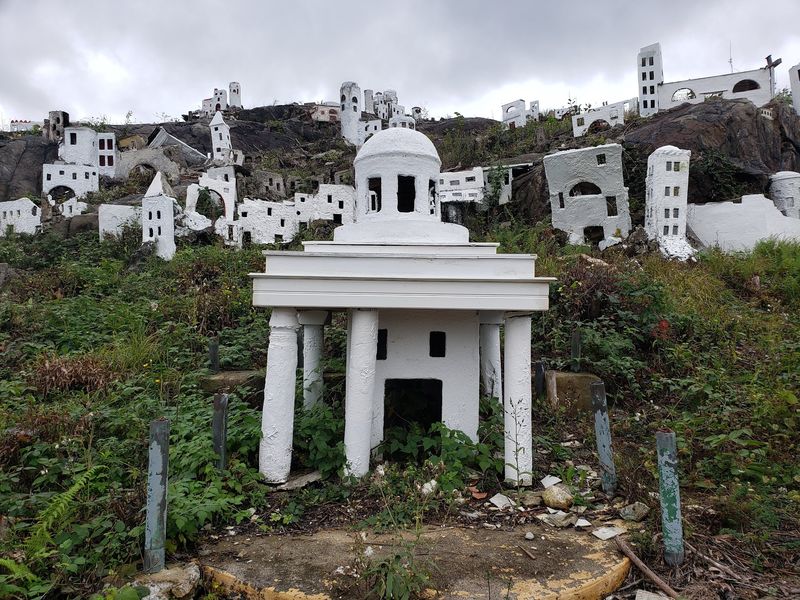
Holy Land USA never had a roller coaster or a Ferris wheel, and that is exactly what makes it such an odd entry on this list. Created in the 1950s, the Waterbury attraction was a Bible-themed walking park filled with miniature reproductions of biblical locations, religious scenes, and pathways winding across a hillside above the city.
A large illuminated cross marked its presence for miles around.
For years it drew families, school groups, and religious pilgrims before closing in the 1980s. The miniature structures then deteriorated without maintenance, collecting vegetation and earning a reputation as one of Connecticut’s strangest abandoned landmarks.
The contrast between the sacred subject matter and the crumbling, overgrown state of the models gave the site an atmosphere unlike any conventional amusement ruin.
Holy Land is now working toward a genuine comeback. Volunteers have been restoring the site steadily, and in 2026 work was nearing completion on a new Stations of the Cross walking route.
It proves that abandoned theme-park landscapes do not always have to end in demolition or solar panels. Sometimes, with enough patience and community effort, they find an entirely new reason to exist.
Share this story