Some cities just feel different the moment you step outside. The air is cleaner, the streets are quieter, and getting around without a car actually makes sense.
Europe leads the world when it comes to building cities where healthy, sustainable living is not a trend but a way of life. From Nordic capitals with spotless air to Mediterranean gems with riverbed parks, these 15 cities prove that clean living can look, feel, and function beautifully.
Stockholm, Sweden
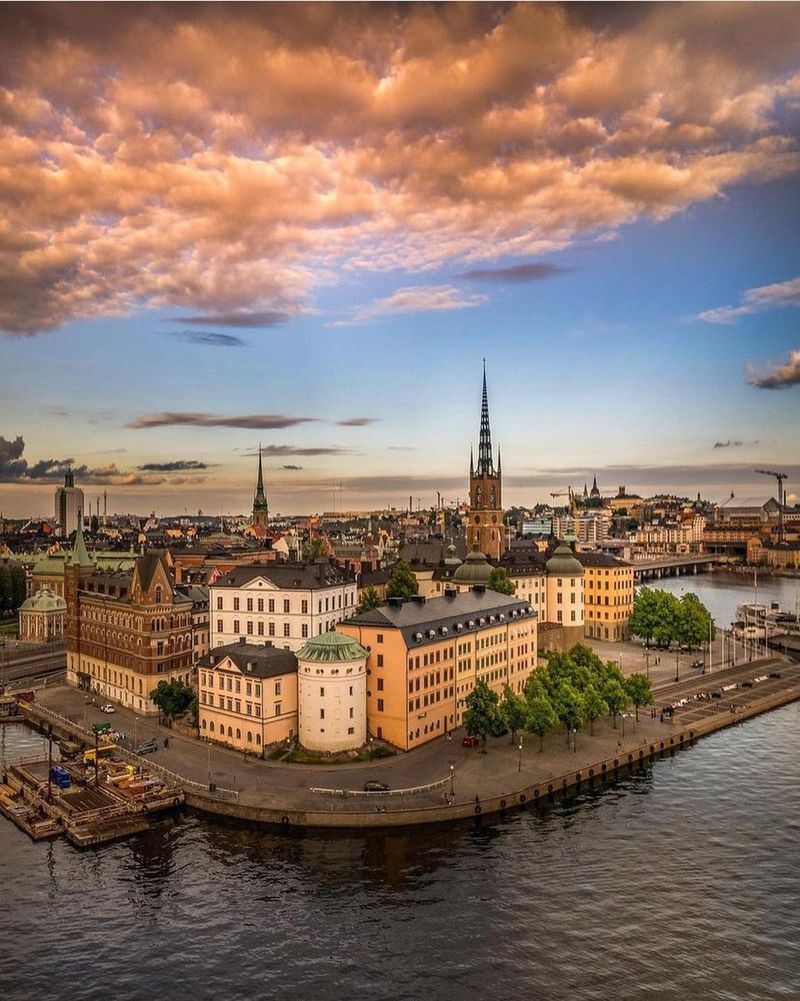
The European Environment Agency currently ranks Stockholm as the cleanest European capital for air quality, and that achievement is no accident. This city has been engineering its environment since before sustainability became a global buzzword.
Stockholm earned the very first European Green Capital title back in 2010, setting the tone for everything that followed.
More than half of the city’s municipal area is greenery, including nature reserves, lakes, and sections of the Royal National City Park. Waterfront paths bustle with runners and cyclists.
Ferries serve as public transportation. Parks interrupt dense neighborhoods with almost suspicious regularity.
Stockholm’s environmental strategy covers renewable energy, recycled materials, cleaner vehicles, and a mobility culture that blends walking, cycling, and public transit naturally. Residents do not feel like they are making sacrifices for the planet.
They just happen to live somewhere that makes greener choices the easiest ones. Stockholm does not advertise clean living loudly.
It simply makes it look completely normal.
Reykjavik, Iceland
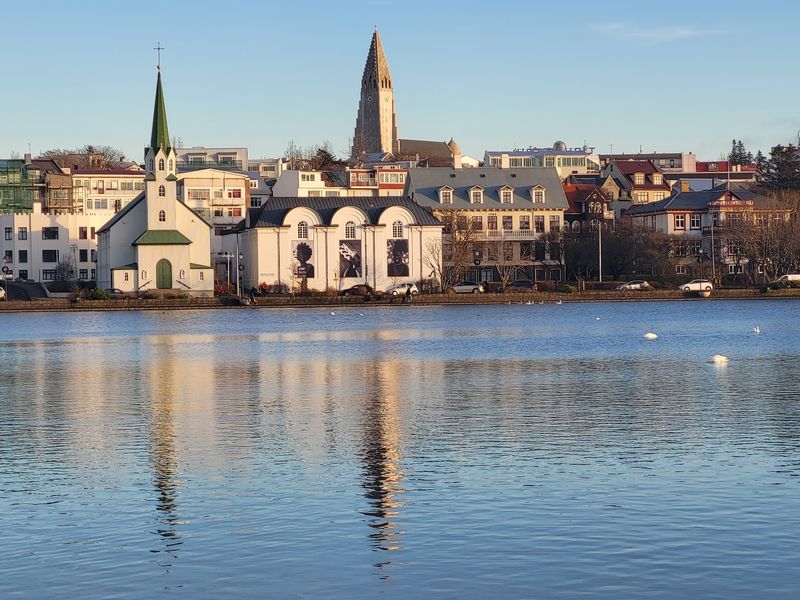
Powered almost entirely by geothermal and hydroelectric energy, Reykjavik starts with an environmental advantage that most capitals can only dream about. But geography alone does not explain everything happening here.
The city has committed to carbon neutrality and participates in the European climate-neutral-cities initiative, with a Climate City Contract that pulls together government, businesses, universities, and residents around real emissions targets.
The city’s revised Green Deal, approved in 2026, covers environmental, economic, and social sustainability in one connected package. Goals include cleaner transportation, reduced waste, circular-economy systems, and lower energy consumption across buildings and infrastructure.
What makes Reykjavik especially striking is its scale. The Atlantic, geothermal pools, volcanic landscapes, and open countryside never feel far from the city center.
For a capital, the visual separation between urban life and raw nature is almost nonexistent. Walking through downtown Reykjavik, you get the sense that the city was built around the landscape rather than despite it.
That relationship with the natural world shapes everything, including how residents think about energy, water, and waste.
Helsinki, Finland
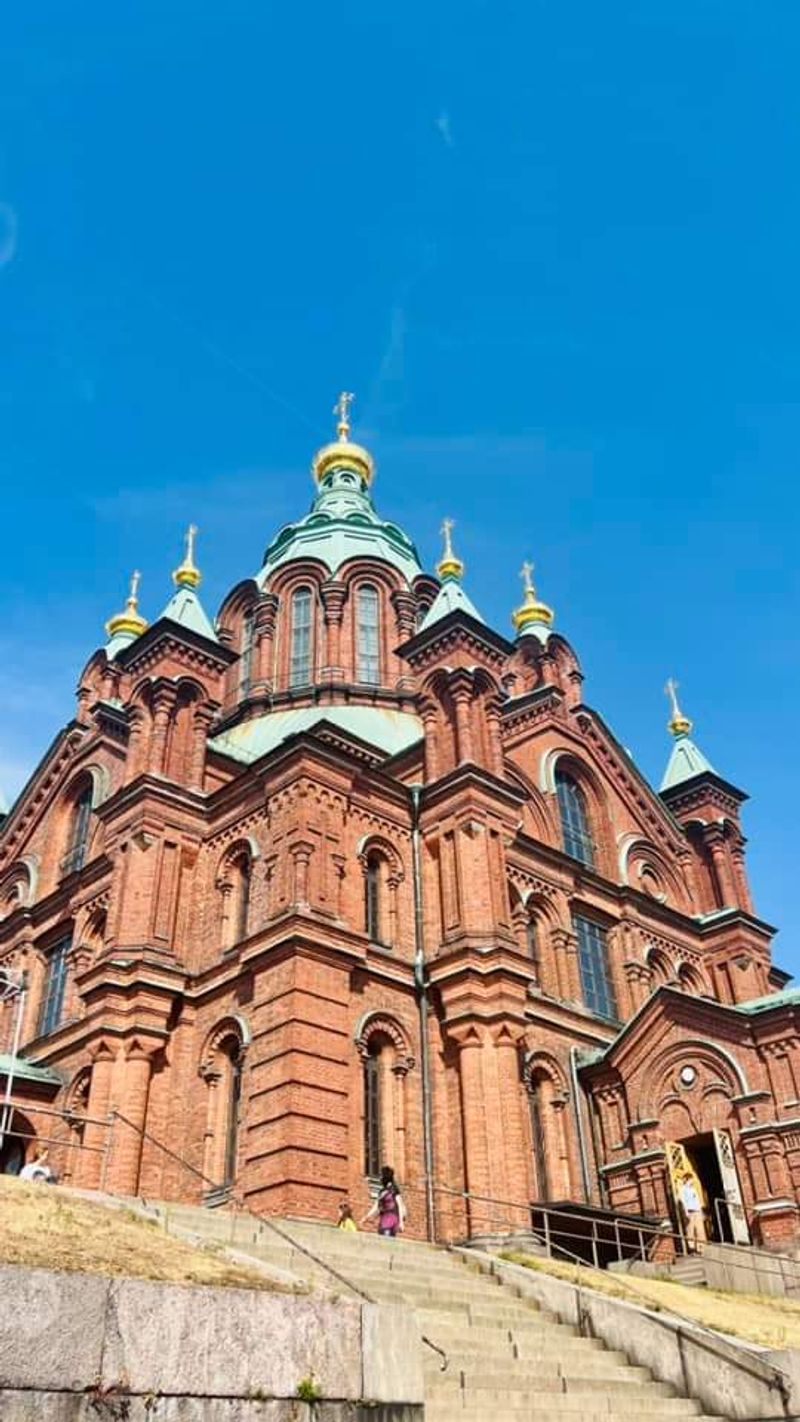
Finland’s capital completes the Nordic trio sitting at the top of Europe’s capital-city air-quality rankings, but Helsinki’s approach to clean living goes beyond keeping the air fresh. City planners here explicitly connect environmental health with everyday wellbeing, treating sustainability as a public health issue rather than a branding exercise.
The transportation hierarchy is refreshingly direct: pedestrians first, then cyclists, then public transit, then commercial traffic, and private cars last. That priority order shapes how streets are designed, where money gets spent, and what the city actually feels like to move through.
Helsinki is targeting an 85 percent reduction in greenhouse-gas emissions from 1990 levels by 2030, with net-zero by 2040.
Importantly, Helsinki does not pretend everything is solved. The city openly acknowledges that road traffic remains a meaningful source of air pollution, noise, and microplastics.
That honesty is part of what makes Helsinki a genuinely useful model. Clean living is treated as an ongoing engineering challenge rather than a finished trophy.
Cities that admit their problems tend to fix them faster than cities that only celebrate their wins.
Copenhagen, Denmark
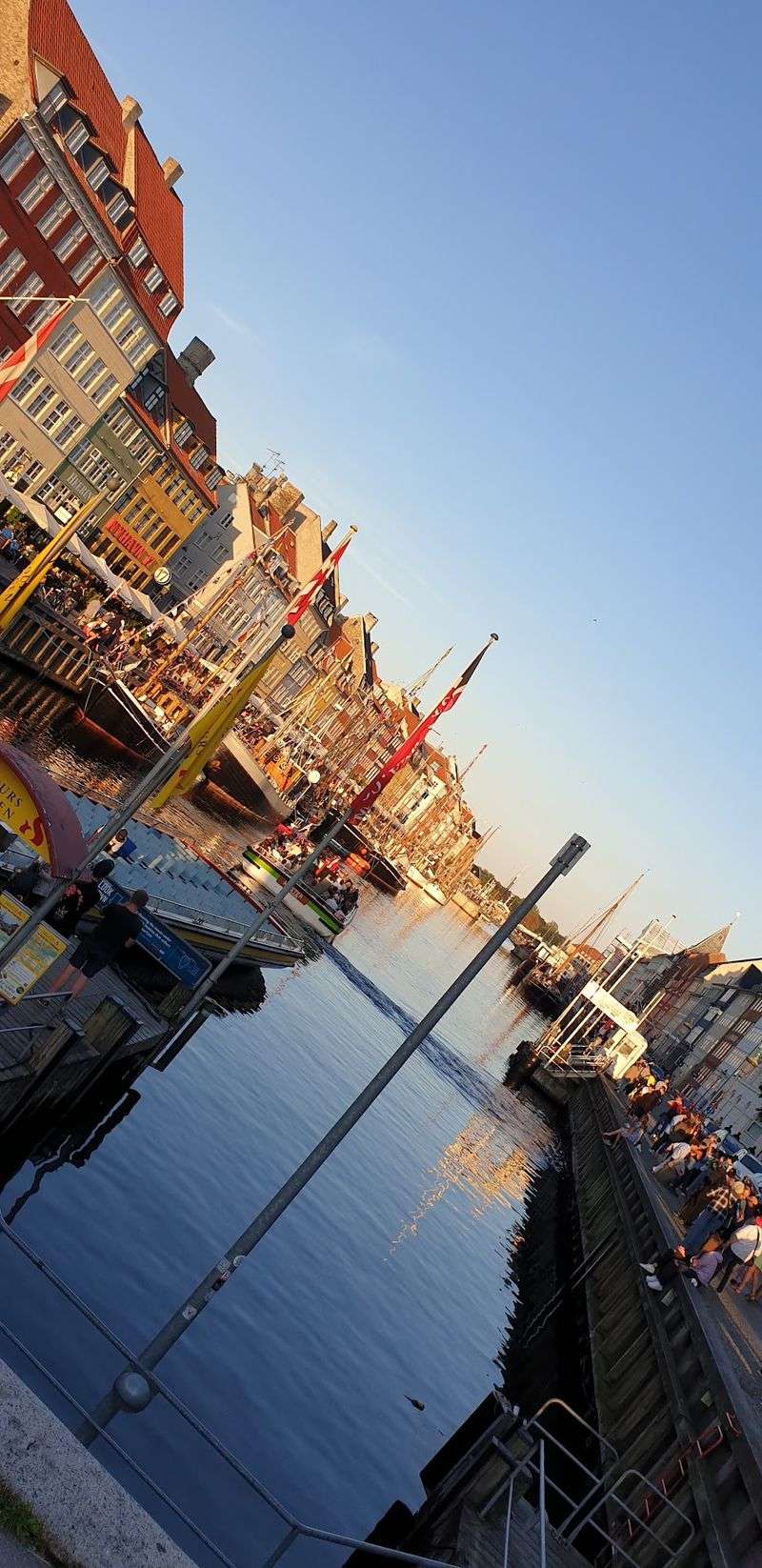
Forget the motivational posters about choosing healthier lifestyles. Copenhagen simply built a city where cycling to work is faster, cheaper, and more enjoyable than driving.
Dedicated bike infrastructure, purpose-built bridges, and compact neighborhoods make bicycles the obvious choice for school runs, grocery trips, and commutes rather than weekend recreation.
The city’s current Our Copenhagen 2035 vision highlights cycling and harbor swimming as defining characteristics, not aspirations. That harbor detail matters more than it might seem.
Urban waterfronts across Europe spent decades as polluted industrial zones. Copenhagen cleaned its harbor water to the point where swimming became part of ordinary summer life for residents.
Copenhagen earned the European Green Capital title in 2014, recognized for eco-innovation and sustainable urban development. What the city does better than almost anyone is remove the sense of sacrifice from sustainable choices.
Cycling along the waterfront does not feel like picking the environmentally responsible option. Most days, it feels like picking the nicest one.
That psychological trick, making green choices feel like personal upgrades rather than obligations, is Copenhagen’s real export.
Zurich, Switzerland
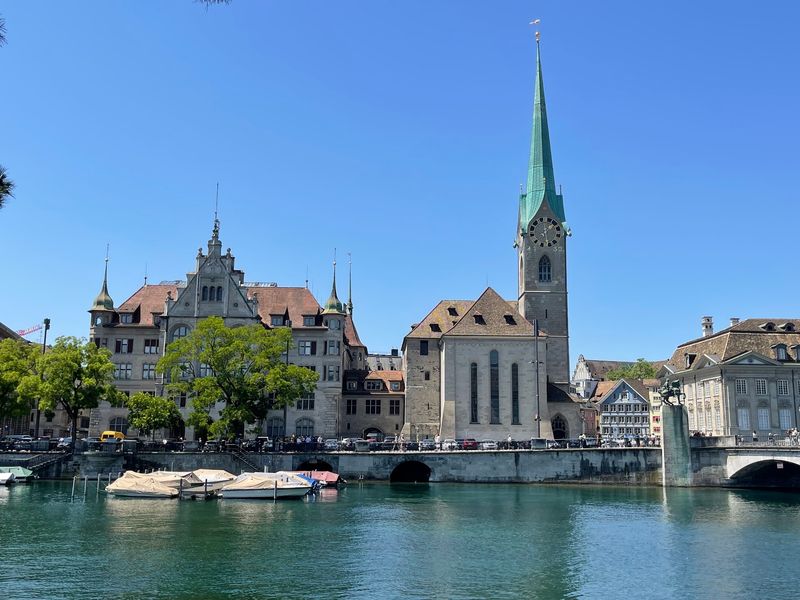
Zurich does not make much noise about being sustainable. It is too busy actually functioning well.
The city’s 2026 Environmental Report lists clean water, good air quality, ample recreation space, and a comfortable urban climate as the foundations of Zurich’s quality of life, not as marketing points but as baseline expectations.
Public transportation sits at the center of the city’s long-term strategy, treated as the backbone of urban mobility alongside walking and cycling. Trams make driving unnecessary for most central trips, and the system runs with the kind of reliability that makes owning a car feel like unnecessary paperwork.
Zurich is also working toward climate neutrality while expanding transit, electrifying mobility, and supporting circular-economy initiatives across the city.
Visitors notice the clean-living effect in smaller, unexpected ways. Lake Zurich is integrated into daily city life rather than fenced off for special occasions.
Swimming areas sit next to dense neighborhoods. The Limmat River winds through the center in a way that feels deliberate and welcoming.
Zurich can be famously expensive, but the public realm often feels like a premium product that everyone can actually use.
Vienna, Austria
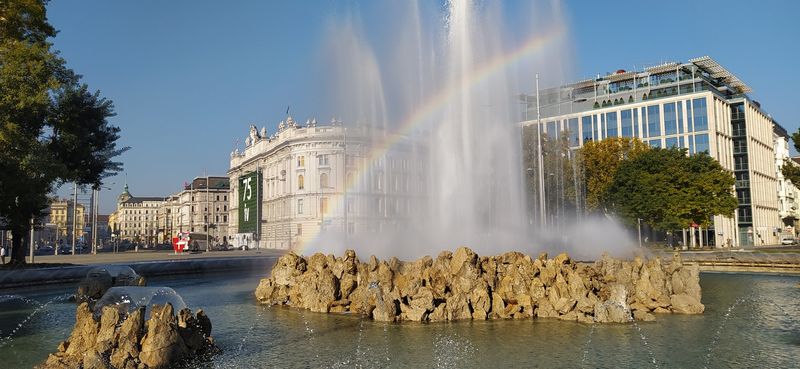
Vienna gets celebrated constantly for livability, but its environmental infrastructure deserves a separate round of applause. Roughly half of the city’s total territory is green space, and Vienna’s planning strategy treats maintaining that proportion as a non-negotiable priority as the population grows.
That commitment shapes decisions across housing, transportation, and public space design.
Water is where Vienna genuinely surprises people. The city receives high-quality mountain spring water through historic alpine pipelines, and since 2001, the drinking-water supply and its associated forests have been constitutionally protected.
Around 1,600 public drinking fountains are scattered across the city, making single-use plastic bottles feel genuinely unnecessary rather than merely inconvenient.
Between 2021 and 2025, the city directed 100 million euros toward climate adaptation projects covering trees, parks, water features, seating, and new green spaces. Mobility policy increasingly prioritizes public transportation, cycling, wider sidewalks, and traffic calming as Vienna builds toward a 15-minute city model.
For a dense city of two million people, Vienna manages to feel surprisingly breathable. That is not luck.
It is the result of decades of very deliberate infrastructure choices.
Oslo, Norway
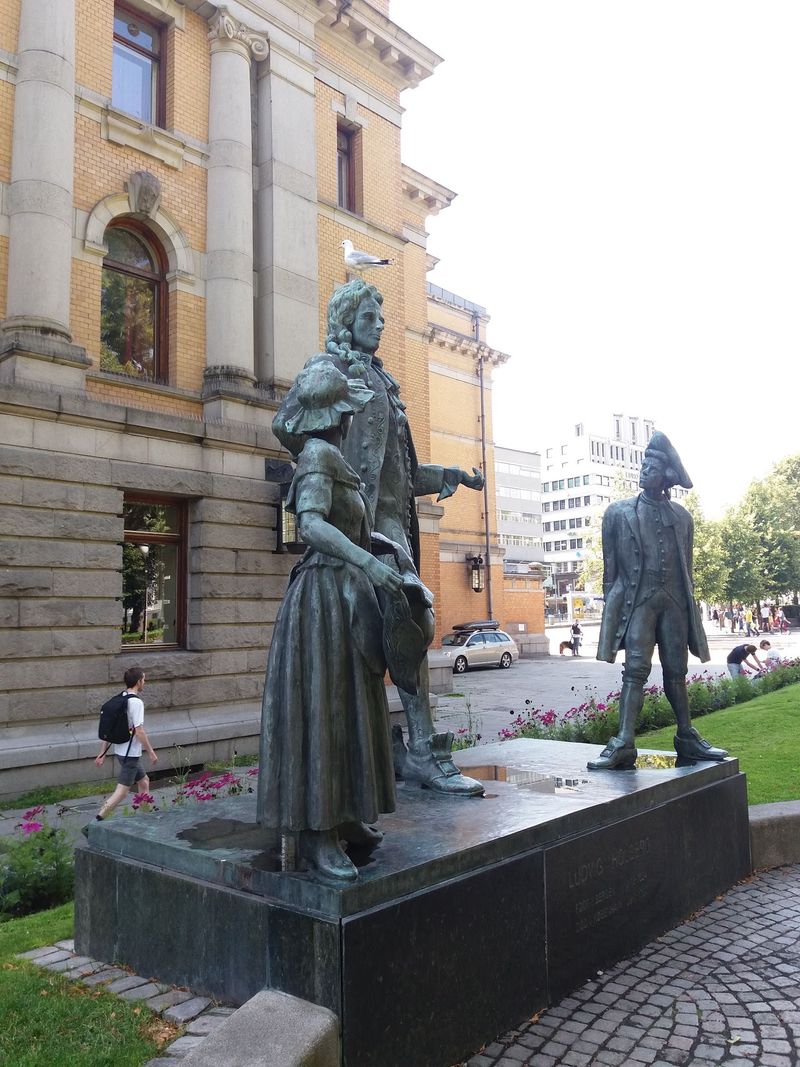
Sandwiched between the Oslofjord and the protected forests of Marka, Oslo occupies one of the most naturally generous urban settings in Europe. The city has worked seriously not to waste that advantage.
Oslo became European Green Capital in 2019, recognized for its climate budget approach, electric-mobility leadership, circular waste management, and significant investment in public transportation and cycling infrastructure.
The transit network covers trains, buses, trams, metro lines, and boats, while the compact city center is walkable enough that many residents cover their daily needs entirely on foot. Then there is the proximity factor that sets Oslo apart from most capitals.
A morning in a central neighborhood can be followed by an afternoon in forests, on ski trails, at island beaches, or along fjord landscapes without the excursion feeling like a special expedition.
That closeness to nature is not just a pleasant bonus. It means outdoor recreation gets woven into ordinary weekly routines rather than reserved for holidays.
Oslo is not simply a city that happens to have nature nearby. It behaves like a city that genuinely expects residents to use it.
The infrastructure supports that expectation at every level.
Ljubljana, Slovenia
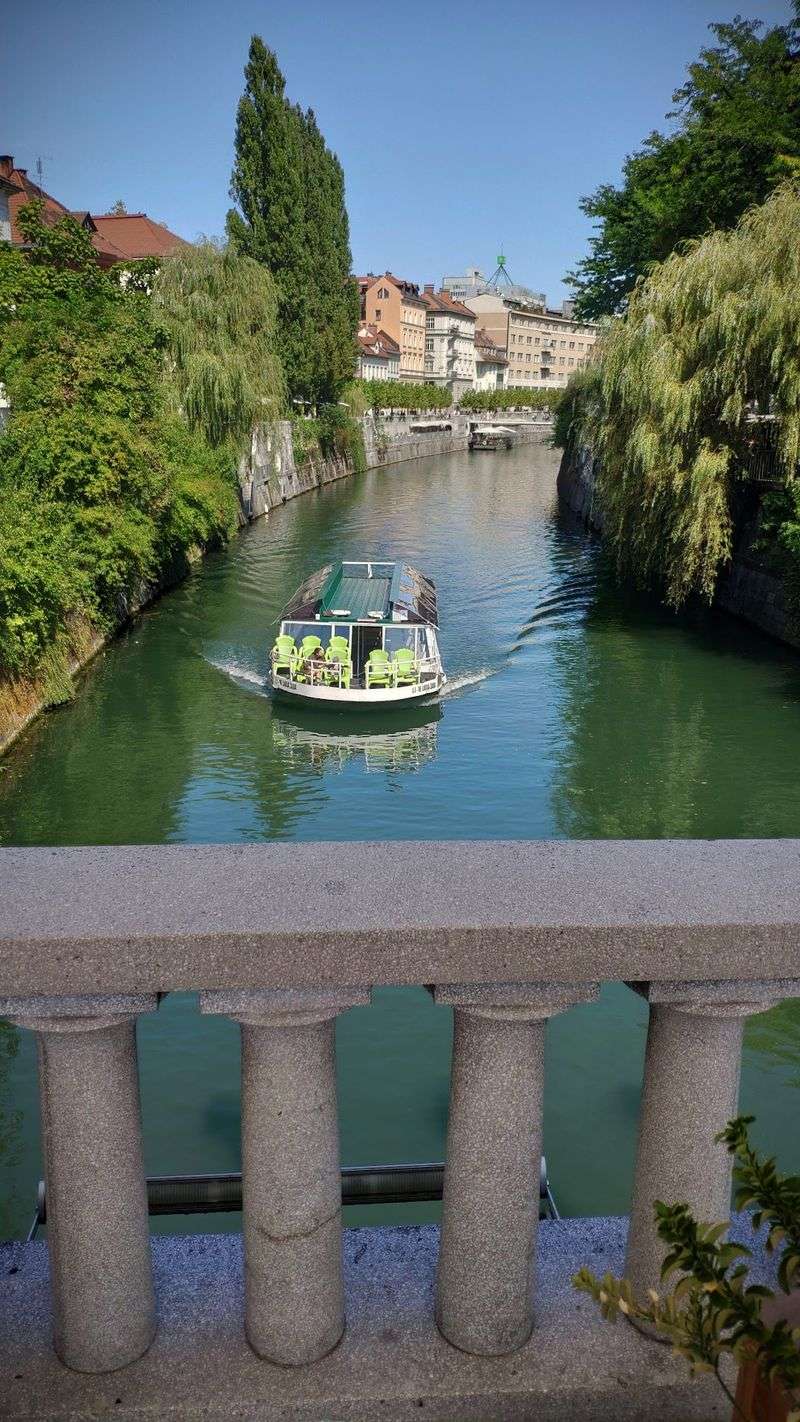
Here is a fun fact: Ljubljana became a landmark European sustainability example without being a major capital, a tech hub, or a city with enormous financial resources. It earned the European Green Capital title in 2016, becoming an influential model for greener urban development across Central and southeastern Europe.
Its most celebrated transformation happened right in the center.
Traffic was reduced and pedestrian space expanded along the Ljubljanica River, turning what could have been a noisy traffic corridor into one of Europe’s most pleasant urban gathering spaces. Cafes spill toward the water.
Trees shade the walkways. Castle Hill rises immediately above downtown, creating a massive green presence that anchors the whole cityscape visually.
Ljubljana’s success is not built around one futuristic technology or a single dramatic infrastructure project. It comes from many relatively straightforward decisions: pedestrianization, cycling improvements, better public spaces, smarter waste management, and riverfront upgrades that make walking feel more appealing than driving.
The deeper achievement here is designing a city where fewer polluting activities are necessary in the first place. Ljubljana shows that urban cleanliness is partly visual, but mostly structural.
Tallinn, Estonia
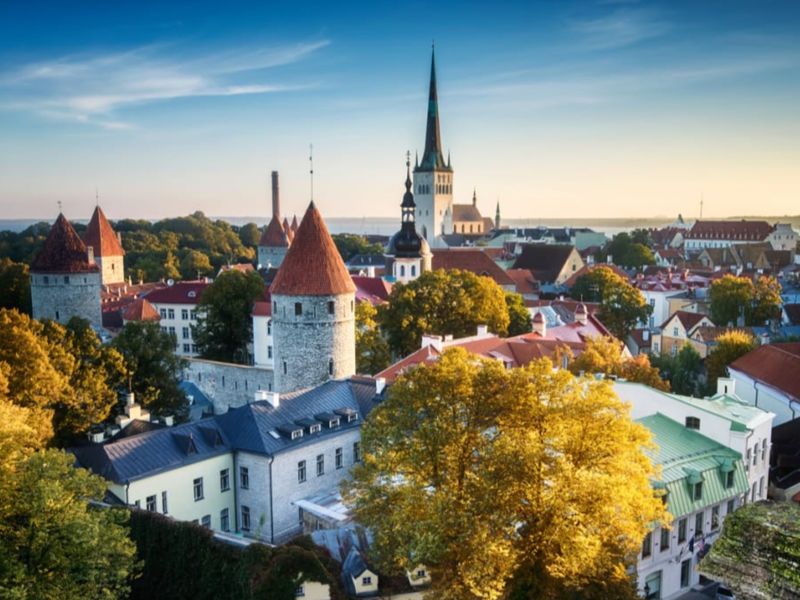
Walking through Tallinn feels like stepping into a history book that somehow also has excellent cycling infrastructure. The city combines one of Europe’s best-preserved medieval old towns with surprisingly forward-thinking environmental policy, a combination that makes it genuinely unusual on this list.
Tallinn became European Green Capital in 2023, with the European Commission highlighting its landscape diversity and commitment to protecting habitats and rare species.
Green space and Baltic coastline remain part of the functioning city rather than preserved as peripheral decoration. The compact historic center encourages walking naturally, while Estonia’s advanced digital infrastructure reduces bureaucratic friction in ways that quietly improve daily urban life.
Tallinn’s Green Capital recognition reflects work across air quality, biodiversity, sustainable mobility, circular economy, and climate planning rather than one isolated environmental win.
The juxtaposition is genuinely compelling. Medieval walls in the morning, climate-forward city planning in the afternoon.
Few European capitals make historical preservation and environmental ambition feel so naturally compatible. Tallinn also benefits from a relatively small population that makes experimenting with new urban systems faster and less politically complicated than in larger cities.
Size, in this case, is an advantage.
Vilnius, Lithuania
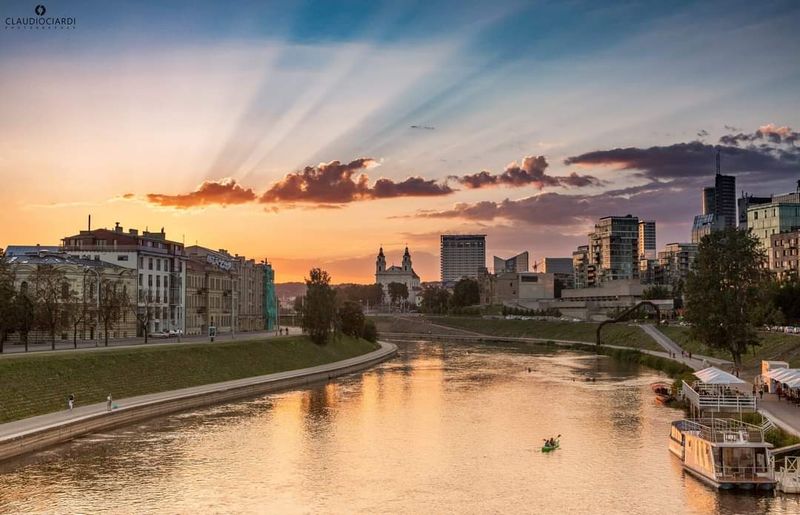
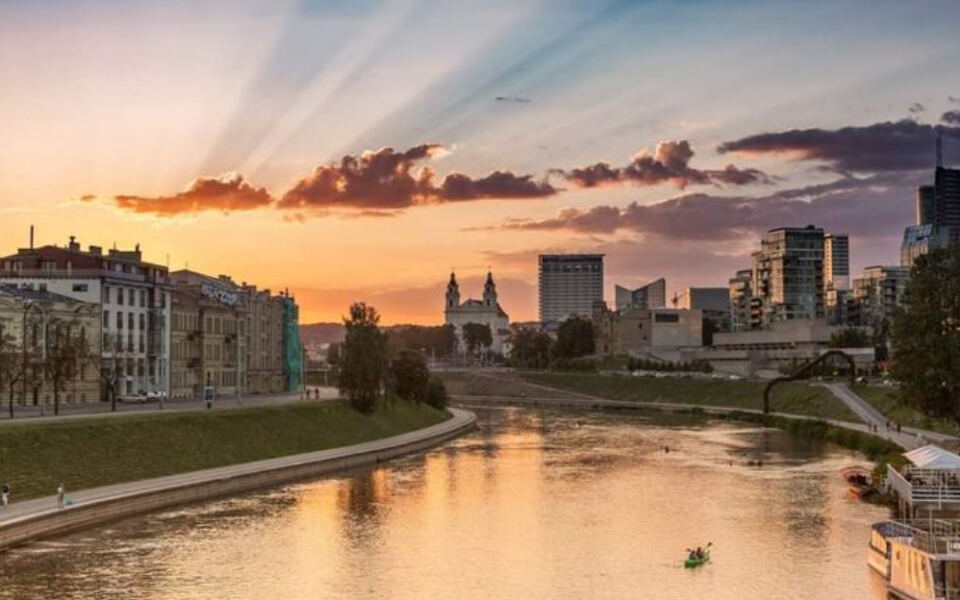
Vilnius held the European Green Capital title for 2025, and the European Commission praised something that does not always get celebrated: a realistic, practical approach to sustainability. Official Green Capital material highlighted the city’s green spaces, clean air, biodiversity, open environmental data, and innovations like EV charging integrated directly into streetlight infrastructure.
That last detail is wonderfully practical.
Geography helps Vilnius considerably. Forested hills and parks penetrate close to the historic center, while the Neris and Vilnia rivers create natural corridors through the urban fabric.
That greenery can make the Lithuanian capital feel much smaller and quieter than its actual population would suggest. Walking through the baroque old town with trees visible in every direction, the city feels almost village-like.
But Vilnius is not relying only on its natural setting. The city’s approach actively combines nature preservation with smart infrastructure, emissions reduction, mobility improvements, and greater public participation in sustainability data.
This balance may explain why Vilnius works well as a model for other mid-sized European cities. It is not attempting to replicate Copenhagen or Stockholm.
It is building a greener, smarter version of itself, which is arguably the more transferable lesson.
Lahti, Finland
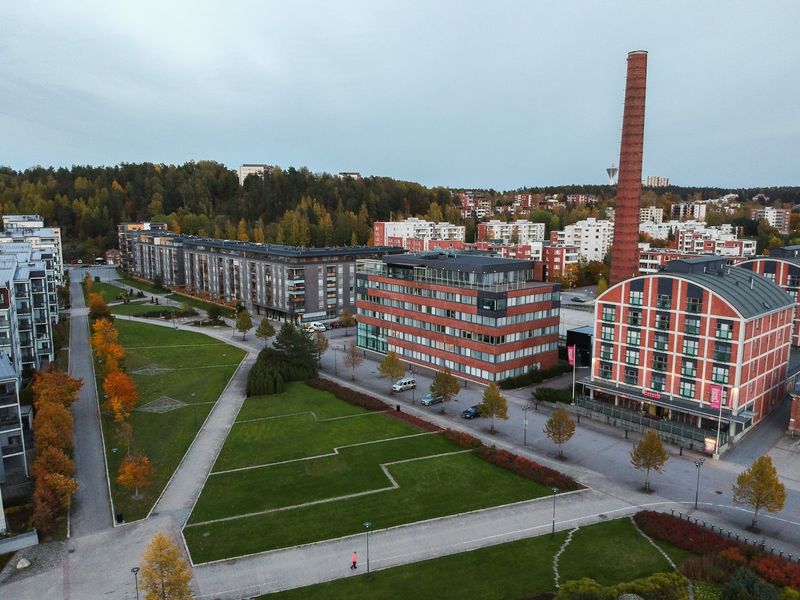
Lahti’s environmental reputation is wildly out of proportion to its size, and that is exactly what makes it interesting. This Finnish city of around 120,000 people became European Green Capital in 2021, with the European Commission describing it as a leader in clean energy, circular economy, and green urban living.
What makes that recognition especially meaningful is that Lahti developed from an industrial background rather than starting as an untouched environmental showcase.
The city’s transformation emphasizes resource efficiency, cleaner energy systems, recycling, low-carbon mobility, and lake restoration. That final element carries particular weight in Finland, where urban life has always been closely connected with water.
Restoring lake ecosystems near the city creates benefits that residents can actually see and use, not just track in carbon-accounting spreadsheets.
Lahti also makes an important argument that often gets lost in sustainability discussions dominated by major global cities. You do not need a massive budget, a famous skyline, or millions of residents to become an environmental leader.
Sometimes smaller cities can experiment faster, implement changes more efficiently, and demonstrate results more clearly than larger ones. Lahti is proof that ambition and scale do not need to match.
Valencia, Spain
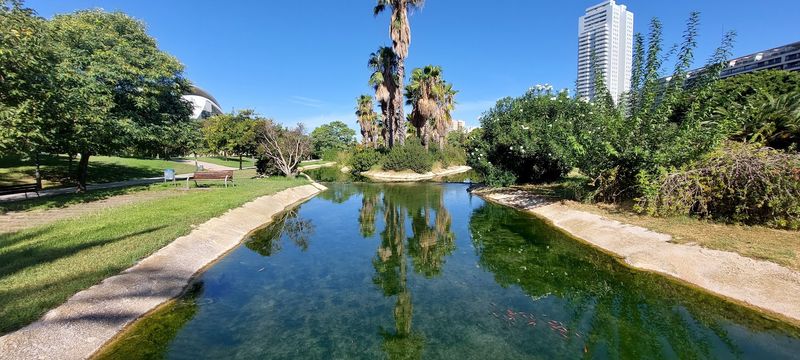
Northern Europe tends to dominate these conversations, so Valencia’s presence here is both welcome and well-deserved. Named European Green Capital 2024, the Spanish city was recognized for achievements in sustainable tourism, climate neutrality, and an inclusive green transition that actually reaches different communities rather than just benefiting wealthier neighborhoods.
Valencia proves that Mediterranean cities can lead on sustainability too.
The city’s greatest urban asset is the Turia Garden, a long green corridor running through a former riverbed that winds across much of Valencia. Instead of converting that enormous strip of land into roads or development after a catastrophic flood rerouted the river in the 1950s, the city created parks, sports facilities, cycling routes, playgrounds, and walking space.
Residents can now cross large portions of the city through greenery rather than traffic.
Flat terrain makes cycling practical across the whole city. Beaches sit within easy reach of central districts.
A climate that encourages outdoor life for most of the year means that parks and public spaces get genuinely used rather than sitting empty. Clean living in Valencia feels different from its Nordic counterparts.
The pace is warmer, the light is brighter, and the whole thing comes with palm trees.
Guimaraes, Portugal
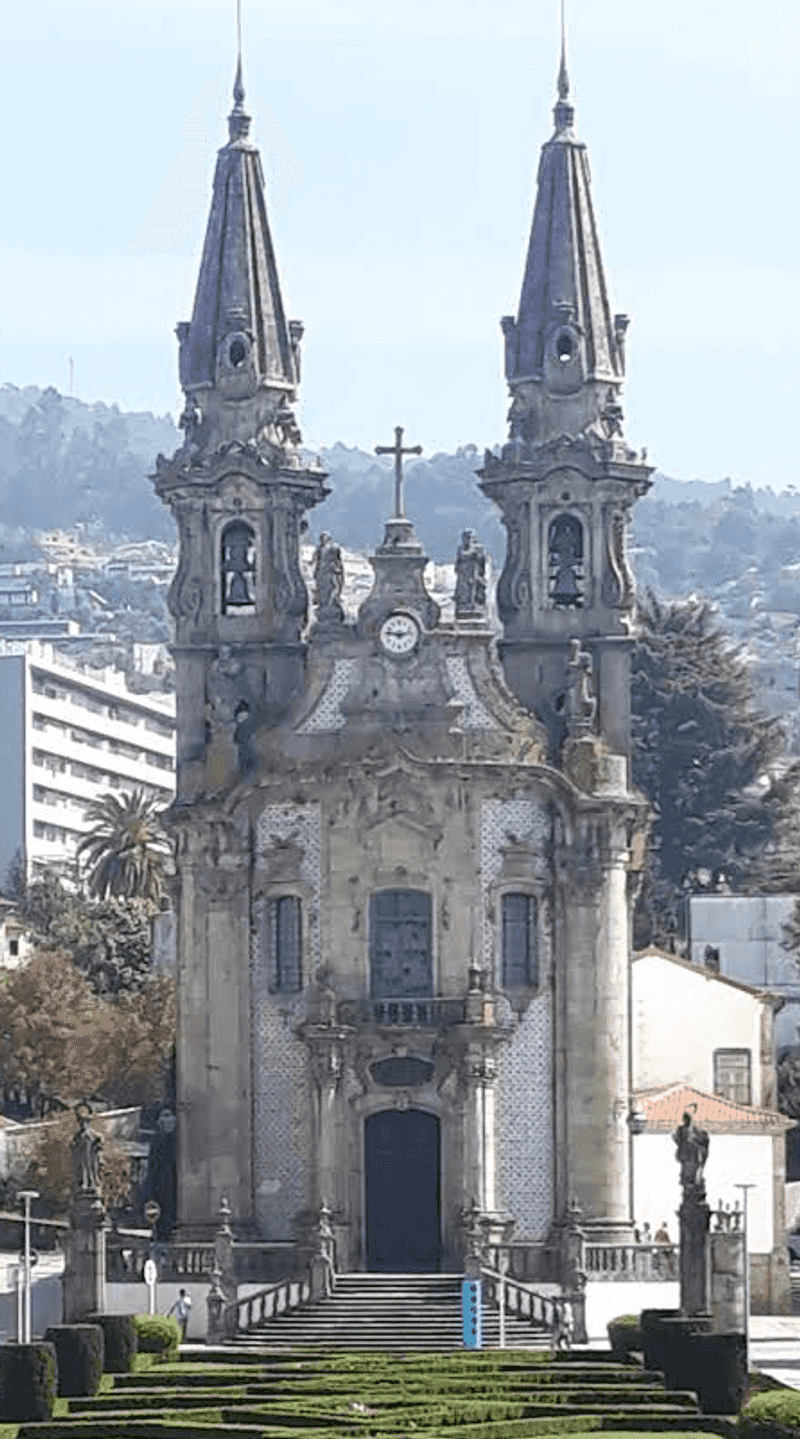
Europe’s Green Capital for 2026 is a Portuguese city that many people outside sustainability circles have never heard of, and that relative obscurity is part of what makes it fascinating. The European Commission describes Guimaraes as an example of sustainability embedded into community life, with particular emphasis on resident participation and long-term partnerships at local, national, and European levels.
That community focus is worth paying attention to. Environmental plans often look excellent on paper but collapse when they require residents to actually change transportation habits, consumption patterns, or waste behavior.
Guimaraes has built much of its sustainability identity around genuine citizen involvement and cultural change that goes beyond policy documents. Winning the Green Capital title requires strong performance across air quality, water, biodiversity, waste, noise, climate mitigation, and adaptation simultaneously.
Guimaraes benefits from its scale and setting. The historic center is compact and walkable, with medieval streets that naturally discourage heavy car use.
Northern Portuguese landscapes surround the city, keeping urban life connected with forests, hills, and fresh air in ways that larger cities struggle to replicate. For a city of its size, Guimaraes carries an environmental profile that punches well above its weight class.
Vitoria-Gasteiz, Spain
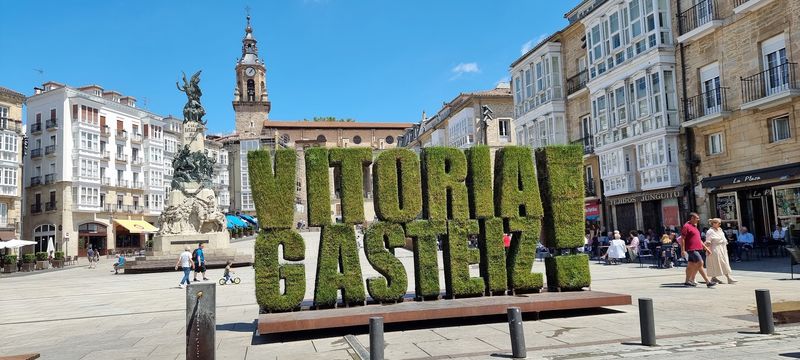
Back in 2012, when Vitoria-Gasteiz became European Green Capital, urban sustainability had not yet become the powerful tourism marketing tool it is today. The Basque city earned that recognition through actual planning decisions rather than branding campaigns.
Its most distinctive contribution to clean-city thinking is the Green Belt: a network of restored natural spaces surrounding the urban area that connects ecosystems while giving residents accessible places for walking, cycling, and wildlife observation.
That network approach is the key idea. Rather than scattering isolated parks around the city without connecting them, Vitoria-Gasteiz planned greenery as a continuous system.
Inside the city, the same philosophy continues through pedestrian areas, cycle infrastructure, and compact neighborhoods designed around human movement rather than vehicle throughput.
Vitoria-Gasteiz is considerably less internationally famous than Barcelona or Seville, and that actually strengthens its position on this list. It demonstrates what everyday urban life looks like when planning revolves around residents rather than tourists or landmark architecture.
The cleanest-feeling cities are often the ones where environmental systems are so well integrated that visitors stop noticing them as special features. Vitoria-Gasteiz fits that description almost perfectly.
Uppsala, Sweden
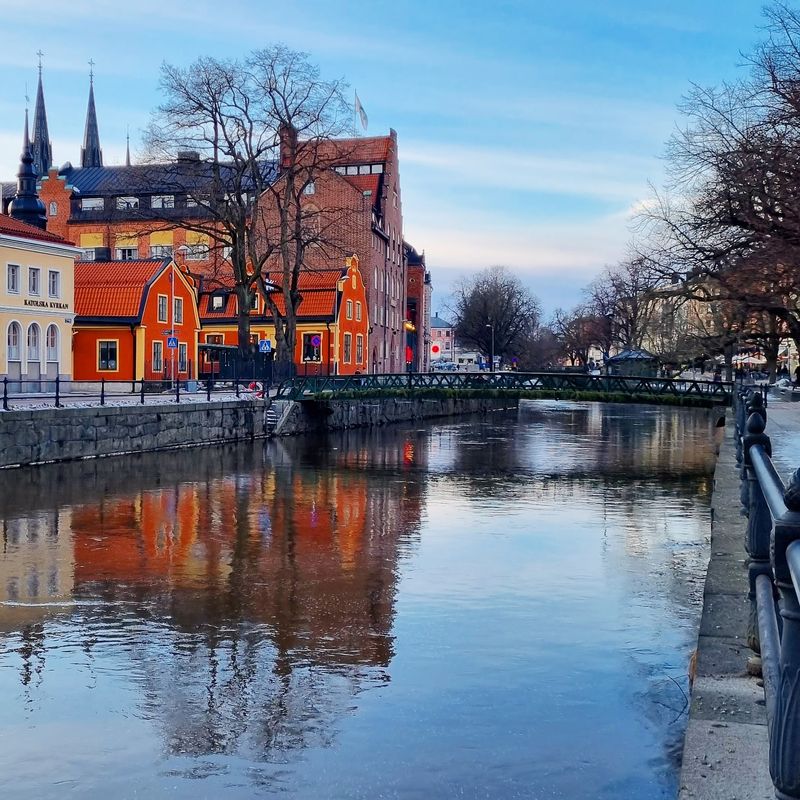
Uppsala earns its spot on this list for one very specific reason: what people are breathing. In the EEA’s previous PM2.5-based city comparison, Uppsala ranked among the very top cities in Europe for air quality, alongside fellow Swedish city Umea and Faro in Portugal.
Only 13 cities in that entire assessment recorded fine-particle concentrations below the World Health Organization’s guideline level. Uppsala was one of them.
The EEA has since updated its methodology to evaluate combined health risks from PM2.5, nitrogen dioxide, and ozone together, so those earlier results reflect a different measurement framework than the current ranking. Still, the performance is significant.
Uppsala is a university city, not a remote village. It has real population density, economic activity, and the traffic that comes with both.
Achieving near-WHO-level air quality in that context is genuinely impressive.
Uppsala also illustrates something important about Sweden as a whole. Stockholm now leads the latest capital-city air-quality comparison.
Uppsala and Umea performed exceptionally under the earlier fine-particle measure. Multiple Swedish cities landing near the top of European air-quality rankings is not a coincidence.
Something systematic is working there, and other countries would do well to study it carefully.
Share this story