Summer heat is getting serious, and southern Europe is feeling it hard. While some travelers chase the sun, a growing crowd is doing the opposite, heading toward cooler climates where you can actually enjoy being outside.
From icy Icelandic lagoons to misty Scottish highlands, Europe has plenty of refreshing escapes waiting. Whether you love hiking, history, or just breathing air that does not feel like a hair dryer, these 15 destinations are your ticket to a cooler, more comfortable summer adventure.
Reykjavik, Iceland
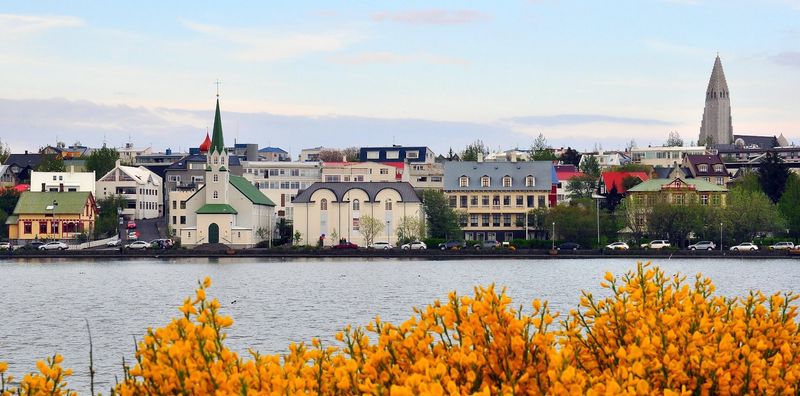
Forget everything you think a summer vacation should feel like, because Reykjavik is here to flip the script entirely. Iceland’s capital sits comfortably at around 50 to 55 degrees Fahrenheit during summer, making it one of Europe’s coolest urban escapes.
You will never once regret packing that extra layer.
The city runs on geothermal energy, which means hot springs and warm swimming pools are literally around every corner. The famous Blue Lagoon sits just 45 minutes away, and locals treat outdoor bathing as a year-round sport.
Summer daylight lasts nearly 24 hours, giving you more time to explore without rushing.
Beyond the city, waterfalls like Seljalandsfoss and Skogafoss are just a short drive away. Puffin colonies nest along coastal cliffs, and volcanic landscapes stretch as far as the eye can see.
Reykjavik also has a surprisingly lively food and arts scene that punches well above its small-city weight. For travelers who want adventure without sweating through their shirts, this place delivers every single time.
Faroe Islands
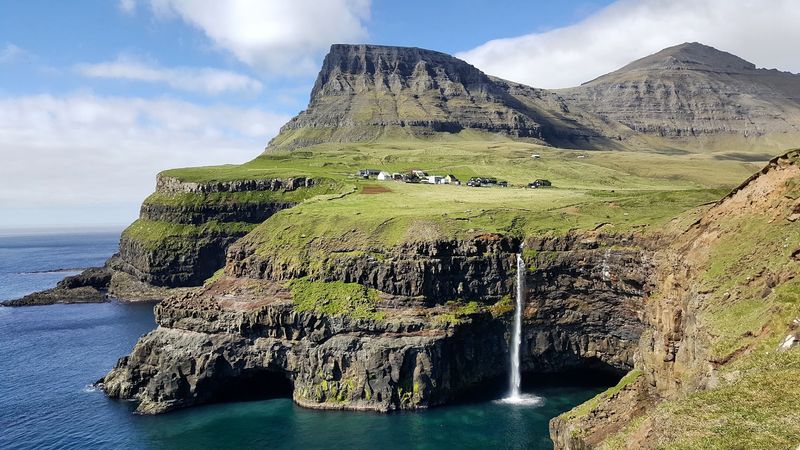
Somewhere between Iceland and Norway, a cluster of 18 tiny islands sits quietly in the North Atlantic, completely unbothered by summer heatwaves. The Faroe Islands stay refreshingly cool all year, with summer temperatures hovering around 50 to 57 degrees Fahrenheit.
Fog rolls in like a slow-motion movie scene, and honestly, it is gorgeous.
Sea cliffs here are among the tallest in Europe, and waterfalls spill directly into the ocean in ways that seem almost too dramatic to be real. Puffins, gannets, and other seabirds nest in massive colonies along the rocky coastlines.
Hiking trails connect villages that feel like they belong in a storybook.
The local culture is deeply rooted in Norse heritage, and the food scene has quietly become world-class. Restaurant Koks put the Faroes on the global culinary map with its creative use of local ingredients.
There are no crowds, no traffic jams, and no sunscreen emergencies. For travelers who want raw, untouched natural beauty paired with genuine peace and quiet, the Faroe Islands offer something most European destinations simply cannot match.
Lofoten Islands, Norway
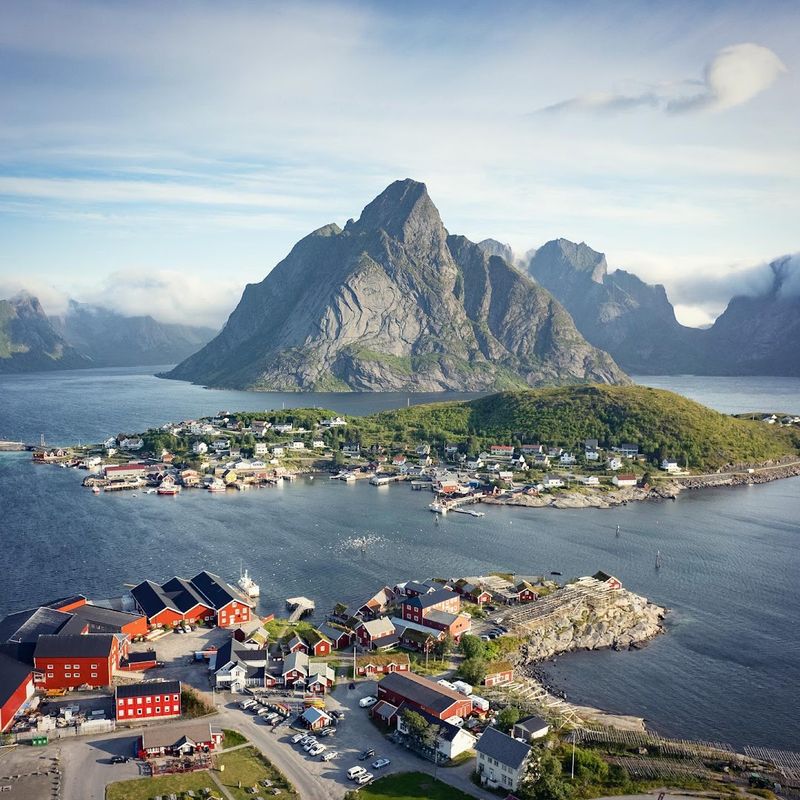
Above the Arctic Circle, the rules of summer work a little differently. The Lofoten Islands in northern Norway experience the Midnight Sun, meaning daylight stretches past midnight during peak summer months.
You will need blackout curtains, but you will also have endless hours to hike, kayak, and explore.
The scenery here is almost absurdly beautiful. Jagged mountain peaks rise dramatically from the sea, colorful fishing cabins dot the shoreline, and white-sand beaches sit beside water so blue it looks photoshopped.
Temperatures stay comfortably mild, usually between 55 and 65 degrees Fahrenheit, making outdoor activity genuinely enjoyable.
Fishing villages like Reine, Henningsvaer, and Svolvaer each carry their own personality and charm. Local seafood, especially stockfish, is a staple worth trying at least once.
Sea eagle safaris, surf lessons, and guided mountain climbs fill out the activity calendar nicely. Despite being remote, Lofoten has grown into a well-organized destination with great accommodation options.
It is the kind of place that makes you rethink every beach vacation you ever booked.
Bergen, Norway
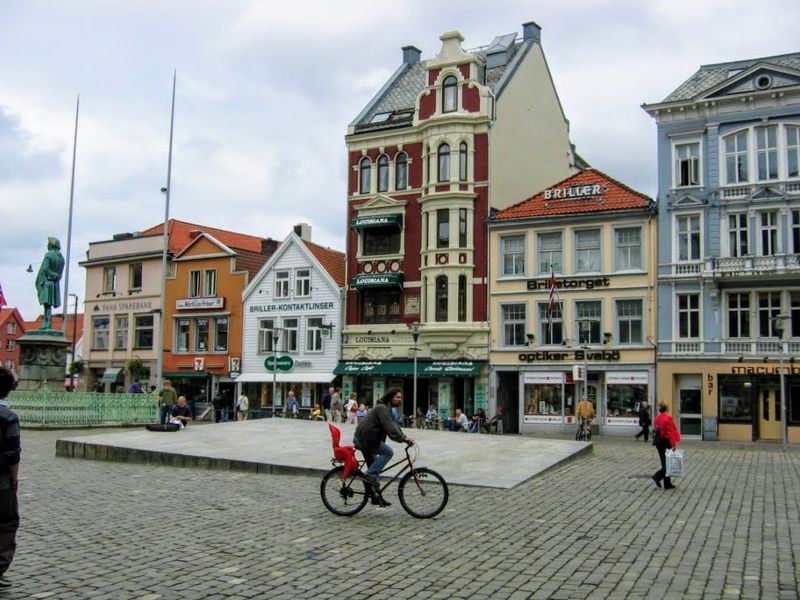
Bergen has a reputation for rain, but that reputation is also what keeps the city wonderfully green, cool, and refreshingly uncrowded compared to busier European capitals. Surrounded by seven mountains and close to some of Norway’s most famous fjords, this city packs serious scenic punch into a compact, walkable space.
Summer temperatures rarely climb above 65 degrees Fahrenheit.
The UNESCO-listed Bryggen Wharf is the city’s most iconic landmark, a row of colorful wooden buildings that date back to the Hanseatic trading era. Wandering through its narrow alleyways feels like stepping back several centuries.
The fish market nearby is perfect for sampling fresh shrimp, salmon, and local specialties.
Fjord cruises depart regularly from Bergen, taking visitors through Sognefjord and Hardangerfjord, two of Norway’s most breathtaking waterways. A cable car ride up Mount Floyen rewards visitors with panoramic city views and forest hiking trails.
Bergen also has a lively cafe culture that thrives even in cooler weather. Every street seems to have a cozy spot serving excellent coffee and fresh pastries.
It is the kind of city you end up staying in longer than planned.
Trondheim, Norway
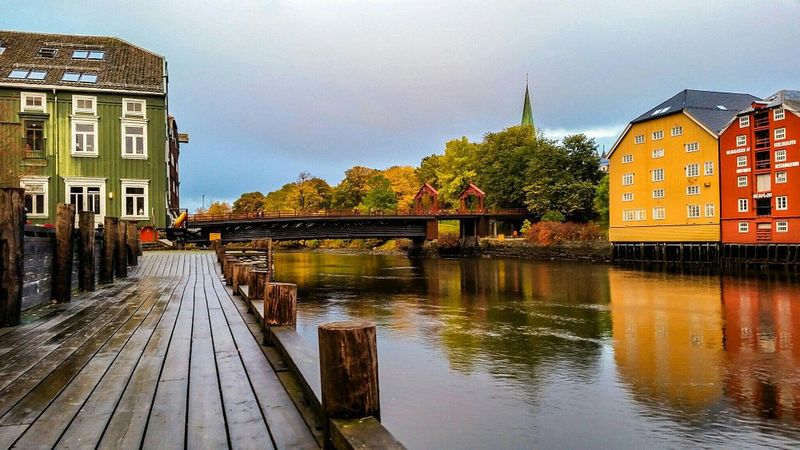
Norway’s third-largest city often gets overlooked in favor of Oslo or Bergen, and that oversight is genuinely your gain as a traveler. Trondheim served as Norway’s first capital, and medieval history runs deep through its cobblestone streets and centuries-old buildings.
Summer temperatures hover pleasantly around 60 to 65 degrees Fahrenheit.
The Nidaros Cathedral is the undisputed star of the city, a towering Gothic masterpiece that has been a pilgrimage destination since the 12th century. Standing in front of it, you get that rare feeling of being somewhere truly significant.
The Archbishop’s Palace next door offers fascinating museum exhibits about Norwegian history.
Trondheim’s waterfront district, Nedre Elvehavn, is packed with restaurants, cafes, and bars that come alive during the long summer evenings. The old town bridge, Gamle Bybro, offers postcard-worthy views of colorful wooden warehouses along the river.
The city also has a large student population, which keeps the cultural scene dynamic and fresh year-round. Cycling is a way of life here, and an impressive bike elevator helps riders tackle the city’s steepest hill.
Few European cities offer this much history and livability in one package.
Swiss Alps, Switzerland
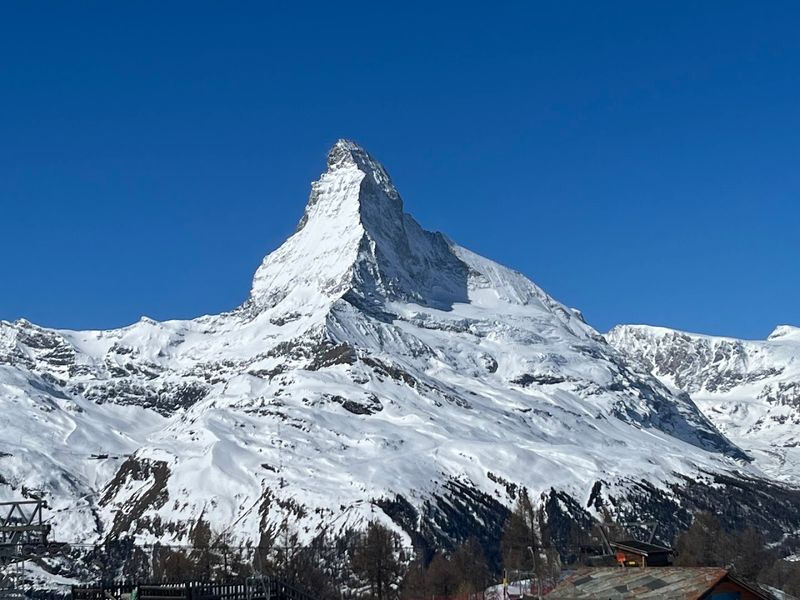
When the valleys of Europe turn into ovens, the Swiss Alps stay stubbornly, blissfully cool. High-altitude resorts like Zermatt, Grindelwald, and Wengen sit well above 5,000 feet, where summer temperatures rarely push past 65 degrees Fahrenheit.
The air up here tastes different, clean and sharp in the best possible way.
Zermatt sits car-free at the foot of the Matterhorn, one of the most recognizable mountain shapes on the planet. Hiking trails fan out in every direction, from gentle valley walks to challenging high-altitude routes with glacier crossings.
The Gornergrat rack railway delivers stunning panoramic views without requiring any climbing at all.
Grindelwald offers a similar mix of jaw-dropping scenery and well-maintained trail networks. The Eiger’s famous north face looms overhead like a permanent reminder of how dramatic this landscape really is.
Wengen, accessible only by train, feels like a secret village that somehow exists above the clouds. Summer wildflowers carpet the meadows in colors that seem almost too vivid.
Whether you are an experienced hiker or someone who just wants to sit outside with a cold drink and stare at mountains, the Swiss Alps deliver without compromise.
Julian Alps, Slovenia
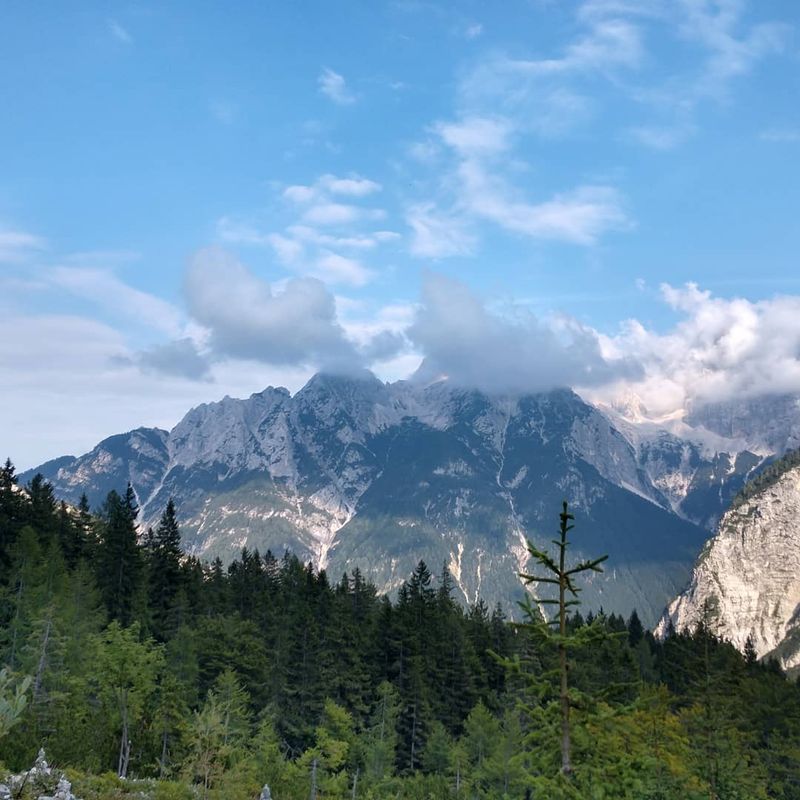
Slovenia is one of Europe’s most underrated countries, and its Alpine region is the crown jewel that most tourists still somehow miss. The Julian Alps offer emerald rivers, crystal-clear lakes, dramatic gorges, and mountain villages where the air stays cool even during July and August.
Lake Bled, with its island church and clifftop castle, looks like something out of a fantasy novel.
Triglav National Park covers most of the region and protects some of the continent’s most pristine wilderness. The Soca River runs through the park in shades of turquoise that seem scientifically impossible.
Kayaking, rafting, and swimming in the river are all popular summer activities that stay comfortable thanks to the mountain-cooled water.
The town of Bovec serves as the adventure hub of the region, offering everything from canyoning to paragliding. Kranjska Gora is another excellent base for hikers and cyclists exploring the alpine trails.
Slovenian food deserves more attention than it gets, with hearty mountain dishes and excellent local wines waiting at every stop. Best of all, prices here are noticeably lower than in neighboring Austria or Switzerland.
Slovenia rewards curious travelers who look just past the obvious.
Isle of Skye, Scotland, United Kingdom
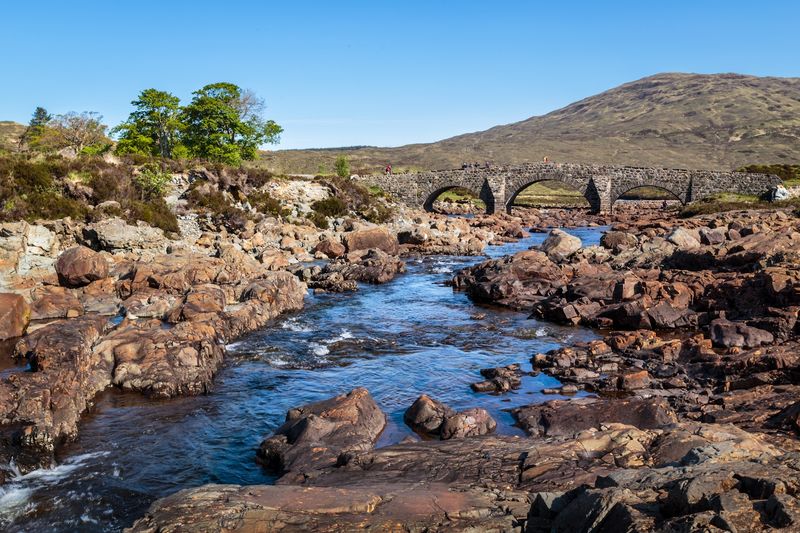
Mist clings to the mountains on most mornings on the Isle of Skye, and somehow that makes everything look even more spectacular. Scotland’s most famous island sits off the northwest coast of the Scottish Highlands, where cool Atlantic winds keep summer temperatures reliably comfortable, usually between 55 and 63 degrees Fahrenheit.
Bring a waterproof jacket, because showers appear without warning and disappear just as fast.
The Quiraing is one of Skye’s most photographed landscapes, a surreal collection of rocky pinnacles and sweeping ridgelines that reward hikers with views unlike anywhere else in Britain. The Fairy Pools near Glenbrittle are a series of crystal-clear mountain pools connected by small waterfalls, popular for wild swimming among the brave.
Dunvegan Castle, the oldest continuously inhabited castle in Scotland, sits on the western shore with its own fascinating history.
Portree, the island’s main town, is small but full of charm, with brightly painted harbor buildings and excellent seafood restaurants. Local crabs, langoustines, and smoked salmon are absolute must-tries.
Getting around Skye requires a car, but that freedom turns the island into a proper road-trip adventure. Every turn in the road reveals something worth stopping for.
Edinburgh, Scotland, United Kingdom
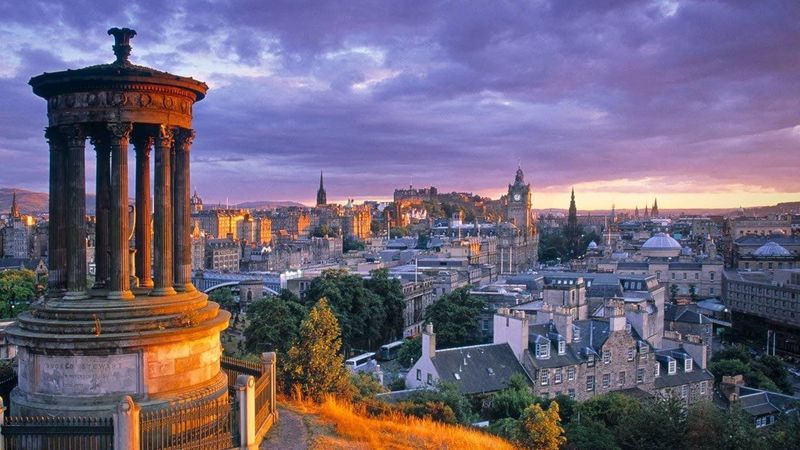
Few cities in Europe can match Edinburgh for sheer dramatic atmosphere, where a medieval castle sits on a volcanic rock and ancient alleyways hide centuries of stories. Scotland’s capital enjoys summer temperatures around 60 to 65 degrees Fahrenheit, making sightseeing genuinely pleasant rather than a sweaty endurance test.
The city rewards walkers who are willing to explore beyond the main tourist trail.
The Royal Mile connects Edinburgh Castle at the top to the Palace of Holyroodhouse at the bottom, passing through layers of history at every step. Side streets called closes branch off in unexpected directions, each one hiding courtyards, hidden pubs, or historical markers.
Arthur’s Seat, an ancient volcano right inside the city, offers a rewarding hike with panoramic views over the rooftops.
August brings the Edinburgh Festival Fringe, the world’s largest arts festival, which transforms the city into a nonstop performance venue for weeks. Street performers, comedy shows, theater productions, and music fill every corner.
The food scene has evolved dramatically in recent years, with Scottish produce given creative treatment across dozens of excellent restaurants. Edinburgh is a city that gives you more the longer you stay, and cooler summer temperatures make staying very easy to justify.
Wild Atlantic Way, Ireland
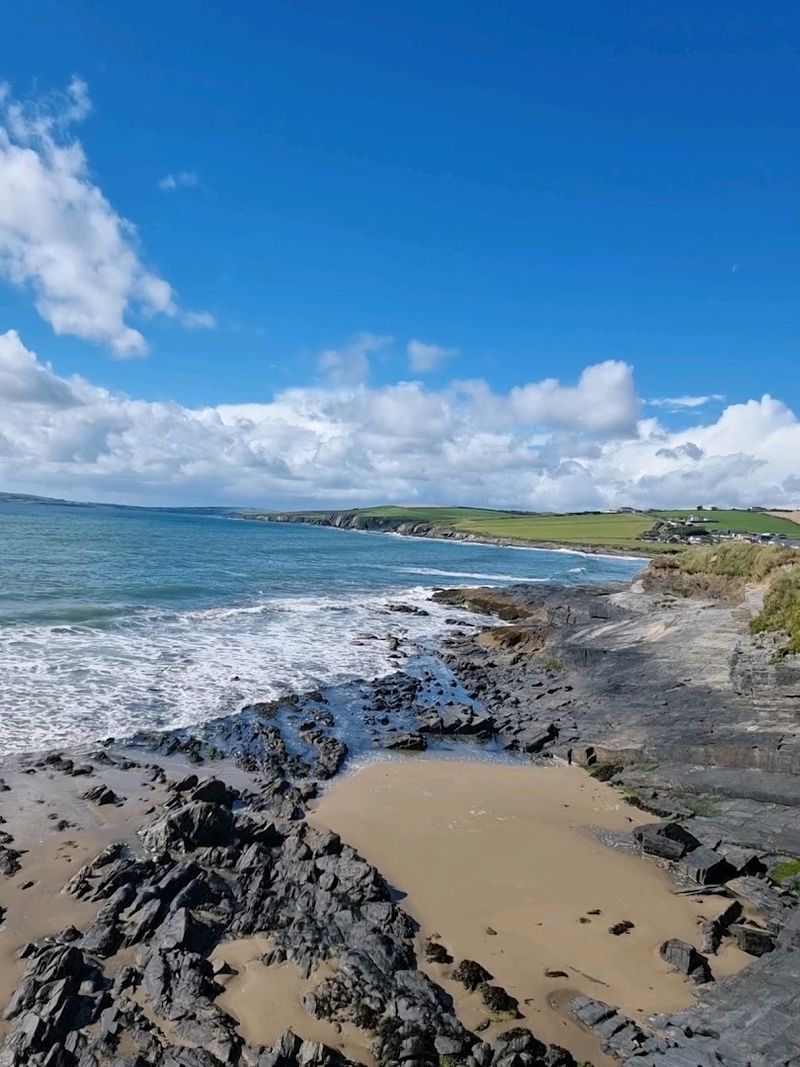
Stretching over 1,500 miles along Ireland’s western coast, the Wild Atlantic Way is one of the longest defined coastal routes in the world, and it earns every mile of its reputation. Cool Atlantic breezes keep summer temperatures around 60 to 65 degrees Fahrenheit, making this one of the most comfortable road trips you can take in Europe during July or August.
Green fields roll right to the cliff edges, and the ocean below is always doing something dramatic.
The Cliffs of Moher are the route’s most famous landmark, rising 700 feet above the Atlantic with views that stretch toward the Aran Islands on clear days. Connemara National Park offers wild bog landscapes, mountain trails, and a genuine sense of remoteness that feels increasingly rare in modern travel.
The Dingle Peninsula, Kerry, and Sligo each add their own distinct character to the journey.
Small fishing towns along the route serve some of Ireland’s best seafood, from chowder thick enough to stand a spoon in to freshly caught Atlantic salmon. Traditional Irish music sessions happen spontaneously in pubs, especially during summer evenings.
The locals are famously welcoming, and conversations with strangers are basically guaranteed. Ireland’s west coast does not just look beautiful, it feels alive.
Helsinki, Finland
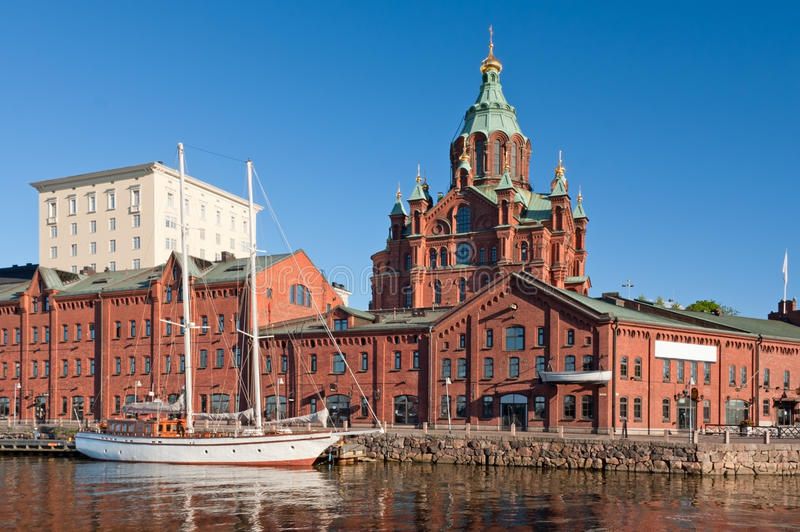
Helsinki has a habit of surprising visitors who show up expecting a quiet, unremarkable Nordic capital and instead find a city buzzing with design culture, island ferries, and outdoor sauna culture. Summer temperatures generally stay between 63 and 72 degrees Fahrenheit, which feels positively refreshing compared to the scorching heat hitting southern Europe.
Long daylight hours stretch well into the evening, filling the city with a relaxed, golden energy.
The city sits on a peninsula surrounded by an archipelago of over 300 islands, many of which are easily reached by public ferry. Suomenlinna, a UNESCO-listed sea fortress spread across several islands, is just a 15-minute ferry ride from the market square.
Spending an afternoon exploring its old tunnels and bastions is one of the best free activities in the city.
Helsinki’s sauna culture is completely genuine and deeply social. Public saunas like Loyly and Allas Sea Pool offer waterfront sauna experiences followed by a plunge into the Baltic, which is absolutely as invigorating as it sounds.
The Design District packs galleries, boutiques, and concept stores into a walkable neighborhood that showcases Finland’s world-renowned design tradition. The food market at the Old Market Hall is the perfect place to try local specialties like smoked fish and cloudberry jam.
Tallinn, Estonia
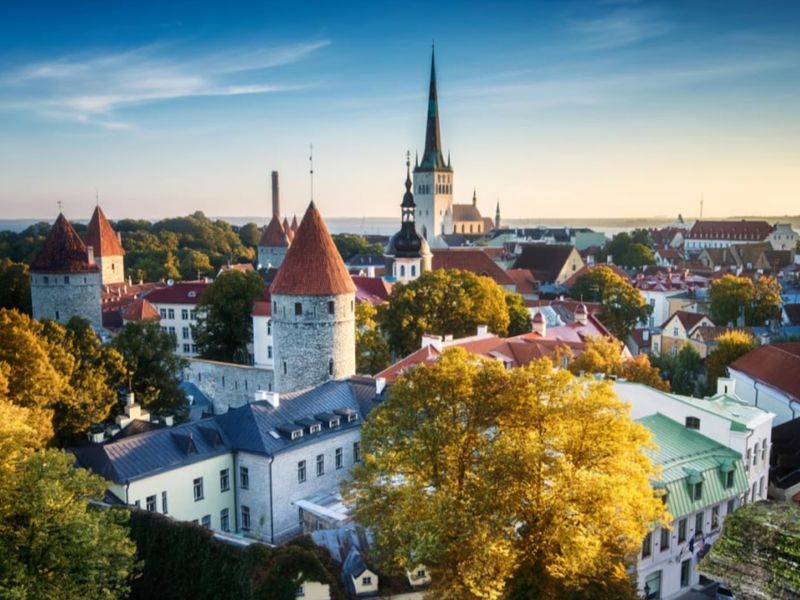
Tallinn might be one of the best-kept secrets in European travel, a medieval city so well-preserved that walking through its Old Town genuinely feels like stepping into the 13th century. Estonia’s capital sits on the Baltic coast, where sea breezes keep summer temperatures pleasantly mild, usually between 63 and 70 degrees Fahrenheit.
The city manages to feel both ancient and remarkably modern at the same time.
The Old Town is a UNESCO World Heritage Site and one of the most intact medieval city centers anywhere in Europe. Toompea Hill offers sweeping views over the red-tiled rooftops, church spires, and the distant Baltic Sea.
Town Hall Square at the center of the lower old town hosts outdoor markets and events throughout the summer season.
Estonia has one of the most advanced digital societies in the world, which creates an interesting contrast with its medieval surroundings. Free public Wi-Fi covers the entire city, and the startup culture here has produced global companies.
Local food has been experiencing a quiet renaissance, with chefs using traditional Estonian ingredients in creative new ways. Craft beer bars and cozy wine spots line the old town streets.
Tallinn rewards slow exploration, the kind where you turn down an unmarked alley and discover something genuinely unexpected.
Copenhagen, Denmark
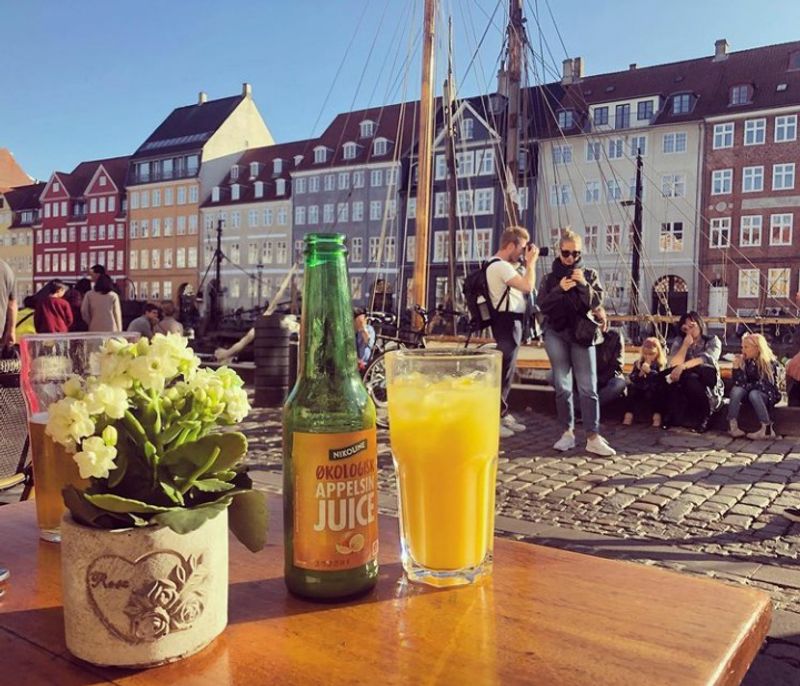
Copenhagen runs on bicycles, good design, and a philosophical commitment to enjoying life at a comfortable pace, and summer is when all three of those things come together beautifully. Baltic Sea breezes keep the city cooler than most of continental Europe, with average summer temperatures sitting around 68 degrees Fahrenheit.
You can actually walk around outside in the afternoon without immediately needing a cold shower.
Nyhavn, the city’s iconic canal lined with brightly colored townhouses and moored wooden boats, is the kind of place that makes you want to sit outside with a cold beer and watch the world drift by. It was once a rough sailor’s district and is now one of the most photographed spots in all of Scandinavia.
The transformation is impressive by any measure.
Copenhagen has been called the world’s most livable city so many times the title almost feels understated. Cycling infrastructure is genuinely world-class, with dedicated lanes connecting every neighborhood.
Harbour baths allow swimmers to jump directly into the clean urban waterways during summer. The food scene is exceptional, from Michelin-starred restaurants to outstanding street food markets.
Tivoli Gardens, one of the world’s oldest amusement parks, adds a whimsical, fairy-tale atmosphere to the city center that adults enjoy just as much as kids.
Azores, Portugal
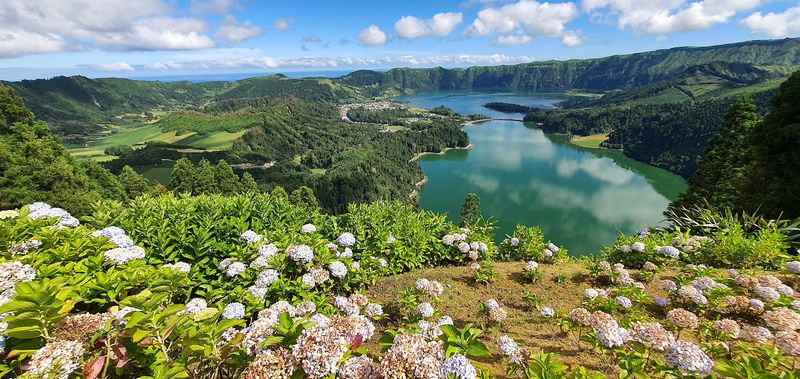
Sitting in the middle of the Atlantic Ocean, roughly 1,000 miles west of Lisbon, the Azores are the kind of place that makes you question why you ever went anywhere else. Nine volcanic islands make up this Portuguese archipelago, where year-round temperatures hover between 64 and 75 degrees Fahrenheit, staying reliably moderate even when mainland Europe is baking.
The landscape looks like someone turned the saturation dial all the way up.
Sao Miguel is the largest and most visited island, home to the famous Sete Cidades, a twin-lake volcanic crater where one lake appears green and the other blue depending on the light. Furnas valley is dotted with steaming hot springs and geothermal pools where locals actually cook food underground.
Whale watching here is among the best in the world, with sperm whales, blue whales, and dolphins spotted regularly.
The other islands each carry their own character. Flores is famous for its waterfalls and hydrangea-lined roads.
Pico has a UNESCO-listed volcanic mountain and world-class wine vineyards growing in black lava fields. Faial offers excellent sailing and a famous marina that Atlantic crossing sailors have been using for decades.
The Azores feel genuinely remote in the best possible way, unhurried, unspoiled, and deeply worth the flight.
Berchtesgaden, Bavaria, Germany
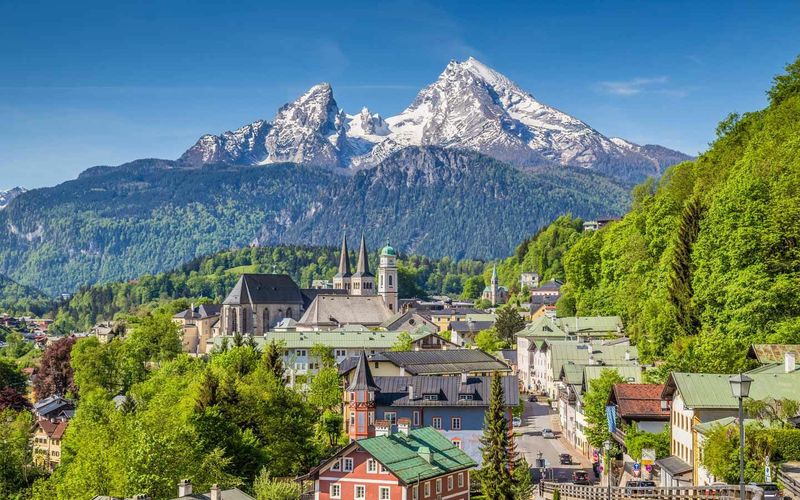
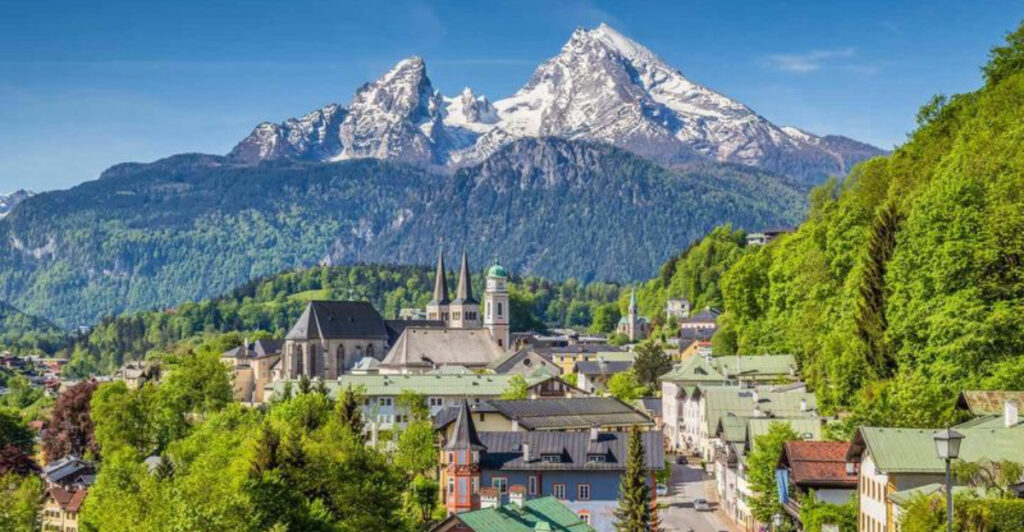
Tucked into the southeastern corner of Bavaria, practically pressing against the Austrian border, Berchtesgaden is the kind of Alpine town that makes city life feel completely unnecessary. The Berchtesgaden National Park surrounds the area with dense forests, rocky peaks, and some of the cleanest mountain air in Central Europe.
Summer temperatures in the valley stay comfortably around 65 to 70 degrees Fahrenheit, while higher elevations stay even cooler.
Konigssee is the undisputed highlight of the region, a deep, glacier-carved lake so clear you can see the bottom from the surface. Electric boats, the only motorized vessels allowed on the lake, glide silently between steep cliff walls to reach the pilgrimage church of St. Bartholomew on the far shore.
The echo demonstration performed by the boat captains using a trumpet is a surprisingly moving moment.
The Eagle’s Nest, a historic mountaintop building perched at nearly 6,000 feet, offers extraordinary panoramic views over the surrounding Alps. Hiking trails range from easy lakeside strolls to challenging multi-day mountain routes.
Salt mine tours take visitors underground into the historic Berchtesgaden mines on wooden slides, which is far more fun than it sounds. The town itself has excellent Bavarian restaurants, beer gardens, and a relaxed pace that makes it easy to stay longer than originally planned.
Share this story