Europe has a spectacular trick up its sleeve once summer wraps up. Vineyards blaze gold and crimson, mountain forests catch fire with autumn color, and harvest festivals fill the air with the smell of fresh wine and roasted chestnuts.
From the steep river terraces of Portugal to the larch-covered slopes of the Swiss Alps, autumn transforms familiar landscapes into something almost unrecognizable. Whether you are chasing grape harvests, forest walks, or jaw-dropping scenery, these 15 destinations deliver the full show.
Douro Valley, Portugal
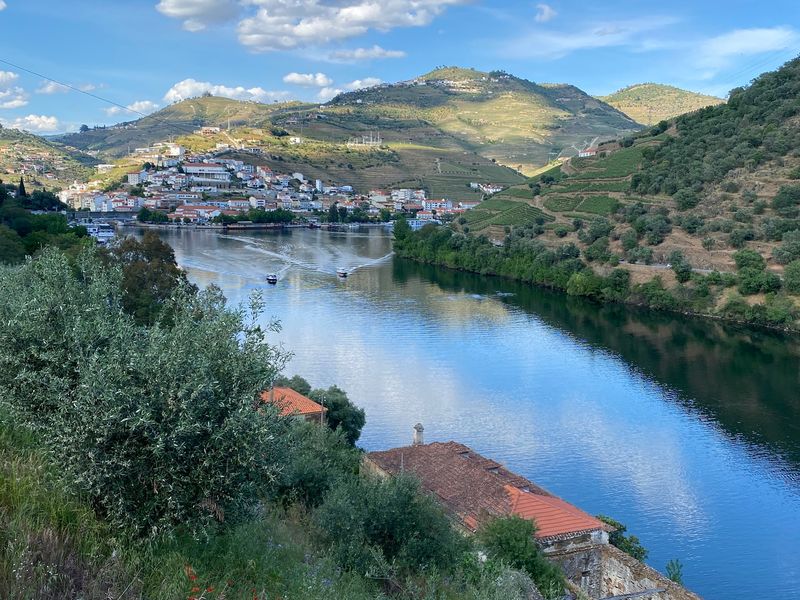
Portugal hides one of Europe’s most jaw-dropping autumn secrets along a river valley so steep it barely seems real. The Douro Valley’s terraced vineyards shift from summer green to blazing shades of red, orange, and gold between September and October, turning the hillsides into something resembling a giant patchwork quilt on fire.
Portugal’s wine region here is one of the oldest in the world, officially demarcated in 1756 and recognized by UNESCO.
Peso da Régua and Pinhão are the best towns to use as your base. From either spot, you can book river cruises, wander up to hilltop viewpoints, and visit wine estates that welcome visitors during harvest season.
Grape picking is a hands-on, muddy, genuinely fun experience if you can join one.
The smaller wine villages tucked above the valley floor are worth the winding drive. Roads are narrow but the views from the top are the kind you photograph and then just stare at for a while.
Few places in Europe combine ancient harvest traditions with scenery this dramatic, all in one tidy valley.
Chianti and Tuscany, Italy
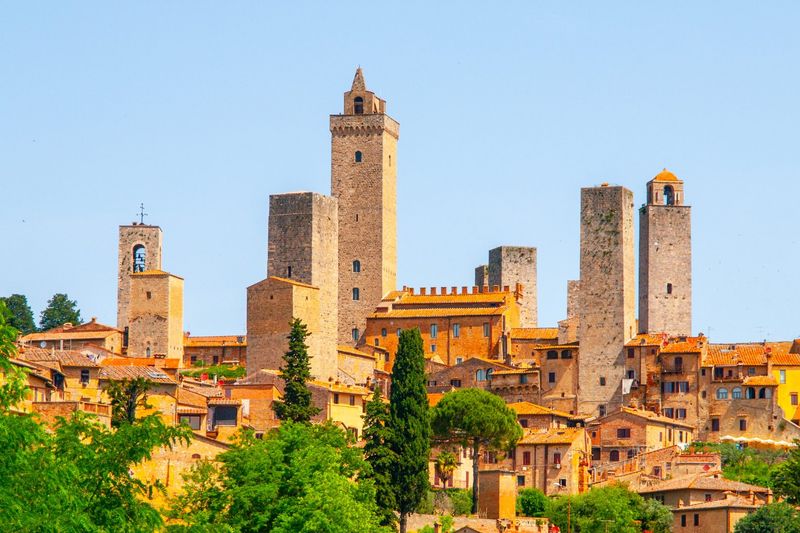
Tuscany in autumn feels like the region finally exhales after a long, crowded summer. The vineyards of Chianti turn golden, the chestnut forests go copper, and every trattoria suddenly smells of wild mushroom risotto and fresh truffles.
Harvest season brings all of Tuscany’s best qualities together at once without the July heat or the tour bus traffic.
Medieval towns like San Gimignano, Volterra, and Anghiari become much more relaxed after the summer crowds thin out. You can actually browse a market stall without someone’s selfie stick in your ear.
The Casentino forests east of Florence add deep crimson and orange to the mix, making longer road trips through the region especially rewarding.
Cypress-lined roads, stone farmhouses, abbeys half-hidden by trees, and wine roads cutting through golden hills create a landscape that looks almost too good to be real. Truffle hunting with a local guide is one of those experiences that sounds quirky and turns out to be genuinely memorable.
Autumn Tuscany rewards slow travel more than any other season.
South Tyrol, Italy
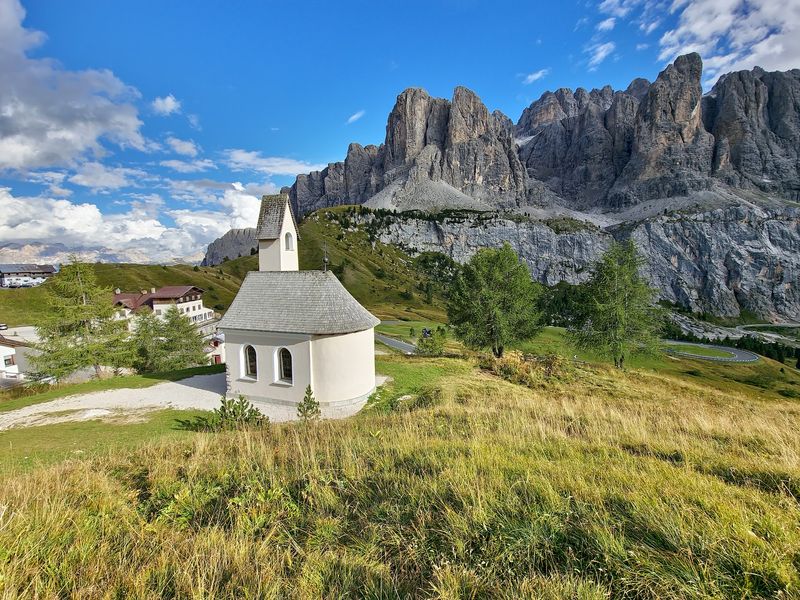
South Tyrol pulls off something most destinations cannot: it delivers autumn color at two completely different elevations simultaneously. Down in the valleys, vineyards along the Alto Adige Wine Road around Kaltern and Tramin go red and gold during harvest season.
Up on the mountain slopes, larch trees turn a brilliant, almost electric yellow that glows against the pale rock walls of the Dolomites.
October is the sweet spot for visiting, when both layers of color are at their peak. It also happens to be Torggelen season, a regional tradition where you walk through the countryside and stop at farm inns called Buschenschanken for young wine, roasted chestnuts, and hearty local food.
It is basically the world’s most scenic pub crawl.
The Dolomites add a dramatic backdrop to everything. On clear evenings, their limestone peaks turn pink and red during alpenglow, which happens right above the golden larch forests.
Few corners of the Alps manage to combine wine culture, mountain scenery, and a strong local food tradition this naturally. South Tyrol in October earns every bit of its reputation.
Alsace Wine Route, France
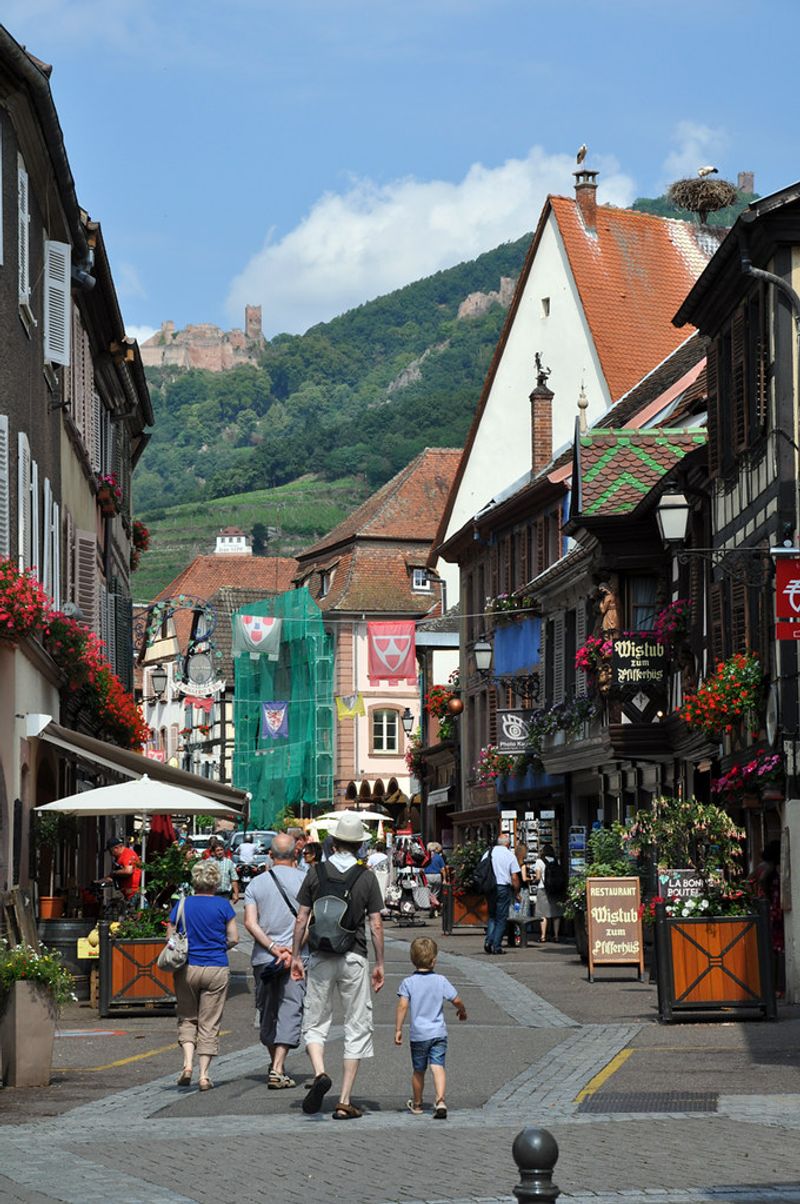
Stretching more than 170 kilometers along the eastern foothills of the Vosges mountains, the Alsace Wine Route is one of France’s most scenic road trips in any season. In autumn it becomes something special.
Vine-covered hills turn gold, orange, and red while winegrowers work through harvest, and the half-timbered villages along the route look like they have been decorated specifically for the occasion.
Riquewihr, Kaysersberg, Eguisheim, and Bergheim are among the prettiest stops. Each has its own character, its own wine cellars, and its own excuse to slow down for a glass of Riesling or Gewurztraminer.
The route passes through 51 Grand Cru vineyard areas, which gives wine lovers plenty of reason to take their time.
Marked wine trails make it easy to explore on foot or by bicycle if you prefer to skip the car entirely. Medieval castles sit above the vineyards on forested ridges, and the Vosges mountains behind them add another layer of autumn color.
Alsace manages to feel both distinctly French and distinctly itself, which is a combination that gets more charming the longer you stay.
La Rioja, Spain
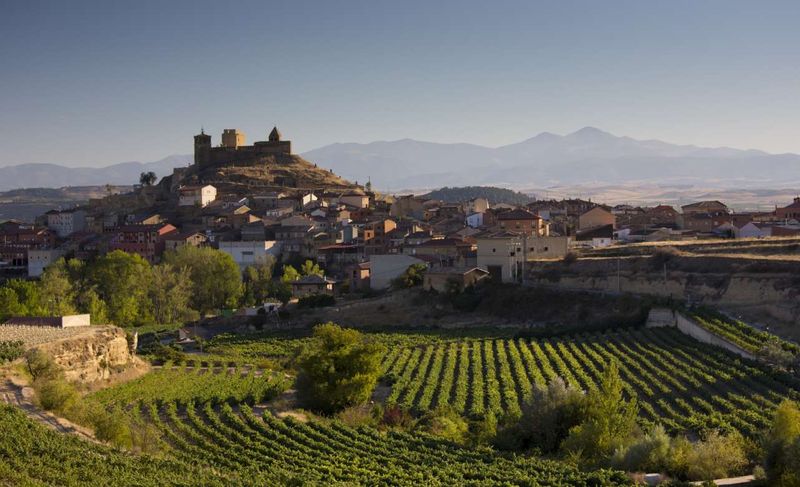
Spend five minutes in La Rioja during autumn and you will understand why Spain’s most famous wine region earns all the praise. The Ebro Valley fills up with a patchwork of reds and golds as the vines change color, turning the landscape into something that looks more like a painting than a place you can actually visit.
It is the kind of scenery that makes you pull over and just stand there for a while.
Harvest celebrations center on Logrono, where the Rioja Wine Harvest Festival takes over around September 21 for the feast of San Mateo. Expect street celebrations, grape-treading ceremonies, and more wine than any reasonable person needs.
Beyond the festival, the region splits into Rioja Alta, Rioja Oriental, and the nearby Rioja Alavesa, each with its own wineries, medieval villages, and vineyard roads worth exploring.
Temperatures in autumn are far more comfortable than the scorching midsummer heat that bakes the valley in July and August. Winery architecture here ranges from centuries-old stone cellars to bold modern buildings designed by famous architects.
Either way, the wine is the point, and autumn is when La Rioja puts its best bottle forward.
Burgundy, France
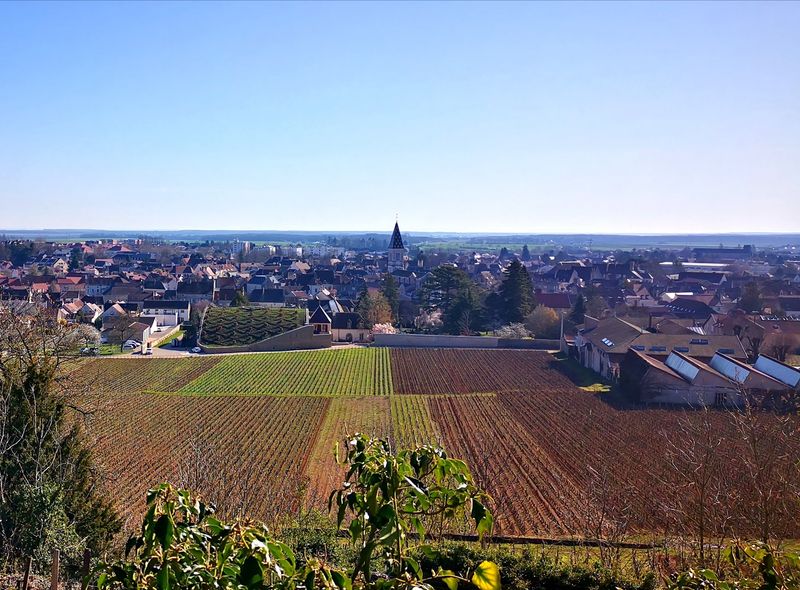
Burgundy’s vineyards do not just change color in autumn. According to France’s official tourism site, they appear to catch fire, shifting through red, gold, and flame-like shades across some of the most prestigious wine land on the planet.
The UNESCO-listed Climats of Burgundy include parcels around Pommard, Meursault, Volnay, and Romanee-Conti that have been individually defined and tended for centuries.
Beaune is the obvious base for exploring the Cote de Beaune, and Dijon anchors the northern end of the wine country with its own strong food and culture scene. Both towns are easy to navigate and full of restaurants making the most of autumn’s richer seasonal ingredients.
Wild mushrooms and game dishes appear on menus, and the cooking generally gets more interesting as the temperature drops.
Quieter roads and smaller crowds make autumn visits to Burgundy feel genuinely different from the summer rush. You can linger at a vineyard tasting without feeling hurried, and the misty mornings that settle over the vines add a mood that summer simply cannot replicate.
For anyone who takes wine seriously, watching Burgundy’s harvest season unfold is a genuinely moving experience.
Wachau Valley, Austria
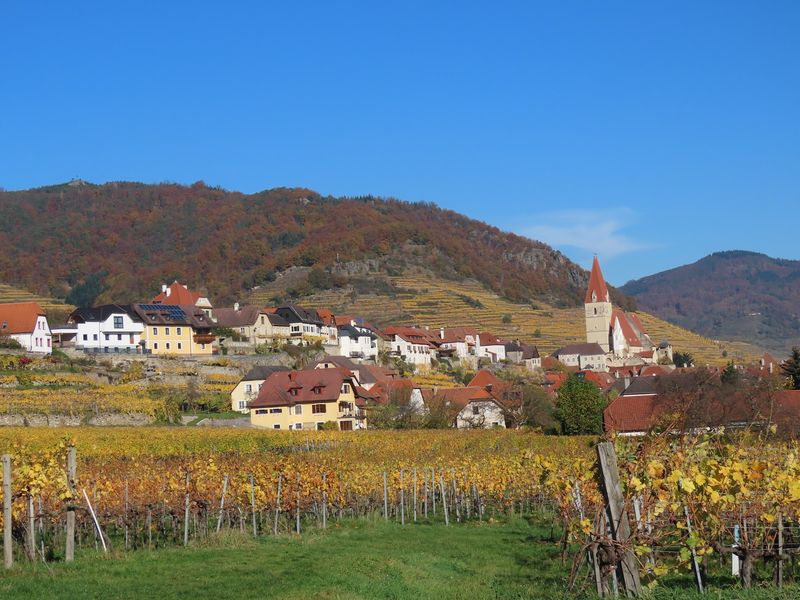
The Wachau is one of those valleys that looks best from the water. Following the Danube between Melk and Krems, it combines terraced vineyards, medieval villages, crumbling castle ruins, and steep hillsides into a stretch of scenery that Austria’s tourism authority specifically highlights as one of the country’s best autumn destinations.
When sunlight hits the vineyards during harvest season, the whole valley turns golden.
Durnstein and Spitz are the standout towns. Durnstein is famous for its blue church tower and the ruins of the castle where Richard the Lionheart was once held prisoner, which is a historical detail that sounds made up but is completely true.
Spitz sits at the heart of a particularly beautiful vineyard curve in the river and has excellent local wine taverns.
Riesling and Gruner Veltliner dominate the local wine production, and both varieties are worth tasting with the valley’s seasonal food. Cycling routes, boat trips, hillside walks, and abbey visits all fit naturally into a few days here.
The Wachau is also compact enough that you never need to rush, which makes it ideal for travelers who want genuine autumn atmosphere without a demanding itinerary.
Spicnik and Slovenia’s Wine Hills
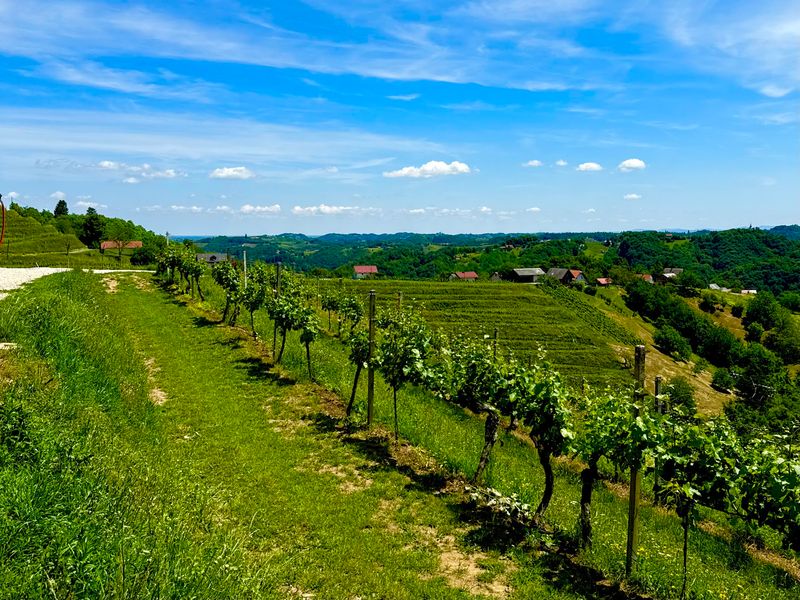
Slovenia’s wine country is one of Europe’s most underrated autumn destinations, and Spicnik is its most photogenic corner. North of Maribor, vineyards roll across gentle hills beside a road famously shaped like a heart, which sounds like a tourist gimmick until you actually see it from above and realize it is genuinely charming.
The surrounding regions of Haloze and Bela Krajina add more gold and orange to the mix as autumn deepens.
Slovenia’s tourism authority calls autumn the most festive time in its wine regions, and St. Martin’s Day on November 11 is the traditional moment when young wine officially becomes wine rather than grape juice. Local celebrations are warm, unpretentious, and very much worth timing a visit around.
Farm food, small family wineries, and a pace of life that has nothing to prove make the region feel refreshingly real.
Nearby Ptuj is one of Slovenia’s oldest towns and adds a strong historical element to a wine-country itinerary. The landscape feels intimate compared with larger European wine regions, which is honestly part of what makes it so appealing.
Fewer crowds, genuine hospitality, and scenery that rewards anyone willing to look beyond the obvious choices.
Lake Bled and the Julian Alps, Slovenia
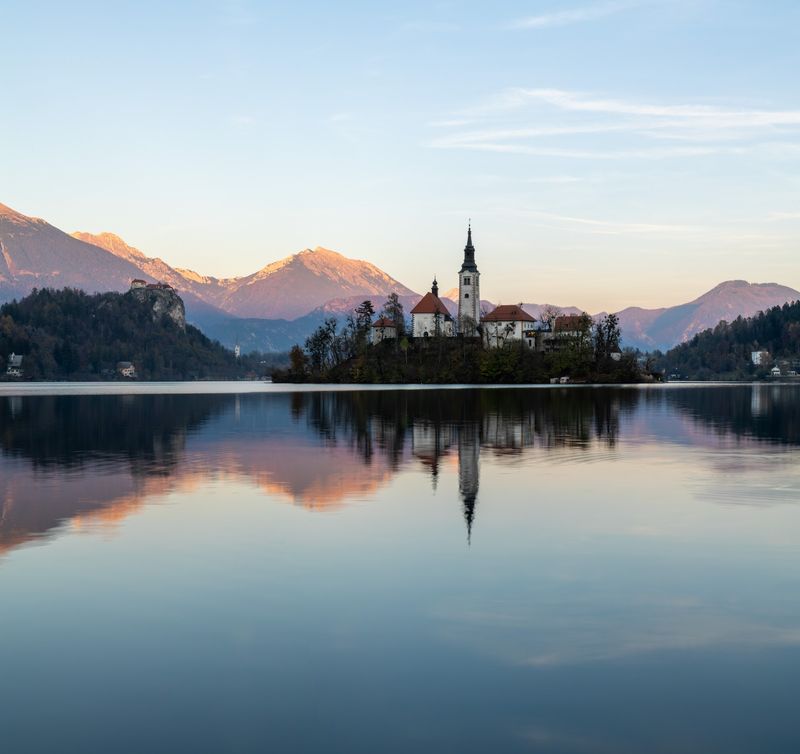
Lake Bled is one of those places that travel photos never quite do justice to, and autumn makes the real thing even better. Bled’s tourism site describes the season in shades of yellow, brown, red, and purple reflecting across the lake, with the island church and Julian Alps framing the view.
When the light is right and the water is still, the reflections are almost as striking as the scenery above them.
Walking the full path around the lake takes roughly an hour and a half before you account for stopping every few minutes to take photos. Nearby hills offer elevated viewpoints that put the entire scene into perspective.
The famous Vintgar Gorge, just outside town, becomes particularly atmospheric when autumn colors surround its wooden walkways above the turquoise Radovna River.
Extending the trip into the Julian Alps is worth the effort. Forests change color beneath increasingly snow-dusted peaks, and the Soca Valley to the west adds emerald water and dramatic mountain scenery to the itinerary.
Compared with the summer crowds that pack Bled’s shoreline, autumn visits feel almost like having the place to yourself, which makes the whole experience considerably more enjoyable.
Engadin Valley, Switzerland
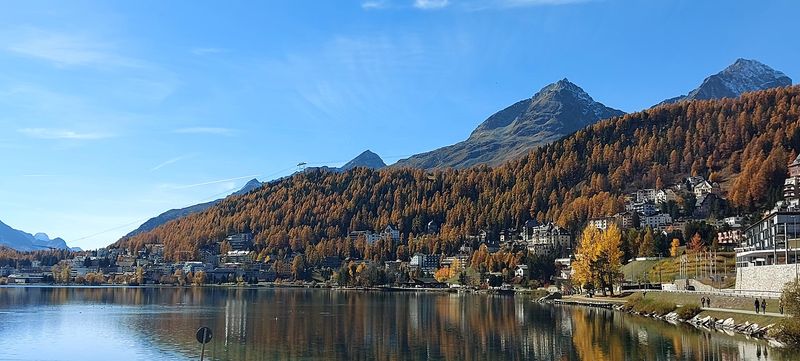
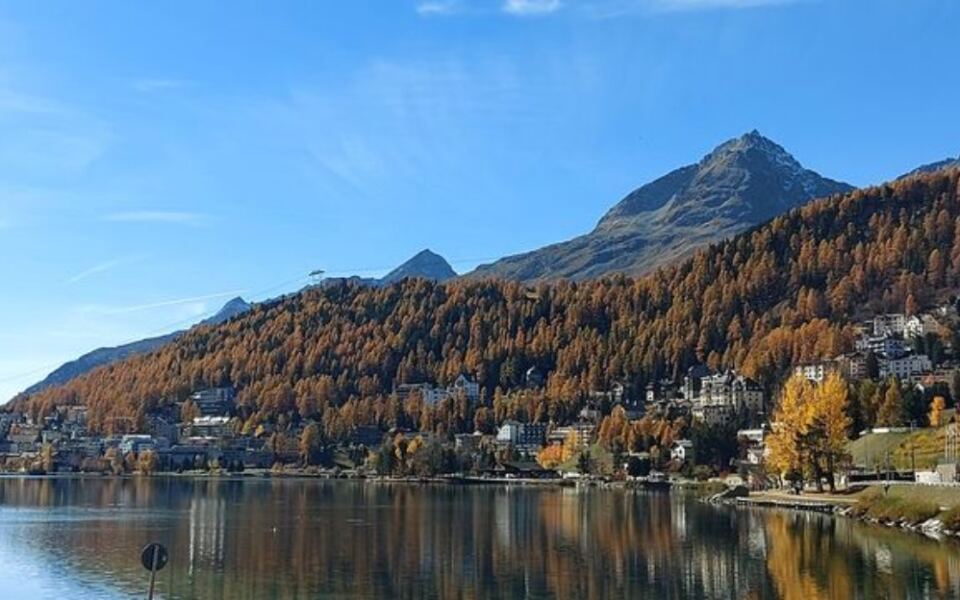
Most people think of evergreen forests when they picture the Alps, which is exactly why the Engadin Valley surprises them in October. Larch trees, unlike most conifers, turn golden before dropping their needles each autumn.
In the Engadin, entire mountain slopes in the Graubunden region glow with an intense yellow that contrasts sharply with the dark rock and early snow above. Switzerland Tourism specifically promotes this as one of the country’s strongest autumn experiences.
Routes between Maloja, Sils, St. Moritz, and Samedan give photographers and hikers a logical path through the valley. Lakes along the way add reflections that double the color impact, and old Engadin villages with their distinctive painted facades provide architectural interest between hikes.
The Rhaetian Railway, a UNESCO-listed line that threads through the valley, offers a scenic way to cover ground without driving.
By late October, early snow may already be settling on the high peaks while the valley floor remains golden, creating one of the Alps’ most striking seasonal contrasts. The combination of larch color, lake reflections, mountain scenery, and historic villages makes the Engadin genuinely hard to leave.
Plan for at least three days to do it properly.
Scottish Highlands and Highland Perthshire
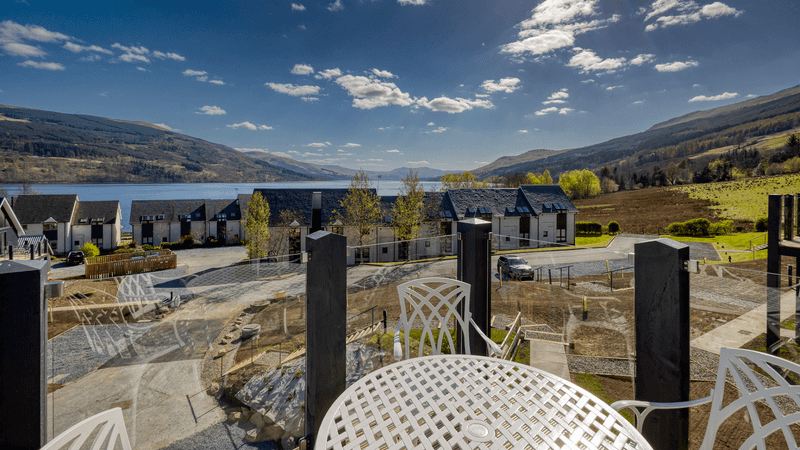
Scotland skips the vineyard chapter entirely and goes straight to the dramatic part. Autumn in the Highlands is all about forests blazing red and gold, heather-covered slopes turning rusty bronze, and lochs reflecting moody skies that change by the hour.
VisitScotland identifies October as peak color season around Pitlochry and Highland Perthshire, where Faskally Forest and the Linn of Tummel are among the strongest spots for fall foliage.
Temperatures settle into the 8 to 15 degree Celsius range through the September to November window, and daylight shortens noticeably as the season progresses. That makes autumn better suited to woodland walks, scenic drives, and castle visits than to ambitious mountain expeditions.
The shorter days also bring earlier sunsets, which paint the hills in warm light and then fade into long, atmospheric evenings.
Smaller Highland towns like Pitlochry and Aberfeldy are genuinely pleasant places to base yourself. Local distilleries, farm shops stocked with seasonal produce, and pubs with open fires all contribute to an autumn atmosphere that feels earned rather than manufactured.
Scotland in October does not try to be anything other than itself, and that turns out to be more than enough.
Fjord Norway
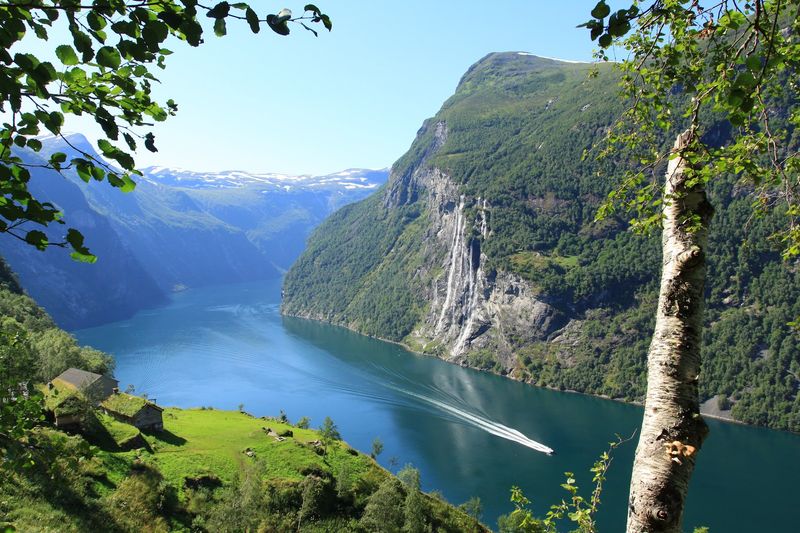
Norway’s fjords are vertical landscapes, which means autumn color appears in dramatic layers from the waterline all the way up to the snowline. Visit Norway describes the slopes around the western fjords turning red, orange, and yellow as summer fades, while visitor numbers drop pleasantly after the peak season crowds.
Hardangerfjord, Sognefjord, Nordfjord, Geirangerfjord, and Naerojfjord each offer their own version of this layered autumn display.
Orchards around the Hardanger region add apple and pear trees to the mix, which means fruit harvest and fall foliage overlap in the same landscape. Waterfalls that run year-round become even more photogenic when surrounded by orange and gold trees.
Ferry routes and many road connections keep operating well into autumn, though weather grows increasingly unpredictable and rain gear is non-negotiable.
For photographers, the combination of bright foliage against dark fjord water is a particular draw. Mist collecting in narrow valleys adds mood, and the possibility of snow appearing on the highest peaks while the lower slopes are still colorful creates layered shots that are difficult to replicate anywhere else.
Norway in autumn rewards travelers who embrace the weather rather than fight it.
Black Forest, Germany
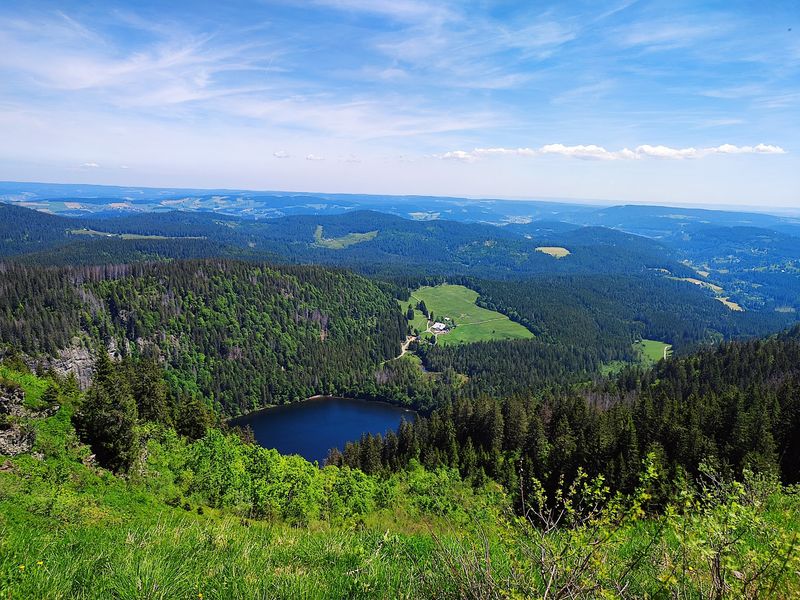
Despite its famously gloomy name, the Black Forest puts on one of Germany’s most colorful autumn shows. Beech trees are the secret weapon here.
They turn yellow, orange, copper, and red in a way that transforms forests otherwise dominated by darker firs and spruces into something genuinely bright and warm. Germany’s national tourism organization specifically highlights the region among the country’s best autumn foliage destinations.
The western edge of the Black Forest sits close to Baden’s wine country, which means you can combine forest walks with vineyard visits without covering enormous distances. Spa towns like Baden-Baden add a relaxed, slightly indulgent option for rest days.
Lakes including Titisee and Schluchsee reflect the changing trees and make easy destinations for shorter walks.
From late September onward, cooler temperatures and falling leaves create a hiking atmosphere that midsummer heat simply cannot match. Higher elevations may start experiencing frost as October advances, which sends the most committed foliage chasers up to the ridge trails for the strongest color and the longest views.
The Black Forest is compact, well-marked, and easy to navigate, which makes it a reliable choice for travelers who want autumn color without complicated logistics.
Transylvania, Romania
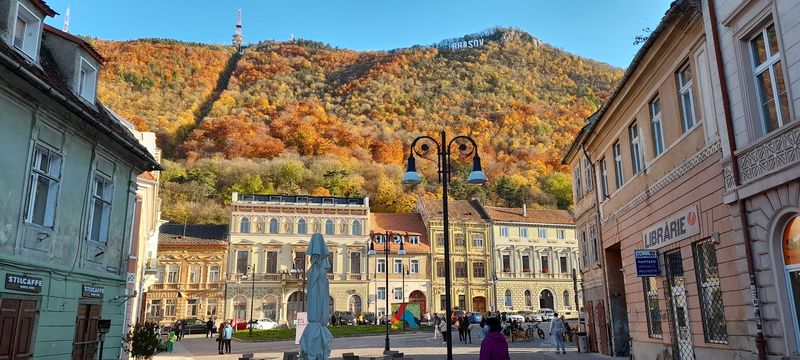
Transylvania earns its reputation on its own terms, no fictional counts required. The region’s Carpathian foothills, medieval towns, fortified Saxon churches, and hillside castles become surrounded by changing beech, oak, and maple woodland as October advances.
Visit Europe describes mid-to-late October as particularly colorful, with gold, rust, orange, and red spreading across a landscape that has been quietly stunning for centuries.
Brasov is the most practical base. Forested Mount Tampa rises directly behind its historic center, which means you can be in the middle of autumn forest within twenty minutes of your hotel.
Bran, Rasnov, and Sibiu are all reachable on day trips, and the rural Saxon villages scattered across the region add an architectural layer that most visitors completely underestimate.
Misty mountain roads and fortified towns surrounded by deep-colored forest create an atmosphere that suits the architecture perfectly. The combination feels genuinely atmospheric rather than staged, which is increasingly rare in European travel.
Romania is also considerably more affordable than its western neighbors, meaning your money stretches further and you can spend more time exploring rather than calculating costs. Transylvania in autumn is one of Europe’s most rewarding underdog destinations.
Bavarian Alps, Germany
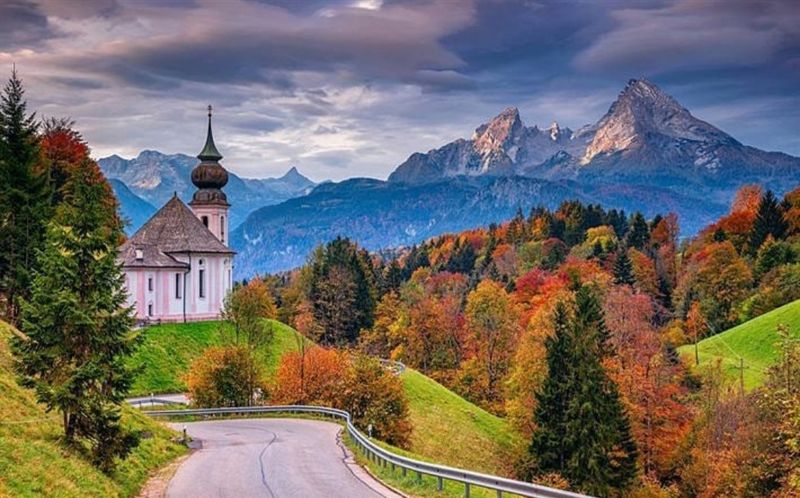
Bavaria saves the most theatrical autumn backdrop for last. Neuschwanstein Castle perched above Schwangau, framed by wooded hills turning orange and gold with early snow on the peaks behind it, is one of those scenes that looks implausibly beautiful in person.
Germany Tourism highlights Bavaria among the regions where forests become especially colorful after late September, with deciduous trees lighting up beneath darker conifers and rocky Alpine summits.
The region east of Munich combines lakes, meadows, villages, and mountain roads into itineraries that can be as relaxed or as active as you want. The Berchtesgaden area, the Bavarian Lake District around Starnberg and Tegernsee, and the roads between Garmisch and Fussen all deliver strong autumn scenery without requiring serious hiking experience.
Cooler temperatures make lower-elevation walking particularly appealing before full winter conditions arrive.
Harvest season adds another layer to the Bavarian autumn experience. Breweries release seasonal Marzen and festbier, farm shops fill up with apples and pumpkins, and local markets shift toward warming food and drink.
The strongest visual contrast often comes when forests remain orange and yellow at lower elevations while early snow settles higher on the Alps, a seasonal transition that makes familiar landscapes feel completely new.
Share this story