Summer in Europe is incredible, but it comes with a price: long lines, packed beaches, soaring hotel rates, and cities so crowded you can barely move. Once September rolls around, something shifts.
The weather stays pleasant across much of the continent, the scenery gets even more beautiful, and the locals come back out to enjoy their own towns again. If you have ever wanted to see Europe at its most relaxed and rewarding, the months just after peak season might be exactly what you have been waiting for.
Dubrovnik, Croatia
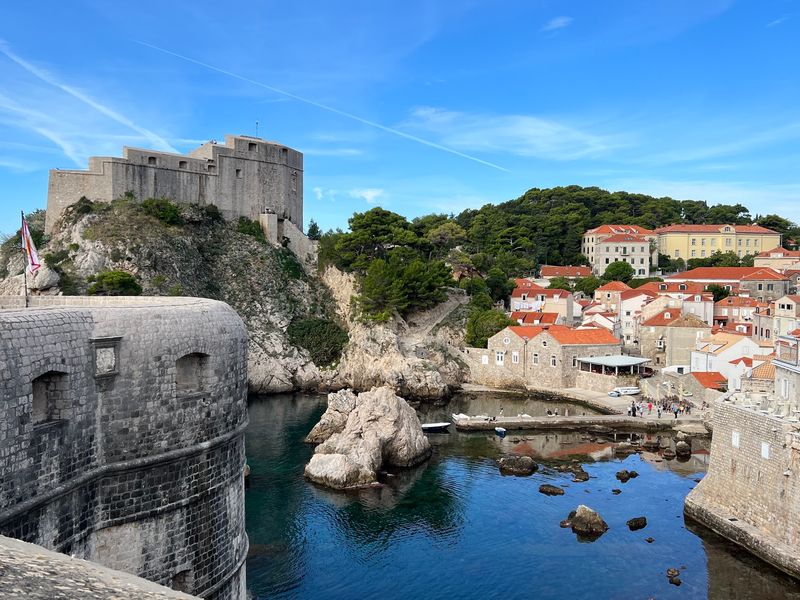
Walking Dubrovnik’s ancient city walls in July feels like queuing for a theme park ride. By September, the same stone path feels like your own private balcony over the Adriatic.
The UNESCO-recognized medieval city does not lose a single ounce of its drama once summer ends.
Cooler temperatures make exploring the walled Old Town genuinely enjoyable rather than a sweaty endurance test. Boat excursions still run, seafood restaurants still thrill, and the limestone streets glow differently under autumn light.
Croatia’s tourism calendar keeps rolling well past August, with events like the Spartan Trail Dubrovnik scheduled for late October.
Evenings inside the old city become the highlight of the trip rather than a crowded afterthought. You can linger over dinner, wander narrow alleys without bumping into anyone, and actually hear the sea.
Dubrovnik is not suddenly undiscovered in autumn. It is simply much easier to understand why people fell in love with it in the first place.
Lake Bled, Slovenia
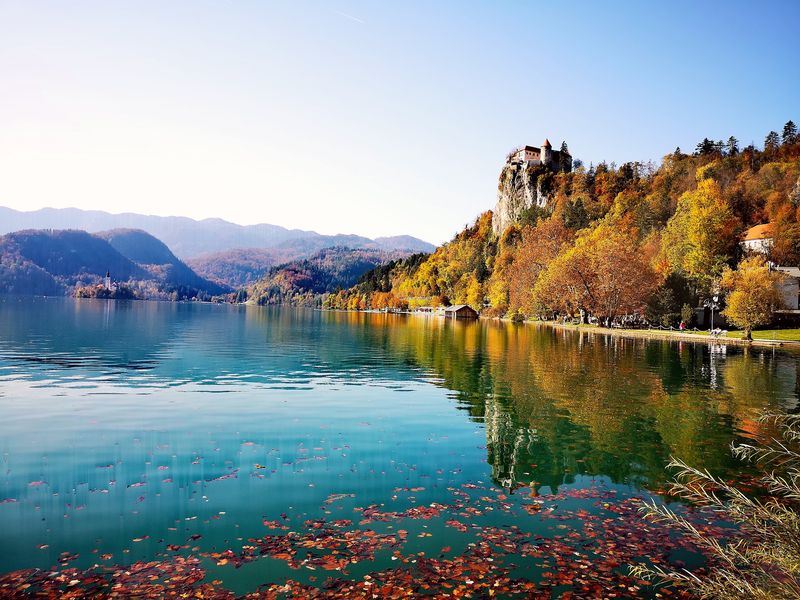
There is a moment in early October when Lake Bled looks almost too good to be real. The surrounding hills turn amber and gold, the Julian Alps sharpen in the cooler air, and the famous island church floats in the middle of it all like a painting no one asked to touch up.
Slovenia’s official tourism organization specifically recommends autumn as one of the best times to visit. The lake is less crowded, the light is warmer and more cinematic, and the whole scene feels less like a tourist hotspot and more like a secret someone let you in on.
Traditional pletna boats still cross the water, shoreline walks remain open, and a slice of Bled cream cake tastes just as good with a view of golden leaves.
Autumn also unlocks the wider Slovenian countryside. Vineyard routes, farm stays, hiking trails, and seasonal food experiences make a strong case for extending the trip beyond the lake itself.
For a compact Alpine escape with genuine seasonal personality, Bled is one of Europe’s most convincing post-summer upgrades.
Tuscany, Italy
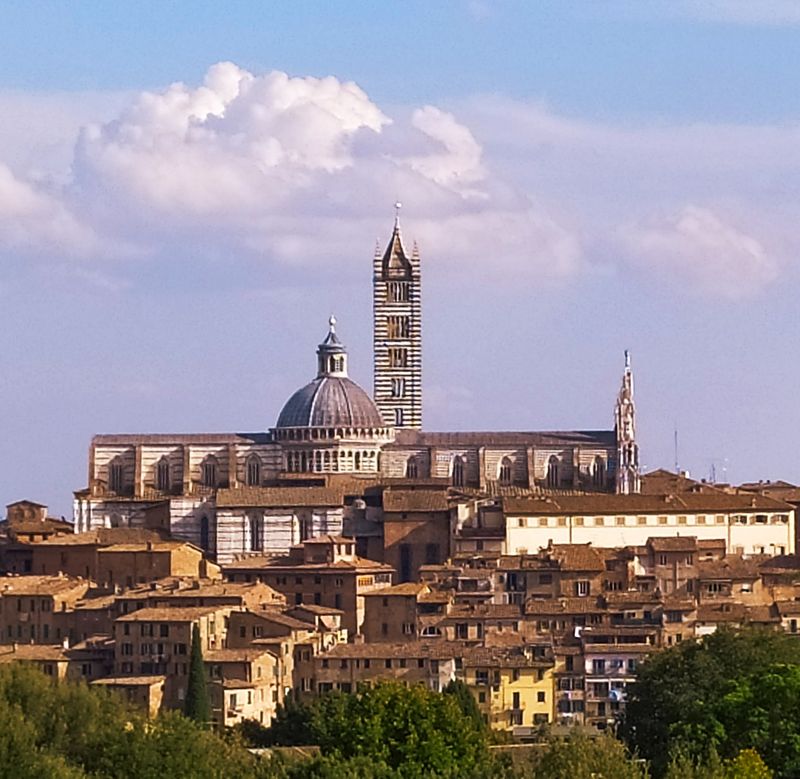
August in Tuscany is gorgeous and relentless. September in Tuscany is gorgeous and breathable.
That single difference changes everything about how the region actually feels to travel through.
Italy’s official tourism site describes Tuscany shifting from summer sunflower fields into the warm shades of autumn, when hills, valleys, and wooded areas take on richer seasonal colors. Then there is the food and wine angle, which is hard to overstate.
Chianti, Val d’Orcia, and Montepulciano enter harvest season, and wine routes linking historic villages, vineyards, and regional cuisine become the main event rather than a side trip.
Florence and Siena remain worth every visit, but autumn gives travelers a genuine reason to spend time between the cities. Drive or cycle through the countryside, stop at a hilltop town, sit down at a winery, and leave enough time for a long lunch that turns into an even longer afternoon.
Tuscany in autumn rarely feels like the tourist version of itself. It feels like the real one, the kind that actually matches what people imagined before they booked the flight.
Douro Valley, Portugal
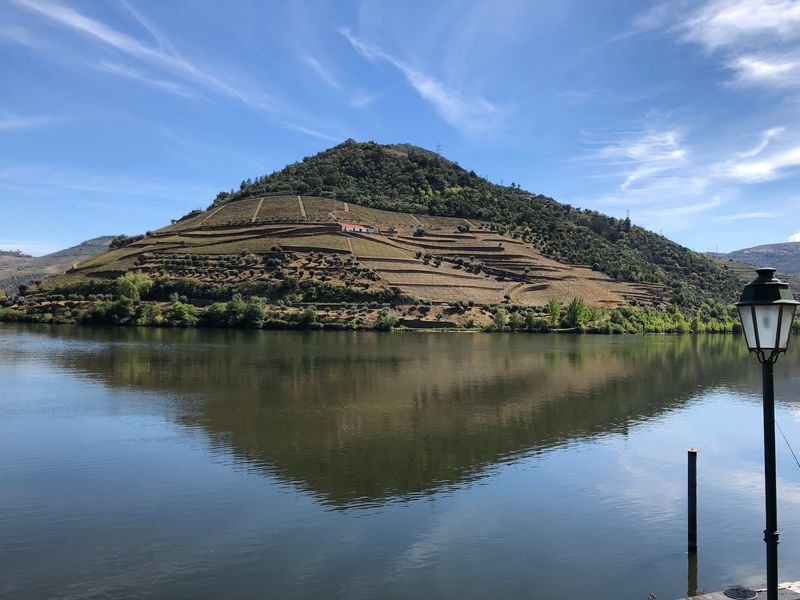
Forget what you know about off-season travel feeling like a consolation prize. In the Douro Valley, visiting just after summer is not a compromise.
It is the whole point.
Visit Portugal confirms that grape picking typically takes place between the end of summer and the beginning of autumn, with several wineries offering programs where visitors can join the harvest and even participate in traditional grape stomping. The UNESCO-listed terraced slopes transform during this period, shifting through shades of green, red, purple, and brown in a display that no other season can replicate.
A river cruise, scenic train journey along the valley, or a vineyard stay all carry extra meaning when the region is actively producing the wine it is famous for.
The Douro is one of those rare places where the destination and its defining product peak at exactly the same time. Summer gives you a beautiful landscape.
Early autumn gives you that same landscape plus the centuries-old ritual being performed across every hillside. For wine lovers, food travelers, and anyone who has ever wanted to feel genuinely connected to a place, the Douro in harvest season is simply hard to beat.
Prague, Czechia
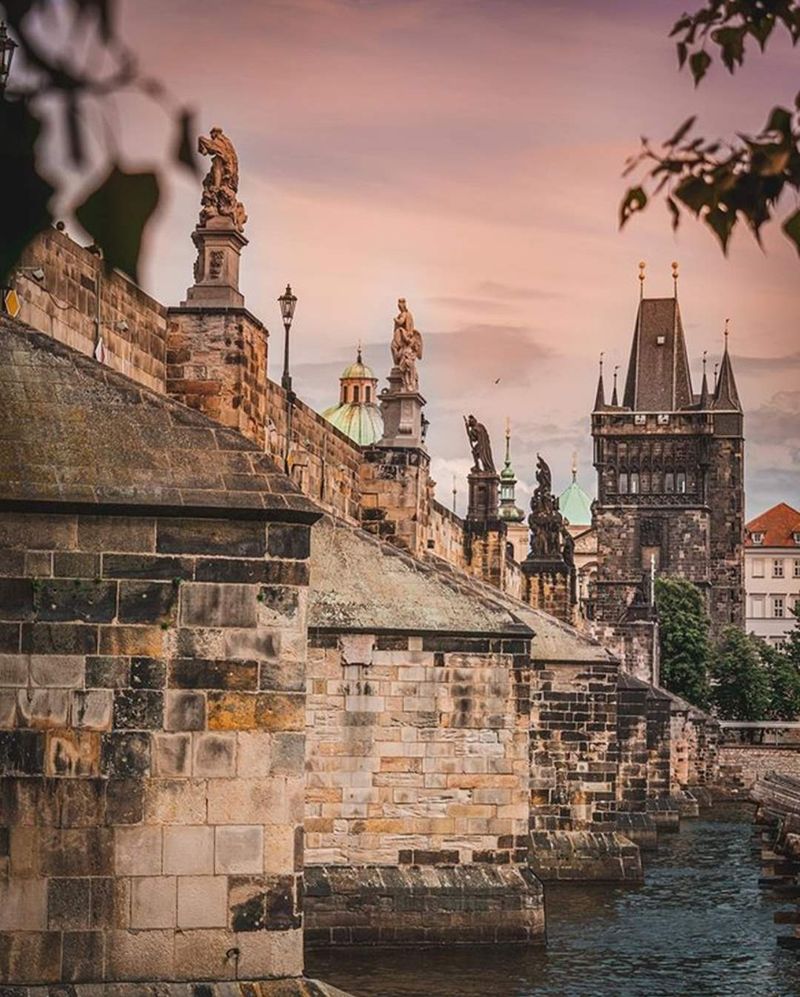
Prague does not need sunshine to look extraordinary, which is precisely why autumn suits it so well. The Gothic towers, riverside walks, and cobblestone streets feel even more atmospheric when the air turns crisp and the crowds thin out.
VisitCzechia openly recommends September through November as the country’s off-season sweet spot, noting that the heaviest tourist traffic runs from June through August. September often stays mild and pleasant, while October brings cooler temperatures and the kind of autumn color that transforms the city’s parks and hillside gardens into something genuinely worth seeking out.
The Charles Bridge will never be completely empty, but crossing it on a quiet October morning is a fundamentally different experience from shuffling across it shoulder to shoulder in peak summer.
Prague also rewards slower exploration. Castle viewpoints, lesser-known neighborhoods, cellar wine bars, and afternoon coffeehouses all become more accessible and enjoyable once the main summer rush passes.
VisitCzechia specifically promotes the capital as an autumn city-break destination, and it is easy to see why. Prague in autumn feels less like a bucket-list obligation and more like a city you actually get to know.
Provence, France
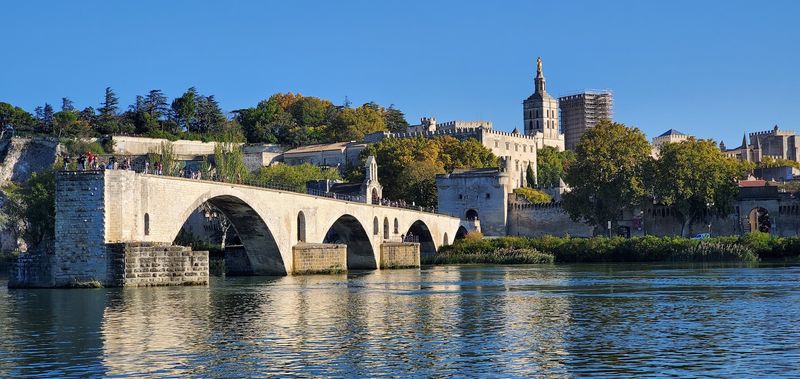
Lavender gets all the attention, but September gets all the breathing room. Once the purple fields fade and the tour buses redirect their routes, Provence quietly becomes one of the most enjoyable places in France to spend a few weeks.
France’s official tourism site notes that the region grows more tranquil from September onward, making autumn especially well suited to food, village exploration, outdoor activities, and local products like figs, mushrooms, chestnuts, and eventually truffles. Hiking and cycling conditions improve as temperatures moderate, and France.fr specifically recommends autumn outings in the Luberon, Vaucluse, Verdon Gorge, Camargue, and the Calanques.
Places like Gordes, Roussillon, and Cassis do not lose their appeal simply because the lavender season has ended.
What changes is the experience rather than the scenery. Autumn Provence is about market mornings with fewer tourists competing for the last fig tart, vineyard roads with actual room to stop and look around, and café terraces where you can sit for an hour without feeling rushed.
That slower, more personal version of Provence is honestly the one worth planning a trip around. The postcards can wait.
Santorini, Greece
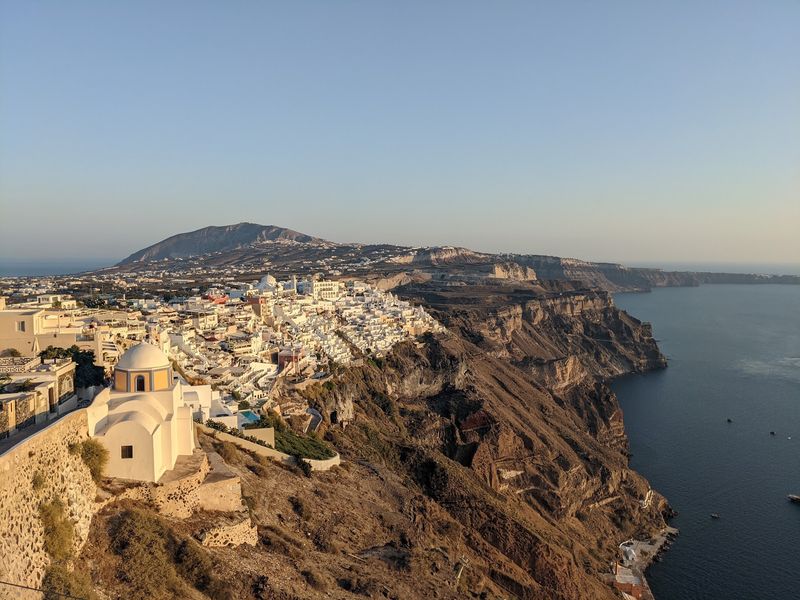
Santorini’s problem has never been beauty. The whitewashed villages, volcanic cliffs, and caldera sunsets are as spectacular as advertised.
The problem is experiencing any of it without feeling like you are sharing a very small island with half the world’s Instagram accounts.
By September, the island begins easing out of peak-season intensity while still delivering everything travelers came for. Greece’s national tourism organization actively promotes the country as an autumn destination, highlighting hiking, wine routes, history, and island experiences that extend well beyond the conventional beach-and-sunset formula.
Early autumn is particularly attractive for travelers who want to combine sightseeing with coastal time without organizing every hour around avoiding crowds.
Walking between villages, visiting archaeological sites, exploring local wineries, and lingering over dinner all become more realistic once the summer peak passes. Santorini has a genuinely interesting food and wine culture built on volcanic soil, and autumn is when that side of the island gets the attention it deserves.
The famous views are still there. The difference is you can actually stop and look at them without someone’s selfie stick appearing in your peripheral vision every thirty seconds.
Budapest, Hungary
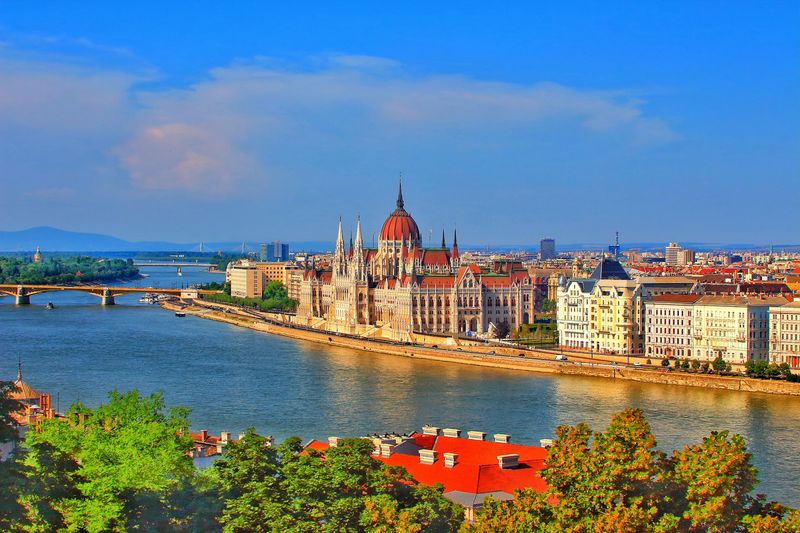
Budapest seems almost designed for autumn. The grand architecture, thermal baths, leafy parks, and café culture all feel more at home in cooler, golden-toned weather than they ever do in the height of summer.
Hungary’s official tourism organization describes autumn as bringing pleasant weather, smaller crowds, and enough daylight hours to explore the capital comfortably on foot or by public transit. September and early October can still produce warm, almost summery days, which means you get the best of both seasons without fully committing to either.
As temperatures drop, the famous thermal baths shift from a fun novelty to an absolutely essential part of the daily routine, and nobody is complaining about that.
Autumn also brings seasonal food markets, wine events, and a general sense that the city is returning to its own rhythms after the summer tourist wave. The Buda Hills and city parks begin changing color, riverfront walks feel calmer, and the coffeehouses fill up with locals again.
Summer is excellent for drinking beside the Danube. Autumn is excellent for understanding why Budapest consistently ranks among Europe’s most rewarding city breaks, regardless of the season.
Salzburg, Austria
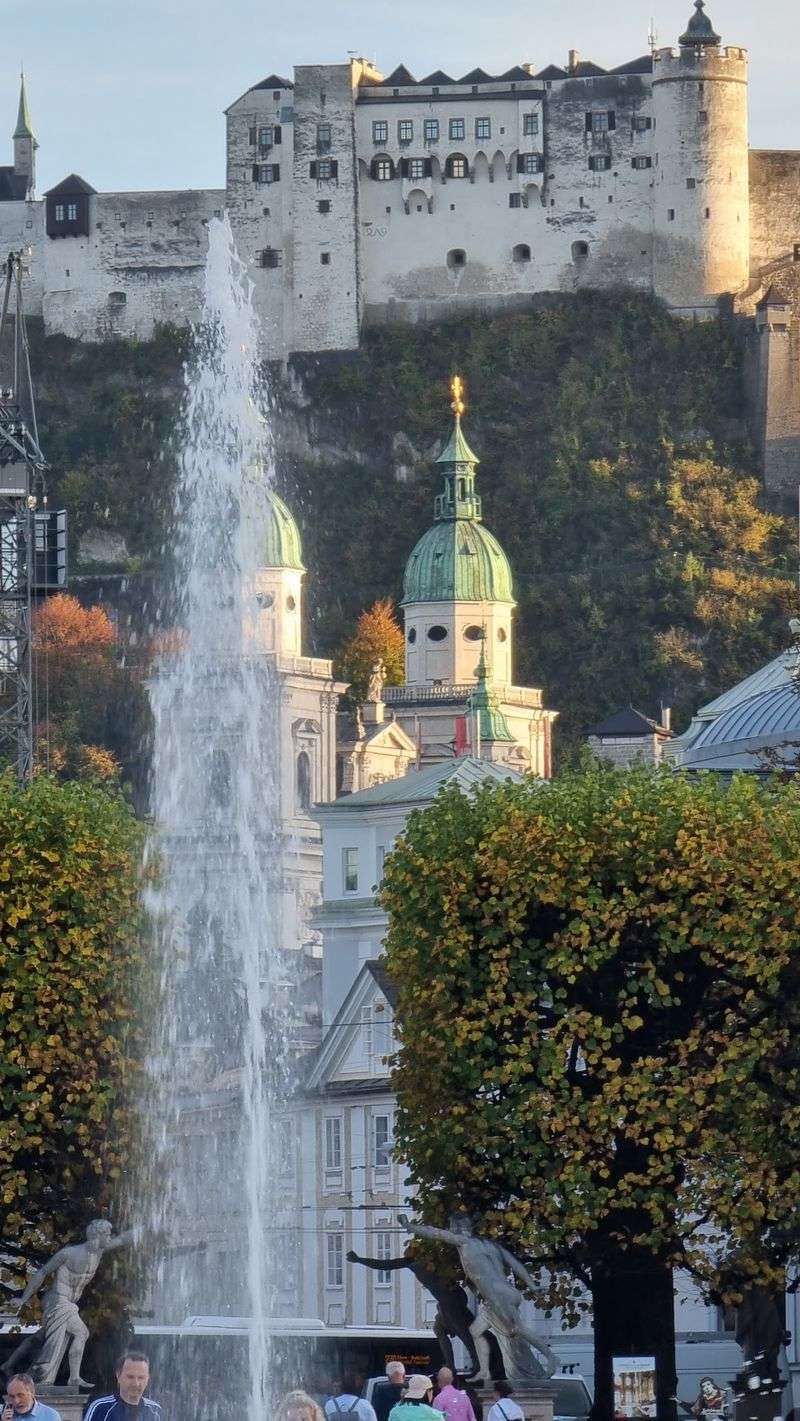
Once the major summer festival season wraps up, Salzburg exhales. The Baroque old town remains every bit as striking, the fortress still dominates the skyline, and the mountains rising immediately beyond the rooftops begin turning spectacular shades of gold and rust.
Austria Tourism highlights late September and October as among the most picturesque times to visit the country, as foliage changes and seasonal events fill the calendar. Salzburg celebrates its traditional harvest season from September into October, and the Ruperti festivities around September 24 bring music, regional food, crafts, and local customs into the old town in a way that feels genuinely connected to the place rather than staged for visitors.
The city also has a wonderfully walkable historic core that rewards slower exploration once the summer crowds ease. Café culture thrives here regardless of weather, concert venues stay active, and day trips into the surrounding Salzkammergut lake district become even more beautiful as autumn color spreads across the landscape.
For travelers who want Mozart, fortresses, mountain scenery, and excellent coffee without the full summer intensity, September in Salzburg is genuinely hard to argue against.
Crete, Greece
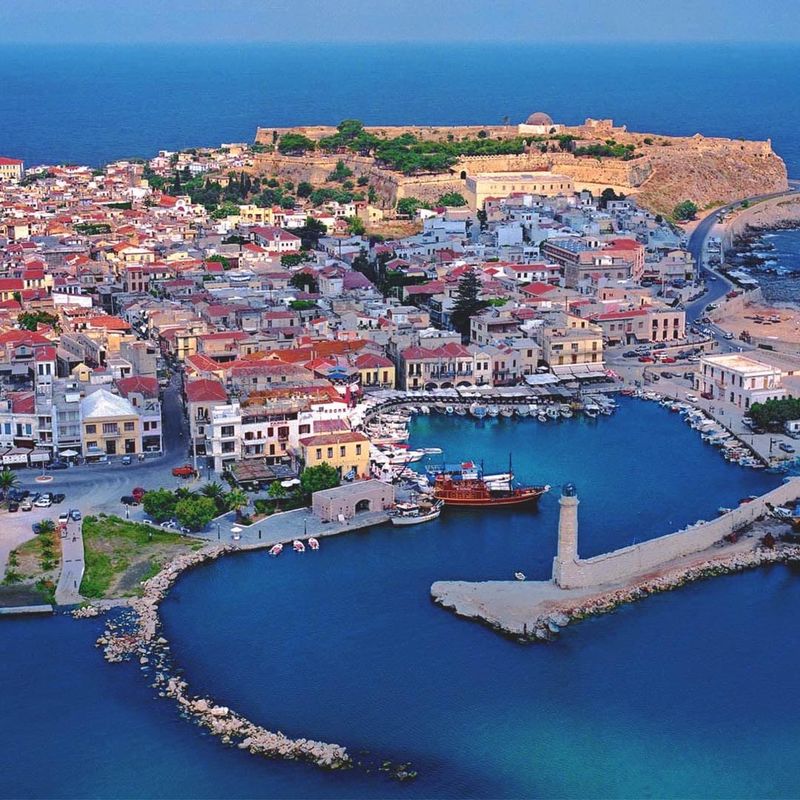
Most people think of Crete as a beach destination, and they are not wrong. But reducing the island to its coastline is like reading only the first chapter of a very long and excellent book.
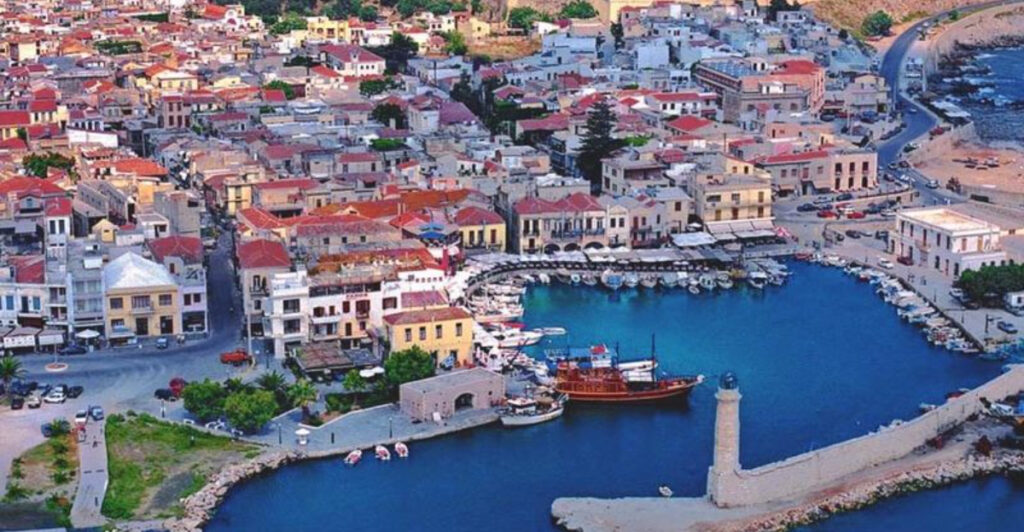
Chania and Rethymno offer historic centers with Venetian and Ottoman-era architecture, excellent restaurants, museums, and easy access to mountainous interiors. Visit Greece describes Rethymno as one of the country’s best-preserved medieval towns and Chania as one of its most beautiful cities, and both are far more enjoyable to explore once summer heat and peak-season foot traffic begin to ease.
Autumn also brings a stronger focus on food and wine, with Crete’s winemaking tradition stretching back thousands of years and a growing wine-tourism scene around Heraklion and Chania.
September and early October are ideal for travelers who want to mix coastal time with old-town wandering, village visits, hiking, and genuine gastronomy. The island is large enough that it rewards exploration even during peak season.
After summer, it simply becomes much easier to actually slow down and do it properly, without the pressure of a packed schedule or a reservation waiting list.
Lake Como, Italy
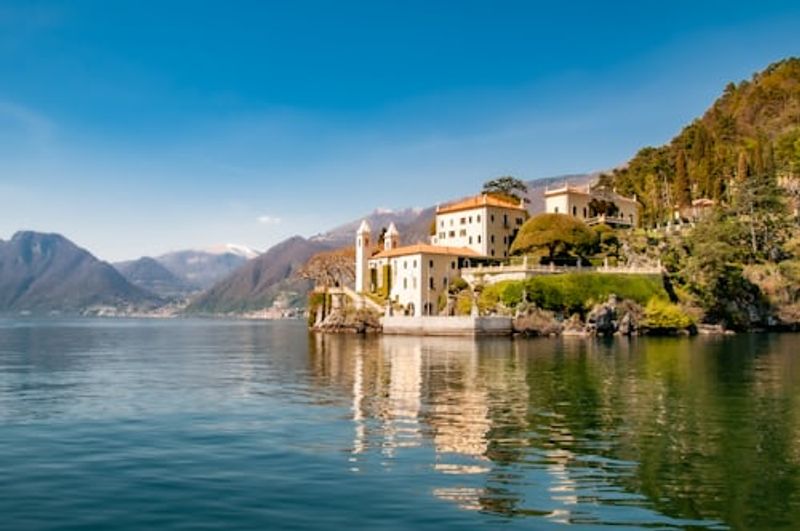
Lake Como in summer can resemble a very beautiful traffic jam. Ferries are packed, waterfront promenades are shoulder to shoulder, and finding a quiet terrace for lunch requires either luck or a very early alarm.
Autumn changes the tone entirely.
Italy’s official tourism site specifically describes sailing on Lake Como after the summer crowds have gone home as an experience of rare beauty. The mountain backdrop remains, the elegant villas and historic gardens are still open, and villages like Bellagio, Varenna, and Como itself become genuinely pleasant to wander through at a comfortable pace.
Cooler weather makes lakeside walking more enjoyable, while autumn color spreads through the surrounding hills in a way that summer light simply cannot replicate.
Ferry and seasonal attraction schedules do become more limited as the season progresses, so checking current timetables before planning a late-autumn itinerary is a smart move. Go early enough in the season, though, and Como offers one of Italy’s most convincing arguments for traveling after everyone else’s summer vacation ends.
The scenery is the same. The experience of it is completely different, and considerably better.
Seville, Spain
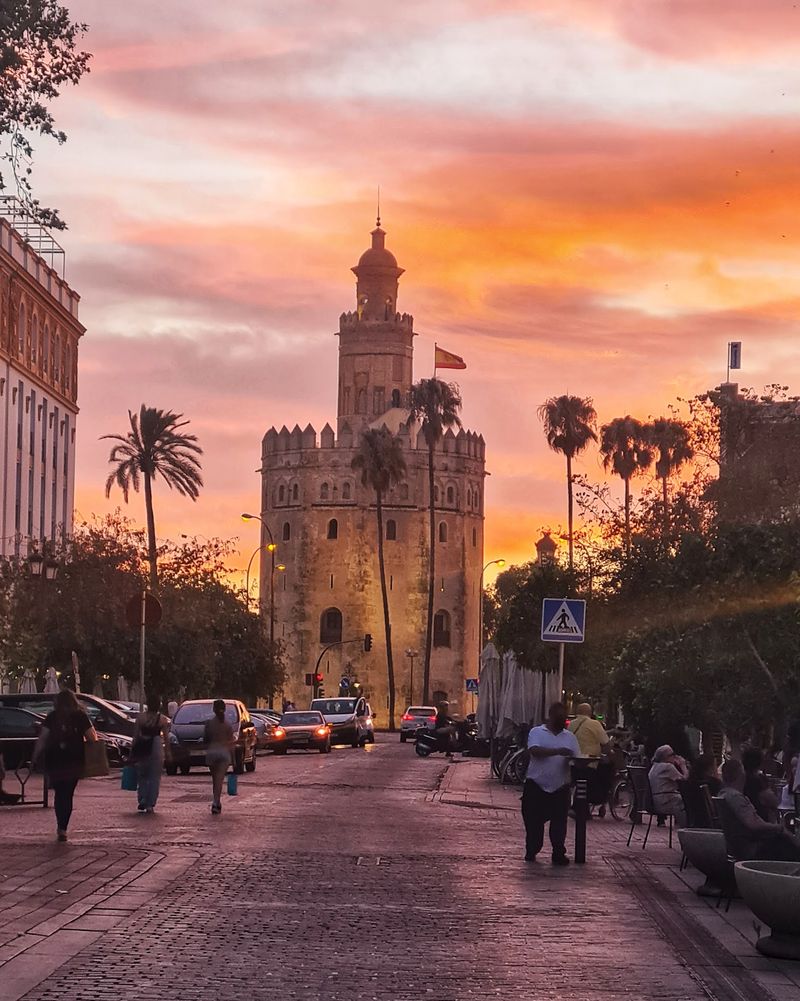
Seville in July is a city that tests your relationship with heat. Temperatures regularly exceed 40 degrees Celsius, and sightseeing becomes a negotiation between ambition and shade.
September changes the equation completely.
Spain’s tourism authority specifically recommends inland Andalusia in autumn as temperatures begin to drop, highlighting Seville and the lush greenery along the Guadalquivir River. The city is built for walking, from the Real Alcazar and the Cathedral to Plaza de Espana, Maria Luisa Park, tapas neighborhoods, and flamenco venues, and autumn is when those walks actually feel like a pleasure rather than a survival exercise.
The 2026 Seville Flamenco Biennial runs from September 9 through October 3, giving visitors an exceptional cultural reason to time a trip around the early autumn window.
Seville’s food scene, nightlife, and street culture all operate on their own unhurried schedule regardless of season. But autumn lets visitors actually engage with all of it without spending half the day hiding from the sun.
Summer Seville is a contest against the thermometer. Autumn Seville lets the city take over, and when Seville takes over, it does so with considerable style and zero apology.
Mallorca, Spain
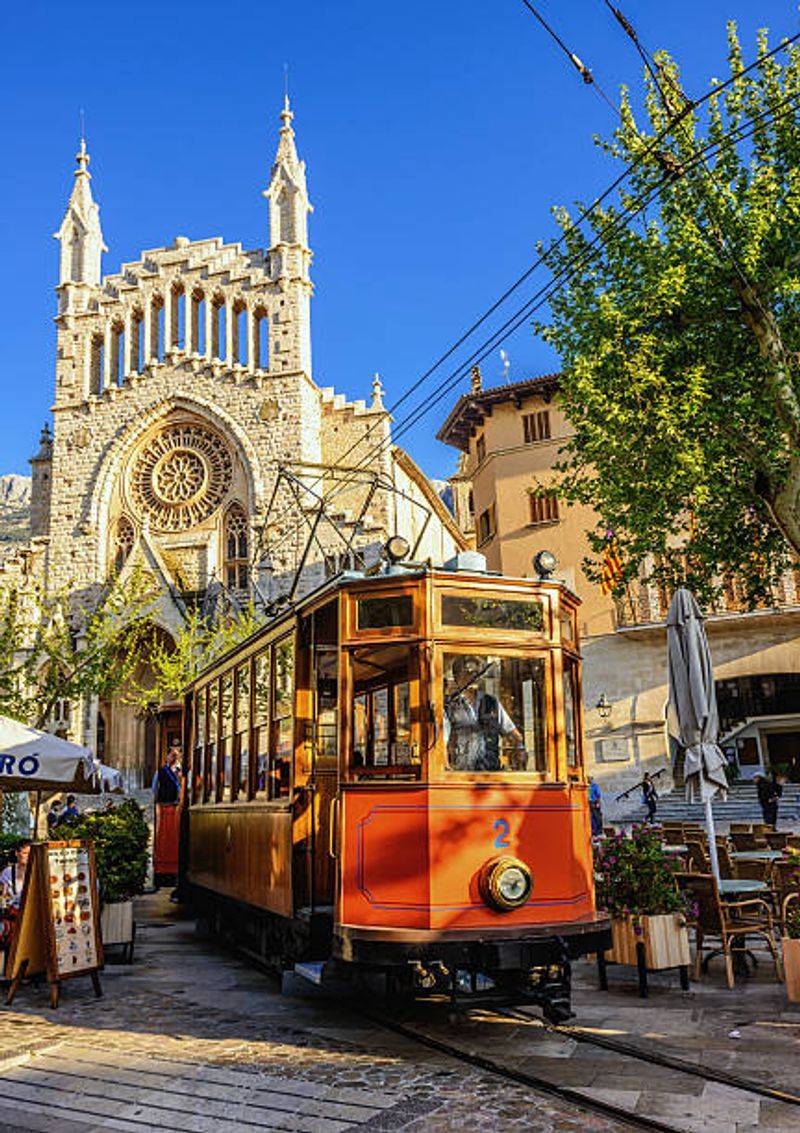
Mallorca’s reputation as Europe’s favorite summer beach island is completely deserved. It is also, as any regular visitor will tell you, only about half the story.
Spain’s official tourism site emphasizes that the island combines Mediterranean coastline with Palma’s historic center, inland villages, local crafts, and mountain landscapes that have nothing to do with sunbeds or beach bars. September is described nationally by Spain’s tourism authority as still summery but slightly cooler, making it well suited to touring and hiking.
That matters enormously on an island where some of the most rewarding experiences lie well away from the sand. Palma becomes more comfortable for long afternoon walks, the Serra de Tramuntana mountain range opens up for proper hiking and scenic road trips, and villages like Soller, Deia, and Valldemossa are far easier to appreciate once summer rental cars stop clogging the narrow roads.
The beaches do not disappear in September. The sea is still warm, the light is still beautiful, and the whole island simply operates at a more human pace.
Mallorca after August is still Mediterranean, still generous, and still capable of delivering a genuinely great holiday. It is just less consumed by the machinery of peak season.
Vienna, Austria
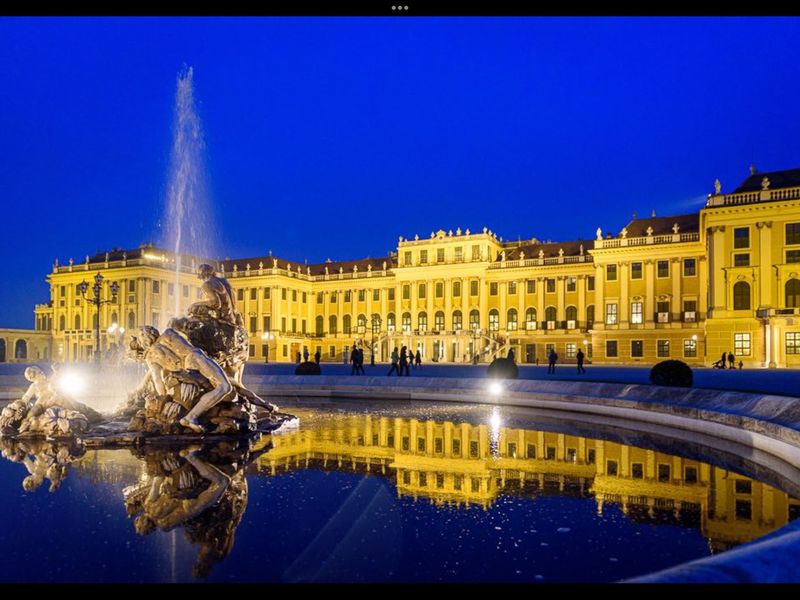
Vienna is one of those rare cities that does not merely tolerate autumn. It actively thrives in it.
The palace gardens change color, the coffeehouses feel more welcoming, and the cultural calendar shifts into a higher gear just as the summer tourists head home.
Austria Tourism describes autumn in its cities as a season of distinctive light, rich cuisine, and major exhibitions. October brings the Viennale, Austria’s most celebrated film event, staged in cinemas across Vienna’s historic center and attracting serious film culture from across Europe.
Concert halls, opera houses, and galleries all ramp up their programming in autumn, which means the city’s most compelling indoor experiences become more accessible and easier to book at the same time as the outdoor crowds thin out.
Vienna also rewards the kind of slow, unhurried exploration that summer heat and summer crowds tend to discourage. Long walks around the Ringstrasse, afternoons in museum collections, and evenings at a Heurige wine tavern on the city’s edge all feel more natural once the pace drops.
Shorter daylight hours can actually improve the mood here, turning the city’s beautifully lit streets and warm interiors into something genuinely atmospheric rather than just scenic.
The Italian Riviera and Ligurian Coast
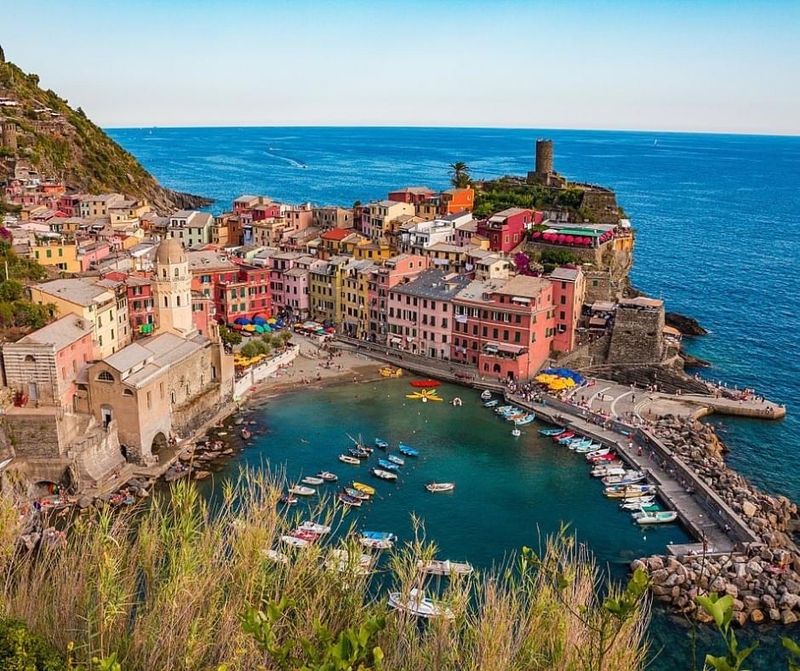
In July, the Cinque Terre trail can feel like a moving queue with a view. By September, that same coastal path becomes one of the most rewarding walks in Europe, with the sea below and the terraced hillsides glowing in softer seasonal light.
Italia.it specifically recommends autumn sailing around the Golfo dei Poeti and Portovenere, describing the Mediterranean climate and quieter post-summer atmosphere as key draws. That same logic applies across the wider Ligurian coast.
Seaside villages remain beautiful and fully open, hiking between colorful clifftop towns becomes more comfortable as temperatures fall, and the coast takes on a completely different personality once the peak-season energy dissipates. Travelers should note that heavy rain can occasionally affect trails in autumn, so checking local trail conditions before heading out is genuinely important rather than optional.
When the weather cooperates, though, September and early October offer something that July simply cannot provide: the actual experience of being by the sea rather than the experience of being surrounded by people who are also trying to be by the sea. The villages are still charming, the pesto is still extraordinary, and on a calm autumn morning, you can actually hear the waves.
Share this story