Europe’s most unforgettable journeys often happen beyond its famous capitals. Across the continent, entire regions combine dramatic mountains, rugged coastlines, medieval villages, vineyards, castles, and archaeological treasures that tell stories spanning thousands of years.
Whether shaped by ancient civilizations, powerful kingdoms, or spectacular natural forces, these destinations offer the perfect blend of breathtaking scenery and rich cultural heritage. Pack your curiosity and a good pair of walking shoes because these 15 regions are ready to blow your mind.
Tuscany, Italy
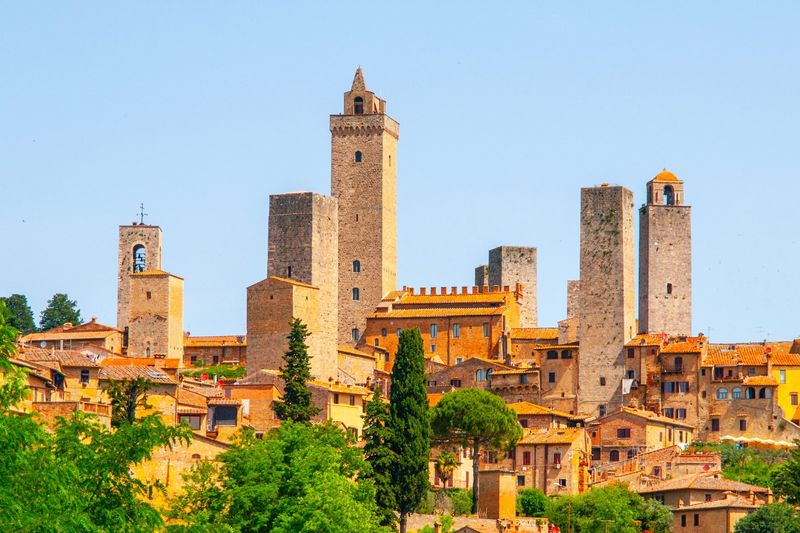
Nowhere in the world smells quite like Tuscany in autumn, when wood smoke drifts over vineyards heavy with ripe grapes. This central Italian region has been inspiring painters, poets, and hungry travelers for centuries.
Rolling hills dotted with cypress trees and ancient stone farmhouses make every country road feel like a painting.
Florence anchors Tuscany with its jaw-dropping Renaissance art and architecture. The Uffizi Gallery alone holds enough masterpieces to fill a lifetime of visits.
Meanwhile, Siena’s fan-shaped Piazza del Campo hosts the thrilling Palio horse race twice a year, drawing passionate crowds from around the world.
Head deeper into the countryside and the Val d’Orcia region rewards you with UNESCO-protected landscapes of almost surreal beauty. San Gimignano’s medieval towers pierce the sky like a stone skyline frozen in time.
Tuscany is proof that a single region can satisfy your hunger for history, art, and incredible food all at once.
Scottish Highlands, Scotland
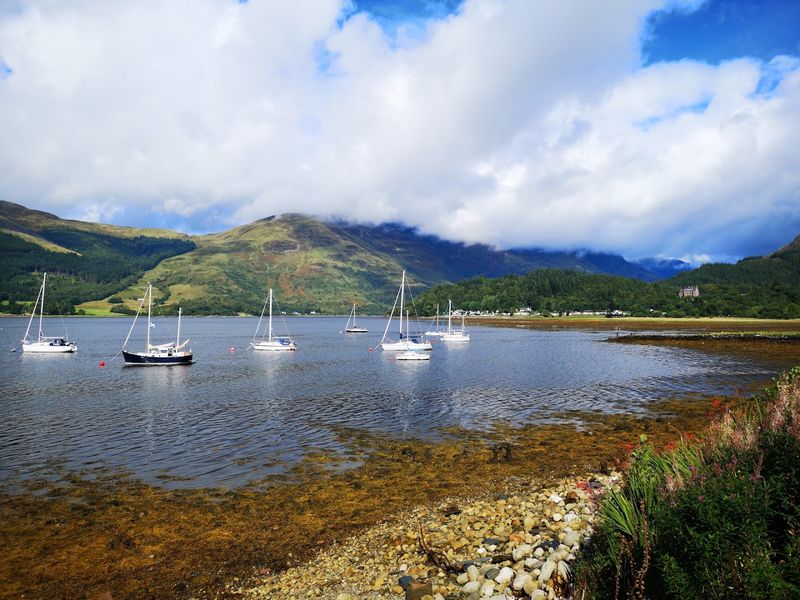
On a misty morning, the Scottish Highlands look like they belong inside a legend. Towering peaks, brooding lochs, and the ruins of ancient castles scattered across wild moorland create a landscape that feels both raw and deeply romantic.
This is one of Europe’s last great wildernesses, and it wears that title proudly.
Glencoe is perhaps the most dramatic valley in Britain, its steep walls shaped by volcanic forces and steeped in the grim history of the 1692 massacre. Loch Ness, of course, carries its own mysterious reputation.
Millions of visitors scan its dark waters each year, hoping to spot something that science has never quite confirmed or denied.
The Cairngorms National Park covers more land above 4,000 feet than anywhere else in Britain, offering world-class hiking, wildlife watching, and winter skiing. Red deer roam freely, golden eagles circle overhead, and Highland cattle watch visitors with an impressively unbothered stare.
Scotland’s northern region is wild, weathered, and absolutely worth every rainy day it throws at you.
Andalucia, Spain
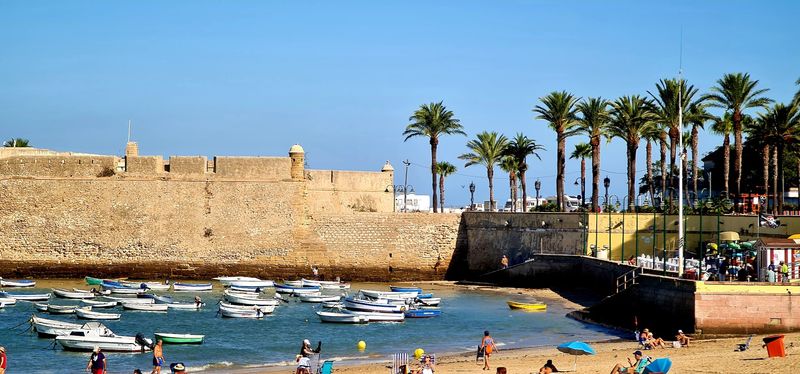
Flamenco, fierce heat, and the ghost of a thousand-year-old civilization all live together in Andalucia. Southern Spain’s largest region carries the weight of extraordinary history with remarkable style.
Moorish rulers shaped its architecture, cuisine, and culture so deeply that their influence is impossible to miss even today.
Granada’s Alhambra palace complex is one of the most breathtaking buildings on earth. Its intricate geometric tilework, serene reflecting pools, and perfectly preserved fortress towers took centuries of skilled craftsmanship to complete.
Nearby, the historic Albaicin neighborhood climbs the hillside in a maze of narrow whitewashed alleys that practically beg to be explored on foot.
Seville brings the region’s passion to life with its spectacular Gothic cathedral, vibrant tapas culture, and the electric atmosphere of its famous spring festival. Cordoba’s Mezquita mosque-cathedral is a stunning architectural hybrid that reflects the region’s layered past.
Beyond the cities, the Sierra Nevada mountains, wild Atlantic coastlines, and sun-baked olive groves remind you that Andalucia is as beautiful outdoors as it is indoors.
The Dolomites, Italy
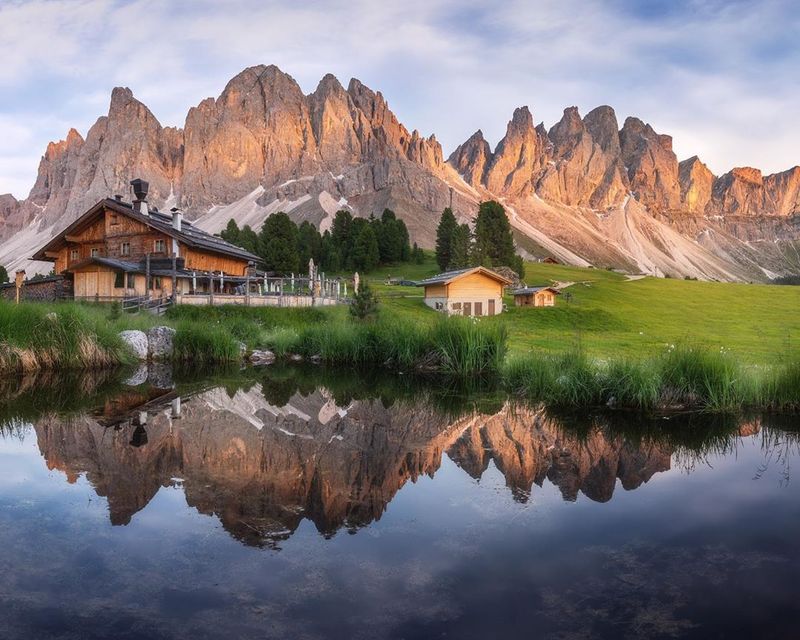
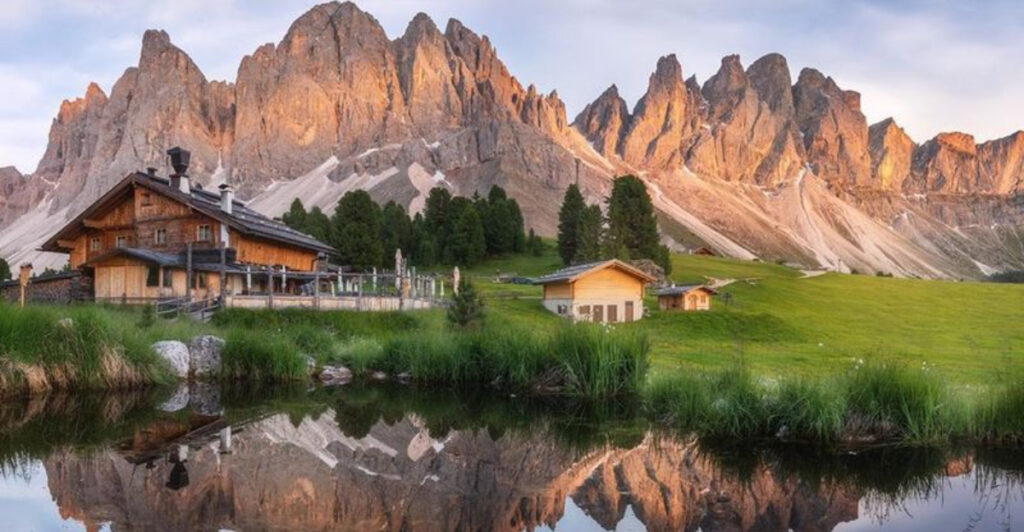
The Dolomites look like they were designed by someone who thought regular mountains were simply not dramatic enough. These jagged limestone towers in northeastern Italy rise so steeply and so sharply that they seem to defy gravity.
UNESCO recognized their extraordinary natural value in 2009, adding official status to what visitors already knew instinctively.
Summer transforms the high meadows into carpets of wildflowers, with hikers following a network of trails called Alta Via routes that traverse some of the most spectacular terrain in Europe. The region’s rifugios, cozy mountain huts serving hot food and cold beer, have turned multi-day trekking into a genuinely enjoyable experience.
Winter brings world-class skiing across the legendary Sella Ronda circuit.
The area sits at the crossroads of Italian and Austrian culture, giving it a distinctive character. Local Ladin communities have preserved their own ancient language and traditions for centuries.
Village churches, wooden farmhouses, and centuries-old mountain festivals add cultural texture to an already stunning natural setting. Few places on earth offer this combination of geological drama and living heritage in such a compact space.
Provence, France
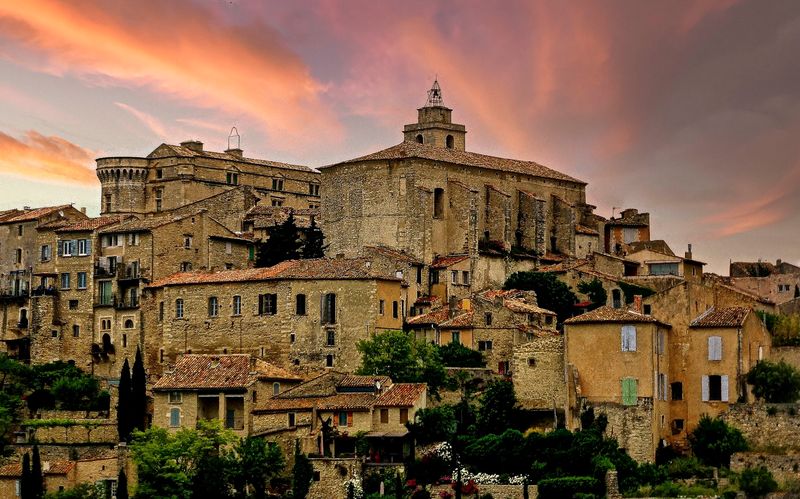
Every July, entire hillsides in Provence turn an almost unreal shade of purple as lavender blooms across the landscape. The scent alone is enough to stop you in your tracks.
This southeastern French region has been seducing visitors for centuries with its combination of sensory beauty, ancient history, and relaxed pace of life.
Roman engineers left their mark across Provence in spectacular fashion. The Pont du Gard aqueduct, built nearly 2,000 years ago, still stands with impressive precision.
The amphitheater in Arles, where gladiators once fought, now hosts concerts and bullfights. These ancient structures sit so naturally in the landscape that they feel less like ruins and more like permanent neighbors.
Avignon’s medieval papal palace towers over the Rhone River, reminding visitors that this region once served as the center of the Catholic world. Charming hill villages like Les Baux-de-Provence and Gordes cling to rocky outcrops above olive-covered valleys.
Add world-class rosé wine, fresh market produce, and sun-warmed stone everywhere you look, and Provence becomes one of those places that is genuinely difficult to leave behind.
Bavaria, Germany
Mad King Ludwig II built Neuschwanstein Castle as his personal fantasy retreat, and the result accidentally became one of the most photographed buildings on earth. Bavaria is full of these happy contradictions, where grand ambition meets genuine charm at every turn.
Germany’s largest state packs more variety into its borders than most countries manage in their entirety.
Munich anchors the region with world-class museums, a legendary beer culture, and the annual Oktoberfest celebration that draws millions of visitors every autumn. Yet just an hour south, the Bavarian Alps rise dramatically above mirror-calm lakes like the Konigssee and Chiemsee.
The contrast between urban sophistication and wild mountain scenery is genuinely striking.
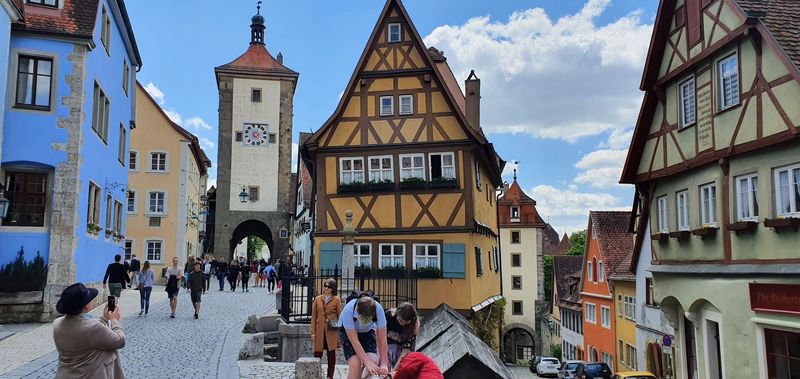
Medieval towns deserve special attention here. Rothenburg ob der Tauber preserves its 14th-century walls, cobblestone streets, and half-timbered buildings so completely that walking through it feels like stepping into a history book.
Historic Benedictine monasteries like Ettal and Andechs still brew their own beer following ancient recipes. Bavaria’s deep respect for tradition, whether in architecture, food, or festival culture, makes it one of Europe’s most rewarding regions to explore slowly.
Transylvania, Romania
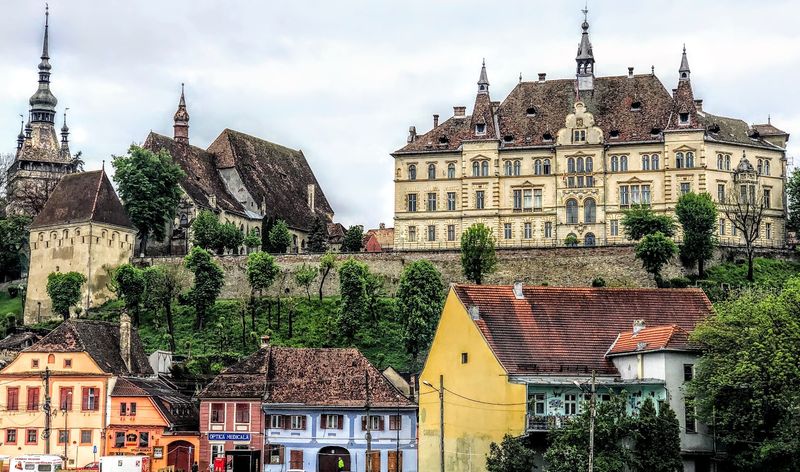
Forget everything the movies told you about Transylvania because the reality is far more interesting than any vampire legend. Tucked inside the curve of the Carpathian Mountains in central Romania, this region is home to some of Central Europe’s best-preserved medieval architecture, most of it completely overlooked by mainstream tourism.
Saxon settlers arrived in Transylvania during the 12th century and spent the next several hundred years building remarkable fortified churches to protect their communities. Villages like Biertan, Viscri, and Prejmer contain UNESCO-listed church fortresses that are genuinely awe-inspiring.
Viscri in particular gained global attention after King Charles III publicly championed its preservation, helping to fund restoration efforts.
Bran Castle does draw the Dracula-hunting crowds, and it is admittedly a handsome hilltop fortress worth visiting. But Brasov, Sighisoara, and Cluj-Napoca offer medieval city centers, baroque squares, and thriving cultural scenes that far exceed visitor expectations.
Brown bears, wolves, and lynx still roam the surrounding forests in numbers found nowhere else in Europe. Transylvania rewards curious travelers who arrive without assumptions and leave completely surprised.
The Loire Valley, France
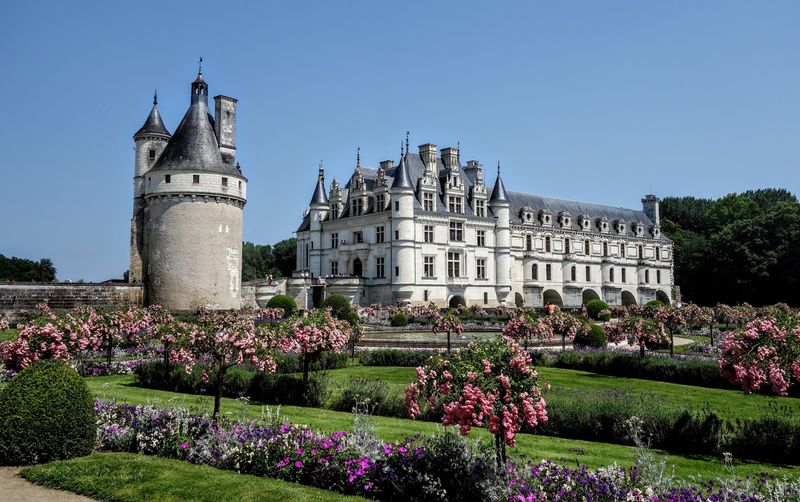
French royalty spent centuries trying to outdo each other along the Loire River, and the result is one of the most extraordinary collections of Renaissance architecture anywhere in the world. More than 300 chateaux line this river valley in central France, ranging from intimate manor houses to palace-sized showpieces that required armies of craftsmen to build.
Chateau de Chambord is the undisputed heavyweight, with 440 rooms, 365 fireplaces, and a double-helix staircase that some historians attribute to Leonardo da Vinci himself. Chenonceau stretches dramatically across the Cher River on elegant stone arches, making it one of France’s most visited monuments.
Both feel like walking through a Renaissance fever dream, in the best possible way.
Beyond the chateaux, the Loire Valley produces exceptional wines, particularly Muscadet, Vouvray, and Sancerre, which pair beautifully with the region’s goat cheeses and freshwater fish dishes. The gentle river landscape, with its white sandbanks and poplar-lined banks, has earned UNESCO World Heritage status.
Cycling between chateaux on well-maintained bike paths is one of Europe’s great low-key pleasures and arguably the perfect way to experience this royal region.
Istria, Croatia
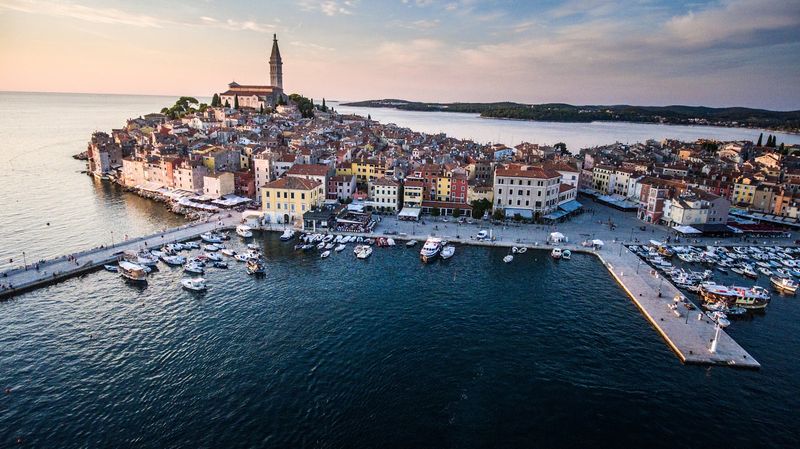
Croatia’s thumb-shaped peninsula poking into the northern Adriatic has been fought over, traded, and ruled by so many different powers that its cultural identity became something wonderfully layered. Venetian lion sculptures appear on town walls beside Roman amphitheaters while Italian and Croatian are spoken within the same conversation.
Istria does not fit neatly into any single cultural box, and that is exactly what makes it fascinating.
Rovinj is the region’s undisputed showstopper, a pastel-colored fishing town that climbs a rocky island connected to the mainland, its church tower visible from miles offshore. Poreč contains the Euphrasian Basilica, a 6th-century Byzantine masterpiece with golden mosaics that rival anything in Ravenna.
Motovun sits on a hilltop above truffle-rich oak forests, and its autumn truffle festival is a serious culinary event.
Istrian cuisine deserves its own spotlight. Local chefs work with black and white truffles, hand-made pasta called fuzi, Malvazija white wine, and olive oil that regularly wins international awards.
The coastline offers crystal-clear water and relatively uncrowded beaches compared to Dalmatia further south. Istria is the kind of place where you plan a long weekend and somehow end up extending your stay twice.
Asturias, Spain
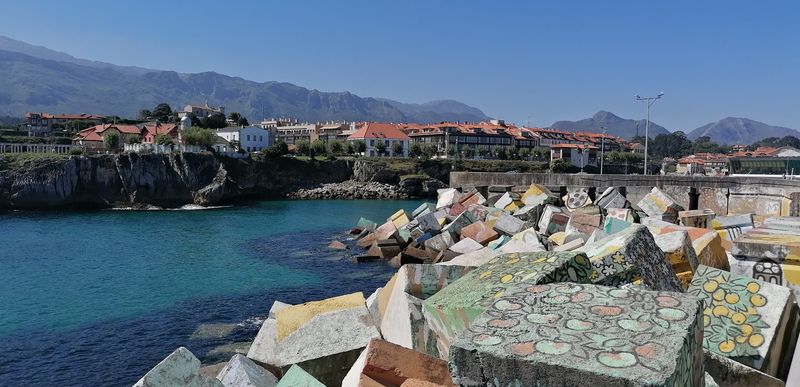
Spain’s green north keeps a low profile, and Asturias seems perfectly happy about that arrangement. While the rest of the country bakes under a Mediterranean sun, this Atlantic-facing region stays lush, dramatic, and refreshingly crowd-free.
The Cantabrian Sea pounds its rocky coastline while the Picos de Europa mountains create one of Spain’s most spectacular inland backdrops just a short drive away.
Asturias holds a special place in Spanish history as the birthplace of the Christian Reconquista. The tiny mountain kingdom that formed here after the Moorish invasion of 711 eventually grew into modern Spain.
Pre-Romanesque churches dating from the 8th and 9th centuries, clustered around Oviedo, are UNESCO-listed and genuinely remarkable for their age and condition.
The regional food culture is equally impressive. Asturian cider, poured from arm’s length to aerate it, accompanies fabada, a rich white bean and pork stew that has been warming people up since medieval times.
Cabrales blue cheese, aged in mountain caves, is pungent enough to clear a room and delicious enough to make that completely worthwhile. Asturias remains one of Europe’s most underrated regions, which frankly works in every visitor’s favor.
The Lake District, England
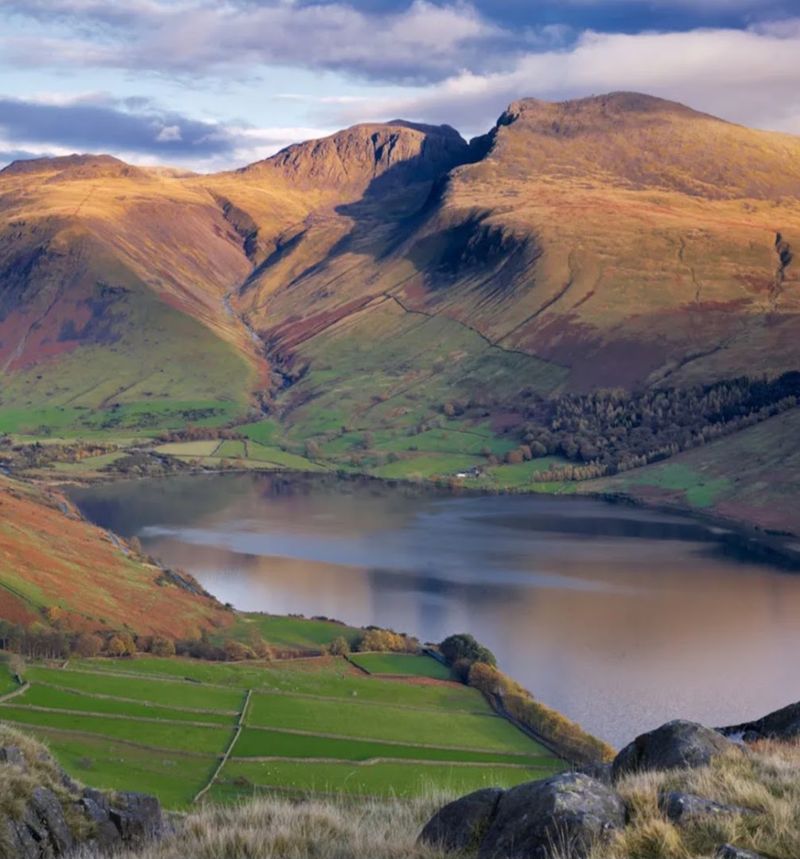
William Wordsworth wandered these fells composing poetry, Beatrix Potter sketched its hedgehogs and rabbits into immortality, and generations of British hikers have found something close to spiritual renewal among its green hills. The Lake District in northwest England packs an enormous amount of cultural and natural significance into a surprisingly compact area.
UNESCO recognized it as a World Heritage Site in 2017, acknowledging both its landscape and its literary legacy.
Sixteen major lakes, including Windermere, Ullswater, and Wastwater, fill valleys carved by glaciers thousands of years ago. Each has its own personality.
Windermere buzzes with activity and tourist boats, while Wastwater sits remote and dramatic at the foot of England’s highest mountain, Scafell Pike. The contrast between accessible and wild is one of the region’s greatest strengths.
Traditional Herdwick sheep, with their distinctive grey fleece, have grazed these fells for centuries and helped shape the very landscape visitors come to admire. Dry-stone walls, built without mortar, crisscross the hillsides in patterns that have remained largely unchanged for hundreds of years.
Charming market towns like Keswick and Ambleside offer excellent gear shops, local pubs, and warm welcomes after a long day on the fells.
The Balkans
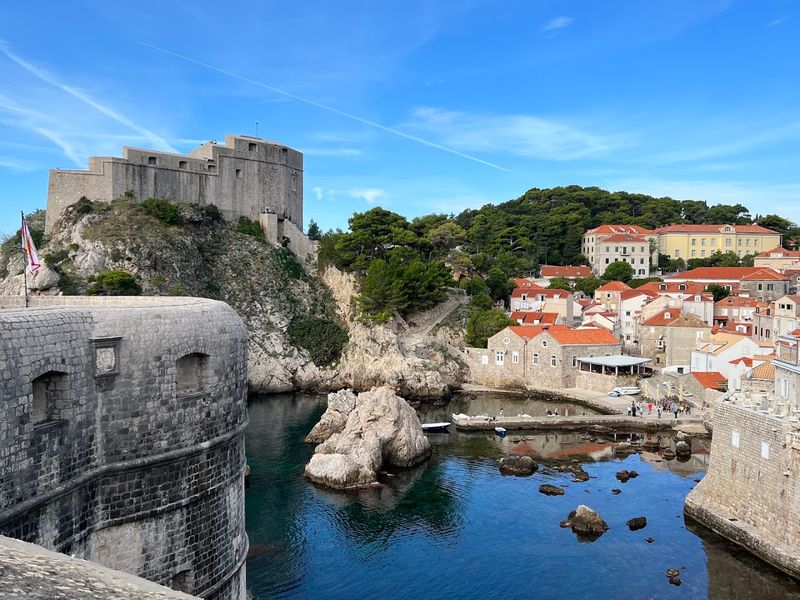
Southeastern Europe’s Balkan Peninsula has been history’s favorite crossroads for thousands of years, and the evidence is absolutely everywhere. Byzantine churches, Ottoman mosques, Austro-Hungarian facades, and Roman ruins stand within walking distance of each other in cities like Sarajevo, Plovdiv, and Mostar.
This is a region where layers of civilization pile up so visibly that history feels less like something you read about and more like something you walk through.
Montenegro’s Kotor Bay offers one of the Mediterranean’s most dramatic settings, a walled medieval city surrounded by mountains that plunge directly into dark fjord-like waters. North Macedonia’s Lake Ohrid, sometimes called the Jerusalem of the Balkans, contains monasteries and churches dating back to the 9th century.
Bulgaria’s Plovdiv, one of Europe’s oldest continuously inhabited cities, mixes a charming old town with a thriving contemporary arts scene.
The Balkans reward travelers who approach with patience and an open mind. Local hospitality is legendary, portions are generous, and prices remain genuinely affordable compared to Western Europe.
Hiking through the Prokletije mountains in Albania or cycling along Serbia’s Danube cycling route reveals landscapes that feel completely untouched. The Balkans are not undiscovered, but they are still wonderfully unrushed.
The Alps
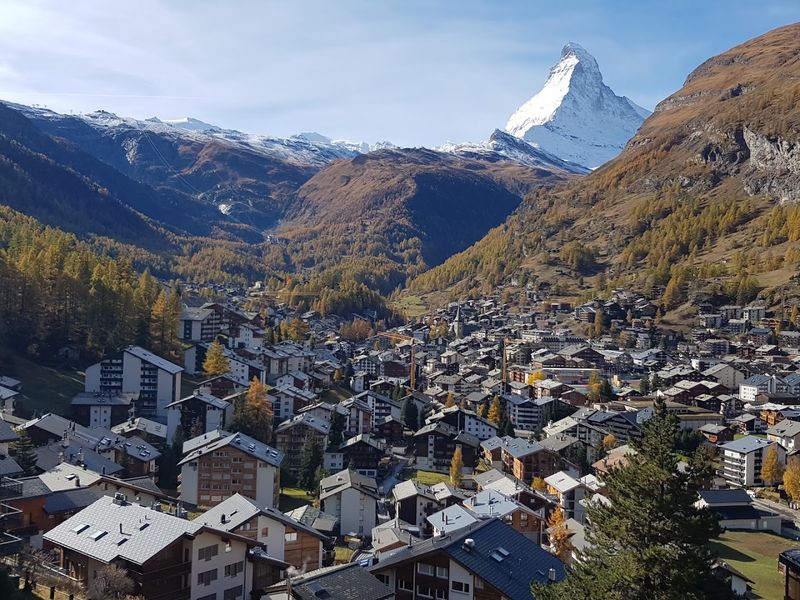
The Alps stretch across eight countries like Europe’s spectacular spine, covering more than 200,000 square kilometers of mountains, glaciers, lakes, and valleys. At their highest point, Mont Blanc reaches 4,808 meters above sea level, making it the undisputed rooftop of Western Europe.
Yet the Alps are far more than a collection of impressive numbers on a geography test.
Historic trade routes crossed these mountains for millennia, carrying goods, armies, and ideas between northern and southern Europe. Roman roads, medieval hospices, and Napoleonic military passes still leave their marks on the landscape.
Villages like Hallstatt in Austria, Grindelwald in Switzerland, and Chamonix in France developed their own distinct architectural styles and cultural traditions in response to centuries of mountain life.
The Bernina Express train journey from Chur in Switzerland to Tirano in Italy crosses 196 bridges and passes through 55 tunnels, offering views that make even seasoned travelers reach for their cameras. Summer hiking and winter skiing attract millions of visitors annually, yet the Alps still manage to offer genuine solitude to anyone willing to walk beyond the main trails.
Few landscapes on earth combine grandeur and intimacy quite so effectively.
Puglia, Italy
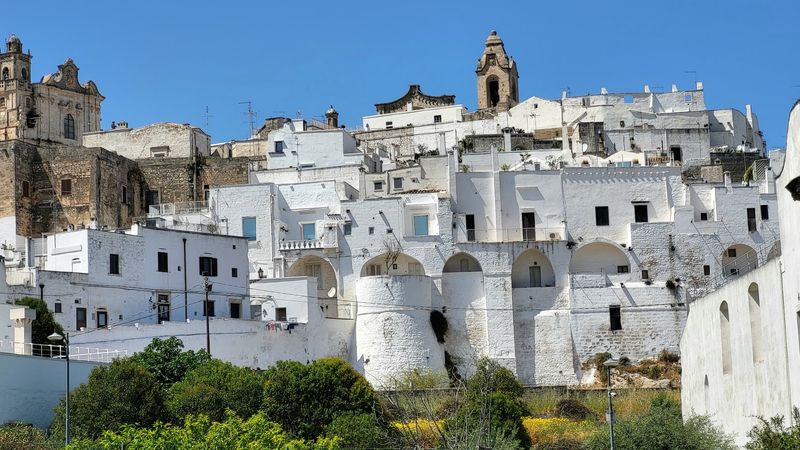
Southern Italy’s heel is one of those places that genuinely surprises people who thought they already knew Italy well. Puglia has a completely different personality from Tuscany or the Amalfi Coast.
Its flat, sun-scorched landscape is covered in an almost unbroken carpet of ancient olive trees, some of them more than a thousand years old and thick enough to hide inside.
Alberobello’s trulli houses are Puglia’s most famous quirk. These circular whitewashed buildings with conical stone roofs look like they belong in a fairy tale, and they are so unique that UNESCO protected the town in 1996.
Local legend claims farmers built them without mortar so they could be quickly dismantled to avoid paying property taxes. Whether that story is true or not, it is a very Italian solution to a very Italian problem.
Lecce earns its nickname as the Florence of the South through its extraordinary Baroque architecture, where local golden limestone allowed craftsmen to carve decoration of almost absurd intricacy onto every church and palazzo facade. The Adriatic and Ionian coasts offer some of Italy’s clearest water and least crowded beaches.
Orecchiette pasta with broccoli rabe, burrata so fresh it barely holds its shape, and local Primitivo wine complete a region that delivers far more than most visitors expect.
Western Slovenia
Slovenia is one of Europe’s most pleasant surprises, a country so compact that you can drive from the Alps to the Adriatic in under two hours. Its western region packs an extraordinary range of natural and cultural experiences into a remarkably small area.
The country protects roughly 60 percent of its territory as forests, giving it a genuinely wild, unspoiled character that larger nations struggle to maintain.
The Soca River is the region’s crown jewel, flowing in a shade of turquoise so vivid that first-time visitors sometimes suspect a filter. World War One transformed this valley into one of the conflict’s most brutal fronts, and the Soca Front military history trail connects dozens of preserved fortifications, cemeteries, and open-air museums.
Kobarid’s award-winning museum tells this story with unusual sensitivity and depth.
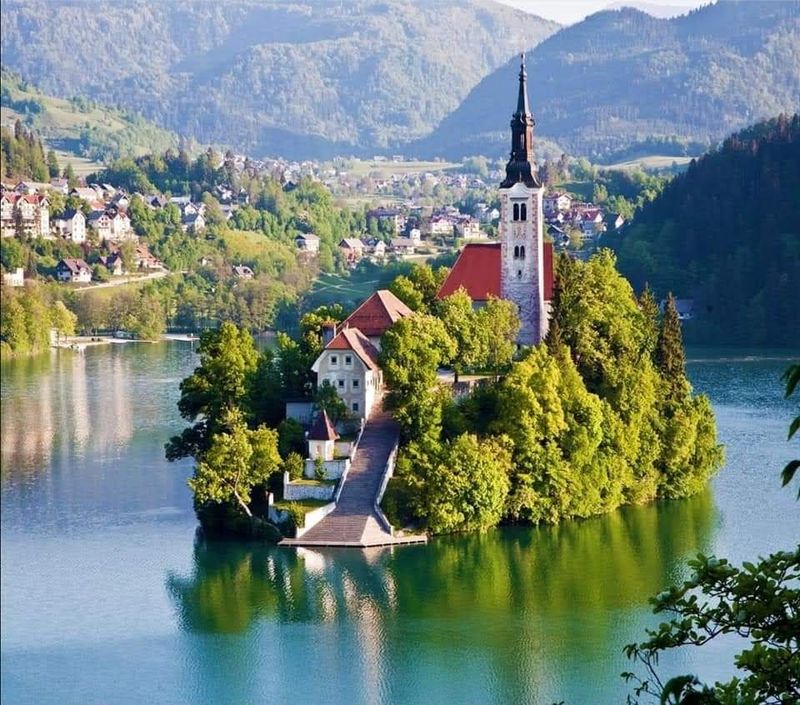
Lake Bled, with its island church and clifftop castle, is Slovenia’s most iconic image and justifiably so. The Julian Alps above it offer serious hiking and skiing through Triglav National Park, Slovenia’s only national park and home to its highest peak.
The Vipava Valley and Brda wine regions just west of the capital Ljubljana produce excellent wines in a landscape of rolling vine-covered hills that looks suspiciously like Tuscany’s quieter cousin.
Share this story