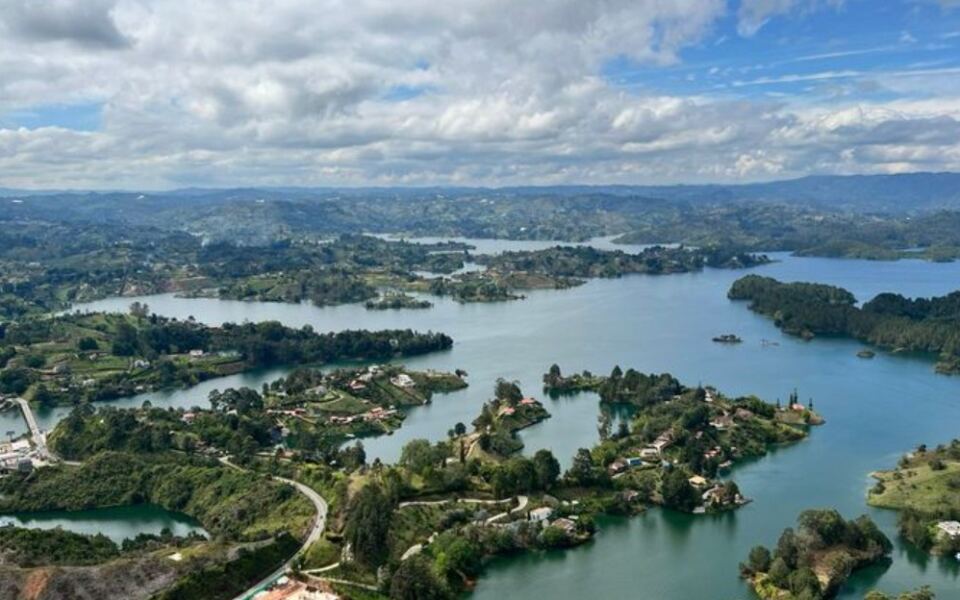
Traveling the world does not have to drain your savings account. Some of the most jaw-dropping places on Earth are also surprisingly easy on the wallet once you actually get there.
From high-altitude salt flats to ancient Silk Road cities, these destinations prove that adventure and affordability go hand in hand. Pack your bags and get ready to discover 15 exotic spots where your money stretches further than you ever imagined.
Kyrgyzstan
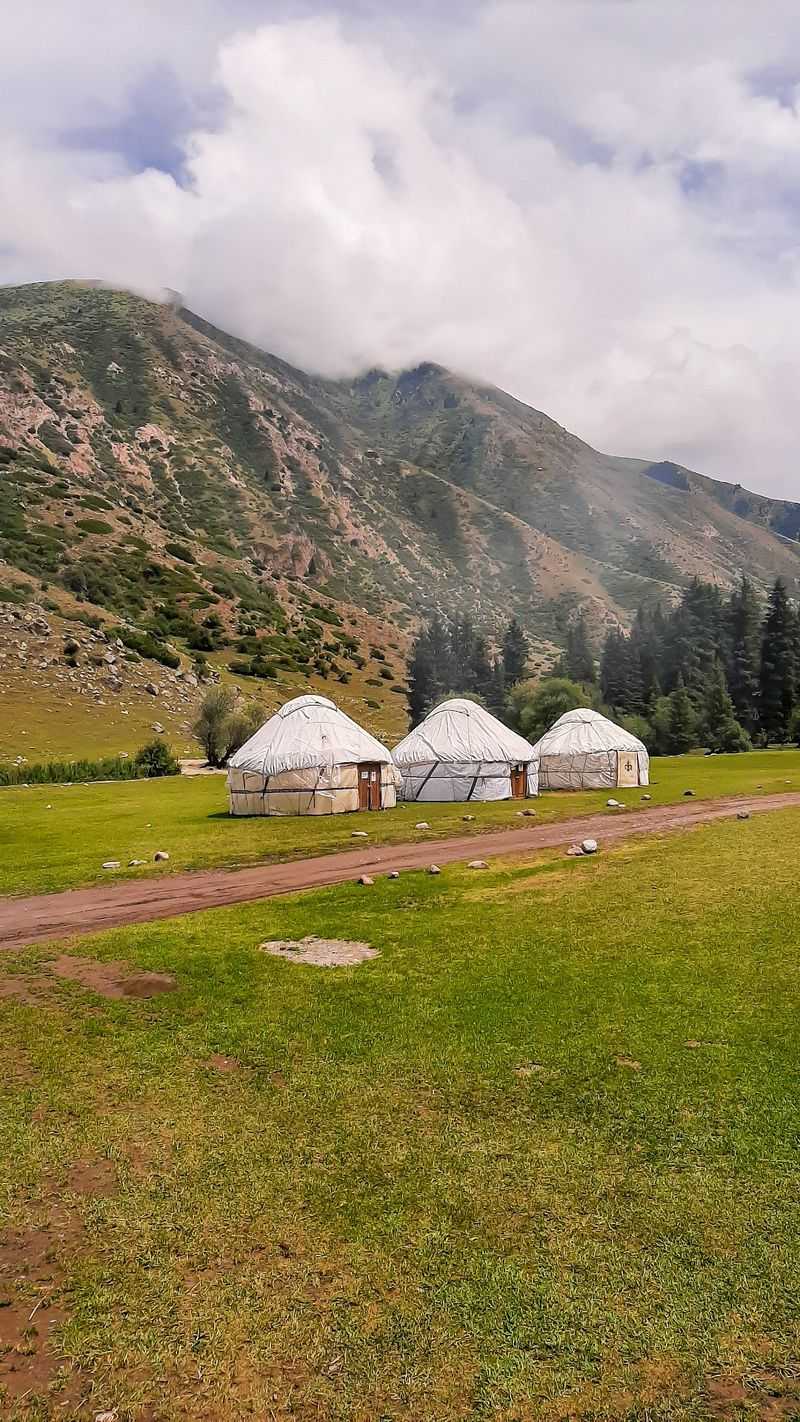
Imagine waking up inside a cozy yurt with snow-capped mountains framing every window. Kyrgyzstan makes that dream surprisingly affordable, with average daily costs hovering around just $21 per person.
Budget travelers can get by on as little as $13 a day, covering meals, transport, and a bed for the night.
The Tian Shan mountain range dominates the landscape, offering hiking trails, horseback routes, and lakeside campsites that rival far pricier alpine destinations. Issyk-Kul is one of the world’s largest high-altitude lakes, ringed by mountains and perfect for a relaxed afternoon.
Karakol opens up into valleys and trekking corridors that feel genuinely remote.
Bishkek adds an unexpected urban chapter, mixing Soviet-era architecture with lively bazaars and cafes. Infrastructure is simpler here than in well-trodden tourist hubs, but that rawness is exactly the appeal.
Kyrgyzstan rewards travelers who enjoy discovering places before the crowds show up.
Laos
Laos moves at its own pace, and honestly, that is part of the charm. While neighboring countries race to modernize, Laos holds onto a quieter rhythm that budget travelers absolutely love.
Average spending sits at around $22 per day, covering accommodation, street food, local buses, and temple entry fees.
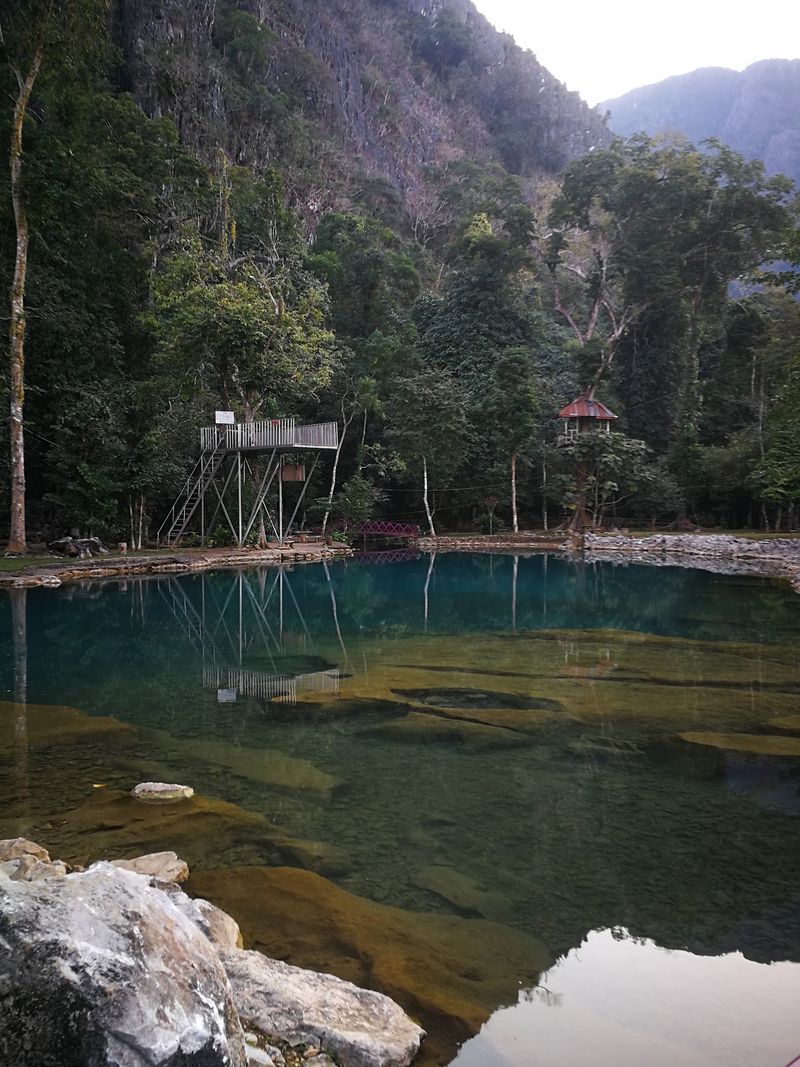
Luang Prabang is the country’s crown jewel, blending Buddhist monasteries with French colonial architecture and vibrant morning markets. A short tuk-tuk ride leads to Kuang Si waterfalls, where turquoise pools cascade through jungle greenery.
Farther south, limestone caves and the slow-rolling Mekong offer a completely different kind of adventure.
One smart budget trick: pick a base and stay put for several days. Laos rewards slow travel because transportation costs between towns add up fast.
Staying longer in one spot means spending less on moving and more on actually enjoying the surroundings.
Uzbekistan
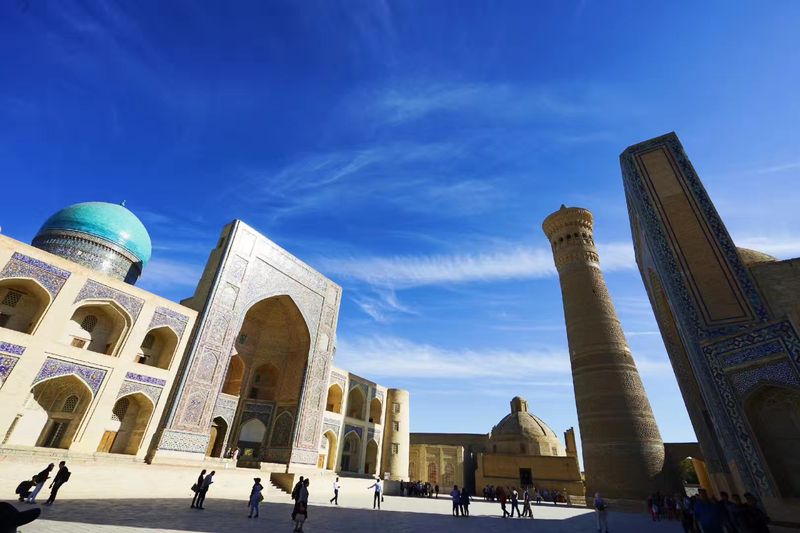
Standing in Samarkand’s Registan square feels like stepping directly into a history textbook, except the mosaics are more vivid than any photograph. Uzbekistan preserves some of the most spectacular Islamic architecture on the planet, and getting there costs far less than most travelers expect.
Some data sources estimate average daily costs as low as $9, though a comfortable mid-range budget will naturally run higher.
Bukhara’s old city is a walkable maze of caravanserais, mosques, and bazaars that once served merchants traveling the ancient Silk Road. Walled Khiva feels almost frozen in time, its mud-brick towers and tiled domes glowing amber at sunset.
Modern fast trains now connect these cities, making a multi-stop itinerary genuinely easy.
Locally run guesthouses offer clean, welcoming rooms at prices that undercut international hotel chains by a wide margin. Meals of plov, flatbreads, and kebabs are hearty and incredibly cheap.
For travelers who love history, Uzbekistan might just be the best-value destination on this entire list.
Bolivia
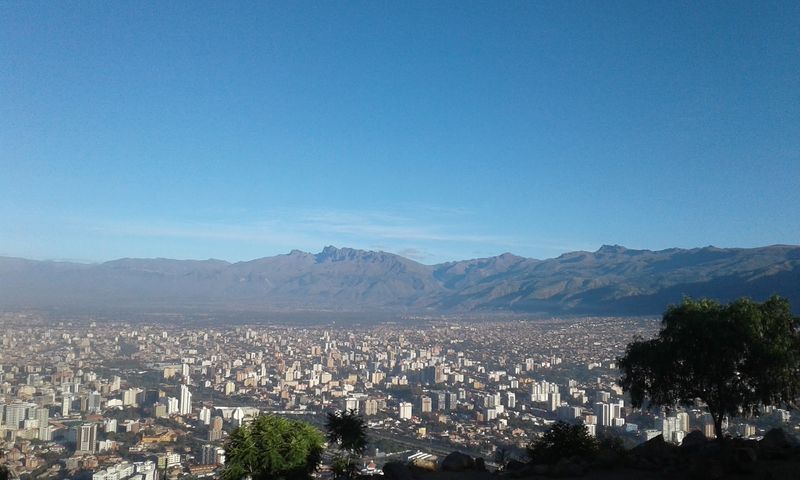
Nothing quite prepares you for the moment the Uyuni salt flats stretch out to the horizon in every direction, white and completely silent. Bolivia delivers that kind of surreal scenery while keeping everyday costs refreshingly low.
Average daily spending runs around $38, and budget travelers can trim that down to roughly $15 with smart choices.
Beyond the salt flats, La Paz perches at a dizzying altitude with cable cars strung between hilltop neighborhoods and street markets selling everything imaginable. Lake Titicaca straddles the border with Peru, offering island homestays and reed-boat rides.
Colonial Sucre, with its whitewashed buildings and relaxed pace, makes a wonderful contrast to La Paz’s intensity.
Multi-day Salar de Uyuni tours do add a noticeable chunk to the budget, but daily costs between excursions remain modest. Local buses, market lunches, and simple guesthouses keep the routine expenses low.
Bolivia proves that South America’s most otherworldly scenery does not require a first-class travel fund.
Egypt
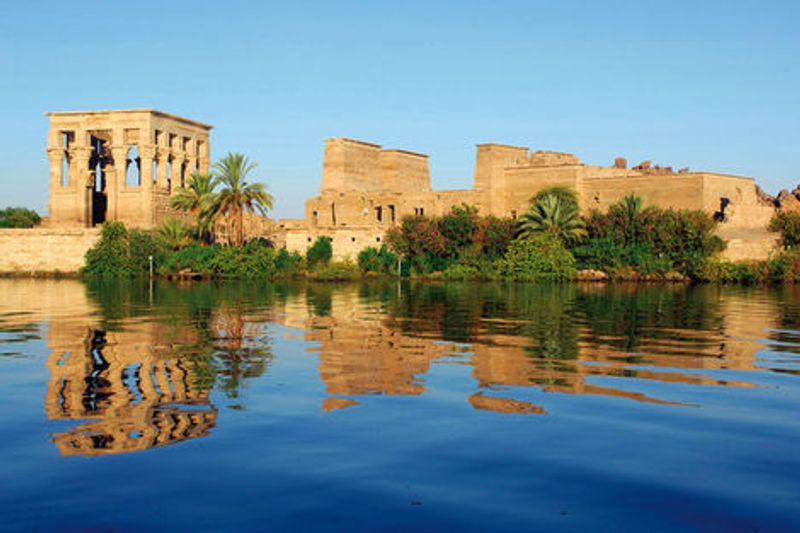
Thousands of years of civilization, and you can see a huge chunk of it without spending a fortune. Egypt’s average daily travel cost sits around $38, with budget travelers managing on as little as $16.
Local transportation is particularly cheap, averaging about $6 per day, making it easy to hop between sites.
Cairo alone could fill a week, between the Egyptian Museum’s mind-boggling collection, Khan el-Khalili’s buzzing bazaar, and the mosques of Islamic Cairo. Then the Nile draws travelers south toward Luxor’s Valley of the Kings and Karnak temple complex, followed by Aswan’s quieter, more relaxed riverside atmosphere.
Sailing a felucca at sunset costs almost nothing and feels genuinely magical.
Red Sea resort towns like Dahab and Hurghada add beaches, snorkeling, and some of the world’s best-value scuba diving to the itinerary. Nile cruises and guided tours can push the budget upward, but independent travelers navigate Egypt’s monuments remarkably cheaply.
Few places on Earth pack this much history into one affordable trip.
Nepal
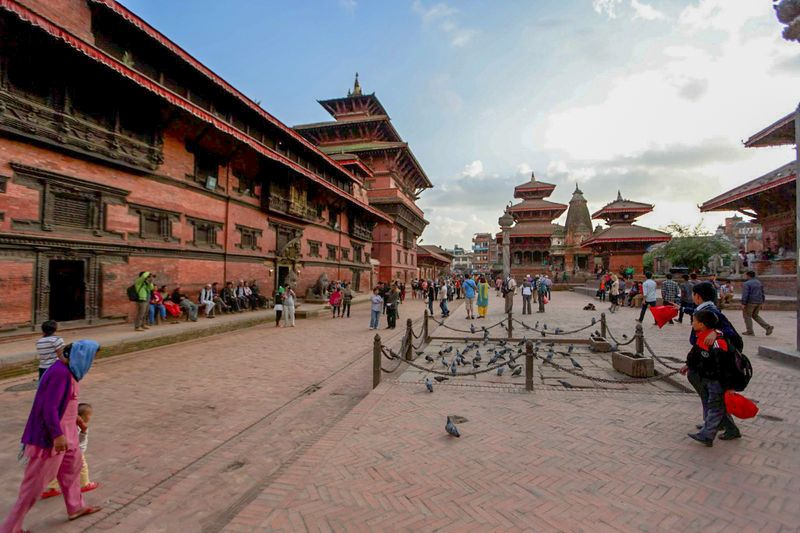
You do not need to climb Everest to feel the full power of Nepal’s mountains. Average daily travel costs run around $39, and budget travelers often manage on about $14, making the Himalayas far more accessible than their legendary status might suggest.
Meals cost roughly $12 a day, leaving plenty of room in the budget for experiences.
Kathmandu Valley packs an astonishing amount into a compact area: Pashupatinath temple, Boudhanath stupa, and the old royal squares of Patan and Bhaktapur are all within easy reach. Pokhara offers a completely different vibe, with lakeside cafes and close-up Himalayan views that make it one of Asia’s most relaxing stops.
Shorter treks into the Annapurna foothills deliver mountain scenery without the permits and logistics of high-altitude expeditions.
Trekking permits, domestic flights, and gear rentals do add up, so planning ahead helps keep the total in check. Village teahouses along popular trekking routes serve hot meals and cheap beds at every stop.
Nepal rewards travelers who go slowly and let the mountains set the pace.
India
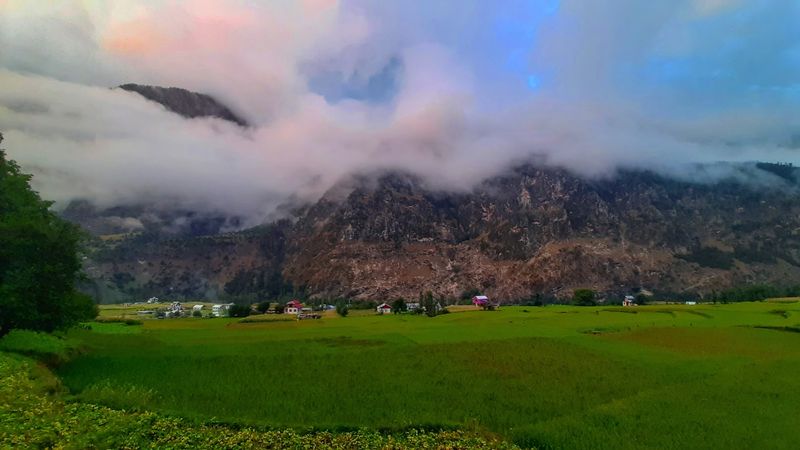
One country, countless worlds. India contains palaces, deserts, tropical backwaters, Himalayan villages, ancient temples, and chaotic megacities all within its borders.
Average daily spending runs around $40, with local transportation costing as little as $5.67 and street food keeping meal costs remarkably low.
Rajasthan alone could fill an entire trip: Jaipur’s Pink City, Jodhpur’s Blue City, Udaipur’s lake palaces, and Jaisalmer’s golden desert fort each feel like entirely different destinations. Kerala’s backwaters offer a slower, greener experience, while Varanasi delivers something harder to describe, a riverside city that has been continuously inhabited for thousands of years.
Goa adds beaches and Portuguese colonial architecture to the mix.
Train travel is the budget traveler’s best friend in India, connecting major cities at very low cost and with an experience that is entertaining in itself. Neighborhood restaurants and dhabas serve fresh, filling meals for well under a dollar.
Given the sheer scale and variety, India might offer the highest experience-per-dollar ratio of any destination on this list.
Sri Lanka
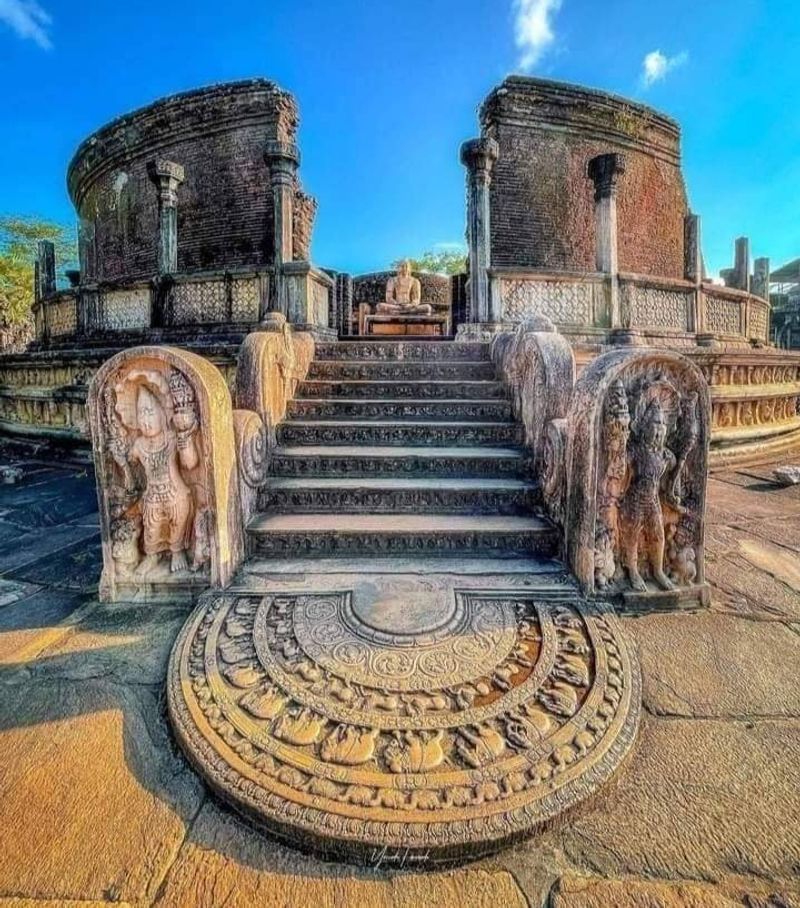
Sri Lanka is the kind of island that surprises first-time visitors with how much it fits into such a small space. Ancient rock fortresses, misty tea highlands, elephant-filled wildlife parks, and palm-fringed beaches all exist within a few hours of each other.
Average daily costs run around $55 to $56, while budget travelers can get by on roughly $20.
Sigiriya’s dramatic rock fortress rises above the surrounding jungle like something from a fantasy novel, and climbing it at sunrise is one of Asia’s great travel experiences. The train ride from Kandy to Ella curves through tea plantations on a route regularly voted among the world’s most scenic rail journeys.
Yala National Park offers some of the best leopard-spotting odds anywhere on Earth.
Buses and trains are cheap and reliable, making it easy to move around without renting a vehicle. Local rice-and-curry meals cost almost nothing and are genuinely delicious.
Safari entrance fees and major heritage-site tickets are the main expenses that can push the budget higher, so planning those days in advance helps a lot.
Vietnam
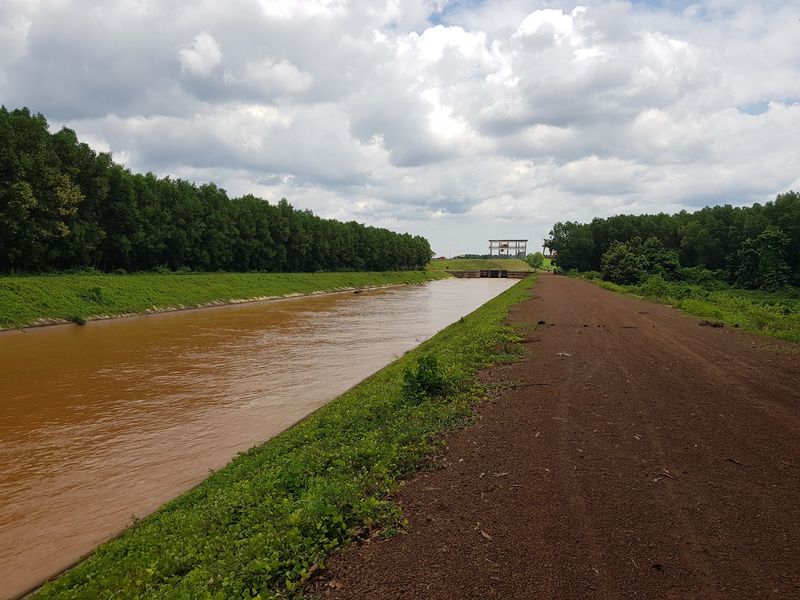
Vietnam is long, narrow, and absolutely packed with things to see. Travelers who commit to the full north-to-south journey move through landscapes, climates, and cultures that feel almost like different countries.
Average daily spending runs around $65, though budget travelers who eat local and use buses and trains can come in well below that figure.
Hanoi’s Old Quarter hums with motorbike traffic, street food stalls, and French colonial architecture that survived decades of conflict remarkably intact. Ha Long Bay’s limestone towers rising from green water is one of Asia’s defining images, and overnight cruises bring you right into the middle of it.
The mountain roads of Ha Giang in the far north offer some of the most dramatic motorbike scenery on the continent.
Hoi An’s lantern-lit streets and tailor shops slow travelers down in the best possible way. The Mekong Delta in the south adds floating markets and river-life scenes that feel worlds apart from the cities.
Vietnam’s long shape actually encourages slow overland travel, which saves money and reveals far more than rushing between airports.
Indonesia
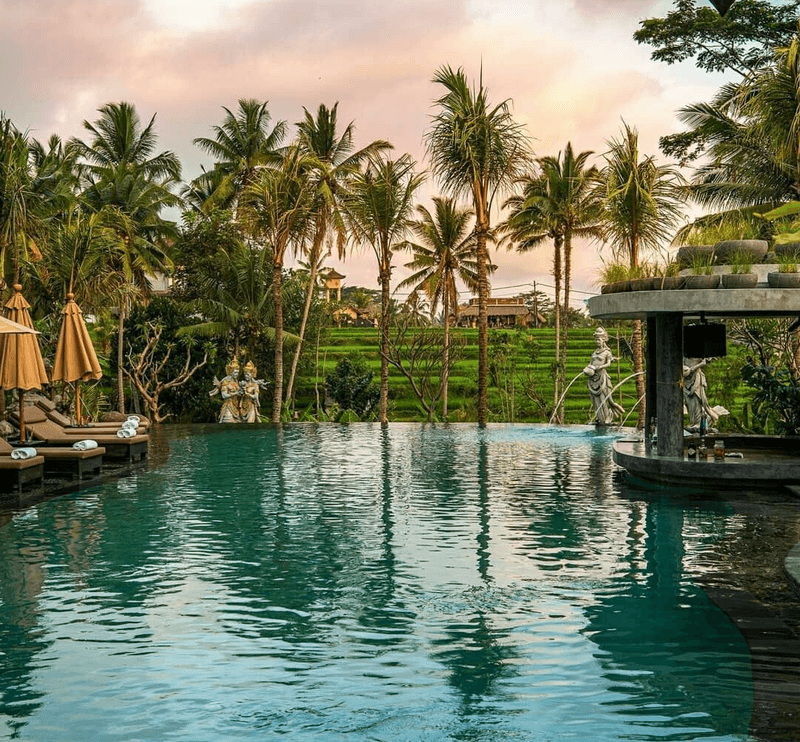
Bali gets all the Instagram attention, but Indonesia is actually an archipelago of over 17,000 islands, most of them barely touched by tourism. Average daily spending runs around $64 to $65, though costs swing dramatically between trendy Seminyak beach clubs and a simple guesthouse on a quieter island.
The range of experiences available is genuinely staggering.
Java is home to Borobudur, one of the world’s greatest Buddhist monuments, as well as the smoking craters of Bromo and Ijen volcanoes. Lombok combines white-sand beaches with the serious challenge of climbing Mount Rinjani.
Flores serves as the jumping-off point for Komodo National Park, where actual dragons roam the hills above turquoise bays.
Local warungs serve huge plates of nasi goreng and grilled fish for almost nothing, and ferries between islands are far cheaper than flights. The main budget challenge is geography: covering many islands means repeated transport costs.
Focusing on one or two regions rather than island-hopping aggressively is the smartest way to keep spending low while seeing Indonesia properly.
Cambodia
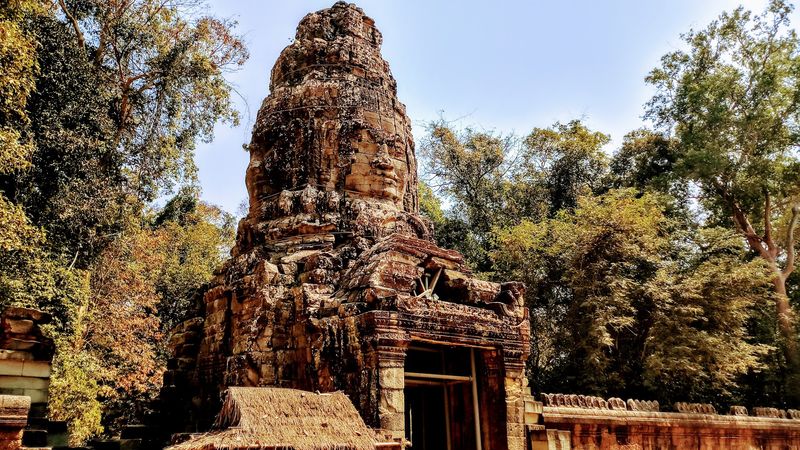
Angkor Wat is one of those rare places that actually exceeds expectations, which is saying something given how many photographs you have already seen of it. The archaeological park outside Siem Reap is enormous, filled with temples, forest-covered ruins, and carved stone faces peering from jungle walls.
Average daily spending in Cambodia runs around $73, though budget travelers can manage on considerably less.
Siem Reap itself has transformed into a lively town with a strong cafe and restaurant scene, making it a comfortable base for multiple days of temple exploration. Phnom Penh, the capital, adds historical depth through its museums and riverside neighborhood, though the stories it tells are not always easy ones.
Battambang offers a slower, more local experience with its bamboo train and fruit orchards.
Meals at local restaurants average around $26 per day for the average traveler, but eating at street stalls and markets brings that figure down sharply. Guesthouses are plentiful and affordable.
The Angkor entrance ticket is a significant one-time cost, but once paid, the temples reward as many days of exploration as travelers are willing to give.
Philippines
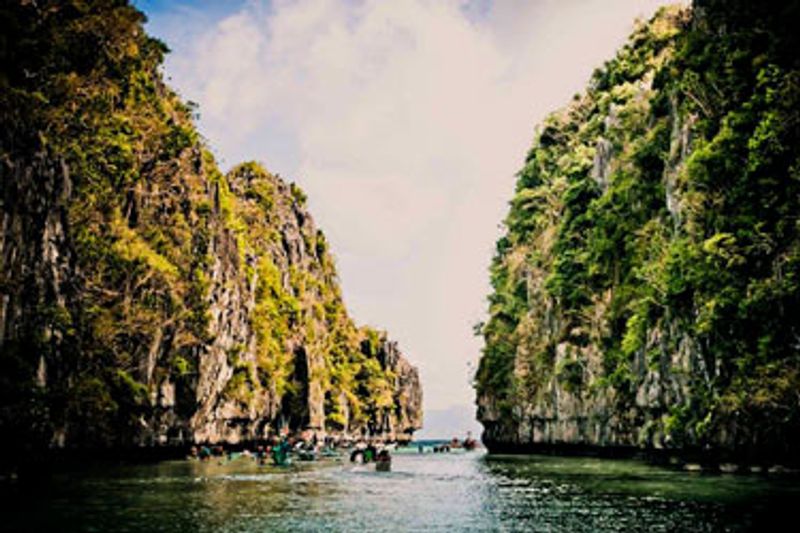
Those photographs of electric-blue lagoons framed by limestone cliffs are real, and reaching them costs less than many people assume. The Philippines averages around $70 to $71 per day for most travelers, while budget-focused visitors bring that down to roughly $28.
The islands offer extraordinary variety, from mountain rice terraces to world-class dive sites.
Palawan is the headline act: El Nido’s island-hopping tours weave through lagoons and hidden beaches that genuinely look unreal. Boracay delivers a classic beach resort experience, while the waters around Cebu and Bohol are famous among divers and snorkelers for whale sharks and thresher sharks.
Northern Luzon’s Banaue rice terraces add a cultural and landscape dimension that surprises many visitors.
The biggest budget consideration is movement between islands. Domestic flights and ferry rides accumulate fast when travelers keep switching destinations.
The smartest approach is to pick a region, stay for at least a week, and explore it thoroughly using locally run guesthouses and neighborhood eateries rather than booking resorts and private transfers at every stop.
Colombia
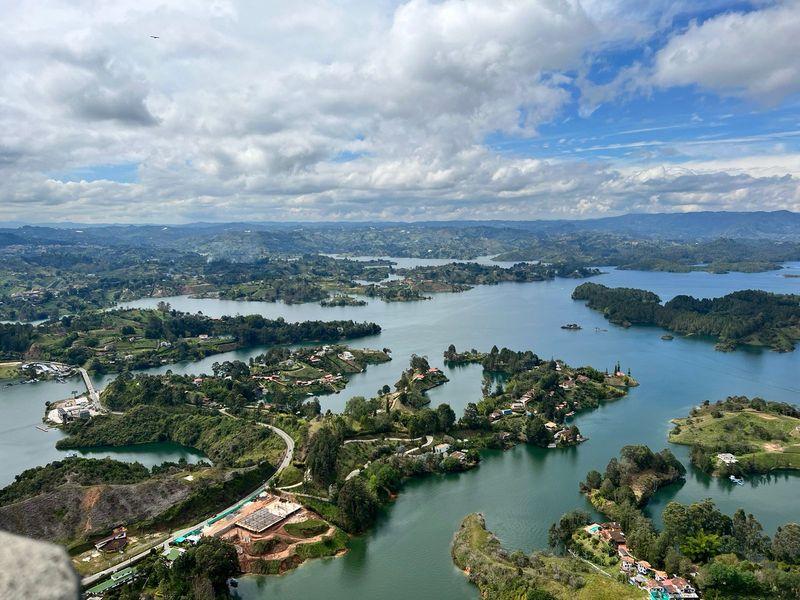
Colombia has one of those travel reputations that is still catching up to reality. Visitors who arrive expecting a complicated trip find instead a country buzzing with energy, color, and warmth.
Average daily spending sits around $67, while budget travelers cruise along on roughly $24, making it one of South America’s better-value options.
Cartagena’s walled old city is a riot of painted colonial facades, bougainvillea-draped balconies, and Caribbean sea air. Medellín has reinvented itself into a city of innovation and nightlife, with cable cars lifting visitors up to hillside neighborhoods that offer sweeping city views.
The Coffee Triangle around Salento serves up green mountains, wax palm valleys, and some of the best coffee you will ever taste straight from the source.
Smaller towns like Villa de Leyva and Barichara preserve a colonial charm that busy tourist neighborhoods in bigger cities have largely lost. Local restaurants called corrientazos serve enormous set lunches for under $3.
Colombia rewards travelers who venture beyond the obvious spots, because the country’s best experiences are often hiding just a short bus ride off the main tourist trail.
Morocco
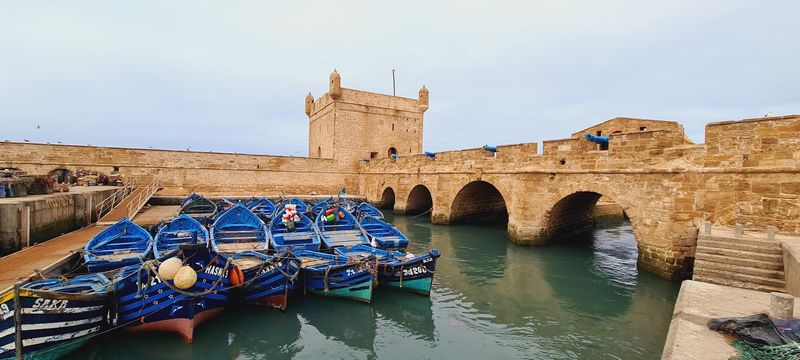
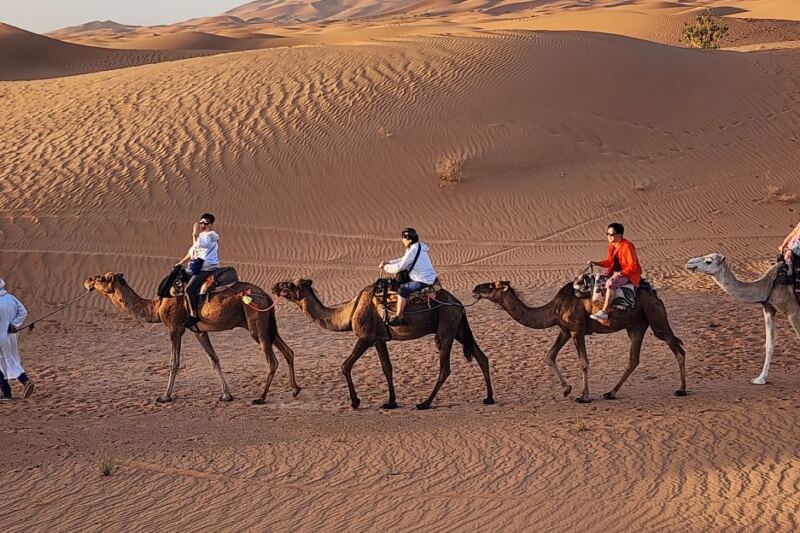
Just a short flight from Europe, Morocco feels like a portal into a completely different world. The scent of spices, the sound of call to prayer echoing through tiled alleyways, and the sight of camel caravans near the Sahara dunes create an atmosphere that is hard to match anywhere else.
Average daily spending runs around $89, with budget travelers managing on about $34.
Fez’s ancient medina is one of the world’s largest car-free urban areas, a labyrinth of tanneries, mosques, and workshops where traditional crafts have been practiced for centuries. Marrakech delivers the famous Djemaa el-Fna square, where snake charmers, storytellers, and food stalls turn the evening into pure spectacle.
The Atlas Mountains provide a dramatic backdrop for day hikes and Berber village visits.
Desert tours from Merzouga or Zagora let travelers sleep in camp under a sky so full of stars it almost feels exaggerated. Trains and buses connect major cities efficiently and cheaply.
Eating at local cafes rather than tourist-facing restaurants makes a noticeable difference, since traditional Moroccan soups and tagines from neighborhood spots cost a fraction of medina tourist prices.
Ecuador
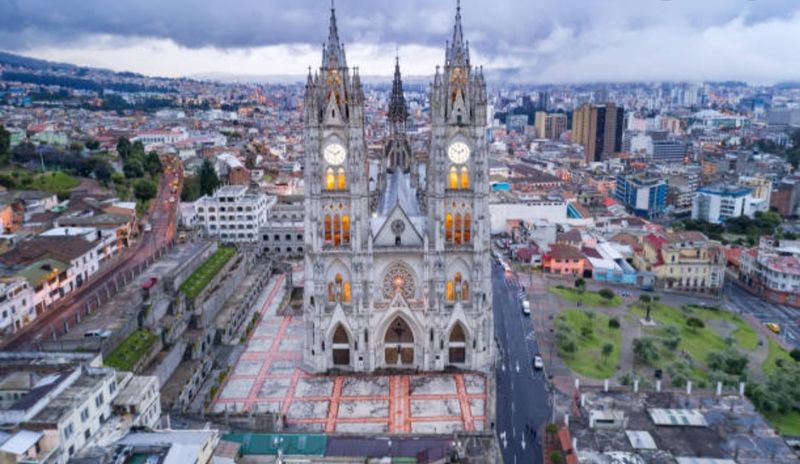
Ecuador is the kind of country that geography teachers dream about, because it contains four completely distinct natural zones within a relatively compact area. The Andes, the Amazon, the Pacific coast, and the cloud forests all coexist within day-trip distance of each other in some regions.
Average daily spending runs around $75, while budget travelers typically land around $29.
Quito’s historic center is a UNESCO World Heritage Site, packed with baroque churches, colonial plazas, and hilltop viewpoints overlooking the city and surrounding volcanoes. The central highland route through Banos, Quilotoa, and Riobamba passes active volcanoes, crater lakes, and indigenous markets that feel genuinely lived-in rather than staged for visitors.
Cuenca in the south is calmer, cooler, and full of beautifully preserved colonial architecture.
The Galapagos Islands are the obvious bucket-list add-on, but flights, park fees, and cruise costs make them a major budget commitment on their own. Mainland Ecuador, however, delivers mountains, rainforest, coastline, and vibrant culture at a fraction of what comparable experiences cost in neighboring Peru or Chile.
Staying on the mainland keeps the trip accessible without sacrificing variety.
Share this story