Most people picture one famous temple when they think of Cambodia, but the country holds so much more. You can chase dolphins on the Mekong, climb cool mountain roads, and wander through ancient brick cities hidden in the forest.
Add island beaches, floating villages, and a crab market that smells amazing, and you have a trip full of surprises. Here are fifteen places that show how big and varied Cambodia really is.
Angkor Archaeological Park
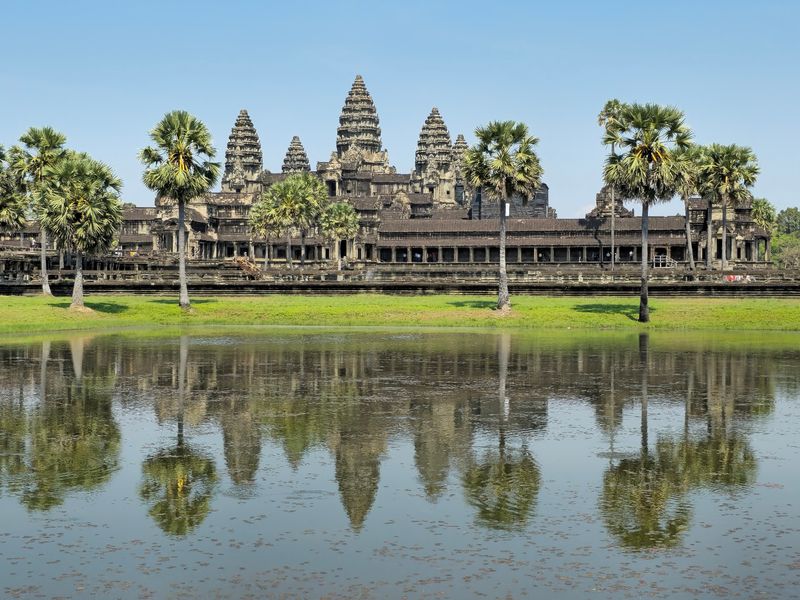
Sunrise at Angkor comes with a crowd, a quiet hush, and a lot of phone cameras pointed in one direction. The park is not a single temple.
It is the remains of several Khmer capitals spread across about 400 square kilometers near Siem Reap.
Angkor Wat is the star, with its classic towers and long carved galleries. Angkor Thom hides the Bayon, where giant stone faces seem to smile at you from every angle.
Ta Prohm shows a wilder side, as huge tree roots grip the old walls like slow green fingers.
Scores of temples sit alongside reservoirs, canals, roads, and embankments, so the whole area once worked like a giant city system. People still live here too.
Villages and rice fields continue inside the protected landscape, which makes Angkor feel alive instead of frozen in time.
A smart plan helps. Buy a multi-day pass, start early to beat the heat, and bring water.
Wear shoulders-and-knees covering clothes, since many sites are still sacred places. Give yourself time to wander the smaller temples, where you may have the stones almost to yourself.
Phnom Penh
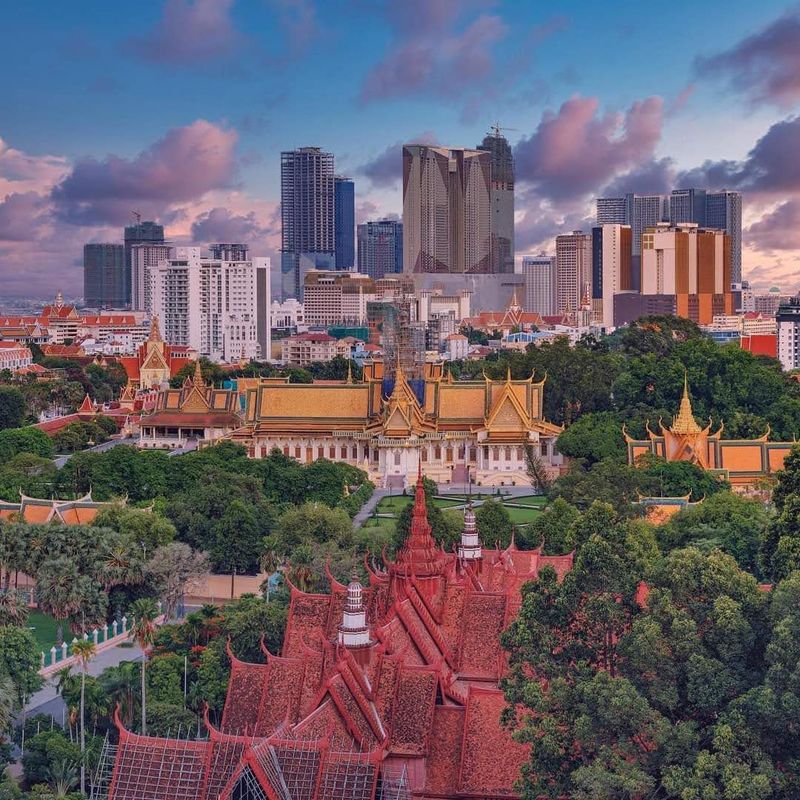
Few cities can claim a nickname like the Four Faces. Phnom Penh sits where the Mekong, Tonle Sap, and Bassac rivers meet, and the old name Chaktomuk comes from that meeting point.
The Royal Palace has been home to Cambodia’s monarchs since the 1860s. Next door, the Silver Pagoda gets its English name from more than 5,000 silver floor tiles.
A short walk away, the National Museum holds a major collection of Khmer sculpture, perfect for a hot afternoon.
The city also keeps hard chapters of 20th-century history, including sites tied to the Khmer Rouge period. Visit them as places of remembrance and learning, and take your time.
Speak softly and dress modestly.
For daily life, head to the markets, pagodas, and colonial-era streets. The riverfront at dusk is lively, with families walking, kids playing, and food carts sizzling.
Try a tuk-tuk for short hops, and agree on the price before you climb in.
Koh Ker
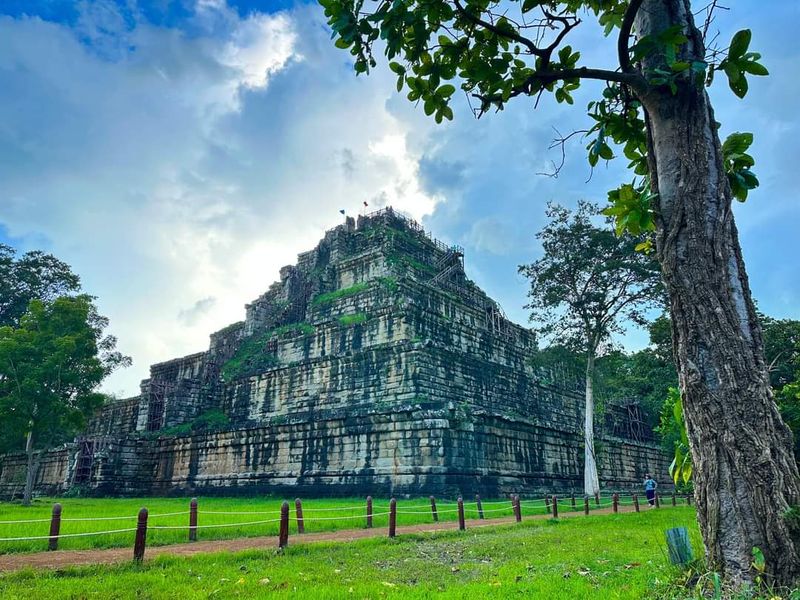
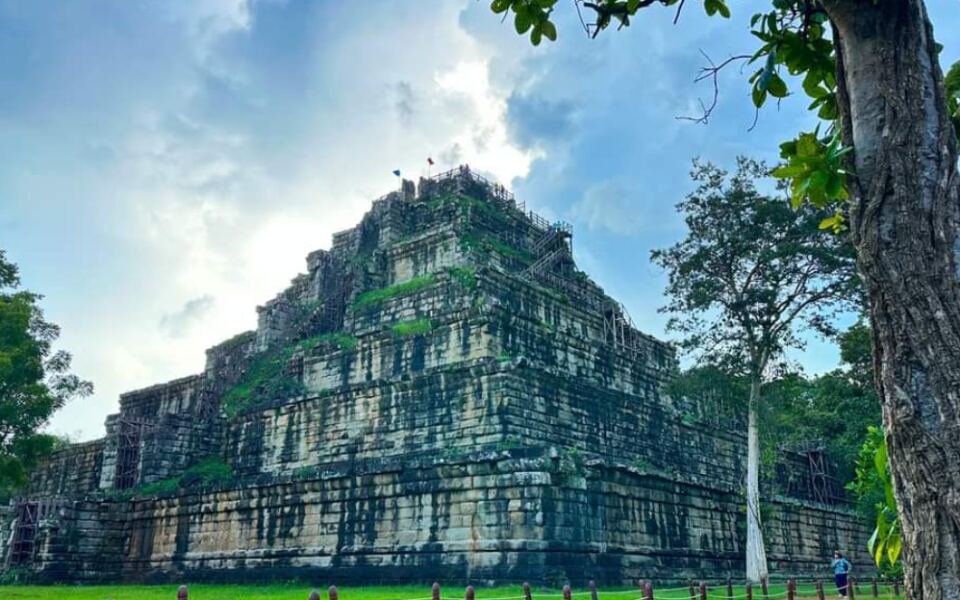
Imagine a king who moved the whole capital because he wanted a fresh start. That was Jayavarman IV, and Koh Ker was his big idea.
From 921 to 944 CE, it replaced Angkor as the main Khmer capital.
The city sits in forest about 80 kilometers northeast of Angkor. In just a few decades, builders raised temples, sanctuaries, reservoirs, and bold sculptures.
UNESCO inscribed the site in 2023, praising its unusual city planning and distinct art style.
The headliner is Prasat Thom, a steep, tiered temple-mountain that pokes up above the trees. Climb carefully, since the steps are tall and the stones can be uneven.
The view from the top is worth the huffing.
Koh Ker feels spread out, more like a treasure hunt than a single stop. You may find yourself alone at a small tower, listening to birds.
Hire a driver for the day, carry plenty of water, and wear shoes with good grip.
Temple of Preah Vihear
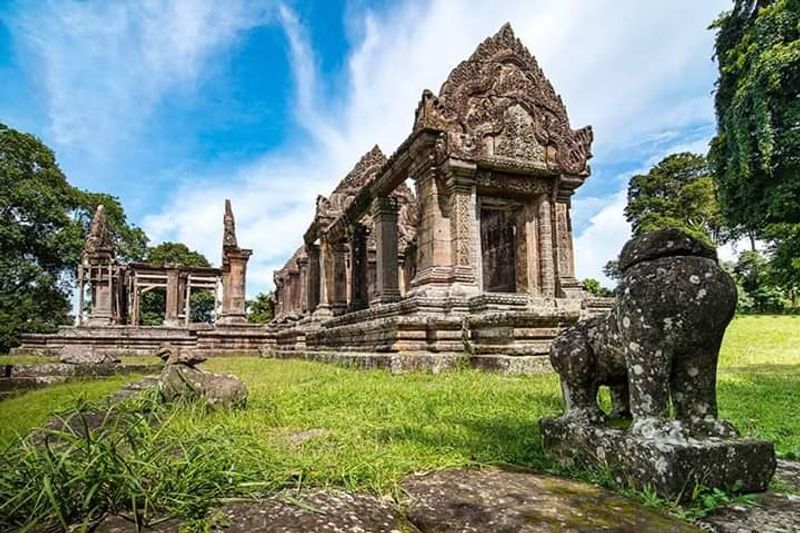
Some temples hide in the jungle. Preah Vihear does the opposite and stands proudly on the edge of a plateau, staring out at the plains far below.
The temple is dedicated to Shiva. Its roots go back to the ninth century, though most of what you see today was built in the first half of the 11th century.
Rather than gathering around one courtyard, it stretches along an axis about 800 meters long, climbing toward the cliff.
Gateways, pavements, stairways, and sanctuaries appear one after another, each step leading you upward. UNESCO calls the way the architecture fits the natural setting exceptional, and a quick look at the view explains why.
Its remote spot helped protect delicate stone carvings that might have suffered at an easier site. That also means getting there takes planning.
Check current access conditions before you go, start early, and bring sun protection. Take your time on the stairs, and save energy for the amazing cliff-edge views.
Sambor Prei Kuk
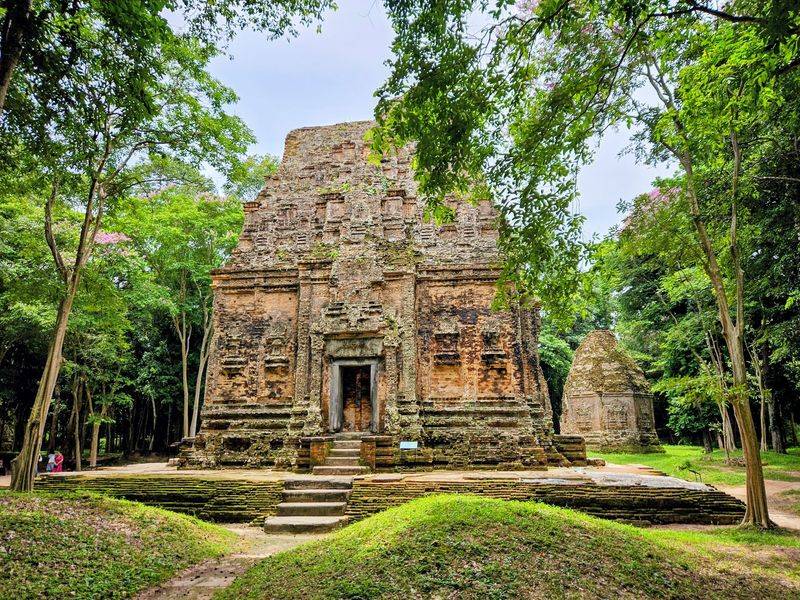
Angkor was not the beginning of the story. Sambor Prei Kuk goes back even further, to the late sixth and early seventh centuries, when it was Ishanapura, capital of the Chenla Empire.
The protected temple zone covers about 840 hectares and holds more than 100 temples. Look for the rare octagonal brick sanctuaries, which are unlike anything else known in Southeast Asia.
They are small, sturdy, and wonderfully odd.
Research shows the site was once a much larger city, with roads, water works, inscriptions, and homes. The art style developed here later helped shape the look of Angkor, so you are seeing the early draft of a famous masterpiece.
Forest wraps around many of the red brick towers, giving the place a calm, leafy mood that feels very different from sandstone Angkor. Wear bug spray, bring a hat, and walk slowly.
Roots, shade, and birdsong do half the work of making this visit memorable.
Tonlé Sap and Prek Toal
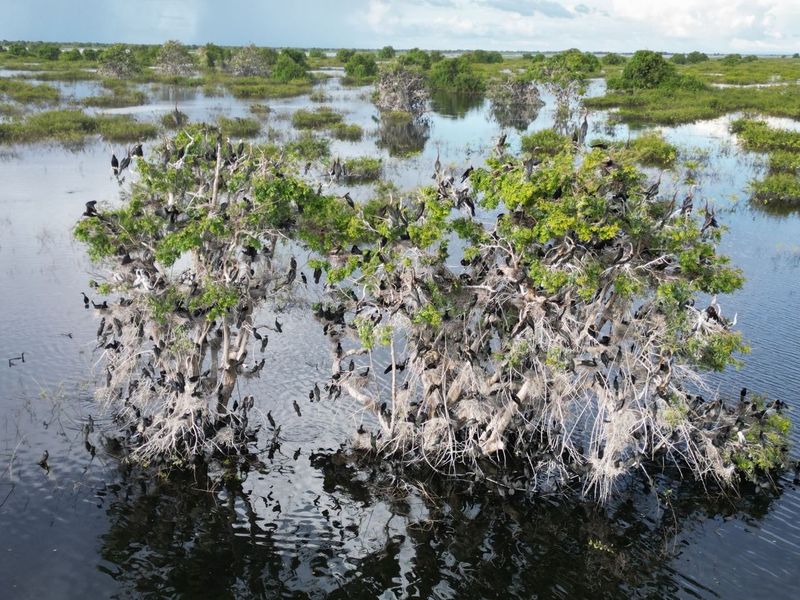
Here is a lake that breathes. Tonle Sap, the largest freshwater lake in Southeast Asia, swells and shrinks with the seasons, driven by the Mekong system.
During the wet season, floodwater spreads across forests, wetlands, rice fields, and plains. When the dry season arrives, it pulls back again.
Villages and fishing routines have adapted to this changing water for generations. The lake sits at the heart of a UNESCO biosphere reserve of roughly 1.48 million hectares.
Prek Toal is one of the reserve’s core areas and a Ramsar wetland. Its flooded forest is a key breeding home for threatened waterbirds, so bring binoculars if you have them.
Boat trips glide past floating communities where life depends on fish and the lake’s yearly rhythm. Go early for cooler air and better bird activity.
Choose operators who keep engines low and distance respectful, and remember that you are visiting people’s homes, not a stage show.
Phnom Kulen
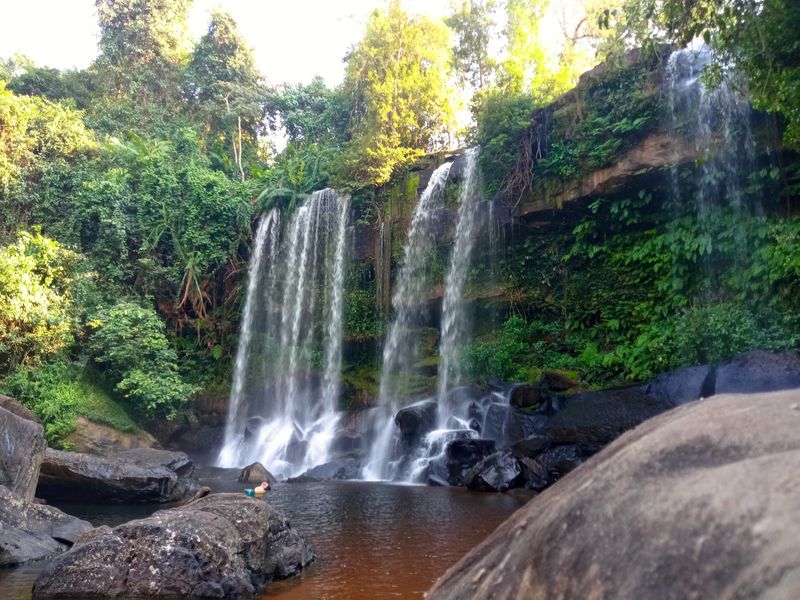
Cambodia’s Khmer story has a birthday, and it is tied to this mountain. Tradition says Jayavarman II declared independence here in 802 CE, which makes Phnom Kulen a big deal in history.
The mountain rises northeast of Angkor and mixes waterfalls, forest, ruins, and sacred spots. Its sandstone was even quarried to build monuments at Angkor, so pieces of Kulen sit inside famous temples.
At Kbal Spean, hundreds of lingas and other Hindu carvings were cut right into the riverbed. Water flows across them, blessing the river as it runs downstream.
The walk up is a forest trail, so wear sturdy shoes.
Buddhist pilgrimage sites and cool waterfalls make the mountain much more than a side trip. Locals come to picnic and swim, especially on weekends, so go on a weekday for more space.
Bring a swimsuit, a dry bag, and some patience for the bumpy road.
Battambang
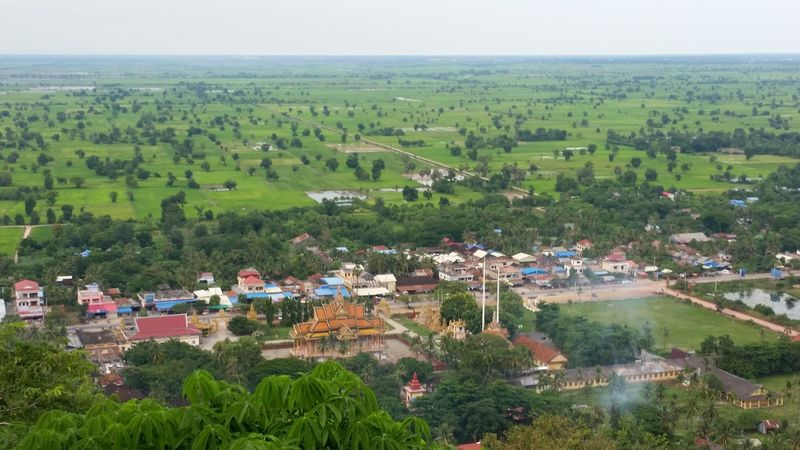
Slow down. That is the unofficial motto of Battambang, a river city that likes its mornings easy and its coffee strong.
The town grew beside the Sangker River and still has rows of aging colonial-era shophouses around its central market. The surrounding province is one of Cambodia’s most productive farming regions, so the food is fresh and the countryside is green.
Nearby, you can visit the 11th-century temples of Wat Ek Phnom and Phnom Banan. Then try the Bamboo Train, a rattling, homemade rail ride that is more fun than it sounds.
Hold on and enjoy the breeze.
Phnom Sampeau offers wide views over the plains and is also linked to painful Khmer Rouge history, so be respectful there. At dusk, huge colonies of bats pour out of limestone caves in a dark, swirling ribbon.
Bring a camera, find a seat early, and let the sky show off.
Kratie and the Mekong
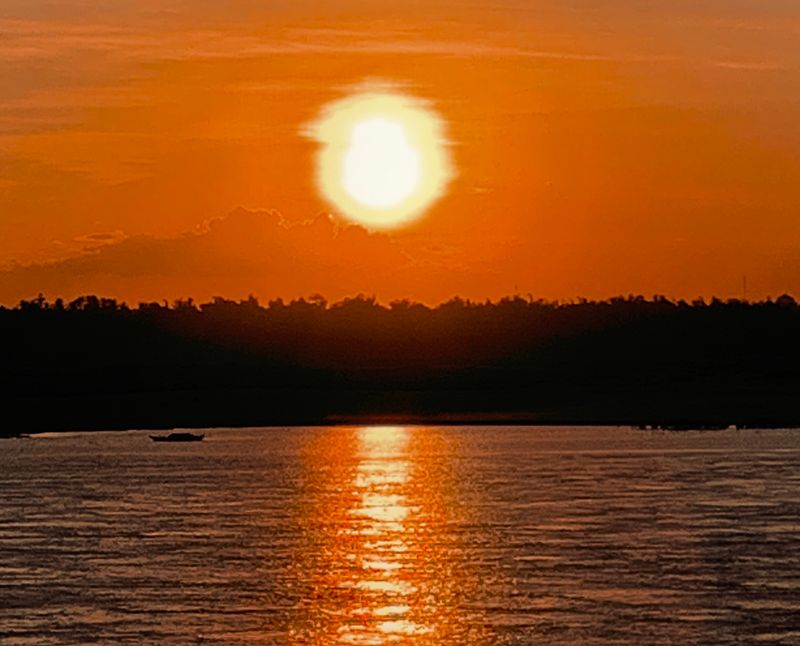
A dolphin’s rounded head breaks the surface, and the whole boat goes silent. That is a classic moment at Kampi, about 15 kilometers north of Kratie, where critically endangered Irrawaddy dolphins live in deep Mekong pools.
Small boats head out around dawn and late afternoon. Pick a responsible operator who cuts engine use and keeps a respectful distance.
The animals are shy, so patience pays off.
Timing matters, too. Water levels shift a lot by season, and December through May usually gathers dolphins more reliably in the deep pools.
Back in town, the riverfront is quiet and easygoing. Hop a ferry to Koh Trong, a broad Mekong island where bikes roll past orchards, villages, and farmland.
Rent a bicycle, bring a hat, and stop for a cold drink whenever a shady spot appears. The pace here is gentle, and that is the charm.
Mondulkiri
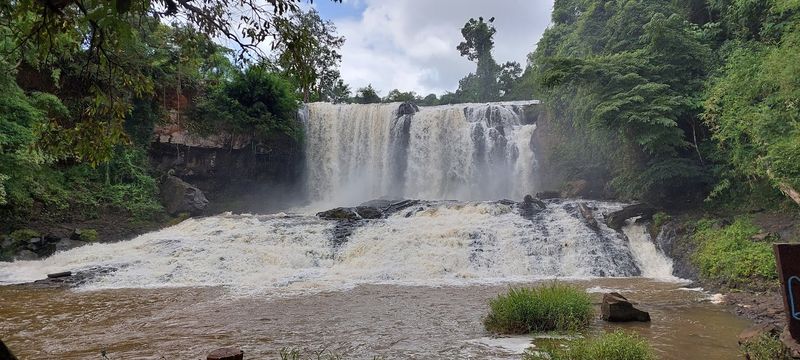
Cool nights in Cambodia? Yes, really.
Mondulkiri sits on an elevated eastern plateau, and the air feels fresher than in the lowlands.
The country’s largest province is full of rolling grasslands, forested ridges, and waterfalls. Around Sen Monorom, several conservation-minded elephant projects care for animals retired from logging or riding work.
Choose programs that let you watch and walk alongside them, with no elephant rides.
About 40 kilometers east of town, Bou Sra Waterfall tumbles through a forested gorge in several tiers. It is especially strong soon after the rainy season, so the timing of your trip changes the show.
The region is also home to Indigenous Bunong communities, whose bond with forests and elephants long predates modern ecotourism. Be curious and polite, and ask before taking photos.
Pack a light jacket for evenings, and give yourself extra time for the winding roads.
Ratanakiri and Yeak Laom
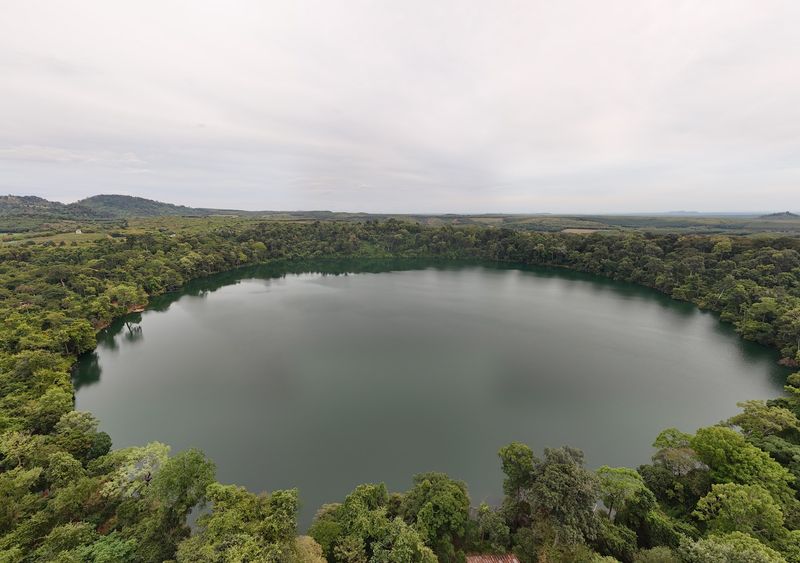
Red dirt roads, thick forest, and a perfectly round lake: Ratanakiri looks like a different country. It sits in Cambodia’s far northeast, close to Laos and Vietnam.
Near Banlung, Yeak Laom fills an ancient volcanic crater. Tourism officials date it to roughly 700,000 years ago.
A forest trail of about 2.5 kilometers circles the water, and the Tampuan community helps manage the lake.
Swimming here is a treat after a dusty ride. The water is clear and calm, and the trees give good shade.
Please follow local rules and keep the site clean.
Farther out, waterfalls and routes toward Virachey National Park lead into far less developed landscapes than Siem Reap or Phnom Penh. Indigenous communities, highland scenery, and volcanic features make the province special.
Bring a rain layer, cash for small purchases, and a flexible schedule, since remote roads can slow you down.
Cardamom Mountains and Koh Kong
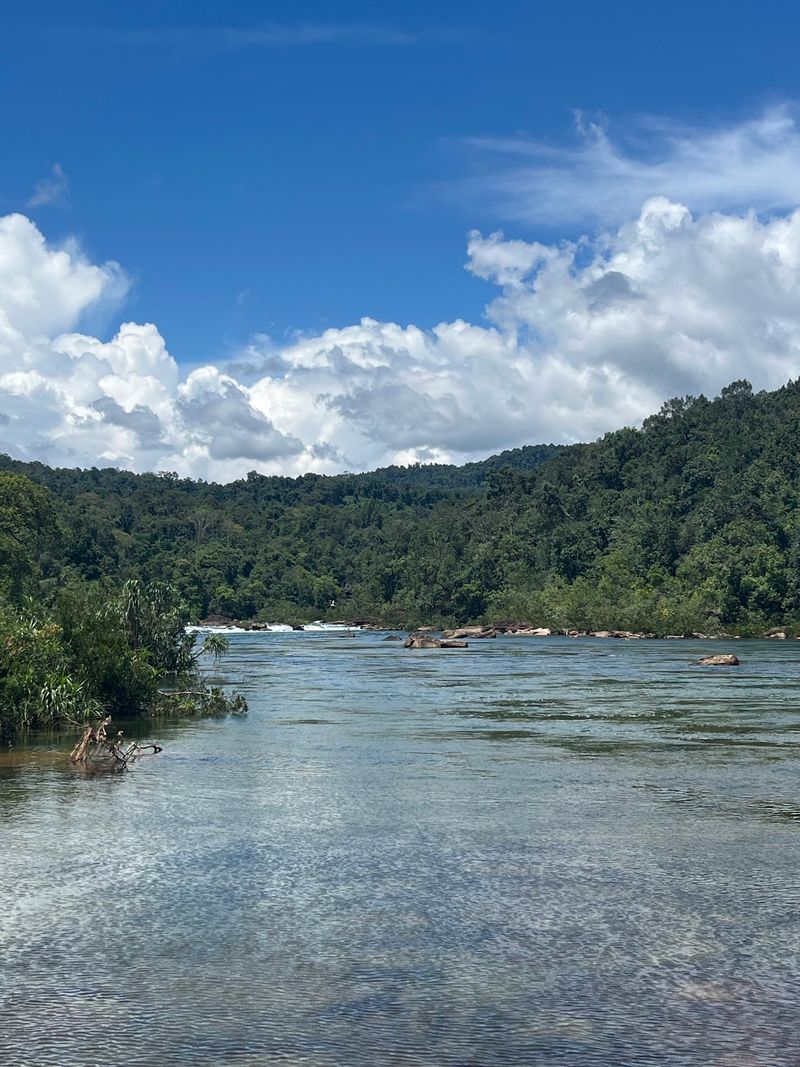
Rain is the main character here. Koh Kong is described as Cambodia’s wettest province, and that water feeds some of mainland Southeast Asia’s remaining large rainforests.
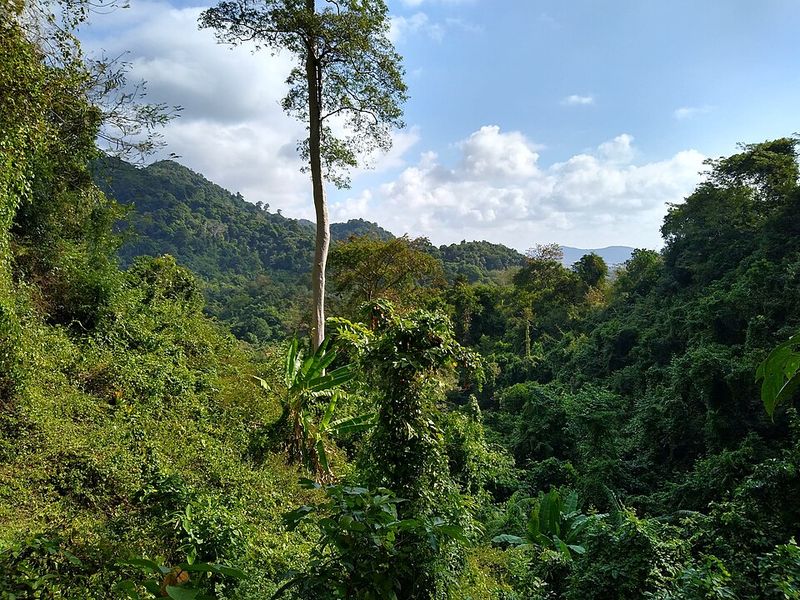
The scenery shifts quickly between humid forest, winding rivers, mangroves, and hills. You can ride a boat along the Tatai River, stroll through the mangrove habitat at Peam Krasop, or join a community-based forest trek.
Parts of the wider Cardamom landscape shelter threatened wildlife such as pangolins and gibbons. You will probably hear more than you see, so listen for calls echoing through the trees.
Monsoon weather can change plans fast. November through March is usually the better window for hiking and river trips.
Pack quick-dry clothes, insect repellent, and a waterproof bag for your phone. Book local guides when possible, since they know the trails and the best spots, and your money supports the people who protect the forest.
Kampot
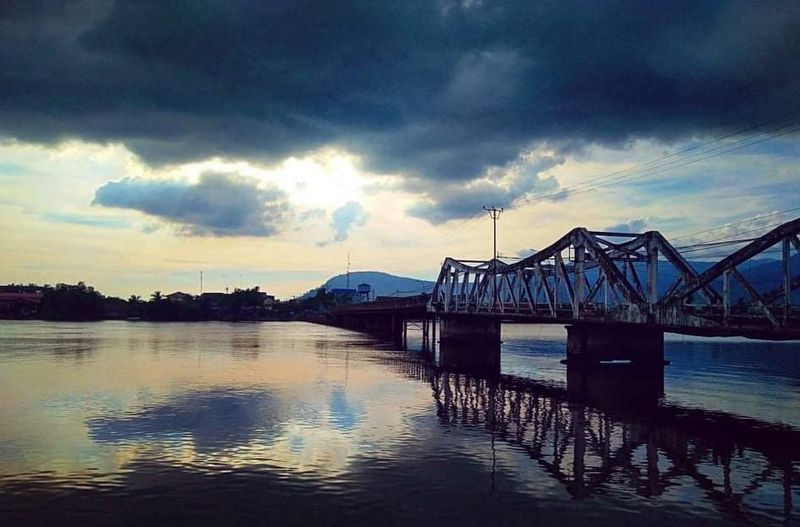
Pepper is the quiet celebrity in Kampot. The province grows Kampot pepper, Cambodia’s first product to earn European Protected Geographical Indication status.
Green, black, red, and white pepper all come from the same vines, just picked at different stages and processed in different ways. A farm visit lets you taste the difference, and it is a spicy surprise.
Behind town, Bokor Mountain rises into cooler air. Roads lead to viewpoints, waterfalls, forest, and the surviving buildings of an early 20th-century colonial hill station.
Fog can roll in fast, giving the ruins a moody look.
Limestone caves and seasonal salt fields add easy day trips. The river town itself is relaxed, with sunset boats and cafes along the water.
Kampot works well because food, farms, river, and mountains are all close together. Rent a scooter only if you are confident, or hire a driver for the day.
Koh Rong and Koh Rong Sanloem
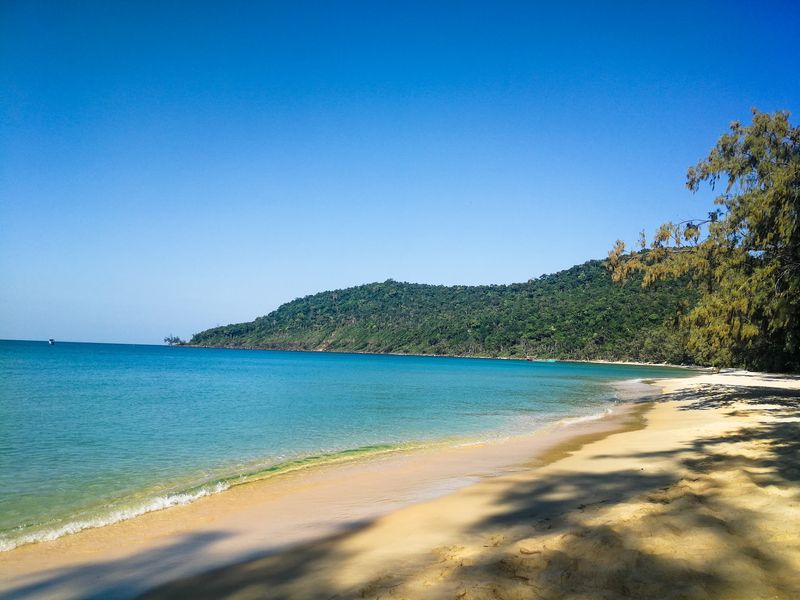
Powdery sand, warm water, and a boat ride that feels like leaving real life behind. Cambodia’s coast has more than 50 islands, and the Koh Rong group holds some of the prettiest beaches.
Koh Rong is the larger, more developed island. Koh Rong Sanloem is usually calmer, with beach areas such as Saracen Bay and smaller settlements like M’Pai Bay.
Both are highlighted by the Ministry of Tourism as key coastal attractions.
Development has grown fast, so the feel changes from beach to beach. Near the busiest landing points you may find music and crowds.
Walk a bit farther and the mood softens, with forest-backed shores and quiet water.
Plan ahead for the basics. Bring cash, sunscreen, and a refillable bottle, since services can be limited.
Check ferry times and weather before you go. Choose lodging that handles waste responsibly, and leave the sand as clean as you found it.
Kep
Crabs in baskets, bobbing in the sea, waiting for their moment. That is the famous scene at Kep’s Crab Market, where blue swimmer crabs are cooked fresh, often with green Kampot peppercorns.
Kep is Cambodia’s smallest province, but it has a big personality. In the mid-20th century it was a stylish seaside retreat, and the hills still hold the remains of modernist villas.
Some look haunting, and some are slowly being brought back.
Right behind town, Kep National Park offers a loop of about eight kilometers through forest, with viewpoints over the Gulf of Thailand. Go in the morning for cooler walking and softer light.
Offshore, Koh Tonsay, also called Rabbit Island, gives you a simple beach day after a short boat ride. Expect basic facilities and a slow pace.
Bring cash and snacks, and save your appetite for a crab lunch when you return.
Share this story