America’s small towns come in every shape and size, but a select few are unlike anywhere else in the country. Some are perched high in the mountains, others sit on islands without cars, preserve centuries-old cultures, or feature architecture that feels transported from another continent.
What they all have in common is a distinctive identity that makes them unforgettable destinations rather than just another stop along the highway. Get ready to discover 15 towns that genuinely earned their place on the map.
Mackinac Island, Michigan
No honking horns, no traffic jams, no cars at all. Mackinac Island banned private automobiles back in 1898, making it one of the most refreshingly quiet travel destinations in the entire country.
Getting around means hopping on a bicycle, flagging down a horse-drawn carriage, or simply walking at your own pace.
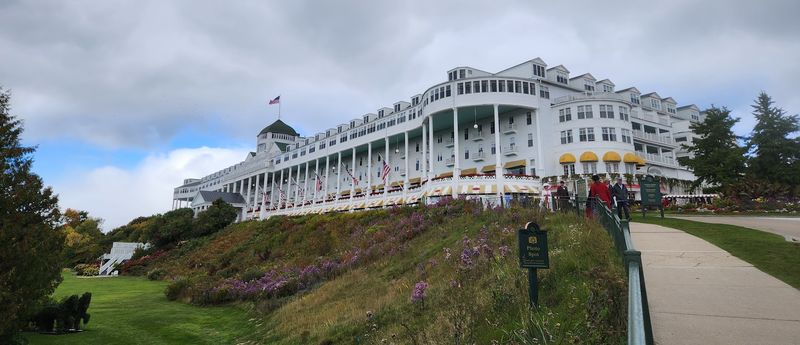
The island sits in Lake Huron between Michigan’s Upper and Lower Peninsulas, and its Victorian charm is completely genuine. The famous Grand Hotel stretches 660 feet across its front porch, the longest in the world, and guests still dress formally for dinner.
History feels alive here rather than staged.
Mackinac Island fudge is practically legendary. Dozens of candy shops line the main street, and watching confectioners pour hot fudge onto marble slabs is a free show worth catching.
The island also offers stunning views of the Mackinac Bridge, scenic bluff trails, and beautifully preserved 19th-century architecture throughout the compact downtown. Pack light, bring comfortable shoes, and prepare to slow completely down.
Solvang, California
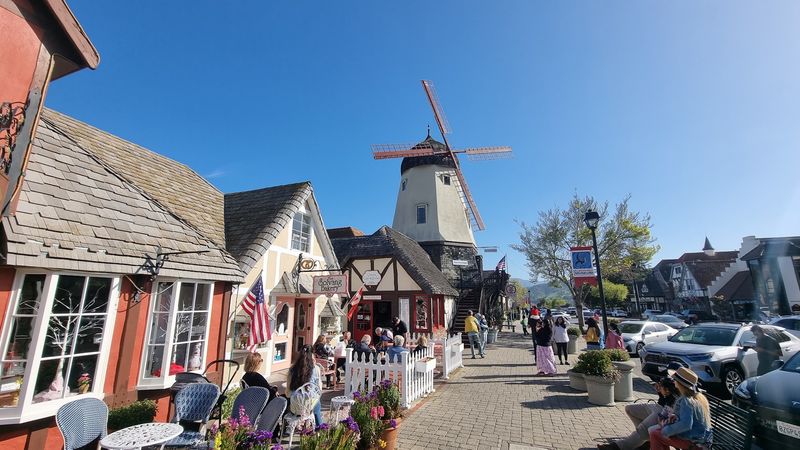
Stepping into Solvang feels like your passport got stamped without ever boarding a plane. Founded in 1911 by Danish immigrants seeking familiar surroundings in a foreign land, this Central California town built windmills, cobblestone courtyards, and half-timbered buildings that would look perfectly natural in Copenhagen.
The bakeries alone justify the drive. Aebleskiver, a round Danish pancake dusted with powdered sugar and served with raspberry jam, has become the town’s signature snack.
Locals and visitors line up outside bakeries early in the morning, and the warm, doughy smell drifting down the street is basically irresistible.
Beyond the pastries, Solvang packs in genuine cultural substance. The Hans Christian Andersen Museum honors the beloved Danish storyteller, and the Elverhoj Museum explores the town’s Scandinavian roots through art and artifacts.
Four authentic windmills dot the skyline, and street signs appear in both English and Danish. Located in Santa Barbara County’s wine country, Solvang also sits within easy reach of world-class vineyards.
Whether you visit for the food, the architecture, or the wine, Solvang delivers something memorably different every single time.
Marfa, Texas
Population around 1,800. International art reputation.
Zero logical explanation. Marfa somehow became one of the most talked-about cultural destinations in America without a single skyscraper, chain restaurant, or shopping mall in sight.
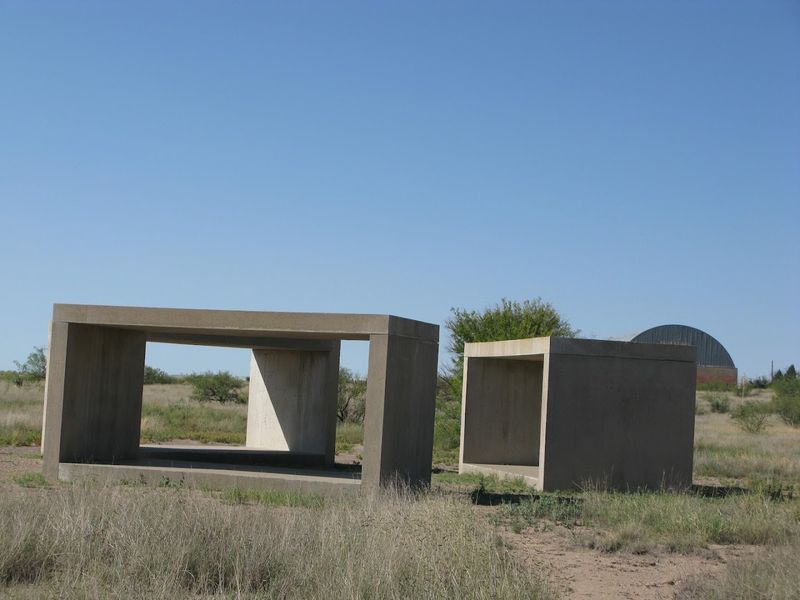
Artist Donald Judd arrived in the 1970s, bought up buildings, and transformed this remote desert outpost into a serious contemporary art hub.
The Chinati Foundation houses permanent large-scale art installations spread across former military buildings, drawing collectors and critics from around the globe. Walking between pieces through the wide, windswept landscape creates an experience that feels genuinely unlike any traditional museum visit.
Even the local Prada Marfa sculpture, a fake boutique sitting alone on Highway 90, became internationally famous.
Then there are the Marfa Lights. Mysterious glowing orbs appear near the Chinati Mountains on certain nights, and despite decades of scientific investigation, nobody has fully explained them.
A dedicated viewing platform sits east of town, and on good nights, small crowds gather in the dark, quietly watching the horizon. Marfa is the kind of place that sounds strange until you actually visit, and then it makes perfect, peculiar sense.
Leavenworth, Washington
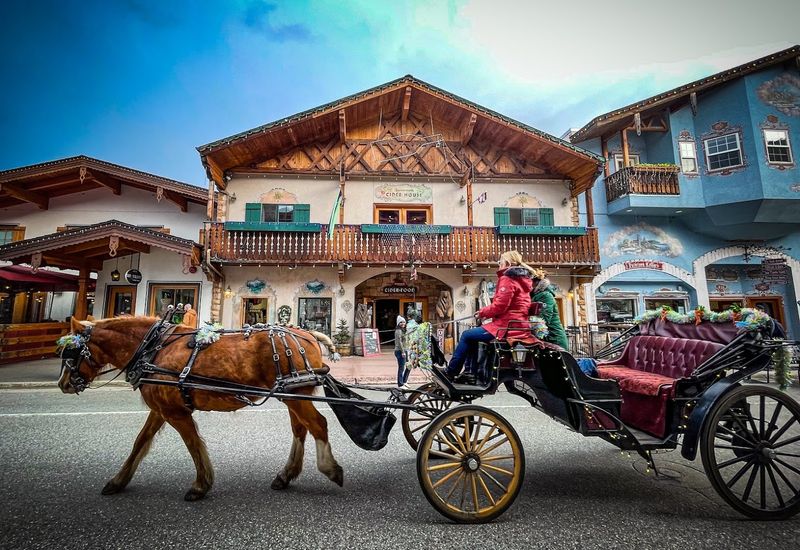
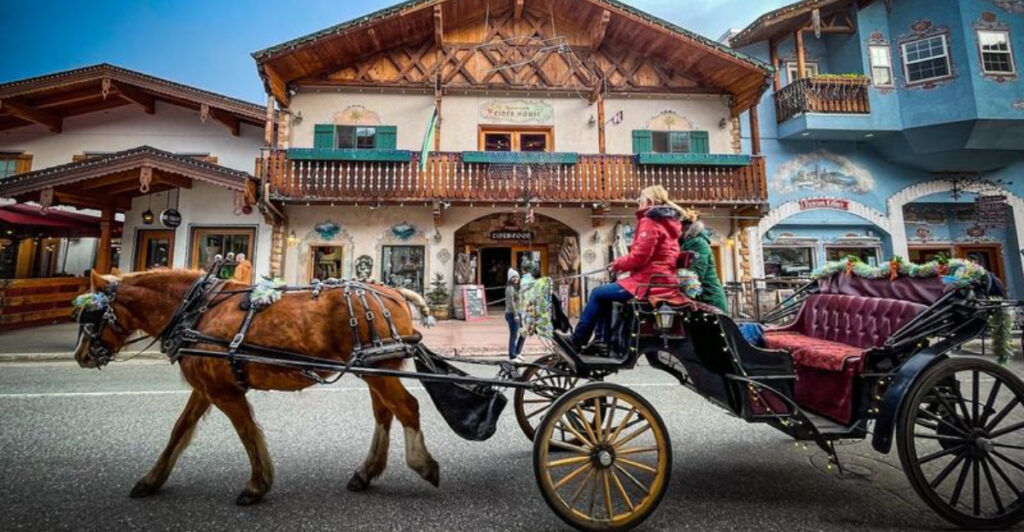
By the early 1960s, Leavenworth was economically struggling and losing residents fast. Then someone had an audacious idea: transform the entire town into a Bavarian alpine village.
Skeptics probably laughed. Leavenworth got the last laugh, eventually becoming one of Washington’s most visited destinations.
Every building along the main street follows strict Bavarian architectural guidelines, complete with painted murals, wooden balconies, and flower boxes overflowing with blooms each spring. The surrounding Cascade Mountains provide an alpine backdrop so perfectly suited to the theme that the whole scene looks almost too good to be real.
Leavenworth runs festivals practically year-round. Oktoberfest draws massive crowds each fall, the Christmas Lighting Festival transforms the town into a glittering winter wonderland, and the Autumn Leaf Festival celebrates the surrounding forest’s spectacular color change.
Summer brings whitewater rafting on the Wenatchee River and hiking through stunning mountain terrain. Local restaurants serve genuine German sausages, pretzels, and steins of cold beer that taste especially satisfying after a day outdoors.
Whether you arrive in snow or sunshine, Leavenworth commits to its identity completely and pulls it off with remarkable, cheerful confidence.
Roswell, New Mexico
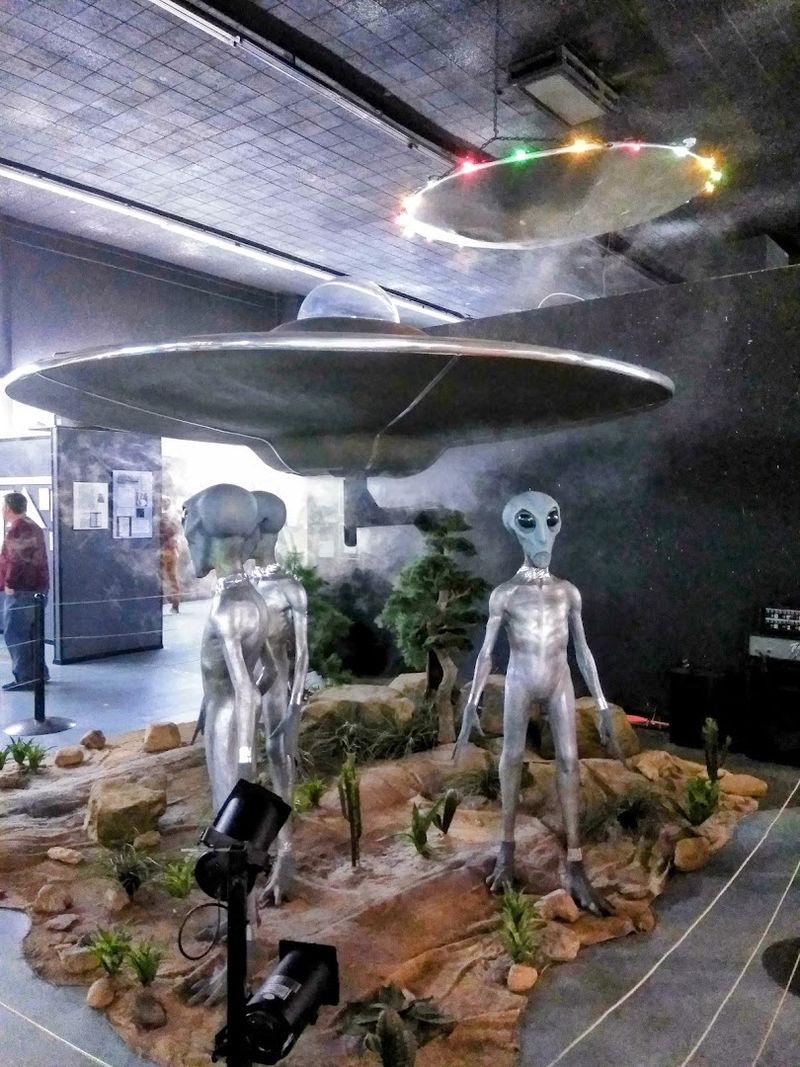
Something crashed near Roswell in July 1947, and the world has never quite agreed on what it was. The U.S. military initially called it a flying saucer, then quickly changed the story to a weather balloon.
That contradiction planted a seed of mystery that grew into one of America’s most enduring pop culture phenomena.
Today, alien imagery covers nearly every storefront on Main Street. Green extraterrestrial figures peer out of shop windows, UFO-shaped streetlamps line the sidewalks, and the International UFO Museum and Research Center attracts over 180,000 visitors annually.
The museum presents the evidence, the theories, and the government documents with surprising seriousness alongside the inevitable souvenir shop.
Roswell’s annual UFO Festival draws tens of thousands of visitors each summer, featuring costume contests, guest speakers, and outdoor concerts that turn the whole town into one giant, good-natured party. Beyond the alien angle, Roswell sits in the gorgeous Pecos Valley and offers excellent hiking, a fine arts museum, and genuinely delicious New Mexican cuisine.
The town embraces its strange reputation without embarrassment, and that confidence is honestly part of what makes visiting so enjoyable.
Lindsborg, Kansas
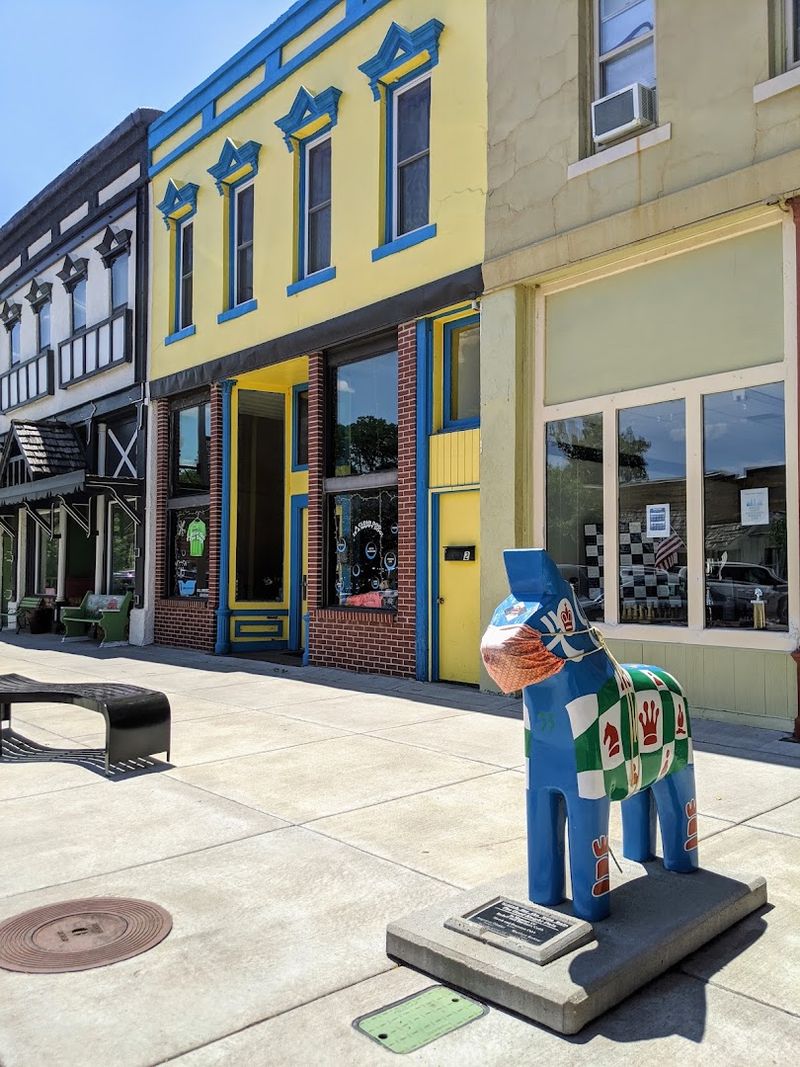
Kansas is not the first place most people picture when they think of Scandinavia, but Lindsborg makes a genuinely convincing case. Swedish immigrants settled this central Kansas community in 1869, and their descendants never stopped celebrating the heritage they carried across the Atlantic.
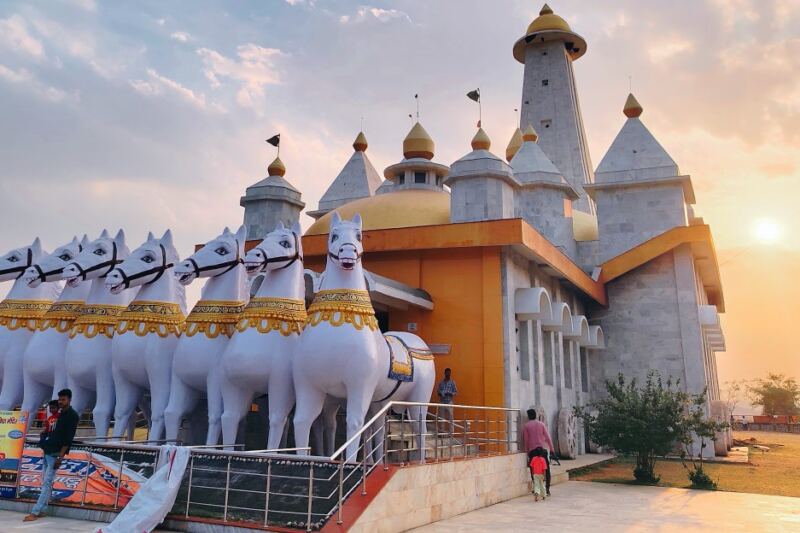
More than 80 painted Dala horse sculptures are scattered throughout town, each decorated by local artists in unique styles. The Dala horse, a traditional Swedish folk art symbol, has become Lindsborg’s unofficial mascot and makes for excellent photo opportunities around every corner.
Swedish flags fly proudly alongside American ones, and shop signs frequently appear in both languages.
Twice a year, during Midsommarfest in June and Svensk Hyllningsfest in October, the town explodes with folk dancing, traditional costumes, Swedish food, and live music that feels genuinely festive rather than forced. The Birger Sandzen Memorial Gallery houses a world-class collection of American art inside this tiny town, which surprises nearly every visitor.
Bethany College, founded by Swedish Lutherans in 1881, anchors the community and hosts a famous Messiah performance each spring. Lindsborg proves that extraordinary cultural richness can thrive anywhere, even in the Kansas heartland.
Jim Thorpe, Pennsylvania
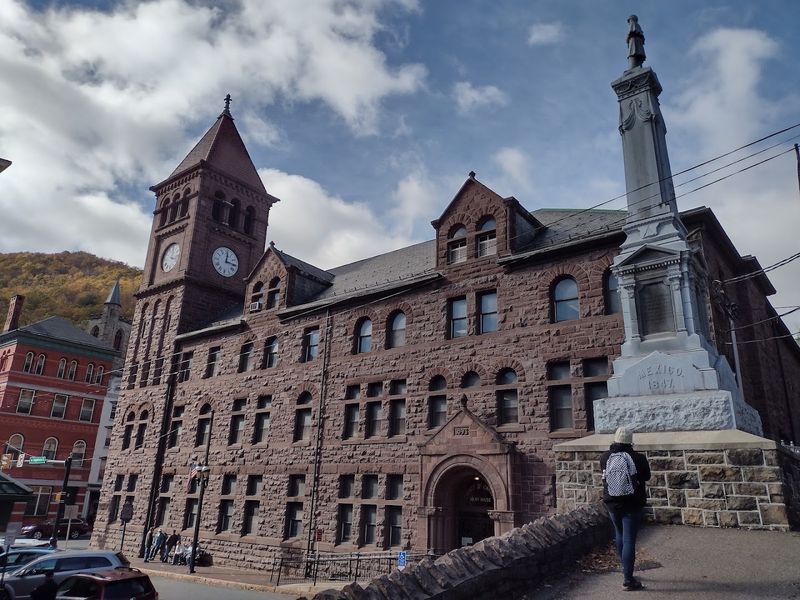
Tucked into a narrow mountain valley in the Poconos, Jim Thorpe looks like someone lifted a European mountain town and set it down gently in eastern Pennsylvania. The Victorian architecture is so well-preserved that the town has earned the nickname “The Switzerland of America,” though Colorado’s Ouray also claims that title with equal enthusiasm.
The town was originally two separate communities, Mauch Chunk and East Mauch Chunk, which merged in 1954 and renamed themselves after the legendary Native American athlete Jim Thorpe to attract tourism. His mausoleum actually sits here, despite the fact that Thorpe himself never visited the town during his lifetime.
History here comes with interesting complications.
Beyond the fascinating backstory, Jim Thorpe delivers seriously beautiful scenery. The Lehigh Gorge State Park offers world-class whitewater rafting and biking along a converted rail trail.
Steam-powered train rides through the gorge run seasonally and provide some of the most spectacular fall foliage views in Pennsylvania. Boutique shops, independent restaurants, and a lively arts scene fill the historic downtown.
Few towns of this size manage to combine outdoor adventure, genuine history, and architectural beauty quite so effortlessly.
Helen, Georgia
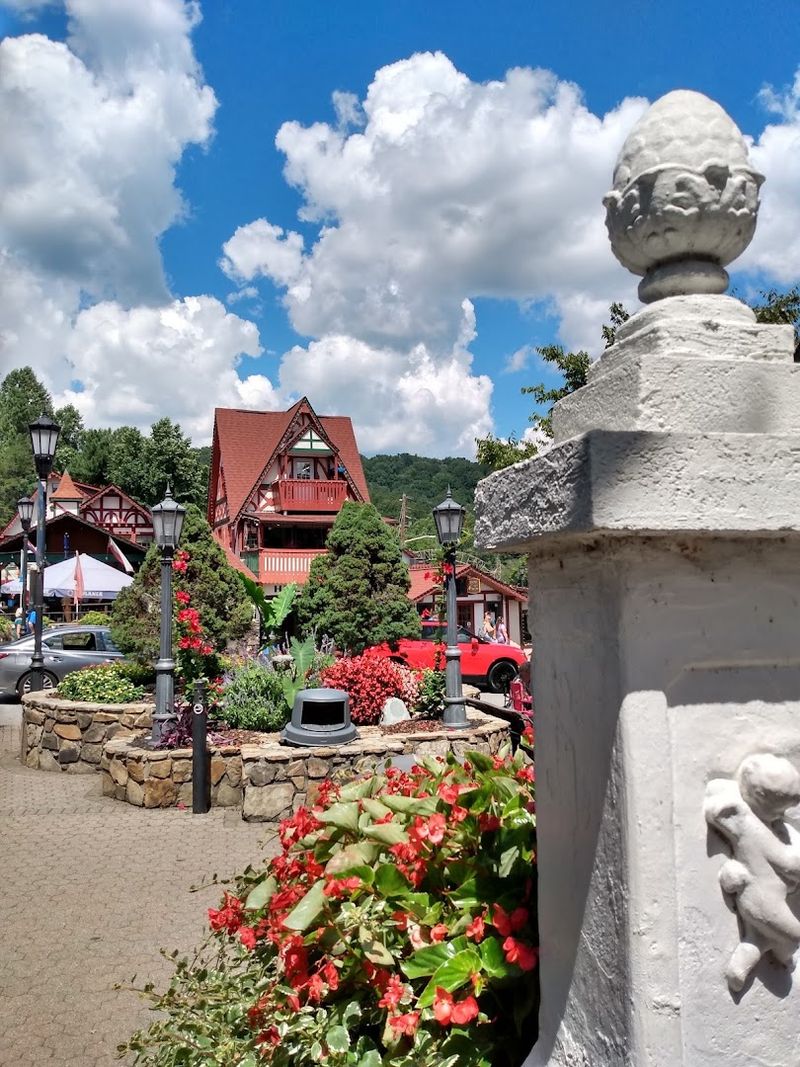
A struggling 1960s mill town in the Blue Ridge Mountains decided to go full Bavarian, and the gamble paid off spectacularly. Helen, Georgia, transformed its entire downtown into an alpine village in 1969 based on sketches by a local artist, and today it draws over four million visitors annually.
That is more than Yellowstone National Park attracts each year.
The Chattahoochee River runs right through the middle of town, and during summer, tubers float lazily past restaurants where guests eat bratwurst and drink German beer on outdoor patios. The combination of mountain scenery, flowing water, and alpine architecture creates a surprisingly relaxed and festive atmosphere that works beautifully in the Georgia heat.
Helen’s Oktoberfest runs for several weeks in fall, making it one of the longest-running Oktoberfest celebrations in the country. The surrounding area offers tremendous outdoor recreation, including hiking to Anna Ruby Falls, exploring Unicoi State Park, and driving the scenic mountain roads during leaf season.
Local shops sell German imports, handcrafted souvenirs, and locally made wine from nearby vineyards. Helen is unapologetically kitschy in the best possible way, and visitors who embrace that spirit consistently have a wonderful time.
Harpers Ferry, West Virginia
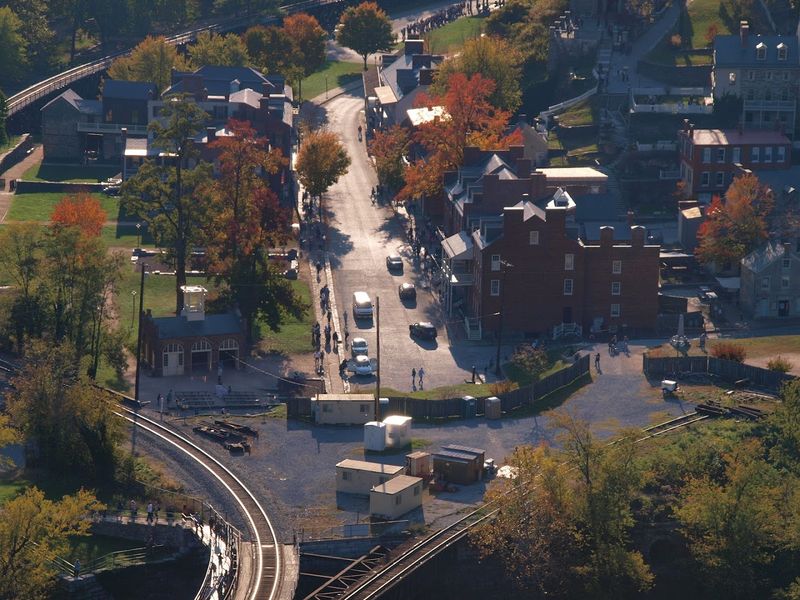
Where two rivers collide, history tends to happen. Harpers Ferry sits precisely at the junction of the Potomac and Shenandoah Rivers in West Virginia, and that geography made it strategically important throughout American history.
Abolitionist John Brown famously raided the federal arsenal here in 1859, an event that helped push the nation closer to Civil War.
The lower town is preserved almost exactly as it appeared in the 19th century. Stone buildings house museums, shops, and exhibits managed by the National Park Service, which does an exceptional job presenting the town’s layered, complicated history without oversimplifying it.
Walking the cobblestone streets between those old buildings feels genuinely atmospheric, especially on misty mornings when river fog drifts through.
The scenery is breathtaking from nearly every angle. Thomas Jefferson once called the view from the cliffs above town one of the most spectacular in America, and standing there today, it is hard to argue.
The Appalachian Trail passes directly through Harpers Ferry, and the area offers excellent hiking, paddling, and cycling. Despite being part of the Washington D.C. metro area’s outer commuter zone, Harpers Ferry has resisted modernization and retained its remarkable, irreplaceable character.
Ouray, Colorado
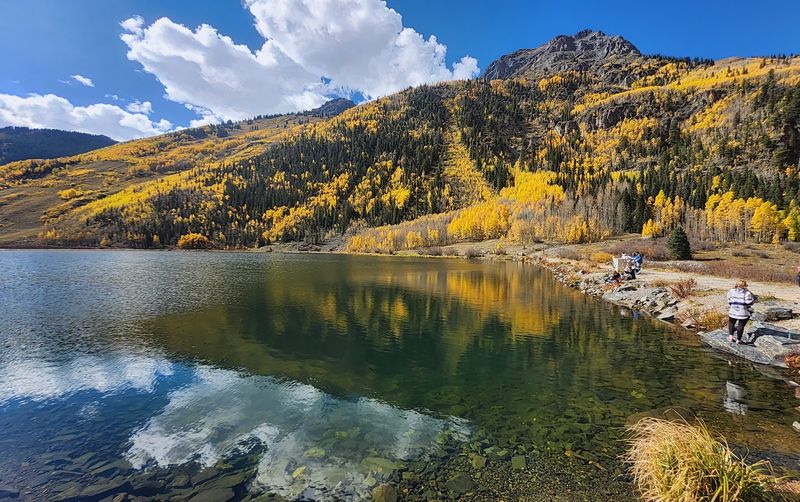
Ouray sits at 7,800 feet elevation, boxed in on three sides by walls of the San Juan Mountains that rise so steeply they almost seem to lean over the town. Waterfalls pour down the cliff faces in summer, and the whole place radiates the kind of dramatic natural beauty that makes people stop mid-sentence just to stare.
The town earned its “Switzerland of America” nickname honestly. Victorian-era mining buildings line the compact downtown, and the Ouray Hot Springs Pool sits at the northern edge of town, fed by natural geothermal water and offering mountain views that no rooftop spa anywhere could match.
Soaking outdoors while snowflakes fall on surrounding peaks is genuinely unforgettable.
In winter, Ouray transforms into the ice climbing capital of North America. The Ouray Ice Park fills a natural gorge with man-made ice formations, attracting climbers from around the world to what is essentially a free municipal ice climbing venue.
Summer brings jeep tours through the surrounding mountains on roads that would terrify most ordinary drivers. The Million Dollar Highway connecting Ouray to Silverton ranks among the most spectacular scenic drives in the entire country, with no guardrails and absolutely no room for distraction.
Bisbee, Arizona
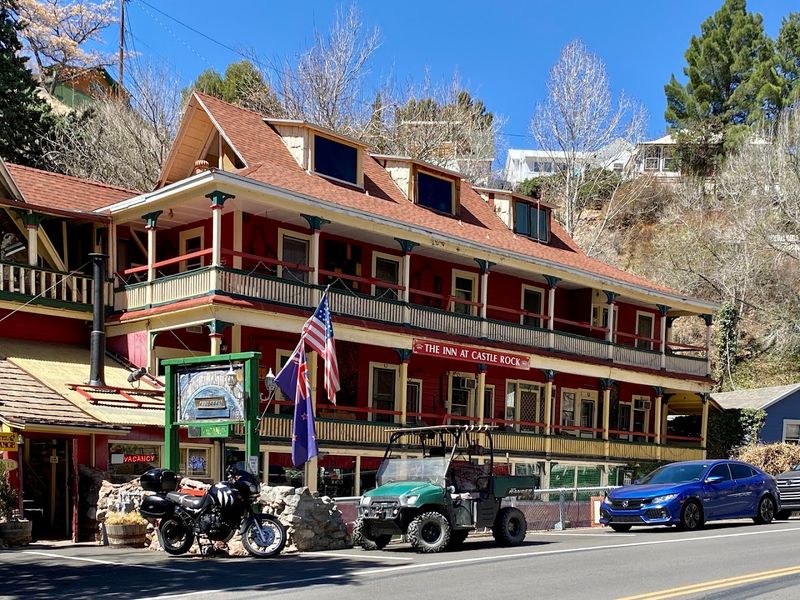
Bisbee clings to the steep walls of Tombstone Canyon like it refuses to follow the rules of normal town planning. Houses stack up the hillsides in every direction, connected by staircases instead of streets, painted in colors that range from cheerful to outright bold.
The whole town looks like it was designed by someone who genuinely enjoyed defying expectations.
By 1910, Bisbee was the largest city between St. Louis and San Francisco, producing extraordinary amounts of copper, gold, and silver from its mines. When the ore ran out in the 1970s, artists moved in, attracted by cheap real estate, dramatic scenery, and a community willing to reinvent itself.
That creative energy never left.
The Queen Mine Tour takes visitors underground into the actual copper mine, complete with hard hats and the slightly claustrophobic thrill of riding a mine cart into genuine darkness. Above ground, Brewery Gulch preserves the rowdy spirit of Bisbee’s boomtown era, lined with bars, galleries, and music venues.
The annual Bisbee 1000 Stair Climb challenges participants to conquer the town’s famous staircases in a race that is equal parts athletic event and neighborhood celebration. Bisbee rewards curious visitors who wander without a fixed itinerary.
Carmel-by-the-Sea, California
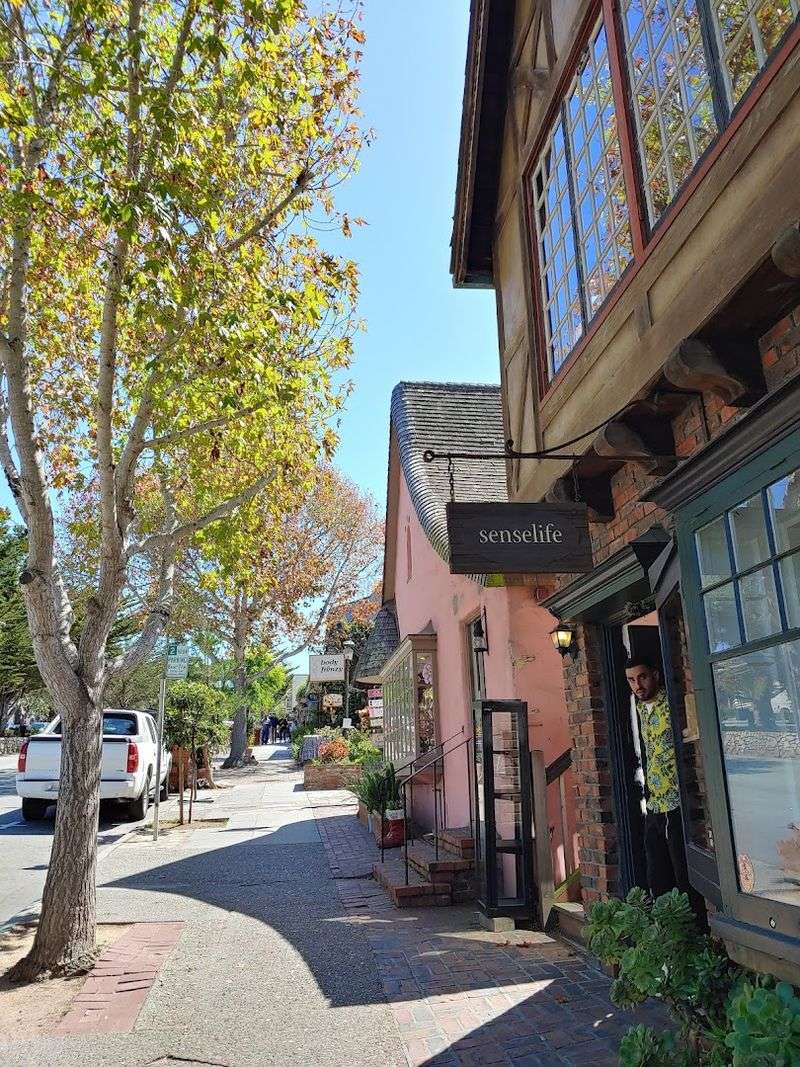
Carmel-by-the-Sea has no street addresses. Mail is not delivered to individual homes.
Residents pick up their letters at the post office, which has been a social gathering point for generations. For a town that prides itself on being unhurried and personal, this arrangement makes complete sense.
The fairy-tale architecture is not a marketing invention. Local building codes actively protect the storybook cottages, hobbit-like doorways, and winding garden paths that give Carmel its distinctly enchanted character.
Walking the residential streets feels like wandering through an illustration from a children’s book, except the ocean glitters through the cypress trees at the end of nearly every block.
Carmel Beach consistently ranks among the most beautiful beaches in California, with white sand, dramatic rock formations, and crashing Pacific waves that photographers never seem to tire of capturing. The town has a remarkably concentrated arts community, with more galleries per capita than almost anywhere in the country.
Former mayor Clint Eastwood is perhaps the most famous local, having served in the late 1980s. High-end restaurants, independent boutiques, and world-class golf at nearby Pebble Beach round out a destination that manages to feel simultaneously exclusive and genuinely welcoming.
St. Augustine, Florida
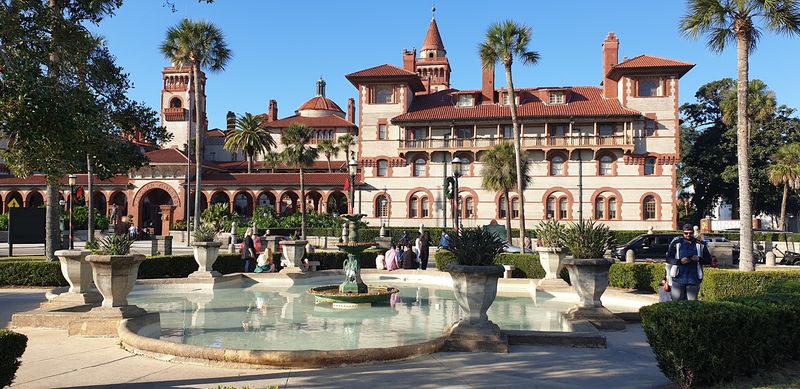
Founded in 1565 by Spanish explorer Pedro Menendez de Aviles, St. Augustine is the oldest continuously occupied European-established settlement in the entire United States. That is nearly 60 years before the Pilgrims landed at Plymouth Rock.
The weight of that history is present on every street corner.
The Castillo de San Marcos, a massive coquina stone fortress completed in 1695, still stands guard over the waterfront in near-perfect condition. Spanish colonial architecture fills the historic district, and the narrow brick-lined streets of the old city are best explored on foot, especially in the early morning before tour groups arrive.
The whole downtown feels remarkably small-scale and human for a city carrying this much historical significance.
St. George Street, the pedestrian main thoroughfare, buzzes with independent shops, restaurants, and street performers throughout the year. Flagler College occupies the stunning former Ponce de Leon Hotel, an 1888 Spanish Renaissance masterpiece that students are lucky enough to call their classroom building.
The Nights of Lights celebration each winter covers the historic district in millions of white lights, transforming the already atmospheric streets into something genuinely magical. St. Augustine rewards visitors who slow down and pay attention to its extraordinary layers.
Talkeetna, Alaska
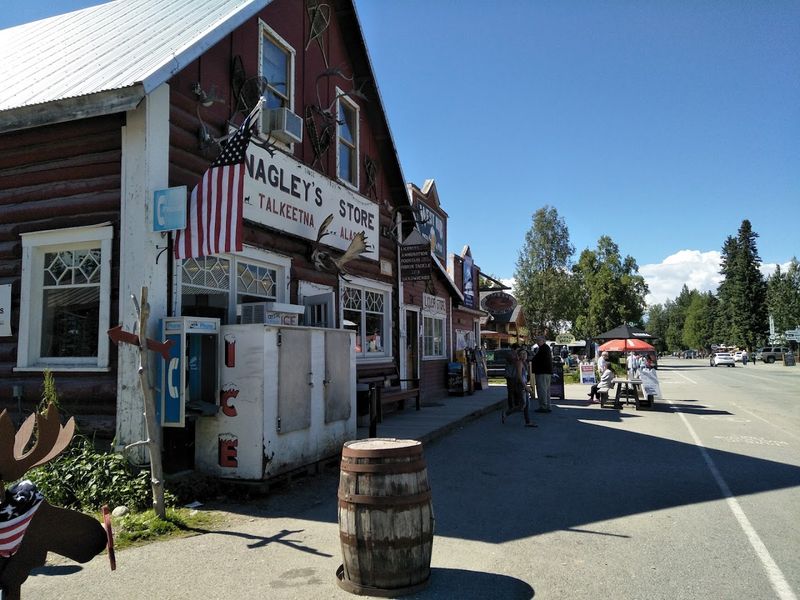
On a clear day in Talkeetna, Denali fills the northern sky so completely that it is hard to think about anything else. North America’s tallest mountain rises to 20,310 feet, and from this small Alaskan village, the view across the flat river flats is unobstructed and absolutely overwhelming in the best possible sense.
Talkeetna serves as the official base camp for climbers attempting Denali, and small bush planes depart the gravel airstrip regularly, carrying climbers and supplies to the Kahiltna Glacier. Watching a tiny aircraft disappear toward that enormous white peak puts human ambition and natural scale into striking perspective.
The town’s aviation culture gives it a gritty, purposeful energy unlike typical tourist destinations.
Beyond the mountaineering scene, Talkeetna maintains a wonderfully eccentric frontier personality. For years, the town’s honorary mayor was a cat named Stubbs, a fact that delighted visitors and accurately captured the community’s cheerful resistance to taking itself too seriously.
The Denali Brewing Company, excellent salmon fishing, river rafting on the Susitna, and flightseeing tours over the Alaska Range fill out a destination that delivers genuine wilderness adventure. Talkeetna is small, scrappy, and completely irreplaceable on the Alaskan map.
Monowi, Nebraska
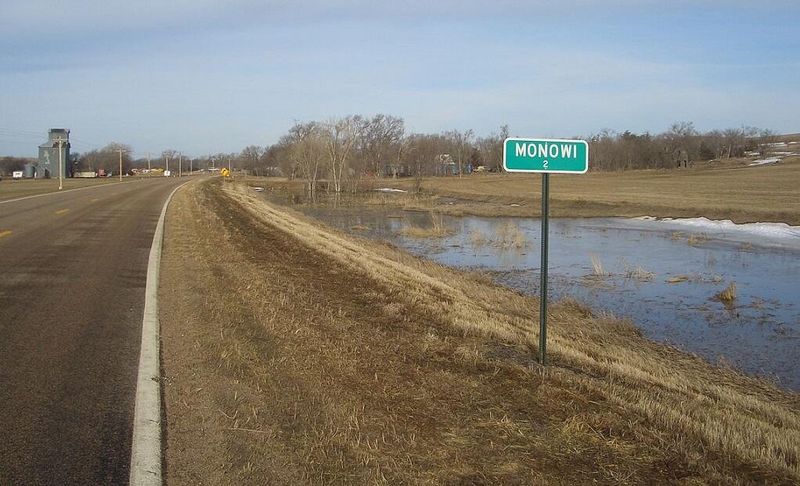
Monowi has exactly one resident. Her name is Elsie Eiler, and she holds every elected and appointed position the town requires, including mayor, librarian, bartender, and liquor license holder.
She grants herself the liquor license annually, which she describes with the kind of dry humor that comes from living alone in a town of one.
Elsie’s tavern has been a gathering point for travelers and curious visitors for decades. Truckers, road-trippers, and journalists all find their way down the gravel road to sit at her bar, eat a meal, and hear her stories.
The library, built by her late husband Rudy to house his 5,000-book collection, still stands next door, open to any visitor who wants to browse.
Monowi sits in Boyd County, Nebraska, a region of rolling grasslands and enormous sky that feels genuinely remote even by Great Plains standards. The town once had a peak population of 150 residents in the 1930s before agricultural changes gradually emptied it out.
What remains is something unexpectedly moving: one woman maintaining a community’s identity through sheer stubbornness and good humor. Monowi is technically the smallest incorporated municipality in America, and it is absolutely worth the detour to meet its entire population in person.
Share this story