Some of history’s most celebrated givers built their legacies on fortunes that came with serious complications. Libraries, universities, hospitals, and museums still carry the names of people whose wealth was tied to monopolies, labor conflicts, colonial expansion, and industries that caused real harm.
Charitable giving on a massive scale has a way of softening those edges over time, but the full story rarely disappears entirely. These 15 figures donated extraordinary sums and changed the world in measurable ways, yet behind each gift was a fortune worth examining more closely.
1. Cecil Rhodes
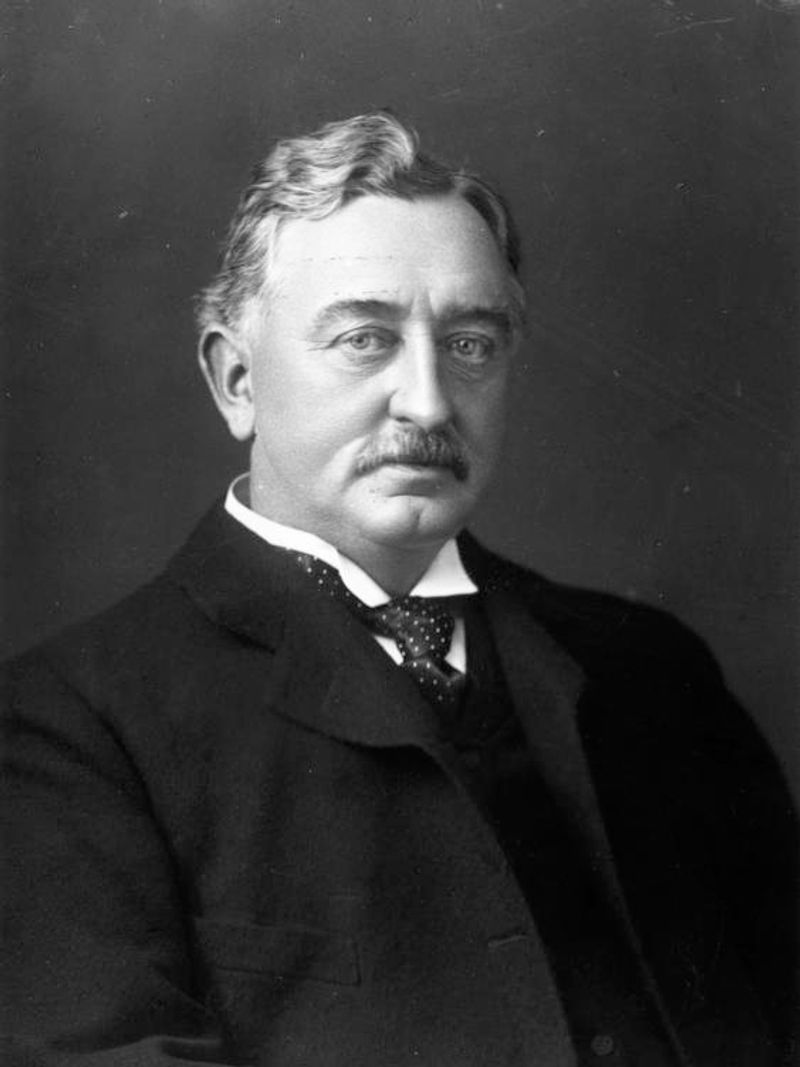
Few philanthropic legacies carry as much historical weight as the Rhodes Scholarship, which has sent more than 8,000 students to Oxford University since 1902. Rhodes left approximately 3.7 million pounds in his will to fund it, creating one of the most recognized international educational awards in the world.
The fortune financing those scholarships came from diamond and gold mining in southern Africa. The Rhodes Trust itself now acknowledges that Rhodes accumulated wealth through the resources and labor of southern Africa, and that his agents misled Ndebele King Lobengula about the rights they were seeking.
His British South Africa Company colonized extensive territories, and many people affected by that expansion faced dispossession, political domination, and economic exploitation. The scholarships have evolved considerably since 1902, including admitting women in 1977, but their financial origins remain part of the record.
2. Henry Ford
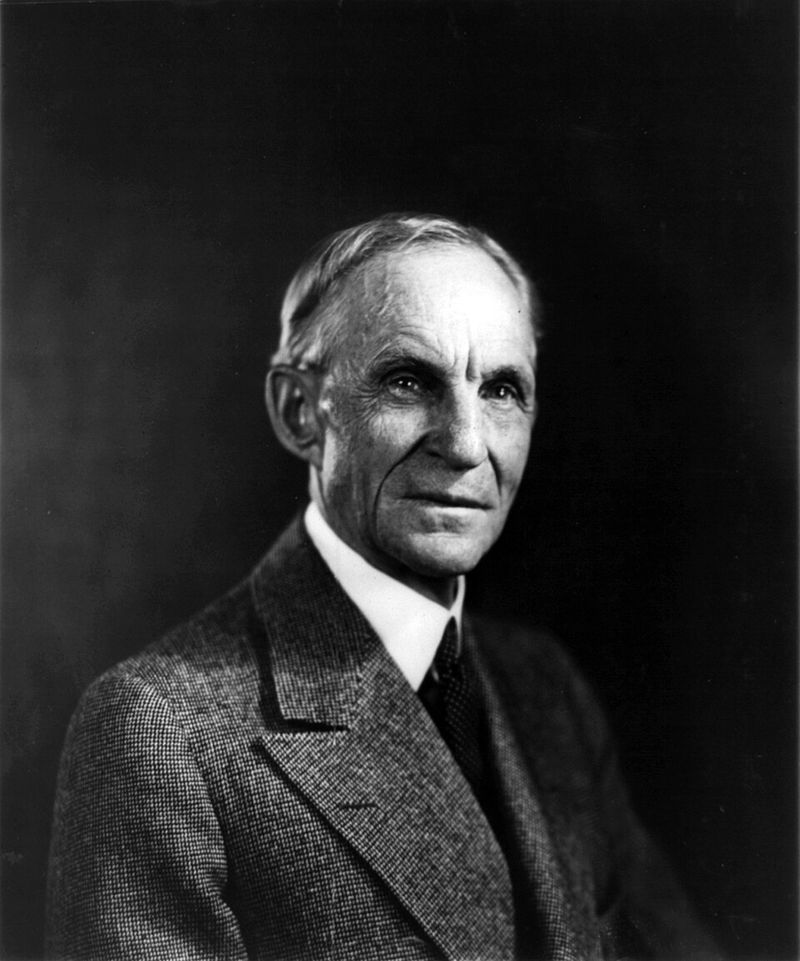
Henry Ford changed manufacturing so completely that his name became a shorthand for mass production itself. He and his son Edsel established the Ford Foundation in 1936, which grew into one of the world’s largest philanthropic organizations, supporting education, culture, and historical preservation.
A very different chapter of Ford’s public life involved his newspaper, The Dearborn Independent. Starting in 1920, it published a sustained series of antisemitic articles drawing on material from the fraudulent Protocols of the Elders of Zion.
Those articles were later collected and distributed internationally as a book titled The International Jew.
Ford issued a public apology in 1927, though historians have continued examining his personal role and the circumstances surrounding that statement. Ford Motor Company also fiercely resisted unionization before finally signing a contract with the United Auto Workers in 1941.
3. Alfred Nobel
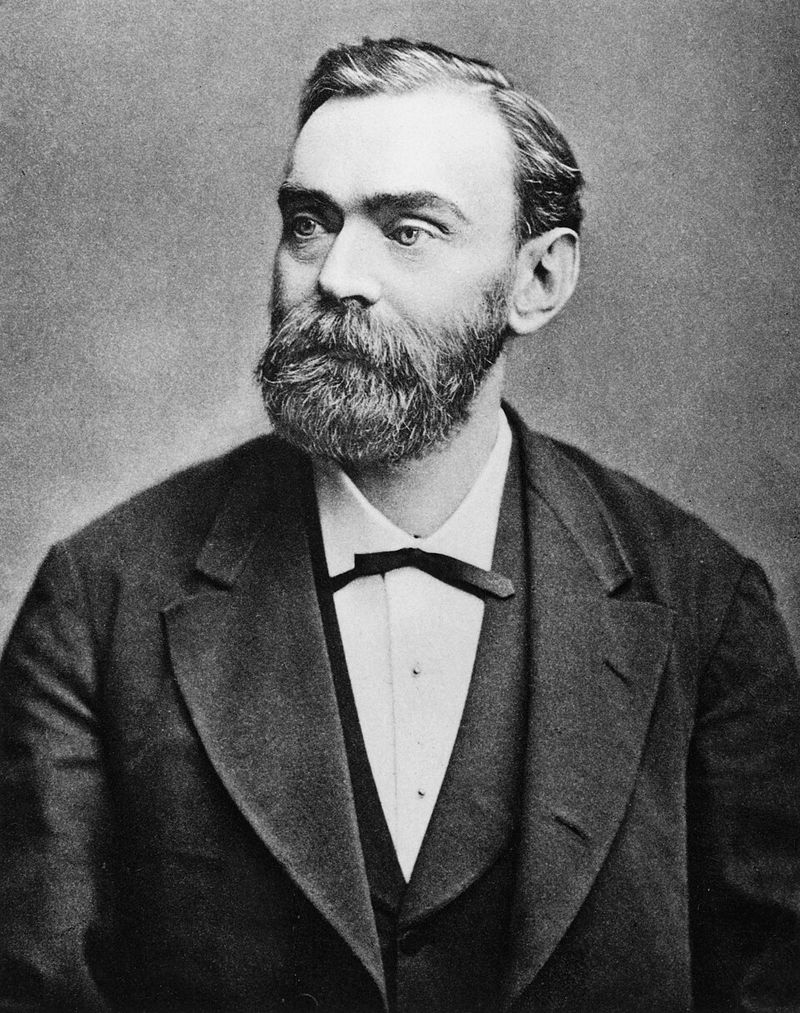
Alfred Nobel’s name now appears on some of the most respected awards in the world, recognizing achievements in science, literature, medicine, and peace. He directed most of his fortune toward those prizes through his will, creating a legacy that has shaped global intellectual culture since 1901.
That fortune came primarily from explosives. Nobel invented dynamite and accumulated hundreds of patents while building businesses that manufactured explosives and related industrial products.
Civilian applications in mining, construction, and tunneling were real and significant.
Military applications were equally real. The familiar story that Nobel created the prizes after a newspaper mistakenly published his obituary and called him a merchant of death is repeated often, but the supporting evidence for that specific motivation is not firmly documented.
What is documented is simpler: Nobel’s organization has stated that his fortune was earned chiefly through explosives, and he directed most of it toward prizes intended to benefit humanity.
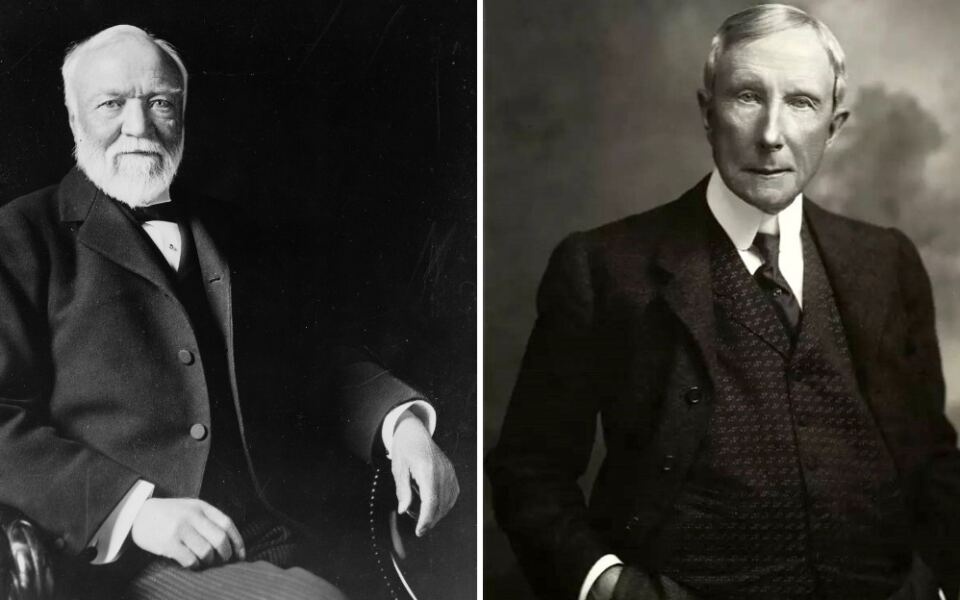
4. John D. Rockefeller
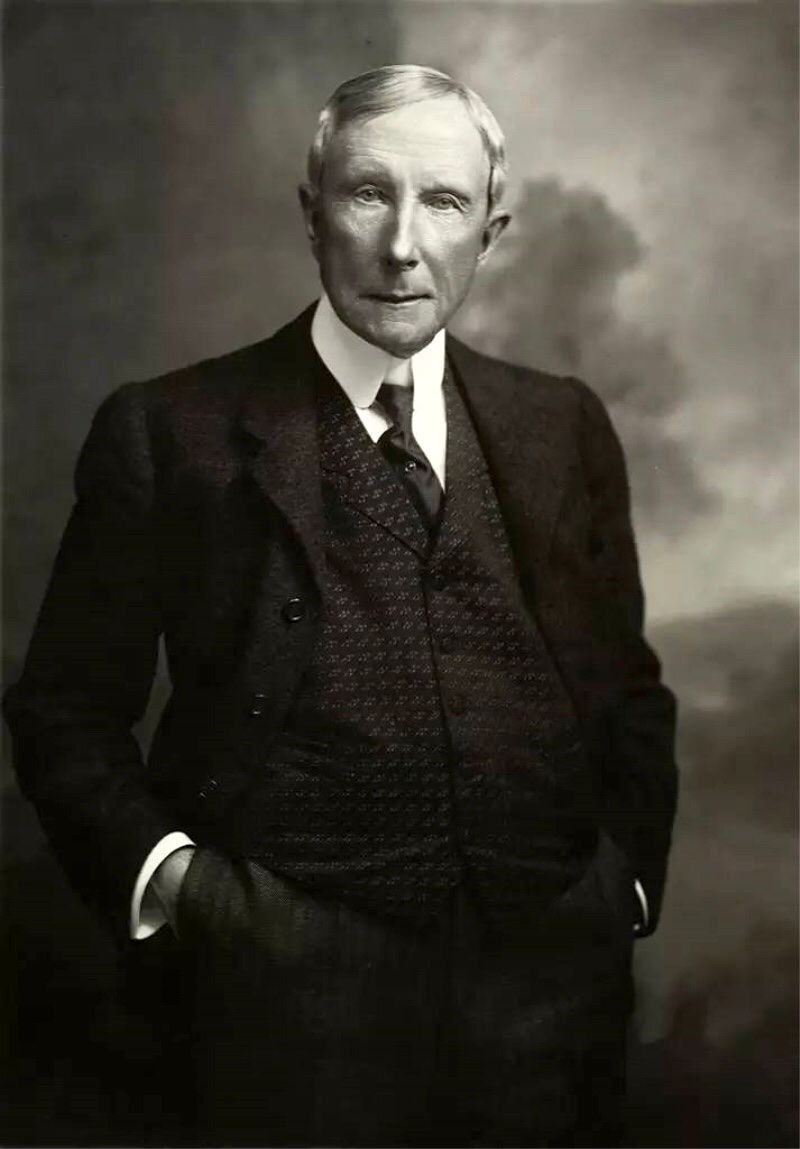
Before the word “foundation” became standard vocabulary for organized giving, John D. Rockefeller was already reshaping what large-scale philanthropy could look like.
He funded medical research, public health programs, and educational institutions, and the Rockefeller Foundation, established in 1913, became the largest philanthropic enterprise in the world by the 1920s.
Standard Oil was the engine behind all of it. By the late 19th century, the company had achieved a level of control over American oil refining that drew accusations of monopolistic practices involving pricing strategies, preferential railroad arrangements, and aggressive acquisitions.
The Supreme Court ordered its dissolution in 1911. A separate chapter involved Colorado Fuel and Iron, where the 1914 Ludlow Massacre saw company-associated forces attack a miners’ tent colony during a labor strike, resulting in multiple fatalities.
5. Leland Stanford
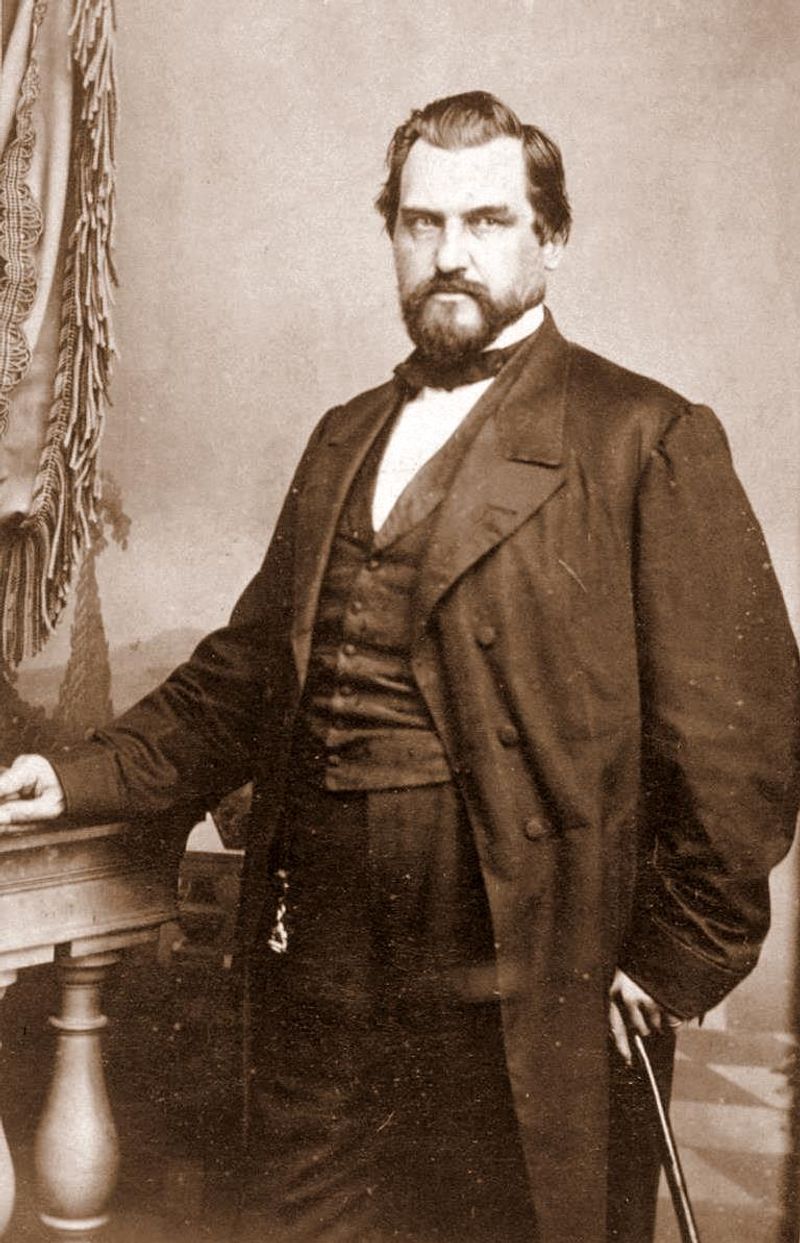
Stanford University is consistently ranked among the world’s leading research institutions, and its origins trace directly to the fortune of Leland Stanford, California governor, U.S. senator, and one of the central figures behind the Central Pacific Railroad.
Stanford and his wife Jane founded the university in 1885 in memory of their son, Leland Stanford Jr. The money behind that founding was inseparable from the transcontinental railroad’s construction. Chinese workers made up approximately 90 percent of the labor force building the western section, enduring dangerous conditions including granite blasting, cliff work, and brutal Sierra Nevada winters.
Those workers received lower wages than white workers. Stanford University’s own scholars now explicitly connect their labor to the financial origins of the institution.
The university’s later achievements are significant and well-documented, but the workers whose efforts generated much of the original fortune rarely appeared in traditional accounts of the Stanford legacy.
6. Andrew Carnegie
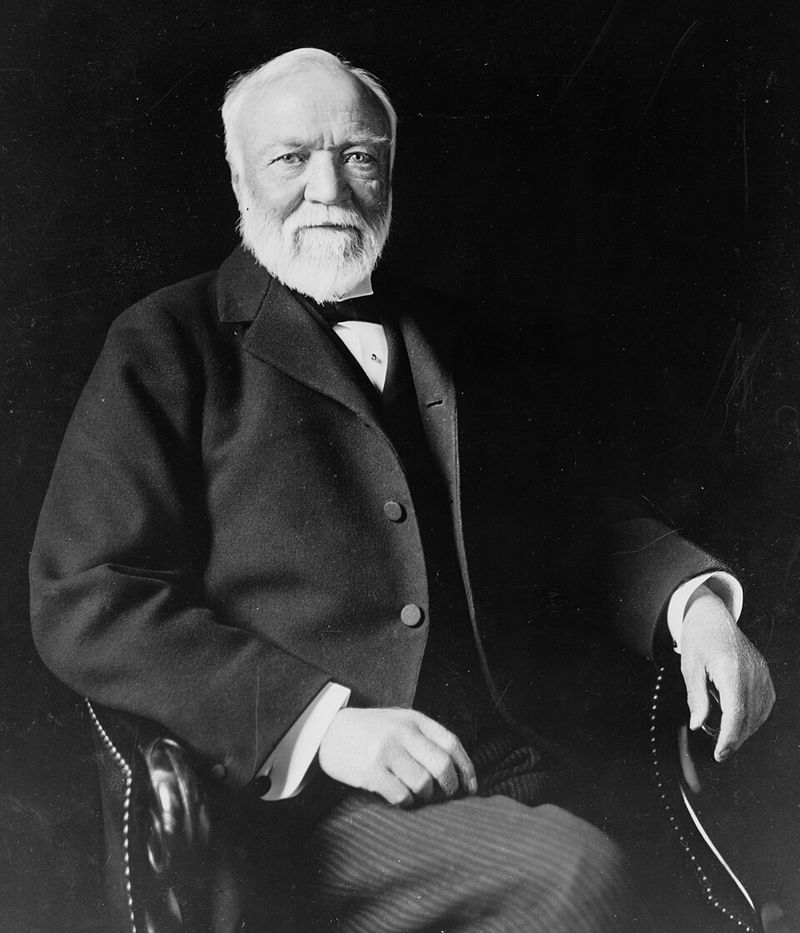
Carnegie Steel made Andrew Carnegie one of the richest men on Earth, and he spent the last decades of his life trying to give most of it away. He sold the company to J.P.
Morgan in 1901 for $480 million, then devoted himself to distributing approximately $350 million, nearly 90 percent of his fortune.
More than 2,500 libraries worldwide carry his name, along with universities, scientific institutions, and peace organizations. His 1889 essay “The Gospel of Wealth” argued that rich men had a duty to return their fortunes to society.
The fortune behind those gifts came from a steel industry with a brutal labor record. The 1892 Homestead Strike ended with seven workers and three Pinkerton agents dead.
Carnegie was in Scotland at the time, but the company bearing his name was responsible.
7. James B. Duke
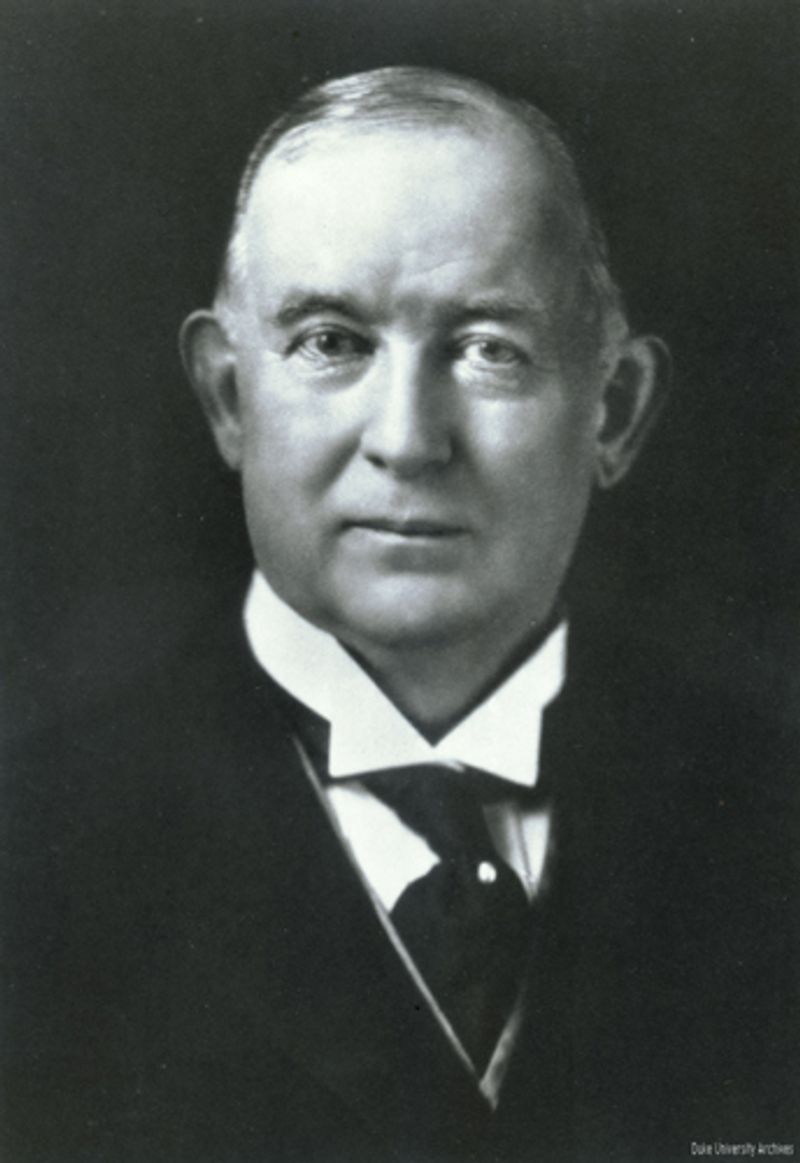
James Buchanan Duke turned a family tobacco operation into one of the most powerful industrial empires in American history, then redirected a substantial portion of that wealth toward lasting public institutions. In 1924, he established the Duke Endowment with an initial $40 million, funding hospitals, children’s services, churches, and higher education across the Carolinas.
Trinity College was renamed Duke University in honor of his father, Washington Duke. The source of that philanthropic capital was the cigarette industry.
Through mechanization and aggressive consolidation, the American Tobacco Company achieved control of approximately 90 percent of U.S. cigarette production by 1890, according to the Duke Endowment’s own historical accounts.
The Supreme Court ordered that conglomerate broken apart under antitrust law in 1911. Duke then built another fortune through hydroelectric power.
The historical irony is direct: institutions devoted to health and human welfare grew from wealth generated by mass-producing and selling tobacco.
8. J. Paul Getty
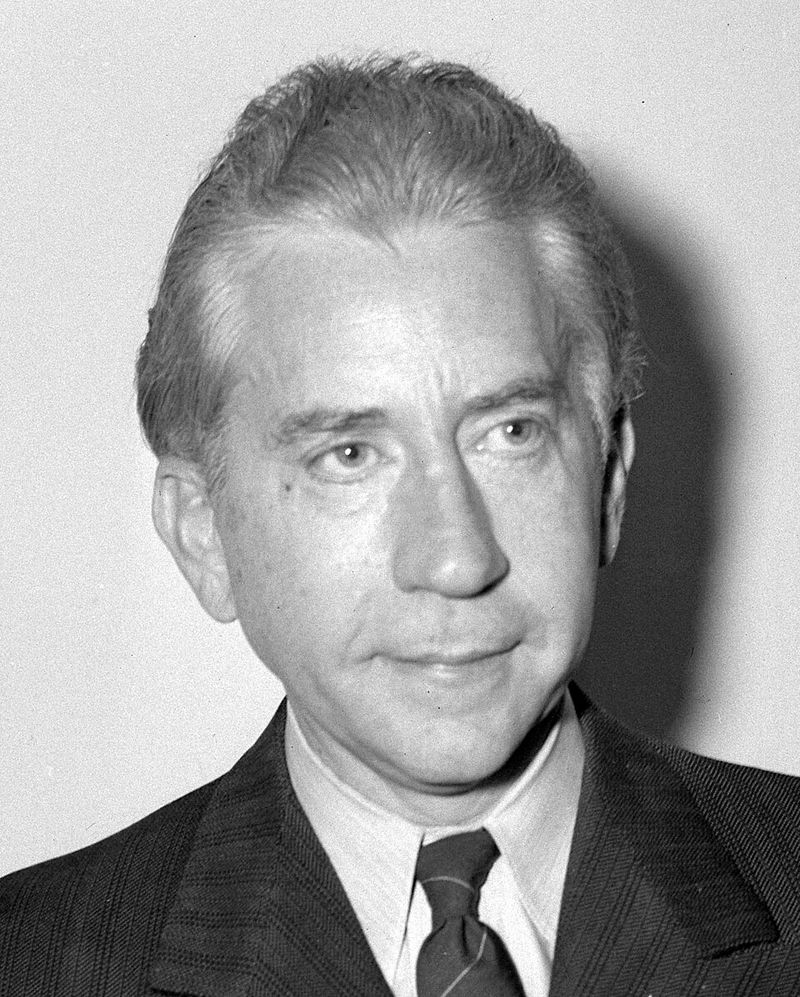
J. Paul Getty redirected one of the largest private fortunes of the 20th century toward public access to art.
The bulk of his estate eventually established the J. Paul Getty Trust, which oversees museums, conservation programs, research, education, publishing, and preservation projects that operate globally.
Getty’s wealth came from oil. He expanded his family’s petroleum business through exploration, acquisitions, refining, and international concessions.
A particularly significant deal was a 30-year concession in the Neutral Zone between Saudi Arabia and Kuwait, where oil discoveries during the 1950s dramatically increased his personal fortune.
Unlike several figures on this list, Getty’s complicated history is not defined by a single labor dispute or antitrust ruling. The broader context involves the petroleum industry’s role in resource extraction, international concessions, and the extraordinary concentration of private wealth that oil generated throughout the 20th century.
The gap between the fortune’s origins and its final destination could hardly be more visible.
9. Cornelius Vanderbilt
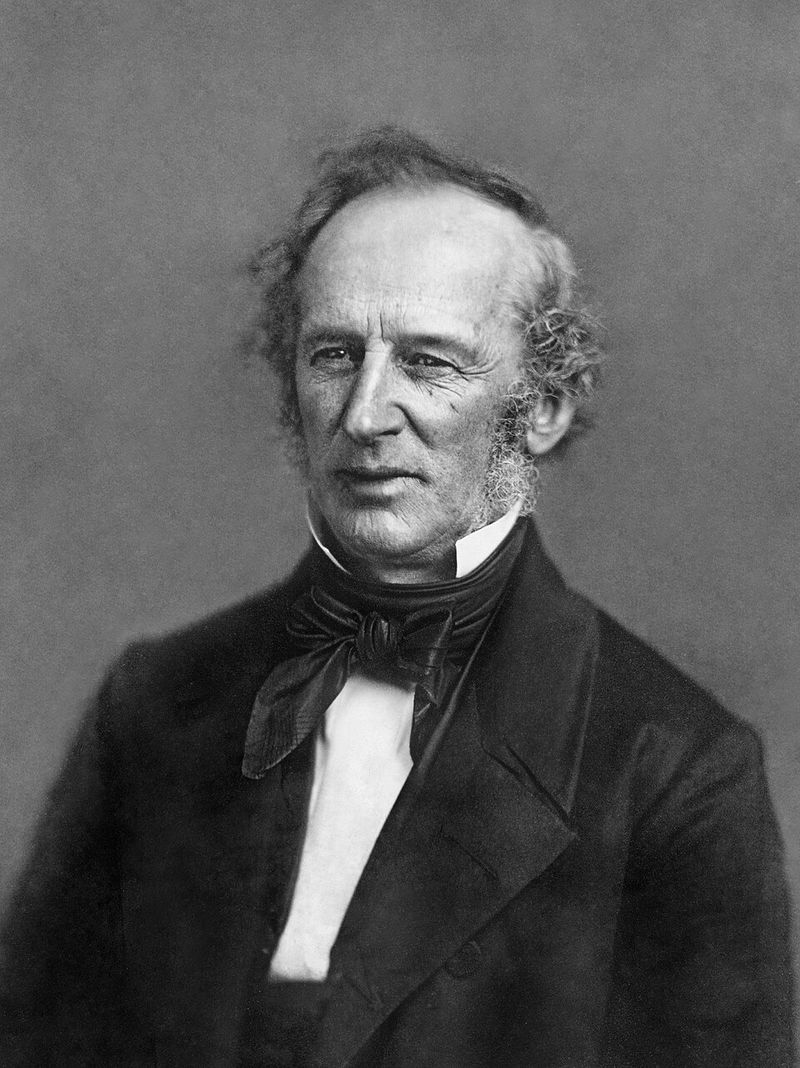
Cornelius Vanderbilt, widely known as “the Commodore,” accumulated one of the largest American fortunes of the 19th century by dominating first shipping and then railroads. He consolidated multiple lines and helped create the transportation networks that connected expanding American markets in the decades following the Civil War.
Philanthropy was not his primary public identity during most of his career. His most consequential charitable act came late in life: in 1873, at age 79, he donated $1 million to establish what became Vanderbilt University in Nashville, explicitly intended to help heal sectional divisions after the Civil War.
His business reputation was defined by rate wars, aggressive consolidation, and hard-edged corporate maneuvering. The railroads themselves were built through difficult manual labor, and their expansion was intertwined with land speculation, government subsidies, and the displacement of Indigenous populations.
Not every piece of that history belongs to Vanderbilt personally, but his fortune was shaped by all of it.
10. George Peabody
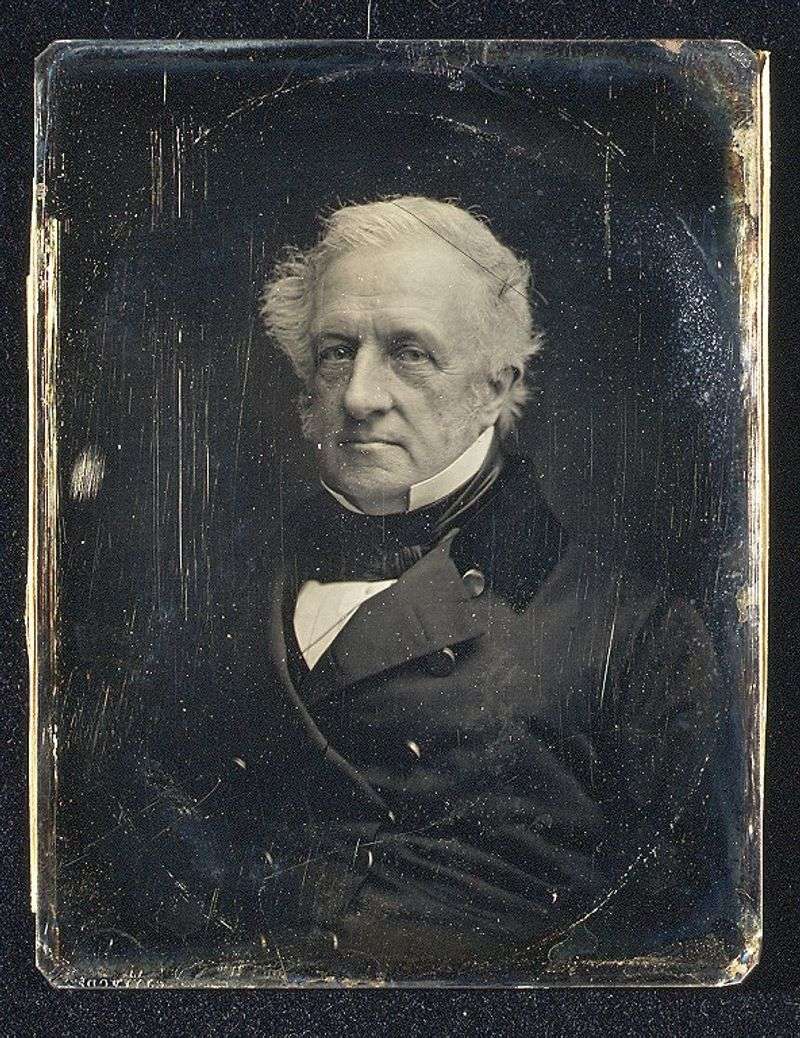
George Peabody is frequently described as the father of modern philanthropy, a title earned through the scale and structure of his giving long before charitable foundations became standard practice. The American-born banker gave substantial sums to education, museums, libraries, and housing, with the Peabody Trust, established in London in the 1860s, providing affordable housing for working-class residents in a city where such options were scarce.
The financial world that created his wealth was tied to the 19th-century Atlantic economy. Banking institutions of that era financed railroads, governments, commodities, and international trade, and those networks intersected with economies sustained by enslaved labor and cotton production.
Describing his fortune simply as slave money would be inaccurate. The connections were indirect, running through financial systems rather than direct ownership of operations.
But the economy in which his banking business prospered cannot be fully separated from the commodities produced by enslaved people, making the origins of his fortune more complicated than a single source.
11. Johns Hopkins
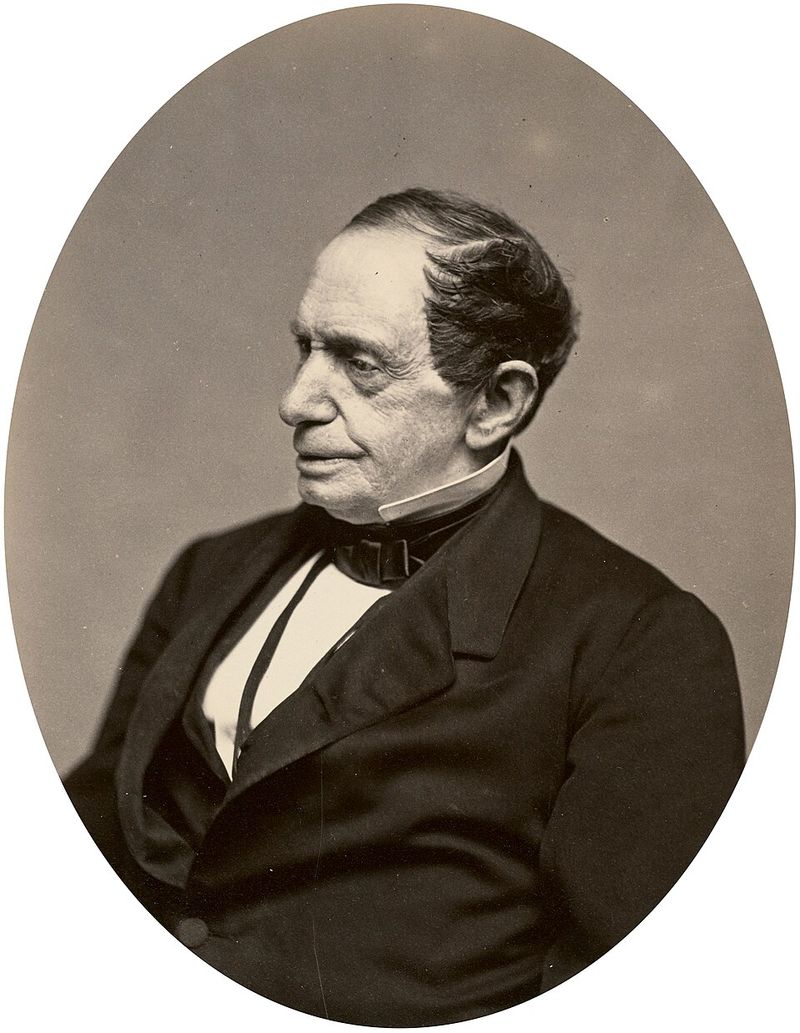
Johns Hopkins left approximately $7 million at his passing in 1873 to establish both a university and a hospital in Baltimore, one of the largest philanthropic bequests in American history at that point. Both institutions became internationally recognized for their contributions to medicine, research, and education.
For generations, institutional accounts described Hopkins as a committed abolitionist whose Quaker family had freed enslaved people. That narrative changed in December 2020, when Johns Hopkins University announced the discovery of census records from 1840 and 1850 listing Hopkins as holding enslaved people in his household.
Researchers have continued examining those records and debating their interpretation, and the university has maintained its commitment to ongoing historical transparency. What has shifted is the confidence with which the older, simpler story can be repeated.
The institutions created by his bequest remain significant, but the examination of his personal history now forms part of the university’s own public record.
12. Ezra Cornell
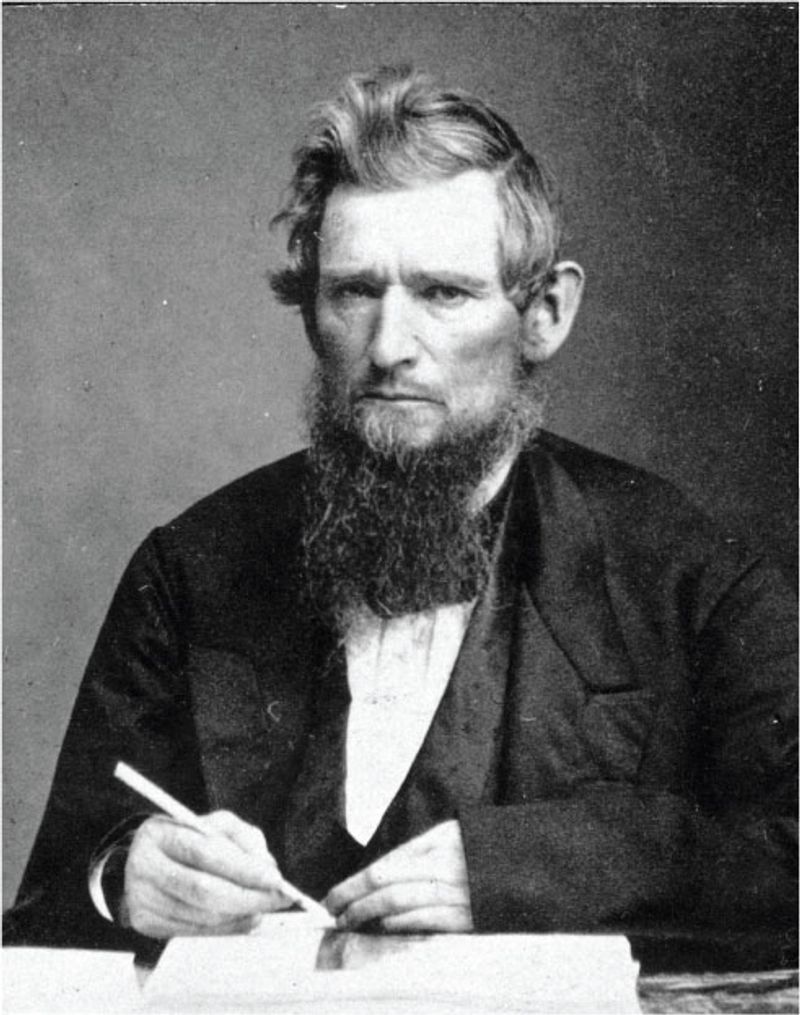
Ezra Cornell’s stated ambition for the university he co-founded in 1865 was unusually broad for its time: he wanted to create a place where any person could find instruction in any study. That egalitarian educational vision has shaped Cornell University’s identity ever since.
His fortune came from the telegraph industry. Cornell worked closely with Samuel Morse and made successful investments in Western Union, which played a central role in building telegraph lines across the country during the communications revolution of the mid-19th century.
The complicated part of his university’s origins involves the federal land-grant system. Cornell benefited substantially from land distributed under the Morrill Act, and much of that land had previously been taken from Indigenous nations through treaties, seizures, and territorial expansion.
Recent scholarship has pushed universities across the country to reckon with this history. Cornell’s educational mission was genuinely expansive, but the land funding it came through a national system built on Indigenous displacement.
13. Peter Cooper
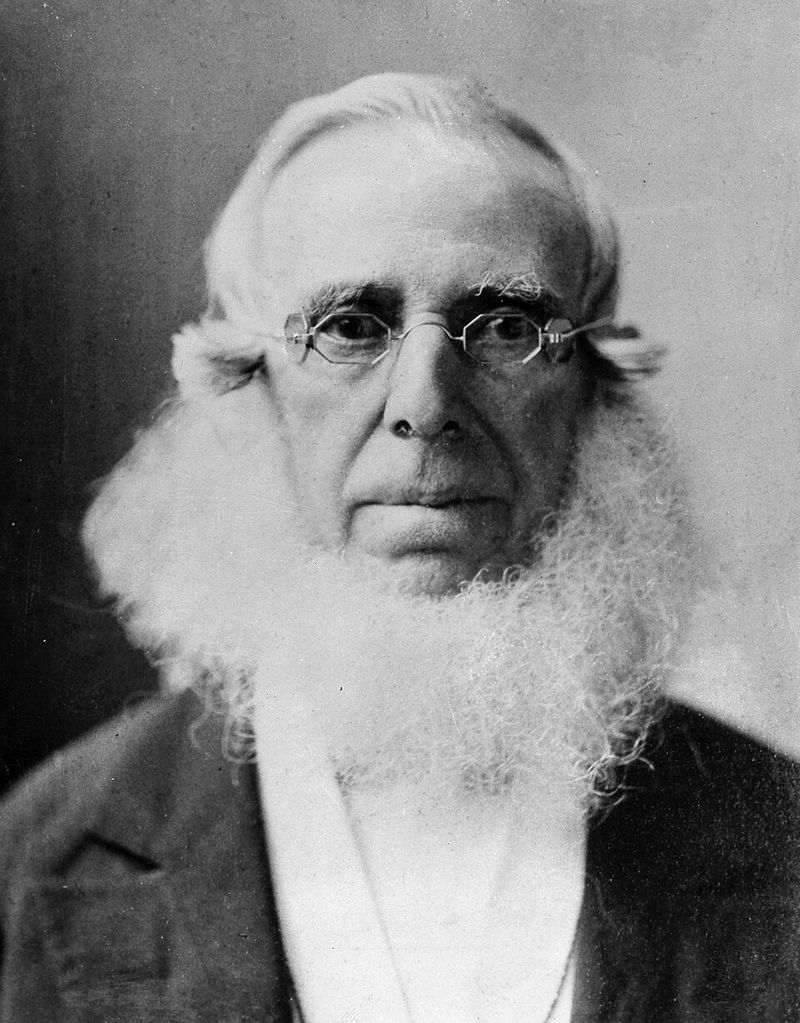
Peter Cooper represents an interesting variation on this list because his personal values were more reform-minded than many industrialists of his generation. He founded Cooper Union in New York in 1859 with the explicit goal of making education accessible to working people, not just the wealthy, a genuinely progressive stance for the period.
His fortune came from a varied industrial career that included glue factories, ironworks, and telecommunications investments. He also developed the Tom Thumb steam locomotive in 1830 and later served as president of the North American Telegraph Company.
Cooper supported labor reform and was more sympathetic to workers’ concerns than most of his peers. Even so, the industrial economy that generated his wealth imposed serious costs on workers through long hours, dangerous conditions, and minimal protections.
The contradiction in his story is structural rather than personal: an egalitarian educational institution was funded by wealth produced within a system that regularly harmed the people it was meant to serve.
14. Russell Sage
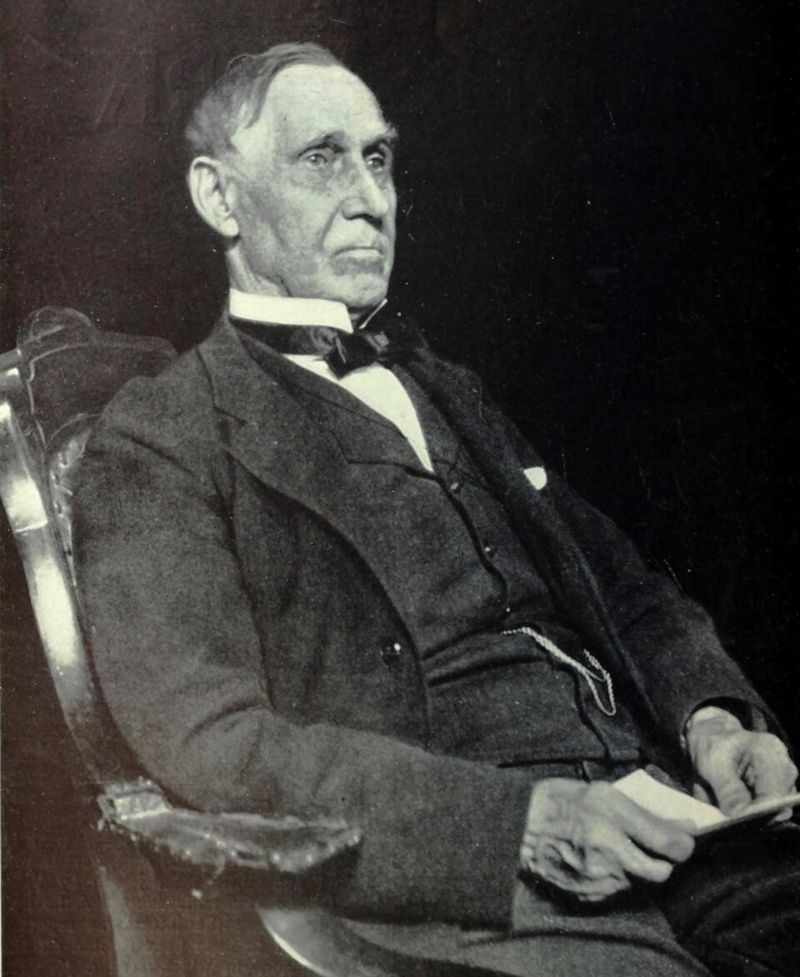
Russell Sage accumulated one of the largest fortunes of America’s Gilded Age through railroad investments, money lending, and securities trading. During his lifetime, he was not associated with generous giving.
His reputation was built instead on extreme frugality and the hard-edged financial practices that defined the era.
The philanthropic story attached to his name came almost entirely from his widow. After Sage’s passing in 1906, Margaret Olivia Sage used a significant portion of the inherited fortune to establish the Russell Sage Foundation in 1907.
The foundation became an influential institution focused on poverty, housing, labor conditions, social welfare, and urban reform.
That creates an unusual dynamic in this list. The charitable transformation did not come from Sage himself but from a deliberate choice by his widow to redirect wealth toward addressing problems that the industrial and financial systems of his era had helped create.
A fortune’s charitable afterlife, it turns out, can look very different from the intentions of the person who built it.
15. Andrew Mellon
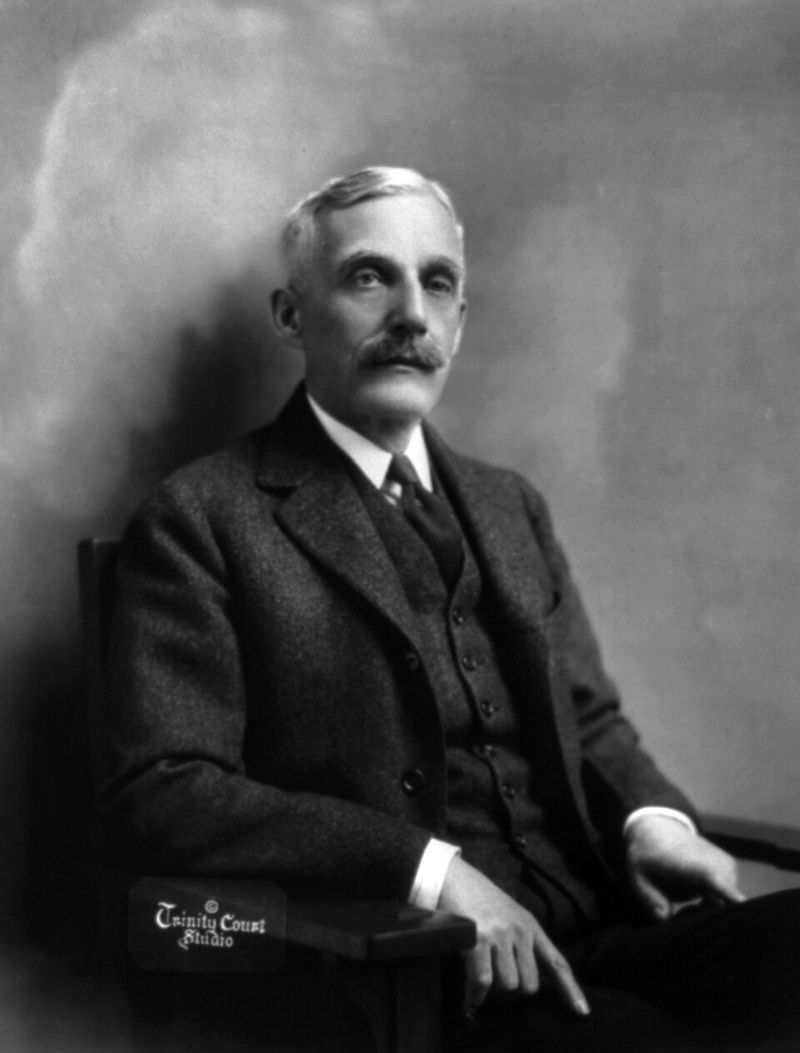
Andrew Mellon occupied more powerful positions simultaneously than almost anyone else on this list. He was a banker, industrial investor, U.S.
Treasury secretary during the 1920s, major art collector, and philanthropist, often at the same time. His family’s financial interests extended into aluminum, oil, steel, coal, and railroads.
His most visible public contribution was donating his art collection and funding the building that became the National Gallery of Art in Washington, D.C., which opened in 1941. The Aluminum Company of America, known as Alcoa, was among the Mellon-linked corporations whose market dominance attracted government antitrust scrutiny.
His tax policies as Treasury secretary reduced high wartime rates, which supporters argued would stimulate investment while critics said the benefits flowed disproportionately to the wealthy. Mellon’s legacy therefore sits at the intersection of industrial concentration, political influence, and cultural generosity.
One of America’s great public art institutions grew directly from a fortune built within the concentrated capitalism of the Gilded Age.
Share this story