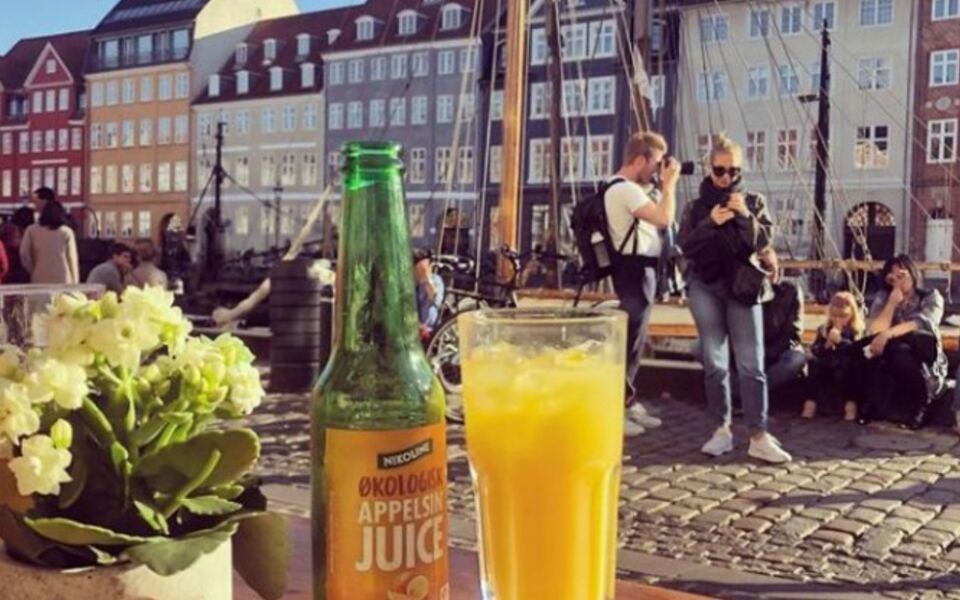
Some cities wear their food culture like a badge of honor, and you can taste it the moment you arrive. From street-corner pastry shops to centuries-old market halls, these places treat local cooking as something worth protecting and celebrating every single day.
Europe is full of cities where what you eat tells you more about the place than any guidebook ever could. These 15 destinations prove that the best food is almost always the kind locals have been making long before tourists showed up.
Bologna, Italy
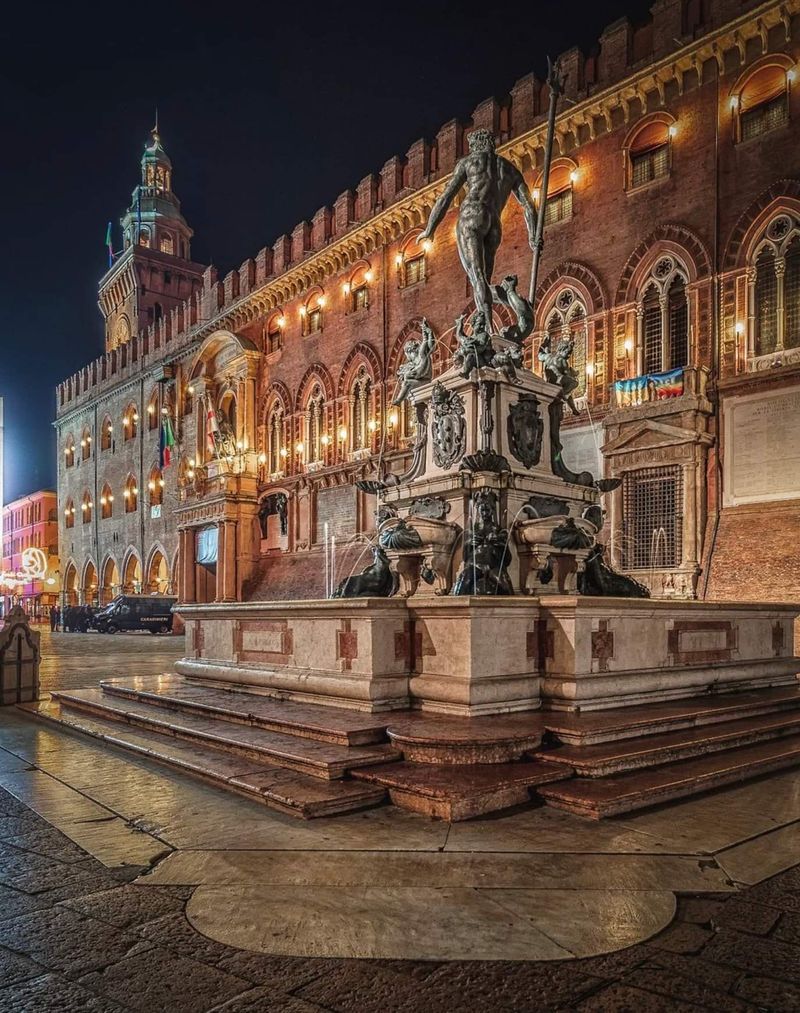
Ask any Italian where to eat pasta and the answer is almost always the same: Bologna. The city has built its entire culinary reputation on fresh egg pasta made by hand, and locals will correct you firmly if you order spaghetti Bolognese anywhere nearby.
Tagliatelle al ragu is so sacred here that the official recipe is registered with the Bologna Chamber of Commerce.
The Quadrilatero district near Piazza Maggiore remains one of the most satisfying food neighborhoods in all of Italy. Tiny fresh-pasta shops sit beside butchers, fishmongers, and specialty food stores that have been feeding the neighborhood for generations.
Mortadella, tortellini, crescentine, and green lasagna all have a permanent place on traditional menus.
Bologna does not rely on hype to sell its food. Residents eat this way because it is simply how food has always been done here.
Visiting the market, stopping into a trattoria for lunch, and watching a nonnas hands shape tortellini in a shop window is the full experience. Few cities make you feel as welcome at the table as Bologna does.
San Sebastian, Spain
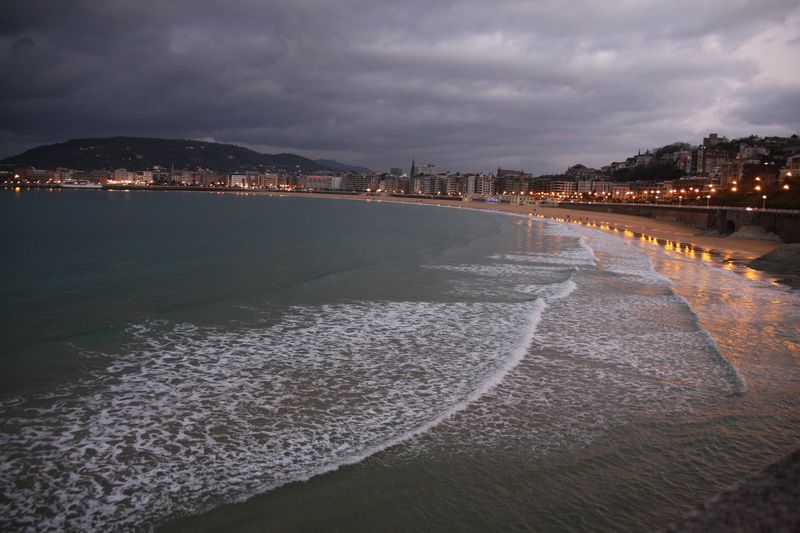
Walking into a pintxos bar in San Sebastian feels like crashing the best party in town, except everyone is invited. The city has turned small bites into a social sport, where the goal is to move from bar to bar, order one or two pieces at each stop, and keep going until the evening sorts itself out.
Cooks compete fiercely to earn your two-minute attention span.
Counters are stacked with anchovies, tortilla, peppers, cured meats, and creative modern creations that change daily. The Bay of Biscay supplies the seafood, and local farms fill in the rest.
Nothing about the ritual feels forced or tourist-facing because locals are doing exactly the same thing right beside you.
San Sebastian also holds more Michelin stars per square kilometer than almost anywhere else on the planet, but that prestige never overshadows the everyday culture. Gastronomy here is not saved for anniversaries or expense accounts.
It is Tuesday night with friends, a glass of Txakoli, and three perfect bites of something you cannot quite identify but will absolutely think about for weeks afterward.
Lyon, France
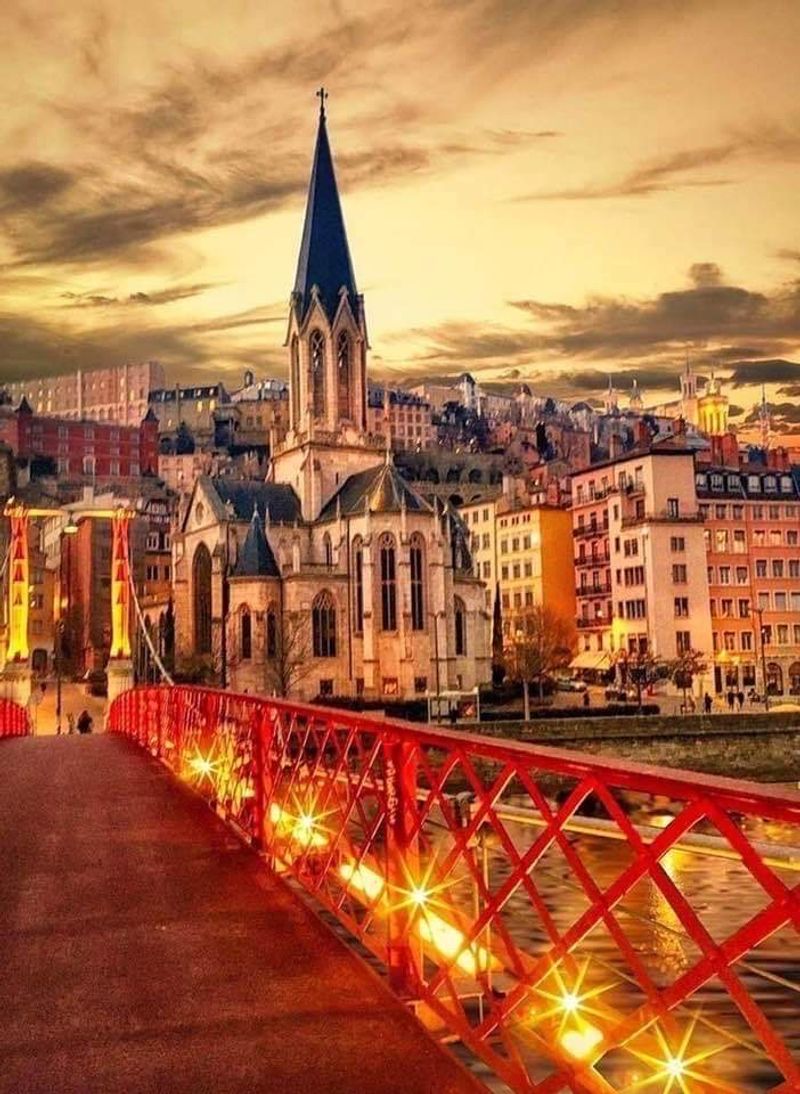
Lyon has a habit of reminding the rest of France who actually invented serious eating. The city’s bouchons are the clearest proof: small, informal restaurants where the cooking is hearty, regional, and completely unapologetic about using offal, pork fat, and cream in generous quantities.
These are not novelty restaurants but living institutions that locals genuinely use for weekday lunches.
The city’s tourism office maintains a quality label called Les Bouchons Lyonnais, which restaurants must earn by respecting local traditions, cooking on-site, and sourcing regional ingredients. That kind of official gatekeeping is rare and says a lot about how seriously Lyon guards its identity.
Quenelles, andouillette, salade lyonnaise, and tablier de sapeur are regulars on the menu.
The Halles de Lyon Paul Bocuse adds another layer, pulling together cheesemongers, charcutiers, bakers, and seafood specialists under one celebrated roof. Lyon has more than 4,000 restaurants for a city of roughly 500,000 people, which is either impressive or alarming depending on your willpower.
Fine dining and neighborhood bistro culture exist here without any tension between them.
Naples, Italy
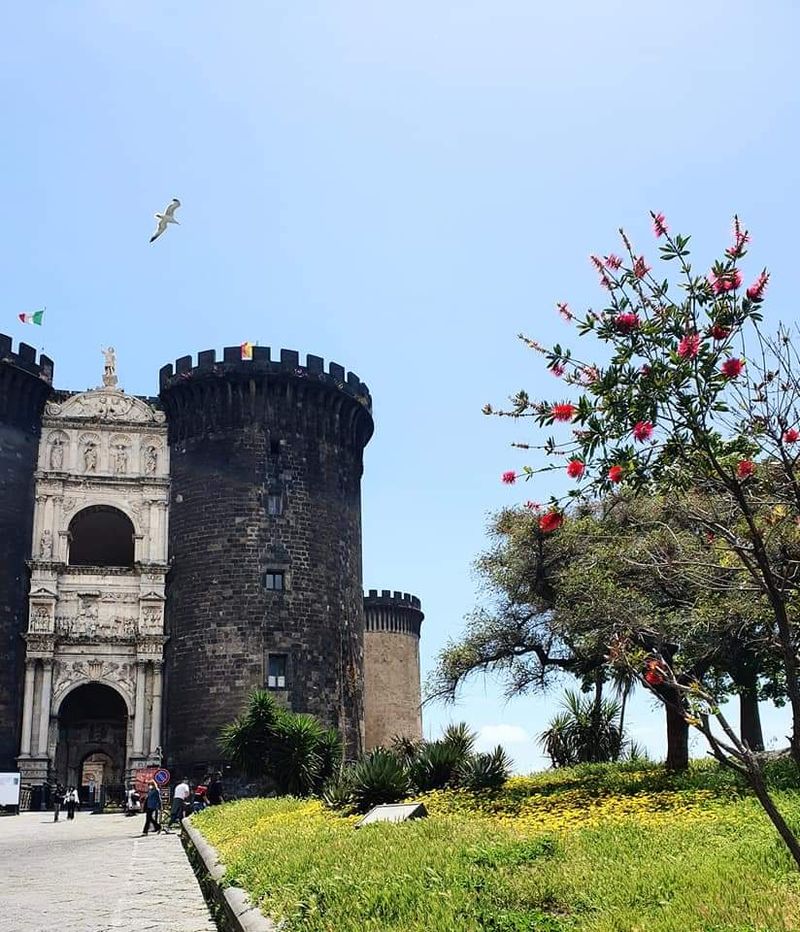
Nobody in Naples waits for a table to eat well. The city invented the idea of great food on the move, and its street-food tradition is as layered and serious as anything served on a plate with cutlery.
Pizza a portafoglio is folded into quarters and handed over for a euro or two, designed specifically for eating while walking without slowing down.
Fried pizza, sfogliatelle, babà soaked in rum syrup, and strong espresso pulled at a standing bar all belong to the same daily rhythm. The Pignasecca market keeps the working-class food culture alive with fishmongers, produce sellers, and vendors who have been supplying the same streets for decades.
Spaghetti alle vongole and scialatielli with shellfish show how naturally the sea feeds the city.
Formality is genuinely not required here. Some of the most memorable meals in Naples cost very little, take place standing up, and involve paper napkins.
The city treats inexpensive everyday food with the same cultural pride that other places reserve for white-tablecloth dining, and that attitude is exactly what makes Naples so hard to forget once you have eaten there.
Turin, Italy
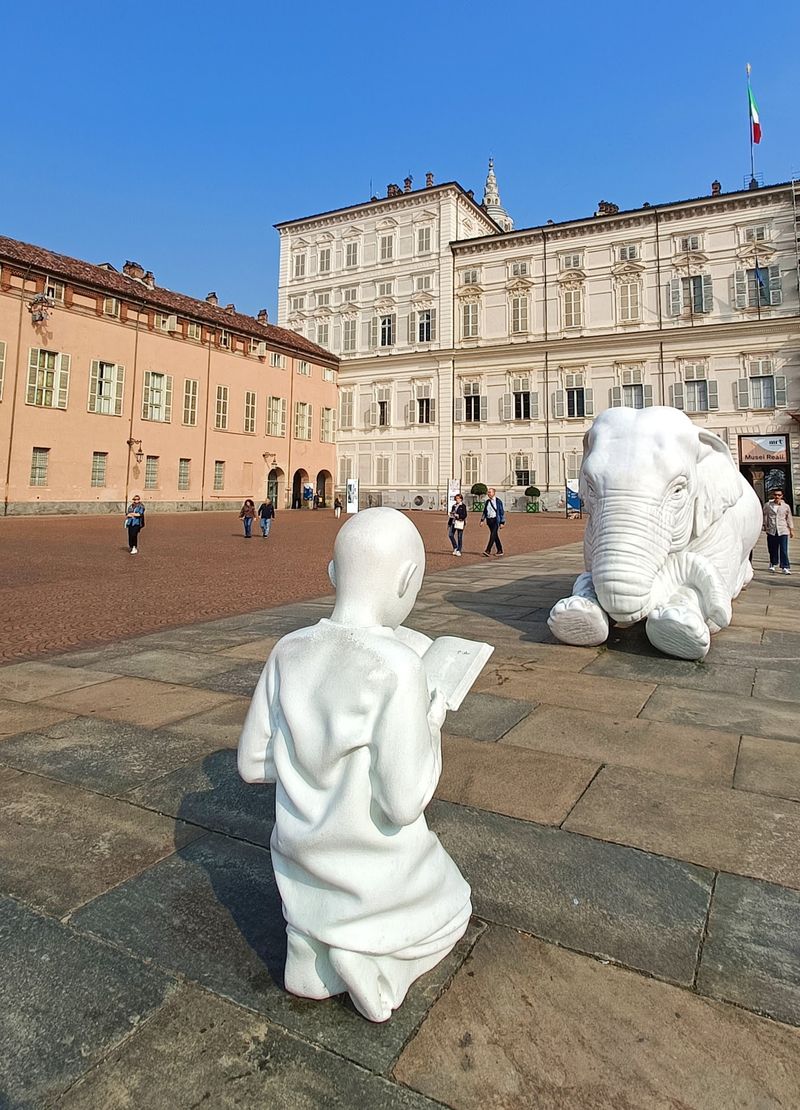
Turin is the kind of city where ordering chocolate is treated with the same seriousness as choosing a wine. The gianduiotto, a smooth hazelnut-chocolate blend shaped like an upturned boat, was born here in the 19th century and remains a point of intense local pride.
Pastry shops and historic cafes line the arcaded streets with a confidence that suggests nobody here considers dessert an afterthought.
Savory cooking is equally rooted in Piedmont’s exceptional larder. Agnolotti del plin, vitello tonnato, bagna cauda, tajarin with butter and truffle, and bollito misto with green sauce all appear on traditional menus.
Piedmontese wines accompany everything naturally, since the region produces Barolo, Barbaresco, and Barbera within easy reach of the city.
Turin is also the headquarters of the Slow Food movement, which means the conversation about food here goes beyond what is on the plate. Terra Madre Salone del Gusto brings producers from around the world to the city every two years.
That combination of historic confectionery culture, serious regional cooking, and global food advocacy makes Turin one of the most intellectually interesting food cities anywhere in Europe.
Valencia, Spain
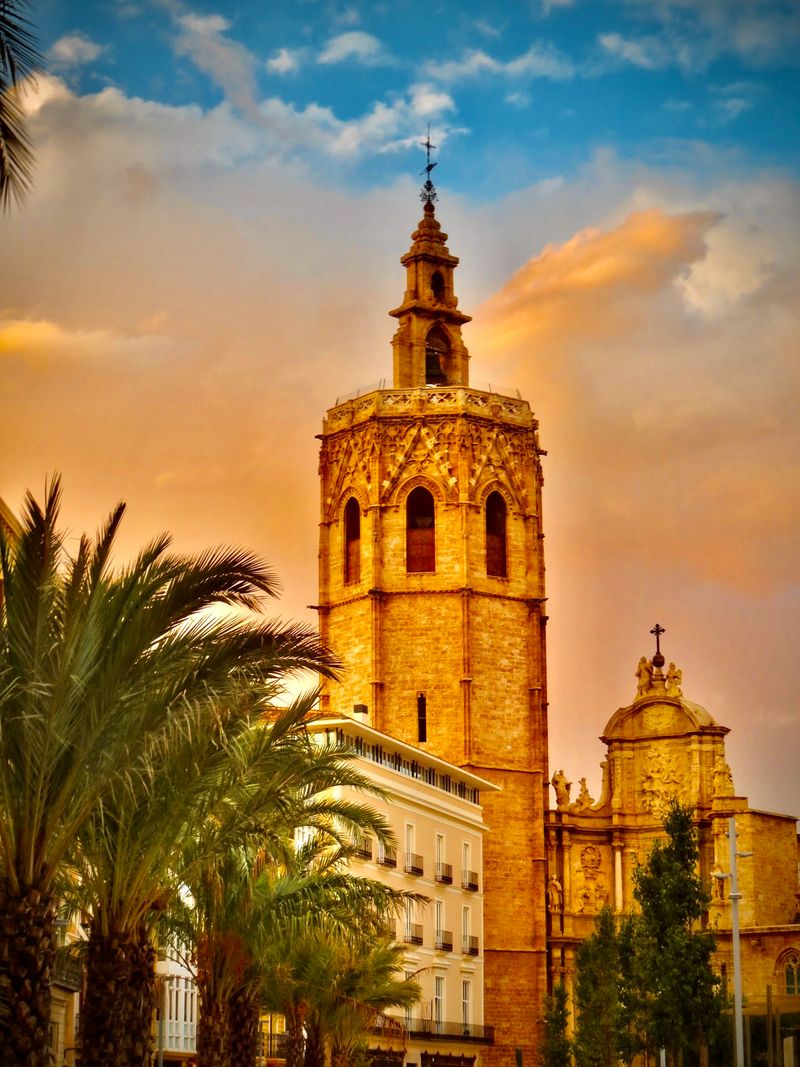
Paella gets all the international attention, but the real story in Valencia is the agricultural system that makes it possible. The L’Horta farming landscape surrounding the city has supplied rice, vegetables, and fresh produce to Valencian kitchens for centuries.
That direct connection between land and table is still visible at the city’s markets, where the supply chain has not been obscured by convenience.
Russafa Market operates with more than 160 stalls offering fish, salted products, meat, and vegetables sourced from nearby farms. The Central Market, housed in one of Europe’s most beautiful market buildings, adds seafood, spices, fruit, charcuterie, and specialist ingredients to the picture.
Locals shop here not for novelty but because the quality is reliably excellent.
Traditional Valencian paella uses rabbit, chicken, green beans, and butter beans cooked in a wide, shallow pan over wood fire. Ordering it anywhere other than a dedicated rice restaurant raises eyebrows among locals who take the dish very personally.
Valencia also has horchata made from tiger nuts and agua de Valencia cocktails, but rice remains the undisputed center of the city’s culinary identity.
Porto, Portugal
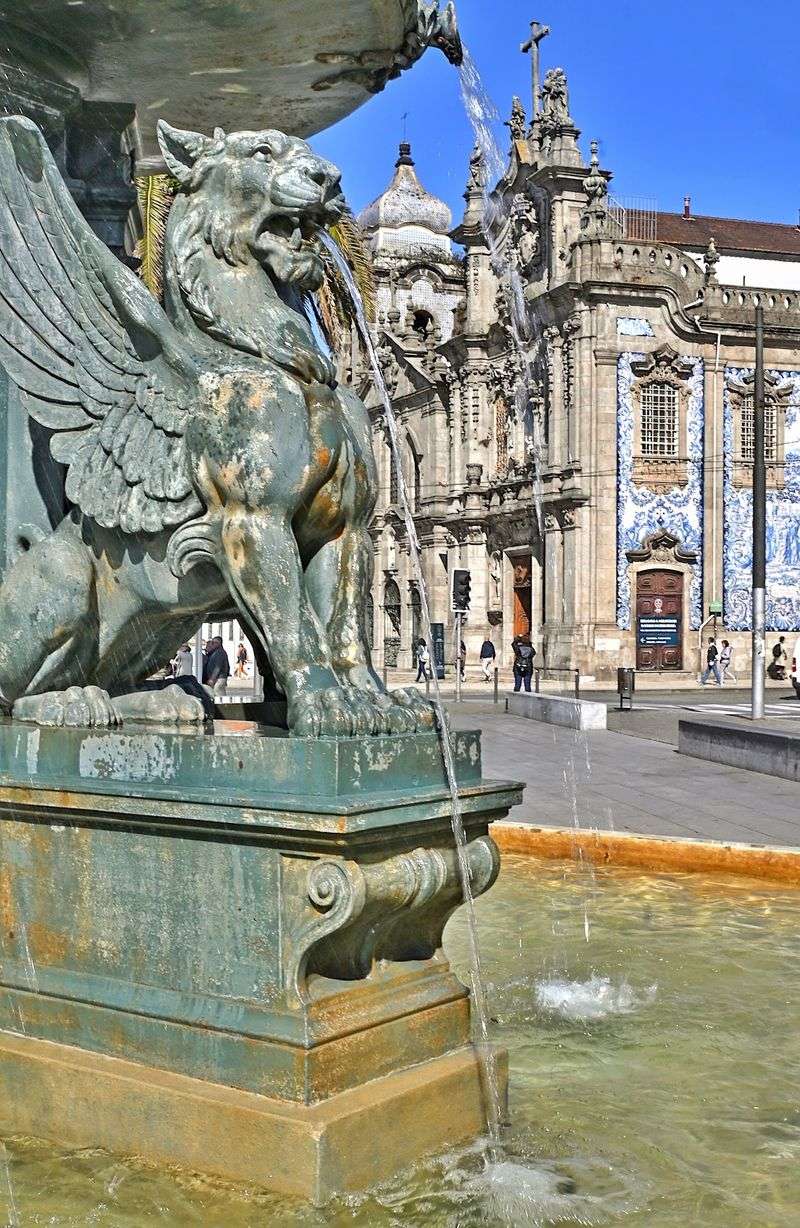
The francesinha is Porto’s great gift to the world of sandwiches, and it refuses to be subtle about it. Layers of cured meat, fresh sausage, and ham are stacked between thick bread, blanketed with melted cheese, and then drowned in a spiced tomato-beer sauce that each restaurant guards like a state secret.
First-time visitors often stare at it for a moment before committing.
Porto’s food identity runs deeper than one legendary sandwich. Tripas a moda do Porto, slow-cooked tripe with white beans, is so tied to the city that its residents earned the nickname tripeiros, meaning tripe eaters, centuries ago.
Arroz de polvo, a creamy octopus rice, reflects the Atlantic influence that shapes so much of northern Portuguese cooking.
The Douro Valley sits just upstream, making Port wine and dry table wines from the region a natural part of any meal in the city. Porto’s culinary projects actively encourage chefs to reinterpret traditional recipes rather than abandon them, treating the city’s food heritage as a living conversation rather than a museum exhibit.
That balance between respect and creativity keeps Porto’s food scene genuinely exciting.
Lisbon, Portugal
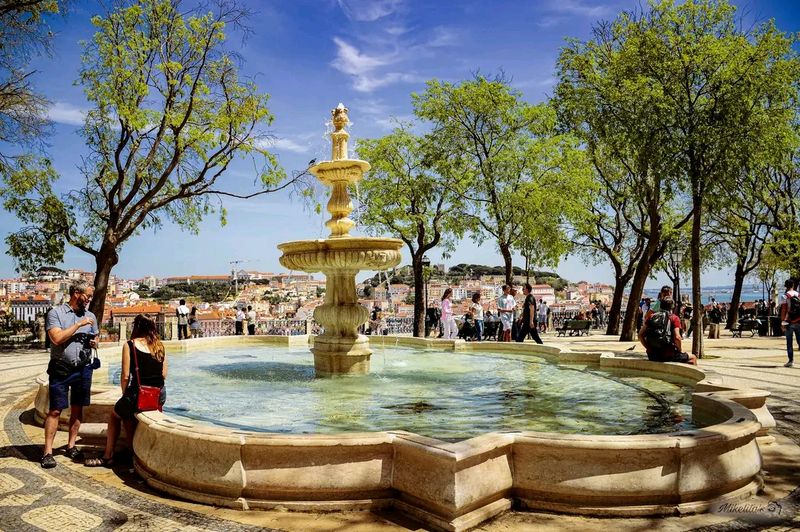
Somewhere between the Atlantic breeze and the smell of espresso, Lisbon figured out that simplicity is its greatest culinary strength. The pastel de nata is the most famous example: a small custard tart with a flaky shell and caramelized top, eaten warm with cinnamon and a short coffee, usually while standing at a counter.
It came from the convent baking tradition and never really left.
Bacalhau, salted cod, is the backbone of the national kitchen, and Lisbon cooks it in an almost theatrical number of ways. Grilled sardines in summer, bifanas in crusty rolls, soups thick with greens and beans, and petiscos shared over wine in old neighborhood tascas fill in the rest of the picture.
None of it requires a reservation or a special occasion.
Lisbon’s restaurant scene has grown considerably more ambitious in recent years, with chefs reimagining Portuguese ingredients in ways that have earned international attention. Yet the city’s most honest food moments still happen in older neighborhoods like Mouraria and Alfama, where the cooking has not changed much and nobody is performing for an audience.
That quiet confidence is what makes Lisbon so satisfying to eat through.
Vienna, Austria
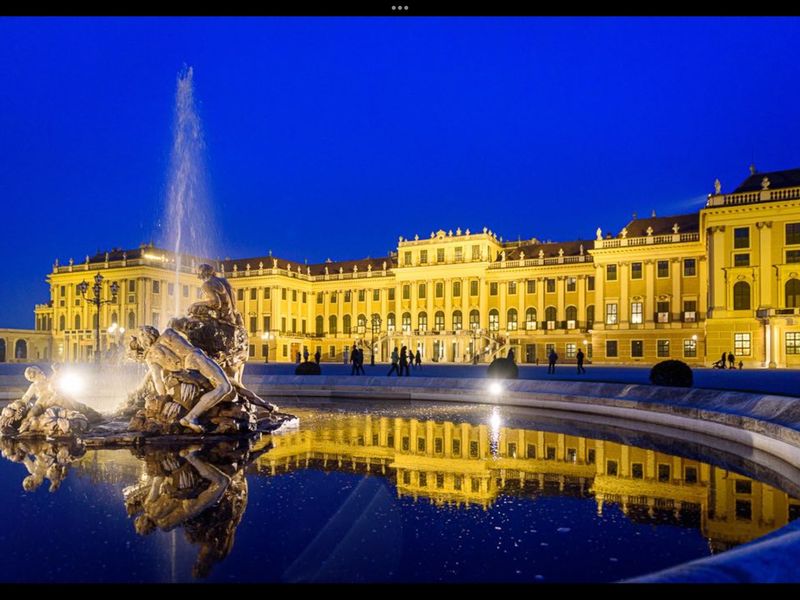
Vienna is the rare city where sitting in a coffee house for three hours over one cup of coffee is not considered unusual behavior but rather a protected cultural tradition. The Viennese coffee house was officially recognized by UNESCO for its role in daily life, which means the city has essentially formalized the art of lingering.
Sachertorte, strudel, and cream-filled cakes arrive as natural companions.
Outside the coffee house, Wiener Schnitzel holds the title of most iconic savory dish, a breaded veal cutlet that should be thin, crisp, and never drowned in sauce. Traditional taverns called Beisln serve hearty Austrian cooking alongside local wines, while Heurigen, wine taverns on the city’s outskirts, pour fresh-pressed wine with cold buffets in garden settings.
The Naschmarkt stretches along the city center with around 130 stalls selling produce, spices, prepared foods, pickles, cheese, and international ingredients alongside Viennese specialties. Vienna’s food culture works because each format, whether pastry shop, coffee house, market, or tavern, has a clear role in daily life that residents actually use.
The rituals feel earned rather than invented for tourism.
Copenhagen, Denmark
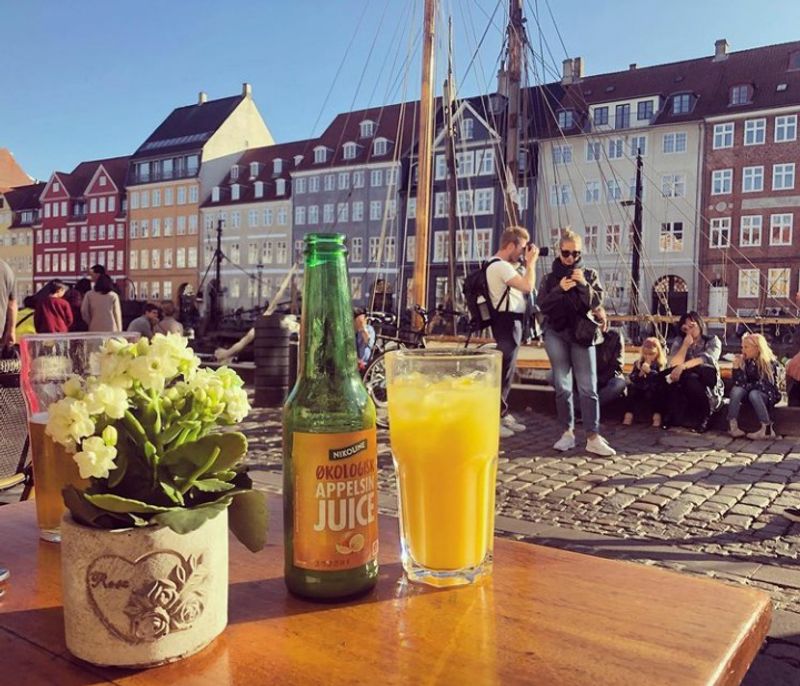
Copenhagen changed how the world thinks about Nordic food, but locals were eating well here long before any restaurant earned international acclaim. Smørrebrød, the open-faced rye bread sandwich piled with pickled herring, roast beef, eggs, or shrimp, has been the city’s working lunch for generations.
It is a simple format that somehow rewards infinite creativity without ever losing its identity.
Torvehallerne, the glass-roofed market halls near Nørreport station, bring together bakeries, coffee roasters, wine merchants, delis, and prepared food vendors in a space that feels genuinely used rather than staged. Reffen, the waterfront street-food market on Refshaleøen, adds a newer, more experimental side to the picture with rotating vendors and outdoor seating.
Copenhagen’s food culture places strong emphasis on organic ingredients and sustainable sourcing, which shapes everything from how supermarkets stock shelves to how restaurant menus are written. Seasonal thinking is not a trend here but a practical habit.
The city’s real achievement is that its high-end dining scene and its everyday food culture, bakeries, lunch spots, market stalls, and neighborhood cafes, feel like parts of the same conversation rather than two separate worlds.
Ljubljana, Slovenia

Ljubljana is small enough that you can walk from the market to lunch to dessert without ever needing a map. That compactness is actually a culinary advantage because the connection between local producers and the restaurants serving their ingredients is unusually short and visible.
Farmers who grow the vegetables often sell them at the same market where chefs shop on Friday mornings.
The Central Market along the Ljubljanica River is the social and culinary heart of the city, with open-air stalls, covered sections, and Jože Plecnik’s elegant riverside colonnade framing the whole scene. Slovenian specialties arrive from every corner of the country: pumpkin-seed oil from Styria, honey from Karst, cured meats from the Karst and Kranjska regions, and cheeses from the Alpine areas.
The city’s Taste Ljubljana program encourages restaurants to preserve traditional dishes while updating them with local, seasonal ingredients and modern technique. Every Friday in warmer months, Open Kitchen transforms the market into an outdoor food event where restaurant chefs cook directly for the public.
Ljubljana proves that a city does not need to be enormous to have a food culture worth traveling for. The density of good eating here is genuinely impressive.
Brussels, Belgium

Jean Neuhaus invented the filled chocolate praline in Brussels in 1912, and the city has been running with that legacy ever since. Artisan chocolatiers are spread across the city with a density that suggests chocolate is considered a basic food group here, not a luxury.
Visitors who think they know Belgian chocolate often discover they have been buying the wrong kind their entire lives.
Brussels waffles, speculoos, shrimp croquettes, stoemp, and mussels with fries round out a food identity that is surprisingly specific for a capital city. Beer culture adds another serious dimension, from historic lambic breweries producing gueuze and kriek to newer craft operations working with Belgian yeast traditions.
The range and quality of Belgian beer available in Brussels is enough to justify the trip on its own.
Visit Brussels operates the Brusselicious label to identify restaurants that genuinely uphold Belgian cooking rather than performing it for tourists. That formal effort to certify authenticity reveals how protective the city is of its culinary reputation.
Brussels is sometimes overlooked in favor of flashier food destinations, but anyone who has eaten properly here knows the city punches well above its weight in almost every food category that matters.
Palermo, Italy
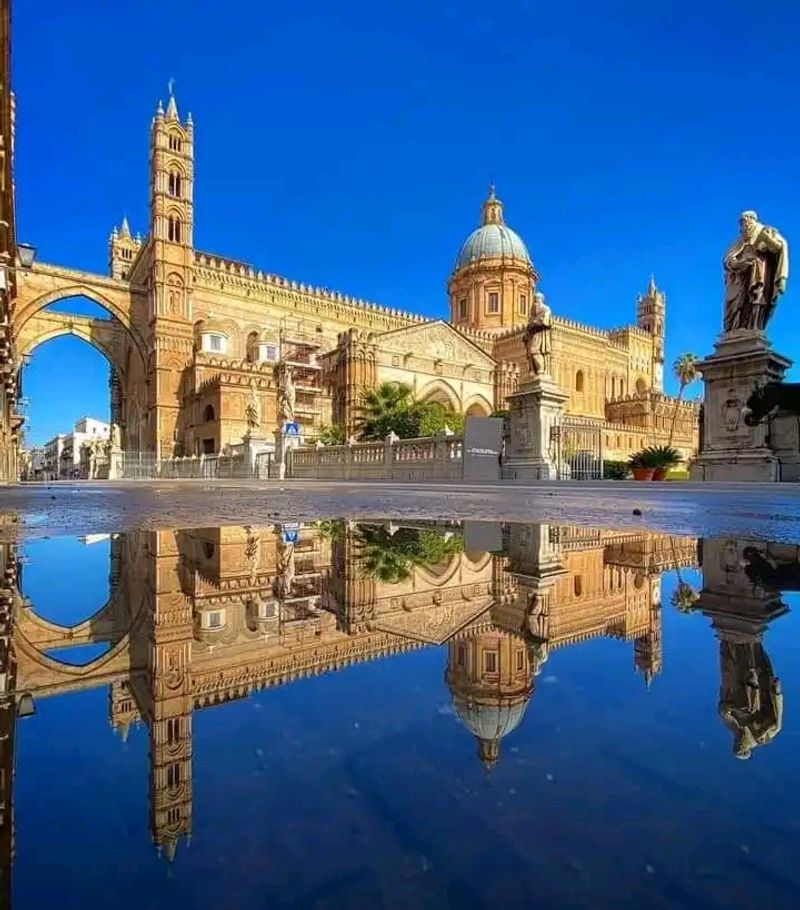
Eating in Palermo is a full-contact activity best approached with comfortable shoes and no particular agenda. The city’s historic markets, Ballarò, Capo, and Vucciria, are loud, dense, and completely alive with vendors calling out prices for everything from fresh swordfish to fried chickpea fritters.
This is not a food hall designed for Instagram but a working market tradition that has functioned this way for centuries.
Arancine, rice balls stuffed with ragu or butter and peas, are the city’s most beloved portable snack. Panelle, fried chickpea fritters tucked into sesame rolls, and pani ca meusa, a spleen sandwich with ricotta or caciocavallo, push the boundaries of what most visitors expect from street food.
Sfincione, a thick Sicilian pizza topped with tomato, onion, anchovy, and breadcrumbs, is sold from market carts and corner shops.
Palermo’s cooking reflects centuries of Mediterranean crossover, with Arab, Norman, Spanish, and Italian influences all visible in dishes that combine citrus, saffron, raisins, almonds, and seafood in ways that feel unlike anywhere else in Italy. The city rewards curiosity above all else.
Wander through a market, follow your nose, and eat whatever the person ahead of you just ordered.
Budapest, Hungary
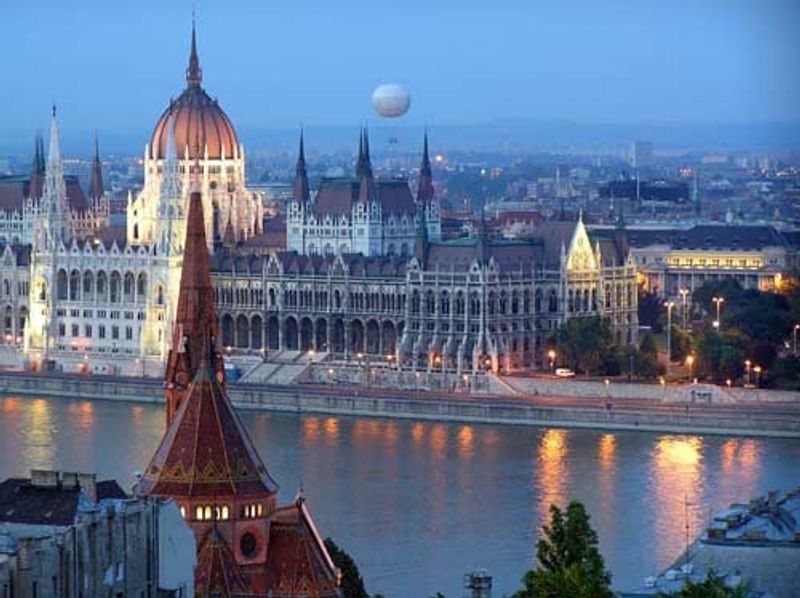
Paprika is not a garnish in Budapest, it is the engine of an entire cuisine. The deep red spice drives goulash, pörkölt, paprikás, and dozens of other traditional Hungarian dishes in ways that range from warmly fragrant to genuinely fiery depending on the cook.
Visitors who arrive expecting mild food are in for a pleasant and occasionally surprising education.
The Great Market Hall near the Liberty Bridge is one of Europe’s most beautiful market buildings and still functions as a proper food market rather than a tourist attraction dressed up as one. Produce, meat, sausages, pickled vegetables, paprika in every grade, and prepared foods occupy the ground floor, while the upper level offers embroidery, folk crafts, and a lángos stand that always has a queue.
Budapest’s café and confectionery culture adds a layer of Austro-Hungarian elegance to everything. Historic pastry shops called cukraszda serve strudel, Dobos torte, and cream-filled cakes in ornate interiors that feel preserved from another century.
Chimney cake sold on street corners, stuffed cabbage in neighborhood restaurants, and sausages at the market all belong to the same food culture, one that is hearty, generous, and deeply proud of where it comes from.
Thessaloniki, Greece
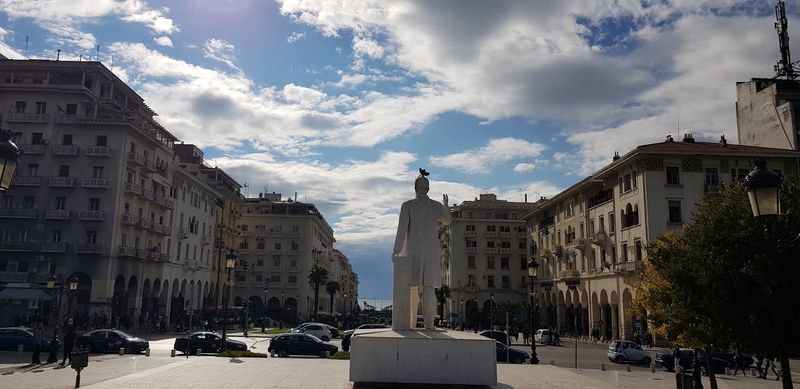
Mornings in Thessaloniki begin with bougatsa, and that is not a detail to skip over. This crisp, layered pastry filled with warm semolina cream, dusted with powdered sugar and cinnamon, is eaten standing at a counter before 9 a.m. with a focus that suggests the rest of the day depends on getting it right.
Dedicated bougatsa shops have been opening at dawn for generations.
The city’s food culture carries layers of history that go far beyond Greek cooking. Ottoman, Sephardic Jewish, Balkan, and Asia Minor communities all left marks on Thessaloniki’s kitchen, producing a culinary character distinct from Athens or the islands.
Dishes like pastourma, tarama, and specific preparations of eggplant and lamb reflect that layered past in ways that make the city fascinating to eat through.
Tavern meals here revolve around meze: small plates of grilled octopus, white beans, smoked fish, local cheeses, and seasonal vegetables shared across the table over wine or ouzo. The social format of eating many small dishes together is taken seriously and is not rushed.
Thessaloniki’s appeal comes from sheer density of food habit, a city where what you eat for breakfast, lunch, and dinner has been shaped by centuries of overlapping cultures arriving at the same table.
Share this story