France is much more than one famous tower and a plate of croissants. The country holds Alpine glaciers, castle-dotted valleys, windswept cliffs, and sparkling Mediterranean coves.
Each region has its own food, history, and look. Here are 15 places that show just how varied France can be.
Paris
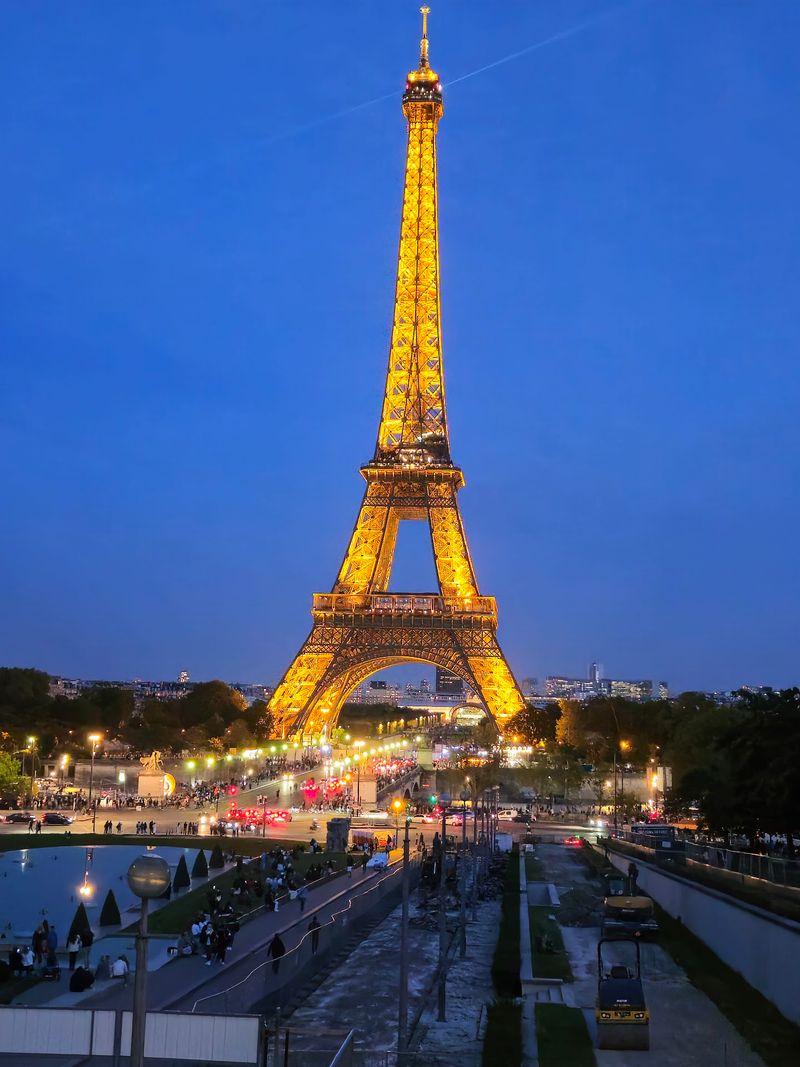
Start with the obvious, because the obvious is brilliant. Paris packs the Eiffel Tower, the Louvre, Montmartre, and the Latin Quarter along the banks of the Seine.
You could spend a full week here and still leave a few streets unexplored.
Notre-Dame is back as the anchor of Île de la Cité, and its restored towers are a sight worth the detour. Roman traces still show up around the Latin Quarter, so history hides in plain sight.
Walk slowly and look up, since the best details sit above the shop windows.
Paris also makes a smart home base. High-speed trains reach Bordeaux, Strasbourg, Lyon, and the Loire Valley in only a few hours.
That means you can sleep in the same bed each night and still see half the country.
Book museum tickets ahead of time to skip long lines. Save a morning for a bakery crawl, because breakfast here is a sport.
Evening strolls by the river are free and unforgettable.
Mont-Saint-Michel
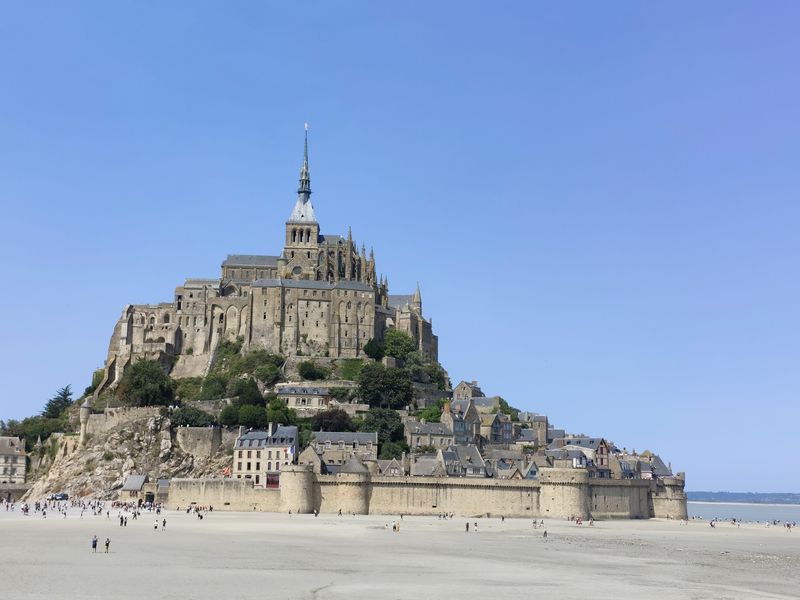
Picture a rocky island with an abbey on top that seems to float when the tide rolls in. That is Mont-Saint-Michel, and it earned UNESCO World Heritage status in 1979.
Both the monastery and the bay around it were honored.
The abbey grew over many centuries above a tightly packed medieval village. Meanwhile, some of Europe’s biggest tides keep changing the view.
One hour the island sits on sand, and later it is ringed by water.
Crowds arrive in waves too, mostly during the middle of the day. Come early in the morning or stay into the evening, and the place feels calm and almost secret.
Better still, sleep nearby and watch the island light up after the tour buses leave.
Wear sturdy shoes, since the lanes are steep and the stones are uneven. Check tide times before you go, because they shape your photos.
Pack a jacket, as the Normandy wind loves to surprise visitors.
Nice and the French Riviera
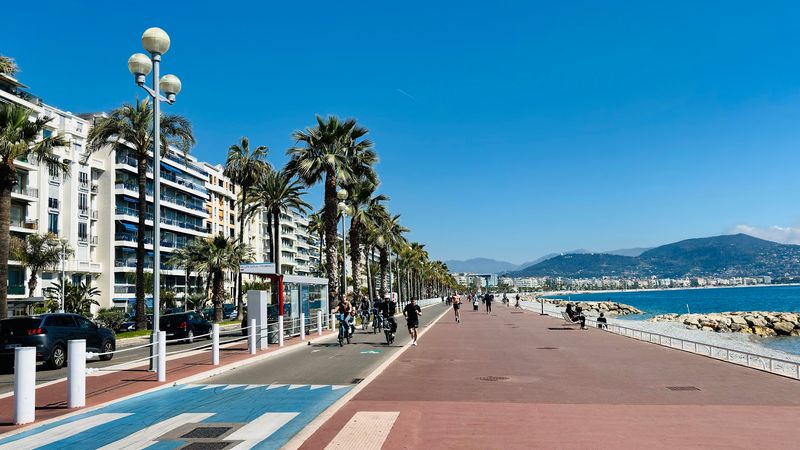
Pebbles, not sand, crunch under your feet on Nice’s beach, and locals wouldn’t have it any other way. The Promenade des Anglais runs about seven kilometers along the shore.
It is perfect for walking, cycling, or simply people-watching.
Behind it sits Vieux Nice, a maze of narrow streets, colorful buildings, markets, and small restaurants below Castle Hill. Art lovers can follow in the steps of Henri Matisse and Marc Chagall, who both left a mark here.
Grab a seat at a market cafe and let the morning drift by.
The wider Côte d’Azur adds hill villages, coastal towns, and glamorous resorts. Here is a surprise: ski areas like Auron and Isola 2000 are within reach.
In the right season, you can mix sea and snow in one trip.
Use local trains and buses to hop between coastal towns. Visit in late spring or early autumn for warm water and fewer crowds.
Bring sandals for the pebbles.
Loire Valley
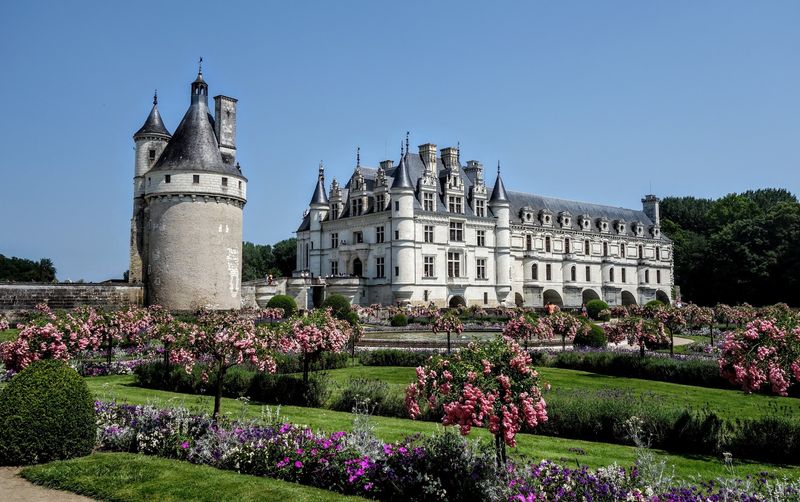
Kings once picked this valley as their playground, and it still feels fit for royalty. About 280 kilometers of the Loire River are UNESCO-listed for their towns, vineyards, gardens, and castles.
Each one shows how people and river have shaped each other over centuries.
Chambord wows with giant Renaissance scale. Chenonceau stretches gracefully across the River Cher like a stone bridge with turrets.
Amboise, Blois, Azay-le-Rideau, and Chaumont-sur-Loire each bring a different style of noble living.
You do not need a car here. Trains link several major towns and castles, and bike paths wind through the countryside.
Rent a bike, pack a picnic, and pedal from one fairy-tale gate to the next.
Choose two or three castles instead of racing through ten. Leave time to taste local wines and goat cheese in village cafes.
Spring and early autumn bring pleasant weather and softer crowds.
Chamonix-Mont-Blanc
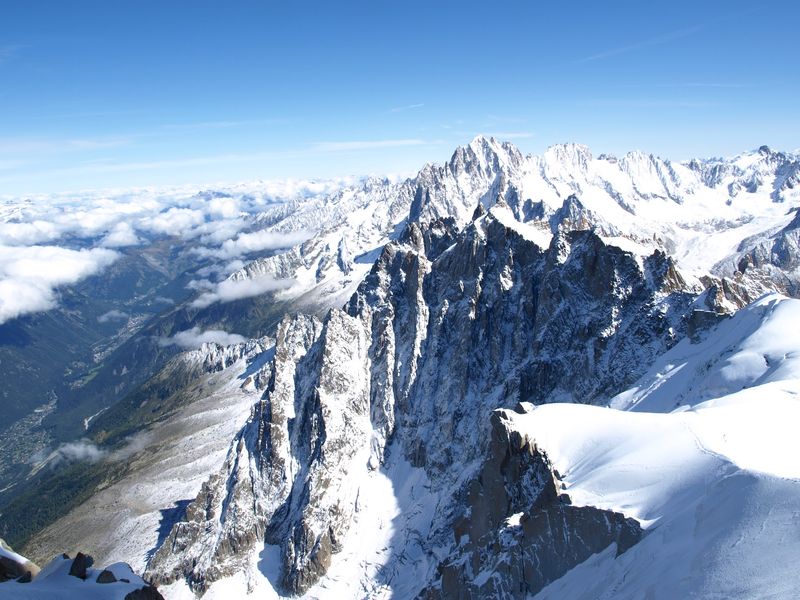
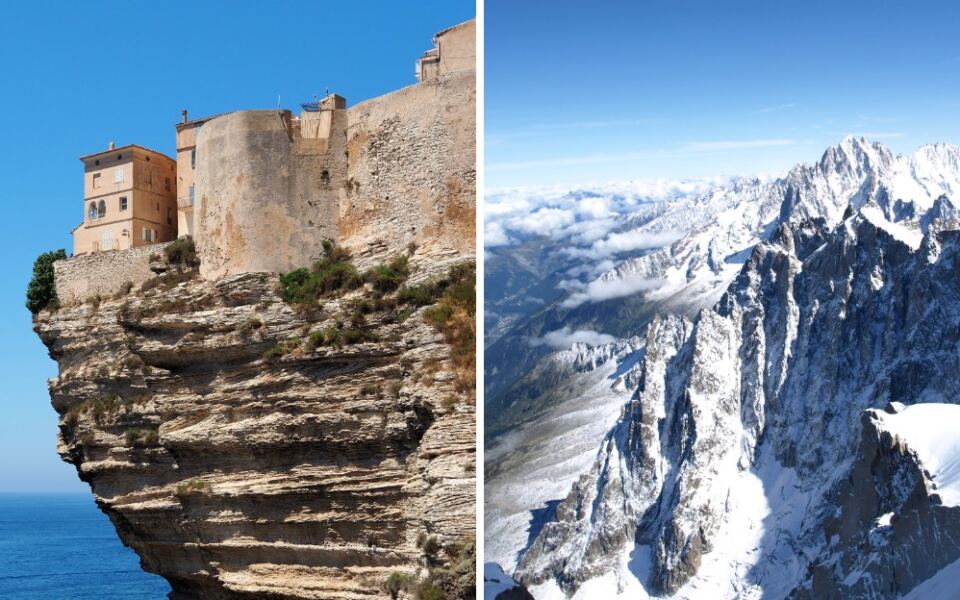
Standing under Mont Blanc can make you feel pleasantly tiny. The peak rises above 4,800 meters, the highest in the Alps.
Chamonix sits right at its feet, and you do not need climbing skills to enjoy the views.
The Aiguille du Midi cable car lifts visitors into a world of glaciers and jagged rock. Dress warmly, since the temperature drops fast as you rise.
The historic Montenvers rack railway heads to the Mer de Glace, France’s largest glacier, about seven kilometers long.
Summer brings hiking trails and sky-high viewpoints. Winter turns the valley into a legendary ski area.
Either way, the town itself is lively, with cafes, gear shops, and mountain-style restaurants.
Check weather and cable car schedules in the morning, because clouds can hide the summit. Bring sunglasses and sunscreen, even when it feels cold.
Book popular lifts ahead in peak season to save waiting time.
Provence Lavender Country
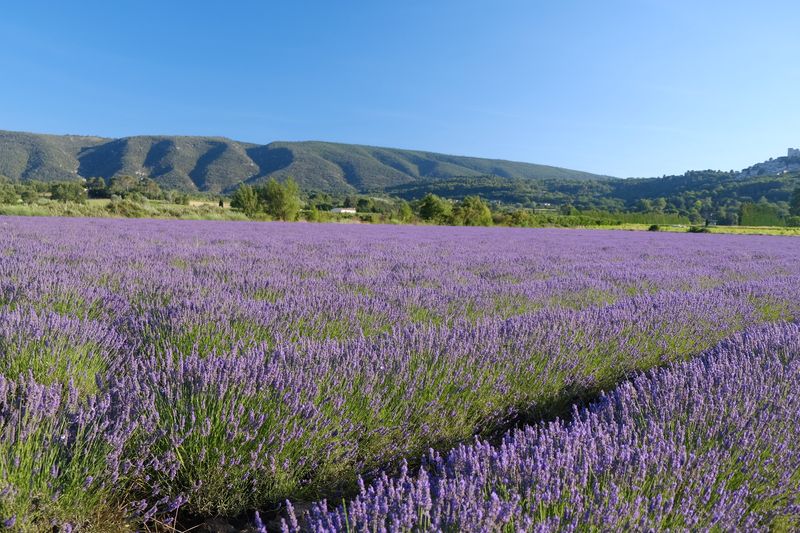
Close your eyes and you can almost smell it. Provence delivers on its postcard promise with lavender, olive groves, vineyards, limestone hills, and golden light.
The purple fields look best in summer, though bloom timing shifts with height and weather.
The region stretches from Mont Ventoux toward the Mediterranean, and from the Rhône Valley toward the Alps. That makes it far more varied than the famous purple rows suggest.
Aix-en-Provence, the Luberon villages, Sainte-Victoire, and the Valensole plateau are special highlights.
Visit outside bloom season and you still win. Winter brings calmer coastlines and sleepy villages where markets feel local again.
Prices often drop too.
Rent a car for the countryside, since villages sit far apart. Go early in the morning for softer light and fewer people at lavender fields.
Please stay on paths so farmers’ crops stay safe.
Carcassonne
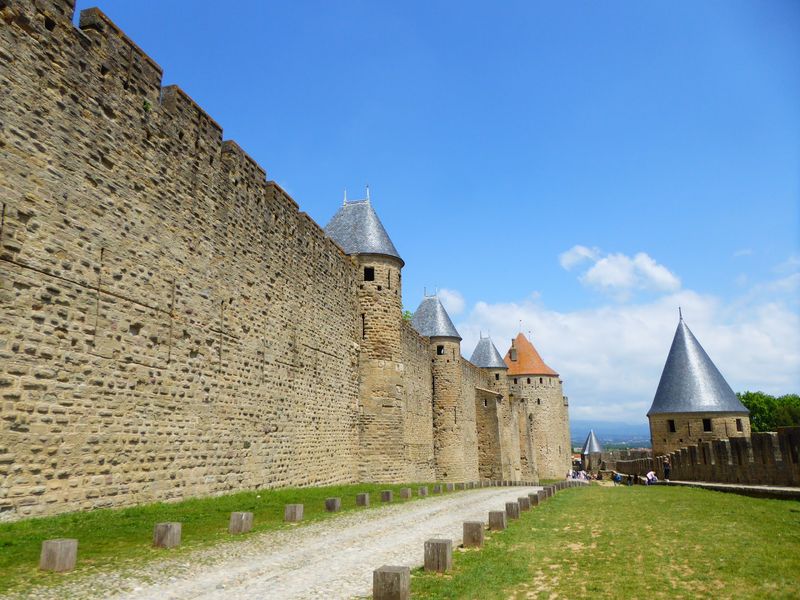
Count the towers and you will reach 52. Carcassonne’s Cité holds about three kilometers of ramparts, wrapped around streets, houses, churches, and the château comtal.
It is one of Europe’s most complete medieval fortress towns.
UNESCO honors it for more than its old defenses. The big 19th-century restoration led by Eugène Viollet-le-Duc shaped modern ideas about caring for historic buildings.
People still debate his pointed roofs, which adds a fun twist to the visit.
Outside the walls, the lower Bastide Saint-Louis and the nearby Canal du Midi add more to explore. A canal stroll makes a calm contrast to the stony fortress.
Stay overnight if you can. After the day-trippers leave, the walls and lanes feel bigger and more mysterious.
Walk the ramparts at sunset and try a hearty local cassoulet for dinner.
Annecy
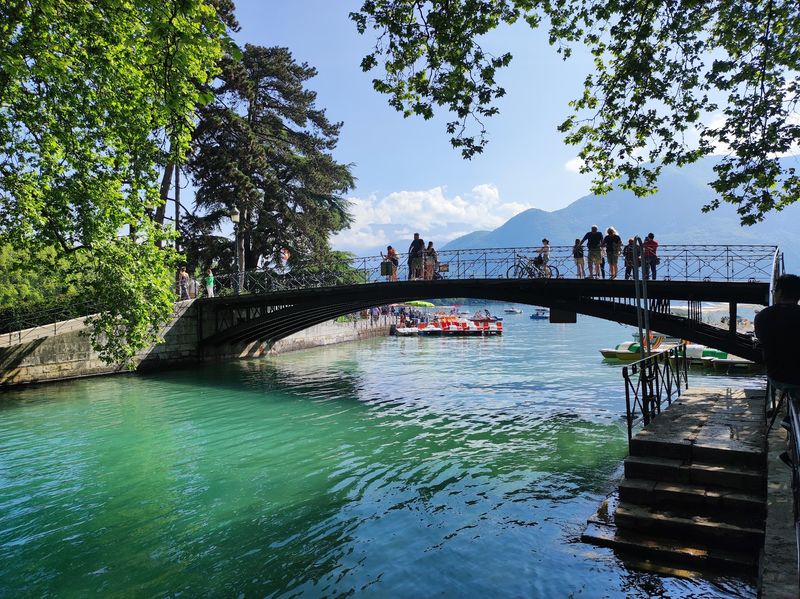
Flower boxes, canals, and a turquoise lake walk into a bar, and the result is Annecy. Colorful buildings line the waterways of the old center.
The former castle sits above streets packed with cafes and markets.
The real drama belongs to Lake Annecy, ringed by mountains. In warm months, people swim, sail, cycle, and paddle across it.
The French Alps tourism board names it one of the region’s major natural attractions, right beside Lake Geneva and Lac du Bourget.
Annecy suits travelers who want Alpine scenery without a remote resort. You can enjoy city comforts in the morning and a mountain hike by afternoon.
A lakeside bike path makes it easy to explore without a car.
Visit on a market day for cheese, bread, and sausages. Rent a paddleboard early before the wind picks up.
Summer weekends fill up fast, so reserve rooms ahead.
Bordeaux
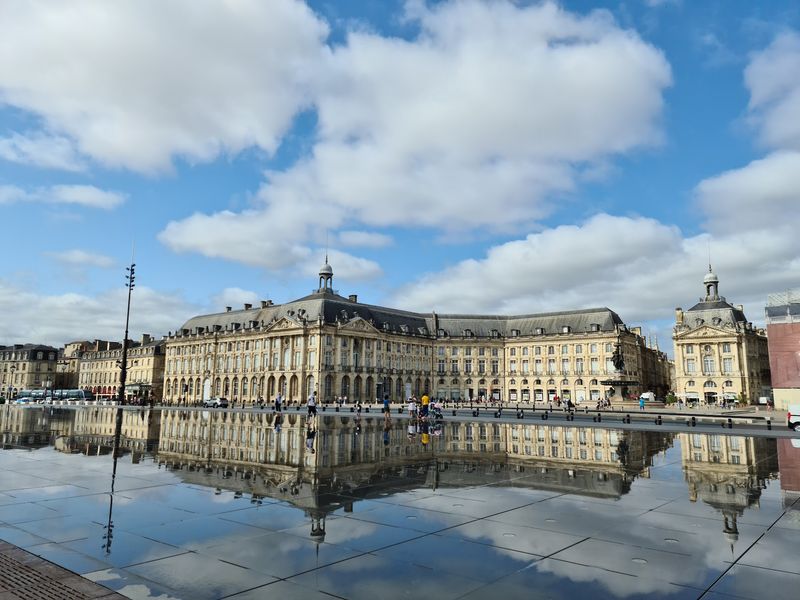
Wine fans know the name, but the city deserves applause on its own. UNESCO recognizes Bordeaux’s historic center, the Port of the Moon, as an Enlightenment-era architectural ensemble shaped by more than 2,000 years of trade.
Broad 18th-century facades line the Garonne riverfront.
Hundreds of protected buildings make strolling a pleasure. The modern Cité du Vin adds a playful, swirling shape to the skyline.
Inside, interactive exhibits explore wine cultures around the world.
Outside town, famous districts stretch toward Médoc, Graves, Sauternes, and Saint-Émilion. That means you can admire grand architecture before lunch, then taste wine among vineyards and châteaux after.
Join a small-group wine tour if you do not want to drive. Walk by the Miroir d’Eau at sunset for great reflections.
Try canelés, small caramelized pastries, as a local treat.
Saint-Émilion
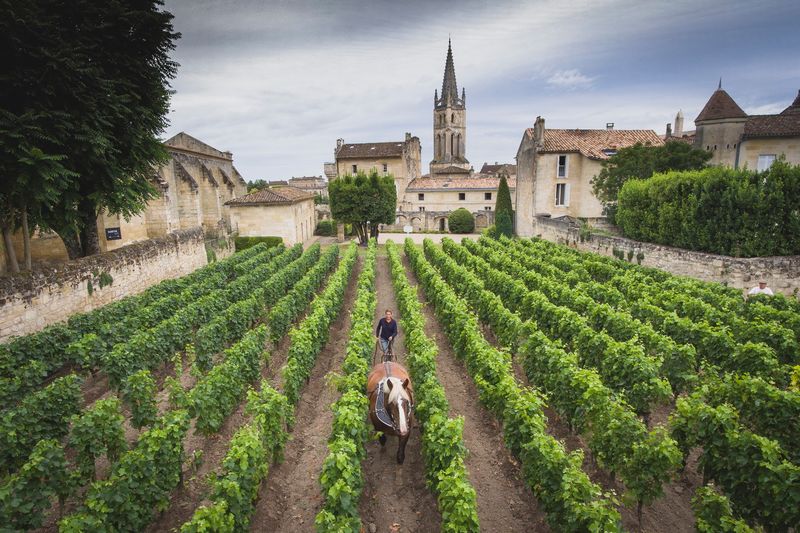
Here, the landscape and the glass in your hand share one story. Romans brought grapevines to the area.
Wine growing then grew strongly in the Middle Ages, when the town sat along a pilgrim route to Santiago de Compostela.
UNESCO protects a 7,847-hectare cultural landscape of vineyards, monuments, villages, and wooded slopes. Under the compact old town lies a network of underground spaces carved from stone.
Above ground, narrow lanes tumble between pale limestone buildings toward the vines.
The steep cobbles reward good shoes and a patient pace. Wine shops and tasting rooms line the streets, so a sip is never far away.
Look for the macaron, a local sweet with a long history.
Stay overnight if you can. When Bordeaux day trips depart, the streets turn quiet and golden.
Book underground tours ahead, as spots fill quickly.
Colmar and the Alsace Wine Route
Colmar looks like a storybook that wandered in from Germany. Half-timbered houses, canals, and candy-colored facades show centuries of mixed French and German influence.
Alsace has a style all its own.
Petite Venise is the most photographed corner, with flower boxes hanging over the water. Yet Colmar also works well as a base for the Alsace Wine Route.
Vineyards roll across the foothills toward Riquewihr, Eguisheim, and Kaysersberg.
Riesling and Gewürztraminer are local stars, and they pair nicely with tarte flambée and choucroute. The old center is small enough to cover on foot.
Trains from Paris take just over two hours.
Rent a bike to ride between wine villages on gentle paths. Visit in late autumn or December for sparkling Christmas markets.
Early mornings give you quiet streets and the best photos.
Dordogne Valley and Sarlat
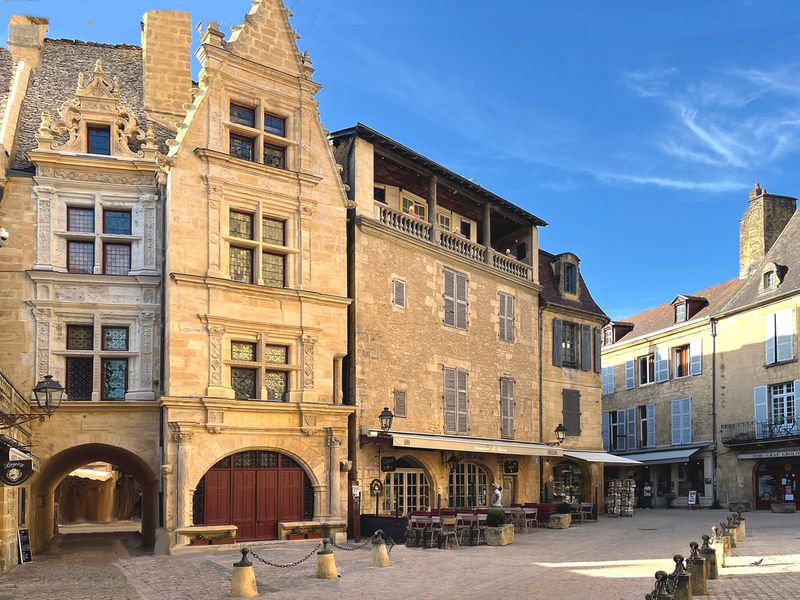
Stone villages, hidden caves, and long lunches: the Dordogne brings them all. Sarlat makes a fine base, with golden medieval lanes and busy markets.
Nearby, Domme overlooks the valley from a fortified hill.
La Roque-Gageac squeezes beneath a cliff beside the river. Beynac-et-Cazenac climbs toward a mighty castle.
The whole valley is a UNESCO Biosphere Reserve, so nature gets plenty of attention.
You can explore by canoe, bicycle, hiking trail, or car. Paddling past castles from the water is a highlight many visitors rave about.
Walnut groves and farm stands add tasty stops, especially for duck and truffle dishes.
Spring and autumn are smart picks. Visitor numbers drop and the light turns soft and golden.
Reserve a canoe trip in advance during summer weekends.
Bonifacio
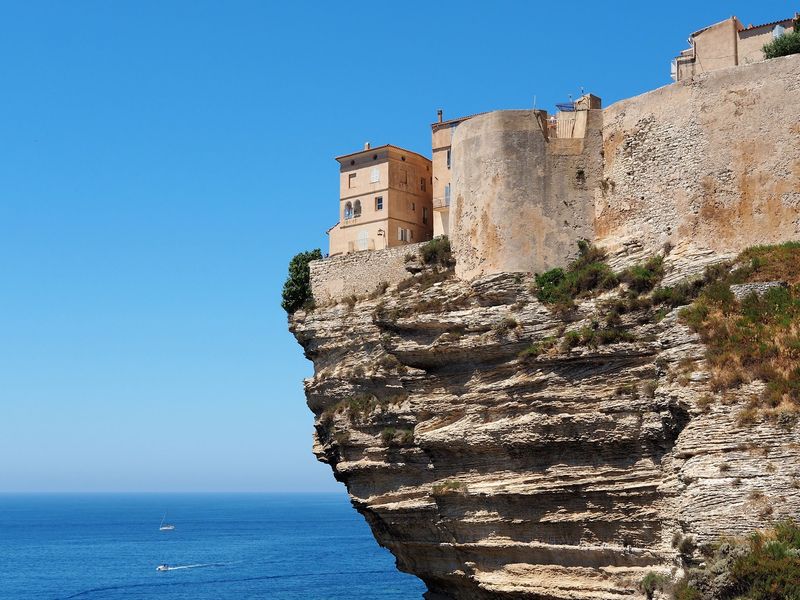
Houses seem to dangle over the sea in Bonifacio, and the view can make your knees wobble. The medieval citadel sits on white limestone cliffs about 70 meters high.
It is one of the most dramatic town sites on the Mediterranean.
Narrow streets fill the upper town. Down below, the harbor offers boat trips to sea caves, beaches, and views back at the cliff wall.
Listen for guides sharing tales of pirates and sieges.
The King of Aragon’s Staircase drops 187 steep steps carved into the rock. On clear days, Sardinia appears across the Strait of Bonifacio.
Corsica itself is a mix of rugged mountains, beaches, and old towns.
Take a boat tour for the best cliff photos. Wear grippy shoes for the stairs and bring water.
Visit in late spring or September for warm seas and fewer crowds.
Gorges du Verdon
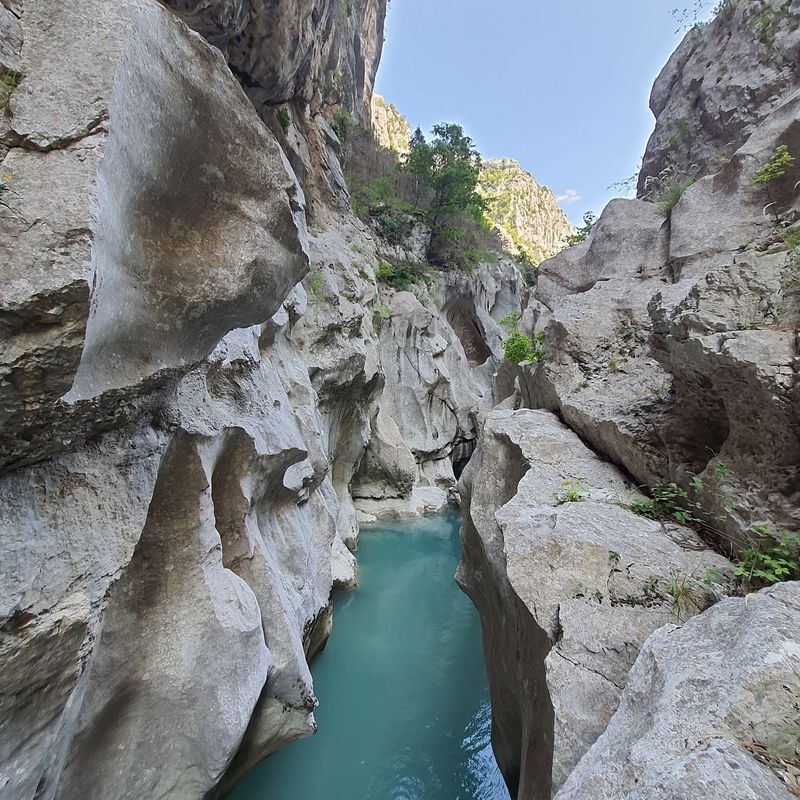
Few places in France make your jaw drop quite like this canyon. The river carves between huge limestone walls and then spills into brilliant turquoise lakes like Sainte-Croix.
Verdon tourism calls it one of Europe’s largest canyons.
Hikers love the Blanc-Martel Trail, which heads deep into the gorge. Drivers prefer the Route des Crêtes, with lookout points that hang over the drop.
Where the water widens, kayaks and paddleboards glide across the surface.
La Palud-sur-Verdon and Castellane make handy bases. The wider region mixes Provençal lavender, Alpine terrain, and forests that blaze gold in autumn.
Every season brings a different color palette.
Bring a flashlight for the trail tunnels. Start hikes early to avoid heat and carry plenty of water.
Book paddle rentals ahead in July and August.
Étretat
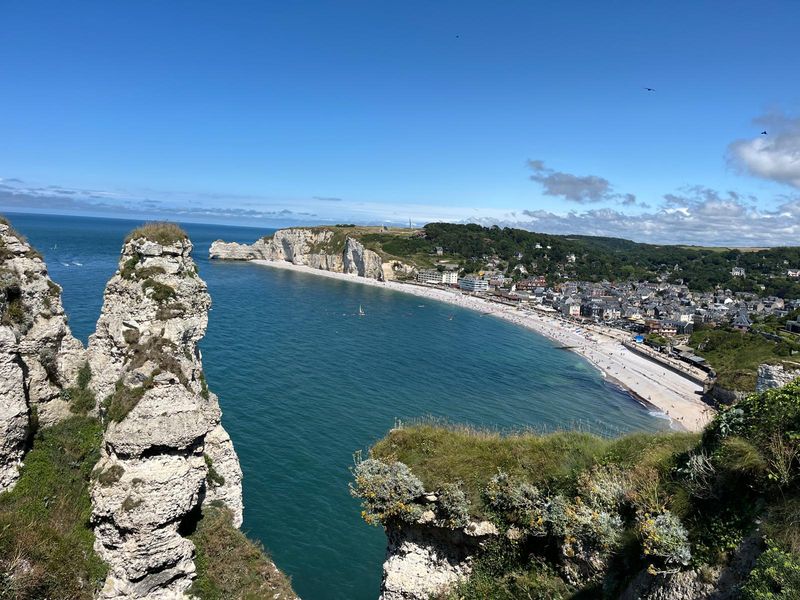
Claude Monet painted these cliffs again and again, and one look explains why. Étretat’s white chalk walls, natural arches, and the needle-like Aiguille rise straight from the Channel. They helped make Normandy’s coast one of France’s best-known sights.
Walking trails climb above town in both directions. From up high, you can see how erosion sculpted the coastline, which beats just looking from the beach.
The grassy cliff tops are breezy, so bring a windproof layer.
Normandy tourism suggests hiking, cycling, and other outdoor fun around the site. Seasonal train and bus combinations make it possible to visit from Paris without a car.
Seafood restaurants near the beach serve fresh catch.
Summer can get crowded. Spring, autumn, or an overnight stay often feels much calmer.
Check tide times before walking on the shore.
Share this story