Who says a beach vacation has to drain your savings account? Some of the world’s most stunning islands, with turquoise water, white sand, and coral reefs, are surprisingly easy on the wallet.
From Southeast Asia to the Mediterranean, budget-friendly options are hiding in plain sight. These 15 island destinations prove that spectacular coastlines and tight budgets can absolutely coexist.
Palawan, Philippines
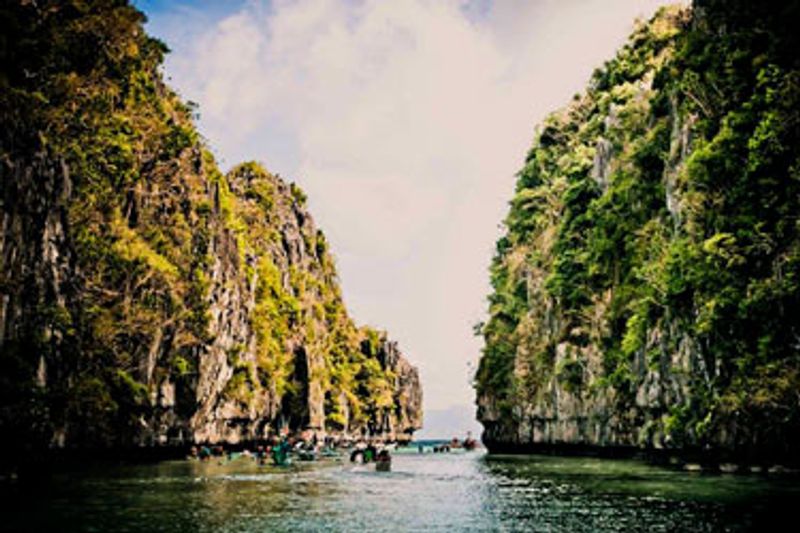
Palawan has a habit of making people question why they ever paid more for a beach vacation. Limestone cliffs shoot out of the water, hidden lagoons glow an impossible shade of blue-green, and coral reefs stretch on for miles beneath the surface.
The Bacuit Archipelago around El Nido holds 45 islands and islets, each one looking more dramatic than the last.
Budget travelers average roughly $17 per day here, which is almost unbelievably low for scenery of this quality. The overall average sits around $40 per person daily, covering lodging, meals, transport, and activities.
A typical double room costs travelers about $24 per night.
Island-hopping tours visit spots like Big Lagoon and Secret Beach for a fraction of what similar trips cost elsewhere. Street food and local restaurants keep meal costs down without sacrificing flavor.
Palawan is genuinely one of the greatest value-for-scenery destinations on the entire planet.
Phu Quoc, Vietnam
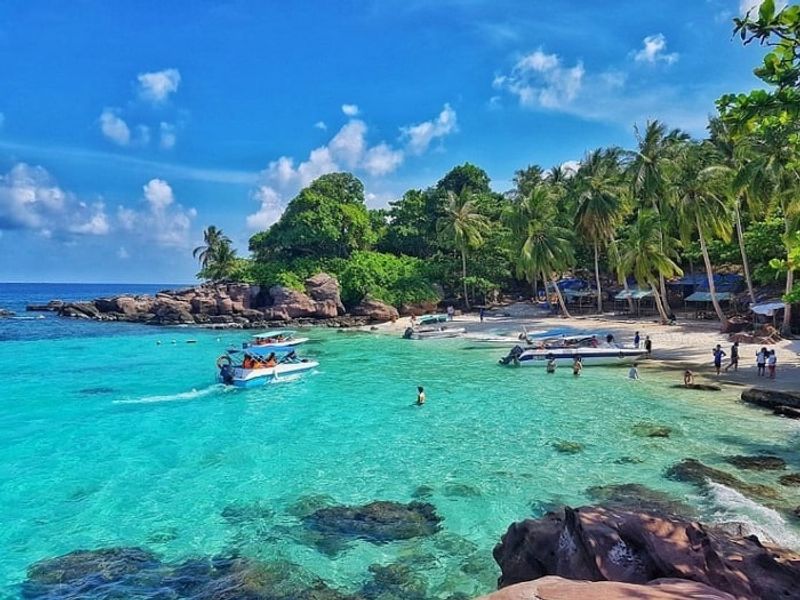
Vietnam’s largest island quietly outperforms its reputation. Phu Quoc packs 150 kilometers of coastline into a single island, ranging from the powdery white sand of Bai Sao to the sunset-drenched Long Beach and the calmer waters near Ganh Dau in the north.
Twenty-one smaller surrounding islands add snorkeling and day-trip options at very low cost.
Average spending works out to about $55 per person per day, covering accommodation, food, local transport, and sightseeing. Food costs alone average around $15 daily, which tells you a lot about how accessible Vietnamese restaurant culture really is.
Fresh seafood at a beachside shack costs a fraction of what a resort restaurant would charge.
Resort development has arrived on Phu Quoc, but smaller hotels and guesthouses keep the budget option alive for travelers who look beyond the main strips. The island rewards those who explore independently, hopping between beaches and grabbing local meals.
For a tropical island holiday that does not wreck your bank account, Phu Quoc is hard to beat.
Koh Lanta, Thailand
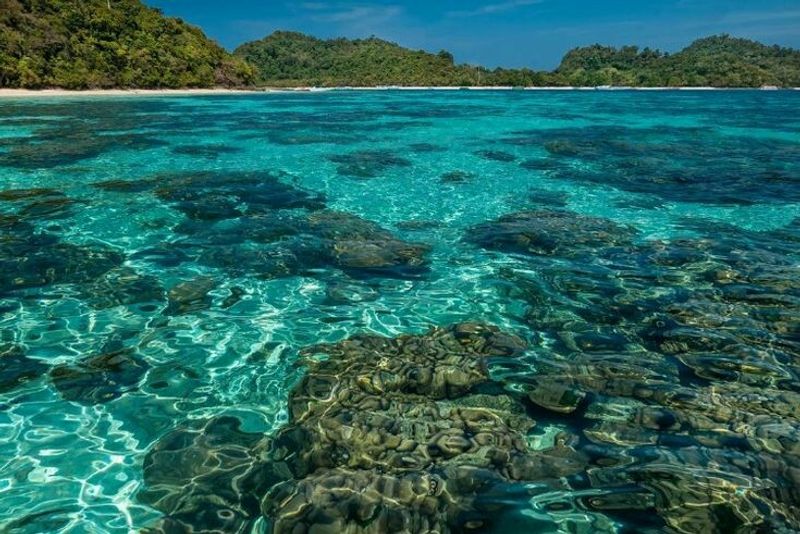
Koh Lanta Yai stretches more than 30 kilometers and somehow manages to feel unhurried even during peak season. The Tourism Authority of Thailand counts nine golden-sand beaches here, alongside mangroves, forested hills, waterfalls, and the protected landscape of Mu Ko Lanta National Park.
That combination of nature and shoreline is genuinely rare at this price point.
The island has kept a laid-back atmosphere despite developing a solid range of accommodation options across different price levels. Budget travelers average around $25 per day, while the overall average sits near $62.
Shared-room accommodation can come in as low as $11 per person, which leaves plenty of room for day trips and local meals.
Koh Lanta works particularly well for travelers who want fewer crowds than Koh Samui or Phuket without sacrificing beach quality. Local restaurants along the main beach roads serve fresh fish and Thai classics at prices that feel almost too reasonable.
Renting a scooter for the day gives access to quieter southern beaches that most tourists never bother to find.
Lombok, Indonesia
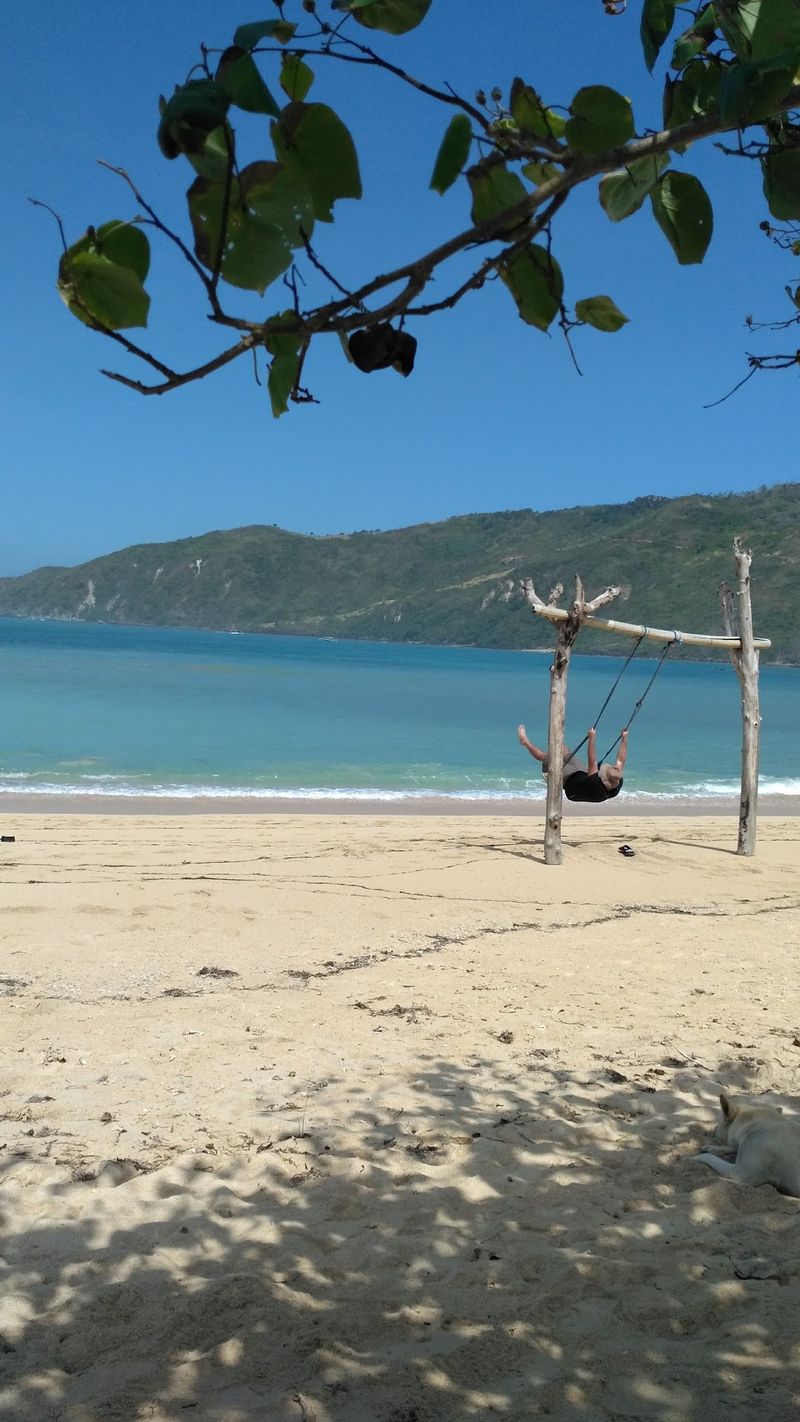
Lombok offers everything travelers chase in Bali, minus the traffic, the markups, and the influencer crowds. Indonesia’s tourism authority points to white-sand beaches, the towering 3,726-meter Mount Rinjani, and easy access to the Gili Islands, where coral reefs and impossibly clear water dominate every direction you look.
Gili Trawangan, Gili Meno, and Gili Air each have their own personality and price range.
Average traveler spending on Lombok sits at about $56 per day, making it one of the better-value tropical islands in the region. Meals average roughly $19 daily, and local transportation runs about $10.
Choosing to base yourself on Lombok rather than constantly island-hopping can stretch your budget even further.
The southern coast around Kuta Lombok has some of the most dramatic surf beaches in the country, and the drive there passes through rice fields and traditional villages. Accommodation in smaller towns remains genuinely inexpensive.
Lombok rewards slow travelers who take time to explore beyond the obvious Gili Islands circuit and discover how much variety the main island actually holds.
Zanzibar, Tanzania
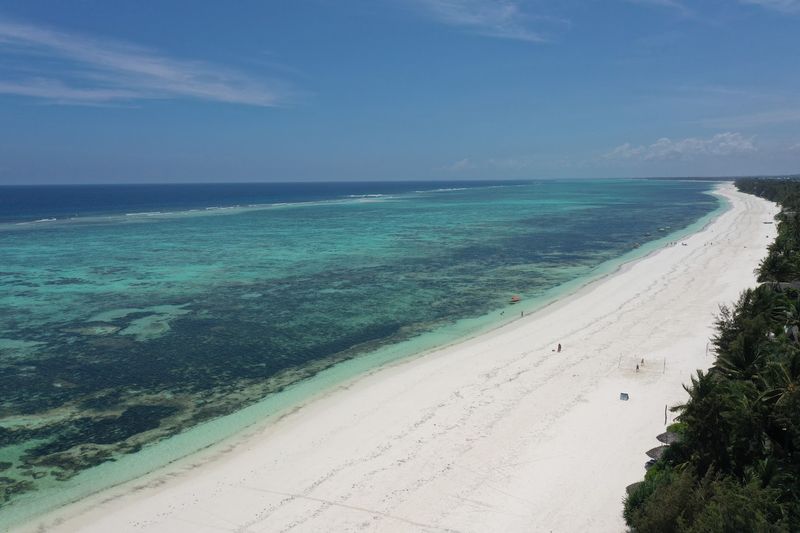
Zanzibar looks like it was designed specifically to appear on luxury travel brochures, yet budget travelers manage to enjoy it for around $26 per day. The Zanzibar Commission for Tourism highlights long white beaches and turquoise Indian Ocean water at spots including Nungwi, Kendwa, and Jambiani, along with snorkeling, diving, kite surfing, dolphins, and sea turtles.
The marine life alone is worth the trip.
Overall average spending sits at about $62 per person per day, but budget accommodation can come in around $10 per person. Daily food costs average roughly $11 when travelers eat at local spots rather than resort restaurants.
Stone Town’s narrow alleys are lined with affordable Swahili street food that costs almost nothing.
Beachfront resorts during peak season push prices up considerably, so guesthouses and locally run accommodations make the biggest practical difference for budget travelers. The northern beaches near Nungwi tend to be calmer year-round due to tidal patterns that affect other parts of the island.
Zanzibar is proof that genuinely spectacular Indian Ocean scenery does not automatically come with a five-figure price tag attached.
Roatan, Honduras
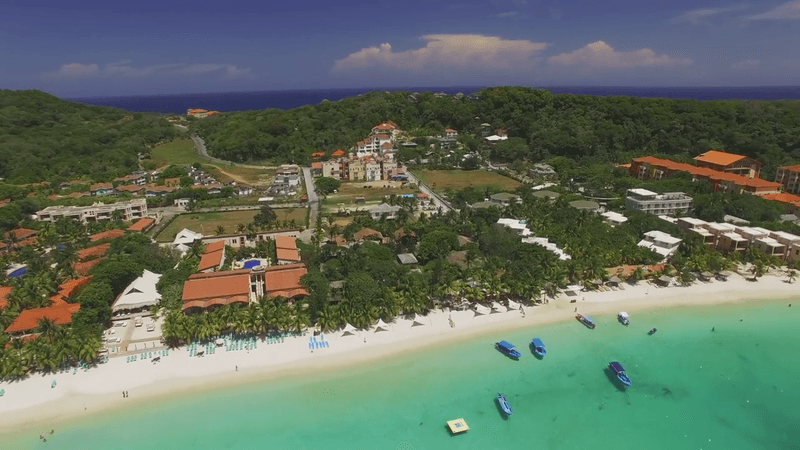
Caribbean island prices have a reputation for being brutal, and then there is Roatan, quietly defying that stereotype. Traveler-reported data put the average daily cost at about $42 per person, which is extraordinary for a Caribbean destination with warm water, coral reefs, and proper beach scenery.
Budget travelers in the dataset average as little as $16 per day.
Meals run roughly $15 daily, and a typical double-occupancy hotel room averages about $21. Those numbers are possible because smaller guesthouses and locally run accommodations exist alongside the resort options.
The biggest cost variable for most visitors is diving, since Roatan sits on the Mesoamerican Barrier Reef and attracts serious divers from around the world.
Travelers who primarily want beaches, swimming, and snorkeling rather than multiple daily dive trips can keep costs impressively low. West Bay Beach offers calm, clear water and reef access without requiring a boat trip or expensive excursion.
Roatan is the kind of Caribbean island that feels like a discovery, especially once you realize how far your money actually goes compared to better-known alternatives in the region.
Sri Lanka
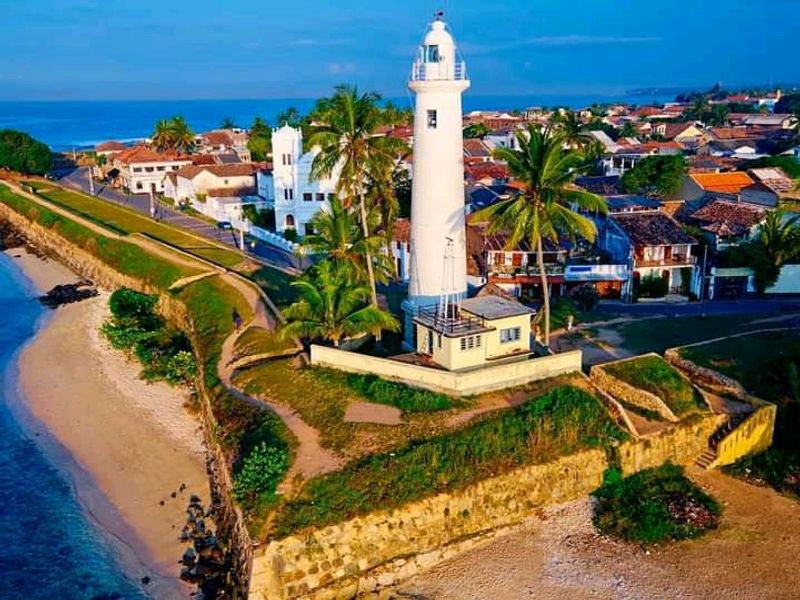
Sri Lanka hands travelers an unusual advantage: nearly 1,600 kilometers of coastline to choose from, according to the official tourism authority. Southern beaches like Mirissa, Tangalle, Bentota, and Unawatuna each have their own character, while different monsoon patterns mean the east and west coasts take turns being calm throughout the year.
That flexibility alone makes trip planning easier.
Current traveler data put average spending at approximately $56 per day, while budget travelers average around $20. A typical double room averages about $45, but local transportation costs are particularly low across the island.
Trains connecting coastal towns are famously scenic and cost almost nothing compared to private transfers.
Sri Lanka also rewards travelers who combine beach time with inland stops. Wildlife safaris, ancient temples, and tea-country hill towns are all within reach of coastal bases.
Eating at local restaurants rather than hotel dining rooms saves money immediately, and the food quality is genuinely excellent. For a single destination that combines tropical beaches, culture, wildlife, and accessibility, Sri Lanka offers exceptional value that few island countries can match.
Bali, Indonesia
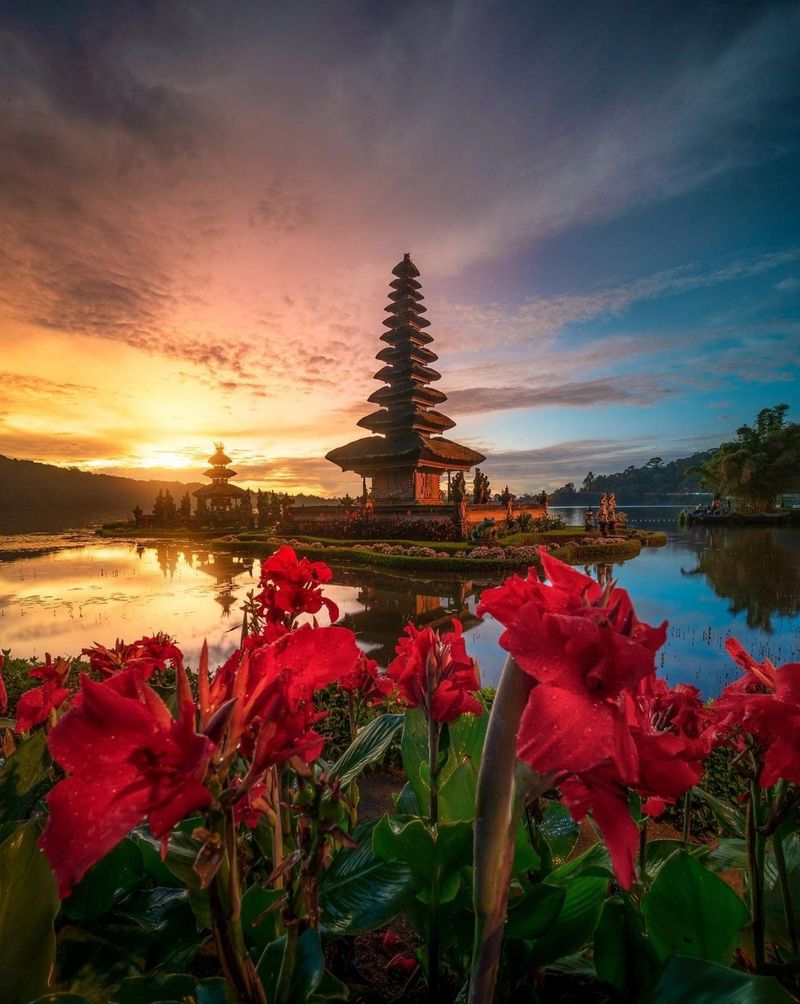
Bali contains two completely different economies running side by side. There is the Seminyak villa and Canggu beach club version that shows up on glossy travel feeds, and then there is the budget-travel Bali that has been quietly operating for decades beneath the surface.
Average traveler spending sits at about $79 per day, but budget travelers manage around $29.
Budget accommodation averages about $13 per person per night, which leaves meaningful room in the daily budget for food, transport, and activities. Many beaches and cultural sites charge either nothing or a very small entrance fee.
East Bali, North Bali, and areas around Ubud offer dramatically quieter experiences than the southern resort strip.
Sanur is calmer than Kuta and still affordable, while Amed in the east combines black-sand beaches with excellent snorkeling at local prices. Warungs, small family-run restaurants serving Indonesian staples, keep meal costs low without any sacrifice in flavor or freshness.
Bali rewards travelers who are willing to step away from the Instagram-famous neighborhoods and explore the parts of the island that have not been redesigned for maximum resort revenue.
Boracay, Philippines
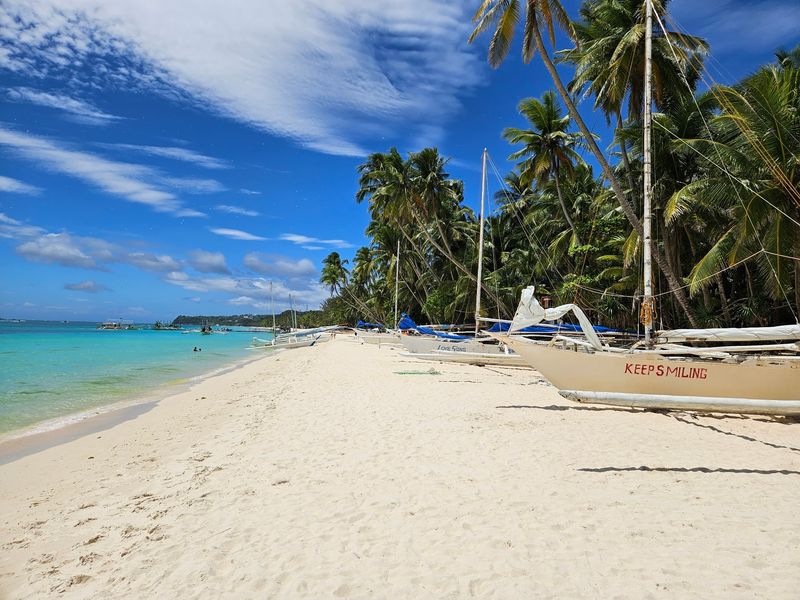
White Beach in Boracay is one of those places that genuinely earns its global reputation, and the good news is that you do not need a luxury budget to stand on it. The beach is divided into three stations: Station 1 draws higher-end properties, Station 2 fills up with restaurants and shops, and Station 3 offers a quieter, more relaxed atmosphere with noticeably simpler pricing.
That geography gives budget travelers a real choice.
Average traveler spending currently sits at around $61 per person per day, with roughly $23 going toward meals and $42 for a typical double room. Choosing accommodation a short walk from the beachfront rather than directly on the sand can reduce that accommodation figure significantly.
The beach itself is free for everyone regardless of where you sleep.
Beyond White Beach, Bulabog Beach on the opposite side of the island is popular with kitesurfers and has a more local, less polished feel. Island hopping to nearby spots costs very little when booked through local operators rather than hotel desks.
Boracay proves that world-famous beaches and reasonable budgets are not mutually exclusive if you make smart choices about where you stay.
Koh Samui, Thailand
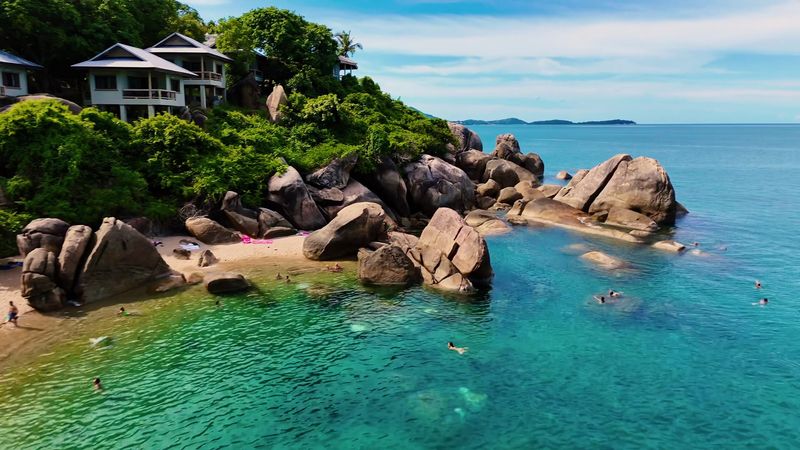
Koh Samui gets labeled as a luxury destination regularly, but that label only applies to one slice of what the island actually offers. Thailand’s tourism authority lists Chaweng, Lamai, Taling Ngam, and Natien among its many beaches, and the island is compact enough to circle by road in a few hours.
That accessibility means staying in a cheaper area does not lock you out of exploring the nicer ones.
Budget travelers average around $31 per day, while the overall average sits near $76. Budget accommodation can come in at roughly $10 per person per night, which is genuinely low for an island of Koh Samui’s profile.
Several popular attractions, including waterfalls, temples, Fisherman’s Village, and most beaches, cost little or nothing to visit.
Ang Thong National Marine Park sits just offshore and offers kayaking, snorkeling, and hiking on a day-trip basis. Eating at local markets and small restaurants along Lamai’s back streets costs a fraction of beachfront dining prices.
Koh Samui works best for budget travelers who treat the resort areas as day-trip destinations rather than home bases, keeping accommodation costs low while still enjoying the island’s full range of scenery.
Cozumel, Mexico
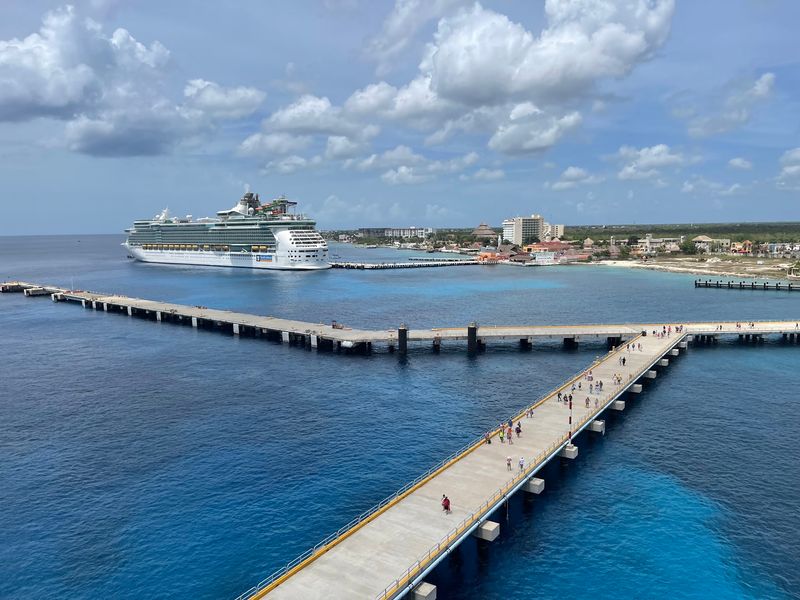
Cozumel has a split personality that budget travelers can absolutely exploit. The all-inclusive resort and private dive excursion version of the island can cost a fortune, but independent travelers who stay in San Miguel and eat away from cruise-ship-oriented waterfront businesses experience something completely different.
Budget travelers report costs of about $51 per day, compared to the overall average of $130.
Budget accommodation averages approximately $24 per person per night, and inexpensive food comes in around $16 daily. The reefs surrounding Cozumel are part of the Mesoamerican Barrier Reef system, making snorkeling from public beach access points genuinely worthwhile even without booking a pricey boat excursion.
Palancar and Columbia reefs are world-famous for good reason.
San Miguel itself is a walkable town with local taquerias, small hotels, and a waterfront malecon that costs nothing to enjoy. Renting a scooter and circling the island reveals quieter beaches on the eastern coast that see almost none of the cruise ship day-trippers.
Cozumel rewards travelers who treat it as a Mexican island town rather than a floating resort, and the savings compared to the luxury version of the same destination are dramatic.
Isla Mujeres, Mexico
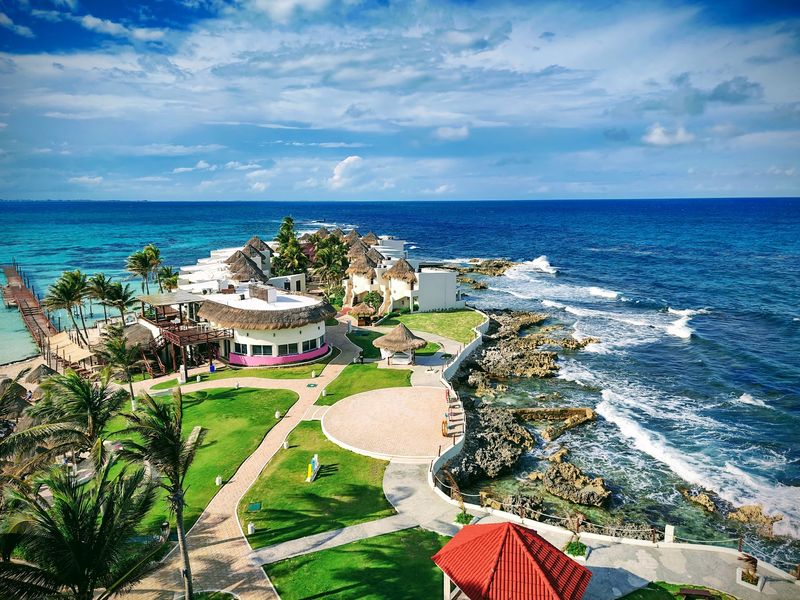
A short ferry ride from Cancun sits one of the most charming small islands in the Mexican Caribbean, and most visitors completely overlook it in favor of the mainland resort strip. Isla Mujeres is compact enough to walk across in minutes, which means transportation costs stay low once you arrive.
The overall average traveler spends around $179 per day, reflecting the island’s upscale market, but budget visitors report costs of roughly $69.
Budget accommodation averages about $30 per person per night, and food runs around $30 daily for those eating at local spots rather than resort restaurants. Playa Norte, the island’s most famous beach, has shallow, bathtub-warm water that is hard to find elsewhere in the region.
The cliffs at Punta Sur add dramatic scenery for the cost of a small entrance fee.
Avoiding daily golf cart rentals makes a noticeable difference to the total, since walking or cycling the island is entirely practical given its small size. Snorkeling trips to nearby reefs are available through local operators at prices well below what Cancun tour desks charge.
Isla Mujeres rewards visitors who embrace its small-town pace rather than treating it as a day trip from a mainland resort.
Madeira, Portugal
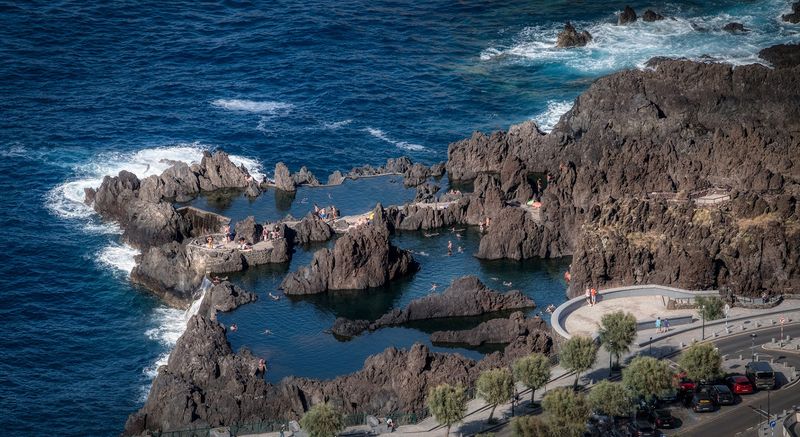
Madeira is the island for travelers who secretly want drama along with their beach time. Volcanic cliffs, natural swimming areas carved into lava rock, levada hiking trails through misty laurel forests, and mountain scenery above the Atlantic coast offer something genuinely different from the standard tropical island formula.
For traditional sand, neighboring Porto Santo has a nine-kilometer golden beach with calm, clear water.
Current traveler spending across the Madeira Islands averages around $136 per day, but budget travelers average about $59. Budget accommodation runs approximately $26 per person per night, and local transportation averages less than $12 daily.
For a European island destination, those numbers compare very favorably to most Mediterranean alternatives.
Funchal, the island’s capital, has excellent local markets, affordable restaurants, and free viewpoints overlooking the city and coast. Public buses connect most parts of the island reliably and cheaply.
Shoulder season, particularly spring, brings warm enough temperatures for hiking and swimming while keeping accommodation prices below summer peaks. Madeira suits travelers who want more than a flat beach and a sunlounger, and the budget figures suggest it is far more accessible than its dramatic scenery might imply.
Malta
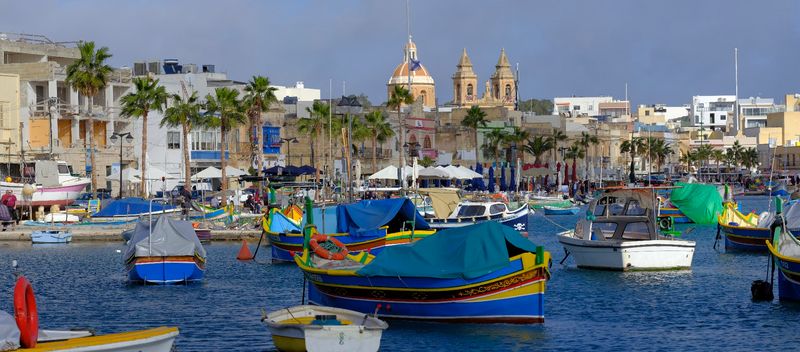
Malta packs an unusual amount into a very small archipelago. The islands of Malta, Gozo, and Comino together offer swimming coves, fortified cities, prehistoric temples, fishing villages, and some of the clearest water in the Mediterranean.
Travelers who want history alongside beach time can fill days without paying for resort entertainment, since many of the best experiences here cost very little.
The overall average traveler spends about $160 per day, but budget travelers bring that down to around $68. Budget accommodation averages approximately $33 per person per night, and inexpensive food runs about $27 daily.
The same traveler data classify Malta as moderately priced within Europe, which is a meaningful distinction compared to some western Mediterranean alternatives.
Gozo is quieter and cheaper than the main island, with rocky coves and a slower pace that appeals to travelers who prefer local village life over resort strips. The ferry between islands is inexpensive and runs regularly.
Visiting outside the July and August peak brings accommodation prices down noticeably while still delivering warm Mediterranean weather. Malta rewards curious travelers who explore beyond the obvious Blue Lagoon photo stop and discover how much genuine character these small islands hold.
Crete, Greece
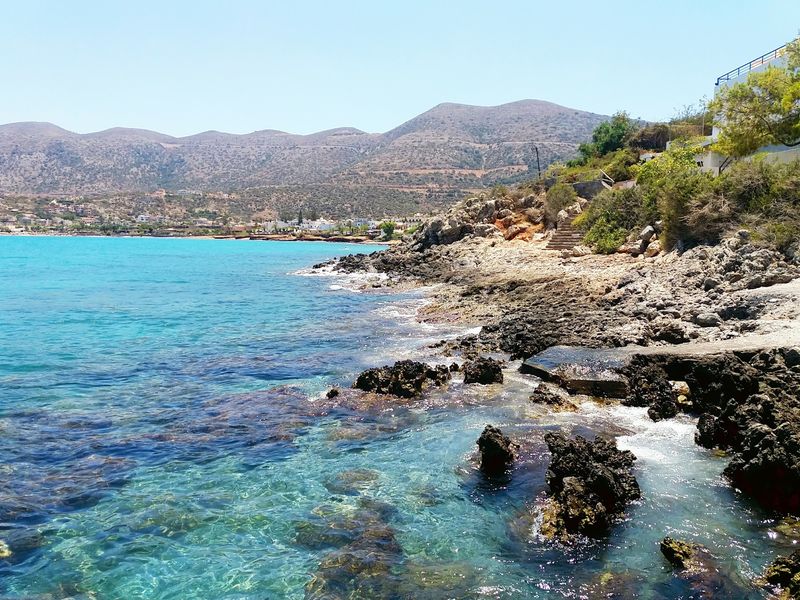
Crete has a secret that Mykonos and Santorini do not: it is enormous. The largest Greek island stretches nearly 260 kilometers from end to end, which means travelers can base themselves in quieter, less fashionable towns and still access excellent beaches, ancient ruins, and local tavernas without paying peak-resort prices.
Budget travelers average approximately $65 per day, compared to the overall average of about $167.
That gap between budget and average spending is one of the widest on this entire list, which tells you exactly how much travel style matters here. Shoulder season, particularly May, June, and September, brings warm Mediterranean weather alongside lower accommodation prices and noticeably thinner crowds.
The July and August peak is when Crete gets expensive and crowded at popular spots.
Loutro on the south coast is reachable only by boat or foot trail, which keeps it wonderfully quiet and relatively affordable. Heraklion and Chania both have excellent local food markets where a full meal costs a fraction of waterfront restaurant prices.
Renting a car unlocks the island’s interior mountain villages, gorges, and remote beaches that tour buses never visit. Crete rewards travelers who treat it as a destination to explore rather than a postcard to replicate.
Share this story