What makes a city truly happy? According to a new WalletHub study ranking 182 American cities, happiness comes down to a mix of emotional well-being, physical health, strong communities, good jobs, and quality of life.
The results might surprise you. Some of the top-ranked cities are not the ones you would expect, and a few states show up more than once on the list.
From the Bay Area to the Great Plains, these cities scored the highest across dozens of measurable factors. Whether you are thinking about relocating, planning a visit, or just curious about what makes certain places stand out, this list gives you a real look at where Americans are living their best lives right now.
Fremont, California
Fremont did not just make the list. It topped it.
With an overall score of 74.09, this Bay Area city claimed the number one spot among all 182 cities evaluated by WalletHub for 2026.
What pushed Fremont to the top? It ranked first for emotional and physical well-being and fourth for community and environment.
The city also stood out for high life satisfaction scores, a long life expectancy, and an impressively low depression rate among residents.
One detail that sets Fremont apart from nearly every other city on this list is its low separation and divorce rate. That kind of social stability tends to ripple outward into community strength and daily quality of life.
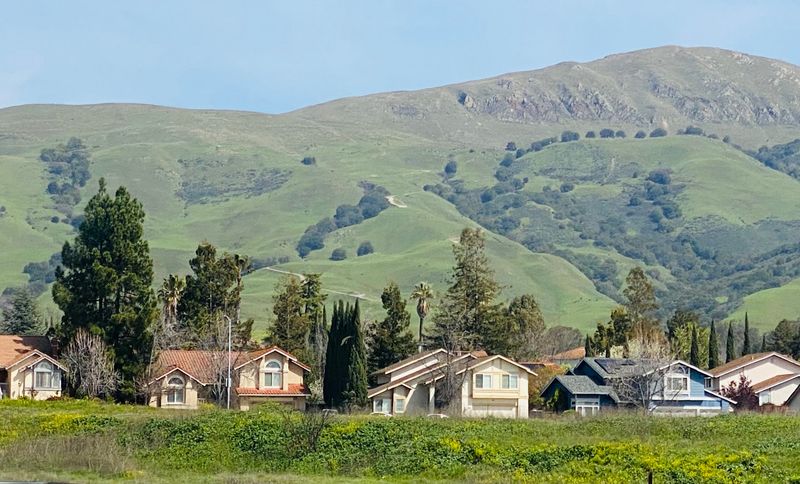
Fremont sits at the eastern edge of the San Francisco Bay, offering access to major employment hubs while maintaining a suburban feel that many residents find genuinely livable and grounded.
Bismarck, North Dakota
Not many people put Bismarck on their radar when thinking about the happiest places in America, but the numbers make a strong case. North Dakota’s capital finished second nationally with a score of 73.11 in WalletHub’s 2026 study.
Bismarck ranked first in the community and environment category, which covers factors like safety, green space, and civic engagement. It also placed fifth for emotional and physical well-being, a combination that helped it outrank dozens of larger, more well-known cities across the country.
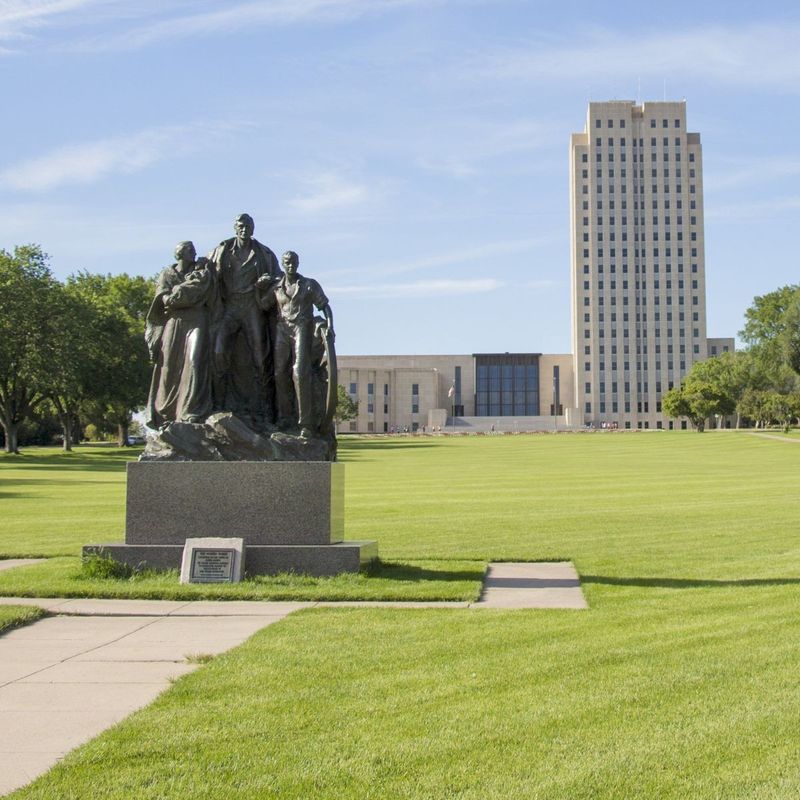
The city sits along the Missouri River and serves as the governmental and economic center of North Dakota. It has a relatively low cost of living compared to coastal metros, which likely contributes to the financial stability that supports overall happiness.
For a capital city with a population of around 75,000, Bismarck’s showing at number two is genuinely impressive and worth paying attention to.
Scottsdale, Arizona
Scottsdale has long had a reputation as a destination city, but this ranking puts it in a different category entirely. With a score of 71.36, it claimed third place among the happiest cities in America for 2026.
Its strongest performance came in community and environment, where it ranked second nationally. The city also placed 11th for emotional and physical well-being and 14th for income and employment, showing balanced strength across multiple quality-of-life categories rather than excelling in just one area.
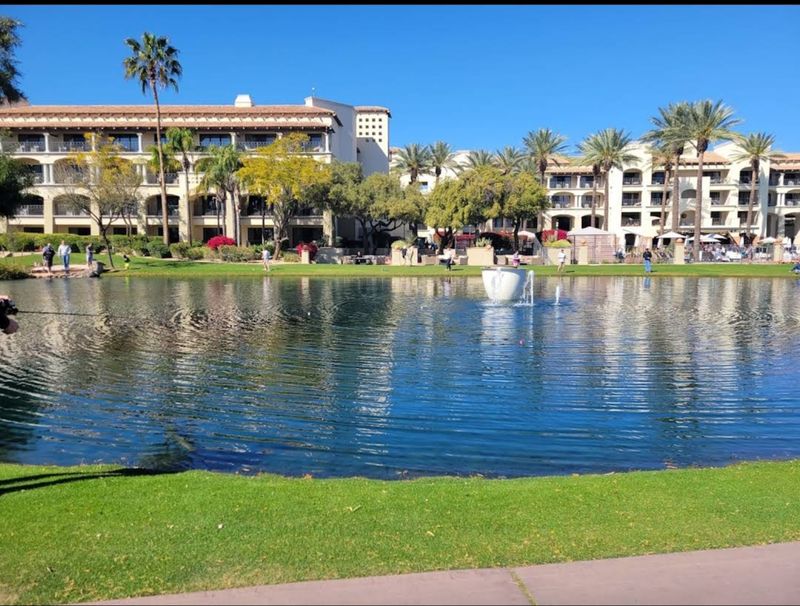
Located in the eastern part of the Phoenix metro area, Scottsdale is known for its desert scenery, outdoor recreation, and well-maintained public spaces. The city has invested significantly in arts, parks, and walkable areas over the years.
That combination of natural environment and civic investment seems to translate directly into the kind of daily satisfaction that WalletHub’s study was designed to measure across hundreds of American communities.
South Burlington, Vermont
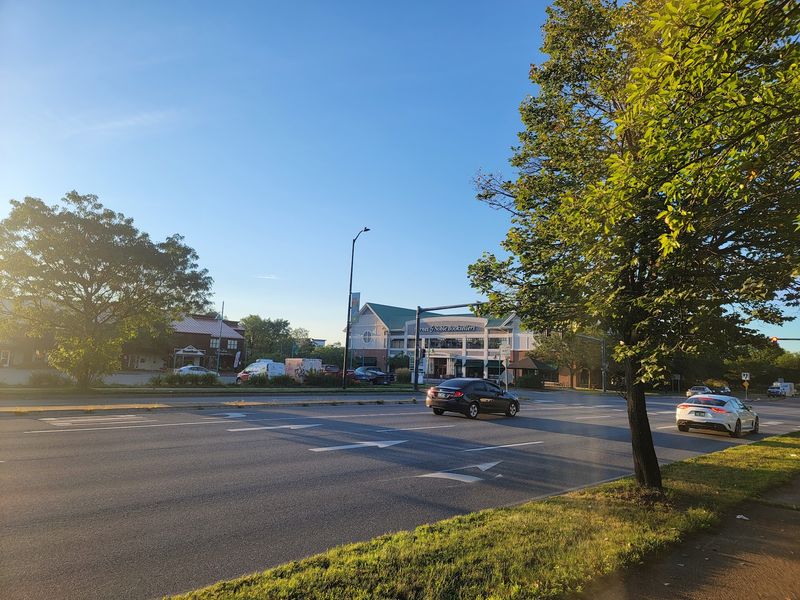
Vermont’s entry at number four might be the most interesting data story on this list. South Burlington scored 70.15 overall and ranked fourth for emotional and physical well-being, but two specific metrics make it genuinely stand out from every other city studied.
WalletHub’s data placed South Burlington first among all 182 cities for adequate sleep rates and sports participation rates. Those two factors speak to a population that is both physically active and well-rested, which researchers consistently link to higher life satisfaction and lower rates of anxiety and depression.
South Burlington sits just south of Burlington proper, along the eastern shore of Lake Champlain. It has a quieter, more suburban character compared to its neighbor, with access to outdoor recreation year-round.
The city also ranked ninth for income and employment, suggesting residents are not just healthy but financially stable. That combination of wellness and economic security puts South Burlington in rare company.
Fargo, North Dakota
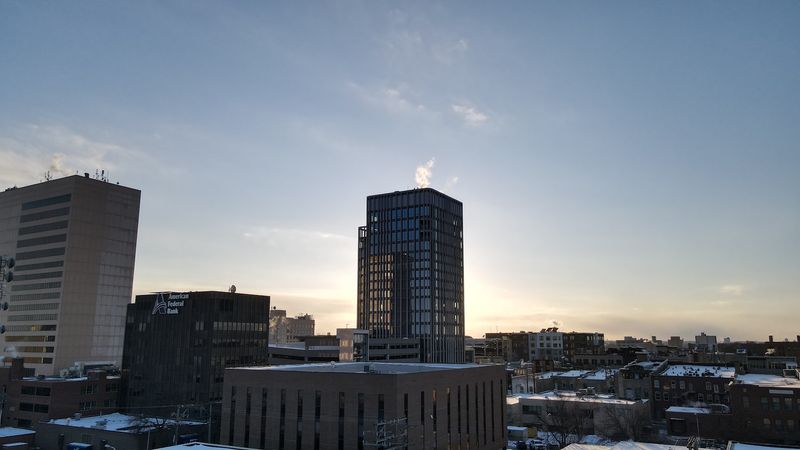
North Dakota placed two cities in the national top five, which is a remarkable achievement for a state that rarely dominates lifestyle rankings. Fargo scored 69.36 overall and secured fifth place in WalletHub’s 2026 happiness study.
The city ranked fifth nationally for community and environment and 12th for emotional and physical well-being. Those scores reflect a city where residents feel connected to their surroundings and generally report strong mental and physical health outcomes.
Fargo is the largest city in North Dakota and serves as a regional hub for commerce, healthcare, and education. North Dakota State University is based here, which brings a steady mix of students, researchers, and young professionals into the community.
The city has also developed a growing arts and food scene in recent years. Fargo’s appearance alongside Bismarck in the top five suggests something genuinely different is happening in terms of community well-being across the state.
Overland Park, Kansas
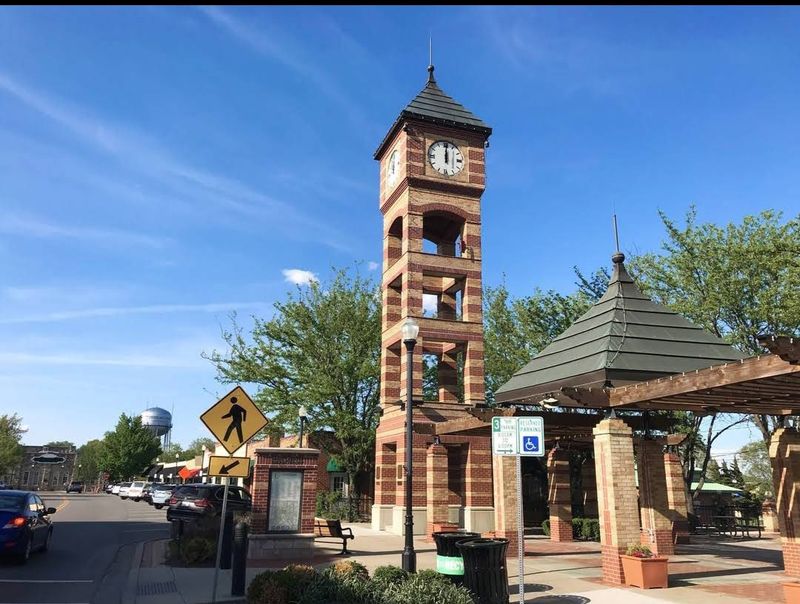
Overland Park earned sixth place with a score of 68.45, but its most striking result came in a single category. The city ranked second among all 182 cities studied for emotional and physical well-being, placing it just behind Fremont in that critical measure of resident health and happiness.
That kind of ranking in emotional and physical well-being is not a coincidence. Overland Park consistently shows up on national lists for safety, green space, and family-friendly infrastructure.
It is part of the Kansas City metro area but functions as a well-resourced suburban city in its own right, with strong schools, accessible healthcare, and extensive park systems.
The city has grown significantly over the past two decades and now has a population of around 200,000. Despite that growth, it has maintained quality community services and low crime rates.
For families and working adults looking for a high quality of life without coastal price tags, Overland Park delivers results that clearly show up in the data.
Charleston, South Carolina
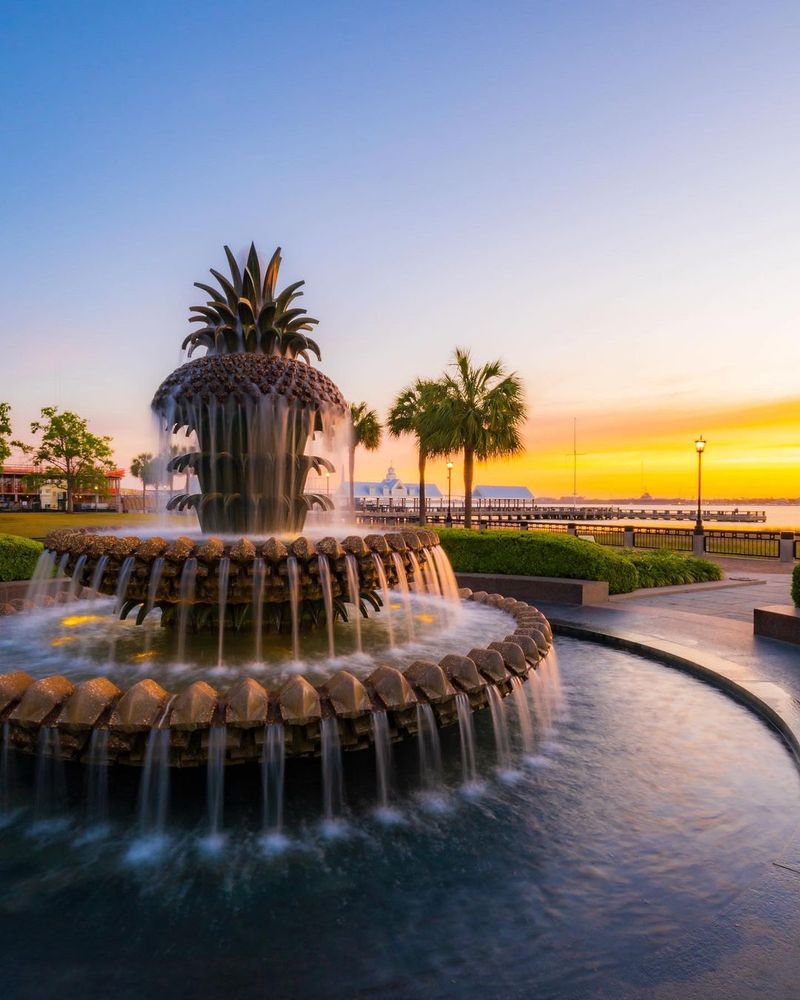
Charleston brings something different to this list. Where many top-ranked cities lean on suburban infrastructure and economic metrics, Charleston adds a layer of historic character and coastal identity that shapes how residents experience daily life.
The city ranked seventh nationally with a score of 68.44. Its strongest category was community and environment, where it finished third among all cities studied.
It also placed 10th for income and employment, reflecting a local economy that has diversified well beyond its traditional industries.
Founded in 1670, Charleston is one of the oldest cities in the American South and has a deeply rooted sense of civic identity. Its historic downtown, walkable neighborhoods, and proximity to the Atlantic coast contribute to an environment that residents clearly value.
The city has grown substantially in recent years, attracting new residents from across the country who are drawn to its blend of history, culture, and quality of life. That growth has not come without challenges, but the happiness data suggests residents remain broadly satisfied.
Irvine, California
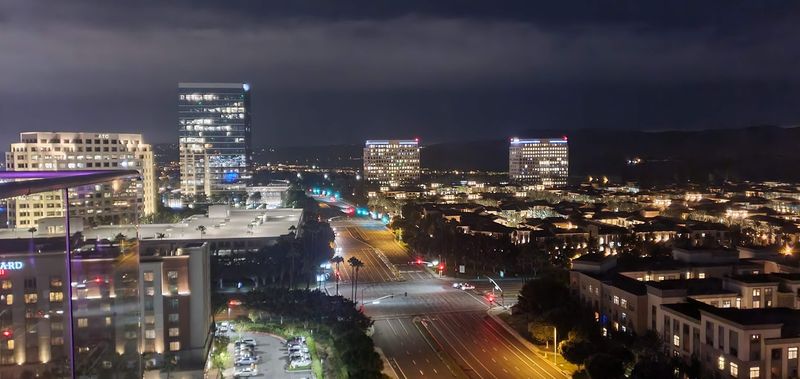
Irvine is one of the most deliberately designed cities in the United States, and that planning shows up clearly in how residents feel about living there. The city scored 67.99 overall and placed eighth in WalletHub’s 2026 happiness rankings.
Its ranking of eighth for emotional and physical well-being gave California its second city in the national top 10, alongside Fremont. Irvine was master-planned in the 1960s and has grown into a city of roughly 300,000 people, with an unusually high proportion of green space, bike paths, and public parks built directly into its layout.
The city is home to the University of California, Irvine, and a large concentration of tech and life sciences companies, which supports a highly educated and economically stable population. Low crime rates and well-maintained public spaces are consistent features of the city.
For a Southern California city of its size, Irvine’s livability scores have remained consistently strong across multiple national studies over the years.
Gilbert, Arizona
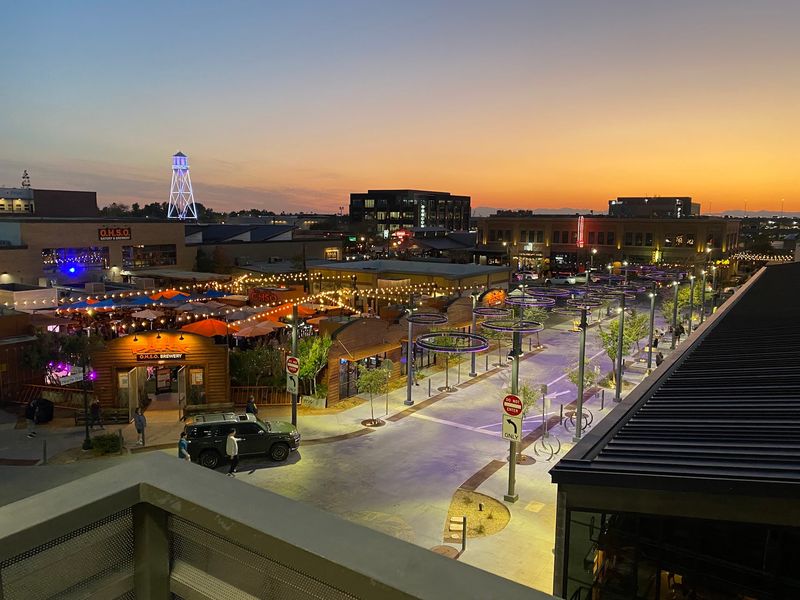
Arizona already had Scottsdale in the top three, and Gilbert makes it the second Arizona city in the top 10. With a score of 67.96 and ninth place overall, Gilbert is quietly one of the most livable cities in the Southwest.
The city ranked sixth for community and environment and 14th for emotional and physical well-being. Those rankings reflect a community that has grown rapidly while managing to maintain strong civic infrastructure and resident satisfaction along the way.
Gilbert was once a small farming town and has transformed into one of the fastest-growing cities in the entire country over the past few decades. It now has a population of more than 260,000.
Despite that rapid expansion, Gilbert has kept crime rates low and invested in parks, schools, and community programming. The Heritage District in downtown Gilbert has become a gathering point for residents, with local restaurants, farmers markets, and events that give the city a sense of place that newer suburbs often struggle to develop.
San Jose, California
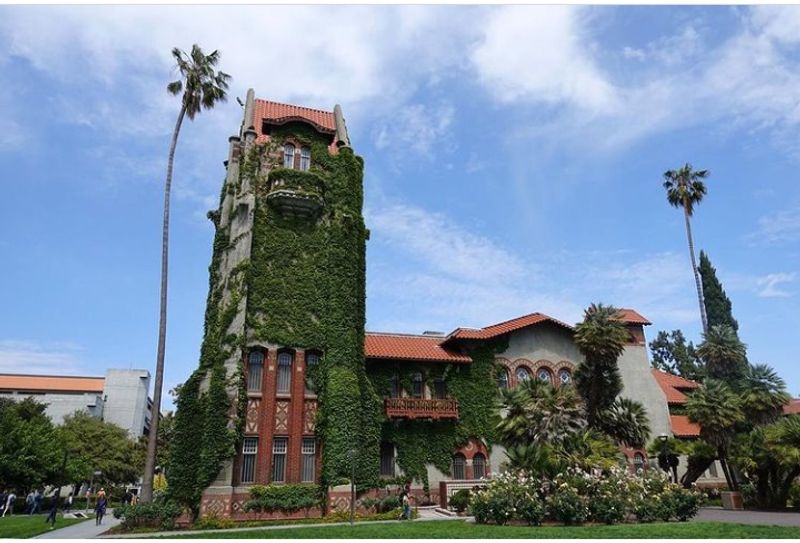
San Jose rounds out the top 10 with a score of 67.79, giving California a third city in the national rankings and cementing the state’s dominance across the upper tier of this study.
The Silicon Valley city ranked seventh nationally for emotional and physical well-being. Its placement of 45th for income and employment is worth noting because it suggests that despite being surrounded by some of the highest-paying companies in the world, income alone does not fully explain why residents report strong emotional and physical health outcomes.
San Jose is the largest city in Northern California by population and serves as the economic engine of Silicon Valley. It has a diverse population and a wide range of neighborhoods, parks, and cultural institutions.
The city also has one of the highest rates of educational attainment in the country. While the cost of living is significant, the broader quality-of-life factors measured by WalletHub clearly reflect a population that reports high levels of personal well-being despite those pressures.
Burlington, Vermont
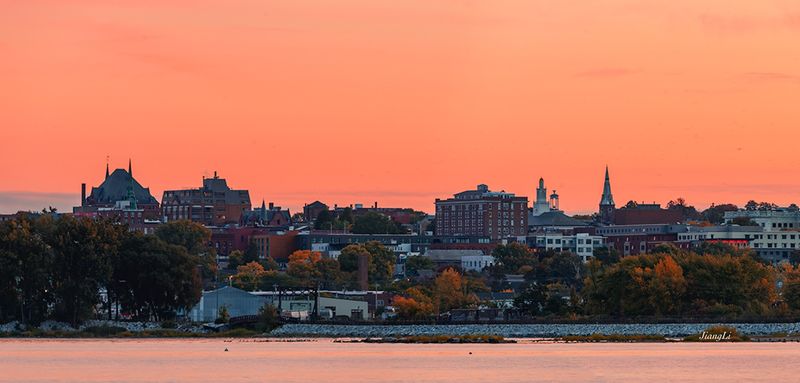
Vermont made an impressive showing in this study by placing two cities in the top 15. Burlington finished 11th with a score of 67.54, just outside the top 10 but strong enough to stand alongside some of the most well-resourced cities in the country.
Burlington’s standout category was income and employment, where it ranked second nationally. That is a striking result for a city of roughly 45,000 people.
It also ranked 13th for community and environment, reflecting a tight-knit urban community with a strong sense of civic identity.
Burlington sits on the eastern shore of Lake Champlain and is home to the University of Vermont and several colleges, which shape the city’s character considerably. The Church Street Marketplace is a well-known pedestrian area that anchors downtown activity year-round.
Burlington has a long history of progressive civic policy and community investment, and those priorities appear to translate into measurable well-being outcomes for the people who live there.
Madison, Wisconsin
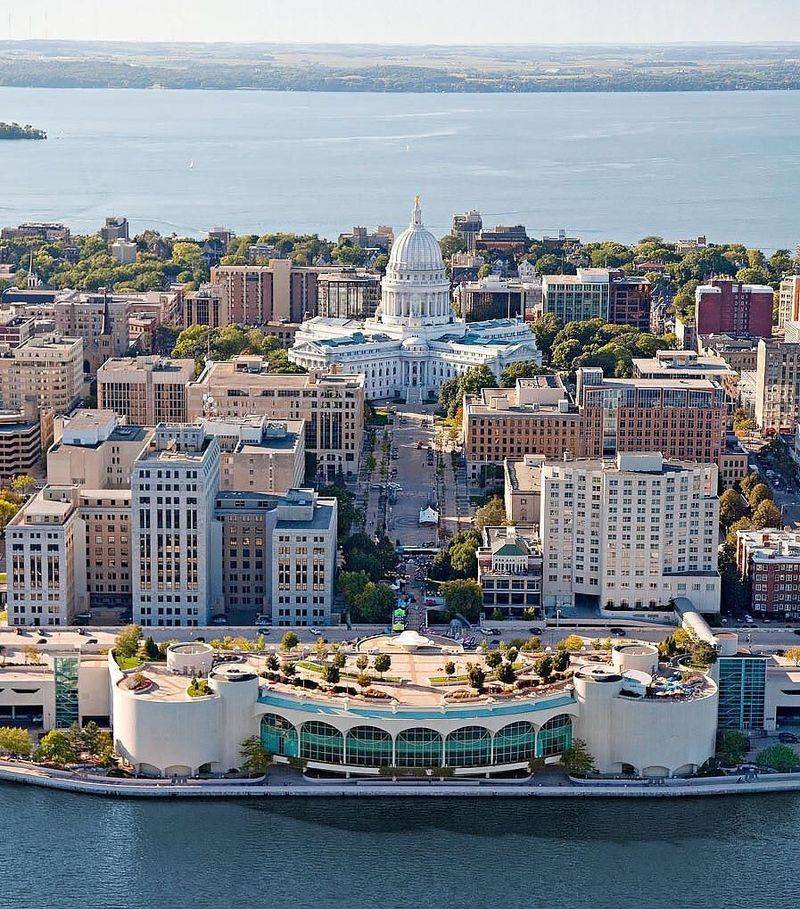
Madison is a city that tends to perform well on quality-of-life studies, and this ranking is consistent with that pattern. Wisconsin’s capital earned 12th place with an overall score of 66.35 in WalletHub’s 2026 happiness study.
The city ranked 13th for emotional and physical well-being and 19th for community and environment. Those mid-tier placements across multiple categories add up to a consistently strong overall score, rather than one exceptional result propped up by weaker performance elsewhere.
Madison is built on an isthmus between two lakes, Mendota and Monona, which gives the city an unusual amount of waterfront access and outdoor recreation space for an urban area. The University of Wisconsin-Madison is a major presence in the city, driving research, culture, and a highly educated workforce.
The combination of academic energy, natural surroundings, and stable civic infrastructure makes Madison a city that residents tend to stay in long-term, which itself is a meaningful indicator of satisfaction.
Columbia, Maryland
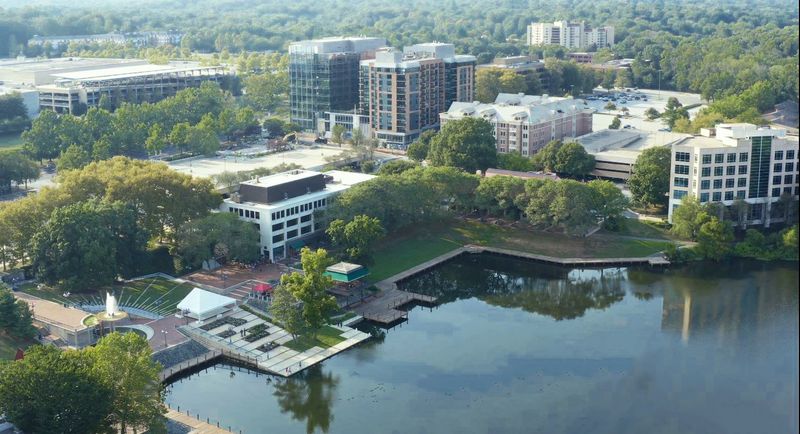
Columbia, Maryland is another planned community on this list, and like Irvine, its intentional design seems to pay off in measurable quality-of-life outcomes. The city ranked 13th nationally with a score of 66.28.
Its strongest result came in emotional and physical well-being, where it finished third among all 182 cities evaluated by WalletHub. That places Columbia in elite company on that specific metric, sitting just behind Fremont and Overland Park.
Columbia was developed in the 1960s by James Rouse, who envisioned a community built around villages, green space, and racial and economic integration. That founding vision shaped the city’s layout significantly.
Today, Columbia has a population of around 100,000 and sits between Baltimore and Washington, D.C., giving residents access to two major metro areas while living in a community designed for walkability and neighborhood connection. The emotional well-being data suggests that design philosophy continues to have a real effect on how residents feel day to day.
Chandler, Arizona
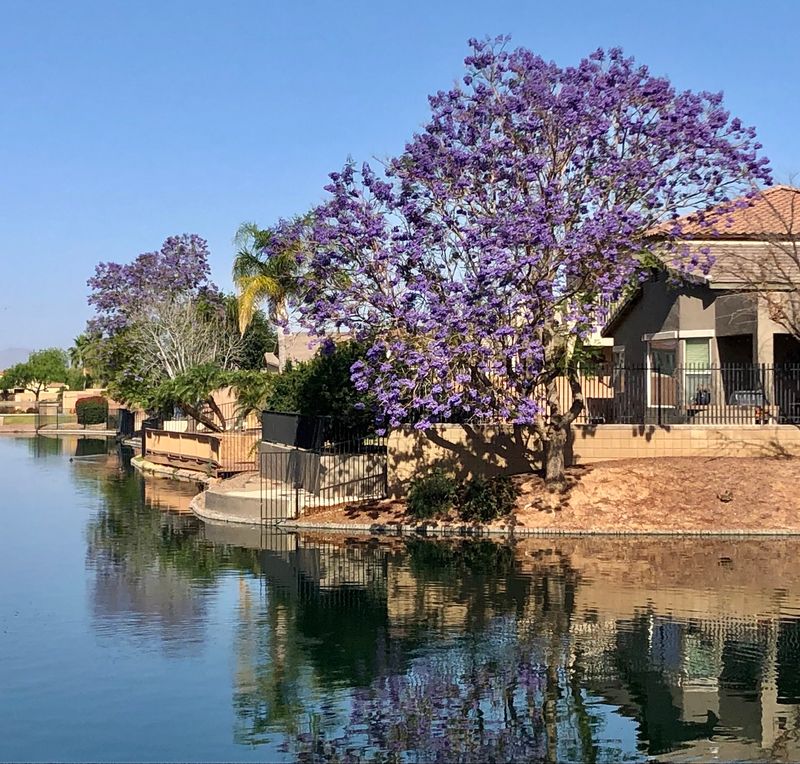
Arizona placed three cities in the top 15, which is a result that deserves attention on its own. Chandler took 14th place with a score of 65.69, joining Scottsdale and Gilbert in representing the Phoenix metro area on this national happiness ranking.
Chandler ranked 10th nationally for community and environment and 19th for emotional and physical well-being. Those scores reflect a city that has managed significant population growth while keeping community quality high and residents broadly satisfied with their surroundings.
Chandler has grown into one of the largest cities in Arizona, with a population of around 275,000. It has attracted a substantial number of technology and semiconductor companies, which has diversified the local economy and brought in a well-compensated workforce.
Downtown Chandler has developed a more walkable and culturally active character in recent years, with local events, restaurants, and public spaces that give the city an identity beyond its suburban origins. The triple Arizona showing in this study is not something that happens by accident.
Seattle, Washington
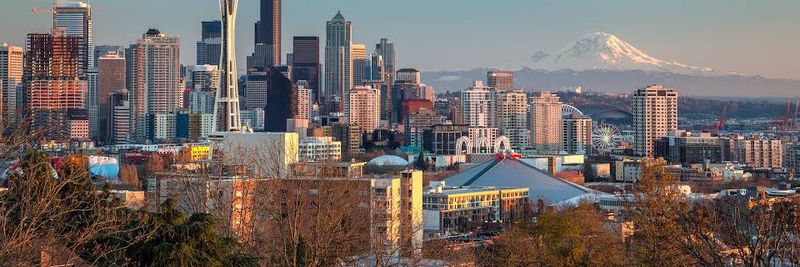
Seattle closes out the top 15 with a score of 65.62 and arguably the most recognizable name on the entire list. The city is known globally for its tech industry, coffee culture, and Pacific Northwest scenery, but this ranking puts a different kind of spotlight on it.
Seattle performed particularly well in two categories: emotional and physical well-being, where it ranked sixth, and income and employment, where it placed seventh. Those results reflect a city where residents report strong personal health outcomes and solid economic stability, two factors that consistently appear at the core of happiness research.
With a population of around 750,000, Seattle is by far the largest city in the top 15. That scale makes its strong well-being scores more notable, since larger cities often struggle with the kinds of stressors that drag down happiness metrics.
Access to outdoor recreation, a robust healthcare system, and a highly educated workforce all appear to contribute to Seattle’s standing as one of the genuinely happiest large cities in the country.
Share this story