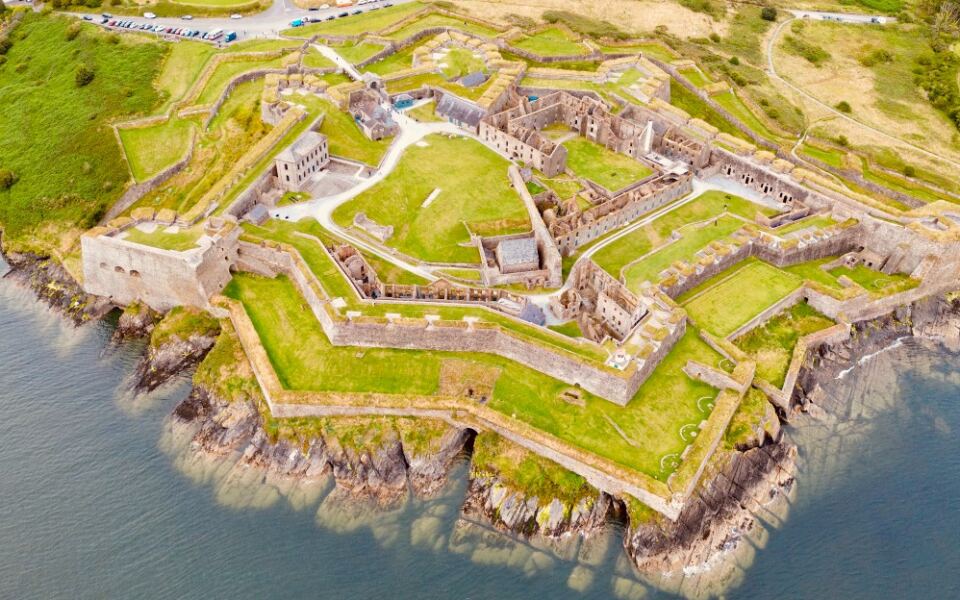
Some places carry their history so heavily that you can almost feel it in the air the moment you arrive. Castles, prisons, underground tunnels, and abandoned settlements have collected centuries of war, tragedy, imprisonment, and legend, and now travelers can walk through them firsthand.
Whether you believe in ghosts or not, these 15 haunted locations around the world offer a fascinating mix of real history and spine-tingling folklore. Pack your courage and keep an open mind, because these are the kinds of places that stick with you long after you leave.
Tower of London, England
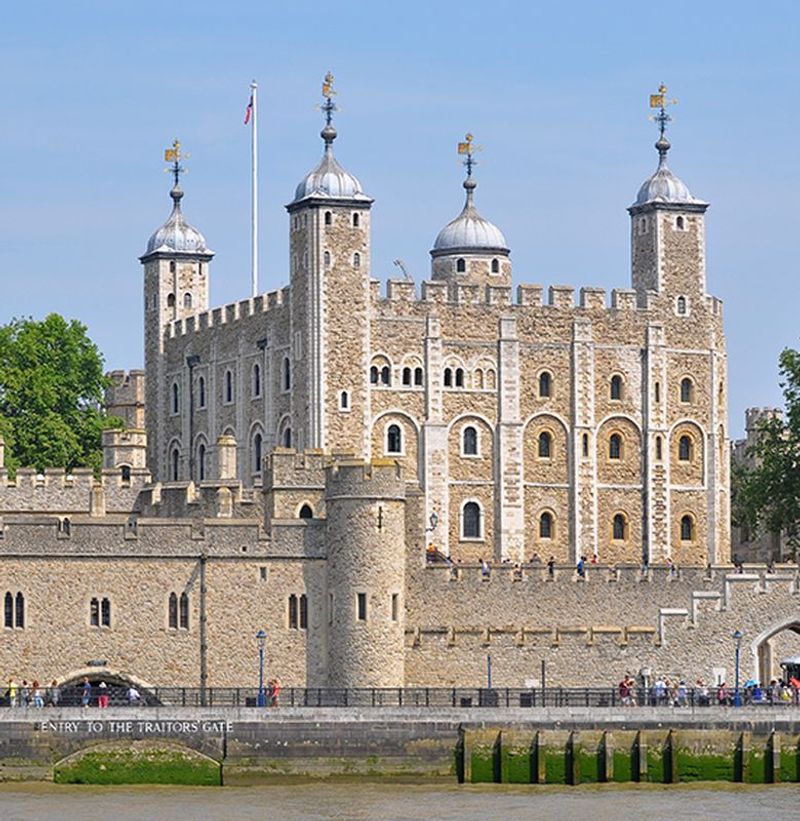
Few buildings on Earth have witnessed as much royal drama as the Tower of London, a fortress that has stood for nearly a thousand years and shows absolutely no signs of forgetting any of it. William the Conqueror started the whole thing after the Norman Conquest, and later rulers turned it into a palace, prison, execution site, armory, and even a zoo.
That is a lot of history crammed into one very old building.
Ghost stories here are practically part of the official tour. Legends surrounding Anne Boleyn and other former prisoners have circulated for centuries, and Historic Royal Palaces acknowledges these tales as part of the Tower’s living traditions.
Whether you believe in apparitions or not, the stories add an extra layer to an already extraordinary visit.
The Crown Jewels, White Tower, Yeoman Warders, and the famous ravens all compete for your attention during daylight hours. Visiting in the early morning or late afternoon helps thin out the crowds and gives the stone corridors a properly eerie atmosphere.
Allow at least three hours, because there is far more to explore here than most visitors expect.
Edinburgh Vaults, Scotland
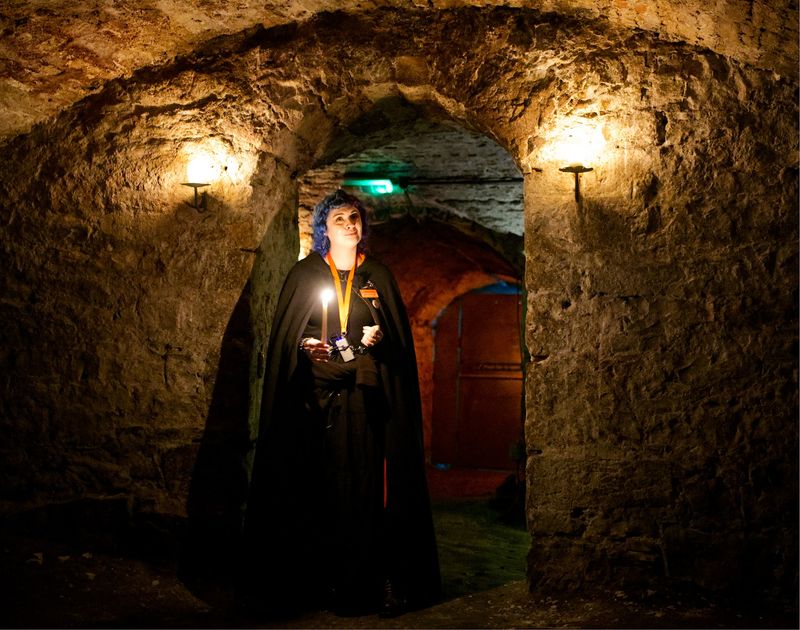
Somewhere beneath the busy streets of Edinburgh, a network of stone chambers sits in near-total darkness, waiting for curious visitors brave enough to head underground. The South Bridge vaults were created in the 1780s when the bridge was constructed, and they initially housed workshops and storage spaces for leatherworkers, jewelers, and other tradespeople operating above.
Conditions deteriorated over time, and the chambers eventually became cramped living quarters for people with nowhere else to go. That combination of poverty, darkness, and isolation gave rise to a rich tradition of ghost stories involving shadowy figures, unexplained footsteps, and strange sensations reported by visitors on tours.
These accounts remain firmly in the category of folklore and personal testimony rather than anything scientifically verified.
VisitScotland currently lists haunted tours through portions of the vaults, and Mercat Tours provides access to the historic Blair Street section. Tours run year-round, but going in autumn or winter adds a certain atmospheric bonus that is hard to replicate in summer.
Wear warm layers regardless of the season, because the underground temperature stays consistently cool and the stone walls have a way of making the chill feel permanent.
Bhangarh Fort, India
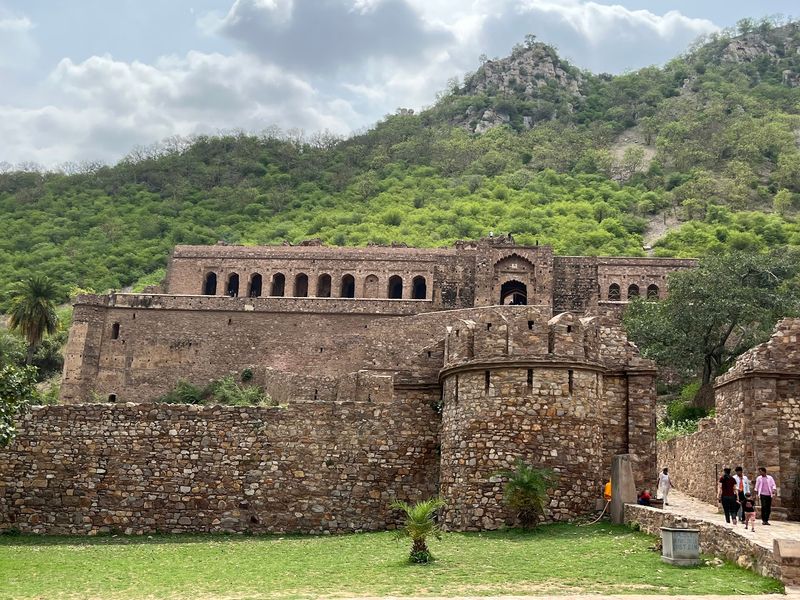
Rajasthan has no shortage of dramatic ruins, but Bhangarh Fort earns a special place among them by being one of the few destinations where an official tourism body openly leans into the haunted reputation. The fortified town sits in the Aravalli Hills and was developed in the 17th century under Raja Madho Singh, leaving behind temples, marketplaces, havelis, and the skeletal remains of a royal palace.
Local folklore offers several competing explanations for why the settlement was abandoned, most involving curses, sorcerers, and ascetics whose warnings went ignored. Rajasthan Tourism is careful to frame these as legends rather than recorded history, which is a refreshingly honest approach for an attraction that clearly benefits from the mystery.
The ruins themselves are genuinely impressive even without a single ghost story attached.
One practical rule sets Bhangarh apart from almost every other historic site: entry is permitted only between sunrise and sunset, and the fort closes completely after dark. Whether that rule exists for safety, preservation, or something more theatrical is a matter of some debate among visitors.
Either way, plan your visit accordingly, arrive early to beat the midday heat, and bring water because the Rajasthan sun is not subtle.
Port Arthur Historic Site, Australia
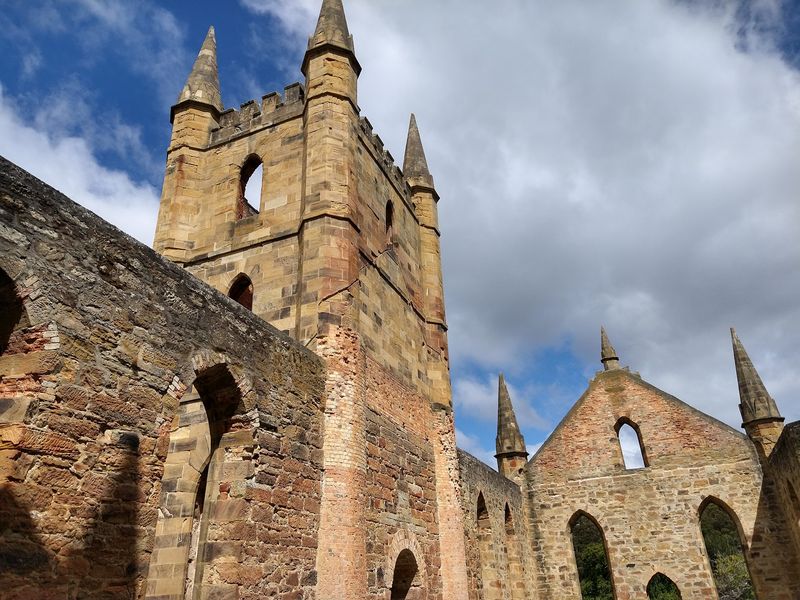
Port Arthur’s reputation for being haunted is almost secondary to the weight of its documented history, which is sobering enough on its own terms. The Tasmanian site operated as a British penal settlement for 47 years, during which time more than 1,000 people died within its boundaries according to the site’s own historical records.
That is not legend. That is paperwork.
Reports of apparitions and unexplained experiences have been circulating since at least the 19th century, and today the UNESCO World Heritage-listed complex takes a thoughtful approach to those stories. Ghost tours run after regular visiting hours, covering selected ruins and historic buildings by lantern light, with guides who present documented accounts and visitor-reported experiences while leaving conclusions up to the individual traveler.
Daytime exploration of the complex is just as worthwhile, with well-interpreted historic buildings, museum spaces, and harbor views that give full context to the penal colony’s history and legacy. The site’s guides do an excellent job of balancing the serious colonial history with the lighter curiosity that ghost stories bring.
Booking the evening lantern tour in advance is strongly recommended, especially during Australian school holidays when availability fills up quickly.
Bran Castle, Romania
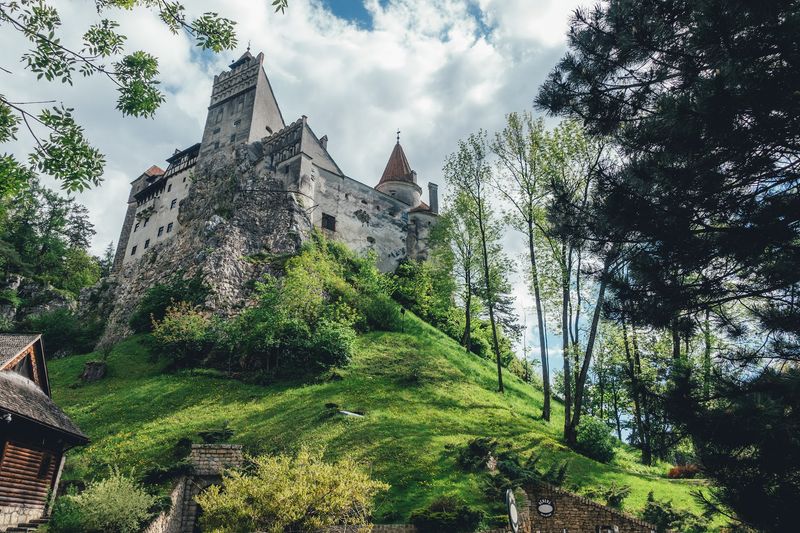
Perched on a rocky cliff above a Transylvanian mountain pass, Bran Castle looks exactly like the kind of place a Victorian novelist would invent, which is essentially what happened. The fortress was built in the late 14th century as a defensive position and customs checkpoint, serving over time as a military stronghold, royal residence, and eventually a museum open to the public.
Its connection to Dracula is more literary than historical. Bran Castle itself acknowledges that Bram Stoker’s fictional count and the real historical figure Vlad Tepes are frequently and incorrectly merged in popular imagination, and that the castle became associated with the novel largely because its appearance matches Stoker’s description.
That is a politely worded way of saying the whole thing started as a marketing opportunity, but the castle leans into it with good humor.
Halloween-themed events run in late October, turning the Dracula legend into a full visitor experience without pretending the fiction is fact. The rest of the year, the castle is open as a museum with exhibits covering its genuine architectural and royal history.
Visiting on a weekday outside of summer helps avoid the largest tour groups, giving you more time to appreciate the view from the battlements without too much company.
Chillingham Castle, England
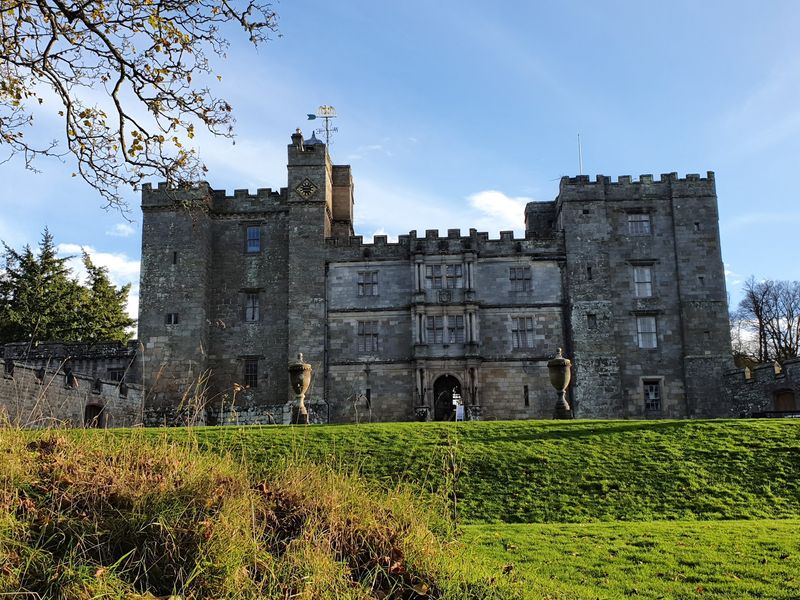
Chillingham Castle does not just tolerate its haunted reputation. It celebrates it with the enthusiasm of a host who has been waiting all evening for the conversation to turn to ghosts.
The Northumberland fortress dates to the 13th century, carries a Grade I listing as a historic building, and has ownership records stretching back to the 1200s, giving it roughly eight centuries of material to work with.
The castle actively collects visitor accounts of alleged apparitions and unexplained experiences, and these stories form the backbone of its evening programming. Ghost tours and extended ghost hunts run throughout the year, including scheduled dates in 2026, taking visitors through dark historic sections of the building and grounds.
These accounts remain personal claims rather than verified events, but Chillingham presents them with enough detail to keep even skeptical visitors entertained.
Practical notes for anyone planning a visit: the tours involve steep stairs and uneven surfaces, so comfortable footwear is genuinely important rather than just a polite suggestion. The castle also offers daytime tours for visitors who prefer their history without the theatrical darkness.
Either way, the medieval architecture alone justifies the trip, and the surrounding Northumberland countryside adds a sweeping backdrop that no ghost story can fully upstage.
Paris Catacombs, France
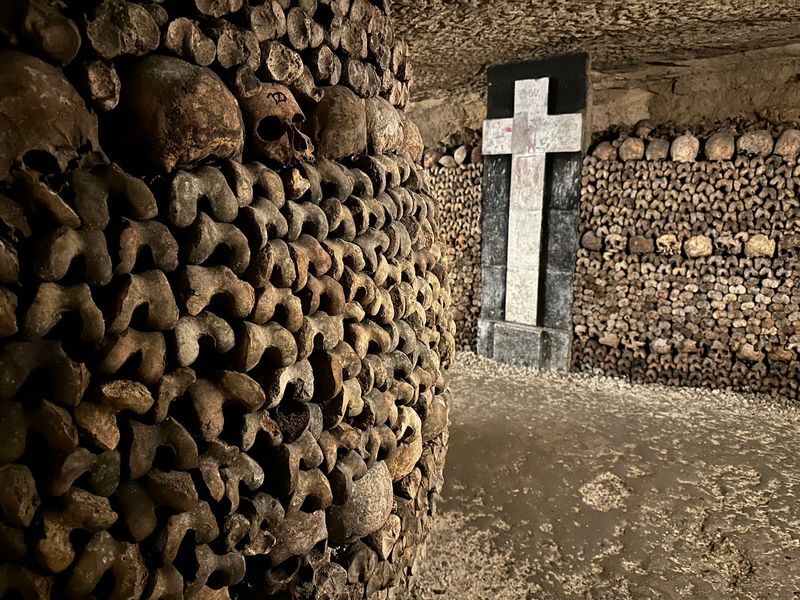
Before you even get to the ghost stories, the basic facts about the Paris Catacombs are already extraordinary. Beginning in 1785, city authorities began transferring human remains from dangerously overcrowded cemeteries into abandoned limestone quarries beneath the city, formally consecrating the space as the Paris Municipal Ossuary in 1786.
Organized public visits started in 1809, making this one of the world’s oldest officially sanctioned underground tourist experiences.
The official visitor route descends about 20 meters below street level, stretches roughly 1.5 kilometers, and contains the remains of several million Parisians arranged with surprising geometric precision along the tunnel walls. Urban legends and ghost stories have naturally accumulated around the tunnels over the centuries, but the real history earns priority here.
This is an ossuary with a serious purpose, not a theatrical attraction built for scares.
Visitors are expected to treat the site with genuine respect, staying within the authorized public route and refraining from touching the remains. The temperature underground hovers around 14 degrees Celsius year-round, so bring a light jacket regardless of the season above ground.
Tickets sell out weeks in advance during peak tourist season, so booking online well ahead of your visit is not optional, it is essential.
The Stanley Hotel, Colorado
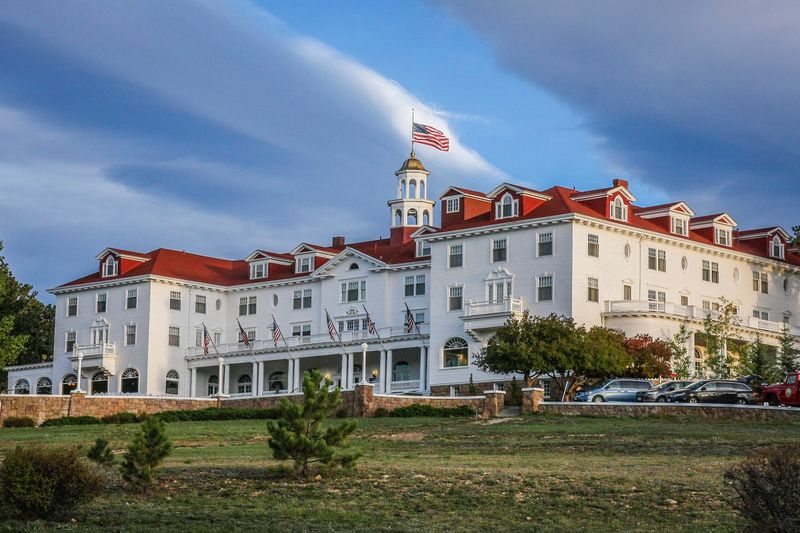
Opened in 1909 by inventor Freelan Oscar Stanley, the Stanley Hotel in Estes Park earned its place in haunted-location lore through a famous guest rather than a dramatic historical tragedy. Stephen King stayed here in the mid-1970s, and his experience reportedly helped inspire The Shining, which is arguably the most effective piece of hotel publicity ever generated by a nightmare.
The hotel is careful about separating its legitimate architectural and hospitality history from the supernatural stories that developed around it afterward. Ghost tours run alongside conventional historic tours, and the evening paranormal experience takes visitors through spaces associated with reported activity while guides discuss both documented hotel history and the folklore that gathered around specific rooms and corridors.
Room 217, if you were wondering, is famously popular and books up fast.
For travelers who want a full experience, the Stanley works well as an overnight stay rather than a day trip. The surrounding Rocky Mountain scenery is spectacular, and Estes Park itself serves as the gateway to Rocky Mountain National Park.
Staying on property gives you the full atmosphere of the building after the day-tour crowds leave, which is when the long hallways and historic common rooms genuinely start to feel like something Stephen King might describe.
Winchester Mystery House, California
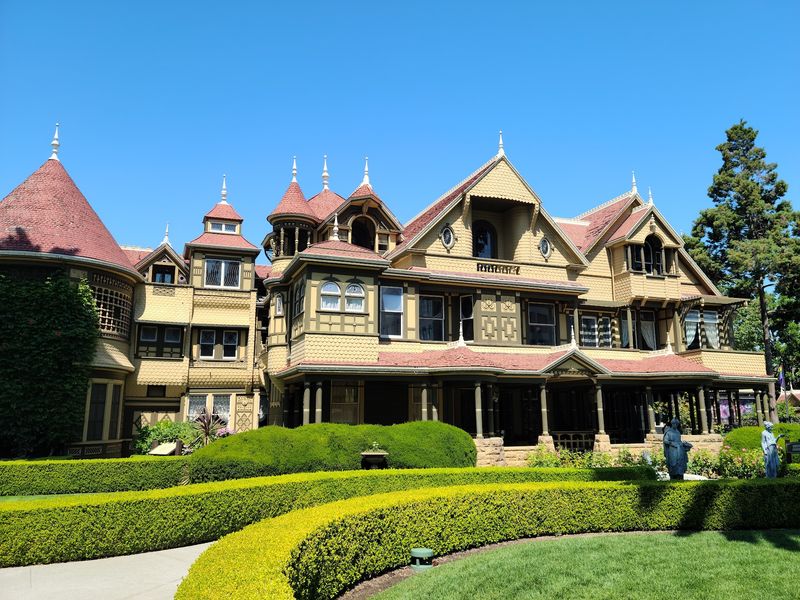
Sarah Winchester’s San Jose mansion is the kind of place that makes you question the architect, the client, and possibly the laws of physics. Construction ran for approximately 36 years, from 1886 to 1922, eventually producing a house with around 160 rooms, including staircases that lead directly into ceilings, doors that open onto walls, and windows built into interior floors.
No contractor’s explanation has ever fully covered that.
The popular story claims Winchester built continuously because she feared spirits connected to the Winchester rifle fortune, but historians have challenged many of the details in that narrative. What visitors can confirm with their own eyes are the genuinely strange architectural choices, the enormous scale of the house, and the sense that someone was making very unconventional decisions for a very long time.
Current tours cover 110 rooms and include limited access to the attic and basement areas, which the property associates with reported paranormal activity in its own interpretation. Special flashlight tours run on Friday the 13th and around Halloween for visitors who want the full atmospheric effect.
Booking in advance is recommended, especially for the specialty tours, and comfortable shoes are a necessity given the sheer amount of ground the mansion covers.
Eastern State Penitentiary, Pennsylvania
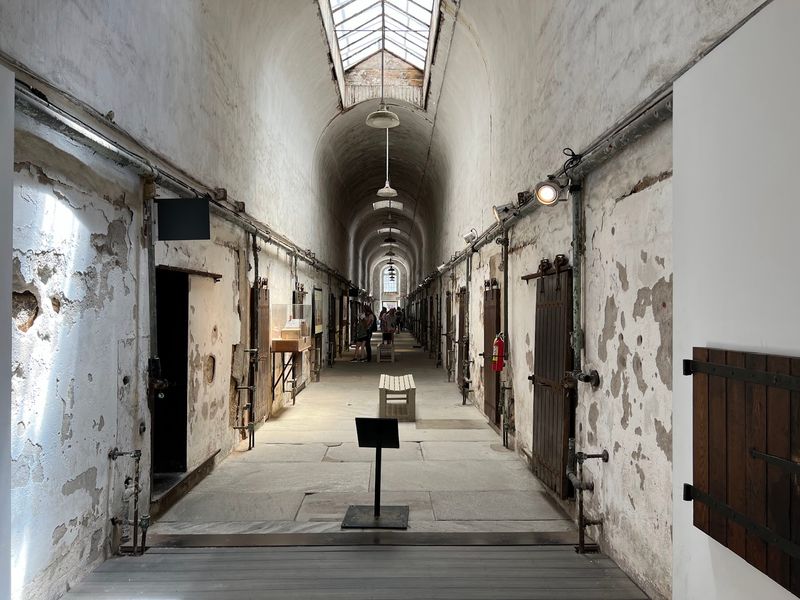
Eastern State Penitentiary opened in 1829 with a genuinely radical idea: that solitary confinement might rehabilitate criminals rather than simply punish them. The experiment influenced prison design around the world, attracted visitors including Charles Dickens, and ultimately proved deeply controversial.
The prison closed in 1971, and after years of abandonment, preservation efforts turned the crumbling structure into one of Philadelphia’s most visited historic sites.
The peeling paint, collapsing ceilings, and overgrown cellblocks created a naturally atmospheric ruin that gathered ghost stories almost immediately. Eastern State now handles that reputation thoughtfully, treating the building primarily as a place to examine the history and ongoing consequences of incarceration rather than leaning entirely on the haunted angle.
The historic daytime tour is genuinely excellent and covers the prison’s history with impressive depth and honesty.
Each fall, a separate Halloween program called Terror Behind the Walls introduces theatrical haunted houses and entertainment within the prison grounds. In 2026, it runs on selected nights from October 2 through November 7, with proceeds supporting preservation and educational programming.
The two experiences, historic tour and Halloween event, attract very different crowds and serve very different purposes, which is worth knowing before you book your visit.
Alcatraz Island, California
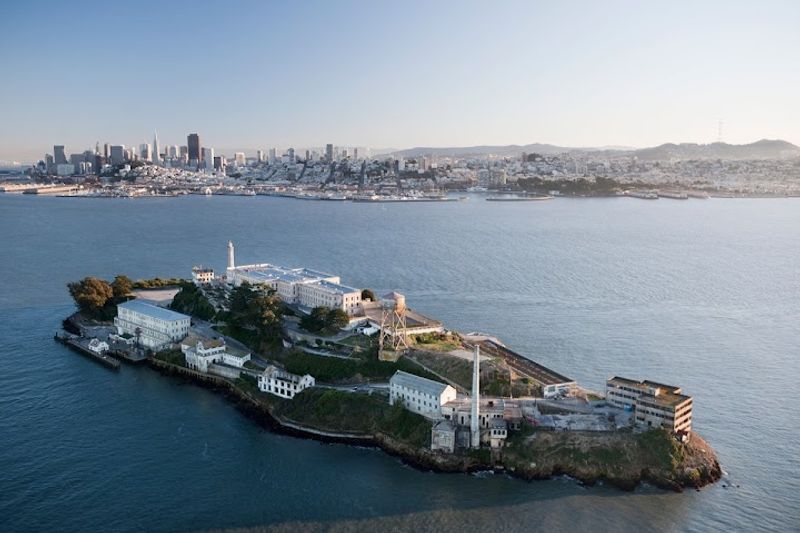
Alcatraz Island has been a lot of things over the years: a military fort, a federal prison, the site of a significant Native American activist occupation from 1969 to 1971, and now one of the most visited national park sites in the United States. The ghost stories involving former inmates and unexplained sounds are firmly part of popular Alcatraz folklore, though the National Park Service focuses its interpretation on the island’s documented and layered history rather than paranormal claims.
Day visits include the celebrated cellhouse audio tour, which is narrated by former guards and inmates and consistently ranks among the best audio experiences at any American historic site. The National Park Service recommends allowing two to three hours on the island, which is enough time to cover the main cellhouse and explore some of the surrounding grounds and exhibits.
Evening programs add a different dimension entirely. Narrated sailing around the island, special talks, demonstrations, and access to areas not typically open during daytime combine to create a genuinely atmospheric experience even without leaning on ghost legends.
Ferry tickets sell out well in advance, particularly in summer and around holidays, so booking through the official National Park Service authorized vendor as early as possible is strongly advised.
Leap Castle, Ireland
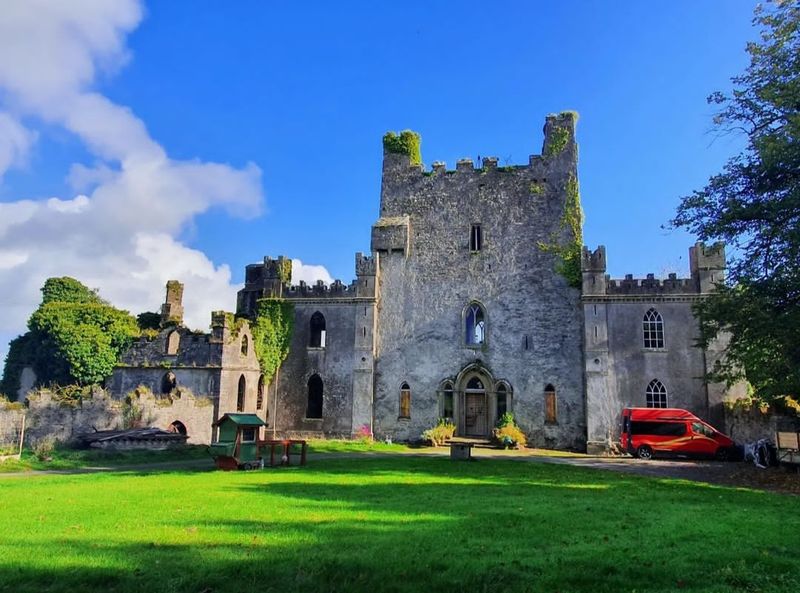
Tucked into Ireland’s Midlands near Roscrea, Leap Castle has the kind of reputation that gets mentioned in hushed tones at Irish pub tables and then repeated rather more loudly after a second round. The medieval O’Carroll stronghold once guarded the route from the Slieve Bloom Mountains into Munster, and Discover Ireland openly acknowledges its standing as one of the country’s most storied allegedly haunted castles.
The legends attached to Leap include the so-called Bloody Chapel, where violence between rival clans supposedly took place, and stories of a supernatural entity described in folklore as an elemental said to produce a distinctive and unpleasant odor. None of these paranormal claims have been independently verified, but they have become so embedded in the castle’s identity that separating the history from the legend requires some patience and a healthy sense of humor.
Unlike large commercial haunted attractions, Leap remains an intimate and relatively private site. Visits are available by request rather than through a standard ticketing system, and special haunted tours are sometimes scheduled in October for those who time their trip accordingly.
The surrounding Irish countryside provides a genuinely beautiful backdrop, and the castle’s small scale makes it feel far more personal than the large-crowd fortress experiences elsewhere on this list.
The Queen Mary, California

The RMS Queen Mary has lived several very different lives. She carried glamorous transatlantic passengers in the 1930s, transported Allied troops during World War II, and has spent the decades since permanently moored in Long Beach as a hotel, restaurant complex, museum, and one of America’s most enthusiastically promoted haunted attractions.
That is quite a biography for a single ship.
The Queen Mary does something genuinely useful with its paranormal programming by explicitly separating documented historical events, wartime records, crew accounts, and later paranormal reports within its guided experiences. The 75-minute Haunted Tour covers cabins and corridors tied to longstanding legends, while the two-hour Paranormal Ship Walk accesses additional spaces after regular hours for visitors who want a deeper look.
In 2026, both tours continue alongside conventional maritime history experiences, meaning travelers can choose exactly how much supernatural flavor they want mixed into their visit. The Art Deco interiors are worth seeing on their own merits, and the ship’s World War II history is genuinely fascinating even without a single ghost story attached.
Staying overnight in one of the ship’s staterooms gives the full experience, and several rooms are associated with reported activity if that happens to be your preference.
Charles Fort, Ireland
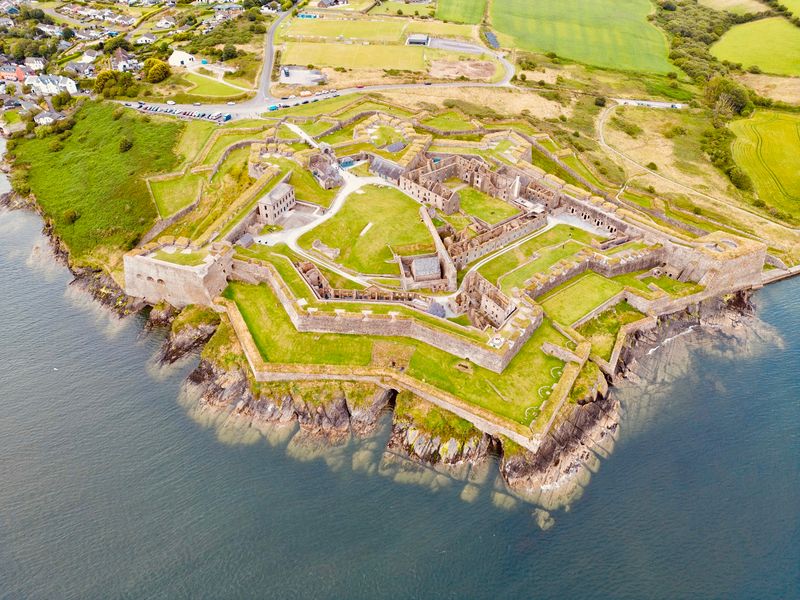
Standing above Kinsale Harbour with the kind of coastal view that makes you briefly forget you came to hear ghost stories, Charles Fort is one of Ireland’s finest surviving examples of star-shaped military architecture. The fortification has guarded the harbor entrance since the late 17th century, and its thick stone walls and geometric bastions tell the story of a time when European military engineering was obsessed with making fortresses as difficult to attack as mathematically possible.
The resident ghost legend centers on the White Lady, a figure connected in folklore to a tragic wedding-night story involving a soldier and the fort commander. The details shift considerably depending on who is telling the tale, which is a reliable indicator that the story belongs more to local oral tradition than to any documented historical record.
Discover Ireland includes Charles Fort among the country’s notable haunted locations and mentions later accounts from soldiers and residents who claimed to see a woman in white near the walls.
Visitors can explore the fort as a historic monument during standard admission hours, and the military architecture and harbor views are the real headline act here. The ghost legend adds a pleasant layer of atmosphere without dominating the experience.
Kinsale itself is one of Ireland’s most charming coastal towns, making Charles Fort a natural addition to a longer visit to the region.
Castle of Good Hope, South Africa
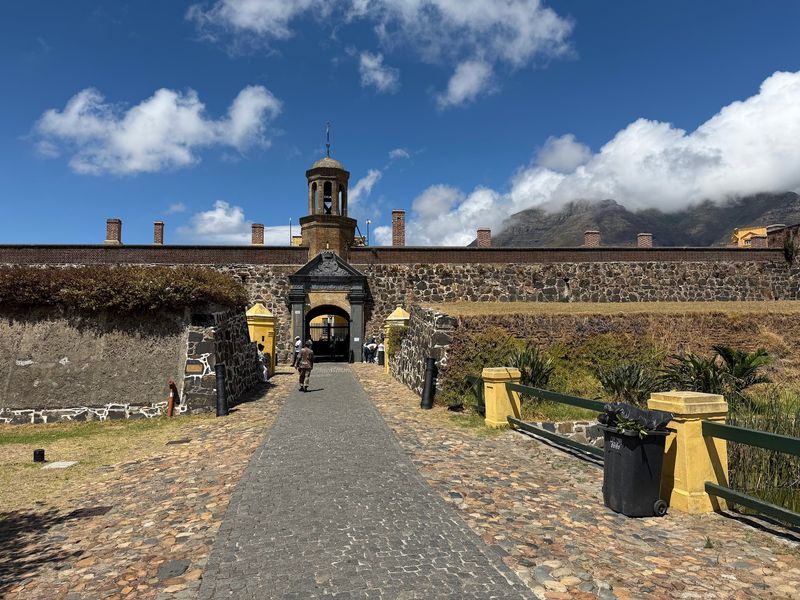
Built between 1666 and 1679 for the Dutch East India Company, the Castle of Good Hope carries a history that is far more significant than any ghost story attached to it. The fortress was constructed through the labor of enslaved people, sailors, soldiers, and Khoi workers, and it is now recognized as the oldest surviving colonial building in South Africa.
That context deserves to sit at the front of any visit, well ahead of the paranormal folklore.
Stories of apparitions involving former prisoners, soldiers, and other figures said to appear within the fortress walls have circulated for generations and remain part of Cape Town’s broader haunted-location mythology. These accounts are presented as folklore rather than documented supernatural events, and the Castle handles its complicated colonial history with a seriousness that the subject demands.
Cells, former detention spaces, museums, courtyards, bastions, and exhibitions addressing colonial and military history are all accessible to visitors.
Guided tours operate daily and cover both the architectural history of the fortress and its role in South African colonial administration. Cape Town’s location makes the Castle easy to combine with visits to nearby museums, the waterfront, and other city landmarks.
Arriving early in the morning gives you the best light for photography and helps you avoid the midday heat that builds up within the stone courtyard during summer months.
Share this story