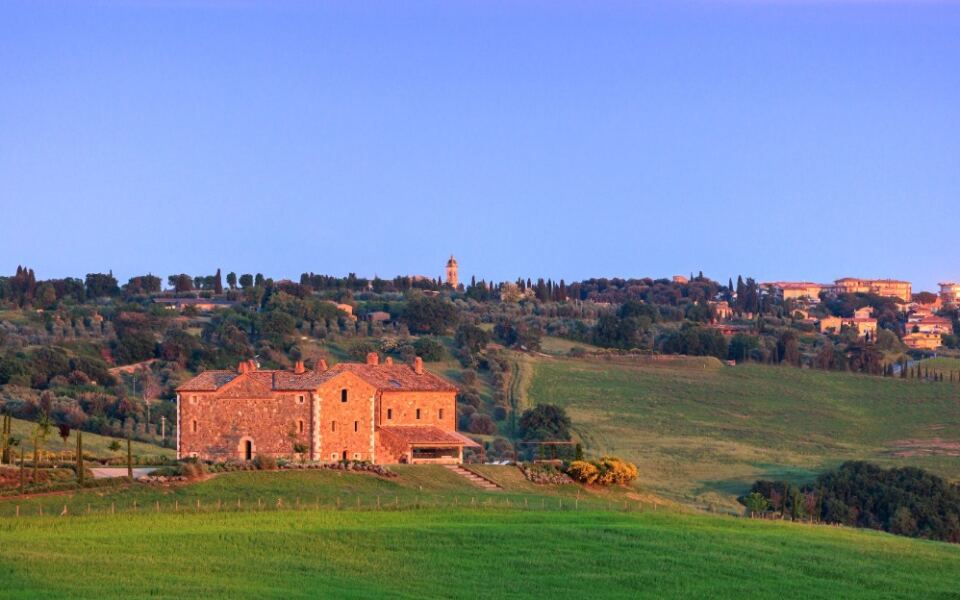
Fall in Europe is not just about Paris cafes and Roman piazzas. Tucked away from the crowds are small towns, quiet valleys, and misty islands that glow in autumn colors.
Think crunchy leaves, warm soups, and streets you can walk without bumping into a tour group. Here are fifteen lesser-known places that make the season feel like a secret worth sharing.
Bled Hinterland, Slovenia
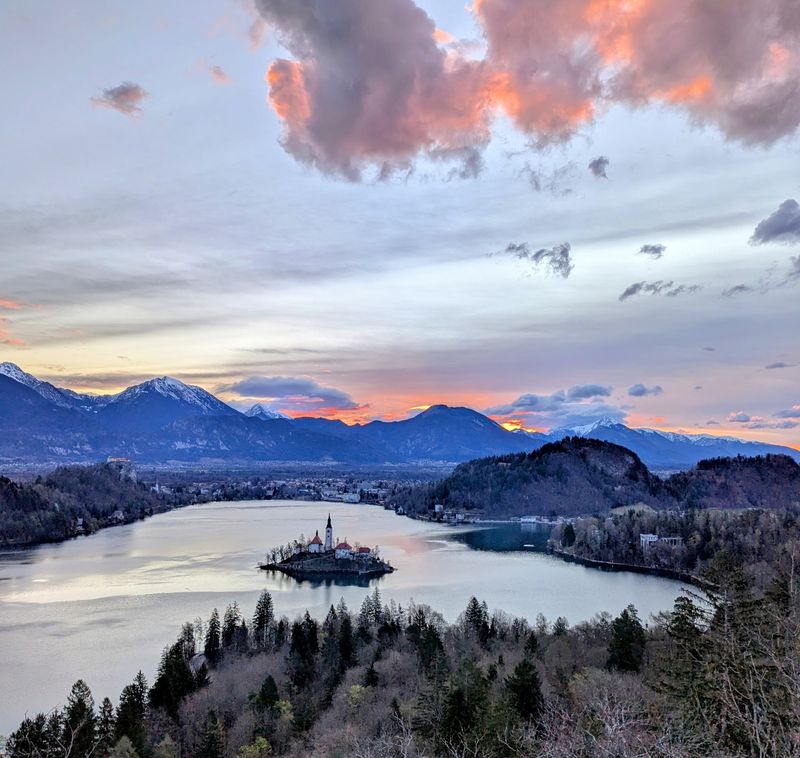
Picture a church on a tiny island, floating in a lake the color of green glass. Most visitors stop at Lake Bled and leave, but the hills behind it hold the real fall magic.
Forest trails turn orange and red from October.
Hike up to Ojstrica viewpoint for a sunrise that feels like a postcard. The climb takes about twenty minutes, and your legs will survive.
Bring a warm jacket, because the morning air bites a little.
Back in town, order a slice of kremsnita, the local custard cream cake. It is soft, wobbly, and gone in about four bites.
Locals say it tastes best with a hot tea and a lake view.
Autumn rooms cost less than in summer, and the water is quiet enough to hear oars splash. Rent a traditional pletna boat if the weather behaves.
Fog sometimes drifts across the lake like a slow, sleepy ghost, so keep your camera ready for those moments.
Colmar, France
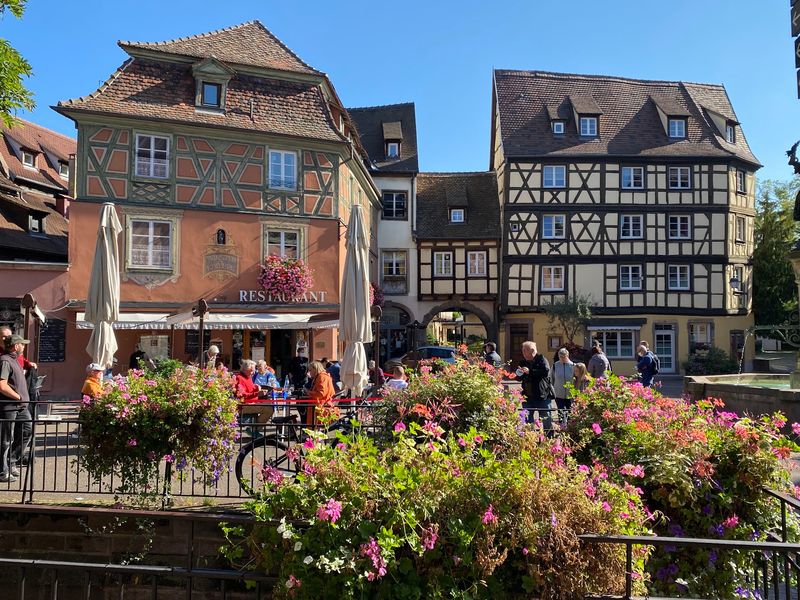
Walk through Colmar in October and you might think a candy shop exploded into houses. Pink, yellow, and blue timber buildings lean over canals in the Alsace region.
Nearby vineyards turn gold and copper.
Harvest season brings new wine, grape festivals, and bakeries that smell like cinnamon. Try tarte flambee, a thin, crispy pizza-like dish topped with cream, onions, and bacon.
It is cheap, filling, and very shareable.
Rent a bike and ride the Alsace Wine Route toward tiny villages like Eguisheim and Riquewihr. The path is mostly flat, so you can enjoy the view without huffing.
Stop at a family cellar for a tasting, or grape juice if you are young.
Little Venice, the old canal quarter, is lovely in late afternoon light. Boat rides are short and cheerful.
Pack an umbrella, since fall showers pop up quickly, but the wet cobblestones only make the colors look brighter.
Hallstatt Alps, Austria
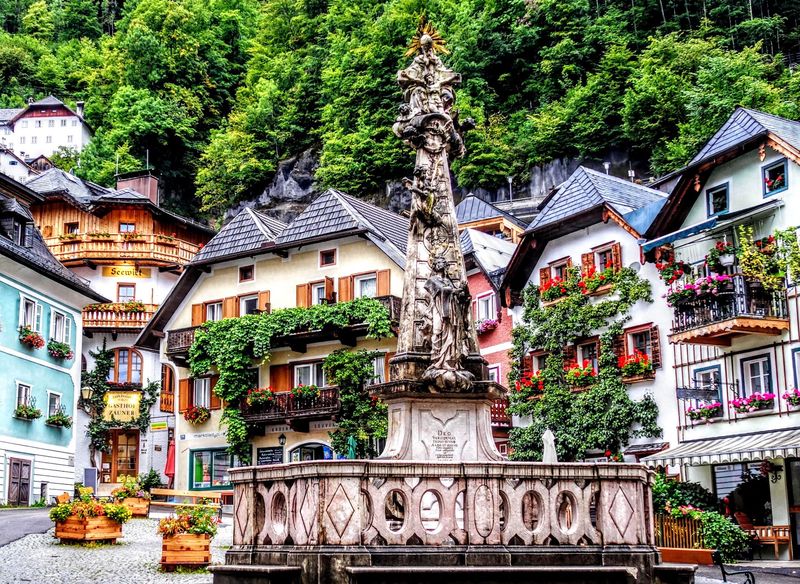
“It looks fake,” says nearly every first-time visitor to Hallstatt. The lakeside village sits under steep peaks, and in fall the trees blaze yellow.
To dodge the crowds, arrive early or stay overnight.
Skip the main square rush and hike the trail to the Echern Valley. Waterfalls rumble beside the path, and leaves crunch under your boots.
You can also ride the funicular up to the Salzwelten salt mine, one of the oldest in the world.
Yes, you can slide down a wooden miner’s slide inside. It is as fun as it sounds.
Wear the funny white overalls and scream politely.
For dinner, try fresh lake fish with potatoes and herbs. Warm up afterward with a mug of hot apple punch.
Evenings get chilly, so pack gloves, and enjoy the quiet when day visitors head home and the lake goes still.
Sintra Forests, Portugal
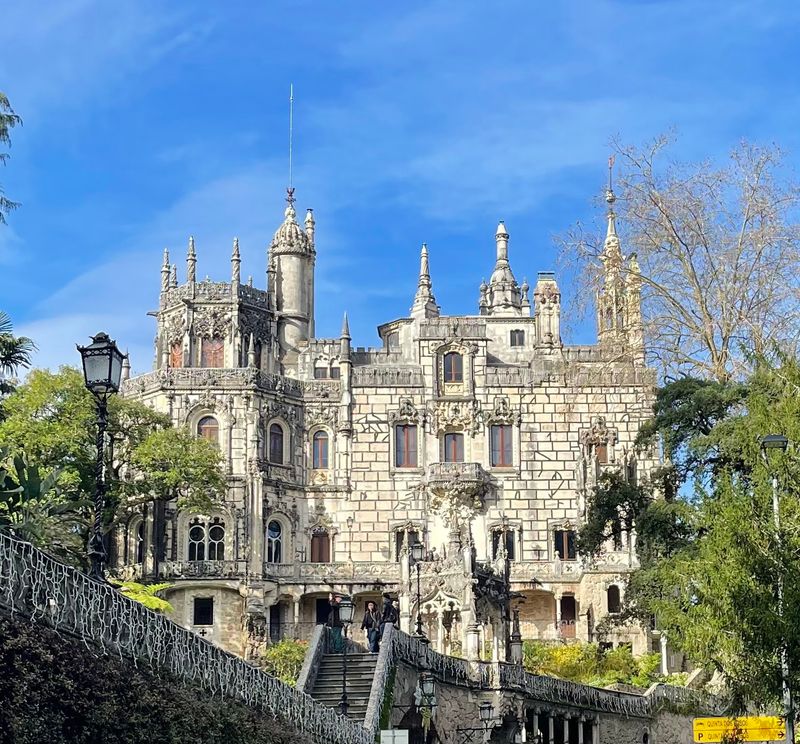
Mist curls around palace towers in Sintra, and suddenly a fairy tale feels reasonable. Autumn brings cooler air and fewer lines to this hilly town near Lisbon.
The forests turn mossy, damp, and deeply green with touches of gold.
Skip the crowded Pena Palace rush by visiting Quinta da Regaleira first. Its spiral well, called the Initiation Well, drops down nine levels into tunnels.
Bring a flashlight app and a sense of adventure.
Wander the Moorish Castle walls for views across the hills to the Atlantic. The stones can be slippery after rain, so wear shoes with grip.
Fall storms pass fast, and the sun often returns by lunch.
Treat yourself to a travesseiro, a flaky pastry filled with almond cream. Locals buy them warm from the oven.
It makes a perfect snack while you wait for the fog to lift.
Cesky Krumlov, Czech Republic
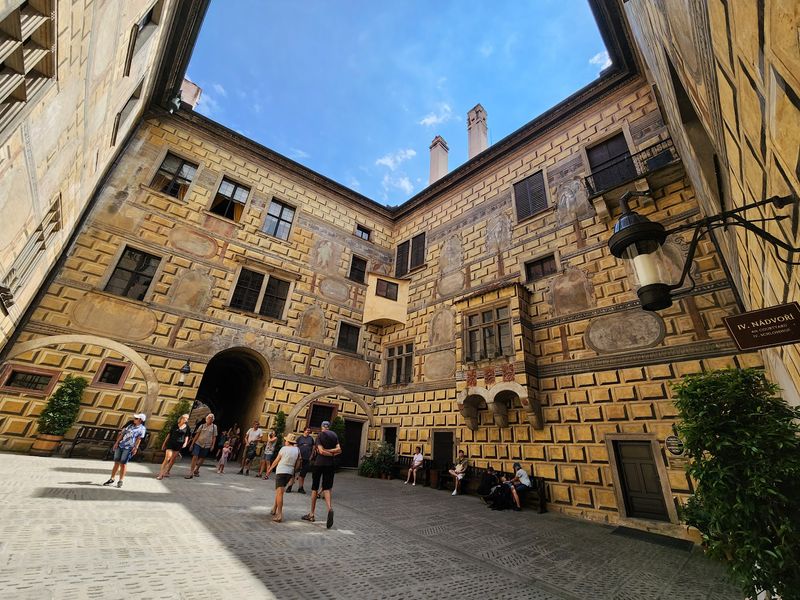
A river hugs this town in a tight, lazy loop, as if it did not want to leave. Cesky Krumlov in autumn has red rooftops, a pastel castle tower, and trees that burn orange.
Few tourists arrive after summer ends.
Climb the castle tower for a wide look at the town below. The steps are many, but the view is a fair trade.
Then visit the castle gardens, where fallen leaves cover the paths like a crunchy carpet.
Rafting on the Vltava is still possible in early fall. Dress warmly and expect a splash.
Local guides tell funny stories along the way.
For food, try roast pork with dumplings and sauerkraut, a hearty plate that fights off cold. Finish with trdelnik, a sweet rolled pastry dusted with sugar.
Fall nights are quiet, and lantern light on the old streets feels wonderfully calm.
Isle of Skye, Scotland
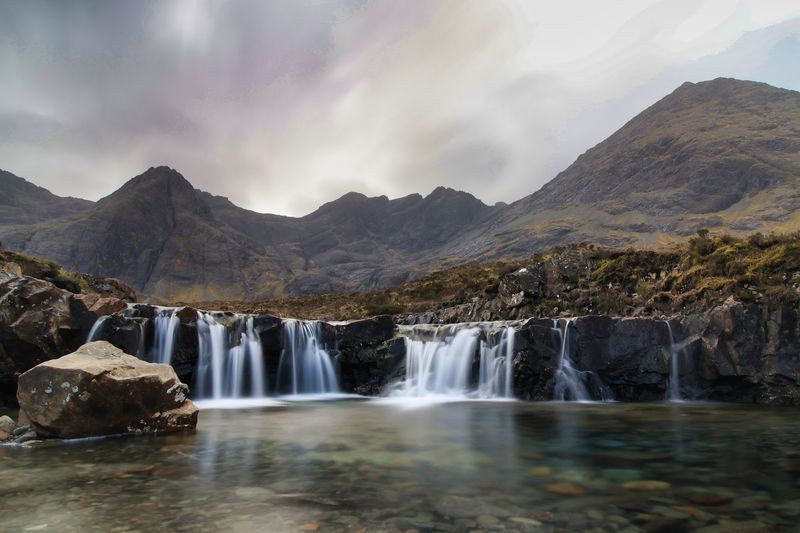
The wind on Skye has opinions, and it shares them loudly. Autumn drapes the island in rust-colored grass and dramatic clouds.
Crowds thin out, leaving the hills mostly to sheep.
Hike to the Fairy Pools, a chain of clear blue waterfalls under the Cuillin mountains. Water levels run higher in fall, so the falls look extra lively.
Bring waterproof boots, because the path gets muddy.
Drive to the Quiraing for ridge views that look like a giant crumpled blanket. Weather changes by the minute, so check forecasts and pack layers.
A hat is not optional.
In the evening, warm up in a pub with a bowl of cullen skink, a creamy smoked fish soup. Many pubs host live folk music.
You might even catch the northern lights on a clear night in late October.
Bohinj Valley, Slovenia
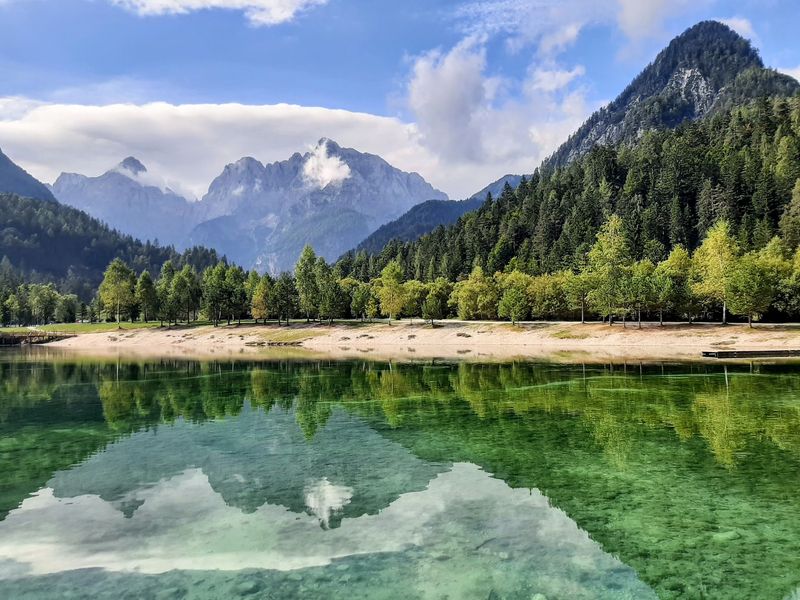
Silence is the main attraction at Lake Bohinj. The water is so still that mountains and golden trees appear twice.
It is Slovenia’s largest permanent lake and far calmer than its famous neighbor.
Walk the shoreline path, which takes a few hours and has plenty of benches. Cows with big bells graze nearby, adding a gentle soundtrack.
In September, farmers lead them down from the high pastures in a festival called the Cows Ball.
Take the cable car up Vogel Mountain for a view of the Julian Alps. Snow may dust the peaks by late October.
Bring a warm hat and a thermos.
Try mohant cheese, a strong, spreadable local favorite, with fresh bread. It is bold, so go slow on your first bite.
The nearby Savica Waterfall is a short hike and especially pretty in autumn light.
Tuscany’s Val d’Orcia, Italy
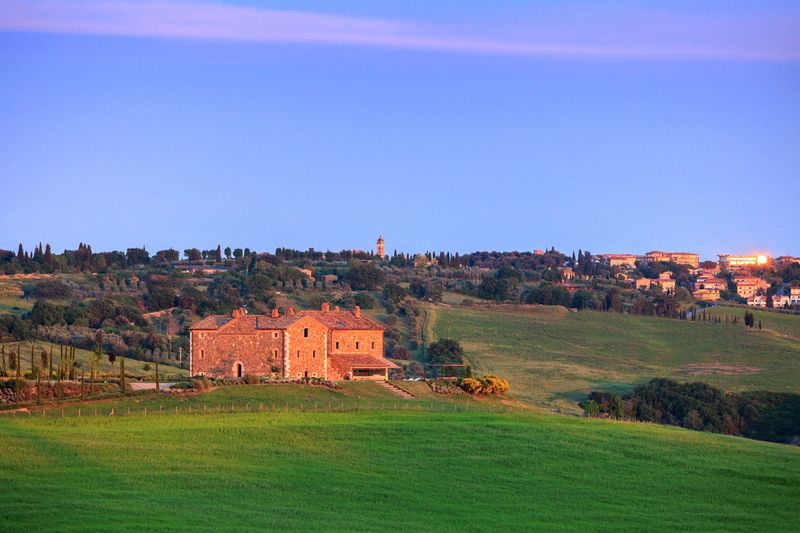
Truffle hunters wake before sunrise in Val d’Orcia, and so should you. Fog sits low over the rolling hills, and cypress trees poke out like pencils.
By mid-morning, the sun paints everything gold.
Autumn is truffle season, and small towns like San Giovanni d’Asso hold festivals with tastings. Shave a little white truffle on fresh pasta and you will understand the fuss.
Many guides let you follow a dog on a real hunt.
Drive between Pienza, Montalcino, and Bagno Vignoni at a slow pace. Pull over often, because every bend has a photo.
In Bagno Vignoni, a steaming square pool sits right in the village center.
Wine harvest brings vineyards to life, and Brunello tastings are plentiful. Book farm stays early, since they are small.
Evenings are cool, so grab a blanket by a fireplace.
Rothenburg ob der Tauber, Germany
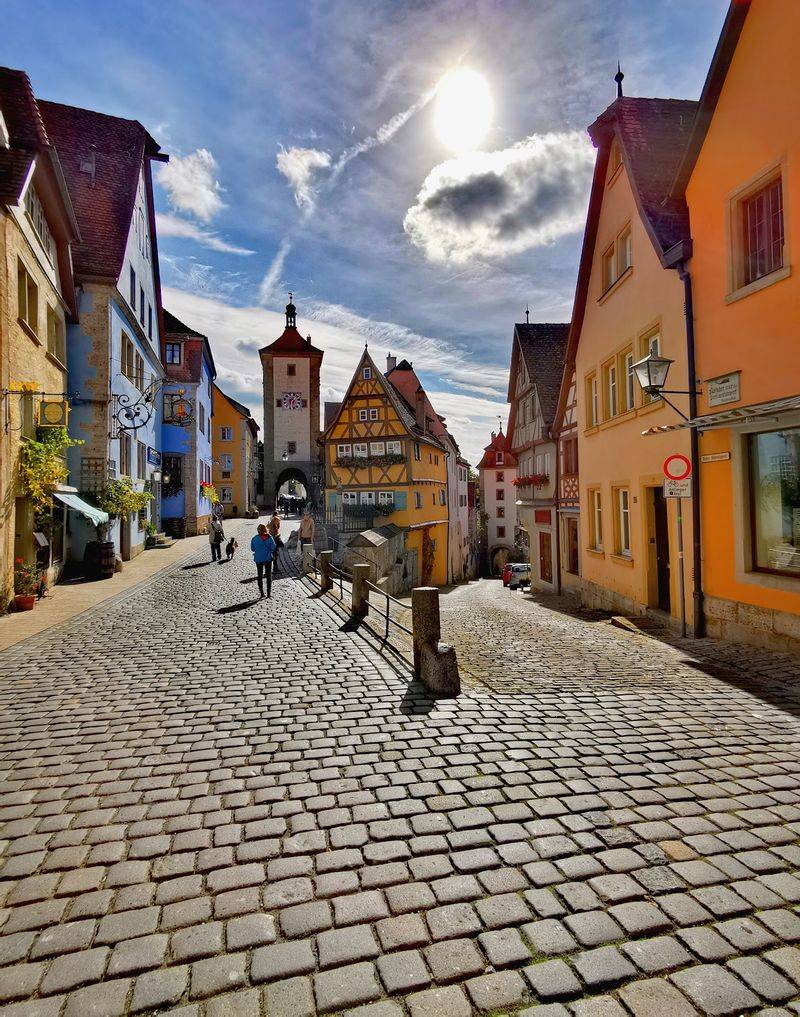
Ever walked on a city wall that is over 700 years old? In Rothenburg, you can circle the whole town on one.
Autumn leaves drift into the courtyards below, and church bells echo across the roofs.
Start early to enjoy the lanes before day-trippers arrive. Look for the Plonlein, a tiny corner with two towers and a crooked fountain.
It is the photo spot everyone wants, and fall light makes it glow.
Try a Schneeball, a crunchy pastry ball dusted with sugar. It shatters when you bite it, so eat over a napkin.
Many bakeries make chocolate or nut versions.
The town also runs a year-round Christmas shop, which feels odd in October but is quite fun. At night, a watchman leads a lantern tour with spooky stories.
Bring a scarf, because the stone streets hold the chill.
Lofoten Islands, Norway
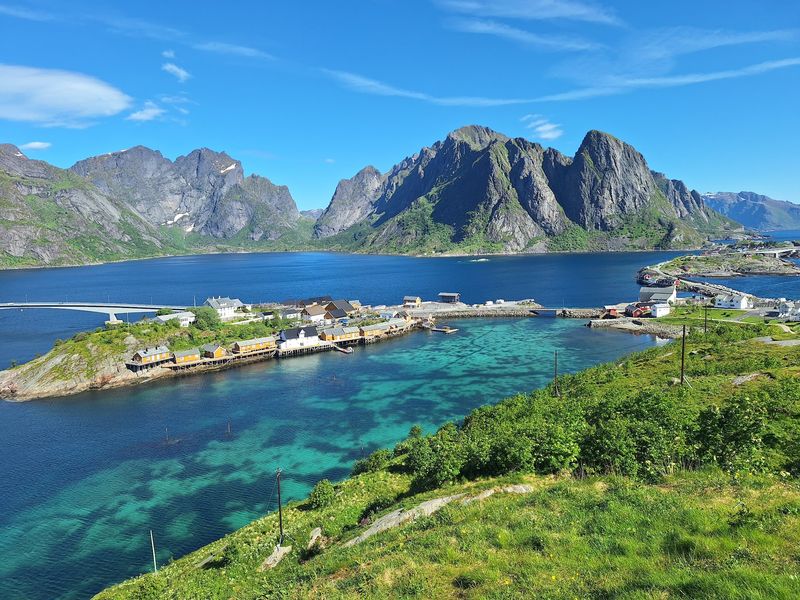
Red fishing cabins stand on stilts above the sea, and behind them mountains shoot straight up. In fall, the Lofoten tundra turns shades of rust and mustard.
The air is crisp enough to wake you faster than coffee.
Autumn gives you a bonus: the northern lights. From September on, dark skies often bring green ribbons overhead.
Check aurora forecasts and head away from town lights.
Hike Reinebringen for views over the village of Reine. Steps now line the route, making it safer, but wet days still demand grippy shoes.
Crowds are thin, so you may share the summit with only a seagull.
Sample stockfish, cod dried on wooden racks in the cold wind. Locals have made it for centuries.
Many cabins stay open for guests, and a hot sauna after a windy day is deeply satisfying.
Plitvice Lakes, Croatia
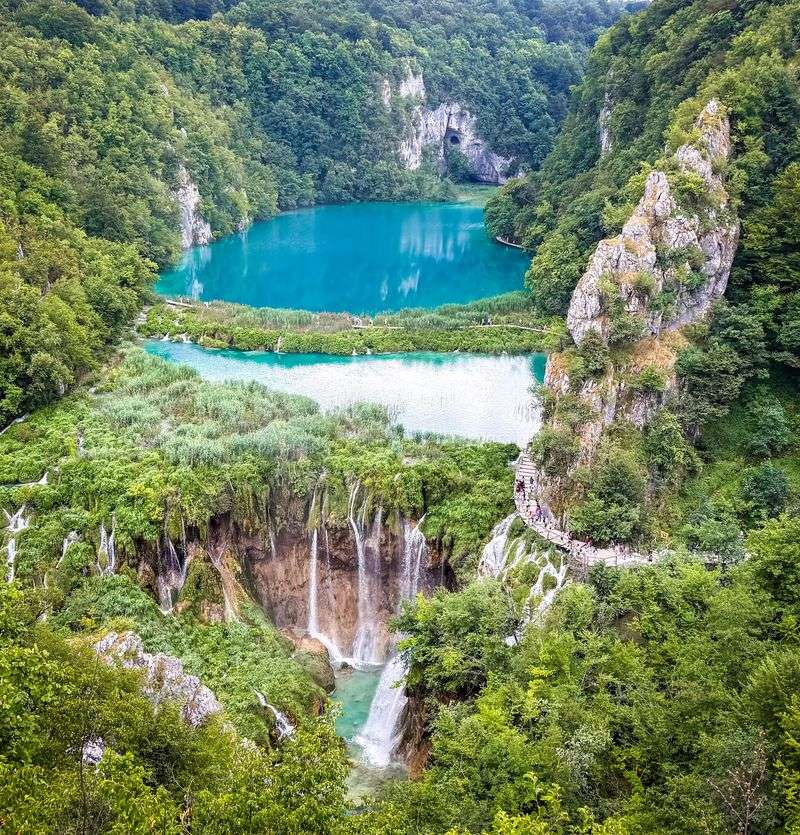
Sixteen terraced lakes tumble into one another, and fall paints the trees around them in fiery red. Plitvice Lakes National Park looks dreamy in any season, but autumn adds drama.
Summer crowds fade, and wooden boardwalks feel calmer.
Walk the lower lakes first, where waterfalls are biggest. The water shifts between turquoise, emerald, and gray, depending on minerals and sunlight.
Rain can make paths slick, so wear sturdy shoes.
Electric boats and a small shuttle link parts of the park. Use them to rest your feet.
Bring snacks, since food options inside are limited.
Nearby farms sell homemade cheese, plum brandy, and roasted lamb. Kids may prefer the strudel with apples, which is warm and flaky.
Book tickets online ahead of time, and arrive near opening for quiet mornings by the water.
Transylvania, Romania
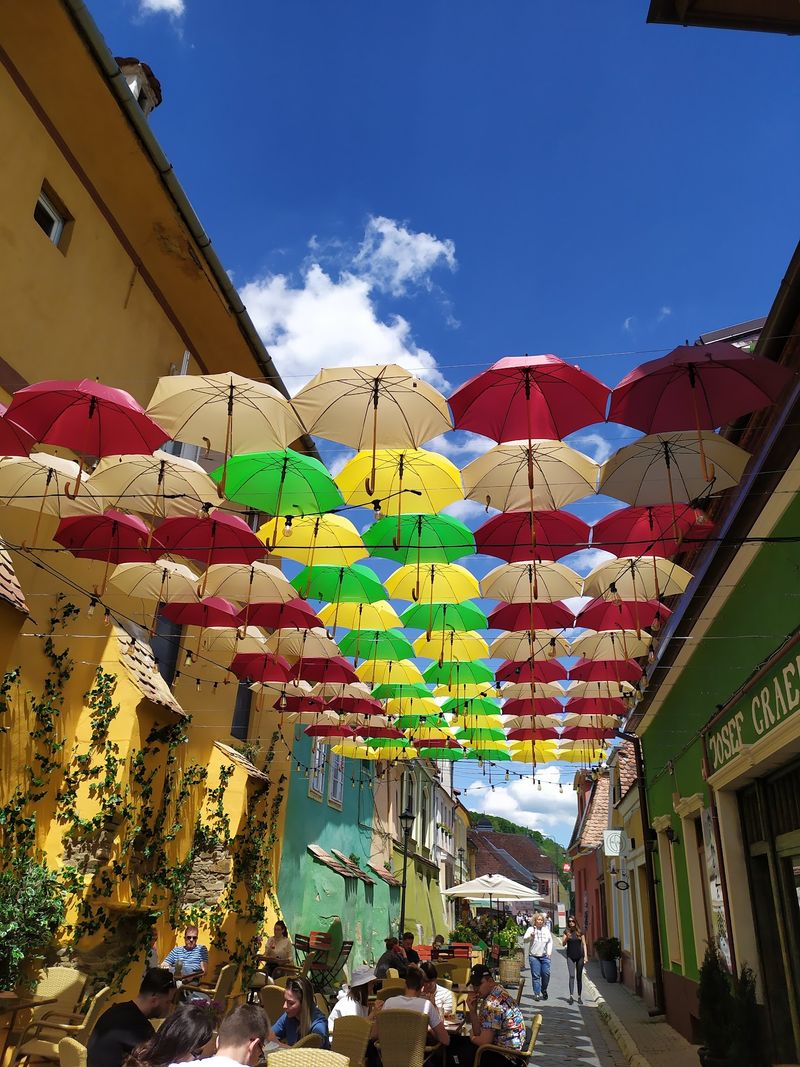
Forget the vampire jokes for a moment, because the real Transylvania is lovelier than spooky. Autumn paints the Carpathian hills in amber, and haystacks dot the fields.
Villages like Viscri and Biertan feel frozen in time.
Wander Sighisoara, a walled citadel with a clock tower and painted houses. Climb the covered wooden stairway to the old church.
Leaves scatter on the hilltop graveyard, giving it a quiet charm.
Visit Bran Castle if you must, but save time for lesser-known fortified churches. Many date back to the Middle Ages.
Locals will happily explain how villagers once hid inside during attacks.
Meals are hearty. Try sarmale, cabbage rolls stuffed with meat and rice, and finish with papanasi, fried dough with jam and cream.
Country roads are scenic and slow, so allow extra time and keep your windows down.
Annecy, France
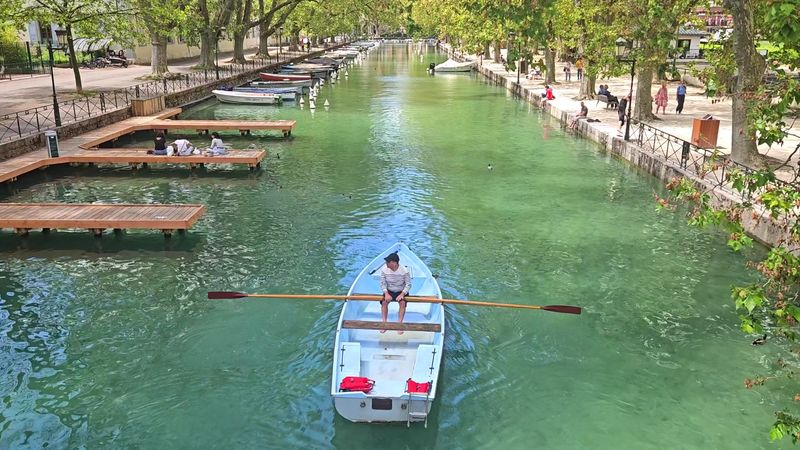
Swans glide past flower boxes in Annecy, and nobody seems to be in a hurry. This French Alpine town sits beside a clear lake and has canals running through its old center.
In autumn, the surrounding mountains show off with golden slopes.
Rent a pedal boat or kayak on warm October afternoons. The water is clean enough to see fish below you.
Or stroll the lakeside path to Talloires for a long lunch.
Cheese lovers, rejoice. Try tartiflette, a baked dish of potatoes, bacon, and melted Reblochon cheese.
It is as cozy as a blanket and nearly as heavy.
Climb to the viewpoint at Col de la Forclaz for paragliders drifting over the lake. Watch from the ground unless you are brave.
Markets on weekends sell chestnuts, honey, and mountain sausages worth sampling.
Ronda, Spain
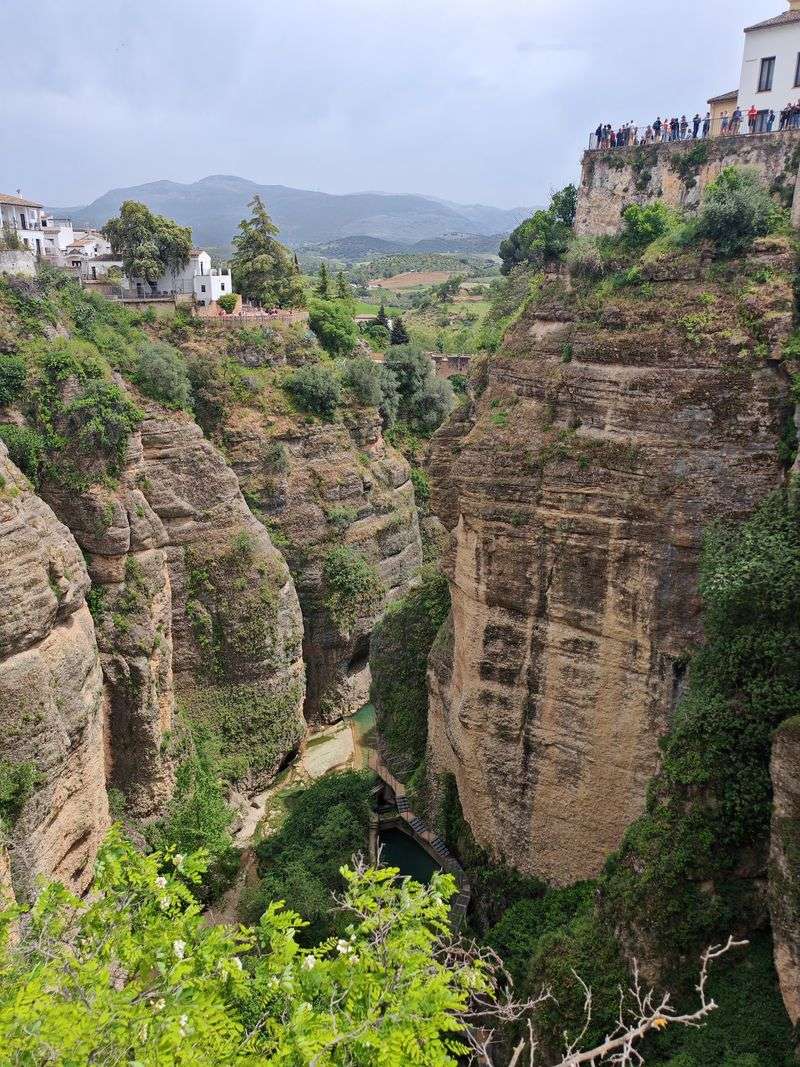
A bridge so high it makes your stomach flip: that is Ronda’s Puente Nuevo. It spans a deep gorge and connects the old and new halves of this Andalusian town.
Autumn brings mild weather, perfect for strolling without sweating.
Walk down the path into the gorge for the best view of the bridge. The trail is steep, so take your time.
Fall light turns the stone warm and honey-colored.
Ronda also claims one of Spain’s oldest bullrings, now a museum. Whether or not you like the tradition, the architecture is striking.
Nearby, the Arab Baths from the thirteenth century are well preserved.
Taste oxtail stew, a regional favorite, and local wines from nearby hills. Tapas bars fill after sunset, so grab a seat early.
Day trips to white villages like Setenil de las Bodegas show houses built right under rock overhangs.
Mosel Valley, Germany
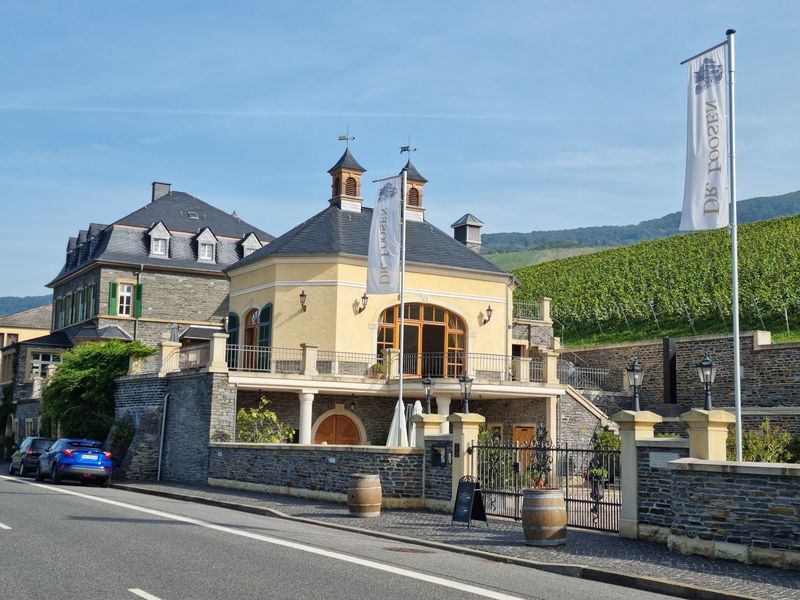
Vines cling to slopes so steep that workers harvest some grapes by hand while hanging on. In autumn, the Mosel Valley glows yellow and orange along a winding river.
Small villages tuck themselves between the hills.
Base yourself in Bernkastel-Kues, where crooked timber houses surround a market square. Hike up to Burg Landshut ruins for a river view.
The path is steady but manageable for most visitors.
Riesling is the star here, and tastings are casual and friendly. Many family wineries offer cellar tours during harvest.
Try a young, fruity wine, or the local grape juice if you are underage.
Hop on a river cruise for an easy way to see the bends. Or rent a bike and follow the flat riverside path.
Look out for Zwiebelkuchen, a savory onion tart sold at fall festivals, best eaten warm with new wine.
Faroe Islands, Denmark
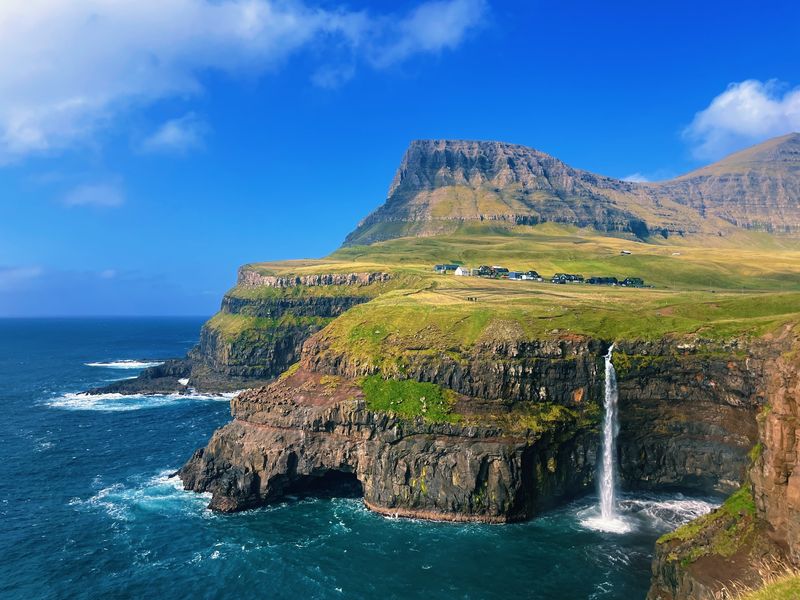
Sheep outnumber people in the Faroe Islands, and they have the best views. These North Atlantic islands wear fall in moody greens, browns, and misty grays.
Waterfalls spill straight off cliffs into the sea.
Visit Gasadalur village to see Mulafossur Waterfall drop beside grass-roofed houses. The road there once required a mountain hike, but a tunnel now makes it easy.
Bring a rain jacket, since weather flips fast.
Hike with a local guide when possible, as many trails cross private land. Fall means fewer visitors and softer light for photos.
The village of Saksun, with its tidal lagoon, is especially peaceful.
Food leans toward the sea. Try fresh fish soup or fermented lamb, a local specialty with a very strong flavor.
Cozy guesthouses serve hot coffee and cake after windy walks. Ferries and tunnels link most islands, so plan travel days with a little buffer.
Share this story