Most visitors to Germany stick to Berlin, Munich, and a famous castle or two. But the country has quiet corners that are just as amazing.
Think old towns full of timber houses, giant beaches, deep river gorges, and skies packed with stars. Here are 15 places that most travelers skip, and they are ready to surprise you.
Quedlinburg
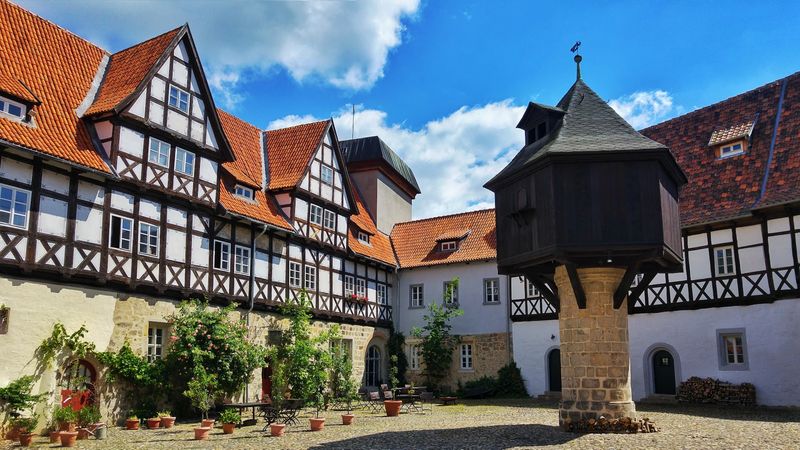
Picture a town where more than 2,000 half-timbered houses lean toward each other like gossiping neighbors. That is Quedlinburg, and people still live, work, and shop inside this old center.
It is no dusty museum.
UNESCO added the old town to its World Heritage List in 1994. Even so, it gets far fewer foreign visitors than Rothenburg ob der Tauber.
That means you can wander the lanes without bumping into tour groups at every corner.
The buildings show about six centuries of building styles. Look for crooked walls, carved beams, tiny courtyards, and little workshops tucked into side streets.
Every turn gives you something new to photograph.
Climb the castle hill to reach the Romanesque Collegiate Church of St. Servatius. It dates back to the days of the Ottonian rulers, when Quedlinburg was a big deal.
The view over the red roofs is worth the sore legs.
Plan to stay a night if you can. The evenings are calm, the cafes glow, and the streets feel like they belong to you.
Bring comfortable shoes, because cobblestones are not kind to fancy sandals.
Monschau
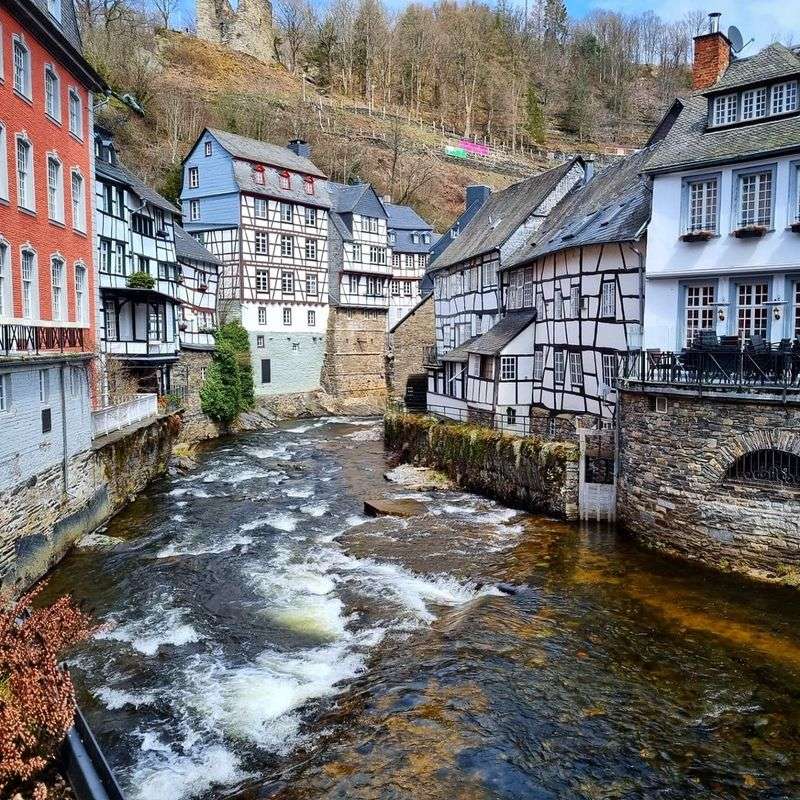
Squeezed into a narrow valley near the Belgian border, Monschau seems to have run out of room and simply stacked itself along the river. The Rur flows under little bridges and past slate-roofed houses.
It looks like a postcard that learned to walk.
More than 300 listed half-timbered buildings from the 17th and 18th centuries still stand here. Wars and big fires mostly left the town alone, which is lucky for us.
Few places in Germany have kept this much old charm in such a tiny space.
Head to the Rotes Haus, built for a rich cloth merchant in 1760. Inside, a self-supporting oak staircase wows visitors who expected just another old house.
Take a moment to admire the woodwork.
Above the town, Monschau Castle looks out over the wooded hills of the Eifel. The walk up is short and the views are big.
It is a great spot for a lazy picnic.
Monschau is also a smart base for Eifel National Park. Its 86-kilometer Wilderness Trail lets you swap cobbles for forest paths.
Pack layers, since valley weather changes fast.
Blaubeuren and the Blautopf
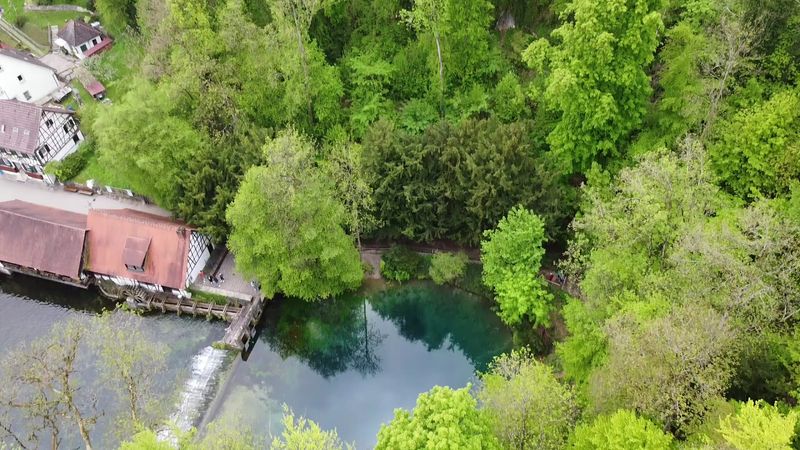
Nobody believes the color of the Blautopf until they see it. This karst spring at the edge of the Swabian Alb glows an intense blue, as if someone dropped a giant ink tablet in the water.
Photos barely do it justice.
The water rushes up from a huge cave system below. Light and minerals play tricks, and the shade shifts with the weather.
Visit on a sunny day for the brightest show.
Blaubeuren has history to match its scenery. Caves in the nearby Ach and Blau valleys held tools and jewelry from Neanderthals and early modern humans.
Some of Europe’s most important prehistoric finds came from this area.
The wider Swabian Alb is a UNESCO Global Geopark, so the cliffs and caves are well protected. In town, you will find old streets and a monastery setting that adds a peaceful feel.
The crowds you might expect at a famous lake simply are not here.
Give yourself half a day. Walk around the spring, visit a museum about the prehistoric finds, then stroll the old lanes.
It is an easy, rewarding stop.
Bad Wimpfen
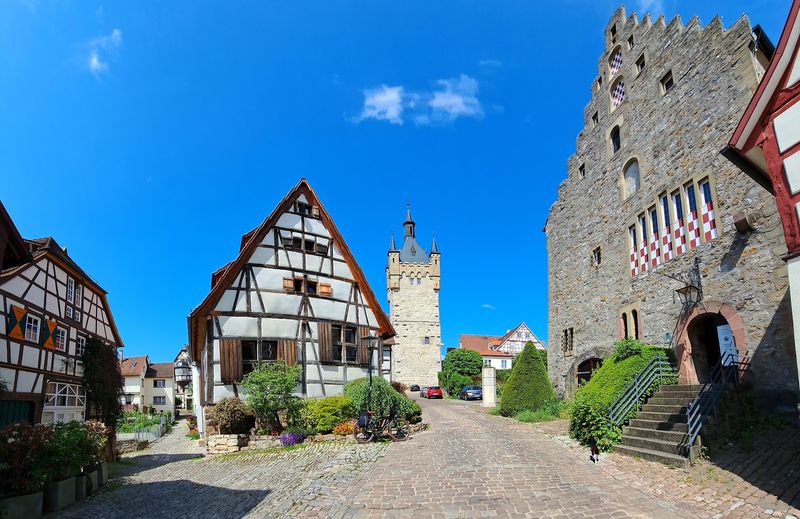
Red roofs, tall towers, and crooked timber houses crowd the hilltop above the Neckar. That is the skyline of Bad Wimpfen, and it looks lovely from the river.
Many travelers drive past on the way to Heidelberg without a glance.
The Hohenstaufen dynasty made this town important. Their imperial palace left walls, towers, and other remains scattered through the old center.
You can spot bits of history on almost every block.
Germany’s tourism authority points visitors to the 58-meter Blue Tower. Climb it for broad views across the rooftops and the Neckar Valley.
Bring a camera and a little breath to spare.
Down below, narrow lanes twist between timber-framed houses and pieces of the medieval fortifications. Historic inns serve hearty meals when your feet need a rest.
The pace is slow and friendly.
Compared with Heidelberg, Bad Wimpfen feels small and personal. You get river scenery, old architecture, and hilltop views without the sightseeing traffic.
It makes a perfect half-day or overnight stop.
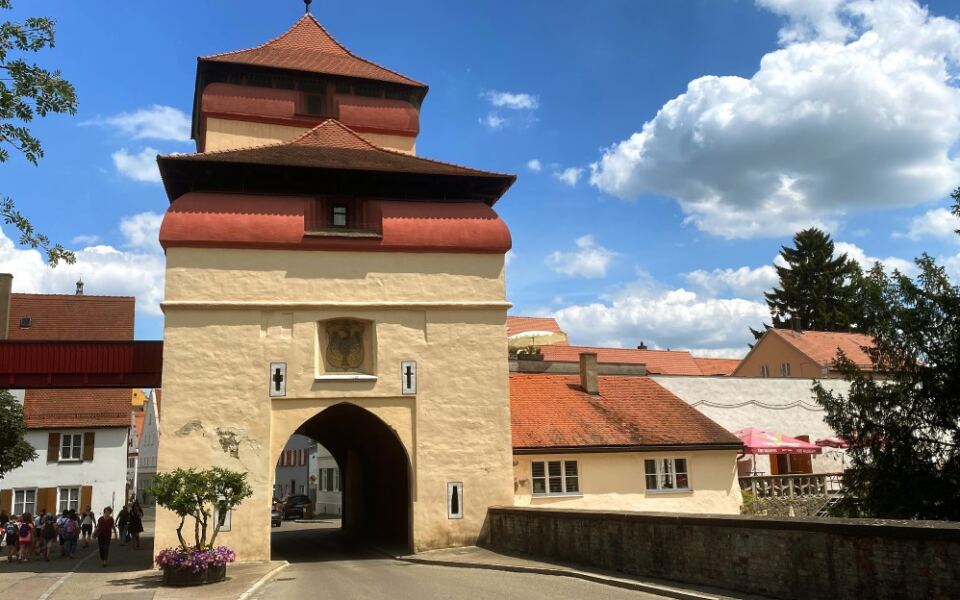
Nördlingen
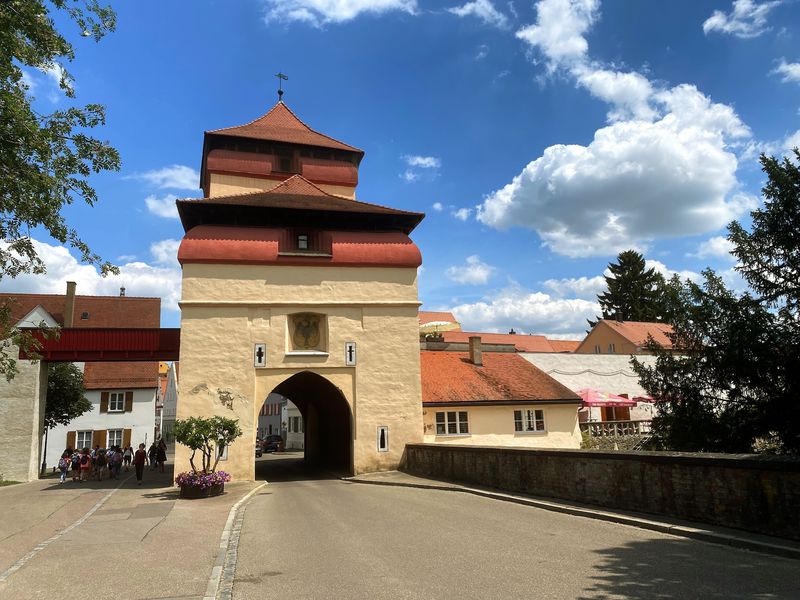
Here is a fun fact to drop at dinner: Nördlingen sits inside a crater made by an asteroid about 15 million years ago. The Nördlinger Ries is huge, and the old town sits right in the middle of it.
Space history never felt so cozy.
The town itself is round, echoing the crater around it. Its medieval defenses are remarkably complete.
Gates and towers still guard the edges.
You can walk the entire 2.6-kilometer covered town wall, which Germany’s tourism authority says is unique among German towns. Go slowly and peek through the openings at the rooftops below.
It makes for a free and fantastic afternoon.
Then tackle the tower of St. George’s Church. From the top, the circular street pattern becomes clear, and you finally see the shape the town has kept for centuries.
The stairs are many, so wear good shoes.
Many travelers rush along the Romantic Road and skip this stop. That is their loss.
Nördlingen offers timber-framed streets, medieval gates, and an out-of-this-world backstory.
Amrum
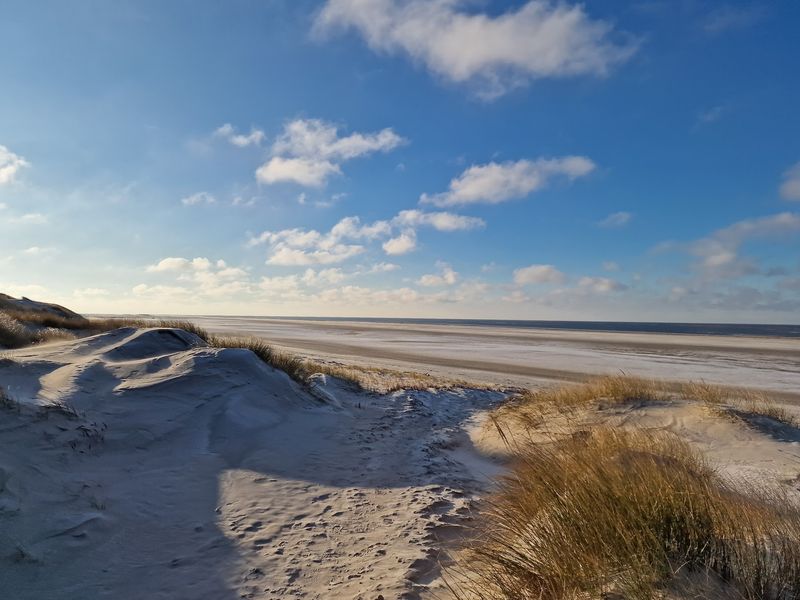
Sand, sky, and wind: Amrum keeps its list of ingredients short and does them very well. This North Frisian island feels more like a remote Atlantic outpost than the land of castles.
Few visitors expect that from Germany.
Kniepsand is the star. This broad sandbank stretches roughly 10 kilometers and reaches up to 1.5 kilometers wide.
Even in summer, the sheer size means you can find empty stretches to call your own.
Behind the beach, dunes roll inland and thatched Frisian houses sit in tidy villages. Birds gather in protected habitats, and a lighthouse watches over the coast.
Climb it for a view across the islands.
The island lies within the UNESCO-listed Schleswig-Holstein Wadden Sea. Guided mudflat walks show you the strange ecosystem the tide uncovers.
You might meet crabs, worms, and curious shells.
Sailors and kiteboarders love the steady breeze. If you prefer calm, rent a bike and pedal along quiet paths.
Pack a windbreaker, even on warm days.
Weltenburg and the Danube Gorge
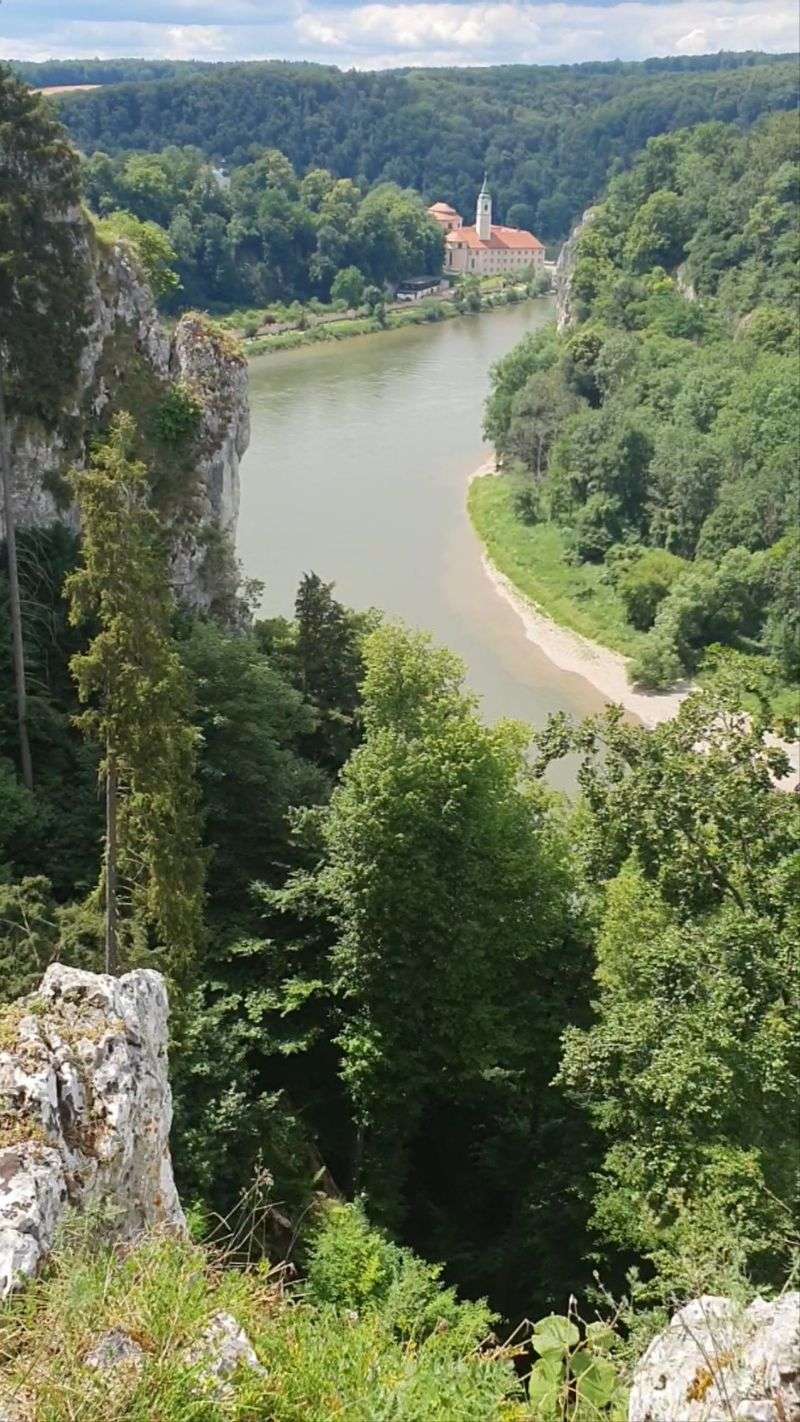
Cliffs about 70 meters high squeeze the Danube into a tight, dramatic channel near Kelheim. This is the Weltenburg Narrows, called Weltenburger Enge in German.
It became a National Natural Monument in 2020.
Hop on a boat and glide through the gorge. The limestone walls tower over you, and the river seems to whisper between them.
The ride ends at Weltenburg Abbey, a Benedictine monastery sitting right beside the water.
Hungry? Monasteries and good food often go together here, and the abbey is a lovely place for a break.
Sit outside if the weather allows. The view of cliffs and river is hard to beat.
Hiking paths above the gorge show a different angle. You look down on the water and out across the forest.
The trails are well marked and friendly for most walkers.
Many travelers rush between Munich, Neuschwanstein, and Salzburg and never see this place. That leaves it calm for you.
Rocks, river, history, and woods all fit into one easy day.
Upper Danube Valley
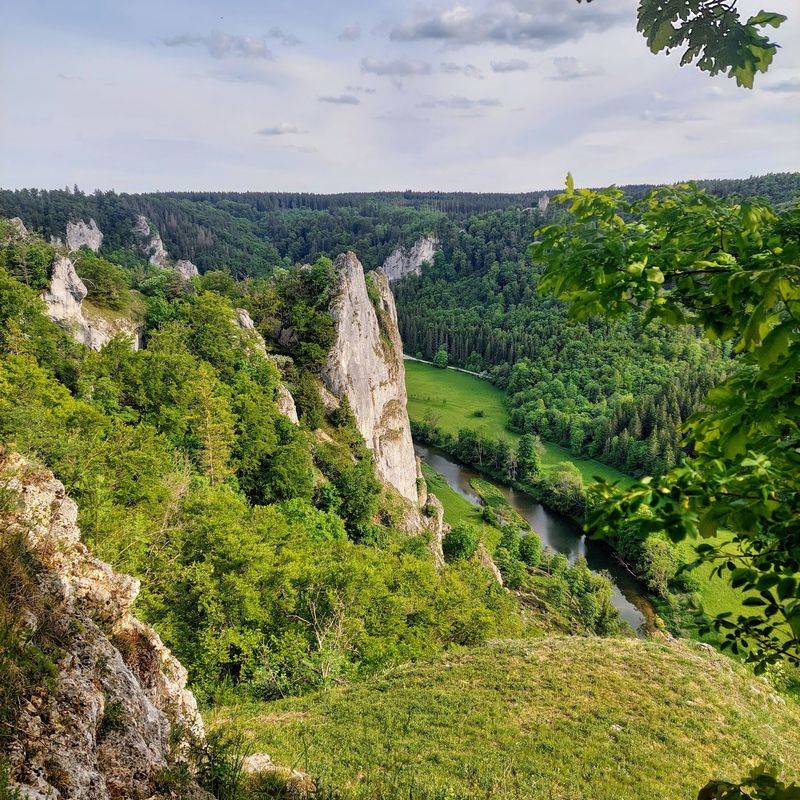
Locals call it the Swabian Grand Canyon, and the nickname makes sense once you see it. The young Danube twists between steep limestone cliffs and thick forest.
It is wild, quiet, and a long way from Alpine crowds.
Hikers and cyclists follow trails along the valley. Canoeists get the best seat of all, floating right under the rock walls.
Rentals are easy to find in the area.
Beuron Archabbey adds a cultural stop in the middle of the scenery. Around it, castles, ruins, caves, and archaeological sites dot the hills.
You could spend days exploring and still miss some.
Germany’s national tourism organization lists the valley as one of the country’s lesser-known destinations. It deserves the spotlight.
Travelers who crave drama without ski-resort buildings will be thrilled.
Try an early start. Morning mist drifts through the narrow valley and gives everything a moody glow.
Bring a light jacket and a thermos of something hot.
Grumsin Beech Forest
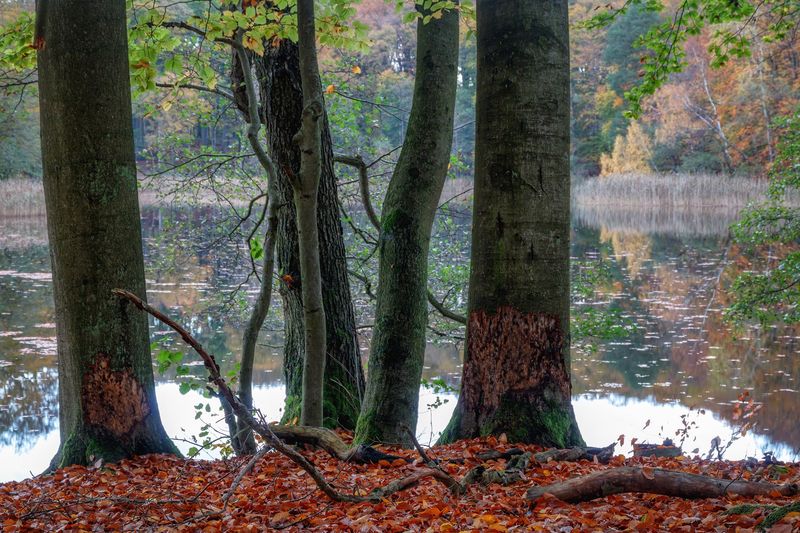
Only a short trip north of Berlin, a forest grows that UNESCO thinks the whole world should protect. Grumsin, in the Uckermark, is part of the Ancient and Primeval Beech Forests of Europe.
It joined the list in 2011.
Germany’s tourism authority calls it one of the world’s largest continuous beech forests. A circular route of about 20 kilometers winds through woodland, hidden lakes, and moors.
Pack snacks and water, because shops are scarce out here.
The mood is the opposite of Berlin. No monuments, no nightlife, just trunks, leaves, and birdsong.
Wetlands add frogs and dragonflies in warm months.
The forest has stayed wild partly because development stayed low in this region. That gives the ecosystem room to breathe.
You can feel the difference as soon as you step under the canopy.
Autumn is the showstopper. The leaves turn yellow, copper, and brown, and the paths crunch underfoot.
Bring a camera and a bit of patience for the light.
Rhön Biosphere Reserve
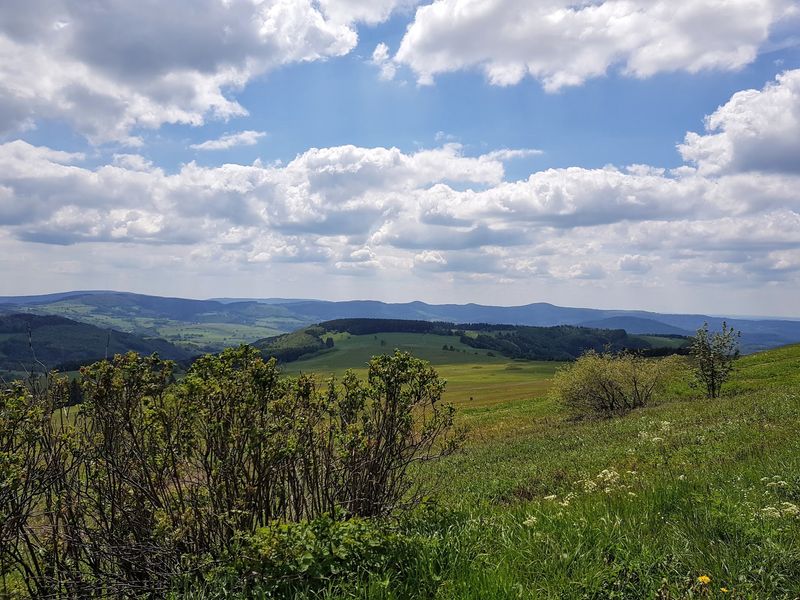
Can you see another galaxy with your own eyes? In the Rhön, you just might.
Germany’s tourism authority says that in excellent conditions visitors can spot the Andromeda Galaxy, whose light left about 2.5 million years ago.
The Rhön spreads across Bavaria, Hesse, and Thuringia. Open uplands, meadows, moors, and volcanic hills fill the map.
With few big cities nearby, the region became an International Dark Sky Reserve in 2014.
Certified star guides lead night walks and explain what glitters overhead. Observation platforms and sky loungers let you lie back and stare without special gear.
Bring a blanket and a warm hat.
Daytime is just as good. The UNESCO Rhön Biosphere Reserve has hiking and cycling routes through wide, breezy landscapes.
Peaks like the Wasserkuppe give high views over the rolling hills.
Plan for a night and a day if possible. Hike while the sun is out, then watch the sky show after dark.
It is a double feature without a ticket line.
Spreewald
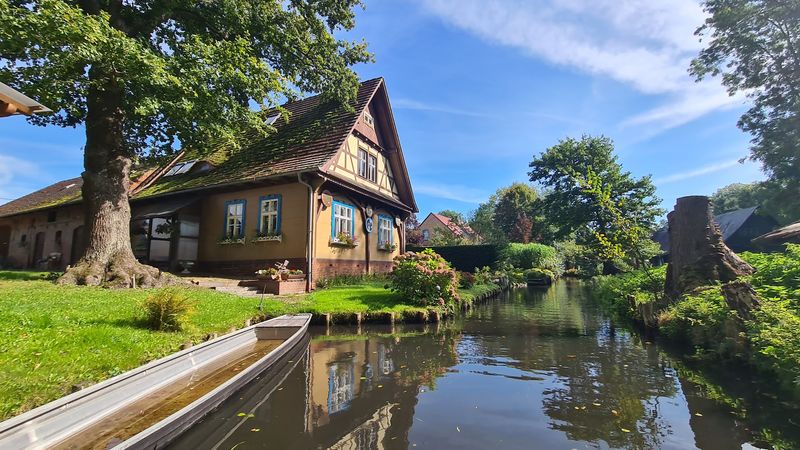
Forget roads. In the Spreewald, the waterways are the main streets.
About an hour southeast of Berlin, canals weave through woods, meadows, and villages like a green maze.
Traditional flat-bottomed punts still glide along these channels, steered by a long pole. If you prefer to be your own captain, rent a kayak.
Paddling gives you a quiet, close-up view of ducks and willow branches.
Wooden footbridges, hand-operated locks, and waterside houses add a storybook touch. Small restaurants serve local treats, including the region’s famous pickles.
Try a few and pick a favorite.
The area is tied to Sorbian and Wendish traditions of eastern Germany. You may spot bilingual signs and hear about local customs.
It adds a layer of culture to the scenery.
Travel slows down here naturally. Spring brings fresh green leaves, and autumn offers rich colors and calmer canals after the summer rush.
Either season rewards a relaxed pace.
Braunfels Castle
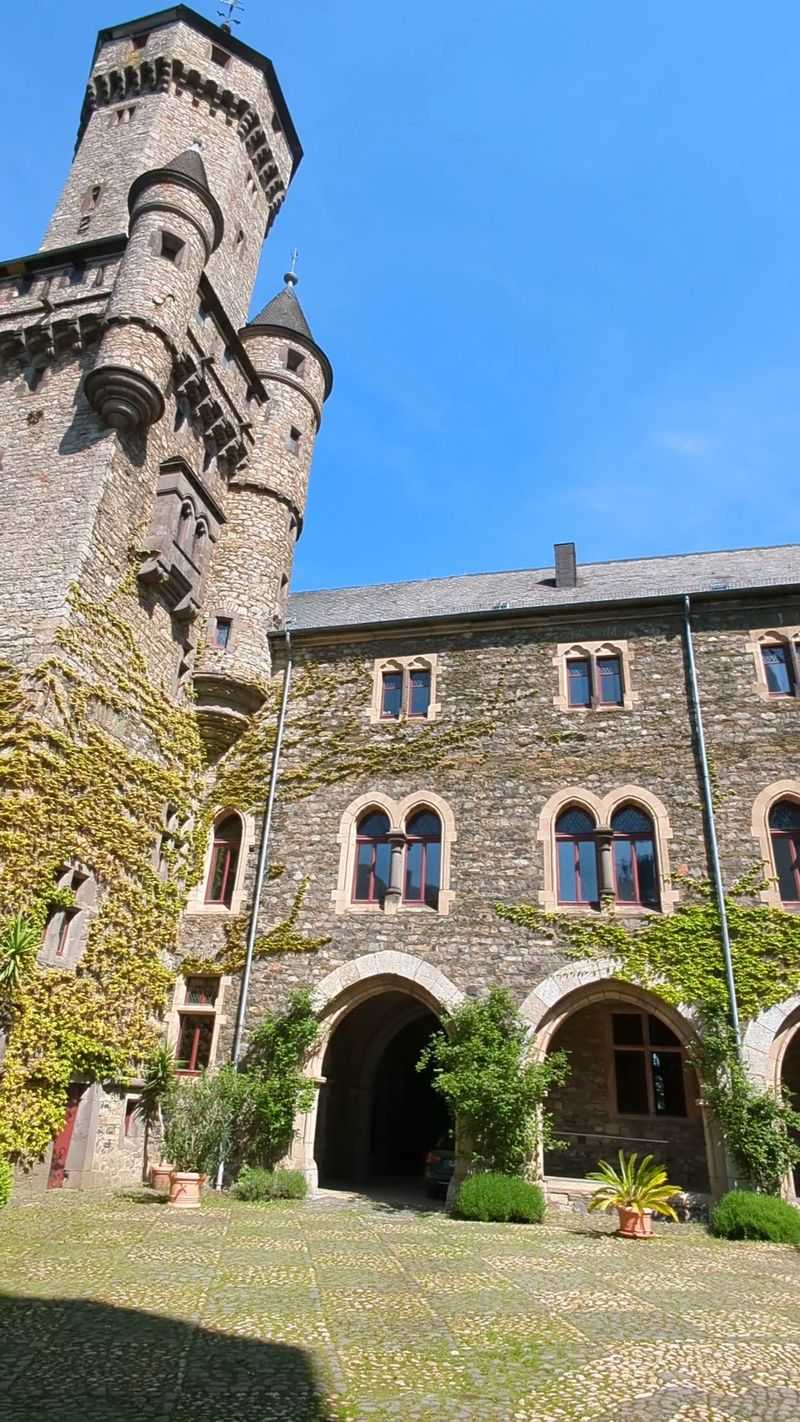
Count the towers on Braunfels Castle and you will lose track somewhere past twenty. Turrets of every shape crowd the skyline above this small Taunus town.
It looks like a drawing from a fairy tale book.
And yet it gets only a sliver of the attention that Neuschwanstein enjoys. Germany’s tourism organization notes the castle has stayed in the same family for almost 800 years.
That is a long time to keep a home tidy.
Inside, museum rooms show off weapons, uniforms, porcelain, silver, paintings, and old furniture. Guided visits add stories you will not find on a sign.
Check opening times before you go.
Below the castle, the old town offers half-timbered houses and narrow lanes. It is easy to combine a castle tour with a stroll and a coffee.
Everything sits close together.
If you want grand architecture without Bavaria’s busiest castle queues, this is a strong pick. The photos will look just as dramatic.
The crowds will not.
Wetzlar
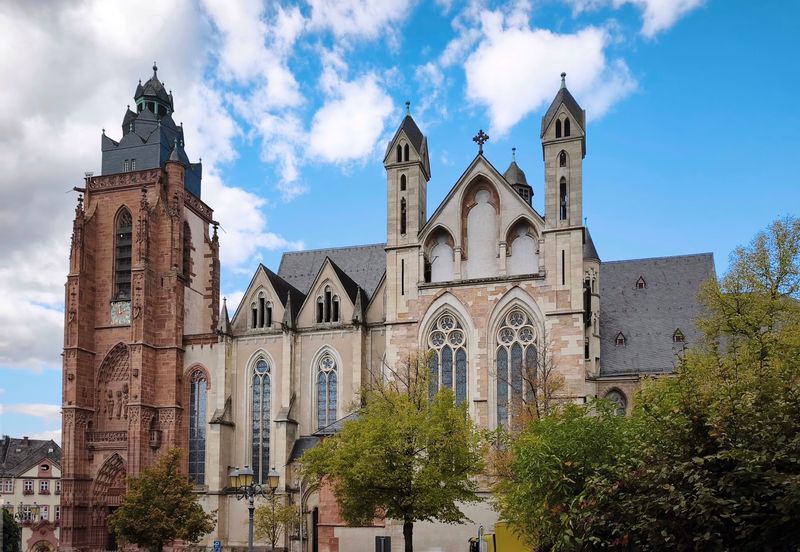
Wetzlar packs a lot of architecture into a very small area. Narrow streets lead past medieval squares, timber-framed houses, and Baroque fronts.
Few international visitors ever stop to look.
The cathedral is the oddball star. Builders worked on it across different eras and never finished a single unified face.
Romanesque and Gothic pieces now stand side by side, and the mix is oddly charming.
Literature fans should note the link to Johann Wolfgang von Goethe. His time here shaped his novel The Sorrows of Young Werther.
You can follow the story through the old streets.
The city sits on the Lahn River, so a riverside break is never far away. Walking and cycling paths begin right next to the historic center.
They feel like a bonus, not a separate trip.
Give it an afternoon. Start with the cathedral, wander the squares, and finish with a riverside coffee.
It is easy, friendly, and full of surprises.
Tangermünde
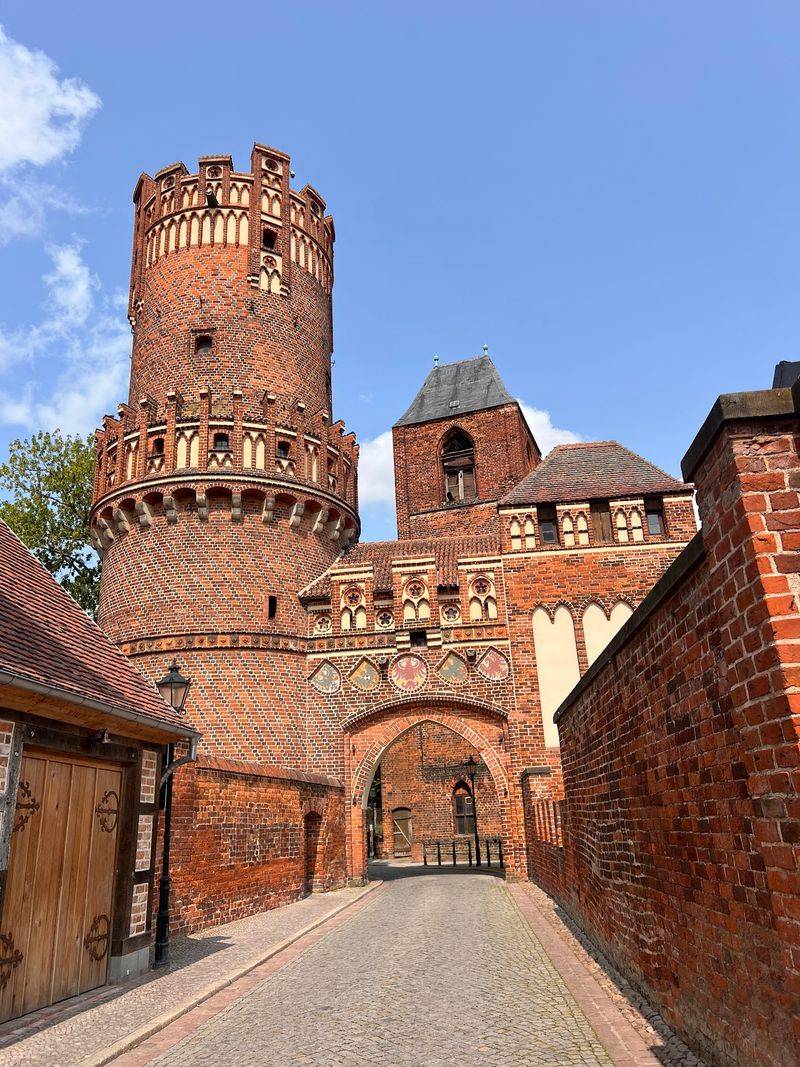
Red brick rules in Tangermünde. Gates, towers, and old fortifications rise above the Elbe in a setting that looks astonishingly well preserved.
It is a different flavor of medieval from the timber towns of Bavaria.
The town mattered because of its position on the river. In the 14th century, Emperor Charles IV made it a favored residence.
That royal attention left a rich history behind.
Today, the red-brick town hall and surviving defenses give the place a northern German look. Walk through the gates and you step into streets lined with half-timbered houses.
Details like carved doors and stepped gables reward a slow pace.
Saxony-Anhalt’s international fame belongs to Quedlinburg, Wittenberg, and the Bauhaus in Dessau. That leaves Tangermünde pleasantly quiet.
You might share a street with only a cat.
Bring a bike if you can. The Elbe path is flat and scenic, and it links the town to nearby villages.
Finish at the riverbank and watch the water roll by.
Westhavelland Dark Sky Region
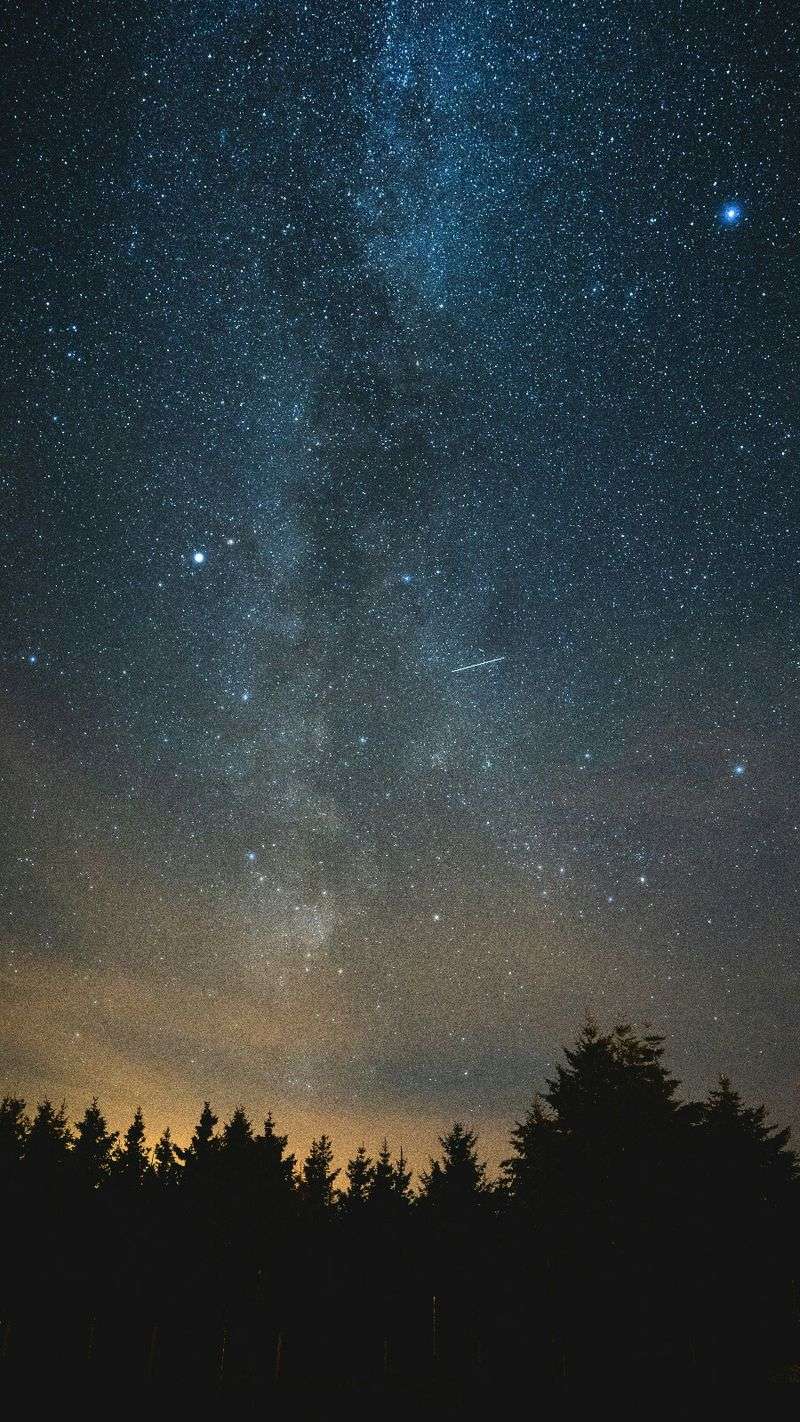
This hidden gem only shows its best side after sunset. West of Berlin, the sparsely populated Westhavelland holds some of the darkest skies in the country.
Switch off your flashlight and let your eyes adjust.
Germany’s national tourism organization names the area between Gülpe and Nennhausen as exceptionally dark. It lists nine official observation points for watching stars, planets, and meteor showers.
Pick one, bring a chair, and settle in.
The low population has a history. The region sat near the former inner-German border, which kept development limited for decades.
Today that past helps keep the night blacker than almost anywhere in Central Europe.
Wetlands, meadows, and river landscapes add a calm backdrop in daylight. Birdwatchers will find plenty to see.
Come at dusk and stay for both shows.
Check the moon calendar before you travel. A clear, moonless night here can beat another floodlit castle or cathedral.
Wear warm clothes and bring a hot drink.
Share this story