Music is a universal language, but not every great band gets heard around the world equally. Some of the biggest rock, pop, and alternative acts on the planet have sold out stadiums and topped charts in their home countries for decades, yet remain almost completely unknown in the United States.
From Japan to Argentina and Germany to Brazil, these bands have built massive fan bases without ever needing American airplay. Get ready to discover some seriously talented acts that most Americans have simply never had the chance to hear.
1. B’z – Japan

Japan has produced some of the best-selling music artists in Asia, and B’z sits right at the top of that list. This rock duo, formed in 1988 by guitarist Tak Matsumoto and vocalist Koshi Inaba, has sold over 100 million records, making them the best-selling music act in Japan’s history.
That number puts them ahead of many globally recognized Western artists.
Their sound blends hard rock with pop melodies, creating an instantly catchy style that appeals to a wide audience. Songs like “ultra soul” became cultural anthems in Japan, played at sports events and on television regularly.
They even became the first Japanese artists inducted into the Hollywood Rock Walk of Fame in 2007.
Despite their extraordinary success, B’z remain largely unknown outside Asia. American music fans who enjoy classic rock energy and polished songwriting would likely find a lot to love here.
2. Soda Stereo – Argentina
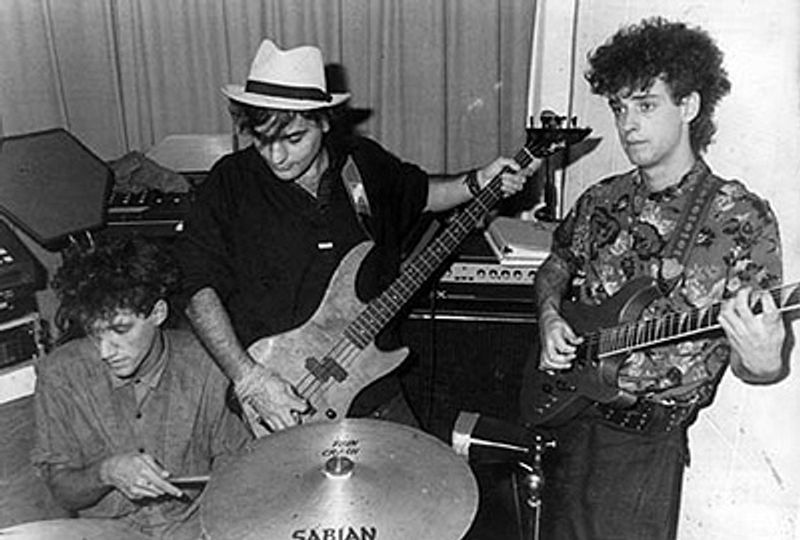
Ask any rock fan in Latin America about Soda Stereo, and you will see their eyes light up immediately. This Argentine trio, led by the legendary Gustavo Cerati, is widely considered the most important rock band ever to come out of Latin America.
Formed in Buenos Aires in 1982, they helped define what Spanish-language rock could sound like.
Their music mixed post-punk, new wave, and psychedelic rock into something completely their own. Albums like “Signos” and “Dynamo” pushed creative boundaries and influenced an entire generation of musicians across South America.
When they announced their farewell tour in 1997, fans from Chile to Mexico traveled hundreds of miles just to attend.
Cerati passed away in 2014 after a stroke, but the band’s legacy remains enormous. For American fans who enjoy bands like The Cure or U2, Soda Stereo offers something equally powerful and deeply emotional.
3. X Japan – Japan
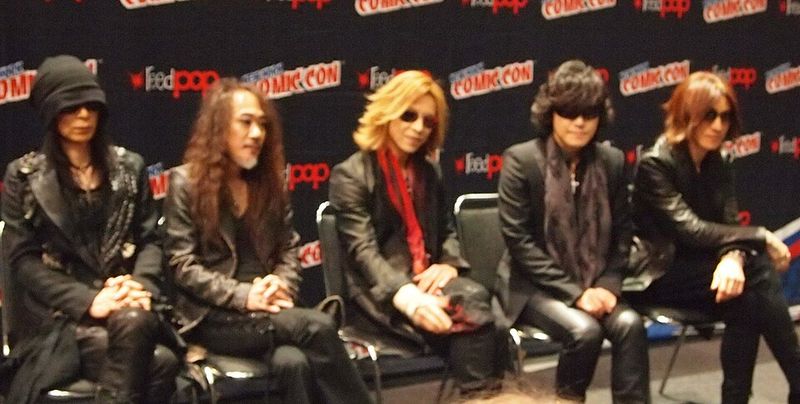
Long before the term “visual kei” became widely known, X Japan was already building one of the most theatrical and emotionally intense bands Japan had ever seen. Formed in 1982 by drummer Yoshiki and vocalist Toshi, the band combined heavy metal with classical piano arrangements and glam rock visuals in a way that was completely unlike anything else at the time.
Their concerts were legendary, often featuring full orchestras, elaborate costumes, and performances that left audiences in tears. Songs like “Endless Rain” and “Forever Love” became deeply personal anthems for millions of Japanese fans.
The band’s breakup in 1997 was announced during a concert that was broadcast live on national television, with members openly crying on stage.
X Japan reunited in 2007 and has since performed at major international venues. Their music carries a raw emotional weight that connects with listeners far beyond Japan’s borders.
4. Indochine – France
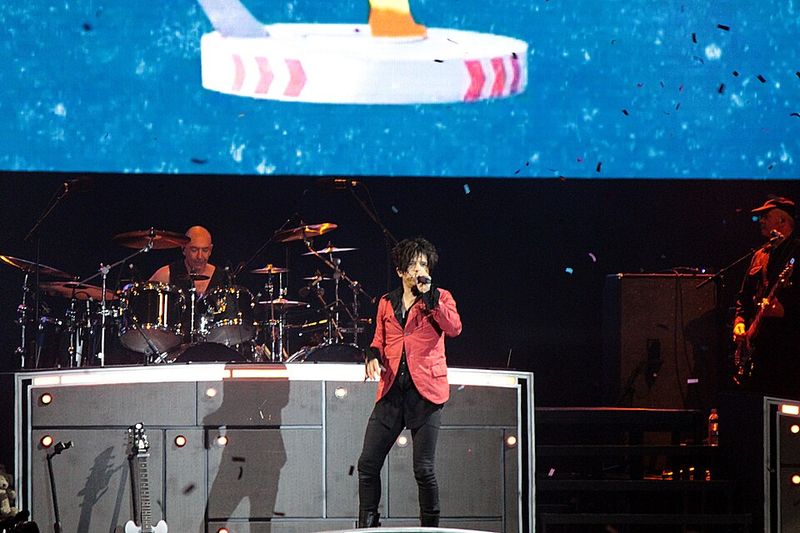
Few bands in French history have stayed relevant for as long as Indochine. Formed in Paris in 1981, this new wave and synth-pop group built a following that has grown steadily across four decades, making them one of the longest-running and most beloved acts in French rock history.
Their early sound drew from bands like Depeche Mode and The Cure, but they developed a distinctly French identity over time. Albums like “3” and “Alice and June” went multi-platinum in France and Belgium.
Their concerts regularly sell out massive venues, including multiple nights at the Stade de France, which holds over 80,000 people.
Lead singer Nicola Sirkis has become a true icon of French pop culture, known for his striking appearance and poetic lyrics. American fans who enjoy moody, atmospheric rock with strong melodies would find Indochine surprisingly accessible and deeply rewarding to explore.
5. Die Toten Hosen – Germany
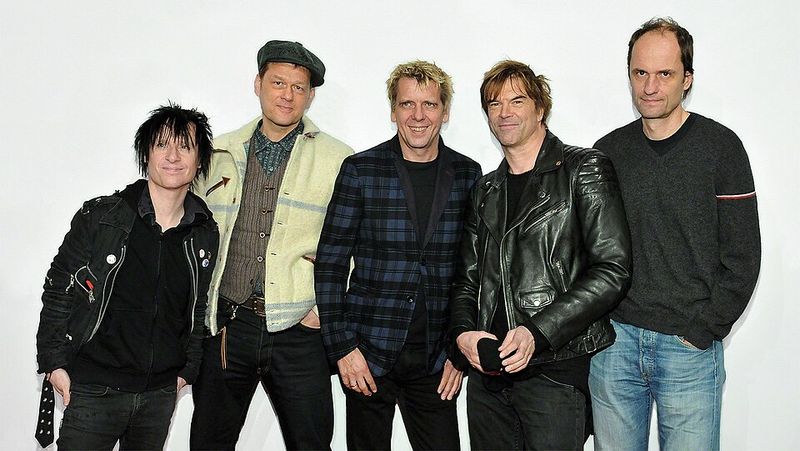
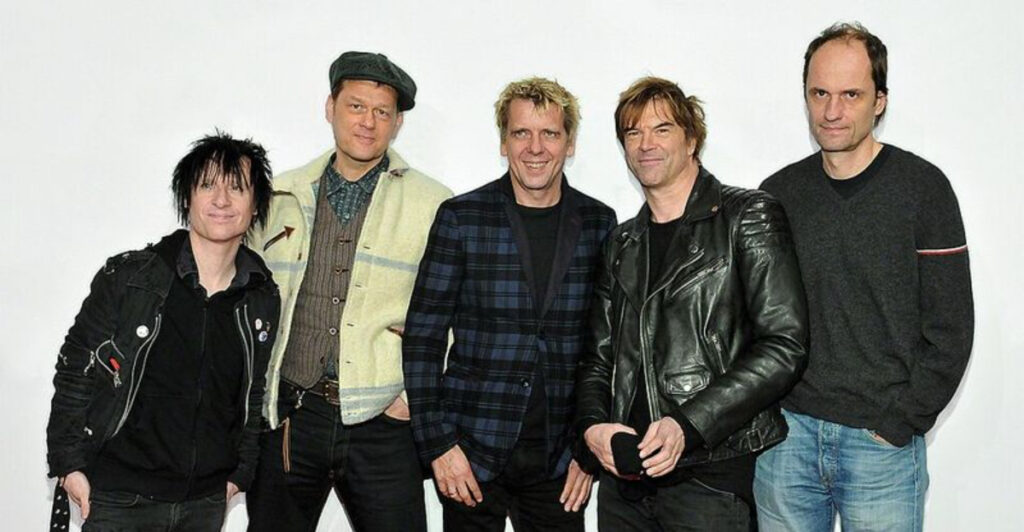
Germany’s punk rock scene has a champion, and that champion is Die Toten Hosen. Formed in Dusseldorf in 1982, the band whose name translates roughly to “The Dead Trousers” became one of the most popular rock acts in German-speaking Europe.
Their rebellious spirit and working-class energy gave them an authenticity that fans connected with immediately.
Over the years, they softened their sound slightly to include pop-punk and rock anthems without losing their edge. Songs like “Hier kommt Alex” became generational favorites, and their albums consistently topped the German charts.
They have also shown a strong commitment to social causes, speaking out on political issues and supporting various charitable efforts.
With over 35 years of activity and millions of records sold, Die Toten Hosen are a genuine institution in Germany. American punk fans who grew up with bands like The Ramones or Green Day would feel right at home with their catalog.
6. Heroes del Silencio – Spain
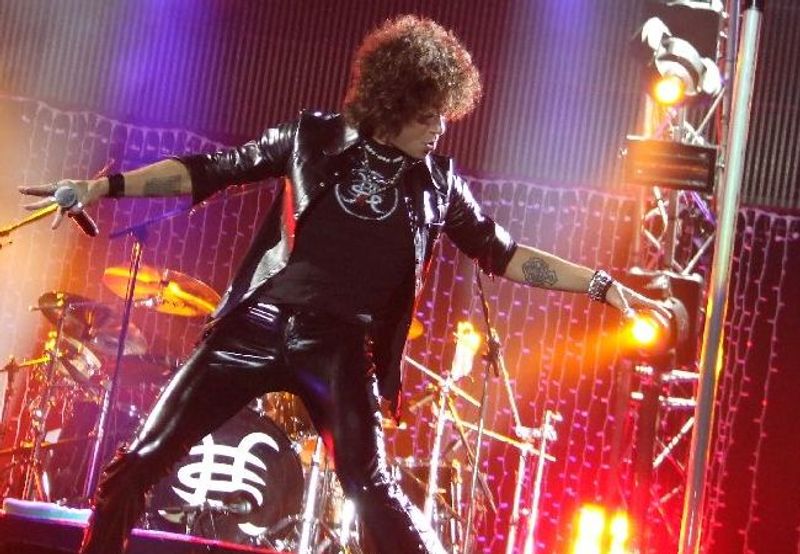
Spain’s greatest rock export of the 1990s is almost certainly Heroes del Silencio. Formed in Zaragoza in 1982, the band built a sound that blended gothic rock, post-punk, and hard rock into something uniquely passionate and cinematic.
Lead singer Enrique Bunbury became one of the most compelling frontmen in Spanish music history.
Their album “El Mar No Cesa” launched them into Spanish stardom, and “Senderos de Traicion” pushed them to international recognition across Latin America and parts of Europe. They were the first Spanish rock band to fill venues across Mexico and Argentina, showing that Spanish-language rock could cross national borders with ease.
After their breakup in 1996, Bunbury launched a successful solo career that kept their musical spirit alive. A reunion tour in 2007 sold out arenas across Spain and Latin America within hours.
Their catalog holds up beautifully and rewards any new listener willing to explore it.
7. Legiao Urbana – Brazil
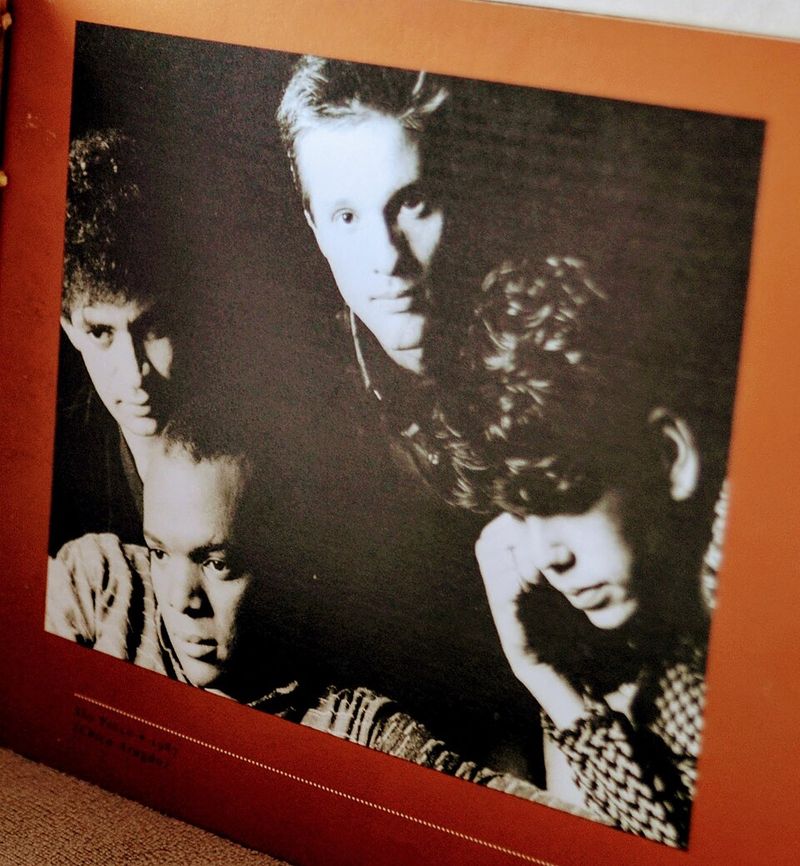
Brazilian rock history cannot be written without Legiao Urbana at the center of it. Formed in Brasilia in 1982, the band became a voice for Brazilian youth during a turbulent period of political transition.
Lead singer Renato Russo wrote lyrics that were poetic, deeply personal, and socially aware in ways that felt genuinely groundbreaking for the time.
Songs like “Tempo Perdido” and “Sera” became anthems for an entire generation of Brazilians. Their 1987 concert at Rock in Rio drew one of the largest crowds in the festival’s history.
Even today, their songs are taught in Brazilian schools and quoted in everyday conversations.
Russo passed away in 1996 due to complications from HIV, leaving behind a catalog that remains central to Brazilian culture. His honesty and vulnerability as a songwriter set a standard that Brazilian artists still aspire to reach.
Legiao Urbana’s music feels timeless and completely human.
8. Los Prisioneros – Chile
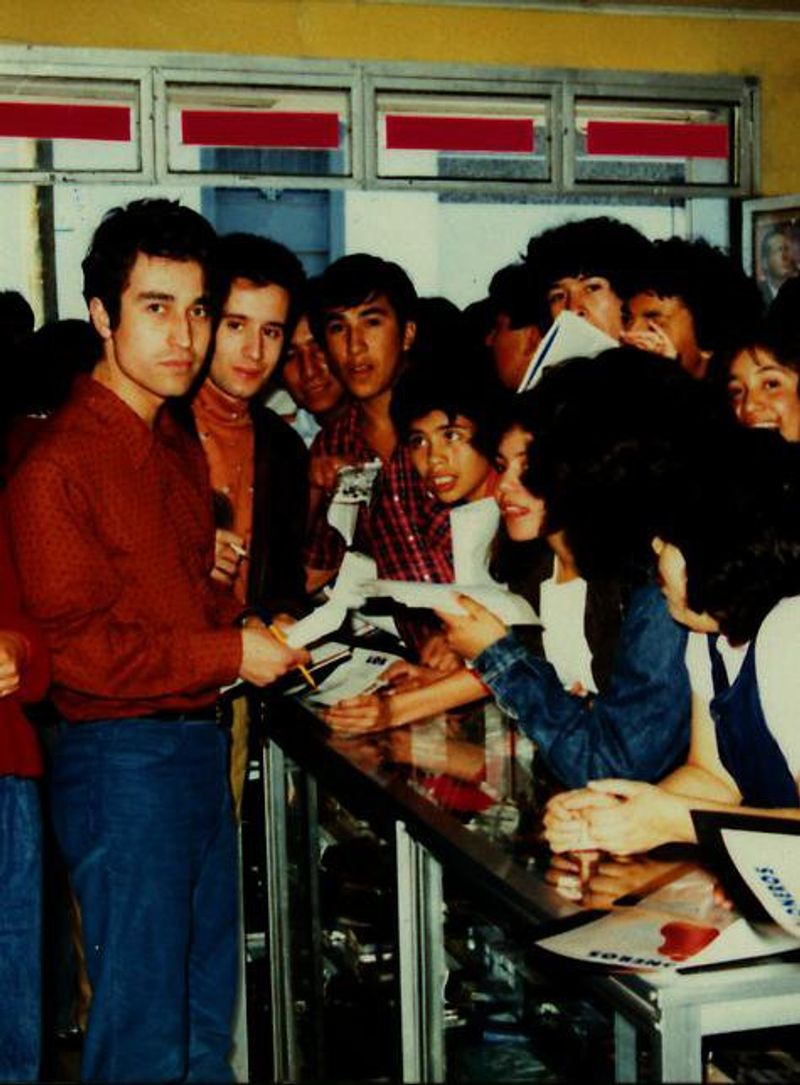
Born out of frustration with social inequality in Chile, Los Prisioneros used new wave and synth-pop to say things that felt almost dangerous in the political climate of the 1980s. Formed in San Miguel, Santiago in 1979, the trio became one of the most politically charged and musically inventive bands in Latin American history.
Their 1984 debut album “La Voz de los 80s” was recorded with almost no budget but captured a raw energy that connected immediately with Chilean youth. Songs like “We Are Sudamerican Rockers” and “El Baile de los que Sobran” called out class divisions and economic exclusion with a directness that was rare in pop music anywhere in the world at the time.
Their influence stretched across all of Latin America, inspiring countless bands to use music as a form of social commentary. Even after multiple breakups and reunions, their legacy remains firmly intact and culturally significant.
9. Kino – Soviet Union
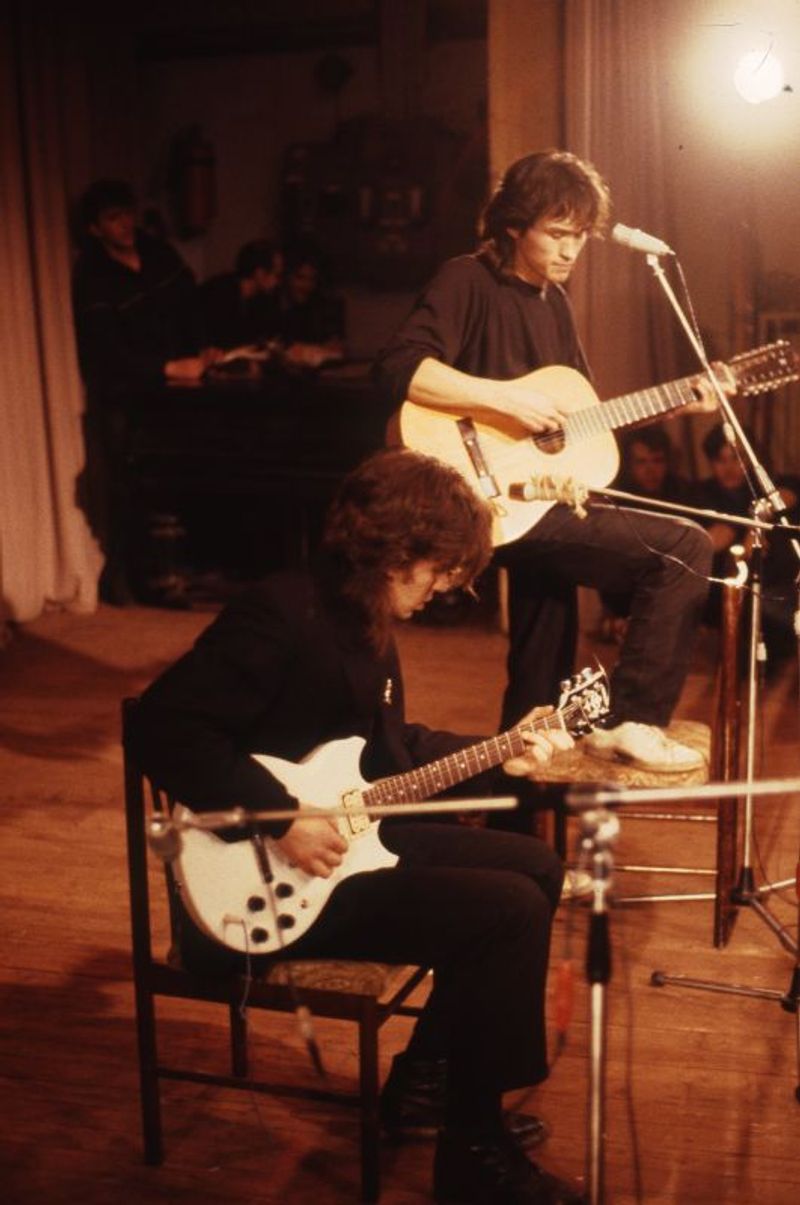
Imagine making rock music in a country where rock music was officially discouraged by the government. That was the reality for Kino, a band formed in Leningrad in 1982 that became one of the most beloved and culturally important acts in Soviet and Russian history.
Lead singer Viktor Tsoi wrote songs that captured a generation’s longing for freedom and meaning.
Their music blended post-punk and new wave with Russian poetic tradition, creating something that felt both modern and deeply rooted in their homeland. The song “Khochu Peremen,” which translates to “I Want Changes,” became an unofficial anthem of the Soviet youth movement during the late 1980s.
Tsoi died in a car accident in 1990 at just 28 years old, and the outpouring of grief across the Soviet Union was extraordinary. Memorials appeared in cities throughout Russia.
He remains a near-mythological figure in Russian culture, and Kino’s music still resonates strongly today.
10. Kent – Sweden
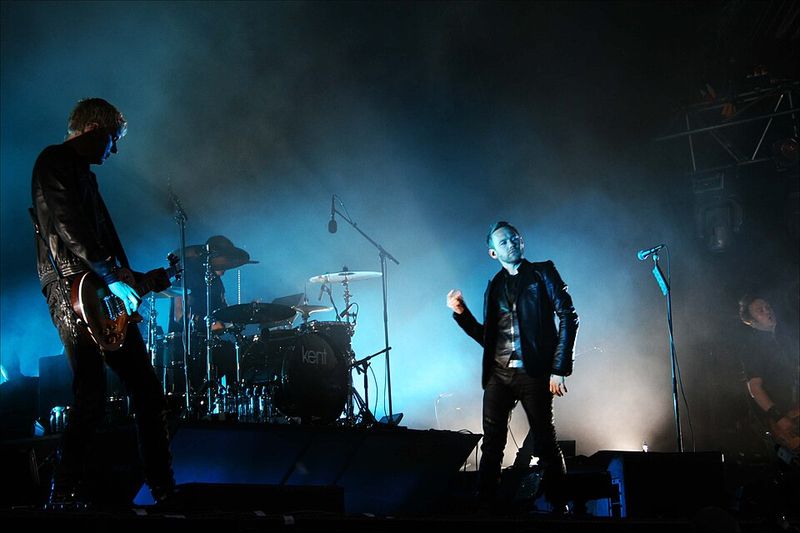
Sweden has given the world ABBA and Robyn, but Kent is the Swedish band that millions of Swedes consider their all-time favorite. Formed in Eskilstuna in 1990, the band started out singing in English before switching almost entirely to Swedish, a bold move that actually made them more popular rather than less.
Their blend of alternative rock, Britpop, and electronic music evolved beautifully over a career that spanned more than two decades. Albums like “Isola” and “Hagnesta Hill” were massive commercial and critical successes in Sweden and Scandinavia.
The latter became one of the best-selling Swedish-language albums ever recorded.
Kent had a reputation for deeply emotional lyrics and sweeping, cinematic soundscapes that felt genuinely moving. They disbanded in 2016 after a farewell tour that sold out instantly across Sweden.
Their music holds a special place in Scandinavian culture that is hard to fully explain to outsiders but easy to feel once you listen.
11. Rammstein – Germany
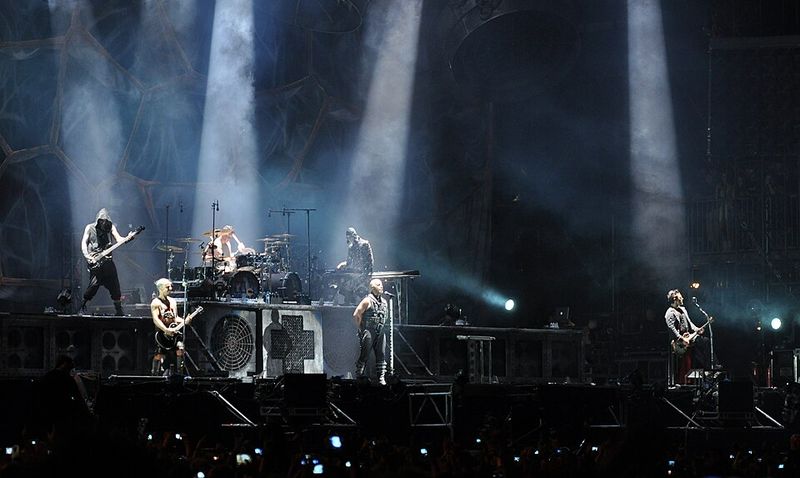
Rammstein may be the one band on this list that some Americans have actually heard of, but the full scale of their global popularity is still underestimated in the United States. Formed in Berlin in 1994, this industrial metal band became one of the most visually spectacular and sonically powerful live acts on the planet.
Their concerts are famous for enormous pyrotechnic displays, theatrical performances, and a level of production that rivals major film productions. Songs like “Du Hast” and “Sonne” became international hits, and their albums regularly top charts across Europe.
They have sold over 20 million records worldwide.
What makes Rammstein especially fascinating is how they use provocation and dark humor in their art, creating performances that feel like confrontational theater as much as music. They sing almost entirely in German, yet their emotional power translates across language barriers with surprising ease.
Few bands command a crowd the way Rammstein does.
12. Parni Valjak – Croatia
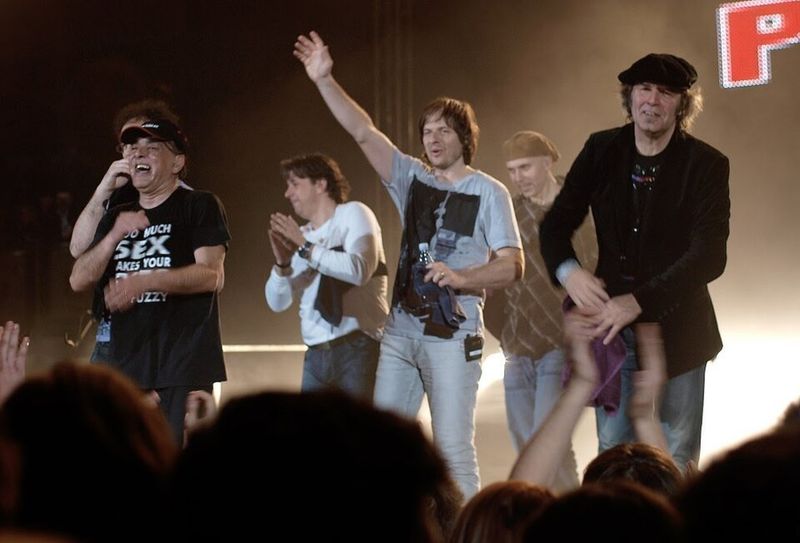
Croatian rock history has a cornerstone, and that cornerstone is Parni Valjak. Formed in Zagreb in 1975, during the era of socialist Yugoslavia, the band built a reputation for honest, working-class rock that spoke directly to everyday people.
Their name translates to “Steamroller,” which gives you a sense of their straightforward, powerful style.
At their peak in the 1980s, Parni Valjak were filling arenas across Yugoslavia, a country that no longer exists but whose shared cultural memories still connect people from Croatia to Serbia to Slovenia. Their songs dealt with love, loss, and the ordinary struggles of life with a warmth that made them feel like old friends rather than distant celebrities.
They remain active today and still draw devoted crowds in Croatia and the surrounding region. For fans of classic rock in the style of Bad Company or Dire Straits, Parni Valjak offers a deeply satisfying sound with a distinctly Central European soul.
13. Elan – Slovakia
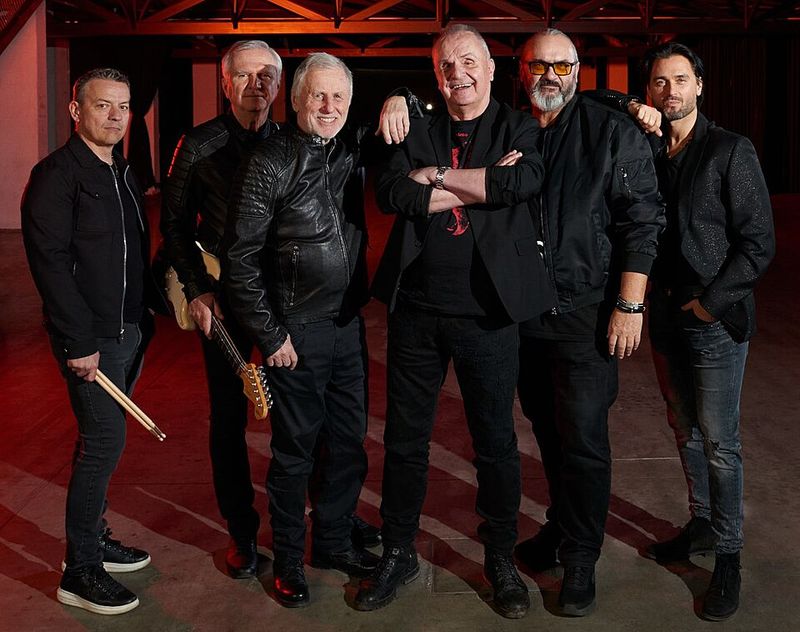
Pop rock from behind the Iron Curtain might sound like an unlikely combination, but Elan pulled it off with tremendous style. Formed in Bratislava in 1969, the Slovak band became one of the most popular acts in Czechoslovakia throughout the 1970s and 1980s.
Their catchy melodies and playful energy made them a rare bright spot during a politically heavy era.
Lead singer Jozef Raskovic, known as Jozo, became a beloved figure in Slovak culture, famous for his charismatic stage presence and knack for writing songs that felt joyful without being shallow. Hits like “Gracie” and “Povedz ze mas me rada” were played constantly on radio and television throughout Czechoslovakia.
Even after the country split into Slovakia and the Czech Republic in 1993, Elan remained hugely popular on both sides. They continue to perform today, drawing multi-generational crowds who grew up with their music as part of the fabric of daily life.
Their story is genuinely uplifting.
14. Mamonas Assassinas – Brazil
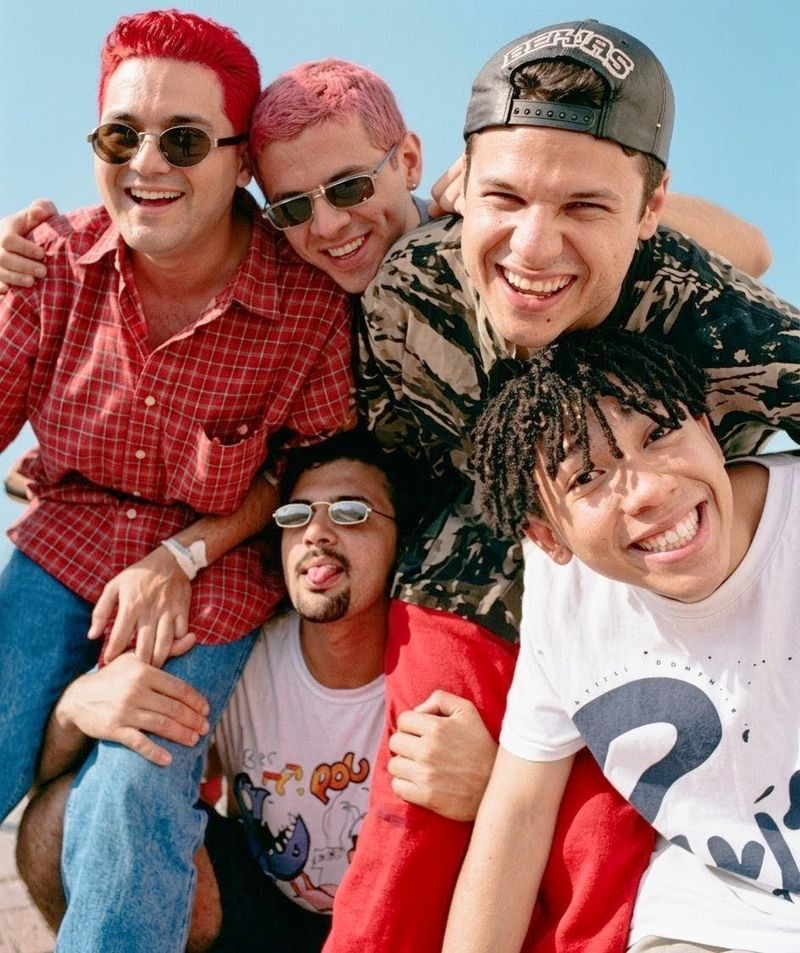
Some bands make you feel deeply moved. Mamonas Assassinas made Brazil laugh until it hurt, and then broke everyone’s heart by disappearing far too soon.
Formed in Guarulhos, Sao Paulo in 1992, this comedy rock group blended heavy metal, funk, and parody into one gloriously chaotic package that Brazil had never quite seen before.
Their debut album, released in 1995, sold over two million copies in just a few months, making it one of the fastest-selling Brazilian albums ever. Songs like “Pelados em Santos” and “Chopis Mentis” were absurdist, irreverent, and laugh-out-loud funny while somehow still being genuinely catchy rock music.
The entire country seemed to be listening at once.
Tragically, all five members died in a plane crash in March 1996, just months after their rise to fame. The loss shocked Brazil profoundly.
Their brief catalog remains a beloved and bittersweet piece of Brazilian music history that still brings smiles and tears in equal measure.
15. Mago de Oz – Spain
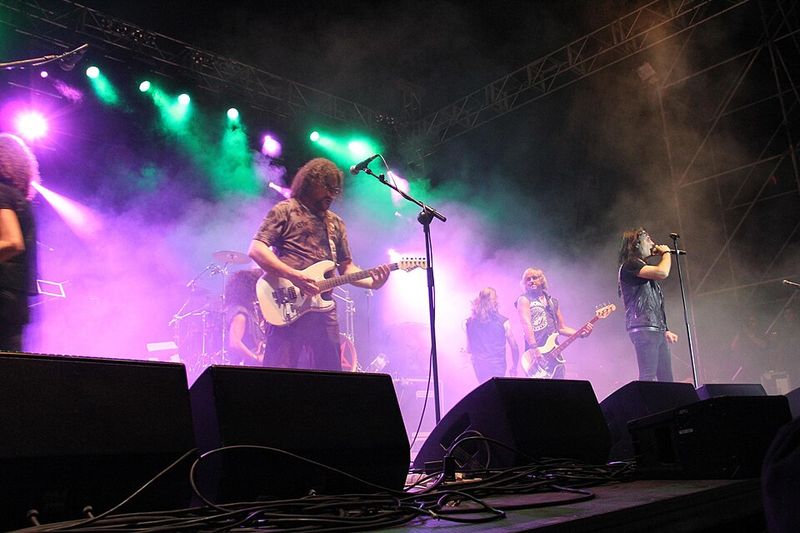
Not many bands can convincingly mix Celtic folk music, heavy metal, and theatrical fantasy storytelling, but Mago de Oz has been doing exactly that since forming in Madrid in 1988. Named after the classic film “The Wizard of Oz,” the band built a sound that is completely unlike anything else in the Spanish rock world.
Flutes, fiddles, and bagpipes sit alongside distorted guitars and powerful drumming in their recordings, creating a sound that is epic in the truest sense of the word. Their 2000 album “Finisterra” is considered a masterpiece of Spanish rock, telling a complex story across two discs with orchestral ambition and genuine emotional depth.
Mago de Oz has sold millions of records across Spain and Latin America, yet they remain almost invisible in the American market. Their concerts are elaborate, festival-ready spectacles filled with theatrical costumes and passionate crowds.
Fans of bands like Nightwish or Flogging Molly would find them absolutely thrilling to discover.
Share this story