Costa Rica protects about a quarter of its land in parks and reserves, and that makes it one of the best countries for seeing wildlife. From misty forests to volcano trails and quiet beaches, each region offers something different.
This list highlights fifteen places where visitors can walk, watch, and learn. Pick a few and you will see why so many travelers come back.
1. Arenal Volcano National Park – La Fortuna
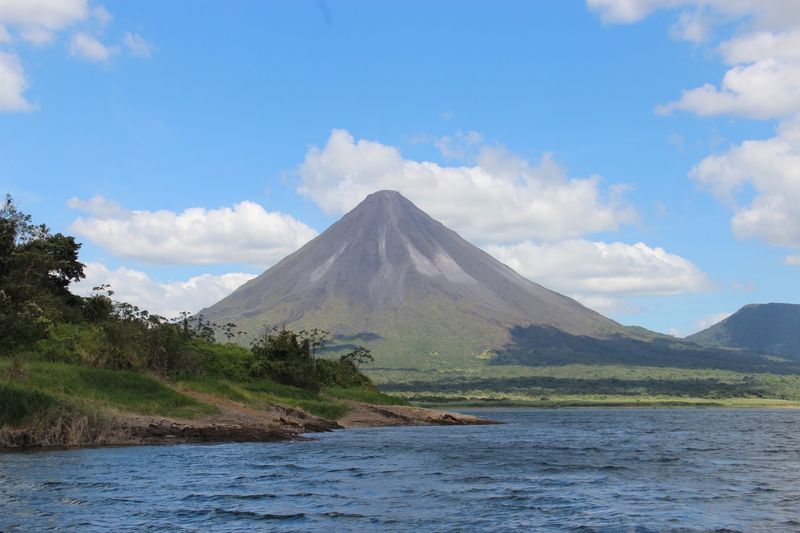
Few mountains look as perfect as Arenal, a cone-shaped volcano that towers over the town of La Fortuna. It was very active until 2010, and today it rests quietly while its slopes stay covered in green forest.
Several easy trails wind through old lava fields and thick trees. Keep your eyes open for coatis, toucans, and howler monkeys along the way.
Early morning is the best time to go, since clouds often hide the peak by afternoon.
Nearby, Lake Arenal and the La Fortuna Waterfall add more scenery to the trip. Hot springs in the area let you rest tired legs after a hike.
Bring good walking shoes, a rain jacket, and plenty of water, because the weather can change fast. Park rangers can answer questions at the entrance and help you choose a trail that fits your pace.
2. Monteverde Cloud Forest Biological Reserve – Monteverde
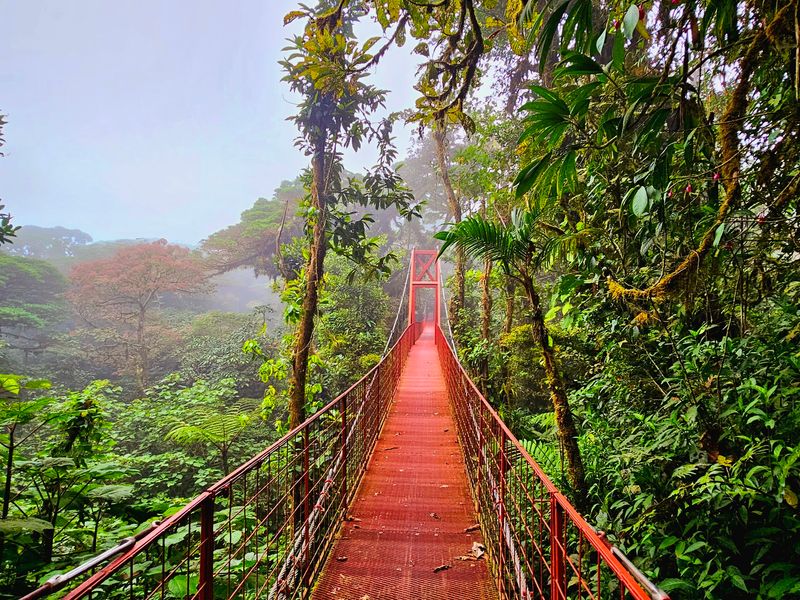
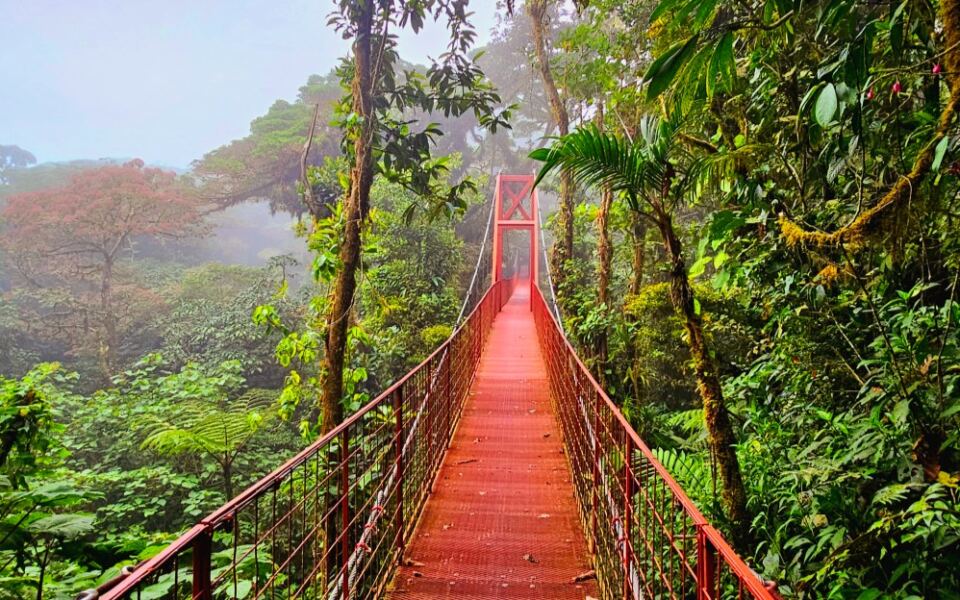
Walk into Monteverde and the world turns soft and misty. Clouds drift through the treetops, and moss, ferns, and orchids cover almost every branch.
The reserve protects thousands of plant and animal species, including the shy resplendent quetzal.
Trails here range from short paths to longer hikes. Hanging bridges let you see the forest canopy from above, where many birds and insects live.
A guided walk is a smart choice because guides spot animals that most visitors would miss.
Here is a helpful tip: dress in layers. The air stays cool and damp, even on sunny days.
Pack a light rain jacket and shoes with good grip, since paths can be slippery. If you enjoy night walks, ask about evening tours, where you might spot sleepy sloths, glowing insects, and tiny tree frogs.
3. Manuel Antonio National Park – Quepos
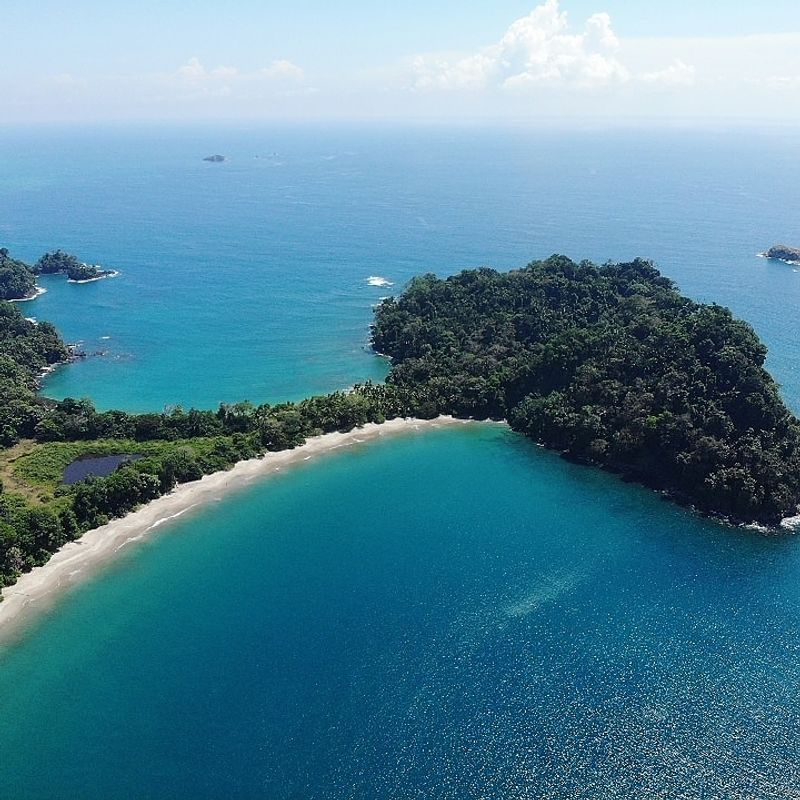
Imagine a rainforest that ends right at the sand. That is Manuel Antonio, one of the smallest parks in Costa Rica and one of the most popular.
Its trails lead to calm beaches, hidden coves, and lookout points over the Pacific.
Wildlife is easy to find here. Two-toed sloths hang in the trees, white-faced capuchin monkeys search for snacks, and tiny squirrel monkeys leap between branches.
Hiring a guide with a spotting scope helps you see animals up close without disturbing them.
Plan ahead, because the park limits daily visitors and closes on Mondays. Arrive early to beat the heat and the crowds.
Keep food tucked away, since clever monkeys will grab anything they can reach. Bring sunscreen, water, and a swimsuit for a cool dip after your walk.
4. Corcovado National Park – Osa Peninsula
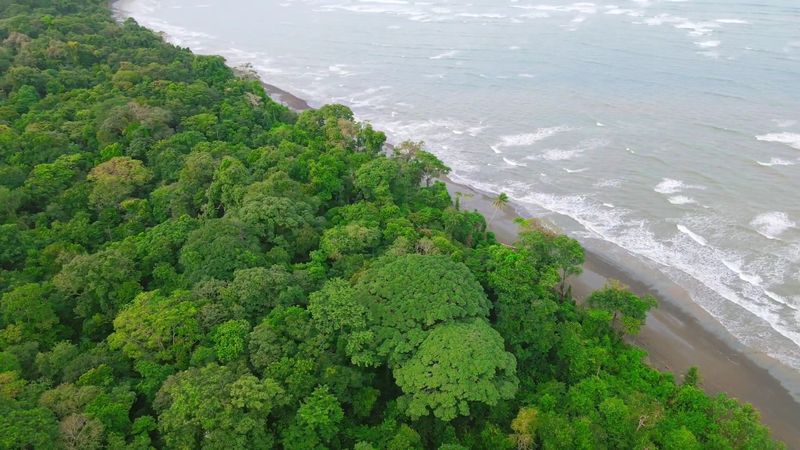
National Geographic once called it the most biologically intense place on Earth, and Corcovado earns that praise. This remote park on the Osa Peninsula holds about five percent of the world’s species in a very small area.
Tapirs, scarlet macaws, anteaters, and even jaguars live in its forests, though jaguars are rarely seen. Most visitors reach the park by boat or small plane, and guides are required for entry.
Stations such as Sirena offer basic lodging for those who want to stay overnight.
Expect heat, humidity, and muddy trails. Light, quick-drying clothes and sturdy boots make the trip easier.
Book permits well ahead of time, because daily numbers are limited. The effort pays off with wildlife sightings and a feeling of true wilderness that few places can match.
5. Tortuguero National Park – Tortuguero
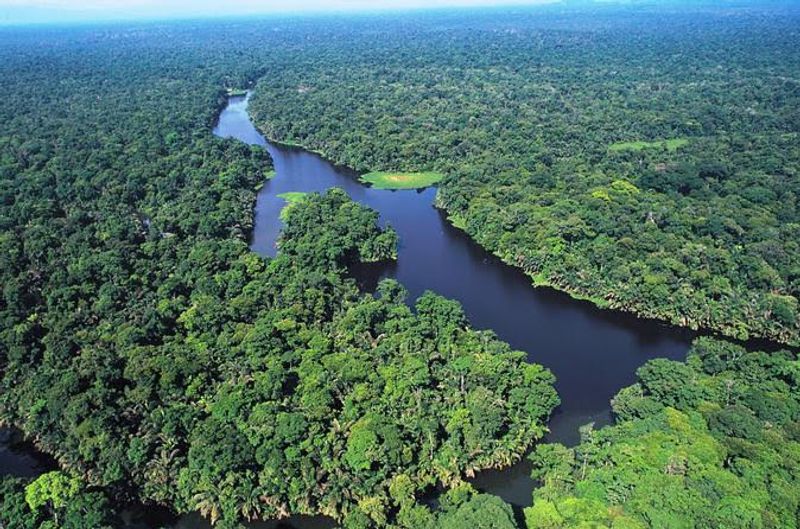
Sea turtles have been coming to this stretch of Caribbean coast for centuries. Tortuguero, whose name means turtle region, is one of the most important nesting sites for green turtles in the Western Hemisphere.
Nesting season runs from about July to October.
There are no roads to the village, so travelers arrive by boat or small plane. Once there, quiet canals become your main path.
Glide past caimans, river otters, herons, and howler monkeys while a guide explains what you see.
Night tours let visitors watch turtles lay eggs, but strict rules protect the animals. Flashlights and photos are not allowed on the beach.
Pack insect repellent and a poncho, because rain falls here for much of the year. Staying two nights gives you time to enjoy both the canals and the coast.
6. Rincón de la Vieja National Park – Guanacaste
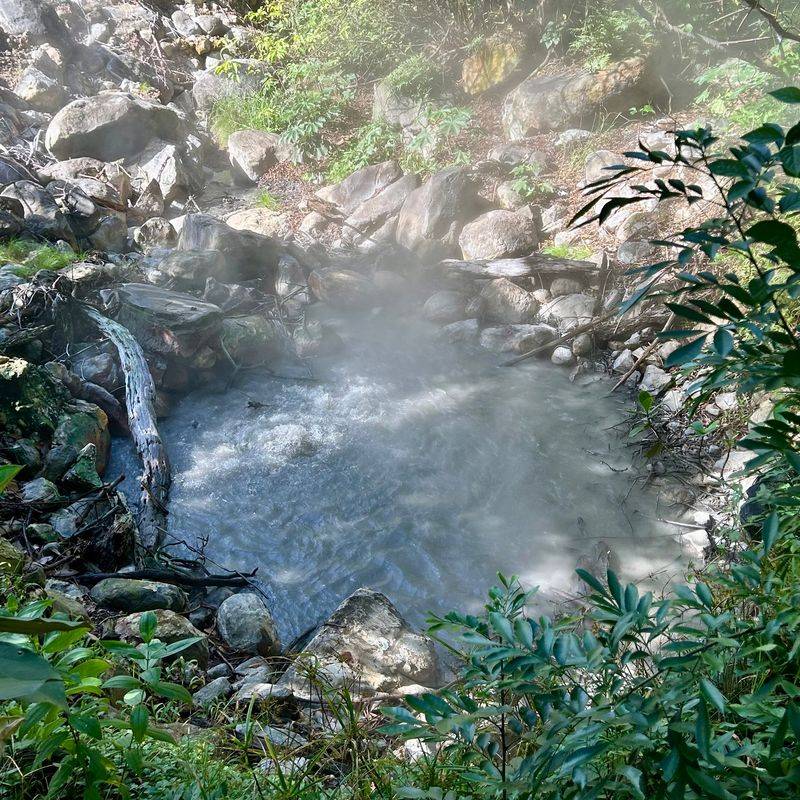
Steam rises from the ground and mud bubbles like thick soup. Rincón de la Vieja is an active volcano, and its slopes show off the power under the surface.
The park sits in dry, sunny Guanacaste, but the higher trails often feel cooler and cloudier.
Hikers can visit fumaroles, hot mud pots, and waterfalls with bright blue pools. Watch for white-tailed deer, agoutis, and the national flower, the guaria morada, which is a purple orchid.
Birdwatchers often spot motmots and woodpeckers near the trails.
Stay on marked paths, since the ground near thermal areas can be dangerous. The summit trail is sometimes closed because of volcanic activity, so check conditions first.
Visit in the morning for clearer views, and bring a hat, sunscreen, and a refillable water bottle for the warm walk.
7. Tenorio Volcano National Park – Bijagua
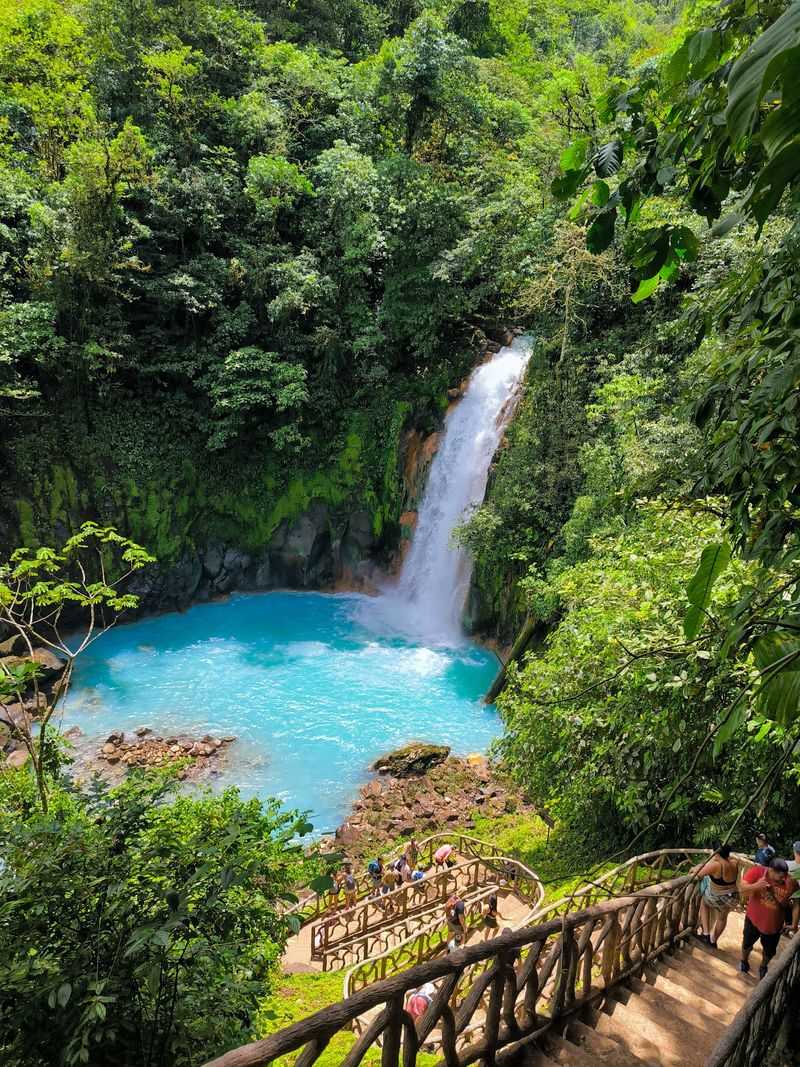
A river the color of a swimming pool sounds like a trick, yet Río Celeste is real. Inside Tenorio Volcano National Park, minerals mix in the water and scatter light, creating a vivid sky-blue shade.
The effect is strongest on sunny days after dry weather.
The main trail takes about three hours round trip and passes a tall waterfall, a blue lagoon, and a spot called Teñidero where two clear streams meet and turn blue. Along the path, you might see poison dart frogs, toucans, and even a tapir.
Wear rubber boots if you can, because mud is common. Swimming is not allowed, so enjoy the view from the viewpoints.
Arrive early to avoid crowds and heavy afternoon rain. Nearby Bijagua offers small lodges and local food for a relaxed stay.
8. Cahuita National Park – Cahuita
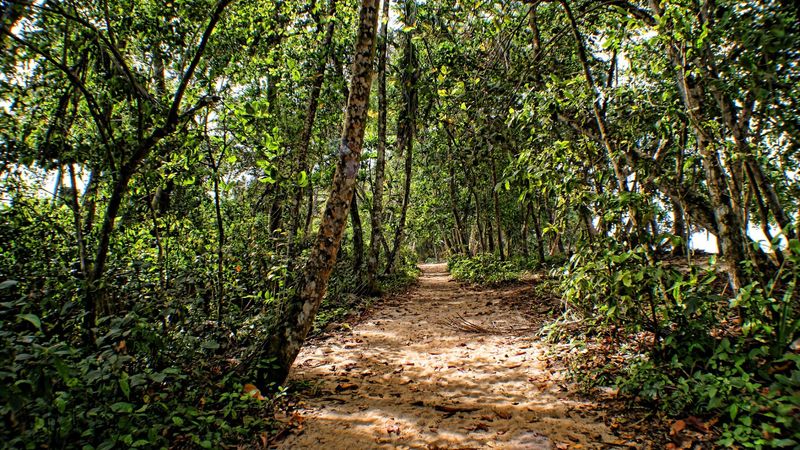
Cahuita feels like a slower, sunnier side of Costa Rica. Located on the Caribbean coast, the park combines a tree-lined beach trail with one of the country’s few living coral reefs.
The mood is relaxed, and the sound of waves follows you along the path.
The main trail runs for about five miles beside the shore. Look up for three-toed sloths, raccoons, and white-faced monkeys.
Look down for crabs and lizards scurrying through the leaves. Snorkeling with a local guide lets you see colorful fish and sea fans, though conditions depend on the weather.
Entry is by donation at the Kelly Creek entrance, which supports local conservation. Wear sandals you do not mind getting wet, and bring a dry bag for your phone.
Afterward, try a plate of rice and beans cooked in coconut milk, a Caribbean favorite.
9. Marino Ballena National Park – Uvita
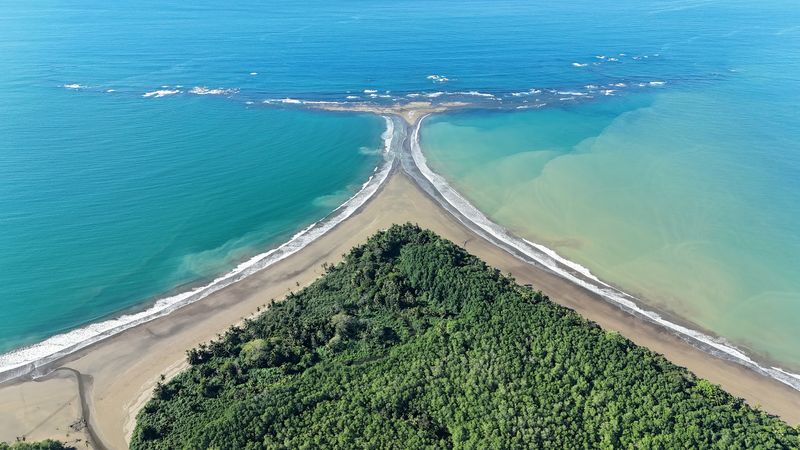
At low tide, a long sandbar curves out into the Pacific in the shape of a whale’s tail. That landmark gives Marino Ballena its name, and it is a fun spot for photos and wading.
The park protects beaches, coral, and rocky reefs along the Uvita coast.
Humpback whales visit twice a year, from December to March and from July to October. Boat tours let you watch mothers and calves swim close by, and guides follow rules to keep a safe distance.
Dolphins and sea turtles also pass through these waters.
Check tide tables before you go, since the sandbar is only walkable when the water is low. Bring water shoes, sunscreen, and a hat because shade is limited.
If you like snorkeling, ask local operators about calm days for the best visibility.
10. Irazú Volcano National Park – Cartago Province
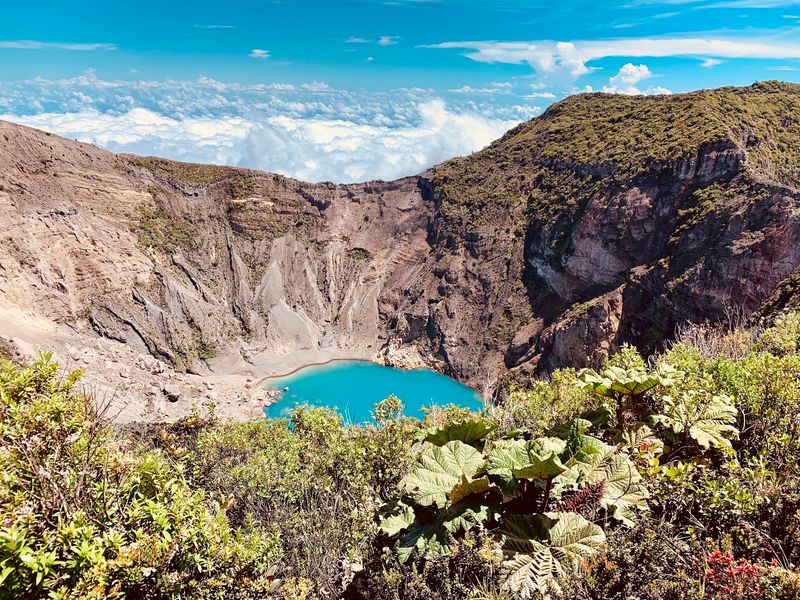
At more than 11,000 feet, Irazú is the tallest volcano in Costa Rica, and on a clear day you can see both the Pacific and the Caribbean from the top. Those days are rare, so many visitors arrive early to catch the view before clouds roll in.
The main crater holds a lake that can shift between green and turquoise. The landscape around it looks almost like another planet, with gray ash, hardy shrubs, and strong wind.
Short, paved paths make it easy for families and travelers of all ages.
Bring a warm jacket, because temperatures at the summit are chilly. Drinking water and sunscreen help too, since the sun is strong at altitude.
Many tours combine Irazú with the Orosi Valley, where coffee farms and old colonial churches make a nice second stop.
11. Poás Volcano National Park – Alajuela Province
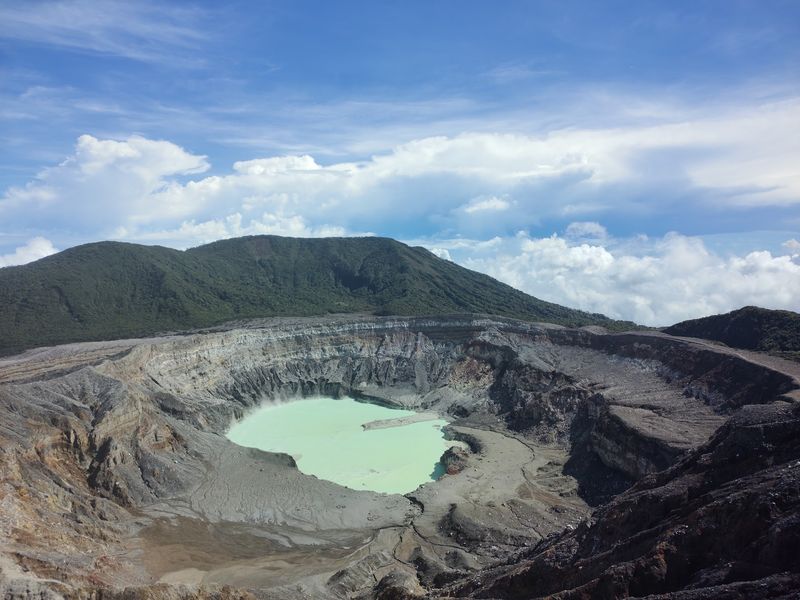
Poás holds one of the largest active volcanic craters in the world, measuring about a mile across. Inside sits a steaming, turquoise lake of acid, and the view from the overlook is hard to forget.
It is also one of the easiest volcanoes to visit, only about an hour from San José.
The park reopened after eruptions in 2017, and visits now follow safety rules. Time at the crater is limited, and tickets must be reserved online in advance.
Helmets may be required in some conditions.
Beyond the crater, short trails lead into cloud forest where hummingbirds feed on bright flowers. Go early, since fog often covers the crater by late morning.
Bring a sweater and rain jacket. On the way back, stop at local farms for strawberries and fresh cream, a regional treat.
12. La Selva Biological Station – Puerto Viejo de Sarapiquí
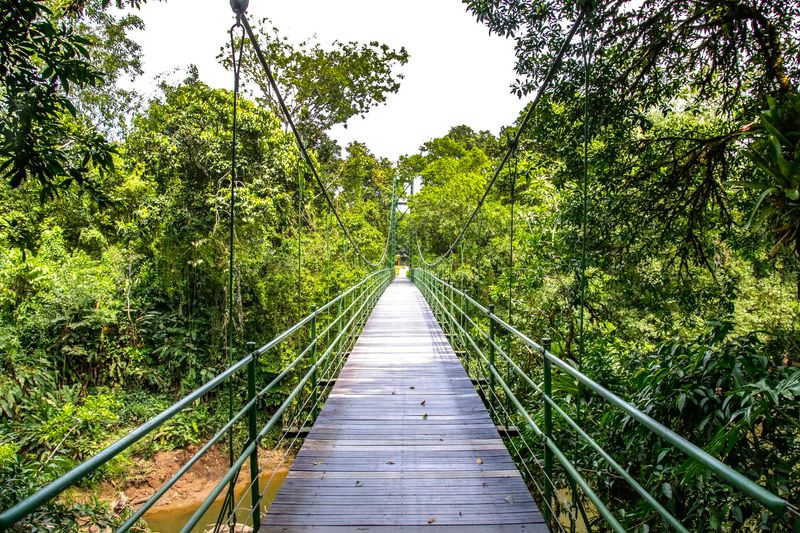
Scientists from around the world come to La Selva to study tropical rainforest, and visitors can join in the fun. The station sits in the Sarapiquí region and holds more than 1,800 acres of protected forest.
It is known for its remarkable bird list, with over 400 species recorded.
Guided walks show how researchers track frogs, bats, and leafcutter ants. Suspension bridges cross the Puerto Viejo River, and trails link forest, swamp, and open areas.
Early mornings bring the best birdwatching, with toucans and trogons calling overhead.
Because the station is a working science center, rules are strict. Stay on trails and follow your guide’s advice.
Rubber boots are provided or recommended after rain. Overnight stays include meals and let you join a night walk, where glowing fungi and tiny tree frogs appear in the beam of a flashlight.
13. Carara National Park – Near Tárcoles
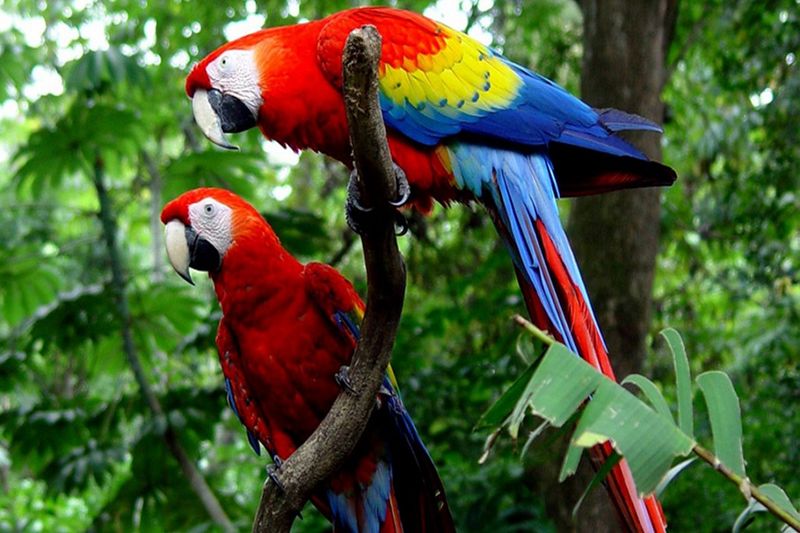
Carara sits where dry northern forests meet the wet rainforest of the south, so two types of wildlife share the same space. That mix makes it a favorite for birdwatchers.
Scarlet macaws, which are bright red, yellow, and blue, are the stars.
The park lies close to San José, which makes it a great half-day trip. Flat, well-kept trails, including an accessible loop, wind past giant trees and strangler figs.
Keep an eye out for armadillos, coatis, and tiny poison dart frogs in the leaf litter.
Just outside the park, the bridge over the Tárcoles River gives a safe look at large American crocodiles resting on the banks. Visit early in the morning when animals are most active.
Bring binoculars and bug spray, and consider hiring a local guide who can spot birds by sound.
14. Santa Rosa National Park – Guanacaste
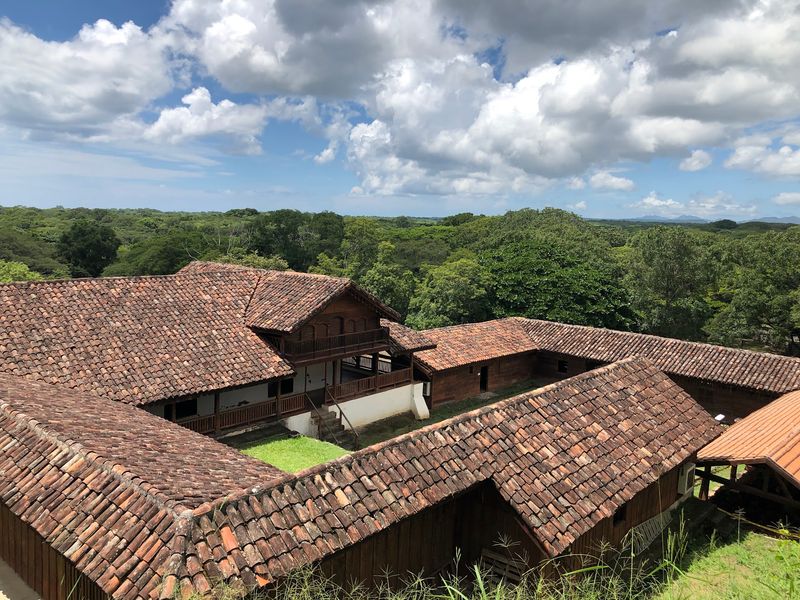
History and nature share the same ground at Santa Rosa. In 1856, Costa Rican soldiers won a key battle here, and the old hacienda building, La Casona, still stands as a museum.
Today the park is part of the Guanacaste Conservation Area, a UNESCO World Heritage site.
Santa Rosa protects one of the last large areas of tropical dry forest in Central America. During the dry season, many trees lose their leaves, which makes animals easier to spot.
White-tailed deer, coyotes, and spider monkeys roam the area.
The beaches of Playa Naranjo and Playa Nancite draw surfers and, from August to December, nesting olive ridley turtles. Camping is available for those who want a quiet night under the stars.
Bring plenty of water, light clothing, and sun protection, since shade can be scarce on the longer trails.
15. Chirripó National Park – San Gerardo de Rivas
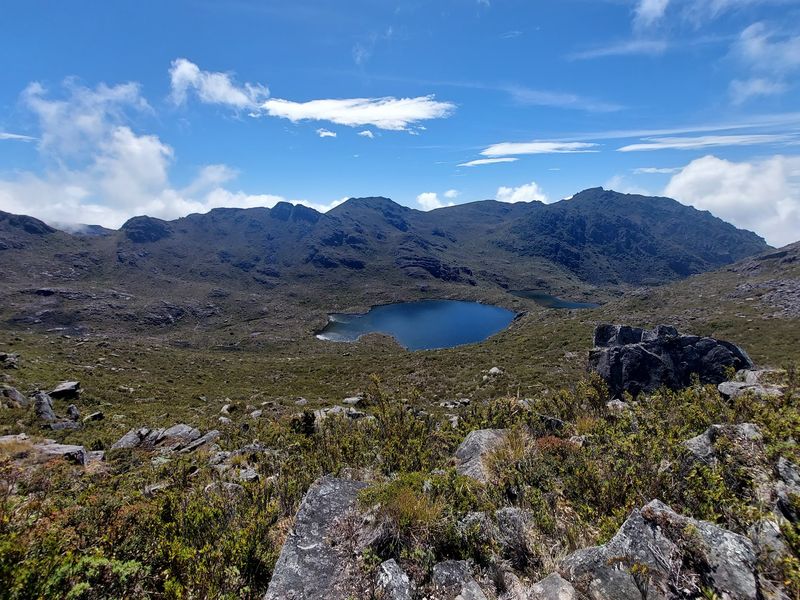
Standing at 12,530 feet, Cerro Chirripó is the highest peak in Costa Rica, and reaching the top takes real effort. The trail from San Gerardo de Rivas covers about 14 miles one way, so most hikers split it over two days with a night at the Crestones Base Camp.
Along the route, the scenery changes from cloud forest to open highland known as páramo. Glacial lakes and rocky valleys appear near the summit.
Birdwatchers might spot the fiery-throated hummingbird, and lucky hikers may see pumas’ tracks, though the animals stay hidden.
Permits are required and sell out fast, so book months ahead. Nights at the base camp are freezing, so pack warm layers and a good sleeping bag.
Many hikers start the final climb before dawn to watch the sunrise from the summit, with views that sometimes stretch to both coasts.
Share this story