Choosing a university is one of the biggest decisions a student will ever make, and the options out there are genuinely exciting. The best universities do not just hand you a degree; they shape how you think, who you meet, and what you believe is possible.
From Oxford’s centuries-old tutorial rooms to Singapore’s buzzing tech hub, the world’s top institutions each offer something unique and worth knowing about. This list covers 15 universities that stand out not just for their rankings, but for the real experiences they offer students every single day.
University of Oxford, Oxford, England
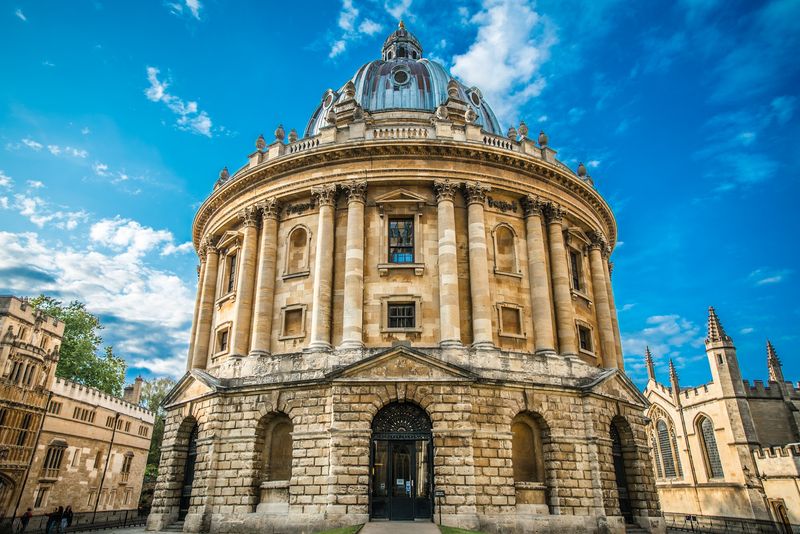
Walking through Oxford’s gates for the first time feels like stepping into a place that takes ideas very seriously. Founded in the 12th century, it is the oldest university in the English-speaking world, and it has never stopped being one of the best.
The tutorial system is Oxford’s crown jewel, placing just two or three students in a room with a world-leading expert to discuss, debate, and defend their thinking every single week.
That level of personal academic attention is almost impossible to find anywhere else at the undergraduate level. Students are expected to come prepared, think critically, and argue their case, which builds intellectual confidence fast.
The workload is real, with roughly 40 hours a week across classes and independent study.
Beyond the academics, the setting is breathtaking. Historic colleges, the Bodleian Libraries, gardens, museums, and a city built entirely around scholarship create an atmosphere unlike any other.
Oxford ranks No. 1 in the Times Higher Education 2026 ranking for the tenth straight year, a fact that speaks for itself. For students who love big ideas and serious conversation, Oxford belongs at the very top of any dream list.
Massachusetts Institute of Technology, Cambridge, Massachusetts
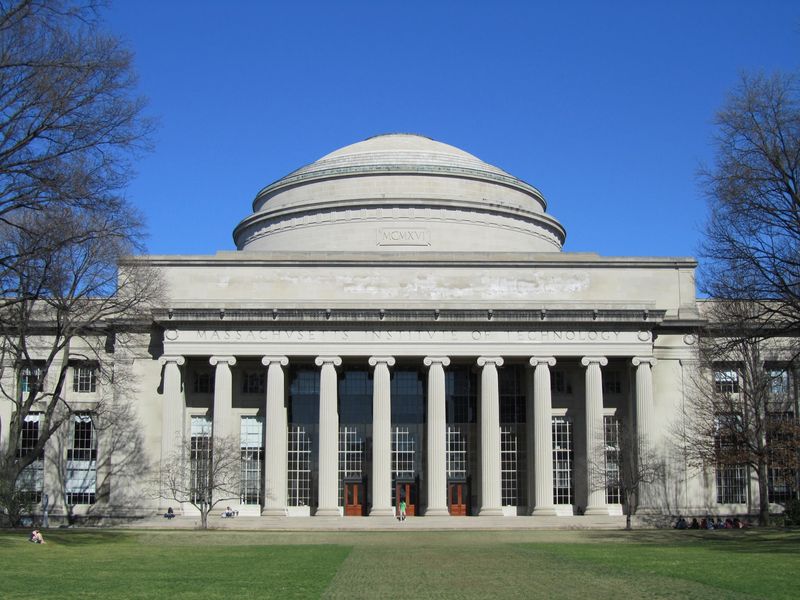
Some universities teach you what great scientists discovered. MIT puts you in the lab to discover the next thing yourself.
That is not a marketing slogan; it is backed up by real numbers. About 93 percent of MIT’s Class of 2025 participated in the Undergraduate Research Opportunities Program before graduating, and MIT spent nearly $16.9 million on paid undergraduate research during 2024 and 2025.
UROP connects undergraduates with active research projects across every department, from artificial intelligence and robotics to climate science and architecture. Students can join a project for a semester, a summer, or a full year, and many end up co-authoring published research before they even finish their degree.
Over 3,200 undergraduates participated during the 2024 to 2025 academic year alone.
MIT ranks No. 1 in QS 2026 and No. 2 in THE 2026, but the culture matters more than the numbers. Students here are curious, driven, and genuinely excited about solving hard problems.
The Cambridge, Massachusetts location also places students steps away from Harvard and inside one of the world’s great hubs for biotechnology, technology, and academic collaboration. For future scientists and engineers, MIT is simply in a category of its own.
University of Cambridge, Cambridge, England
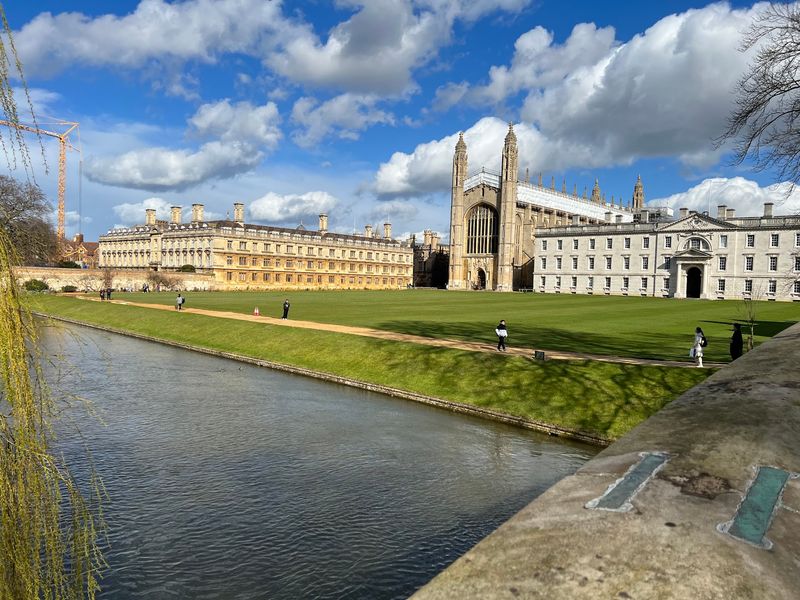
Punting along the River Cam while discussing philosophy might sound like a cliche, but at Cambridge, that kind of scene actually happens. The university shares third place with Princeton in the Times Higher Education 2026 ranking, and its teaching model is just as distinctive as its scenery.
Cambridge uses small-group sessions called supervisions, typically involving just one to three students and an expert supervisor, to push students well beyond standard lecture content.
Because supervisions are not formally assessed, students can take real intellectual risks. They can test half-formed arguments, challenge their supervisor’s view, and figure out exactly where gaps in their understanding exist, without any grade attached to the conversation.
The supervisor is often a leading researcher in the very subject being discussed.
Cambridge’s college system creates tight-knit communities within the larger university, so students get both the resources of a global institution and the belonging of a smaller social world. Libraries, laboratories, museums, and centuries of academic tradition fill every corner of the city.
Students who might automatically list Oxford as their top English university should spend equal time researching Cambridge before deciding. The two institutions are genuinely different experiences, and Cambridge deserves full consideration on its own remarkable terms.
Stanford University, Stanford, California
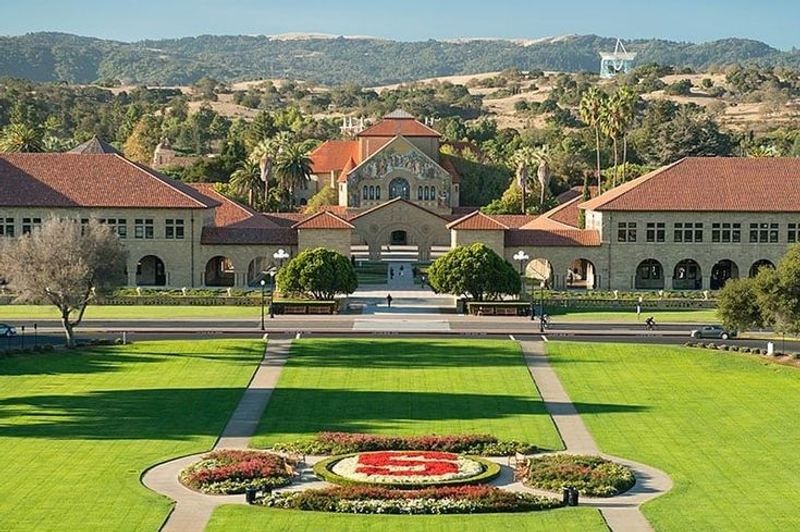
Bicycles, palm trees, and billion-dollar startup ideas might not sound like a typical academic environment, but at Stanford they absolutely are. Ranked No. 3 in QS 2026 and joint No. 5 in THE 2026, Stanford sits in the geographic center of Silicon Valley, which gives students access to technology companies, venture capital firms, and entrepreneurial energy that most universities can only dream about.
But calling Stanford a tech school undersells it dramatically.
Stanford actively encourages undergraduates across all disciplines to join faculty research projects, design independent studies, or apply for grants to fund their own creative and scientific work. A physics student can spend a summer on genuine research.
A humanities student can work directly with rare archival materials. An aspiring entrepreneur can meet investors before graduating.
The campus itself is enormous and beautiful, with open space, world-class sports facilities, and an atmosphere that feels energetic rather than pressured. Students regularly describe the culture as collaborative rather than cutthroat, which is not always the case at top-ranked institutions.
Stanford also offers strong need-based financial aid. For students who want academic excellence without sacrificing real-world connection, Stanford delivers a combination that is genuinely hard to match anywhere else on the planet.
Princeton University, Princeton, New Jersey
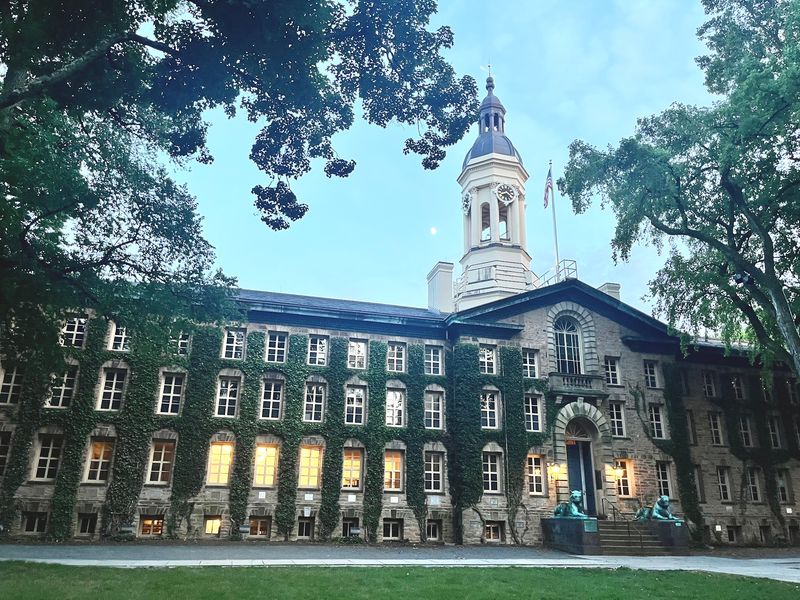
Here is a fact that surprises many families: one of the world’s most elite universities can actually cost less than a state school for qualifying students. Princeton meets 100 percent of demonstrated financial need without requiring loans, and most families earning up to $150,000 receive aid covering the full cost of attendance.
Families earning up to $250,000 often pay zero tuition under the university’s current aid policy, and international students are included in the same framework.
Princeton jumped to joint No. 3 in the Times Higher Education 2026 ranking, its highest-ever position in that table. Academically, it is notably focused on undergraduates for a research university of its stature, meaning students get real access to faculty rather than being shuffled into massive lecture halls.
The campus in New Jersey is stunning, with Gothic architecture, green spaces, and a quieter college-town setting that still sits within easy reach of both New York City and Philadelphia.
Students who cross Princeton off their list because of the price tag are making a mistake without doing the math first. The combination of elite academics, genuine undergraduate attention, extraordinary financial generosity, and a beautiful campus makes Princeton one of the strongest all-around cases on this entire list.
Run the numbers before ruling it out.
Harvard University, Cambridge, Massachusetts
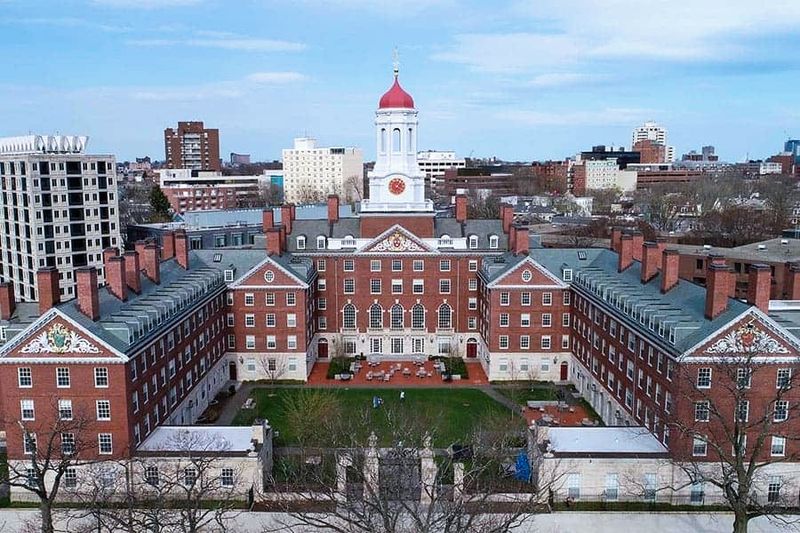
The name Harvard carries so much weight that people sometimes forget to ask what studying there actually looks like day to day. The honest answer is that the breadth of opportunity is staggering.
Undergraduates can move between economics, government, computer science, history, biology, languages, and dozens of other fields while being surrounded by some of the world’s most prominent graduate schools in medicine, law, business, and public policy.
The Cambridge location adds MIT practically next door and puts Boston’s enormous higher-education, healthcare, and cultural ecosystem across the river. Harvard’s alumni network is genuinely one of the most powerful in the world, spanning every industry and almost every country.
That matters when internships, jobs, and recommendations come into play after graduation.
Many families assume Harvard is financially out of reach, but the university’s need-based aid structure can make it surprisingly affordable for qualifying students. Applicants should calculate actual net cost rather than rejecting the idea based on the published tuition figure alone.
Harvard ranks joint No. 5 in both THE 2026 and QS 2026. More importantly, it offers something rare: a place where a student who is not yet sure what they want to become has an extraordinary number of directions available to explore.
That kind of academic optionality is genuinely valuable at 18.
California Institute of Technology, Pasadena, California
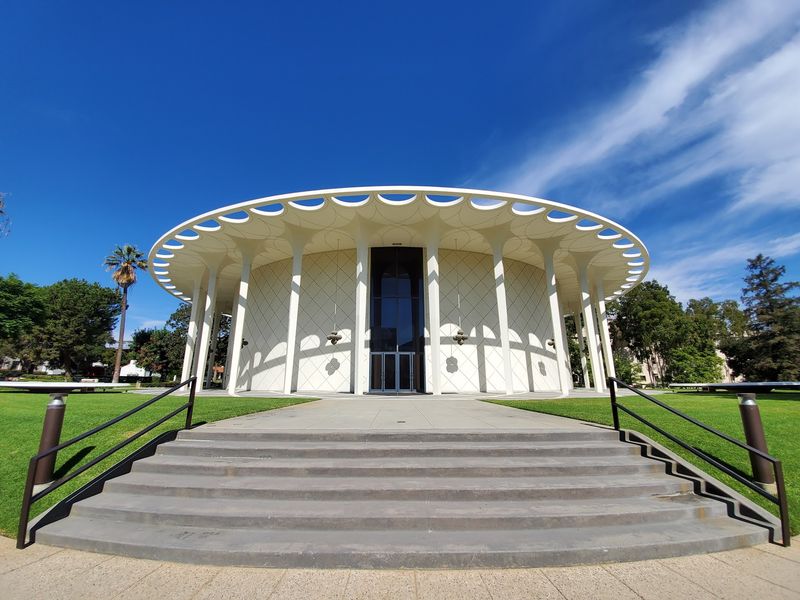
Caltech has fewer than 1,000 undergraduates, which makes it smaller than many high schools, yet it consistently ranks among the top 10 universities on Earth. That contrast tells you everything about what this institution prioritizes.
Ranked No. 7 in THE 2026 and No. 10 in QS 2026, Caltech is built entirely around science, technology, engineering, and mathematics at the highest possible level, and it does not pretend to be anything else.
The Summer Undergraduate Research Fellowships program, known as SURF, allows continuing undergraduates to conduct independent research projects under faculty mentorship during summer. Students from other universities can also apply, making SURF one of the more accessible elite research experiences available to undergraduates nationally.
The scientific ecosystem surrounding campus includes connections to some of the most advanced research institutions in the world.
Caltech is not the right choice for someone seeking a large campus, a wide menu of majors, or a big sports culture. That is not a criticism; it is simply accurate.
For a student whose world already revolves around physics, mathematics, chemistry, astronomy, or engineering, the concentrated intellectual environment at Caltech is not a limitation. It is the entire point.
Few places on Earth give undergraduates this level of proximity to genuinely frontier-level scientific work.
Imperial College London, London, England
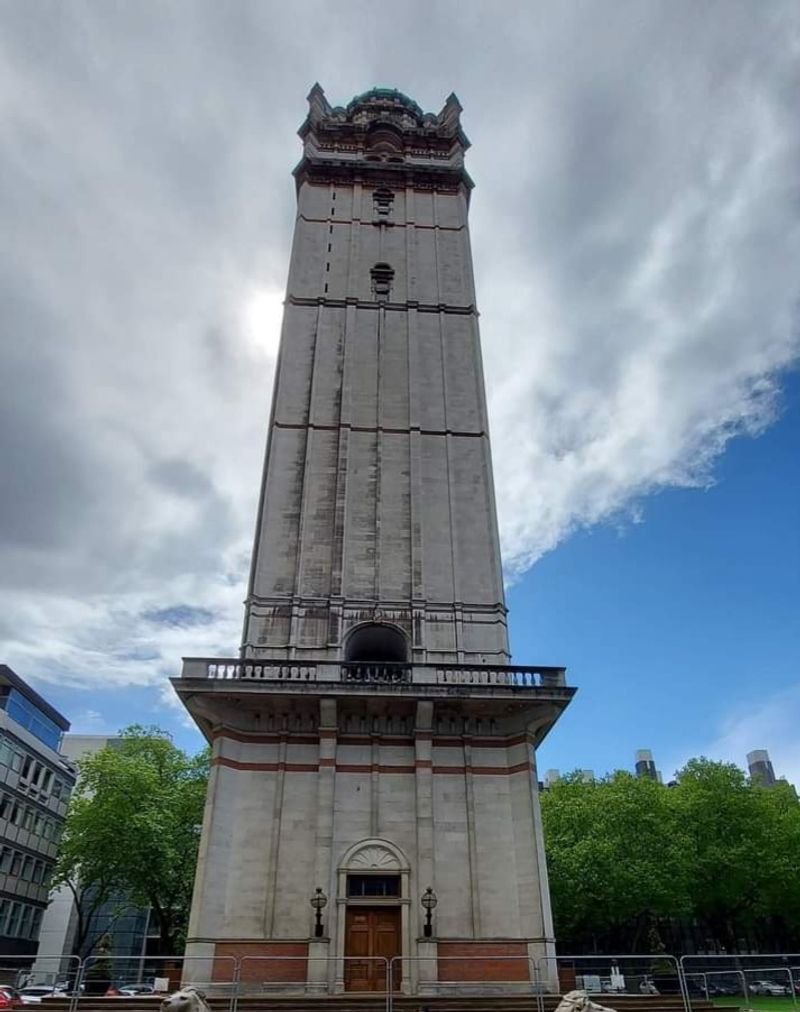
QS ranked Imperial College London No. 2 in the entire world for 2026, which is a jaw-dropping position for a university that many students outside the UK have never seriously considered. Imperial focuses on science, engineering, medicine, and business, and it does so at a level that competes directly with the most famous institutions on this list.
The campus sits in South Kensington, one of London’s most culturally rich neighborhoods, surrounded by world-class museums and within reach of the entire city.
Imperial’s Undergraduate Research Opportunities Programme has been running since 1980 and recorded more than 650 summer placements in 2025. Students get hands-on experience with real research projects, typically over six to ten weeks, and an international version can place students at partner universities abroad.
That kind of structured research access at the undergraduate level is a genuine competitive advantage when applying for graduate programs or jobs in science and technology.
London itself functions almost like a second campus. Finance, healthcare, technology, media, and government all operate at a world-class level within commuting distance.
For STEM-focused students who want urban energy rather than a secluded campus setting, Imperial offers a combination of academic prestige and real-world proximity that is difficult to beat anywhere in Europe. It deserves far more attention from international applicants than it typically receives.
University of California, Berkeley, Berkeley, California
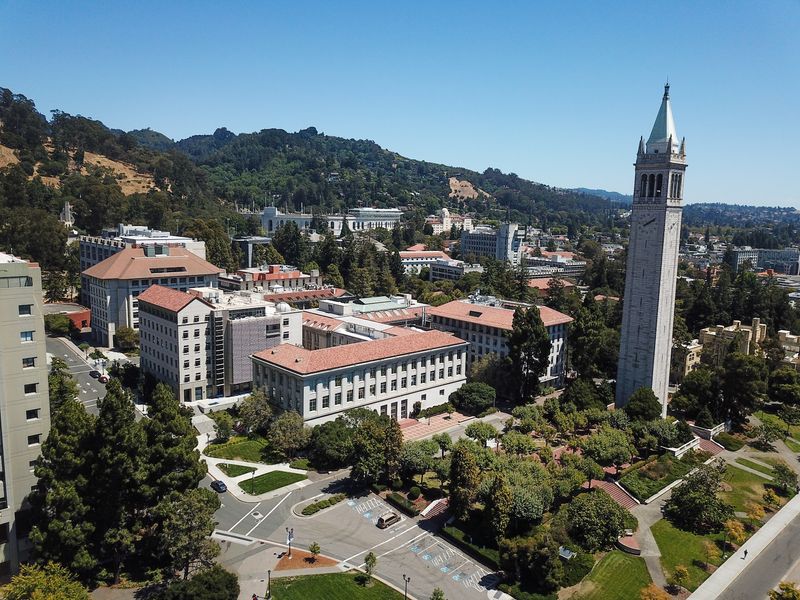
Public universities can absolutely belong on a dream list, and UC Berkeley is the proof. Ranked No. 9 in the Times Higher Education 2026 global table, Berkeley offers research-university opportunities that rival private institutions costing two or three times as much in tuition.
The Undergraduate Research Apprentice Program connects students with faculty and research staff on active projects across an enormous range of disciplines, with more than 1,700 students participating each semester.
The scope of URAP is genuinely impressive. Opportunities exist in humanities, social sciences, engineering, biology, public policy, creative work, and independent projects, so students do not need to be science majors to access serious research experience.
Berkeley’s academic culture rewards intellectual curiosity and encourages students to engage with ideas beyond their declared major.
The San Francisco Bay Area provides an extraordinary backdrop. Technology companies, biotech firms, climate research organizations, arts institutions, and activist communities all operate close to campus.
Berkeley offers something distinct from Stanford across the bay: the scale and diversity of a major public university combined with academic prestige at the very top of global rankings. For students who want both academic credibility and a campus with real political and cultural energy, Berkeley delivers that combination with remarkable consistency year after year.
Yale University, New Haven, Connecticut
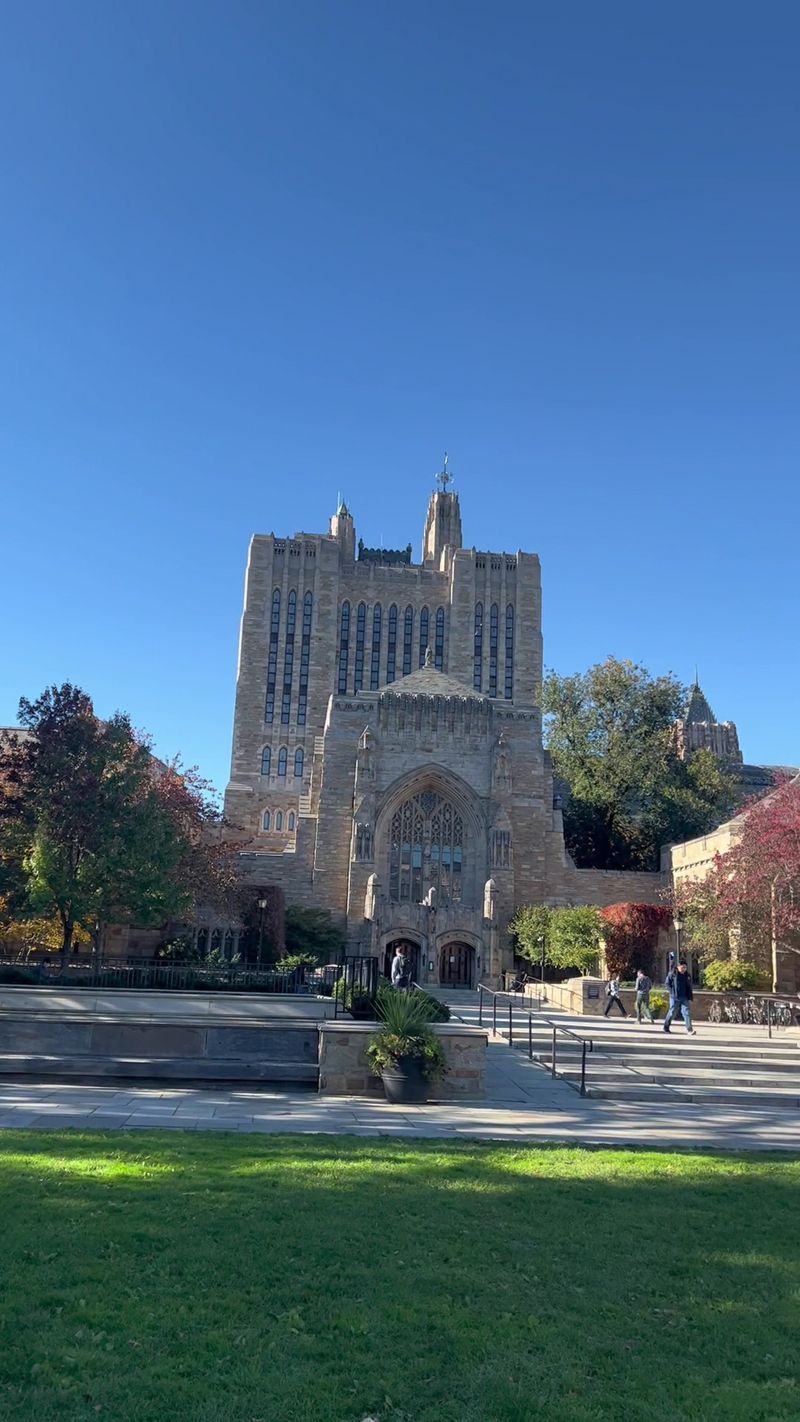
Yale has a quiet ace up its sleeve that not enough students know about: it meets 100 percent of demonstrated undergraduate financial need regardless of citizenship or immigration status, and it does so without requiring loans. Families earning below $100,000 with typical assets often qualify for a zero parent contribution that covers tuition, fees, housing, food, and travel.
Families below $200,000 can often receive grants covering at least full tuition. For an Ivy League institution, that level of generosity is remarkable.
Yale’s residential college system divides students into smaller communities within the larger university, creating a more personal social environment than the institution’s global reputation might suggest. Each college has its own dining hall, common spaces, and community events, which means students build close friendships within a manageable-sized group while still accessing Yale’s full academic resources.
Academically, Yale is particularly celebrated for the humanities, arts, drama, political thought, and law, along with its extraordinary library and museum collections. The Beinecke Rare Book Library alone is worth visiting just to see.
Yale completes the Times Higher Education global top 10 for 2026, and its combination of financial generosity, residential intimacy, and academic depth makes it one of the most genuinely compelling options on this entire list for students who qualify for need-based support.
ETH Zurich, Zurich, Switzerland
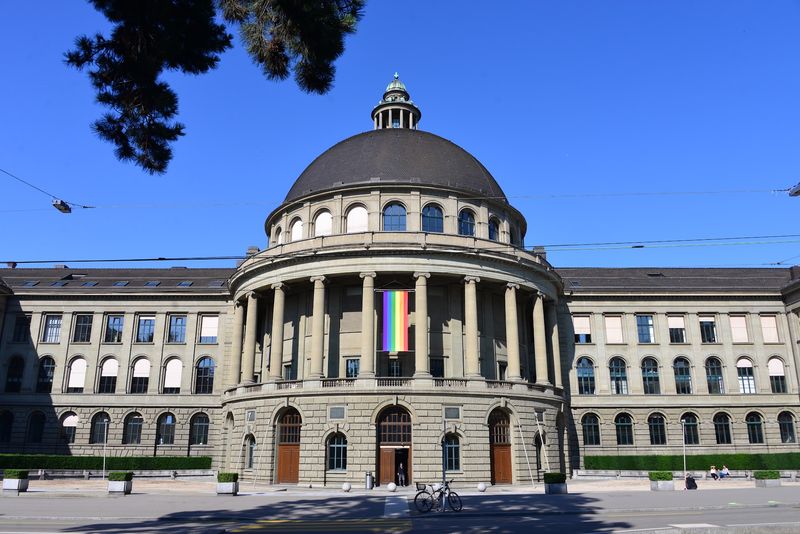
Albert Einstein studied here, which is a fun fact, but ETH Zurich’s real appeal in 2026 has nothing to do with historical name-dropping. Ranked No. 7 in QS 2026 and the highest-ranked university in continental Europe in that table, ETH placed in the global top 10 across 16 subject areas this year.
Those subjects include geology, geophysics, architecture, environmental science, computer science, mathematics, physics, chemistry, and statistics. For a STEM-focused student, that breadth of excellence is extraordinary.
ETH operates within a European public-university environment, which typically means lower tuition fees than comparable private institutions in the United States or United Kingdom. The city of Zurich regularly ranks among the world’s most livable cities, and having Lake Zurich and the Alps as a backdrop to student life is not a bad arrangement by any standard.
International students considering ETH need to check language requirements carefully before applying. Many bachelor’s programs require German, and assuming everything is taught in English would be a costly mistake.
Master’s programs are more widely available in English. For the right student who either speaks German or is willing to learn, ETH Zurich offers a combination of elite STEM education, European culture, and stunning geography that very few universities anywhere in the world can realistically match.
It is a genuinely underrated option for international applicants.
National University of Singapore, Singapore
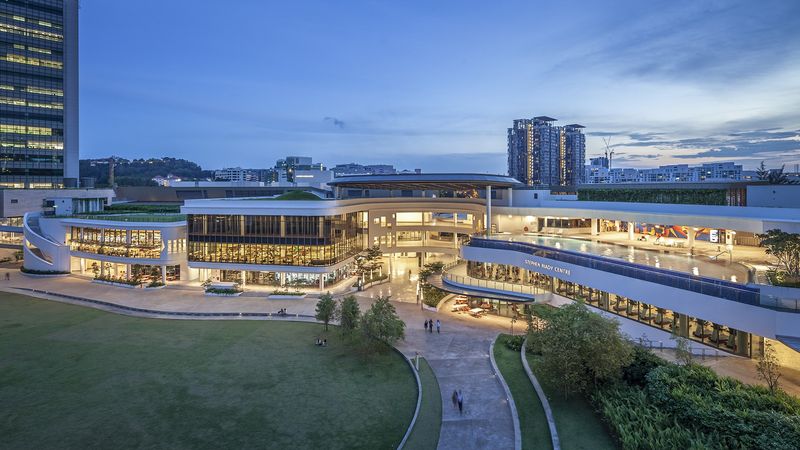
Asia’s top-ranked university in QS 2026 at No. 8 globally is not in Tokyo or Beijing. It is in Singapore, a city-state that punches far above its geographic size in almost every field that matters to ambitious students.
NUS sits at the center of a city that serves as a regional hub for finance, technology, biomedical research, logistics, advanced manufacturing, and international business, giving students access to a professional environment that is genuinely global in character.
Undergraduate research is built into the academic structure at NUS rather than being an optional add-on. The university’s UROP programs allow students across multiple faculties to participate in faculty-supervised research and earn academic credit, with a typical commitment of around 130 hours over 13 weeks for four modular credits.
That structured approach makes research accessible to students who might not otherwise know how to seek it out.
Singapore itself is clean, safe, extraordinarily well-connected, and home to a diverse international community that makes it easier for students from any background to feel at home. For students looking beyond the traditional destinations of the United States, United Kingdom, or continental Europe, NUS is not a compromise or a backup option.
It is a world-class destination with a unique geographic advantage that no university in the West can replicate. The city alone is worth the trip.
University of Tokyo, Tokyo, Japan
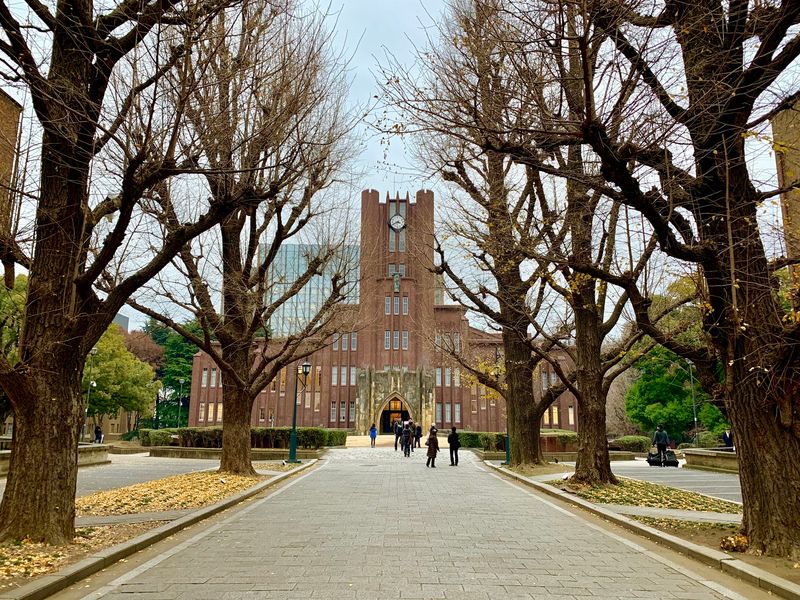
Studying at Japan’s most prestigious university while living in one of the world’s most extraordinary cities is a combination that is hard to argue with. The University of Tokyo reached No. 26 in the Times Higher Education 2026 ranking, its highest-ever position in that table, reflecting genuine upward momentum in global academic standing.
The campus in Tokyo places students inside a city that is simultaneously a global leader in technology, design, engineering, food, transportation, and cultural innovation.
International applicants need to pay close attention to current admissions pathways before applying. The university’s long-running PEAK English-taught undergraduate program accepted its final cohort for September 2026 and will not recruit future classes, so older guides recommending PEAK as the entry point for English-speaking students are now outdated.
The Global Science Course remains an English-language transfer option for students who have completed at least two years at a university outside Japan, and accepted students receive both scholarship and housing support.
For students who speak Japanese or are willing to study through Japanese-language admissions channels, the University of Tokyo offers an academic environment of remarkable depth and prestige. The combination of a world-class institution, a city unlike anywhere else on earth, and a culture that values precision and dedication creates a university experience that is truly one of a kind.
Tokyo itself becomes part of the education.
University of Chicago, Chicago, Illinois
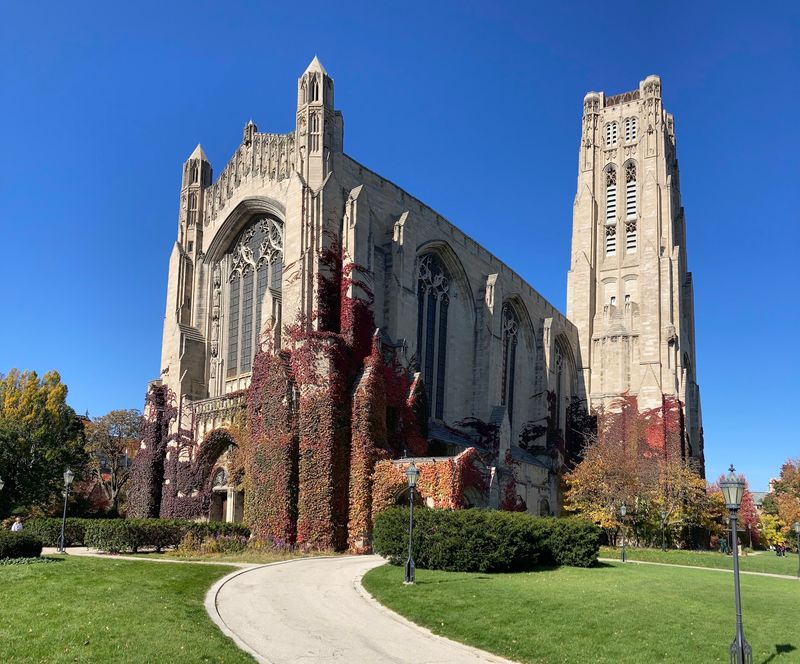
The University of Chicago has a reputation for being the place where fun goes to think very hard, and the students who choose it genuinely love that about it. The Core Curriculum is the defining feature of an undergraduate education here.
Every student, regardless of major, completes a shared foundation covering humanities, civilization studies, social sciences, mathematics, physical sciences, biological sciences, writing, and language. The goal is not uniformity; it is intellectual breadth before deep specialization.
That approach creates a distinctive campus culture where debate is a social activity, not just an academic one. Students argue about economics over lunch, discuss philosophy between classes, and treat a well-constructed counterargument as a form of respect rather than an attack.
Future economists, scientists, writers, and lawyers all spend serious time confronting foundational questions outside their eventual specialty, which tends to make them sharper thinkers in whatever field they eventually choose.
Chicago has produced an extraordinary number of Nobel laureates, particularly in economics, and the Hyde Park neighborhood surrounding campus is intellectually lively in its own right. For students who do not want to specialize too quickly and who genuinely enjoy ideas for their own sake, the University of Chicago offers something most top universities do not: a structured reason to stay curious across many disciplines simultaneously.
That is a rare and genuinely valuable thing.
University of Melbourne, Melbourne, Australia
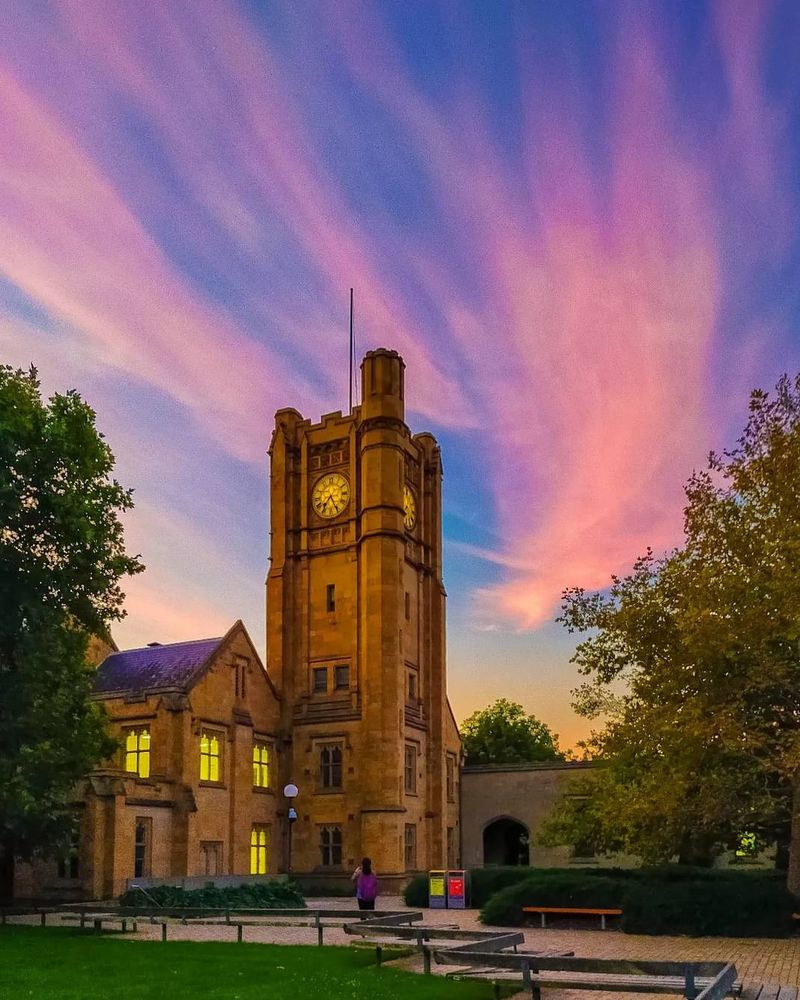
Melbourne consistently ranks as one of the world’s most livable cities, and the University of Melbourne sits right at its center, which is a pretty solid starting point for a dream university. The institution is Australia’s leading research university and a genuine global player, with a research ecosystem that spans disciplines and works closely with industry partners and specialist institutes on problems that actually matter beyond campus walls.
Undergraduates in science can participate directly in supervised research projects, gaining hands-on experience in scientific investigation before deciding whether to pursue research careers. That early exposure is valuable for students who want to make informed decisions about graduate school rather than committing to a path they have never actually tried.
The university also advertises more than 1,200 scholarships, bursaries, grants, and prizes for current and incoming students, which makes it worth investigating for financial support options.
Melbourne itself adds a dimension that purely academic rankings cannot capture. Students get world-class museums, live music, extraordinary food, reliable public transportation, nearby beaches, and one of the Asia-Pacific region’s most established university communities right outside the library door.
For students looking beyond the United States, Britain, and continental Europe, Melbourne is not a consolation destination. It is a city that genuinely becomes part of the university experience in a way that very few places in the world can match.
Share this story