Some places carry a weight that photographs and documentaries can never fully capture. Whether tied to genocide, assassination, disaster, or oppression, these sites hold real history within their walls, streets, and soil.
Visiting them in person is a completely different experience from reading about them in a textbook. This list covers 15 of history’s most infamous locations that you can actually walk through today, each one offering a powerful, sobering connection to the past.
Alcatraz Island, San Francisco, California
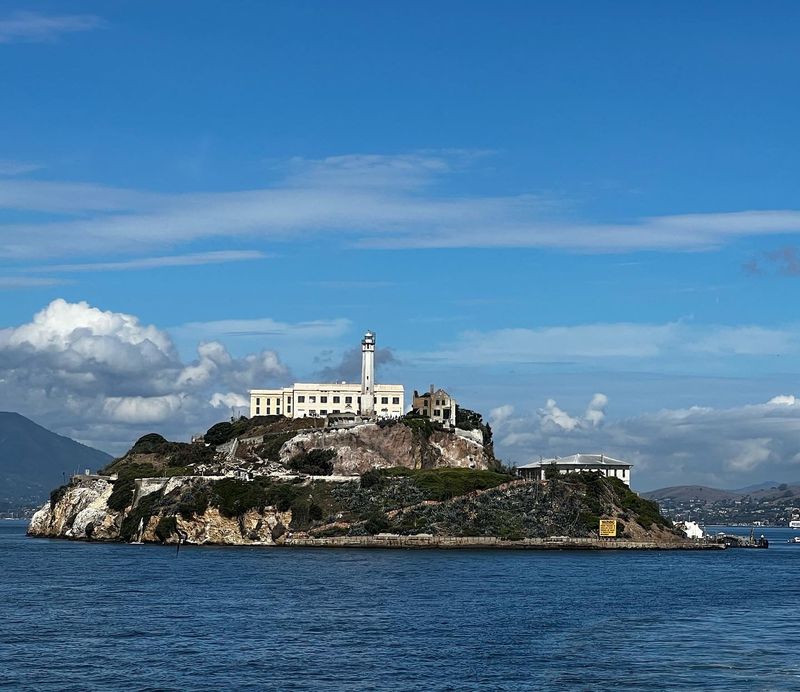
Sitting cold and alone in the middle of San Francisco Bay, Alcatraz earned its fearsome reputation before most visitors even step off the ferry. The federal penitentiary operated from 1934 to 1963, housing some of America’s most dangerous criminals, including Al Capone and Machine Gun Kelly.
The location was chosen specifically because the freezing bay waters and powerful currents made escape almost impossible.
Today, the National Park Service runs authorized ferry trips to the island, and your ticket includes access to the famous cellhouse audio tour. Former guards and inmates narrated the original recordings, which gives the experience an authenticity that no museum exhibit can quite replicate.
Plan for at least two to three hours on the island to cover the main areas comfortably.
The cells are narrow, the corridors are long, and the silence in certain sections is genuinely unsettling. Escape attempts happened 14 times during the prison’s operation, and none were ever confirmed successful.
Alcatraz is one of those rare places where the setting does most of the storytelling for you.
Auschwitz-Birkenau, Oswiecim, Poland
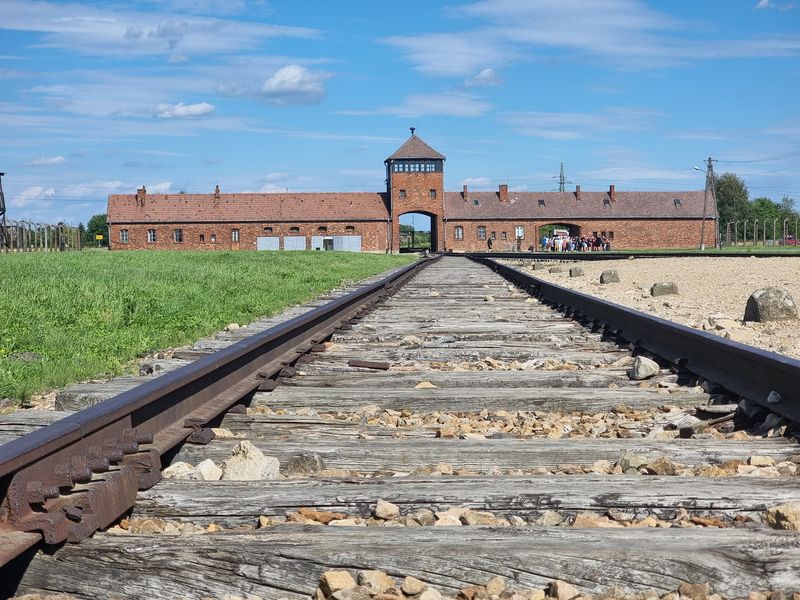
No place on this list demands more emotional preparation than Auschwitz-Birkenau. Nazi Germany operated this complex as both a concentration camp and an extermination facility during World War II, and more than one million people were murdered here, the overwhelming majority of them Jewish.
The scale of what happened is nearly impossible to absorb in a single visit.
Visitors walk through preserved barracks, past electrified fence posts, and through surviving prison blocks at Auschwitz I. At Birkenau, the sheer size of the site hits hardest: rows of wooden barracks stretching far into the distance give a physical sense of the operation’s massive scope.
The Auschwitz Memorial recommends spending at least 90 minutes at each location.
Entry passes must be reserved online in advance, and the memorial asks visitors to maintain respectful behavior throughout. Photography is permitted in most areas, but selfies and casual poses are strongly discouraged.
Auschwitz-Birkenau is not a tourist attraction in any ordinary sense. Visiting is an act of witness, and the memorial treats it accordingly.
Tower of London, London, England
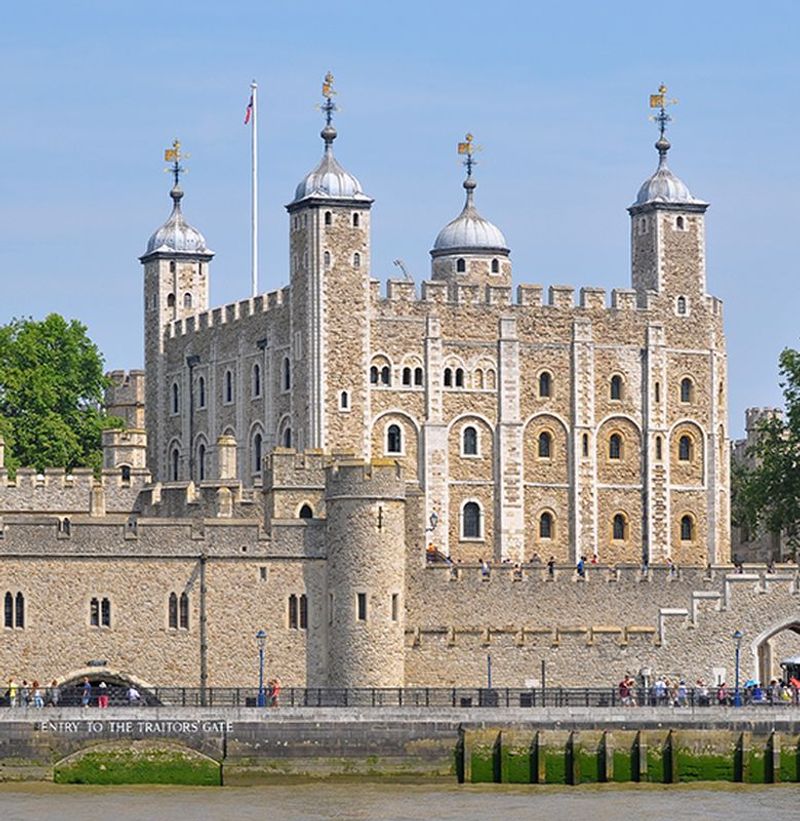
Nearly a thousand years of English history are packed into one fortress, and not all of it is pretty. The Tower of London has served as a royal palace, armory, treasury, menagerie, and, most infamously, a prison where some of England’s most prominent figures spent their final days.
Walking through its gates, you are stepping into a place that has witnessed royal betrayal, political murder, and state-sanctioned executions.
Tower Green is where Anne Boleyn, Catherine Howard, and Lady Jane Grey were executed, and visitors can stand on the very same ground today. The Bloody Tower is connected to the mysterious disappearance of the young Princes in the Tower, a case historians still debate centuries later.
Carved prisoner graffiti survives on the walls of the Beauchamp Tower, left by those who knew they might never leave.
The Crown Jewels are also housed here, adding an unexpected glittering contrast to all the grim history. Yeoman Warders, known as Beefeaters, lead daily tours packed with stories that range from fascinating to genuinely disturbing.
The Tower remains one of the most layered and complex historic sites in all of Britain.
Tuol Sleng Genocide Museum, Phnom Penh, Cambodia
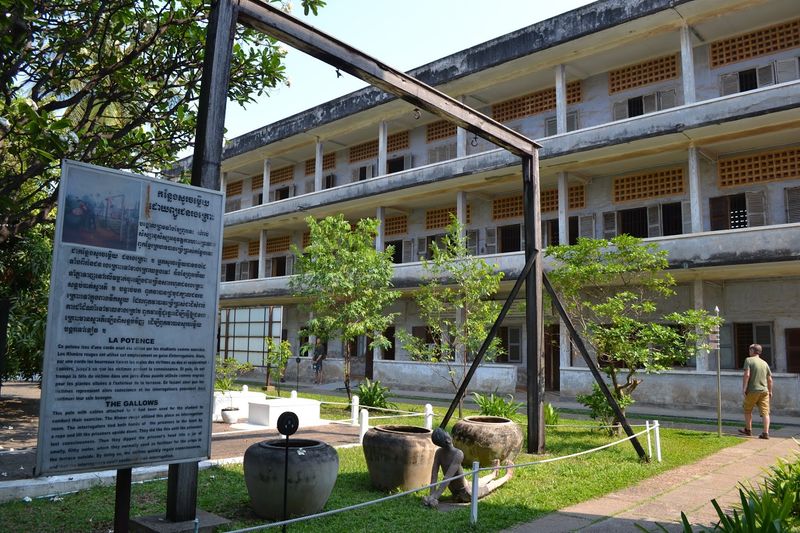
Before the Khmer Rouge took over, this building was an ordinary school. By the time the regime fell in 1979, it had become S-21, one of the most feared interrogation and detention centers in Cambodia’s brutal history.
An estimated 17,000 people were imprisoned here between 1975 and 1979, and only a handful survived.
Today, Tuol Sleng operates as a genocide museum dedicated to preserving the memory of victims and educating visitors about the Cambodian genocide. The rooms that once served as classrooms were converted into cells and interrogation chambers, and many remain largely intact.
Thousands of photographs taken by the Khmer Rouge of their own prisoners line the walls, creating one of the most haunting displays you will encounter anywhere in the world.
The museum describes its mission as turning visitors into messengers of peace, which shapes how the entire site is organized and presented. Dress codes and behavioral guidelines are clearly posted, and staff members ask visitors to treat the space with full respect.
Some survivors of S-21 have visited the museum regularly over the years and have spoken with tourists directly. That kind of living connection to history is both rare and deeply affecting.
Robben Island, Cape Town, South Africa
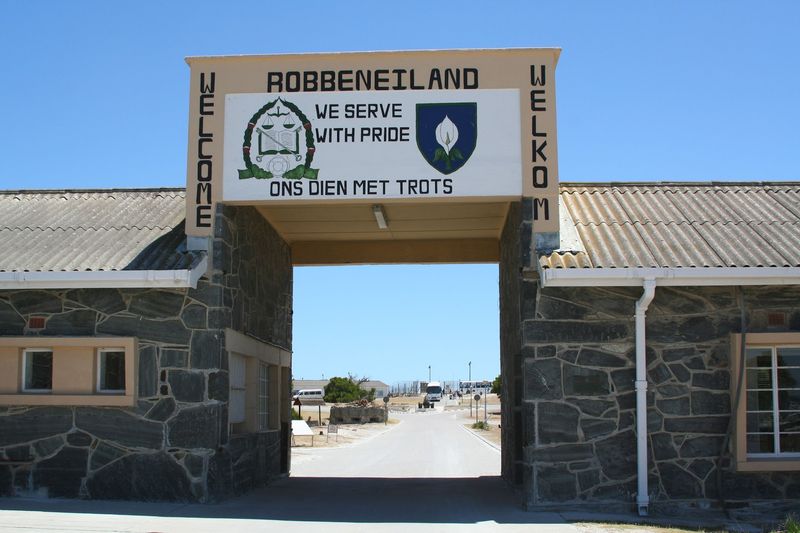
Robben Island sits about 12 kilometers off the coast of Cape Town, and for decades it served as one of apartheid South Africa’s most effective tools of political suppression. Nelson Mandela spent 18 of his 27 years of imprisonment here, breaking rocks in a limestone quarry alongside other anti-apartheid activists.
The island was designed to isolate, and it succeeded in doing exactly that.
Ferry trips depart from the V&A Waterfront and take about 30 minutes each way. Once on the island, tours cover the Maximum Security Prison, Mandela’s actual cell, Robert Sobukwe’s house, and the limestone quarry where prisoners labored under the harsh South African sun.
Many tour guides are former political prisoners themselves, which transforms the experience entirely.
Hearing about life on the island from someone who actually lived it is not something any exhibit or film can replicate. Robben Island Museum also offers an extended walking experience covering roughly five kilometers of the island’s historic landscape.
The site was declared a UNESCO World Heritage site in 1999, recognized both for its natural environment and its role in South Africa’s long road to democracy.
Eastern State Penitentiary, Philadelphia, Pennsylvania
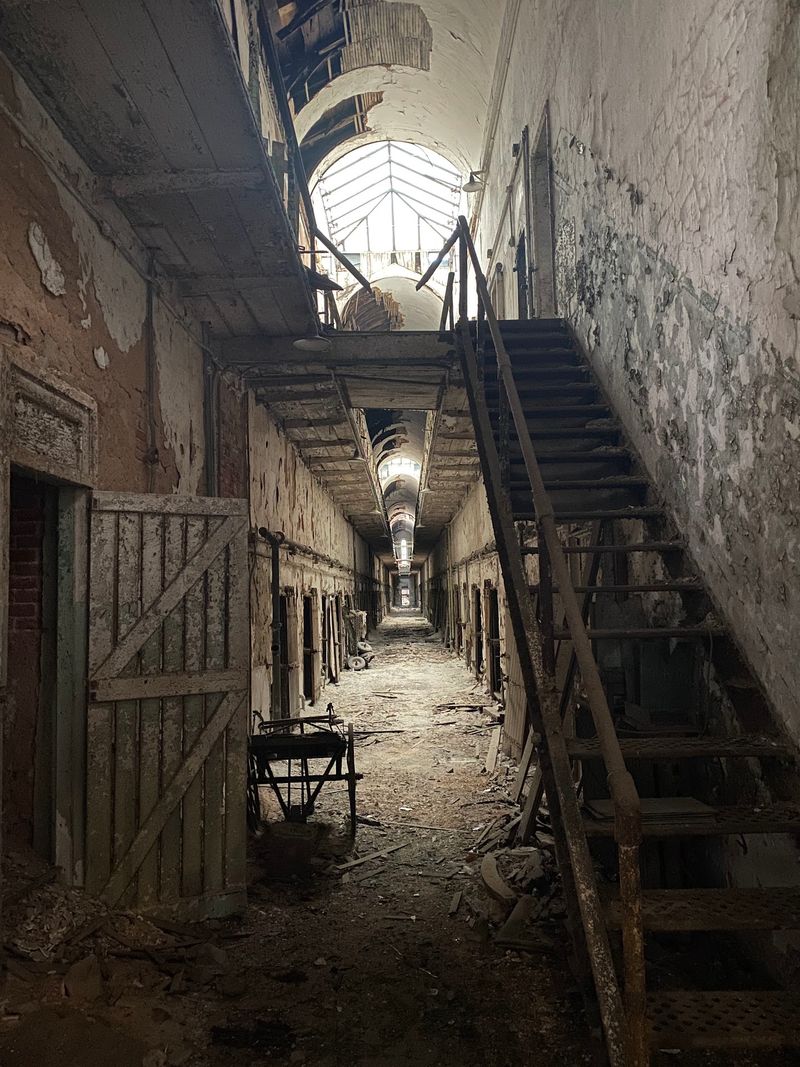
When Eastern State Penitentiary opened in 1829, it was considered a revolutionary experiment in criminal justice. The original philosophy centered on isolation and silent reflection, with each prisoner kept entirely alone in a single cell, expected to find personal reform through solitude.
It sounds almost philosophical until you see the cells in person and realize how crushingly small they are.
Overcrowding eventually dismantled the original system, and a facility built for around 250 inmates eventually held closer to 1,700. Among its more famous residents were bank robber Willie Sutton and Al Capone, whose reconstructed cell, complete with rugs and artwork, is one of the most visited spots in the building.
The contrast between Capone’s comfortable setup and the bare cells surrounding it says a lot about how wealth worked even inside prison walls.
Today, Eastern State is preserved as a stabilized ruin, meaning the crumbling paint, collapsed ceilings, and overgrown courtyards are intentionally left as they are. Visitors walk through cellblocks that feel genuinely frozen in time.
The site also runs a wildly popular Halloween event each fall, but the daytime historic tour is where the real story lives.
Paris Catacombs, Paris, France
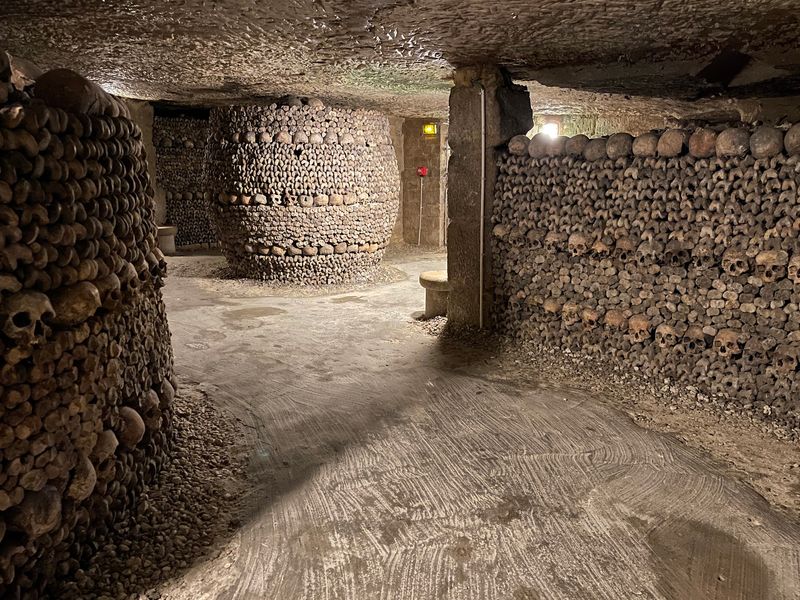
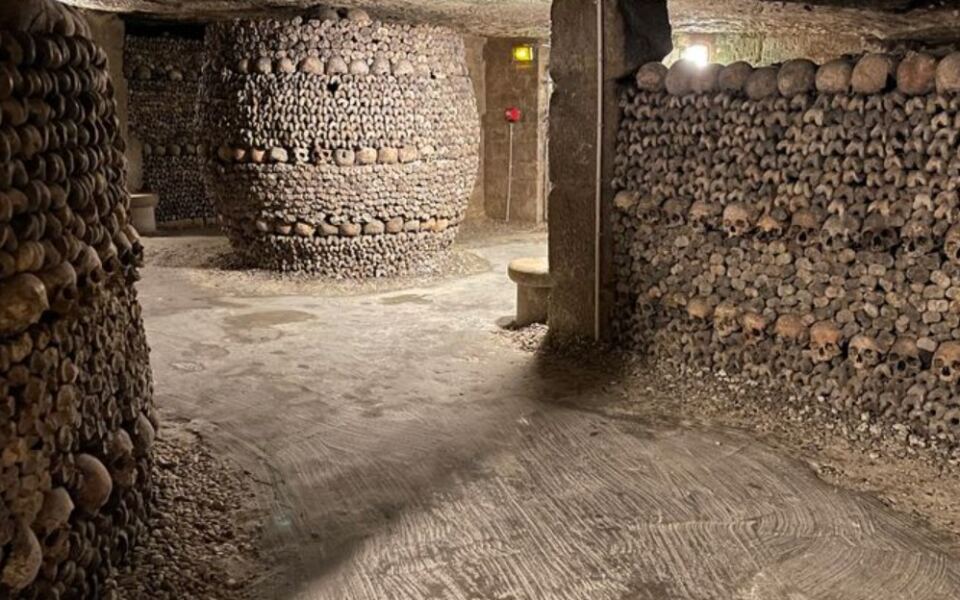
About 20 meters below the streets of Paris, millions of people are stacked in the dark. The bones were moved underground beginning in the late 18th century when overflowing cemeteries started creating serious public health crises across the city.
Authorities transferred remains from multiple cemeteries into former limestone quarries, and workers arranged the bones into the distinctive walls and patterns visitors see today.
The official visitor route covers a regulated 1.5-kilometer circuit through the ossuary, passing through galleries where skulls and long bones are stacked with an almost architectural precision. Temperatures underground hover around 14 degrees Celsius year-round, so bringing a light jacket is genuinely practical advice.
The descent involves 131 steps down, and the return trip requires climbing 112 steps back up.
Only a small fraction of Paris’s vast underground quarry network is legally open to the public. Unauthorized exploration of off-limits tunnels, known locally as cataphile culture, does exist but carries real risks including fines and physical danger.
The official route is well-lit, clearly marked, and manages to be both deeply eerie and completely safe. Tickets sell out regularly, so booking ahead online is strongly recommended.
Pompeii, Campania, Italy
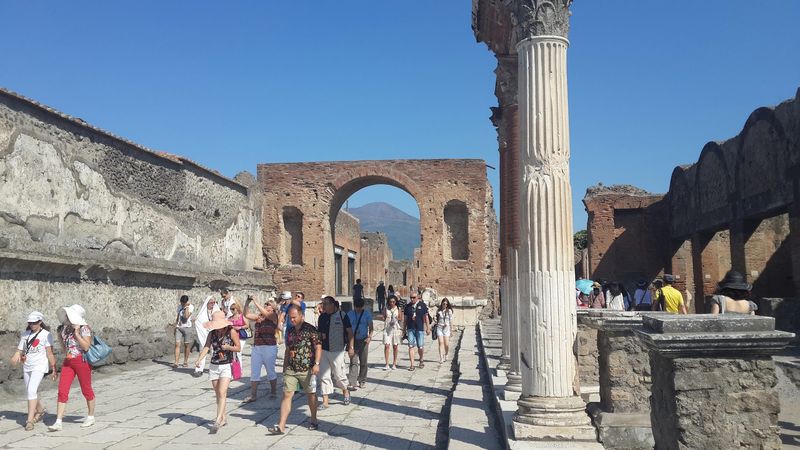
Few disasters in history have been preserved quite so completely as the eruption of Mount Vesuvius in AD 79. The volcanic event buried the Roman city of Pompeii under several meters of ash and pumice within hours, and that same volcanic material ended up protecting everything underneath it for nearly 1,700 years.
When excavations began in the 18th century, an entire city started emerging from the ground.
Visitors today can walk through full neighborhoods, not just isolated ruins. Streets, homes, bakeries, brothels, bath complexes, temples, and theaters are all accessible, giving a remarkably complete picture of daily Roman life interrupted at a single specific moment.
Plaster casts of victims, created by filling voids left by decomposed bodies in the ash, remain among the most striking and sobering things to see anywhere in Italy.
UNESCO recognizes Pompeii as one of the most complete surviving examples of a Roman urban environment anywhere in the world. The excavated area covers roughly 44 hectares, and a single visit cannot cover everything.
Comfortable shoes and sun protection are practical necessities, as most of the site is outdoors and the stone streets are uneven underfoot.
Kilmainham Gaol, Dublin, Ireland
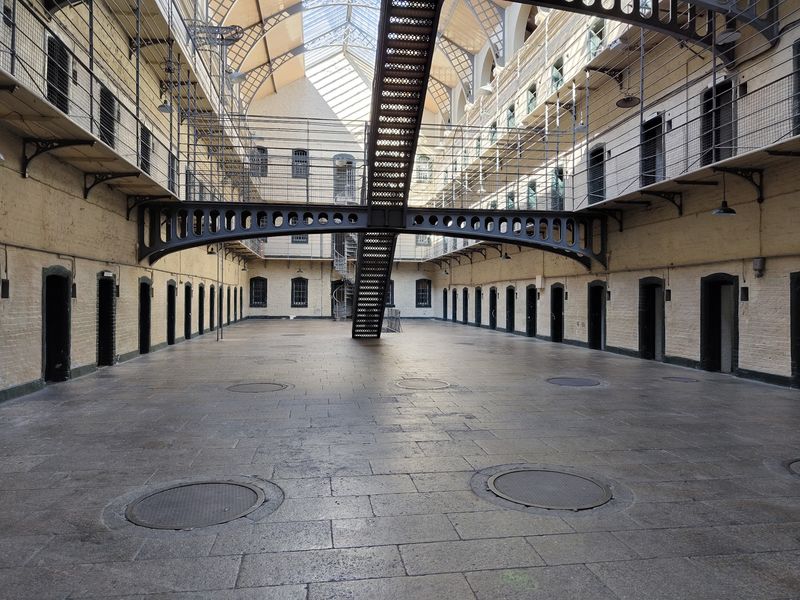
Kilmainham Gaol opened in 1796, and from the very beginning it collected Ireland’s most desperate stories within its stone walls. Rebels from the uprisings of 1798, 1803, 1848, and 1867 all passed through here, and the Easter Rising of 1916 gave the prison its most enduring historical association.
Fourteen leaders of that rebellion were executed in the Stonebreakers’ Yard, and visiting that courtyard today carries a specific, quiet weight.
The prison held far more than political prisoners. During the Great Famine of the 1840s, ordinary men, women, and children were imprisoned here for stealing food or other minor offenses born of desperation.
The contrast between political martyrs and starving families sharing the same building adds a painful complexity to the site’s history that guided tours address directly.
Entry is by guided tour only, which is the right call because the building’s history is dense and a knowledgeable guide makes an enormous difference. Tours move through the Georgian and Victorian wings before ending at the execution yard, giving visitors a clear sense of the prison’s physical and historical evolution.
Kilmainham finally closed in 1924 and was restored through volunteer labor in the 1960s, becoming one of Ireland’s most visited historic sites.
Port Arthur Historic Site, Tasmania, Australia
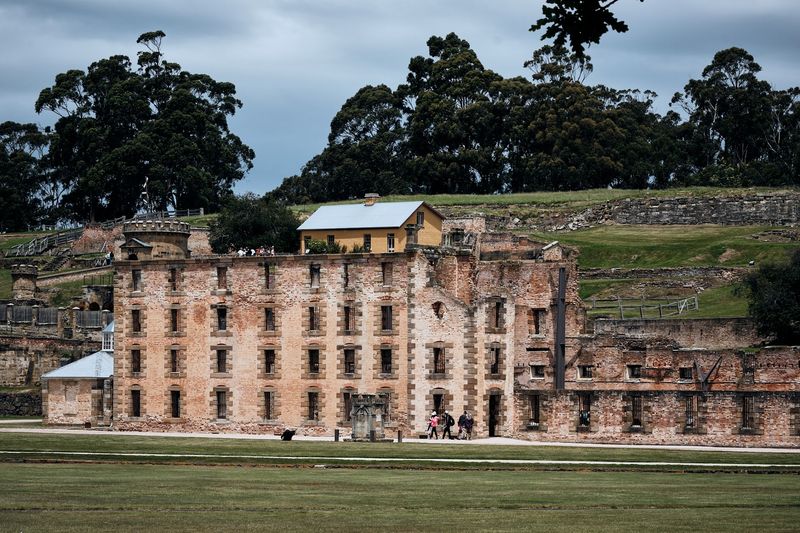
Port Arthur carries two entirely separate layers of painful history, and both deserve attention. During the 19th century, it functioned as one of Britain’s most significant convict settlements in Australia, where thousands of transported prisoners experienced forced labor, strict surveillance, and experimental forms of punishment.
The Separate Prison, which imposed near-total silence and isolation on inmates, was considered a progressive alternative to physical punishment at the time. Experiencing it in person makes that claim feel deeply questionable.
More than 30 historic buildings, ruins, restored structures, and gardens are spread across the site, giving visitors a genuinely substantial amount of ground to cover. The former penitentiary, the church ruins, the model prison, and the hospital all tell different parts of the convict experience.
The site also includes a harbor cruise and an Isle of the Dead tour for those who want to explore further.
The 1996 mass shooting at Port Arthur, in which 35 people were killed, is the site’s more recent and equally devastating chapter. A Memorial Garden incorporating the shell of the Broad Arrow Cafe provides a place for reflection.
Port Arthur explicitly states that it is not a theme park, and the site’s management takes the responsibility of holding multiple tragedies seriously.
Ford’s Theatre, Washington, D.C.
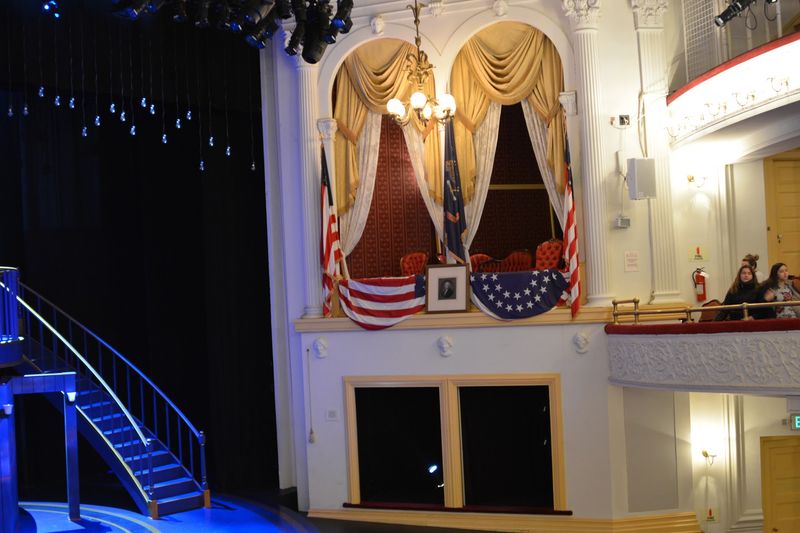
On the evening of April 14, 1865, just five days after the end of the Civil War, Abraham Lincoln was shot while watching a play at Ford’s Theatre. John Wilkes Booth, an actor who knew the building well, slipped into the Presidential Box and fired a single shot.
Lincoln never regained consciousness and died the following morning at the Petersen House directly across the street.
Both locations are part of today’s visitor experience. Ford’s Theatre has been restored to closely resemble its 1865 appearance, and the Presidential Box, draped with flags as it was on the night of the assassination, can be viewed from the audience area.
Museum exhibits below the theater examine Lincoln’s presidency, the assassination conspiracy, Booth’s capture and death, and the national grief that followed.
Here is the detail that makes Ford’s Theatre genuinely unusual among historic sites: it is still a working theater. Productions are staged there regularly, meaning you might watch a performance in the same room where a president was killed.
The Petersen House across the street, preserved as it appeared on the night Lincoln died, adds another layer of direct physical connection to one of American history’s most consequential evenings.
Dealey Plaza and the Sixth Floor Museum, Dallas, Texas
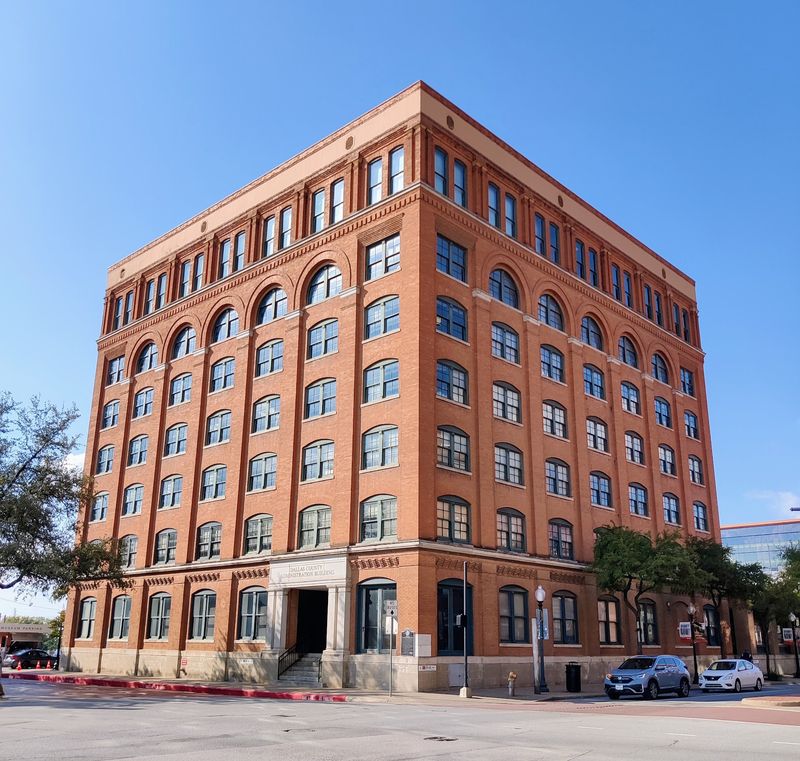
The geography of Dallas on November 22, 1963, is remarkably well preserved. Dealey Plaza looks largely as it did when President John F.
Kennedy’s motorcade turned onto Elm Street, and that familiarity is one of the things that makes visiting so striking. You can stand on the street, look up at the sixth floor of the former Texas School Book Depository, and physically trace the route of the motorcade with your own eyes.
The Sixth Floor Museum occupies the floor from which the Warren Commission concluded Lee Harvey Oswald fired the shots that killed Kennedy. The main exhibition covers Kennedy’s presidency, the events of that day, the subsequent investigations, and the assassination’s lasting place in American cultural memory.
Audio guides and film footage help fill in the context around the physical space.
Outside on the plaza, two X marks painted on the street indicate the approximate locations where Kennedy was struck by bullets. Visitors regularly stop there to look up at the building’s sixth-floor window, recreating the sight lines for themselves.
The combination of an intact urban landscape and a well-documented museum makes Dealey Plaza one of the most layered assassination sites anywhere in the world.
Salem Witch Trials Memorial, Salem, Massachusetts
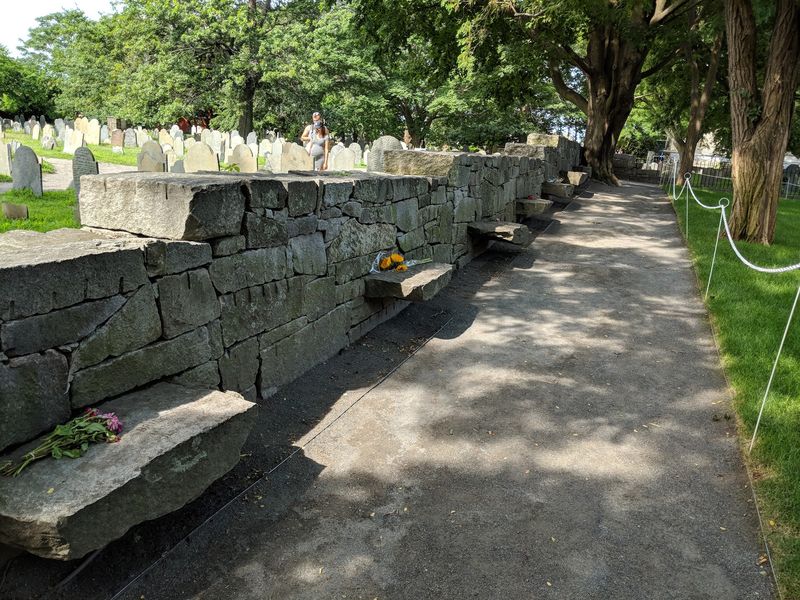
Salem in 1692 was gripped by something between mass hysteria and calculated accusation. Twenty people were executed and many more were imprisoned during the witch trials, with accusations spreading through the community at a speed that destroyed families and friendships before anyone could slow it down.
The youngest person accused was a four-year-old girl named Dorothy Good, who was jailed for months.
Modern Salem leans heavily into its witch identity for commercial purposes, and the shops, tours, and costumed characters are impossible to miss. The Salem Witch Trials Memorial takes a deliberately different approach.
Stone benches built into the memorial walls carry the names and execution dates of each victim, and the design intentionally creates a quiet, contained space for reflection beside the historic Charter Street Cemetery.
The memorial is free to visit and generally accessible during daylight hours throughout the year. Salem’s tourism authority specifically asks visitors to treat the memorial with honor and respect, recognizing that its commercial witchy atmosphere does not translate to this particular location.
Standing there with the names in front of you, it becomes easy to understand why the trials have remained one of the most studied examples of community-driven injustice in American history.
Topography of Terror, Berlin, Germany
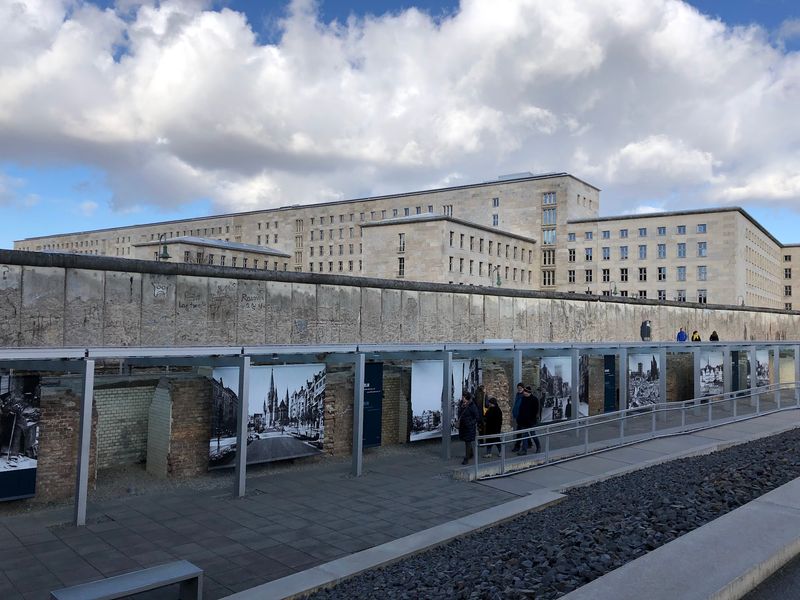
The address on Niederkirchnerstrasse in Berlin might look like an ordinary documentation center from the outside, but the ground beneath it tells a different story. This is where the Gestapo, the SS leadership, and the Reich Security Main Office operated between 1933 and 1945, coordinating persecution, deportation, and mass murder across Germany and occupied Europe.
The original buildings no longer stand, but excavated foundations remain, and they are visible to visitors throughout the outdoor exhibition.
Unlike many memorial sites that focus primarily on victims, the Topography of Terror makes a deliberate choice to examine the perpetrators and the institutions they built. Photographs, documents, and testimony trace how ordinary bureaucratic structures were used to organize state terror on an industrial scale.
That institutional focus is what makes this site feel different from others on this list.
A surviving section of the Berlin Wall runs along the edge of the property, adding another layer of 20th-century German history to the visit. Entry to the indoor and outdoor exhibitions is free, which reflects a national commitment to making this history as accessible as possible.
The site is open year-round and draws visitors from around the world who come specifically to understand how terror becomes organized and systematic.
Hiroshima Peace Memorial, Hiroshima, Japan
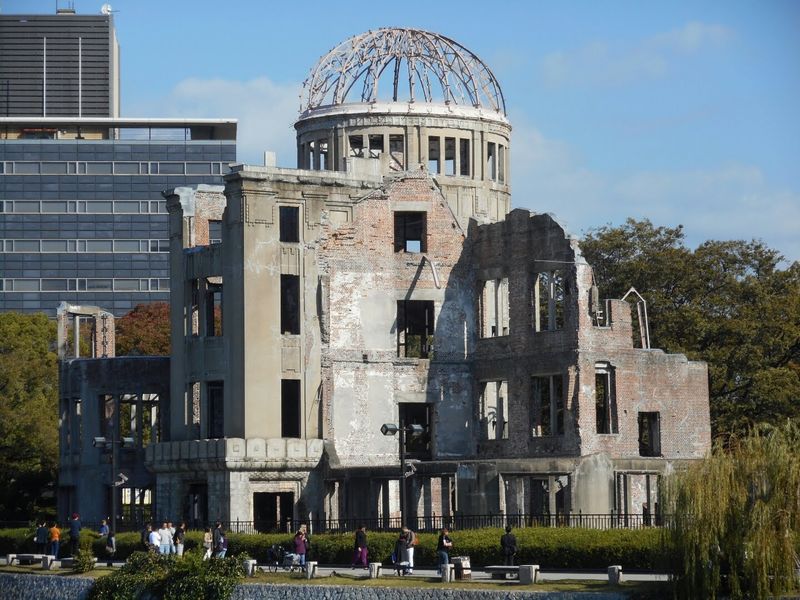
The Genbaku Dome was one of the only structures left recognizable near the hypocenter of the atomic bomb dropped on Hiroshima on August 6, 1945. The blast killed an estimated 70,000 to 80,000 people instantly, with tens of thousands more dying from radiation exposure in the weeks and months that followed.
That the dome survived at all is largely because the bomb detonated almost directly overhead, sending the force outward rather than crushing the building from the side.
Preserved rather than restored, the dome stands today as a skeletal ruin within Hiroshima Peace Memorial Park. UNESCO recognized it as a World Heritage site in 1996, describing it simultaneously as evidence of nuclear destruction and as a symbol of hope for a world without such weapons.
The park surrounding it includes the Peace Memorial Museum, the Children’s Peace Monument, and the Memorial Cenotaph, which frames the dome perfectly from across the river.
The Peace Memorial Museum is essential to the visit and should not be skipped. Personal belongings, photographs, and documented accounts of survivors bring the human scale of the bombing into focus in a way that statistics alone cannot.
Hiroshima is a living, modern city today, which makes standing beside the dome feel all the more extraordinary.
Share this story