France is home to some of the most breathtaking castles ever built, each one telling a story of kings, queens, and centuries of royal drama. From towering medieval fortresses to glittering Renaissance palaces, these buildings were not just homes but centers of power, art, and history.
Whether perched above a winding river or hidden in a royal forest, every castle on this list holds a unique piece of France’s royal past. Get ready to explore 15 magnificent castles that shaped a nation and still leave visitors speechless today.
Chateau de Fontainebleau
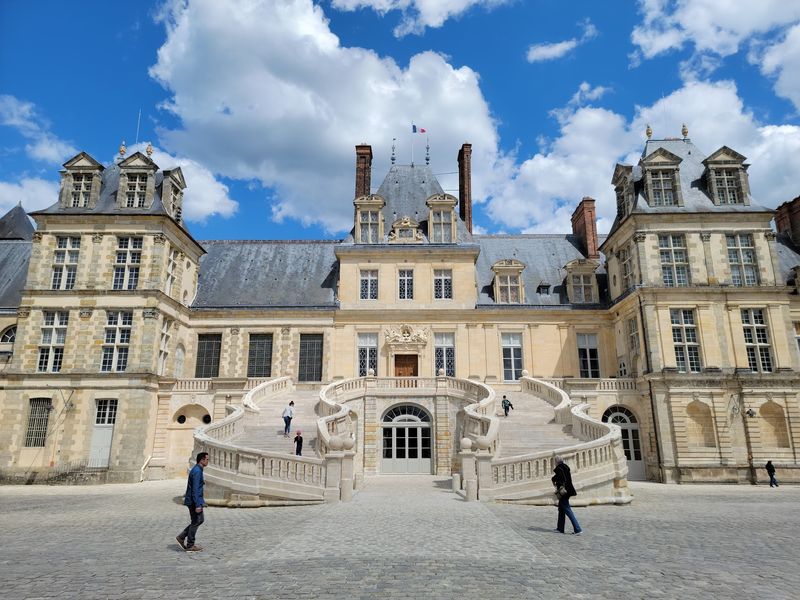
Long before Versailles existed, French kings were already obsessed with Fontainebleau. Royal use of the site stretches back to the 12th century, when it served as a forest hunting retreat, making it one of the oldest continuously used royal residences in the country.
That kind of staying power is genuinely rare in royal real estate.
Francois I gave Fontainebleau its Renaissance personality by inviting Italian artists to transform the medieval complex into what he called a New Rome. Painters, sculptors, and craftsmen arrived from Italy, creating the distinctive Fontainebleau School of art that blended French and Italian Renaissance styles in ways that influenced European decorative arts for generations.
The galleries and royal apartments they decorated remain extraordinarily well preserved.
The castle also witnessed two massive historical turning points. Louis XIV revoked the Edict of Nantes here in 1685, ending religious tolerance for French Protestants.
Napoleon I signed his abdication papers at Fontainebleau in 1814 before heading into exile, pausing to say farewell to his Imperial Guard in the famous Cour du Cheval Blanc. Few buildings in France carry that much history in a single courtyard.
Chateau de Chambord
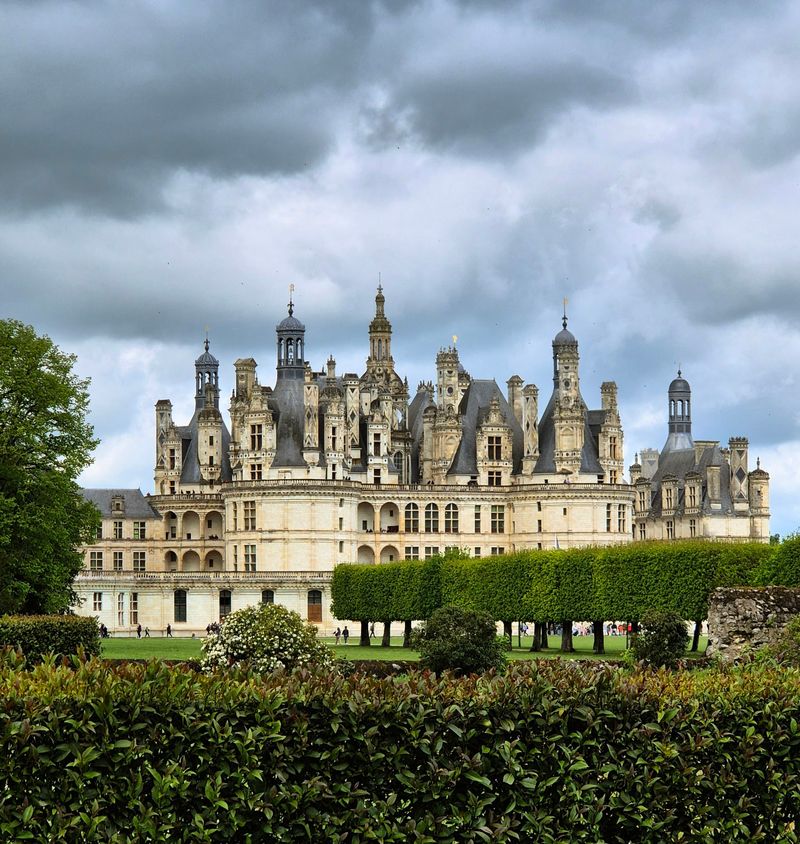
Seeing Chambord for the first time feels like spotting a mirage rising out of the flat Loire plain. Francois I ordered construction in 1519, not as a permanent home but as a hunting retreat and a monument designed to stun visiting ambassadors and rival rulers.
Mission accomplished, because five centuries later, Chambord still stops people in their tracks.
The roofline alone is an architectural spectacle, crowded with 365 chimneys, towers, and lanterns that create a skyline unlike anything else in France. At the heart of the building sits the famous double-helix staircase, two intertwining spiral staircases that allow people to ascend and descend simultaneously without meeting.
Its design shows clear connections with ideas found in Leonardo da Vinci’s notebooks, fueling centuries of speculation about the artist’s possible involvement.
Francois I even used Chambord as a stage for political theater. In 1539, he hosted his great rival Emperor Charles V here, reportedly to demonstrate the splendor of French royal ambition.
Construction continued long after Francois died and was eventually completed under Louis XIV. Today the chateau sits inside one of Europe’s largest enclosed forest parks, home to deer that roam freely around the castle walls.
Palace of Versailles
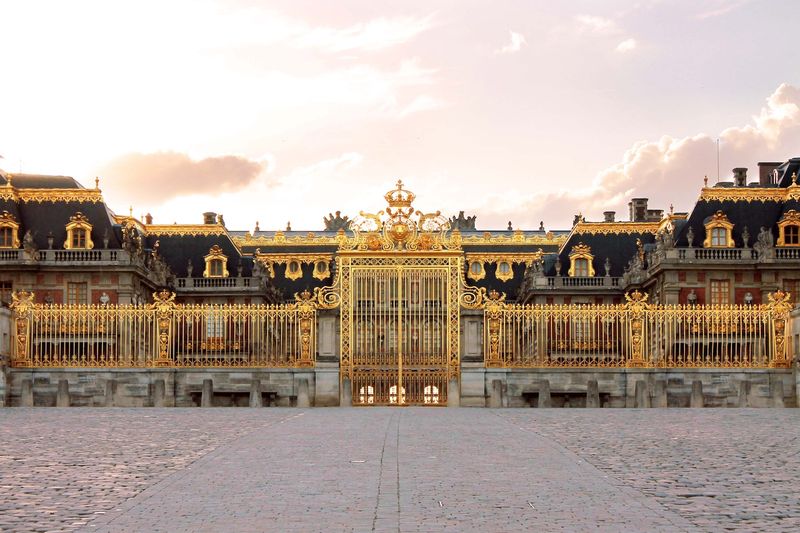
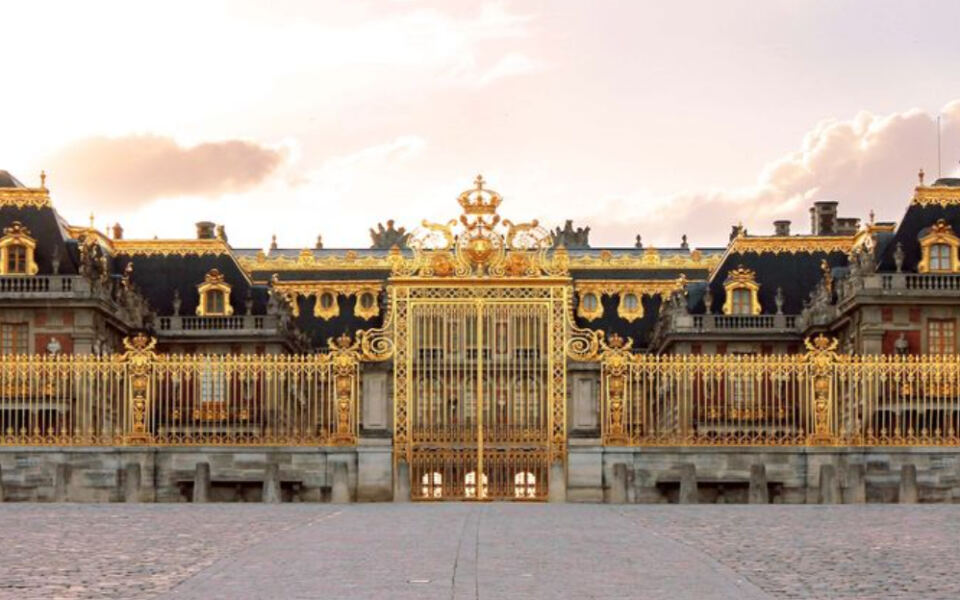
Walk through the golden gates of Versailles and you are stepping into what was once the most powerful address on earth. Louis XIV turned his father’s modest hunting lodge into a palace of roughly 2,300 rooms, making it the undisputed center of French political life from 1682 until the Revolution in 1789.
The sheer scale of the project was a deliberate message: no one could outshine the Sun King.
The Hall of Mirrors is the most famous room inside, stretching 73 meters and lined with 357 mirrors that bounce light across gilded ceilings and painted scenes of royal triumph. Architect Jules Hardouin-Mansart and painter Charles Le Brun collaborated to make every surface feel like a statement of absolute power.
Foreign ambassadors visiting for the first time reportedly struggled to keep their composure.
Andre Le Notre designed the formal gardens outside, turning nature itself into a royal performance. Fountains, sculpted hedges, and long reflecting pools extended the palace’s grandeur far beyond its walls.
Today, Versailles welcomes millions of visitors each year, making it one of the most visited monuments anywhere in the world.
Royal Chateau of Amboise
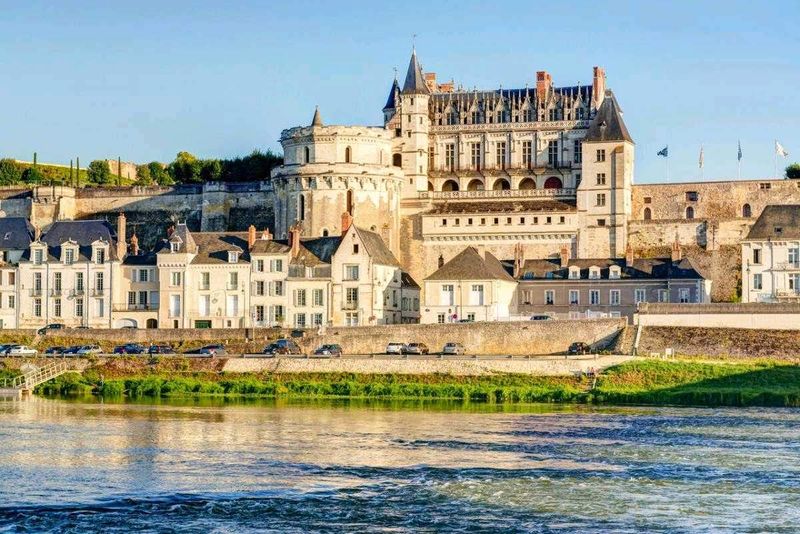
Perched dramatically above the Loire River, Amboise has the kind of commanding position that medieval kings specifically looked for when choosing where to live. Charles VIII was born here in 1470 and died here in 1498, reportedly after hitting his head on a low doorframe, which is both tragic and a reminder that royal palaces had their hazards.
He also launched ambitious building projects intended to modernize the fortress with ideas borrowed from Italy.
Francois I spent part of his childhood at Amboise and maintained a strong attachment to the residence throughout his reign. The chateau became an important hub of Renaissance court culture, attracting artists, scholars, and diplomats eager to impress the king.
Its Saint-Hubert Chapel, a jewel of Flamboyant Gothic architecture, still draws visitors who come specifically to pay respects at the tomb it contains.
That tomb belongs to Leonardo da Vinci, who accepted Francois I’s personal invitation to move to Amboise in 1516. The great artist spent his final three years nearby at the Clos Luce manor, just a short walk from the chateau, and was buried in the Saint-Hubert Chapel after his death in 1519.
Having Leonardo as a neighbor was, even by royal standards, an extraordinary arrangement.
Royal Chateau of Blois
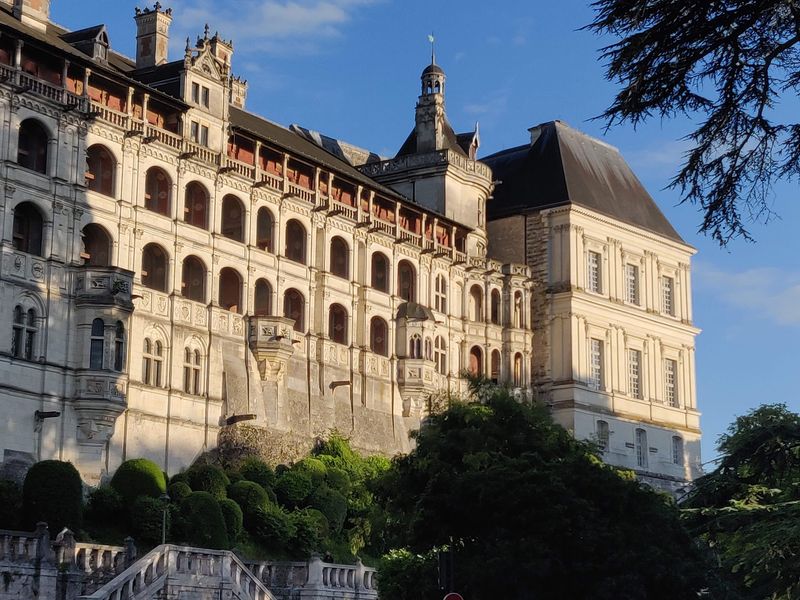
Blois is basically a textbook of French royal architecture squeezed into one courtyard. Walk around the inner court and you pass through medieval Gothic, early Renaissance, and Classical styles all built by different monarchs across different centuries.
Seven kings and ten queens of France left their mark here, which makes Blois feel less like a single building and more like a dynasty in architectural form.
Louis XII and Francois I contributed the most visually striking wings, including the famous Francis I staircase tower with its open loggia and intricate stone carvings. Henri III convened the Estates General at Blois during the turbulent Wars of Religion, and the chateau also witnessed one of the era’s most notorious political murders when Henri III had the Duke of Guise killed here in 1588.
Royal residences rarely come with that level of dramatic backstory.
Anne of Brittany, who was queen twice over by marrying both Charles VIII and Louis XII, died at Blois in 1514. Her motto and royal symbols appear repeatedly in the chateau’s decorative details.
The result is a residence where domestic royal life and major political crises collided repeatedly across generations, giving Blois a layered historical depth that few Loire chateaux can match.
Chateau de Chenonceau
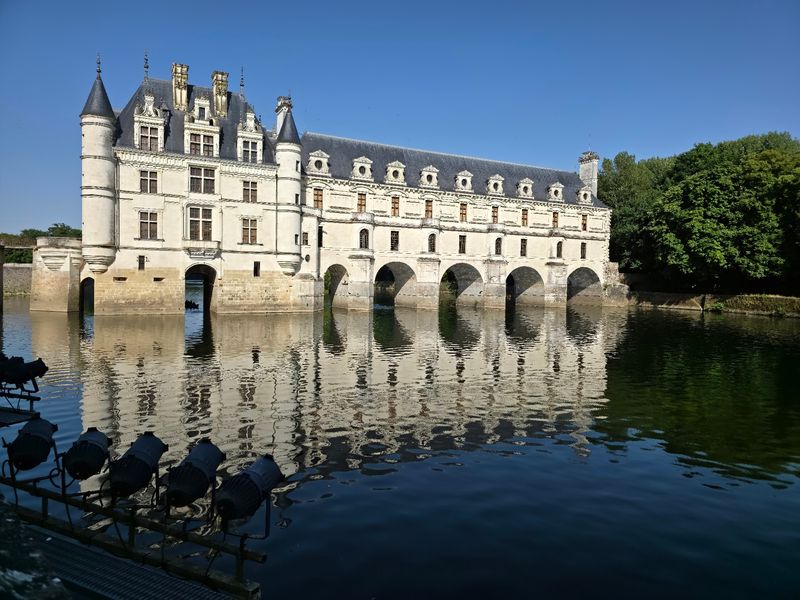
Spanning the River Cher like a stone bridge that forgot it was supposed to be a palace, Chenonceau is one of the most photographed buildings in France for very good reason. Its elegant arched gallery stretches across the water, making the chateau look as though it is floating, and the reflection in the river on a calm day doubles the visual drama.
Architects could not have designed a better Instagram moment if they had tried.
The chateau’s royal story centers on two powerful women who shaped it in sequence. Henri II gave Chenonceau to his influential favorite Diane de Poitiers, who developed the estate and commissioned the bridge across the Cher.
When Henri died in 1559, his widow Catherine de Medici took control and expanded the bridge into the long gallery that now defines the building’s famous silhouette.
Catherine used the gallery for lavish royal entertainments, hosting balls and celebrations that cemented Chenonceau’s reputation as a center of Renaissance court culture. The physical rivalry between Diane and Catherine is literally built into the architecture, with each woman’s contributions still visible and identifiable today.
Visiting Chenonceau means walking through a building where personal ambition and royal politics left permanent marks on every wall.
Chateau de Vincennes
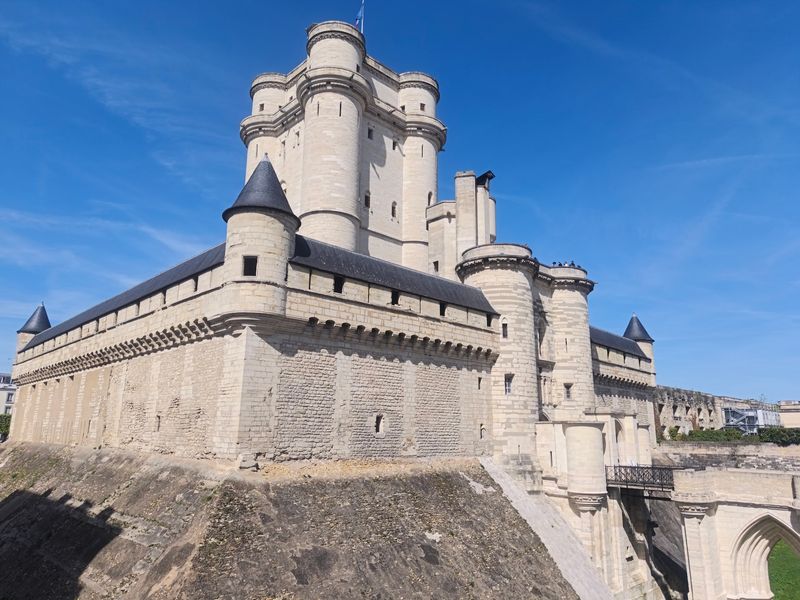
Before Versailles rewrote the rules of royal living, Vincennes was the place where French kings meant serious business. Rising just east of Paris, its donjon reaches approximately 52 meters, making it one of the tallest surviving medieval royal towers in Europe.
Charles V moved into his private apartments in the keep around 1367, turning what had been a royal hunting ground into a fully functioning seat of government.
The scale of Vincennes was intentional. Charles V wanted a residence that communicated royal power as forcefully as any military fortress, but with the comforts and ceremonial spaces a medieval court required.
Council chambers, royal apartments, and the stunning Sainte-Chapelle were all integrated into the complex, making Vincennes a genuine political and ceremonial hub rather than just a stronghold to retreat to during emergencies.
Several French kings were born or died at Vincennes, cementing its place in dynastic history across multiple reigns. After the court eventually migrated toward the Loire Valley and later to Versailles, Vincennes transitioned through military and prison uses before being restored and recognized as a major royal monument.
Walking its fortified walls today gives a vivid sense of what concentrated medieval royal power actually looked and felt like up close.
Chateau de Saint-Germain-en-Laye
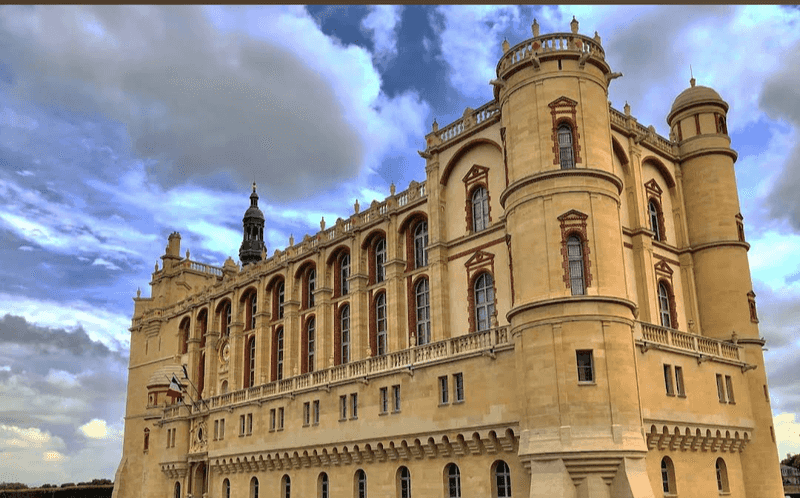
Royal families kept returning to Saint-Germain-en-Laye for centuries, which says something about just how well the place suited them. Royal use began as early as Louis VI in the 12th century, and the site accumulated layer after layer of royal history across generations.
Saint Louis added the surviving Gothic chapel, while Francois I rebuilt the main residence in Renaissance style, essentially hitting the reset button on the entire complex.
Three French kings were born within these walls: Henri II in 1519, Charles IX in 1550, and Louis XIV in 1638. Louis XIV made Saint-Germain his principal residence from 1666, commissioning Andre Le Notre to redesign the gardens and terrace while Versailles was still under construction.
The famous terrace stretching along the Seine valley remains one of the finest landscape achievements of the period.
After the court moved permanently to Versailles in 1682, Saint-Germain briefly became the refuge of the exiled Stuart king James II of England, who lived there under Louis XIV’s protection until his death in 1701. The chateau later escaped demolition when Napoleon III converted it into a museum that eventually became France’s National Archaeology Museum, preserving both the building and its extraordinary prehistoric and Gaulish collections for the public.
Chateau de Compiegne
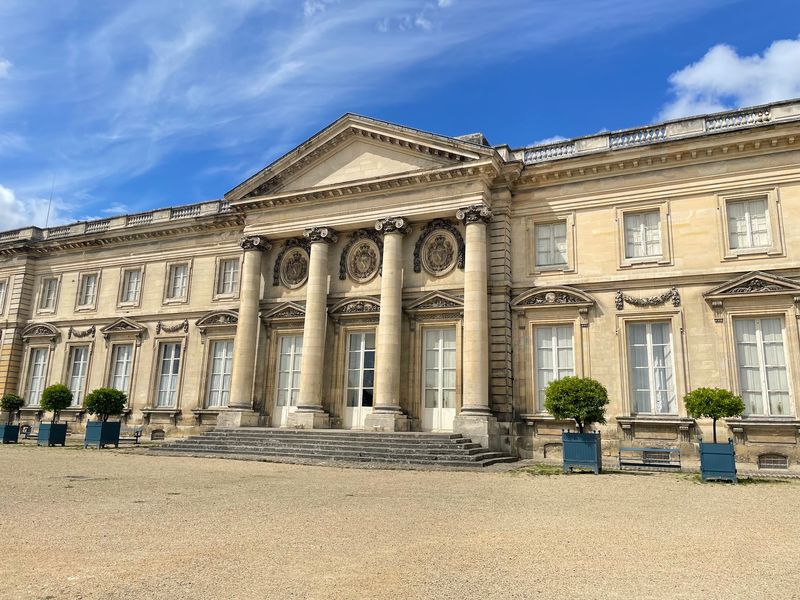
Compiegne has always been about two things French royalty could never resist: hunting and impressive architecture. Charles V established a palace here in the 14th century, recognizing the surrounding forests as some of the finest hunting territory in northern France.
The building standing today, however, is largely the creation of Louis XV and Louis XVI, who found the older residence hopelessly outdated and set about replacing it entirely.
Louis XV commissioned architect Ange-Jacques Gabriel to redesign Compiegne beginning in the mid-18th century, producing the long neoclassical facade visitors see today. Louis XVI continued the work, updating the royal apartments with fashionable interiors that reflected the refined tastes of his court.
The resulting palace was grand enough to impress but practical enough to actually function as a working royal residence rather than just a monument.
Compiegne’s story did not end with the monarchy. Napoleon I and Napoleon III both used the chateau extensively, adding their own decorative layers and hosting lavish imperial court gatherings in its state rooms.
The palace’s official museum describes it, alongside Versailles and Fontainebleau, as one of France’s three great royal and imperial residences. That ranking places Compiegne firmly in the top tier of French historical palaces, even if it receives fewer tourist visits than its more famous counterparts.
Chateau de Pau
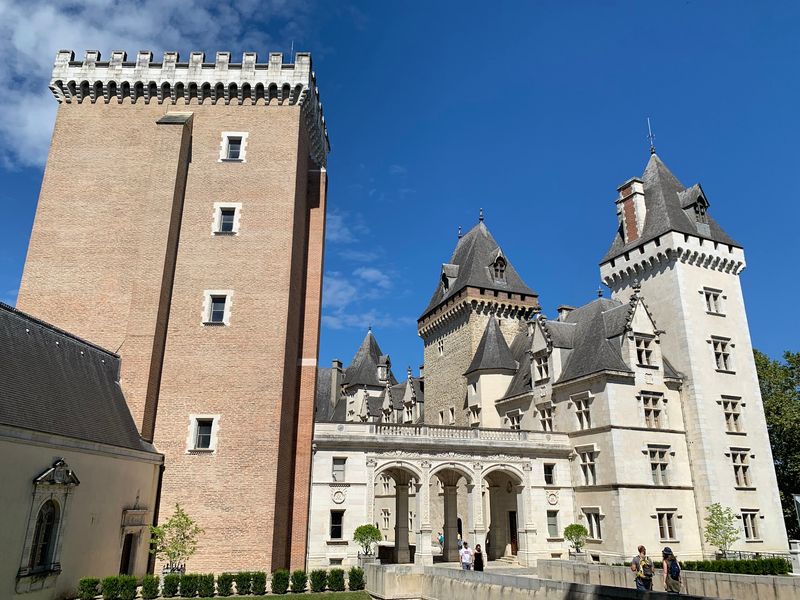
Few French castles owe their fame so completely to a single birth. Henri IV entered the world at the Chateau de Pau on December 13, 1553, and that one event transformed a regional fortress into a place of national pilgrimage.
Legend says his grandfather rubbed his lips with garlic and local Jurancon wine at birth to ensure he would grow up vigorous and Gascon to the bone, which is either a charming tradition or a very bold parenting choice.
The site had much older origins as a medieval fortification overlooking the Gave valley, but its association with Henri gradually overshadowed almost every other chapter of its history. Henri became King of Navarre before succeeding to the French throne in 1589, founding the Bourbon royal dynasty that would rule France for centuries.
The chateau evolved from fortress to royal palace across successive reigns, each ruler adding new architectural and decorative layers.
Later rulers, particularly Louis-Philippe and Napoleon III, carried out significant restoration work that shaped the chateau’s current appearance. The collections inside remain heavily focused on Henri IV, preserving furniture, portraits, and objects connected to his reign and the enduring popular legend surrounding the king known as Good King Henri.
Visitors today can even see the giant tortoise shell said to have served as his cradle.
Royal Fortress of Chinon
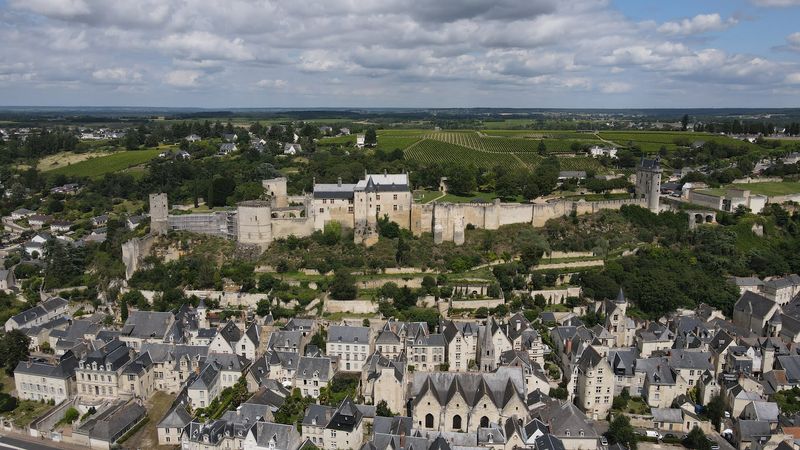
Chinon looks exactly like what it is: a fortress that has witnessed more history than most countries manage in their entire existence. Sprawling across a ridge above the Vienne River, its ruined towers and walls cover enough ground to make visitors realize that calling it a castle almost undersells the thing.
Henry II Plantagenet died here in 1189 after learning that his own son Richard had joined the rebellion against him, which is as dramatic an exit as any medieval king managed.
Philip Augustus captured Chinon for the French crown in 1205, and it became an important royal stronghold during the turbulent centuries that followed. Charles VII used it as a key residence during the Hundred Years’ War, when large parts of France were under English occupation and the French monarchy was fighting for survival.
The fortress provided both security and a base from which to organize the French military response.
The defining moment came in 1429 when Joan of Arc arrived at Chinon to meet Charles VII and convince him to support her mission to lift the siege of Orleans and lead him to his coronation at Reims. That meeting changed the course of French history.
Queen Marie of Anjou later made Chinon her principal home, adding a domestic royal chapter to a fortress better known for military drama.
Royal City of Loches
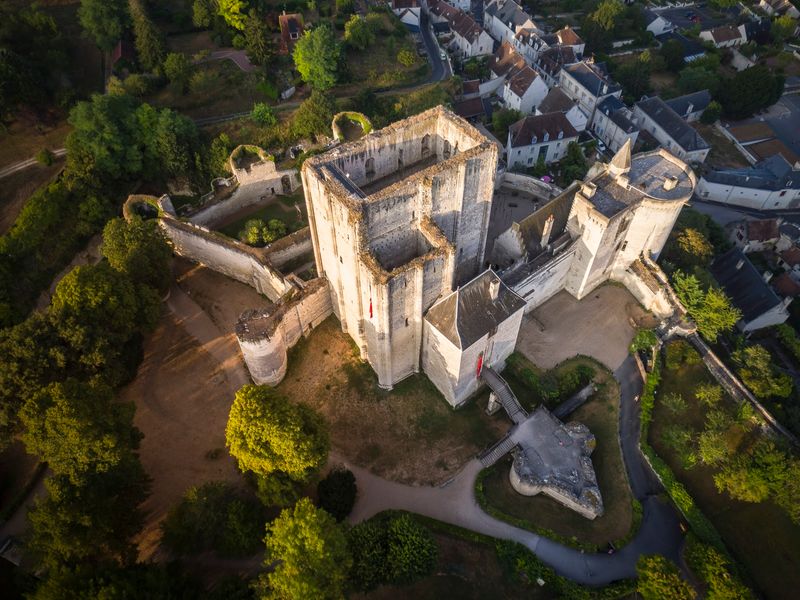
Loches is the kind of place that makes you stop and genuinely wonder how humans built something so massive without modern machinery. The 37-meter Romanesque donjon, one of the oldest and best-preserved in France, traces its origins to Fulk Nerra, the famously aggressive Count of Anjou, who raised it in the early 11th century.
Fulk was reportedly so violent that he made multiple pilgrimages to Jerusalem to atone for his crimes, which suggests the tower had a colorful original owner.
After Loches entered royal hands, Charles VII made it one of his principal strongholds during the Hundred Years’ War, using its formidable defenses while working to push English forces out of France. Joan of Arc met him at Loches in May 1429, fresh from the liberation of Orleans, to press him to march to Reims for his coronation.
It was one of several pivotal meetings between the two that shaped the war’s outcome.
The royal residence at Loches also has a softer historical chapter. Agnes Sorel, the celebrated royal favorite of Charles VII, lived there during the 1440s and became the first officially acknowledged royal mistress in French history.
Charles VIII and Louis XII later expanded the residential buildings, layering Renaissance elegance onto a site that had started life as a medieval military stronghold centuries earlier.
Chateau de Langeais
On December 6, 1491, a wedding took place inside Chateau de Langeais that quietly reshuffled the political map of France. King Charles VIII married Anne of Brittany in the castle’s great hall, a union that began the long process of bringing the independent Duchy of Brittany under French royal control.
The ceremony reportedly happened quickly and discreetly, possibly to prevent diplomatic interference, which gives the whole event an almost elopement-like quality for a royal wedding.
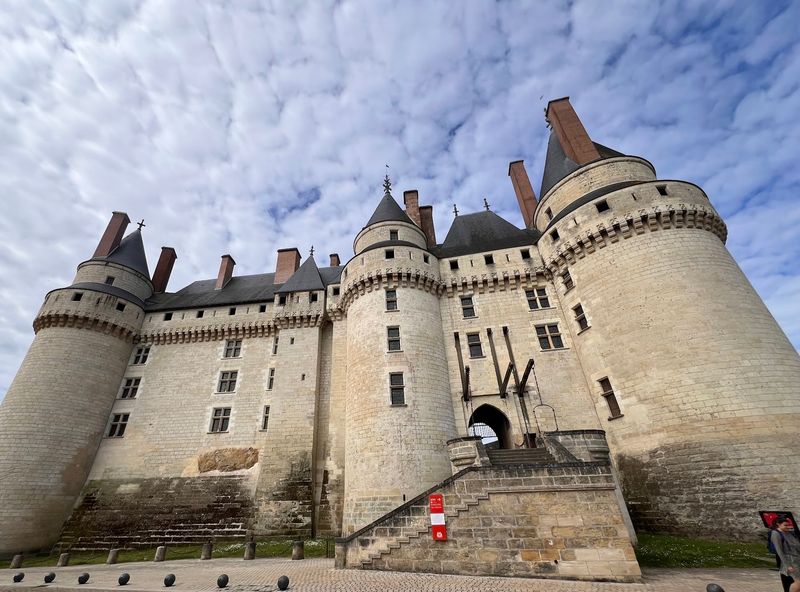
The castle itself had been rebuilt under Louis XI in the 15th century, and it preserves a fascinating architectural moment: the transition between purely defensive medieval design and the more comfortable residential style that came just before the full arrival of the Renaissance. Its towers and drawbridge still look convincingly medieval, while the interior rooms already show signs of the comfort-focused thinking that would transform French royal architecture in the decades ahead.
Today, the chateau recreates the famous royal wedding inside using life-size figures and period-inspired presentation, giving visitors a surprisingly vivid sense of the ceremony’s atmosphere. The relatively compact scale of Langeais compared to the grand Loire chateaux actually works in its favor, making it feel intimate and specific rather than overwhelming.
One marriage inside one modest hall turned out to matter enormously to an entire nation’s future shape.
Chateau de Villers-Cotterets
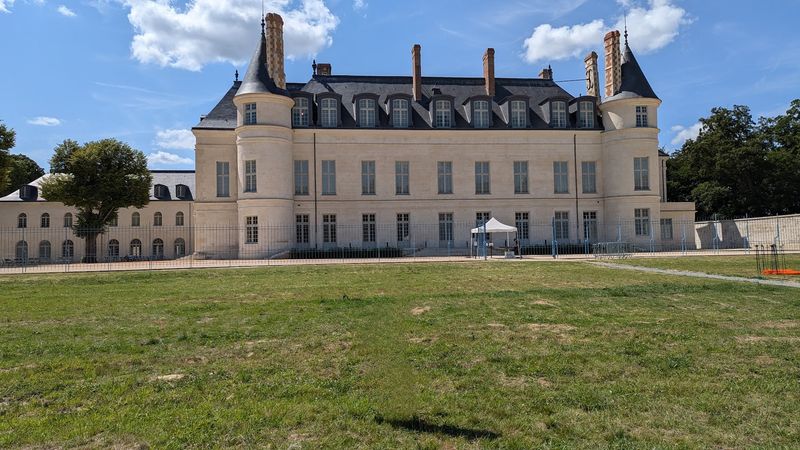
Francois I built Villers-Cotterets as a hunting retreat near the Forest of Retz, combining his enthusiasm for the chase with his taste for Renaissance architecture. The chateau was designed as a comfortable royal getaway rather than a grand political statement, and its relatively restrained exterior reflects that more relaxed ambition.
Yet Villers-Cotterets ended up mattering far more for a document signed inside it than for any stone or sculpture on its walls.
In 1539, Francois signed the Ordinance of Villers-Cotterets, one of the most consequential royal decrees in French history. The ordinance required French rather than Latin to be used in all significant royal administrative and judicial documents, effectively making French the official language of government and law.
That single decision helped standardize the French language and gave it an institutional authority it has never lost.
After centuries of changing uses, serious deterioration, and long periods of neglect, the chateau underwent a major restoration project and reopened in 2023 as the Cite internationale de la langue francaise. The transformation celebrates the building’s extraordinary linguistic legacy, turning a decaying royal hunting lodge into a living institution dedicated to the French language and its global presence.
Few castles have managed such a complete and meaningful second act.
Chateau de Rambouillet
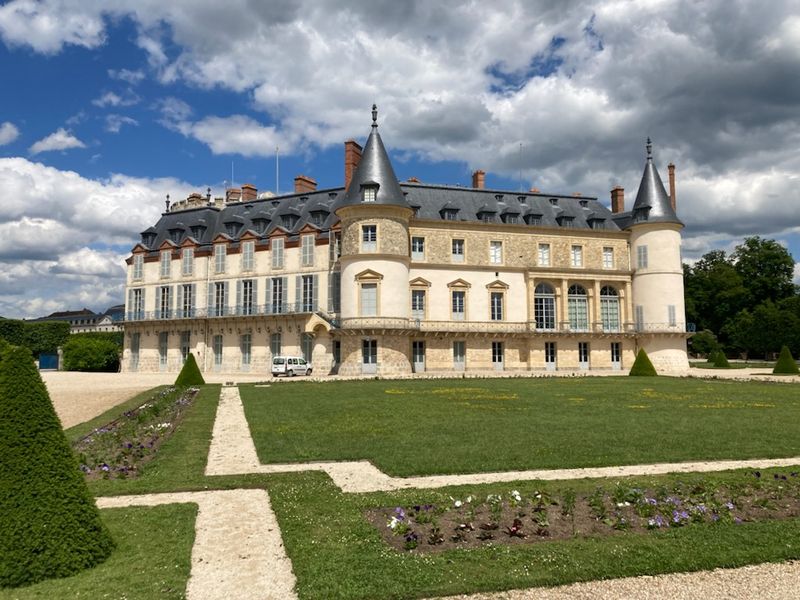
Rambouillet entered royal ownership relatively late, but it arrived with a price tag that made even royal accountants nervous. Louis XVI purchased the estate from the Duke of Penthievre in 1783 for 16 million livres, a sum that reflected both the king’s genuine enthusiasm for the property and his habit of pursuing expensive passions.
He had long admired Rambouillet as a hunting retreat, and the surrounding forest remains one of the finest in the Ile-de-France region.
Louis XVI developed the estate with characteristic thoroughness, introducing an experimental farm and bringing in Spanish merino sheep to improve French wool production. A specially decorated dairy was created for Marie-Antoinette, designed in a fanciful neoclassical style intended to make agricultural life feel appropriately elegant for a queen.
She reportedly preferred her retreat at Trianon and found Rambouillet gloomy, but the surviving dairy remains one of the chateau’s most unusual and charming royal features.
After the Revolution ended the monarchy, Rambouillet continued serving French rulers with remarkable consistency. Napoleon I, Charles X, and subsequent leaders all used the chateau, and it eventually became an official presidential residence.
French presidents entertained world leaders here throughout the 20th century, giving a pre-Revolutionary royal hunting estate a surprisingly active role in modern French political life that continues to this day.
Share this story