Traveling the world does not have to drain your bank account. Some of the most fascinating cities on the planet are also surprisingly affordable, offering rich history, incredible food, and unforgettable experiences for a fraction of what you might spend in places like Paris or New York.
Whether you are a first-time traveler or a seasoned explorer watching your wallet, these destinations prove that a modest budget can still unlock something extraordinary. Here are 15 major cities where your money stretches much further than you might expect.
Jaipur, India
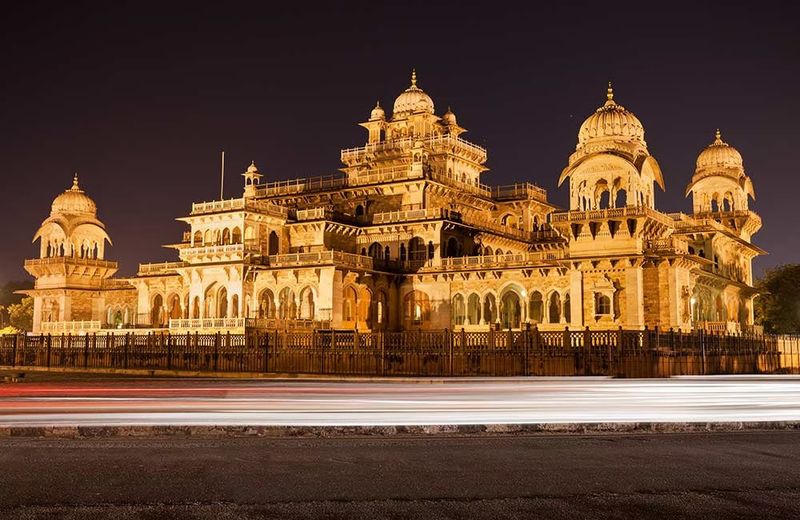
Walk through Jaipur and you quickly realize the city was built to impress, and somehow it does it all without charging a fortune. Budget Your Trip estimates the average traveler spends only about $20 per day here, while careful visitors can get by on roughly $9.
That figure covers a bed, meals, local rides, and sightseeing.
The Rajasthan capital is packed with jaw-dropping landmarks. The Hawa Mahal, City Palace, Jantar Mantar, and massive hilltop forts are all within reach, and local food is gloriously cheap.
Traveler data puts average daily food spending at under $8, which still buys you flavorful curries, fresh chai, and street snacks without skipping anything.
Even accommodation stays reasonable. Three-star hotels average around $27 per night, and four-star properties come in at roughly $39.
For travelers who love bold colors, grand architecture, and rich culture, Jaipur delivers maximum visual impact per dollar. Few cities anywhere in the world pull off that combination quite so convincingly.
Cairo, Egypt
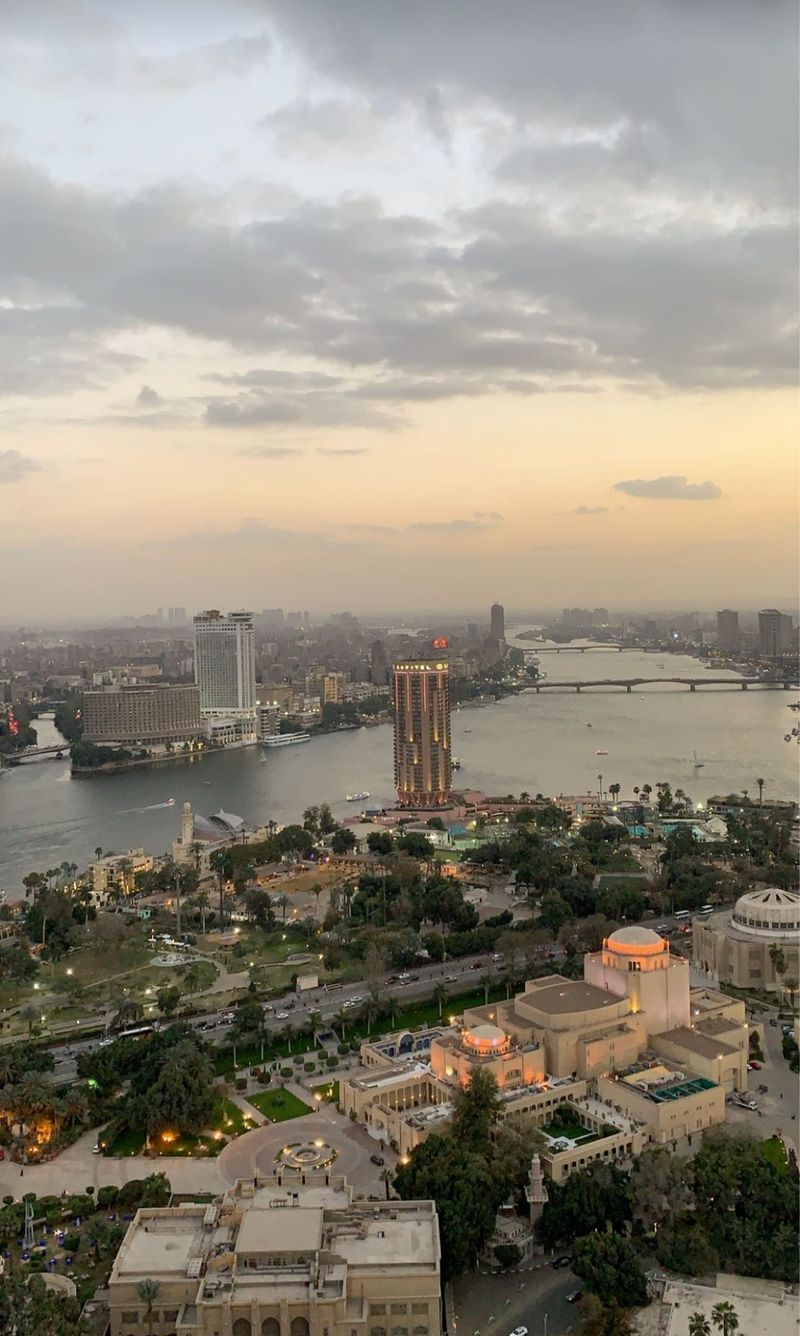
Imagine standing in front of one of the Seven Wonders of the Ancient World and knowing your entire day cost less than $35. That is the Cairo reality.
The typical traveler currently spends about $31 per day, while frugal visitors can cover essentials for approximately $14, according to Budget Your Trip data.
Egypt’s capital surrounds you with history at every turn. The Pyramids of Giza and the Great Sphinx sit on the city’s western edge, while Islamic architecture, Coptic heritage sites, bustling bazaars, and Nile views fill the rest of the itinerary.
Previous travelers report local transportation averaging only around $3.50 to $4 per day, with food coming in near $16 to $17.
Tours to major archaeological sites can push the budget higher, but Cairo’s baseline daily cost remains one of the lowest among globally recognized cultural capitals. A full week in the city averages around $216 to $222 per person before flights.
For sheer monument-per-dollar value, almost nowhere else on Earth competes with Cairo.
La Paz, Bolivia
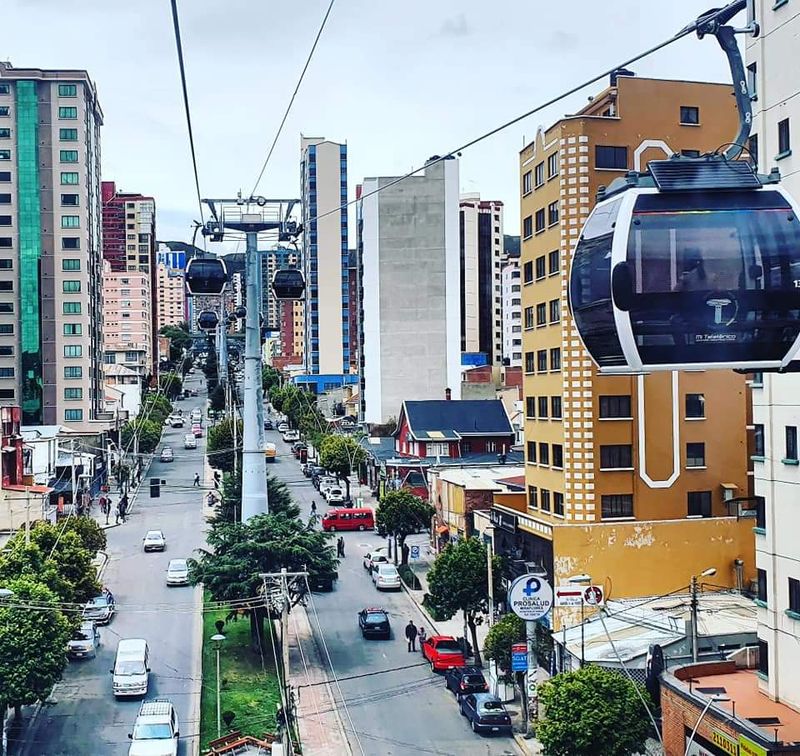
Perched high in the Andes at over 11,000 feet above sea level, La Paz is the kind of city that makes your jaw drop before you even check your wallet. Bolivia is currently the least expensive South American country in Budget Your Trip’s regional comparison, and La Paz comes in at approximately $33 per person per day, slightly below the national average of $37.
The setting alone would justify a premium price tag somewhere else. Colorful neighborhoods cling to steep hillsides, cable cars glide overhead connecting communities that roads can barely reach, and the streets hum with markets, music, and street food.
Admission costs at most local attractions remain minimal.
La Paz also works as a smart base for bigger adventures. Lake Titicaca, the Uyuni Salt Flats, and dramatic Andean landscapes are all accessible from the city.
At roughly one-tenth of what travelers spend daily in some expensive global capitals, this high-altitude city proves that South America’s most breathtaking scenery does not require a big-city budget to enjoy.
Medellin, Colombia
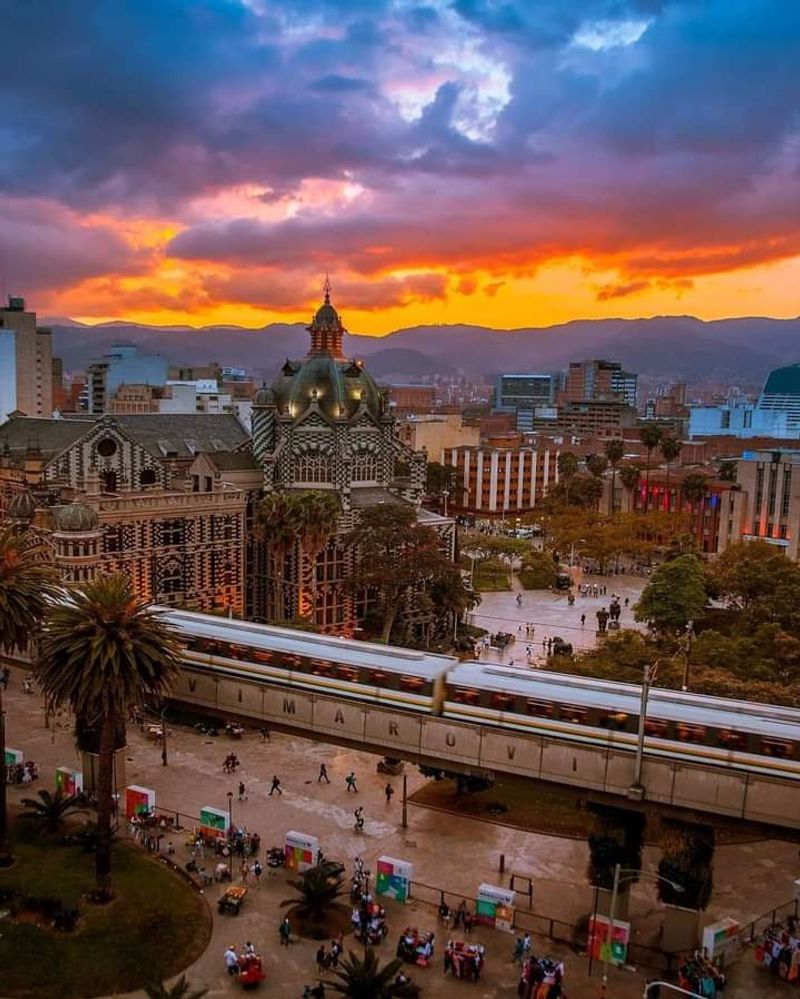
Once known for all the wrong reasons, Medellin has spent the last two decades reinventing itself into one of South America’s most exciting and visitor-friendly cities. Budget Your Trip’s 2026 data puts average daily spending at approximately $36 per person, making it the fourth-cheapest city in its South American comparison and well below Colombia’s national average of $65.
The city punches well above its price tag. A metro system, cable cars climbing into hillside neighborhoods, world-class museums, lively restaurants, and energetic nightlife all come packaged in a city framed by green mountain scenery.
Travelers who eat at local spots and use public transit find their money lasts surprisingly long.
One important note: prices climb noticeably in fashionable neighborhoods like El Poblado, where boutique cafes and rooftop bars cater to a more tourist-heavy crowd. Venture into Laureles or Envigado for more authentic and affordable experiences.
Medellin rewards curious travelers who explore beyond the obvious, and it does so at a price that makes lingering here an easy decision.
Delhi, India
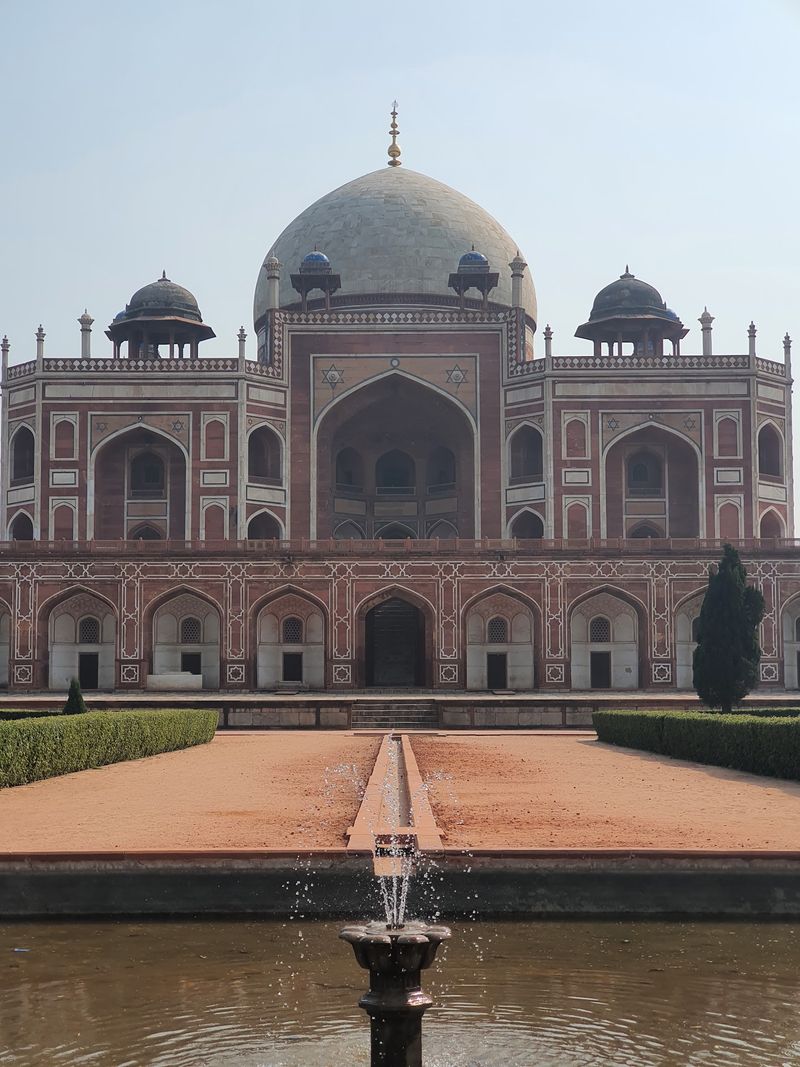
Old Delhi hits all your senses at once: spice markets, rickshaws weaving through narrow lanes, the call to prayer echoing off ancient walls, and the smell of street food frying in enormous woks. All of that sensory overload costs remarkably little.
Current traveler data puts the average daily cost at approximately $48, while budget visitors manage on about $19, including accommodation, meals, transportation, and sightseeing.
Food is one of Delhi’s most compelling budget advantages. Travelers report spending around $18 per day on meals, which still buys outstanding street food, thalis, biryanis, and fresh juices from vendors across the city.
Local transportation adds just over $4 per day on average.
Historically, Delhi is almost overwhelming. Humayun’s Tomb, the Red Fort, Qutub Minar, sprawling bazaars, and Mughal-era mosques are all within reach.
The city also serves as the ideal launchpad for India’s famous Golden Triangle route, connecting Agra and Jaipur. Few megacities in the world allow travelers to combine this much history, flavor, and urban energy for under $50 a day.
Buenos Aires, Argentina
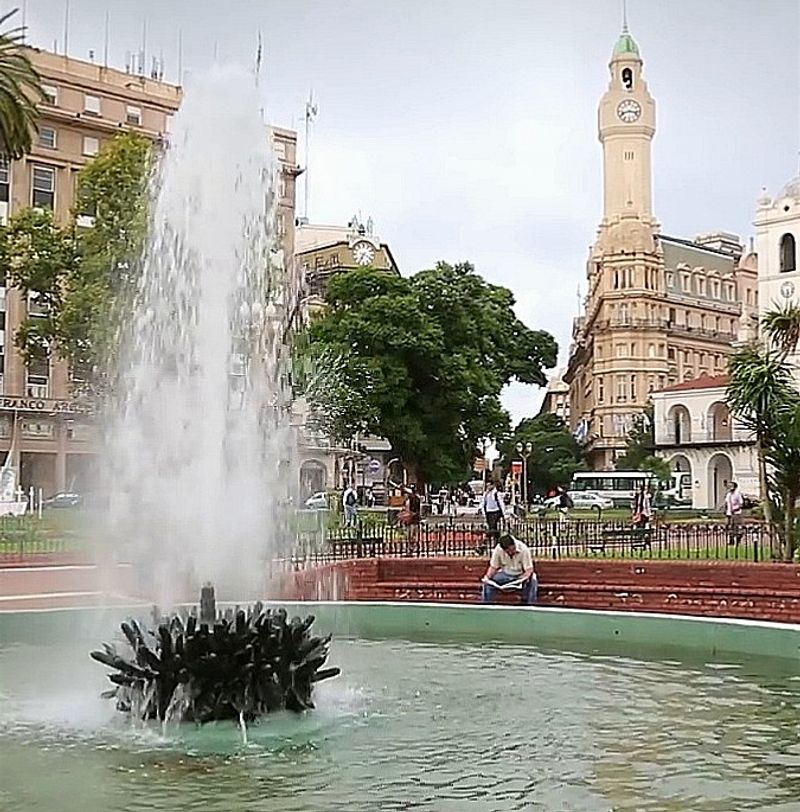
Buenos Aires has a personality that is hard to resist. Grand European-style boulevards, passionate tango performances spilling onto sidewalks, historic cafes that have been serving coffee for over a century, and steakhouses that take their craft very seriously all combine into a city that feels far more expensive than it actually is.
Budget Your Trip currently puts average daily spending at roughly $56.
Argentina overall averages about $66 per traveler per day in the same dataset, so Buenos Aires sits below the national figure. Neighborhood exploration is one of the best free activities the city offers.
Walking through San Telmo’s antique markets, Palermo’s tree-lined streets, or the painted houses of La Boca can easily fill a full day without spending much at all.
One important caution: Argentina’s inflation and shifting exchange rates mean prices can change quickly. Always check current costs before you travel.
Even so, measured against the cultural richness on offer, Buenos Aires consistently delivers exceptional value for travelers who want a world-class city experience without world-class prices attached to every meal and museum ticket.
Hanoi, Vietnam
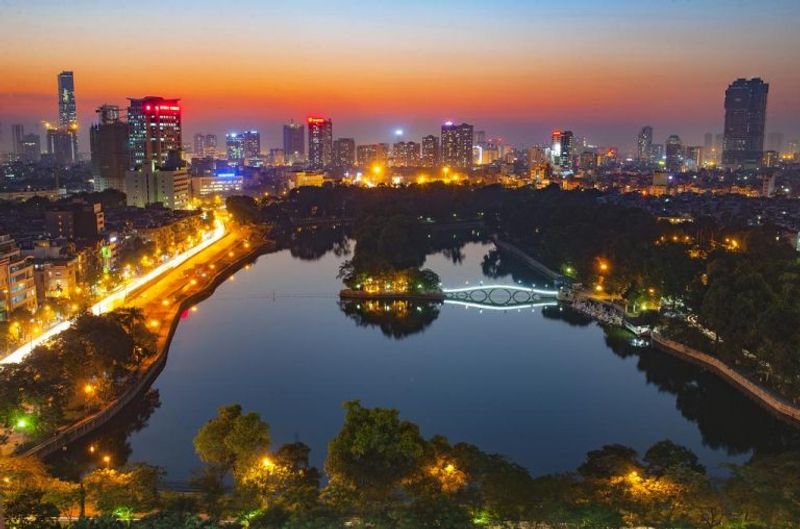
Few capital cities can match Hanoi’s ability to feed you extraordinarily well for almost no money at all. A typical traveler spends about $57 per day, while budget visitors average approximately $21, according to Budget Your Trip.
Meals come in at around $23 per day for average travelers, and local transportation adds only about $6.50.
Beyond the food, Hanoi’s charm runs deep. The Old Quarter’s tangled maze of ancient trade streets, the peaceful shores of Hoan Kiem Lake, the Temple of Literature, and dozens of pagodas and museums give the city serious sightseeing weight.
Several major attractions cost only a dollar or two, and wandering the streets costs nothing.
Then there is the food itself, which deserves its own paragraph. Pho, bun cha, banh mi, egg coffee, grilled skewers, and fresh spring rolls are available on almost every corner at prices that feel almost too good to be true.
For anyone who believes traveling on a tight budget means eating badly, Hanoi makes a thoroughly convincing argument to the contrary. A full week here averages around $400 per person.
Chiang Mai, Thailand
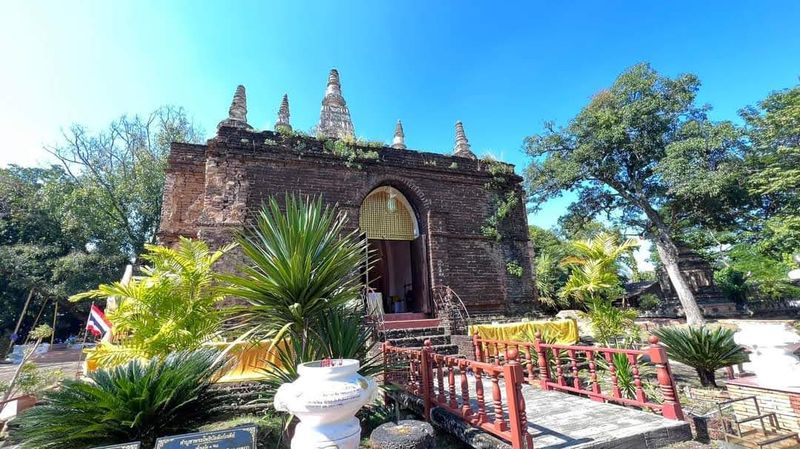
Thailand’s northern capital has been charming budget travelers for decades, and it still earns that reputation with ease. Budget Your Trip’s 2026 Asian city comparison places Chiang Mai at approximately $57.75 per person per day, which is notably lower than Bangkok and a genuine bargain for what the city delivers.
The historic moat-ringed old city is packed with centuries-old temples, including the glittering Doi Suthep perched on a mountain overlooking town. Night markets overflow with handmade goods and cheap eats, cooking classes teach you how to recreate Thai dishes at home, and inexpensive massage shops are practically on every corner.
Mountain day trips and elephant sanctuaries add adventure without requiring luxury spending.
Accommodation ranges from simple guesthouses charging just a few dollars per night to comfortable boutique hotels that would cost three times as much in Western Europe. Much of the old city is walkable, and local transportation handles the rest affordably.
Chiang Mai may no longer be the hidden secret it once was among backpackers, but compared to most popular international destinations, it still offers genuinely excellent value for every type of traveler.
Jakarta, Indonesia
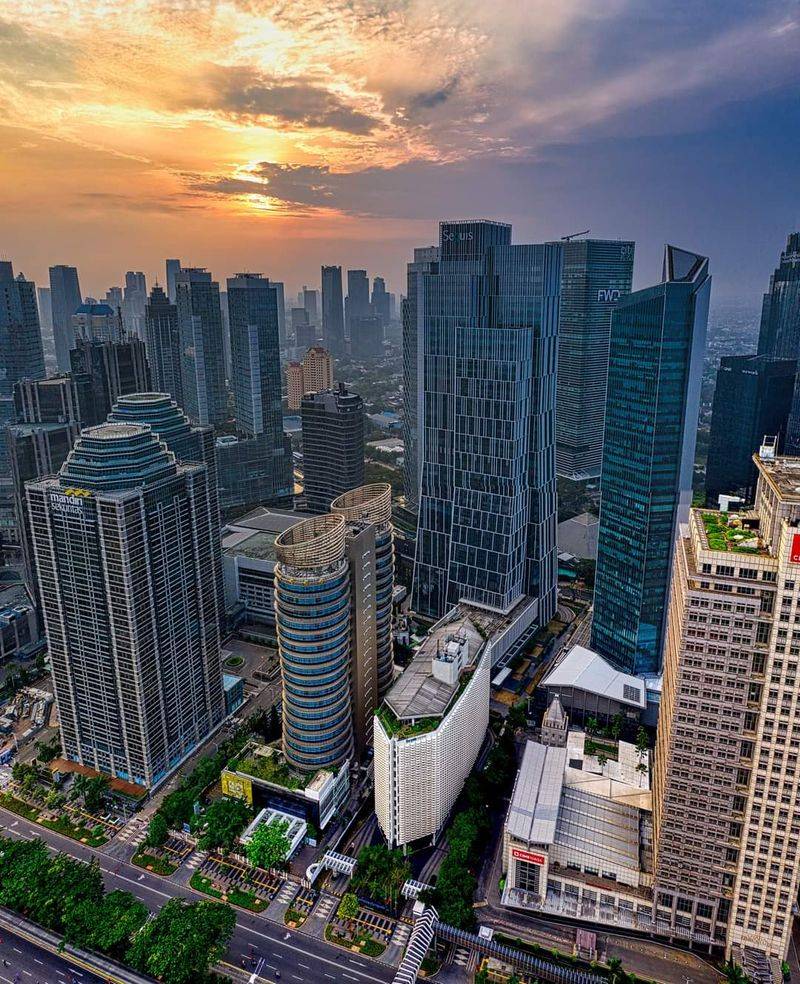
Most travelers treat Jakarta as a quick layover before heading to Bali or Lombok, but Indonesia’s massive capital actually rewards those who stick around. The average visitor spends around $68 per day, while budget travelers can manage on approximately $30, according to Budget Your Trip.
That gap is wider than it looks and reflects just how affordable the city can be when you travel smart.
Some of Jakarta’s best attractions are strikingly cheap. The National Monument area costs roughly $1 to enter.
Taman Mini Indonesia Indah is around $2. Fatahillah Museum charges less than $1.
The historic Kota Tua district and the grand Istiqlal Mosque can both be explored without paying significant admission fees at all.
Food averages roughly $26 per day for typical travelers, and street food options bring that number down considerably. Jakarta’s one genuine budget challenge is its size.
The city sprawls enormously, and getting between attractions can eat into both your time and your transportation budget. Planning sightseeing geographically, grouping nearby spots together, helps keep those costs under control and makes Jakarta a surprisingly rewarding affordable destination.
Nairobi, Kenya
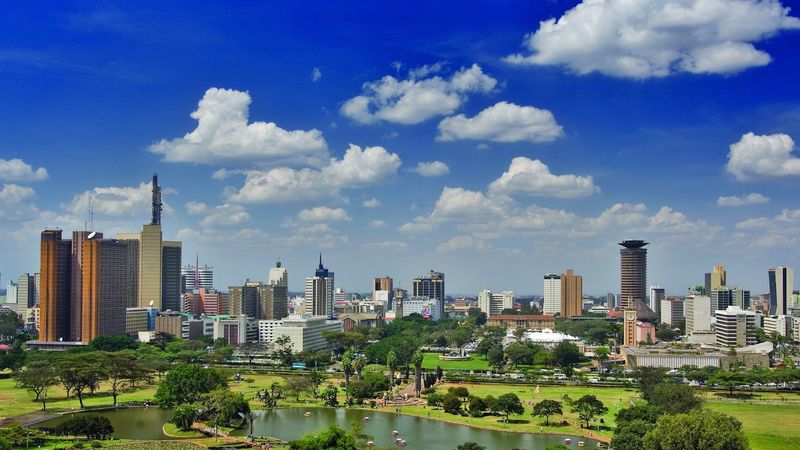
Safaris get most of the attention in Kenya, but Nairobi itself is a genuinely interesting and more affordable city than many visitors expect before they arrive. Budget Your Trip’s African city ranking places the Kenyan capital at approximately $67.57 per traveler per day, putting it among the more accessible major cities in its African dataset.
The city offers a solid mix of museums, markets, restaurants, and cultural experiences. The Nairobi National Museum covers Kenya’s natural and cultural history well.
The Karen Blixen Museum, Giraffe Centre, and Nairobi National Park all sit within the metropolitan area and provide wildlife experiences that feel remarkable given how close they are to a busy urban center.
The biggest budget warning is excursions. Once safari drives, private guides, wildlife conservancies, and trips outside the city start adding up, daily spending can jump sharply.
But for accommodation, meals, and ordinary city exploration, Nairobi delivers considerably better value than travelers conditioned by safari pricing might assume. It also works brilliantly as an affordable base before or after a larger East African adventure, giving your budget a chance to recover between the bigger splurges.
Bogota, Colombia
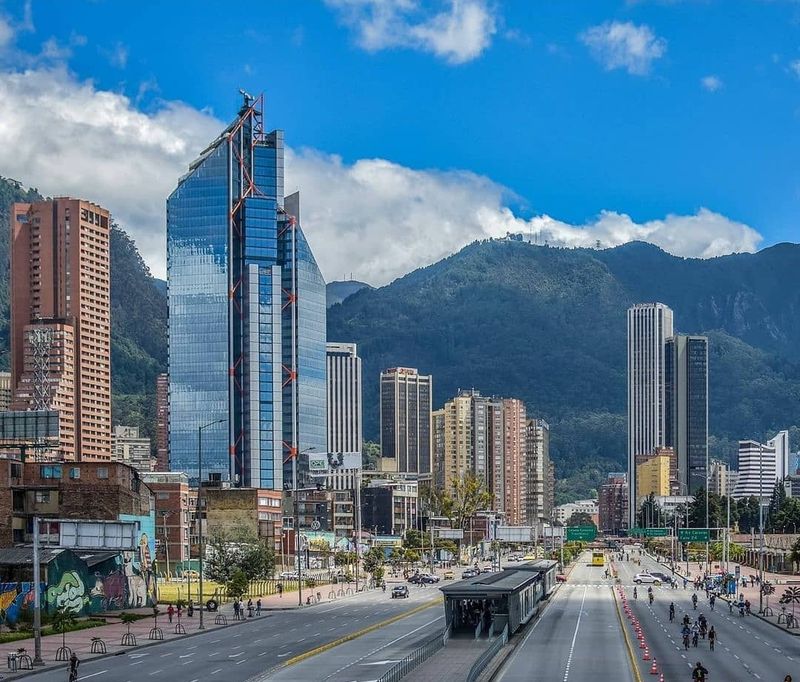
Colombia earns two spots on this list, and Bogota makes its case with a concentration of culture that is hard to find anywhere at this price. Budget Your Trip estimates average daily spending at approximately $75, which is higher than Medellin but still a strong value for a capital city of this size and cultural depth.
La Candelaria, the historic heart of the city, is where the budget magic really happens. Colonial streets lined with cafes, churches, museums, public squares, and bold street murals can keep a curious traveler busy for days without much spending.
The Gold Museum alone, housing one of the world’s most impressive pre-Columbian collections, charges a very modest admission fee.
Local meals and public transportation remain relatively affordable by international capital-city standards. Bogota sits at a cool high altitude, which surprises many first-time visitors expecting tropical heat.
The city’s food scene has expanded dramatically in recent years, offering everything from traditional ajiaco soup to modern tasting menus. For travelers who want a sophisticated South American capital without the price tag of a European one, Bogota makes a very strong case.
Krakow, Poland
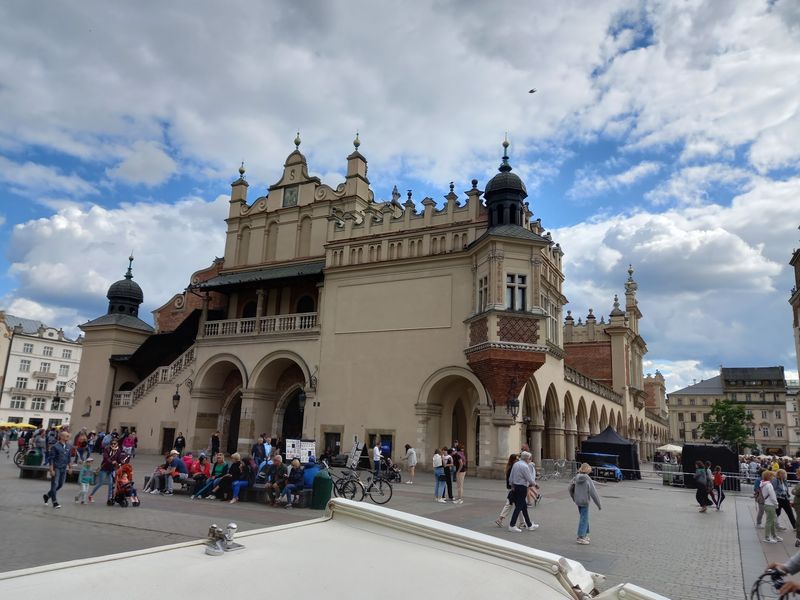
Krakow is what happens when a medieval European city survives the centuries almost perfectly intact and then somehow stays affordable while doing it. The typical visitor spends only around $79 to $80 per day, while budget travelers manage on approximately $31.
Food averages roughly $24 to $25 per day, and local transportation comes in near $7.
The city’s historic center is genuinely spectacular. One of Europe’s largest medieval market squares anchors the old town, surrounded by Gothic churches, Renaissance buildings, and the buzzing Cloth Hall market.
Wawel Castle and Cathedral sit on a hill overlooking the Vistula River with views that feel like they belong in a movie. The former Jewish quarter of Kazimierz adds another layer of history and a lively cafe and bar scene.
Day trips to Auschwitz-Birkenau and the Wieliczka Salt Mine are sobering but important additions to any Krakow itinerary, both reachable affordably from the city center. Budget Your Trip places Krakow among Europe’s cheapest cities, with a regional average of about 69 euros per day.
For travelers wanting a classic European atmosphere without Paris-level prices, Krakow is one of the continent’s most honest recommendations.
Sofia, Bulgaria
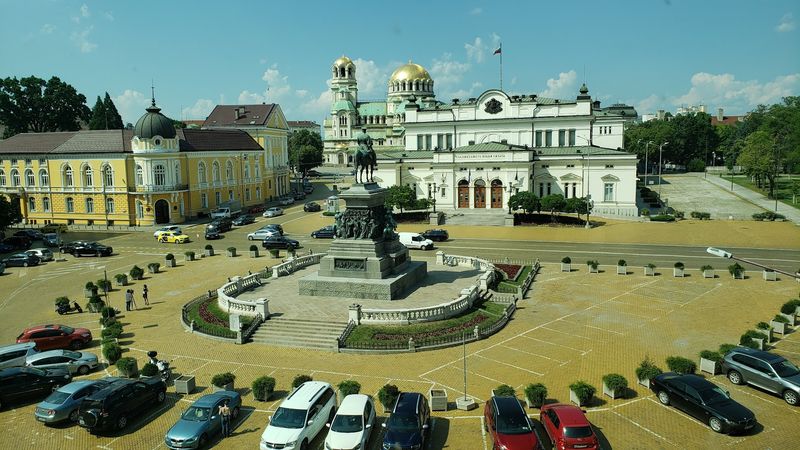
Bulgaria quietly holds the title of one of Europe’s most affordable travel destinations, and its capital city delivers a surprising amount of substance alongside those low prices. A typical Sofia visitor spends about $84 per day, while budget travelers average approximately $35, according to Budget Your Trip’s 2026 European data.
The city layers history in a way that feels almost accidental. Roman ruins peek out from beneath modern streets.
The Alexander Nevsky Cathedral dominates the skyline with golden domes. Soviet-era monumental architecture stands beside Ottoman mosques and medieval churches, all within walking distance of each other.
Vitosha Mountain rises dramatically just south of the city center, offering hiking trails accessible by public transit.
Restaurant prices and public transportation costs both run noticeably lower than in Western European capitals, making it easy to eat well and move around without watching the budget anxiously. Bulgaria as a whole averages roughly 74 euros per traveler per day in Budget Your Trip’s comparison, placing it among the cheapest countries in Europe.
Sofia suits travelers who want genuine history, solid nightlife, and mountain scenery bundled into a city that most tourists have not fully discovered yet.
Ho Chi Minh City, Vietnam
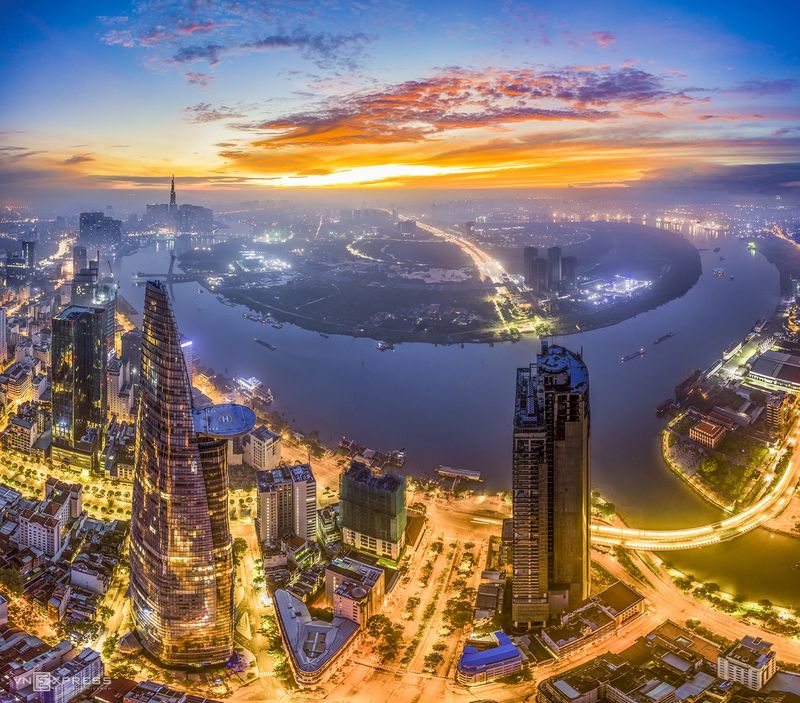
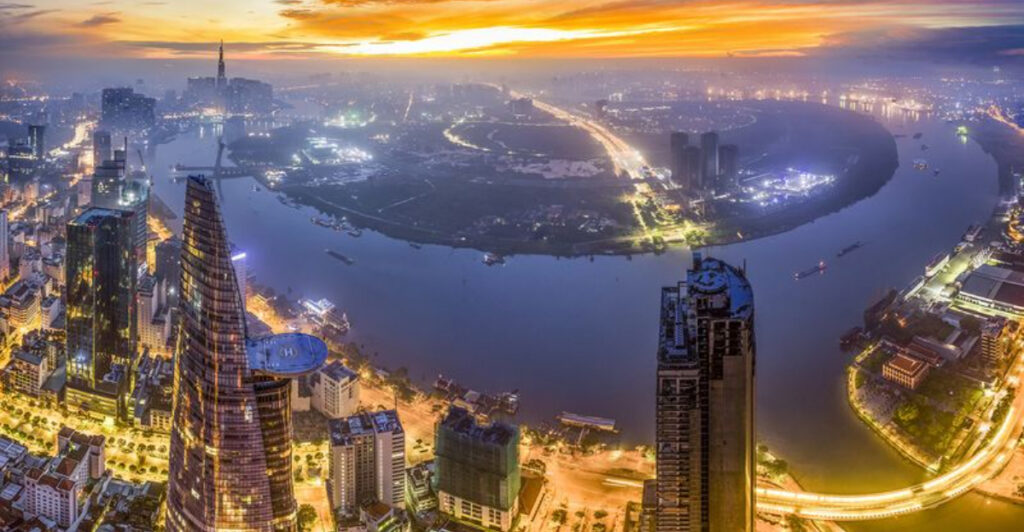
Vietnam’s largest and most energetic city costs more than Hanoi in the current data, but it remains well within reach for budget-conscious travelers. The average visitor spends about $87 per day, while frugal travelers clock in at approximately $31.
That gap reflects just how many options the city offers across every price level.
Food is where Ho Chi Minh City really shines for budget travelers. Average meal spending runs around $23 per day, and street food from sidewalk vendors can come in well below that.
Banh mi sandwiches, fresh pho, broken rice plates, and Vietnamese iced coffee are available on virtually every block for just a couple of dollars. Several museums charge only modest admission fees, and parks and major public spaces are free.
The War Remnants Museum, Reunification Palace, Notre-Dame Cathedral, and the Cu Chi Tunnels day trip all round out the sightseeing without requiring extravagant spending. Accommodation ranges from lively backpacker hostels in District 1 to sleek modern hotels at competitive prices.
Spend thoughtfully here and you can pack in excellent food, rich history, vibrant nightlife, and strong coffee culture without approaching the daily cost of a major Western city.
Bangkok, Thailand
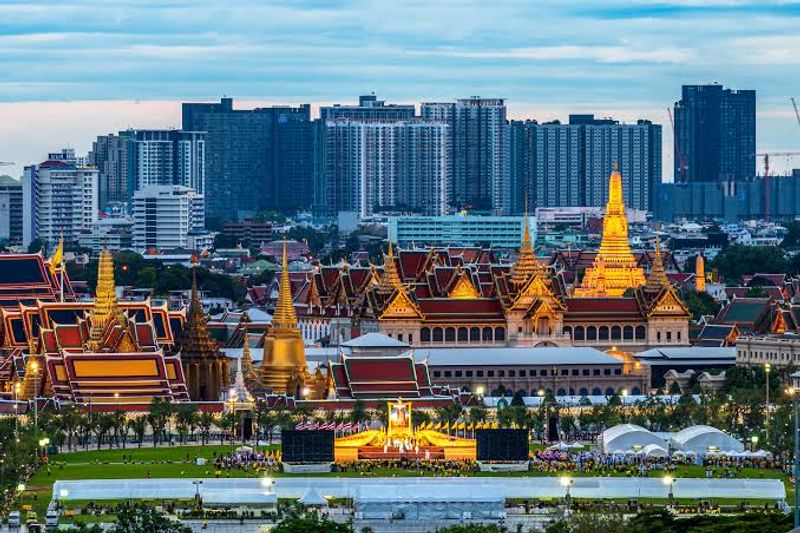
Bangkok tops this list by average daily spending, but it earns its place here because no other city on the list gives travelers quite this much control over their own budget. The typical visitor spends approximately $99 per day, while budget travelers average only around $37.
That $62 gap is the widest on the entire list and tells you everything about Bangkok’s range.
The city operates on two parallel tracks simultaneously. Five-star hotels and chef-driven tasting menus cater to luxury travelers, while inexpensive guesthouses, street food stalls, public river boats, and a modern metro system serve everyone else just as well.
Budget travelers report spending around $13 per day on food, and local transportation averages just over $6.
The Grand Palace and major temples add admission costs, but Bangkok’s markets, neighborhoods, Chinatown, street-food corridors, and river journeys fill days without requiring expensive tickets. Chatuchak Weekend Market alone can absorb an entire Saturday.
For a megacity offering this much variety, culture, food, and nightlife, $37 per day on a careful budget is a genuinely competitive number that few cities of Bangkok’s scale can come close to matching.
Share this story