Some airports are so massive and packed with things to do that travelers forget they are waiting for a flight. From indoor waterfalls and rooftop gardens to luxury hotels and underground trains, these hubs have transformed into full-blown destinations.
Millions of people pass through them every year, and many visitors actually plan extra time just to explore what is inside. Get ready to discover the airports that have truly redefined what it means to fly.
Singapore Changi Airport (SIN) – Singapore
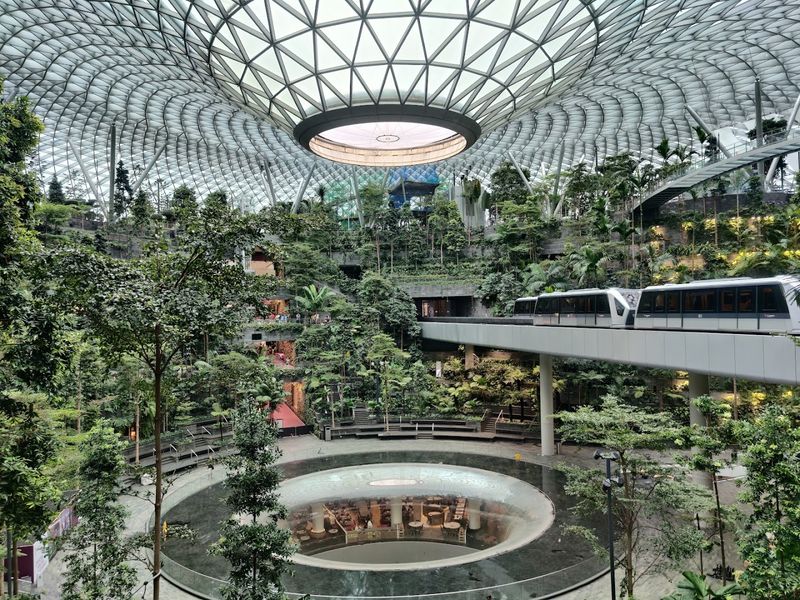
Step inside Singapore Changi Airport and your jaw will drop before you even check your boarding pass. The Jewel complex sits at the heart of the airport and houses the world’s tallest indoor waterfall, called the HSBC Rain Vortex, which plunges 40 meters through a stunning glass dome.
Surrounding it is a full indoor rainforest garden that makes you feel like you have landed in a tropical paradise.
Beyond the waterfall, Changi offers more than 240 dining options, hundreds of shops, a rooftop hedge maze, and a sky net attraction that lets you bounce above the gardens. There are multiple hotels directly connected to the terminals, so long layovers feel like mini vacations.
Travelers regularly vote Changi the world’s best airport, and it has held that title more times than any other airport on the planet.
Even the transit areas between terminals are worth exploring. Free city tours are offered to passengers with layovers longer than five and a half hours.
Changi does not just move passengers from point A to point B; it turns the journey itself into the highlight of the trip.
Dubai International Airport (DXB) – United Arab Emirates
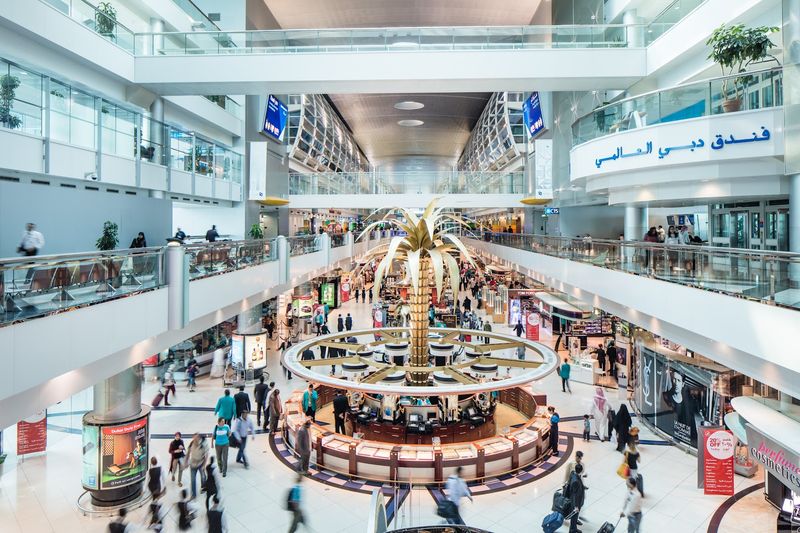
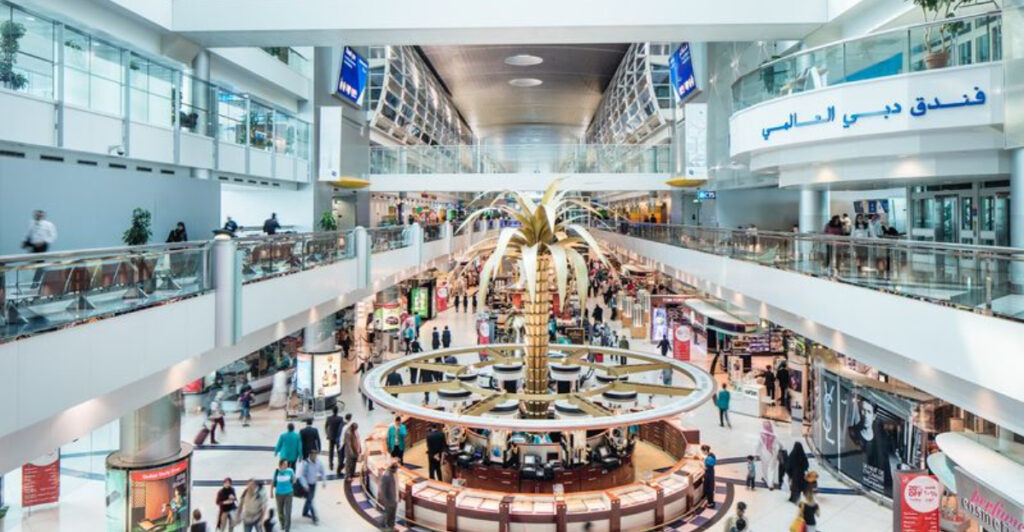
Walking through Dubai International Airport feels less like catching a flight and more like strolling through a high-end shopping district in the sky. Terminal 3, built exclusively for Emirates airline, is one of the largest airport terminal buildings in the world by floor space.
Its corridors stretch on and on, lined with luxury boutiques, perfume shops, gold stores, and electronics retailers that would make any shopaholic dizzy with excitement.
The duty-free shopping area at DXB is legendary among frequent flyers and is consistently ranked among the best in the world. Beyond shopping, the terminal features dozens of restaurant options, from quick street food bites to sit-down fine dining experiences.
Multiple airport hotels allow passengers to rest between connections without ever leaving the building.
Dubai International serves over 80 million passengers in a typical year, making it one of the busiest international airports on Earth. Lounges here are a class above the usual airport waiting room, with some offering spa treatments, showers, and gourmet meals.
The airport also connects to Dubai’s metro system, giving travelers easy access to the city’s famous skyline and attractions just outside the terminal doors.
Istanbul Airport (IST) – Turkiye
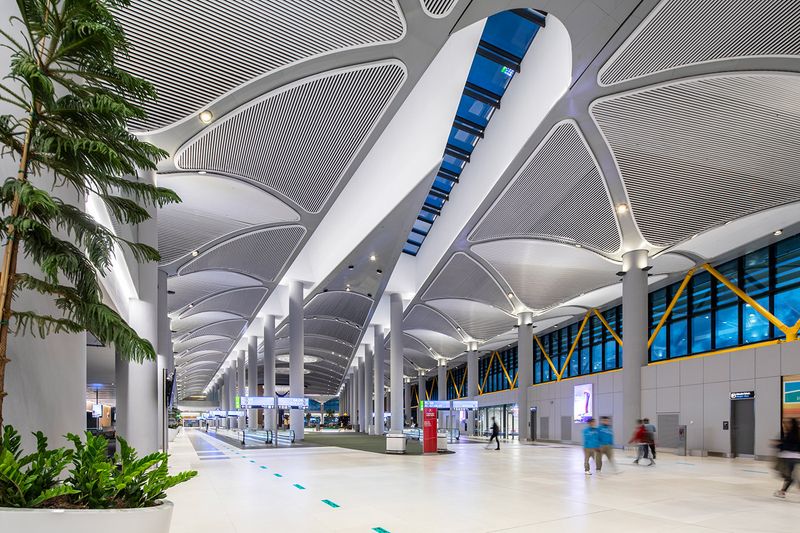
Officially opened in 2018, Istanbul Airport wasted no time making a statement on the world stage. Its main terminal building is the largest airport terminal under a single roof anywhere on the planet, covering an area so vast that some sections require walking distances that could rival a city block stroll.
The architecture draws inspiration from traditional Turkish design, blending domed ceilings and geometric patterns with ultramodern glass and steel.
Inside, travelers find hundreds of retail stores featuring international brands alongside Turkish artisan goods. The food scene is equally impressive, with restaurants serving everything from classic Turkish kebabs and baklava to sushi and American burgers.
Cozy lounge areas, prayer rooms, children’s play zones, and art installations are scattered throughout the terminal to keep every type of traveler comfortable and entertained.
Istanbul Airport is designed to eventually handle up to 200 million passengers annually, making it one of the most ambitious aviation projects ever attempted. The airport also connects directly to Istanbul’s growing metro network, placing the ancient city’s bazaars, mosques, and Bosphorus views within easy reach.
For a country that sits at the crossroads of Europe and Asia, this airport perfectly captures that spirit of connection and scale.
Hamad International Airport (DOH) – Qatar
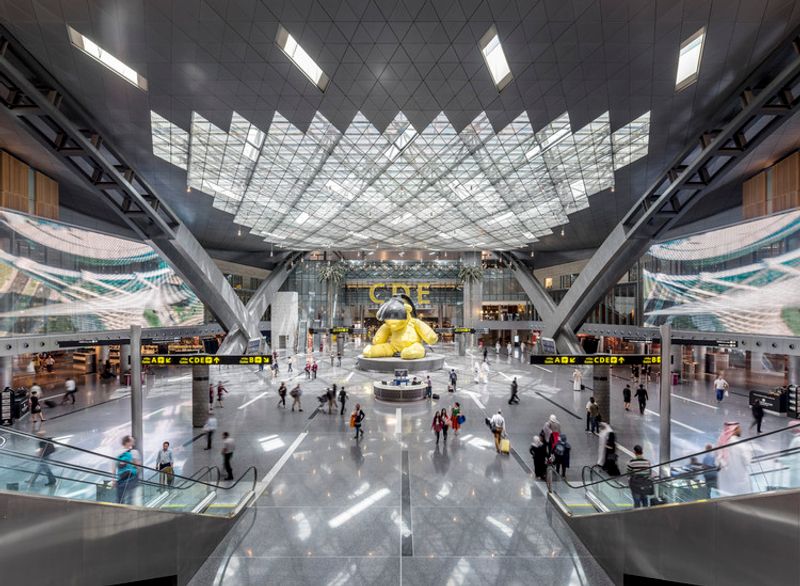
Qatar’s Hamad International Airport is the kind of place that makes you want to miss your flight on purpose. Known for its striking blend of luxury and artistic ambition, the airport greets passengers with one of the most talked-about art installations in aviation history: a giant yellow teddy bear sculpture titled “Lamp Bear” by Swiss artist Urs Fischer, sitting casually in the main terminal as if it owns the place.
The Orchard is another showstopper, a sprawling indoor tropical garden filled with palm trees, flowering plants, and peaceful seating areas where travelers can genuinely relax between connections. Premium shopping includes everything from Qatari pearl jewelry to international fashion houses.
The dining options range from casual cafes to award-winning restaurants helmed by celebrated chefs.
Wellness facilities at Hamad include a full-service spa, swimming pool, squash courts, and a gym, which is practically unheard of at most airports. The terminal design itself, with its sweeping curved ceilings and warm golden lighting, feels more like a world-class museum than a transportation hub.
Hamad International has been named the world’s best airport by Skytrax multiple times, and every corner of the building makes it clear why that reputation is well deserved.
Hartsfield-Jackson Atlanta International Airport (ATL) – Georgia, USA
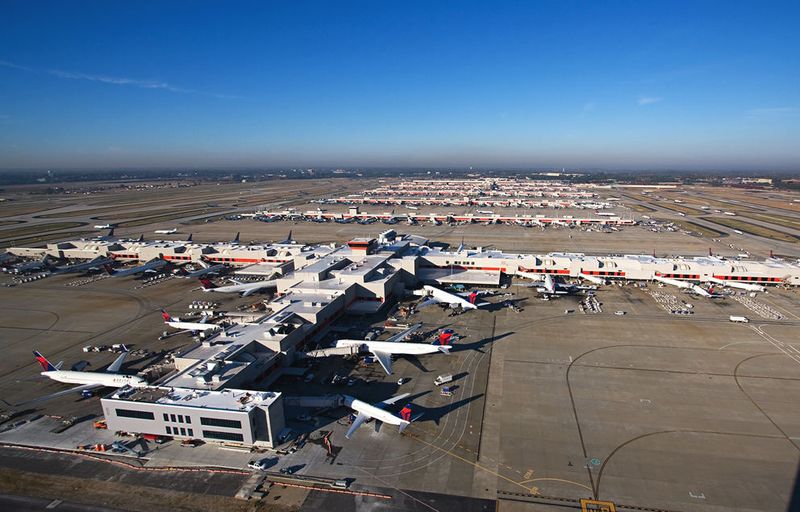
By passenger count, Hartsfield-Jackson Atlanta International Airport has held the title of world’s busiest airport for more than two decades straight. On a typical day, nearly 300,000 people pass through its terminals, which means the airport is always humming with the kind of energy you would expect from a mid-sized American city.
Five concourses are connected by an underground automated train called the Plane Train, which zips passengers between terminals in just a couple of minutes.
The underground connector tunnels are worth a look on their own, decorated with colorful kinetic art installations that transform what could be a dull walk into something genuinely eye-catching. Hundreds of restaurants and shops line the concourses, representing Atlanta’s famous food culture with options like Paschal’s soul food, local barbecue joints, and international cuisines.
Business travelers are equally well served, with conference rooms, charging stations, and lounge access scattered throughout the complex.
ATL also serves as the primary hub for Delta Air Lines, meaning thousands of connecting flights move through every single day. Despite its enormous size, the airport is surprisingly navigable once you get the hang of the Plane Train system.
Atlanta locals sometimes joke that more people visit their airport than their city, and the numbers suggest they might not be entirely wrong.
Incheon International Airport (ICN) – South Korea
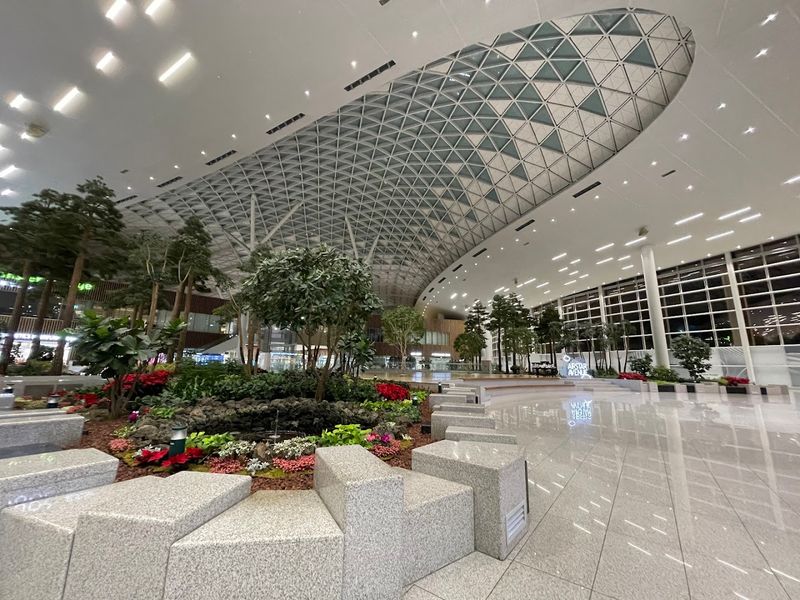
South Korea’s Incheon International Airport regularly tops global rankings not just for efficiency but for sheer entertainment value. The airport has operated for years without a single mishandled bag incident during certain periods, earning a reputation for flawless logistics that the aviation world deeply respects.
But operational excellence is only half the story here.
Cultural experiences are woven into every corner of Incheon. Traditional Korean performance stages host live shows of music and dance throughout the day.
A Korean Cultural Street features exhibits on pottery, calligraphy, and traditional dress. Travelers with long layovers can enjoy a full-sized indoor ice-skating rink, a golf course, a spa, and a casino, all without leaving the airport grounds.
The transit hotel program at Incheon is one of the most generous in the world, offering free or deeply discounted overnight stays to qualifying transit passengers. Gardens, meditation rooms, and a children’s museum round out the list of amenities that make waiting here feel like a genuine perk rather than a chore.
Terminal 2, opened in 2018 to handle the Winter Olympics traffic, added even more space and elegance to an airport that was already considered a global benchmark for what air travel could and should feel like.
Hong Kong International Airport (HKG) – Hong Kong
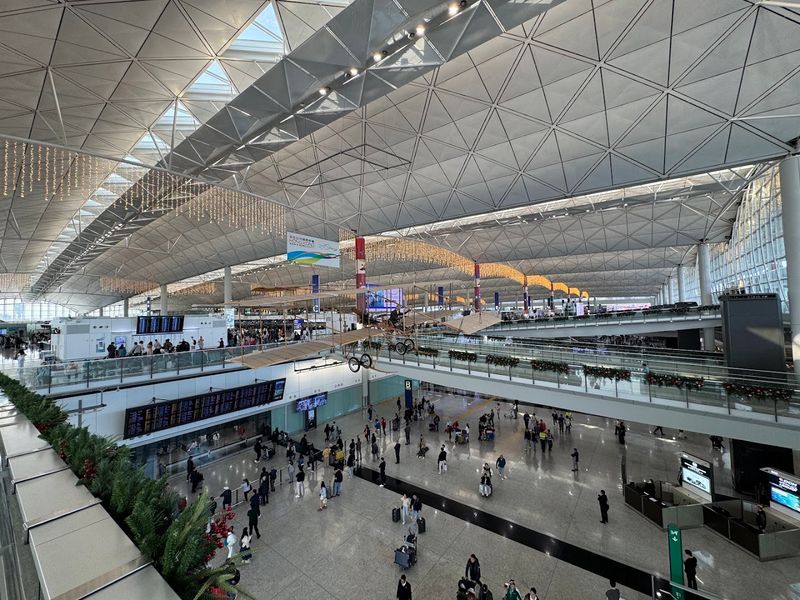
Building an entire island just to place an airport on it sounds like something out of a science fiction novel, but that is exactly what Hong Kong did. Opened in 1998 on reclaimed land off Lantau Island, Hong Kong International Airport required moving mountains, literally, to create the flat surface needed for its runways and terminals.
The result is one of the most architecturally impressive aviation facilities ever constructed.
Inside, the airport functions like a small commercial district. Premium shopping covers everything from high-end watches to Hong Kong-style street snacks.
An observation deck gives plane spotters some of the best views of aircraft movements anywhere in Asia. The Sky Bridge connecting the two terminals offers sweeping vistas of the surrounding water and hills, turning a simple walkway into a scenic experience.
Hong Kong International is also one of the world’s top cargo airports, processing millions of tons of freight annually alongside its busy passenger operations. The airport’s SkyCity development nearby includes hotels, an indoor entertainment complex, and a golf course.
Getting into the city is a breeze thanks to the Airport Express train, which connects to downtown Hong Kong in just 24 minutes. For a city famous for its intensity and speed, the airport matches that energy perfectly.
Tokyo Haneda Airport (HND) – Japan
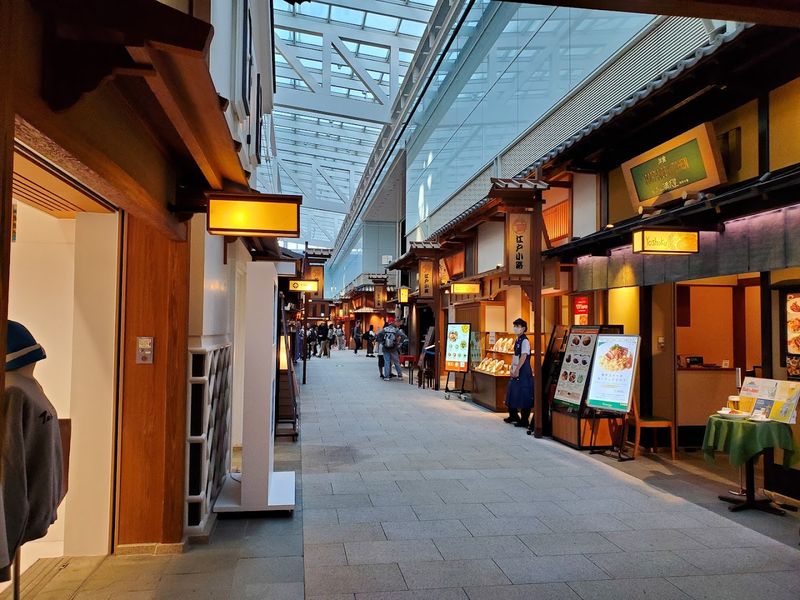
Tokyo Haneda Airport does something no other major international airport does quite as well: it makes you feel like you have already arrived in Japan before you even step outside. The international terminal’s fourth floor features an entire recreated Edo-period shopping street, complete with wooden storefronts, paper lanterns, and shops selling traditional Japanese crafts, sweets, and souvenirs.
It is theatrical, charming, and absolutely packed with travelers who cannot resist stopping to look.
Observation decks at Haneda are famous among aviation enthusiasts, offering close-up views of planes landing and taking off against the backdrop of Tokyo Bay. The food scene inside the airport reflects Japan’s legendary culinary standards, with ramen shops, sushi bars, tempura restaurants, and depachika-style food halls that rival anything you would find in the city itself.
Efficiency is another Haneda trademark. Trains connect the airport to central Tokyo in as little as 13 minutes, and the airport’s domestic terminal is considered one of the smoothest-operating in the world.
Despite serving tens of millions of passengers annually, Haneda consistently receives top marks for cleanliness and punctuality. Japan’s attention to detail and quiet hospitality are on full display here, making Haneda one of the most genuinely pleasant airports to spend time in anywhere on the planet.
Beijing Capital International Airport (PEK) – China
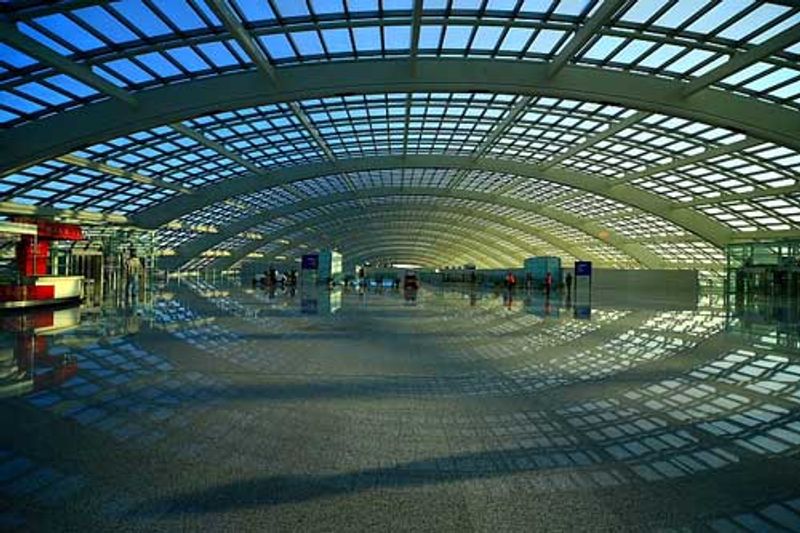
When Terminal 3 of Beijing Capital International Airport opened in 2008 just in time for the Olympics, it instantly became one of the most jaw-dropping airport buildings ever constructed. Designed by legendary architect Norman Foster, the terminal stretches nearly three kilometers from end to end, making it one of the largest airport buildings on Earth by floor area.
Its roof, inspired by the shape and colors of a traditional Chinese dragon, glows red and gold in natural light filtering through thousands of triangular skylights.
Getting around Terminal 3 requires a dedicated automated people mover system because the distances between gates are simply too large to walk comfortably. The terminal houses extensive retail, multiple lounge tiers for different airline alliances, and a wide range of Chinese and international dining options.
Art installations celebrating Chinese history and culture are displayed throughout the concourses.
Beijing Capital serves as the main hub for Air China and a gateway for countless international visitors arriving to explore the Great Wall, the Forbidden City, and beyond. A second major airport, Beijing Daxing International, opened in 2019 to help handle the enormous and growing passenger demand.
Together, the two airports confirm Beijing’s status as one of aviation’s most important and ambitious cities in the entire world.
Shanghai Pudong International Airport (PVG) – China
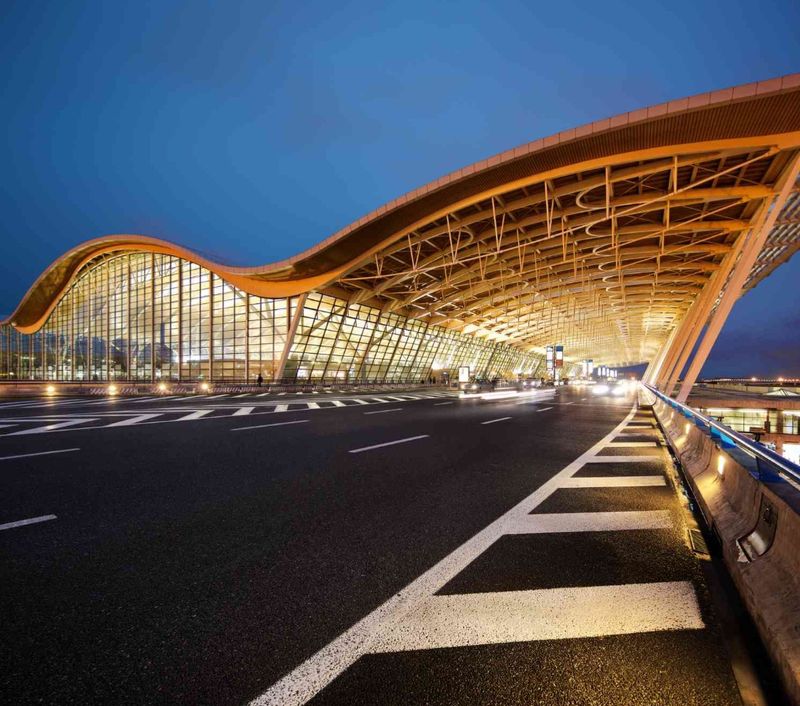
Shanghai Pudong International Airport has a secret weapon that most travelers overlook: the Maglev train sitting just outside its doors. This magnetic levitation train connects the airport to the city at speeds up to 431 kilometers per hour, making it the fastest commercial train service in the world.
It is a fittingly futuristic welcome to one of Asia’s most forward-thinking cities.
Inside the terminals, Pudong delivers on Shanghai’s reputation for style and sophistication. Luxury retail brands compete for attention alongside local Chinese boutiques and well-known international chains.
Premium airline lounges feature panoramic runway views, full dining menus, and shower facilities. The food courts cover an impressive range, from Shanghainese soup dumplings to international fast food favorites.
Pudong continues expanding to keep pace with China’s rapidly growing aviation market. A new satellite concourse connected to the terminals by an underground automated train added thousands of additional gate positions and passenger amenities in recent years.
The airport handles a staggering volume of both passenger and cargo traffic, reflecting Shanghai’s central role in global trade and travel. For first-time visitors, stepping out of Pudong and hopping onto the Maglev for a 431-kilometer-per-hour sprint into the city is one of the most memorable airport departure experiences anywhere in the world.
Amsterdam Schiphol Airport (AMS) – Netherlands
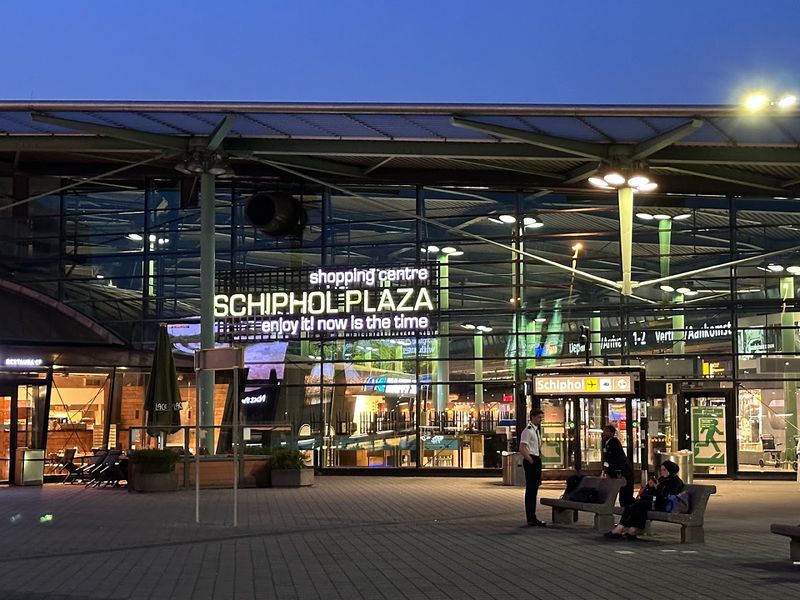
Amsterdam Schiphol Airport has a proper art museum inside it, and that alone tells you everything you need to know about how the Dutch think about air travel. A branch of the world-famous Rijksmuseum sits in the main terminal, displaying rotating exhibits of authentic Dutch Golden Age paintings in glass cases between the shops and gates.
Travelers who would never normally visit a museum find themselves stopping to stare at Rembrandt and Vermeer while waiting for their boarding call.
The airport also has a library, a casino, multiple hotels connected directly to the terminal, a supermarket where you can buy actual groceries, and a meditation center for passengers needing a moment of quiet. The shopping area, called Schiphol Plaza, functions like a full retail mall with hundreds of stores spread across multiple levels.
Dutch specialties like Gouda cheese, Delft pottery, and stroopwafels are available alongside high-end international brands.
Schiphol is built on a single unified terminal concept, which means passengers rarely need to transfer between separate buildings. The airport sits about 15 minutes from central Amsterdam by direct train, making it one of the best-connected airports in Europe.
For a country known for its cleverness and practicality, Schiphol is a fitting national gateway that surprises nearly every first-time visitor.
Frankfurt Airport (FRA) – Germany
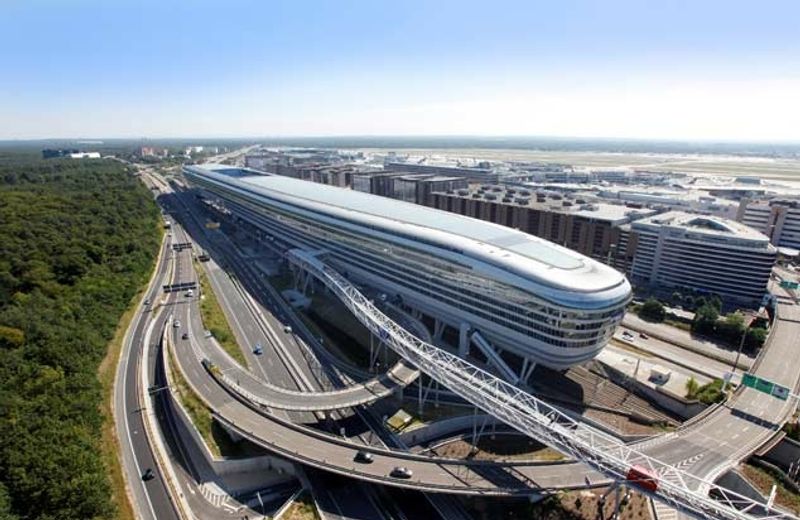
Germany runs on precision, and Frankfurt Airport is no exception. As the country’s busiest airport and one of Europe’s largest aviation hubs, FRA handles millions of passengers annually with the kind of clockwork efficiency that Germans are famously proud of.
But beyond the logistics, Frankfurt Airport has quietly built an entire urban ecosystem around its terminals that most travelers do not fully realize exists.
Two railway stations sit beneath the airport, one for regional trains and one for long-distance InterCity Express trains. This means you can arrive at Frankfurt Airport directly from cities like Cologne, Munich, or Paris without ever touching a road.
The terminal complex includes two shopping centers, multiple hotel towers, conference facilities large enough to host major international events, and a cargo district that ranks among the busiest in the world.
The new Terminal 3, currently under construction and planned to open in stages, is being designed around the concept of streets and plazas, essentially building a walkable city neighborhood inside an airport. Existing terminals already feature a solid mix of German sausage vendors, international restaurants, bookshops, and premium lounges.
Lufthansa’s First Class Terminal, a separate private facility accessible only to first-class passengers, is considered one of the most exclusive airport experiences on the planet.
Chicago O’Hare International Airport (ORD) – Illinois, USA
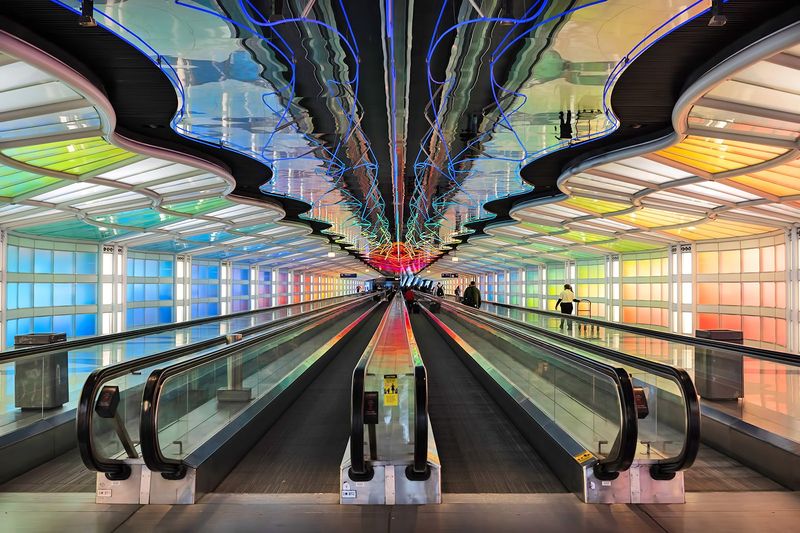
Chicago O’Hare has a tunnel so cool that frequent flyers actually look forward to walking through it. The neon light passageway connecting concourses B and C in Terminal 1 features a ceiling covered in thousands of colored neon tubes that shift through a slow, hypnotic light sequence, turning a simple airport corridor into something that feels like a scene from a science fiction film.
It has become one of the most photographed spots in any American airport.
Beyond the famous tunnel, O’Hare is a true aviation giant. Five terminals serve domestic and international routes, connected by an underground pedestrian network and an elevated people mover train called the Airport Transit System.
Dozens of restaurants, bars, and shops fill the concourses, and local Chicago flavors are well represented, with deep-dish pizza, Chicago-style hot dogs, and craft beer all easy to find before your gate.
O’Hare has been undergoing a massive modernization project worth billions of dollars, adding new gates, renovated terminals, and expanded amenities designed to bring the airport up to the standards of newer global hubs. The airport also connects directly to downtown Chicago via the CTA Blue Line train, offering one of the most affordable airport-to-city transit options in the United States.
For a city defined by big shoulders, O’Hare carries its weight impressively.
Paris Charles de Gaulle Airport (CDG) – France
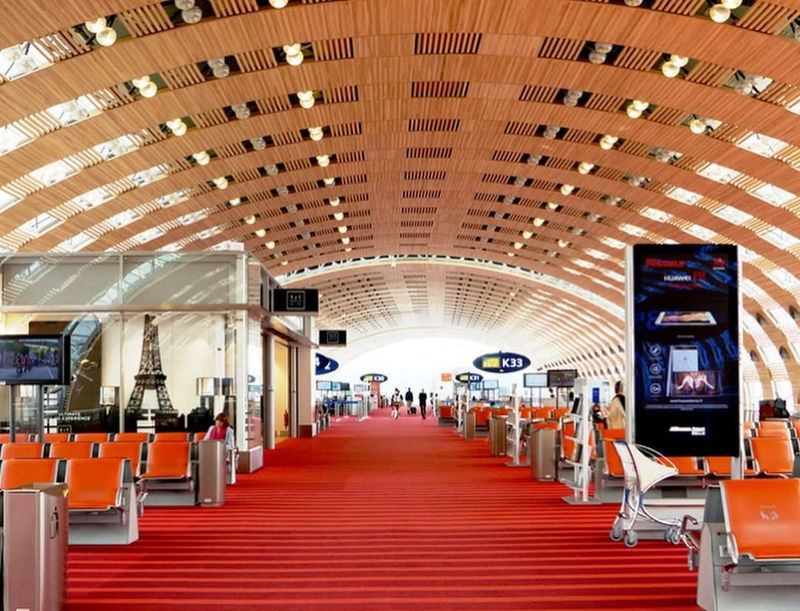
Paris Charles de Gaulle Airport is the kind of place where even the architecture has opinions. Terminal 2E, designed with a distinctive barrel-vaulted ceiling that curves over the concourse like a giant wave, gives CDG a visual identity that most airports can only dream about.
It is Europe’s second-busiest international airport and the primary hub for Air France, handling tens of millions of passengers every year from across the globe.
The terminal complex at CDG is enormous, spread across multiple buildings connected by shuttle buses and an internal automated transit system called CDGVAL. Shopping inside the terminals leans heavily into French luxury, with perfume counters, wine shops, macarons from famous Parisian patisseries, and fashion boutiques offering goods you might find along the Champs-Elysees.
Hotel options range from budget-friendly transit hotels to full-service luxury properties connected directly to the terminal buildings.
Getting from CDG into Paris is straightforward via the RER B suburban train, which deposits travelers at major central stations in about 35 minutes. A new high-speed rail link is also in development that will eventually connect the airport even faster to the heart of the city.
For a country that treats style as a national priority, Charles de Gaulle Airport delivers a distinctly French experience from the moment you step off the plane.
Guangzhou Baiyun International Airport (CAN) – China
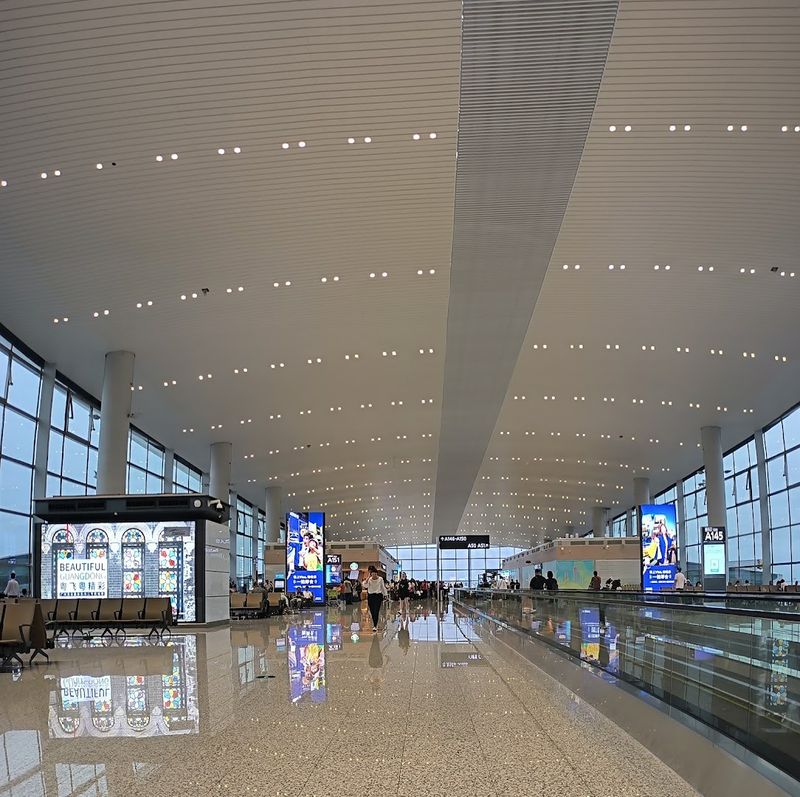
Guangzhou Baiyun International Airport quietly became one of the world’s busiest airports during the pandemic years, when many international hubs slowed down but domestic Chinese aviation kept roaring. Its newest terminal expansion, Terminal 2, ranks among the largest airport buildings ever built anywhere on Earth, stretching across a footprint that takes serious effort to cross even on foot.
The design incorporates large landscaped indoor gardens that break up the terminal space and give passengers green, calming areas to rest between connections.
The airport serves as the main hub for China Southern Airlines, the largest airline in Asia by fleet size. This means Baiyun is a crucial connecting point for travelers moving between Chinese cities and international destinations across Southeast Asia, Australia, Africa, and beyond.
The concourses are wide and airy, with high ceilings that prevent the cramped, claustrophobic feeling common in older airport terminals.
Retail and dining at Baiyun reflect Guangzhou’s identity as one of China’s great food cities, famous for its Cantonese dim sum, roasted meats, and seafood traditions. Passengers with time to spare can find authentic local dishes alongside international fast food, premium lounges, and extensive duty-free shopping.
A third terminal is already in planning stages, signaling that Guangzhou has no intention of slowing down its rise through the ranks of global aviation powerhouses.
Share this story