Medicine has changed dramatically since the 1980s, and the progress made in just a few decades is genuinely remarkable. Treatments that once seemed like science fiction are now saving lives every single day.
From tools that see inside the human body without a single cut to therapies that teach your immune system to fight cancer, these breakthroughs have touched nearly every corner of healthcare. Whether you have personally benefited from one of these advances or simply want to understand the world of modern medicine a little better, this list covers 15 game-changing innovations that reshaped what doctors can do and what patients can hope for.
Cochlear Implants

For people born with severe hearing loss or who lose their hearing over time, the world can feel cut off in ways that are hard to describe. Cochlear implants, which became more widely used through the 1980s and 1990s, offered a path back to sound that hearing aids alone could not provide.
Unlike a hearing aid, which simply amplifies sound, a cochlear implant bypasses damaged parts of the inner ear and directly stimulates the auditory nerve. The device has two parts: a small processor worn outside the ear and an internal component surgically placed under the skin.
Children who receive cochlear implants early in life often develop strong spoken language skills. Adults who experience hearing loss later in life have also reported significant improvements in their ability to communicate.
Over 700,000 devices have been implanted globally, making it one of the most successful sensory prosthetics ever developed.
Minimally Invasive Surgery
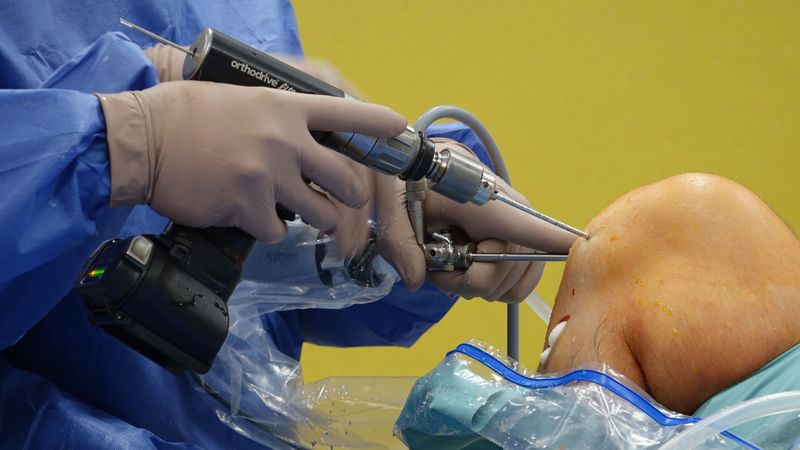
Open surgery used to mean large incisions, long hospital stays, and weeks of painful recovery. The rise of minimally invasive techniques, particularly laparoscopic surgery, changed that picture dramatically starting in the late 1980s.
Surgeons now use small cameras and specialized tools inserted through tiny cuts, often just a few millimeters wide. They watch the procedure on a monitor and operate with precision that matches or sometimes exceeds traditional open techniques.
The result is less trauma to surrounding tissue, reduced infection risk, and faster healing.
Procedures once requiring a week in the hospital can now be done in a day. Gallbladder removal, appendectomies, hernia repairs, and many gynecological procedures are now routinely performed this way.
Patients return to their normal routines far sooner, and the smaller scars are an added benefit most people genuinely appreciate. This shift fundamentally changed what patients experience when they need surgical care.
Magnetic Resonance Imaging (MRI)
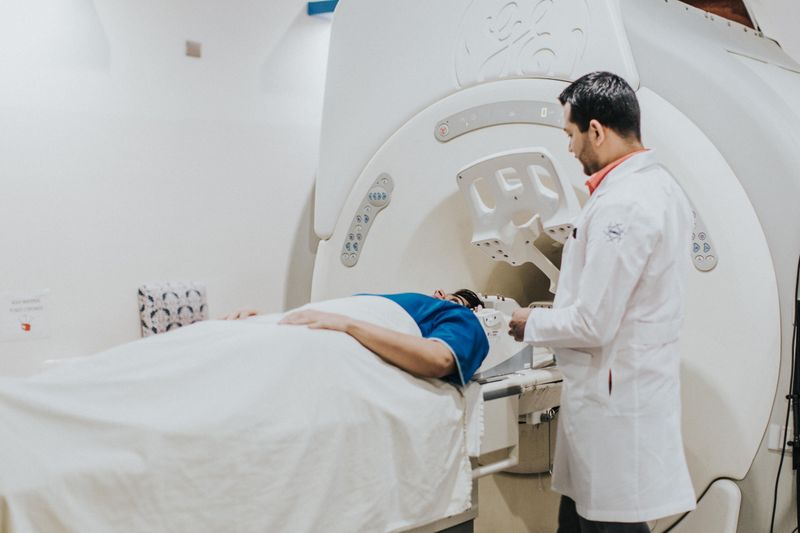
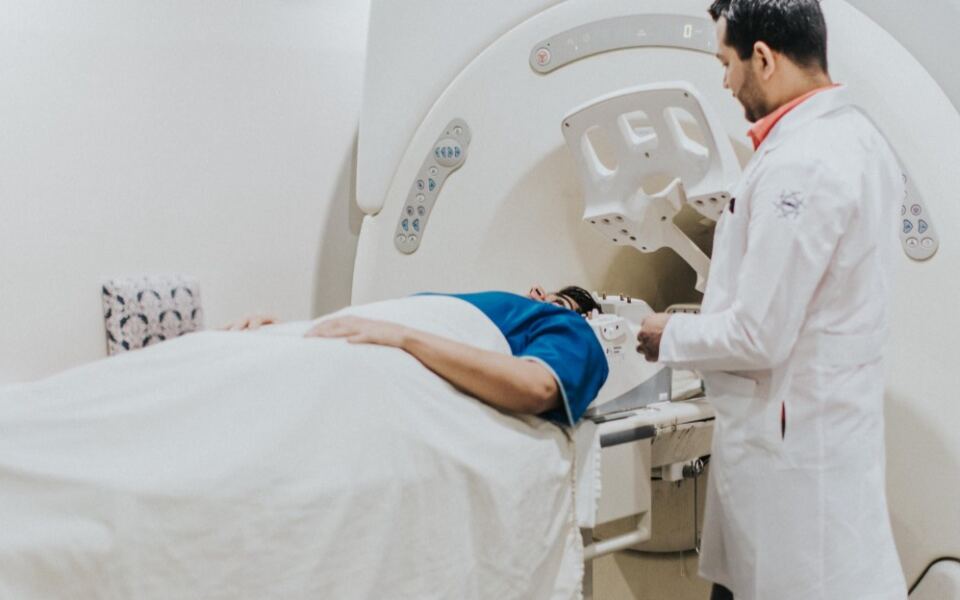
Before MRI became widely available in the early 1980s, doctors had very limited ways to see soft tissue inside the body without performing surgery. This technology uses powerful magnetic fields and radio waves to create detailed images of organs, muscles, and the brain, all without using radiation.
MRI machines can detect tumors, torn ligaments, spinal problems, and brain abnormalities with a level of clarity that older imaging tools simply could not match. That precision has made a massive difference in how quickly and accurately doctors can diagnose serious conditions.
Today, MRI scans are performed millions of times each year around the world. Hospitals use them for everything from routine sports injuries to complex neurological evaluations.
The technology has continued to improve, with faster scan times and higher image resolution making it even more useful for both patients and medical teams.
Statins

Heart disease has been one of the leading causes of early death for decades, and high cholesterol plays a major role in that risk. Statins, a class of drugs that lower LDL cholesterol by blocking an enzyme the liver uses to produce it, became widely prescribed starting in the late 1980s after the approval of lovastatin.
The impact has been enormous. Studies have shown that statins can reduce the risk of heart attacks and strokes in people with high cholesterol or existing cardiovascular disease.
Millions of people around the world now take a statin daily, often with very manageable side effects.
These medications are not a substitute for healthy habits, but for patients who cannot control cholesterol through diet and exercise alone, they provide a critical safety net. Cardiologists consider statins among the most important preventive tools introduced in modern medicine, and the data supporting their effectiveness continues to grow with each passing decade.
Monoclonal Antibody Therapy
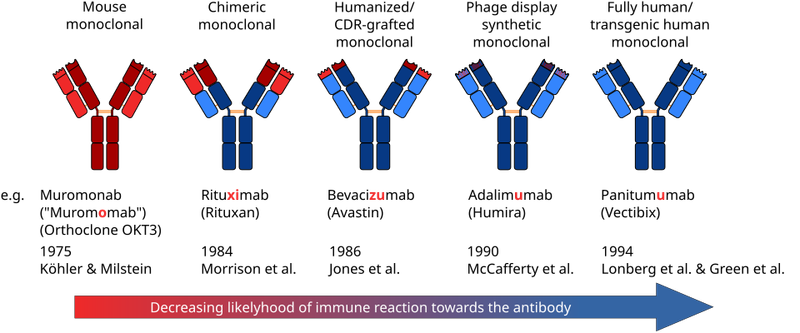
The immune system produces antibodies to fight off threats, and scientists figured out how to engineer specific antibodies in a lab to target particular proteins in the body. That idea gave rise to monoclonal antibody therapy, one of the most versatile and powerful tools in modern medicine.
These lab-made antibodies can be designed to latch onto cancer cells, block harmful proteins, or reduce inflammation in autoimmune conditions. Drugs like trastuzumab for HER2-positive breast cancer and adalimumab for rheumatoid arthritis are both monoclonal antibodies, and they have changed treatment outcomes significantly for patients who use them.
The range of conditions now treated with monoclonal antibodies is wide, covering certain cancers, Crohn’s disease, asthma, migraines, and even some infectious diseases. Development of these drugs accelerated through the 1990s and 2000s, and they now represent one of the largest and fastest-growing categories in pharmaceutical research worldwide.
Modern Immunosuppressive Drugs

Organ transplantation became a real and lasting solution for patients with failing hearts, kidneys, livers, and lungs largely because of advances in immunosuppressive drugs. Without these medications, the immune system would simply attack and destroy a transplanted organ, recognizing it as foreign tissue.
Cyclosporine, introduced in the early 1980s, was a turning point. It gave doctors a way to suppress the immune response selectively, reducing rejection rates without leaving patients completely defenseless against infection.
Newer drugs like tacrolimus and mycophenolate have built on that foundation, improving outcomes further.
Thanks to these medications, thousands of transplant surgeries now take place every year with far better long-term survival rates than earlier decades ever produced. Patients who once faced certain organ failure now live for many years after transplant with a good quality of life.
The development of these drugs made transplant medicine a practical reality rather than an experimental hope.
Combination Antiretroviral Therapy
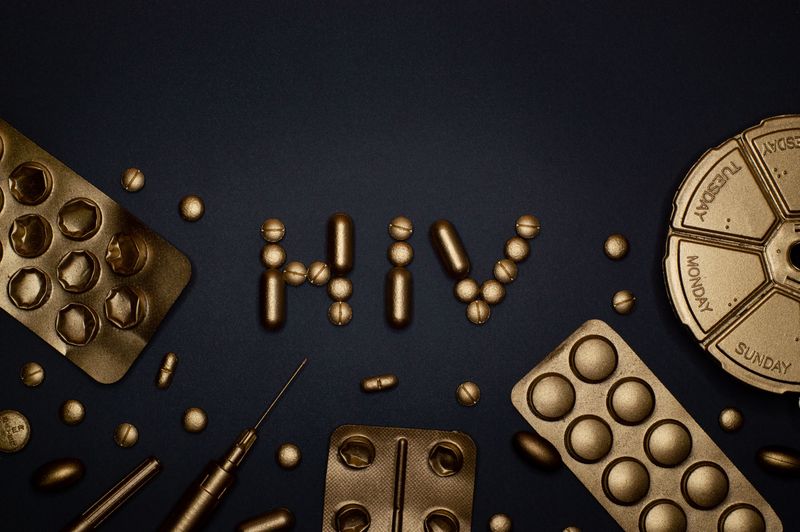
When HIV first emerged in the early 1980s, a diagnosis carried devastating consequences. There were no effective treatments, and the disease progressed rapidly for most patients.
The introduction of combination antiretroviral therapy in the mid-1990s changed that reality in a profound way.
By combining multiple drugs that attack HIV at different stages of its replication cycle, doctors found they could suppress the virus to undetectable levels in the bloodstream. This approach, sometimes called HAART, transformed HIV from a terminal condition into a manageable chronic illness for many patients who have access to treatment.
People living with HIV who take their medications consistently can now expect a near-normal life expectancy. Additionally, when the viral load is undetectable, the virus cannot be transmitted sexually, a finding that has reshaped prevention strategies worldwide.
The development of these combination therapies is widely considered one of the most significant achievements in the history of infectious disease medicine.
Deep Brain Stimulation
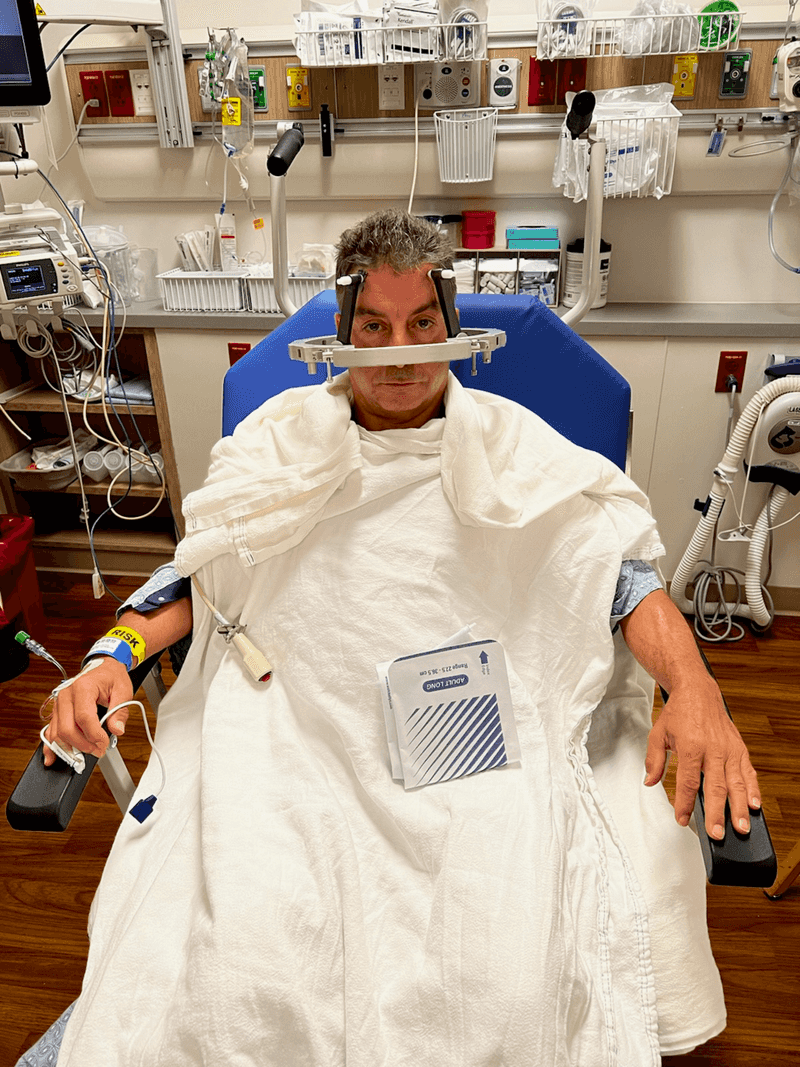
Parkinson’s disease causes tremors, stiffness, and movement difficulties that can make daily life extremely challenging. Deep brain stimulation, or DBS, offers a way to manage those symptoms in patients who do not respond well enough to medication alone, and the results can be striking.
The procedure involves implanting thin electrodes into specific areas of the brain. These electrodes deliver carefully timed electrical pulses that help regulate abnormal brain activity.
A small pulse generator, similar in size to a pacemaker, is implanted in the chest and controls the signals.
First approved by the FDA for Parkinson’s in 1997, DBS has since been used for essential tremor, dystonia, and is being studied for conditions like obsessive-compulsive disorder and severe depression. Patients often see a noticeable reduction in tremors and improved motor control.
For many, it restores a level of independence that medication alone could not provide, making it a genuinely life-altering option.
Continuous Glucose Monitors

Managing diabetes used to mean pricking your finger multiple times a day to check blood sugar levels. Continuous glucose monitors, commonly called CGMs, replaced much of that routine with a small sensor worn on the skin that tracks glucose levels around the clock and sends the data wirelessly to a phone or reader.
For people with Type 1 diabetes especially, this technology has been a major shift. Instead of getting snapshots of blood sugar at isolated moments, patients and their doctors can now see trends over hours and days.
That data makes it far easier to adjust insulin doses, catch dangerous lows overnight, and understand how food and activity affect glucose levels.
CGMs became commercially available in the early 2000s and have improved rapidly in accuracy and convenience. Some systems now integrate with insulin pumps to create a near-automated loop.
The reduction in daily finger sticks alone has improved quality of life considerably for millions of people living with diabetes.
HPV Vaccines

Human papillomavirus is one of the most common sexually transmitted infections in the world, and certain strains are directly responsible for the majority of cervical cancer cases. The development and approval of HPV vaccines starting in 2006 gave public health officials a tool that could prevent a cancer before it ever starts.
The vaccines work by training the immune system to recognize and fight specific HPV strains, including those most commonly linked to cervical, throat, anal, and other cancers. They are most effective when given before a person is exposed to the virus, which is why vaccination is recommended for preteens.
Countries with high vaccination rates have already begun to see measurable drops in HPV infections and precancerous cervical changes among younger age groups. The long-term goal of significantly reducing cervical cancer rates globally is very much within reach.
Few vaccines in recent history have carried such direct potential to prevent cancer at the population level.
Direct-Acting Antivirals for Hepatitis C
For years, treating hepatitis C meant months of difficult interferon-based therapy that came with harsh side effects and only moderate success rates. The arrival of direct-acting antivirals, or DAAs, in the early 2010s rewrote that story almost completely.
These oral medications target specific proteins the hepatitis C virus needs to replicate, shutting down its ability to spread through the body. Most patients who complete a course of treatment, typically eight to twelve weeks, are cured entirely.
The word cure is used deliberately here because the virus becomes undetectable and does not return.
Hepatitis C causes serious liver damage over time, including cirrhosis and liver cancer, so eliminating the virus prevents those outcomes. The success rates for DAA treatment regularly exceed 95 percent across different patient populations.
Health organizations around the world have pointed to these drugs as a genuine path toward eliminating hepatitis C as a public health threat, which would have seemed impossible just fifteen years ago.
Robotic-Assisted Surgery
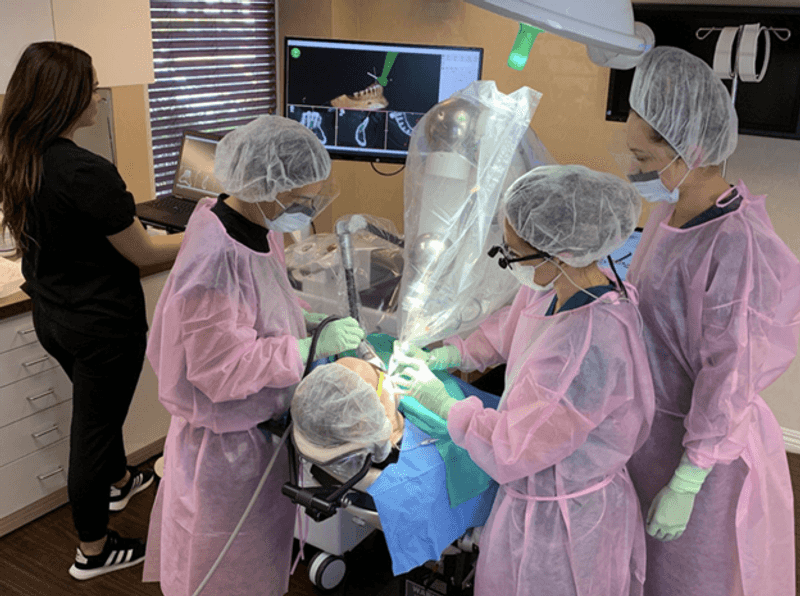
The da Vinci Surgical System, first approved by the FDA in 2000, brought robotic technology into the operating room in a way that gave surgeons capabilities beyond what human hands alone can achieve. Robotic-assisted surgery does not mean a robot operates independently; a surgeon controls every movement from a console with high-definition 3D visualization.
The robotic arms can rotate and bend in ways that human wrists cannot, making it possible to work in tight spaces with greater precision. This is particularly valuable in prostatectomies, hysterectomies, and cardiac procedures where accuracy around delicate structures matters enormously.
Patients who undergo robotic-assisted procedures often experience less blood loss, shorter hospital stays, and quicker recoveries compared to traditional open surgery. The technology has expanded rapidly, and newer systems continue to improve the range of procedures available.
Surgical training programs now routinely incorporate robotic techniques, reflecting how central this technology has become to modern surgical practice.
CAR-T Cell Therapy
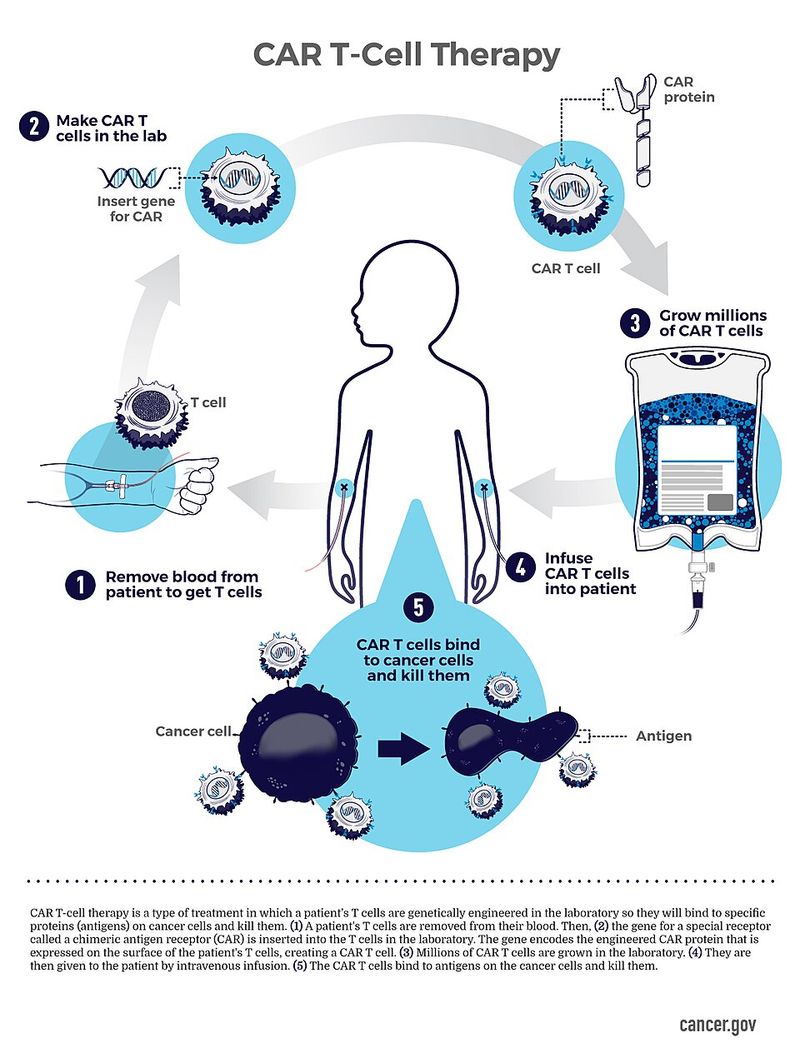
CAR-T cell therapy sounds almost too creative to be real: doctors take a patient’s own immune cells, genetically engineer them in a lab to recognize and attack cancer, then infuse them back into the patient’s body. It reads like science fiction, but it is an approved treatment that has produced remarkable results in certain blood cancers.
The therapy is designed for cases where other treatments have failed. For some patients with leukemia or lymphoma who had run out of options, CAR-T has produced complete remissions.
The FDA approved the first CAR-T therapy in 2017, and several additional versions have been cleared since then for different cancer types.
The treatment is not without risk, as the immune response it triggers can be intense and requires careful monitoring. But the potential it represents is significant, and researchers are actively working to expand CAR-T approaches to solid tumors.
This therapy marked a genuine turning point in how oncologists think about using the immune system as a treatment tool.
mRNA Vaccines
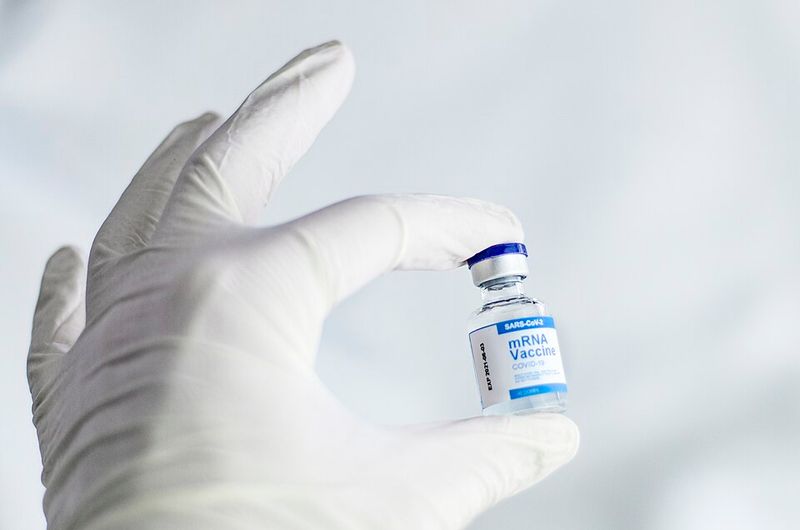
Most people learned about mRNA vaccines when the COVID-19 pandemic brought them into the spotlight in late 2020, but the science behind them had been developing for decades. Researchers had been studying messenger RNA as a vaccine platform since the 1990s, and the pandemic created the urgent need to finally put that research to work at scale.
Instead of using a weakened or inactivated virus, mRNA vaccines give cells temporary instructions to produce a protein from the pathogen. The immune system then learns to recognize that protein and builds a defense against it.
The mRNA breaks down quickly in the body and does not interact with DNA.
The speed at which effective COVID-19 vaccines were developed using this platform was unprecedented. Beyond COVID-19, mRNA technology is now being studied for flu vaccines, cancer treatments, and other infectious diseases.
The platform’s flexibility makes it one of the most promising tools in the future of preventive medicine and personalized treatment approaches.
CRISPR Gene Editing
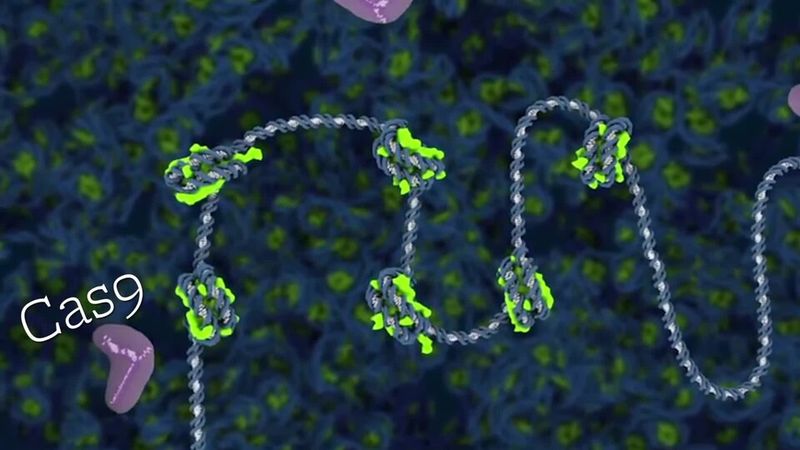
CRISPR-Cas9 is a gene-editing tool that allows scientists to find a specific sequence of DNA and cut it with remarkable precision. First adapted for use in human cells around 2012, it gave researchers a far faster, cheaper, and more accurate way to edit genes than any previous method had allowed.
The medical implications are enormous. CRISPR is being studied as a potential treatment for sickle cell disease, certain forms of blindness, and various cancers.
In late 2023, the FDA approved the first CRISPR-based therapy for sickle cell disease, a milestone that had been years in the making and represented a turning point for gene editing as a clinical tool.
The technology also raises important ethical questions, particularly around germline editing, which would affect future generations. Scientists and policymakers are actively working through those conversations.
Still, as a research tool and an emerging treatment platform, CRISPR has already changed the direction of genetics and medicine in ways that will likely continue expanding for generations to come.
Share this story