The United Kingdom is home to thousands of castles, and some of them look like they belong in a storybook. From misty Scottish lochs to quiet Welsh harbors, each one has towers, walls, and tales worth hearing.
This list covers fifteen castles known for their looks and their history. Read on to find your next trip idea.
1. Edinburgh Castle, Edinburgh, Scotland
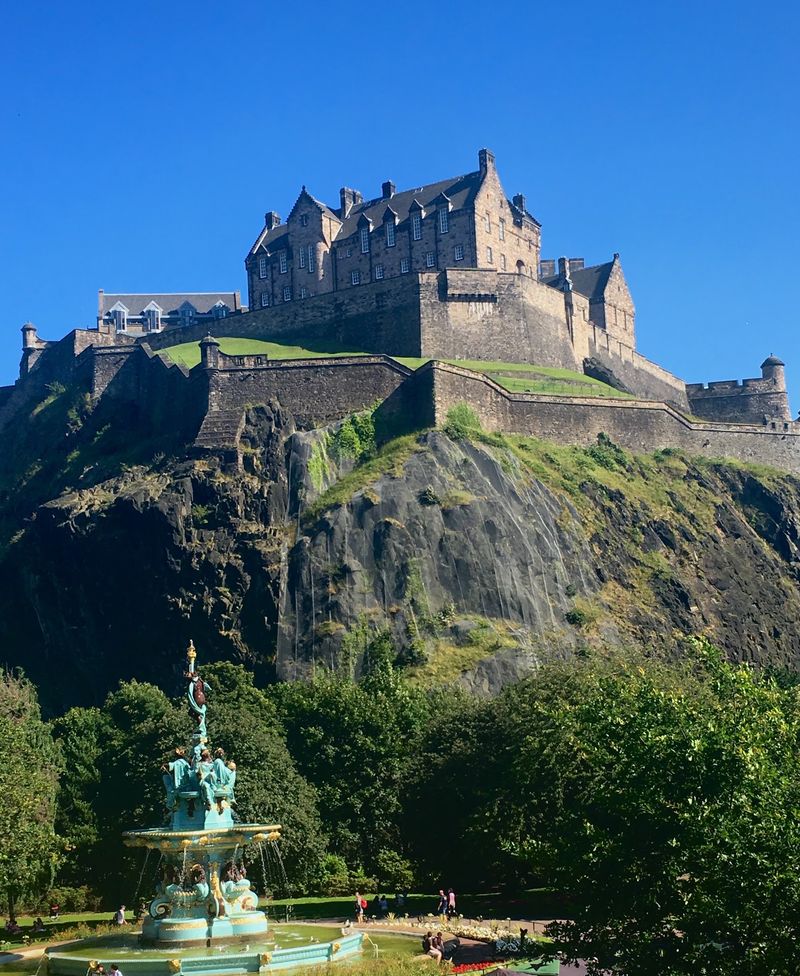
Few skylines say Scotland as clearly as this fortress perched on Castle Rock. The rock is an ancient volcanic plug, and people have lived on it for roughly three thousand years.
Inside, visitors can see the Scottish Crown Jewels, the Stone of Destiny, and the tiny St Margaret’s Chapel, which dates to the early twelfth century. The One O’Clock Gun still fires each day except Sundays, so plan your visit around it if you like a bit of noise and tradition.
Tickets often sell out in busy months, so booking ahead online saves time. Wear comfortable shoes, because the Royal Mile approach is steep and cobbled.
For the best photo, walk up to Princes Street Gardens or Calton Hill and look back toward the rock.
2. Windsor Castle, Windsor, England
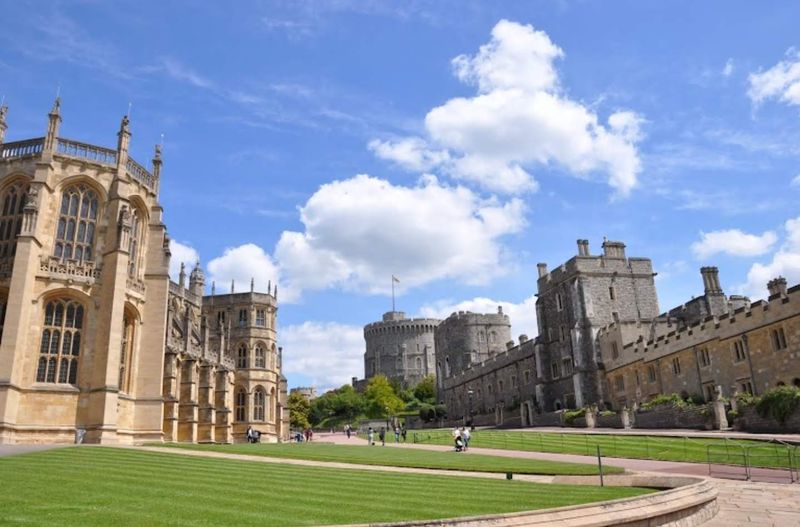
Dating back to the time of William the Conqueror, Windsor Castle is the oldest and largest occupied castle in the world. It has been a royal home for almost a thousand years, and the royal family still uses it today.
The State Apartments are open to visitors and show off fine paintings, armor, and grand ceilings. St George’s Chapel, inside the grounds, has hosted royal weddings and funerals, and it is a showpiece of late Gothic design.
Windsor sits about 25 miles west of London, so it works well as a day trip by train. Check the calendar before you go, since the Changing of the Guard takes place on set days.
Allow at least three hours to see the main areas without rushing.
3. Eilean Donan Castle, Dornie, Scotland
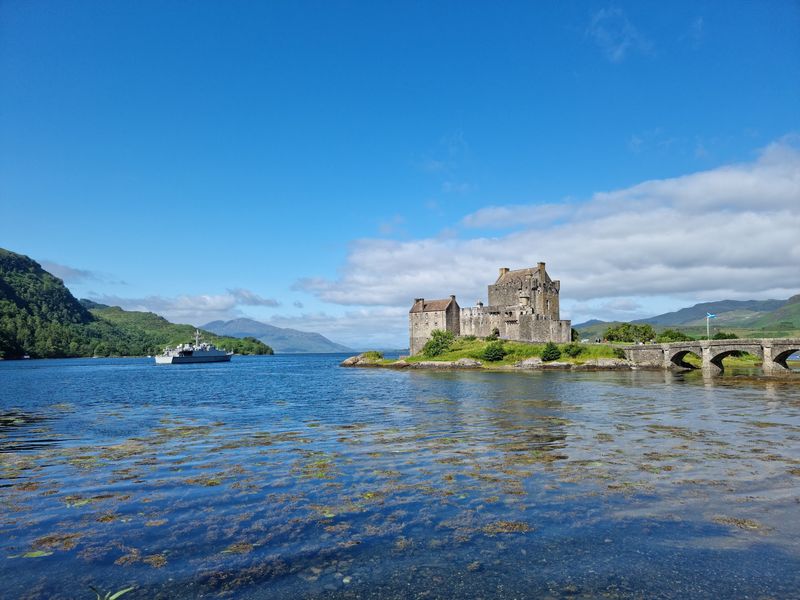
Picture a stone castle on a tiny island where three sea lochs meet, with mountains rising behind it. That is Eilean Donan, and it appears on countless calendars and postcards.
The first fortress here was built in the thirteenth century, but it was blown up by government ships in 1719 during the Jacobite risings. It lay in ruins for about two hundred years before being rebuilt between 1912 and 1932.
A stone footbridge now links the island to the shore.
Inside, you can explore the banqueting hall, bedrooms, and the old kitchen. Early morning is the quietest time and often brings the best light.
The castle is close to the Isle of Skye, so many travelers stop here on the way.
4. Bamburgh Castle, Bamburgh, England
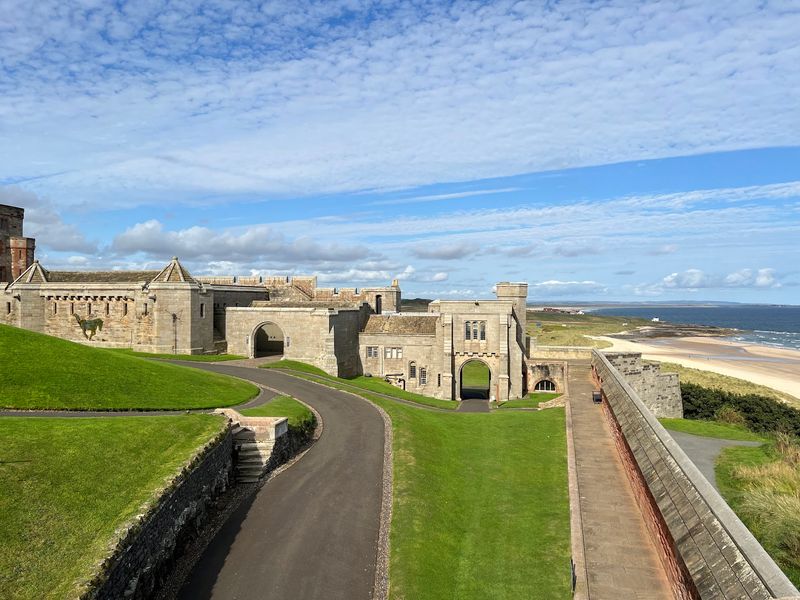
Wide golden sands, rolling dunes, and a huge castle on a rocky cliff make Bamburgh a favorite on the Northumberland coast. The site was once the royal seat of the kings of Northumbria, and a fortress has stood here for well over a thousand years.
The current building was heavily restored in the Victorian era by Lord Armstrong, an industrial inventor. Inside, the Great Hall, the armory, and the display of Anglo-Saxon finds give a full picture of the past.
Walk along the beach for a classic view of the walls rising above the dunes. Pack a windproof jacket, since the sea breeze can be strong.
The nearby village has cafes, and the Farne Islands boat trips leave from the next harbor along.
5. Warwick Castle, Warwick, England
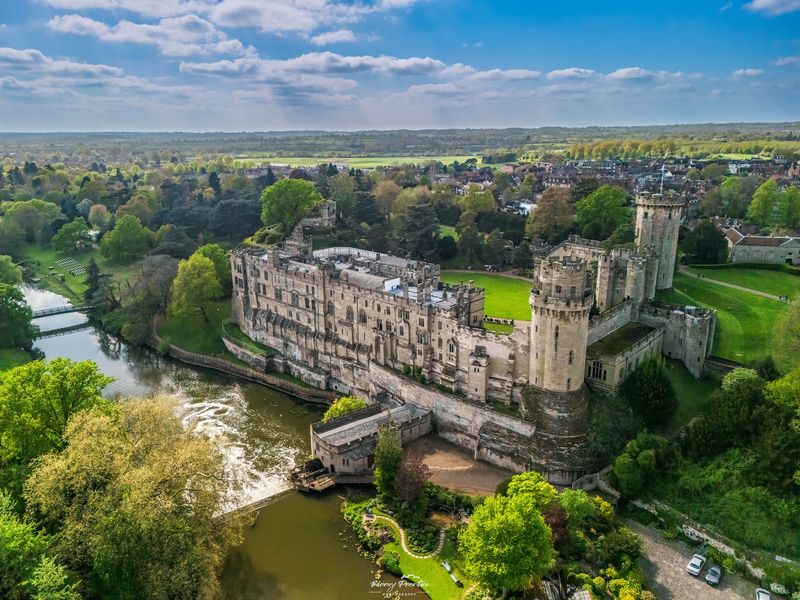
Knights, siege engines, and even a giant trebuchet have a home at Warwick Castle. Set on a bend of the River Avon, this medieval fortress began as a wooden fort built by William the Conqueror in 1068.
Today it works as a full day out. You can climb Guy’s Tower and Caesar’s Tower for views across Warwickshire, walk the ramparts, and watch live shows with birds of prey and jousting during busy seasons.
The Castle Dungeon and the Horrible Histories maze appeal to families, while the formal gardens, designed in part by Capability Brown, suit a quieter stroll. Buying tickets online in advance is usually cheaper than paying at the gate.
Plan on five or six hours if you want to see most of it.
6. Caernarfon Castle, Caernarfon, Wales
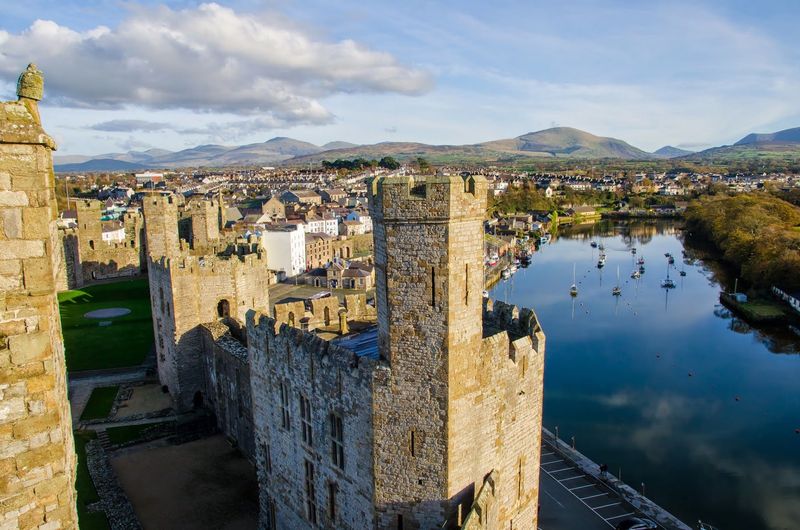
Here is a fun detail: the banded stone walls of Caernarfon were designed to echo the great walls of Constantinople. Edward I began building the castle in 1283 as part of his campaign to control North Wales.
The polygonal towers give the skyline a distinctive shape unlike most British castles. In 1969, the investiture of Prince Charles as Prince of Wales took place within these walls, which brought the site fresh attention.
Visitors can climb the Eagle Tower and walk the wall passages for views over the Menai Strait. The castle is part of a UNESCO World Heritage Site covering the castles of King Edward in Gwynedd.
Parking in town can fill up, so arrive early or use the nearby car parks near the harbor.
7. Alnwick Castle, Alnwick, England
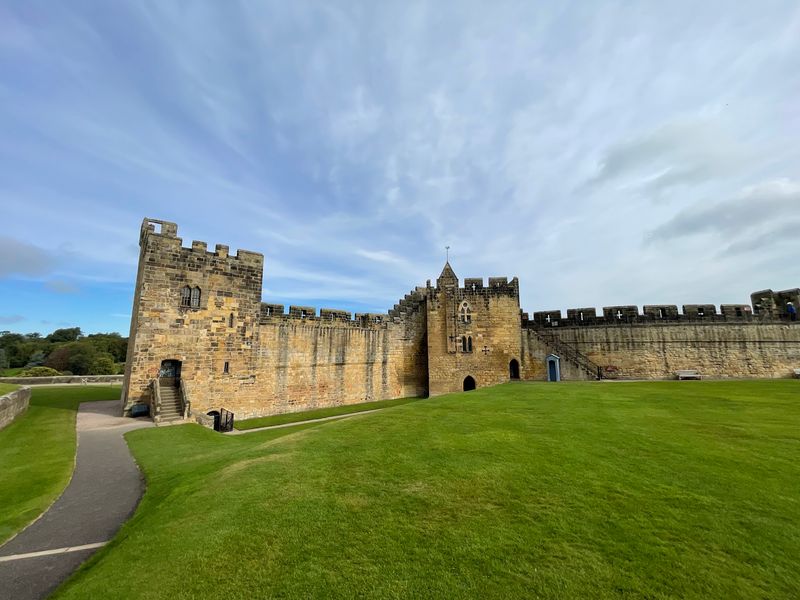
Fans of young wizards may recognize Alnwick right away. It stood in for Hogwarts in the first two Harry Potter films, and visitors can still try broomstick training on the lawn.
Beyond the film fame, this is a real family home. It has belonged to the Percy family, the Dukes of Northumberland, for over 700 years.
The State Rooms hold paintings by Titian and Canaletto, along with fine furniture and china.
Downton Abbey fans will also spot the castle in several scenes. Next door, the Alnwick Garden features a huge cascade fountain and a well-known treehouse restaurant.
If you plan to see both, give yourself a full day, and check opening times since some areas close in winter.
8. Dunrobin Castle, Golspie, Scotland
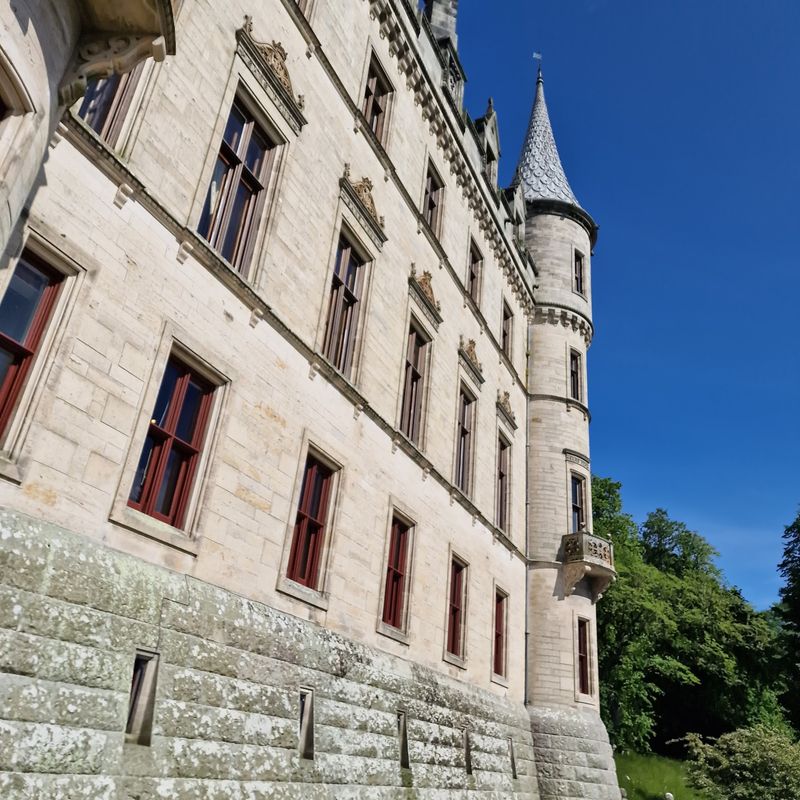
With its pointed turrets and steep roofs, Dunrobin looks more like a French chateau than a Scottish stronghold. It stands on the Sutherland coast, facing the North Sea, and is among the northernmost large castles on mainland Britain.
Its roots go back to the early 1300s, but most of what you see was designed by architect Sir Charles Barry in the 1840s. He also worked on the Houses of Parliament in London.
The castle has 189 rooms, making it one of the largest homes in the Northern Highlands.
Visitors can tour the rooms and see the formal gardens, which were inspired by Versailles. A falconry display takes place in the gardens during the season.
The castle has its own railway station, a rare feature, though trains stop only on request.
9. Conwy Castle, Conwy, Wales
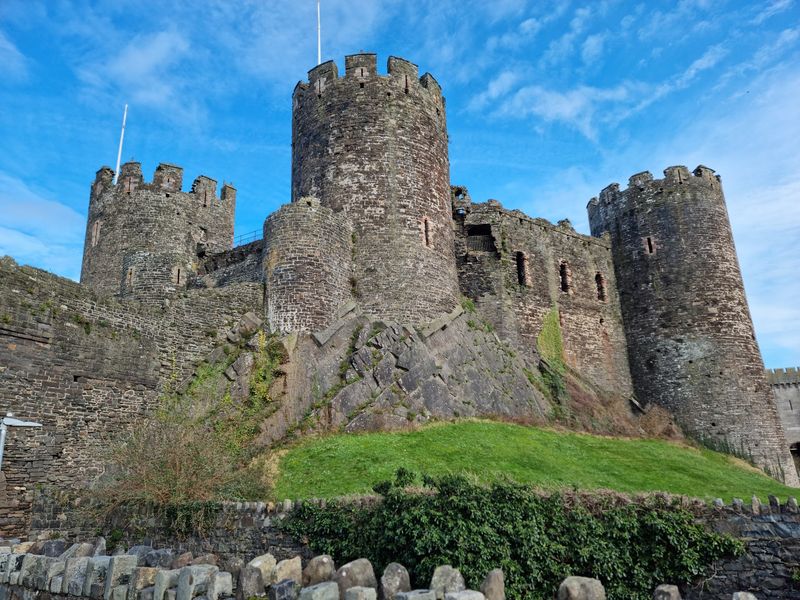
Walk through the old town of Conwy and you will feel like you stepped into a medieval sketch. The castle, built by Edward I between 1283 and 1289, has eight huge round towers and sits on a rock above the river estuary.
Town walls, nearly a mile long, still circle the old streets, and you can walk along parts of them. From the castle battlements, the views stretch across the water, the harbor, and the hills of Snowdonia.
Nearby you will find the Smallest House in Great Britain, a tiny red cottage on the quay. Conwy is also a UNESCO World Heritage Site, together with other castles built by Edward I in the area.
Visit on a clear afternoon for the best light on the old stone.
10. Leeds Castle, Maidstone, England
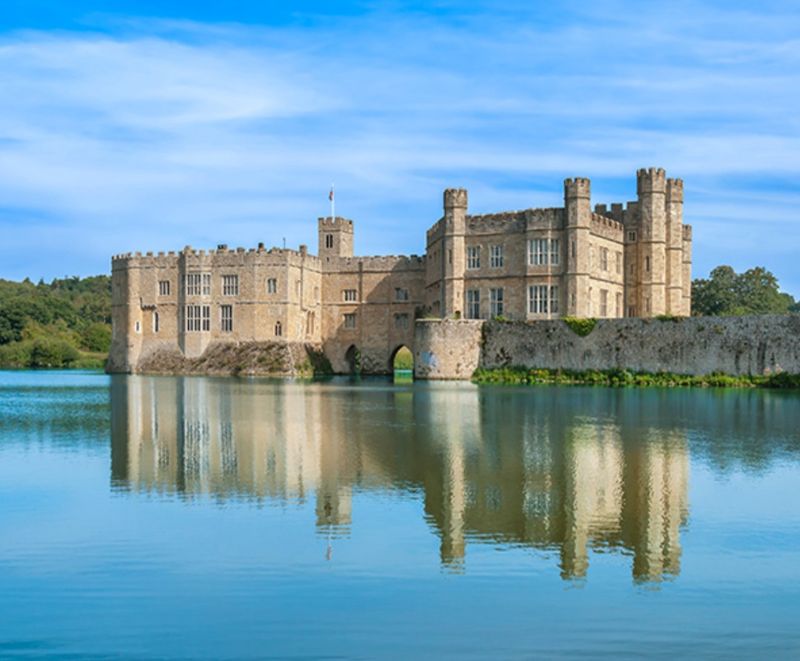
Despite its name, Leeds Castle is nowhere near the city of Leeds. It sits in Kent, about five miles from Maidstone, and floats on a lake formed by the River Len.
Often called one of the loveliest castles in the world, it was once home to several medieval queens of England. Henry VIII used it as a residence too, and he had it updated for his first wife, Catherine of Aragon.
The grounds are a big part of the charm. You can wander through the woodland, find the hedge maze with its underground grotto, and spot black swans on the water.
Falconry shows and seasonal events run through the year. Budget a full day, as the estate is large and there is plenty of room for a picnic.
11. Stirling Castle, Stirling, Scotland
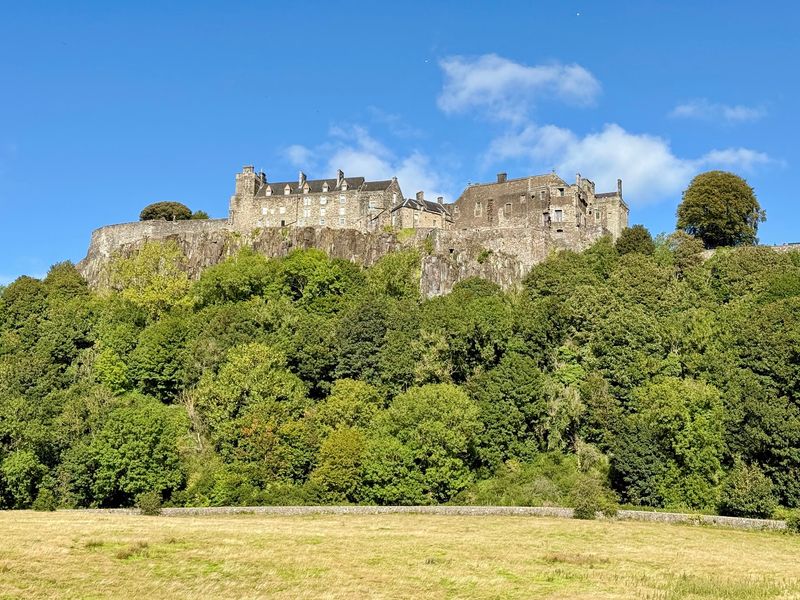
Whoever held Stirling Castle was said to hold Scotland. Standing on a hill with wide views across the countryside, it guarded one of the main crossing points of the River Forth.
Many Scottish kings and queens lived here, and Mary, Queen of Scots, was crowned in the castle chapel as a baby in 1543. The Renaissance Great Hall, painted a bright golden yellow, is a highlight, along with the restored royal apartments.
Costumed guides bring the rooms to life, and the Stirling Heads, carved oak portraits, are well worth a close look. The Battle of Bannockburn site and the Wallace Monument are both nearby, which makes the area good for a history-focused weekend.
Wear sturdy shoes for the uphill walk.
12. Bodiam Castle, Robertsbridge, England
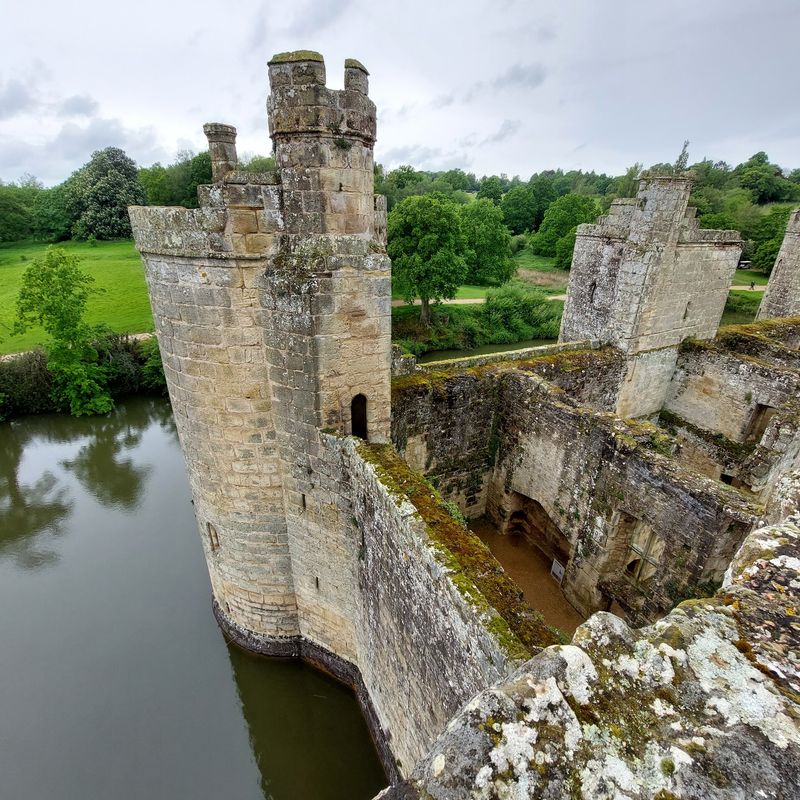
Drawn like a child’s picture of a castle, Bodiam has four round corner towers, a square outline, and a wide moat all around. It was built in 1385 by Sir Edward Dalyngrigge, a former knight who had fought in France.
Though it looks ready for war, historians think it was also meant as a grand home that showed off his status. Much of the outer shell survives, so climbing the spiral staircases and reaching the battlements is a treat.
The National Trust looks after the site, and the surrounding countryside in East Sussex is calm and green. Spring and autumn bring softer light and fewer crowds.
The castle is a short drive from the village of Robertsbridge, and a steam railway stops nearby.
13. Dunluce Castle, Bushmills, Northern Ireland
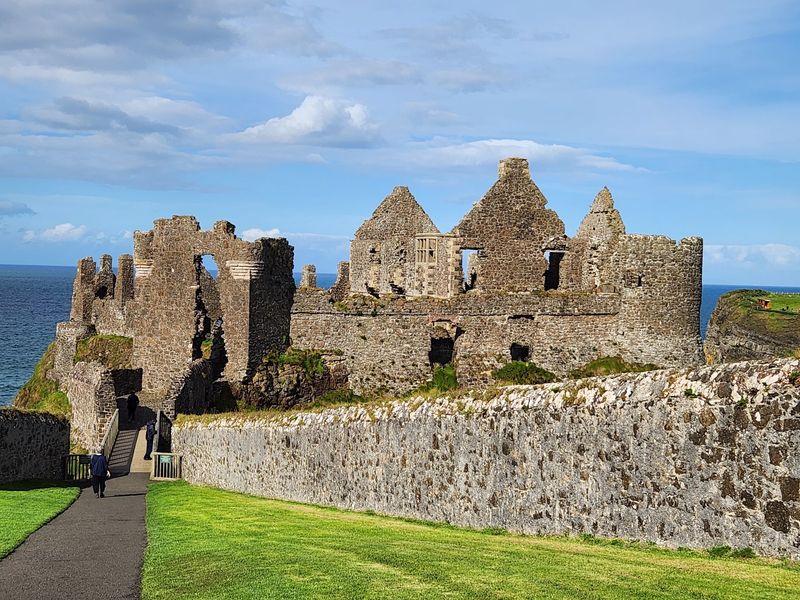
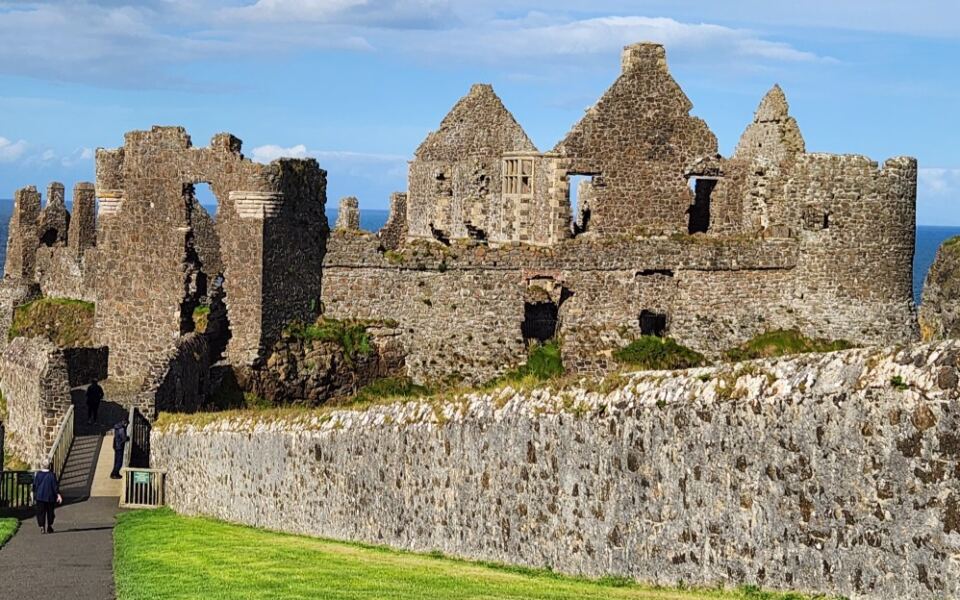
Legend says that one stormy night in 1639, part of the castle’s kitchen fell into the sea, taking several servants with it. Whether or not the tale is true, the ruins of Dunluce still cling to a rocky outcrop above crashing waves.
The castle dates mostly from the 1500s and 1600s, and was once held by the MacQuillan and MacDonnell clans. A narrow bridge links the main rock to the mainland, which adds to the sense of drama.
You can find it on the Causeway Coastal Route, just a few miles from the Giant’s Causeway. The castle also appeared as inspiration for Castle Greyjoy in Game of Thrones.
Check weather before you go, as wind on the cliffs can be sharp even in summer.
14. Cardiff Castle, Cardiff, Wales
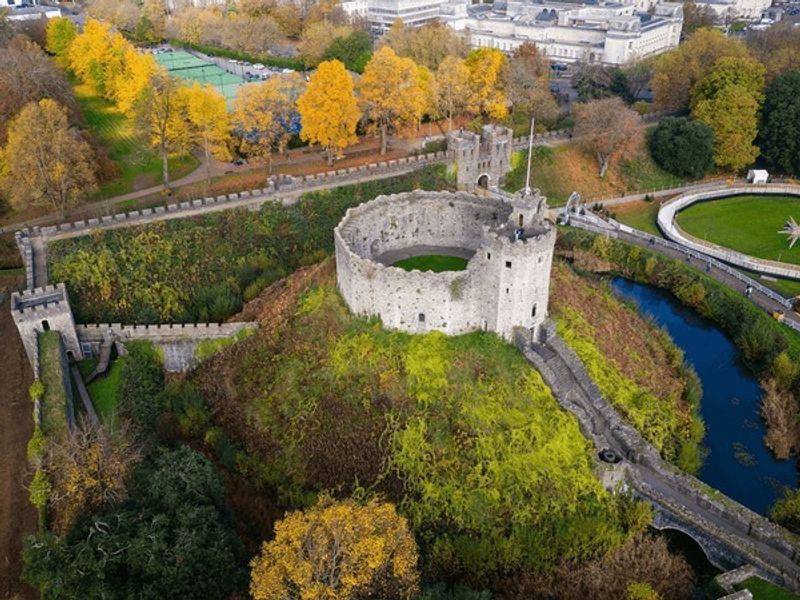
Right in the middle of Wales’s capital, a Norman keep sits beside a bold Victorian fantasy. Cardiff Castle began as a Roman fort, and parts of the Roman walls are still visible today.
In the 1800s, the third Marquess of Bute and architect William Burges transformed the living quarters with towers, painted ceilings, gilding, and carved fireplaces. The Arab Room and the Summer Smoking Room are especially eye-catching, covered in rich colors and gold leaf.
Guided tours let you enter rooms that are otherwise closed, and the climb up the keep gives views across the city. Because the castle sits beside Bute Park, you can combine a visit with a walk along the River Taff.
Spend about two to three hours to see the highlights.
15. Harlech Castle, Harlech, Wales
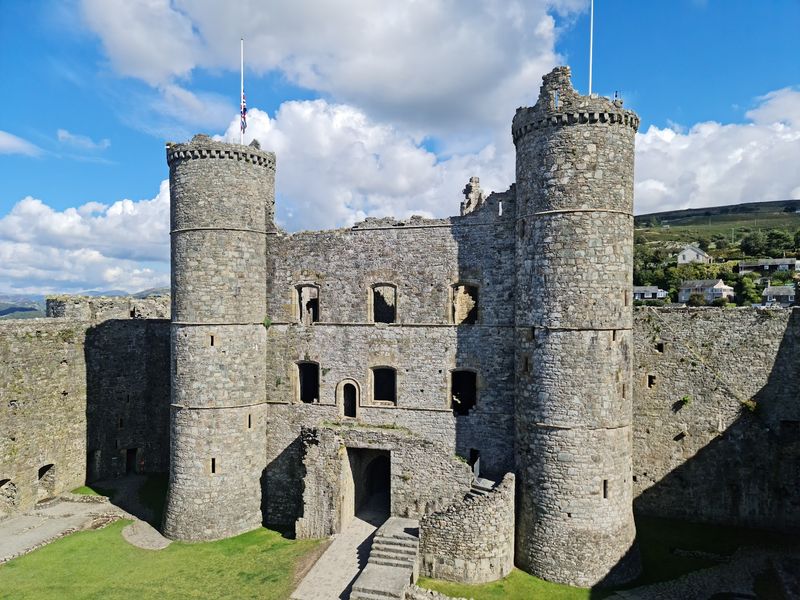
High on a rocky crag above Cardigan Bay, Harlech once had the sea lapping at its feet. Over the centuries the coastline has shifted, and the water is now a short distance away across flat dunes and fields.
Edward I’s builders finished the castle in 1289, and its great gatehouse is among the best preserved in Britain. During the revolt of Owain Glyndwr, it was taken in 1404 and became his residence and court.
The song Men of Harlech is said to recall a long siege here during the Wars of the Roses.
Climb the walls for views of the Snowdonia mountains on one side and the coast on the other. Like Caernarfon and Conwy, it is part of the UNESCO World Heritage Site.
Go on a clear day to enjoy the full panorama.
Share this story