Train stations are more than places to catch a ride. Many are grand landmarks with soaring ceilings, colorful tiles, and fascinating stories.
From Europe to Asia to the Americas, some stations are so stunning that visitors come just to look around. Here are 15 of the most beautiful ones to know about.
1. Antwerpen-Centraal Station – Antwerp, Belgium
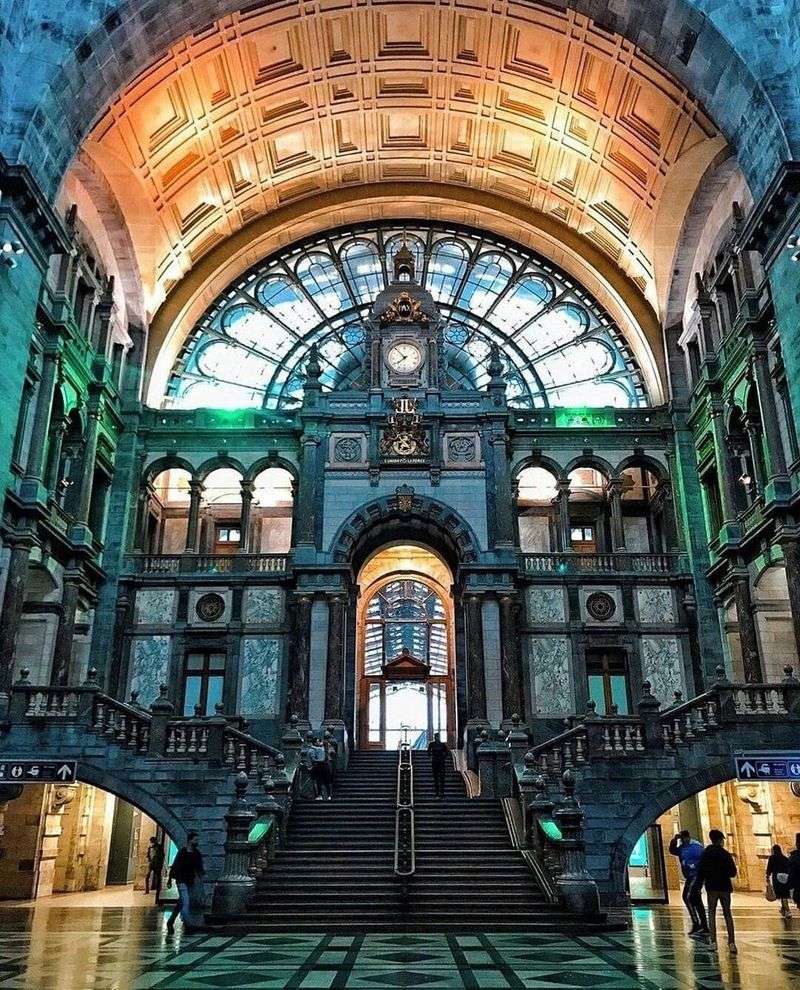
Nicknamed the railway cathedral, Antwerpen-Centraal greets travelers with a stone dome that rises about 75 meters above the main hall. Architect Louis Delacenserie designed it in the early 1900s, and the building opened in 1905.
Inside, marble, gold details, and carved stone give the entrance hall a palace-like feel. Behind it, a vast glass and steel roof covers the platforms, letting daylight pour over the trains below.
The station has four levels of tracks, and a major rebuild finished in 2007 added a lower level for high-speed trains. Even so, the old charm stayed intact.
If you visit, take a moment to stand in the main hall and look up. Early morning is a calm time for photos, before commuters fill the space.
A cafe inside lets you sit and enjoy the view with a coffee, which makes a short stop feel like a small sightseeing trip.
2. Grand Central Terminal – New York City, USA
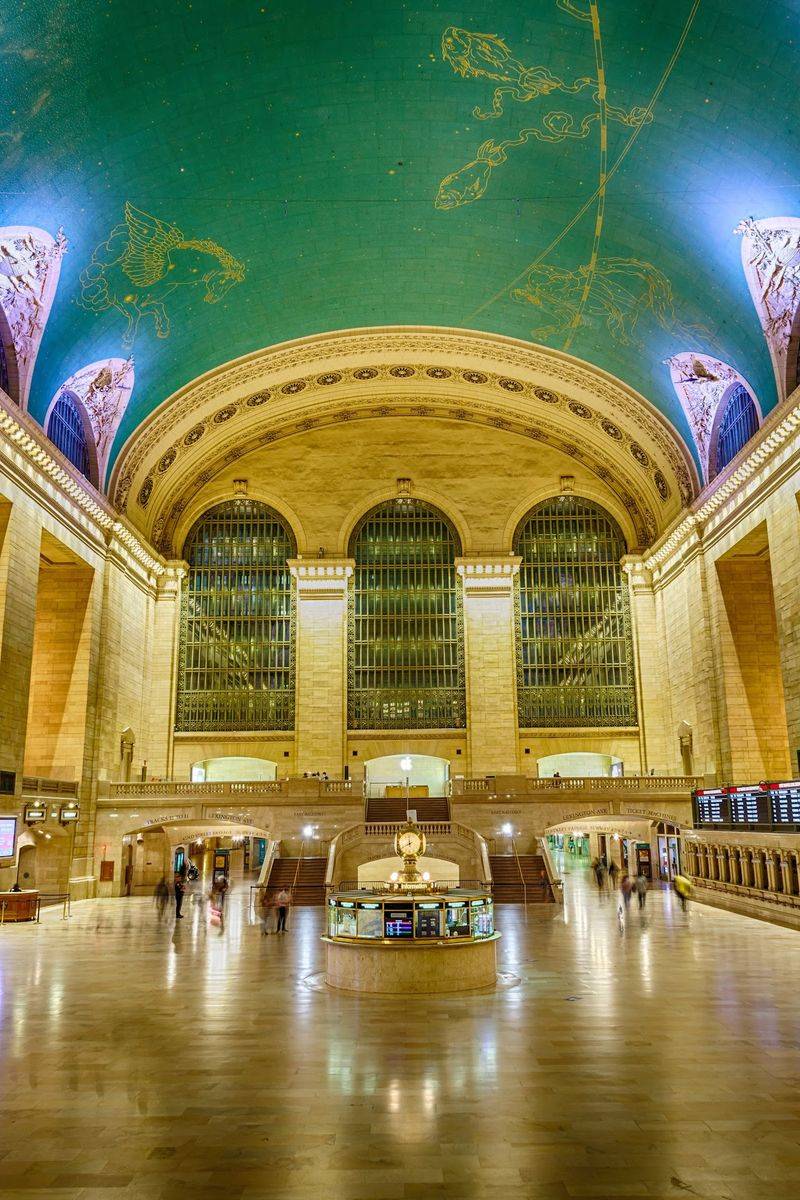
Look up in the main concourse and you will see a green-blue ceiling painted with constellations. Grand Central Terminal opened in 1913, and its sky mural has become one of the most photographed ceilings in America.
The famous four-faced clock above the information booth is another favorite meeting spot. Huge arched windows send beams of light across the marble floor, especially in late afternoon.
Here is a fun fact: the station nearly got torn down in the 1960s. Public protest, including support from Jacqueline Kennedy Onassis, helped save it.
Visitors can explore the Dining Concourse, the Whispering Gallery near the Oyster Bar, and the market hall. Plan a stop on a weekday to see the busiest, most energetic version of this landmark, or go early for quieter photos.
3. St Pancras International – London, England
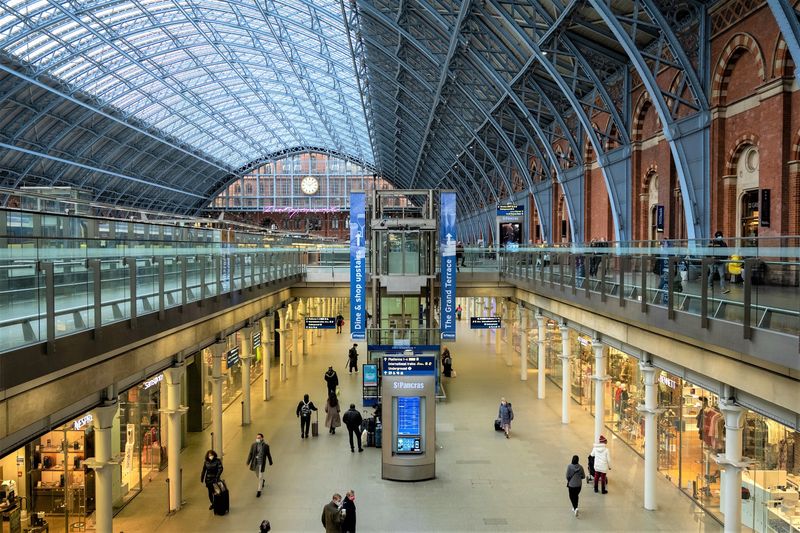
Few stations look like a fairy-tale castle, but St Pancras does. Its red-brick Gothic front, designed by George Gilbert Scott, opened as the Midland Grand Hotel in 1873 and still draws crowds today.
Behind it sits a giant iron arch, one of the largest single-span roofs of its time. After a big restoration completed in 2007, the station became the London home of Eurostar trains to Paris and Brussels.
Under the clock, a bronze statue called The Meeting Place shows a couple embracing, and a huge sculpture of two people kissing stands beneath the roof. Poet John Betjeman has a statue here too, honoring his role in saving the building.
Stop by the long champagne bar or browse the shops. It is easy to arrive early for a train and spend the extra time admiring the architecture.
4. São Bento Railway Station – Porto, Portugal
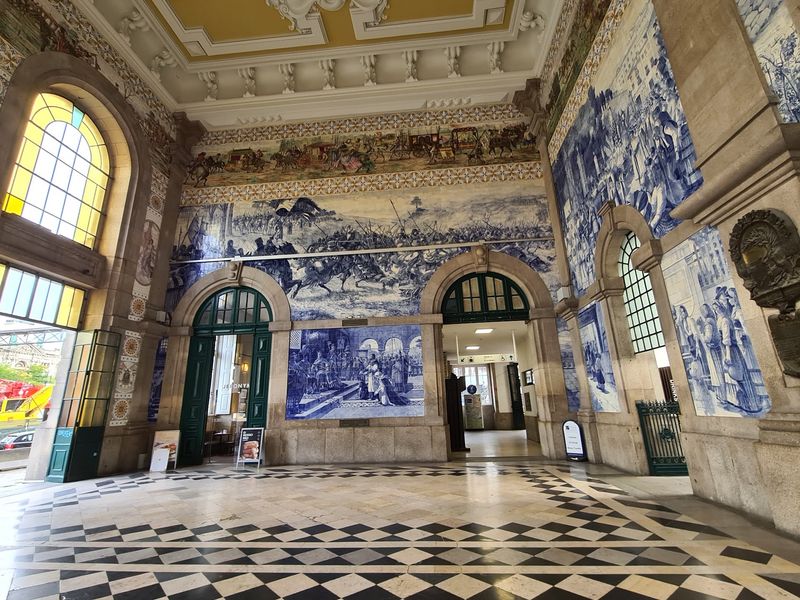
Blue and white tiles cover the walls of the entrance hall at São Bento, and every panel tells a story. More than 20,000 azulejo tiles were painted by artist Jorge Colaço and installed in the early 1900s.
The murals show scenes from Portuguese history, including battles, royal moments, and country life. Take your time walking the hall, because the details are small and wonderful.
The station sits on the site of an old monastery, and it opened in 1916. Despite its fame as a tourist spot, it is still a working station with regional and commuter trains.
Visiting costs nothing, which makes it an easy stop while exploring Porto. Go in the morning for softer light and thinner crowds.
Then walk a few minutes to the nearby cathedral and the old streets of the city center.
5. Chhatrapati Shivaji Maharaj Terminus – Mumbai, India
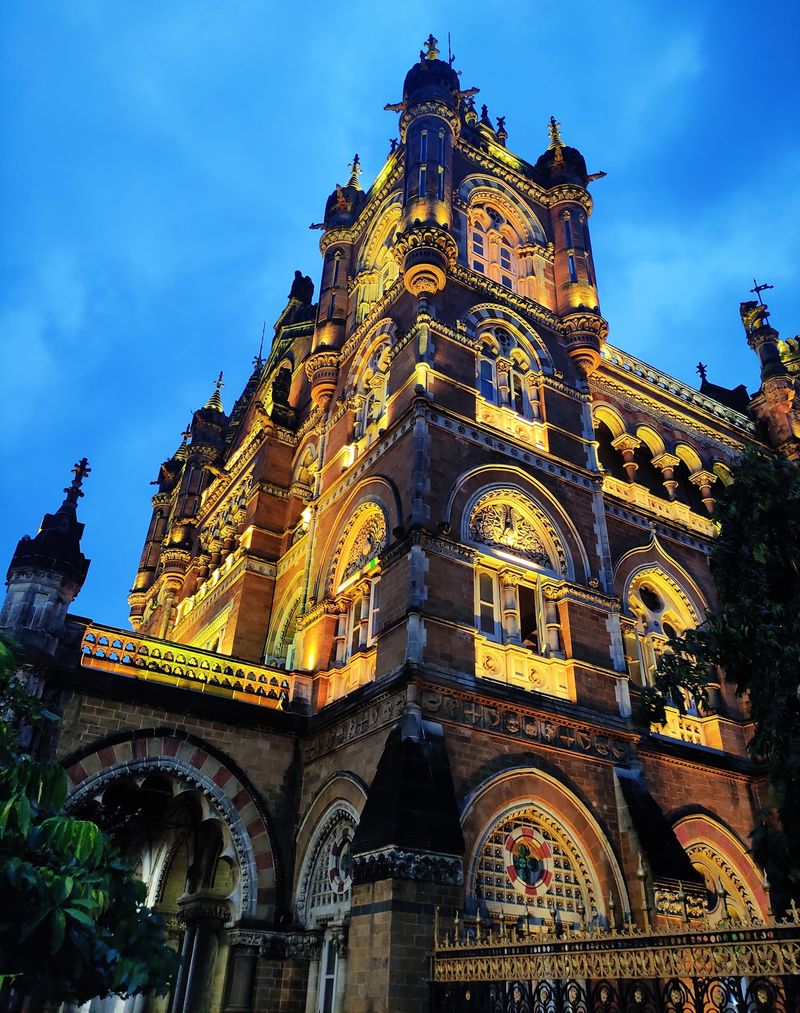
Picture a palace with trains running through it, and you have Mumbai’s famous terminus. Designed by British architect Frederick William Stevens and finished in 1888, the building blends Victorian Gothic style with Indian palace design.
Stone domes, pointed arches, turrets, and carved animals decorate the outside. The central dome is topped with a statue symbolizing progress.
In 2004, UNESCO named it a World Heritage Site.
Originally called Victoria Terminus, it was renamed in honor of the Maratha warrior king Chhatrapati Shivaji Maharaj. Today it handles huge numbers of commuters every day, so it is one of the busiest stations anywhere.
For the best view, step back across the street and see the whole front at once. Evening is especially pretty, when the building glows with lights.
Inside, look for the carved stone and decorated ticket hall.
6. Madrid Atocha Station – Madrid, Spain
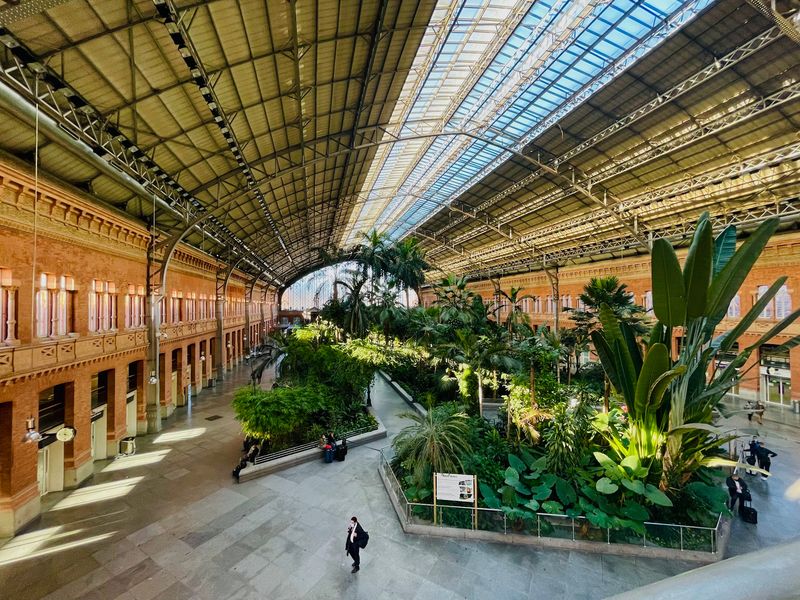
Waiting for a train usually does not involve palm trees, but Atocha is different. The old station hall has been turned into a tropical garden with more than 500 plants, plus a small pond with turtles.
The original iron and glass building dates to 1892, and the garden space was added during a renovation in the 1990s by architect Rafael Moneo. Today travelers walk through the greenery on the way to cafes and shops.
Atocha is also the main gateway for high-speed trains to cities such as Barcelona, Seville, and Valencia. A modern terminal sits right beside the old hall.
The station has a quiet memorial to the victims of the 2004 train attacks, a thoughtful stop for visitors. Give yourself a few extra minutes to wander the garden before boarding, because it feels like a calm city park under glass.
7. Liège-Guillemins Railway Station – Liège, Belgium
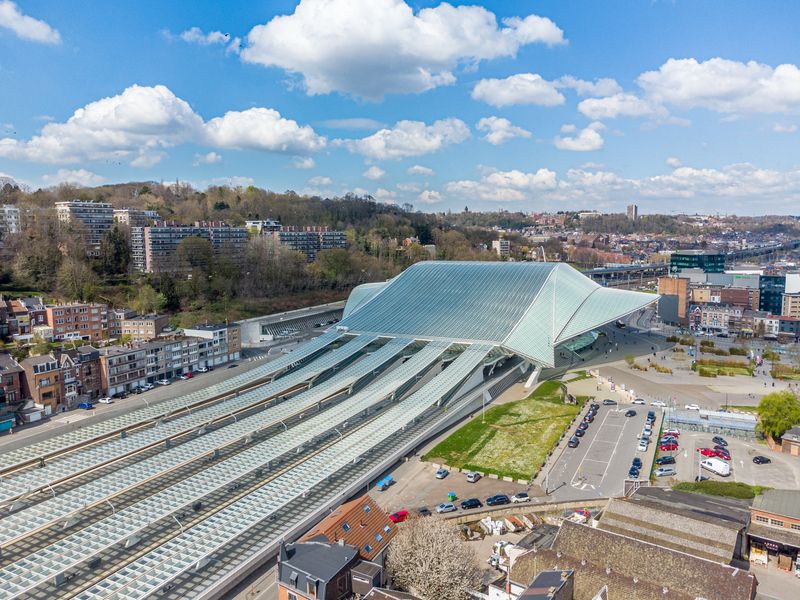
Sweeping white arches give Liège-Guillemins a look that feels more like a spaceship than a station. Spanish architect Santiago Calatrava designed it, and it opened in 2009.
The roof is made of steel, glass, and concrete, and it stretches about 200 meters along the tracks. Natural light fills the platforms, so the station feels open and airy, with no walls closing in the trains.
Calatrava is known for flowing shapes inspired by nature, and here the curves resemble a great wing. The station replaced an older building and now serves high-speed lines to Brussels, Paris, Cologne, and beyond.
Walk up the ramp to the hillside behind the station for a bird’s-eye view of the roof. Photographers enjoy it at sunset, when the white structure picks up warm colors.
It is a fine reminder that modern design can be just as lovely as old stone.
8. Kanazawa Station – Kanazawa, Japan
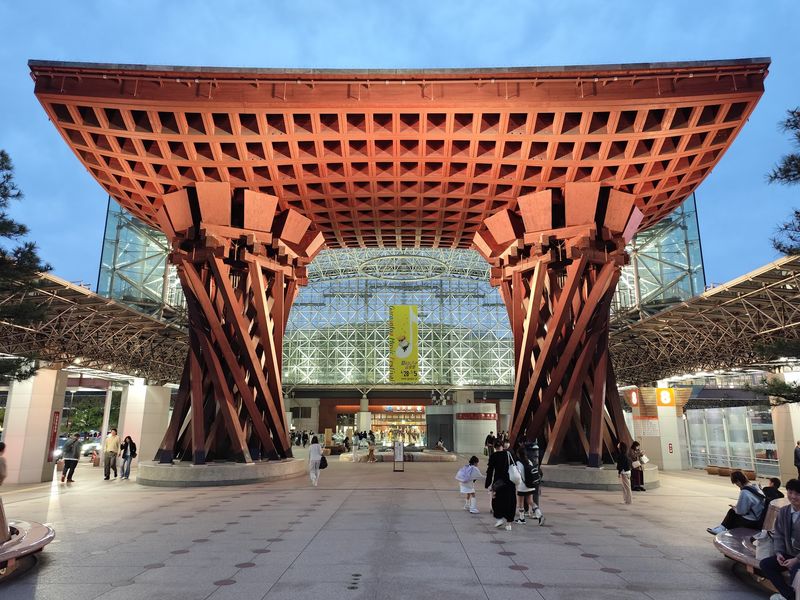
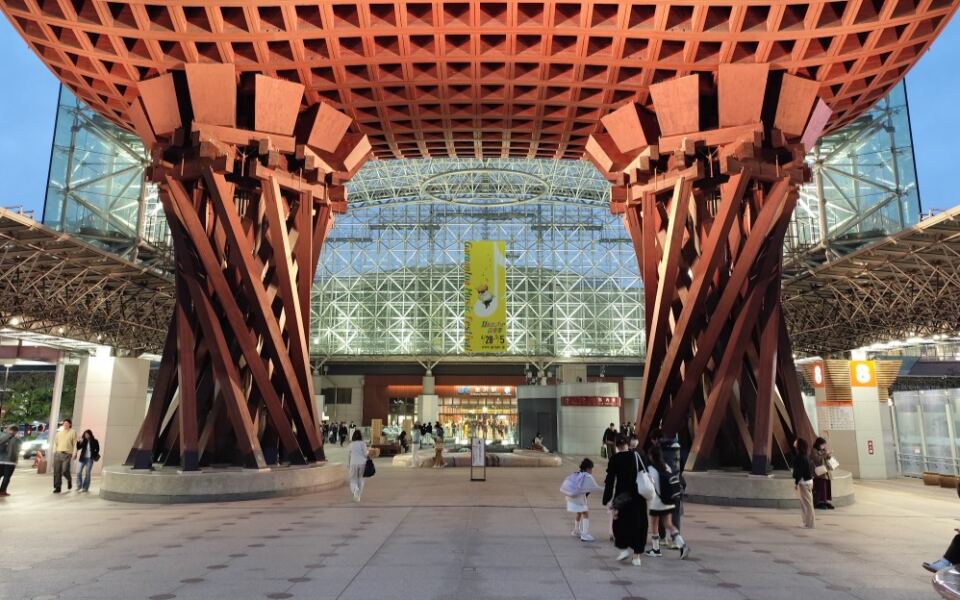
A towering wooden gate welcomes visitors at Kanazawa Station, and it looks like two drums rising from the plaza. The Tsuzumi Gate takes its shape from a traditional drum used in Noh theater, a classic Japanese performing art.
Right beside it, a huge glass dome called the Motenashi Dome shelters people from rain and snow. Motenashi means hospitality, and the design shows that spirit well.
At night, the structures glow with lighting.
The station opened in its current form in 2005 and has been named among the most beautiful in the world by travel magazines. It also connects to the Hokuriku Shinkansen bullet train line.
Plan to arrive a bit early to look around. Nearby, Kenrokuen Garden and the old samurai district are easy trips from the station, so it works well as the start of a day of sightseeing in Kanazawa.
9. Helsinki Central Railway Station – Helsinki, Finland
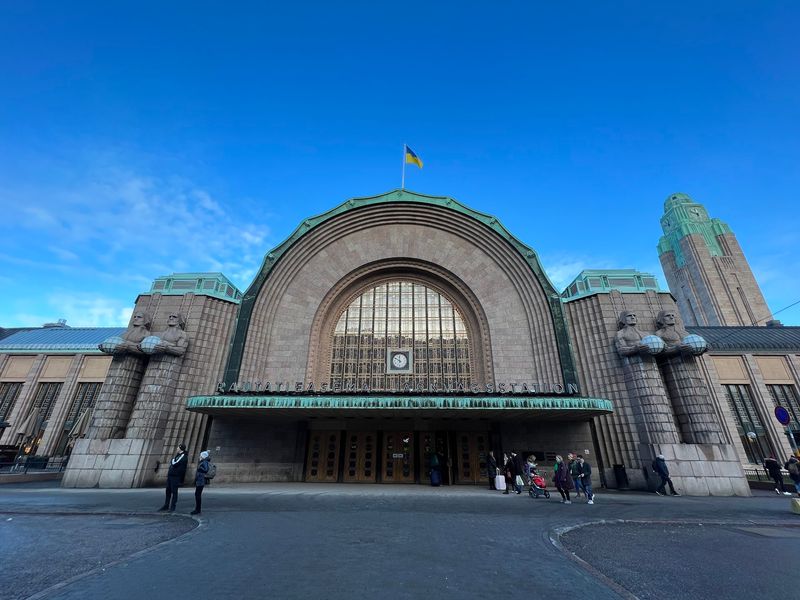
Four stone giants stand guard at the front of Helsinki Central, each holding a round lamp. The statues are among the most recognized sights in the city, and they glow softly after dark.
Eliel Saarinen designed the station, which was finished in 1919. He mixed National Romantic style with early modern ideas, and the result is a building made of pale Finnish granite with a tall clock tower.
Inside, the ticket hall has rounded arches and a calm, clean look. Trains leave from here for cities across Finland and even to Saint Petersburg in the past, along with local commuter lines.
The station sits right in the middle of the city, so museums, shops, and the Ateneum art museum are a short walk away. Try visiting in winter, when snow settles on the granite and the lamps seem brighter against the early darkness.
10. Kuala Lumpur Railway Station – Kuala Lumpur, Malaysia
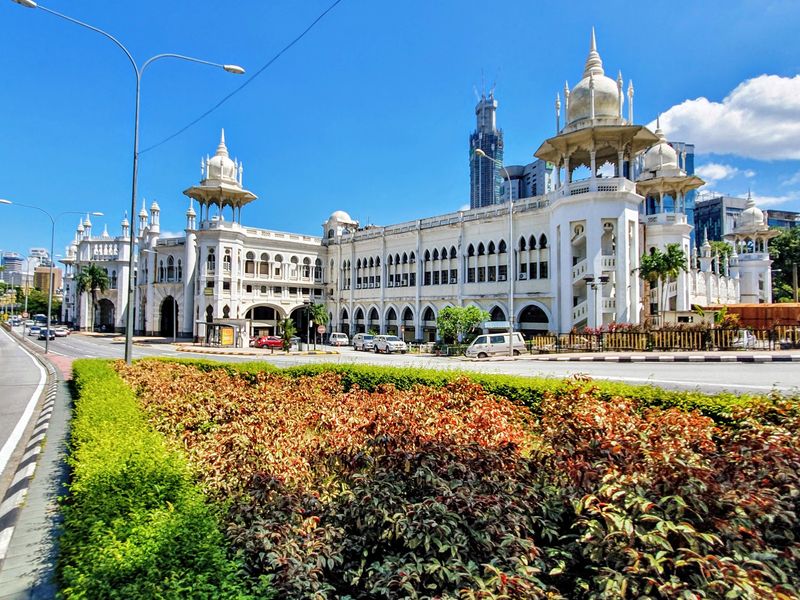
White domes and slender towers make this station look like a palace from a storybook. Built in 1910, Kuala Lumpur Railway Station was designed by Arthur Benison Hubback and blends Moorish, Mughal, and British styles.
Arches, minarets, and carved details cover the facade. Inside, the main hall is cool and airy, with high ceilings that helped travelers stay comfortable in the tropical heat.
Although most long-distance services now use KL Sentral, the old station still serves commuter and intercity trains. It remains a beloved landmark and a favorite for photographers.
Across the street, the National Mosque and the Malaysian Railway Administration Building share similar styles, so a short walk shows off a whole neighborhood of historic architecture. Early morning gives the best light and fewer people.
Bring a hat and water, because the midday sun can be strong.
11. Milano Centrale – Milan, Italy
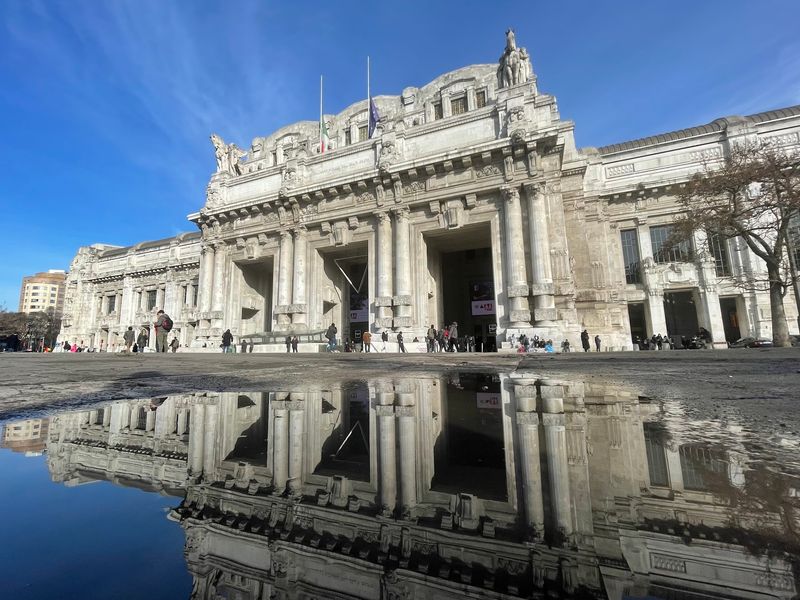
Size is the first thing you notice at Milano Centrale. The front stretches about 200 meters, and it is covered in statues, carved horses, eagles, and stone reliefs.
Construction finished in 1931, during a time when grand, monumental design was popular in Italy. The mix of styles, including Art Deco and Liberty touches, gives it a look all its own.
Walk up the wide marble staircases to reach the platforms, where enormous glass and steel canopies rise overhead. Around 320,000 travelers pass through each day, so it is one of the busiest stations in Europe.
For a good photo, stand across the square and capture the entire front. Inside, there are shops, restaurants, and a bookstore, so you can pass waiting time pleasantly.
High-speed trains link the station with Rome, Venice, Turin, and cities in Switzerland and France.
12. Dunedin Railway Station – Dunedin, New Zealand
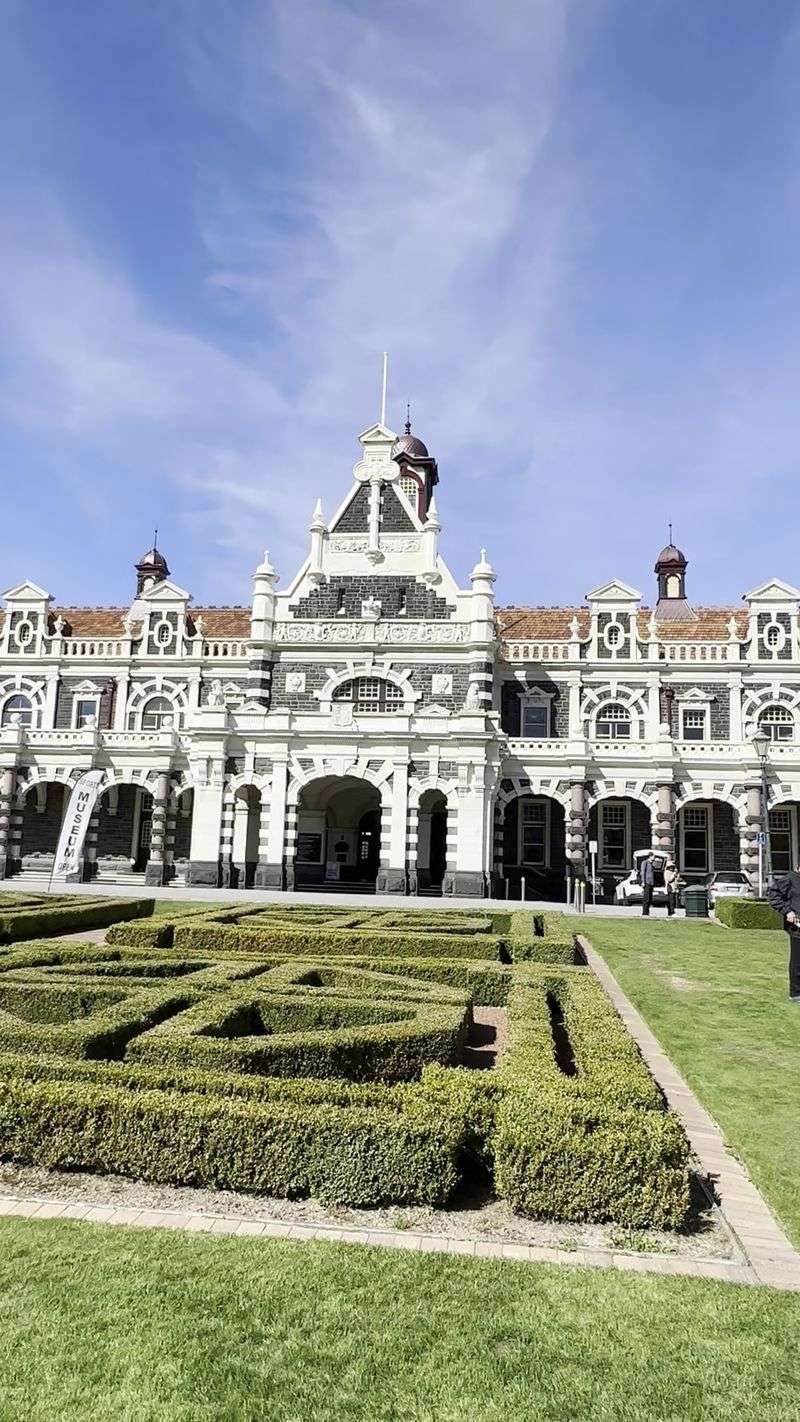
Locals call it the Gingerbread House, and one look explains why. Dunedin Railway Station, finished in 1906, is built from dark basalt with creamy Oamaru limestone trim, giving it a sweet, decorated appearance.
Architect George Troup earned the nickname Gingerbread George for this design. Its tall clock tower, arches, and stained glass windows draw photographers from around the world.
Step inside the main foyer to see a mosaic floor made of about 750,000 pieces of Royal Doulton porcelain. A stained glass window shows a steam locomotive, a lovely nod to the building’s purpose.
The station still hosts scenic train trips through the Taieri Gorge, though regular passenger service is limited. On Saturday mornings, a farmers market sets up beside the platform, so it is a good time to visit for fresh food and local color.
13. Los Angeles Union Station – Los Angeles, USA
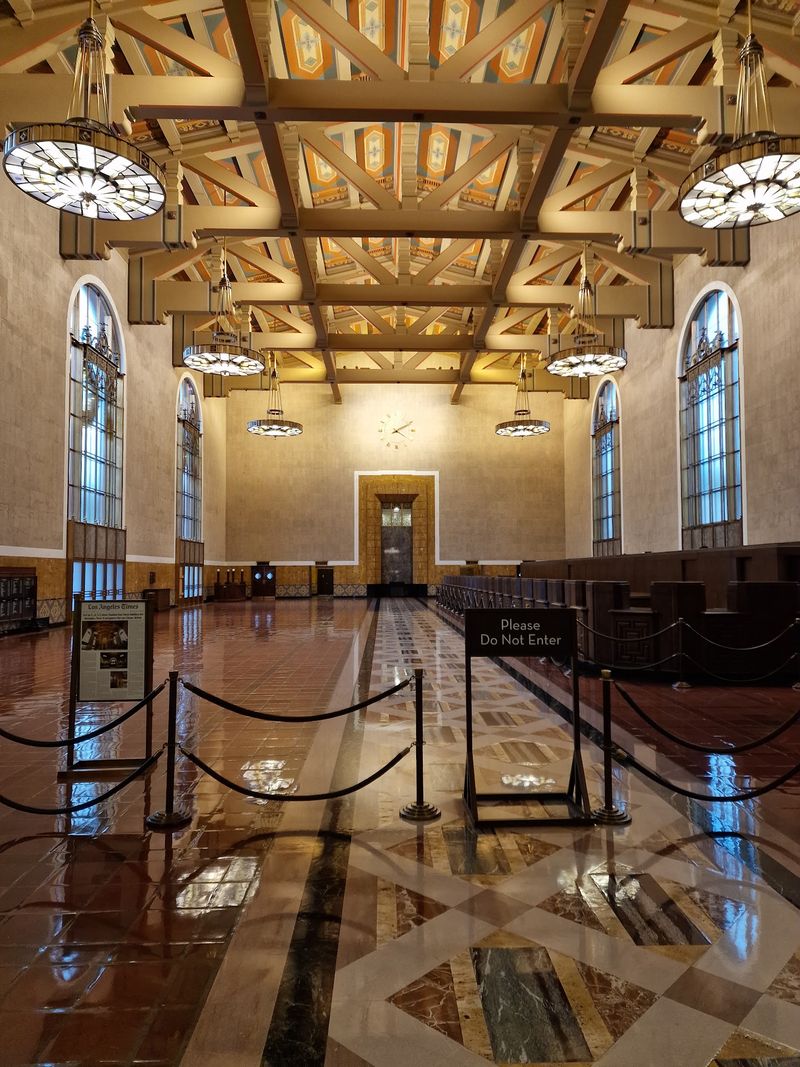
Hollywood has filmed here many times, and the setting is easy to understand. Union Station opened in 1939 and is often called the last great railway station built in the United States.
Architects John and Donald Parkinson blended Spanish Colonial Revival, Mission, and Art Deco styles. The waiting room has ceilings about 40 feet high, big leather armchairs, and long windows that open to quiet courtyards.
Look closely at the floor, where patterned tiles and marble make a handsome walkway. Outside, gardens with olive and palm trees give the whole place a relaxed, sunny feel.
Today the station links Amtrak, Metro rail, and buses. It also hosts events, shops, and restaurants, including the Traxx restaurant.
Visitors can walk in freely, so it is an easy stop for architecture fans touring downtown. Late afternoon sunlight makes the interior glow.
14. Gare du Nord – Paris, France
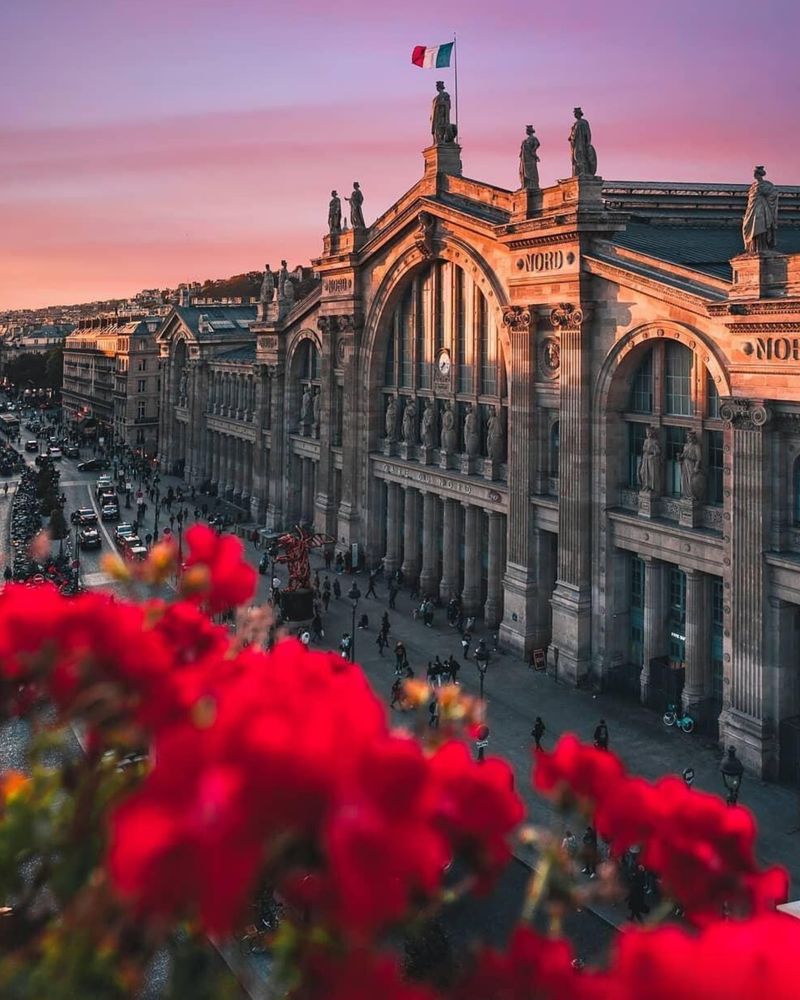
Statues line the roof of Gare du Nord, and each one represents a city that trains from here can reach. Paris, London, Brussels, and Amsterdam are among them, a clever way to show the station’s reach.
Architect Jacques Hittorff designed the building, which opened in 1865 and was later expanded. Its front looks like a grand stone palace, with tall arched windows and carved details.
Behind that, a huge iron and glass hall covers the tracks, letting light stream in. Gare du Nord is the busiest railway station in Europe, with hundreds of millions of passengers each year, including Eurostar and Thalys travelers.
It may feel crowded and fast-moving, so take a calm moment outside to look up at the front. Cafes across the street offer a good seat for this view.
Keep an eye on your belongings in busy spots, as with any major city station.
15. Maputo Central Railway Station – Maputo, Mozambique
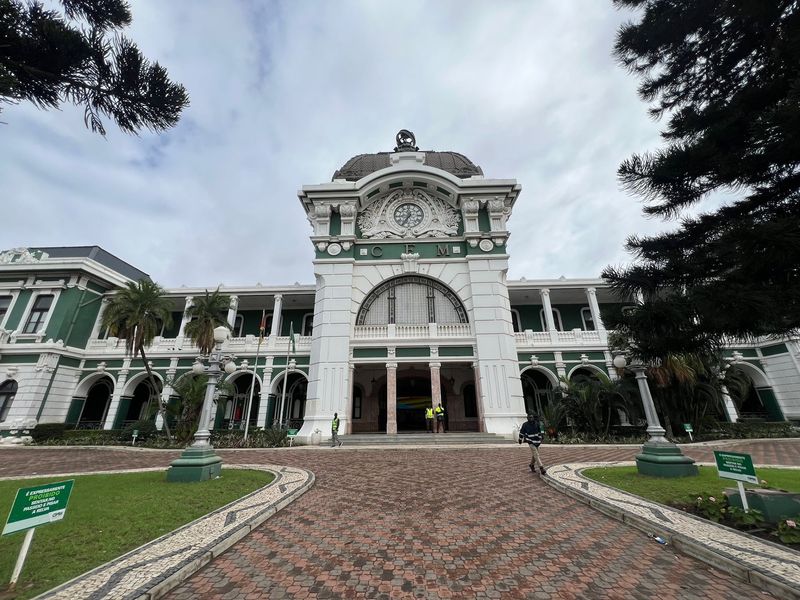
A green dome crowns Maputo’s central station, and it stands out against the city’s blue skies. The building opened in 1916 and is often linked to Gustave Eiffel, though historians note the design is credited to a team of Portuguese and South African architects.
The facade is made of white and cream walls with wrought iron trim, tall arches, and decorative balconies. Inside, the hall is open and bright, with a simple, graceful layout.
On the platforms, old steam locomotives rest as reminders of the past. Trains here run to destinations such as Ressano Garcia near the South African border.
Many travel magazines have listed the station among the most beautiful in the world. It sits near the city’s main square and the Iron House, so you can combine sights in a single walk.
Visit in the morning when the heat is milder and photography light is soft.
Share this story