Some countries have cracked the code on making life genuinely good for the people who live there. Prosperity is not just about having money, it also means access to good healthcare, quality education, safe streets, and real opportunities to get ahead.
The HelloSafe Prosperity Index 2026 ranks nations using GDP per person, income, human development, inequality, and poverty levels to paint a fuller picture. Get ready to explore 15 countries where life is not just surviving but truly thriving.
Norway
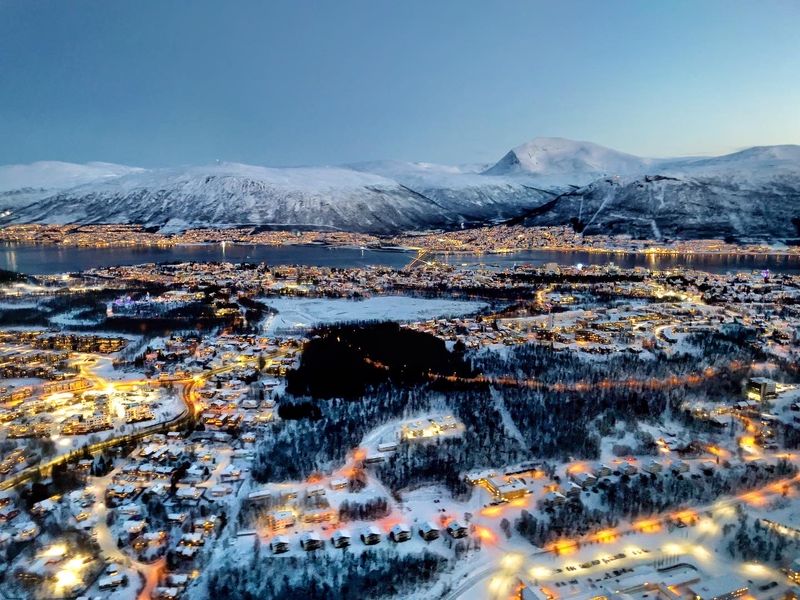
Norway sits at the very top of the 2026 prosperity rankings with an impressive score of 77.65 out of 100, and honestly, it has earned every point. The country’s enormous oil wealth could have stayed in the hands of a few, but Norway made a different choice.
It built one of the world’s largest sovereign wealth funds to benefit all citizens, not just the lucky ones.
Free university education, generous parental leave, and universal healthcare are just a few of the perks that come with living here. Workers enjoy strong labor protections and wages that actually keep up with the cost of living.
The gap between the richest and poorest Norwegians is notably smaller than in most other wealthy nations.
Beyond the economics, Norway offers something harder to measure. Stunning fjords, northern lights, and thousands of miles of hiking trails give residents a connection to nature that shapes daily life.
Outdoor culture is deeply embedded here, with a concept called “friluftsliv” celebrating open-air living as a national value. Norway shows that wealth and well-being can genuinely go hand in hand.
Ireland
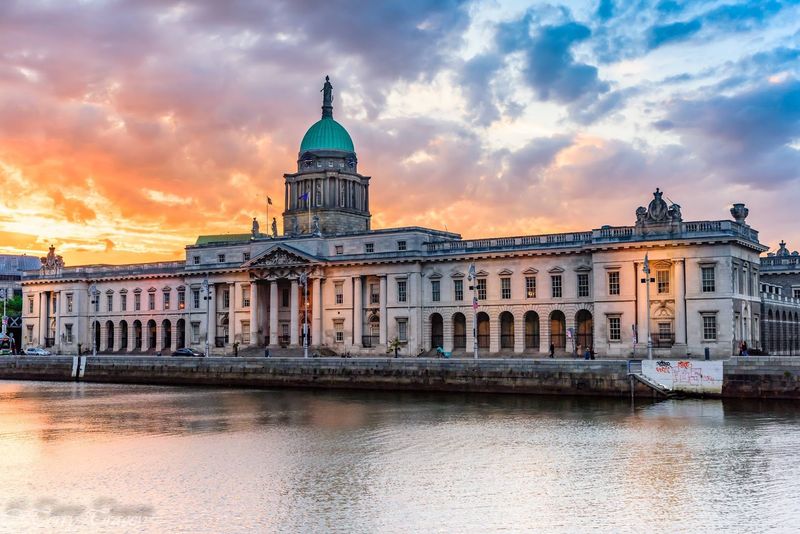
Ireland climbed to second place in the 2026 index with a score of 75.06, a remarkable rise for a country that once struggled with serious economic hardship. The Celtic Tiger transformation reshaped Ireland into one of Europe’s most dynamic economies, attracting global tech giants, pharmaceutical companies, and financial firms to its shores.
Today, Dublin buzzes with energy and ambition.
The index uses gross national income rather than just GDP, which matters a lot for Ireland. A chunk of its headline GDP figures are inflated by multinational profits that do not fully stay in the country.
When you adjust for that, the picture is still very strong, reflecting genuine earnings and quality of life for residents.
Irish universities consistently rank well globally, and the country’s young, highly educated workforce is one of its biggest advantages. Public healthcare has faced pressures, but investment has been growing steadily.
English as the primary language also makes Ireland an appealing destination for international workers and students. Add in the legendary hospitality, lively pub culture, and breathtaking coastal scenery, and it is easy to see why so many people choose to call Ireland home.
Luxembourg
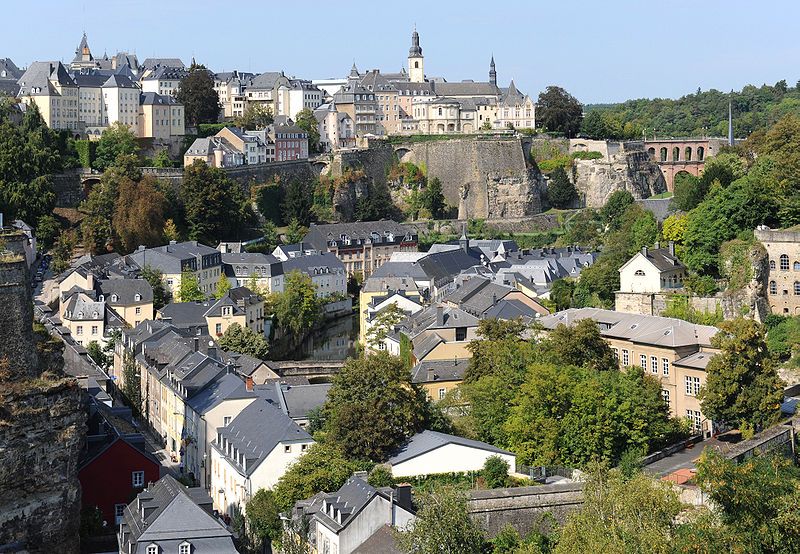
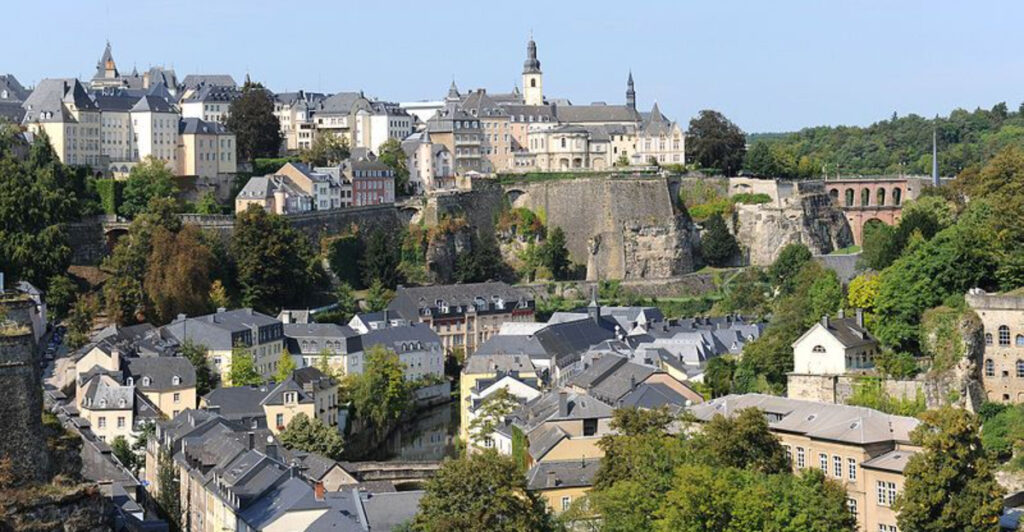
Do not let the small size fool you. Luxembourg packs an extraordinary amount of wealth into an area roughly the size of a large city, landing third on the 2026 index with 74.39 points.
Its financial sector is among the most powerful in Europe, hosting thousands of investment funds and drawing workers from neighboring France, Germany, and Belgium every single day.
Salaries in Luxembourg are genuinely high, and the multilingual environment, where French, German, and Luxembourgish all coexist, creates a uniquely cosmopolitan atmosphere. Public transport within the country became completely free in 2020, a policy that made global headlines and reduced traffic significantly.
That kind of forward-thinking governance is a good sign of how the country operates overall.
Housing is the one area where Luxembourg’s wealth creates a real headache. Property prices and rents have soared as demand outpaces supply, making affordability a growing concern for younger residents and newcomers.
Still, the country’s central location means residents are never far from Paris, Amsterdam, or Brussels for weekend trips. For those who can manage the cost of living, Luxembourg offers a lifestyle that is comfortable, connected, and genuinely well-supported by public infrastructure.
Switzerland
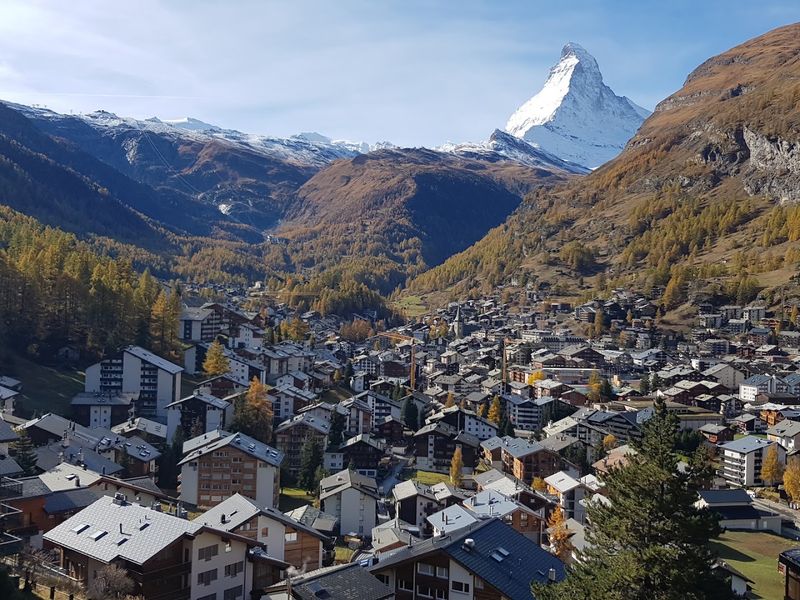
Switzerland finishing fourth with 72.46 points surprises absolutely nobody who has ever visited. The country has built a reputation for precision, efficiency, and quality that extends far beyond its famous watches and chocolate.
Public transportation runs with clockwork reliability, hospitals are world-class, and the scenery borders on the unrealistic.
Wages in Switzerland are among the highest anywhere on earth, which is fortunate because everyday costs match that level. A coffee or a simple lunch can cost more here than a full meal in many other countries.
Yet residents consistently report high satisfaction with their quality of life, and the numbers back that up.
Switzerland shares one of the highest Human Development Index scores globally, reflecting strong outcomes in health, education, and income. The country’s political system gives citizens unusually direct input through frequent referendums, creating a sense of civic ownership that is genuinely rare.
Four distinct linguistic regions, German, French, Italian, and Romansh, give Switzerland a cultural richness that goes well beyond its size. Whether you prefer mountain hiking, lakeside cycling, or world-class city museums, Switzerland delivers options that few countries can match across all four seasons.
Iceland

Iceland punches well above its weight for a country with fewer than 400,000 people. Ranking fifth in the 2026 index, it stands out for combining serious prosperity with exceptionally low poverty rates and very high human development scores.
Geothermal energy powers most of the country’s electricity and heating, keeping utility costs low and carbon emissions minimal.
The healthcare system is universal and highly regarded, and education from kindergarten through university is largely publicly funded. Iceland also has one of the strongest records globally on gender equality, regularly topping the World Economic Forum’s Gender Gap Index.
That commitment to fairness filters through into wages, political representation, and workplace culture.
Living on a volcanic island in the North Atlantic is not without its quirks. Consumer choices are more limited than in larger countries, and imported goods carry a premium price.
Winters are long and dark, though the trade-off is spectacular summer days with nearly endless sunlight. The aurora borealis lights up winter skies in a way that never gets old for residents or visitors.
Iceland’s small size creates a tight community feel where social trust runs high and people genuinely look out for one another.
Singapore
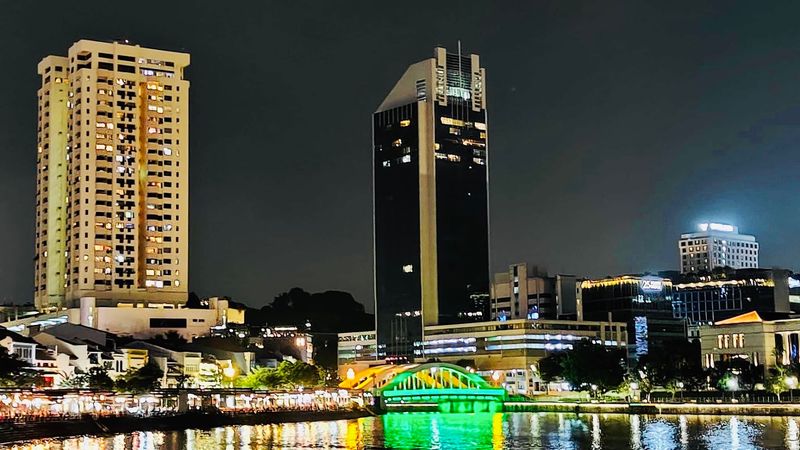
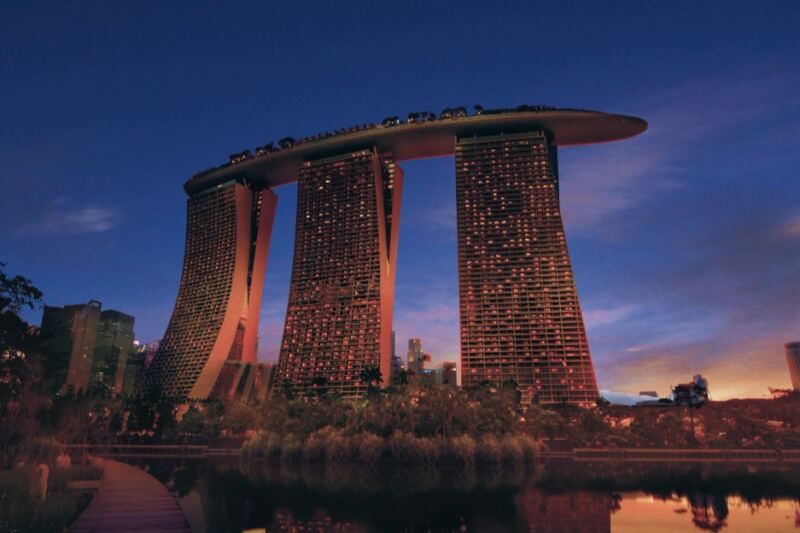
Singapore earns its place as Asia’s top-ranked nation in the 2026 index with a score of 66.43 points. In just six decades, this tiny city-state transformed from a developing port town into one of the world’s most sophisticated economies.
The speed of that transformation remains one of the most remarkable stories in modern economic history.
Infrastructure here sets a global standard. The public transport system is punctual, clean, and affordable.
Changi Airport consistently ranks as the world’s best. Schools produce students who regularly top international academic assessments.
For anyone building a career in finance, technology, logistics, or trade, Singapore offers connections and opportunities that are hard to match anywhere in Southeast Asia.
The index does flag higher income inequality as a factor that lowers Singapore’s overall score, a reminder that not every resident shares equally in the city’s remarkable wealth. Housing costs, particularly for private properties, are steep.
Still, the government’s public housing program means the majority of citizens own their homes through subsidized schemes. Safety levels are exceptionally high, green spaces are woven throughout the urban landscape, and the food scene blends cultures from across Asia into something truly extraordinary.
Singapore is compact, efficient, and endlessly surprising.
Denmark
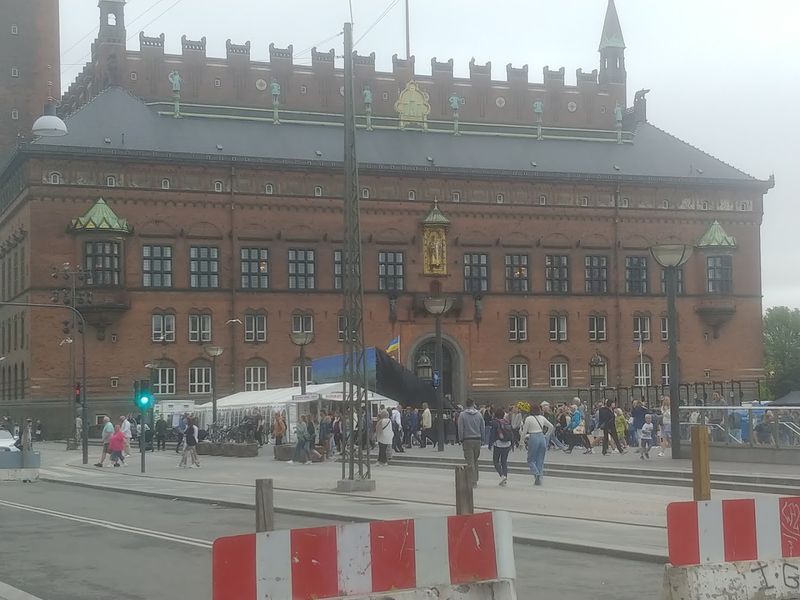
Denmark regularly tops happiness rankings, and its seventh-place finish in the 2026 prosperity index confirms that the good vibes are backed by solid data. With a score of 65.78, Denmark combines high wages, generous welfare, and a culture that genuinely values balance between work and personal life.
The Danes even have a word for it: “hygge,” a concept of cozy contentment that shapes how people organize their homes, social lives, and free time.
Healthcare is universal and publicly funded, parental leave is generous for both mothers and fathers, and childcare is heavily subsidized. These supports mean that families can plan their lives without the constant financial anxiety that plagues households in many other wealthy countries.
Social mobility is also notably strong, meaning where you start in life does not determine where you end up.
Copenhagen is frequently cited as one of the world’s most livable cities, and cycling infrastructure there is genuinely world-famous. Over 60 percent of residents cycle to work or school daily, keeping the city relatively clean and remarkably active.
Outside the capital, smaller Danish cities and coastal towns offer peaceful, community-centered lifestyles. Denmark may have grey skies much of the year, but the warmth of its social fabric more than compensates.
Netherlands
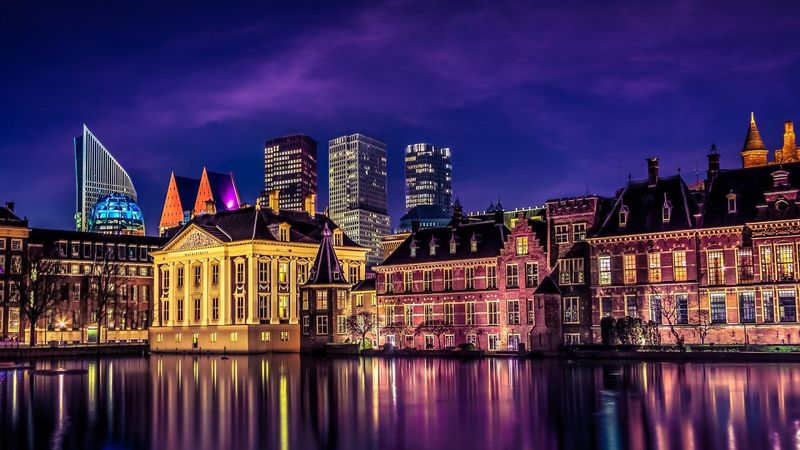
The Netherlands lands eighth with 58.17 points, supported by one of Europe’s most productive and internationally connected economies. Rotterdam is home to the continent’s largest port, and Amsterdam serves as a major European financial and technology hub.
The country punches well above its weight in global trade, agriculture, and high-tech industries for a nation of only 18 million people.
Dutch universities rank consistently among Europe’s best, and the country’s high English proficiency makes it genuinely accessible for international residents. Public transportation connects even smaller towns efficiently, and the flat terrain makes cycling a practical daily reality rather than just a leisure activity.
The Netherlands has more registered bicycles than people, which says a lot about how the country is designed.
Housing has become a serious pressure point in recent years. Demand in Amsterdam, Utrecht, and other popular cities has outpaced supply dramatically, pushing prices and rents to levels that strain younger residents especially.
The government has been working on solutions, but progress has been slow. Beyond the housing issue, the Netherlands offers a tolerant, open society with strong institutions, excellent healthcare, and a remarkably high standard of everyday infrastructure.
The quality of daily life here remains genuinely impressive for most residents.
Belgium
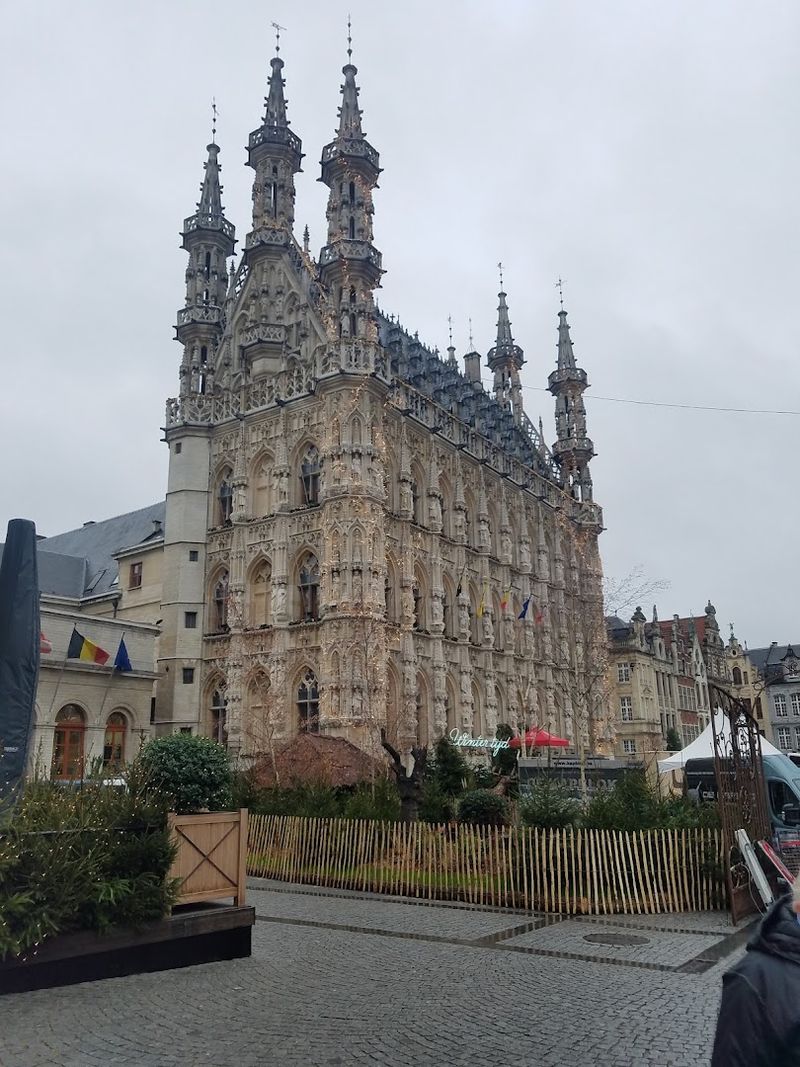
Belgium finishing ninth with 54.83 points might surprise people who think of it mainly as the home of waffles, chocolate, and complicated politics. Underneath the quirky national identity lies a country with high incomes, strong healthcare, excellent transportation links, and a remarkably balanced distribution of wealth compared to many of its neighbors.
Brussels, as the de facto capital of the European Union, hosts thousands of international institutions, embassies, and organizations, creating a dense professional environment with opportunities across law, policy, communications, and business. That international presence gives Belgium a cosmopolitan energy that extends well beyond its relatively modest population of 11 million people.
The country’s multilingual structure, with Dutch-speaking Flanders, French-speaking Wallonia, and bilingual Brussels, can feel complex from the outside but creates a genuinely rich cultural landscape for those who live within it. Train connections to Paris, London, Amsterdam, and Cologne are fast and frequent, making Belgium feel like the crossroads of Europe.
Public schools are solid, healthcare is comprehensive, and social protections are among the strongest on the continent. Belgium may not shout about its strengths, but for residents who know how to navigate it, daily life here is comfortable, well-connected, and culturally rewarding.
Sweden
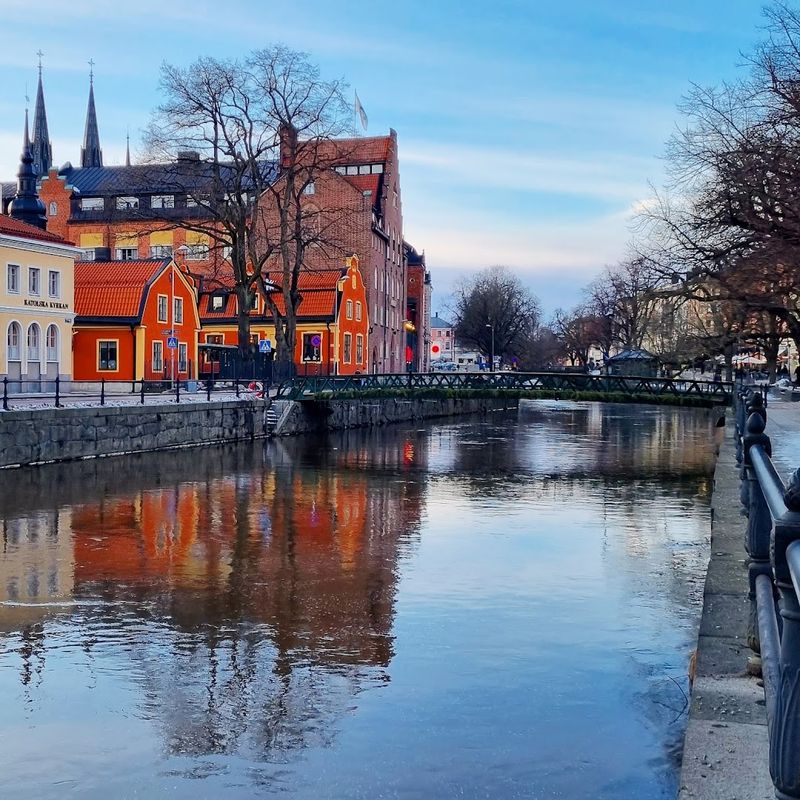
Sweden has been doing the Nordic prosperity thing for decades, and it still has not lost its touch. Tenth place with 54.62 points reflects a country that has built advanced industries, strong public institutions, and a social safety net that covers residents from cradle to retirement.
Parental leave policies here are among the most generous anywhere, with parents sharing up to 480 days of paid leave per child.
The healthcare system is publicly funded and broadly accessible, though wait times in some regions have drawn criticism in recent years. Education is free through university level, and Swedish schools consistently perform well in international assessments.
The country’s technology sector has produced global companies like Spotify, Klarna, and IKEA, reflecting a culture that rewards innovation and entrepreneurship.
What makes Sweden particularly appealing is the concept of “allemansratten,” the right of public access to nature. Anyone can walk, cycle, or camp across virtually any land, even privately owned countryside, as long as they respect the environment.
That means lakes, forests, and coastlines are genuinely available to everyone. Stockholm regularly appears on livability rankings for good reason, but Sweden’s smaller cities and rural areas offer their own quiet, deeply satisfying quality of life that is hard to replicate elsewhere.
Qatar
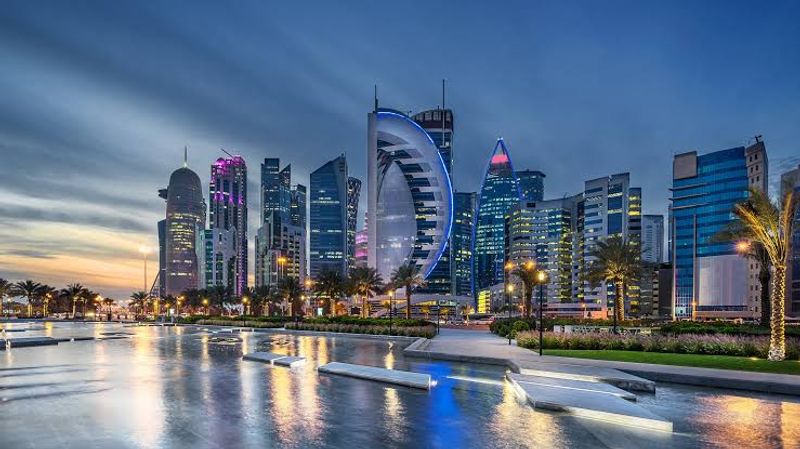
Qatar’s 11th-place ranking with 50.60 points tells an interesting story about what concentrated resource wealth can and cannot buy. The discovery of oil and natural gas transformed this small Gulf peninsula from one of the world’s poorest territories into one of its wealthiest in just a few generations.
The physical transformation of Doha is genuinely jaw-dropping, with futuristic towers, world-class museums, and infrastructure that rivals any major global city.
For Qatari citizens, the benefits are substantial. Free healthcare, free education, subsidized utilities, and no personal income tax create a standard of living that is difficult to argue with.
The country has invested heavily in education through partnerships with top international universities, establishing Education City as a genuine academic hub in the region.
The prosperity picture is more complicated when you look at the full population. Migrant workers, who make up the vast majority of Qatar’s residents, operate under different conditions with varying access to the benefits that citizens enjoy.
The index reflects this imbalance through lower scores on income distribution and human development compared to European leaders. Qatar is undeniably prosperous for many of its residents, but the gap between different groups within the country remains one of the defining challenges of its development story.
Germany
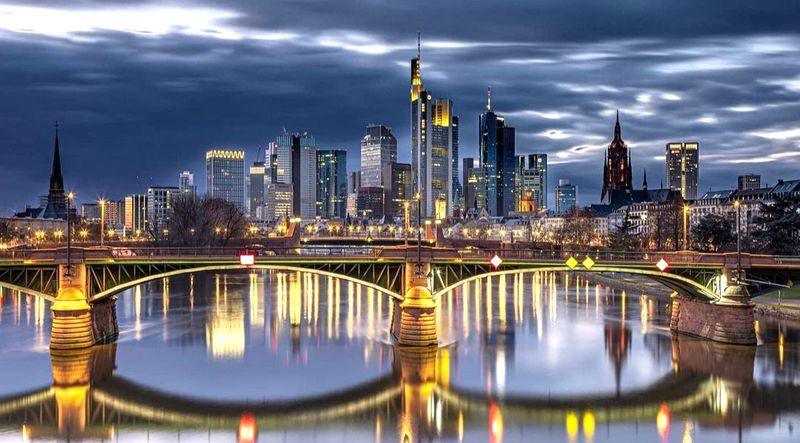
Germany’s 12th-place finish with 50.41 points represents Europe’s largest economy doing what it does best: providing steady, reliable prosperity built on industrial strength and institutional quality. The country is not flashy about it, but German engineering, manufacturing, and research form the backbone of the European economy in ways that are hard to overstate.
Vocational training in Germany is world-famous for a good reason. The apprenticeship system creates skilled workers who are highly employable and well-compensated without necessarily needing a university degree.
That pathway to good wages without crippling student debt is something many other countries genuinely envy. Healthcare is strong, public transportation networks are extensive, and the country’s social insurance system covers unemployment, disability, and retirement comprehensively.
Germany’s many mid-sized cities offer something that megacities often cannot: a genuinely balanced lifestyle. Places like Freiburg, Nuremberg, and Leipzig combine cultural richness, green spaces, good universities, and reasonable living costs in ways that Berlin or Munich simply do not.
Housing pressure has grown in the most popular urban areas, and that is a real concern. Germany is also navigating a significant energy transition and demographic challenges.
Still, for career stability, social security, and quality infrastructure, Germany remains one of the world’s most dependable places to build a life.
United Arab Emirates
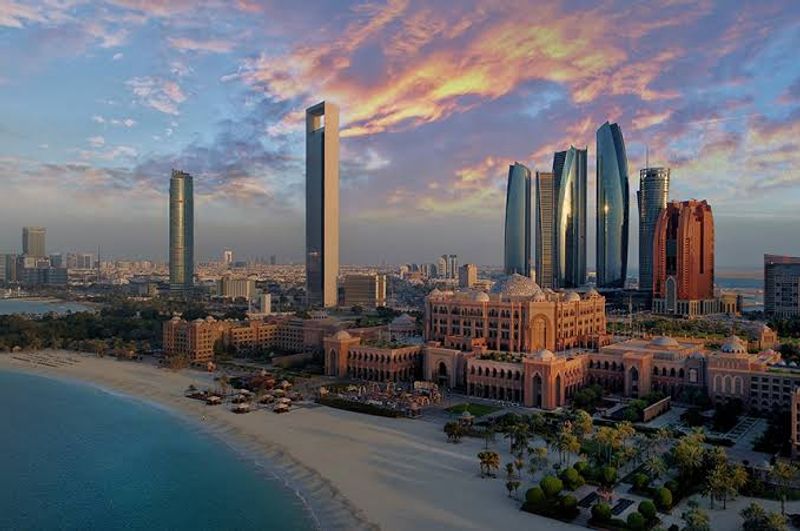
The United Arab Emirates takes 13th place with 50.22 points, representing a country that has built one of the world’s most recognizable prosperity stories from the ground up. Just decades ago, this was desert territory with minimal infrastructure.
Today, Dubai and Abu Dhabi are global reference points for modern urban development, luxury, and international connectivity.
For professionals relocating internationally, the UAE offers a compelling package. Personal income tax is zero, salaries for skilled workers are competitive, and the infrastructure is genuinely first-rate.
Emirates airline connects the country to virtually every major city on earth, making it a natural hub for globally mobile workers. The variety of nationalities living and working here creates a cosmopolitan environment unlike anywhere else in the region.
The prosperity picture does carry important nuances. Living costs in Dubai particularly have risen sharply, and the quality of life experience varies significantly depending on employment status, sector, and nationality.
Residency is tied closely to employment contracts, which creates a degree of instability that permanent residents in European countries do not face. Access to public benefits also differs considerably between citizens and the large expatriate population.
The UAE is a place of real opportunity, but understanding the full terms of that opportunity matters before making the move.
Finland
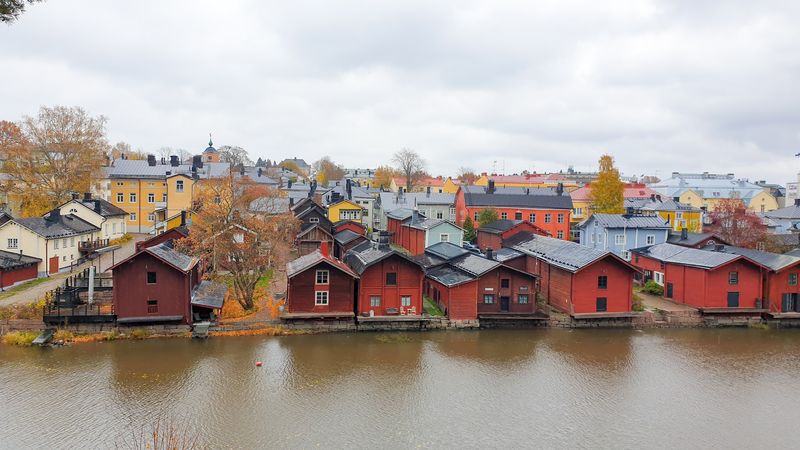
Finland holds 14th place in the prosperity index but sits firmly at number one in the 2026 World Happiness Report, a distinction it has held for nine consecutive years. That combination tells you something important: economic output and genuine human happiness are related but not the same thing.
Finland has figured out a version of prosperity that is deeply rooted in social trust, personal freedom, and institutional reliability.
The education system here is one of the most studied in the world. Finnish schools prioritize student well-being, curiosity, and critical thinking over standardized testing, and the results speak for themselves.
Healthcare is universal, social services are dependable, and corruption is virtually nonexistent in public institutions. People trust their government because, by global standards, that trust has been consistently earned.
Access to nature is woven into Finnish identity in a very practical way. There are over 180,000 lakes in the country, and the right to roam freely across forests and waterways is legally protected.
Summers offer extraordinary light and warmth, winters bring snow, silence, and a culture of saunas that Finns take seriously as a social ritual. Finland proves that a quieter, less showy version of prosperity can deliver some of the highest life satisfaction scores anywhere on the planet.
Australia

Australia wraps up the top 15 with a score of 46.24, representing a country that combines economic strength with a lifestyle that genuinely draws people from across the globe. Strong universities, a public healthcare system called Medicare, diverse employment opportunities, and access to some of the world’s most spectacular beaches and natural landscapes all contribute to its appeal.
The country’s human development scores are consistently high, reflecting good outcomes in health, education, and income across the population. Australia’s multicultural cities, particularly Sydney, Melbourne, and Brisbane, have developed vibrant, diverse communities that bring together cultures from every corner of the world.
That diversity has become a genuine social and economic strength rather than just a demographic fact.
Housing affordability is the most significant crack in Australia’s otherwise impressive prosperity story. Sydney and Melbourne rank among the least affordable housing markets globally relative to local incomes, putting homeownership out of reach for many younger residents.
Rental costs have also surged in recent years, creating real financial stress for a significant portion of the population. Regional areas offer more breathing room on costs, along with their own distinct lifestyles and opportunities.
Australia continues to attract skilled migrants in large numbers, and for good reason: the overall quality of life, despite the housing challenge, remains among the strongest in the world.
Share this story