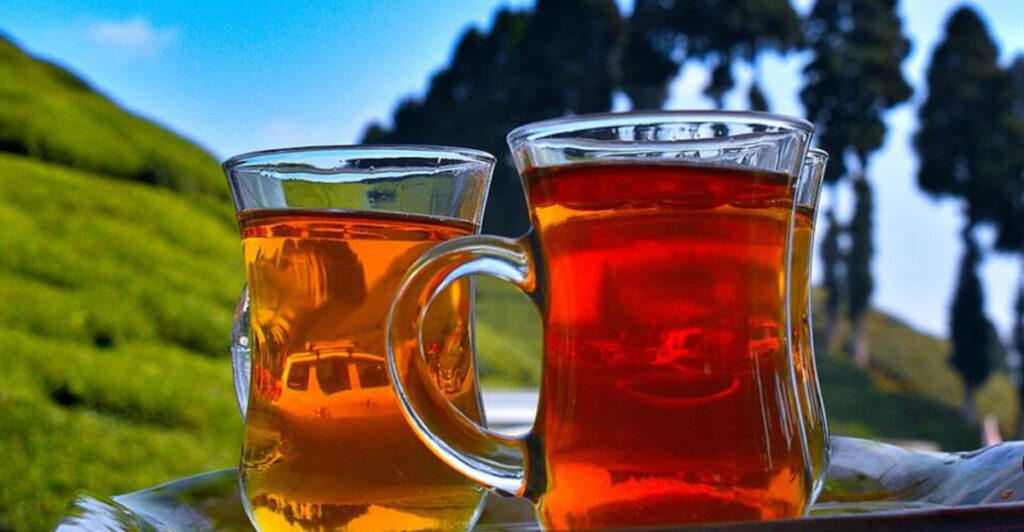
Tea is the second most popular drink in the world, right after water, and billions of people reach for a cup every single day. From steaming glasses in Istanbul to milky mugs in Dublin, the way people drink tea says a lot about who they are and where they come from.
Some countries take their tea so seriously that offering a cup is practically a law of hospitality. Read on to find out which nations drink the most tea per person and what makes each one’s tea culture so fascinating.
Ireland

Ask any Irish person what fixes most problems, and the answer will almost certainly involve a hot cup of tea. Ireland has ranked among the world’s heaviest tea-drinking nations for decades, with the 2025 industry report estimating consumption at around 1.52 kilograms per person annually.
For a country of just five million people, that is an impressive number.
The classic choice is strong black tea poured into a generously sized mug and topped with a good splash of cold milk. There are no tiny cups here.
Irish tea is a no-nonsense, full-strength brew meant to be sipped slowly while catching up with someone or warming up after a cold, wet day.
Tea fits into practically every moment of Irish life. It shows up at breakfast, mid-morning, after lunch, during afternoon visits, and late in the evening.
Unexpected guests? Put the kettle on.
Bad news? Put the kettle on.
Good news? Same answer.
While coffee has grown in popularity in recent years, tea remains the drink that most Irish households genuinely cannot imagine going without.
Azerbaijan
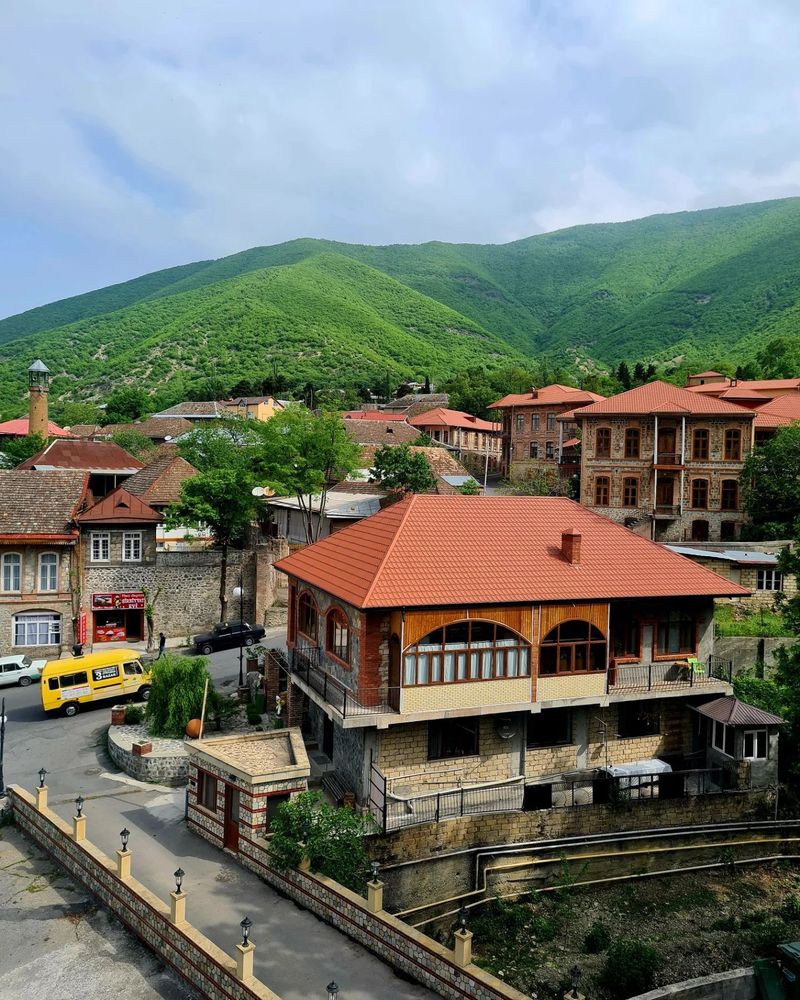
In Azerbaijan, tea is not something you drink quickly before running out the door. It is an occasion.
Guests are always welcomed with tea, and the presentation matters just as much as the flavor. The traditional armudu glass, shaped like a pear, is designed to keep the top of the tea warm while the bottom stays cool enough to hold comfortably.
Consumption sits at roughly 2.1 kilograms per person, making Azerbaijan one of the strongest tea-drinking markets in the world. Tea is typically accompanied by sugar cubes, lemon, local preserves, dried fruit, or sweet pastries.
Some people place a sugar cube between their teeth and sip the tea through it, a technique that adds a slow, gentle sweetness to every sip.
The cultural weight of Azerbaijani tea was officially acknowledged in 2022 when UNESCO jointly inscribed Azerbaijani and Turkish tea culture on its Representative List of the Intangible Cultural Heritage of Humanity. That inscription was not about the drink itself but about the warmth, generosity, and human connection that sharing a pot of tea represents in both cultures.
United Kingdom

Britain and tea have had a famously long relationship, one that has survived wars, recessions, and the rise of artisan coffee shops on every corner. Afternoon tea with scones and finger sandwiches gets all the tourist attention, but the real backbone of British tea culture is the everyday mug brewed strong enough to stand a spoon in, splashed with milk, and consumed without ceremony at home or at a work desk.
The 2025 Global Tea Report estimated current UK consumption at around 1.36 kilograms per person. That figure, while still impressive by global standards, reflects a genuine long-term decline.
British tea drinking has dropped considerably since the 1970s as ground coffee, cold brew, and specialty drinks have pulled younger generations away from the kettle.
Still, tea remains the most purchased hot drink in British supermarkets. Builders tea, a nickname for a very strong, very milky brew, is a cultural institution.
The debate over whether milk goes in before or after the tea has sparked more passionate arguments than many political elections. Some things, it seems, will never fully change.
Türkiye
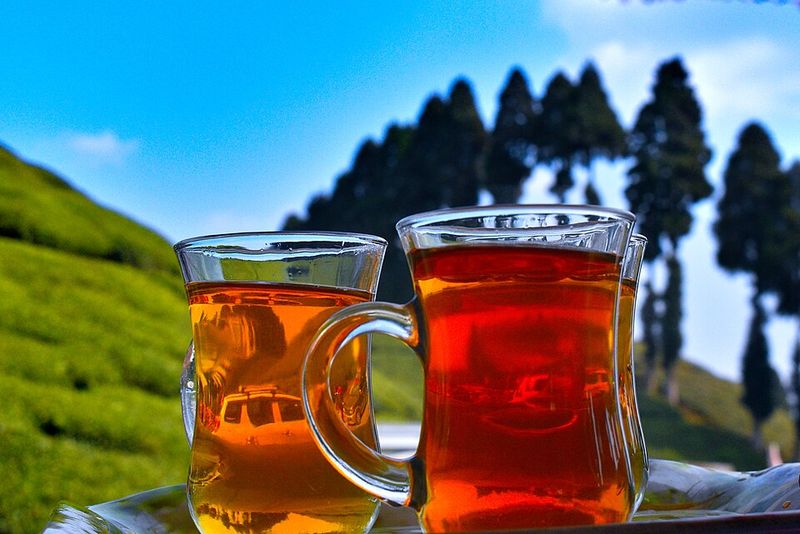
Türkiye does not just drink a lot of tea. It drinks more tea per person than any other country on Earth, clocking in at over three kilograms per resident every year according to the 2025 Global Tea Report.
That is roughly the weight of a small bag of flour, consumed entirely as tea, per person, annually.
Strong black tea is brewed in a special stacked double teapot called a caydanlik. The top pot holds concentrated tea, while the bottom boils water to dilute it to each person’s preferred strength.
The result is served in iconic tulip-shaped glass cups that show off the tea’s rich, copper color.
Offering tea in Türkiye is practically a greeting. Walk into a shop, visit a neighbor, or sit down for a business chat, and a glass will appear almost immediately.
UNESCO officially recognized this shared tea culture between Türkiye and Azerbaijan as a meaningful expression of hospitality and social connection. That recognition says everything about how central tea is to Turkish daily life.
Pakistan
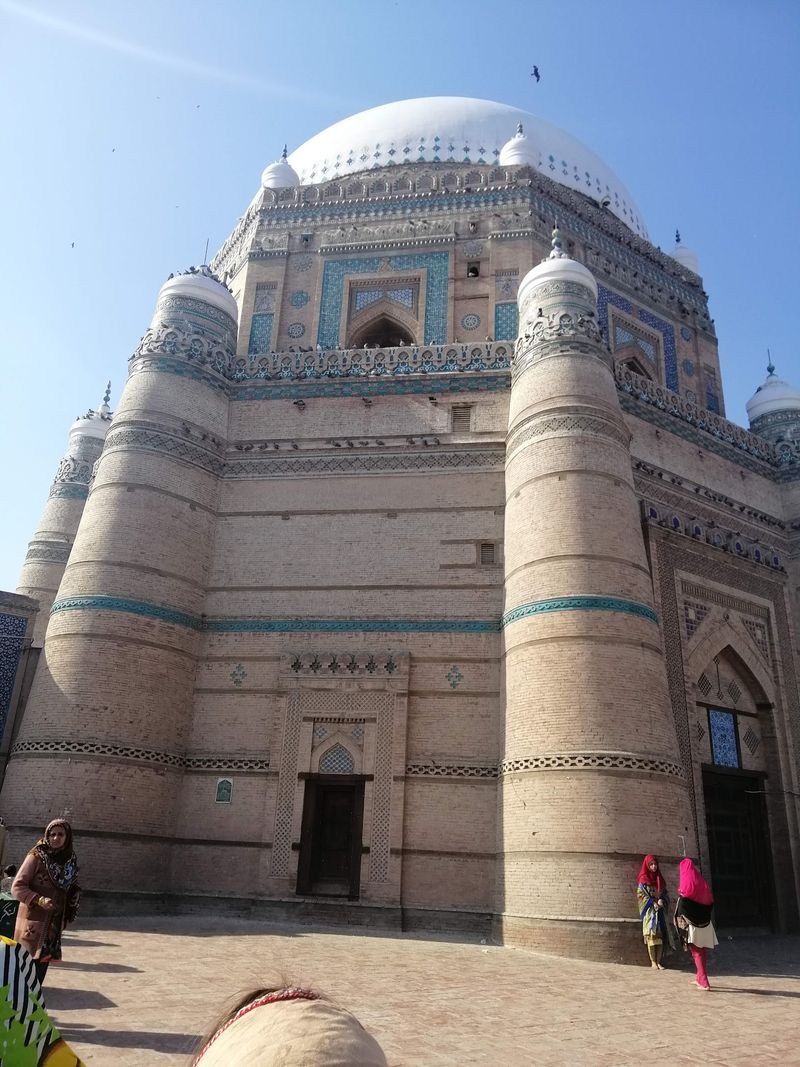
Pakistan imports more tea than almost any other country on the planet. In 2023, preliminary industry figures identified it as the world’s top tea importer, bringing in roughly 236,000 metric tonnes.
For a country where tea is woven into the rhythm of daily life from sunrise to well after sunset, those numbers make perfect sense.
Chai in Pakistan is not a trend or a specialty item. It is the default.
Homes, offices, roadside dhabas, and street corners all run on milky, sweetened tea brewed with spices and served hot. The exact recipe varies wildly by region and household, but the warmth and social ease it brings are universal across the country.
One standout regional variety is Kashmiri chai, also called noon chai or pink tea. It gets its distinctive soft pink color from a special green tea, baking soda, and milk, and it is lightly salted rather than sweet.
Topped with crushed pistachios or almonds, it looks almost too pretty to drink. Almost.
Pakistan’s tea culture is diverse, deep-rooted, and growing stronger with each new generation of chai lovers.
Iran

Tea did not always rule Iran. Coffee actually came first, but by the 19th century, tea had swept across the country and made itself completely at home.
Today, strong black tea served in clear glass cups is one of the most recognizable parts of Iranian social life, present at family gatherings, business discussions, and quiet evenings at home.
The traditional way to sweeten Iranian tea involves placing a sugar cube between the front teeth and sipping the hot tea through it. Rock candy stirred directly into the glass is another popular option.
Dates, sweets, and dried fruits often sit alongside the tea, turning a simple drink into a small, generous spread.
Iran tied with Pakistan at approximately 1.5 kilograms per person in widely cited global comparisons, placing both countries firmly among the world’s most devoted tea-drinking nations. Chaikhanehs, traditional tea houses, have historically served as social hubs where people gather to talk, eat, play backgammon, and simply spend time together.
These spaces are less common in modern cities but remain culturally important symbols of Iranian communal life.
Russia

Russia’s love of tea makes a lot of sense when you consider the weather. When temperatures drop well below freezing for months at a time, a hot, strong cup of tea is less of a luxury and more of a survival strategy.
The samovar, a large heated urn used to keep water hot for hours, became a symbol of Russian home life precisely because tea was always on and always ready.
Russian tea is typically brewed very strong in a small teapot called a zavarka, then diluted with hot water from the samovar. Each person adjusts their cup to taste, making it a surprisingly personal ritual for a communal setting.
Jam, honey, or a slice of lemon often accompanies the cup.
The widely cited global comparison estimated Russian consumption at roughly 1.38 kilograms per person annually. Russia also ranked as the world’s second-largest tea importer in 2023, receiving around 129,000 metric tonnes.
That combination of deep cultural habit and massive import volume confirms that tea is no passing preference in Russia. It is a fixture, as dependable as the cold itself.
Morocco
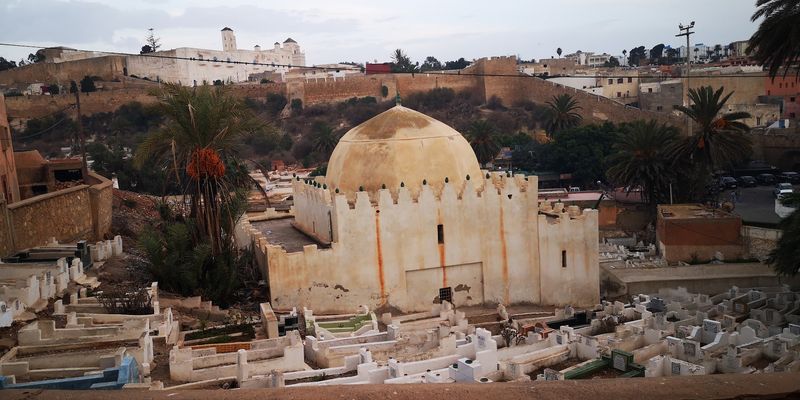
Pouring Moroccan mint tea from a great height is not showing off. It is a skill, a tradition, and a sign of respect all at once.
The high pour aerates the tea, creates a light froth on top, and cools it just enough to drink. Watching someone prepare a proper pot of Moroccan tea is like watching a small performance, and the audience is always welcome.
Green tea is combined with generous handfuls of fresh mint and plenty of sugar before being poured into small, beautifully decorated glasses. Refusing a cup is considered impolite, and accepting the full three rounds traditionally served by a host is a sign of gratitude and friendship.
A recent industry estimate put Moroccan consumption at approximately 1.87 kilograms per person, considerably higher than older international figures suggested. Morocco was also among the world’s leading tea importers in 2023, bringing in around 62,000 metric tonnes.
Most of that tea comes from China. The green tea travels thousands of miles to be transformed into something that feels entirely and unmistakably Moroccan by the time it reaches the glass.
New Zealand

New Zealand’s tea habits grew directly from its historical ties with Britain, and those habits stuck. Black tea with milk is still the familiar go-to for many households, brewed in a teapot or straight in the mug depending on how much effort the morning demands.
There is something quietly dependable about New Zealand’s tea culture, even as the market around it keeps expanding.
Coffee culture has grown significantly in recent years, and New Zealand is now internationally recognized for its café scene. Herbal infusions, specialty loose-leaf teas, and ready-to-drink bottled teas have also carved out solid space on supermarket shelves.
Yet the classic cup of black tea has not disappeared. It has simply learned to share the kitchen counter.
The established global comparison estimated annual consumption at approximately 1.19 kilograms per resident, placing New Zealand just inside the world’s top ten tea-drinking nations. That ranking reflects a population that genuinely enjoys tea without necessarily making a ceremony of it.
For many New Zealanders, tea is simply what you make when someone drops by, and that easy, unpretentious habit has kept it popular across generations.
Chile

Chile stands out in Latin America like a tea bag in a coffee shop. While most of its neighbors lean heavily toward coffee, mate, or other drinks, Chile developed a genuine tea-drinking culture that puts it ahead of almost every other country in the Americas.
That habit is tied closely to once, a beloved late-afternoon tradition.
Once is not quite dinner and not quite a snack. It is a relaxed, early-evening meal that typically includes tea, bread, avocado, cheese, cold cuts, eggs, or sweet pastries, depending on the household.
The name reportedly comes from an old slang term for aguardiente, a strong spirit that workers would sneak past supervisors by calling it something innocuous. Tea eventually replaced it, but the name stuck.
The established global comparison placed Chile alongside New Zealand at roughly 1.19 kilograms per person annually, a rate that sits well ahead of most other countries in the Western Hemisphere. European immigration, particularly from Britain and Germany during the 19th century, helped shape this culture.
Today, once is simply a Chilean institution, and tea is the drink that holds it together every afternoon.
Egypt

Shai, the Arabic word for tea, is heard dozens of times a day in Egypt. Strong black tea, generously sweetened and sometimes flavored with fresh mint, is served at home, in ahwa cafés, at roadside stands, and during just about every social interaction that lasts longer than five minutes.
Refusing a glass can feel almost rude.
Egypt was among the world’s largest tea importers in 2023, bringing in approximately 100,000 metric tonnes. Most of it comes from Kenya, making Egypt one of the biggest customers for East African tea.
The established per-capita comparison estimated consumption at just over one kilogram per resident annually, a figure that reflects how deeply embedded tea is in Egyptian daily routine.
The ahwa, Egypt’s traditional coffeehouse, is one of the great social institutions of the Arab world. Despite the name, tea is often just as popular as coffee inside these establishments.
Men and women gather to drink, talk, play dominoes or backgammon, and watch the world go by. Tea is the affordable, accessible drink that keeps the conversation going, hour after hour, glass after glass.
Poland
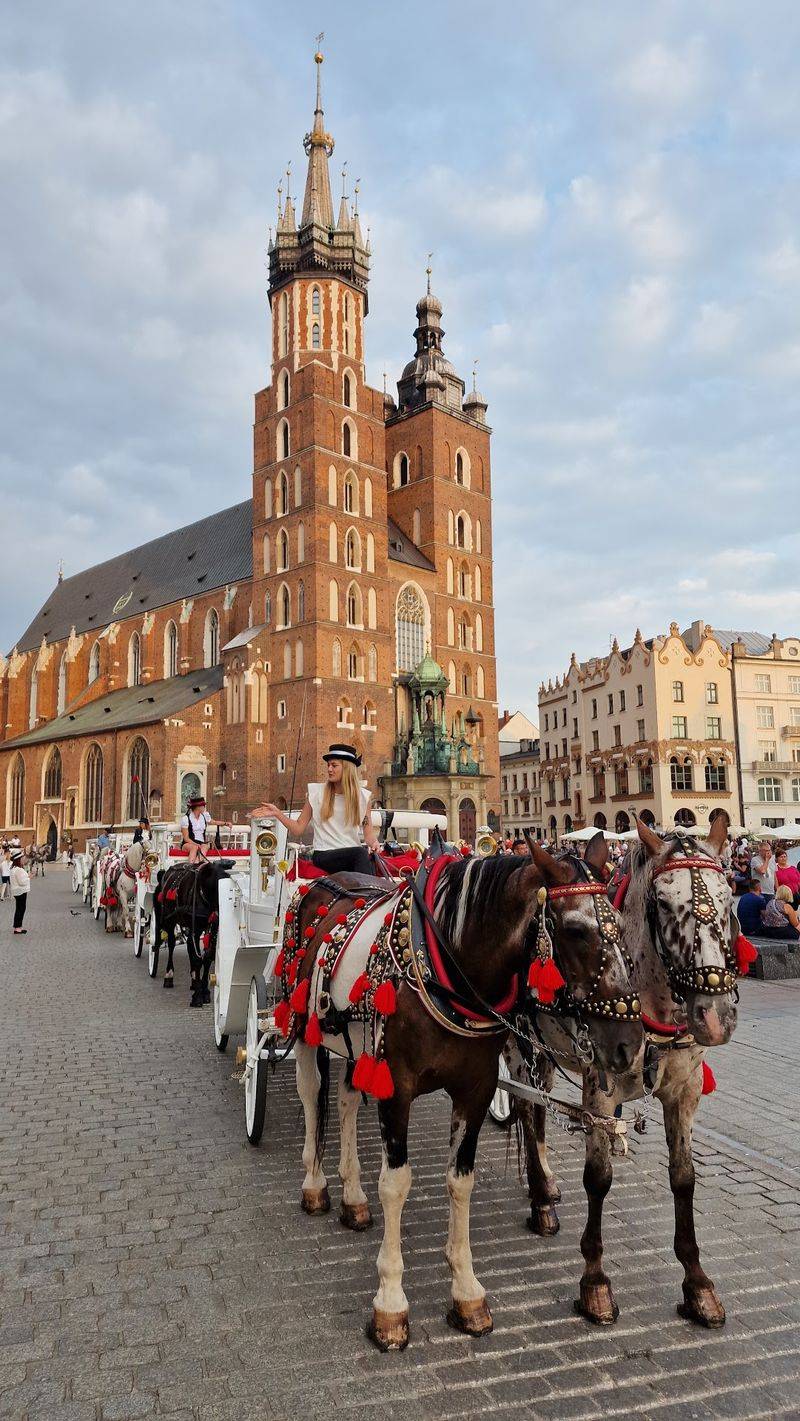
Poland takes its tea seriously, and the cold winters certainly help explain why. When temperatures plunge and the days get short, a hot glass of herbata, the Polish word for tea, is one of the simplest and most comforting things a person can reach for.
Black tea with a slice of lemon is the classic combination, though fruit teas and herbal blends have built a loyal following in Polish households too.
The established ranking estimated annual consumption at approximately one kilogram per person. Tea is an easy, inexpensive drink to offer guests and regularly shows up alongside breakfast, cake, sandwiches, or late-night conversations.
Polish hospitality tends to express itself through food and drink, and tea fits that tradition perfectly.
One interesting detail about Polish tea culture is that it is often served in a glass rather than a mug, similar to traditions found in Russia and other Eastern European countries. The glass allows the color of the tea to show through, and a lemon slice floating at the top adds a cheerful visual touch.
It is a small thing, but it gives Polish tea its own recognizable character.
Japan
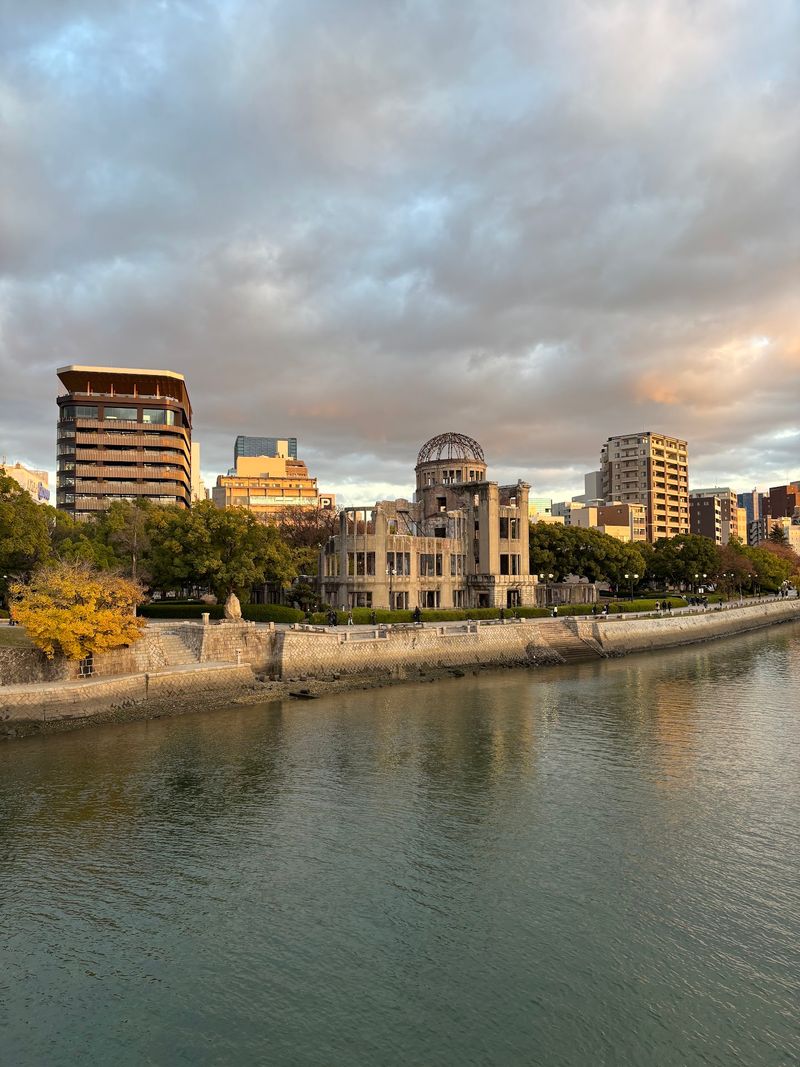
Japan might be the most creatively diverse tea-drinking country on this list. The range runs from the quiet precision of a formal matcha ceremony to grabbing a cold bottle of green tea from a vending machine on a busy city corner.
Both are completely normal, and both say something true about how Japan relates to tea.
Sencha is the most commonly drunk everyday variety, a green tea with a fresh, grassy flavor that pairs well with meals or quiet moments. Hojicha offers a roasted, nutty warmth.
Genmaicha blends green tea with toasted brown rice for a savory, comforting taste. Matcha, ground from shade-grown leaves into a vivid green powder, has become a global phenomenon, appearing in lattes, desserts, and skincare products worldwide.
The established global comparison estimated Japanese consumption at roughly 0.97 kilograms per person annually. Japan is also recognized by the FAO for historically important tea-cultivation landscapes and the agricultural knowledge passed down through generations of tea farmers.
That combination of everyday convenience and deep cultural heritage makes Japan’s tea scene unlike anything else in the world.
Saudi Arabia

Tea and Arabic coffee share the social spotlight in Saudi Arabia, but tea holds its own with impressive confidence. Depending on the household, region, and occasion, tea might arrive plain, sweetened, spiced with cardamom or cinnamon, or brightened with fresh mint.
The flexibility is part of its appeal, since there is always a version that suits the moment.
The established global comparison estimated consumption at approximately 0.9 kilograms per person annually. That figure reflects how consistently tea appears throughout Saudi social life.
Family visits, business meetings, and long evening gatherings all tend to include multiple rounds of tea served in small glasses or cups, with refills offered automatically as a sign of continued welcome.
Hospitality is deeply important in Saudi culture, and tea is one of its most practical expressions. Guests are never left with an empty cup for long.
Saffron tea, a golden and aromatic variety, is considered particularly special and is often reserved for celebrations or honored guests. The combination of spice, warmth, and generosity that defines Saudi tea culture makes every cup feel like a genuine act of welcome rather than just a drink.
South Africa

South Africa brings something genuinely unique to the global tea conversation: rooibos. Grown exclusively in the Cederberg mountains of the Western Cape, rooibos is a naturally caffeine-free herbal infusion made from a plant that grows nowhere else on Earth.
Its warm, slightly sweet, earthy flavor has made it a beloved household staple and an increasingly popular export.
The established comparison placed South African tea consumption at approximately 0.81 kilograms per person annually. That figure covers both conventional black tea and rooibos, and both have dedicated fans.
Black tea with milk and sugar is familiar in many households, while rooibos is often the choice for people avoiding caffeine, including children, pregnant women, and anyone who wants a soothing cup before bed.
Rooibos can be prepared much like black tea, served with milk, honey, sugar, or lemon, but it has also found its way into iced drinks, lattes, baked goods, and international wellness products. South Africa successfully secured protected geographical indication status for rooibos in the European Union, recognizing it as a product tied specifically to its place of origin.
That is a distinction usually reserved for things like champagne or Parmigiano-Reggiano cheese.
Share this story