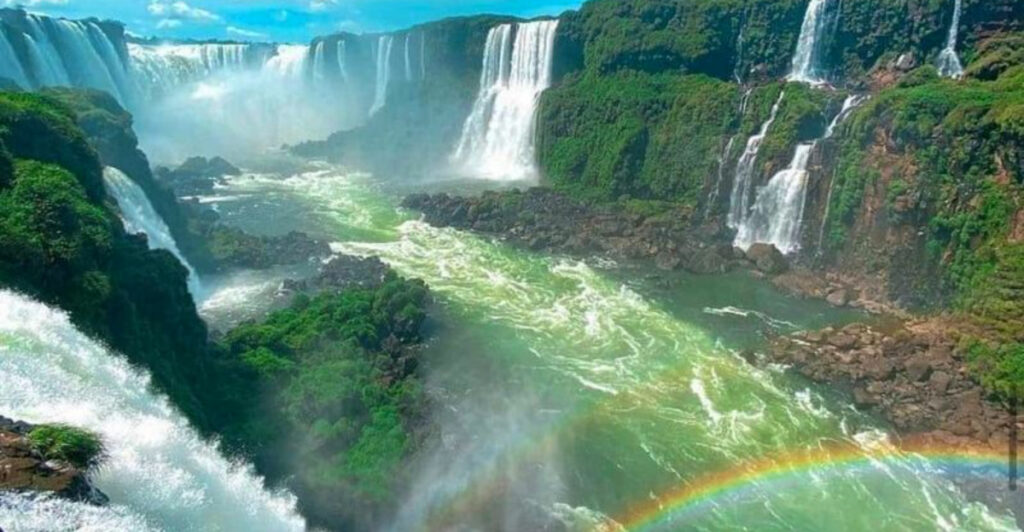
Brazil is one of those rare countries that genuinely has it all. From the world’s largest rainforest to sun-soaked colonial towns, its sheer variety is hard to wrap your head around.
Whether you love wildlife, history, beaches, or bold architecture, Brazil delivers something extraordinary at every turn. Get ready to explore 15 destinations that show just how remarkable this country really is.
Rio de Janeiro
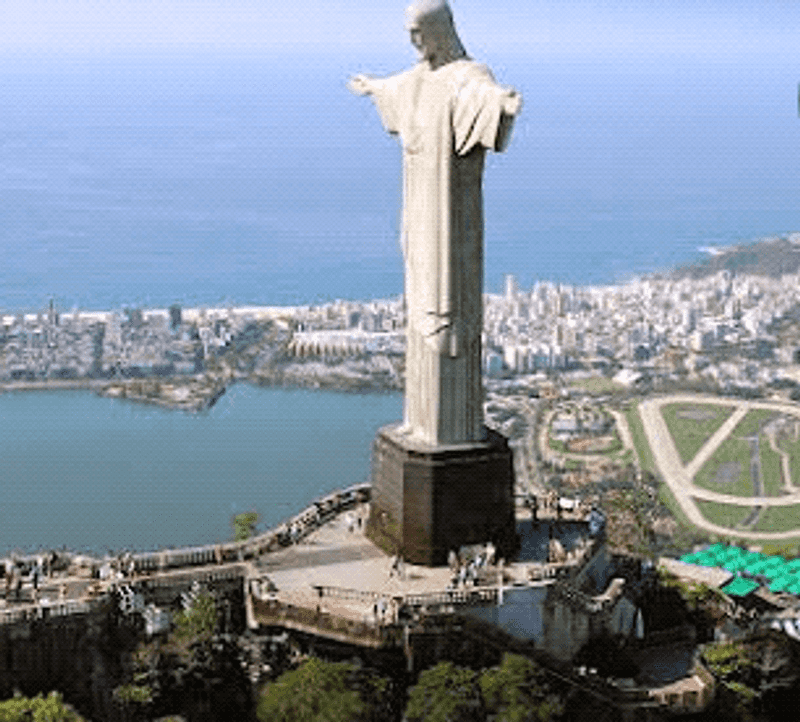
Standing between granite peaks and the sparkling Atlantic Ocean, Rio de Janeiro is one of those cities that genuinely looks like a postcard come to life. Christ the Redeemer stretches its arms wide over the city from Corcovado mountain, while Sugarloaf rises dramatically above the bay.
Together they create one of the most recognizable skylines anywhere on Earth.
UNESCO actually recognized Rio’s cultural landscape because of how uniquely the city grew around its natural surroundings. That relationship between mountains, forest, and sea shapes everything here, from the neighborhoods to the daily rhythms of life.
Tijuca Forest, one of the largest urban forests in the world, sits right inside the city.
Beyond the famous viewpoints, Rio has serious cultural depth. Samba schools rehearse year-round, neighborhood bars buzz with live music, and world-class museums sit alongside open-air markets.
Copacabana and Ipanema beaches are lively social spaces, not just swimming spots. Rio rewards curious visitors who explore beyond the highlights and spend real time in its distinct neighborhoods.
Iguacu Falls, Parana
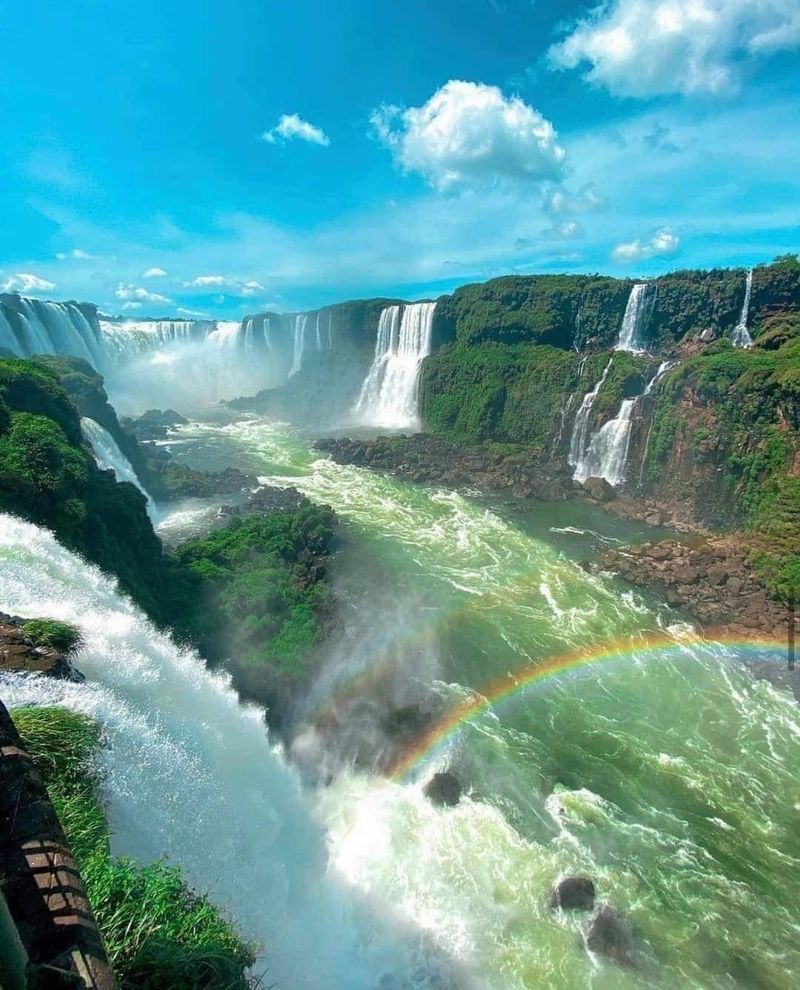
The sound hits you before the view does. Hundreds of individual cascades thunder through subtropical forest along the Brazil-Argentina border, and the roar is something you feel in your chest before your eyes catch up.
Iguacu Falls is simply one of the most overwhelming natural spectacles on the planet.
The Brazilian side offers sweeping panoramic views that let you take in the full scale of the waterfall system at once. Walkways bring visitors close enough to feel the mist and hear the water crashing below.
Early morning visits are especially rewarding because the light is softer and the crowds are thinner.
Iguacu National Park protects nearly 170,000 hectares of Atlantic Forest on the Brazilian side alone. UNESCO recognizes the combined park system shared with Argentina as one of the world’s most visually and acoustically impressive natural sites.
The surrounding forest is also home to toucans, coatis, and giant otters. Spending at least two full days here, one on each side of the border, gives a much more complete experience of what makes this place so extraordinary.
The Amazon and Manaus
Two rivers of completely different colors meet near Manaus without mixing for several kilometers, creating one of the Amazon’s most visually striking natural phenomena. The dark waters of the Rio Negro run alongside the sandy-brown Amazon, and watching them flow side by side feels genuinely surreal.
That moment alone makes the journey worthwhile.
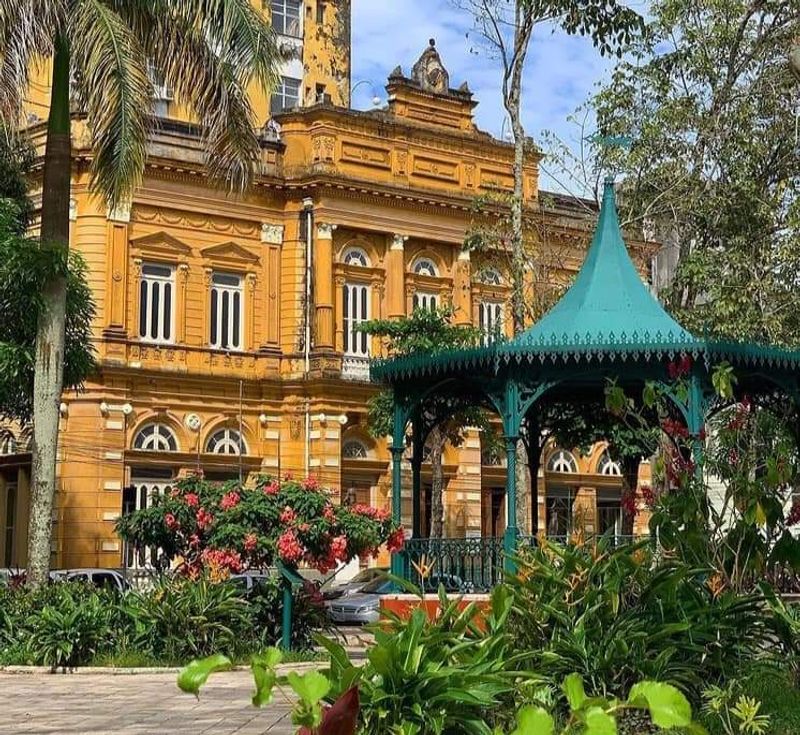
Manaus itself is a fascinating city deep in the rainforest, famous for the grand Teatro Amazonas opera house built during the rubber boom era of the late 1800s. The contrast between that ornate building and the surrounding jungle is hard to forget.
Markets, riverside communities, and cultural institutions give the city real character beyond its role as an entry point to the forest.
Beyond Manaus, the Amazon opens into an enormous world of flooded forests, wildlife, rivers, and Indigenous communities with deep connections to the land and water. The UNESCO-listed Central Amazon Conservation Complex is the largest protected area in the entire Amazon Basin.
Boat trips, guided forest walks, and community visits offer very different ways to experience the region. The Amazon is not a single destination but a whole world worth exploring slowly.
Pantanal
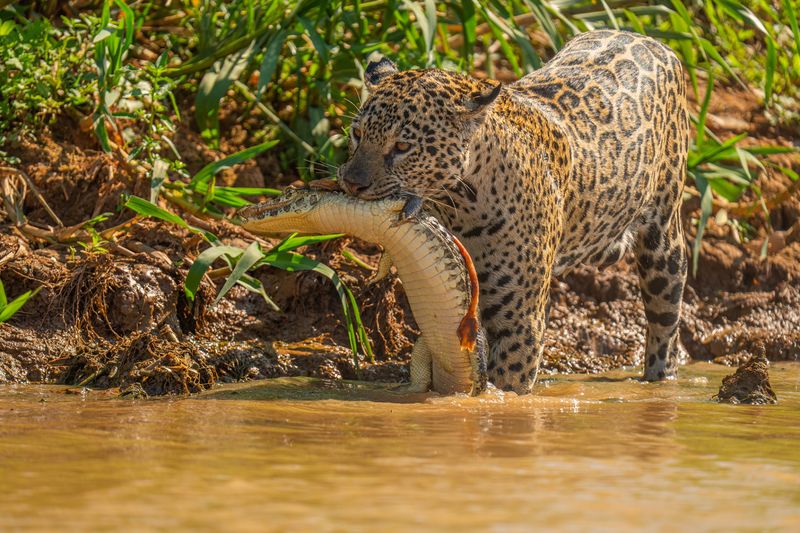
Jaguars here are not shy. Unlike in most of the Amazon, jaguars in the Pantanal are spotted with remarkable regularity from boats along the rivers, making this one of the only places on Earth where wild jaguar sightings are genuinely expected rather than hoped for.
Wildlife enthusiasts travel from all over the world for exactly that reason.
Seasonal flooding transforms the Pantanal into a vast mosaic of rivers, grasslands, and lagoons that covers parts of Brazil, Bolivia, and Paraguay. That flooding is actually what makes the wildlife so abundant and visible.
Animals concentrate around water sources, and the open landscape makes spotting them far easier than in dense forest. Capybaras, giant anteaters, tapirs, caimans, and hundreds of bird species fill the scene.
UNESCO recognizes the Pantanal as one of the largest freshwater wetland ecosystems on the planet. Visitors can explore by boat, horseback, 4×4 vehicle, or on foot, depending on the season and location.
The northern Pantanal around Cuiaba is popular for jaguar watching, while the southern region near Bonito offers different but equally rewarding experiences. Dry season, roughly July through October, generally offers the best wildlife viewing conditions.
Lencois Maranhenses National Park
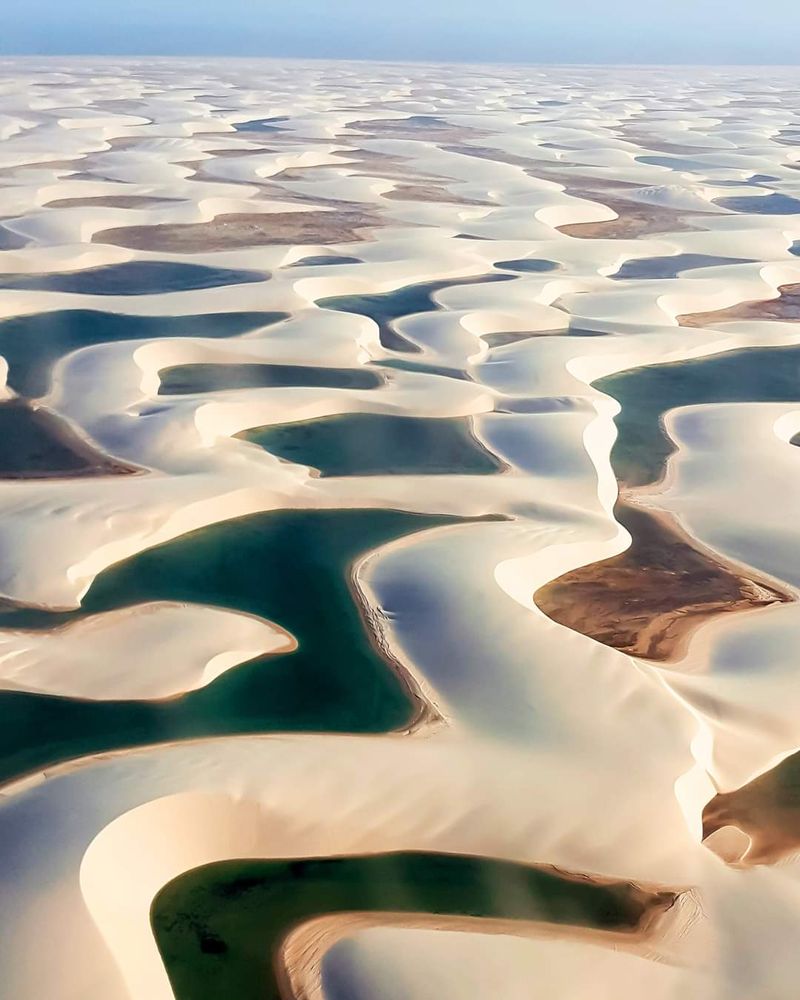
From above, Lencois Maranhenses looks like someone scattered hundreds of turquoise swimming pools across a sea of white sand. The sight is so unusual that first-time visitors often struggle to believe the photos are real before they arrive.
Then they arrive, and they struggle to believe what they are actually standing in.
Despite looking like a classic desert, this national park in Maranhao state receives enough seasonal rainfall to fill the low valleys between its massive dunes with freshwater lagoons. The lagoons appear roughly between July and September when water levels are at their highest and the colors are most vivid.
Smaller lagoons can be found earlier in the season, but the full spectacle is worth timing carefully.
The park is most commonly accessed through the town of Barreirinhas, though Santo Amaro and Atins also serve as entry points. Tours by 4×4 vehicle, boat along the Preguicas River, and guided walks across the dunes are all popular options.
UNESCO added Lencois Maranhenses to its World Heritage List in 2024, recognizing the park’s extraordinary and largely unique natural landscape. Visiting at sunrise or sunset adds dramatic light to an already stunning scene.
Fernando de Noronha
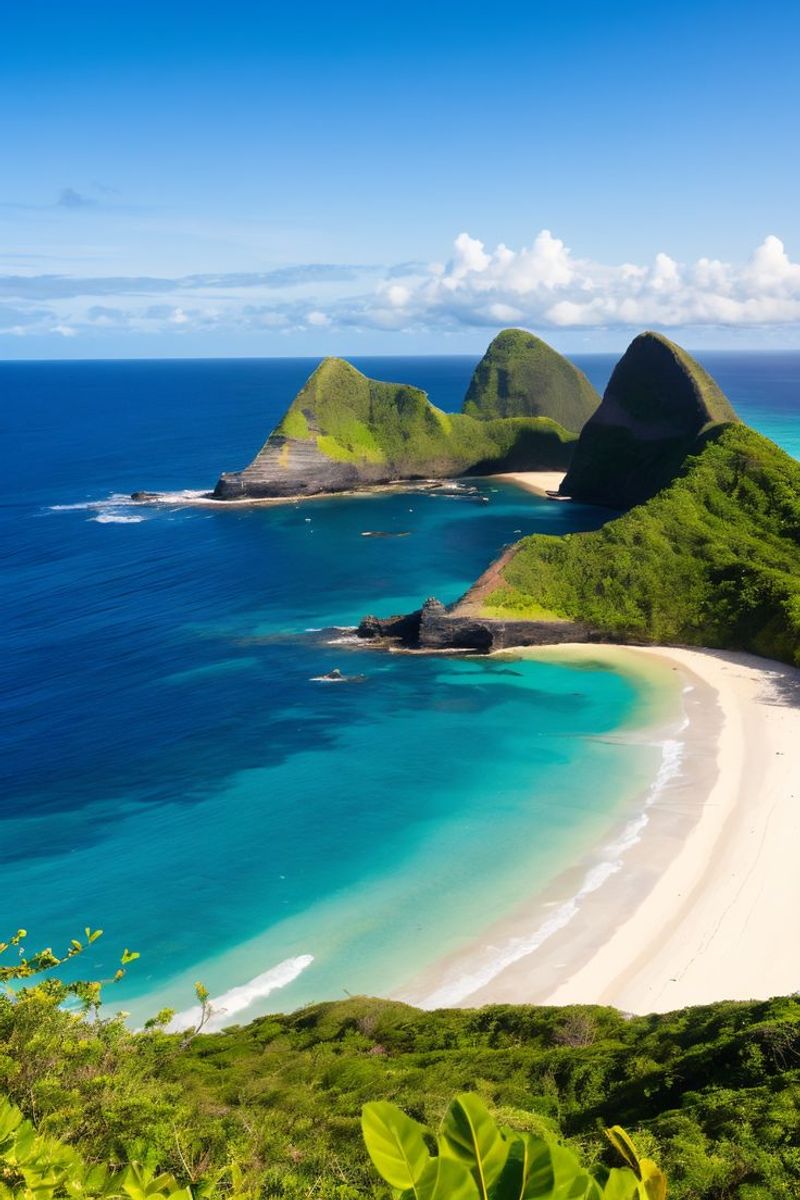
Only about 500 tourists are allowed on Fernando de Noronha at any given time, which tells you everything about how seriously Brazil takes protecting this place. Strict visitor limits, conservation fees, and environmental regulations keep the archipelago in extraordinary condition.
The reward for jumping through those hoops is some of the clearest water and healthiest marine life in the entire Atlantic.
This volcanic archipelago sits about 350 kilometers off Brazil’s northeastern coast and consists of 21 islands, only one of which is open to visitors. Spinner dolphins gather in Baia dos Golfinhos in large numbers every morning.
Sea turtles nest on the beaches. Reef sharks, rays, and colorful fish populate the underwater world below the cliffs and coves.
UNESCO recognizes the surrounding Atlantic Island Reserves for their importance to seabirds, marine mammals, and ocean biodiversity. Above water, the scenery is equally dramatic, with volcanic rock formations, hiking trails, and viewpoints overlooking bays that seem almost impossibly blue.
Snorkeling and scuba diving here regularly appear on lists of the best in South America. Fernando de Noronha is not cheap or easy to reach, but travelers who make the effort consistently say it is among the finest places they have ever visited.
Salvador, Bahia
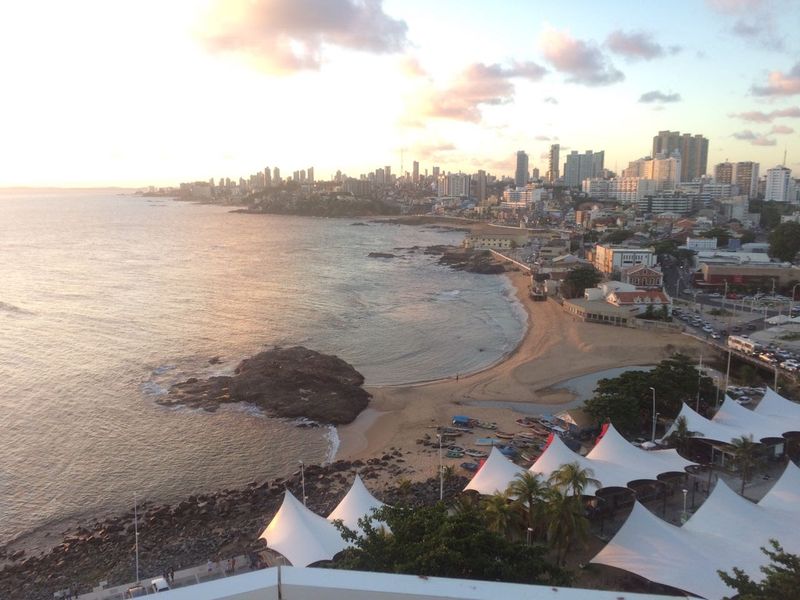
Walk through Pelourinho on a Thursday evening and the whole neighborhood fills with percussion. Drums echo off brightly painted colonial walls, dancers move in the streets, and the energy is unlike anything you will find in a more polished tourist destination.
Salvador wears its African heritage loudly and proudly, and that makes it one of the most culturally alive cities in Brazil.
Salvador was Brazil’s first colonial capital and became a central point in the Atlantic slave trade, receiving more enslaved Africans than almost any other city in the Americas. That history is painful and complex, and the city does not shy away from it.
Afro-Brazilian religion, capoeira martial art, cuisine, and music all trace their roots directly to that history and remain living, evolving traditions today.
The historic center of Pelourinho is a UNESCO World Heritage Site, filled with Baroque churches, museums, craft workshops, and restaurants. The upper and lower cities are connected by the famous Elevador Lacerda, a public elevator with a stunning view over the bay.
Salvador’s Carnival is one of the largest street parties in the world, drawing millions of people each February. The city rewards visitors who take time to understand its layers rather than just photograph its colorful streets.
Ouro Preto, Minas Gerais
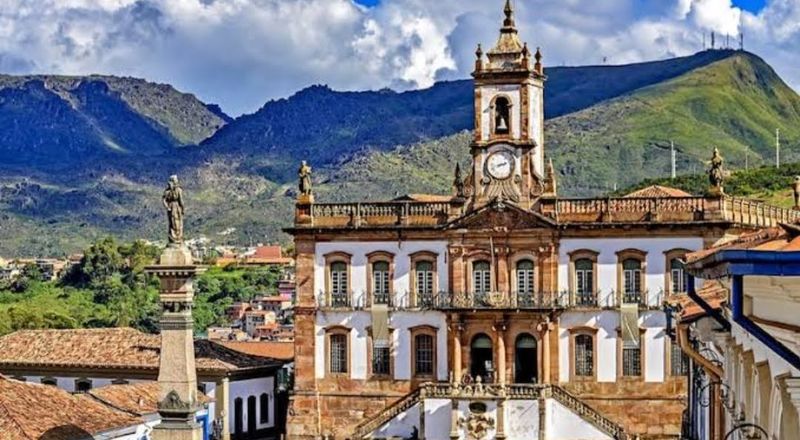
Ouro Preto was once the richest city in the Americas, and its churches still carry that wealth in extraordinary detail. Gold leaf, carved soapstone, painted ceilings, and sculpted altars fill interiors that took decades to complete.
The artist Aleijadinho, who worked here despite a debilitating illness, left behind some of the finest Baroque sculpture in the Western Hemisphere.
The town sits across steep hills in Minas Gerais, and its maze of cobbled streets, fountains, and plazas has changed remarkably little since the 18th-century gold rush that created it. That boom also created enormous demand for enslaved labor, and the town’s history is as much about resistance and suffering as it is about architectural glory.
The story of Tiradentes, a local hero executed for leading an early independence movement, is deeply connected to Ouro Preto.
UNESCO added Ouro Preto to its World Heritage List in 1980, making it one of Brazil’s first protected historic sites. Today the town is also a university city, which keeps it lively and lived-in rather than purely a museum piece.
Dozens of churches, colonial mansions, and museums can be explored on foot. The surrounding hills also offer hiking trails and views across the dramatic landscape of Minas Gerais.
Chapada Diamantina, Bahia
Some waterfalls trickle. Cachoeira da Fumaca, one of Chapada Diamantina’s most famous, drops nearly 340 meters and creates a permanent mist cloud visible from kilometers away.
On windy days the water never actually reaches the bottom, evaporating entirely before it hits the ground. That kind of spectacle is a good introduction to what this national park does to expectations.
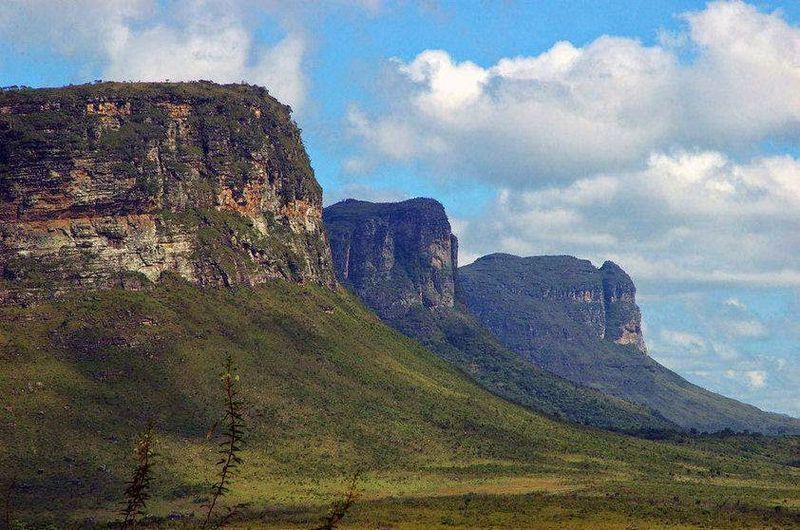
Chapada Diamantina covers more than 152,000 hectares of Bahia’s interior, combining flat-topped mountains, deep valleys, caves, rivers, and natural swimming pools into one of Brazil’s premier hiking regions. Multi-day trails connect former diamond mining settlements, remote highland plateaus, and river gorges that see very few visitors.
The park shelters jaguars, giant anteaters, pumas, and a remarkable variety of birds.
The town of Lencois, named for the tent camps of diamond prospectors, serves as the most popular base for exploring the park. Local guides are essential for longer routes and genuinely improve the experience by explaining the geology, ecology, and history of the area.
Morro do Pai Inacio offers one of the most iconic viewpoints in northeastern Brazil. Chapada Diamantina rewards hikers with serious stamina but also has shorter trails suitable for visitors with less experience in the backcountry.
Paraty and Ilha Grande
Paraty’s stone streets were deliberately designed to flood at high tide, allowing the ocean to wash them clean. That quirky engineering detail from the colonial era still works today, and watching the water creep between the buildings during a full moon tide is one of the town’s most memorable experiences.
Not many places can say their streets were built to flood on purpose.
The town itself is exceptionally well preserved, with colonial architecture dating back to the 18th century when Paraty served as a key port on the gold export route. Galleries, restaurants, festivals, and craft shops now fill those same historic buildings.
The Literary Festival of Paraty, known as FLIP, draws major international writers every year and has become one of Brazil’s most important cultural events.
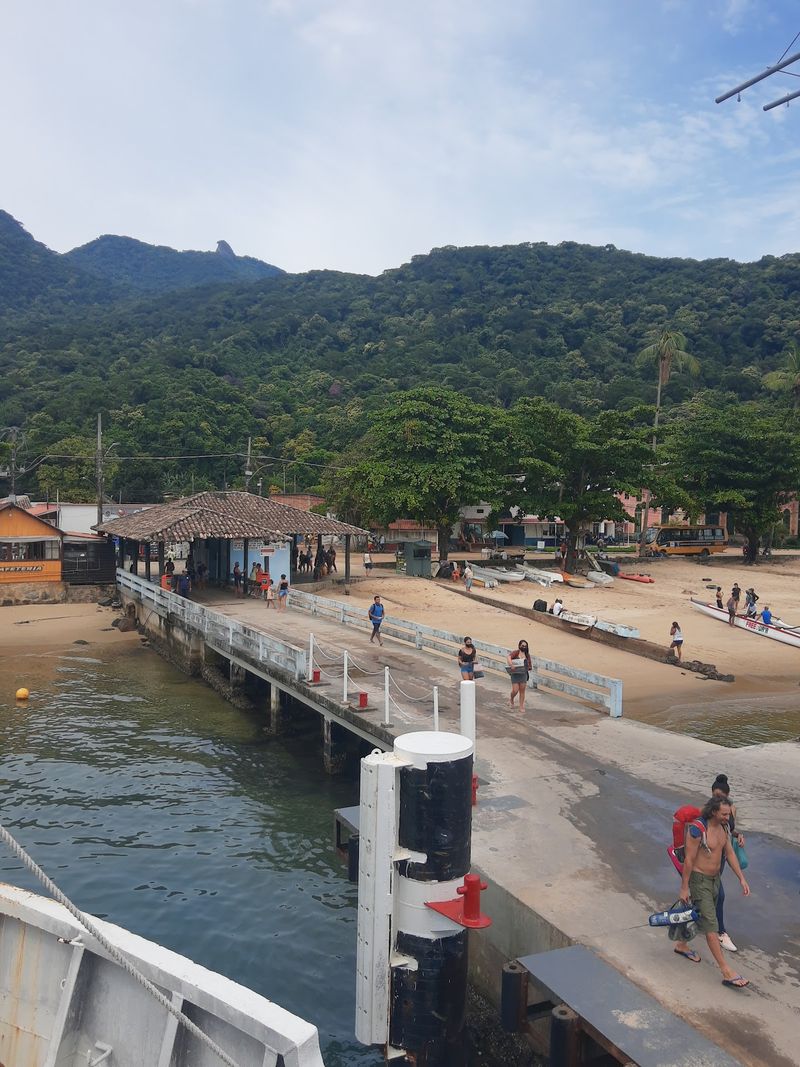
Together with nearby Ilha Grande, Paraty forms a UNESCO World Heritage Site that combines Atlantic Forest biodiversity with rich cultural history. Ilha Grande was closed to visitors for decades due to a prison on the island, which ironically preserved its forest in exceptional condition.
Today its trails, beaches, and clear waters attract hikers and divers. Traditional Caicara fishing communities, coastal trails, and boat trips among the islands give the entire region a depth that goes well beyond a typical beach getaway.
Bonito, Mato Grosso do Sul
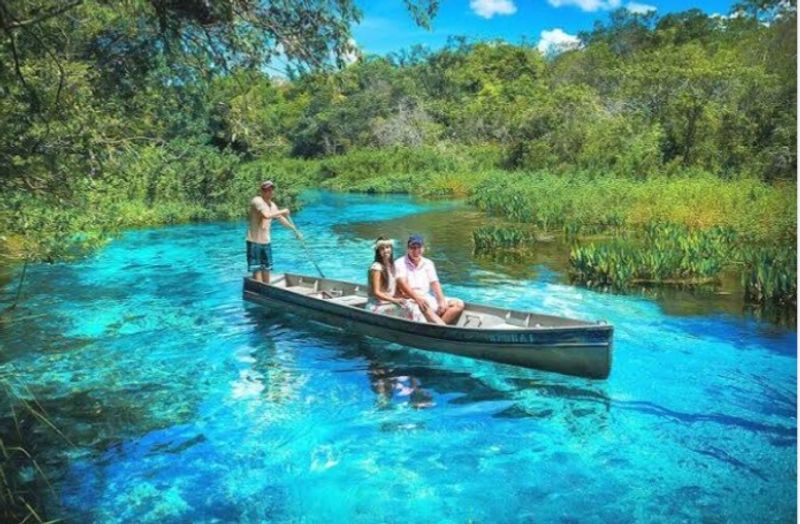
Floating down the Rio da Prata in Bonito feels less like snorkeling and more like flying. The water is so clear that visibility extends for dozens of meters in every direction, and hundreds of fish swim alongside you with complete indifference to the humans drifting above them.
It is one of those experiences that is genuinely hard to describe to people who have not done it.
The clarity comes from the region’s limestone geology, which naturally filters the water as it moves through underground rock systems. Several different rivers and lakes around Bonito offer similar conditions, each with its own character and range of fish species.
The Abismo Anhumas, a flooded cave accessed by rappelling 72 meters underground, offers a completely different kind of underwater experience for more adventurous visitors.
Tourism in Bonito is carefully managed through a system of controlled access and required guides, which helps protect fragile ecosystems while still allowing snorkeling, diving, hiking, and river excursions. Visitor numbers at each site are strictly limited per day.
Bonito works extremely well as a standalone destination or as part of a combined trip with the southern Pantanal, which sits just a few hours away. Booking activities well in advance is strongly recommended, especially during peak season between December and February.
Brasilia
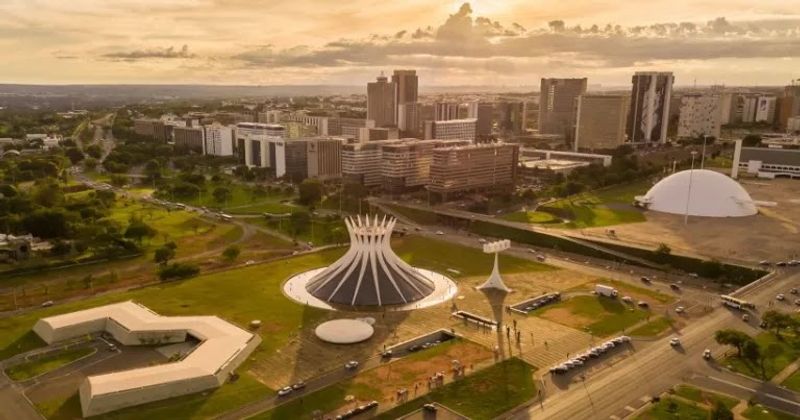
Brasilia was carved out of empty savanna in fewer than four years, which is either an inspiring feat of national ambition or a slightly alarming fact about what governments can do when they really put their minds to it. Either way, the result is one of the most visually distinctive capital cities on Earth, and walking its monumental spaces feels genuinely unlike being anywhere else.
Urban planner Lucio Costa designed the city’s famous aircraft-shaped layout, while architect Oscar Niemeyer filled it with sculptural concrete buildings that still look futuristic decades after their construction. The Cathedral of Brasilia, with its crown of curved columns and stained glass interior, is among the most striking religious buildings in the Americas.
The National Congress, the presidential Palacio do Planalto, and the Supreme Court cluster together along the Esplanada dos Ministerios in a way that makes civic architecture feel genuinely theatrical.
UNESCO recognized Brasilia’s original urban design principles as a World Heritage Site in 1987, just 27 years after the city was inaugurated. That is unusually fast recognition, reflecting how genuinely significant the experiment was considered.
The city is not just a political capital but a living museum of mid-20th century modernism. Beyond the monuments, Brasilia has excellent restaurants, cultural centers, and a large artificial lake popular for weekend recreation.
Olinda, Pernambuco
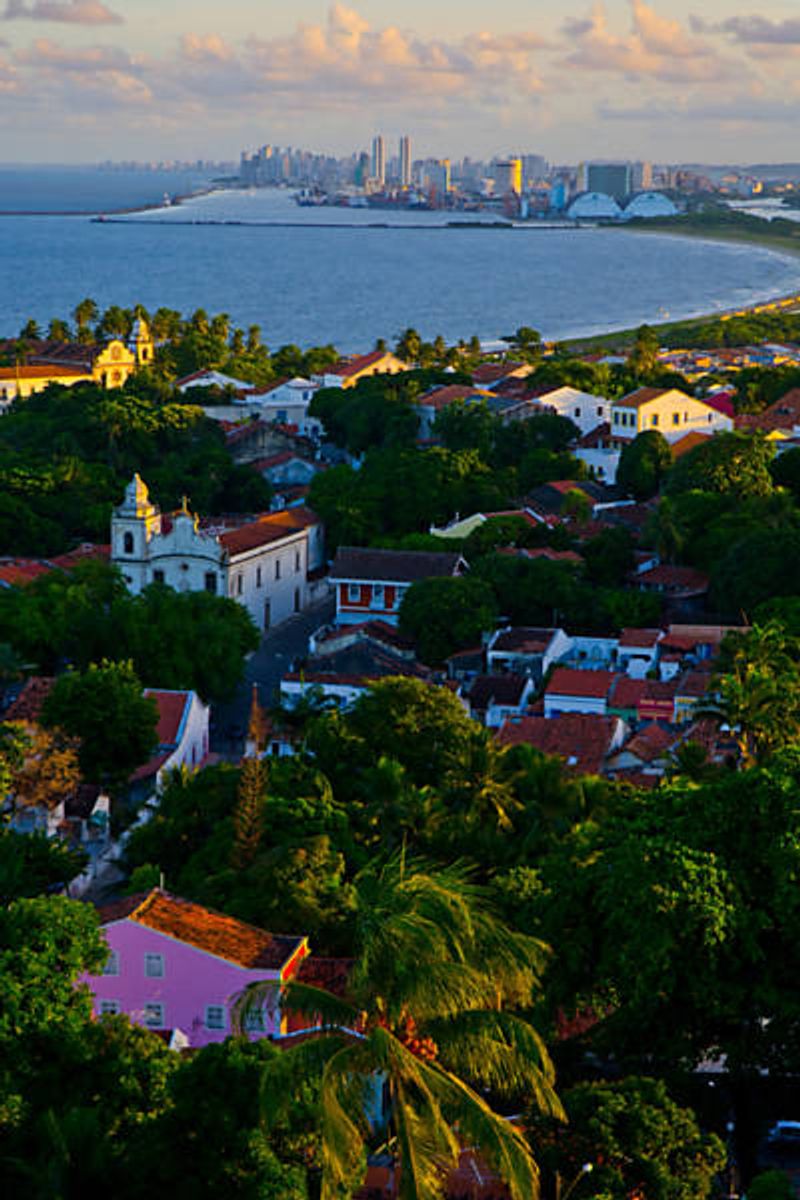
Olinda might be the most photogenic hill town in all of Brazil, and it does not seem to be trying very hard. Brightly painted houses tumble down green hillsides toward the Atlantic, Baroque churches peek above rooftops, and artists have set up studios in buildings that date back to the 1500s.
The whole place radiates a kind of effortless charm that larger cities spend fortunes trying to manufacture.
Founded by the Portuguese in 1535, Olinda became wealthy through the northeastern sugar economy and was largely burned by Dutch invaders in 1630 before being rebuilt in its current form. UNESCO recognized the historic center as a World Heritage Site in 1982 for its exceptional concentration of Baroque architecture and its remarkably intact colonial urban layout.
Walking the cobbled streets between churches, convents, and studios takes a full day and still leaves plenty unexplored.
Olinda’s Carnival has its own distinct personality completely separate from the massive productions in Rio or Salvador. Giant handmade puppets called bonecos parade through the streets, neighborhood groups perform frevo music with acrobatic dancing, and the whole city essentially becomes one continuous outdoor party.
The event is deeply community-driven and has a warmth that more commercialized Carnivals sometimes lack. Olinda sits just a short drive from Recife, making the two cities easy to combine in a single trip.
Serra da Capivara National Park, Piaui
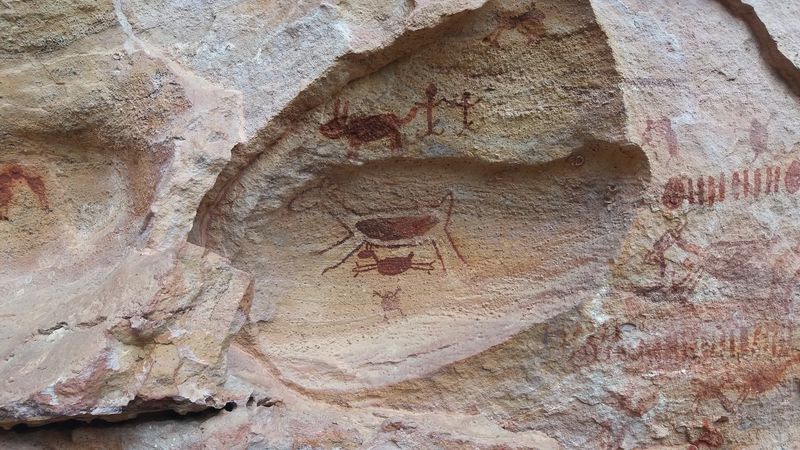
Some of the paintings on the canyon walls of Serra da Capivara may be more than 25,000 years old, which would make this region one of the earliest documented sites of human presence in the entire Americas. Researchers are still debating the exact dates, but even the most conservative estimates place these images among the oldest rock art in the Western Hemisphere.
That is a genuinely mind-bending thing to stand in front of.
The park contains more than 1,000 archaeological sites spread across dramatic cliffs and canyons carved into the dry northeastern landscape of Piaui. Hundreds of rock shelters display paintings of animals, hunting scenes, rituals, and human figures in vivid ochre and red pigments.
The sheer concentration of sites in one area is considered exceptional by archaeologists working anywhere in the world.
UNESCO recognized Serra da Capivara as a World Heritage Site in 1991, citing both its extraordinary archaeological significance and its striking natural scenery. The surrounding caatinga ecosystem, a uniquely Brazilian type of dry scrubland found nowhere else on Earth, adds ecological value to the scientific and historical importance.
The nearby town of Sao Raimundo Nonato has a dedicated museum that provides essential context before entering the park. Guided visits are required and help locate sites that would be nearly impossible to find independently.
Sao Luis, Maranhao
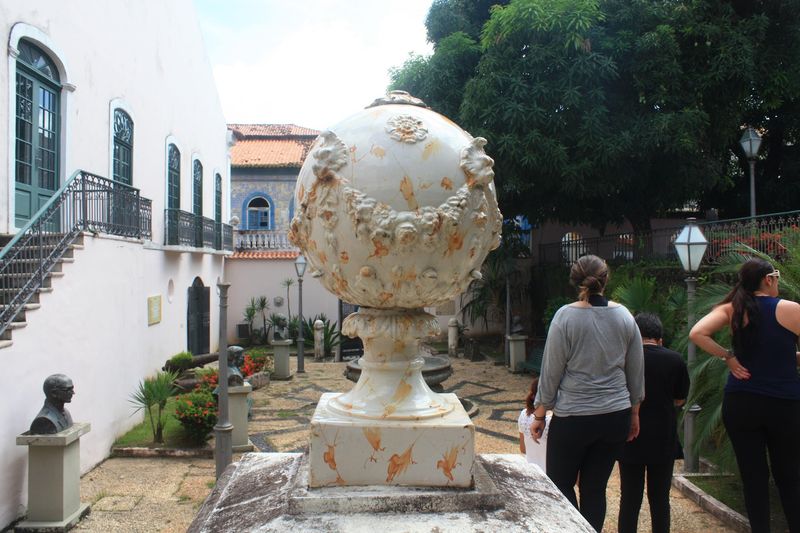
No other city in Brazil looks quite like Sao Luis. Thousands of buildings in the historic center are covered in hand-painted Portuguese ceramic tiles called azulejos, creating streets where almost every facade is a different pattern of blue, green, yellow, or white.
Walking through the old city feels like moving through an open-air tile museum, except the buildings are real and people actually live in them.
Founded by the French in 1612 and later captured by the Dutch before the Portuguese took permanent control, Sao Luis has a colonial history more complicated than most Brazilian cities. That layered past shows up in the architecture, the street layout, and the cultural traditions that developed here.
The city is also the birthplace of bumba-meu-boi, a theatrical folk festival involving elaborate costumes, music, and storytelling that takes place each June and is considered one of the most important folk traditions in northeastern Brazil.
UNESCO recognized the historic center of Sao Luis as a World Heritage Site in 1997, highlighting its exceptional preservation of Portuguese colonial urban architecture. The tile-covered buildings are at various stages of restoration, with some beautifully maintained and others in visible need of attention, which gives the city an authentic rather than overly polished feel.
Sao Luis also serves as a practical base for visiting Lencois Maranhenses National Park, making the two destinations a natural and rewarding combination.
Share this story