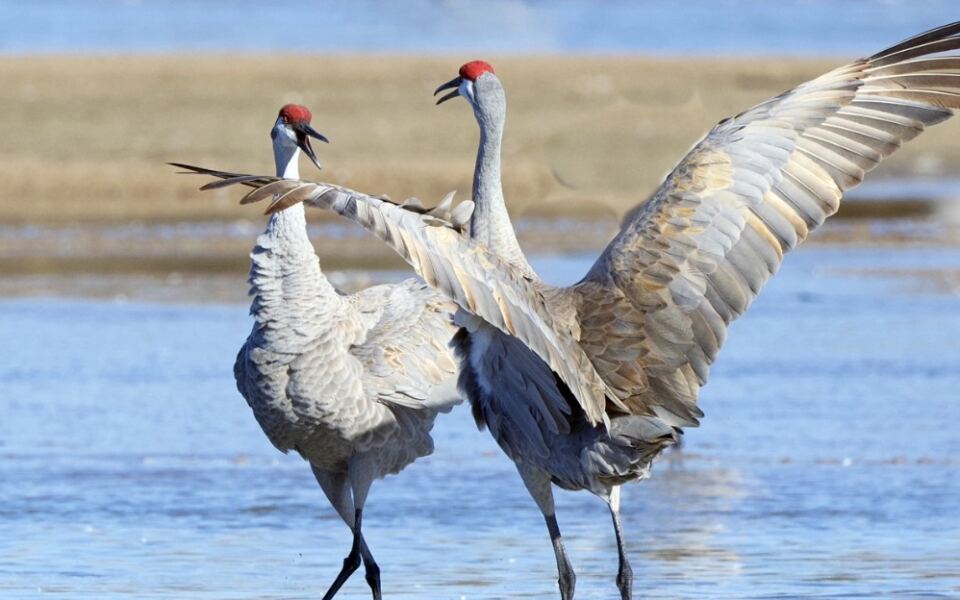
Every spring, hundreds of thousands of Sandhill Cranes gather along Nebraska’s Platte River Valley, creating one of North America’s most remarkable wildlife spectacles. The migration builds through February, typically peaks in March, and winds down as the birds continue north toward their breeding grounds.
These Nebraska crane-watching spots offer everything from sunrise viewing blinds along the river to easy roadside opportunities overlooking feeding fields. With options for both carefully planned trips and spontaneous stops, there are plenty of ways to experience this unforgettable migration.
1. Rowe Sanctuary, Gibbon, Nebraska
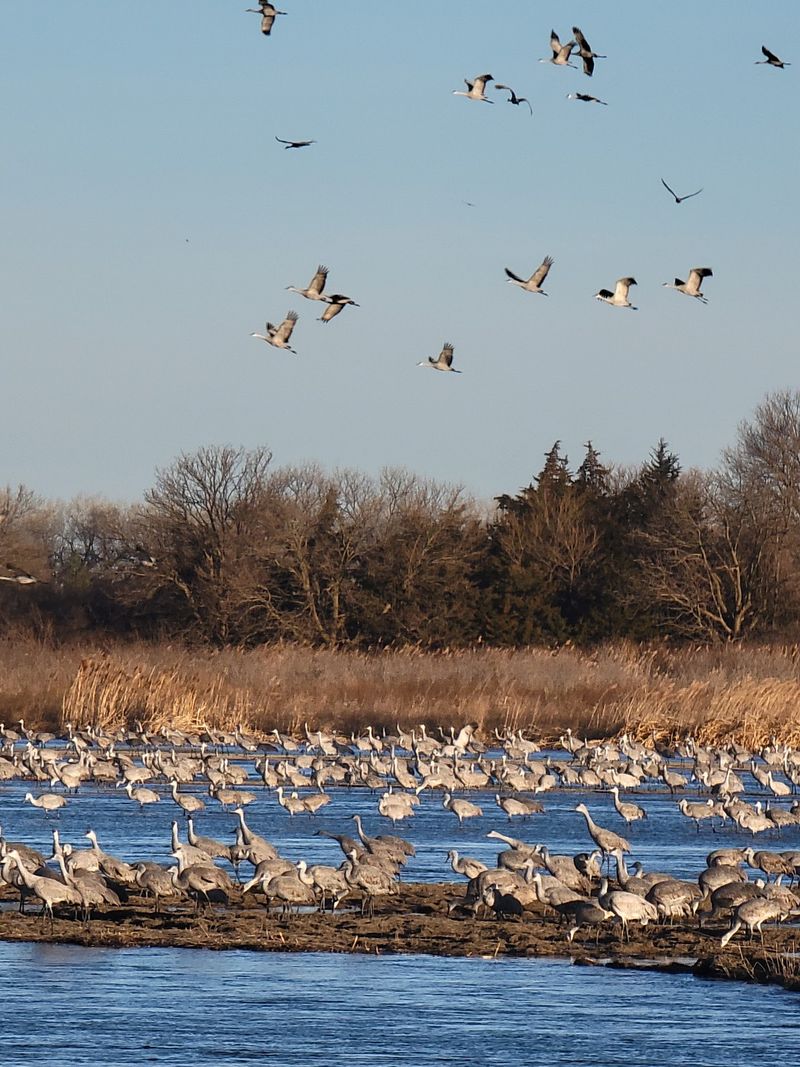
Managed by the National Audubon Society, Rowe Sanctuary is widely considered the gold standard for crane watching in Nebraska, and the numbers back that up: the preserve protects roughly 2,900 acres of river channel, wet meadow, and agricultural land along the central Platte.
During crane season, small groups are escorted to specially built viewing stations near traditional roost sites, with tours available at sunrise and sunset. Reservations fill weeks before peak migration, so booking early is not optional, it is essential.
The Iain Nicolson Audubon Center on site provides interpretive displays about the cranes’ journey and the conservation work protecting their habitat. Visitors are advised to dress in dark, warm layers and to expect a short walk of up to half a mile to reach the viewing stations.
2. Crane Trust Nature & Visitor Center, Wood River, Nebraska
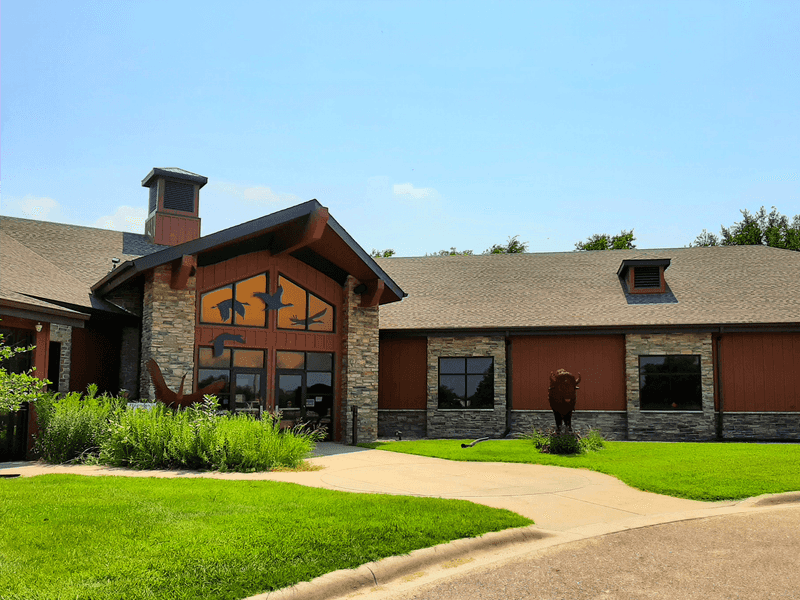
The Crane Trust operates as an independent nonprofit managing nearly 10,000 acres of critical Platte River habitat, and its March programming is among the most varied of any site along the migration corridor.
Options include guided riverfront blind tours, daytime driving tours through feeding fields, and evening footbridge experiences that place visitors directly above incoming crane flocks. The footbridge tours are a crowd favorite because you can watch birds approach from multiple directions without any structure blocking the view.
Beyond the guided tours, the visitor center features a 35-foot observation tower, interactive exhibits, a bison research herd, and nature trails open daily. The center also offers VIP overnight stays for members who want a longer, more immersive experience with the migration.
3. Plautz Crane Viewing Deck, Shelton, Nebraska
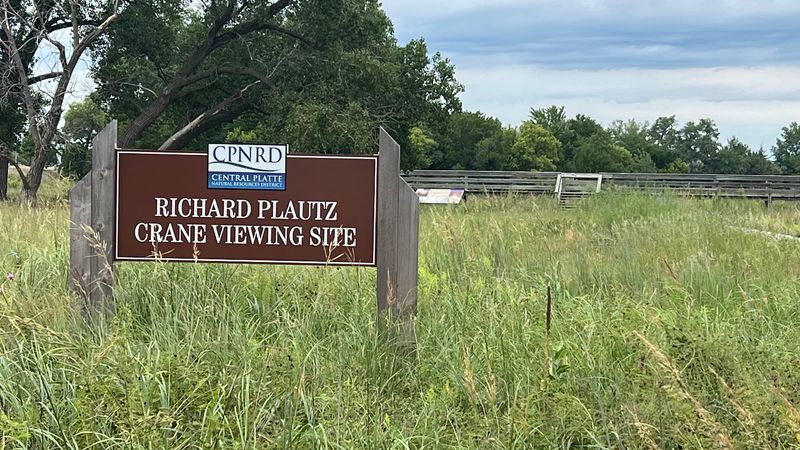
Public crane watching without a reservation is entirely possible, and the Richard Plautz Crane Viewing Site south of the Gibbon Interstate 80 interchange makes it straightforward. Two elevated decks, a paved trail, and a proper parking area are all available at no cost.
Sunrise and sunset are the times to be here, when cranes funnel between the Platte River roosts and the surrounding cornfields in long, shifting formations. The open terrain gives photographers room to frame wide shots without crowds or fences in the way.
Patient visitors during daylight hours may also catch cranes performing their courtship dances in nearby fields, a bonus that tends to surprise first-time visitors who expect the action to be limited to the river. Other migratory species, including pelicans and herons, often share the sky during peak weeks.
4. Alda Sandhill Crane Viewing Deck, Wood River, Nebraska
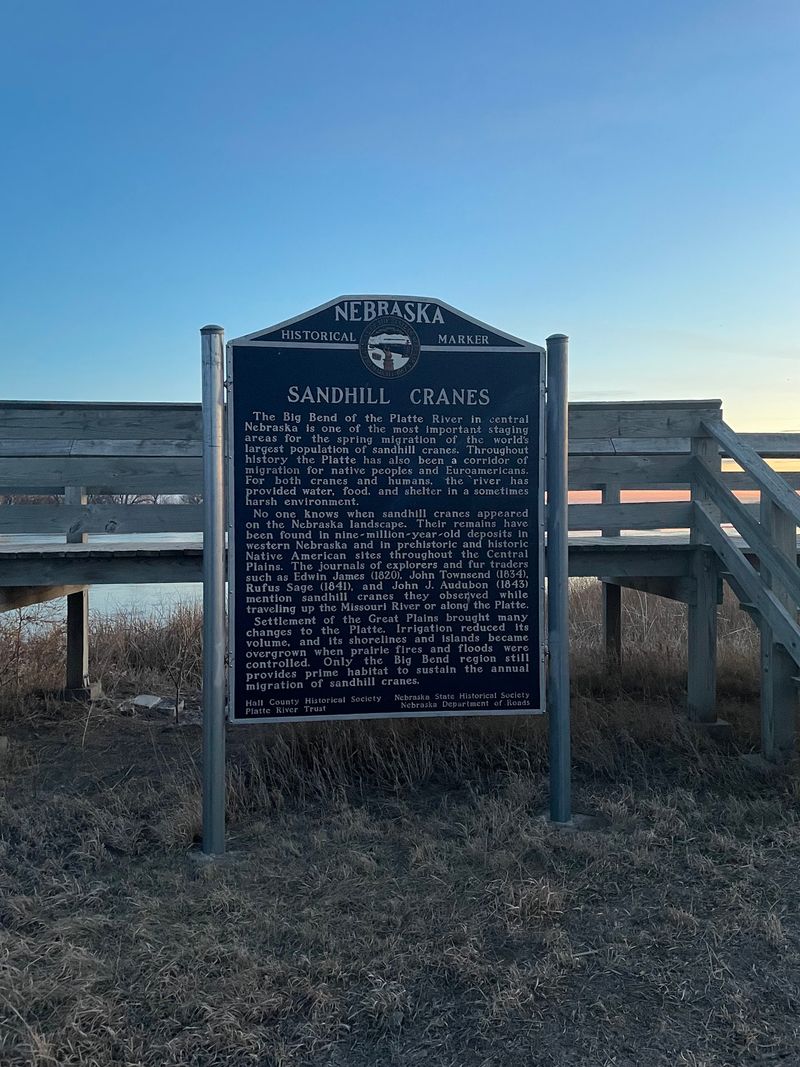
About two miles south of the Alda interchange, this publicly accessible site was purpose-built for crane watching and has been upgraded with an elevated viewing platform, paved parking, and an accessible concrete trail that makes it usable for visitors of all mobility levels.
Timing your arrival well before sunset is one of the most practical tips any crane-watching veteran will offer. Showing up early means you can watch the sky gradually fill as scattered groups of birds consolidate into long, steady processions heading toward the Platte for the night.
The Alda site is managed by the Central Platte Natural Resources District and is free to visit, making it one of the most accessible entry points along the entire migration corridor. It pairs naturally with a morning stop at a nearby guided sanctuary for a full-day crane experience.
5. Fort Kearny Hike-Bike Trail Bridge, Kearney, Nebraska
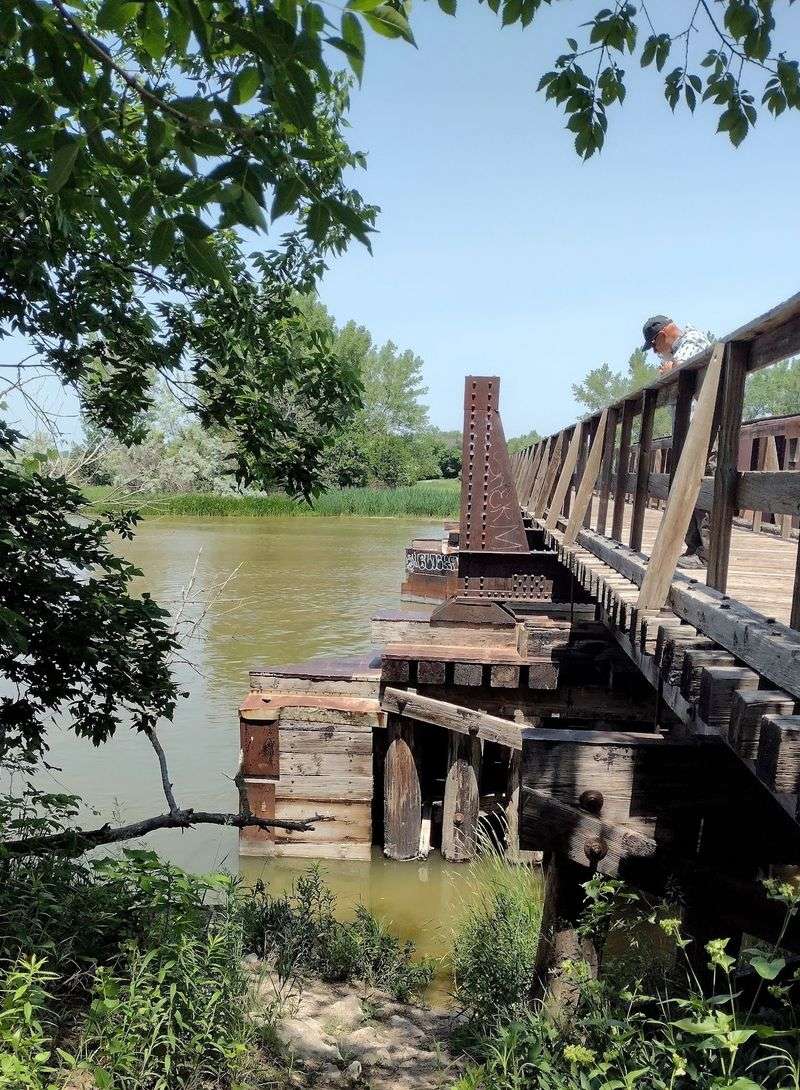
A repurposed railroad bridge might seem like an unlikely crane-watching platform, but the Fort Kearny Hike-Bike Trail Bridge has earned a genuine reputation among birders for putting observers directly over an active roost site on the Platte River.
The walk from the parking area to the bridge spans roughly 300 yards, so the payoff arrives quickly. At dawn, cranes lift from the shallow water in waves, and the elevated position above the river gives you a vantage point that flat ground simply cannot match.
Evening visits are equally rewarding, as the returning birds cross the open sky in lines that stretch from horizon to horizon before dropping toward the water below you. A Nebraska State Park permit is required for parking access at the Fort Kearny State Recreation Area trailhead.
6. Fort Kearny State Recreation Area, Gibbon, Nebraska
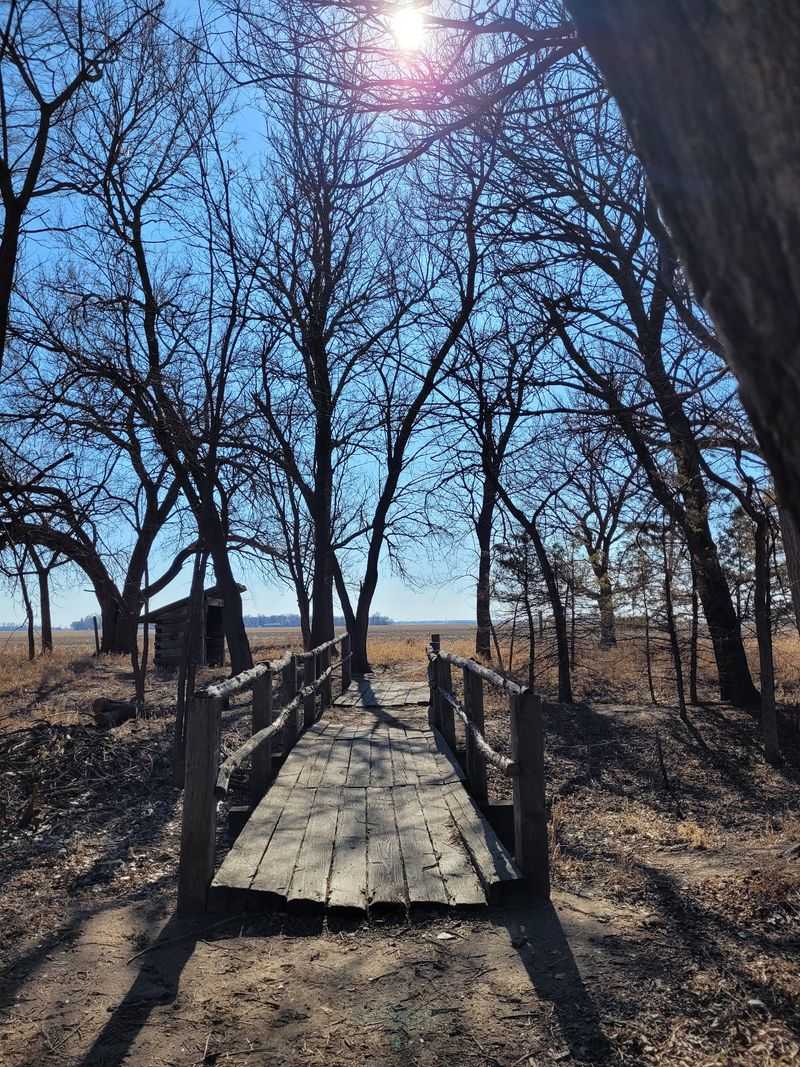
Nebraska Game and Parks specifically calls out Fort Kearny State Recreation Area as an excellent crane-watching location, and the endorsement is well earned. The park’s direct connection to the hike-bike trail bridges over the Platte puts visitors above the river corridor with minimal effort.
Dawn and dusk are the standout windows here, when the Platte transforms from a quiet waterway into the central stage of one of the largest bird migrations on the continent. The surrounding trails and ponds give the site appeal beyond just the crane spectacle.
Camping is available for those who want to be on-site before first light without a long drive in the dark. A state park entry permit is required and can be purchased at the nearby Fort Kearny State Historical Park visitor center or on site.
7. Fort Kearny State Historical Park, Kearney, Nebraska
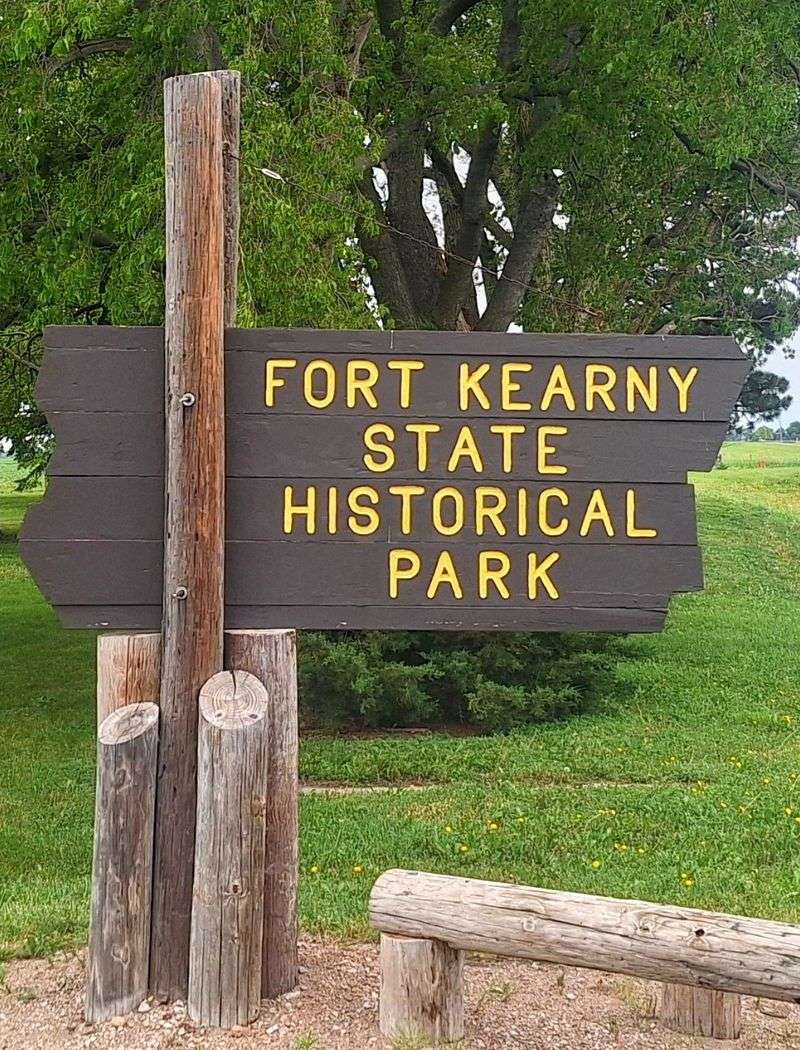
First-time crane watchers often underestimate how much a good orientation can improve the experience, and that is exactly what Fort Kearny State Historical Park delivers during peak season. The interpretive center converts into a dedicated Crane Information Center, staffed with people who know where the birds are and what viewing conditions look like that day.
A 15-minute video on the migration is available on site, giving visitors helpful context before they head toward the river. The park’s location also makes it a natural pairing with the adjacent State Recreation Area and its Platte River bridges.
Beyond the crane resources, the park features a recreated 1848 military stockade connected to the Oregon Trail, which adds a layer of Nebraska history to what might otherwise be a purely wildlife-focused trip. Admission is charged for the visitor center.
8. Sandhill Crane Public Viewing Roadside Turnout, Doniphan, Nebraska
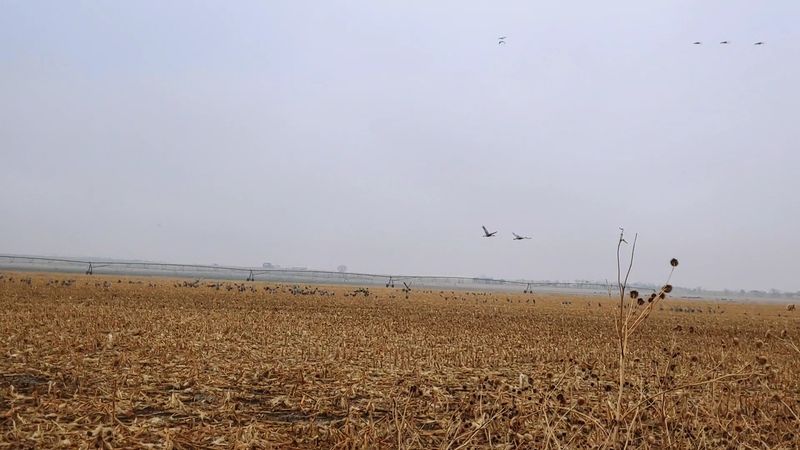
Not every great crane encounter requires a ticket, a reservation, or a structured tour. Designated roadside turnouts around the central Platte, including those near Doniphan, give independent travelers a legal, safe place to stop and observe cranes using surrounding farmland without disturbing them.
Daytime is actually when these spots earn their keep. After leaving river roosts at dawn, cranes spread across harvested cornfields to feed, rest, and perform their elaborate courtship dances, which involve wing stretching, bowing, and occasional leaps into the air.
Your vehicle works as a surprisingly effective blind here, and cranes in open fields often tolerate a parked car at a respectful distance without flushing. Binoculars are a must, and a spotting scope will reveal details of the dancing behavior that even good binoculars can miss at field distances.
9. Rainwater Basin Wetland Management District, Funk, Nebraska
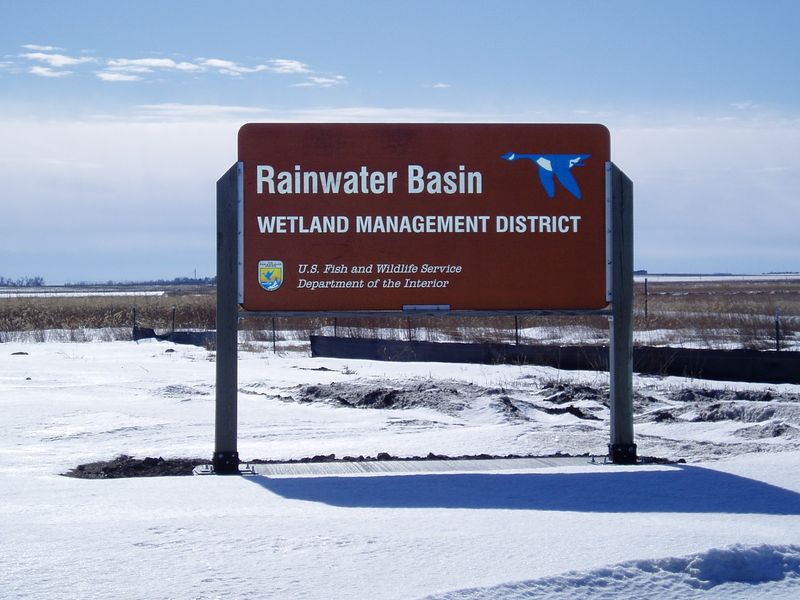
Nebraska’s crane migration story does not begin and end at the Platte River. The Rainwater Basin Wetland Management District, centered around Funk, adds a completely different ecosystem to the itinerary, one built around shallow seasonal wetlands rather than braided river channels.
Nebraska tourism highlights the Funk area visitor center as a top spot for seeing both Sandhill Cranes and the remarkable variety of waterfowl that pass through the basin each spring, including white-fronted geese, northern pintails, and mallards by the thousands.
The district is managed by the U.S. Fish and Wildlife Service and has been the site of rare whooping crane sightings during peak migration weeks.
For serious birders, a stop here can turn a focused crane trip into a much broader spring migration survey across multiple species and habitat types.
10. Funk Waterfowl Production Area, Funk, Nebraska
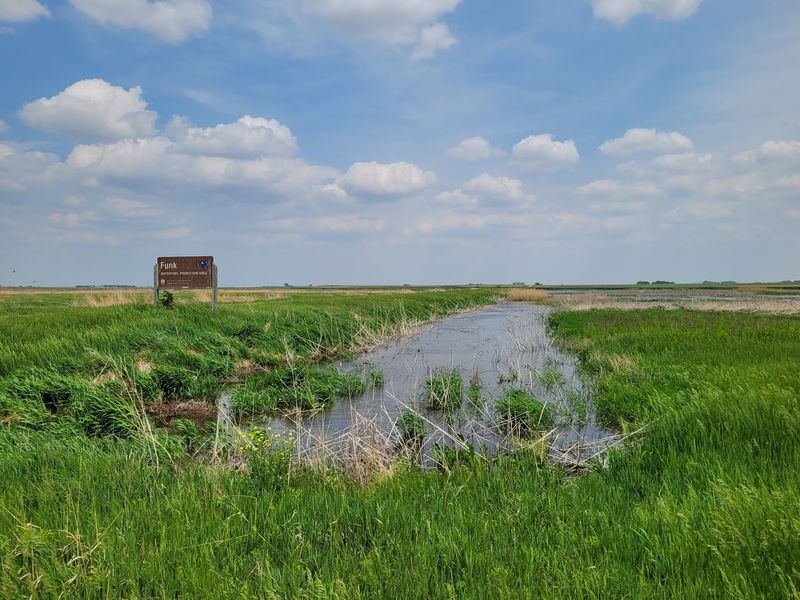
Nearly 2,000 acres of managed wetland habitat sit just outside the small community of Funk, and the federal designation as a Waterfowl Production Area understates how good the birding can get here during spring migration. Nebraska’s official crane guidance lists it as one of the premier Rainwater Basin stops for Sandhill Cranes.
The layout is different from the elevated decks near Gibbon and Alda. Roads and dikes divide the wetland into smaller units, which means you can drive slowly, stop wherever birds are active, and scan each section carefully before moving on.
The Funk Peterson Wildlife Trail adds a three-mile walking option for visitors who prefer to cover ground on foot. Whooping cranes have been recorded here during migration, which means it is worth scanning carefully rather than assuming every white bird in the distance is a snow goose.
11. Dusty Trails, North Platte, Nebraska
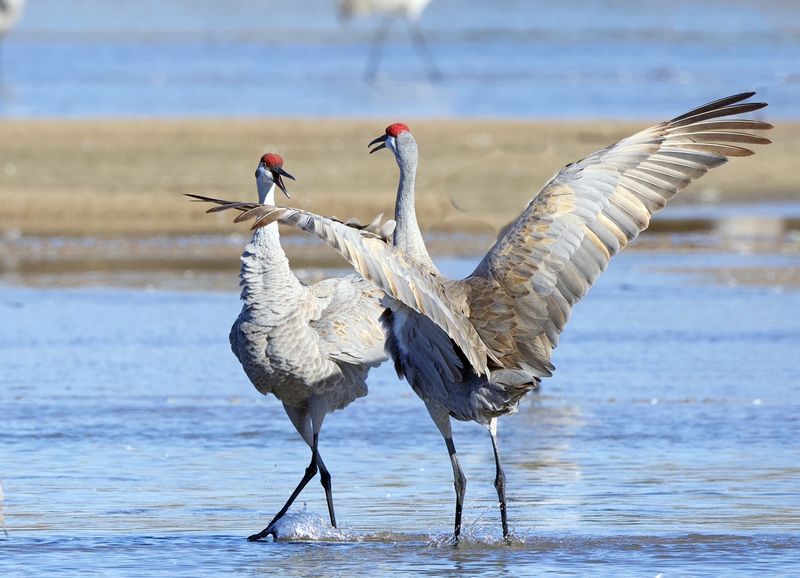
Western Nebraska’s crane migration corridor gets far less attention than the stretch around Kearney and Gibbon, which is part of what makes Dusty Trails in North Platte worth knowing about. This outfitter runs morning and evening blind tours as well as daytime bus tours through the Platte River Valley between North Platte and Hershey.
The daytime bus tours stand out because guides actively search for crane concentrations rather than staying fixed at one location. Participants get to observe feeding and courtship behavior across multiple field sites, which gives a broader picture of how the birds use the western valley.
Tours include snacks, water, and loaner binoculars for guests who need them, keeping the focus on the birds rather than logistics. Booking ahead is recommended since group sizes are kept manageable to avoid overwhelming the sites being visited.
12. North Platte City Sandhill Crane Viewing Blind, North Platte, Nebraska
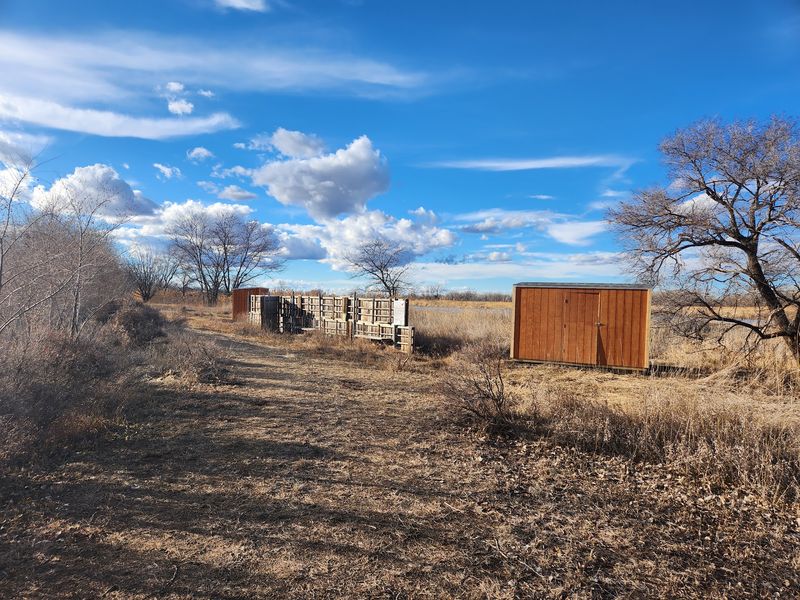
Two free public viewing areas serve independent crane watchers in the North Platte region, and the city-maintained blind is one of them. Recent upgrades added two fully enclosed viewing blinds at the site, giving visitors a more sheltered and focused observation setup than a simple open platform provides.
Morning and evening are the prime windows, when cranes move to and from their river roosts in the largest numbers. Arriving before first light for a morning session means settling into the blind while the Platte is still quiet, which makes the eventual departure of the birds all the more striking.
The first-come, first-served setup keeps the experience low-key and self-directed, which suits birders who prefer to set their own pace. Etiquette signage at the location covers basic guidelines for keeping the blind quiet and the cranes undisturbed.
13. North River State Wildlife Management Area, North Platte, Nebraska
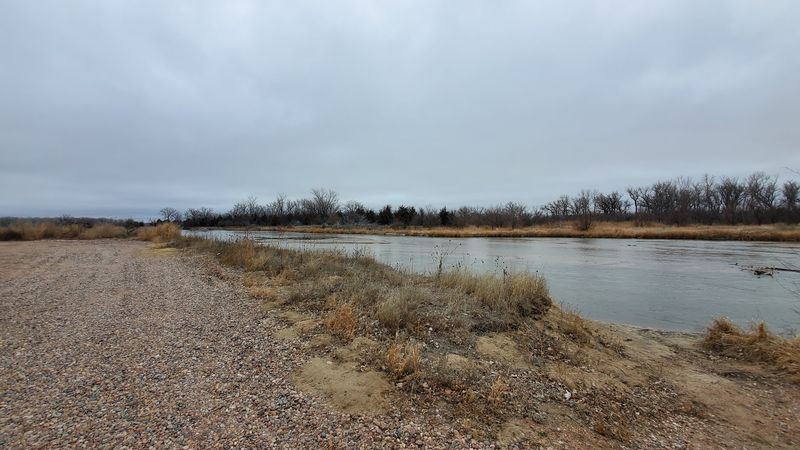
Vehicle-based crane watching gets a proper showcase at North River State Wildlife Management Area, where the surrounding Platte River habitat draws migrating cranes and the rural road network lets visitors cover ground quietly without leaving their cars.
The area is included in recommended self-guided crane routes around North Platte, and it also features a dedicated viewing blind accessible via a half-mile hike over level terrain. Solar lights and small directional signs mark the path, and the blind itself accommodates around eight adults.
The combination of a drive-through option and a walk-in blind makes North River a flexible stop for different types of visitors. Some of the most memorable crane moments here reportedly happen without any structure at all, just a parked car on a quiet road while distant calls gradually reveal where the birds have gathered for the day.
14. Buffalo Bill Ranch State Historical Park, North Platte, Nebraska
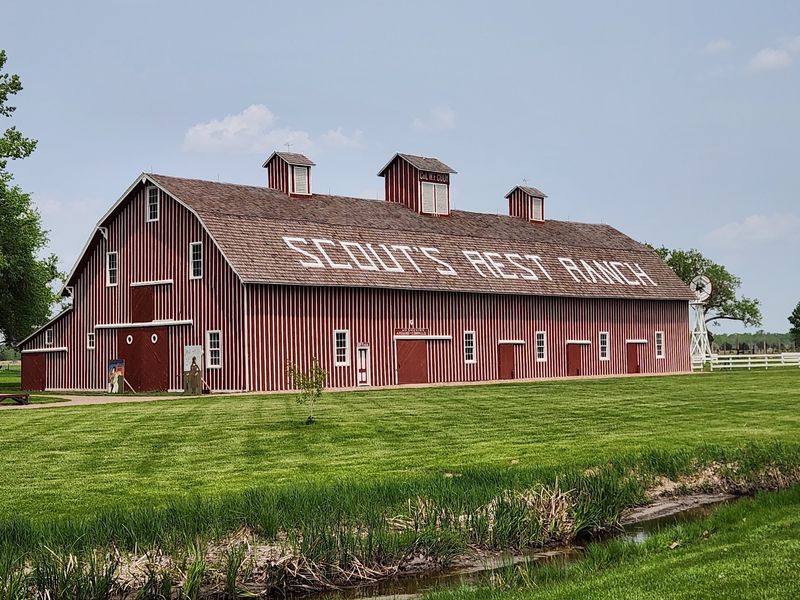
William F. Cody built his Scouts Rest Ranch here in the 1880s, and the park that preserves it today draws visitors for both history and, during March, an unexpected wildlife bonus.
Local crane-watching guides recommend the Buffalo Bill Ranch area for daytime viewing of cranes feeding in nearby fields.
A mobile viewing blind is sometimes deployed in the area during migration season, which upgrades the experience considerably for those lucky enough to find it available. Even without the blind, vehicles parked along field edges provide a workable substitute for patient observers with binoculars.
Combining a walk through the historic ranch buildings with a slow drive around the surrounding countryside creates a relaxed, unhurried way to spend a morning. It is one of the easier stops on any multi-site crane itinerary and works especially well as a midday break between dawn and dusk sessions at dedicated river sites.
15. Golden Spike Tower, North Platte, Nebraska
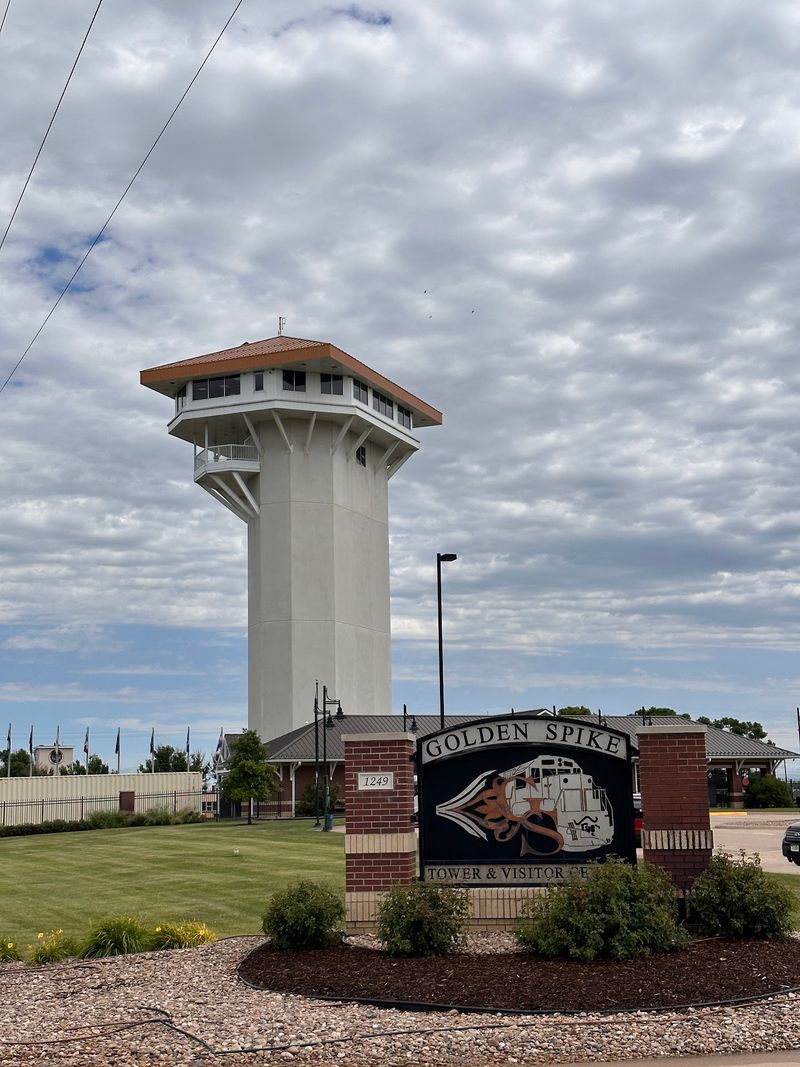
Most crane-watching spots in Nebraska put you at river level or just slightly above it. Golden Spike Tower takes a different approach entirely, placing visitors on a seventh-floor open-air deck or an enclosed eighth-floor observation room with 360-degree views across North Platte and the surrounding countryside.
The tower is primarily known as the overlook for Union Pacific’s Bailey Yard, the largest railroad classification yard in the world. During migration season, North Platte tourism also promotes it as an elevated vantage point for spotting cranes feeding and dancing in the fields spread across the surrounding landscape.
The panoramic perspective makes it easier to gauge how widely the cranes have dispersed from the river during the day, which can help you plan where to drive next.
Share this story