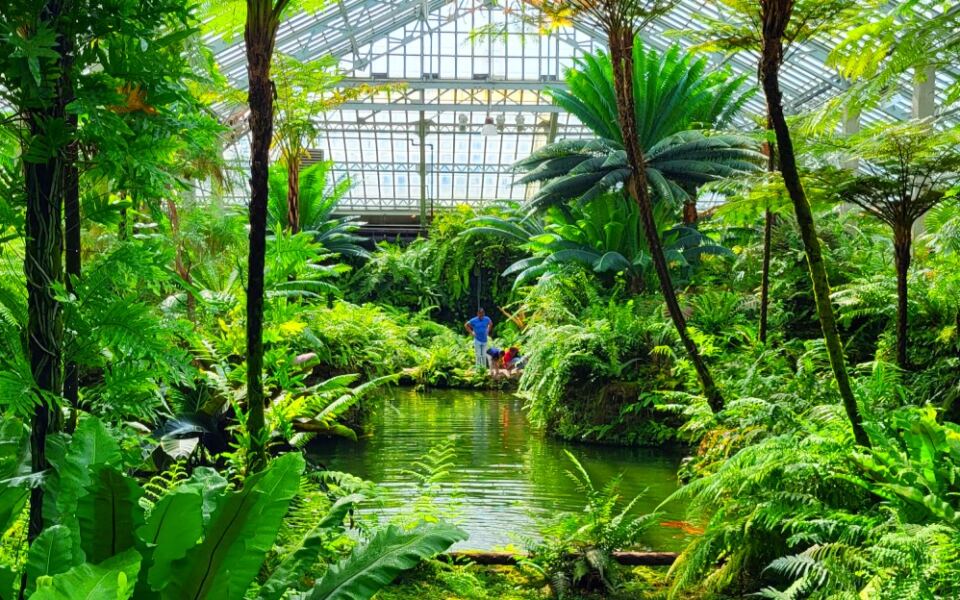
Some of America’s oldest greenhouses are still welcoming visitors, with towering palm trees, rare orchids, giant water lilies, and tropical plants growing inside buildings that date back more than a century.
In San Francisco, an 1879 conservatory houses carnivorous plants and a famous corpse flower. Chicago has a massive glasshouse inspired by haystacks, while Detroit’s Belle Isle Conservatory recently completed a multimillion-dollar restoration.
Several of these historic attractions offer free admission, and others have special discount days. Beyond the plants, visitors can explore Victorian architecture, indoor waterfalls, butterfly exhibits, and collections that have survived generations of change.
Here are 15 remarkable American conservatories, what makes each one different, and what to know before planning a visit.
1. Conservatory of Flowers, San Francisco, California
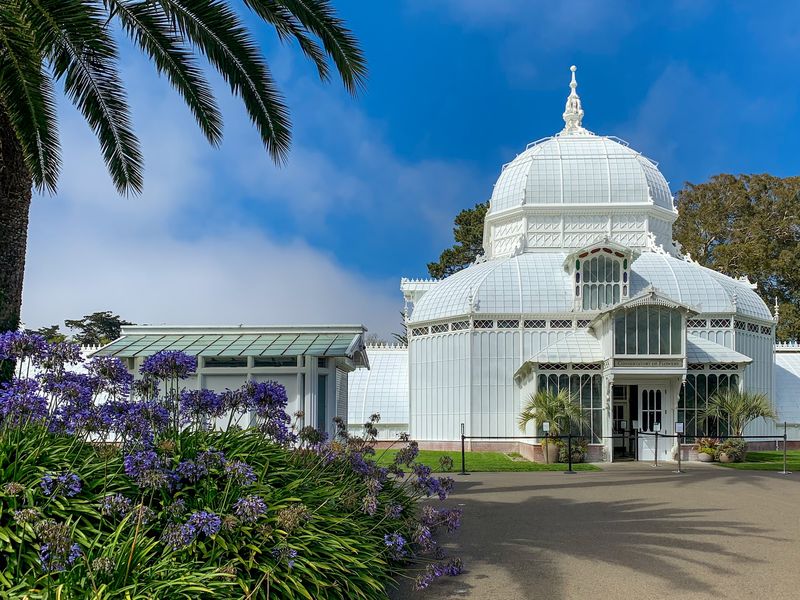
Finished in 1879, this white wooden wonder is the oldest building in Golden Gate Park. It has survived a fire in 1883 and a fierce windstorm in 1995.
That storm led to a $25 million rebuild, and the place came back stronger than ever. Today it holds around 1,700 plant species, many of them rare.
Plant fans love the giant water lilies and the carnivorous plants that snack on bugs. A century-old Imperial philodendron also lives here, and it is older than most of the visitors.
Every few years, the famous corpse flower opens its huge bloom and draws long lines. Plan around Wednesdays, since the conservatory is closed that day.
Hours run from 10 a.m. to 4:30 p.m. San Francisco residents get in free, and everyone enjoys free entry on the first Tuesday of each month.
2. Phipps Conservatory and Botanical Gardens, Pittsburgh, Pennsylvania
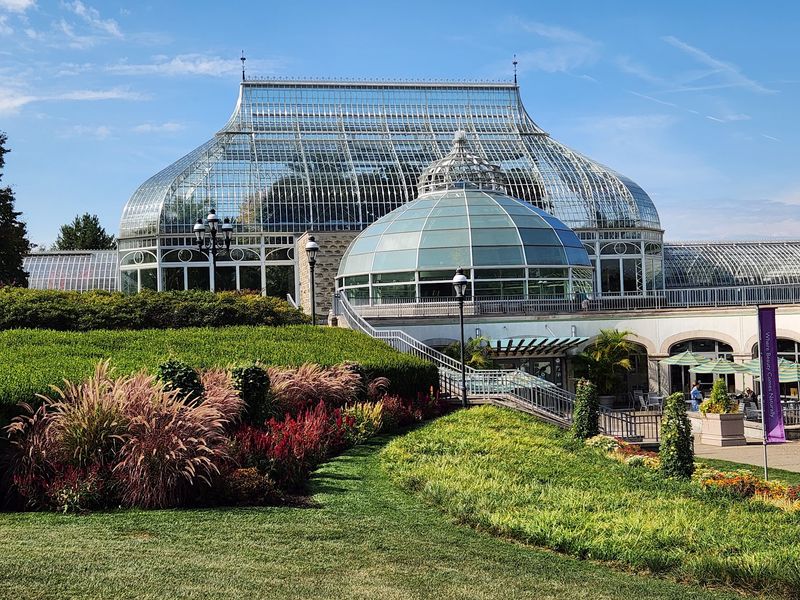
Steel money built plenty of things in Pittsburgh, and in 1893 it built a greenhouse. Henry W.
Phipps Jr. gifted the city this glass palace, which cost $100,000 at the time.
The Lord and Burnham firm designed it, and it now holds 14 indoor rooms. Outside, 23 gardens stretch across 15 acres.
The Palm Court mixes palm trees with colorful Dale Chihuly glass art. Fans of fancy French style should peek at the Broderie Room, a popular wedding spot.
Phipps also hosts one of the longest-running flower shows in the world, started in its opening year. The Butterfly Forest is taking a break for heating upgrades and should return in 2027.
Adult tickets cost $22.95, and EBT cardholders pay just $3. Fridays stay open until 10 p.m., which makes a great evening outing.
3. Marjorie McNeely Conservatory, Saint Paul, Minnesota
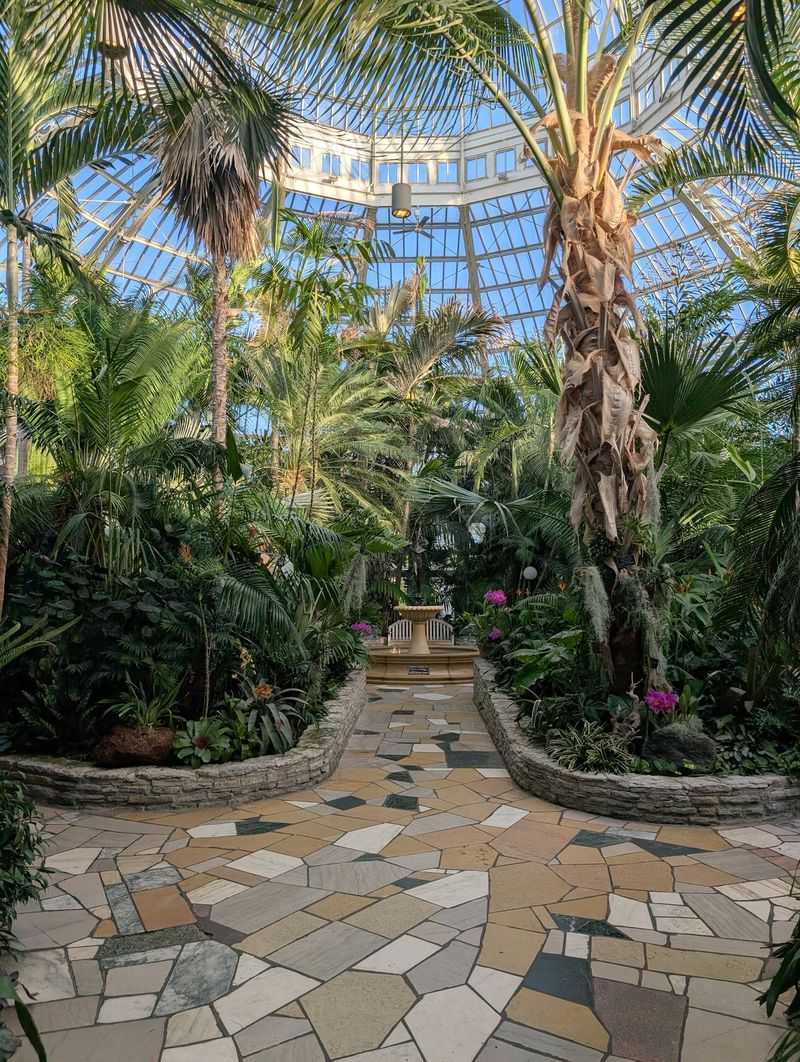
Believe it or not, this whole building once arrived as a kit. Iron, steel, and cedar pieces were put together in 1915 for just under $59,000.
Park superintendent Frederick Nussbaumer dreamed about it for decades. He took inspiration from the famous Palm House at Kew Gardens in London.
The Palm Dome stands 64.5 feet high and 100 feet across. Underneath, plants from six continents share the space.
The Sunken Garden hosts five flower shows each year. Its chrysanthemum show has run since 1918, which means it has a longer track record than most sports teams.
Best of all, entry is free, though donations are welcome. Hours are 10 a.m. to 4 p.m. daily.
A January visit is a local favorite, when snowbanks outside and palm trees inside make for a fun contrast.
4. Enid A. Haupt Conservatory, Bronx, New York
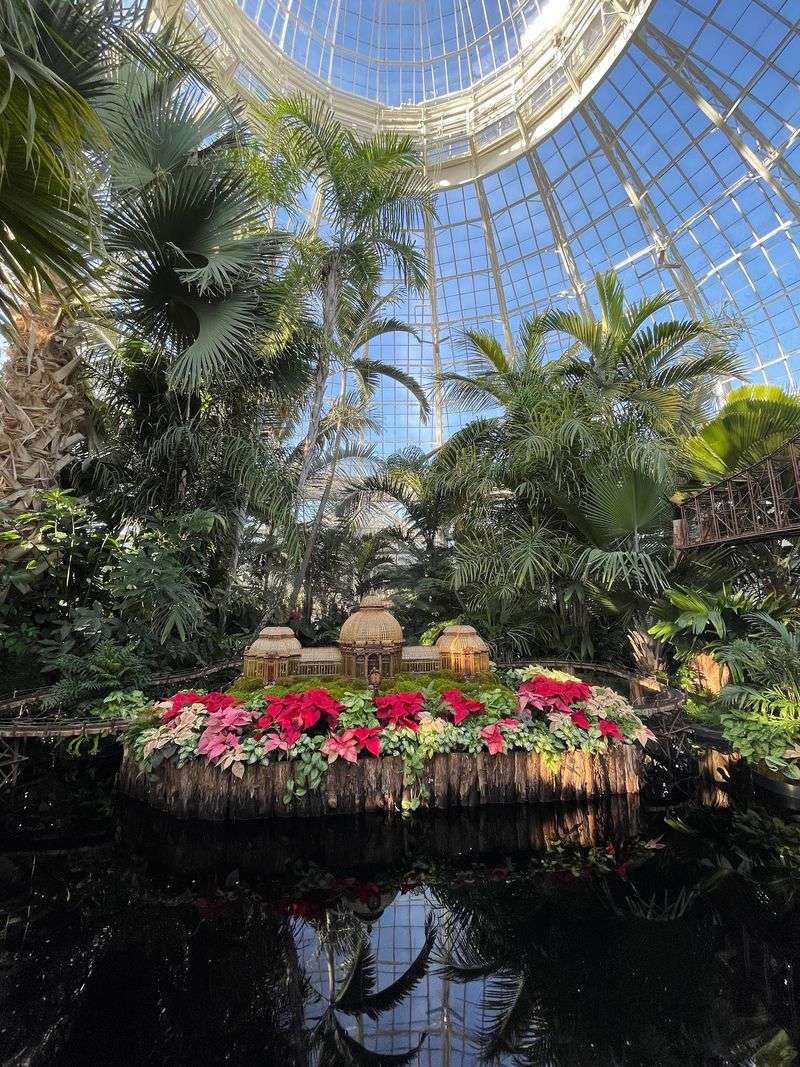
Demolition almost won this fight in the 1970s. The 1902 glasshouse had fallen into bad shape until Enid Annenberg Haupt stepped in with the money to save it.
In 1978 the restored building took her name. It now covers about 55,000 square feet and is a New York City landmark.
Eleven galleries form a C shape, each showing a different part of the plant world. The central Palm Dome reaches 90 feet tall.
Raised walkways in the rainforest gallery let you look at the treetops. The desert gallery swaps all that green for spiky cacti.
Two events pack the place every year: the orchid show and the holiday train show. The trains roll past tiny city landmarks made from bark, leaves, and seeds.
You need an All-Garden Pass to enter. Strollers stay outside, so plan accordingly.
5. Volunteer Park Conservatory, Seattle, Washington
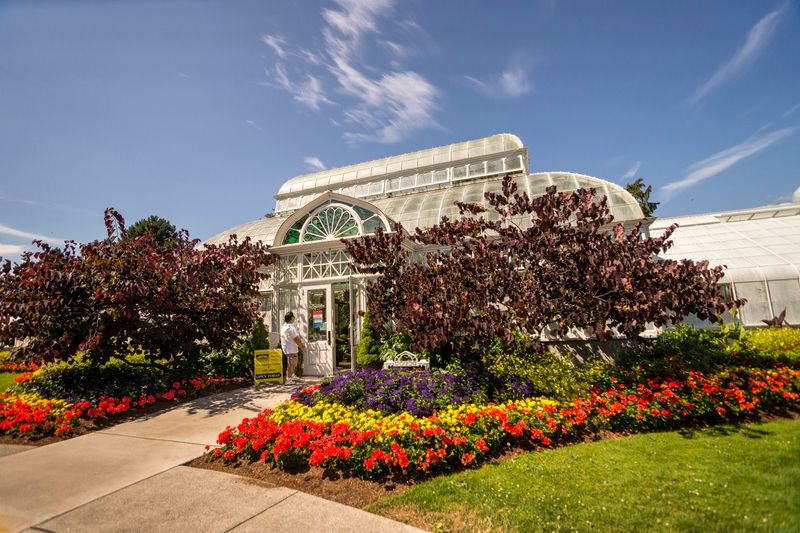
Count the windows if you have time, because there are 3,426 glass panes on this Seattle classic. The frame came from a New York company and opened on Capitol Hill in 1912.
Above the front door sits a wooden peacock window, an original detail restored in 2000. Small touches like that make the building worth a slow look.
Five houses fill the inside. The Bromeliad House shows off plants growing on an iron display tree.
Bug-eating Venus flytraps live in the Fern House. The Cactus House holds a jade tree grown from a cutting taken in 1916.
Adult tickets are only $6, and kids five and under get in free. On the first Thursday and first Saturday of each month, nobody pays at all.
Planning a professional photo shoot? Get a permit first.
6. Lincoln Park Conservatory, Chicago, Illinois
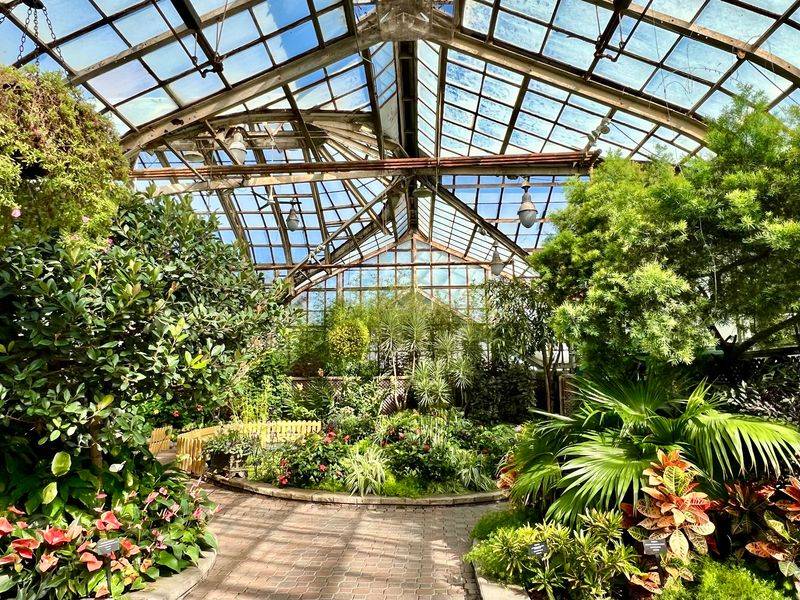
Chicago got lucky twice, with a second historic conservatory just north of downtown. Builders worked on this one from 1890 to 1895.
Architect Joseph Lyman Silsbee teamed up with M. E.
Bell on the design. The glass sits on a steel frame above a granite base.
Inside the Palm House, a fiddle-leaf rubber tree planted in 1891 has grown to 50 feet. It has been growing longer than your great-grandparents have been around.
The Fern Room sits five and a half feet below ground level. Koi swim in its ponds among ferns and ancient cycads.
Admission is free, but you need a timed ticket reserved online. Note that the Fern Room has stairs.
Lincoln Park Zoo is right next door, so you can see palms and penguins in one afternoon.
7. Howard Peters Rawlings Conservatory, Baltimore, Maryland
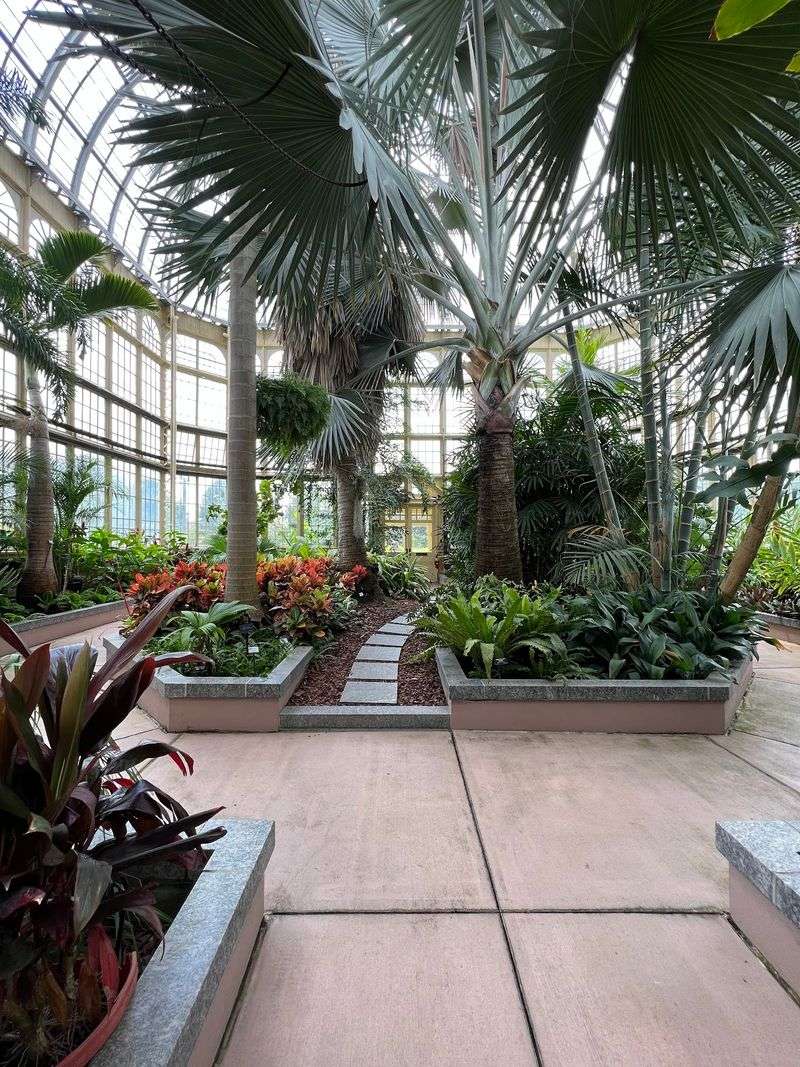
Few glasshouses in America have been at it longer than this Baltimore beauty. It opened in 1888 as the Druid Hill Conservatory.
George A. Frederick, who also designed Baltimore City Hall, drew up the plans.
The Palm House has 175 windows reaching 50 feet high.
Five climate zones fill the building today. The Tropical House grows bananas, pineapples, and coffee beside a waterfall and fish pond.
Giant saguaro cacti stand in the Desert House. The Mediterranean House brings olive and citrus trees into the mix.
Outside, 1.5 acres of gardens surround a sundial from the 1800s. It still works on sunny days, no batteries needed.
Hours are short, so check before you go. The conservatory opens Wednesday through Sunday and closes Monday and Tuesday.
Parking in Druid Hill Park is free.
8. Anna Scripps Whitcomb Conservatory, Detroit, Michigan
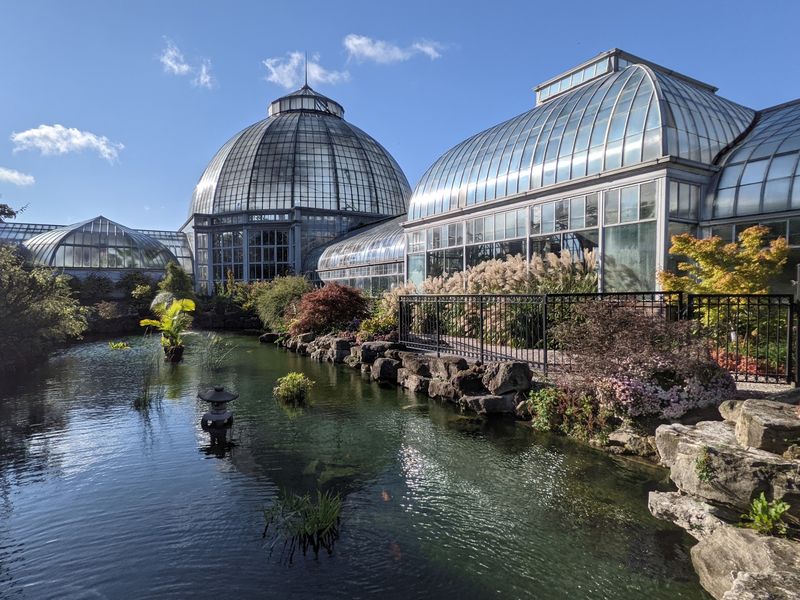
Some say Monticello, Thomas Jefferson’s home, inspired the dome on this Belle Isle landmark. Architects George D.
Mason and Albert Kahn designed it, and it opened in 1904.
A $10 million renovation wrapped up in December 2024. Workers replaced more than 1,500 glass panes in the 85-foot dome.
Over 2,000 plant species grow in five sections. A sunken fernery and a cactus house give very different looks under one roof.
Orchid lovers should not miss the 600 plants that Anna Scripps Whitcomb donated in 1955. It ranks among the largest city-owned orchid collections in the country.
Admission is free, Wednesday through Sunday. Driving onto Belle Isle usually needs a Michigan Recreation Passport, but a public bus works too.
The Belle Isle Aquarium sits right next door for a bonus stop.
9. Buffalo and Erie County Botanical Gardens, Buffalo, New York
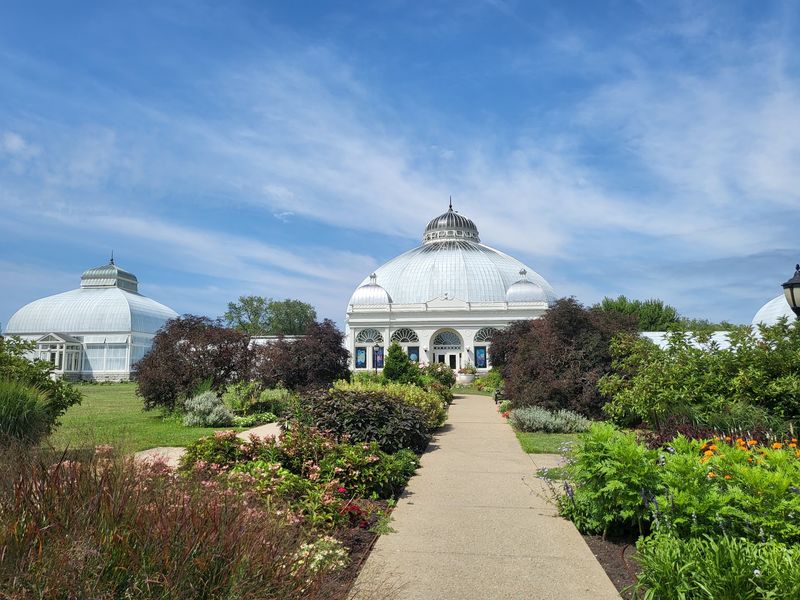
Three domes are better than one, at least in Buffalo. This 1900 conservatory is one of only two tri-domed conservatories in America.
Lord and Burnham designed it, borrowing ideas from London’s Crystal Palace and Kew Gardens. In 1930 it was rebuilt to handle Buffalo’s tough winters.
The Palm Dome rises 67 feet and holds more than 3,000 glass panes. Under it you will even find a chocolate tree.
The Victorian Ivy and Herb House has the largest public ivy collection in the world. A 30-foot waterfall and dinosaur topiaries keep kids busy in the fern area.
A $31 million expansion is underway, with completion planned for early 2027. The gardens stay open daily from 10 a.m. to 4 p.m.
Kids under 12 get in free. Look for $10 Unwind Wednesdays most months.
10. Garfield Park Conservatory, Chicago, Illinois
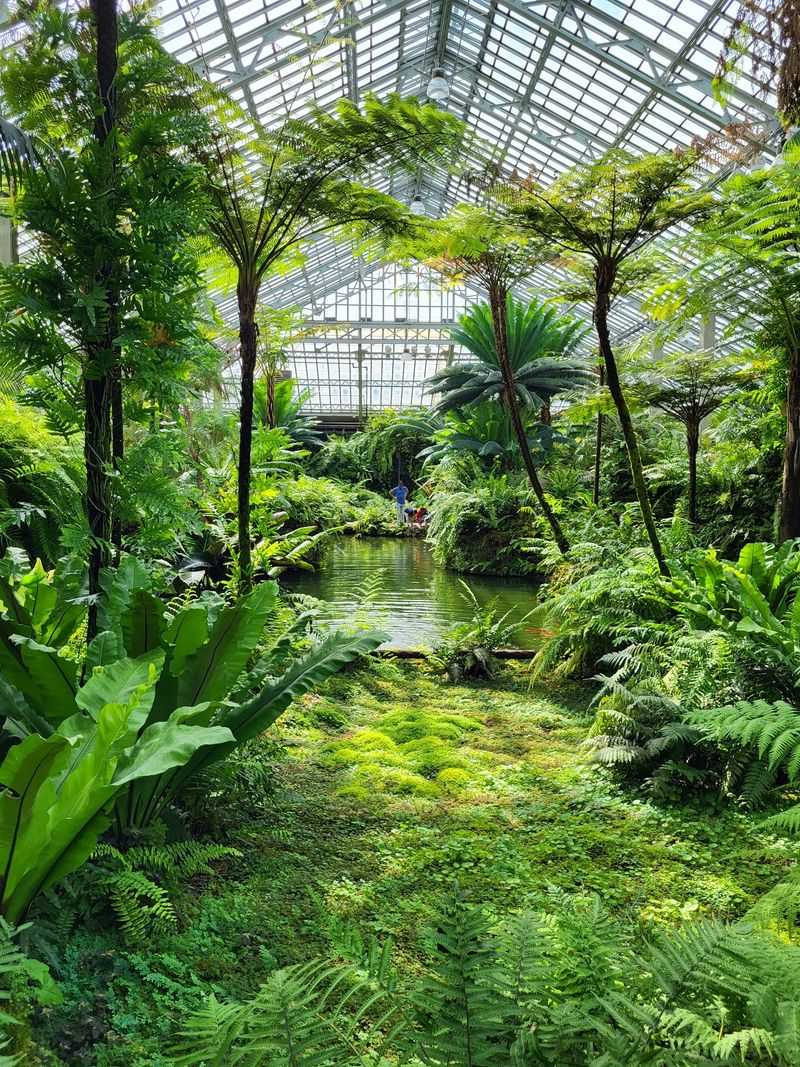
Haystacks inspired the shape of this Chicago giant, which opened in 1908. Designer Jens Jensen wanted nature under glass, not neat rows of pots.
That idea was bold for its time. Most conservatories of the era looked formal and tidy, while this one aimed for wild and natural.
The Palm House rises 65 feet and holds more than 70 kinds of palms. Look for the rare double coconut palm, which produces one of the biggest seeds on Earth.
Over in the Fern Room, ferns and rocks surround a lagoon that looks straight out of the dinosaur days. Kids usually spend extra time here.
Open Wednesday through Sunday, the conservatory stays open until 8 p.m. on Wednesdays. Chicago residents get free admission, and parking costs nothing.
Booking ahead is smart on busy weekends.
11. Franklin Park Conservatory and Botanical Gardens, Columbus, Ohio
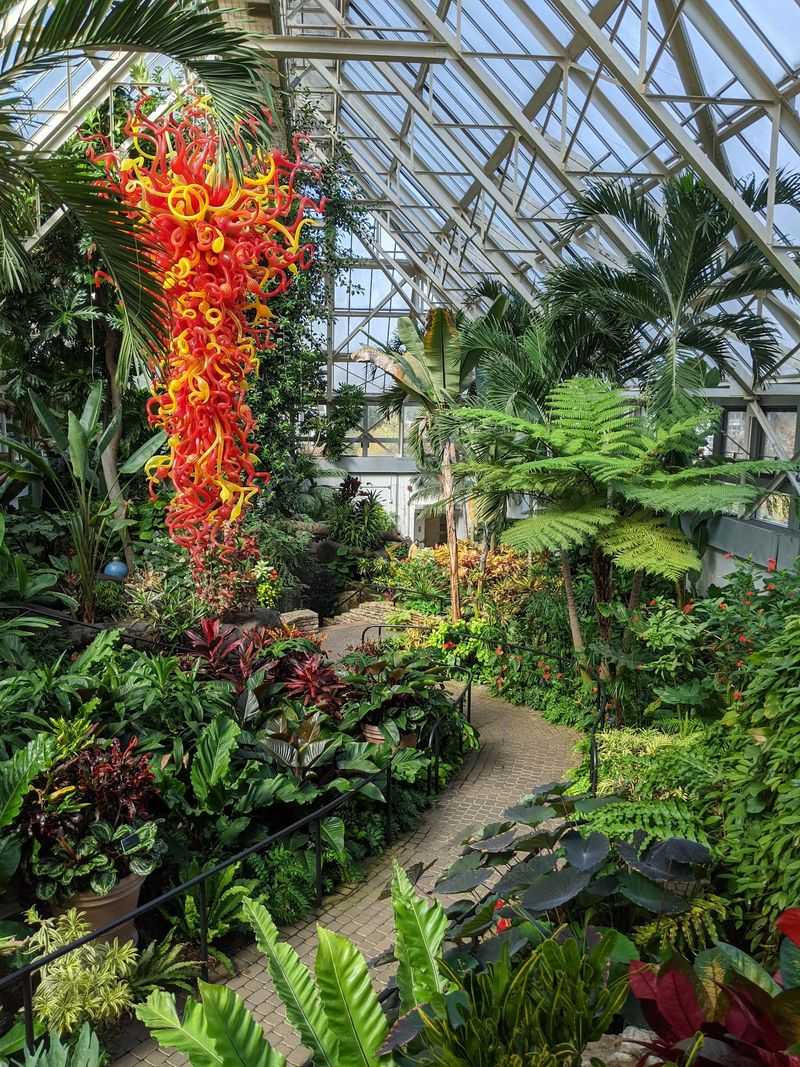
Glass art and glass walls make a fine team in Columbus. The Victorian Palm House here opened in 1895.
Chicago’s 1893 World’s Fair helped spark the idea. A big expansion came after the AmeriFlora ’92 exposition, adding 58,000 square feet.
More than 3,000 pieces of Dale Chihuly glass art fill the grounds. It is the largest private Chihuly collection in any botanical garden.
Visitors can move from Himalayan mountains to a rainforest with macaws and a canopy bridge. In spring, hundreds of butterflies take over the water garden.
One heads-up matters here. The historic Palm House and Showhouse are being renovated and should reopen in fall 2027.
From April to December, glassblowers give live demos in the Hot Shop. Adult tickets cost $24, and local residents get free entry on the first Sunday monthly.
12. Lamberton Conservatory, Rochester, New York
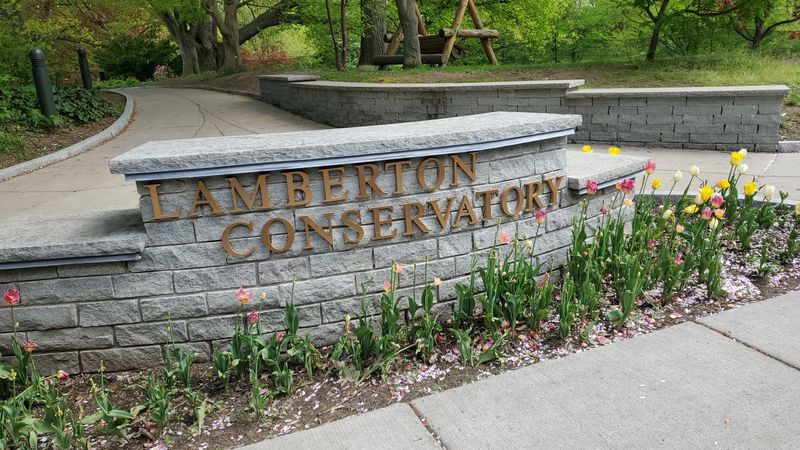
Lilacs get most of the attention in Highland Park, but a small greenhouse quietly steals hearts nearby. Lamberton Conservatory first opened in 1911.
In 2007 the old building was carefully taken down and rebuilt. Crews copied the original design with a new steel frame and almost 1,000 custom glass panes.
Five houses fit into about 1,800 square feet. The Epiphyte House keeps its oldest plant, a shaving brush tree thought to be over 100 years old.
Animals add extra charm. Red slider turtles rest by the ponds, and button quail and tortoises wander freely.
Admission is just $4 for adults. During the Holiday Show, Friday and Sunday hours stretch to 9 p.m.
Free parking sits right out front, and the entrance has no stairs.
13. Botanical Building, San Diego, California
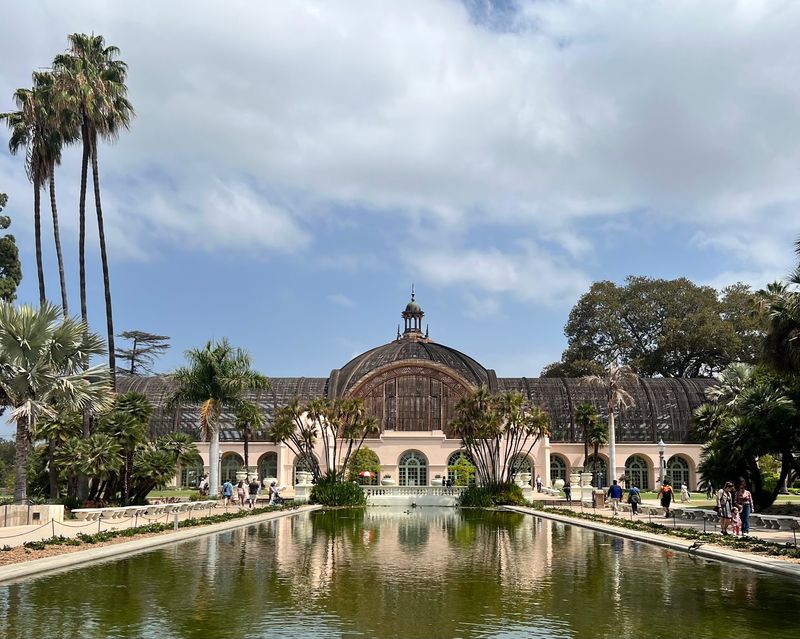
Not a single glass wall holds up the roof on this one. San Diego’s Botanical Building uses thin redwood slats, called lath, to let in sunlight and fresh air.
It was built for the 1915 Panama-California Exposition. At 250 feet long and 60 feet tall, it was once the largest lath structure in the world.
A two-year restoration ended in December 2024. Upgrades added misters, new lighting, and fresh water features.
More than 2,100 tropical plants now live inside. The sunny west wing shows flowering plants, while the shady east wing holds palms, cycads, and orchids.
In front sits the Lily Pond, a long pool that reflects the curved roof. Water lilies and lotus bloom there from spring to fall.
Admission is free, with typical hours of 10 a.m. to 4 p.m.
14. Linnean House at Missouri Botanical Garden, St. Louis, Missouri
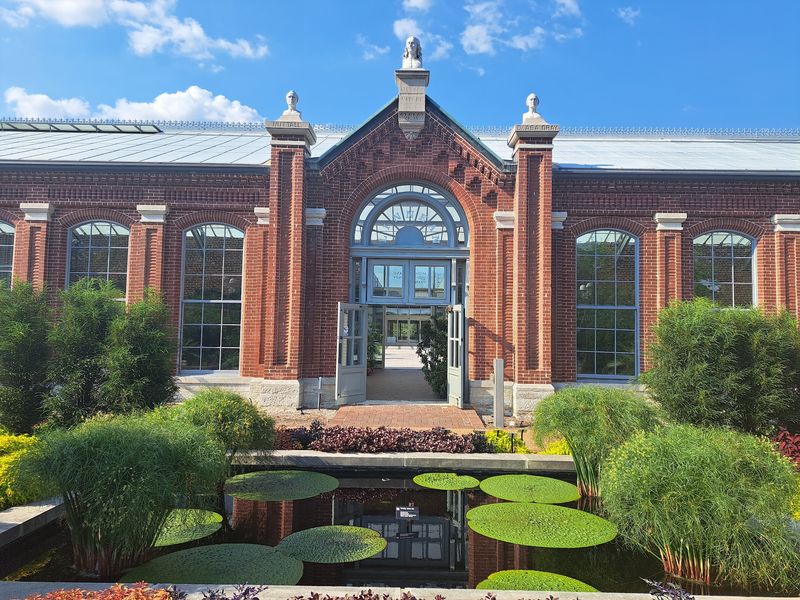
Oranges came first at this 1882 greenhouse. It started as an orangery, a place to protect citrus trees from winter cold.
Today it is the oldest continuously operating greenhouse west of the Mississippi River. It is also the only one left from founder Henry Shaw’s lifetime.
Look up at the front wall to spot marble busts of scientists. Carl Linnaeus, the man who gave plants their organized names, has been up there since 1883.
The camellia collection dates to the 1920s. Blooms usually peak from mid-February to early April.
A 2025 renovation added new trellises and decorative botanical wall panels. Entry comes with regular garden admission, which is $16 for adults.
Afterward, walk to the Climatron dome from 1960. Seeing both shows how greenhouse design changed over the years.
15. Krohn Conservatory, Cincinnati, Ohio
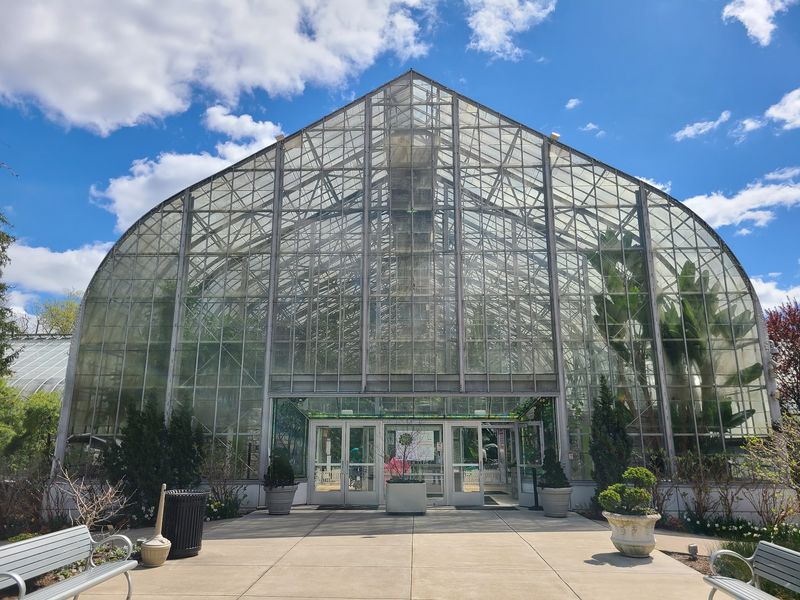
Victorian style is not the only way to build a great greenhouse. Krohn Conservatory opened in 1933 with Art Deco flair, including decorative metalwork in the lobby.
It was first called the Eden Park Greenhouse. In 1937 it was renamed for park board member Irwin M.
Krohn.
A hailstorm damaged it in 1966. Repairs swapped the old wooden frames for sturdy aluminum.
More than 3,500 plant species live here now. The Palm House has a 25-foot waterfall that you can actually walk behind.
The summer Butterfly Show is the big ticket, usually from May through August. It needs a separate timed ticket, so book early.
General admission is $12 for adults and $8 for kids ages 5 to 17. Downtown Cincinnati is only minutes away, making this an easy final stop on your glasshouse tour.
Share this story