Some cities are big. Some cities are enormous.
And then there are the 15 cities on this list, which are in a league entirely their own. Ranked using the United Nations World Urbanization Prospects 2025 data, these urban giants are home to tens of millions of people each, and together they tell a fascinating story about where humanity has chosen to gather, grow, and thrive.
From ancient capitals to modern megacities, get ready to meet the world’s most populated places.
Jakarta, Indonesia – 41.9 Million
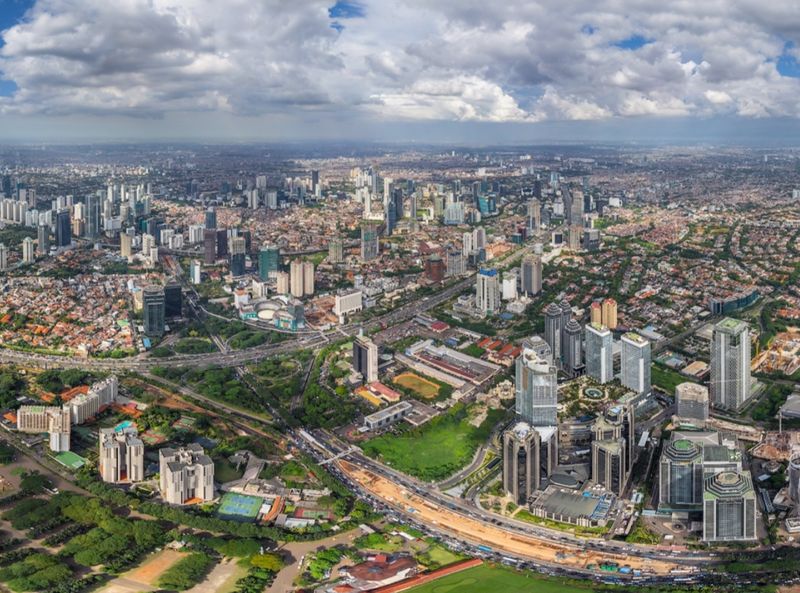
With nearly 42 million people packed into one continuous urban settlement, Jakarta is officially the world’s most populated city according to the UN’s 2025 data. That number might seem hard to believe, but when you zoom out and look at the full sprawling landscape, it starts to make sense.
Jakarta is not just a city; it is an entire world unto itself.
The UN’s new Degree of Urbanization methodology changed how we measure cities, and Jakarta benefited most dramatically from that shift. Older administrative definitions left out millions of people living in dense surrounding communities that are clearly part of the same settlement.
Under the updated system, all those residents are counted, pushing Jakarta straight to the top.
Visitors to Indonesia’s capital find a city of wild contrasts. Gleaming commercial towers stand near colonial-era buildings from the Dutch period, and the 132-meter National Monument, known as Monas, rises above it all like a proud exclamation point.
Kota Tua, the old town district, offers cobblestone streets and painted facades that feel centuries removed from the modern skyline just a short distance away. Jakarta is chaotic, colorful, and completely unforgettable.
Dhaka, Bangladesh – 36.6 Million
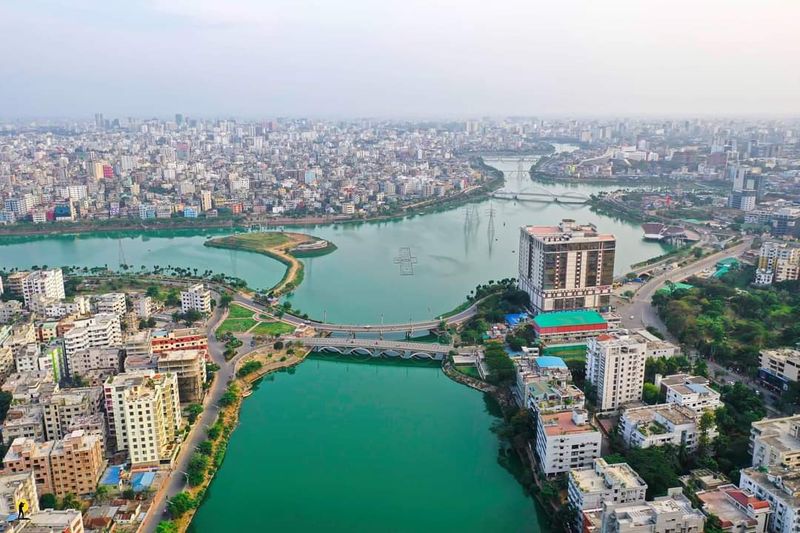
Dhaka’s growth story is one of the most staggering in modern urban history. From roughly 17.4 million residents in 2000, the city ballooned to approximately 36.6 million by 2025, nearly doubling in just 25 years.
That kind of growth puts Dhaka in a category that very few cities have ever experienced.
An average annual growth rate of about 3 percent sounds modest until you realize what it looks like on the ground. New neighborhoods, markets, and transport routes spring up constantly, layering themselves over older parts of the city in a process that never really stops.
The Buriganga River still flows through it all, anchoring the city to a history that stretches back centuries.
Old Dhaka rewards curious visitors with sensory overload in the best possible way. The unfinished 17th-century Lalbagh Fort hints at grand ambitions from a different era.
The pink Ahsan Manzil palace sits elegantly along the riverbank, and Sadarghat buzzes with ferry traffic that never seems to slow down. Street food culture here is legendary, with kachchi biryani and hilsa curry topping most locals’ lists.
Dhaka is overwhelming, alive, and endlessly fascinating to explore.
Tokyo, Japan – 33.4 Million
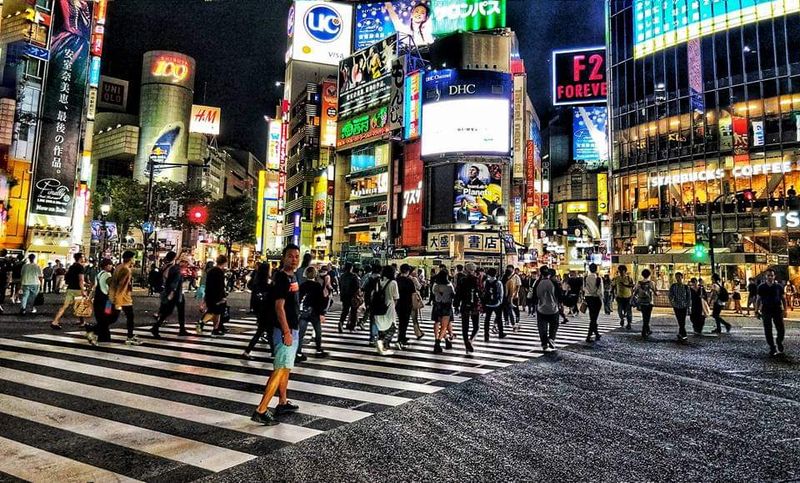
For decades, Tokyo wore the crown of the world’s largest city almost without question. Under the UN’s new harmonized definition, it now ranks third at 33.4 million residents, which is still an almost incomprehensible number of people sharing one connected urban space.
Third place in a global ranking is hardly a demotion worth crying about.
What makes Tokyo’s story particularly interesting is where it is headed. The UN projects its population to fall to around 30.7 million by 2050 as Japan’s overall population shrinks and ages.
That makes Tokyo a rare example of a megacity expected to get smaller rather than larger over the coming decades, a demographic reality that sets it apart from nearly every other city on this list.
Tokyo’s history is as layered as its geography. Tokugawa Ieyasu established the Edo shogunate there in 1603, and the city has reinvented itself multiple times since.
The 23 special wards form the dense urban core, while surrounding cities, towns, and even islands fall under the Tokyo Metropolitan Government. Visitors can move from ancient temples and tranquil historic districts to some of the most electrifying commercial neighborhoods on Earth, sometimes within a single subway ride.
New Delhi, India – 30.2 Million
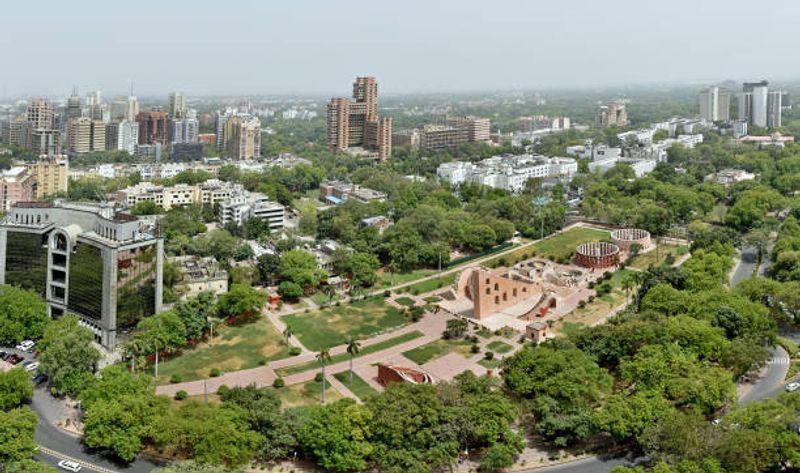
Thirty million people calling one place home is the kind of statistic that stops you mid-sentence. New Delhi sits at approximately 30.2 million residents in the UN’s 2025 estimate, making it the fourth-largest urban area on the planet.
That figure has grown steadily from around 18 million in 2000 and shows no sign of slowing down anytime soon.
What separates Delhi from most megacities is the sheer density of world-class historical monuments hiding within its modern fabric. Three UNESCO World Heritage sites sit inside the capital territory: the Red Fort, Qutb Minar, and Humayun’s Tomb.
The last of these, completed around 1570, became the first great Mughal garden tomb on the Indian subcontinent and directly inspired the design principles that eventually produced the Taj Mahal.
Getting around this sprawling capital has become considerably easier thanks to the Delhi Metro, which connects many of the widely scattered historic districts that would otherwise require hours of road travel to reach. The contrast between ancient sandstone monuments and sleek metro stations feels very Delhi: a city that has always been comfortable holding its past and present in the same hand.
Projected to approach 33.9 million by 2050, New Delhi is only going to get bigger.
Shanghai, China – 29.6 Million
Shanghai’s transformation over the past 25 years is one of urban history’s most dramatic chapters. The city held roughly 14 million residents in 2000; by 2025, that number had more than doubled to approximately 29.6 million under the UN’s standardized measure.
Few cities anywhere have grown so fast while simultaneously reinventing their entire skyline.
The Bund stretches for 1.5 kilometers along the Huangpu River and preserves 52 historic buildings in Gothic, Baroque, and other European-influenced styles, once home to foreign banks and trading houses. Shanghai’s municipal tourism authorities describe it as an outdoor museum of international architecture, and standing there at dusk watching the Pudong skyline light up across the water, that description feels entirely earned.
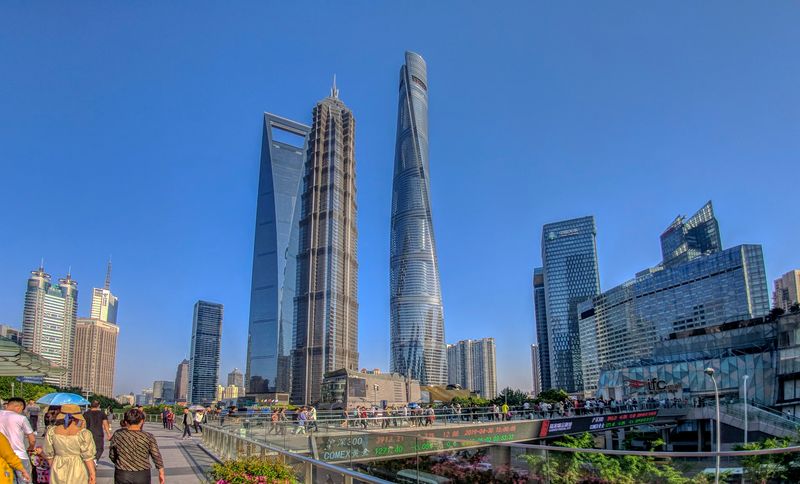
Pudong itself is the modern counterpart, a skyline featuring Shanghai Tower, Jin Mao Tower, and the Oriental Pearl Tower that has become one of the most photographed urban vistas in Asia. The visual contrast between the Bund’s 19th-century facades and Pudong’s 21st-century towers tells the whole story of Shanghai’s ambition in a single glance.
The UN projects the city will reach nearly 34.9 million by 2050, meaning this skyline is still very much a work in progress.
Guangzhou, China – 27.6 Million
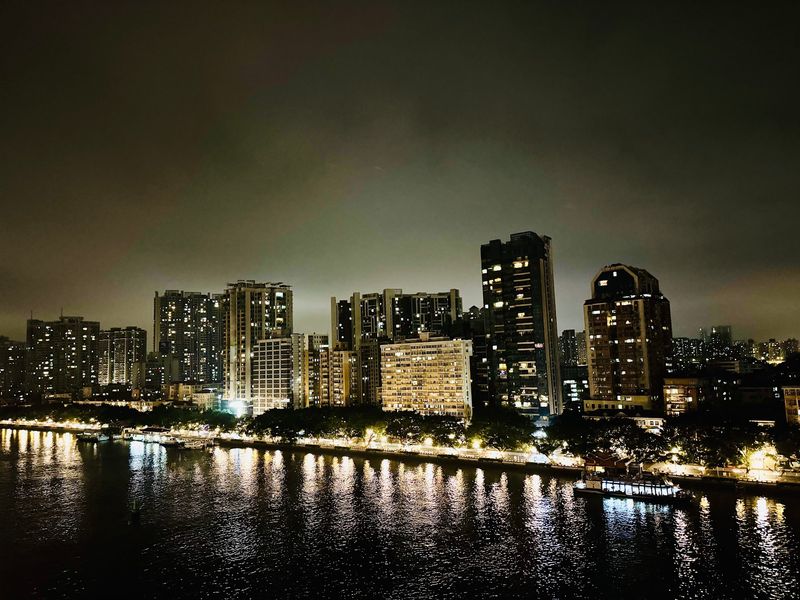
Guangzhou is perhaps the strongest argument for why city population rankings depend so heavily on how you define a city. Older national definitions produced a 2025 estimate of around 15 million residents.
The UN’s harmonized Degree of Urbanization methodology, however, captures the full continuous settlement and arrives at approximately 27.6 million, nearly doubling the number in one methodological step.
The Pearl River has defined Guangzhou for thousands of years, and it still does. The Canton Tower, one of China’s most recognizable modern landmarks, rises dramatically beside the water, while Huacheng Square surrounds it with sleek contemporary architecture.
A short distance away, the Chen Clan Ancestral Hall and Yuexiu Park with its famous Five Rams sculpture represent the older Lingnan cultural traditions that the city has never abandoned.
Guangzhou’s municipal visitor itineraries deliberately pair those historic sites with newer attractions like Guangdong Museum and the Guangzhou Opera House, a building whose striking curved exterior looks like it arrived from the future. The city has been a major trading hub since ancient times, and that commercial energy still pulses through its streets today.
Markets, food culture, and international business all coexist here in a way that feels uniquely Guangzhou.
Cairo, Egypt – 25.6 Million
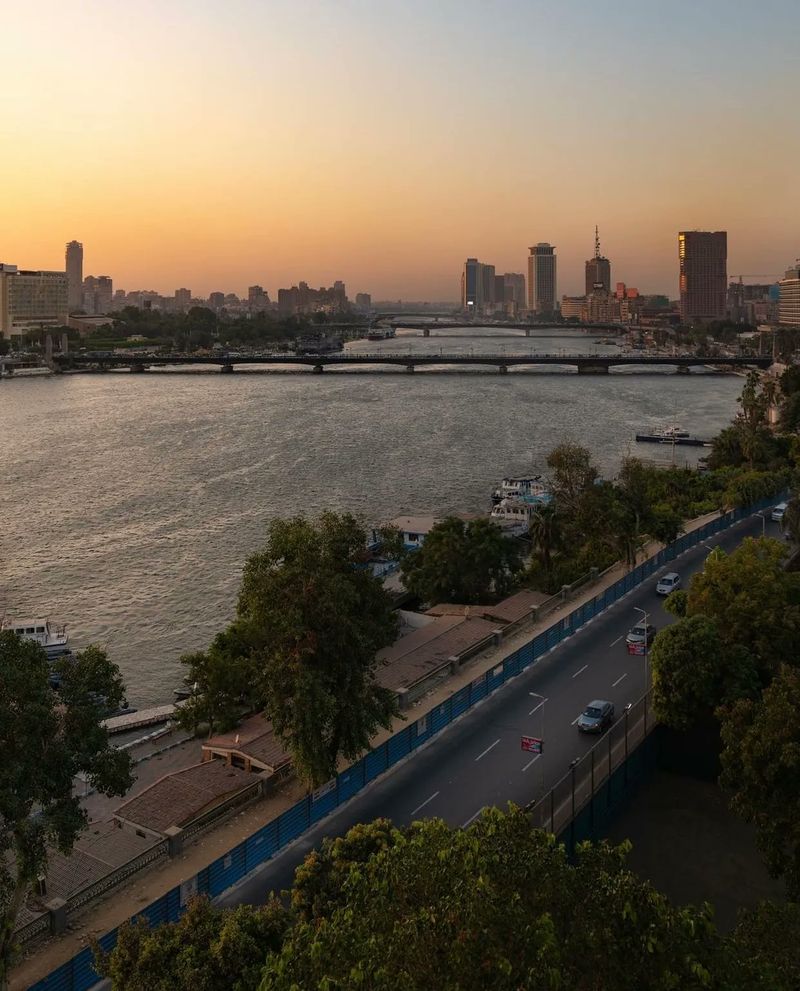
Cairo holds a distinction no other African city can claim: it is the only one on the planet’s top-ten population list. With approximately 25.6 million residents in the UN’s 2025 estimate, Egypt’s capital has grown from about 15.7 million in 2000 and is projected to exceed 32 million by 2050.
Africa’s biggest city is also one of its fastest-growing.
Just beyond the western edge of the urban sprawl, the Giza Plateau contains three royal tombs that have outlasted almost every other human structure ever built. The pyramids of Khufu, Khafre, and Menkaure were constructed during Egypt’s Fourth Dynasty as monuments to royal power and the afterlife.
Khufu’s pyramid originally stood 146.5 meters tall and held the record as the world’s tallest structure for roughly 3,800 years. That is a record that will never be broken.
Downtown Cairo adds a different kind of history through the Egyptian Museum, which opened in 1902 and holds collections spanning from the Predynastic era all the way through Greco-Roman Egypt. Walking from those ancient artifacts out into a city of 25 million people creates one of the most disorienting and thrilling time-travel experiences available to any traveler anywhere on Earth.
Manila, Philippines – 24.7 Million
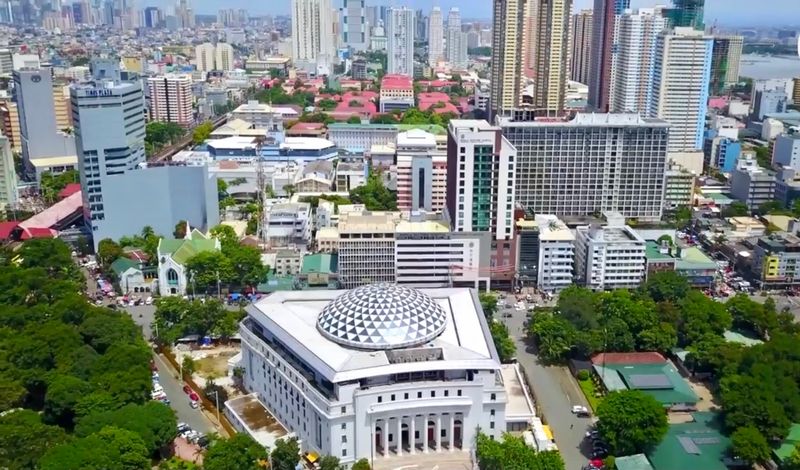
Squeeze 24.7 million people into one of Southeast Asia’s most historically layered urban regions and you get Manila, the Philippines’ capital and the eighth most populated city on Earth. The UN’s 2025 figure represents a significant jump from approximately 17.8 million in 2000, reflecting decades of migration from across the Philippine archipelago toward the economic center of the country.
Intramuros is where Manila’s story as a modern city begins, or at least the version that involved Spanish galleons and colonial ambitions. After Miguel Lopez de Legazpi took Manila in 1571, the Spanish built a fortified city here that still stands today, its thick stone walls enclosing churches, plazas, and cobblestone streets.
Fort Santiago, originally constructed in 1590, served military authorities of multiple empires before becoming the historical monument it is today.
Just outside the old walls, Rizal Park covers approximately 58 hectares of open green space in a city where open space is genuinely precious. The park commemorates Jose Rizal, the national hero executed there in 1896, and remains one of the most visited public spaces in the country.
Manila’s layers of colonial history, wartime memory, and modern urban energy make it one of the most complex cities on this entire list.
Kolkata, India – 22.6 Million
Kolkata grew more quietly than Delhi or Dhaka, but 22.6 million people is never a small number. The UN’s comparable figure was about 18.4 million in 2000, and projections place the city at roughly 23.8 million by 2050.
Slower growth compared to its neighbors does not make Kolkata any less significant; it just makes it a different kind of story.
The Hooghly River gives Kolkata its heartbeat. Howrah Bridge, officially named Rabindra Setu, spans the river and carries an astonishing volume of vehicles, rickshaws, and pedestrians every single day.
It is one of the busiest bridges in the world by foot traffic, and standing on it during rush hour feels like being part of a river flowing in two directions at once.
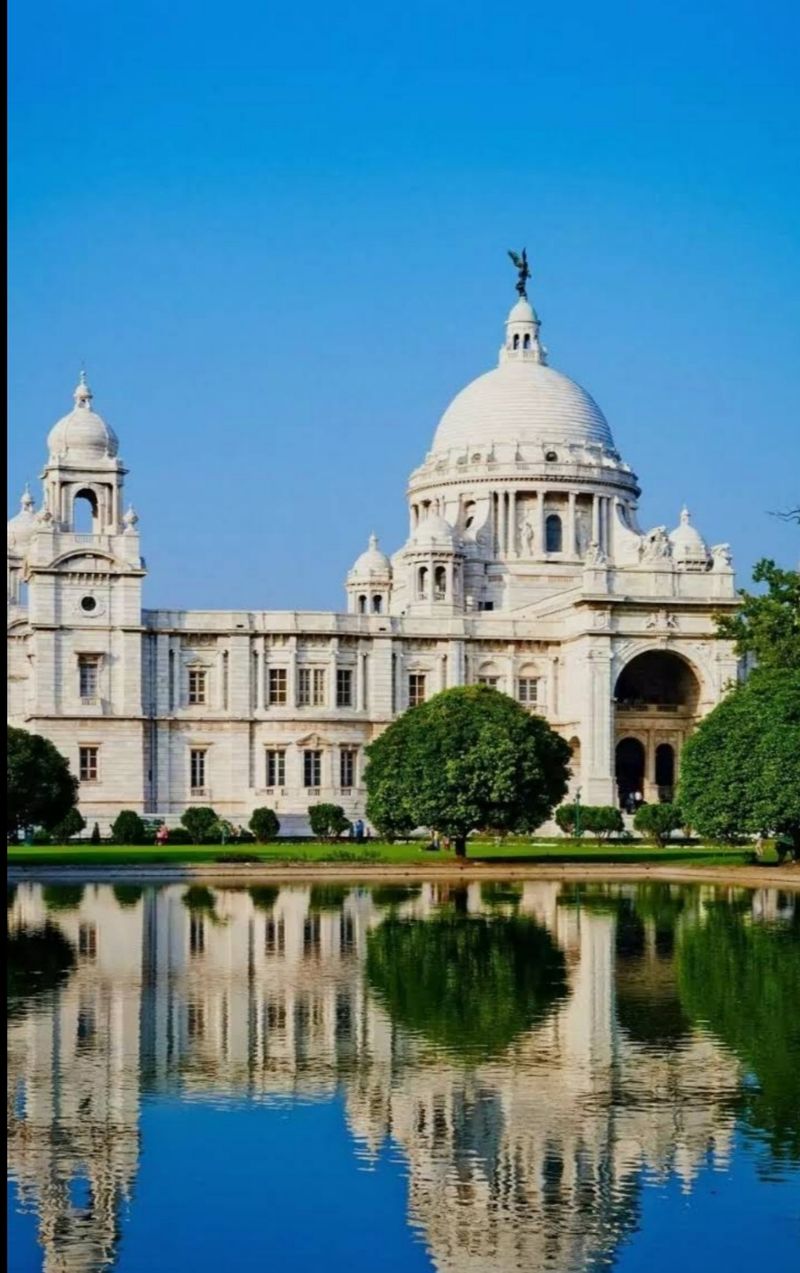
The white-marble Victoria Memorial stands as Kolkata’s most iconic colonial landmark, built in memory of Queen Victoria and now operating as an art and history museum. West Bengal Tourism notes that its collections include nearly 29,000 artifacts and thousands of paintings, all surrounded by manicured gardens.
Kolkata also carries a strong literary and artistic identity, having produced some of India’s most celebrated writers, filmmakers, and musicians. It is a city that takes its cultural life very seriously.
Seoul, South Korea – 22.5 Million
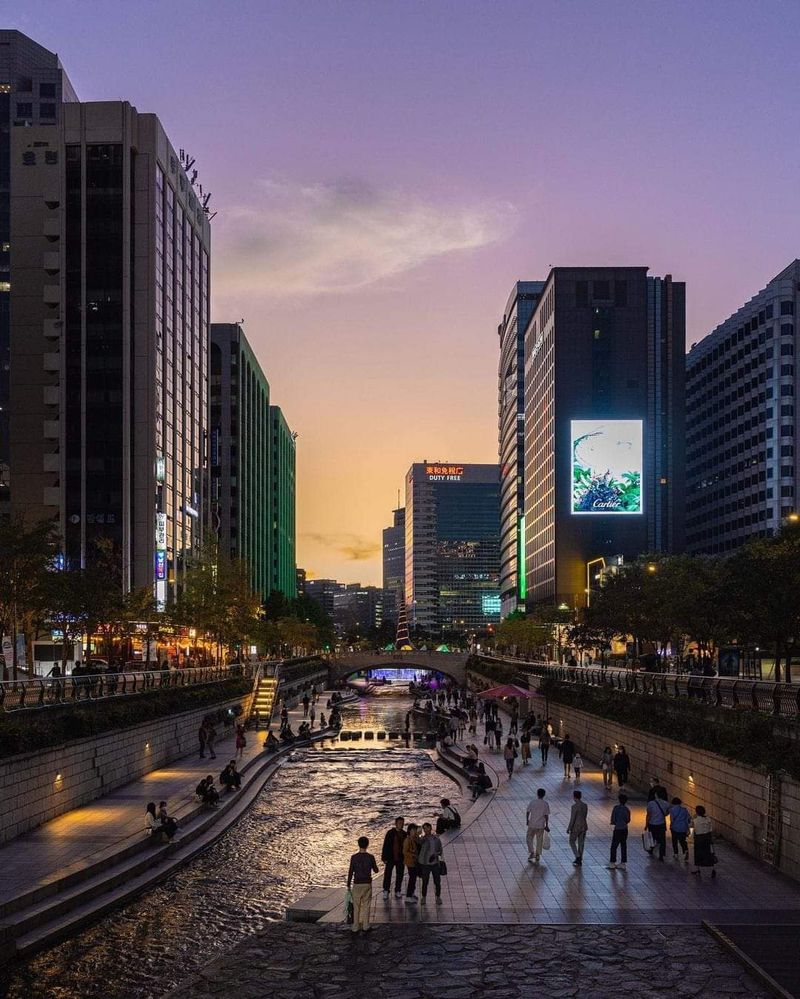
Seoul and Kolkata are separated by just about 60,000 people in the UN’s rankings, which at this scale basically means they are tied. South Korea’s capital holds approximately 22.5 million residents and shares with Tokyo the unusual distinction of being a megacity expected to shrink.
The UN projects Seoul’s population to fall to around 21.2 million by 2050 as South Korea’s birth rate remains among the lowest in the world.
Gyeongbokgung Palace was built in 1395 as the first and largest of the Five Grand Palaces established during the Joseon Dynasty. It stood at the center of a city then called Hanyang and served as the dynasty’s principal seat of power for centuries.
The Japanese occupation caused significant destruction, but restoration programs have reconstructed many of the lost buildings, returning the palace complex to something approaching its historical scale.
Modern Seoul layers onto that royal foundation with some of the world’s most advanced technology infrastructure, a globally influential pop culture industry, and a food scene that has earned international obsession. The Han River bisects the city, lined with parks where millions of residents jog, cycle, and picnic on weekends.
Seoul manages to be simultaneously ancient and cutting-edge in a way that consistently surprises first-time visitors.
Karachi, Pakistan – 21.4 Million
Karachi’s growth rate is one of the most jaw-dropping numbers in urban demography. The city held about 10.8 million residents in 2000 and has since nearly doubled to 21.4 million by 2025.
The UN projects it could surpass 32.5 million by 2050, potentially vaulting it to fifth place globally. That kind of trajectory puts Karachi on a collision course with the very top of this list.
Pakistan’s national tourism agency describes Karachi as the country’s most cosmopolitan city, spreading along roughly 90 kilometers of Arabian Sea coastline and containing the nation’s busiest port facilities. The city’s economic role as Pakistan’s commercial engine draws migrants from every province, which explains both its rapid growth and its extraordinary cultural diversity.
Dozens of languages are spoken here on any given street corner.
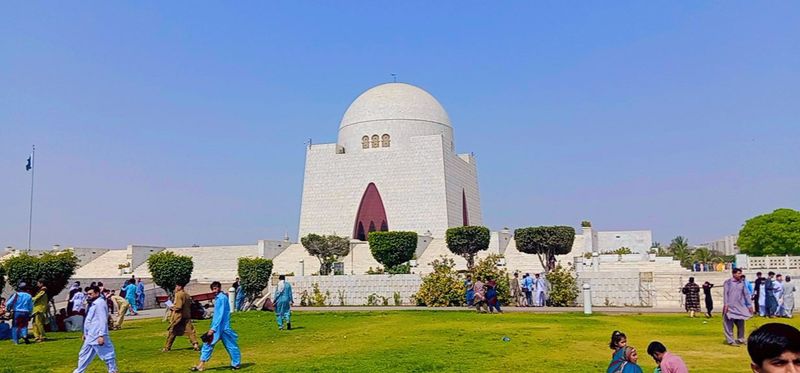
Mazar-e-Quaid, the mausoleum of Pakistan’s founder Muhammad Ali Jinnah, anchors the city’s national identity in a very literal way. Construction began in 1960 and the monument opened publicly in 1971, surrounded by a complex covering more than 60 acres that creates an unusually spacious ceremonial setting within one of the world’s densest cities.
The white marble structure gleams against the sky in a way that makes it impossible to miss, even from a distance.
Mumbai, India – 20.2 Million
Mumbai is India’s third entry on this list, and each of the three Indian cities here has its own completely distinct personality. With approximately 20.2 million residents in 2025, up from just under 16 million in 2000, Mumbai is both one of the world’s most populated cities and one of its most economically powerful.
Finance, film, fashion, and food all converge in this city on the Arabian Sea.
Chhatrapati Shivaji Maharaj Terminus is the kind of building that stops people mid-stride. Construction began in 1878 and took a full decade to complete, blending Victorian Gothic Revival architecture with Indian decorative traditions in a combination that manages to feel both grand and genuinely Indian at the same time.
Millions of commuters pass through it every day, making it simultaneously a UNESCO World Heritage site and one of the world’s busiest railway stations.
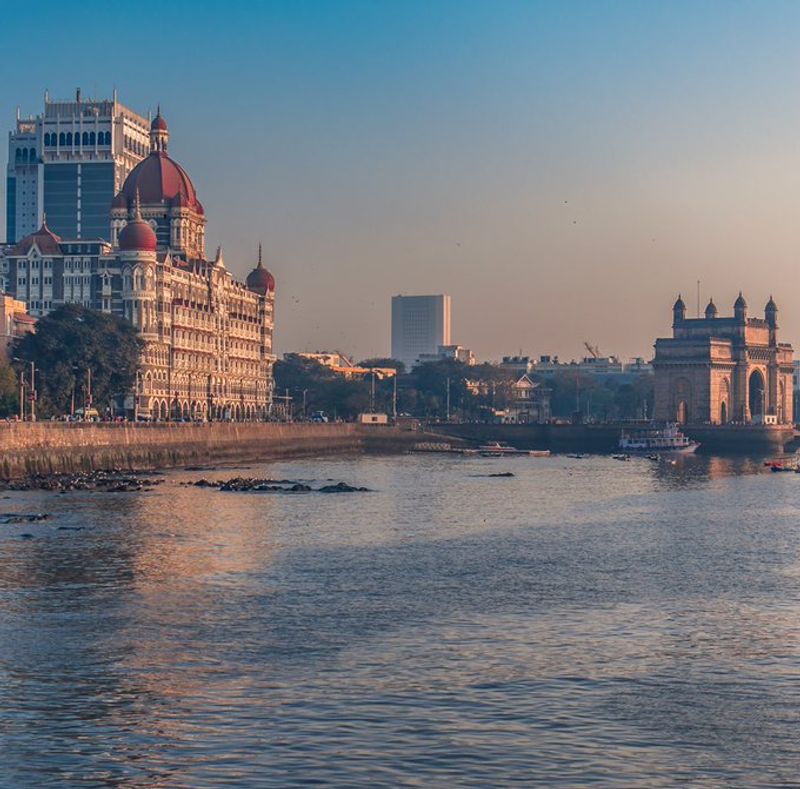
The 26-meter Gateway of India stands nearby on the harbor waterfront, completed in 1924 to commemorate the 1911 royal visit of King George V and Queen Mary. Ferries to Elephanta Island depart from its base, carrying visitors to ancient cave temples carved into the rock during the 5th to 8th centuries.
Mumbai layers its history in exactly this way: every monument has another monument right behind it.
Sao Paulo, Brazil – 19.0 Million
South America gets exactly one representative in the world’s top 15 most populated cities, and Sao Paulo fills that slot with confidence. Brazil’s largest city holds approximately 19 million residents under the UN’s latest methodology, up from about 16.7 million in 2000.
Unlike almost every other city on this list, the UN actually projects a modest population decline to around 18.2 million by 2050, making Sao Paulo a relative rarity among megacities.
Growth here came through waves of immigration and industrialization rather than a single dramatic surge. Japanese, Italian, Arab, and countless other immigrant communities shaped different districts of the city over generations, creating neighborhoods with distinct characters that persist today.
Avenida Paulista runs through the commercial and cultural heart of the city, lined with museums, galleries, and towers that represent different chapters of Sao Paulo’s economic history.
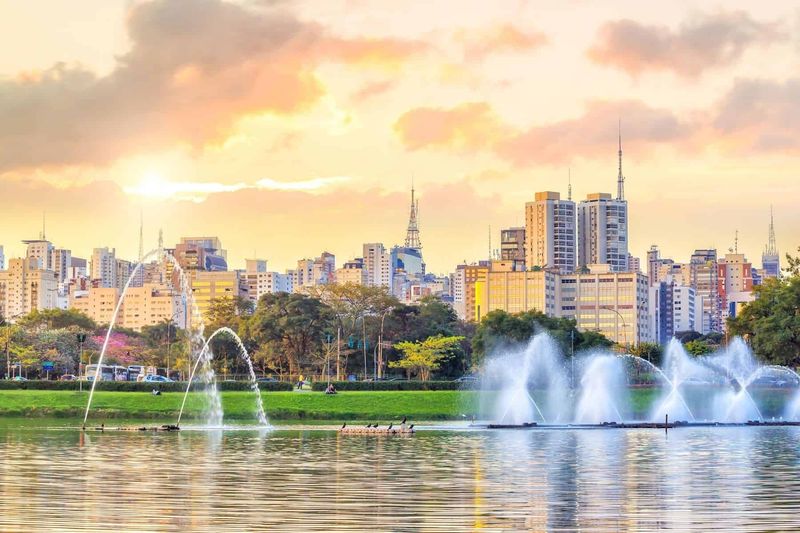
Ibirapuera Park provides one of the city’s most important breathing spaces, a large green oasis in the middle of an overwhelming urban landscape. Sao Paulo’s significance is less about a single landmark and more about the accumulated energy of an enormous, diverse, and relentlessly productive city.
It hosts the largest Japanese diaspora community outside Japan, which alone tells you something about how many fascinating layers this place contains.
Bangkok, Thailand – 18.2 Million
Bangkok manages something that most cities its size cannot: it genuinely surprises visitors who think they already know what to expect. With approximately 18.2 million residents under the UN’s 2025 urban definition, Thailand’s capital ranks 14th globally and is projected to keep growing toward 20.5 million by 2050.
It is a city that has been expanding in ambition just as fast as it has been expanding in population.
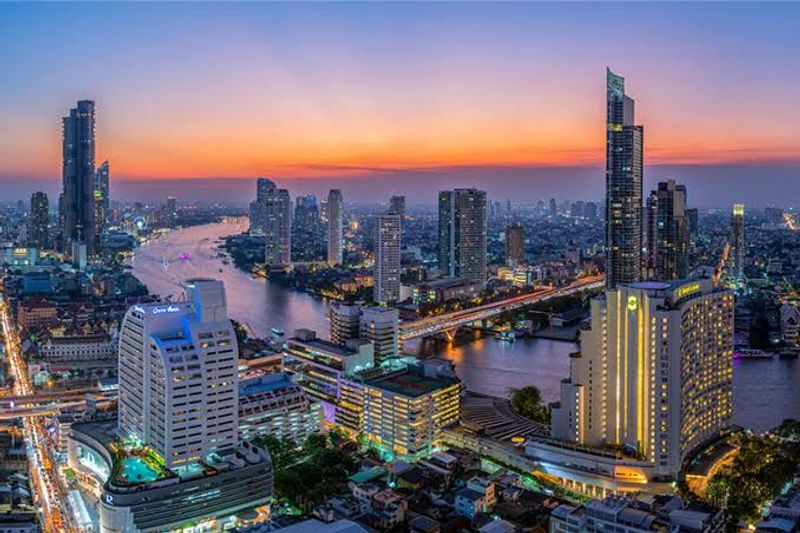
The royal and religious landmarks concentrated along the Chao Phraya River are some of the most visually spectacular in all of Asia. Wat Phra Kaew, Wat Pho, Wat Arun, and the Golden Mount each present a different facet of Thai Buddhist architecture and tradition.
The Grand Palace complex contains the Temple of the Emerald Buddha within its compound, a site of deep spiritual significance visited by millions of people every year.
Thailand’s tourism authority recommends reaching the palace area via Chao Phraya express boats, a practical suggestion that also happens to be one of the most enjoyable ways to experience the city. The river remains genuinely central to Bangkok’s daily movement, not just a scenic backdrop.
Street markets, rooftop bars, ancient temples, and gleaming malls all coexist here in a city that has never felt the need to choose just one identity.
Mexico City, Mexico – 17.7 Million
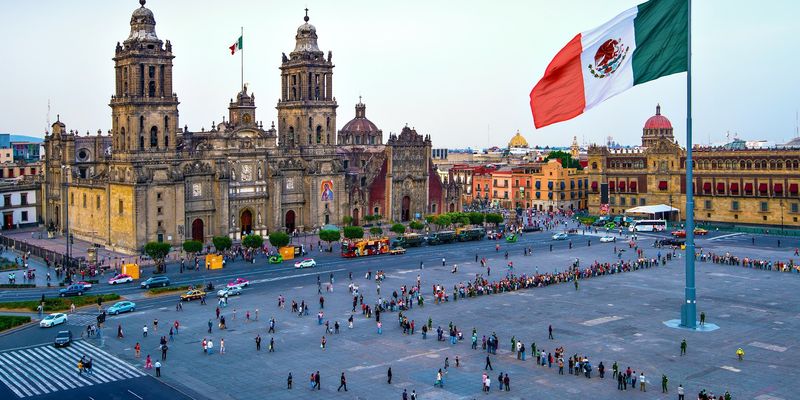
Mexico City closes out this list with a history so deep it literally goes underground. The Spanish built their colonial capital directly over Tenochtitlan, the former Aztec imperial center, and the layers of that decision are still visible today.
With approximately 17.7 million residents in 2025, Mexico City is notable for something the other cities on this list cannot claim: its population was already about 17.6 million in 2000, meaning it has barely grown in 25 years while cities like Dhaka and Karachi were nearly doubling.
Remains of the Templo Mayor stand near the Metropolitan Cathedral in the historic center, an almost surreal juxtaposition of civilizations separated by centuries but occupying the exact same ground. The Palacio de Bellas Artes adds a third architectural layer with its stunning Art Nouveau and Art Deco exterior, housing murals by Diego Rivera inside.
Walking through the Zocalo area means crossing timelines with every city block.
About 28 kilometers south, Xochimilco preserves an ancient network of canals and chinampas, the artificial agricultural islands that date back to the pre-Hispanic lake landscape. Together with the historic center, Xochimilco forms a single UNESCO World Heritage property.
Mexico City does not need to be the fastest-growing city on this list; it has 700 years of layers to keep visitors busy for a very long time.
Share this story