Some countries are so small you could walk across them in a single afternoon, yet they carry histories, cultures, and identities that stretch far beyond their borders. The world’s tiniest sovereign states include a walled enclave inside Rome, a Pacific island shaped by phosphate mining, and an archipelago of nearly 1,200 coral islands scattered across the Indian Ocean.
Europe, the Caribbean, and Oceania each contribute fascinating micro-nations to this list. Get ready to discover why small size and big significance go hand in hand.
Vatican City
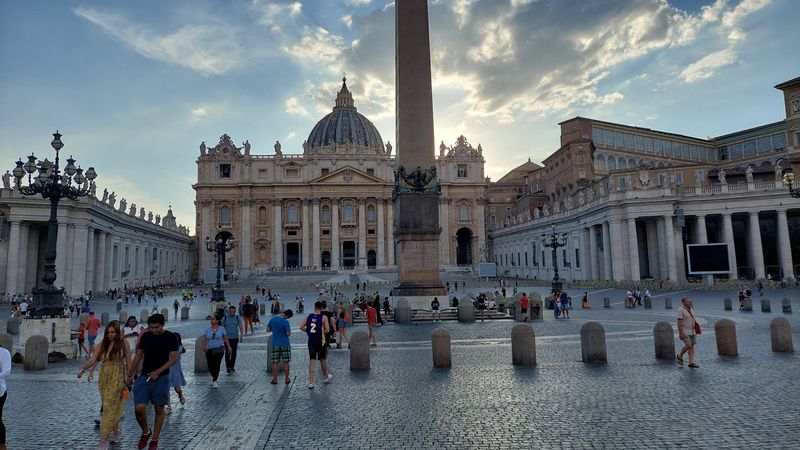
Tucked inside the city of Rome, Vatican City holds the record as the world’s smallest independent country at just 0.44 square kilometers. That is smaller than many shopping malls, yet it functions as a fully sovereign state with its own government, currency, and postal system.
The Lateran Treaty of 1929 made it official, giving the Holy See a guaranteed slice of independence.
Inside those ancient walls, you will find some of the most breathtaking art and architecture ever created. St. Peter’s Basilica, the Vatican Museums, and the Sistine Chapel draw millions of visitors every year.
Michelangelo’s famous ceiling alone took four years to paint.
The resident population hovers around 882 people, making it the least populated country on Earth too. Despite its size, Vatican City broadcasts globally through its own radio station and publishes a daily newspaper.
Few places in the world pack so much history, faith, and artistic genius into such a compact space.
Monaco
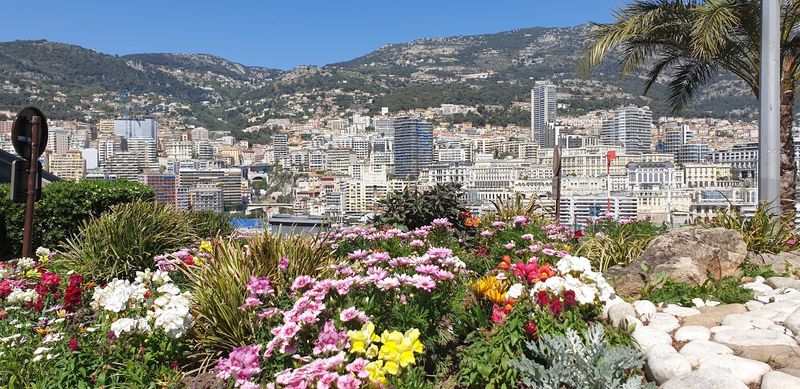
Standing on Monaco’s famous harbor, you quickly realize that every square meter of this two-square-kilometer principality has been put to serious use. Skyscrapers rise from narrow cliffsides, luxury yachts crowd the port, and manicured gardens somehow squeeze between it all.
Monaco borders France on three sides and faces the Mediterranean on the fourth, leaving absolutely no room to waste.
The Grimaldi royal family has ruled here since 1297, making this one of Europe’s longest-running dynasties. Monaco is internationally famous for the Monte Carlo Casino, the Formula One Grand Prix that winds through city streets, and a resident population that includes some of the wealthiest people on the planet.
Land reclamation from the sea has actually expanded Monaco’s territory over the decades, a clever solution when you simply cannot grow outward. The country has no income tax, which helps explain why so many billionaires choose to call it home.
For a place you could theoretically jog across in under 20 minutes, Monaco punches well above its weight in glamour, history, and sheer ambition.
Nauru
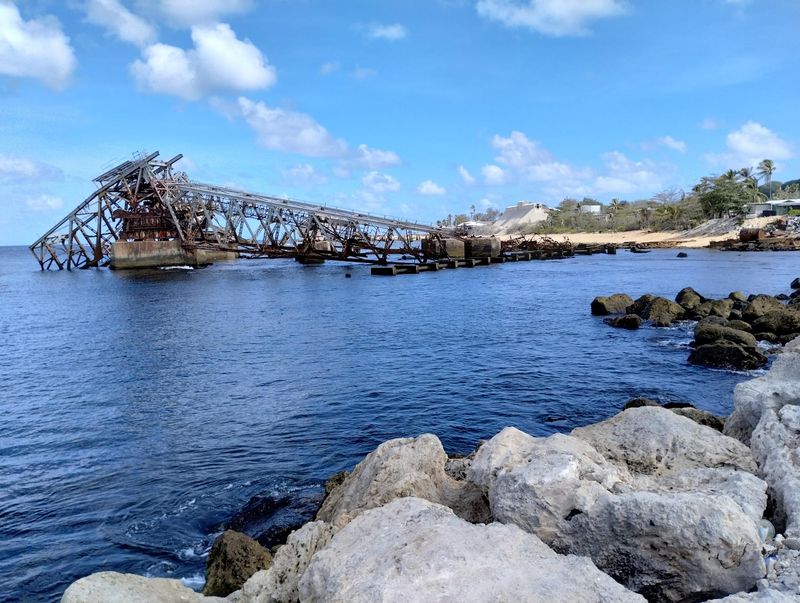
Nauru is the kind of place most people cannot find on a map, yet its story is one of the most dramatic in the Pacific. This oval-shaped coral island sits just 42 kilometers south of the equator and covers only about 21 square kilometers.
For most of its early history, Nauru was a quiet, reef-fringed island with a small indigenous population and traditional fishing culture.
Then came phosphate. Rich deposits discovered around 1900 transformed Nauru into one of the wealthiest nations per capita in the world during the 1970s.
Mining money funded free healthcare, free education, and no income taxes for citizens. The catch was that mining also stripped away much of the island’s interior, leaving behind a scarred, crater-like landscape.
When phosphate revenues fell sharply, Nauru faced serious economic challenges and had to reinvent itself multiple times. Today, extraction continues at a reduced scale, and the government explores other income sources.
Nauru gained independence in 1968 and remains the world’s smallest island nation-state. Its rise and fall as a resource-rich country offers a cautionary tale wrapped in a beautiful Pacific setting.
Tuvalu
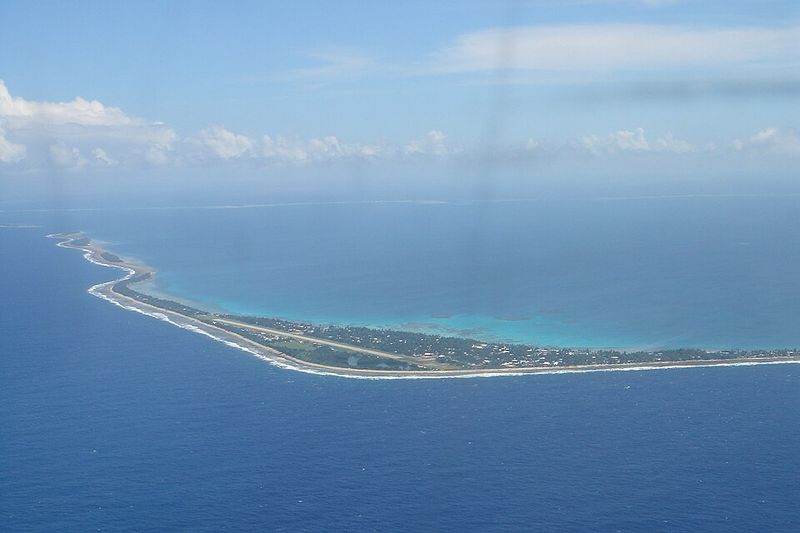
Tuvalu might be the most remote sovereign state most people have never heard of. Scattered across the South Pacific in nine low-lying atolls and islands, its total land area adds up to just 26 square kilometers.
The highest point barely reaches five meters above sea level, which makes every storm season feel a little more personal than it might elsewhere.
Life here is inseparable from the ocean. Fishing, boat travel, and traditional knowledge of currents and tides shape daily routines in ways that feel timeless.
The government has deliberately kept tourism relatively low-key, positioning Tuvalu as a peaceful alternative to busier Pacific destinations. Visitors who do make the journey often describe it as one of the quietest and most genuine travel experiences available.
Environmental change is not an abstract topic in Tuvalu. Rising sea levels and stronger storm surges have already affected freshwater supplies and coastal land.
The government has taken a leading role in international climate conversations, speaking with a sense of urgency that only comes from living directly on the front line. Tuvalu’s situation makes it one of the most compelling and important small nations on Earth right now.
San Marino
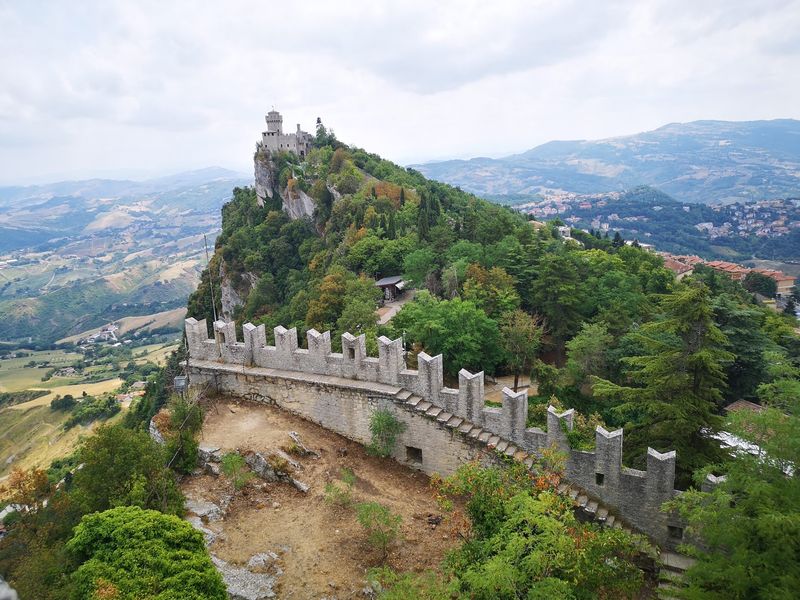
Perched dramatically on the rocky slopes of Mount Titano, San Marino looks like a medieval fortress that somehow forgot to stop being a country. Covering just 61 square kilometers and surrounded entirely by Italy, it claims to be the world’s oldest surviving republic, with roots stretching back to the year 301 CE.
That is not a typo. This tiny republic has been running continuously longer than most nations have existed.
UNESCO recognized the historic center and Mount Titano as a World Heritage Site, praising San Marino as a rare example of a functioning city-state that has preserved both its physical character and its political identity through the centuries. The medieval walls, towers, and gates are not museum pieces.
They form the backdrop of an actual, working national capital.
San Marino’s borders have remained essentially unchanged since the 15th century, which is a remarkable feat of diplomacy for such a small state surrounded by much larger neighbors. The country operates its own parliament, issues its own stamps, and fields its own football team.
Visiting feels like stepping into a living history lesson, except the coffee shops are very much open and the views over the Italian countryside are genuinely spectacular.
Liechtenstein
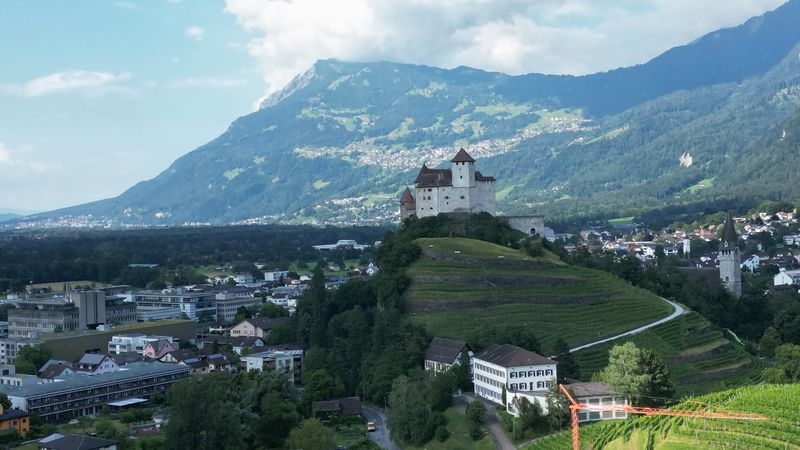
Sandwiched between Switzerland and Austria, Liechtenstein is so compact that the country’s tourism authority created a single 75-kilometer trail that lets you walk across the entire nation while hitting its major historical sites along the way. At just 160 square kilometers, it is the sixth-smallest country in the world and one of only two doubly landlocked countries, meaning it is surrounded entirely by countries that are themselves landlocked.
Geography here is surprisingly varied for such a small place. The Rhine Valley floor gives way to Alpine slopes, and the highest peak, Grauspitz, reaches 2,599 meters.
Villages like Malbun offer skiing in winter and hiking in summer, while the capital Vaduz hosts museums and the Prince’s art collection, which is considered one of the finest private collections in Europe.
Liechtenstein operates as a constitutional hereditary monarchy with a parliamentary system, and the ruling Liechtenstein family takes an unusually active role in national life. The country has 11 municipalities and a strong financial services sector.
Despite being easy to overlook on a map, Liechtenstein has a per capita income that ranks among the highest in the world. Small country, big ambitions, and genuinely beautiful scenery to match.
Marshall Islands
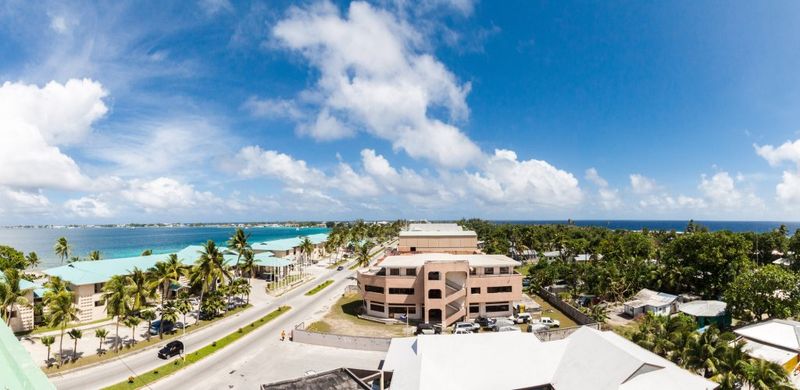
The Marshall Islands might look like a paradise of turquoise lagoons and palm-lined atolls, and in many ways they are. But beneath those calm waters at Bikini Atoll, history took a very dark turn.
Between 1946 and 1958, the United States conducted 23 nuclear tests here after relocating the local Bikinian population from their home. The largest, Castle Bravo in 1954, was the most powerful nuclear device the US ever detonated.
UNESCO inscribed Bikini Atoll as a World Heritage Site specifically because of its significance to the history of the nuclear age. Sunken warships sit on the lagoon floor, and the enormous Bravo crater is still visible.
The contrast between the peaceful tropical setting and that Cold War history is genuinely striking and a little haunting.
Beyond Bikini, the Marshall Islands consist of about 1,225 islands and islets spread across 181 square kilometers of land in the central Pacific. The country faces serious environmental challenges from rising sea levels, and many communities are actively discussing long-term relocation plans.
Like Tuvalu, the Marshall Islands speaks loudly in global climate discussions. Its story blends natural beauty, nuclear history, and a very uncertain future into one of the Pacific’s most complex national identities.
Saint Kitts and Nevis
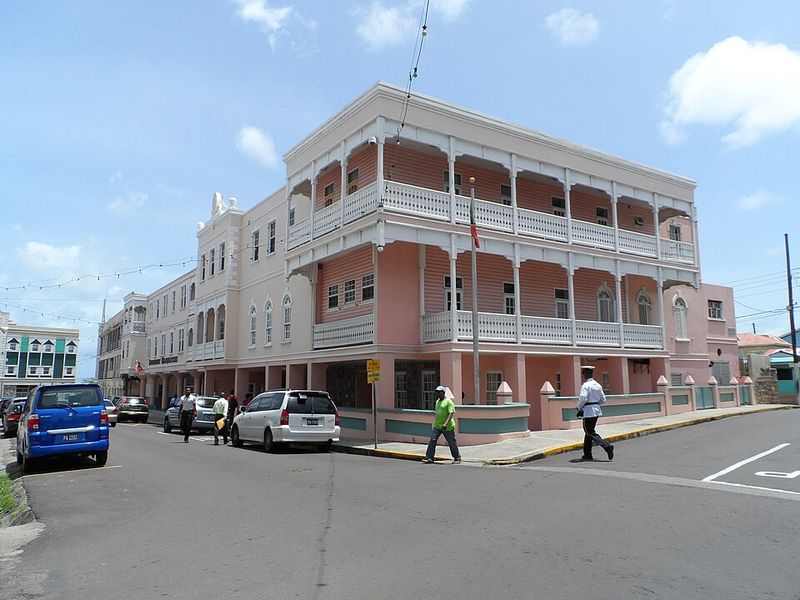
Saint Kitts and Nevis holds the title of smallest sovereign country in the entire Western Hemisphere at roughly 261 square kilometers. Two islands, two very different personalities.
Saint Kitts is the larger and more populated, with a mountainous spine, black-sand beaches, and a colonial-era capital in Basseterre. Nevis is quieter, rounder, and dominated by the perpetually cloud-capped Nevis Peak.
The most impressive sight on Saint Kitts is Brimstone Hill Fortress, a UNESCO World Heritage Site perched about 230 meters above the surrounding landscape on a steep volcanic hill. Built between the 17th and 18th centuries primarily through the forced labor of enslaved Africans, it represents some of the finest British military engineering in the Caribbean.
The views from the top are extraordinary, stretching across neighboring islands on a clear day.
Sugar cane once dominated the economy of both islands, but tourism, financial services, and citizenship-by-investment programs have replaced it since the last sugar harvest in 2005. The country’s compact size means you can genuinely explore both islands in a few days without feeling rushed.
Saint Kitts and Nevis proves that being the smallest country in your hemisphere is no obstacle to having a richly layered history and a striking natural landscape.
Maldives
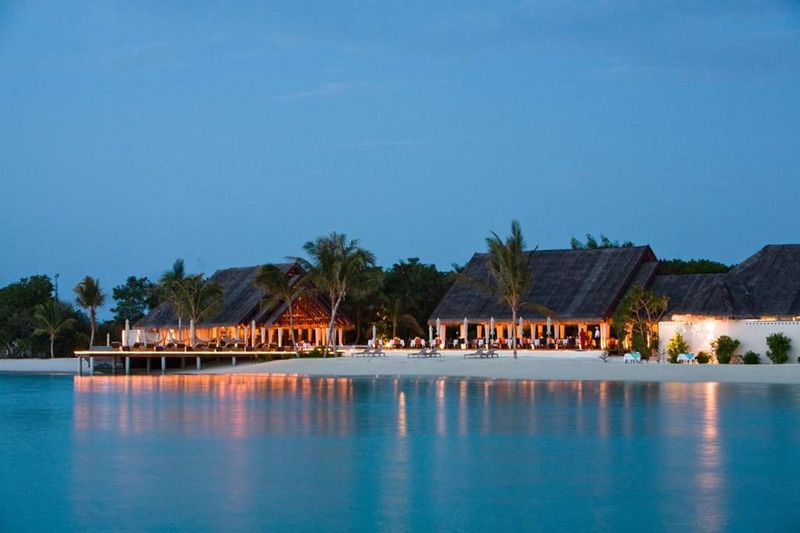
Seen from the air, the Maldives looks almost too beautiful to be real. Rings of coral create perfectly shaped lagoons filled with water in every shade of blue and green, surrounding islands so flat and low that they seem to float on the surface of the Indian Ocean.
The country has only about 300 square kilometers of land, but that land is scattered across 1,192 coral islands arranged in 26 natural atolls.
Only around 200 of those islands are permanently inhabited, while others host resorts or remain completely wild. Maldivian culture has always been shaped by the sea.
Fishing traditions, boat-building skills, and knowledge of tidal patterns are deeply woven into everyday life and national identity. The famous overwater bungalows that now define the country’s tourism image are a relatively modern addition to a very ancient way of living.
The coral reefs surrounding the islands are not just decorative. They act as natural barriers against wave energy and support the fishing stocks that local communities depend on.
With most of the country sitting less than one meter above sea level, the Maldives is frequently cited as one of the nations most threatened by rising oceans. Its extraordinary beauty and its environmental vulnerability are two sides of the exact same coin.
Malta
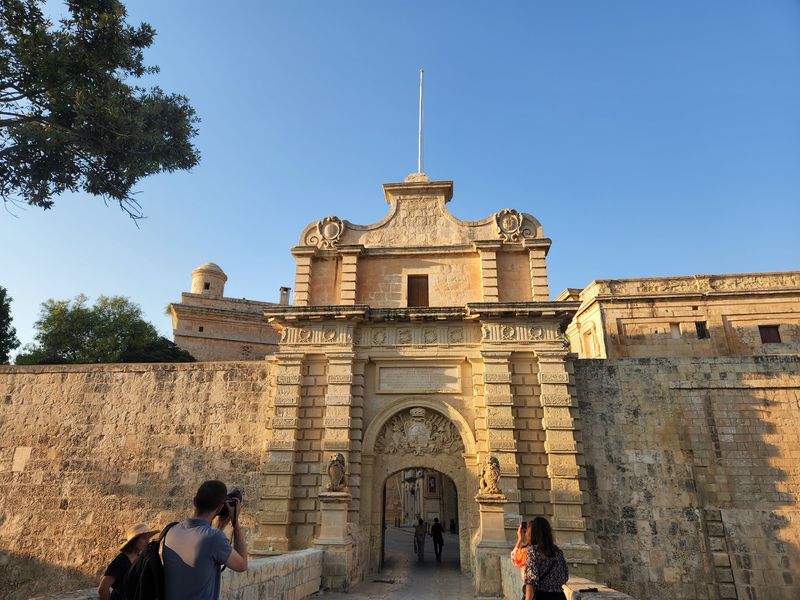
Malta is a place where history does not just sit in museums. It is built into the streets, the harbor walls, the temples, and the rock itself.
Covering roughly 316 square kilometers in the central Mediterranean, this small archipelago has been occupied by virtually every major civilization that ever sailed these waters. Phoenicians, Romans, Arabs, the Knights of St. John, French forces, and the British all left their mark.
The prehistoric Megalithic Temples are the most astonishing chapter in that long story. UNESCO dates them to the fourth and third millennia BCE and considers them among the earliest free-standing stone structures ever built anywhere on Earth.
They predate Stonehenge and the Egyptian pyramids, which makes Malta’s human timeline genuinely mind-bending for its size.
Malta holds three separate UNESCO World Heritage Sites: the fortified capital Valletta, the underground Hal Saflieni Hypogeum, and the Megalithic Temples scattered across the islands. Valletta itself was built by the Knights of St. John after the Great Siege of 1565 and remains one of the most concentrated historic cities in Europe.
Malta’s strategic Mediterranean position made it a military prize for centuries, and the layers of fortification, architecture, and culture that resulted make it one of the richest small countries on Earth to explore.
Grenada
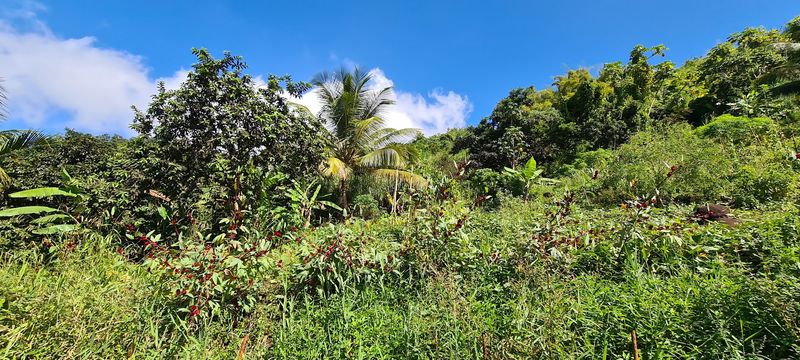
Grenada earned its nickname, the Spice Island, the old-fashioned way: by actually growing spices. Nutmeg, mace, cinnamon, cloves, and cocoa all thrive in the island’s volcanic soil, and the scent of them drifts through market stalls and plantation tours alike.
Nutmeg is so central to Grenada’s identity that it appears on the national flag, a small golden emblem that carries enormous cultural weight.
The main island covers roughly 344 square kilometers and rises into a mountainous, forested interior full of waterfalls and hiking trails. Grand Etang National Park sits in the crater of an extinct volcano and offers one of the Caribbean’s more unusual rainforest walks.
The coastline, meanwhile, delivers the beaches and sailing harbors that visitors expect from the region.
Grenada also includes the smaller islands of Carriacou and Petite Martinique, which have their own distinct communities and boat-building traditions that trace back centuries. The country experienced a turbulent period during the early 1980s, including a revolution and a US military intervention, but has since built a stable democracy and a growing tourism economy.
Grenada’s combination of spice agriculture, volcanic scenery, and Caribbean warmth gives it a personality that feels genuinely different from its neighbors in the Lesser Antilles.
Saint Vincent and the Grenadines
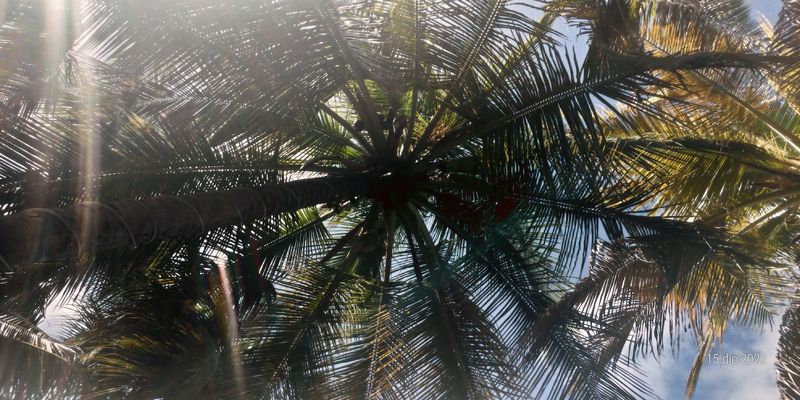
Saint Vincent and the Grenadines is one country with two very different personalities. The main island of Saint Vincent is volcanic, dramatic, and dominated by La Soufriere, an active volcano that rises to about 4,000 feet and has erupted as recently as 2021, forcing thousands of residents to evacuate.
It is a powerful reminder that living on a volcanic island means sharing your home with forces far larger than yourself.
Head south through the island chain and the landscape transforms entirely. The Grenadines, a string of 32 islands and cays, offer sheltered bays, white-sand beaches, and some of the best sailing waters in the entire Caribbean.
Islands like Bequia, Mustique, Mayreau, and Union Island each have their own character, from fishing village charm to celebrity retreat exclusivity. The Tobago Cays Marine Park protects five small islands surrounded by spectacular coral reefs and is considered one of the finest snorkeling spots in the region.
The total land area is only about 389 square kilometers, but the variety packed into that figure is remarkable. Saint Vincent and the Grenadines attracts yachting enthusiasts, nature lovers, and travelers looking for an authentic Caribbean experience without the crowds.
Its volcanic drama in the north and its island-hopping playground in the south make it a genuinely compelling two-in-one destination.
Barbados
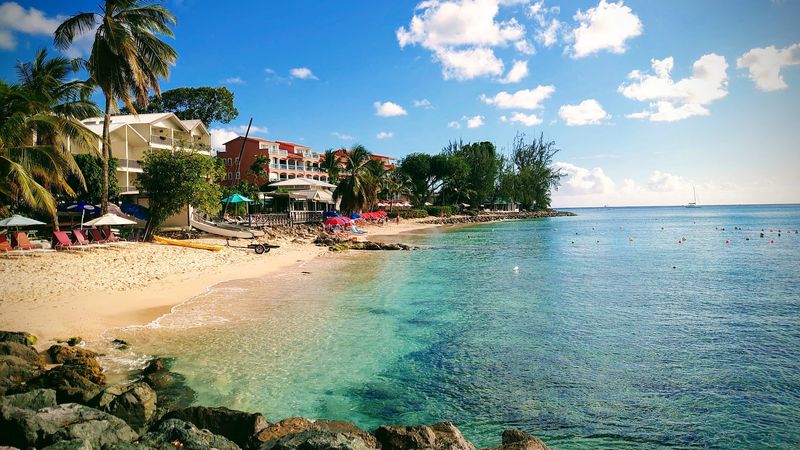
Barbados sits at the eastern edge of the Caribbean, roughly 430 square kilometers of coral limestone that has been shaped by centuries of Atlantic trade, colonial history, and a fiercely independent spirit. Unlike most Caribbean islands, Barbados was not formed by volcanic activity.
Its flat to gently rolling landscape of limestone and coral gives it a different feel from the dramatic peaks you find on neighboring islands.
Historic Bridgetown and its Garrison became a UNESCO World Heritage Site in 2011, recognizing the city’s unusual street layout, 115 listed historic buildings, and a collection of Caribbean Georgian architecture found almost nowhere else in the region. The Garrison itself was a major British military hub for centuries, and its racecourse, still active today, is one of the oldest in the Western Hemisphere.
Barbados is also home to a rum-making tradition stretching back to the 1600s, and Mount Gay Rum claims to be among the oldest commercial rum brands in the world. Cricket is a national religion here, producing legends like Sir Garfield Sobers.
Barbados gained independence from Britain in 1966 and became a republic in 2021. Its compact size hides an outsized cultural confidence that comes through in its food, music, sport, and attitude toward the world.
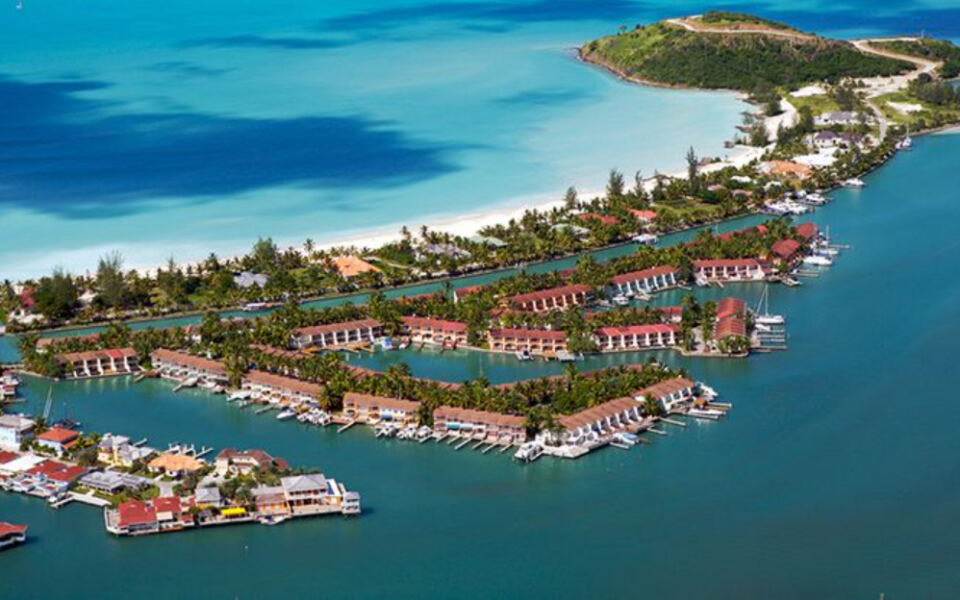
Antigua and Barbuda
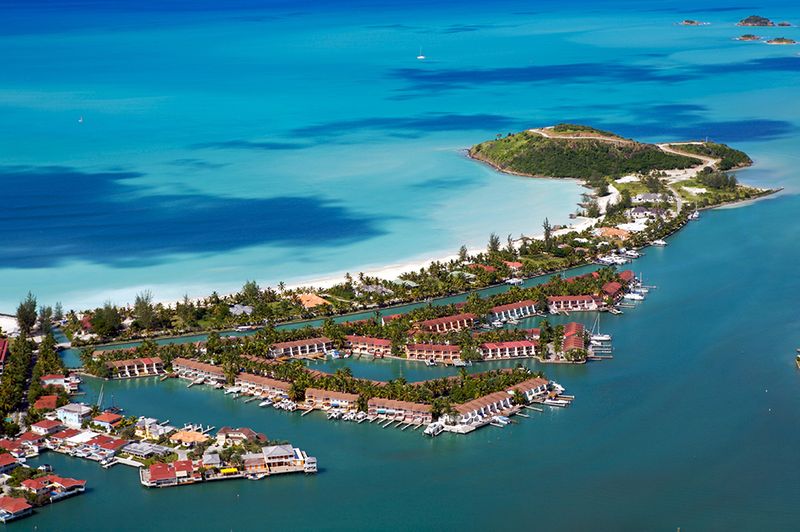
Antigua and Barbuda has a marketing claim that most countries would envy: 365 beaches, one for every day of the year. At around 443 square kilometers, the country consists of two main islands with noticeably different characters.
Antigua is the busier of the two, with most of the population, tourism infrastructure, and historical sites. Barbuda is flatter, quieter, and famous for a spectacular pink-tinged sand beach and one of the Caribbean’s most important frigatebird colonies.
Nelson’s Dockyard in Antigua is a standout historical site. Built in the 18th century as a British naval base, it was used by Admiral Horatio Nelson among others and is now a UNESCO World Heritage Site.
The protected natural harbor that made it strategically valuable for warships centuries ago now shelters yachts from around the world during sailing season.
The sheer length of Antigua’s coastline relative to its land area is extraordinary. Dozens of sheltered bays, inlets, and harbors indent the island’s edges, which is why sailing culture runs so deeply here.
Antigua Sailing Week draws international competitors every year and is one of the Caribbean’s most celebrated regattas. For a country of its size, Antigua and Barbuda manages to combine genuine naval history, exceptional natural coastline, and two distinctly different island environments in one small national package.
Seychelles
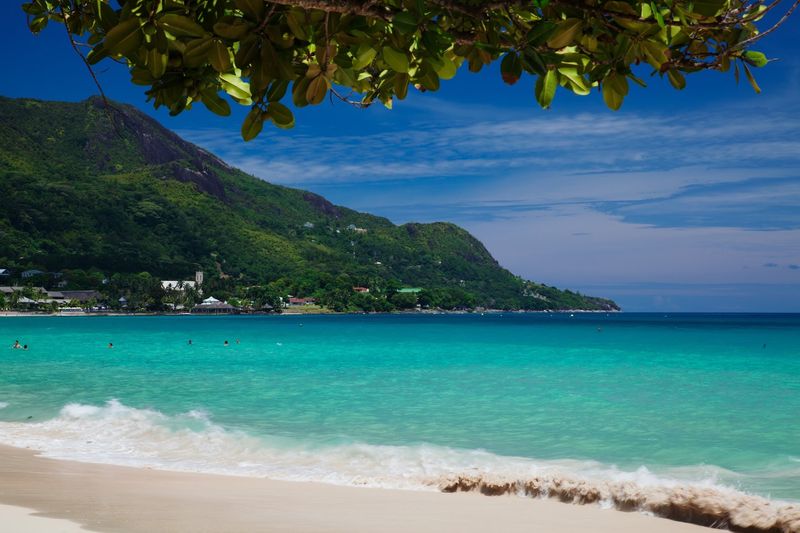
The Seychelles is unlike any other archipelago on Earth, and that is not an exaggeration. Its inner islands are made of ancient granite, not coral, which makes them geologically distinct from almost every other tropical island group in the world.
These granite boulders, worn into smooth curves by millions of years of erosion, give beaches like Anse Source d’Argent their otherworldly appearance. The 115 islands spread across roughly 455 square kilometers of the western Indian Ocean.
The country holds two UNESCO Natural World Heritage Sites, which is remarkable for a nation of its size. Vallée de Mai on Praslin Island preserves a primeval palm forest dominated by the coco de mer, a palm that produces the largest seed of any plant on the planet.
Walking through it feels like stepping into a prehistoric landscape that somehow survived intact.
Remote Aldabra Atoll is the second site and arguably even more extraordinary. One of the world’s largest raised coral atolls, Aldabra supports the planet’s largest population of giant Aldabra tortoises, numbering over 100,000.
Its isolation has kept it almost entirely free of human interference. The Seychelles packs more endemic wildlife, geological variety, and natural heritage into its small footprint than countries many times its size could reasonably claim.
Share this story